Running Shoes
Best Running Shoes of the First Half of 2025: Building the Perfect Rotation
A curated rotation of standout daily trainers, long run shoes, performance trainers, and racers from early 2025, with honest strengths and trade-offs for each.
Introduction
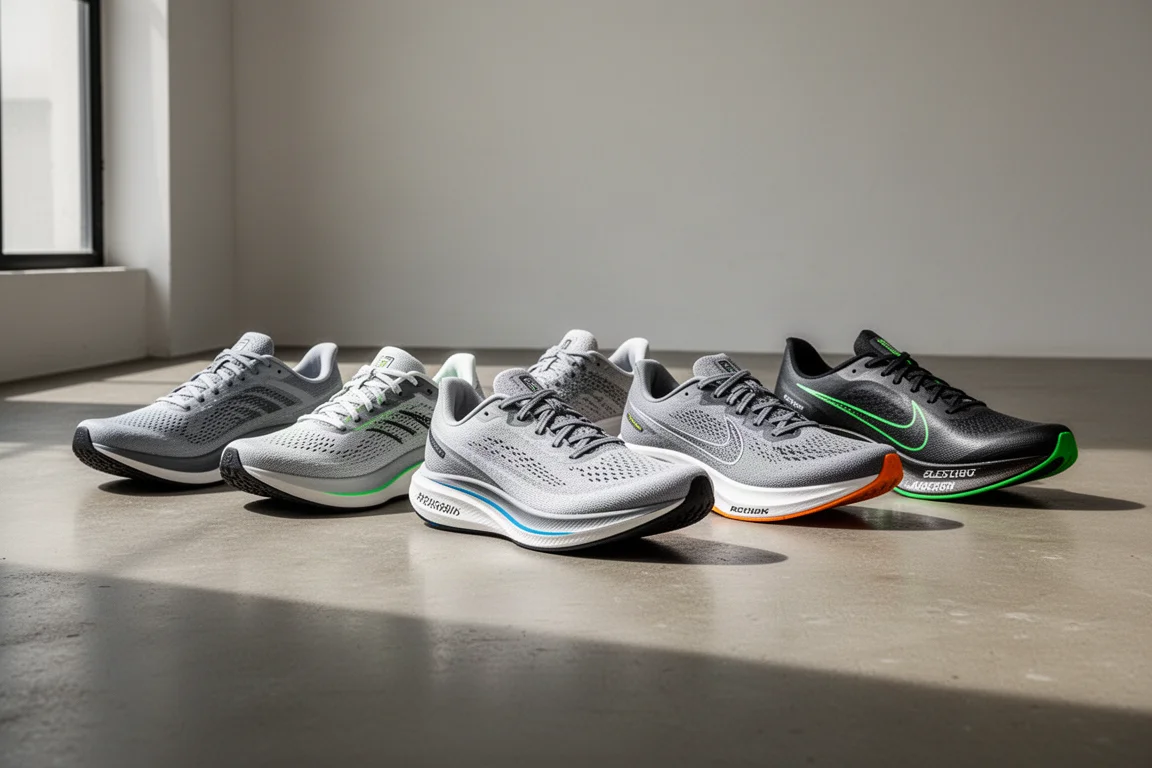
The first half of 2025 delivered an unusually strong crop of running shoes, and no single pair won every category. Instead of crowning one “best” shoe, the more useful exercise is building a rotation: a daily trainer that eats up most of your miles, a long run shoe that keeps you comfortable for 90-plus minutes, a performance trainer for workout days, and a racer for when the clock matters. This guide walks through the standouts in each category, along with the caveats worth knowing before you buy.
How We Picked
Every shoe here earned its spot through real miles rather than spec sheets. The picks favor shoes that do their intended job smoothly and reliably, with weight given to ride quality, fit, versatility, and durability. Some are conservative all-rounders, others are specialist tools, and the trade-offs are flagged honestly so you can match a shoe to your own training rather than a hype cycle.
Daily Trainers
Daily trainers carry the bulk of most runners’ mileage, so the picks here prioritize shoes you keep reaching for, run after run.
ASICS Gel-Kayano 32
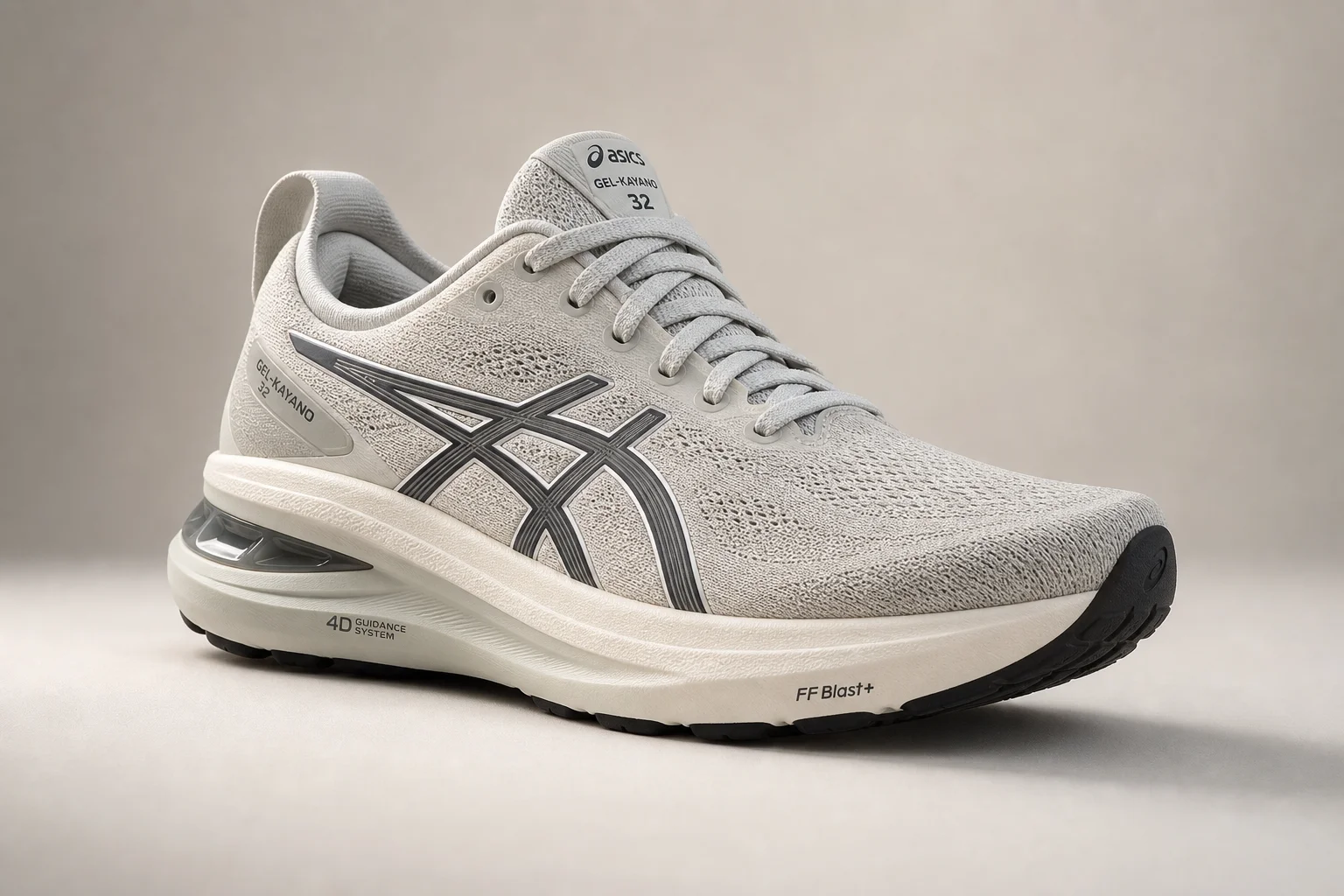
The Gel-Kayano 32 is arguably the best version of this long-running stability trainer yet. Earlier Kayanos were often criticized for feeling clunky and heavy, but this iteration smooths out the heel geometry, drops the heel slightly, and delivers a stable ride that works for daily miles and long runs alike. It is not a lightweight shoe and it is not meant for speed days, but testers have pushed it to mid-6-minute miles and come away impressed. The main caveat is durability, which some testers found merely average, but the overall package is strong enough that it keeps getting pulled off the shelf first.
Topo Fly-Light 6
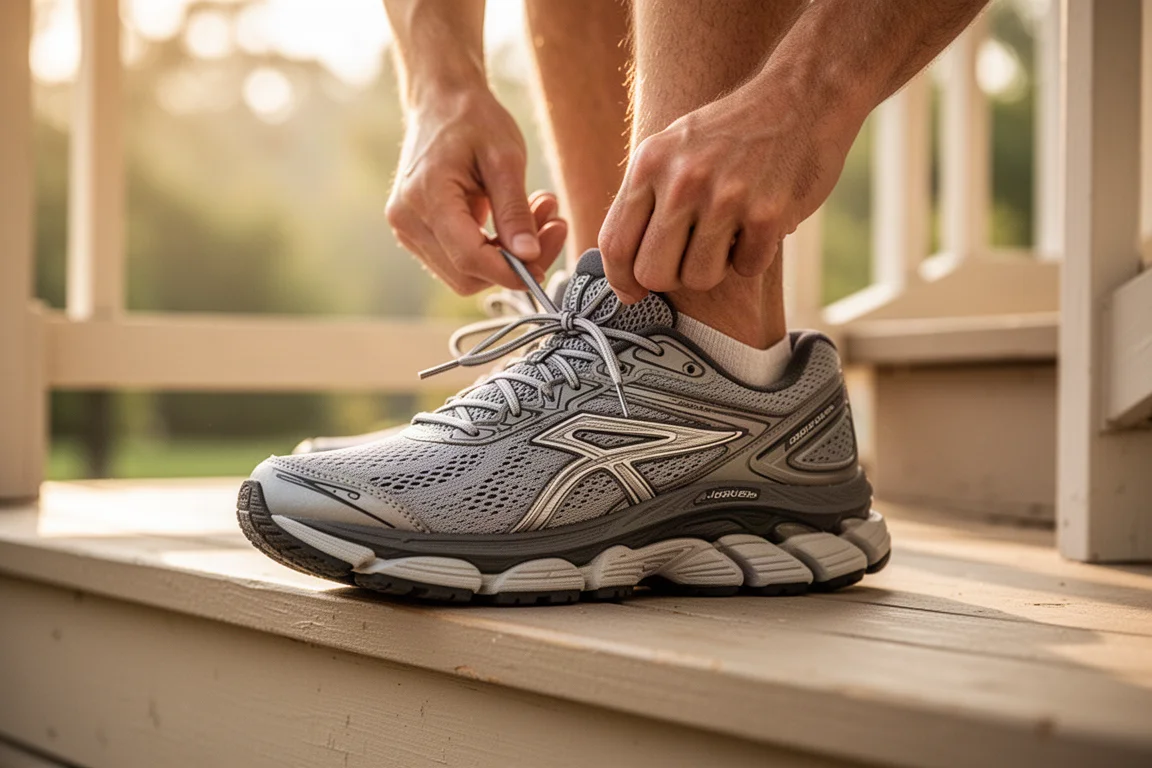
The Topo Fly-Light 6 is a low-profile daily trainer with a 23 mm heel, 20 mm forefoot, and a 3 mm drop, weighing around 6.3 oz in a women’s size 8. It delivers the classic Topo fit with a wide toe box and a neutral profile, and it eats up easy miles, warm-ups, and cool-downs with ease. Its slight stiffness also makes it surprisingly good for strides, and its grounded feel doubles nicely for lifting sessions and long days on your feet. A slightly higher arch feel runs through the midfoot, which some runners will welcome and others will notice. For anyone who loved lower-profile trainers that have since been discontinued, this is a worthy successor.
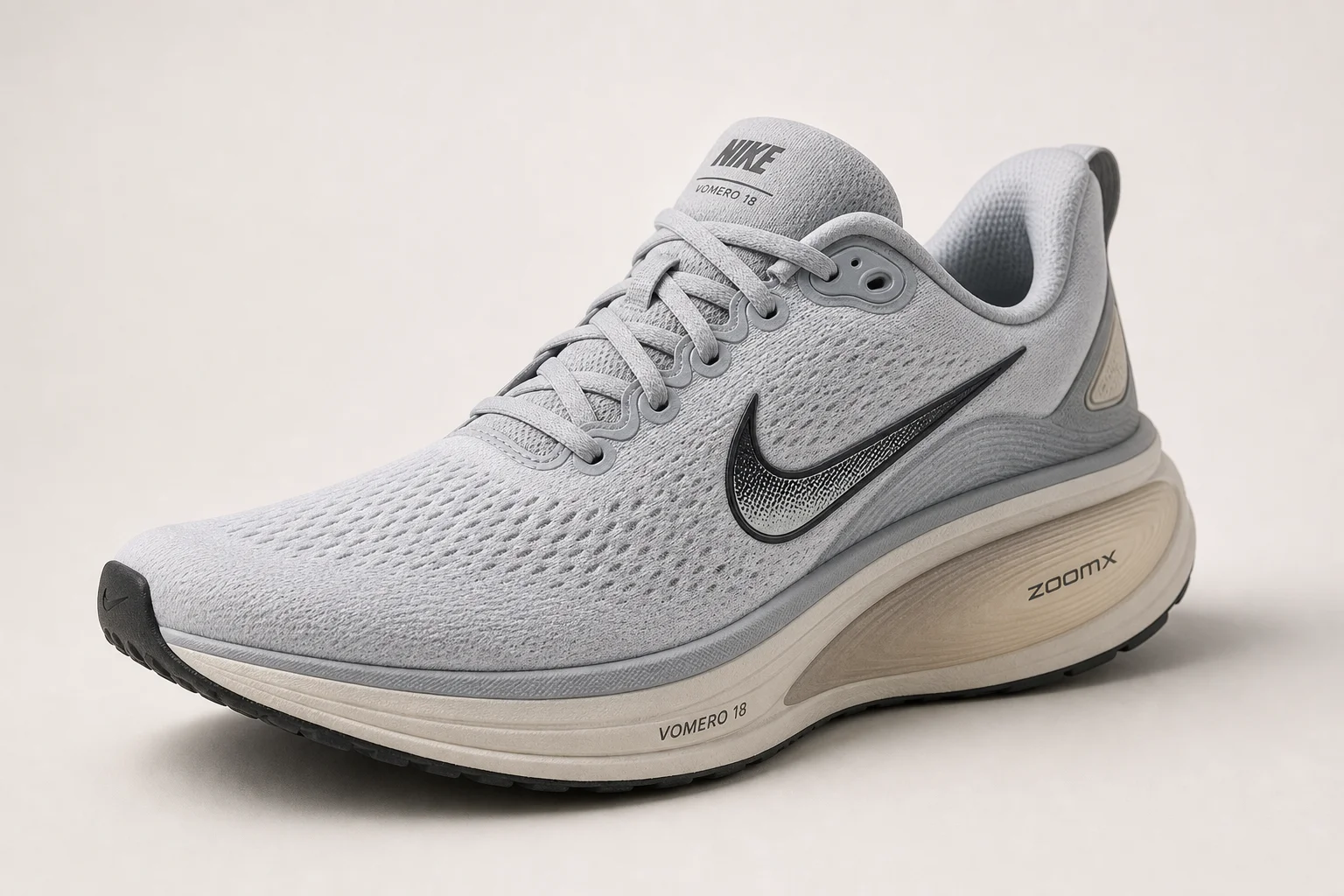
Nike Vomero 18
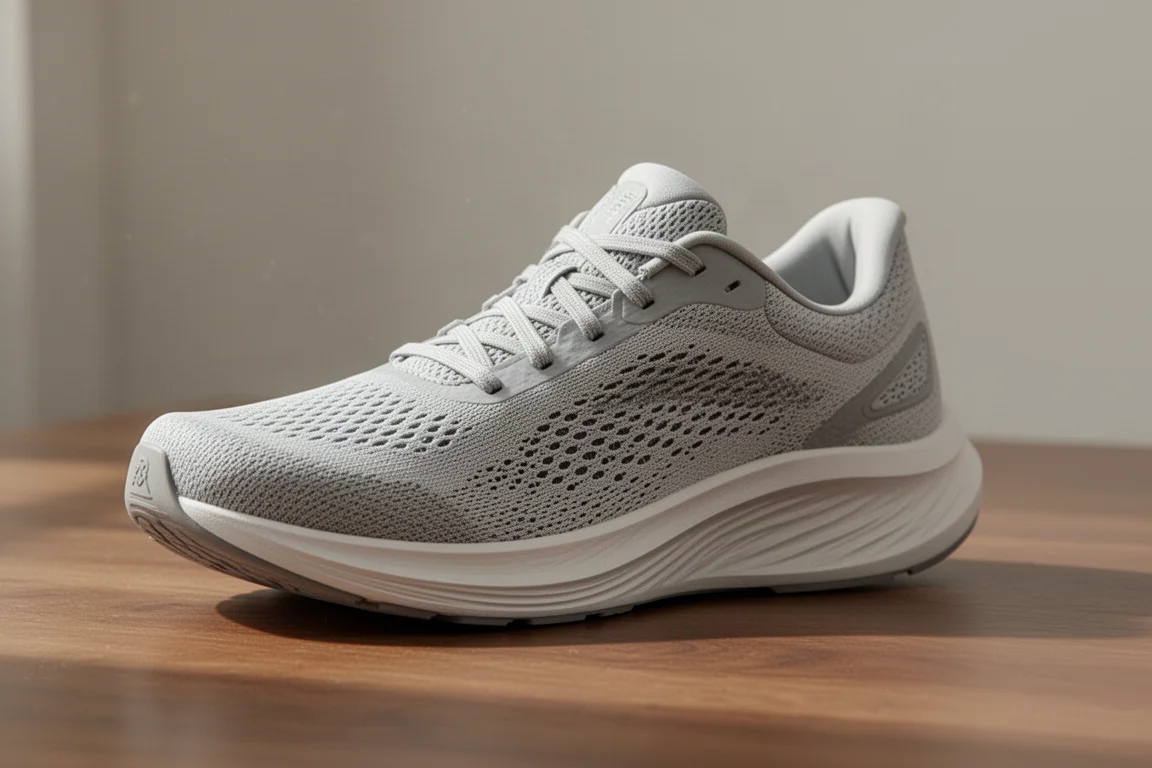
The Nike Vomero 18 overhauls its predecessor with a dual-density midsole topped by ZoomX, and the result feels a touch firmer and snappier than before. With a 44/34 mm stack and 10 mm drop, it is a high-stack, heavy-ish shoe, but the convex geometry and moderate flex keep it riding off the rocker in a rhythm that suits easy runs and moderate long runs. It can even handle light uptempo work. The notable flaw is a heel tab that tore on one tester’s pair, a small but annoying build quality gripe that has nothing to do with how the shoe runs.
Saucony Ride 18
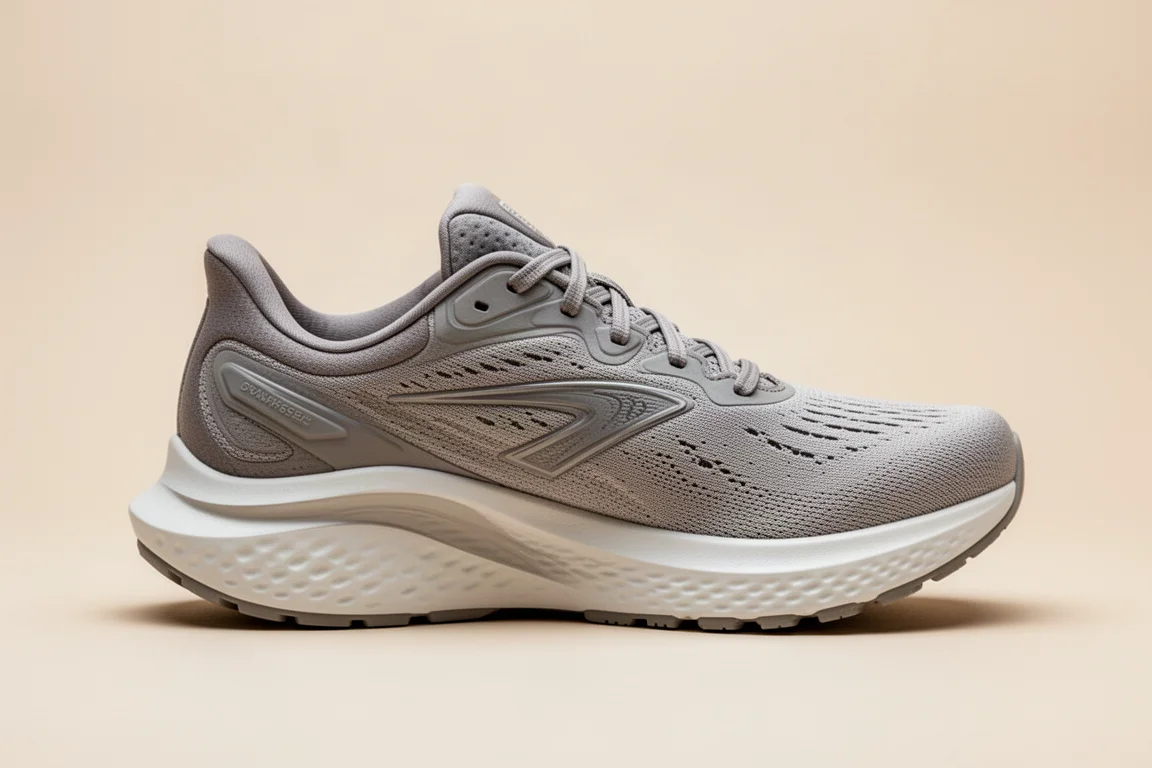
The Saucony Ride 18 fixes the main complaint of the previous version by returning to a more traditional, forgiving upper, and the result is one of the most balanced daily trainers available. The PWRRUN+ midsole is durable TPU-based foam with just enough flexibility, and around 9 oz keeps it reasonably light. The upper is breathable and surprisingly plush for a non-premium trainer, and the outsole coverage holds up across a wide range of daily paces. It is a shoe you can walk, run, and live in, which is exactly what a workhorse trainer should be.
Long Run Shoes
Long run shoes need to stay comfortable deep into the run without feeling like bricks, and this half-year produced several excellent options.
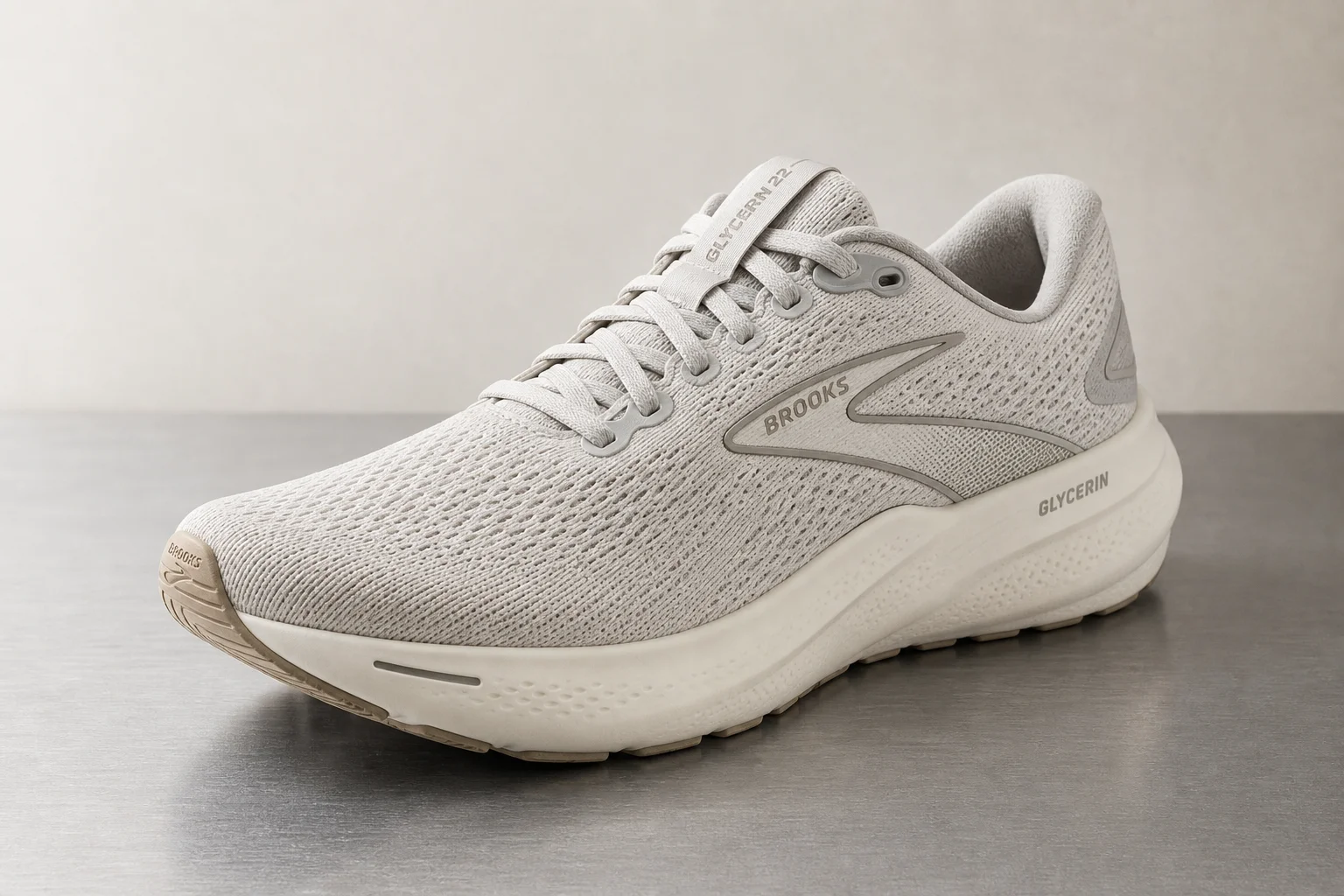
Brooks Glycerin 22
The Brooks Glycerin 22 delivers the plush, leveled-out experience that the more extreme Glycerin Max promised but couldn’t provide for every runner. The DNA Tuned midsole is softer in the heel and firmer in the forefoot, pairing a cushioned rear foot with a livelier, more responsive front end. The rocker is subtle but present, and the shoe settles into a rhythm that works for long efforts without ever feeling unstable. It is on the heavier side and firmly a daily-trainer-style shoe rather than a speed option, but for easy long runs it is a quietly excellent pick.

Performance and Workout Trainers
Workout shoes need to handle pace changes without punishing you, and two shoes stood out clearly above the rest this half-year.
Topo Cyclone 3
The Topo Cyclone 3 may be the most track-friendly lightweight trainer available. It keeps everything that made the Cyclone 2 a favorite, with only upper tweaks intended to improve durability, and the formula remains superb: a 5 mm drop, responsive PEBA foam, and a forefoot flexible enough to run fast in. Testers have ripped off low-31-second 200s in it and handled tight indoor track turns without issue. It has enough cushion for anything from middle distances up to 10K-type work. For track sessions and fast road workouts, it is hard to beat, and there is a real hope the brand leaves this formula alone for years to come.
New Balance Rebel v5
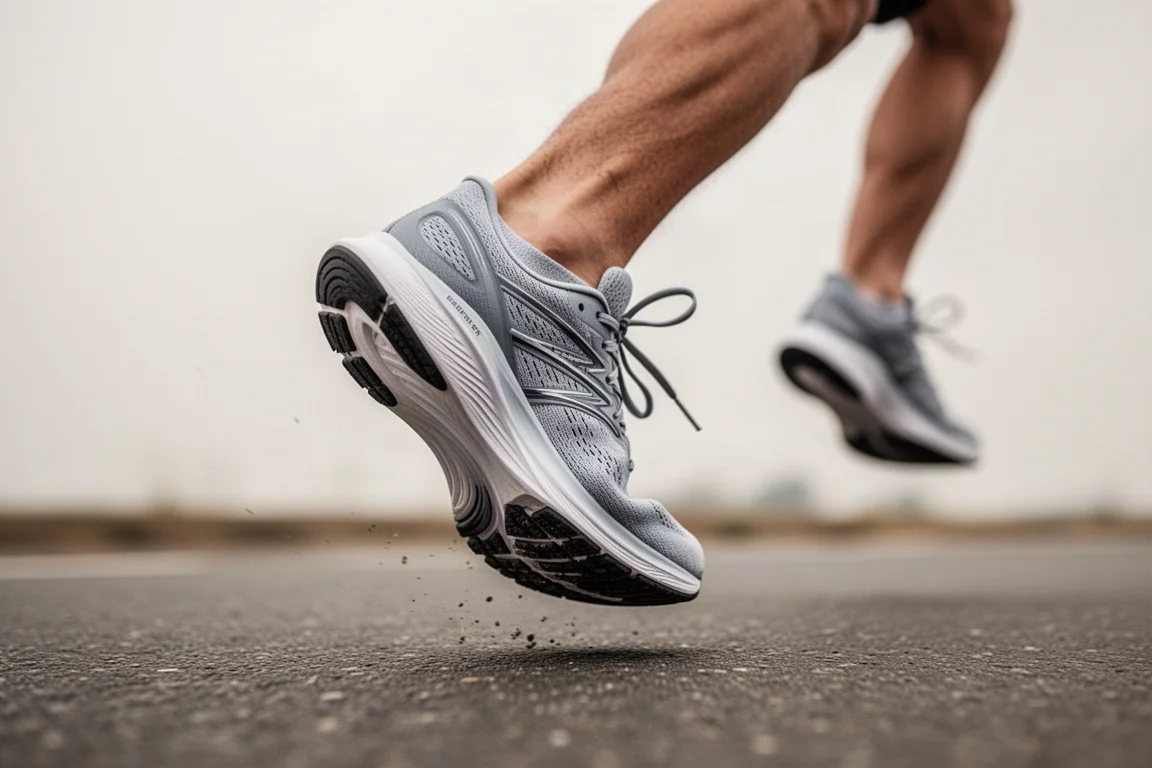
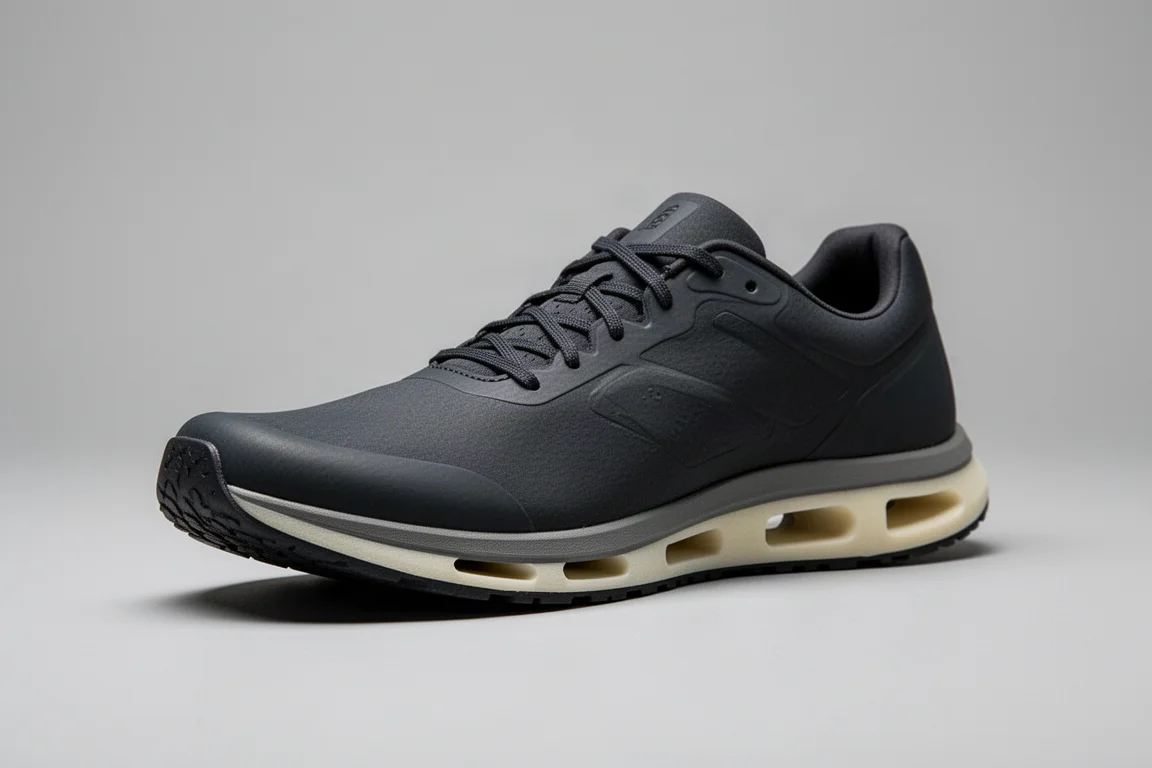
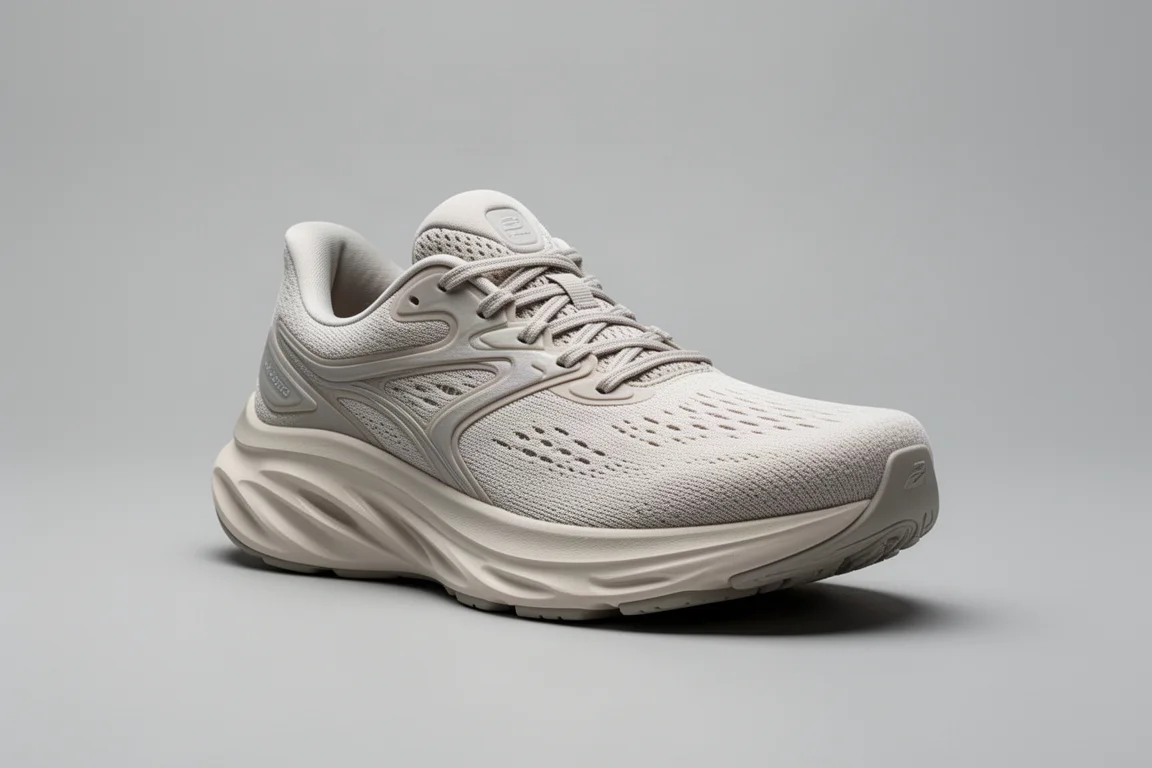
The New Balance Rebel v5 earns its spot by being both an easy-day cruiser and a genuinely capable workout shoe. A slightly thickened outsole and added rigidity make it more stable than prior versions, while the lightweight build and flexible forefoot let it transition smoothly from relaxed miles into 1K tempo efforts. Its compliance means it may feel a little wobbly on a track, so it is best suited to road workouts, but the lockdown is secure and the ceiling for pace is impressively high for a shoe in this category.
Top Racers
Racing shoes have become increasingly aggressive, and the best pick of early 2025 leans fully into that trend.
ASICS Metaspeed Edge Tokyo
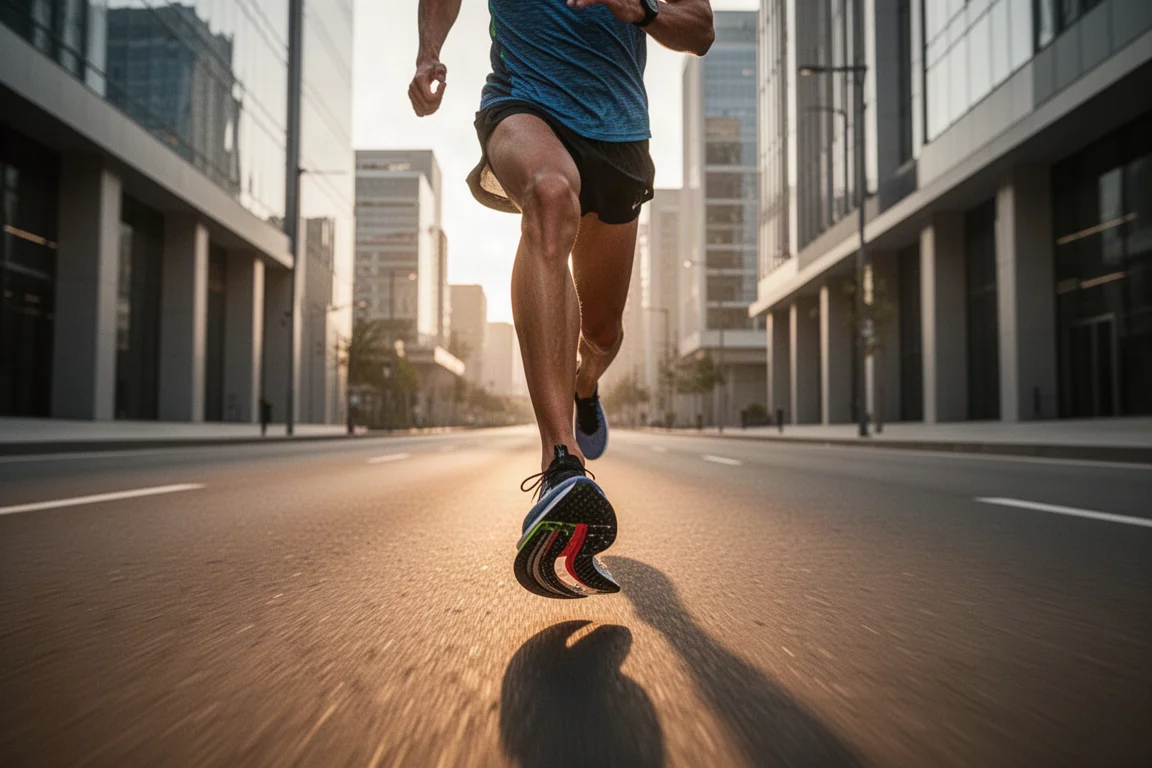
The ASICS Metaspeed Edge Tokyo takes an already excellent racing shoe and makes it lighter, bouncier, and faster. It is over half an ounce lighter than its predecessor, with FF Leap foam in the forefoot and a firmer Turbo Plus base in the heel that loads into an incredibly lively ride once pace rises. Unlike many aggressive racers, the rear foot remains stable enough that some testers believe it can handle a full marathon, and it is equally convincing for road miles and half marathon distances. The trade-off is comfort: it has lost the do-everything ease of earlier versions, feeling awkward at slow paces before transforming completely once you push. As a pure race-day tool, it is superb.
Buying Advice
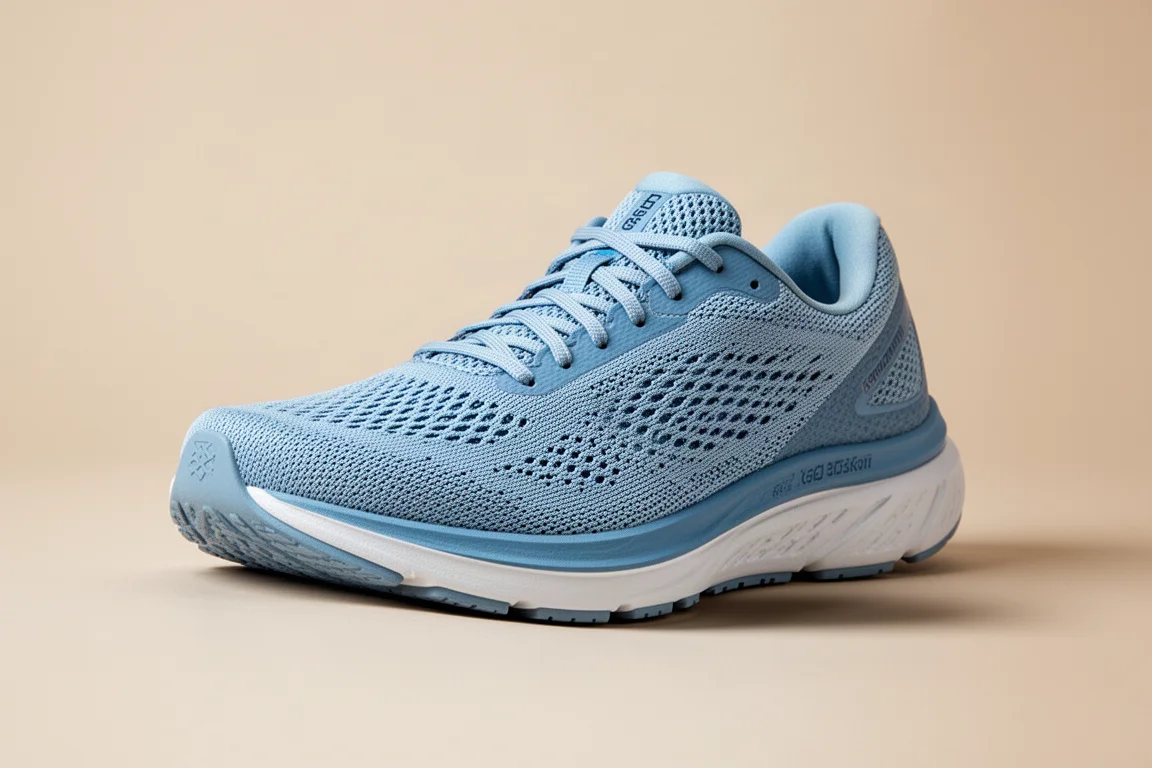
If you can only buy one shoe from this list, make it the category you spend the most time in. For most runners that means a daily trainer: the Gel-Kayano 32 if you want stability and structure, the Ride 18 if you want a balanced workhorse, or the Fly-Light 6 if you prefer a low, wide, grounded feel. Add the Cyclone 3 or Rebel v5 if you do regular workouts, and save the Metaspeed Edge Tokyo for race day, where its aggressive tuning makes the most sense. Resist the temptation to race in your daily trainer or run easy miles in your racer; each of these shoes is best when used for the job it was built for.
Conclusion
The first half of 2025 rewarded runners with depth rather than a single dominant shoe. A smoother-than-ever Gel-Kayano, a refreshingly balanced Ride 18, a track-ready Cyclone, and a genuinely fast Metaspeed Edge Tokyo cover nearly every role in a training week. Match each shoe to the miles it was designed for, and your rotation will be stronger than any one-shoe answer could make it.
Further reading
Related Reviews

Running Shoes
Best Road-to-Trail Running Shoes: Three Versatile Options for Mixed Terrain
A practical guide to three road-to-trail running shoes that handle both pavement and mild trails, with clear strengths and trade-offs for different runner types.

Running Shoes
Best Running Shoes for Achilles Tendonitis: Three Options Explained
Three running shoes with different heel drops and support features designed to help reduce Achilles tendon pain during walking and running.

Running Shoes
Best Running Shoes for Women: Five Top Choices Ranked
A ranked guide to five women's running shoes, from versatile daily trainers to high-performance racing options, with real strengths and trade-offs for each.