Running Shoes
Five Running Shoes Worth Rotating Right Now, Plus the Speed Standouts
Five training favorites from the latest crop of releases, plus quick takes on the recent speed shoes, including one that still leads the pack.
Introduction
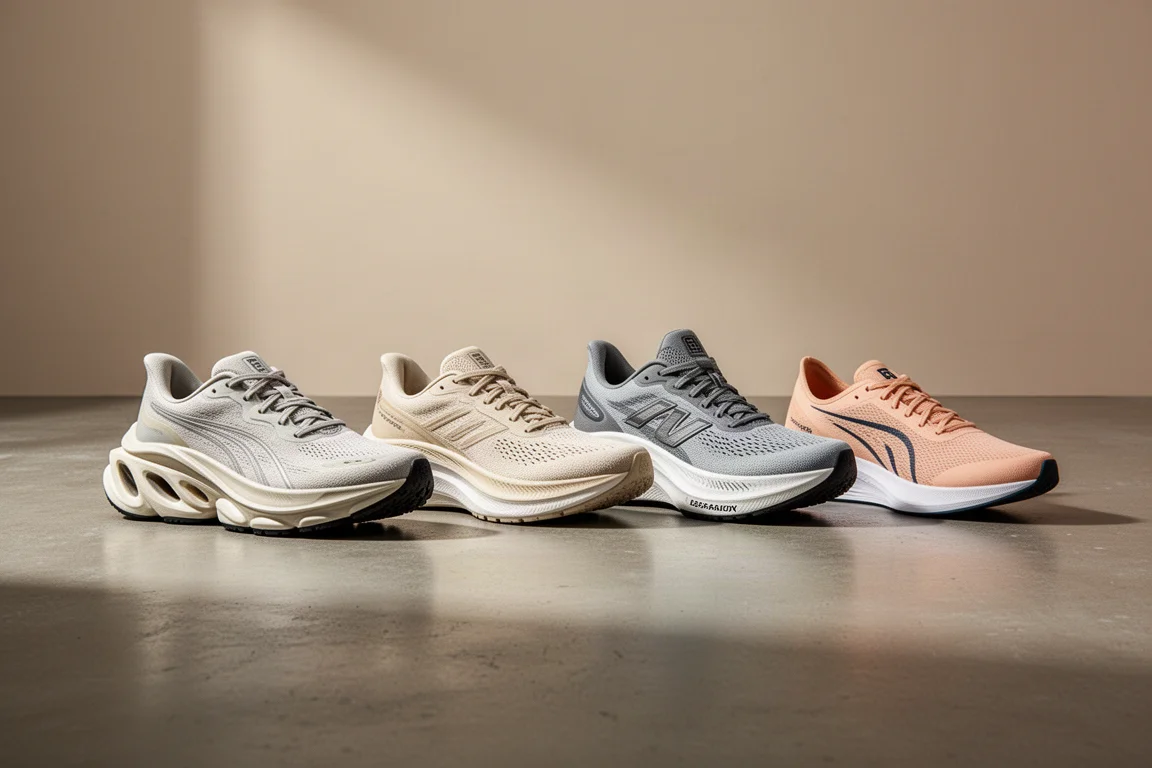
Out of the latest batch of running shoe releases, a handful have earned a permanent place in the rotation. This picks out five favorites across daily, recovery, and super-stack categories, plus quick verdicts on the recent speed shoes, including one veteran that nothing has displaced yet.
Every shoe here plays a distinct role. Think of this less as a flat ranking and more as one way to build a rotation from the past year of releases: a soft fun shoe, a daily workhorse, a comfort cruiser, a super-stack all-rounder, and then the speed-day contenders.
Evaluation Criteria
Each pick has survived real high-mileage testing rather than a single launch run. The shoes below were judged on how reliably they perform across different paces, how comfortable they stay over long distances, whether the fit and structure hold up, and what role they fill best in a multi-shoe rotation. Notably, some picks are from earlier this year or last year because nothing newer has taken them down.
Mizuno Neo Zen: The Fun Soft Shoe
The Mizuno Neo Zen has been loved on every single run in it, including a 10-mile effort at around 7:30 pace. Think of it as a New Balance 1080 with more pep: really soft, genuinely fun, and surprisingly capable of going the distance. A 20-mile day in it was great, and despite the softness it never bottoms out.
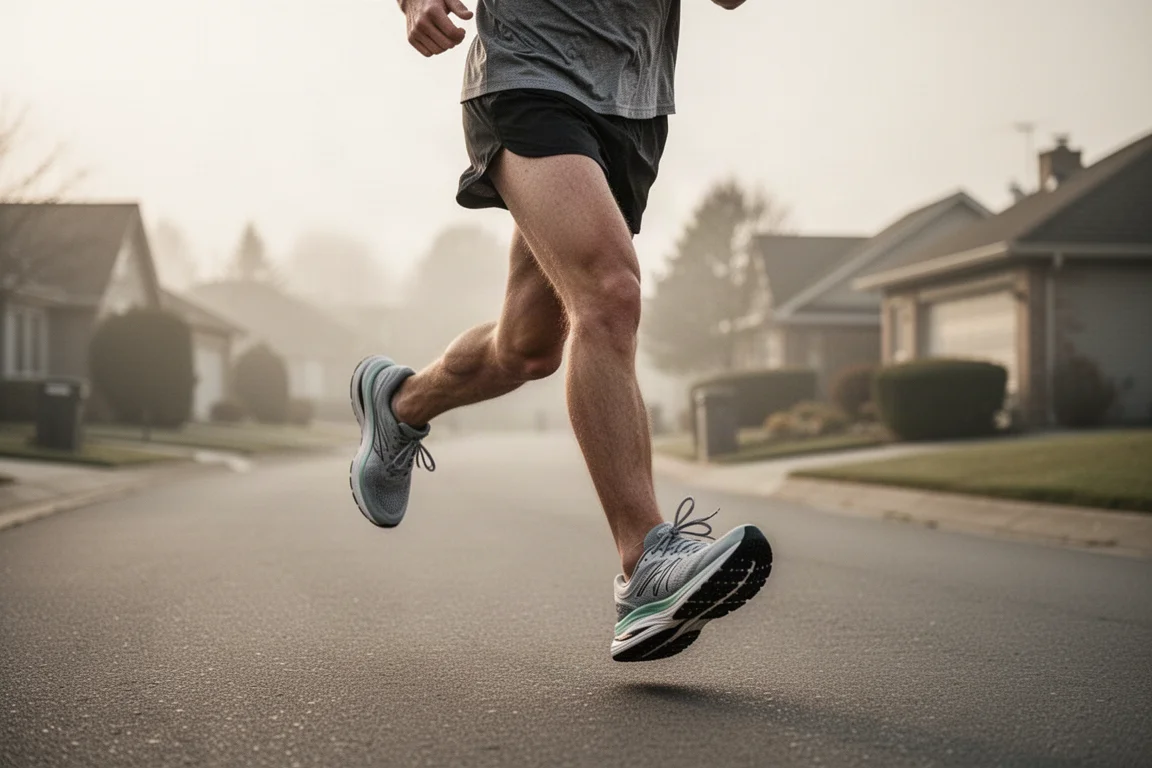
It is not without flaws. It is not the most stable shoe, the upper could be better, and it is not the most supportive at the back. During strides it maxed out around 5:10 pace where a firmer, nimbler shoe would drop closer to 4:40 to 4:50. It is a wild card, not a workout shoe, but if you want a fast, fun, lightweight soft shoe, this is it. If you are looking to replace something like the SL2 or the Hoka Mach 6, this fits that role and adds a tall stack height on top.
ASICS Novablast 5: The Total Package Daily Trainer
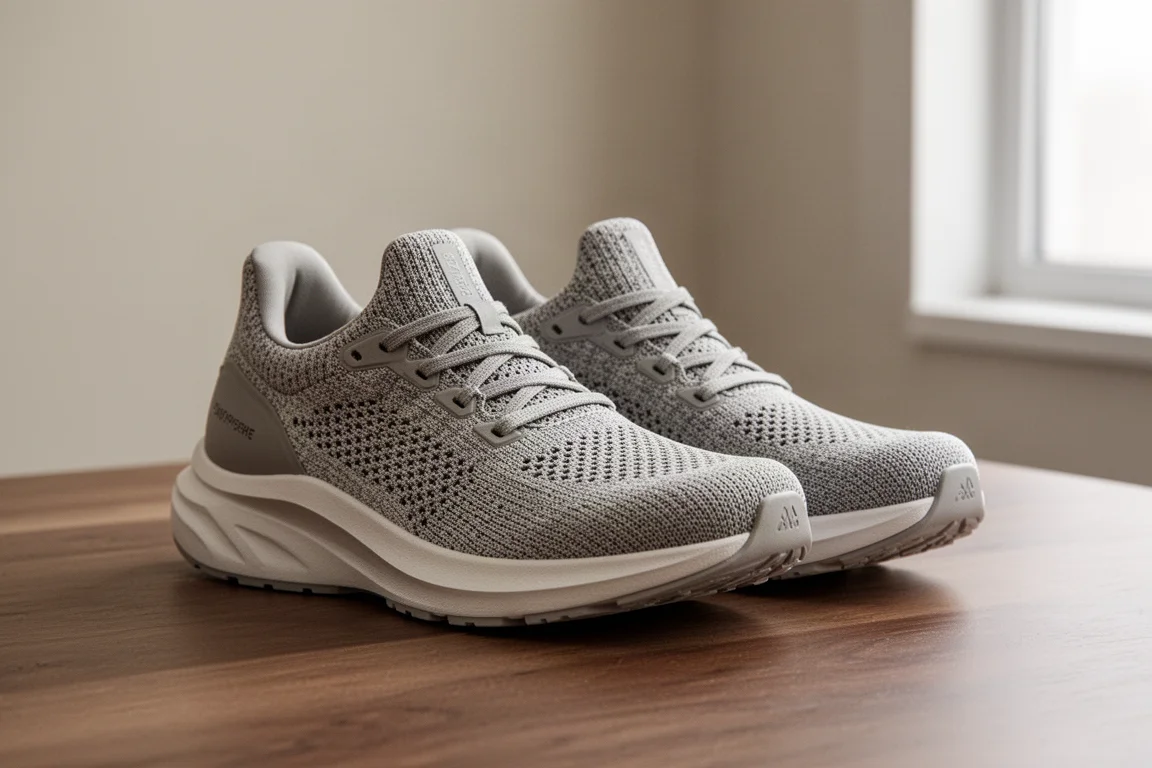
The Novablast 5 is the number one daily trainer pick right now. After 100 miles, it feels the most reliable of anything here for every kind of run: if one shoe had to cover an entire 100-mile week, this would be it. The foam is lively, softer than the previous generation though not as soft as the Neo Zen, and the geometry encourages a quicker stride, typically 7:40 pace or below.
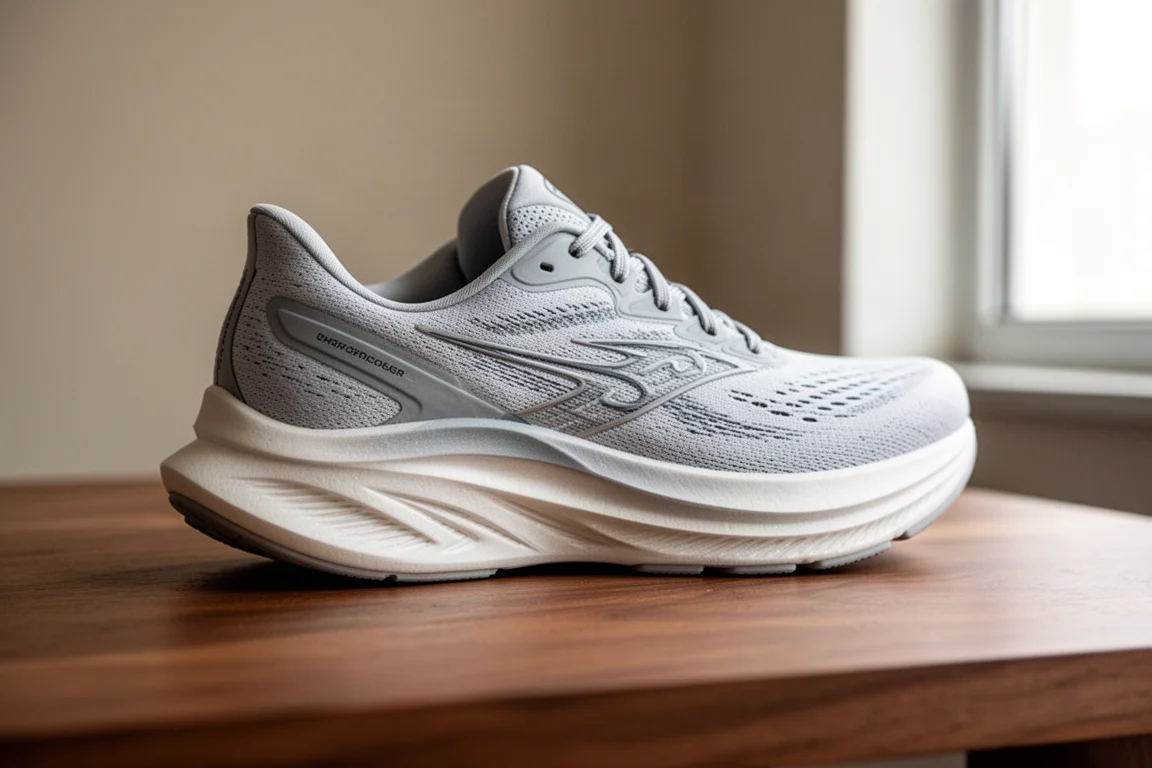
It has real range: decently lightweight, comfortable padding around the upper, and good structure and support. Two caveats. Landing on the heel at slow 8:30 to 8:40 paces is not its best mode, so it rewards midfoot to forefoot running, and for true recovery runs another shoe in the rotation is a better fit. The wet-weather grip is the one genuine downside, so avoid speed work in the rain. At $140, it sits at the top of the category and is the pick for most people who want one daily trainer that gets the job done while staying fun.
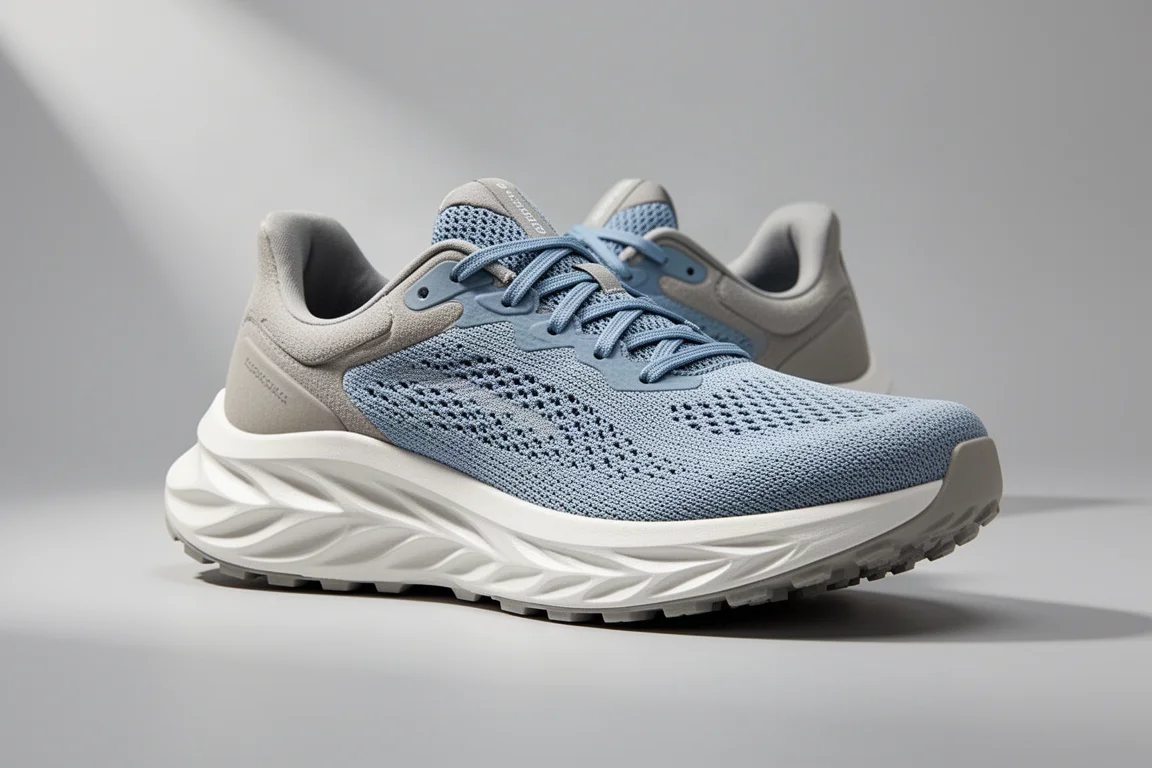
Hoka Bondi: The Comfort and Recovery Pick
The Hoka Bondi is the favorite for slower relaxed runs, treadmill cruising, walking, and standing for long periods. It is not a soft shoe in the way the Neo Zen or Novablast 5 are; it is a structured one. But it feels very smooth, works well for any running mechanics, and it activates with either time on feet or runner size, which makes it especially appealing for bigger runners.
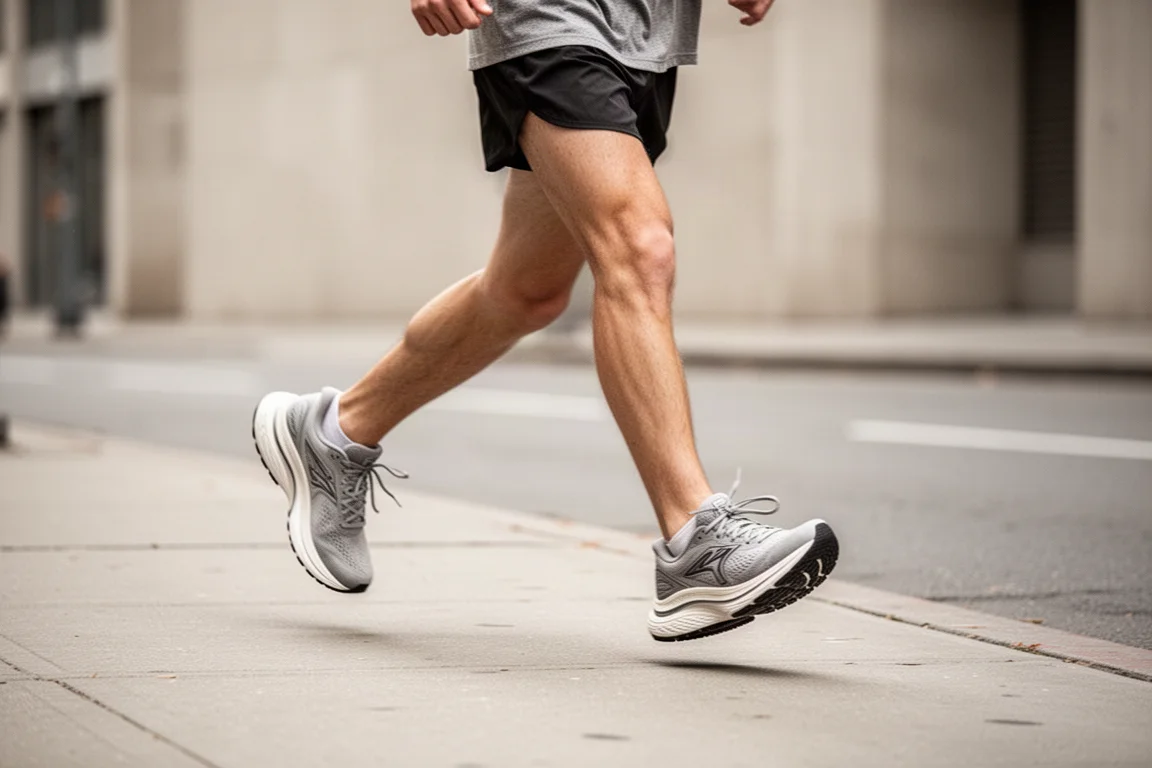
It is heavier than the two shoes above but this is the favorite comfort shoe in the group, with decent upper padding and a nice wide base. It held up well through 100-plus miles. Wet-weather grip was just okay, tested on slick stone surfaces in wet New York conditions: not the best, not the worst. At $170 it is on the pricier end of the max-cushion spectrum, but it is a reliable, no-issues pick, and a better one-shoe choice for newer runners than anything else here.
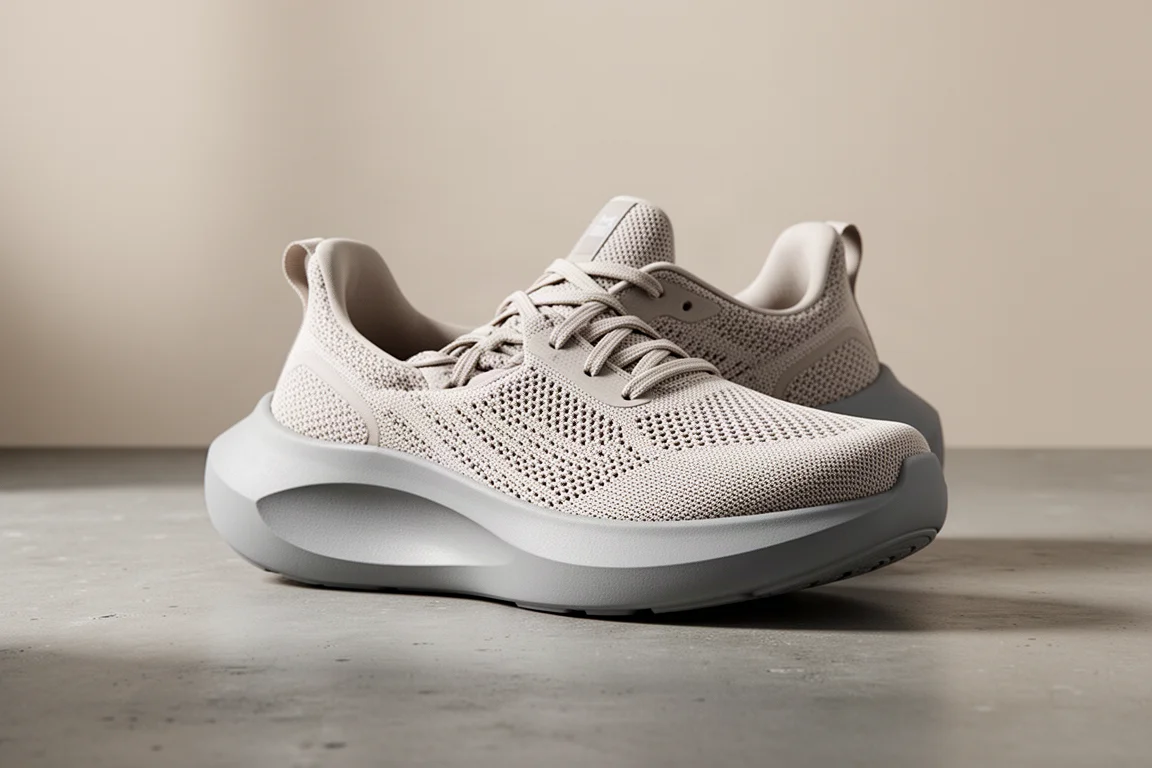
Puma MagMax: The Super-Stack Leader
The Puma MagMax needed some break-in, but once it clicked it became the mileage shoe of choice: the most fun shoe in the group while still offering comfort, stability, and support. It effectively combines the fun and bounce of the Neo Zen, the stability and pep of the Novablast 5, and the reliability, structure, and protection of the Bondi.
There is overlap with the other picks, so you likely would not run all of them together. Pick either this or the Neo Zen, and either this or the Bondi, depending on preference. Compared directly: it has far more stability than the Neo Zen, and it is easier to run relaxed in than the Novablast 5, while still feeling like a higher-end performance product rather than an everyday comfort shoe. The wet-weather grip is simply the icing on the cake, performing well in cold conditions and snow. Stack height measured below 40mm at 150 to 160 miles.
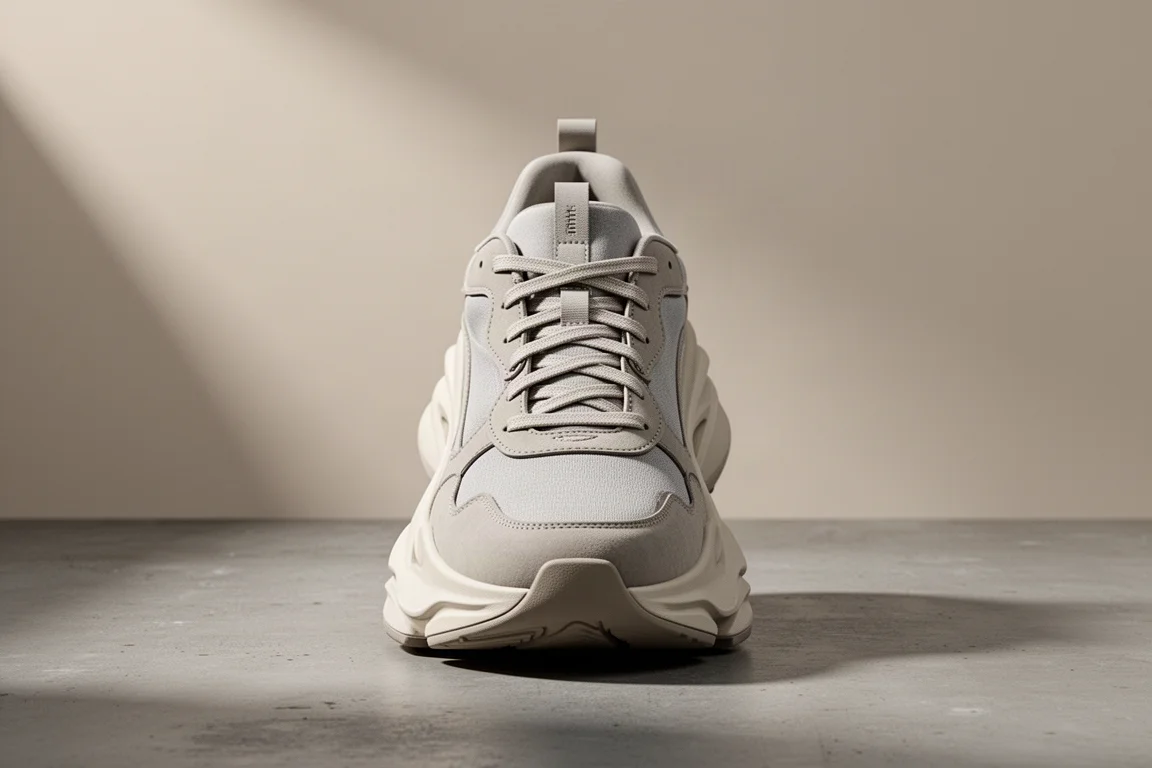
Speed Shoe Quick Verdicts: Adios 9 and Evo SL
The recent speed releases have largely been underwhelming. The Adidas Adios 9 is too low-stack for a high-mileage marathon trainer, the fit was cramped, and it makes you do a lot of the work of running. People have compared it to a track spike light, something to warm up in before lacing spikes, and that is a fair framing. For lightweight and minimal running it works; as a daily speed trainer for marathon training, it is not the pick.
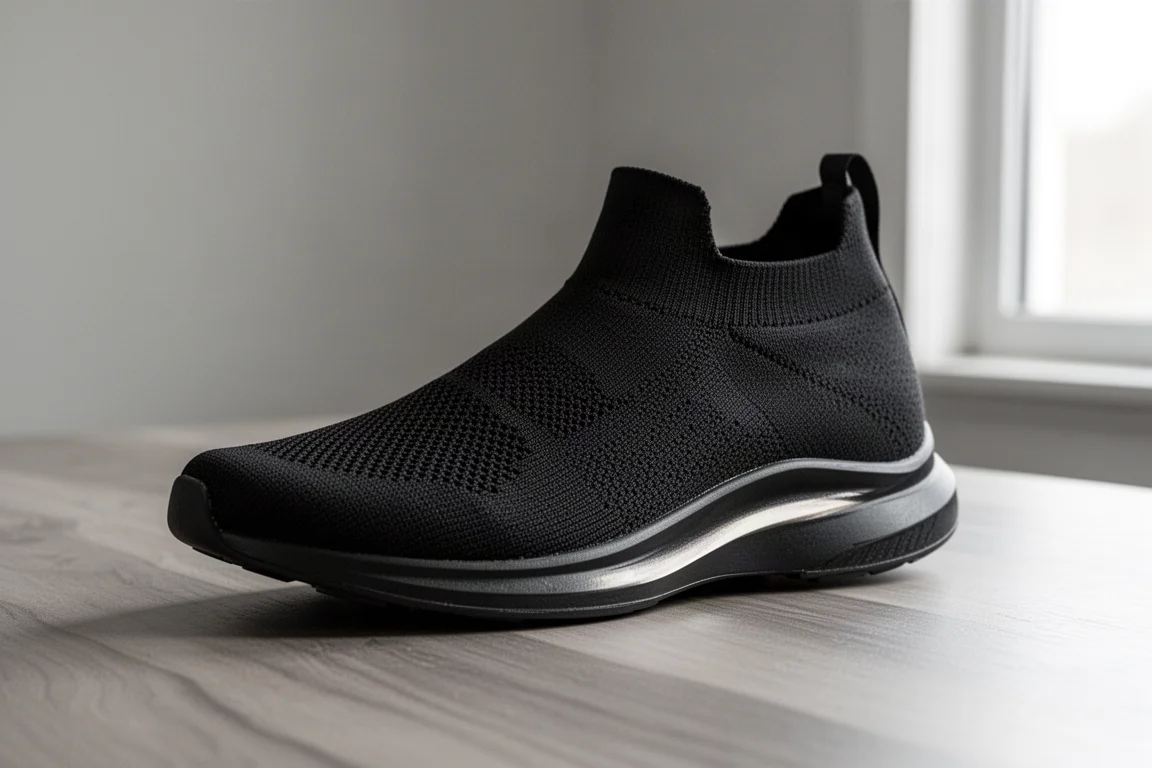
The Adidas Evo SL scored a six out of 10: solid, but it lacks the special quality of favorites in this category like the Boston 12, the Speed 3, or the Mach X2. Even the $150 price tag, half of Adidas’s top shoe, prices it like a six out of 10. It handled a tough workout fine, and it is not a bad shoe, but it does not deliver a ride above expectations.
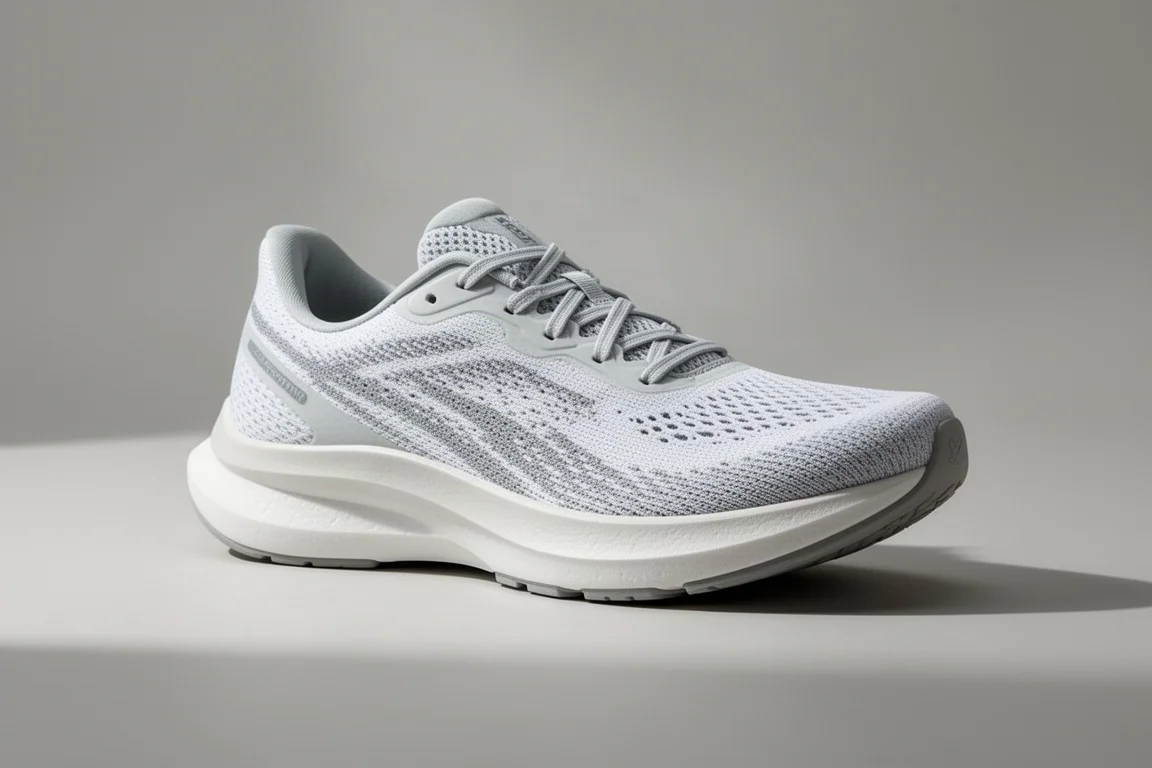
Race Shoe Quick Verdicts: Adios Pro 4 and Endorphin Elite 2
The Adidas Adios Pro 4 was a hot mess for this tester, though plenty of other runners enjoy it. The heel feel did not work, the new version of Lightstrike Pro did not deliver, and the rods in the front felt too soft for preference. On a semi-island with this one, but the experience was real.
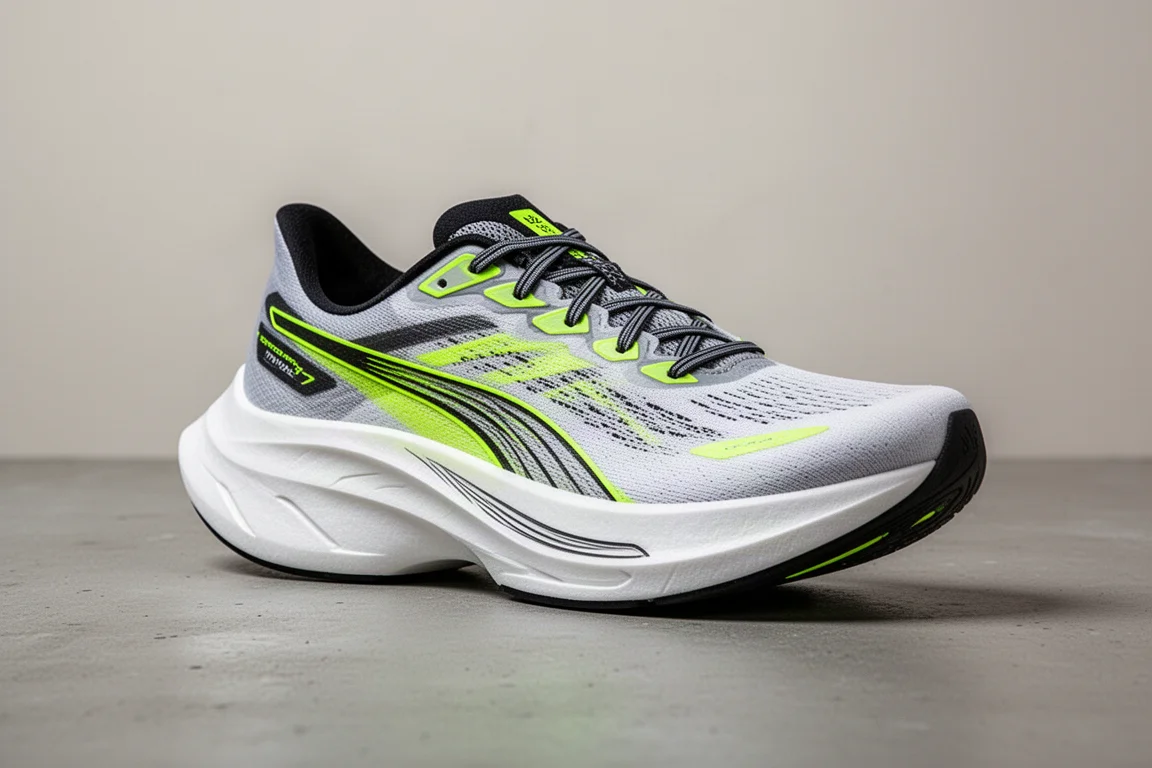
The Saucony Endorphin Elite 2 has foam that is genuinely fun to ride, but the fit was odd and it bottomed out, with the plate even felt in the forefoot. Other runners report enjoying it, though many of those are not running 5:30 pace in it at 6’2”. A personal-preference miss despite the enjoyable foam.
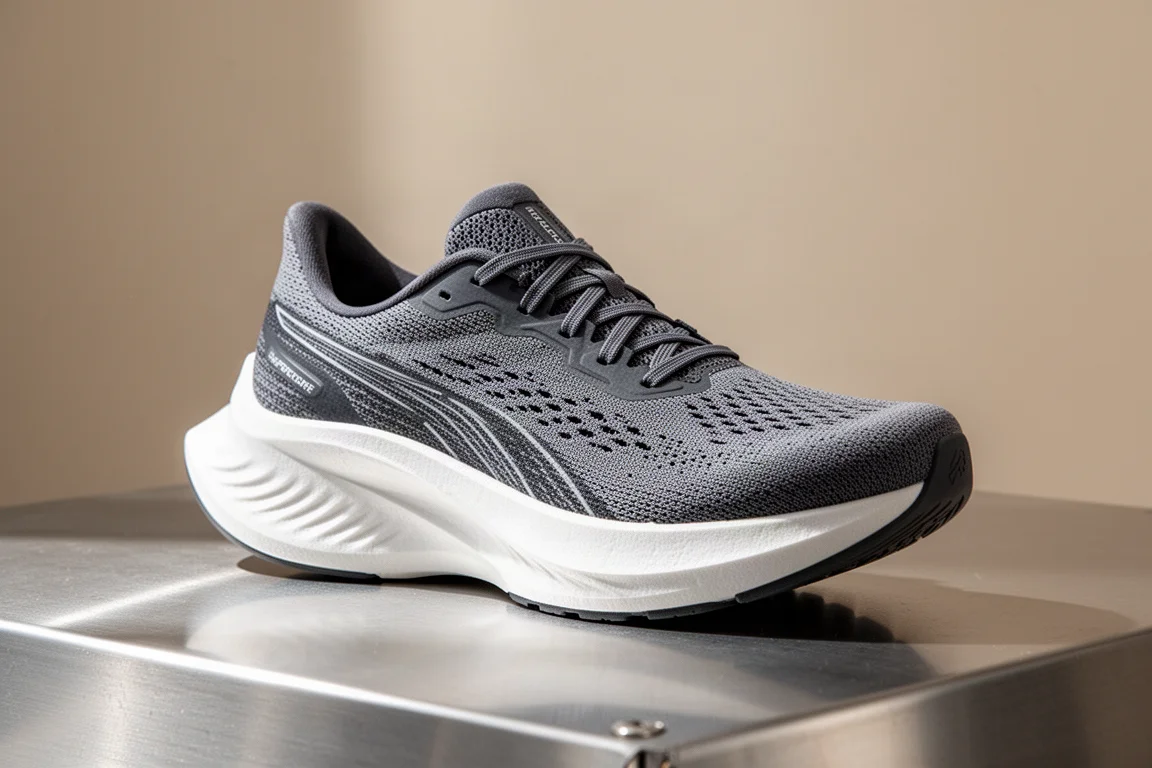
Nike Alphafly 3: Still the Speed Benchmark
Going back to the Nike Alphafly 3 is still the favorite in the speed category. Nothing else recent has delivered the same mix of reliability, comfort, excitement, and fun. It takes the qualities that make the Bondi, MagMax, and Novablast appealing and packages them into a fast, aggressive geometry built for speed.
The pods give structure in the front so it never bottoms out, the foam stays decently comfortable, and the fit is solid. A workout in it last week confirmed its place as the preferred training partner for speed days. New contenders like the Hyperion Elite 4pb and Hoka Cielo X1 2.0 are on the testing list, and the Puma Deviate Nitro Elite 3 is also great, but for now the Alphafly 3 remains the one to beat.

Buying Advice
If you only want one shoe, the ASICS Novablast 5 is the safest all-around pick, with the Hoka Bondi as the better choice for newer runners or those prioritizing comfort. Building a two-to-three shoe rotation makes more sense for most people: pair the Novablast 5 with the Neo Zen for fun soft miles, or add the MagMax if you want one shoe that combines the strengths of several. For speed days, the Alphafly 3 still leads, and the recent Adidas speed releases are best approached with measured expectations.
Conclusion
The current market rewards knowing what role each shoe fills. The Neo Zen is the soft wild card, the Novablast 5 the reliable daily workhorse, the Bondi the comfort specialist, and the MagMax the super-stack all-rounder. On the speed side, the recent Adidas entries fell short of their hype, while the Alphafly 3 proved it still deserves its place at the top.
Further reading
Related Reviews

Running Shoes
Best Road-to-Trail Running Shoes: Three Versatile Options for Mixed Terrain
A practical guide to three road-to-trail running shoes that handle both pavement and mild trails, with clear strengths and trade-offs for different runner types.

Running Shoes
Best Running Shoes for Achilles Tendonitis: Three Options Explained
Three running shoes with different heel drops and support features designed to help reduce Achilles tendon pain during walking and running.

Running Shoes
Best Running Shoes for Women: Five Top Choices Ranked
A ranked guide to five women's running shoes, from versatile daily trainers to high-performance racing options, with real strengths and trade-offs for each.