Running Shoes
Best Running Shoes by Use Case: 14 Picks for Daily Miles, Walking, and Road Ultras
A practical, use-case-first guide to 14 running and walking shoes, from plush daily trainers and shin-friendly designs to road ultra workhorses and high-volume toe box options.
Introduction
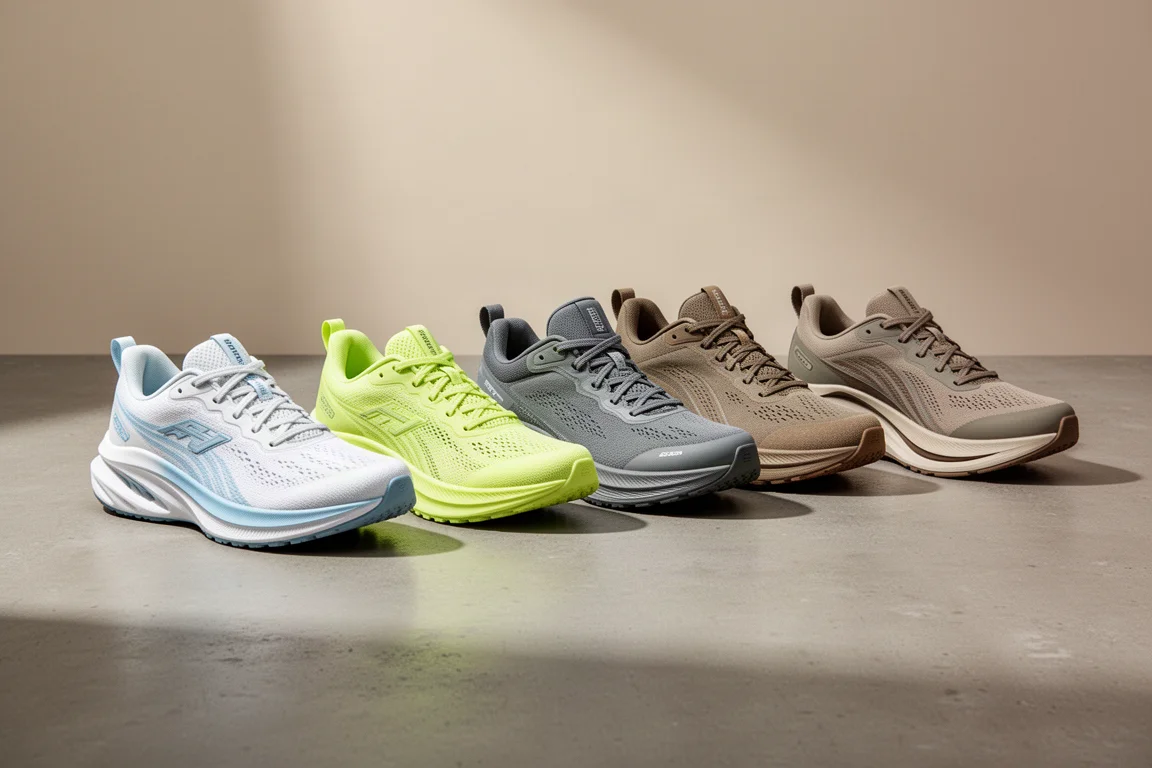
The best running shoe is rarely the one with the boldest marketing. It is the one that matches how your body actually moves, how far you run, and what the shoe has to survive. This guide organizes fourteen strong options by use case rather than by brand or hype: plush daily trainers, a waterproof winter commuter, shoes built around smoother heel transitions, walking-friendly designs, road ultra workhorses, and shoes with roomier toe boxes and earlier rockers.
The theme running through all of these picks is balance. Cushioning that is too soft increases muscular demand because your stabilizers have to work harder, while cushioning that is too firm shifts shock absorption back onto your legs. Rocker geometry, heel bevels, and midfoot stiffening all change how hard your muscles work, so the right shoe is the one that fits your mechanics, not necessarily the most extreme one on the shelf.
Daily Trainers for Everyday Miles
A good daily trainer should disappear on your feet across easy runs, moderate paces, and the occasional longer effort. Two current options stand out for getting that balance right without asking you to spend flagship money.
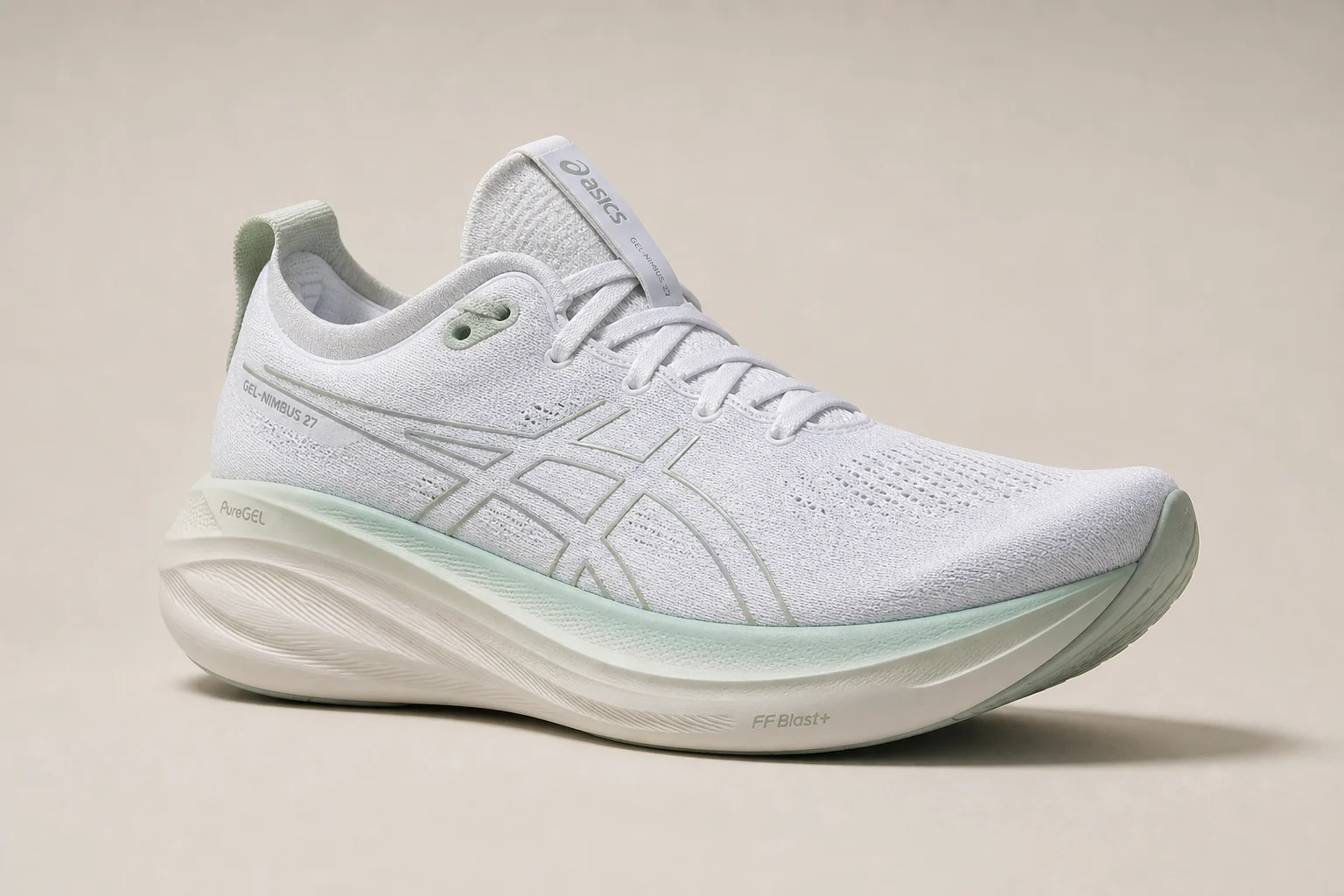
ASICS Gel-Nimbus 27
The Gel-Nimbus 27 has been quietly impressive. This version feels a touch firmer and more responsive than prior Nimbus releases, slightly less compliant and slightly more resilient, which balances the ride well for a wide range of mechanics. Earlier Nimbus models were good but easy to move on from; this one is the kind of shoe you keep reaching for and keep adding miles to. If you want a premium neutral trainer that leans comfortable without feeling dead, this is a strong place to start.
Adidas Adizero Evo SL
The Adizero Evo SL was a genuine surprise. It breaks in nicely, handled a long run despite a narrow midfoot, and lands at around $150 in an era of $160, $180, and $200 trainers, which makes the pricing especially sharp. It uses Lightstrike Pro foam tuned more compliant and less resilient for trainer duty, and while it is often described as non-plated, there is a stiff, nylon-type shank extending beyond the midfoot that gives the ride more structure than most people expect. It compares closely to the Saucony Endorphin Speed 4 in that faster-trainer space.
Winter Commuter: Hoka Transport Chukka GTX
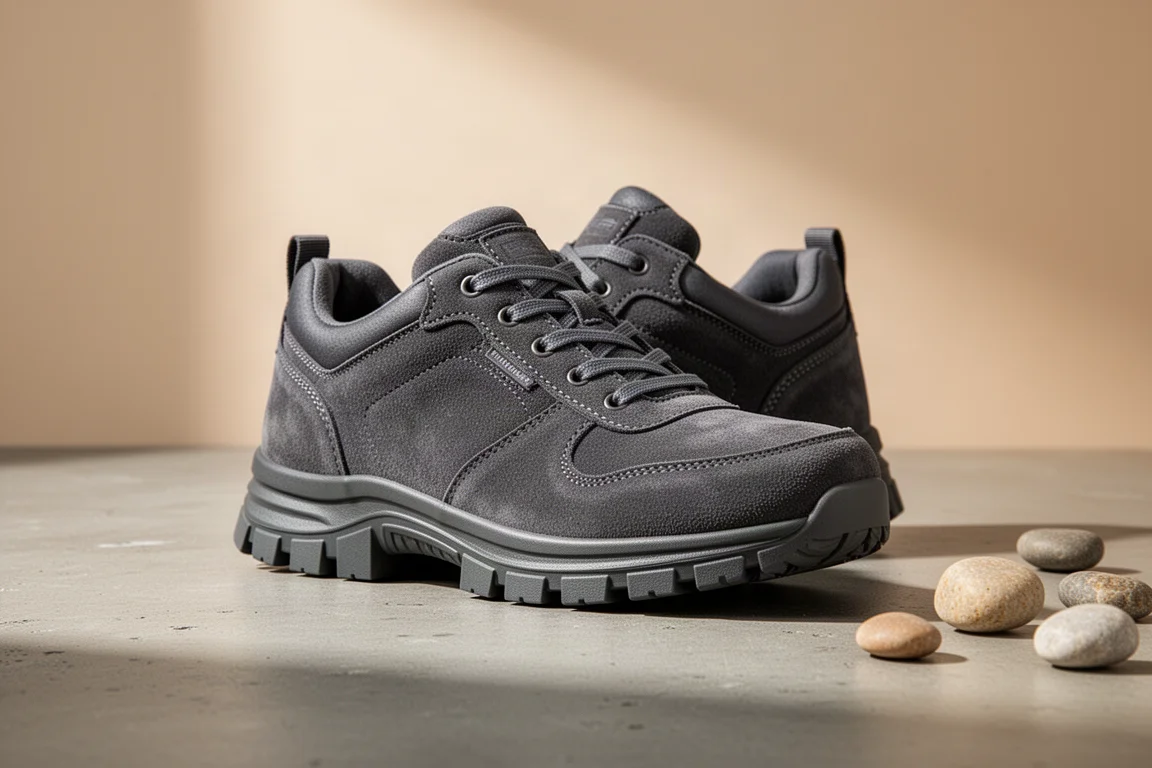
Not every shoe in your rotation needs to be for running. For cold, slushy walk-to-work seasons, the Hoka Transport Chukka GTX has been a reliable daily driver. The mid-height cut, waterproof GTX upper, and a bit of extra grip handle snow and slush comfortably, and it stays comfortable across a short drive plus a ten-minute walk pattern.
One fit note that applies broadly to Hoka casual footwear: go up half a size. The tester wore a size 9.5 instead of their usual 9 and found the fit excellent, since Hoka casual models tend to run slightly narrow, especially with the waterproof membrane. At roughly $200 it is a considered purchase, but for a genuine winter commuter it earns its spot.
Shin Splints, Heel Bevels, and Cushioning Balance
Shin splints is a catchall term for symptoms in the lower leg, and the driving tissue matters: it can be muscle, the bone casing, or in more serious cases the bone itself. Newer evidence suggests bone stress is driven more by the tension of muscle pulling on the bone than by raw impact forces, which changes how we think about shoe choice. Chasing a forefoot strike, for example, often makes posterior shin pain worse because it loads the posterior calf musculature more.
What tends to help: a moderate, well-balanced cushioning level that is neither overly soft nor overly firm, a good heel bevel to smooth the transition and reduce muscle workload, and enough inherent stability that you are not sinking in. A shoe will not fix an injury on its own, so rehab and load management matter most, but the right footwear removes an aggravating factor.
Brooks Glycerin Max
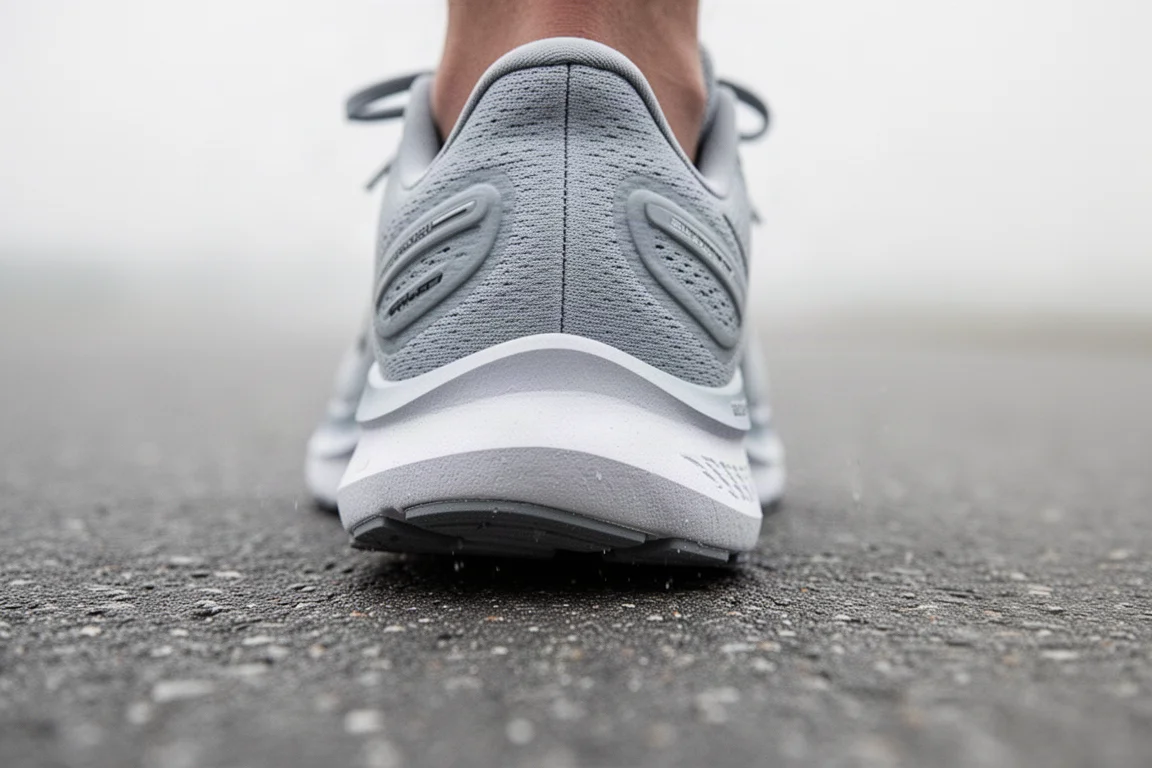
The Glycerin Max is a standout in this category because it is inherently stable without being aggressive, and its heel bevel is far better than most shoes at this level. A generous bevel smooths out the transition from landing through push-off, meaning the posterior calf and shin muscles do not have to work as hard through the gait cycle. If you are coming from a traditional stability shoe and want something stable-neutral without a drastic change, this is one of the safer steps up.
ASICS GT-2000
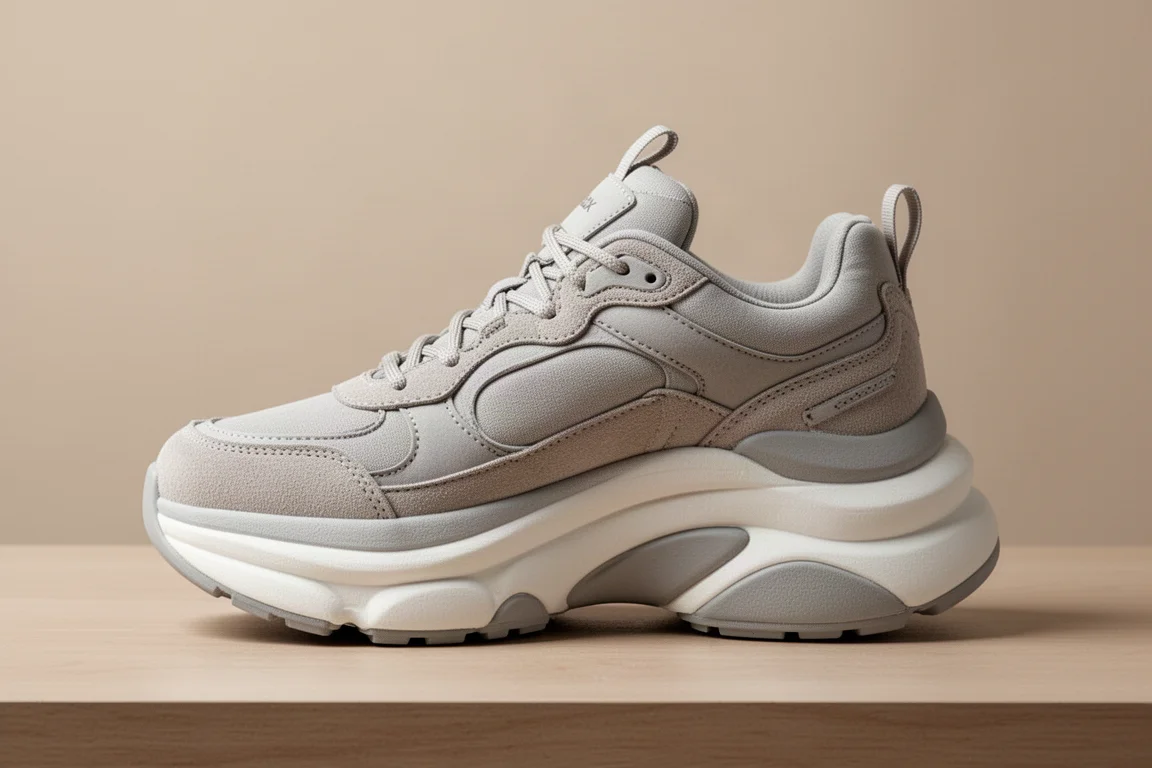
For runners who want to stay closer to a classic stability feel, the current ASICS GT-2000 series is a strong alternative. The heel drop is only slightly lower than a traditional Brooks stability trainer, the transition is noticeably smoother, and it does not overdo anything. That makes it a sensible option for runners who found the Brooks Adrenaline formula comfortable but are ready for a refined update, and who want to avoid jumping aggressively into something radically different.
Walking and All-Day Comfort
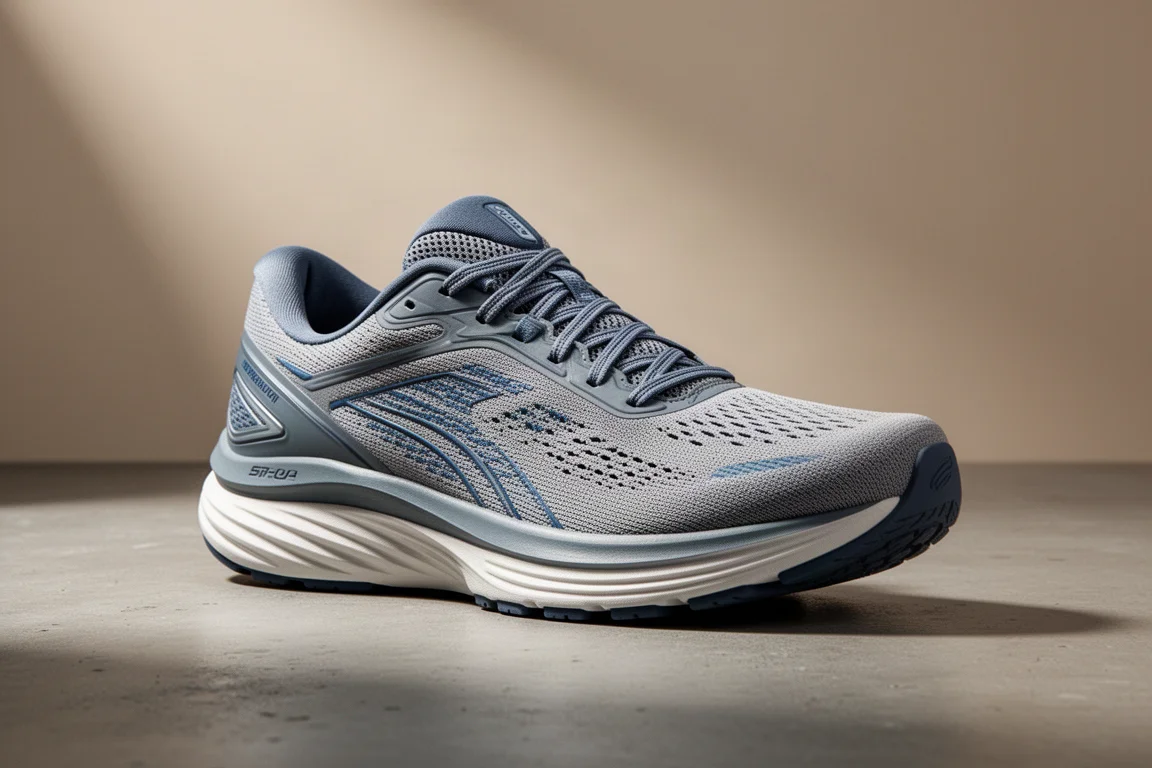
Finding a true Goldilocks walking shoe is harder than finding a running shoe. The ideal here is a moderate stack height, a gentle but not extreme rocker, a straight and roomy fit, and no overly aggressive heel bevel. Shoes that are too high, too soft, too tapered, or too rigid at the heel counter all cause problems for long walking days with lots of stairs.
Topo Phantom 3
The Topo Phantom 3 fits the middle ground well. It is not fully zero drop but offers just a little drop, it stays wide through the entire midfoot, and it has a slight bevel with a mild rocker that stays flexible once you start moving. That combination makes it genuinely comfortable for long walks while still being light enough for fast-paced walking around town.

Karhu Fusion and Karhu Aeon
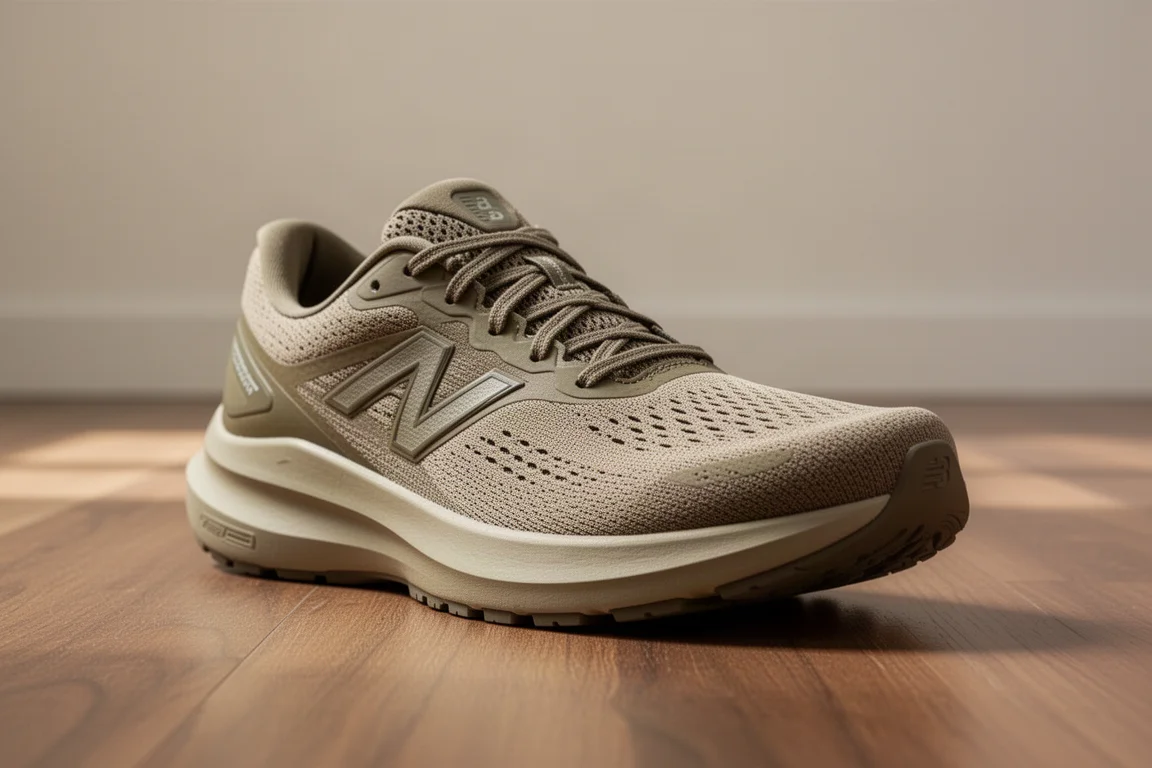
Karhu deserves serious attention here because it checks nearly every box: moderate stack heights, a facilitory rocker that never feels extreme, excellent high-volume fits with non-tapered toe boxes, and no aggressive asymmetric heel bevel. The result is a stable-neutral ride that is neither a stability shoe nor fully neutral. The Aeon is the simpler, less aggressive model, while the Fusion is more of that character. If you can try both on at a local shop, the difference in feel is immediately obvious and one of them will likely click.
Road Ultramarathons
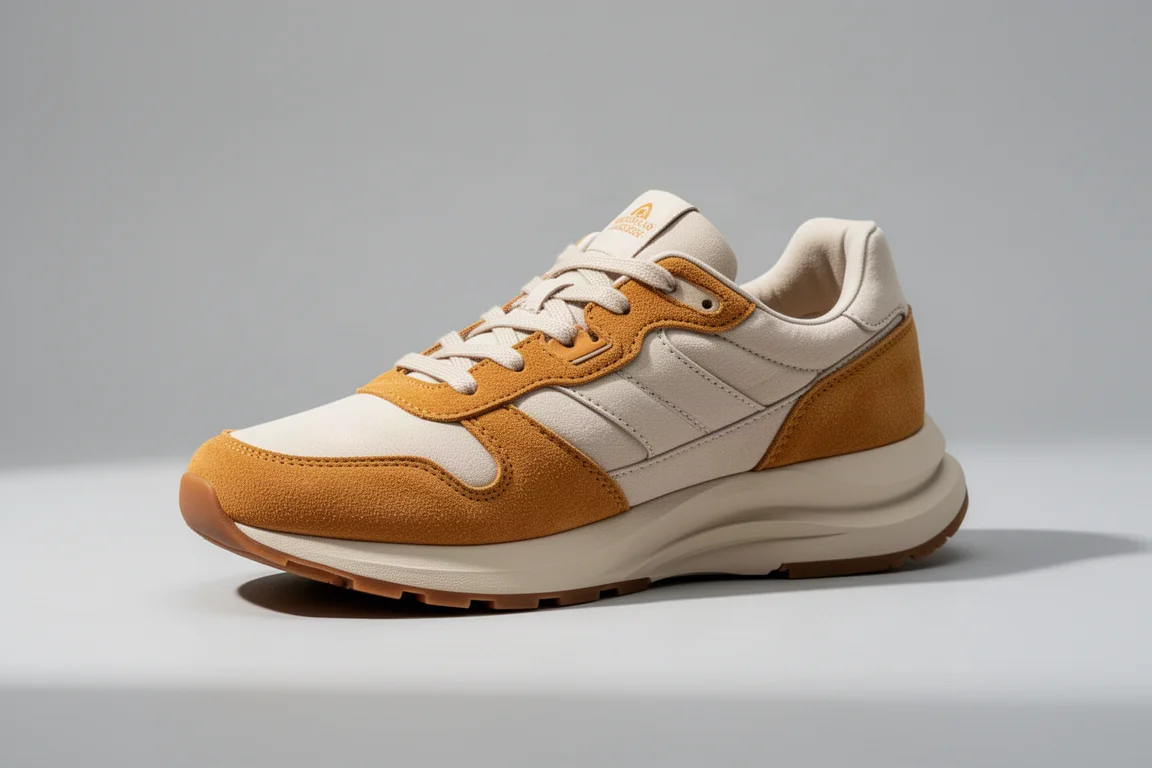
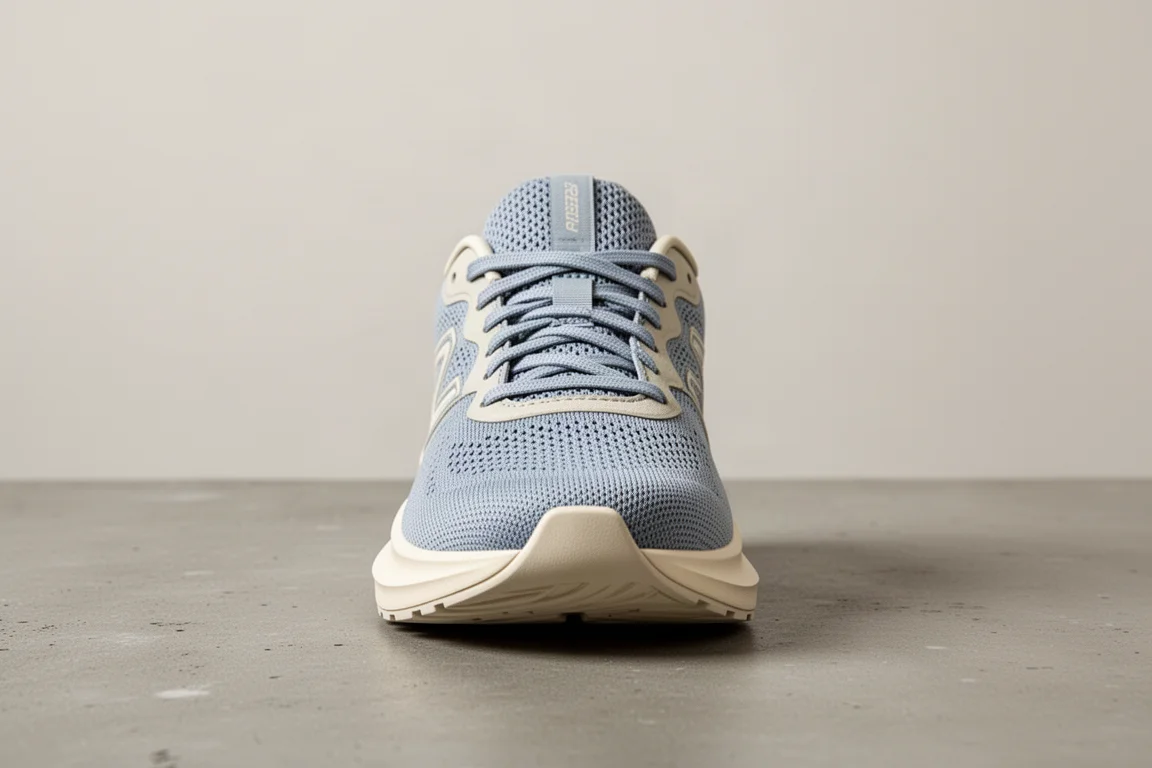
Road ultras teach a hard lesson: the fastest shoe is rarely the best one. Experienced ultrarunners frequently switch from a super shoe to a highly cushioned, stable trainer partway through a race and finish far more comfortably. For 50-mile and 100-mile road efforts, the goal is a well-cushioned, stable-neutral trainer with resilient foam that does not bottom out, a secure fit, and strong durability. Expect foot swelling, so plan on going up half a size, sometimes a full size.
ASICS SuperBlast 2
The SuperBlast 2 is arguably one of the best road ultra options available. It is stiff, though not plate-stiff, with resilient cushioning that holds up late into long efforts and a fit that stays secure. The main complaint is that it runs slightly snug, so a half size up is worth considering for swelling. It is the kind of super-shoe-alternative trainer that most runners would genuinely benefit from racing in.
Saucony Endorphin Trainer
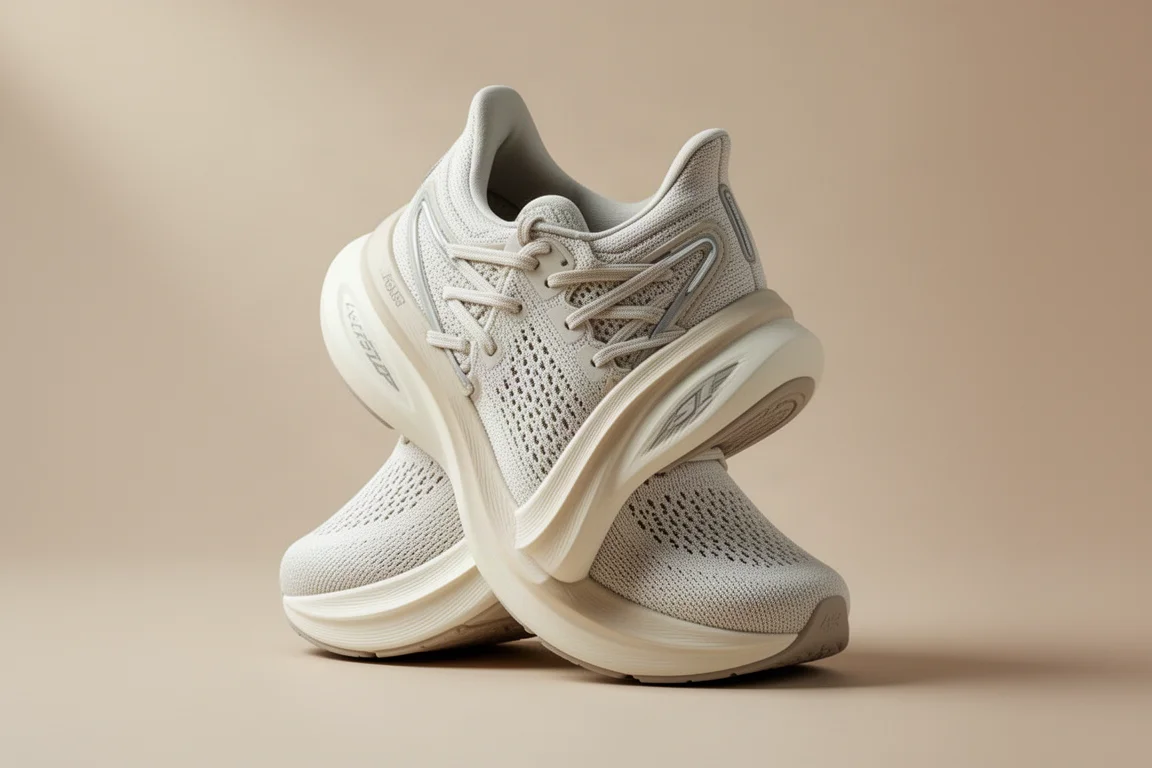
The Endorphin Trainer has earned a reputation as a favorite long-range shoe. It is a little stiffer than a pure daily trainer without being aggressive, and it offers noticeably more room than the SuperBlast 2, which matters enormously over ultra distances. For the right mechanics, it sits squarely in that super-trainer category and handles big mileage with composure.
New Balance SC Trainer
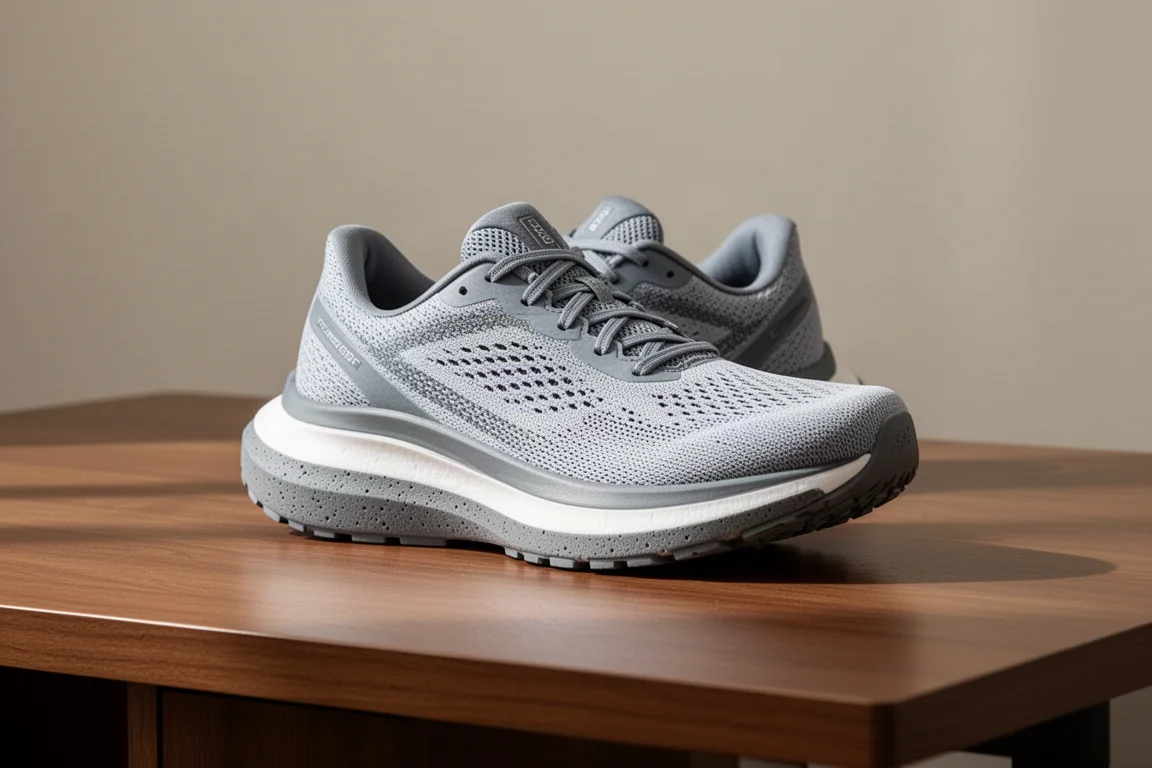
The SC Trainer is the third strong candidate for long road efforts. It is light enough not to bog you down, has a smooth-transitioning rocker that never feels aggressive, and adds a touch more compliance than the SuperBlast without tipping into mushiness. Critically, go at least half a size up: true to size it runs snug, and the extra volume is what makes it work over very long distances.
Toe Box Room and Early-Stage Rockers
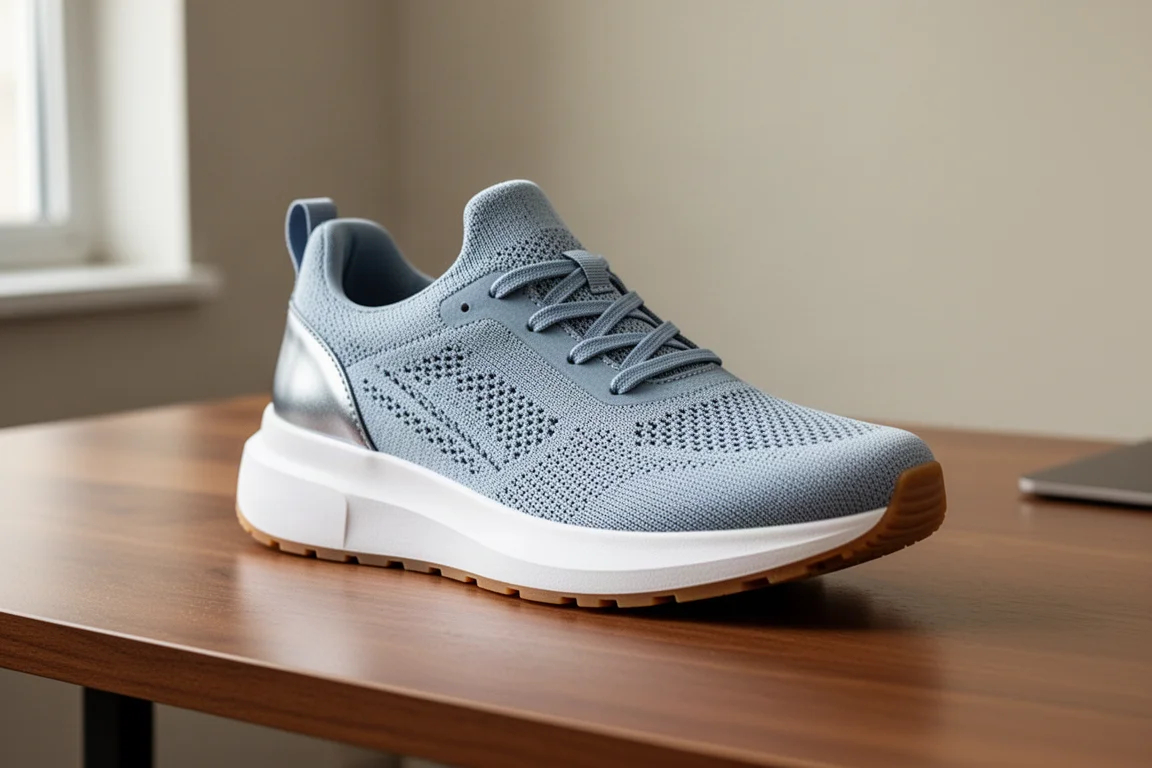
Runners with limited big toe extension, such as those managing hallux limitus, need a specific combination: an early-stage rocker, a low amount of toe spring, and a wide, high-volume toe box. Wide-fit specialists are the natural starting point, and the current low-volume trend at some brands makes trying before buying especially important.
ASICS Glideride Max
The Glideride Max offers a higher-volume toe box than most ASICS models, a solid functioning rocker, and only slight toe spring, far less than earlier versions of the shoe. It is slightly more flexible than the previous generation, but if a moderate rocker like the Topo Phantom 3 worked for you, the Glideride Max’s earlier and stiffer rocker should feel natural.
On Cloudmonster Hyper
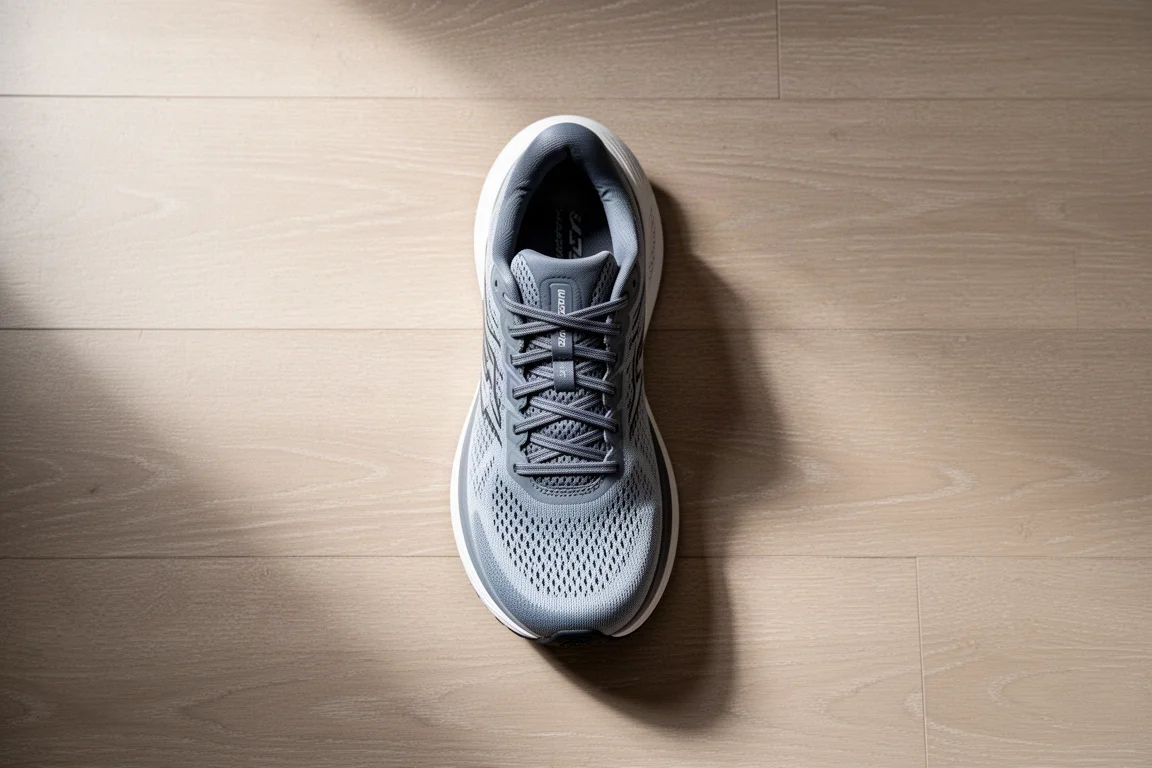
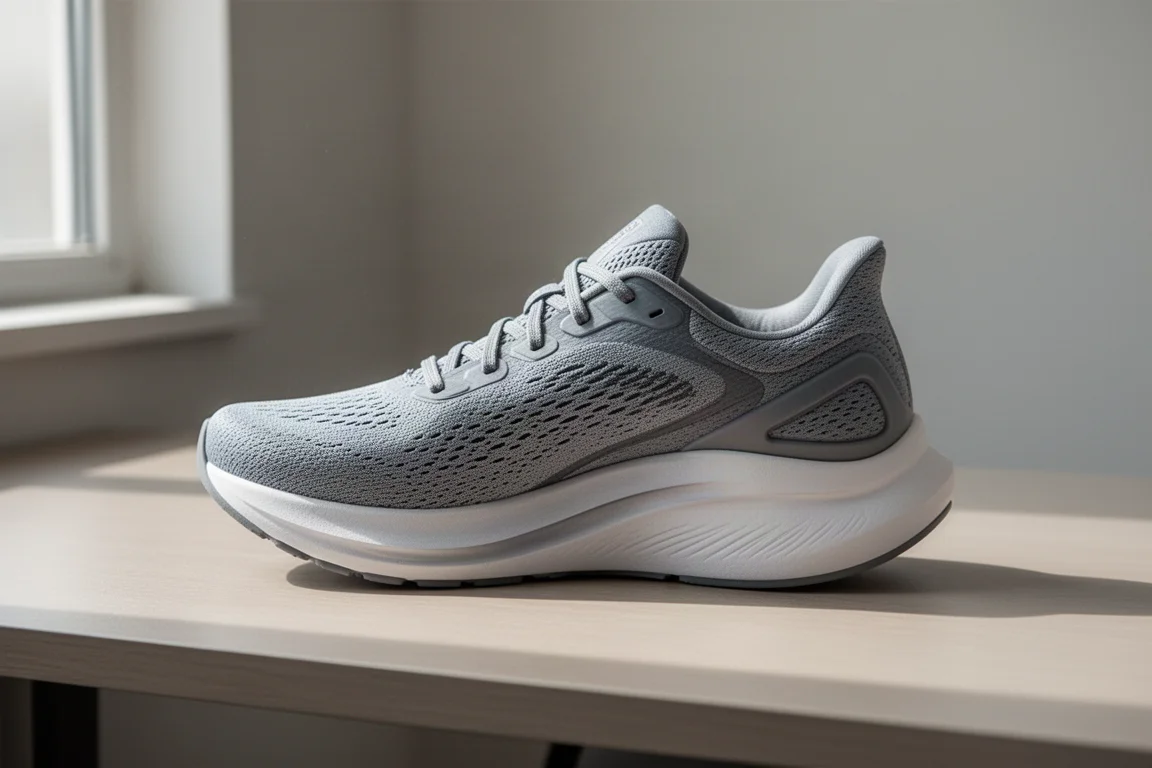
The Cloudmonster Hyper fits wider than most and has a solid, stiffer rocker with a flat construction on top, plus genuinely high volume. Lockdown can feel loose for some, but for a runner who needs space up front that generosity is a feature. It is a premium-priced shoe, so it makes sense mainly when the fit advantages are the deciding factor.
Topo Atmos
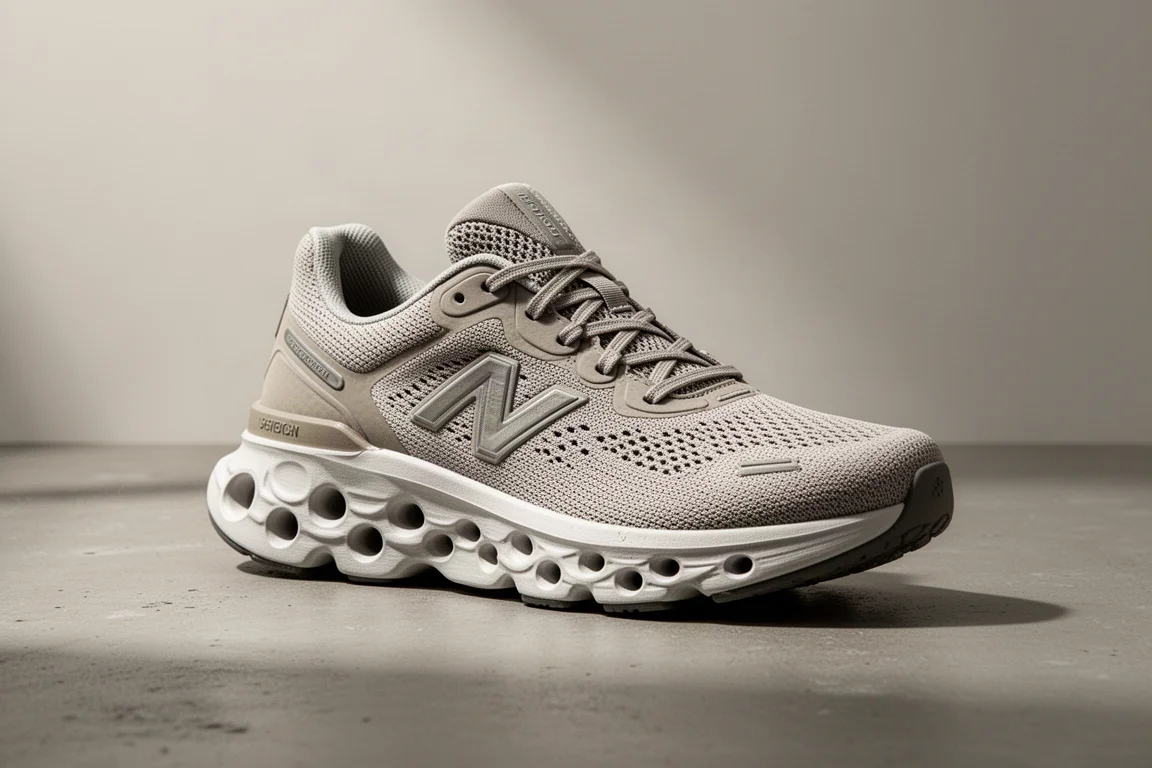
The Topo Atmos rounds out this group as the high-stack option. Once you go to higher stack heights, a forefoot rocker becomes almost mandatory, and Topo is one of the few brands that adds rocker without excessive toe spring. Combined with Topo’s naturally wide, anatomical toe box, the Atmos is a logical choice for runners who need both cushioning and forefoot freedom.
Buying Advice
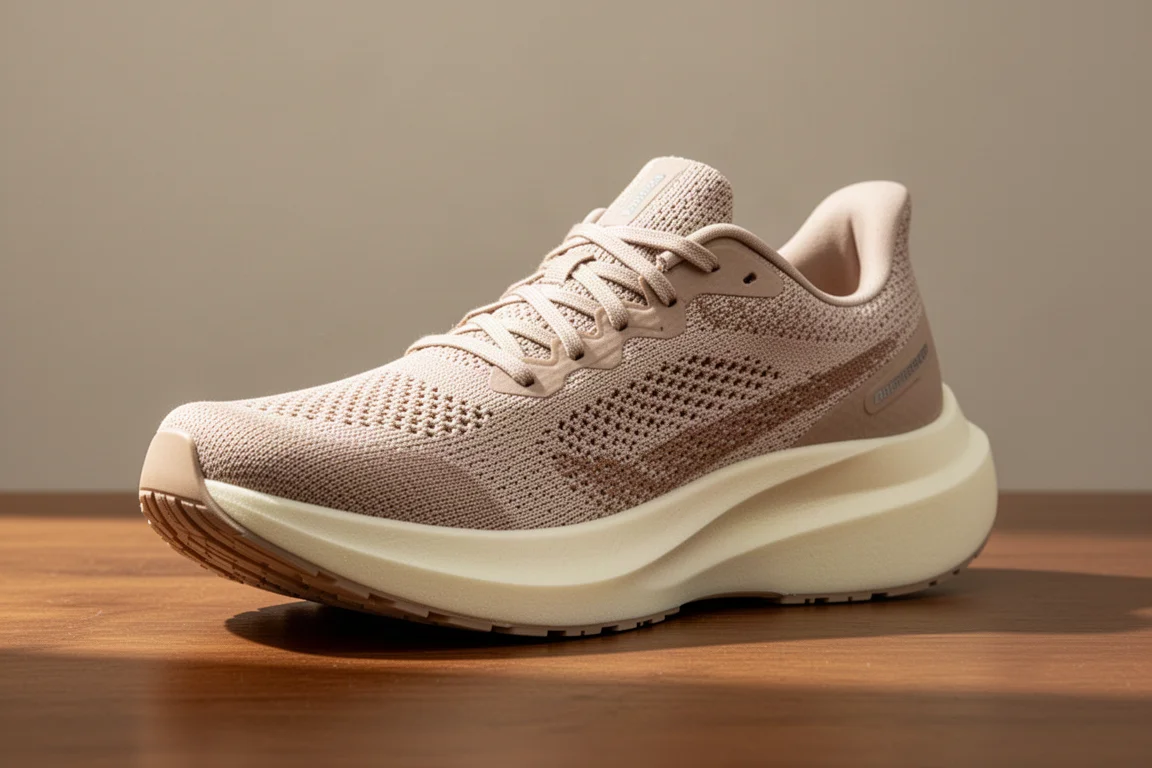
Match the shoe to the job before matching it to the marketing. For daily miles, the Gel-Nimbus 27 and Adizero Evo SL show that both premium and well-priced options can deliver. For lingering shin pain, prioritize heel bevels and balanced cushioning with the Glycerin Max or GT-2000, and remember that rehab and sensible training loads matter more than any shoe. For walking, Topo and Karhu’s high-volume, moderate-stack designs are hard to beat. For road ultras, pick a stable, resilient trainer and size up for swelling. And if toe room is non-negotiable, the Glideride Max, Cloudmonster Hyper, and Topo Atmos each solve it differently.
Above all, avoid drastic changes. Moving from what you know to something radically different often feels great briefly and then creates a new problem. Subtle shifts, tried on your feet whenever possible, are the safest path.
Conclusion
Fourteen shoes, fourteen different jobs. The common thread is that the best pick is the one aligned with your mechanics, your distances, and your feet, not the flashiest launch of the season. Choose for the use case, size generously where needed, and let comfort guide the final call.
Further reading
Related Reviews

Running Shoes
Best Road-to-Trail Running Shoes: Three Versatile Options for Mixed Terrain
A practical guide to three road-to-trail running shoes that handle both pavement and mild trails, with clear strengths and trade-offs for different runner types.

Running Shoes
Best Running Shoes for Achilles Tendonitis: Three Options Explained
Three running shoes with different heel drops and support features designed to help reduce Achilles tendon pain during walking and running.

Running Shoes
Best Running Shoes for Women: Five Top Choices Ranked
A ranked guide to five women's running shoes, from versatile daily trainers to high-performance racing options, with real strengths and trade-offs for each.