Running Shoes
Best Running Shoes by Run Type: Five Standout Picks for Every Session
From easy days to long runs, five running shoes that rise to the top of their categories, with the trade-offs to know before buying.
Introduction
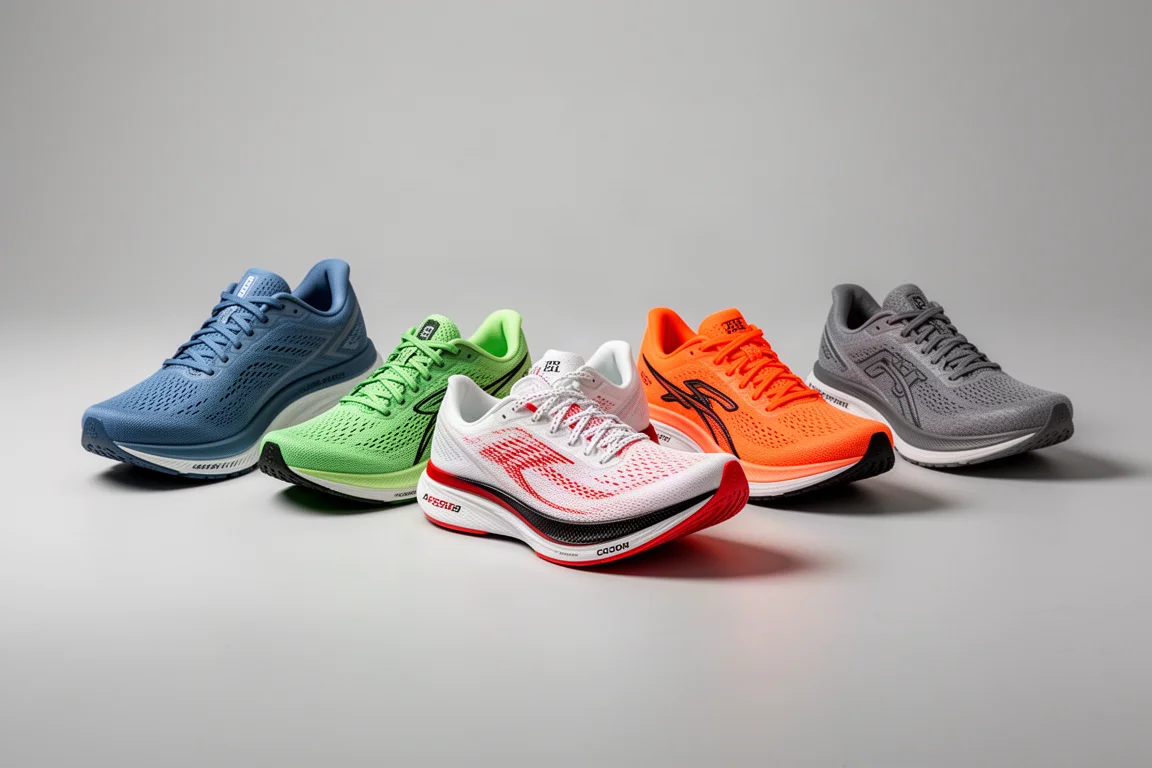
Sorting through the running shoe market is genuinely overwhelming. Stack heights, plates, foams, categories that overlap in ways no store display explains. That is exactly why we group shoes by the type of run they are built for: easy day, daily trainer, tempo, threshold, and middle distance or long run.
This guide pulls the strongest picks from the past six to nine months of testing, focusing on 2023 releases. Each category highlights one shoe that stands above the rest, plus a few alternatives worth knowing about.
How We Sort Running Shoes
The framework behind this guide maps shoes along two axes. On one side is how a shoe feels and responds: soft high cushion, firm landing, snappy ground contact, or bouncy energy return. On the other side is the type of run: easy days at a relaxed 8:30 to 10-minute pace, steady daily training miles, tempo sessions, threshold work just below race pace, and long runs of two hours or more.
The thumb test matters here. A shoe that pushes your thumb back with real spring has bounce and energy return. A shoe that stays flat under pressure is leaning on cushion alone. Durometer readings back that up, and hours of actual running confirm it.

One note up front: not every shoe on the market has been tested. Some, like the Nike Vaporfly Next% 3, have yet to make the cut, so they are left out rather than guessed at.
Best Easy Day Shoe: New Balance Fresh Foam More V4
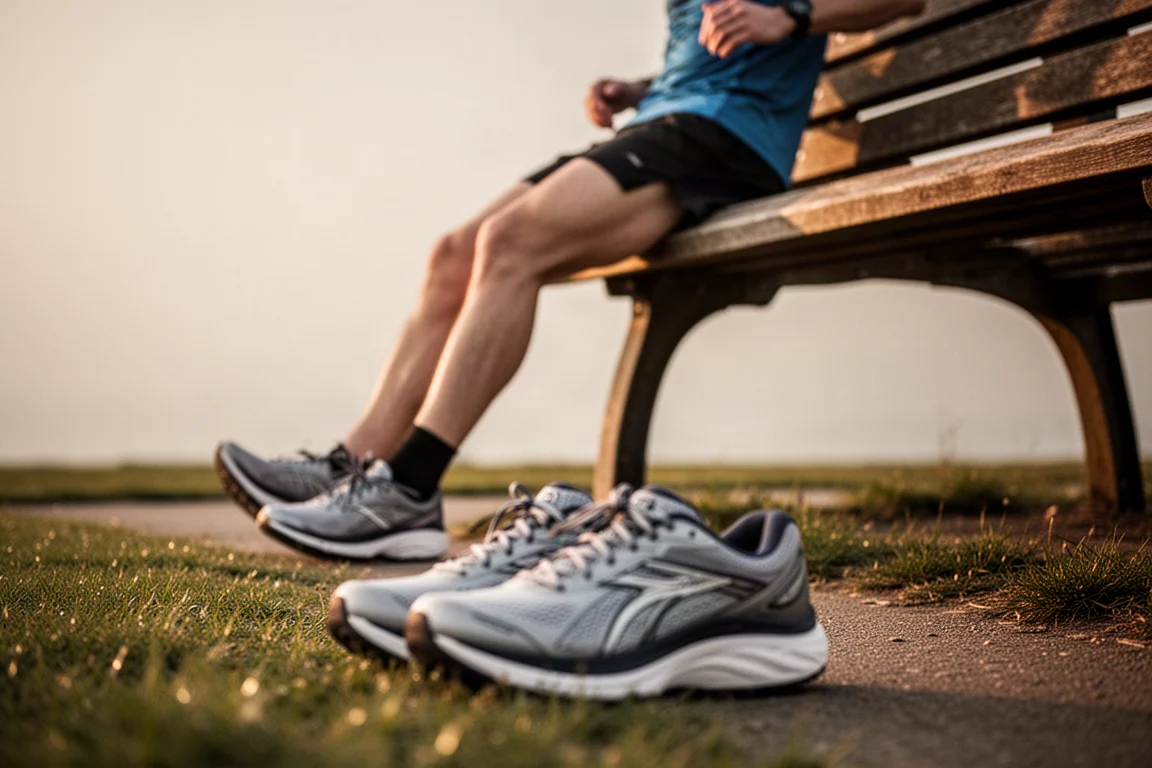
Easy day shoes are about generous stack height and, often, a little extra weight. That weight is not a flaw. It slows the pace down and keeps the effort honest on recovery days.
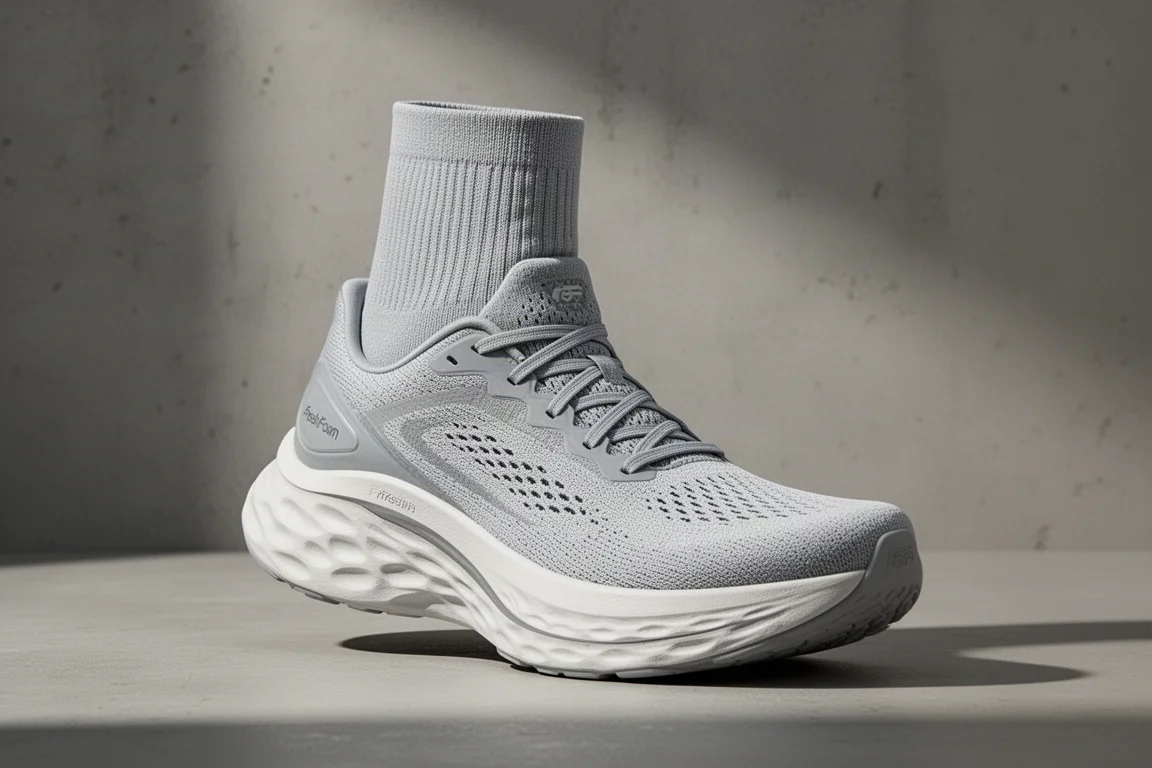
The New Balance Fresh Foam More V4 is the pick here. It weighs 9.7 oz with a 34mm heel and 30mm forefoot stack, and it runs $150. It has been out for a while, but sizes are still findable, and it delivers exactly what an easy day shoe should: maximum cushion with zero pressure to push the pace.
Best Daily Trainer: Saucony Kinvara 14
Daily trainers sit a step lighter and lower than easy day shoes. The goal is control: the feet and ankles steer the shoe, not the other way around.
The Saucony Kinvara 14 nails that brief. It came out of testing with a final review score of 8.1, and it earns a place in the daily trainer category because it has just enough stack height without drowning the foot in foam. It is not especially soft, so if you want a plush ride, this is not your shoe. It is also flexible and sits low to the ground, which means your body does the work.
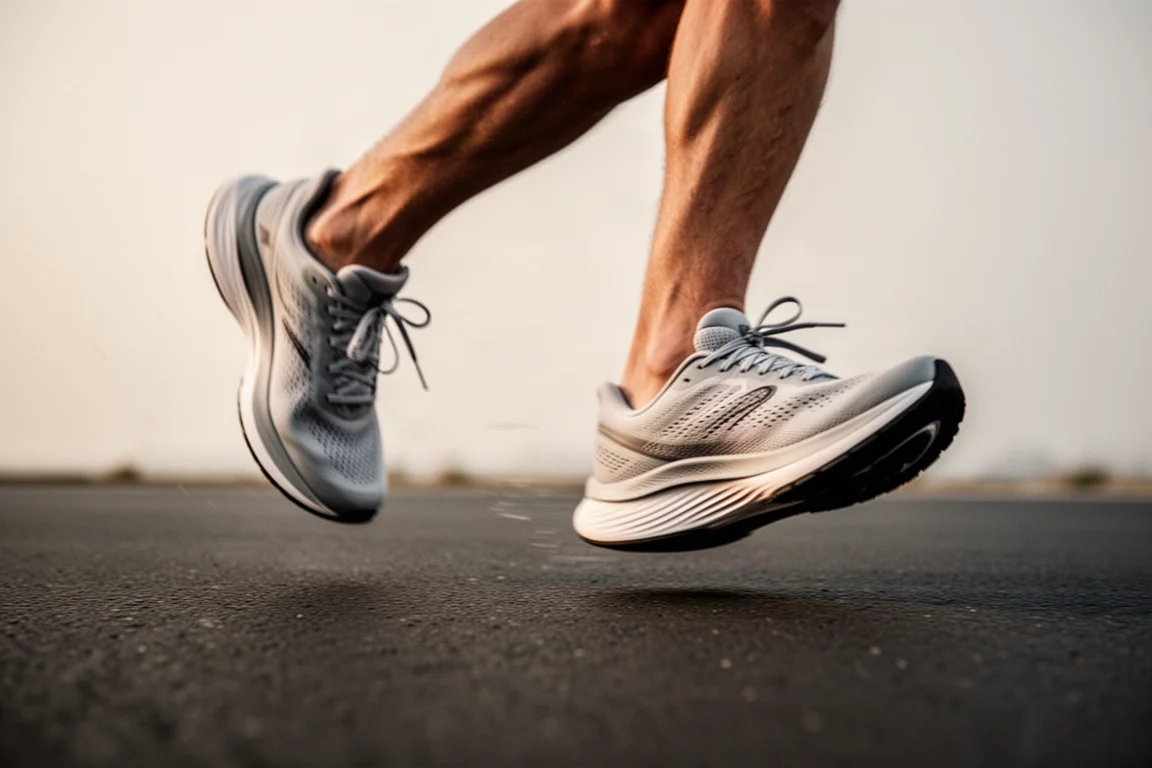
The bonus is that the Kinvara 14 is a true tweener. It crosses over into the tempo category, which makes it one of the best two-for-one values in the current lineup.
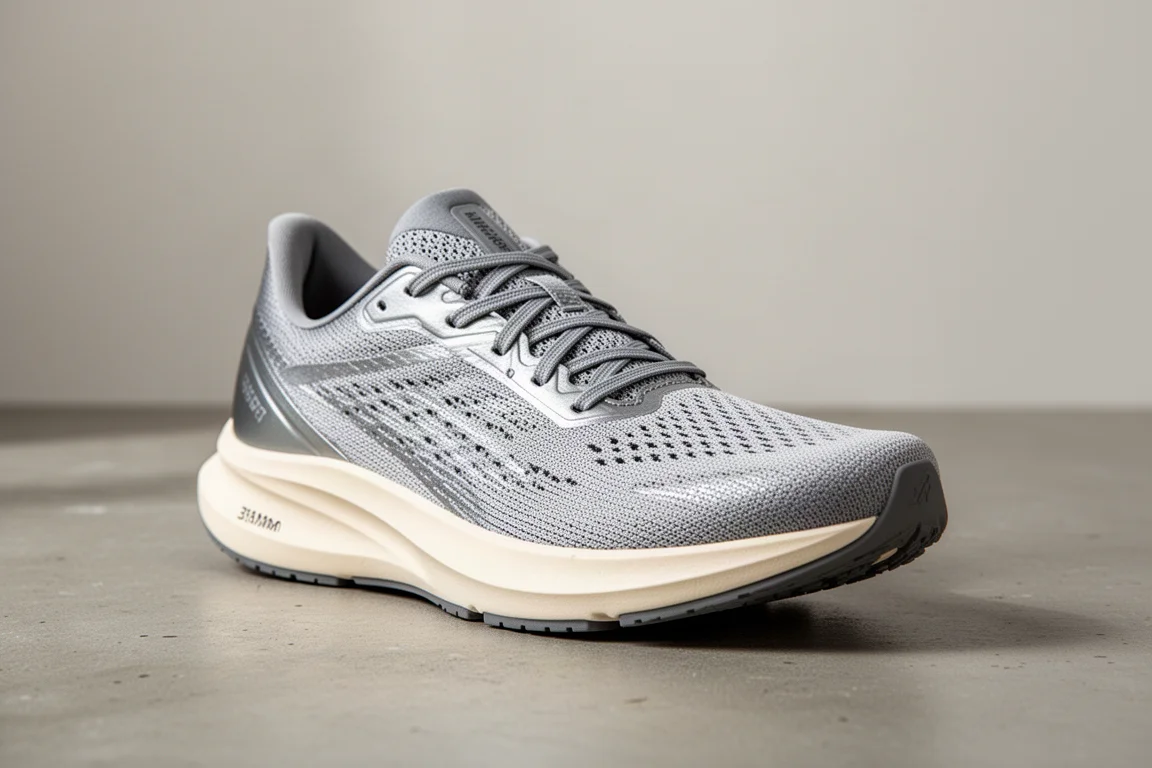
If you would rather not think about your foot strike at all on daily runs, the Asics Gel-Nimbus 25 is the softer alternative. It is a fan favorite for a reason, even if it feels like a little too much shoe for some. The New Balance FuelCell Propel V4 is another standout at $109, with a TPU plate in the midsole that gives it a genuinely snappy ride at a very attractive price.
Best Tempo Shoe: Saucony Endorphin Speed 3
Tempo day is where the shoe has to pick up the paces with you. Softness alone does not get it done. You need structure, snap, and a midsole that responds when you lean in.
The Saucony Endorphin Speed 3 is the pick, and it has earned its special reputation. It runs about $159. It originally launched the previous summer, and Saucony’s next move with this lineup is still awaited, but the Speed 3 remains the tempo benchmark. For riders of the older Speed 2, that version is still slightly preferable, though it is getting hard to find. A few retailers still carry it.
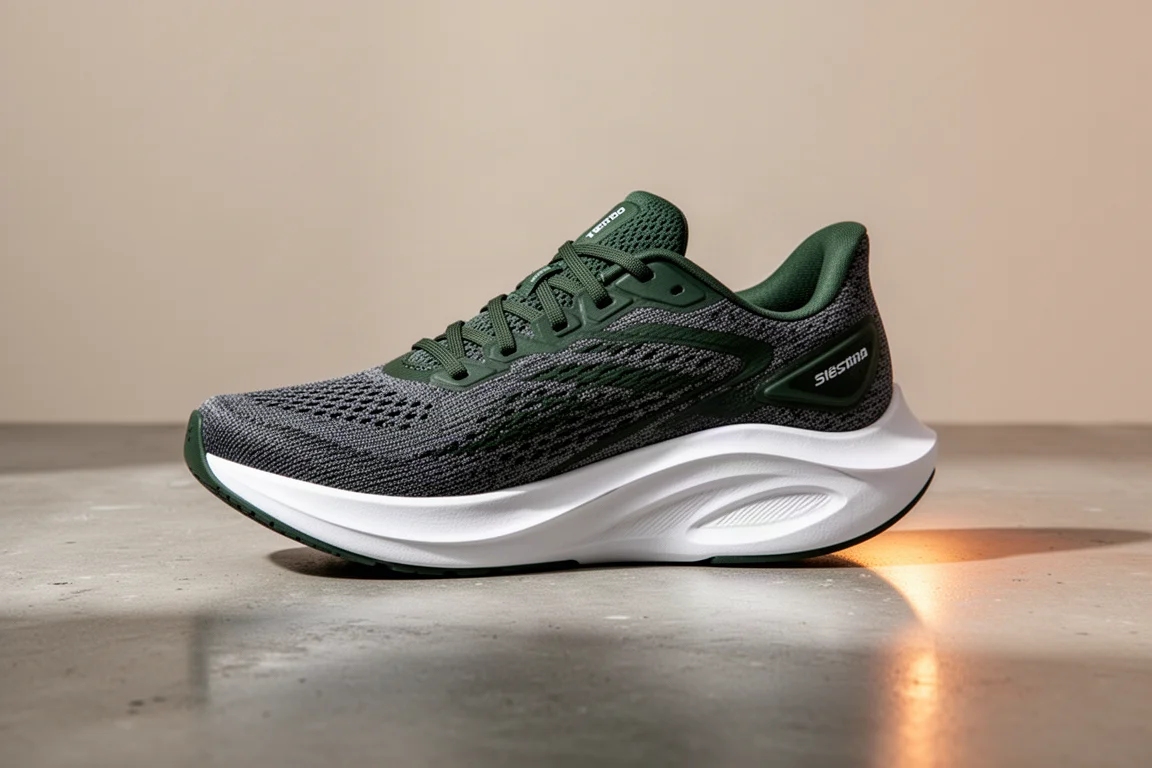
The Hoka Clifton 9 appears nearby as a softer option, but it is not really a tempo shoe. It simply fills a gap where no softer shoe could reliably pick up the paces.
Best Threshold Shoe: Saucony Endorphin Elite
Threshold is the uncomfortable zone: approaching race pace, not quite redlining, but close. For the tester behind this guide, that means roughly 5:20 to 5:30 per mile. At that intensity, the shoe needs to be firmer and more rigid, not soft.
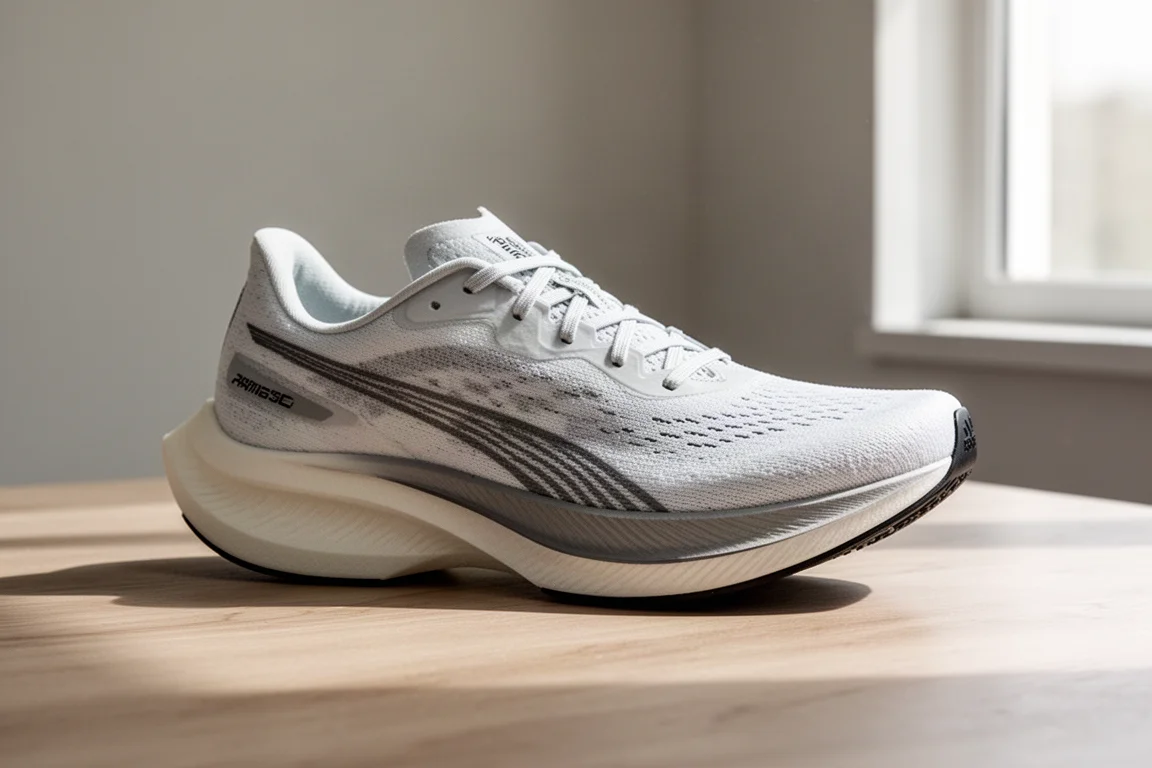
The Saucony Endorphin Elite is the one to pick. Its plate is genuinely special, and the shoe sits in the responsive, snappy category because of it. It is a little firmer and more rigid than most, which is exactly what threshold work rewards.
The Nike Rocket X 2 is the alternative for a different taste. It is loved, but it leans soft. If you prefer a softer threshold shoe, the Rocket X 2 is the one to go with. A dedicated carbon-plated racing shoe guide covers that whole field in more depth.
Best Long Run Shoe: Saucony Triumph 20
Middle distance and long run shoes cover two-hour-plus efforts, or 15 to 23 miles in a typical training block. Here the priority flips back to cushion and comfort under fatigue.
The Saucony Triumph 20 wins the category. Under the thumb it is buttery, with a midsole that throws back real spring, reminiscent of the Endorphin Speed 3 but heavier and with more girth under the midsole. That extra cushion is the point: it holds up over hours.
The Endorphin Speed 3 crosses over here too. If you prefer a leaner midsole, less weight, and extra snap from its plate, it works for long runs as well as tempo days. The Kinvara 14 can also take a long run if your feet and ankles are strong and you like sitting lower to the ground, though on a two-and-a-half-hour effort the fatigue shows by the end. If you are newer to long runs, choose the Triumph 20 instead.
Buying Advice at a Glance
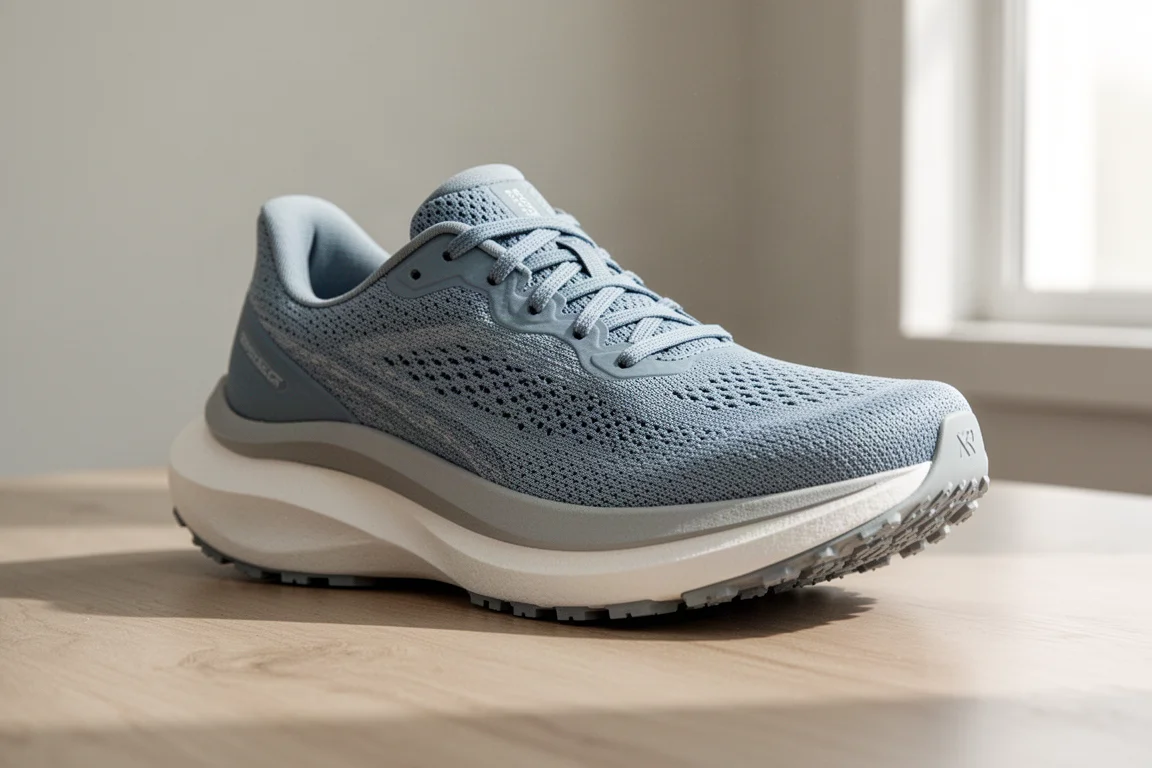
If you want the short version: Fresh Foam More V4 for easy days, Kinvara 14 for daily training with tempo crossover, Endorphin Speed 3 for tempo and long runs, Endorphin Elite for threshold, and Triumph 20 for long run comfort.
Two honorable mentions shape the decisions. If you never want to think about foot strike during daily training, take the Gel-Nimbus 25 over the Kinvara. If you want maximum value in a snappy daily trainer, the FuelCell Propel V4 at $109 is hard to beat.
One reader comment also pointed to the Saucony Tempest, a lightweight stability shoe that works well for up-tempo days with support. Stability shoes deserve their own guide, and trail running shoes another. Those are coming.
Conclusion
The right shoe depends less on a single best-in-test winner and more on matching the shoe to the session. Cushion for easy days and long runs, control for daily miles, snap and structure for tempo and threshold. Pick the right tool for the run and every session gets a little better.
Further reading
Related Reviews

Running Shoes
Best Road-to-Trail Running Shoes: Three Versatile Options for Mixed Terrain
A practical guide to three road-to-trail running shoes that handle both pavement and mild trails, with clear strengths and trade-offs for different runner types.

Running Shoes
Best Running Shoes for Achilles Tendonitis: Three Options Explained
Three running shoes with different heel drops and support features designed to help reduce Achilles tendon pain during walking and running.

Running Shoes
Best Running Shoes for Women: Five Top Choices Ranked
A ranked guide to five women's running shoes, from versatile daily trainers to high-performance racing options, with real strengths and trade-offs for each.