Running Shoes
Buy or Sell: 15 Running Shoes Worth Your Attention Right Now
A practical rundown of trainers and racing shoes, from lightweight daily options to aggressive super shoes, with honest guidance on who each one suits.
Introduction
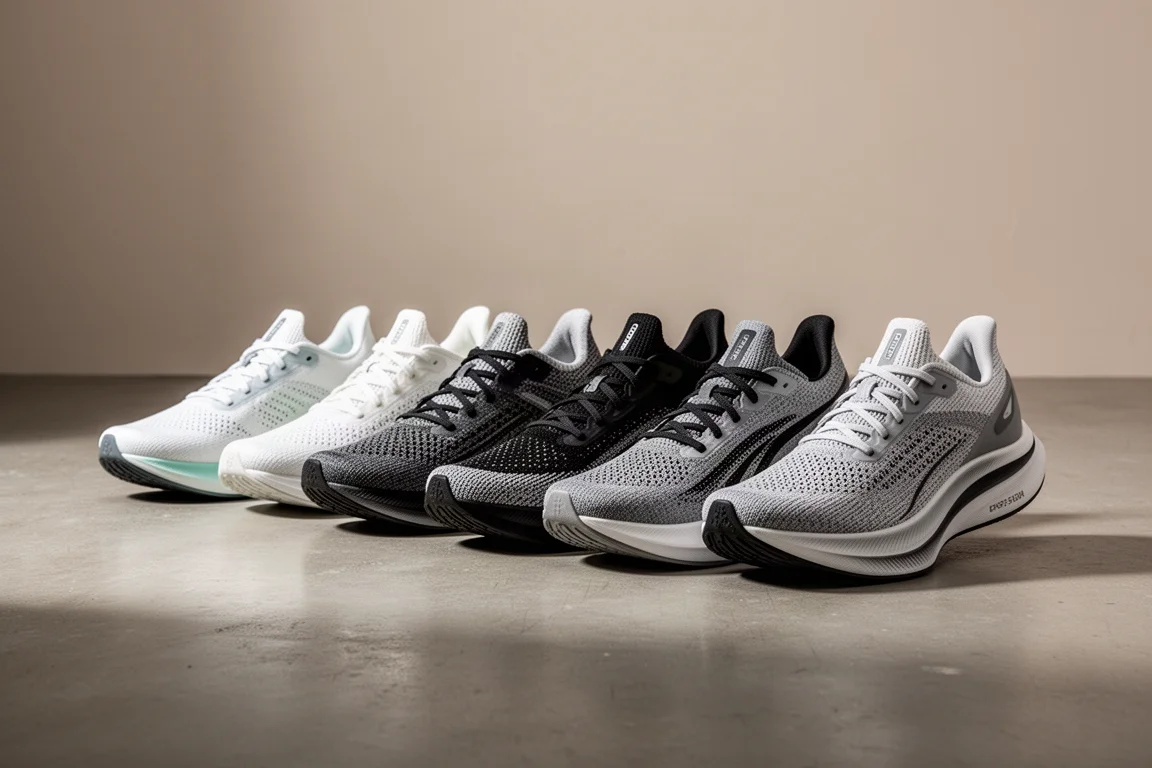
Not every running shoe needs to be a super shoe, and not every runner benefits from the most aggressive racing model on the shelf. This roundup walks through fifteen current options, from simple lightweight trainers to full-blown race-day weapons, and looks at what each one actually does well. The goal is to help you match a shoe to your mechanics, your pace, and your goals rather than to a marketing claim.
Lightweight Trainers and Daily Options
Brooks Hyperion Max
If you want a modern, non-super shoe to race in, the Brooks Hyperion Max is a strong pick. It is light, it still offers meaningful cushioning, and it rewards runners who want a responsive feel without PEBA foam or a plate. Some very fast runners even use the lighter Hyperion as a recovery-day shoe, which says a lot about how forgiving this line can feel when your mechanics suit it.
Brooks Hyperion GTS
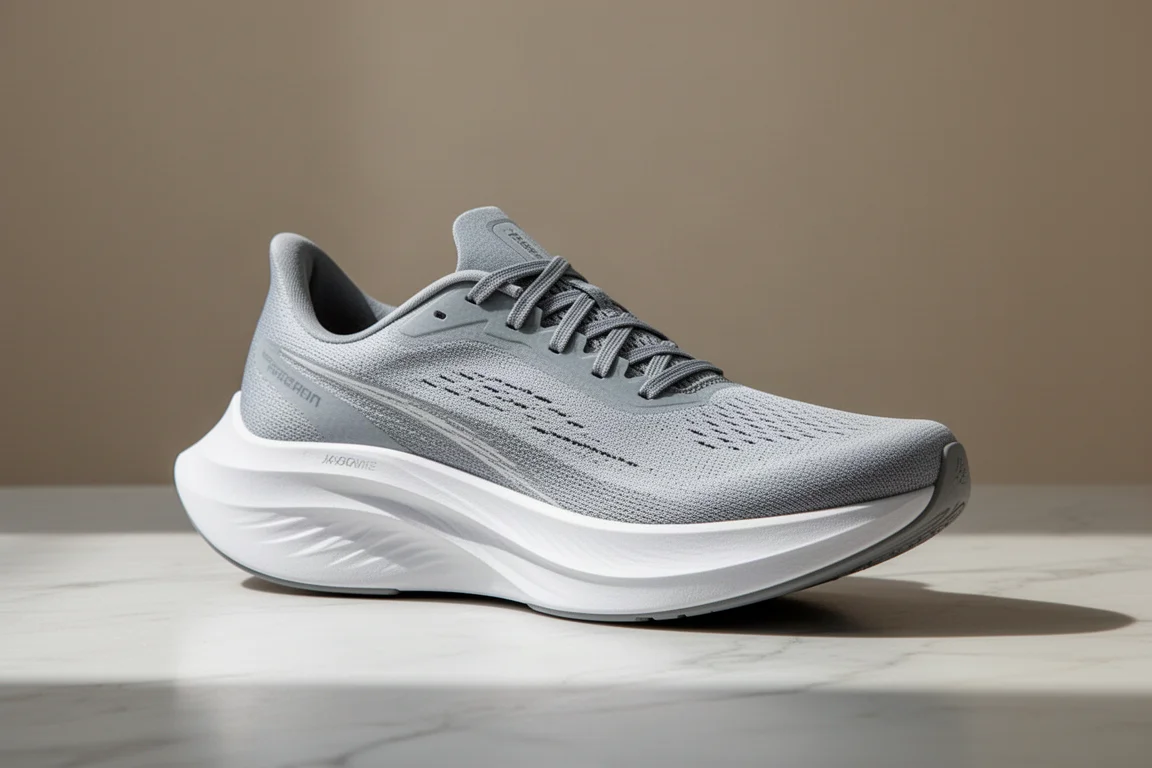
The Hyperion GTS takes the same fast, minimal formula and adds gentle support for runners who need it. With no plate and no special foam, it fits the classic definition of a trainer you can genuinely race in. It works best for runners with efficient mechanics who want lightness plus a touch of stability.
Saucony Kinvara 14
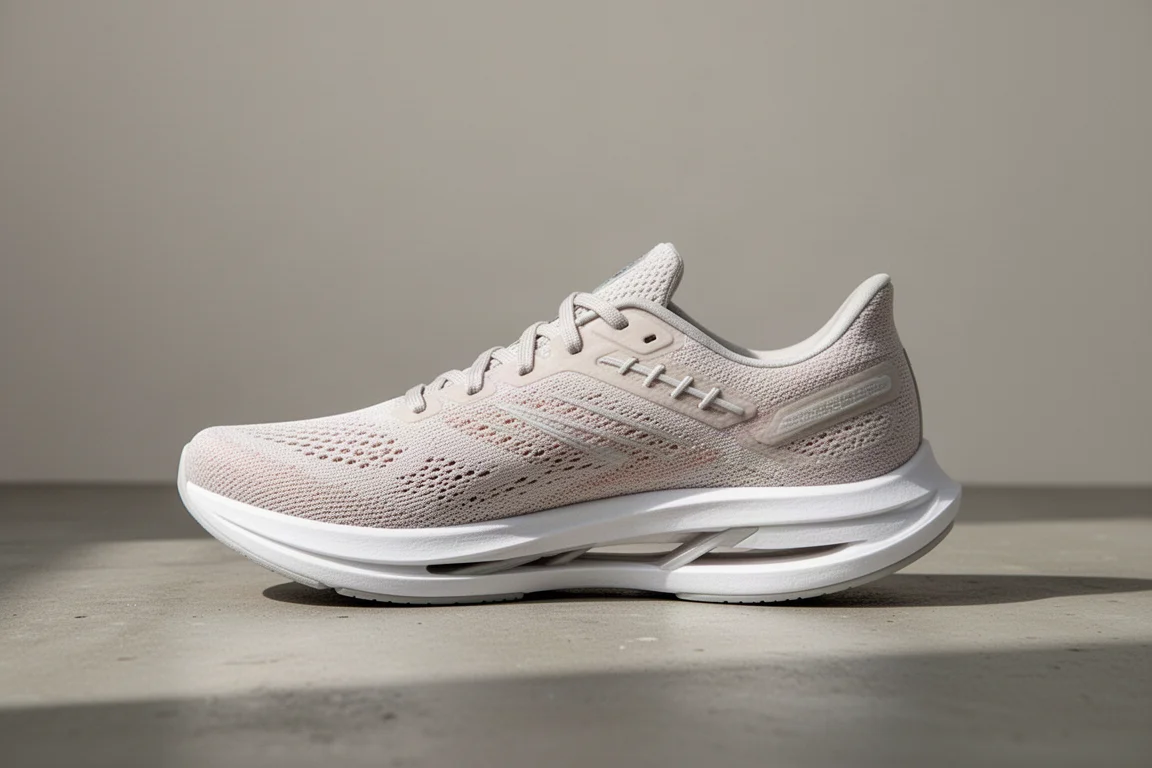
The Kinvara line has earned a loyal following for years. The current versions are more protective than the originals, with a heel stack in the low 30s, and they remain light and fun. One caution: the toe box has grown increasingly narrow over generations, and the midfoot narrows noticeably, so runners with wider feet or sensitive forefoot tissue should try before committing.
Saucony Ride
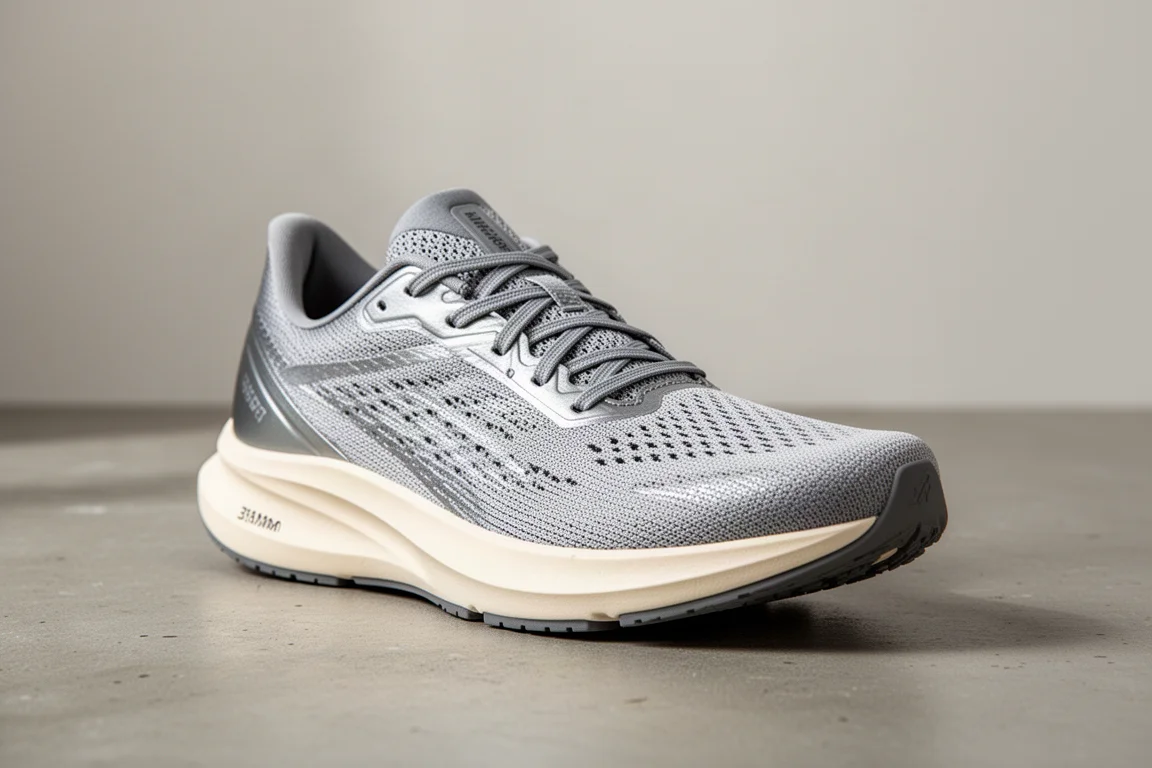
For runners who want a dependable neutral daily trainer without racing pretensions, the Saucony Ride is a straightforward, sensible choice. It is the kind of shoe you can put easy miles on while saving something faster for workouts.
Topo Cyclone 2
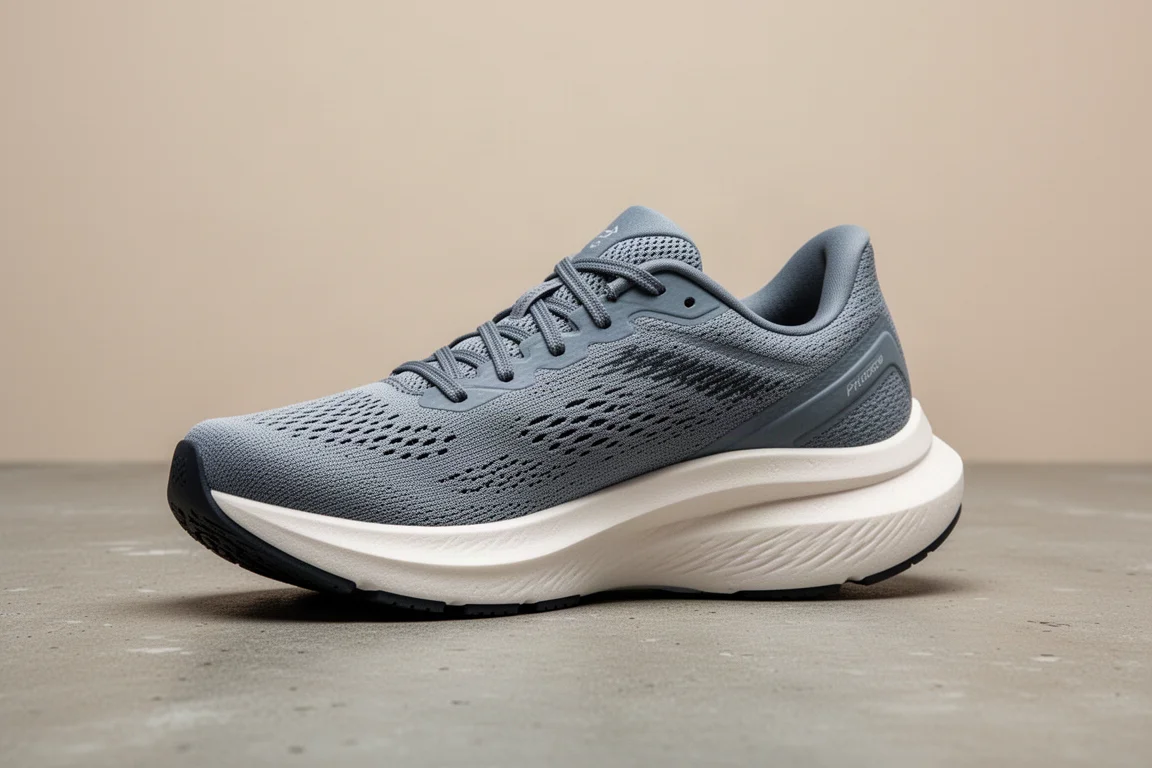
The Topo Cyclone 2 stands out for runners who prefer a bit more flexibility when pushing hard. Where stiff, highly efficient shoes can feel difficult to truly sprint in, the Cyclone 2 keeps things lively and bendable. Several fast runners have preferred it over plated shoes for mile efforts and short races.
Half-Super Trainers with Racing Potential
Saucony Kinvara Pro
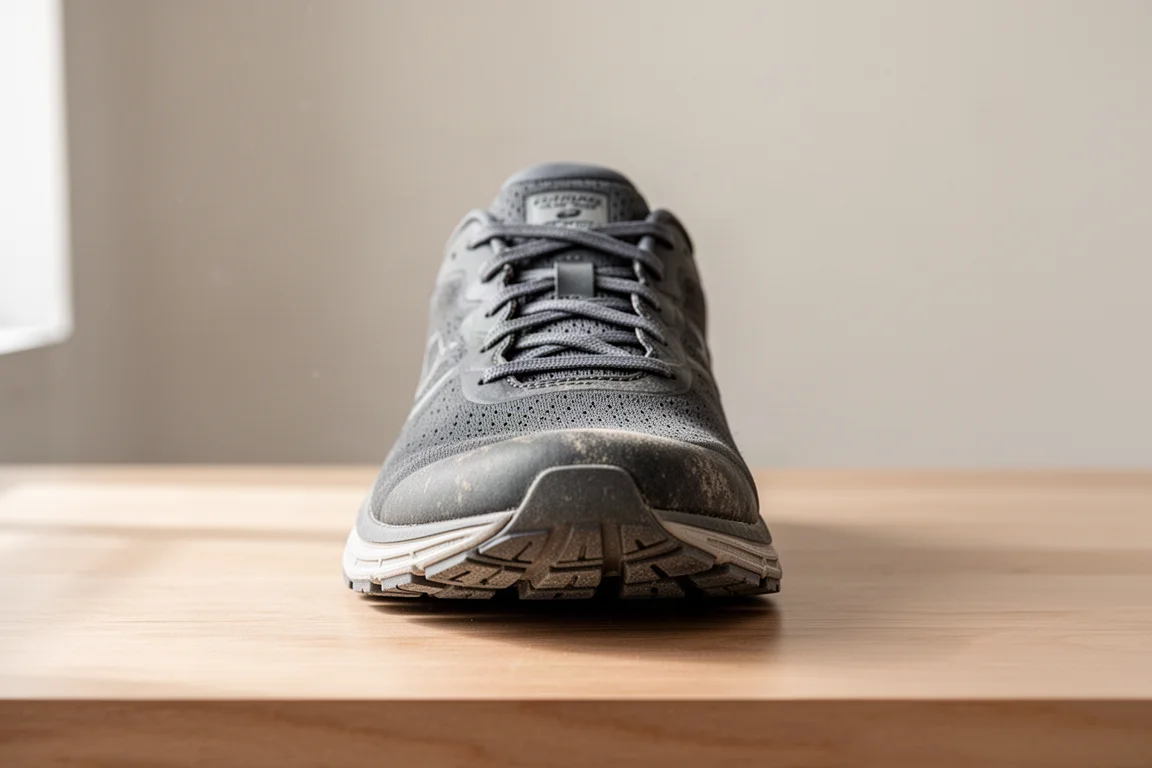
Not everyone responds well to a full super shoe, and the Saucony Kinvara Pro is a smart middle path. It carries super-shoe components in a friendlier, more trainable package. Runners shooting for a marathon around the four-hour mark may find better value and comfort here than in an aggressive racer.
Hoka Mach
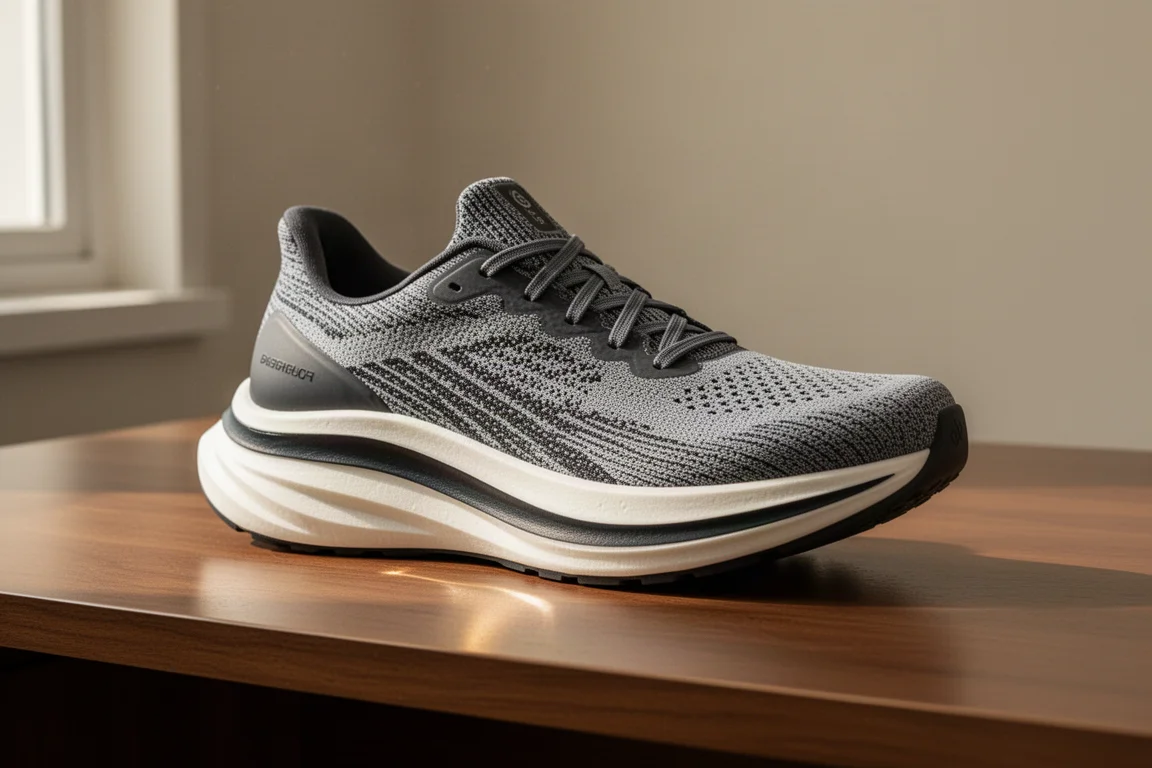
The Hoka Mach sits in the same practical category: a trainer-first shoe with enough pop to race in if a full super shoe feels like too much. It suits runners who prioritize control and comfort over maximum bounce.
Adidas Boston 12
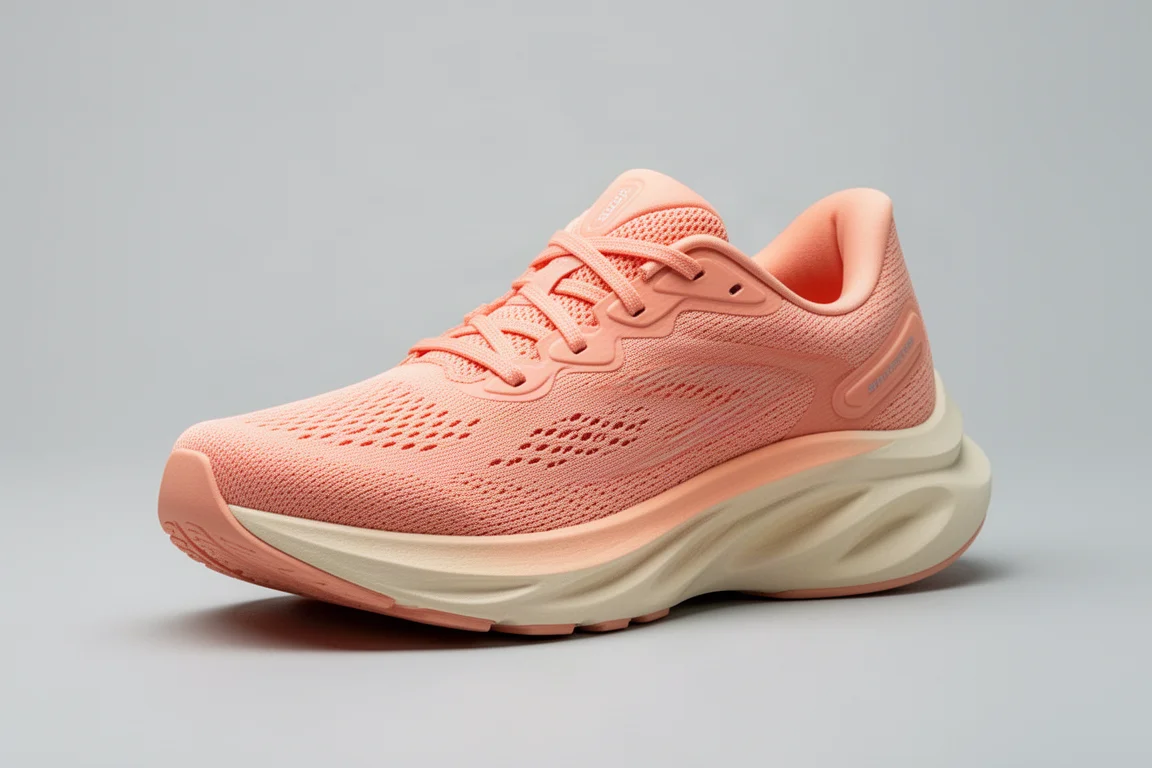
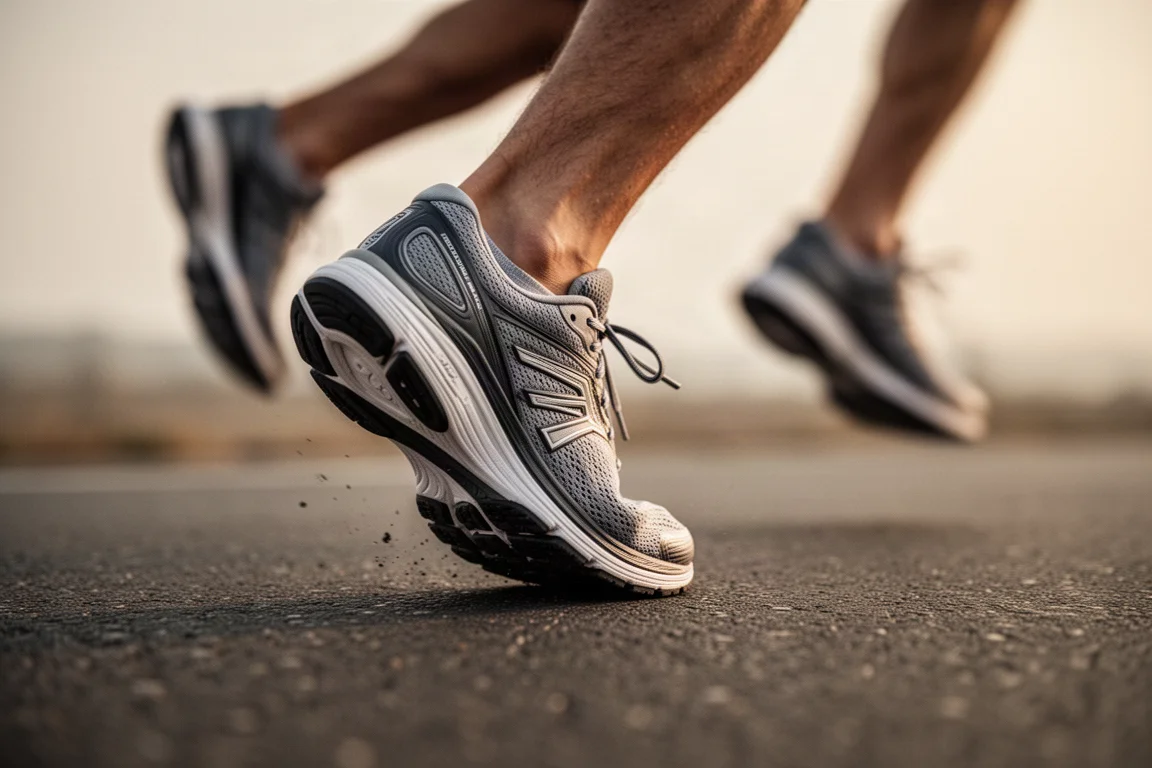
The Adidas Boston 12 is another well-loved alternative to a full super shoe. Paired alongside models like the Adios Pro in the lineup, it delivers much of the racing feel in a more durable, less aggressive package. It is a frequent recommendation for marathoners who find carbon racers unstable over long distances.
Puma Deviate Nitro
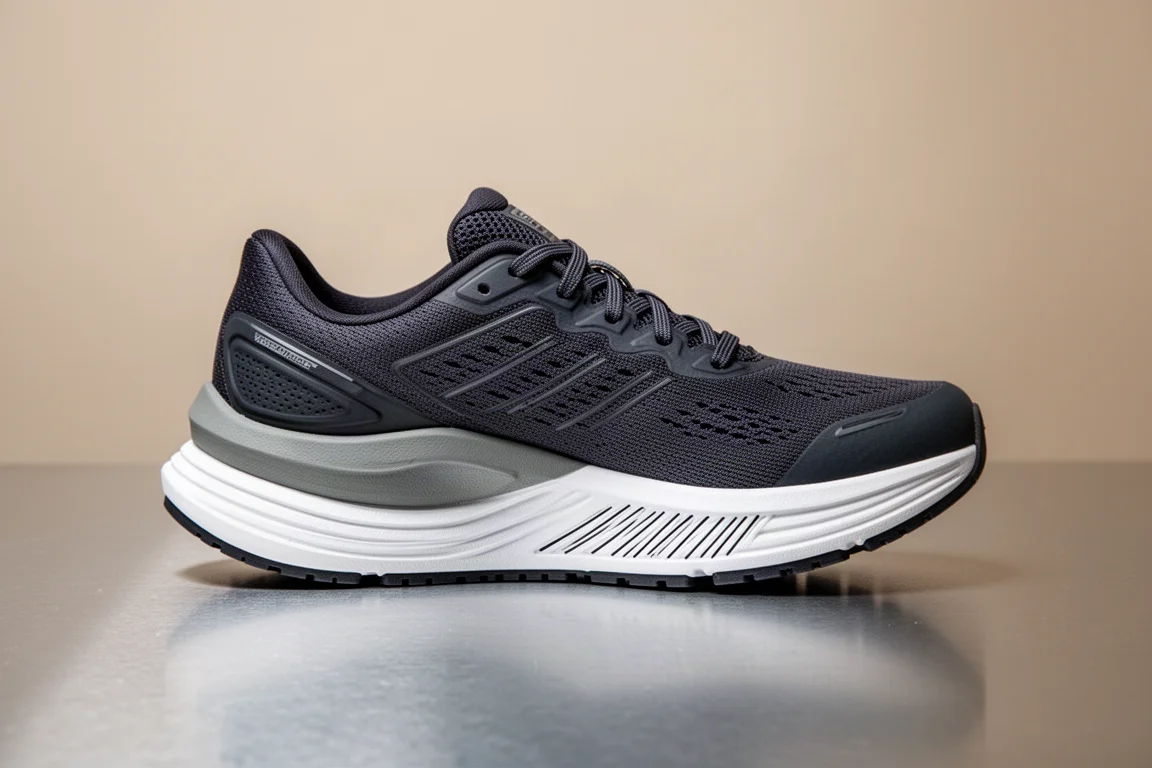
The Puma Deviate Nitro proves that a model often labeled a training companion can be a genuine racer in its own right. Plenty of runners prefer racing in it over its more extreme Elite sibling, and its durability holds up well beyond race day, making it easy to get your money’s worth.
Saucony Endorphin Speed 3
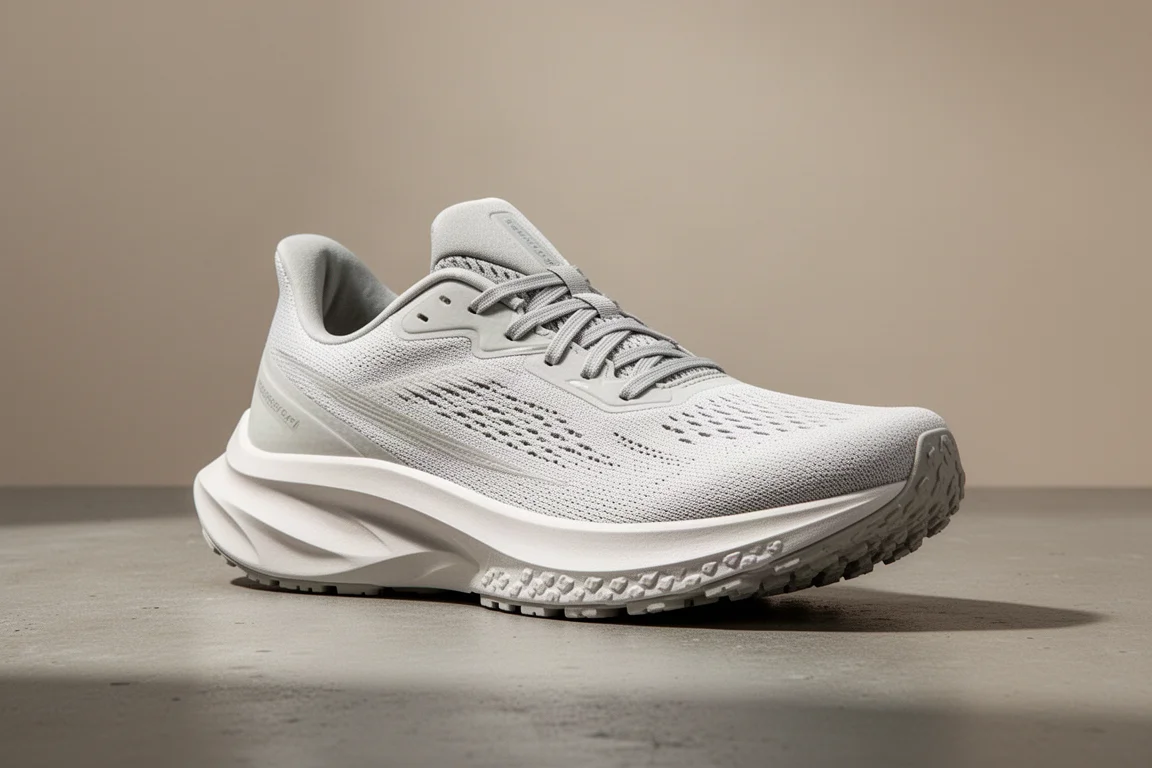
The Endorphin Speed 3 is the classic example of a nylon-plated alternative that some runners genuinely race faster in than its carbon sibling. Studies on plate stiffness suggest people respond differently to varying levels of flexibility, and the Speed is the proof: one runner broke three hours in this shoe and simply liked it better than the Pro. It also costs well under a $250 to $300 flagship racer.
View more details for Saucony Endorphin Speed 3
Super Shoes for Race Day
New Balance SC Elite 3
The New Balance SC Elite 3 is one of the more comfortable, less aggressive super shoes, which is exactly why so many runners succeed with it. It shines on longer runs and long races where control matters more than maximal propulsive feel. Runners who want a super shoe that will not punish them over 26.2 miles often land here.
Nike Vaporfly 2
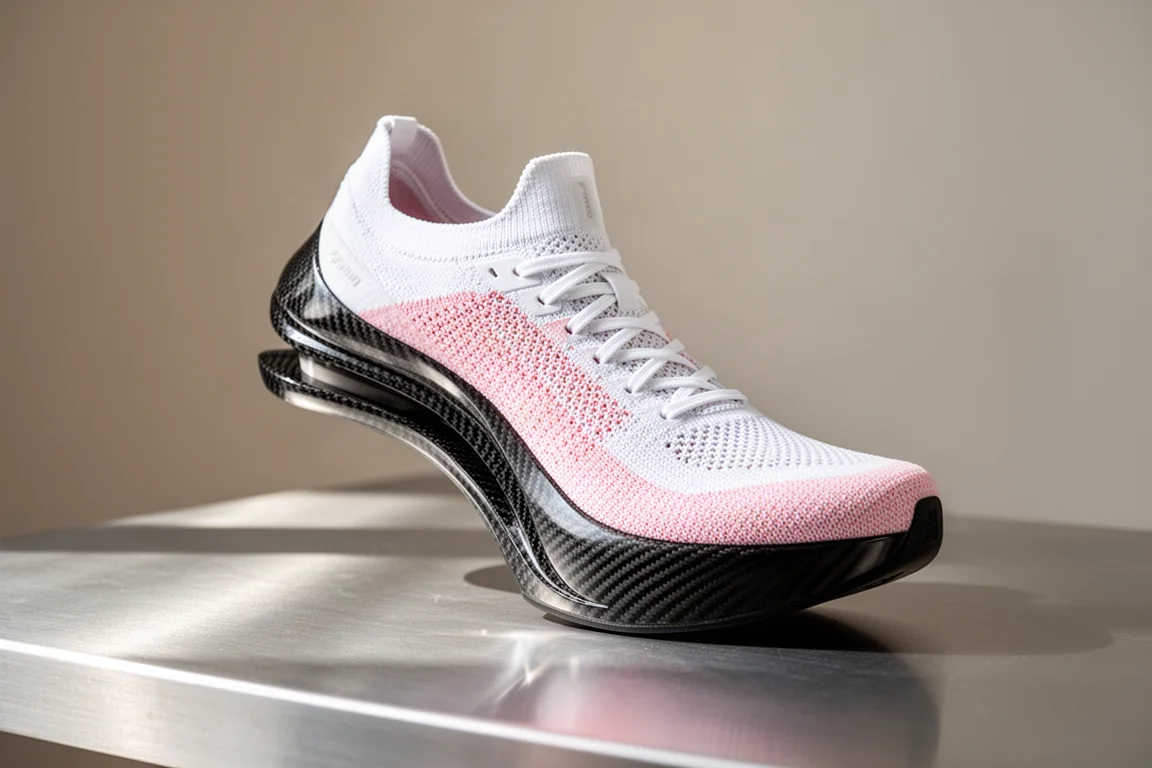
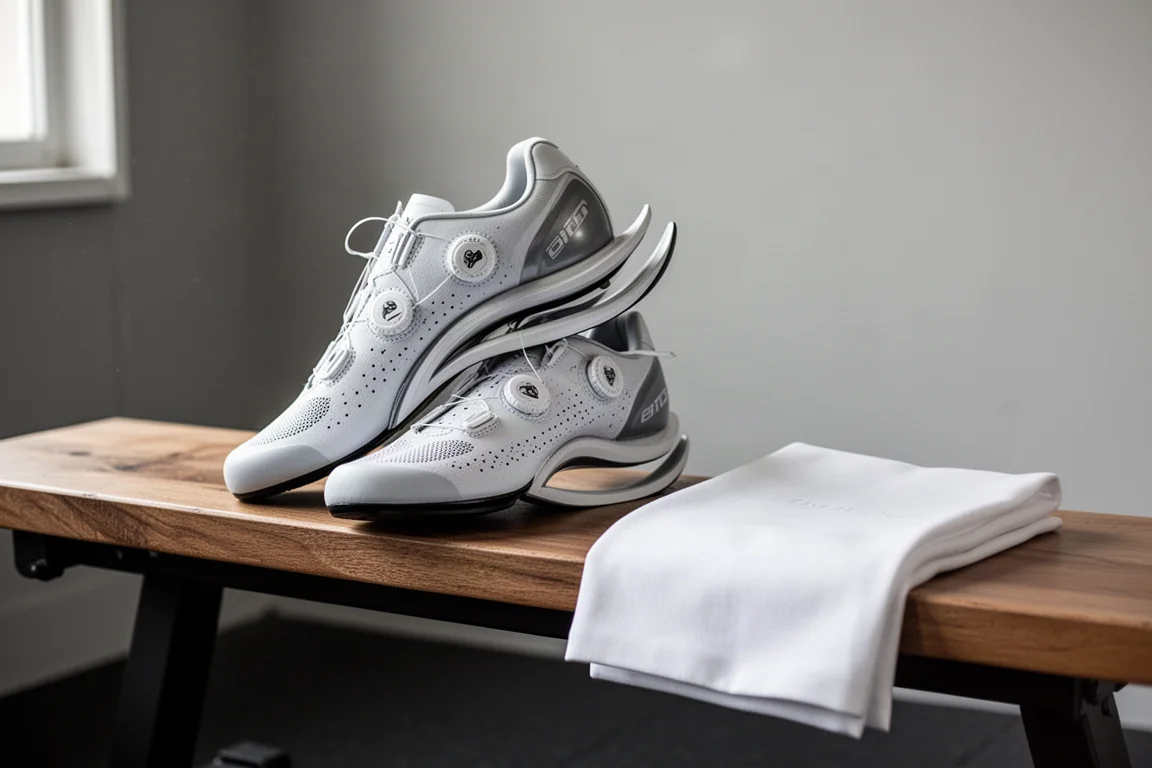
The Nike Vaporfly 2 remains the reference point for the whole super shoe conversation. Testing has shown roughly a 1.5 percent running economy improvement over a traditional racing flat, and it is the model most marathoners think of first. The catch is that it is a tool with a specific purpose: it is best used sparingly for racing and key workouts, not for every run.
Saucony Endorphin Pro 3
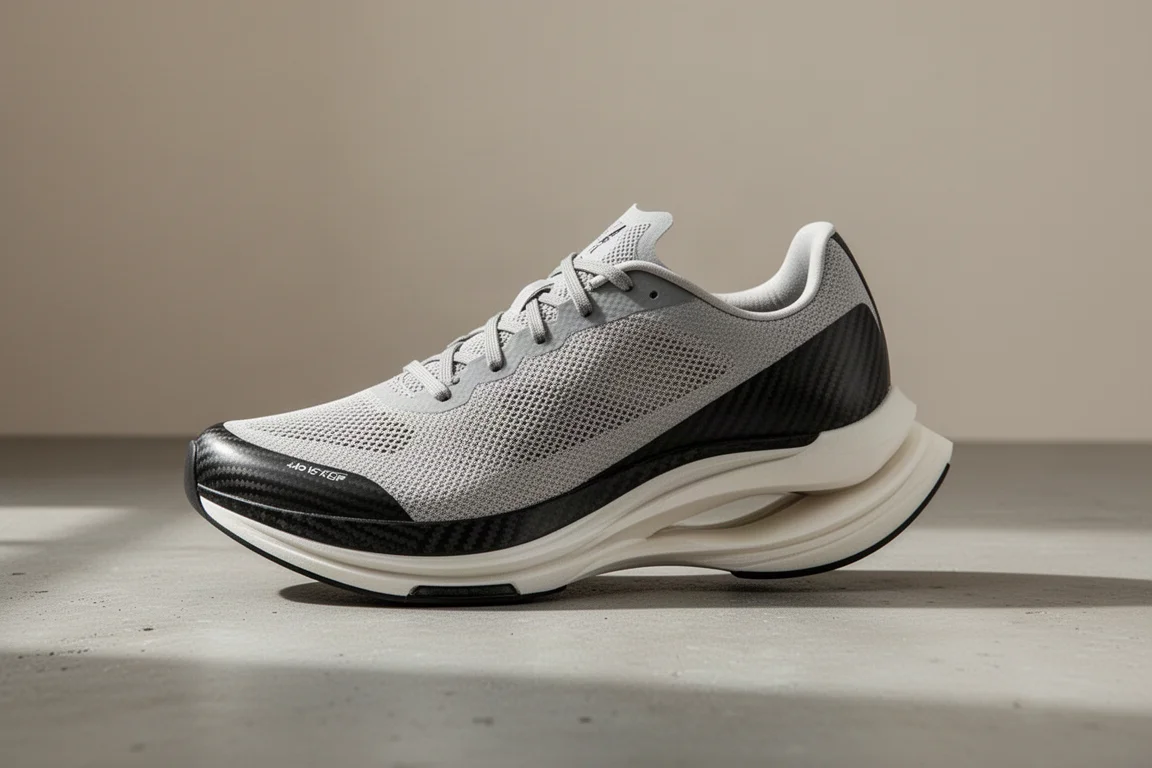
The Saucony Endorphin Pro 3 has proven surprisingly durable for a carbon racer. Runners have logged well over a hundred miles with the foam and outsole still usable, and it often shows up on sale for around $225, well below the $275 to $300 tier. If you want a super shoe with real longevity, this is a compelling option.
View more details for Saucony Endorphin Pro 3
Nike Alphafly 1
For forefoot and midfoot strikers, the Nike Alphafly 1 remains a favorite. The placement of the Air Zoom units right under the landing zone gives it a rocket-like feel, and many consider it the fastest shoe they have ever run in. That same aggressiveness is why it is best kept to 5Ks and half marathons rather than a full marathon.
Nike Alphafly 3
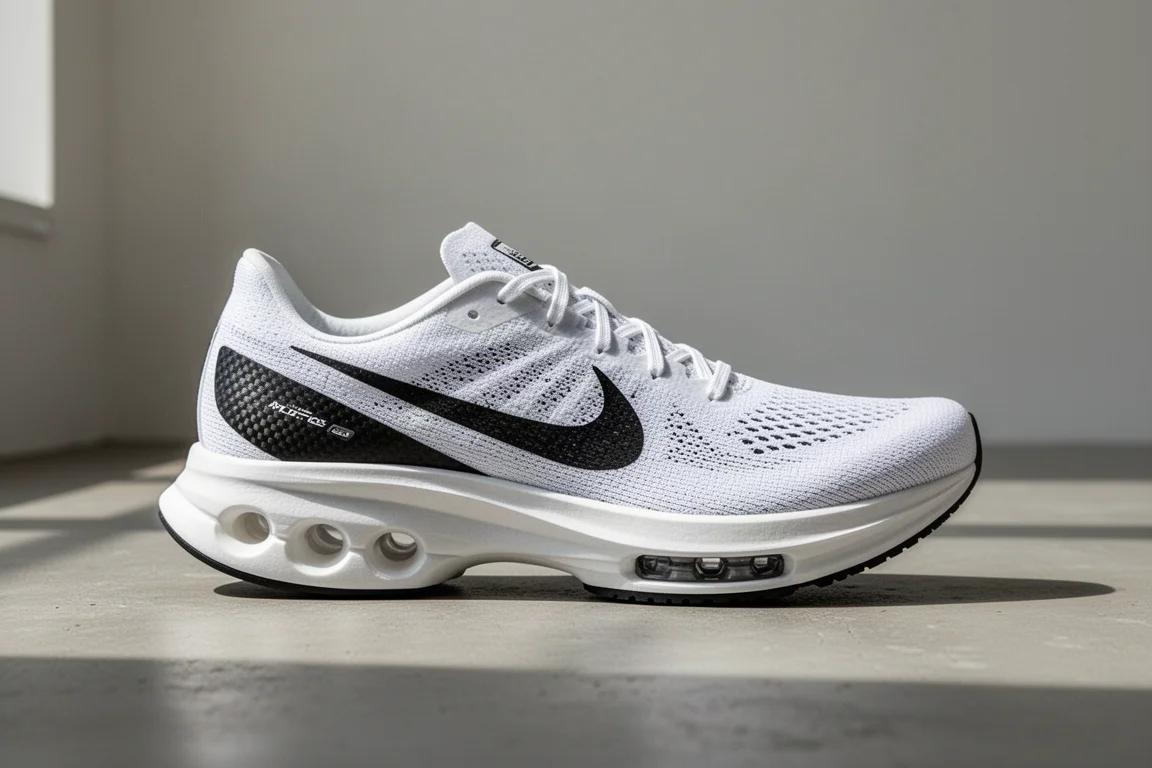
The Alphafly 3 shifts to an 8-millimeter drop, encapsulates the Air Zoom units, and feels lighter and more balanced, particularly for runners who load the heel. It is more controllable than version one for those mechanics, though it still may be too aggressive for a full marathon for many runners. Between the two, the right choice depends heavily on how your foot strikes and loads the shoe.
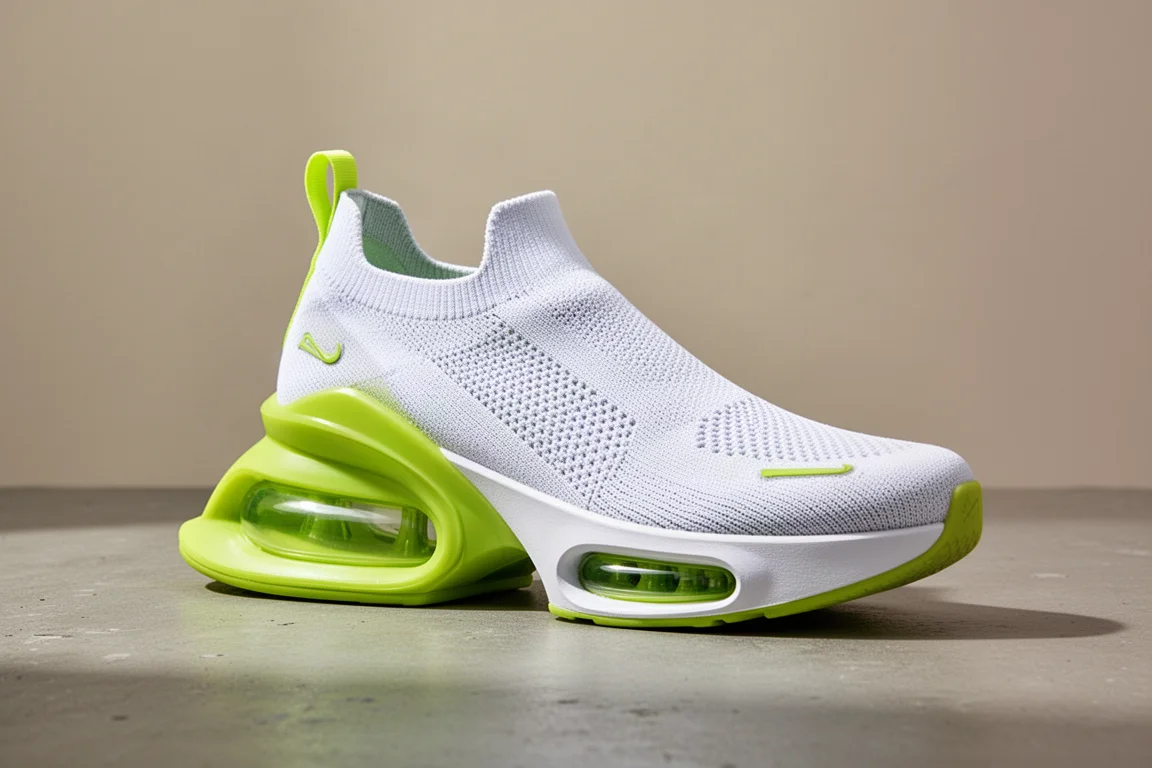
Plated Racers and Final Takeaways
Two quick truths worth remembering. First, carbon is not magic: the plate accounts for only a small fraction of the running economy gains in modern racers, and some studies found that cutting the plate produced no significant change. Nylon, plastic, and fiberglass plates are legitimate, and many runners perform better in them. Second, if you are a marathoner running beyond four hours, a softer, less aggressive half-super shoe or a comfortable lightweight trainer may serve you better than the most extreme racer on the wall, especially if you can test shoes where you buy them and use a return policy when something does not work.

Whatever you choose, the best shoe is the one that matches your mechanics, feels comfortable over your race distance, and lets you train consistently. Try before you buy when possible, do not do the bend test on shoes in the store, and remember that no shoe guarantees a personal best.
Conclusion
From the Brooks Hyperion Max and Hyperion GTS for traditionalists, to the Kinvara Pro, Mach, Boston 12, Deviate Nitro, and Endorphin Speed 3 as practical half-super alternatives, to the Vaporfly 2, Endorphin Pro 3, SC Elite 3, and both Alphafly versions for race day, this lineup covers nearly every type of runner. Match the tool to the job and your own feet, and you will get far more out of any of them.
Further reading
Related Reviews

Running Shoes
Best Road-to-Trail Running Shoes: Three Versatile Options for Mixed Terrain
A practical guide to three road-to-trail running shoes that handle both pavement and mild trails, with clear strengths and trade-offs for different runner types.

Running Shoes
Best Running Shoes for Achilles Tendonitis: Three Options Explained
Three running shoes with different heel drops and support features designed to help reduce Achilles tendon pain during walking and running.

Running Shoes
Best Running Shoes for Women: Five Top Choices Ranked
A ranked guide to five women's running shoes, from versatile daily trainers to high-performance racing options, with real strengths and trade-offs for each.