Running Shoes
8 Running Shoes Worth Talking About: Buy, Sell, and What to Actually Pick
Eight notable running shoes from daily trainers to racers, with honest strengths, trade-offs, and guidance on who each one really suits.
Introduction
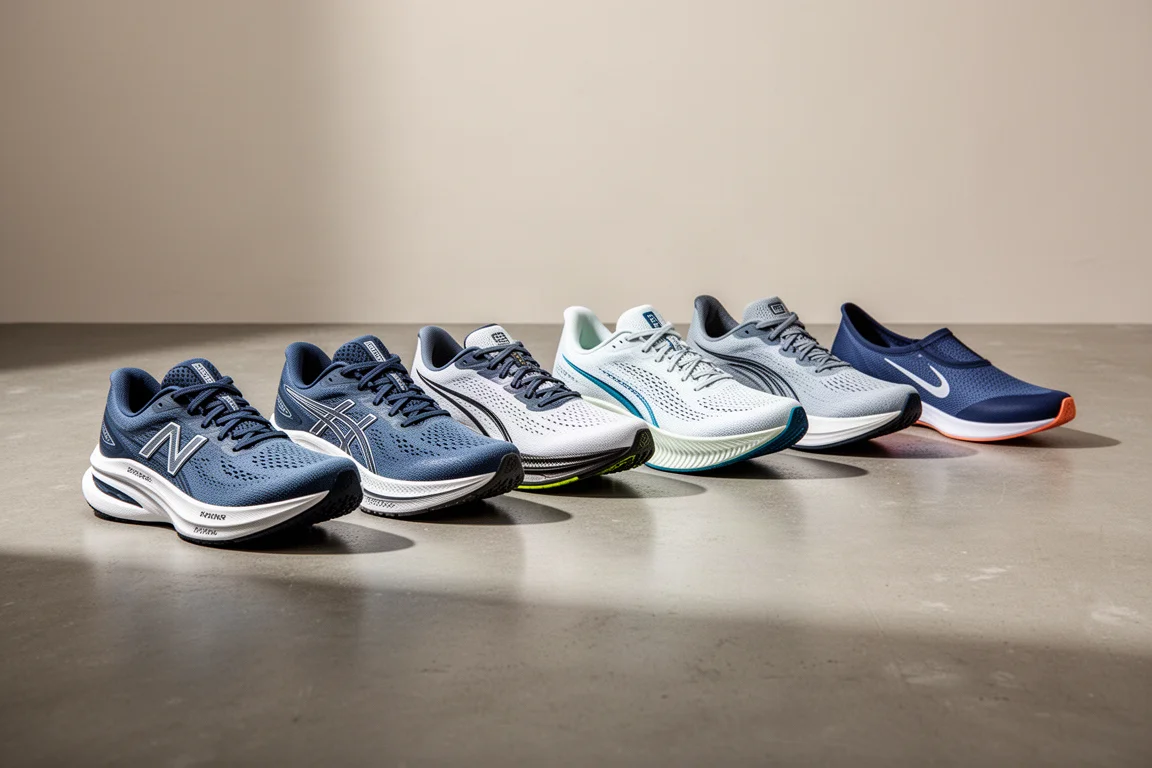
Big-name running shoe lines keep changing faster than ever. Some of it is genuinely useful: softer foams, better uppers, smarter pricing. Some of it is confusing, with familiar names now attached to shoes that ride completely differently. This rundown covers eight shoes that keep coming up in serious training conversations, from a reworked Wave Rider to a LightSpray-uppered Cloudmonster, with a clear sense of who each one is actually for.
Mizuno Wave Rider 30
The Wave Rider 30 is a full overhaul that still manages to feel like a Wave Rider. The new Energy Next super-critical EVA foam is noticeably softer and bouncier than before, and the plate orientation keeps that classic spooned, Wave Rider-esque sensation underfoot. The drop is a bit lower and the foam is much softer than older versions, but the familiar dropping sensation of the line is still there.
At a weight in the mid-9-ounce range, it gives you real versatility for a daily training shoe. It is built as a workhorse, not a workout shoe, but it can handle faster efforts the way older Wave Riders always did, as a snappier trainer you can turn over a little. Riders loyal to the traditional firm Wave Rider may not love the change, though others may love it. In context, version 29 was a dramatic shake-up, and version 30 reads as a good correction.
Salomon Aero Blaze 4
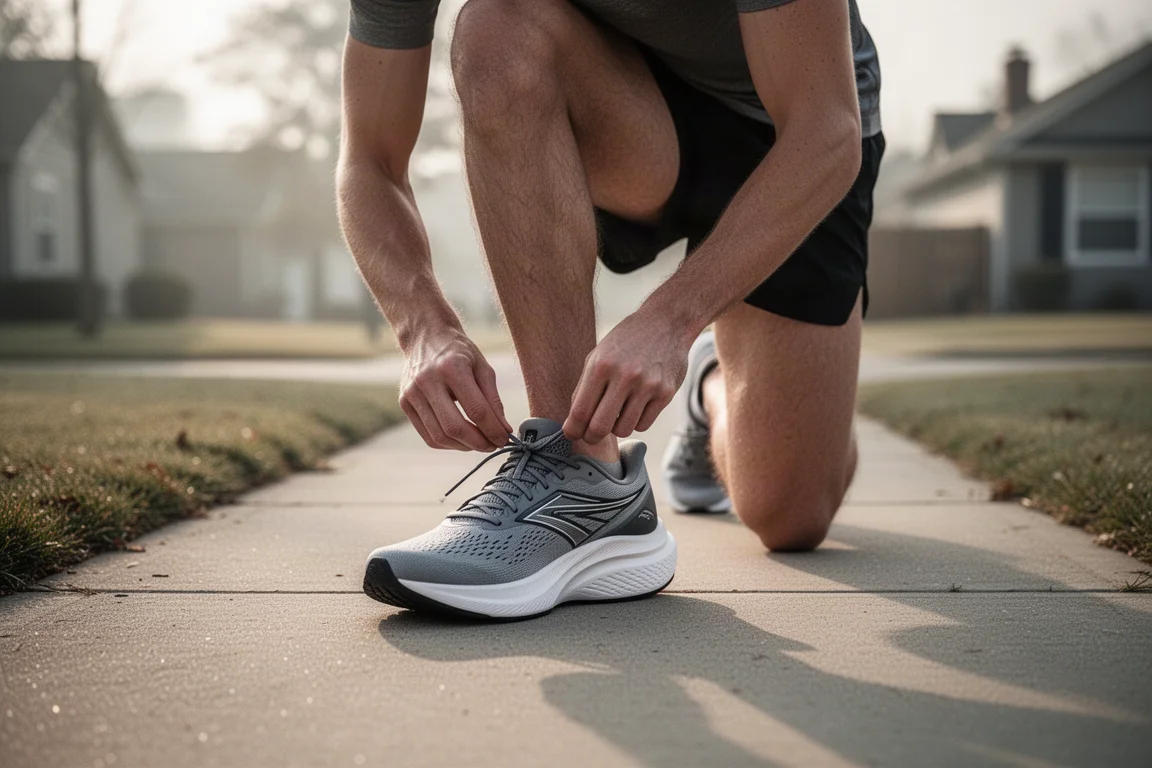
The Aero Blaze 4 keeps the midsole, weight, and geometry that made the Aero Blaze line fun, and improves the upper. The midfoot is still fairly narrow, which was the main complaint with version 3: some instability through the midfoot that made the shoe feel like you were falling off the medial side. The reinforced upper in version 4 helps the foot sit better on the platform, which improves the feeling even when standing and walking.
Salomon deserves credit for aggressively overhauling its midsoles rather than being conservative, with big performance jumps across the lineup. For runners with more stable feet, the narrow midfoot should be less of an issue, and this is a shoe with genuinely fun geometry. Runners who need more midfoot stability should try it on carefully first.
Hoka Clifton Pro
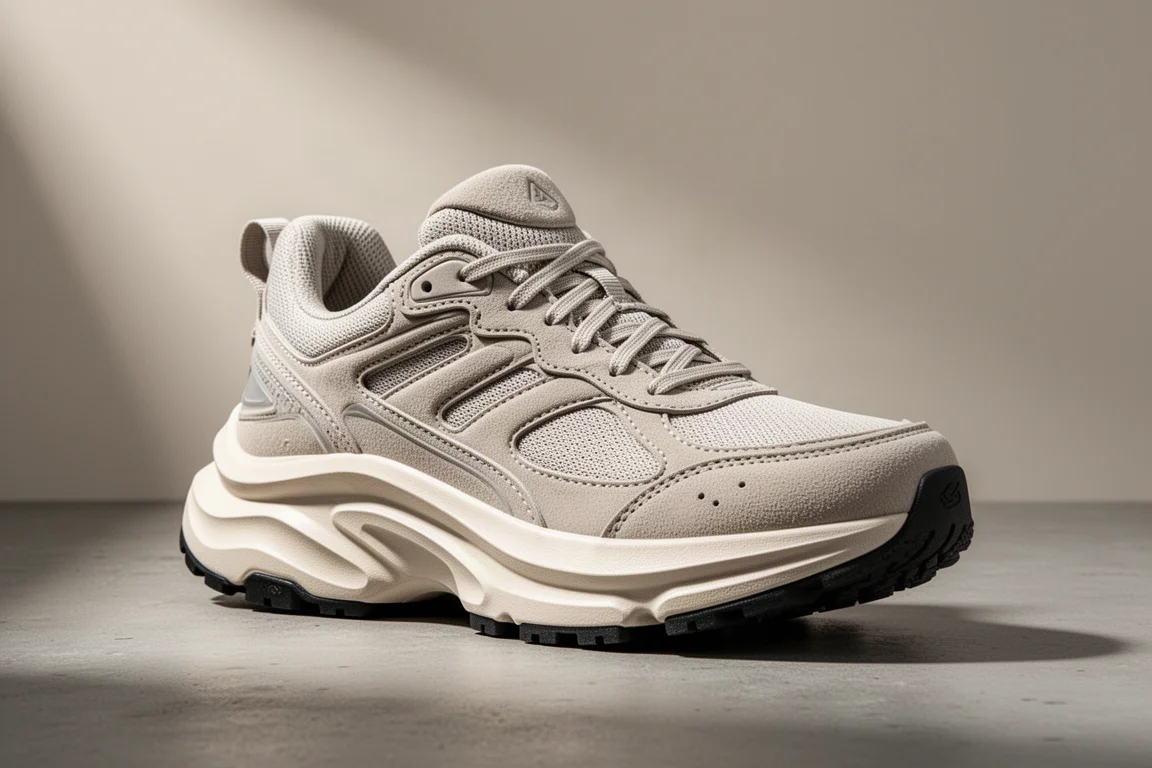
The Clifton Pro surprised in a different direction than the “Pro” badge suggests. Rather than feeling snappier and more energetic than the regular Clifton, it feels a bit firmer and noticeably more stable underfoot, with a super-wide base and a lot of sole flaring. The podular design adds flex and a bit of a trampoline feel that offsets the firmness, and the result is a pleasant, stable-neutral rocker.
At 10 ounces it is heavier than the regular Clifton and not a fast-feeling shoe, so it is not something to willingly race in or use for hard workouts. Where it shines is rhythmic running: steady, controlled efforts where the geometry lines up well with natural mechanics. With a retail around $165, it sits well below the On Cloudmonster 3 Hyper while covering some of the same ground.
Brooks Ghost Amp
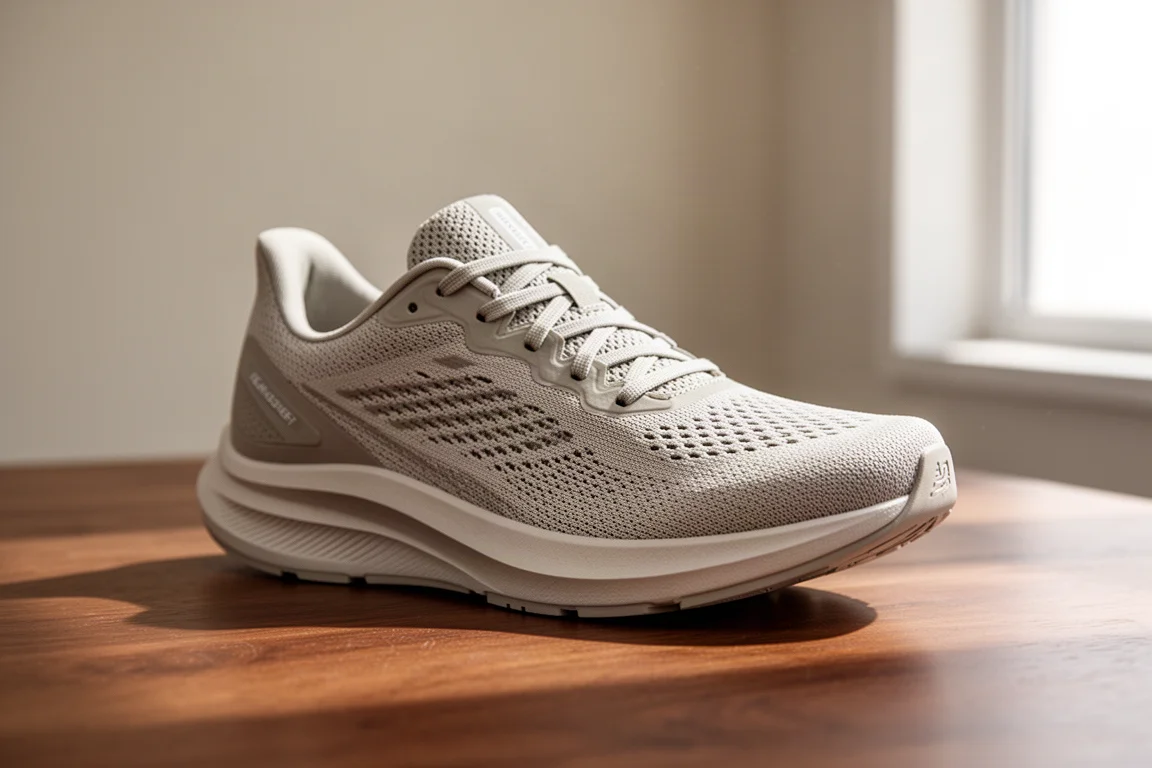
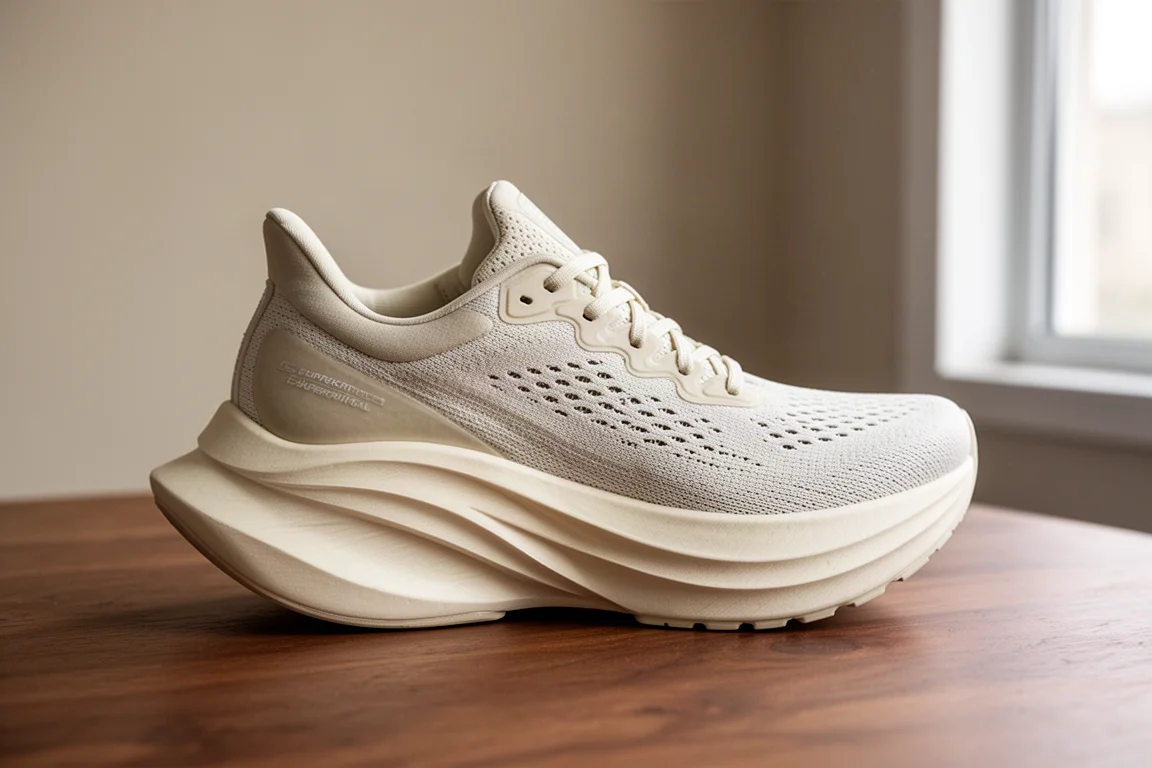
The Ghost Amp is the Ghost many runners hoped for. It uses DNA Hype, a PEBA-blend midsole, that sits on the firmer end of the soft spectrum but with real resilience: it snaps back at you, giving a springy, amped-up feel even walking around. The 6mm drop is unusual for Brooks, and the shoe is lighter than the normal Ghost while being slightly wider with a slightly thicker, warmer upper.
Two caveats stand out. The break-in period is rough, with lateral midfoot aches for roughly the first 5 to 10 miles before it settles. And out of the box the sidewalls feel aggressive until the shoe softens up. Once through that, it handles everything from easy runs to fartleks well, and outsole durability looks strong at 40 to 50 miles. At a $150 retail it is a strong versatile option, especially for runners who want one shoe that does a bit of everything.
Hoka Clifton 11
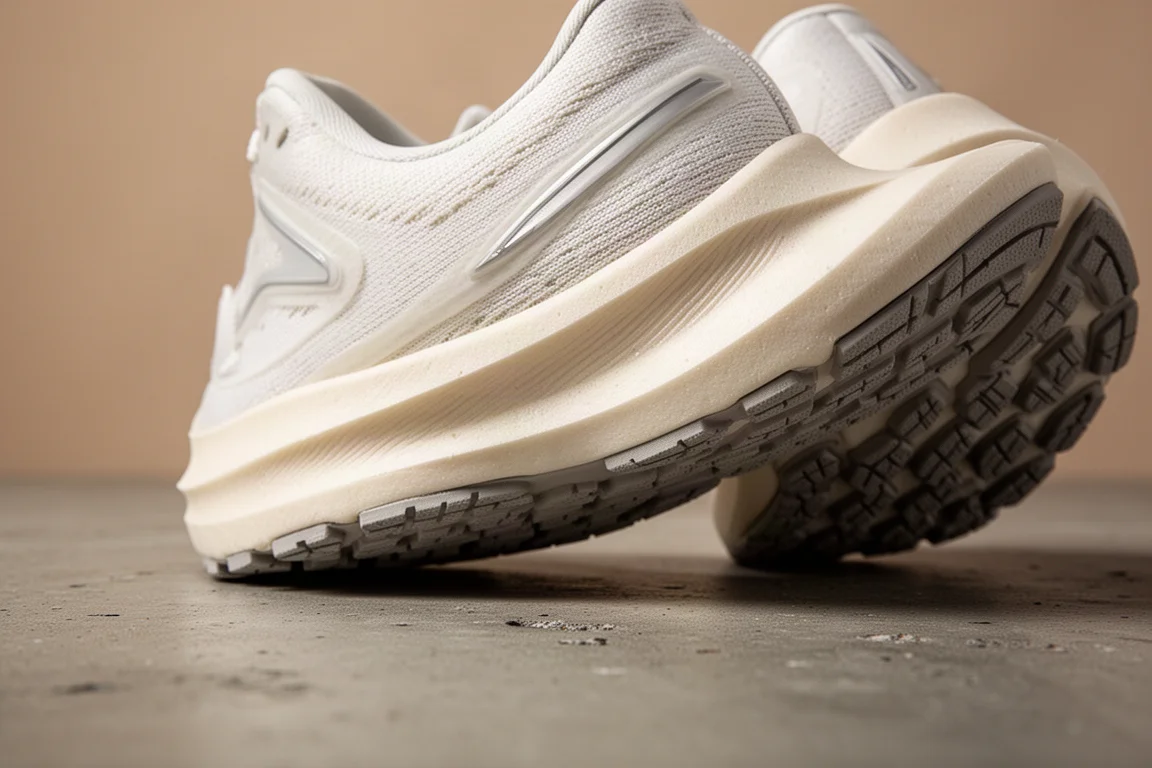
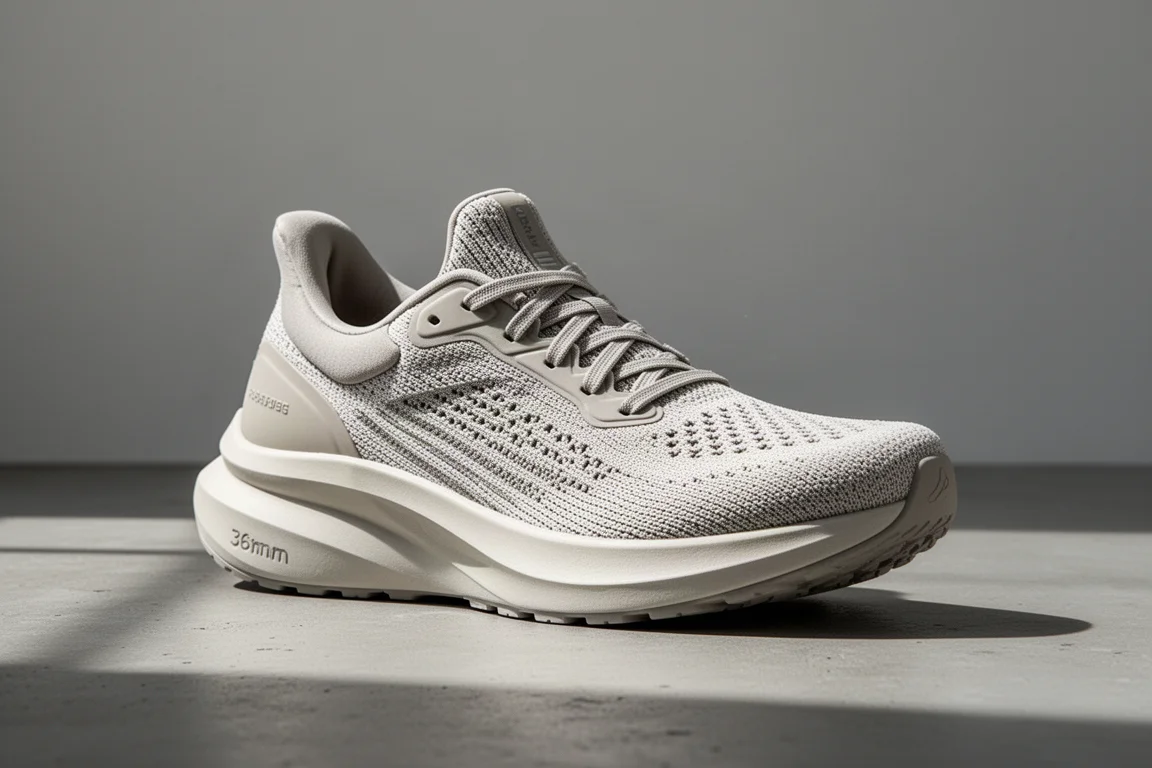
The Clifton 11 is a quieter but meaningful fix of the line. The upper gets more room and a bit less weight, and the midsole transitions much more smoothly. An upgraded insole matters more than it might seem, since the insole is the first thing your foot experiences at ground contact, and paired with what appears to be a midsole tweak, the whole shoe feels smoother.
Stable neutral from the first step, it also resolved the lateral ankle ache that version 10 caused for some testers. The main watch item is outsole durability, which has not always been a Clifton strength, with visible wear appearing around 65 miles on test pairs. If version 10 did not work for you, this one is worth another look.
Puma Deviate Nitro Elite 4
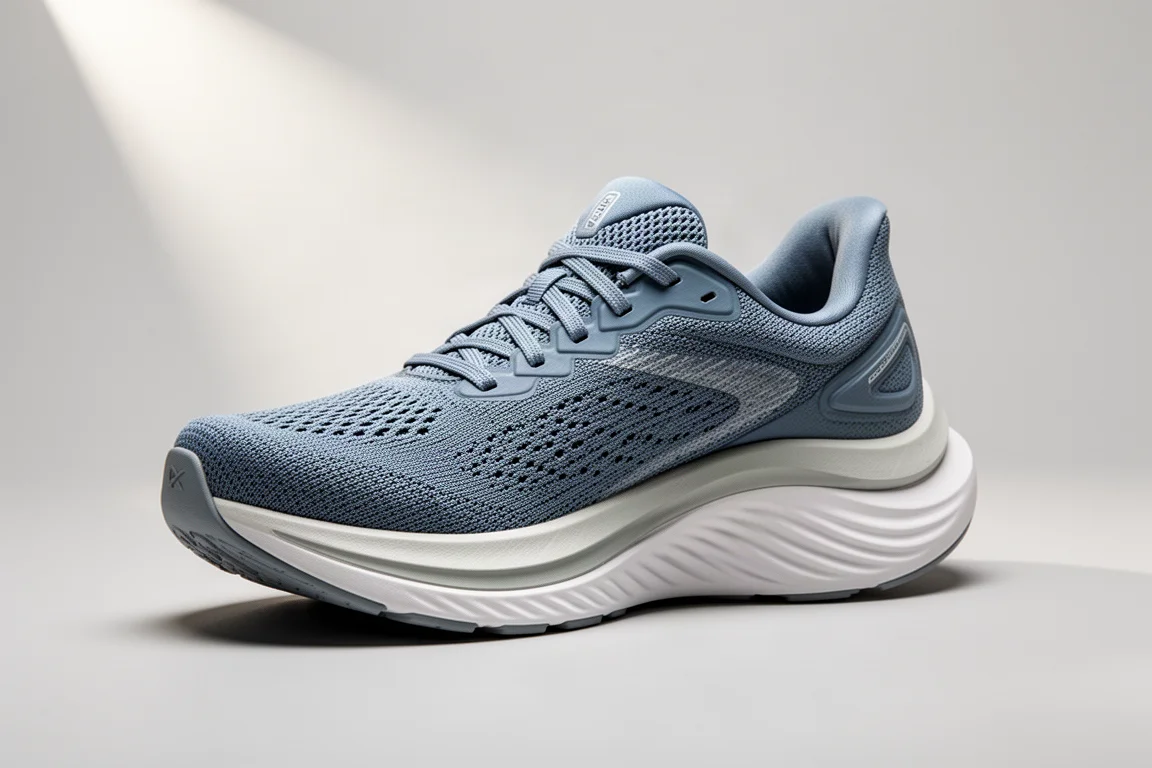
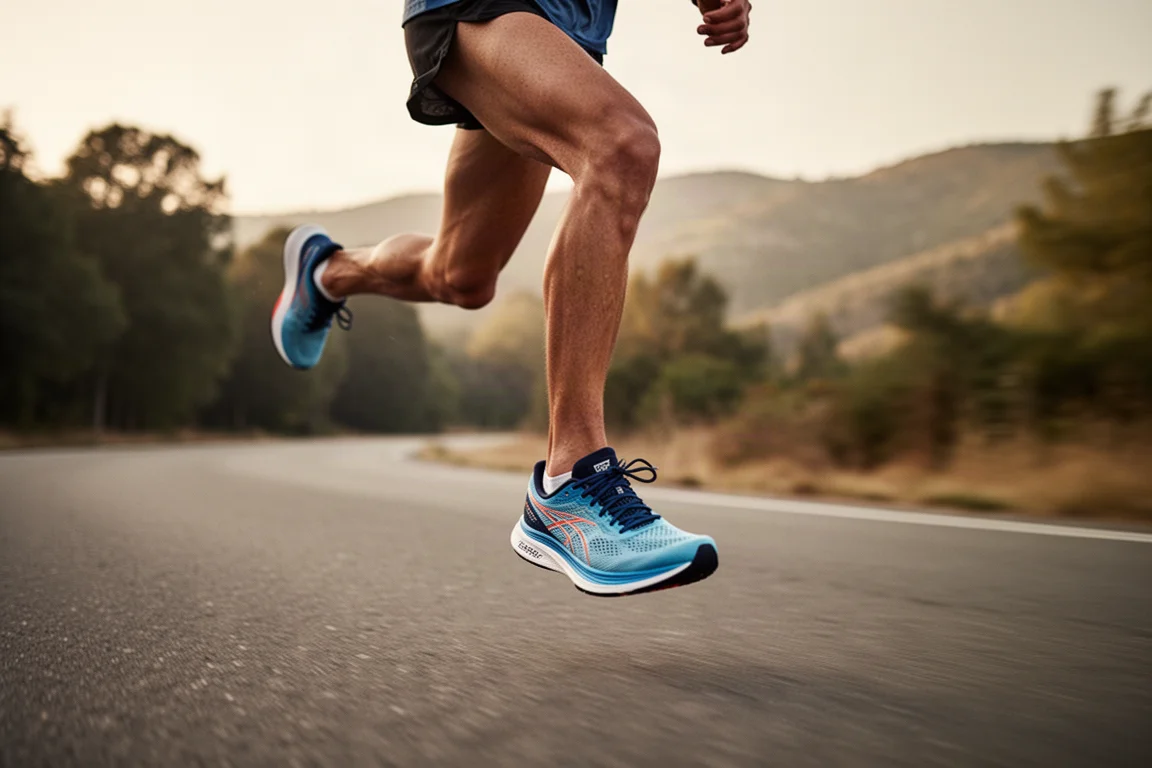
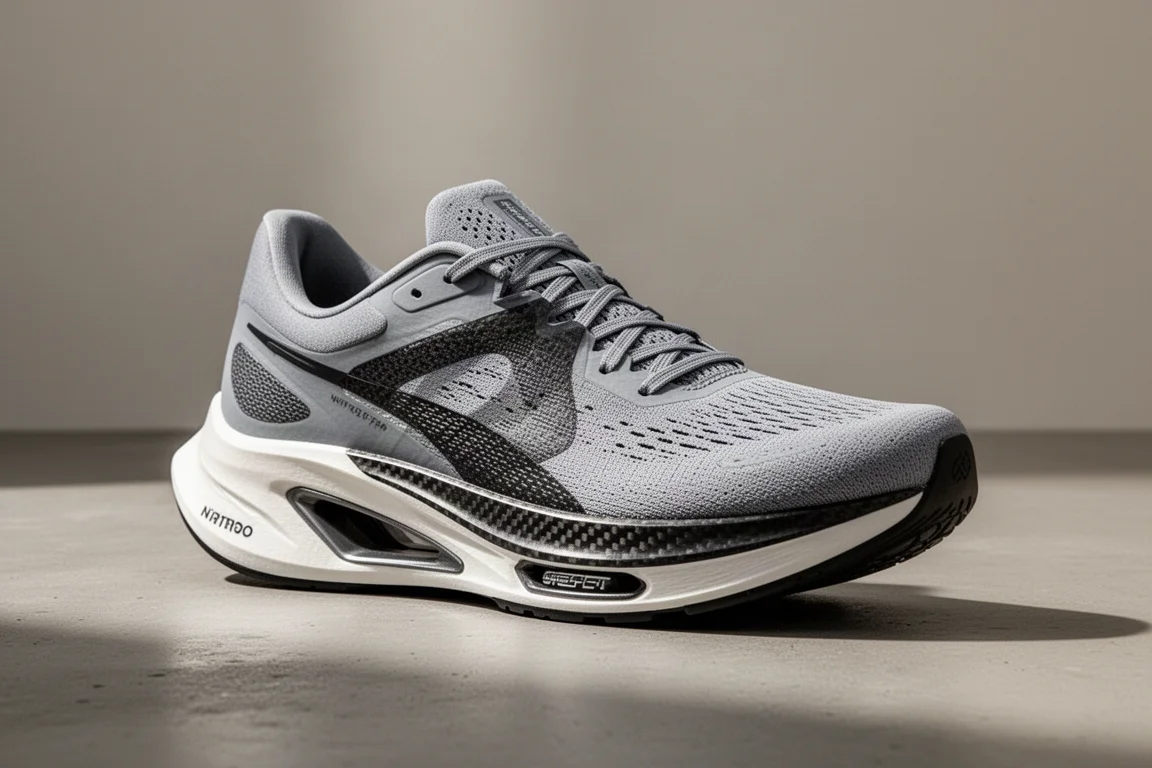
The Deviate Nitro Elite 4 is a snappy racing shoe that does not pretend to be the fastest thing on the market, but delivers a genuinely great racing experience. It is super light, feels like a proper racing shoe, and moves off the forefoot quickly. It is not soft; it is aggressive and quick.
The standout detail is the forefoot rocker, which is angled laterally. For runners who pronate through the forefoot, that provides a bit of lateral guidance. Runners who want to pivot off the first toe may not enjoy it. The midfoot is narrow, so it is not stable neutral, but it did not cause problems in testing. Its sweet spot looks to be the 5K to half marathon range, with marathon suitability uncertain. After a race effort, feet came away soreness-free, which says a lot.
Adidas Adizero Evo SL
The Evo SL has become one of the most-iterated shoes on the market, and that is largely a good thing. The platform is beloved, and Adidas now offers multiple uppers on it: the original thin, very breathable upper; a woven upper that adds structure while keeping decent breathability; and an exoskeleton upper with much better reinforcement and security, at the cost of some breathability, a little warmth, and a slight crinkle that breaks in over time.
All three versions share the same platform, so the choice is mostly about upper preference. The original upper has the least structure of the three, and the woven sits in the middle. The exoskeleton makes your foot feel the most dialed in. If you already love the ride, there is likely an upper variant that fits your foot better than the original.
On Cloudmonster 3 LightSpray
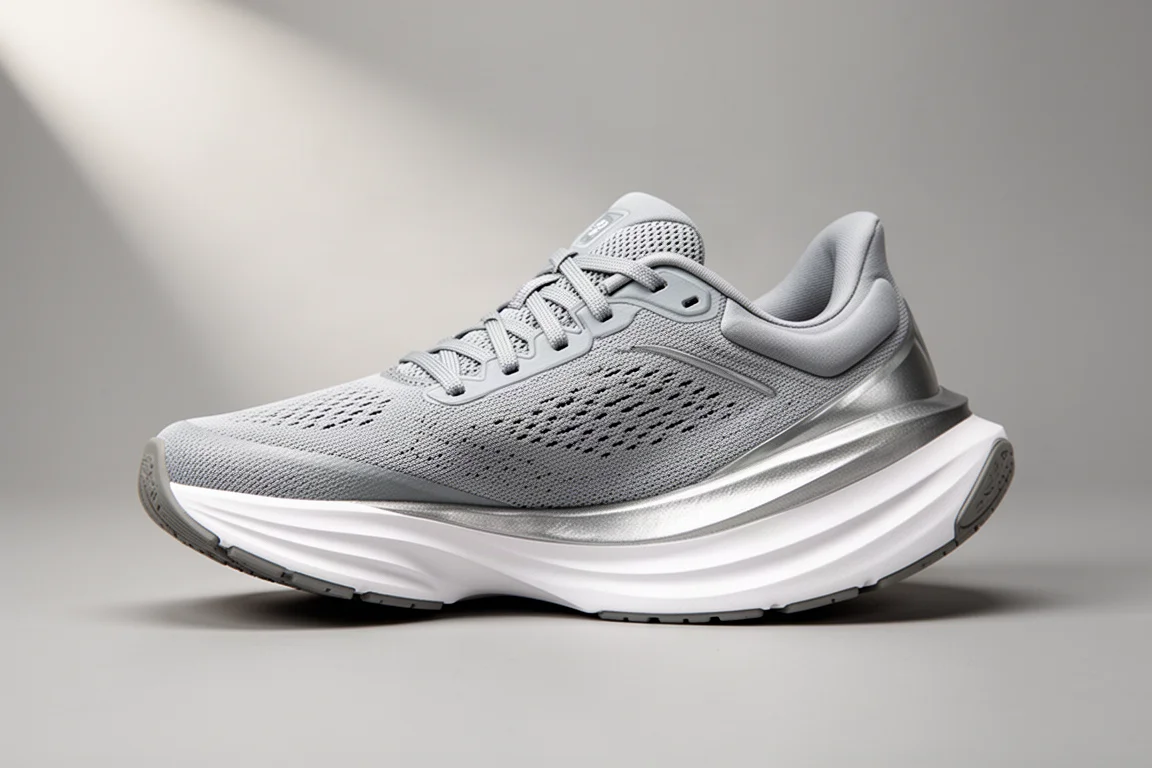
The Cloudmonster 3 LightSpray proves that a radically minimal upper can work. The spray-on upper seemed like a gimmick that could never hold up, but with 200 miles logged it is still intact and still comfortable. The shoe keeps the bulbous, plush Cloudmonster personality while dropping weight dramatically thanks to the upper.
Two things to know. Fit matters a lot with a LightSpray upper, since there is no adjustability to fall back on. And with essentially no upper material, low-cut socks are a mistake: tall socks are effectively required to avoid abrasion at the ankle. Get both of those right and it is one of the most distinctive cushioned shoes available.
Which One Fits Your Rotation
If you want a soft-bouncy daily workhorse with a familiar heritage feel, the Wave Rider 30 and Clifton 11 cover that ground well. The Ghost Amp adds more bounce to a stable-neutral daily trainer at a friendly $150 price point. For rhythmic, stable efforts, the Clifton Pro is a pleasant surprise rather than a race-day tool. On the performance side, the Deviate Nitro Elite 4 is a snappy 5K-to-half-marathon racer, and the Evo SL family lets you tune the upper to your foot while keeping a popular platform. The Aero Blaze 4 rewards runners with stable feet who want a fun, aggressive ride, and the Cloudmonster 3 LightSpray is for maximal cushion fans willing to adapt to its quirks.
Conclusion
There is no single best shoe here, and that is the point. Match the shoe to the job: daily miles, steady rhythm work, or racing. Each of these eight earns its place for a specific runner, and knowing the trade-offs, from the Ghost Amp’s break-in to the LightSpray’s sock requirements, is what turns a good purchase into a great one.
Further reading
Related Reviews

Running Shoes
Best Road-to-Trail Running Shoes: Three Versatile Options for Mixed Terrain
A practical guide to three road-to-trail running shoes that handle both pavement and mild trails, with clear strengths and trade-offs for different runner types.

Running Shoes
Best Running Shoes for Achilles Tendonitis: Three Options Explained
Three running shoes with different heel drops and support features designed to help reduce Achilles tendon pain during walking and running.

Running Shoes
Best Running Shoes for Women: Five Top Choices Ranked
A ranked guide to five women's running shoes, from versatile daily trainers to high-performance racing options, with real strengths and trade-offs for each.