Running Shoes
Nine Running Shoes Worth Knowing in 2026: What Each Brand Gets Right
From the Hoka Rocket X Trail to the New Balance SC Elite v5, a practical look at nine standout running shoes and what to weigh up before buying.
Introduction
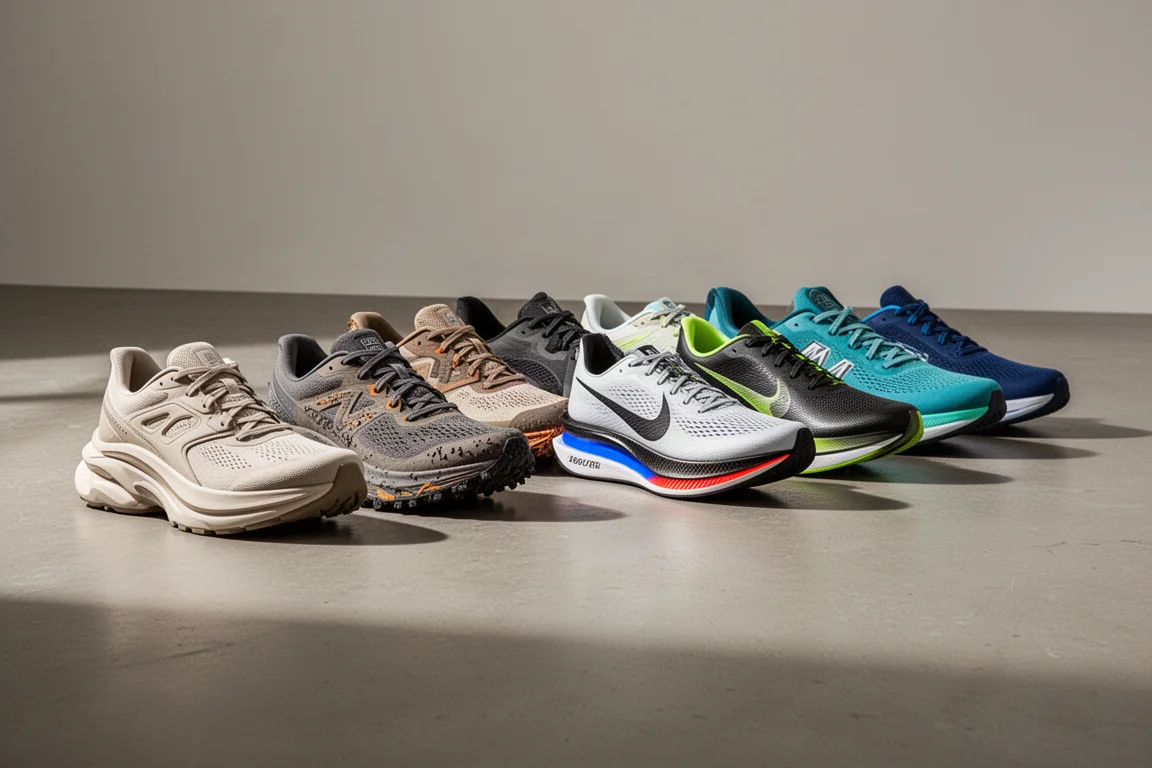
Running shoe lineups have grown fast, and it has never been harder to figure out which model actually fits your running. This roundup pulls together nine shoes that kept coming up in conversation this season: a genuine super trail shoe, a resurgent daily trainer family, an ambitious stability racer, a reinvented icon, and several performance shoes that divide opinion. Each one earns attention for different reasons, and each carries a trade-off worth knowing before you buy.
Hoka Rocket X Trail
The Hoka Rocket X Trail is one of the few true super shoes for the trail that manages to stay stable and neutral at the same time, where many rivals feel heavy, clunky, or simply too stiff to settle into a rhythm. The outsole has also held up impressively well when kept to genuine trail use, which matters because taking it on road will chew through the lugs quickly. One consistent note from testers: it fits roughly half a size small for the first stretch of miles before the upper opens up, so consider a half size up if you are covering long distances.
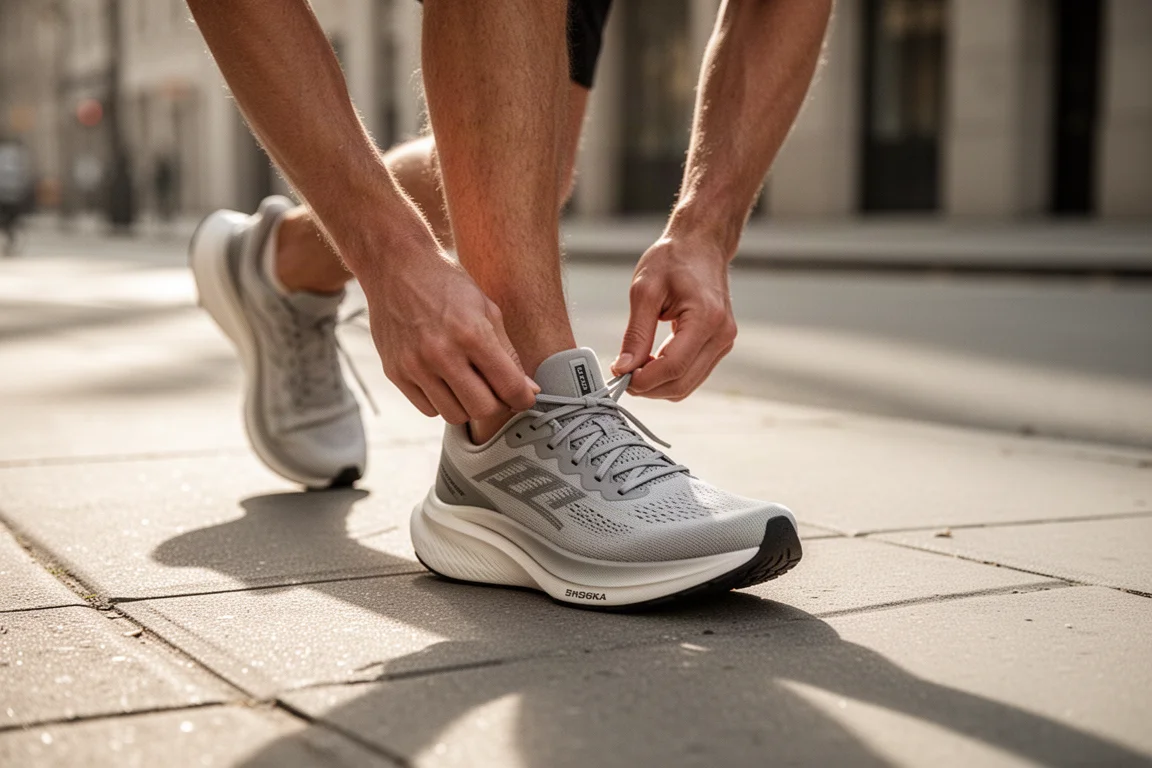
It is lighter than most of the super trail competition and handled both trail miles and even a track session surprisingly well, though that road versatility comes at the cost of lug wear. If your miles stay on soft dirt and bark, this is one of the most complete super trail packages available.
Nike Vomero Plus
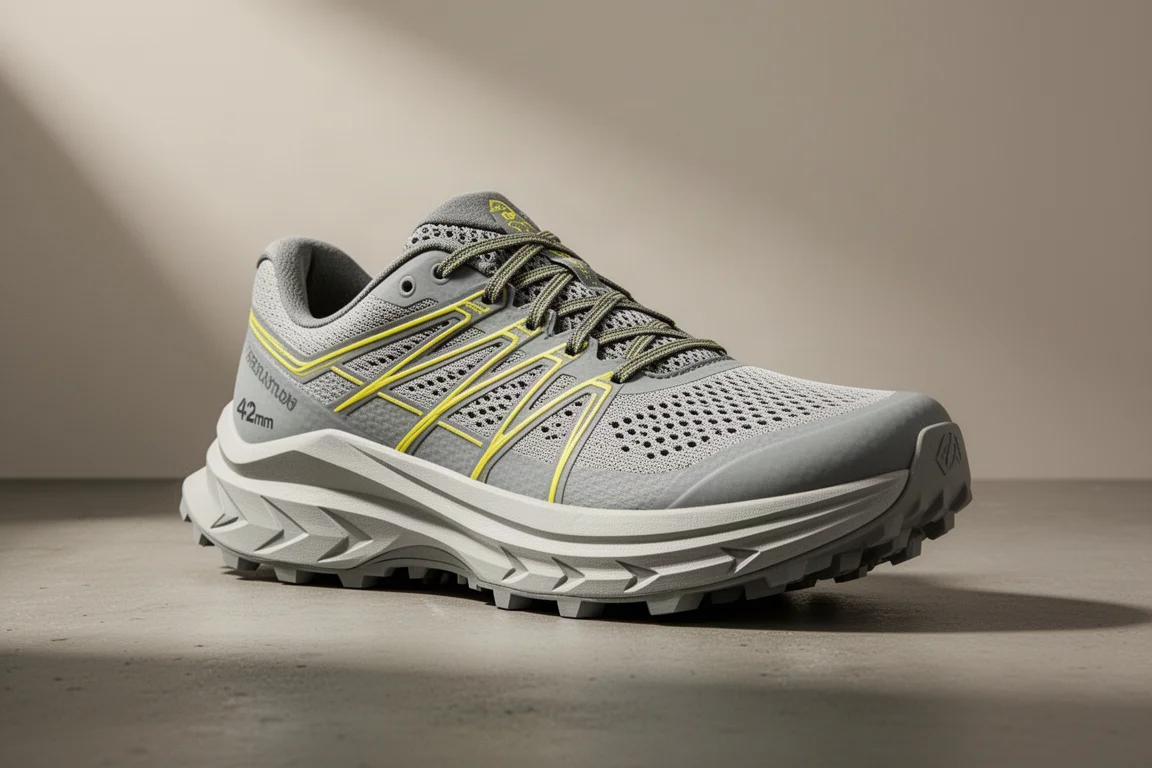
Nike’s racing shoes have long been top tier, but for years the daily trainers lagged behind. That is changing, and the Vomero Plus is one of the clearest signs of it. It has earned a spot in conversations about the better trainers of the year, sitting alongside the consistently solid Vomero line as one of the more compelling Nike trainers in a long time. Nike’s trainer range is genuinely back in the discussion again, even if the wide three-tier system of base, Plus, and Premium models can make the lineup confusing to shop.

For anyone who wants a Nike trainer and does not want to decode tier naming, the Vomero Plus is the model most people seem to agree on.
Brooks Hyperion Elite 5
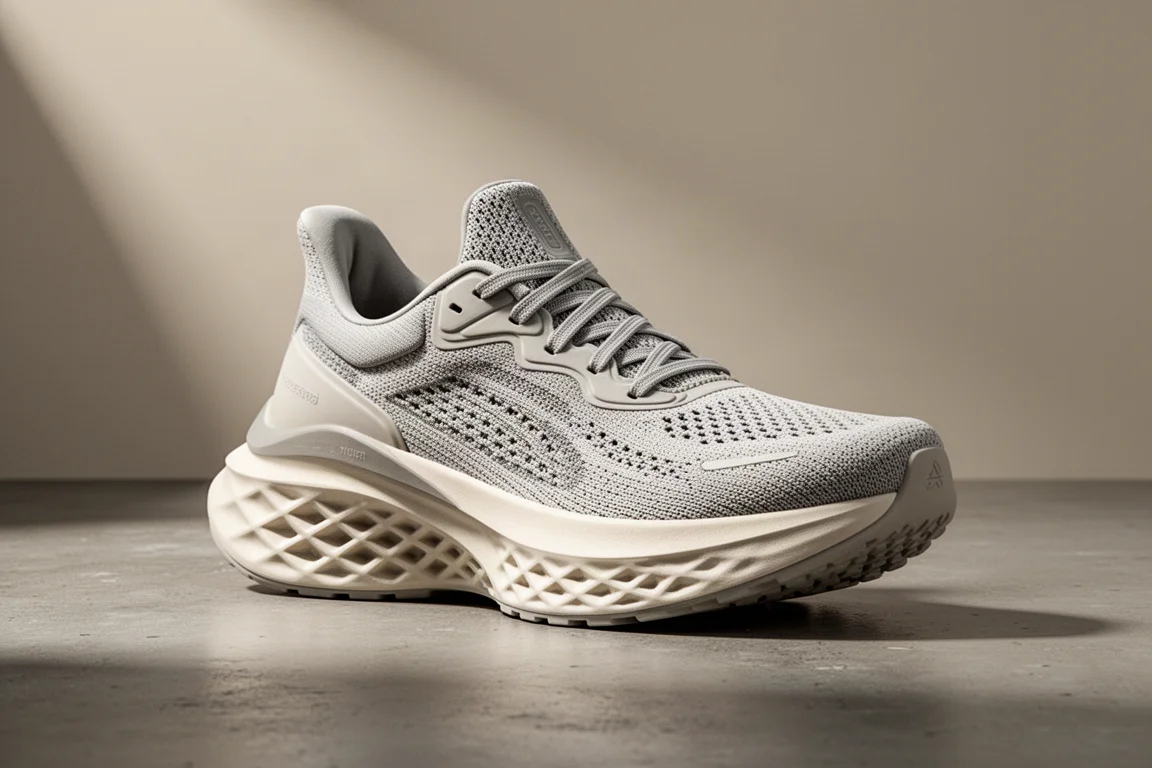
Brooks deserves credit for keeping its mainline trainers consistent and for steadily improving heel geometry, with real heel bevels finally showing up across models like the Adrenaline. The Hyperion Elite 5, however, is a harder story. It is light and uses a PEBA-based foam, but it has been described as one of the most unstable racing shoes around, with a midfoot that simply does not work for many runners. If you are a heel striker or you value a stable platform in a race shoe, be cautious here.
ASICS Gel-Kayano 32
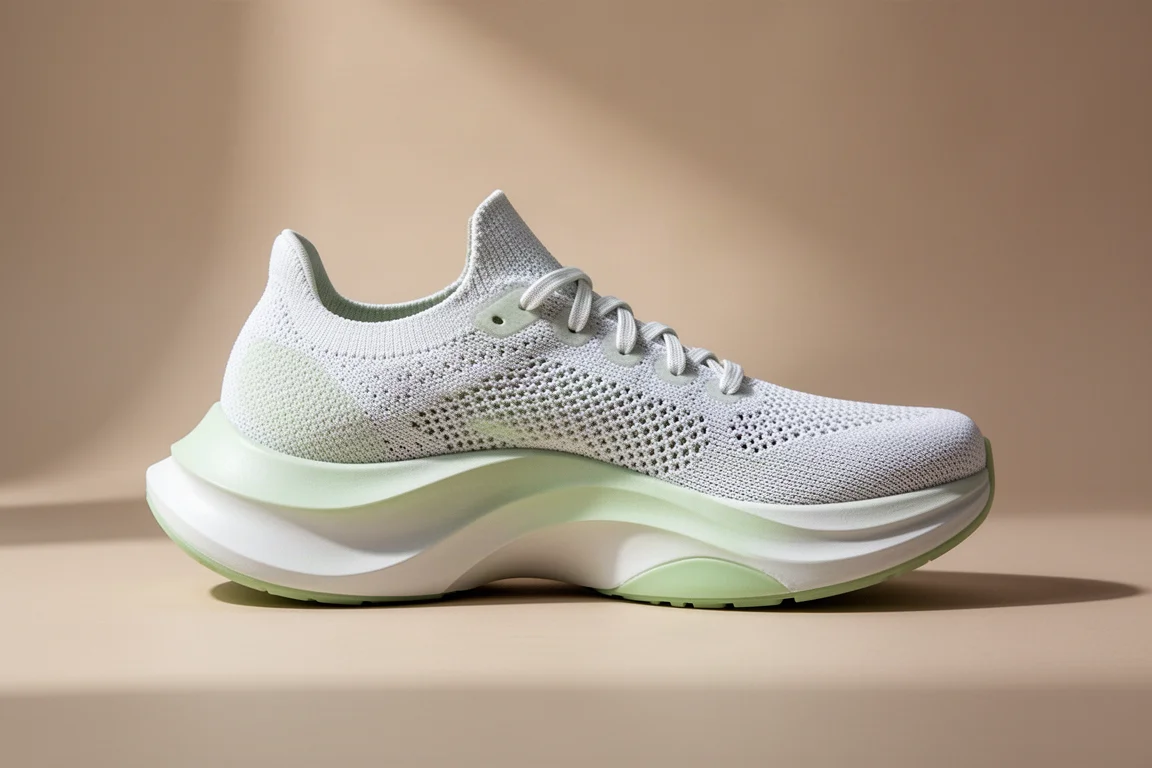
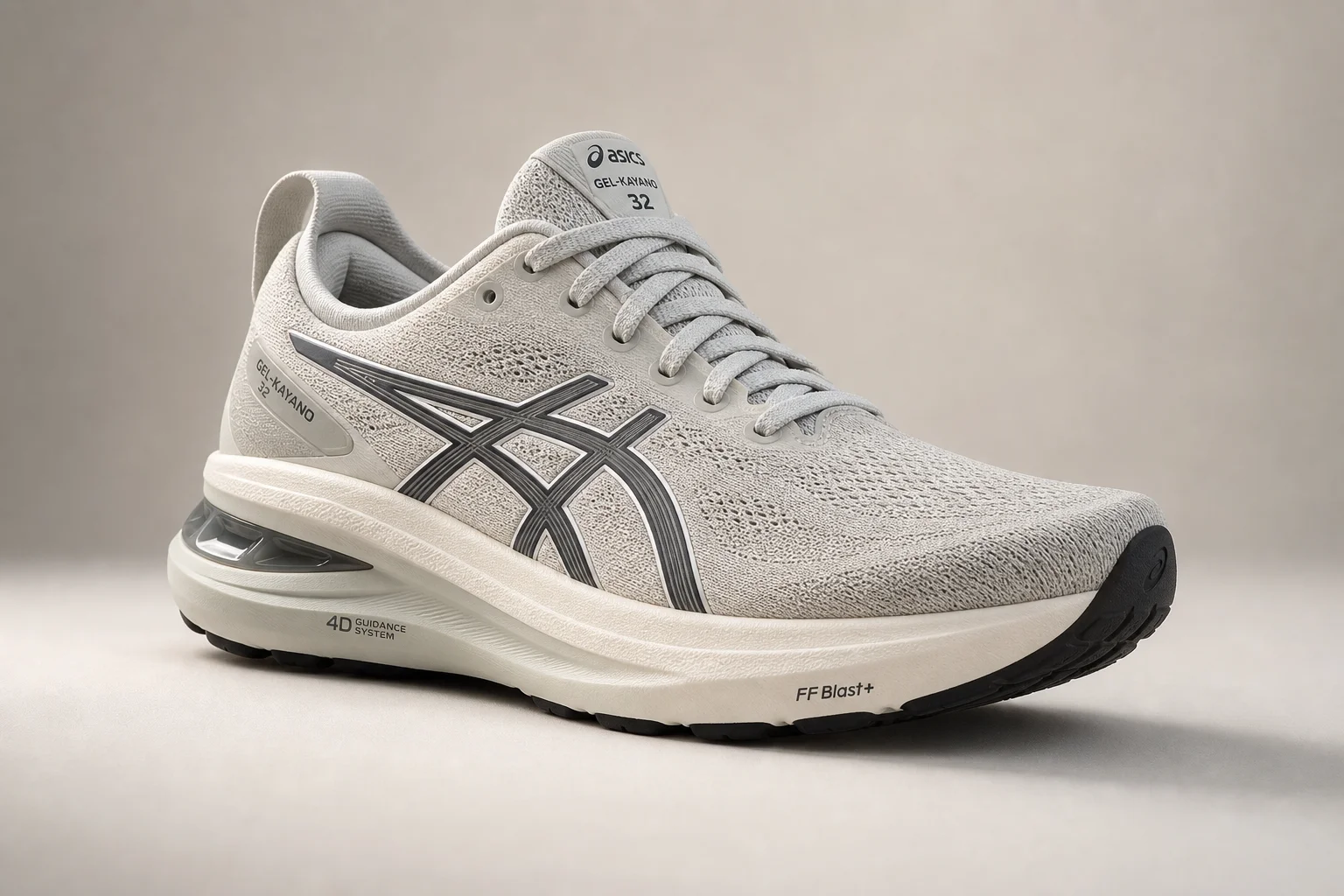
The Gel-Kayano 32 is a genuinely changed shoe. With a lower drop, updated geometry, and more aggressive design choices, it has been called a shoe of the year candidate by testers with serious mileage on it, with some already planning a second pair. It is still a Kayano in spirit, but it is noticeably different from the versions long-time fans remember, so traditionalists should expect change rather than a familiar update. ASICS as a brand is booming with new foams and a racing line that is among the strongest in the industry, even if the wide Blast and Meta Speed families are getting crowded.
Mizuno Neo Vista 2
Mizuno has gone from one of the most conservative brands in running to the wildest, and the Neo Vista 2 is a prime example. It adds more stack height, leans into maximum cushioning, and stands out as one of the few trainers released this year without a restrictive heel counter, which makes it especially friendly for runners who need extra volume. It has become a favorite for some testers managing Achilles irritation, and it held up well as it broke in. The main caution is brand-wide: Mizuno’s trainers are all tall and bouncy while its racing line is extremely aggressive, so there is little middle ground.
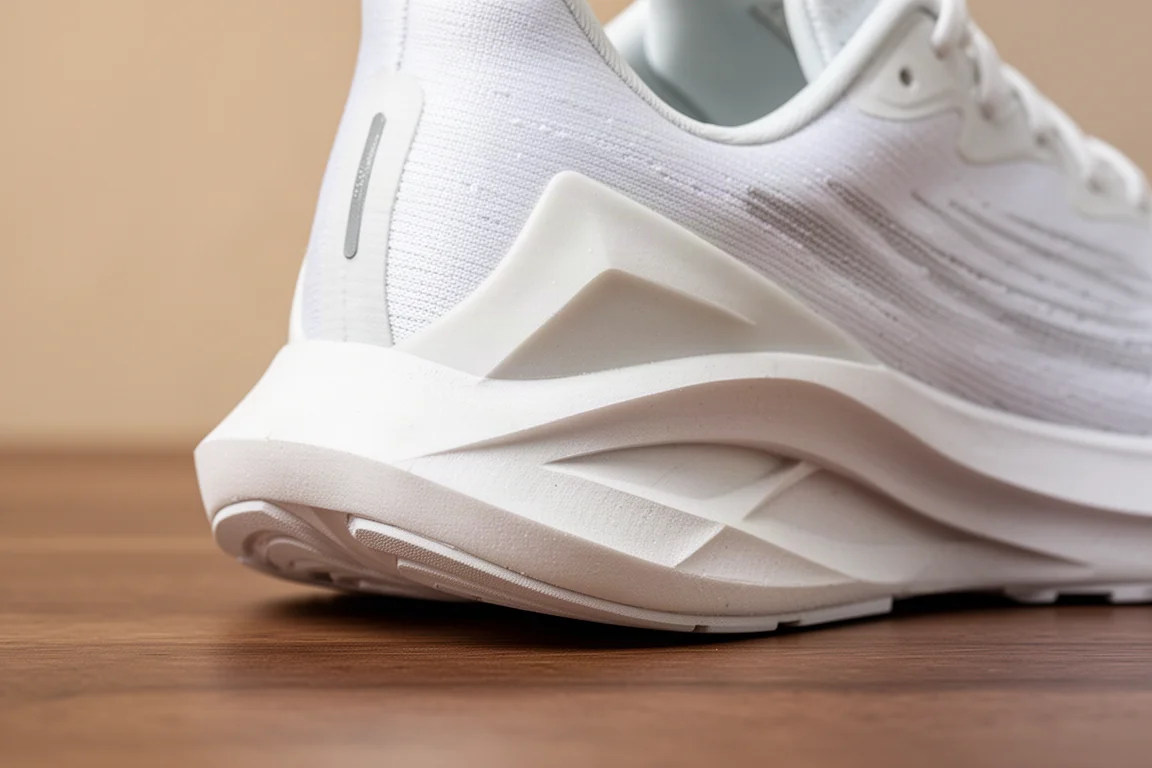
If you want maximum cushioning and generous volume in a shoe that does not punish your forefoot, this is one of the most interesting options of the year.
Puma Forever Run Nitro 2
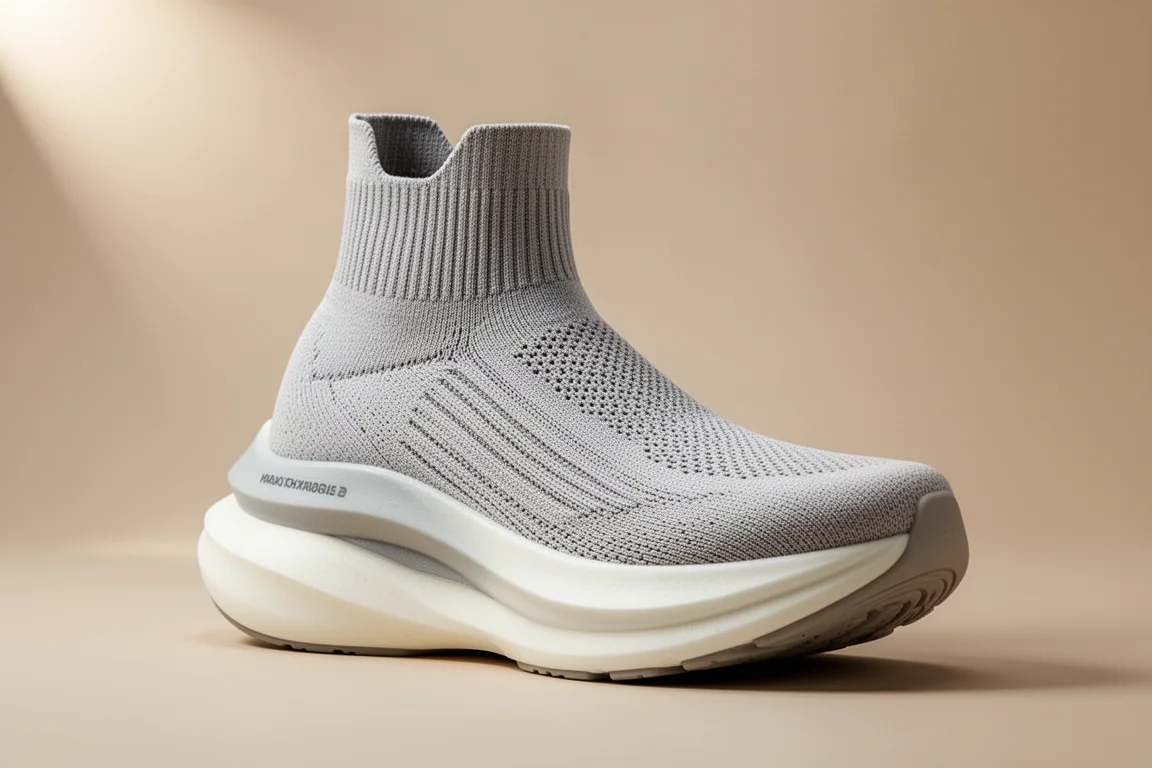
Puma has quietly become one of the most exciting performance brands in running, with lightweight, lively foams and a seriousness that few expected from its return to the scene. The Forever Run Nitro 2 is a massive improvement over its predecessor, with an upper that still needs a little work but a ride that puts it among the top stability shoes of the year. The broader warning with Puma is geometry: many of its shoes run narrow through the midfoot with some medial bias, which can feel rough when you fatigue. The Forever Run Nitro 2 largely avoids that trap.
Saucony Endorphin Elite 2
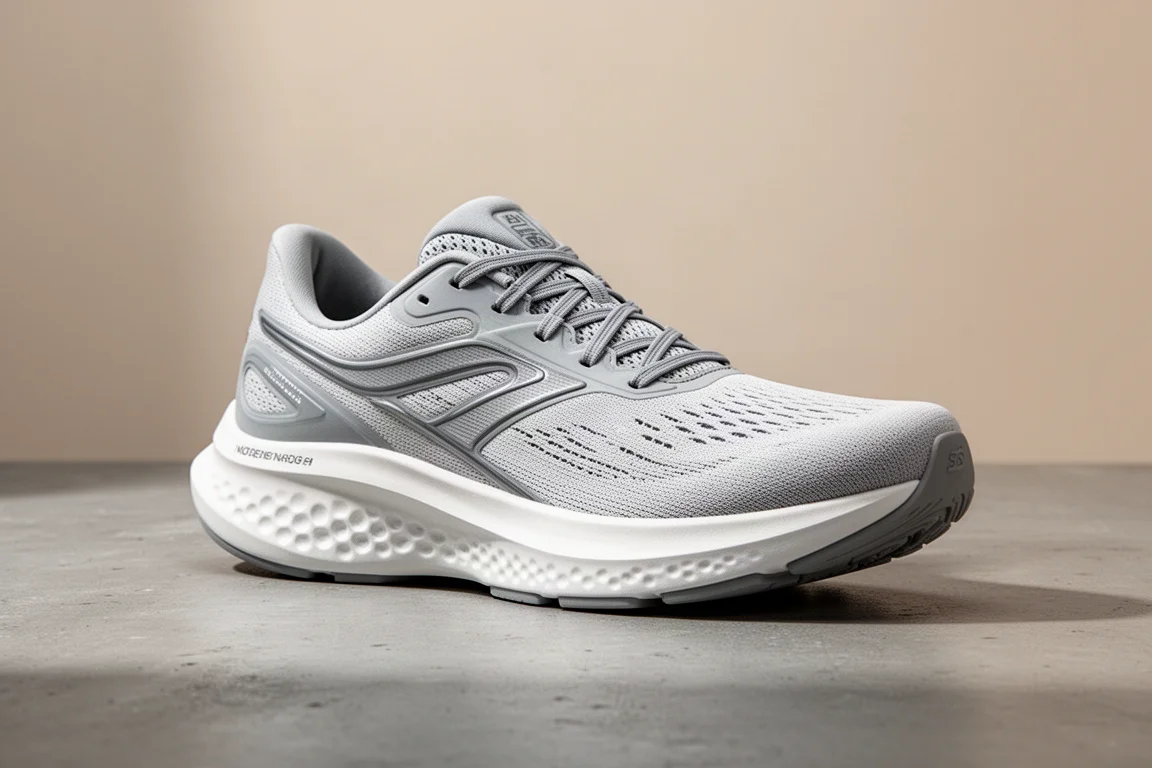
Saucony’s foam library is genuinely impressive, and the Endorphin Elite 2 shows it: the bounce in this shoe is exceptional. The catch is stability. It is unstable enough that some testers found longer efforts flared their hip muscles, making it a shoe they loved in short bursts but could not fully trust for racing. If you have very neutral mechanics and want a maximum-bounce race day tool, it delivers an experience few shoes match. If you need a forgiving platform, look elsewhere in the Endorphin family.
New Balance SC Elite v5
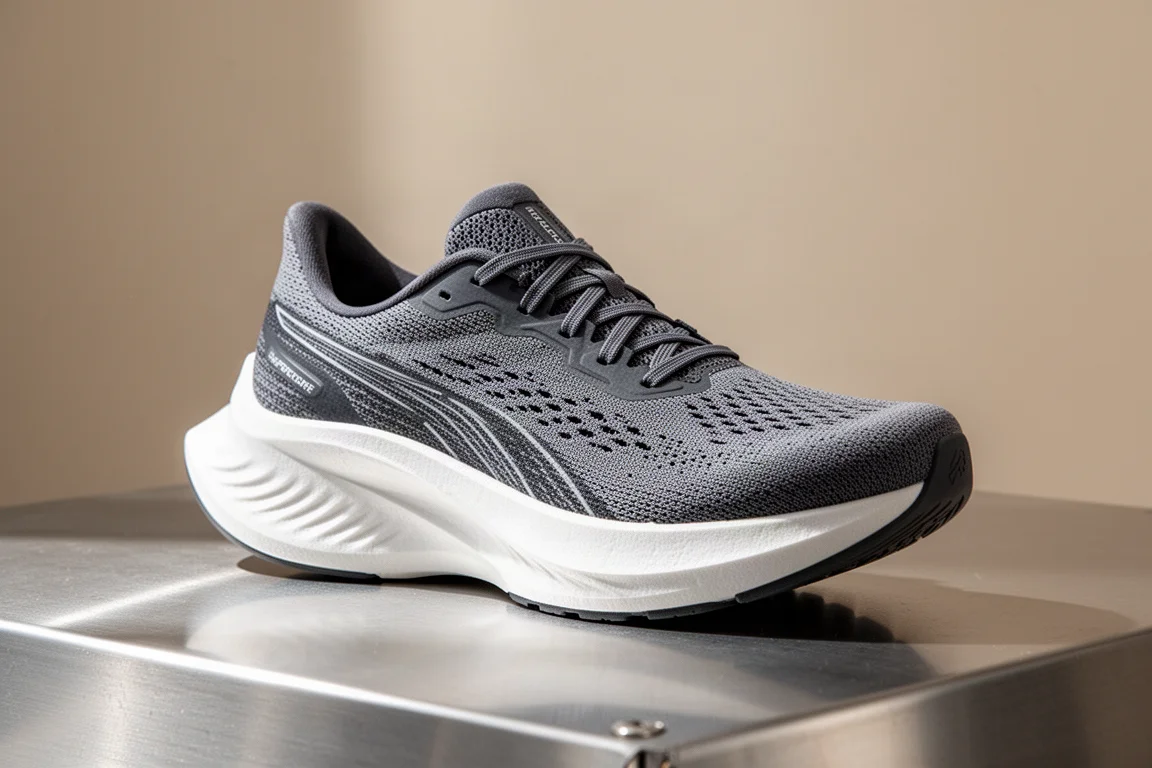
New Balance has nailed uppers and fit this year, and the SC Elite v5 may be the best-fitting super shoe upper of the season, wrapping like a glove. It has become a favorite long run shoe for some testers, comfortable enough to consider for a marathon where trust and consistency matter more than a raw PR attempt. It is not the most responsive super shoe on the market, and New Balance’s wider lineup sometimes changes direction between versions in confusing ways, but as a dependable, comfortable super shoe it holds a real niche.

Adidas Adios Pro 4
The Adios Pro 4 is a significant performance jump over the already excellent Adios Pro 3, and Adidas continues to push weight reduction with impressively light, sticky outsoles and consistently strong durability across both trainers and racers. The trade-off, as with much of the Adios Pro line, is stability: this generation moved backward in that regard, and Adidas remains one of the less stable brands overall thanks to a fondness for midfoot cutouts. For runners with confident, neutral mechanics chasing a fast marathon or half marathon time, it is among the strongest tools available.
How to Choose
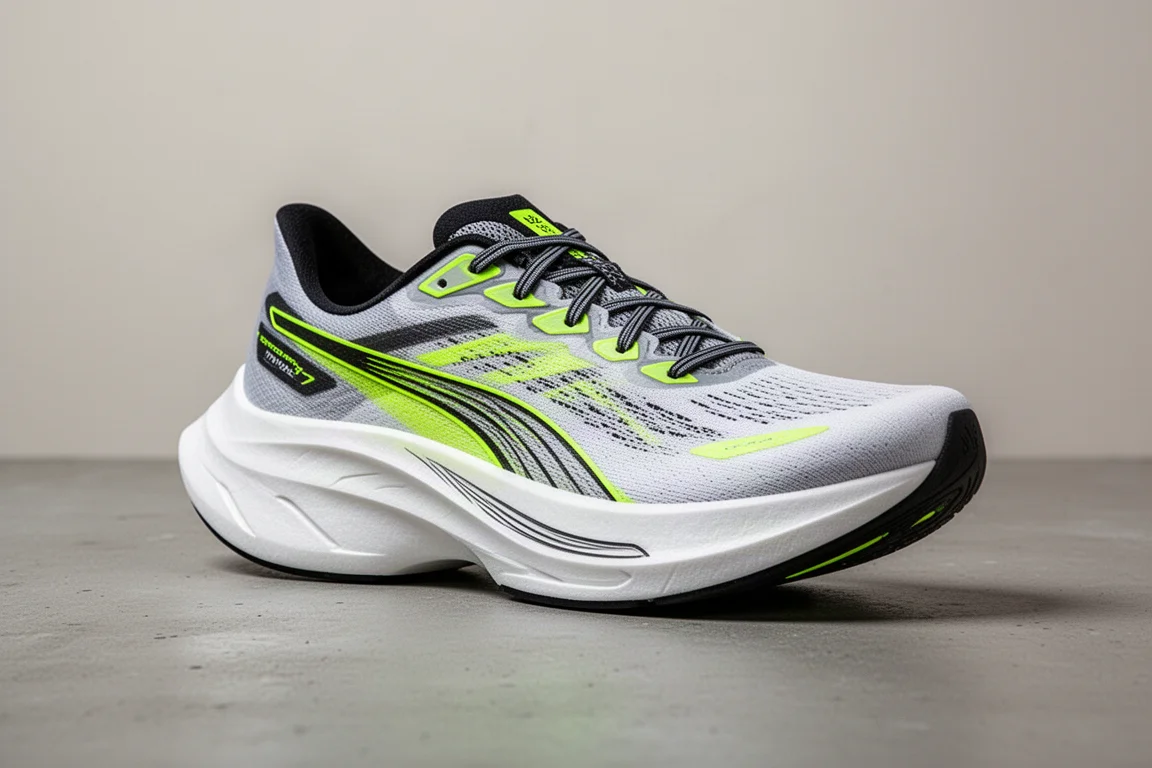
Start with where you run. Trail-focused runners have an unusually strong pick here in the Rocket X Trail, which is rare in a category full of heavy, unstable attempts. Road runners doing everyday mileage should look at the Gel-Kayano 32, Vomero Plus, or Neo Vista 2 depending on whether they want structured support, a dependable classic feel, or maximum cushion with volume to spare. Stability seekers should put the Forever Run Nitro 2 at the top of the list.
For race day, be honest about your mechanics. The Adios Pro 4 rewards neutral runners who want raw speed, while the Endorphin Elite 2 offers extreme bounce with a stability compromise, and the SC Elite v5 trades some responsiveness for comfort and trust over long distances. The Hyperion Elite 5 is the hardest to recommend broadly given its instability, so try before committing if it is on your shortlist.
Conclusion
There is no single best shoe across these nine, and that is the point. The strongest choices match a real need: trail performance, dependable daily mileage, generous cushioning, genuine stability, or race day speed. Identify which of those matters most for your running, respect the fit and stability caveats noted above, and any of these shoes can be a smart pick.
Further reading
Related Reviews

Running Shoes
Best Road-to-Trail Running Shoes: Three Versatile Options for Mixed Terrain
A practical guide to three road-to-trail running shoes that handle both pavement and mild trails, with clear strengths and trade-offs for different runner types.

Running Shoes
Best Running Shoes for Achilles Tendonitis: Three Options Explained
Three running shoes with different heel drops and support features designed to help reduce Achilles tendon pain during walking and running.

Running Shoes
Best Running Shoes for Women: Five Top Choices Ranked
A ranked guide to five women's running shoes, from versatile daily trainers to high-performance racing options, with real strengths and trade-offs for each.