Running Shoes
Best Running Shoes 2026: Building the Perfect Shoe Rotation
Our top picks for every type of running shoe, from daily trainers and race day super shoes to long run cushioning, speed work, recovery and trail options.
Introduction
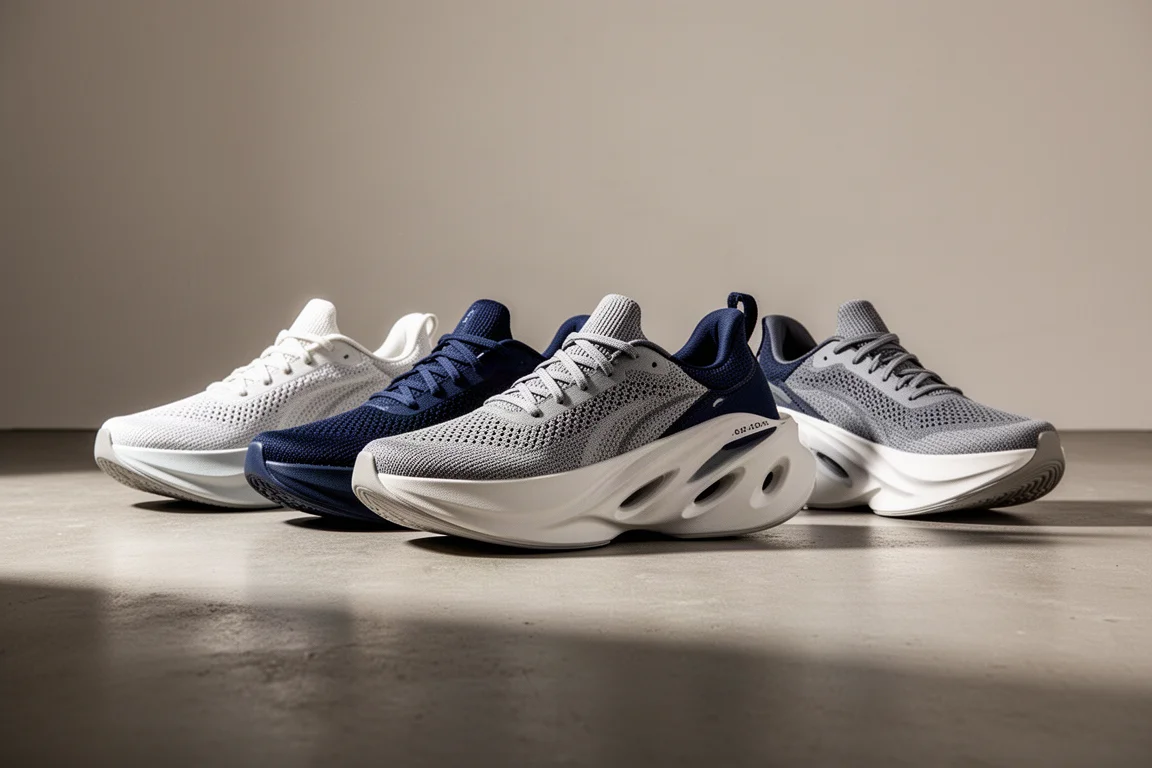
With so many types of running shoes on the market, it is easy to feel lost: what to buy, what to prioritize, and how to avoid wasting money as prices keep climbing. The answer for most runners is not a single perfect shoe but a small rotation, with a dedicated shoe for each type of run. Every shoe in this guide has been bought and tested thoroughly in real training, and the picks below represent the current top choices for every category, plus advice on how to build a rotation that gets the most out of both you and your shoes.
Daily Trainers: The Foundation of Every Rotation
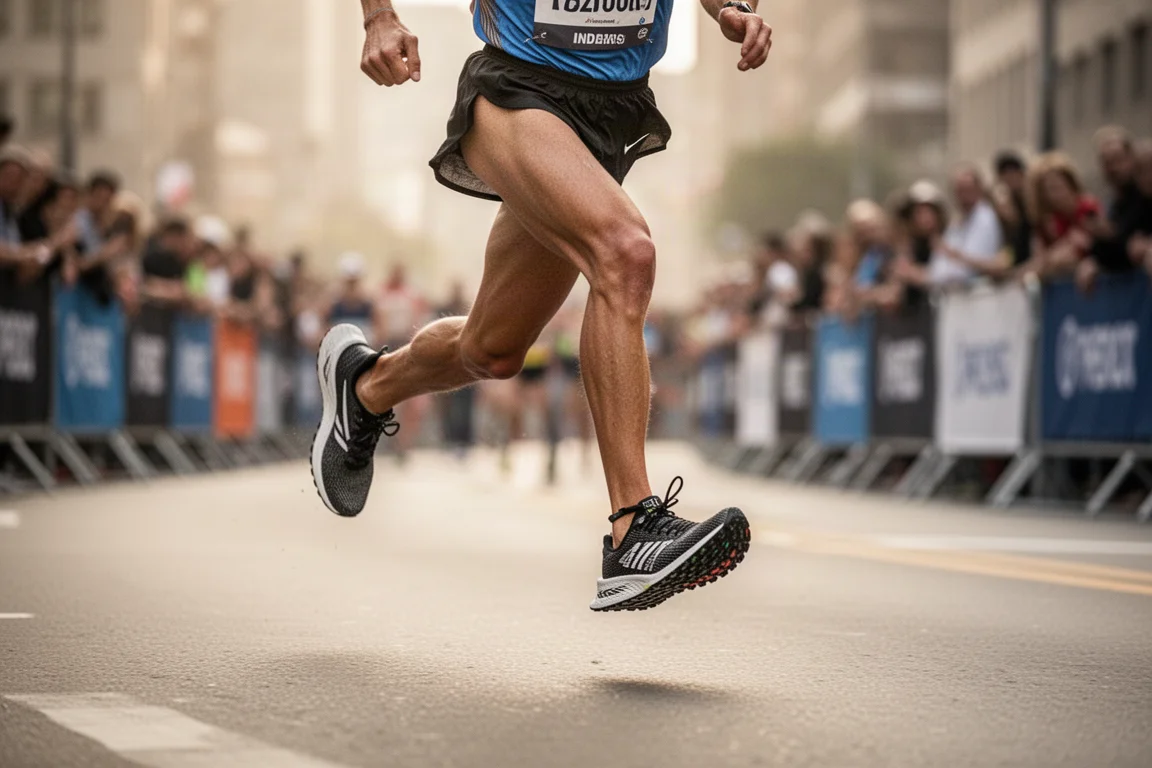
The daily shoe is the first shoe in any rotation: a jack-of-all-trades designed to handle all sorts of runs fairly well. It should have plenty of padding, be comfortable, and, if it is your only shoe, manage a bit of speed work and even a race or two. Classics like the Nike Pegasus, Brooks Ghost, and Hoka Clifton have defined this category for years, but there are now stronger options available.
Asics Novablast 6
The Novablast 6 is an outstanding do-it-all daily trainer. The foam setup is excellent, with a touch of super foam at the front of the shoe for when you want to pick up the pace, and it suits a wide range of runners and running styles. For many people, this is the safe bet.
Puma Velocity Nitro 5
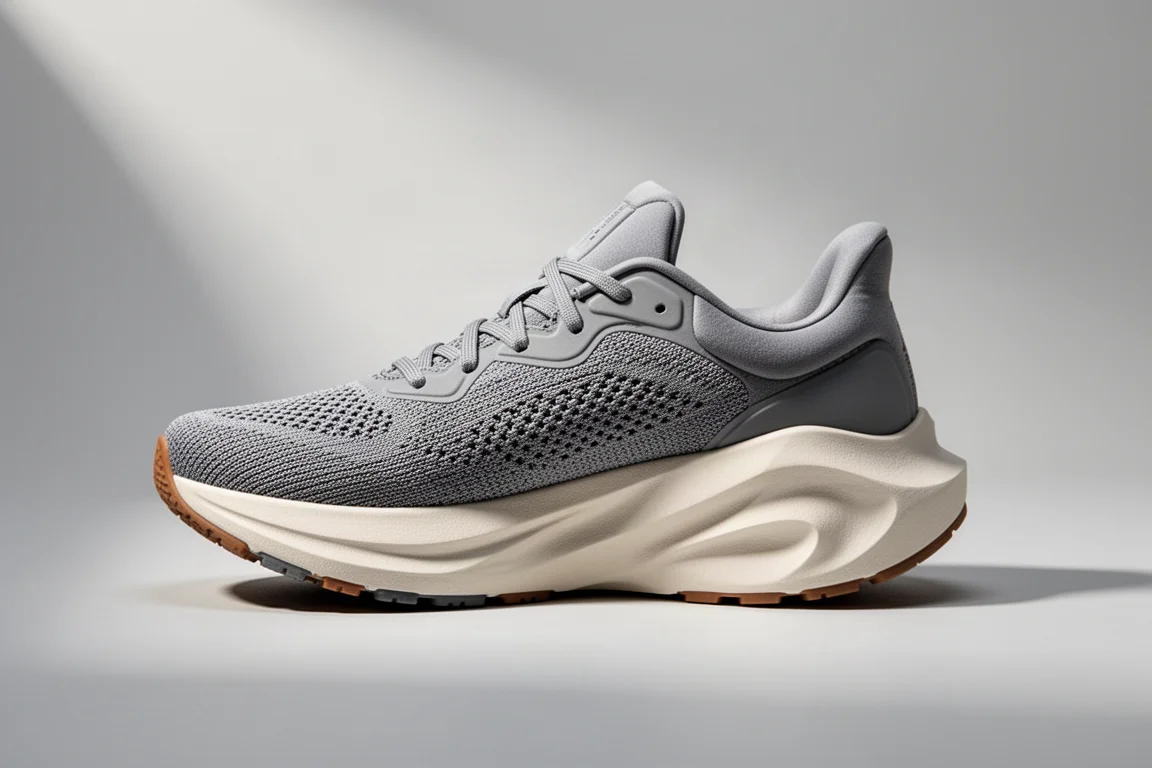
If the Asics is a little more than you want to spend, the Velocity Nitro 5 is a great alternative, usually available for around £100. It has Puma’s famous outsole grip, reliable in all sorts of weather, which makes it a good winter option, and it is light and quick for the money.
Puma Velocity Nitro 4
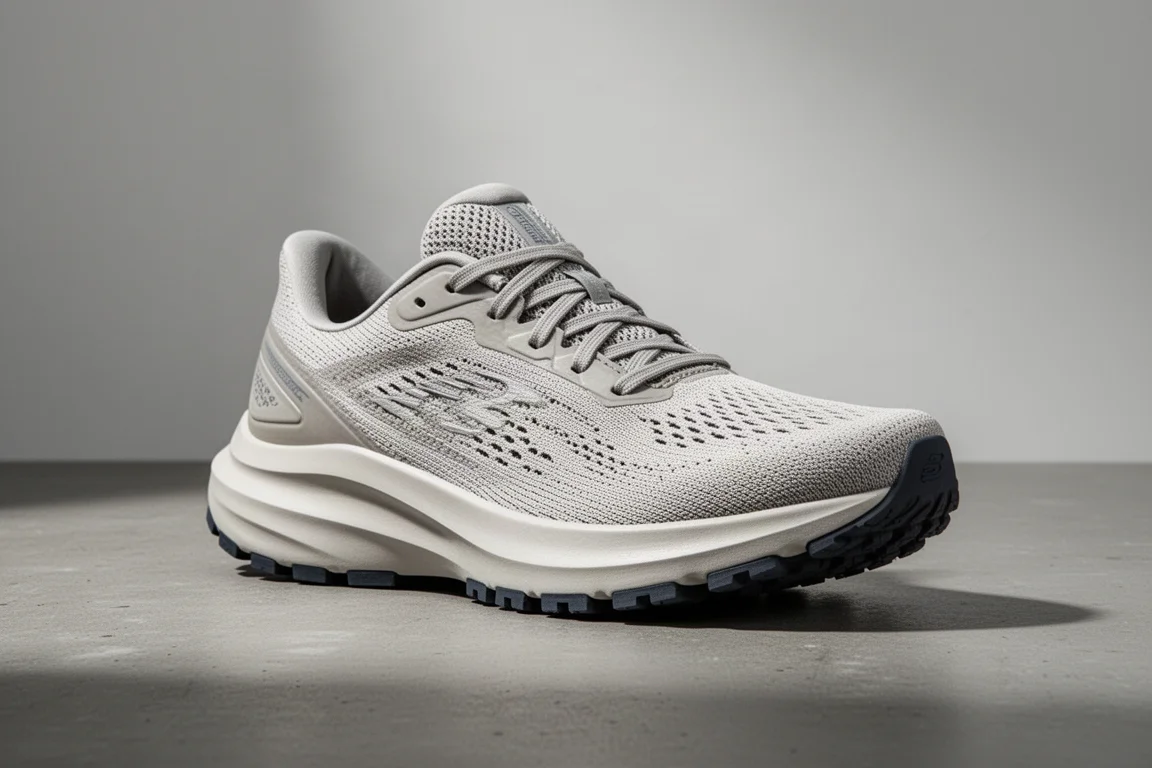
With the version 5 now launched, the Velocity Nitro 4 is available with some excellent deals and remains a fantastic shoe for the money. It does not have as much cushioning as some rivals, but it is a genuinely strong value daily trainer.
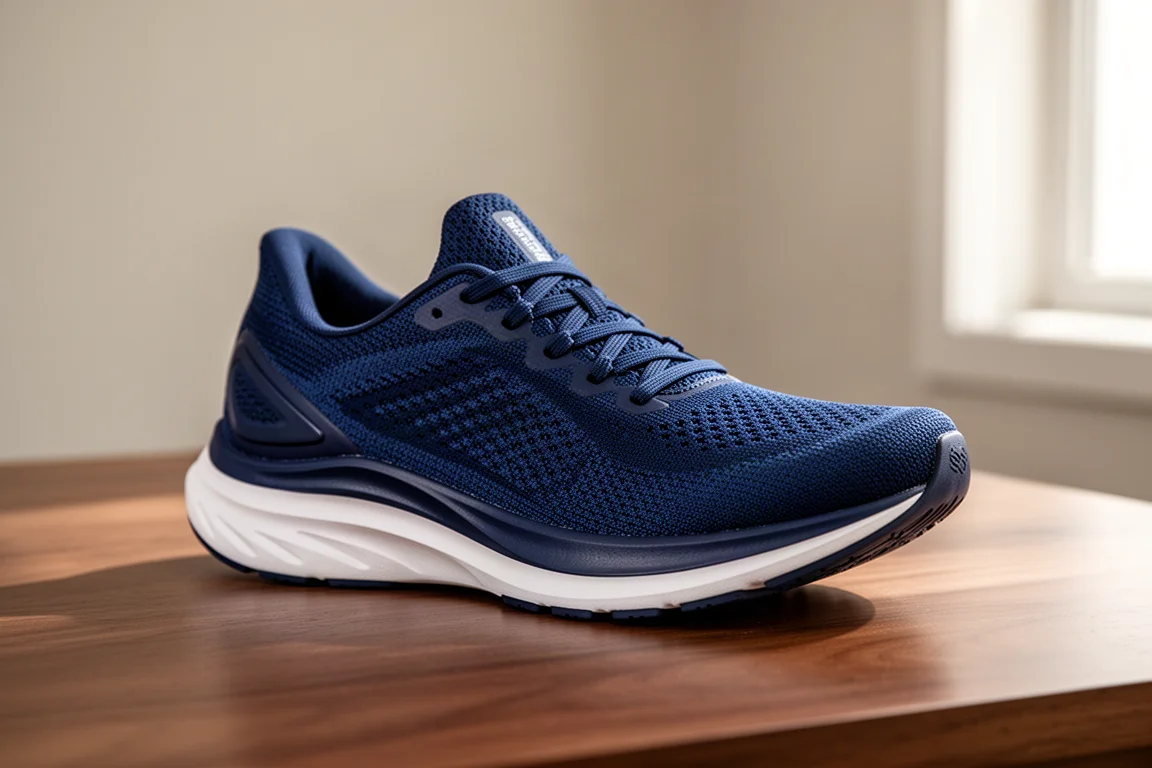
Saucony Kinvara
The Kinvara is another excellent daily shoe with a slight bias toward runners who like to go longer, making it a good fit for half marathon or marathon training. It is stable, comfortable, breathable, and well padded, only slightly let down by its outsole grip, which is a minor issue.
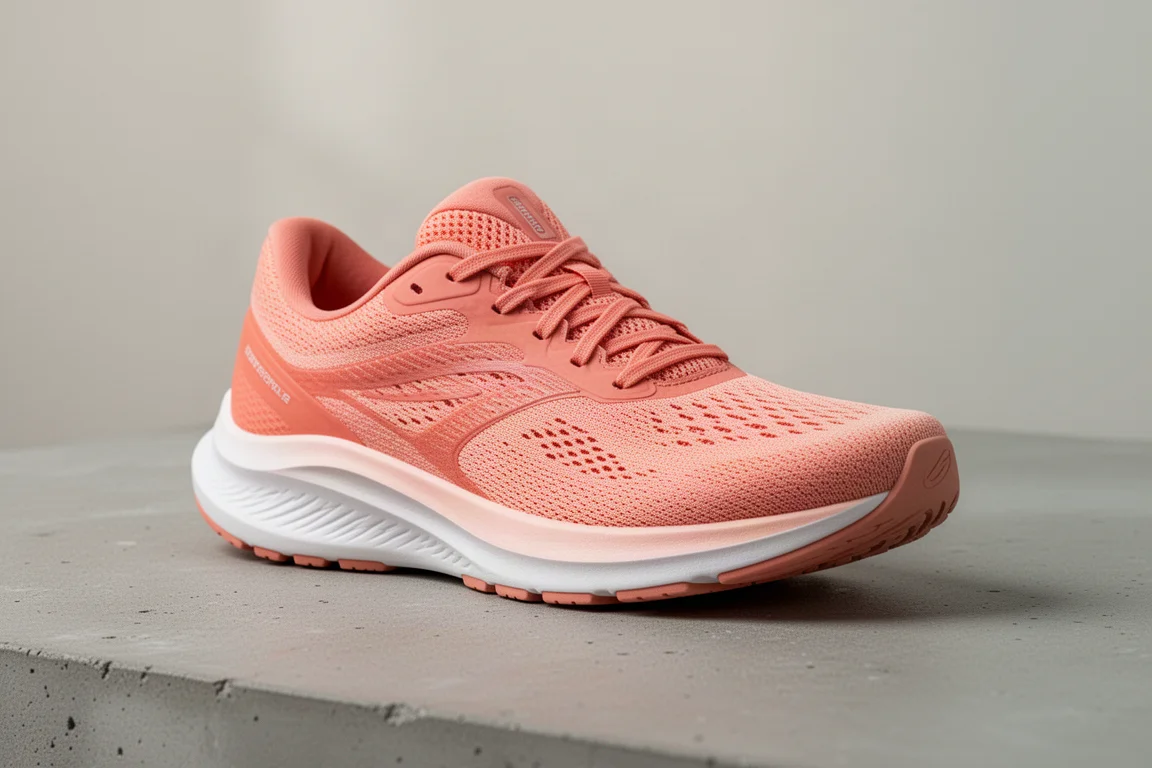
Race Day Shoes: Maximum Speed When It Counts
For most runners, the next most important shoe is a dedicated race day shoe: train in the daily, then lace up the fastest shoe when you want to perform. These shoes add real assistance, usually with a carbon plate that loads up and fires you forward, plus the latest responsive foams that add pop to your stride.
Adidas Adios Pro 4
Probably the best value super shoe on the market right now, with strong deals available since it has been out for a couple of years. It is lightweight and fast, used by many of the world’s top runners, and its carbon rods behave much like a plate. It handles everything from 5Ks and 10Ks to the half and full marathon.
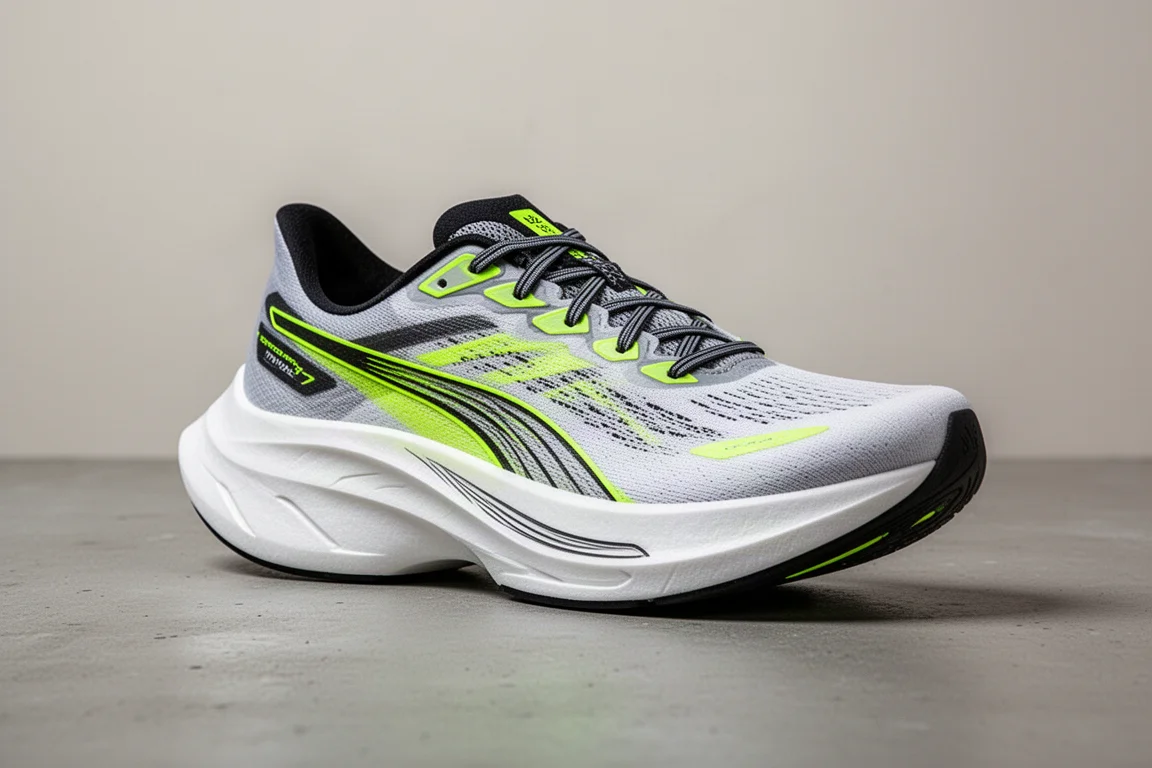
Asics Metaspeed Tokyo
The Metaspeed Tokyo line is another very versatile race shoe, great across all sorts of distances and one that has handled multiple marathons comfortably. It is very lightweight and very fast. Choosing between the Sky and Edge models can be a little confusing, so check a dedicated comparison before buying.
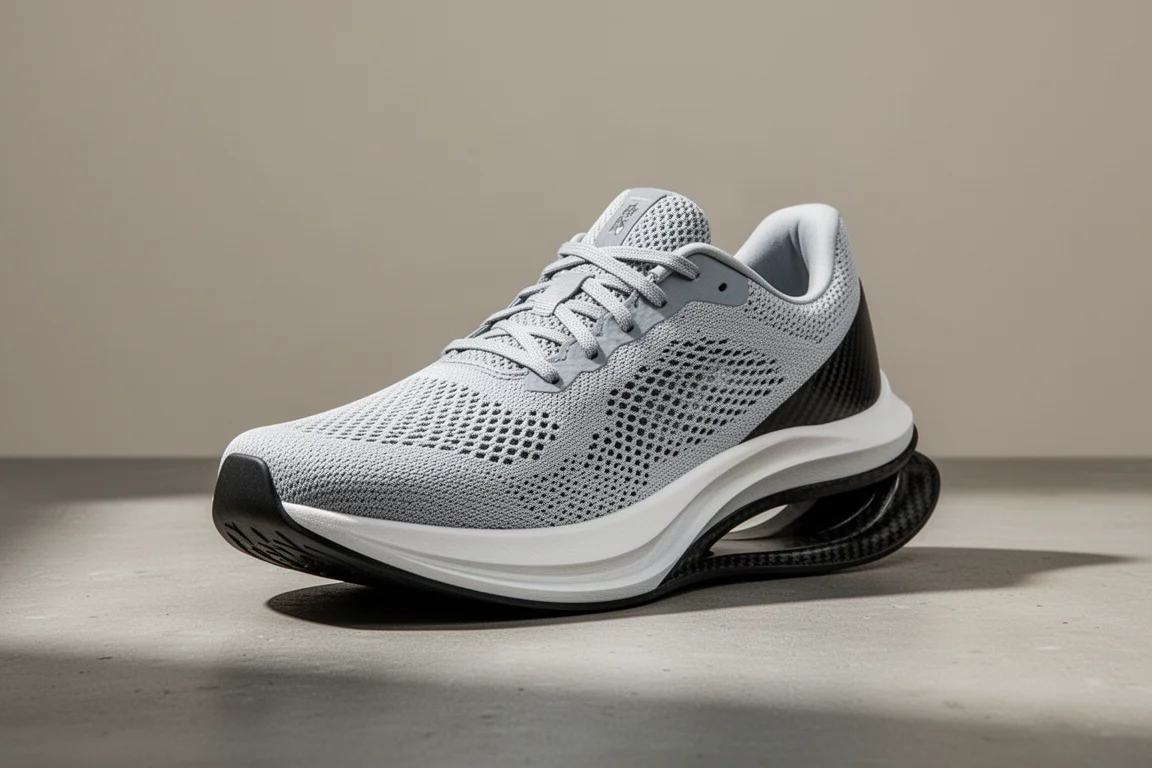
Puma Deviate Elite
Better suited to shorter distances like 5Ks, 10Ks, and half marathons, the Deviate Elite is stripped back and very lightweight while staying super snappy. There is a great turn of speed in this shoe.
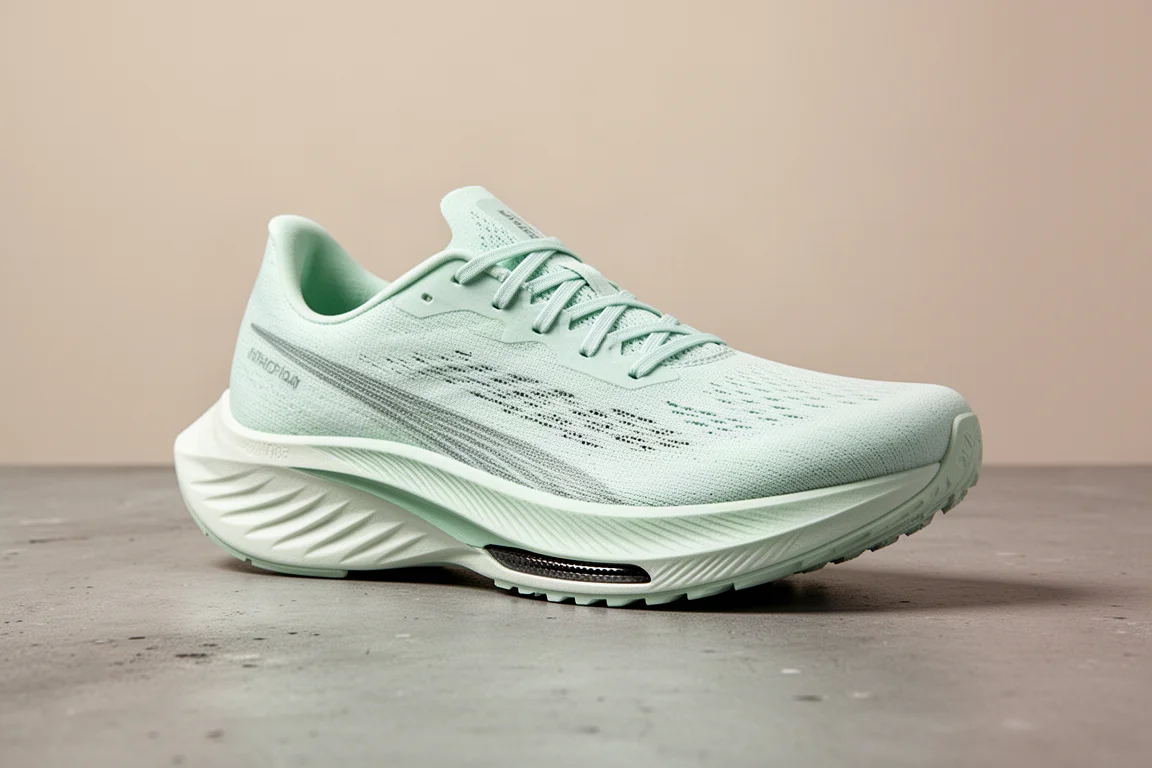
Nike Zoom Fly 6
If you want to save money and get something more user-friendly, the Zoom Fly 6 is a strong budget option in this category, especially for mid-packers running around 3:30 or slower in the marathon. It is comfortable, easy to run in, and a genuine upgrade over a standard daily shoe. Deals are likely, with a version 7 rumored later this year. Note that its stack height exceeds legal limits, so it is not a legal race shoe; check the rules of any race you enter.
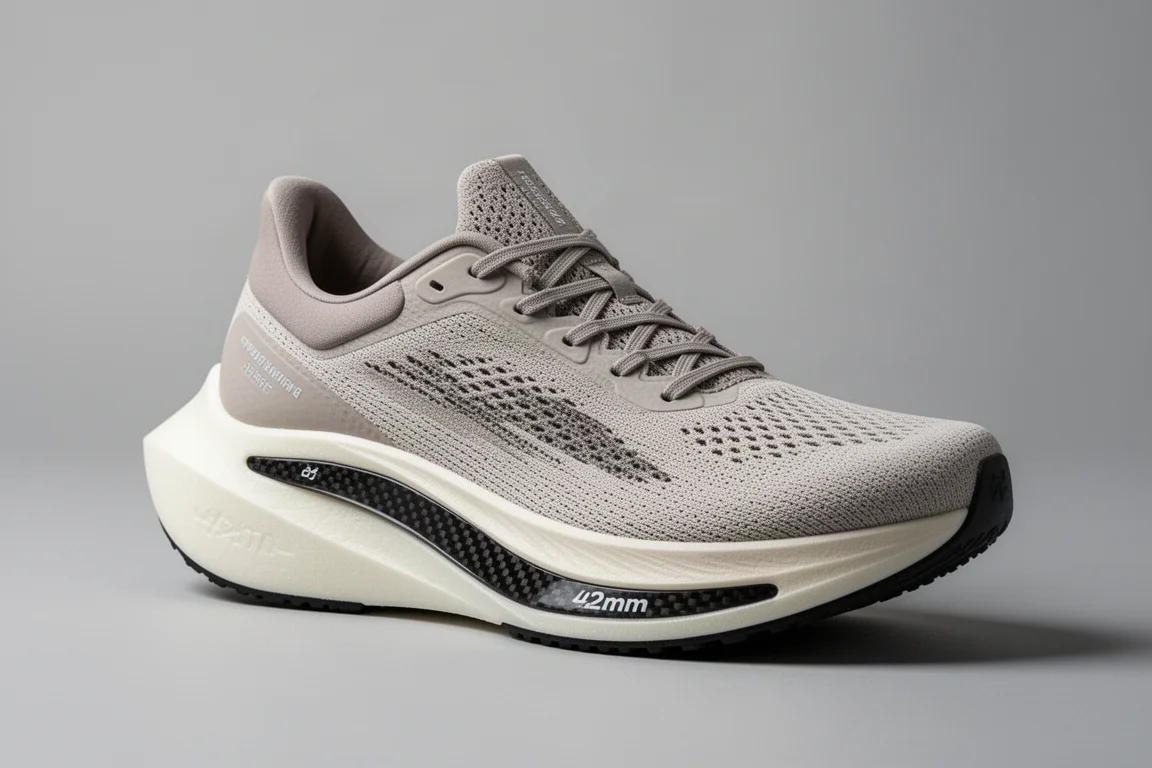
Saucony Elite 3
The Elite 3 combines very soft foam with a stiff plate and could well be the next marathon shoe of choice for many runners. Its main drawback is a very high price point.
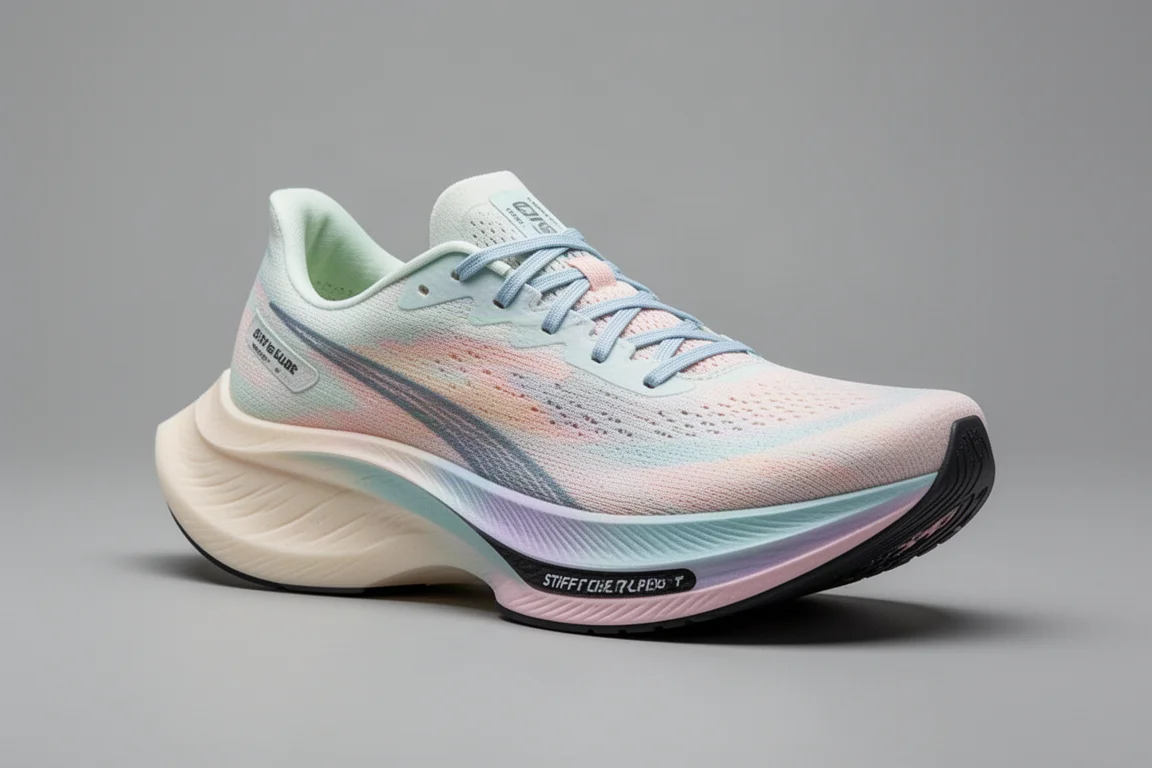
Asics Metaspeed Blast Ultralight
If you would rather go without a plate, the Metaspeed Blast ultralight is the best non-plated race shoe available right now. It has one of the best midsoles in the world, excellent laces, and is genuinely very quick. Like the Zoom Fly, it is not a legal race shoe.
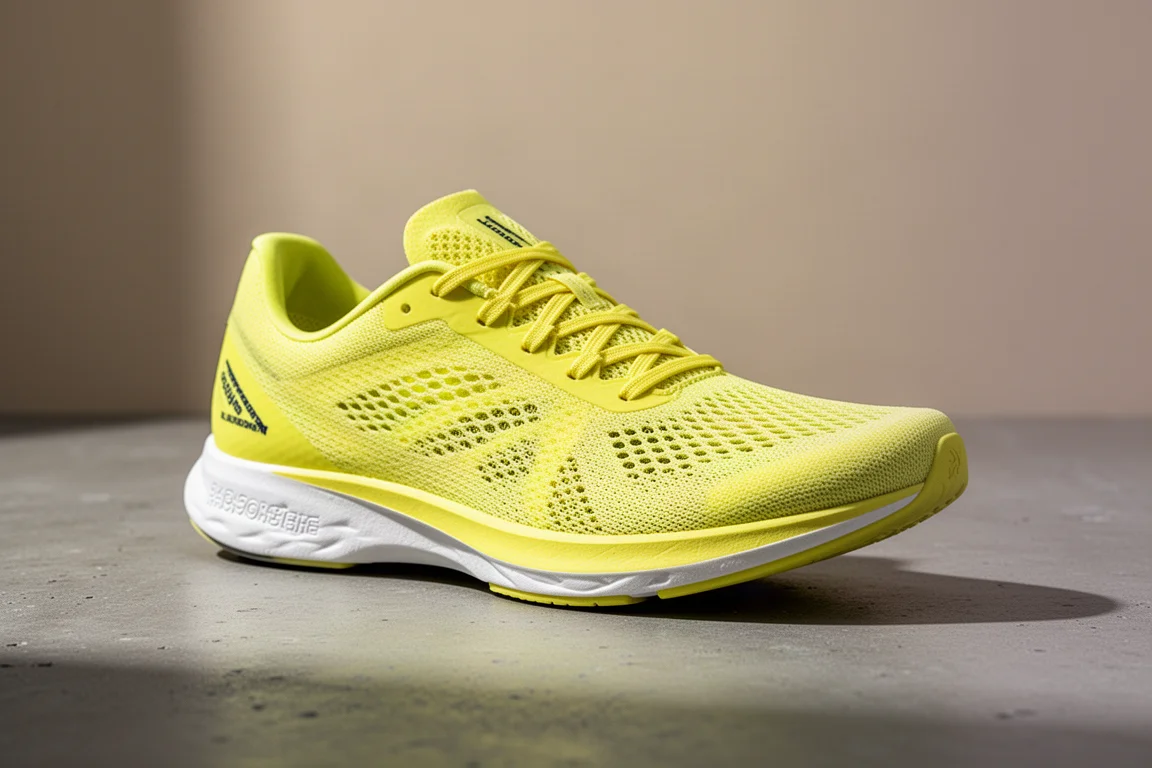
Long Run Shoes: Extra Protection for Big Sessions
A dedicated long run shoe carries more foam and stack height to protect your legs on longer outings, with foams that are more responsive and return plenty of energy. There is no exact distance where one becomes necessary, but around 90 minutes is a common switch point. You can absolutely use one as a daily shoe; they just tend to cost more, and not every runner loves the high stack all the time.
Asics DynaFlyte
Probably the favorite shoe of the year so far. It is very comfortable and lightweight, with a foam that goes and goes from the first kilometer to the last of a long run. The only downside is that it can be a little harder to get hold of.
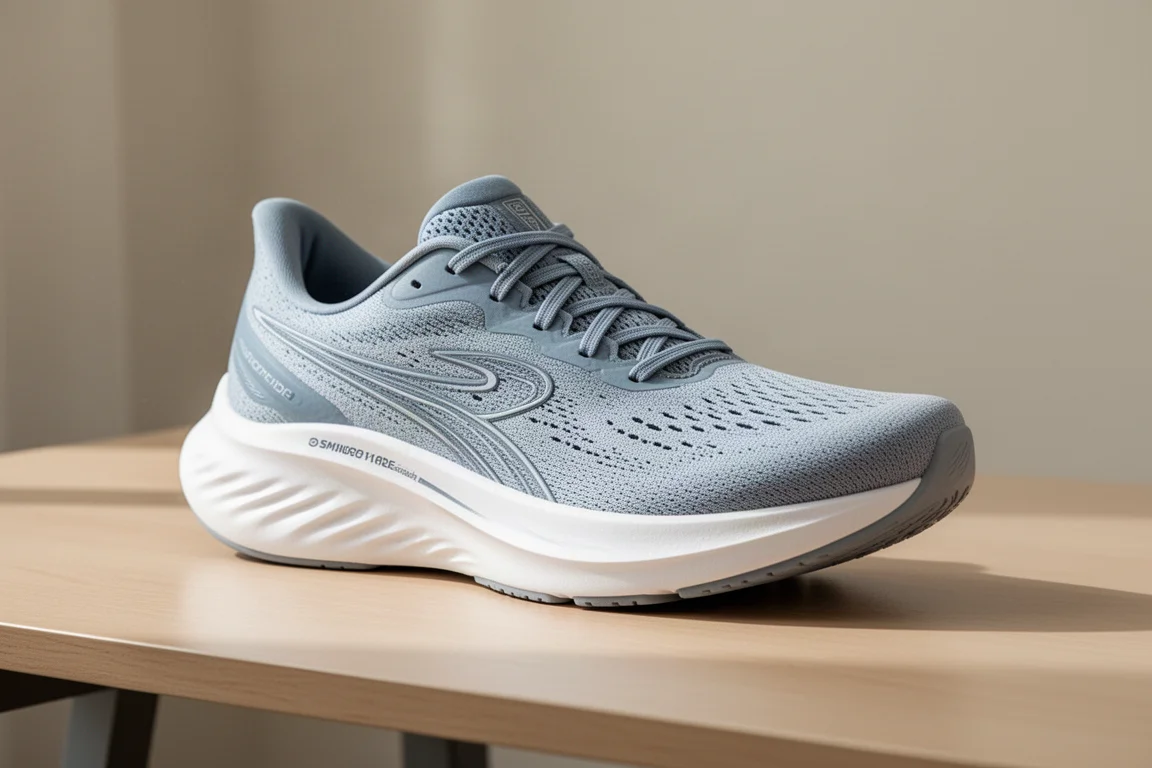
Nike Vomero Plus
A more readily available option with a healthy dose of Nike’s premium ZoomX foam to soak up impact, at a reasonable price point. It is a little heavier and chunkier, but still gets up to pace fine, and there are width options that make it a good choice for wider-footed runners.
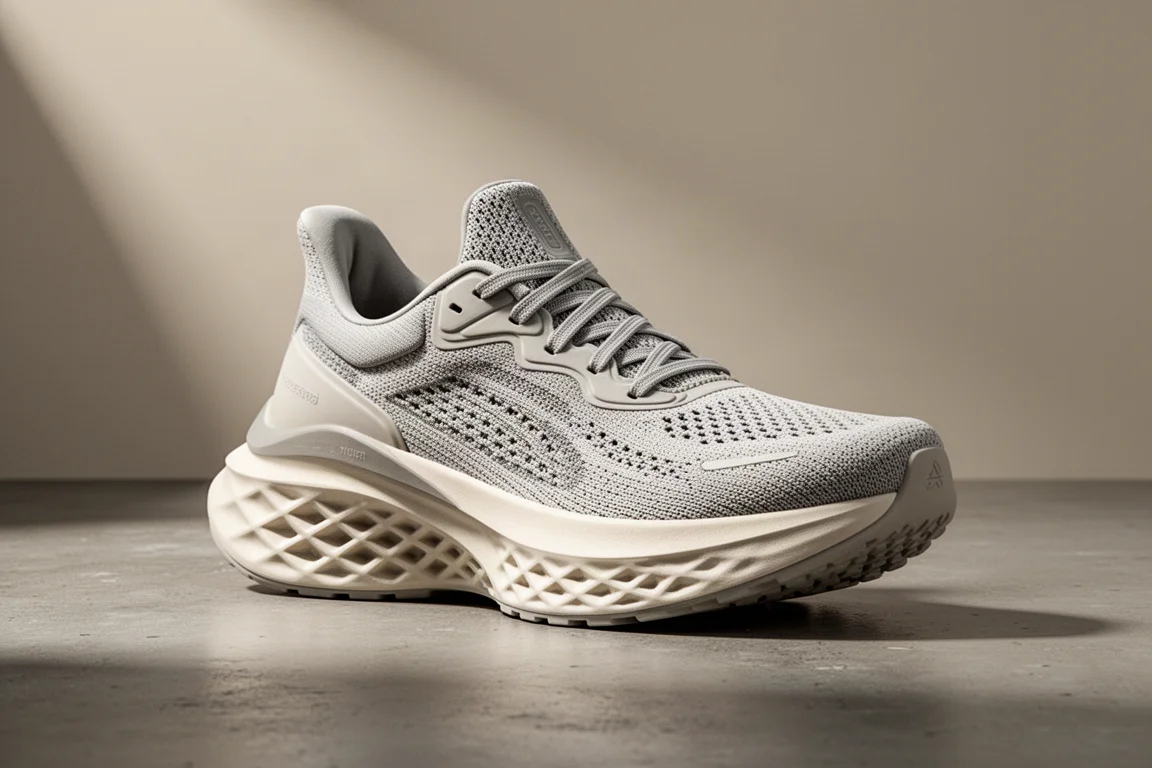
Asics Superblast 3
A shoe that rewards time spent in it, with lots of soft, squishy cushioning while staying lightweight, comfortable, and responsive. Durability is not the absolute best, however.
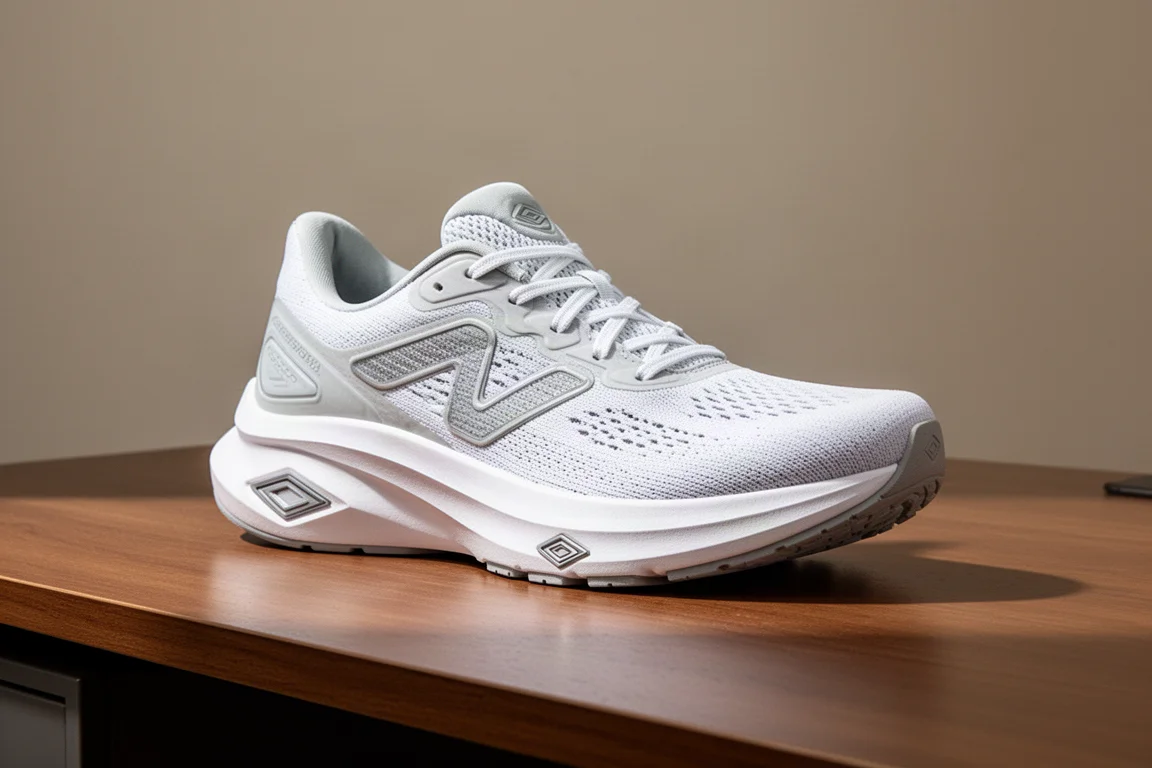
Puma Magnax 2
A stable and responsive long run option with solid value for money, plus that all-important Puma grip on the outsole.
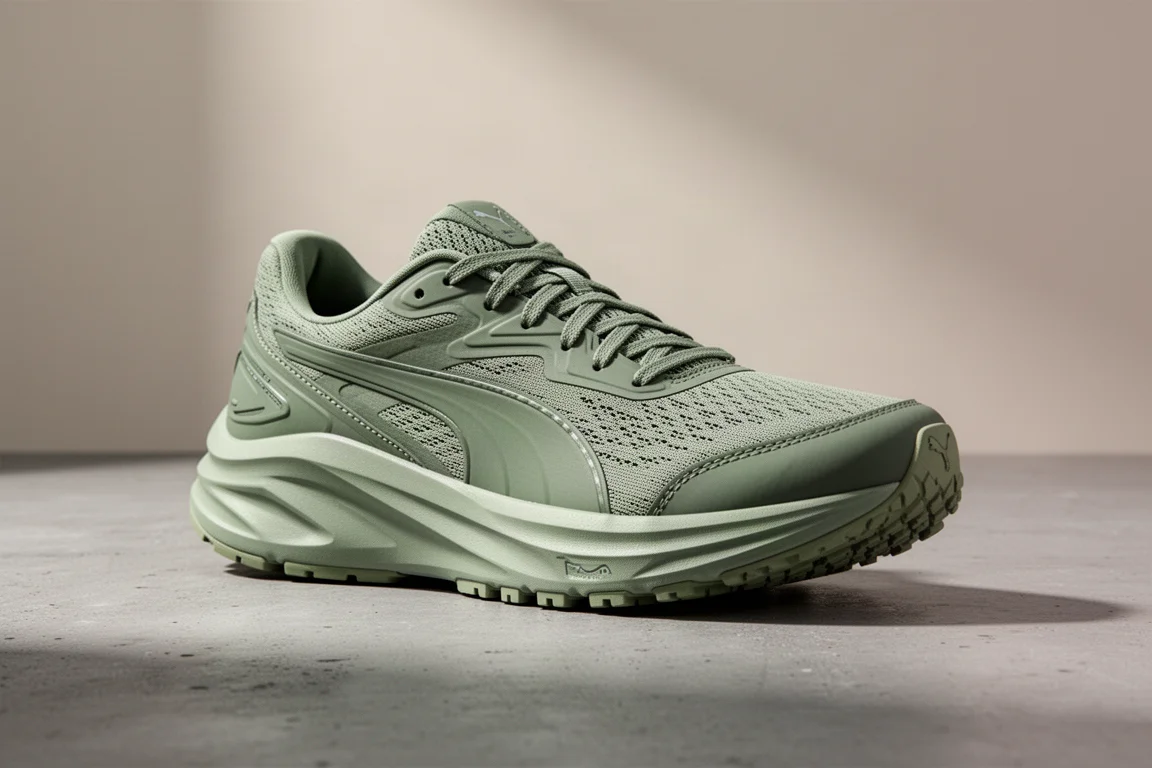
Speed Shoes: Fast Sessions Without Burning Out Your Racers
High-end carbon super shoes are fragile and expensive, so many runners add a dedicated speed shoe for fartleks, tempos, and thresholds, keeping the race shoe fresh for peak performance. These shoes are more robust, usually keep the high-end foam, and sometimes still have a plate.
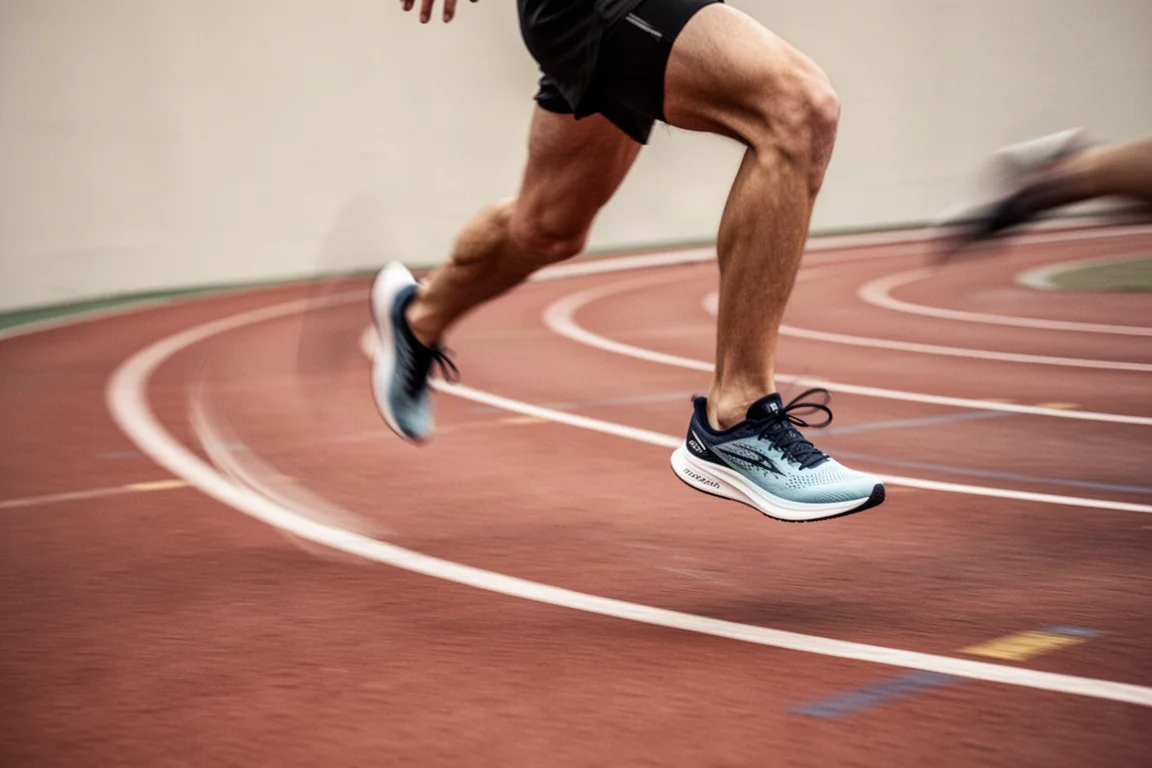
Adidas Evo SL
The Evo SL sits between the daily and speed categories. It is extremely lightweight, uses Adidas’ high-end Lightstrike Pro super foam, and is great fun to run fast in. There is no plate, just a small shank in the middle for stability, which matters because the main downside of this shoe is its lack of stability.
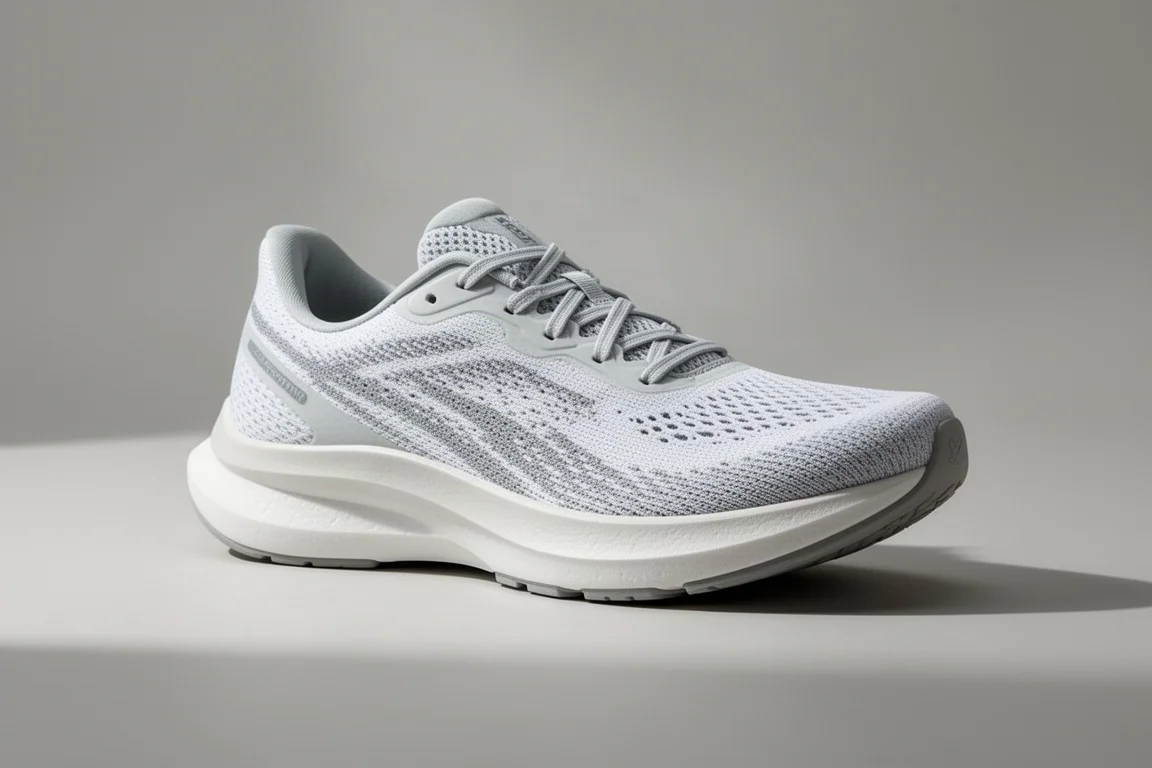
Nike Zoom Fly 6
If you want a plate, the Zoom Fly 6 doubles as a speed shoe. It is very durable, works for long sessions and races alike, and many runners are getting around 1,000 kilometers out of a pair.
View more details for Nike Zoom Fly 6
Puma Deviate Pure
A more budget-friendly recent release with a similar setup to the Evo SL: no plate, but a really good lightweight shoe that can tear up speed reps with ease.
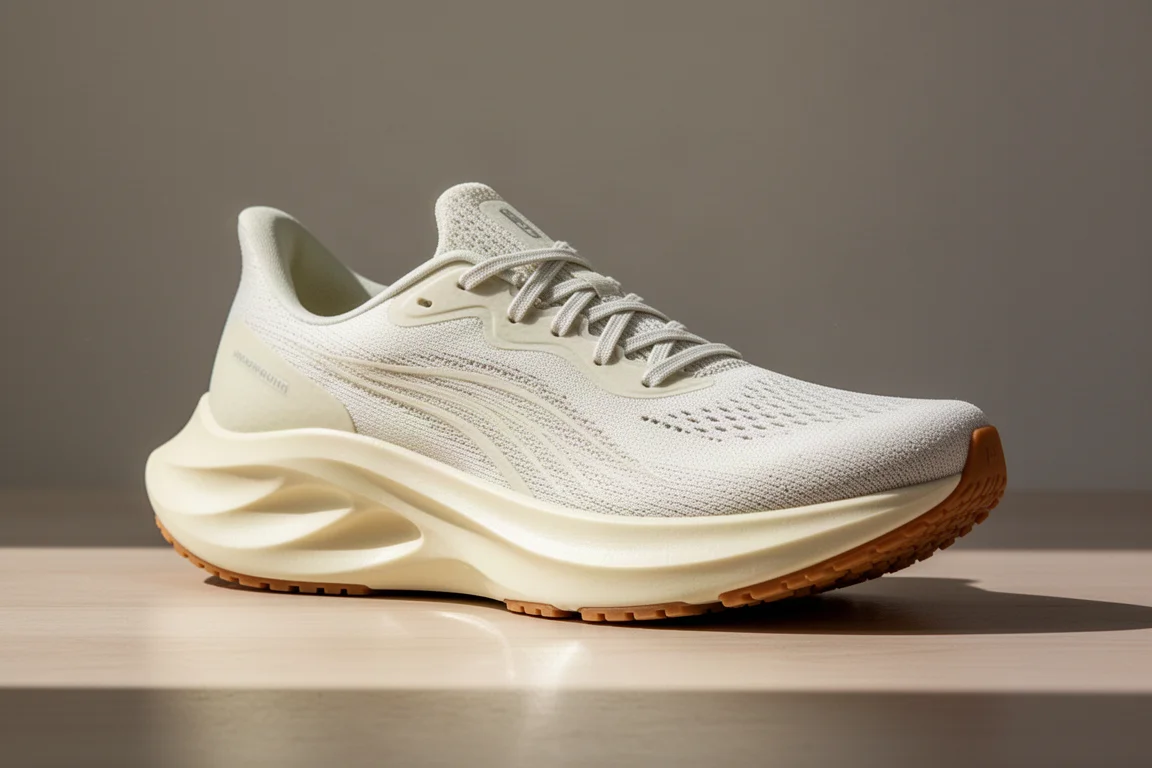
Recovery Shoes: Maximum Cushioning for Easy Days
If you are racking up big mileage, a very soft, squishy, marshmallow-like shoe for recovery jogs is a welcome addition. Some runners simply prefer a softer ride for daily miles, too.
New Balance More 6
An absolute classic in this category: ultra plush and pillowy, with a comfortable, well-padded ride. It is also a great shoe for anyone doing a lot of walking or spending long hours on their feet, and ranks among the most comfortable shoes of all time.
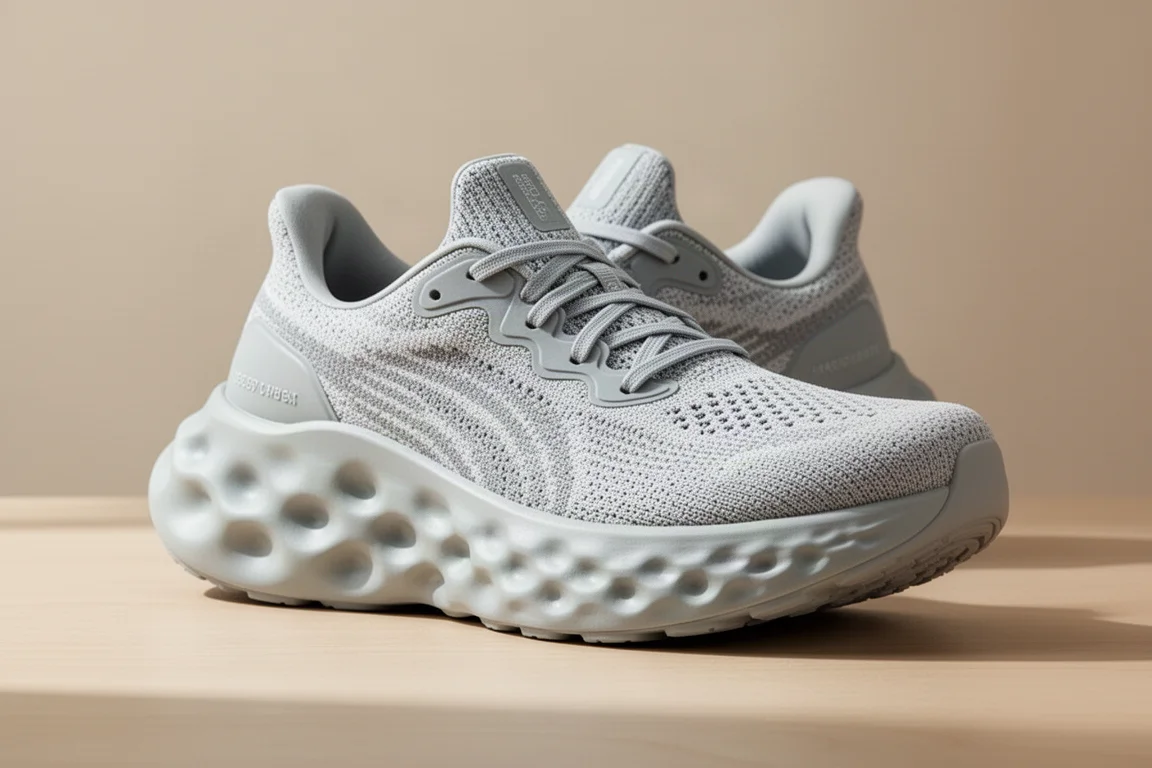
Nike Vomero Premium
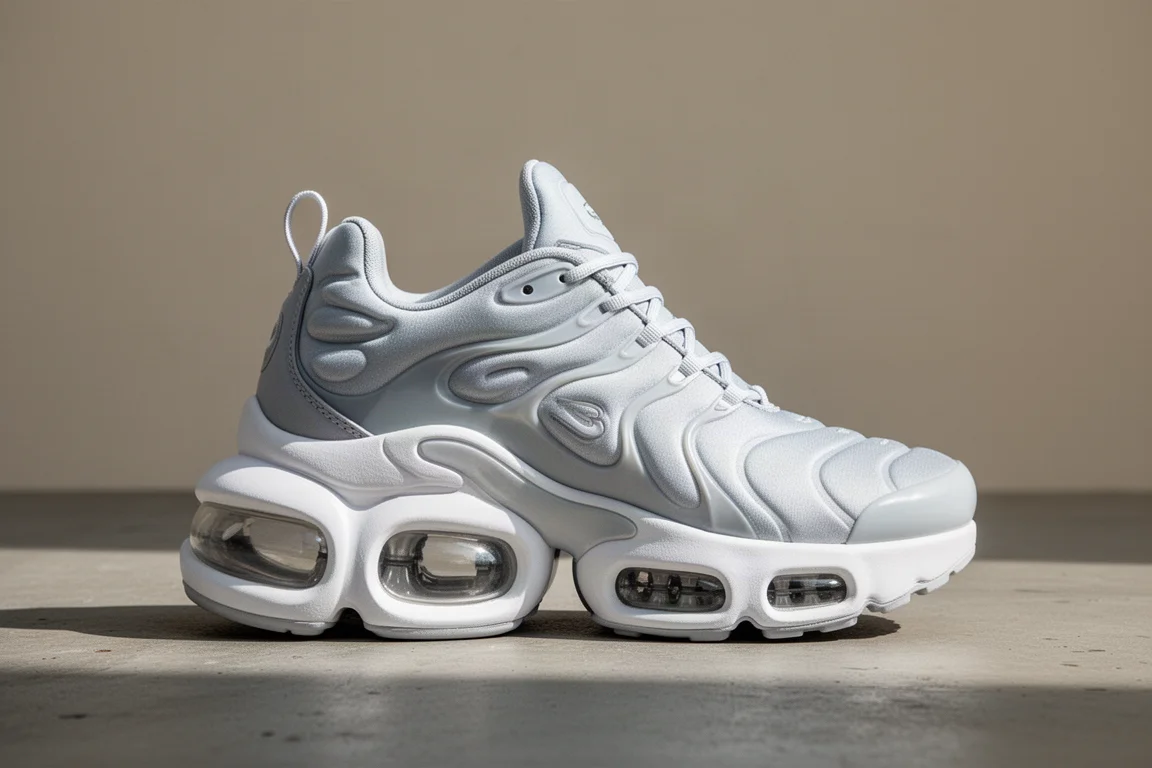
For something more extreme, the Vomero Premium packs a whopping 55 mm of stack, making it by far the biggest, chunkiest shoe you can buy right now. That comes with a hefty price tag of £210, which makes the New Balance a far more sensible option for most people.
Trail Shoes: Grip for Off-Road Miles
Beyond the road rotation, there are more specific shoes for different conditions: spikes for the track, cross country options, Gore-Tex versions for winter training, and trail shoes with extra grip underneath. Two current trail favorites stand out.
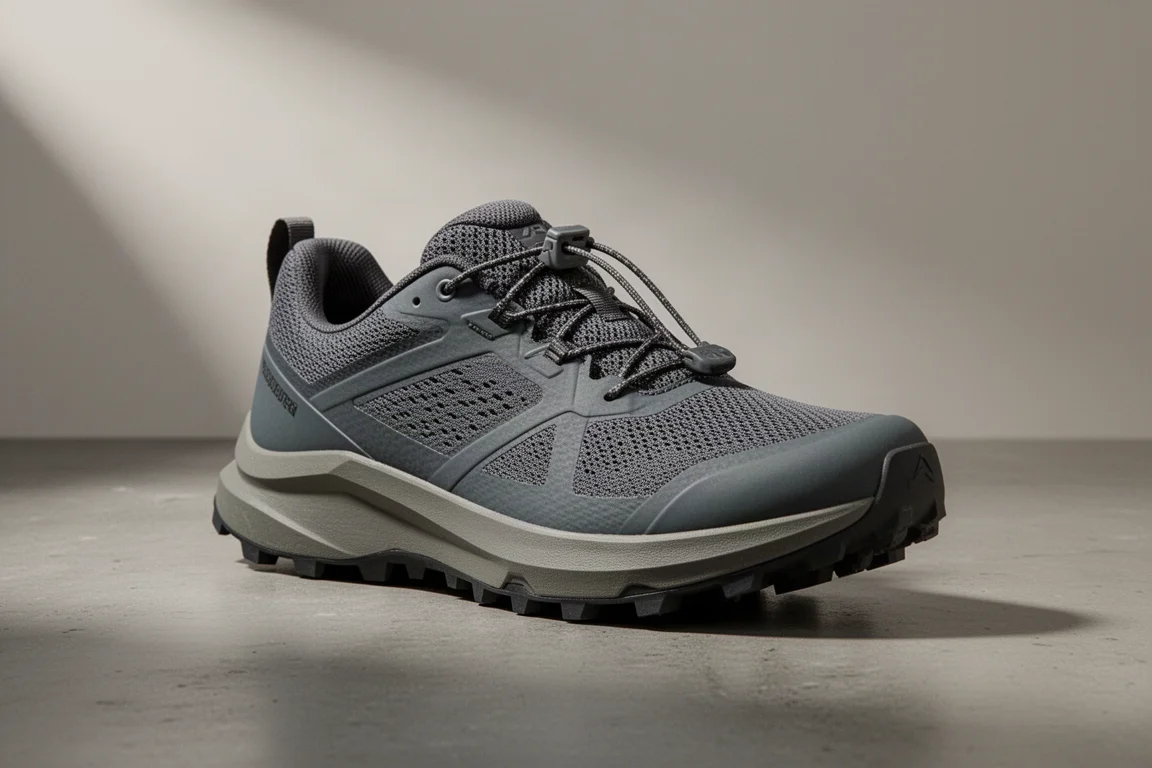
Salomon Ultra Glide 4
The Ultra Glide 4 offers great grip and really good comfort, and it is a special shoe, quite possibly the most used trail shoe of the year. For runners mixing road training with off-road miles, it is an easy recommendation.
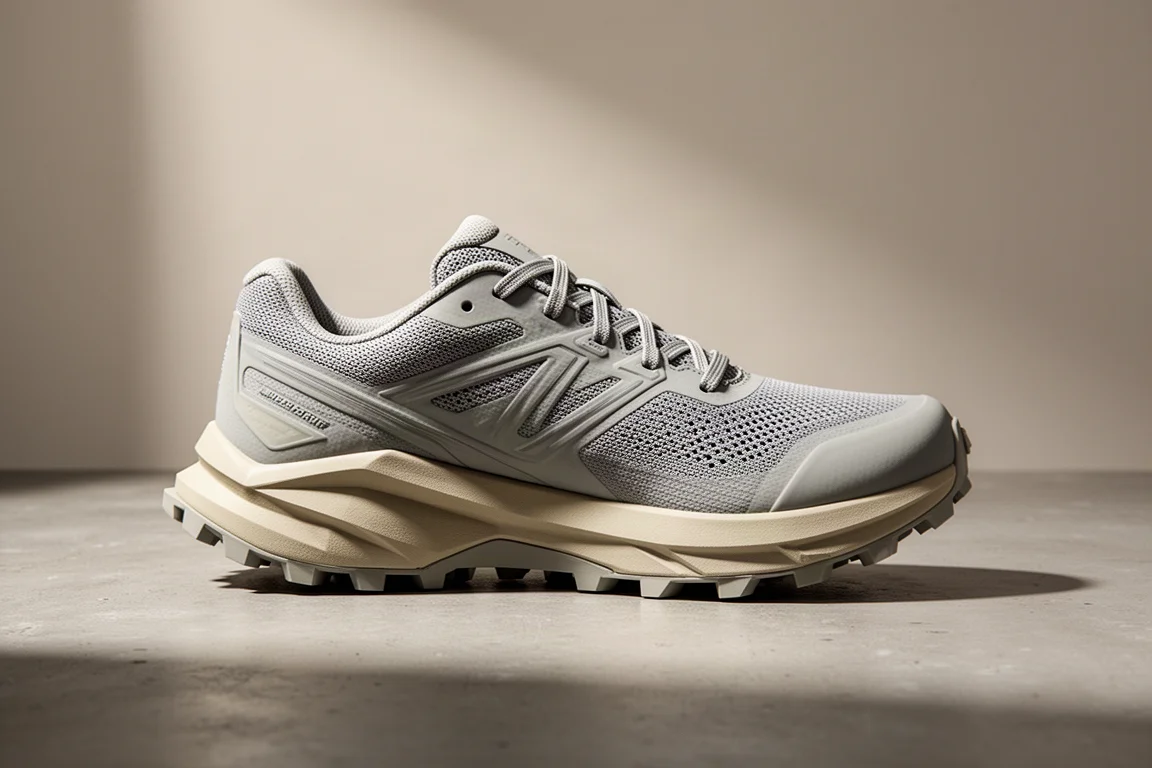
Hoka Speedgoat 7
The Speedgoat 7 shares the same strengths: excellent grip and all-day comfort, making it a dependable trail companion for everything from easy trail miles to longer off-road outings.
How to Build Your Rotation
Start with the daily trainer as your foundation, add a race day shoe if you have goal events, then layer in a long run shoe, a speed shoe, and a recovery shoe as your mileage and budget allow. Not everyone needs all five, and more specific shoes for track, cross country, winter, and trail can follow when your running demands it. The possibilities and combinations are endless, so choose based on the runs you actually do most often.
Conclusion
A well-built shoe rotation protects your legs, extends the life of expensive race shoes, and gives you the right tool for every session. Anchor it with a comfortable daily trainer like the Asics Novablast 6 or Puma Velocity Nitro 5, add a super shoe such as the Adidas Adios Pro 4 for race day, and round it out with cushioning, speed, and trail options as your training needs grow.
Further reading
Related Reviews

Running Shoes
Best Road-to-Trail Running Shoes: Three Versatile Options for Mixed Terrain
A practical guide to three road-to-trail running shoes that handle both pavement and mild trails, with clear strengths and trade-offs for different runner types.

Running Shoes
Best Running Shoes for Achilles Tendonitis: Three Options Explained
Three running shoes with different heel drops and support features designed to help reduce Achilles tendon pain during walking and running.

Running Shoes
Best Running Shoes for Women: Five Top Choices Ranked
A ranked guide to five women's running shoes, from versatile daily trainers to high-performance racing options, with real strengths and trade-offs for each.