Running Shoes
10 Running Shoes Worth Knowing About Right Now
From race-day super shoes to durable daily trainers, here is a practical look at ten running shoe models and who each one actually suits.
Introduction
The running shoe market has settled into a strange rhythm. Most top-end race shoes now feel like gentle annual refinements of the same winning formula, while everyday trainers have quietly caught up in foam quality and design. The result is that choosing a shoe matters more than ever, because on-paper differences are smaller than the price tags suggest.
This roundup walks through ten models that keep coming up in real running conversations: a race-day super shoe, several dependable daily trainers, a max-cushion cruiser, and a couple of value picks. The goal is simple: help you figure out which of these fits the way you actually run, without falling for marketing superlatives.
The Race-Day Super Shoe: Nike Vaporfly Next% 3
The Vaporfly Next% 3 is the latest iteration of the shoe that started the modern super shoe era, with a release expected around March 2023 and pricing around $260, or £225 in the UK, roughly the same as the outgoing model. It is slightly lighter than before, with a quoted 233 grams for a US men’s 12, which is only a few grams off the previous version, so do not expect a drastically lighter shoe. Nike also claims more energy return, which in plain terms means less energy loss, and the upper gets thinner, as it does on essentially every update.
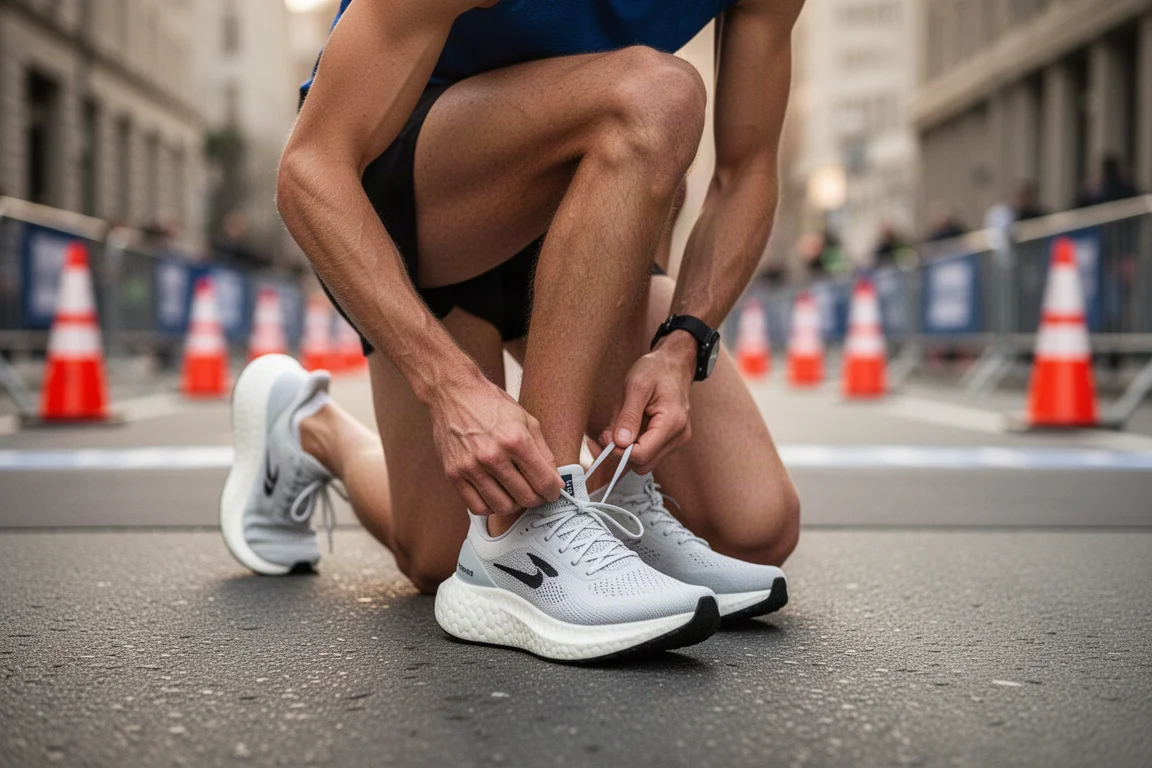
Visually, the carved-out sections in the midsole make the forefoot look higher than the heel, even though there is clearly more stack in the heel. The honest assessment is that this is a subtle refinement of an already excellent shoe, much like a new phone model: everyone else has their own version now, and brand preference and upper fit are what separate them. One thing worth watching is durability in the heel, where there appears to be less rubber than before. If you are eyeing one, the previous version is often discounted heavily, which is worth considering before paying full price.
A Steady Daily Trainer: New Balance 880 v12
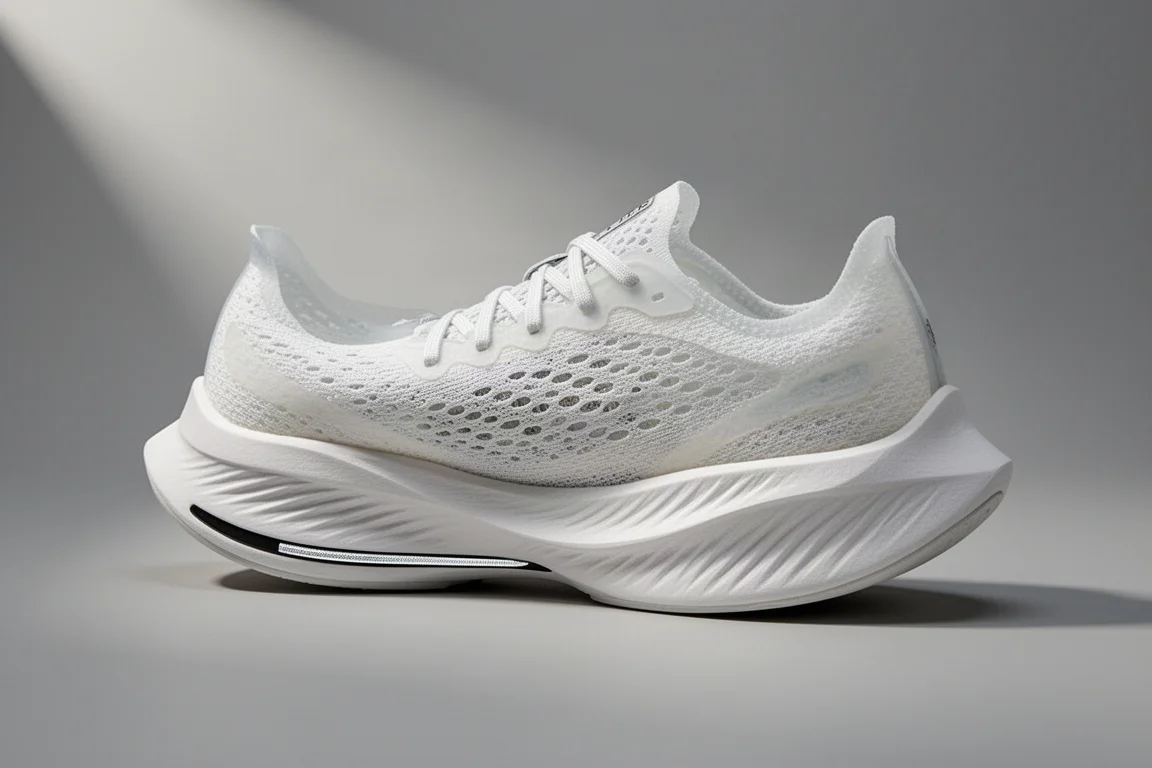
The 880 v12 has been described as a shoe for powerful running, with a denser and firmer ride that gives back more propulsive energy, plus a vented and breathable upper. That framing feels generous. The 880 is a solid, well-built daily trainer, but it has never been famous for being the most powerful shoe on the market.
Treat it as what it is: a dependable, neutral everyday shoe with a firmer feel and good breathability. If you want a workhorse that will not surprise you, it fits. If you want genuine propulsion, the carbon-plated options in this list do that job far better.
The Cushioned Cruiser: Hoka Clifton 8
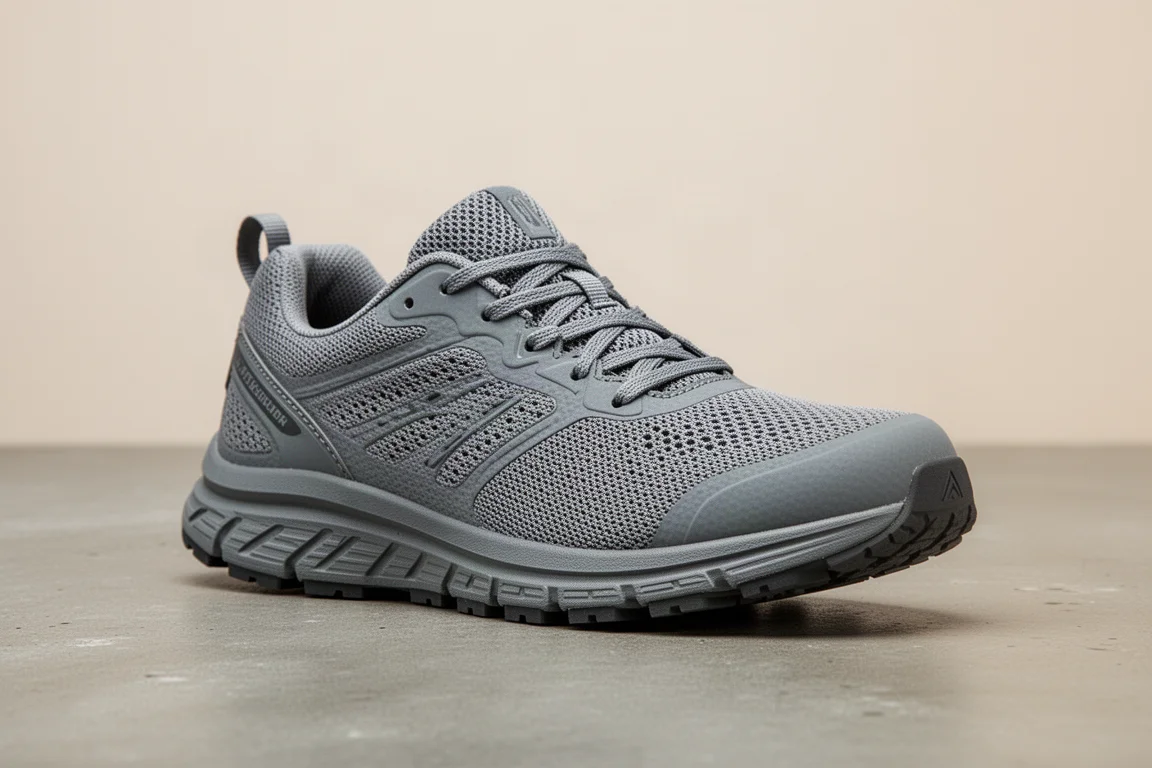
The Clifton 8 has been pitched as a support pick thanks to a firmer insole, but that is not really what it is known for. The EVA midsole sits on the slightly tougher side, yet there are more forgiving rides out there with better heel and medial support from other brands.
What the Clifton 8 genuinely offers is a light, cushioned, easygoing ride that suits easy miles and longer days on your feet. It is a good shoe for runners who like the Hoka rocker feel and do not need stability features. Just buy it for comfort and smooth rolling, not for support.
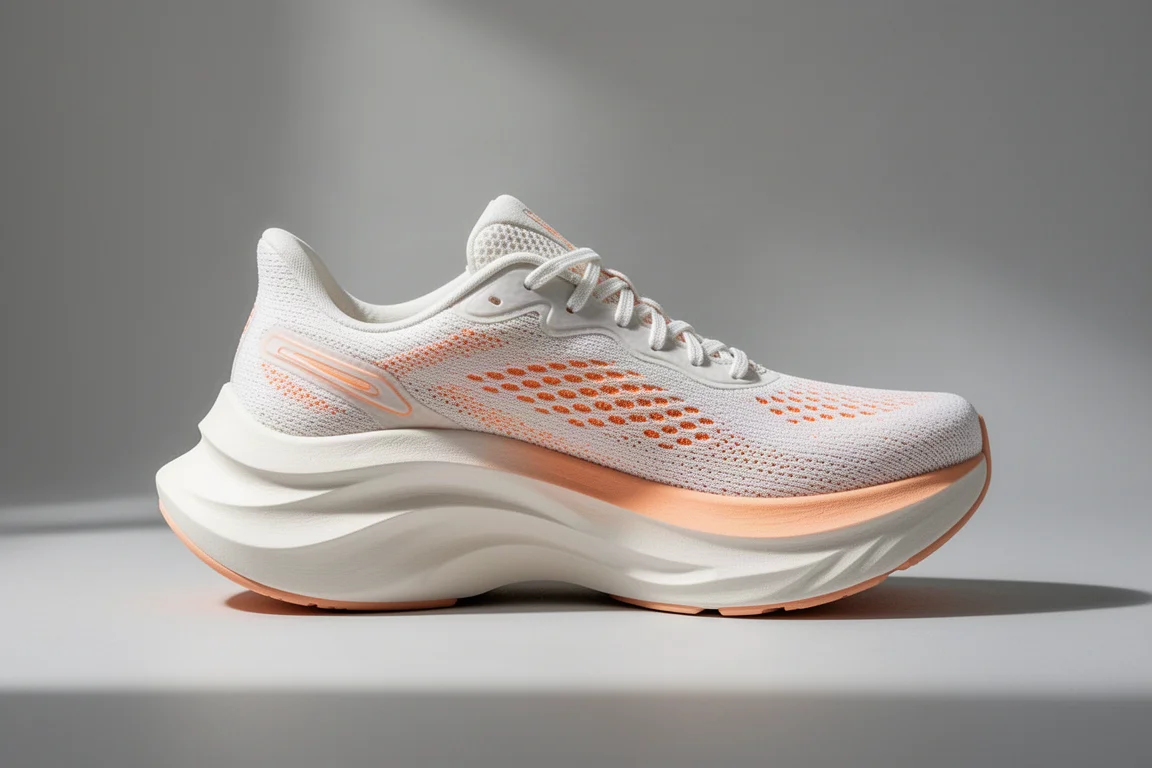
Best for Impact Absorption: Nike ZoomX Invincible 3
Of all the picks in this roundup, the Invincible 3 earns its reputation most convincingly. This is a shoe built around enormous ZoomX cushioning, and it is superb for impact absorption. Runners coming back from hard sessions consistently report that it saves the legs, and it is equally usable for easy walking days when the legs are wrecked.
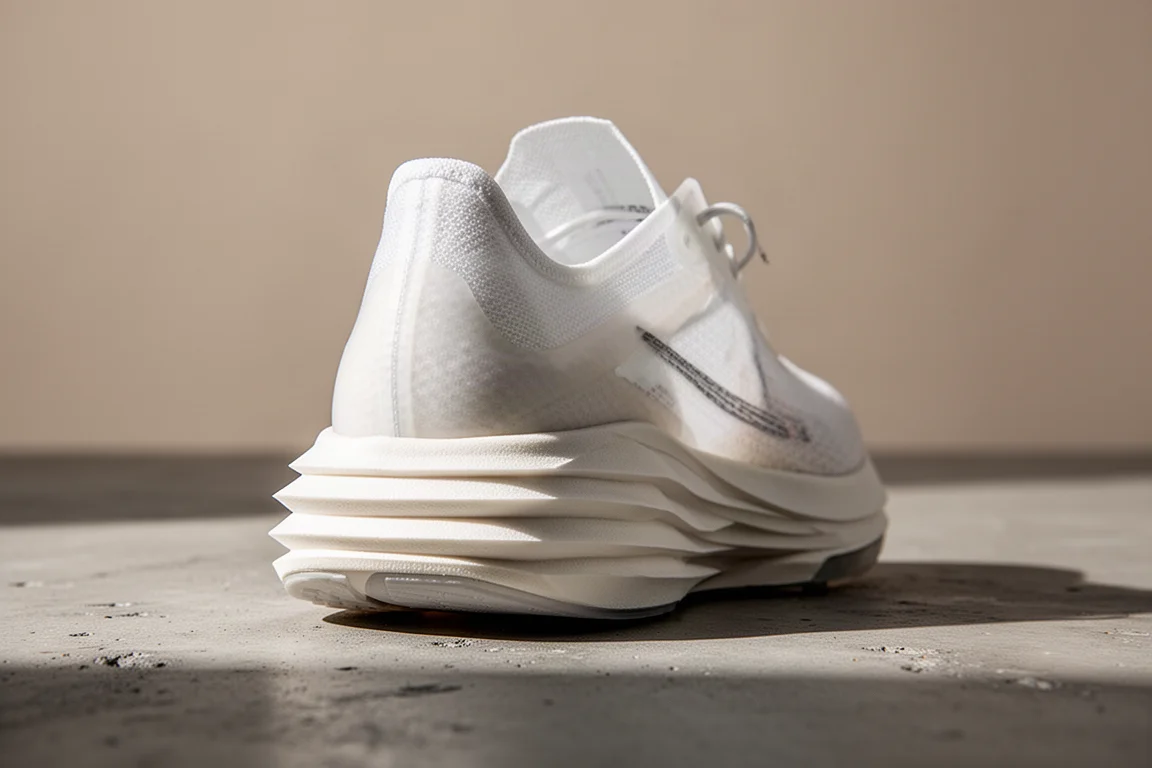
The trade-offs are its bulk and its soft, unstable feel at speed, which is why it is not a shoe for tempo work or racing. As a recovery-run and easy-mile specialist, though, it is arguably the best in class here.
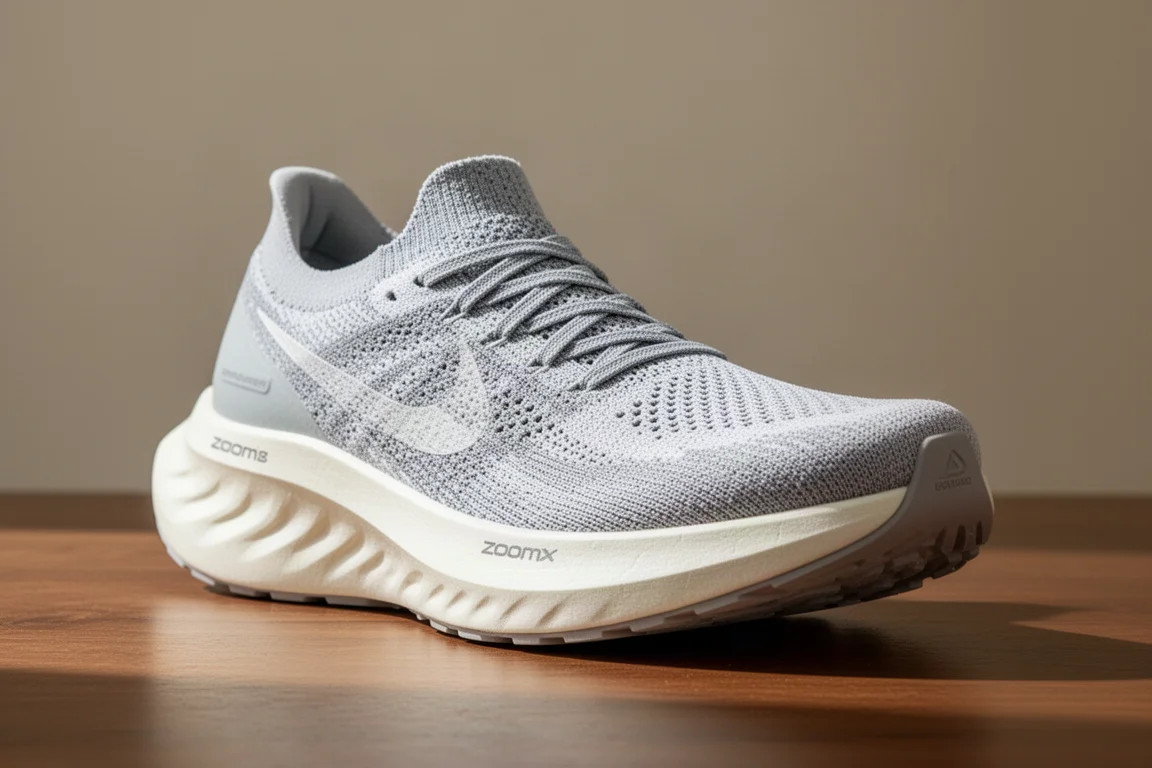
A Lightweight Speed Option: Saucony Kinvara 13
The Kinvara 13 gets picked for speedwork on the strength of its slightly lower stack and a larger toe box, which is said to reduce blisters at high pace. The blister argument is a bit of a stretch, and there are dedicated speed shoes with better propulsion for faster running.
Where the Kinvara 13 makes real sense is as a lightweight, flexible trainer for runners who want one shoe that can handle quicker days without committing to a plated racer. It is a classic lightweight tempo shoe with a comfortable fit, and it suits runners who prefer to stay low to the ground.
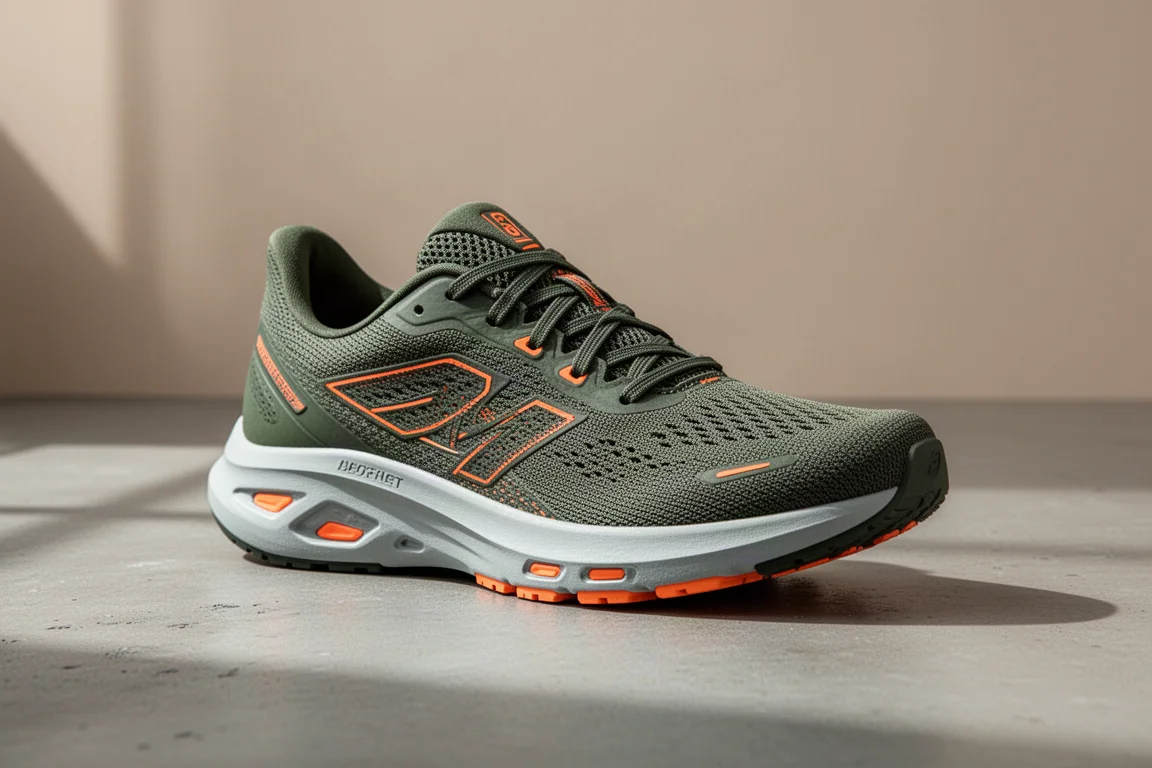
Best for High-Energy Running: Puma Deviate Nitro 2
The Deviate Nitro 2 is one of the easier picks to endorse. It combines a composite plate with Puma’s Nitro Elite foam in key areas of the midsole, delivering a genuinely propulsive ride in a very durable package. It is a strong choice for runners who want carbon-plate performance for daily rotation and training rather than saving it purely for race day.
It may not be the absolute fastest shoe on the market, but the balance of energy, durability and ride quality makes it one of the most complete options here, and it is hard to argue with for runners who want a lively training shoe with race-day capability.
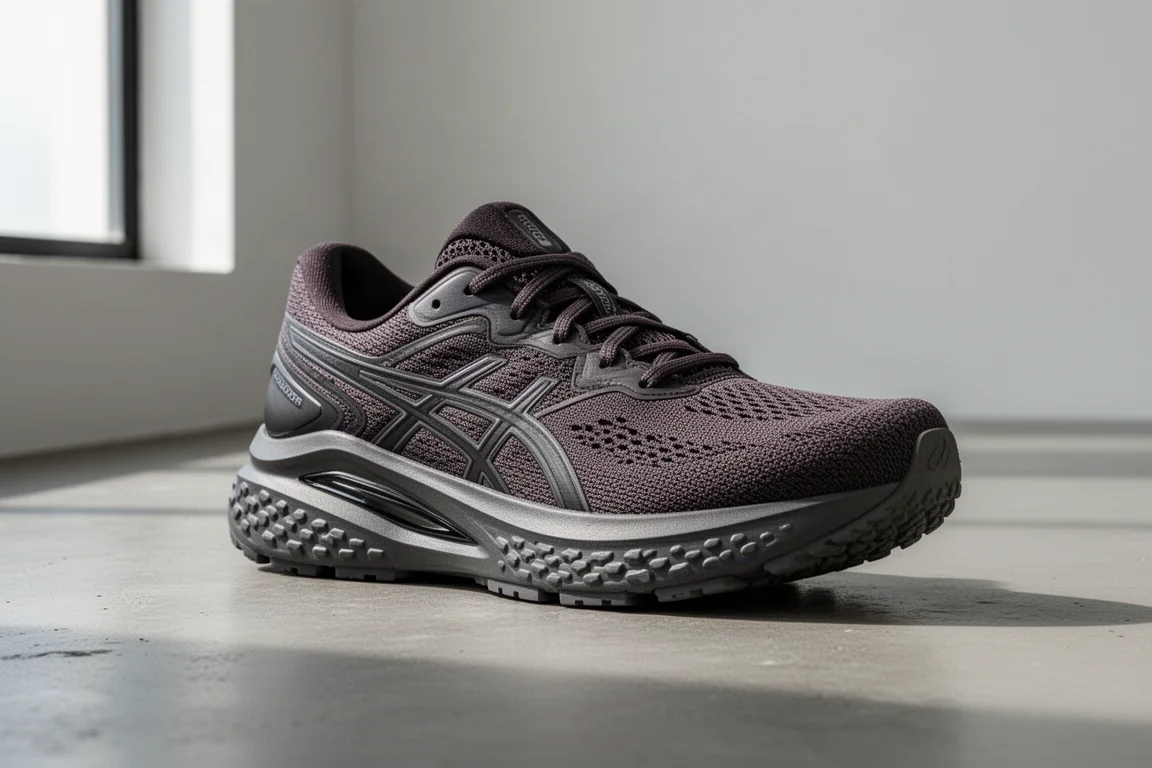
The Head-Scratcher: New Balance FuelCell SC Elite v3
The SC Elite v3 occupies an awkward spot in New Balance’s lineup. Priced around $220, it has less stack than the SC Trainer but appears to use the same plate, and the thinner upper leaves its positioning unclear. It has quietly drifted to the sidelines, with relatively few runners picking it up compared with rival super shoes.
It remains a legitimate carbon-plated racer with a peppy FuelCell ride, so it is not a bad shoe. The honest caveat is that within New Balance’s own range the SC Trainer looks like the more practical buy, and the Elite v3 feels due for an update. Consider it only if you find it discounted and the fit works for you.
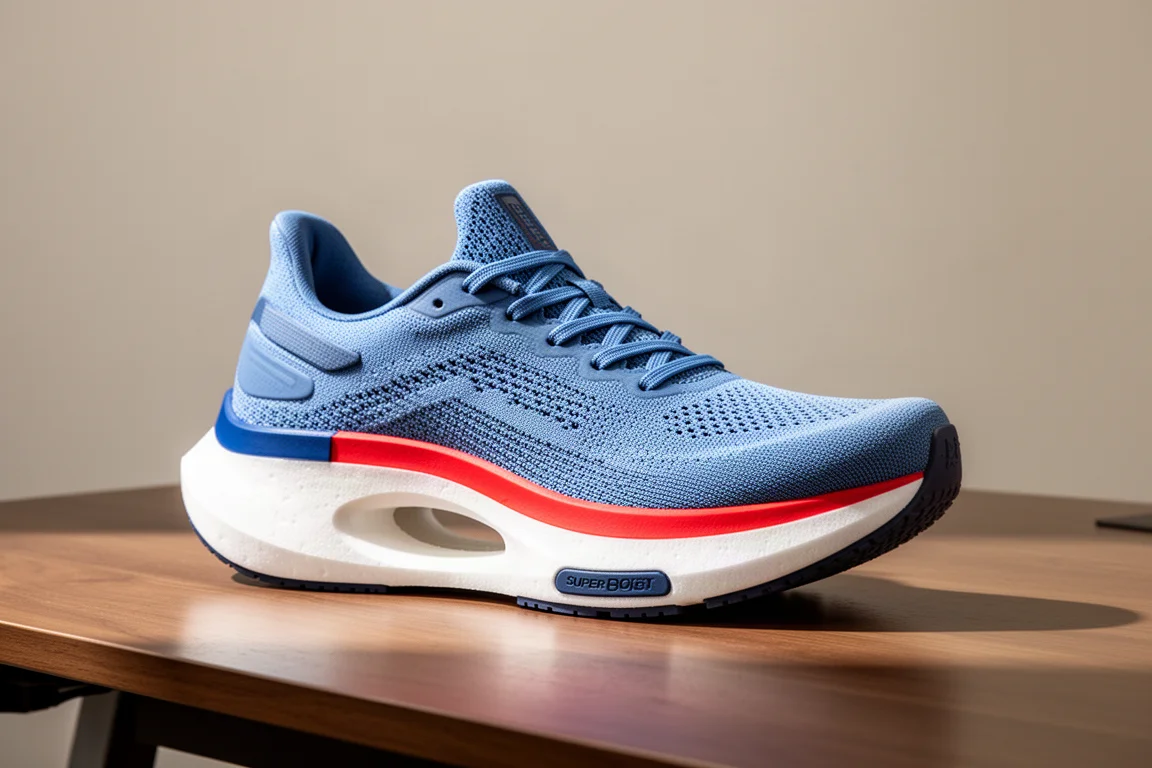
A Durable Budget Contender: Reebok Floatride Energy 5
The Floatride Energy series has long been a favorite among value-conscious runners, and the fifth version brings a full refresh: a reworked upper, a retooled midsole and an updated outsole. The previous versions carried the same midsole design for a couple of generations, so this is a meaningful update rather than a colorway change.

Historically the model has come in under the £100 mark, and regular discounts tend to appear soon after release. For runners who want a dependable, cushioned daily trainer at an accessible price, this remains one of the easiest recommendations in the category.
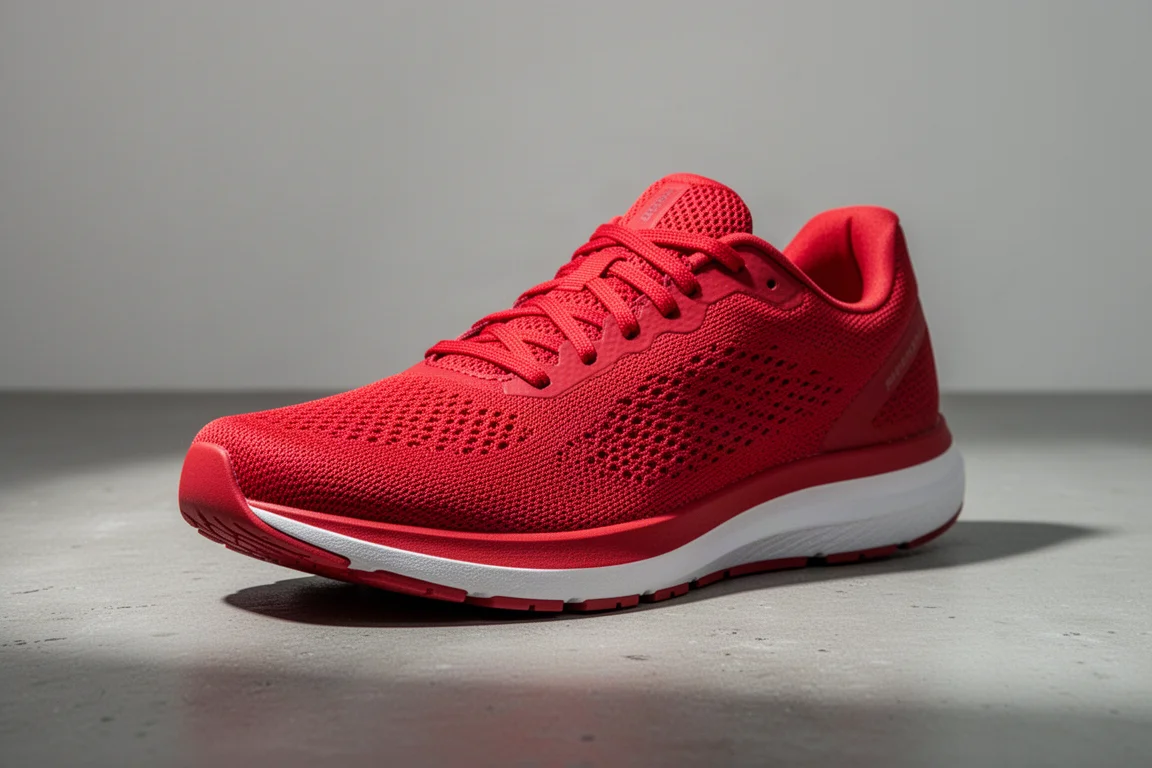
Nike’s Overhauled Daily Lineup: Vomero 17 and Structure 25
Nike’s daily trainer lineup finally gets the updates it badly needed. The Vomero 17 shows a considerable upper and midsole redesign, a lugged outsole carried over from the well-liked Vomero 16, and ZoomX combined with a second foam, possibly React. With a larger share of ZoomX in the top section, the Vomero positions itself between the Pegasus and the Miler, potentially making it a much better long-run shoe.
The Structure 25 sticks with Cushlon foam, adding a more considerable heel counter around the back of the foot so the padding locks the heel in. It reads as a firmer, structured stability shoe, and it is worth noting it has not suited every runner in the past. Both models, alongside added ZoomX in the new Miler, signal that Nike is finally catching its daily shoes up with the competition after years of letting them coast on outdated designs.
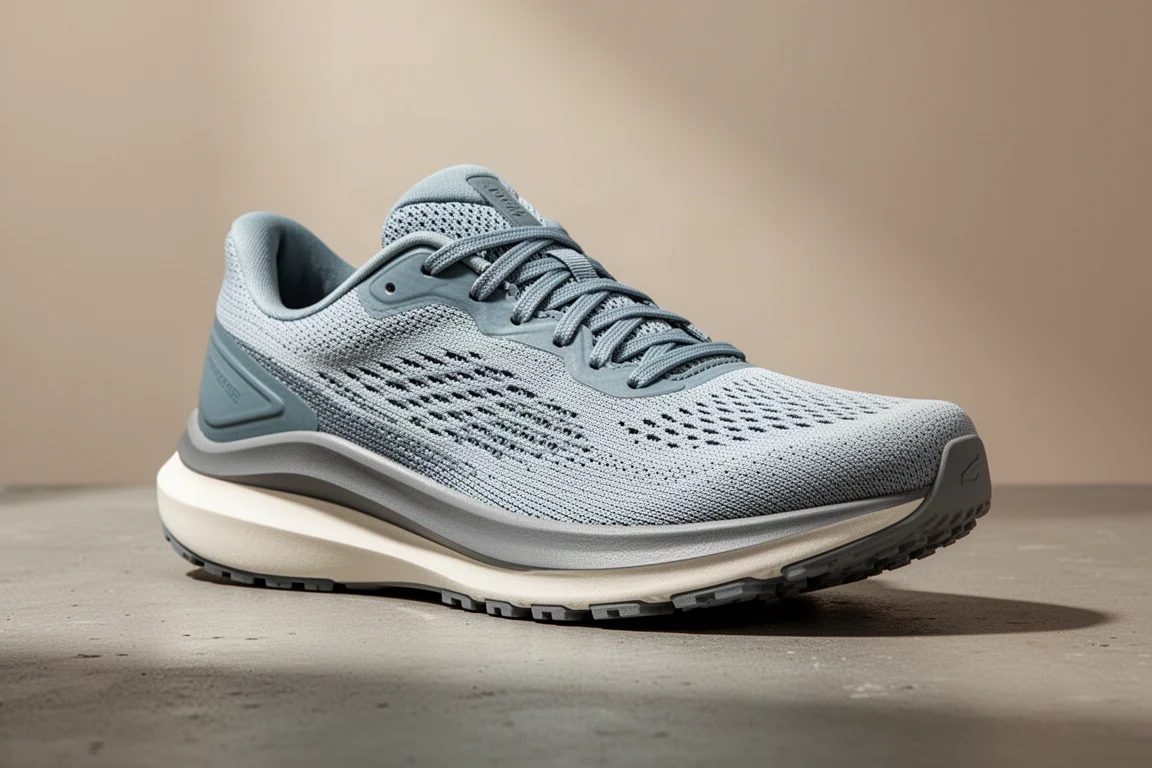
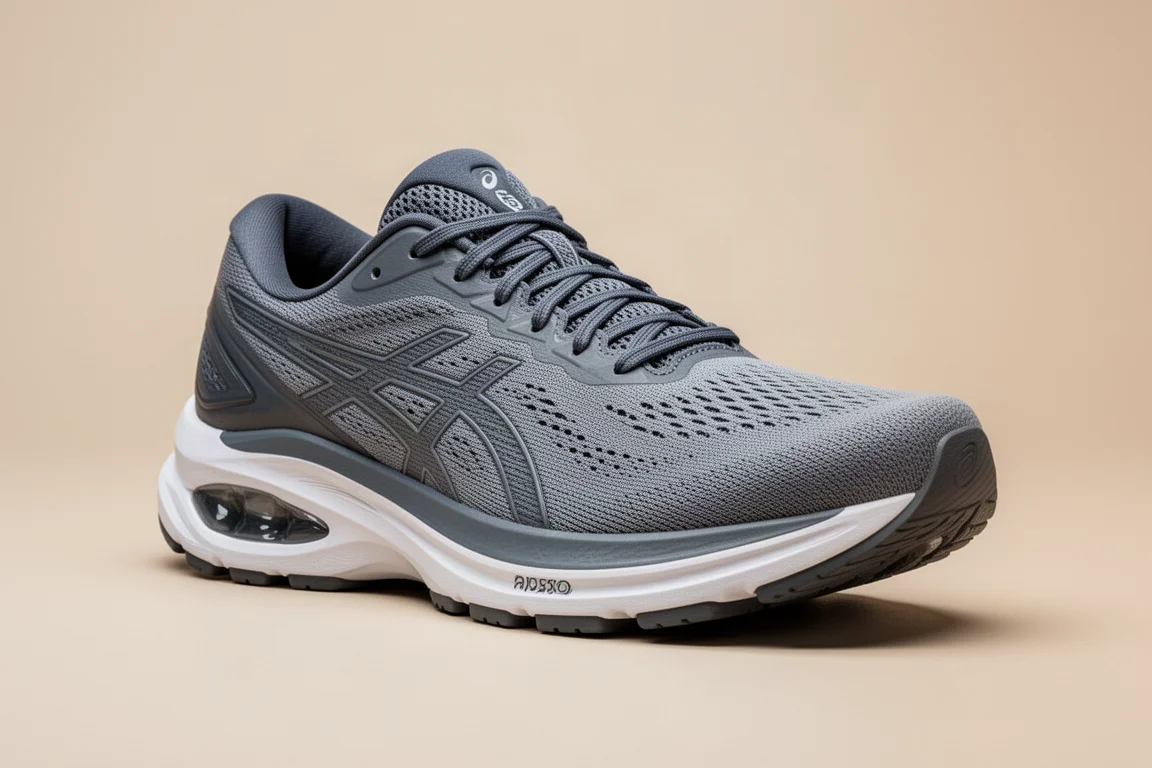
Overall Buying Advice
With most premium super shoes now performing at a similar level, do not overpay for marginal refinements. If you race and want the safest known quantity, the Vaporfly Next% 3 delivers, but discounted previous-generation racers are often the smarter buy. For high-mileage training with a lively ride, the Deviate Nitro 2 is the standout all-rounder here. If your priority is protecting tired legs, the Invincible 3 is in a class of its own for cushioning.
On a budget, the Floatride Energy 5 gives you the most shoe per dollar, while the 880 v12, Clifton 8 and Kinvara 13 all make sense as dependable specialists for firm, easy or lightweight riding respectively. Finally, match the shoe to your actual weekly running: max cushion for recovery, a plated trainer for quality sessions, and a stable structured shoe only if you genuinely need the support.
Conclusion
There is no single best running shoe in this group, and that is the real takeaway. The super shoe market has converged, daily trainers have improved across the board, and the right choice depends on how the shoe fits your training. Prioritize fit, ride feel and durability over headline claims, and you will get far more out of any of these ten than from chasing spec sheets.
Further reading
Related Reviews
Running Shoes
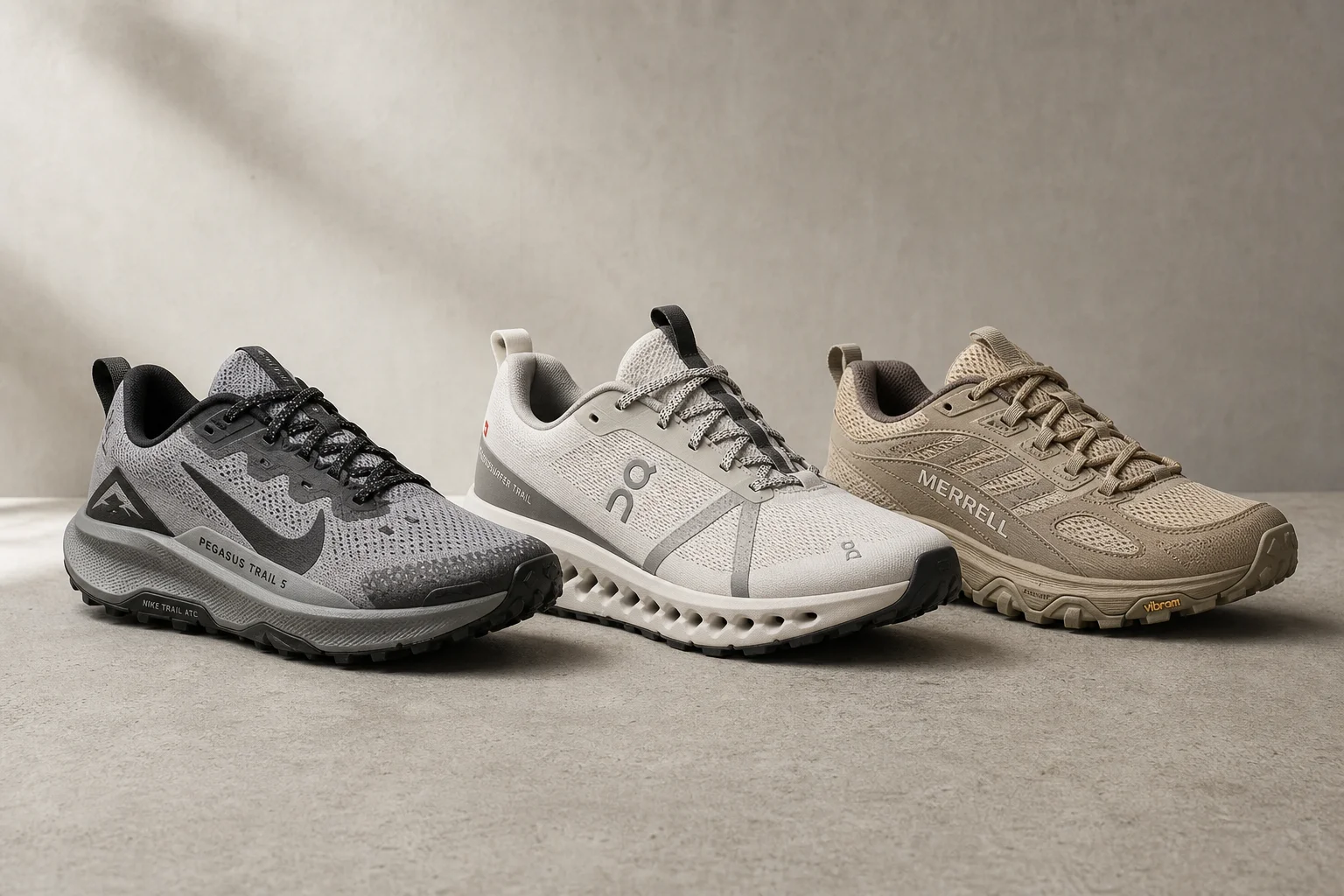
Best Road-to-Trail Running Shoes: Three Versatile Options for Mixed Terrain
A practical guide to three road-to-trail running shoes that handle both pavement and mild trails, with clear strengths and trade-offs for different runner types.
Running Shoes
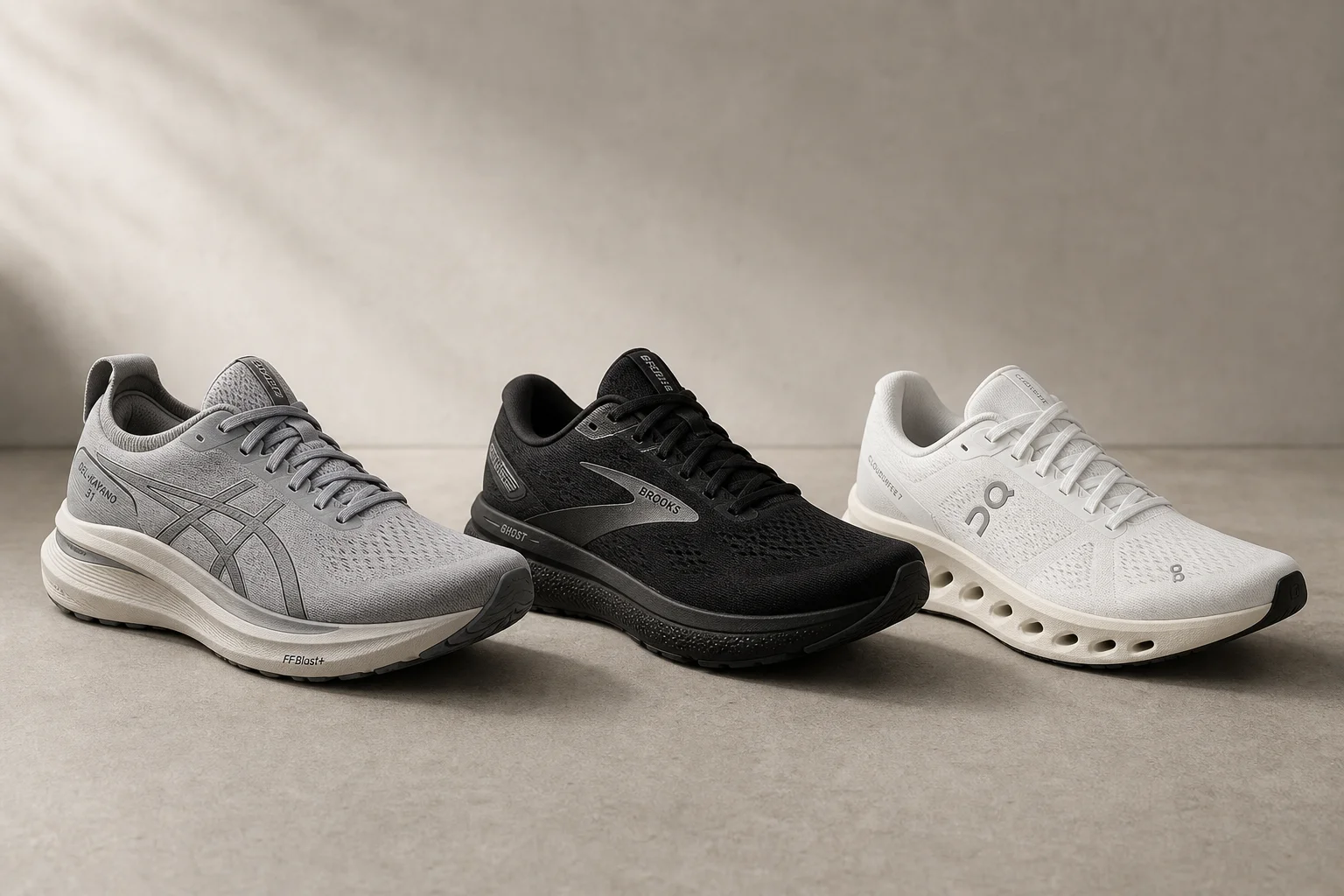
Best Running Shoes for Achilles Tendonitis: Three Options Explained
Three running shoes with different heel drops and support features designed to help reduce Achilles tendon pain during walking and running.
Running Shoes
Best Running Shoes for Women: Five Top Choices Ranked
A ranked guide to five women's running shoes, from versatile daily trainers to high-performance racing options, with real strengths and trade-offs for each.