Running Shoes
Best Running Shoes Our Editors Keep Coming Back To: 11 Picks Across Every Category
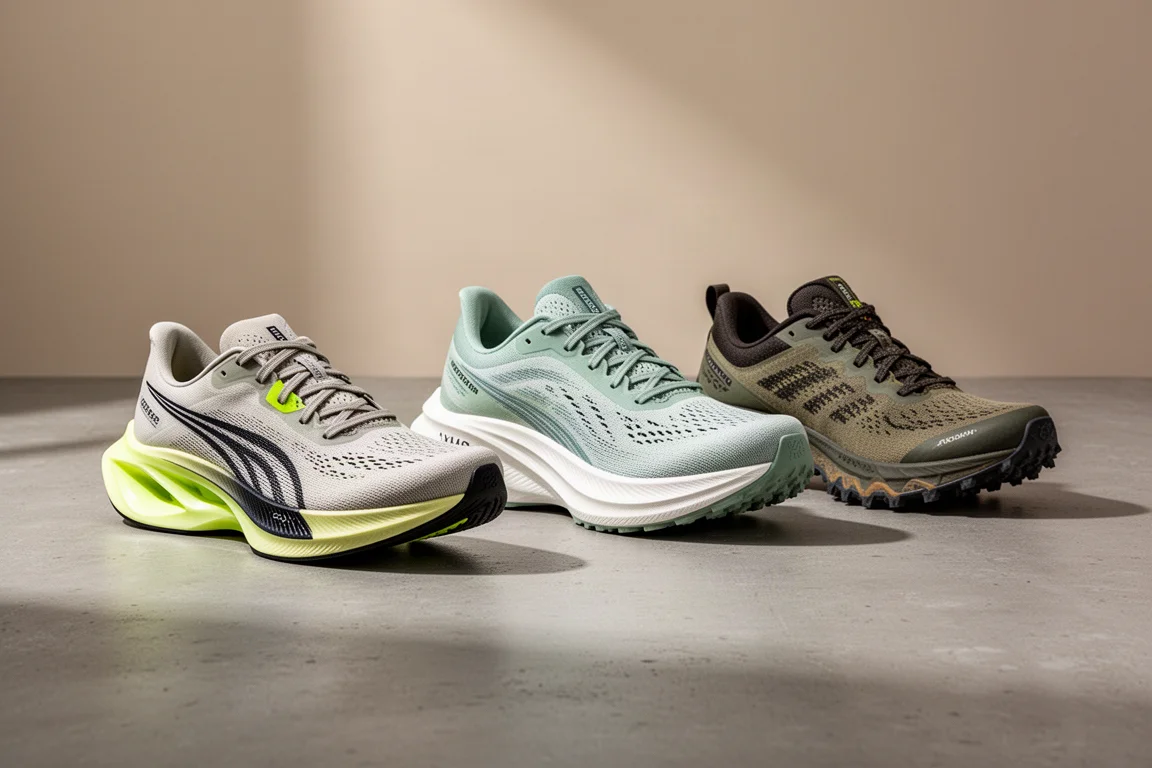
From 5K racers to max-stack trainers and plated trail shoes, these are the running shoes that earned a lasting spot in our rotation this year, plus a few we would approach with caution.
Introduction
This is a mailbag-style roundup: the shoes that keep coming up in our own rotation this season, organized by the job they do best. Some are racers, some are daily workhorses, and a few are shoes we would only recommend with caveats. Every pick here is based on how it actually behaved on runs, not on spec sheets alone.
How We Chose These Shoes
We focused on shoes with substantial real-world miles behind them: how the midsole feels at different paces, whether the geometry helps or fights your natural stride, and how the fit holds up. Small design details matter more than most people realize. A heel bevel that is angled too far to the outside, for example, can keep a runner with a history of ankle sprains on the lateral edge of the foot for too long, and a toe spring that locks the toes into extension can aggravate forefoot pain. Those are the kinds of details that separate a shoe you run in twice from one you reach for every week.
Best Racing Shoes for 5K and Beyond
On Cloudboom Echo 3
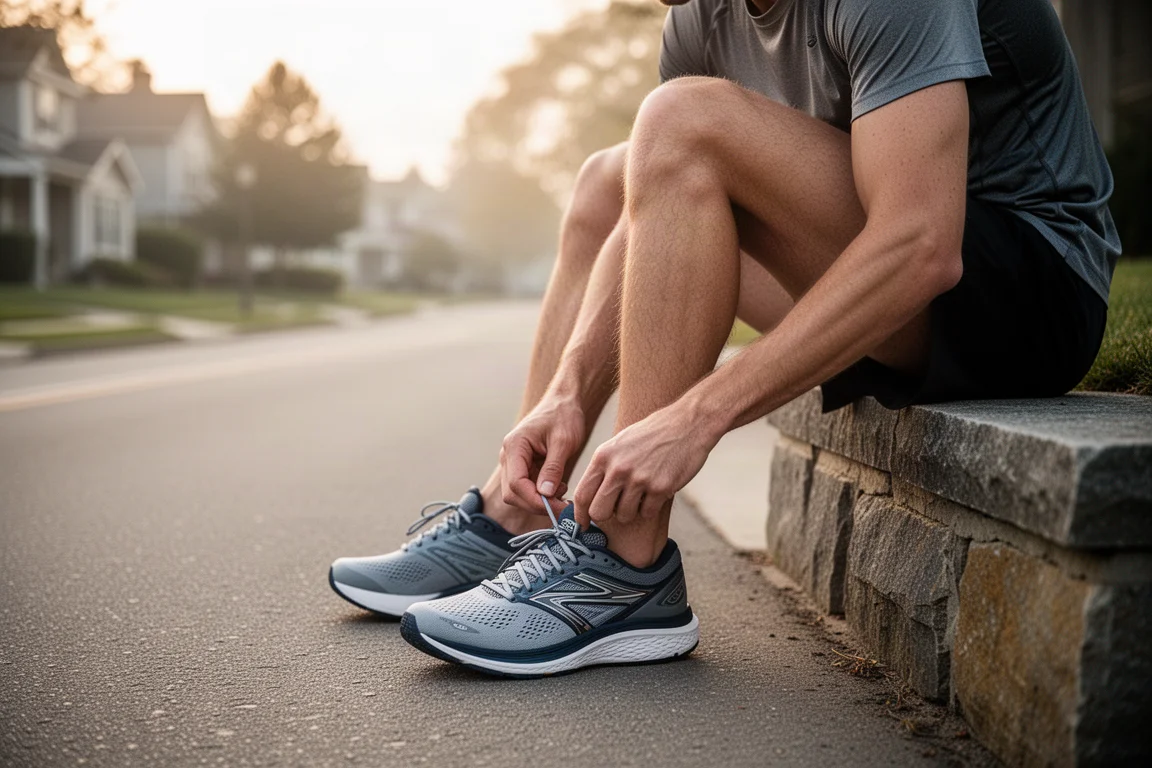
The On Cloudboom Echo 3 has quietly become our most-used racer this season. It is light, it feels fast without being harsh, and it has earned a reputation as a strong replacement option for runners who loved the original Alphafly. What stands out most is the geometry: despite a stated 9.5mm drop, a very well-executed heel bevel means the heel simply disappears underfoot, even at easy paces. It has performed best for us from the 5K up through seven-mile races.
Saucony Endorphin Pro 4
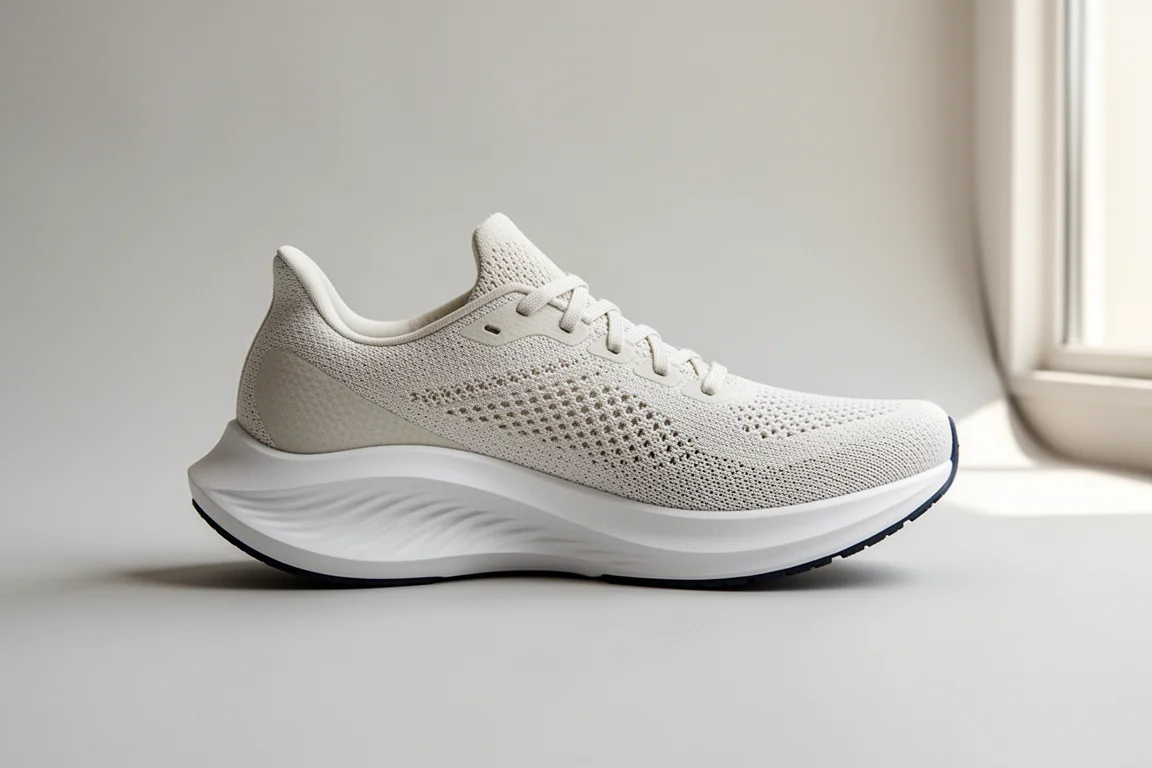
The Endorphin Pro 4 is noticeably firmer than its predecessor and very responsive when you push the pace. Interestingly, some runners find it gets better the faster they run in it, which is the opposite of what many people report for this shoe. If you found earlier versions too soft, or if softer racers have left you with Achilles or calf complaints, this firmer plate shoe is worth a close look.
The Max-Stack Trainer: Puma MagMax Nitro
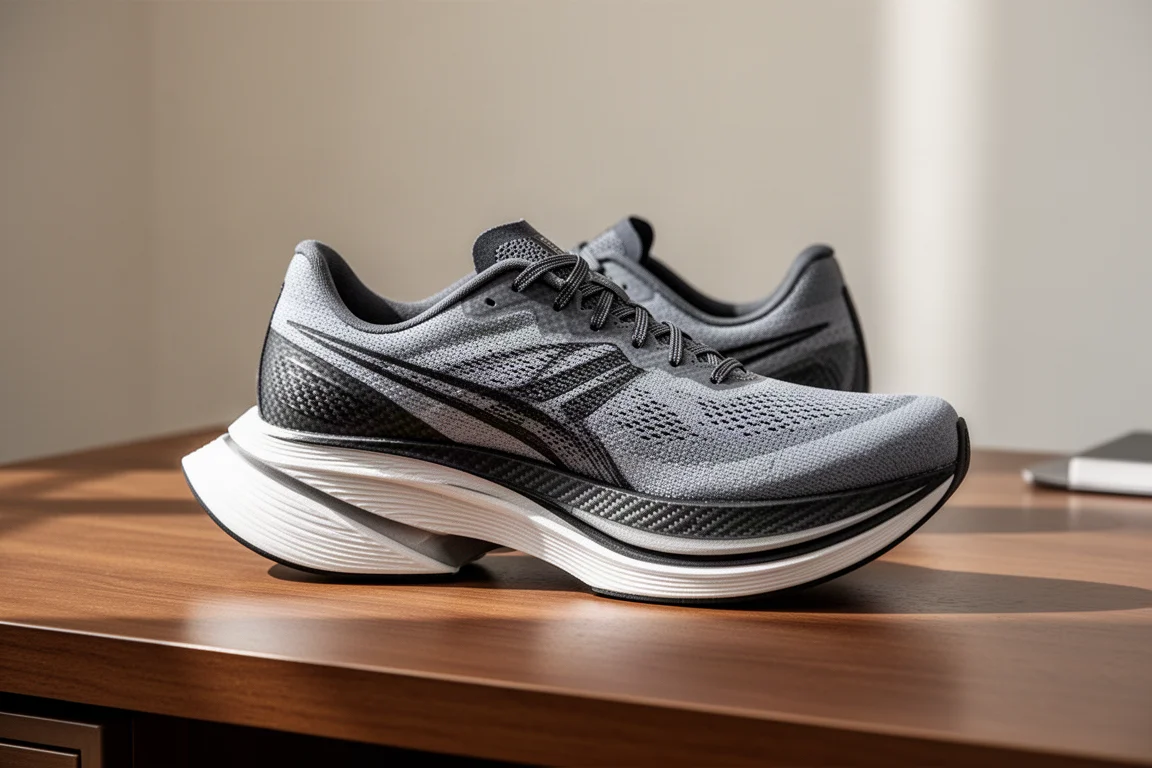
The Puma MagMax Nitro is a beast on paper, with a 47mm heel stack and 34mm in the forefoot, yet it never feels that way while running. Puma’s Nitro foam brings a bit of bounce without tipping into mushy, and it does not feel heavy on foot. It shines for easy and moderate-pace running with plenty of protection underfoot, though it is not the shoe for marathon-pace work.
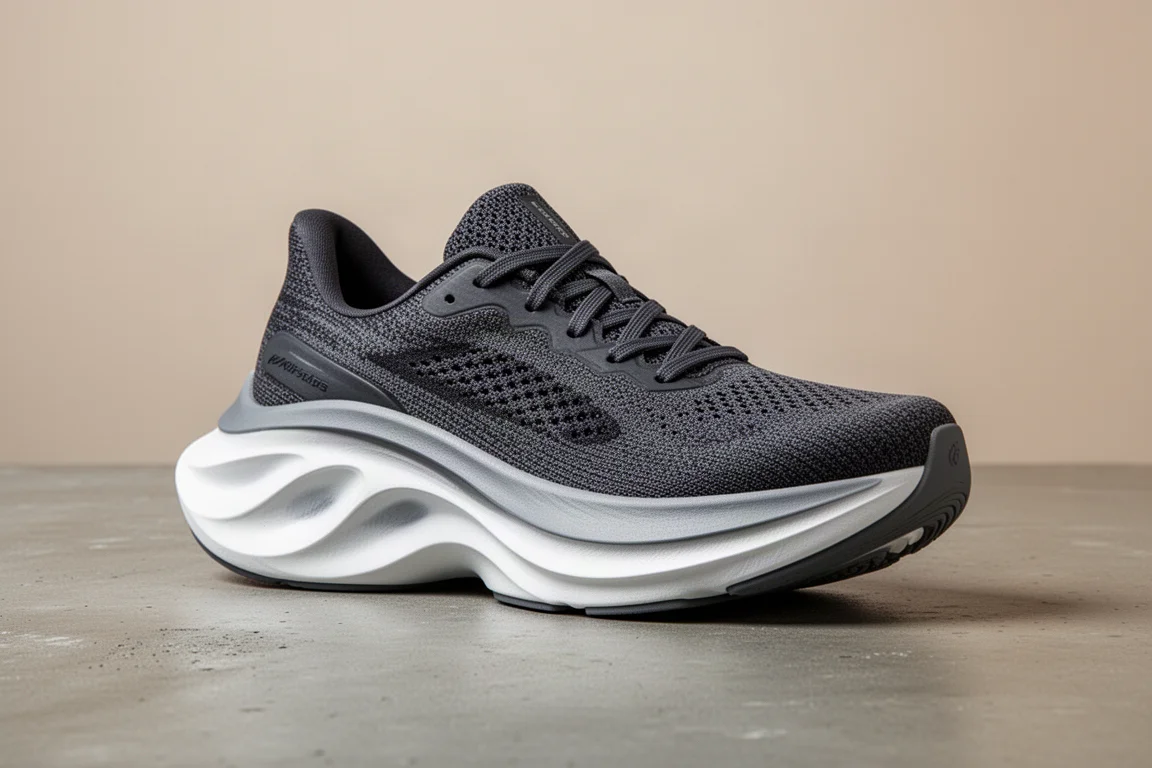
The Brooks Two: Hyperion 2 and Hyperion Max 2
Brooks Hyperion 2
The Hyperion 2 has become the true spiritual successor to the original Hyperion Max, and it does almost everything well. It handles long easy runs, easy runs with pickups, and a heavy load of workouts without complaint. The upper is an improvement over the original, the ride is nimble and firm in a good way, and it is our go-to recommendation for faster interval sessions, including the run portions of obstacle-style races.
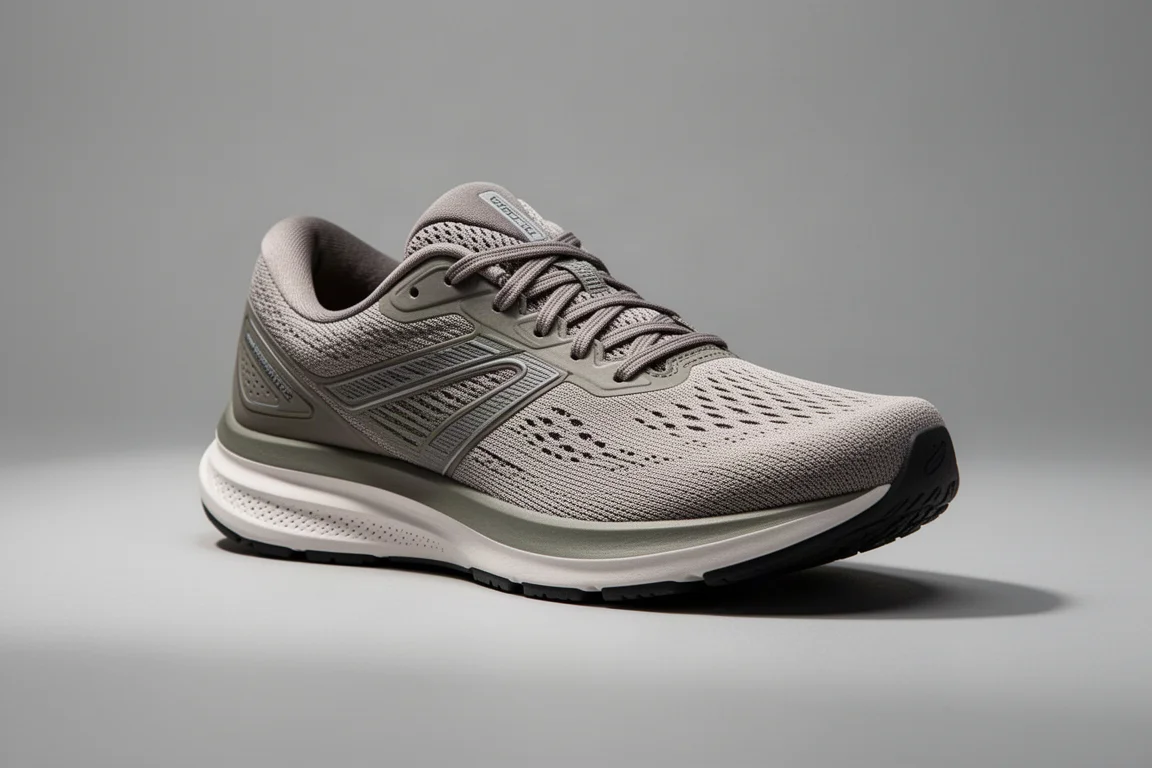
Brooks Hyperion Max 2
The Hyperion Max 2 is a higher-stack, firmer companion with a stiff ride built for forward motion. It is an excellent rolling shoe for easy days and uptempo long runs, with lots of underfoot protection from the added stack. What it is not anymore is a 5K-pace interval shoe; for that, the Hyperion 2 is the better choice. As a marathon trainer and uptempo workhorse, though, it feels like the shoe the original was always meant to be.
Trail Option: Saucony Endorphin Edge
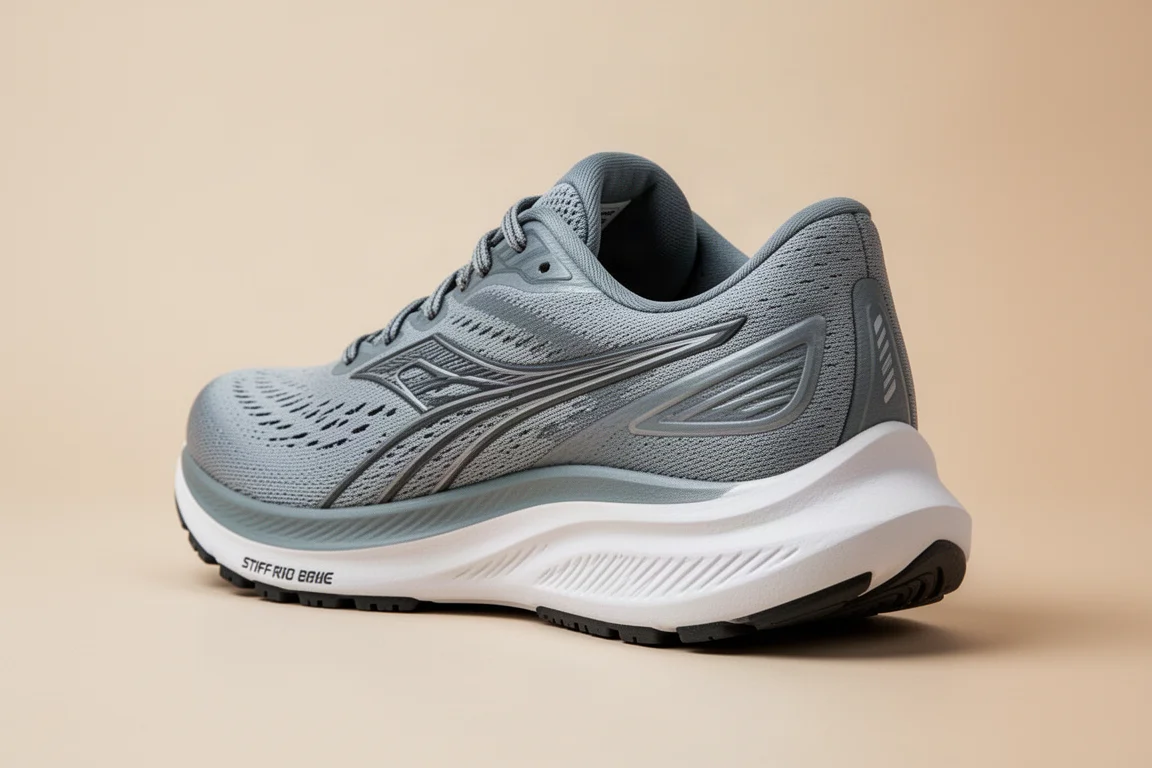
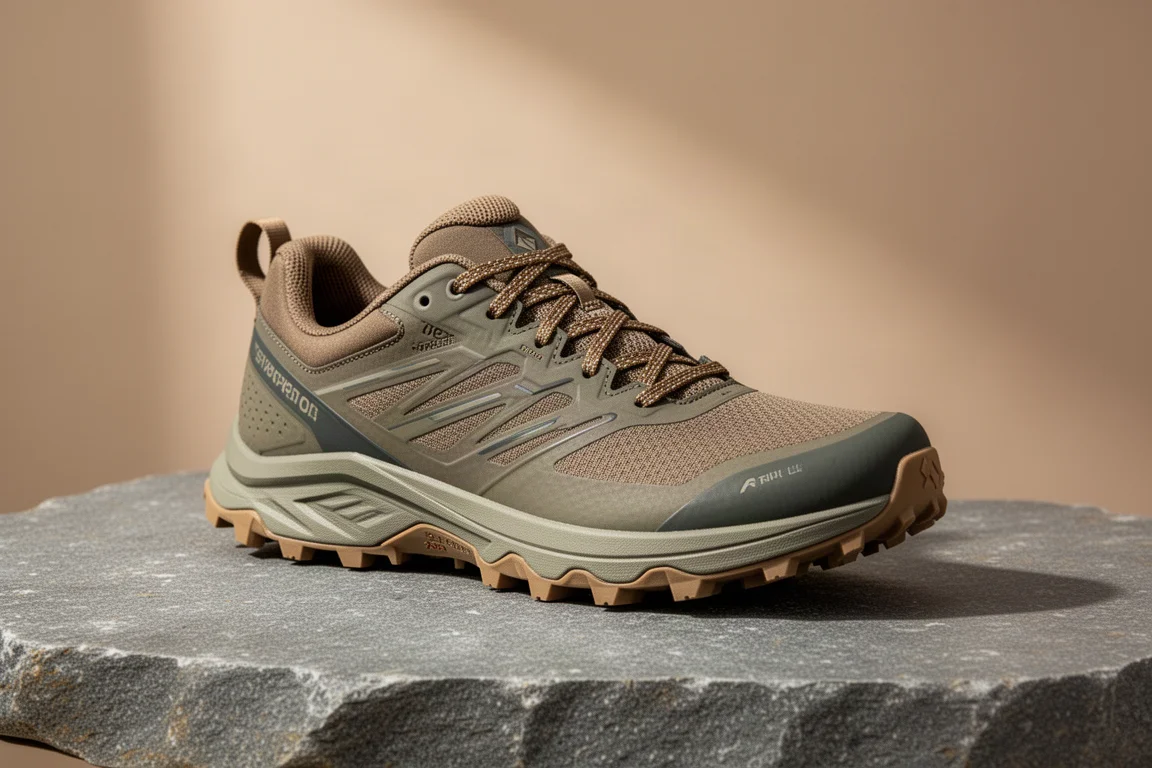
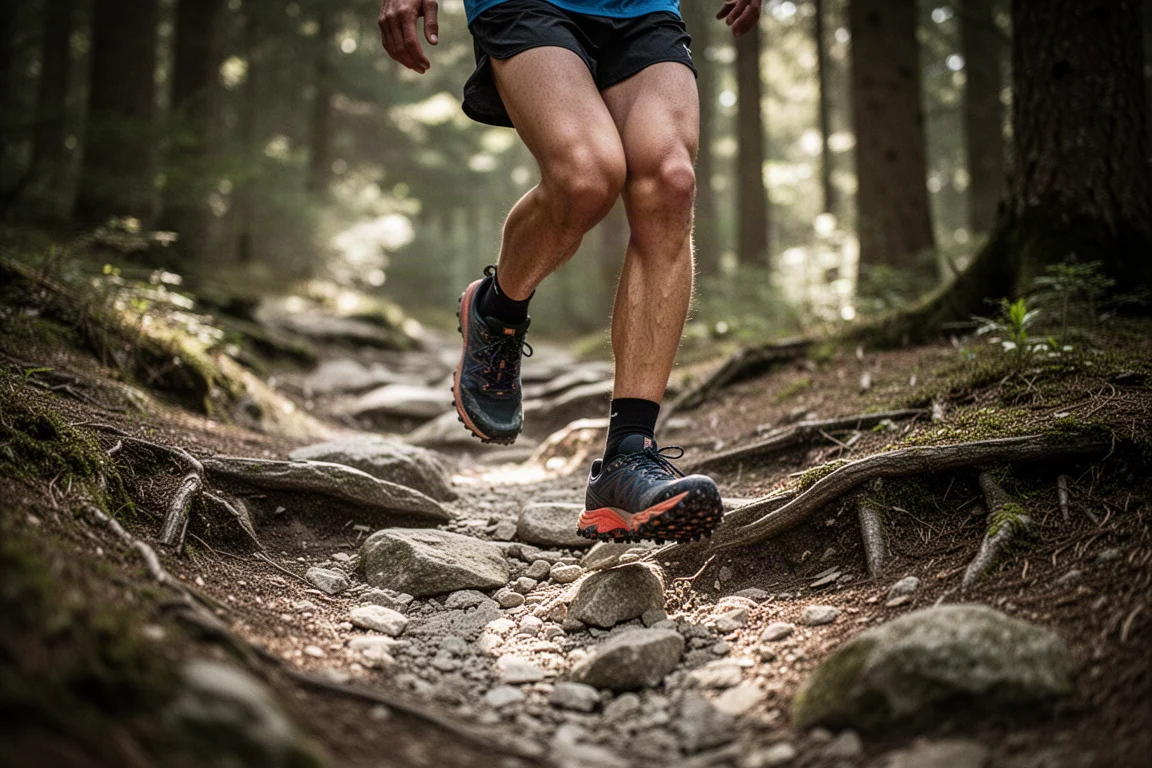
Trail shoes with forgiving heel areas are rare, and the Endorphin Edge is one of the few plated trail shoes worth considering if a rigid heel counter bothers you. Its counter is very flexible, built around a small plastic piece with generous padding, so it is far less likely to irritate the Achilles area than a typical trail shoe. It is not completely counter-free, so extremely sensitive runners should order from a retailer with easy returns.
Stable Neutral Trainers for Recovery and Long Runs
Topo Atmos
The Topo Atmos is a high-stack, 5mm-drop stable neutral trainer with a wide base and balanced sole flare, built on foam that leans protective rather than plush. It does not have a sinking-in sensation, and the rocker profile is gentle rather than aggressive. It is a favorite for easy runs and cooldowns, and a strong option for runners recovering from knee surgery who need stability plus real cushioning.
Brooks Ghost Max
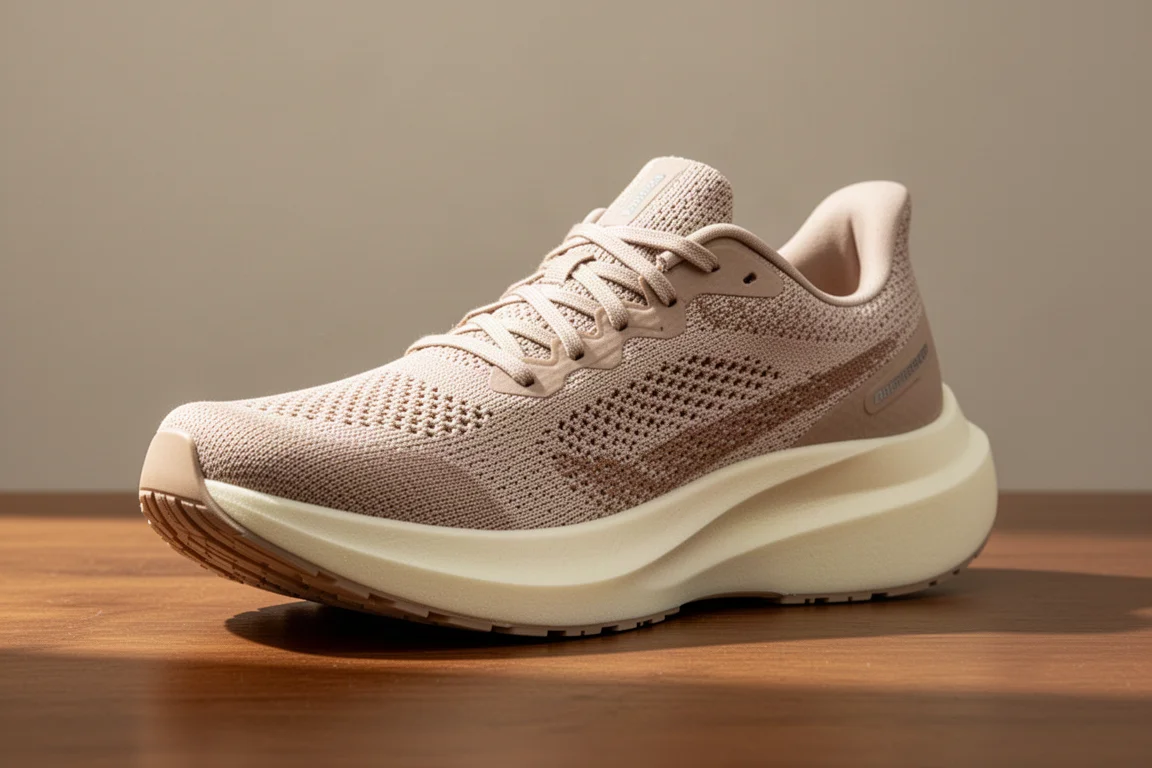
The original Ghost Max remains one of the best stable neutral shoes available, with balanced sole flare and a firm-but-protective ride that suits a wide range of mild stability needs. Our advice: go for the original version rather than the sequel, which has a narrower, lower-volume toe box and a heavier build. The original is also easier to find at a discount now that a newer version exists.

Shoes to Approach With Caution
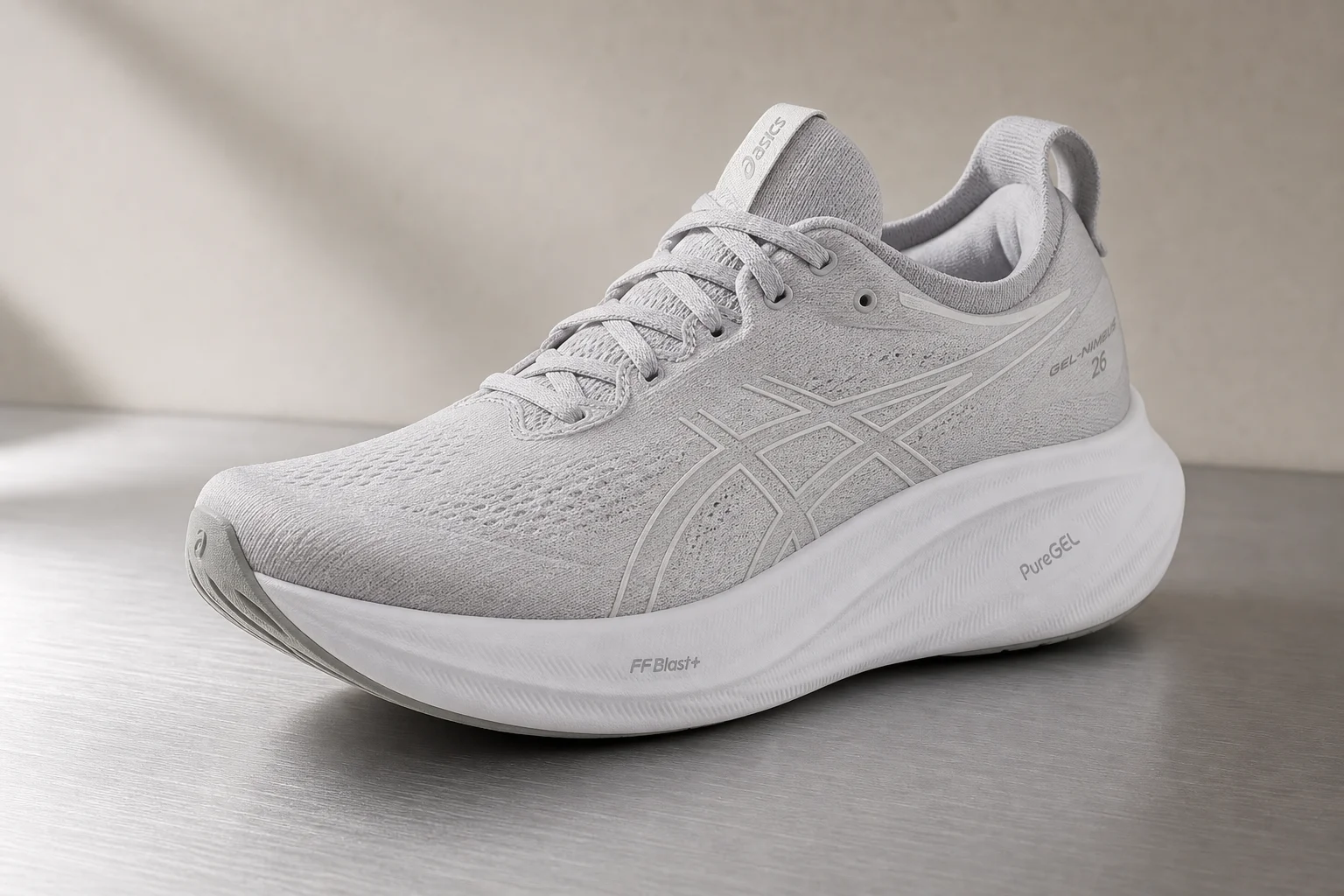
ASICS Gel-Nimbus 26
The Gel-Nimbus 26 is undeniably soft, and that is exactly the problem for some runners. That softness creates a sinking-in sensation that can feel unstable as you progress from initial contact to push-off, which makes it a poor fit for heavier runners or anyone needing a stable platform after knee surgery. If maximum cushion is your priority and stability is not a concern, it may still work for you.
Nike Vomero 17
The Vomero 17 uses Nike’s ZoomX superfoam, the same foam family found in its fastest racers, and it is both compliant and very bouncy. That bounce can move runners into push-off faster than their hip flexors are accustomed to, which can overstretch those muscles and lead to pain, especially on slow recovery runs. Runners who do well in firmer shoes often struggle with it, though it may suit uptempo work better.
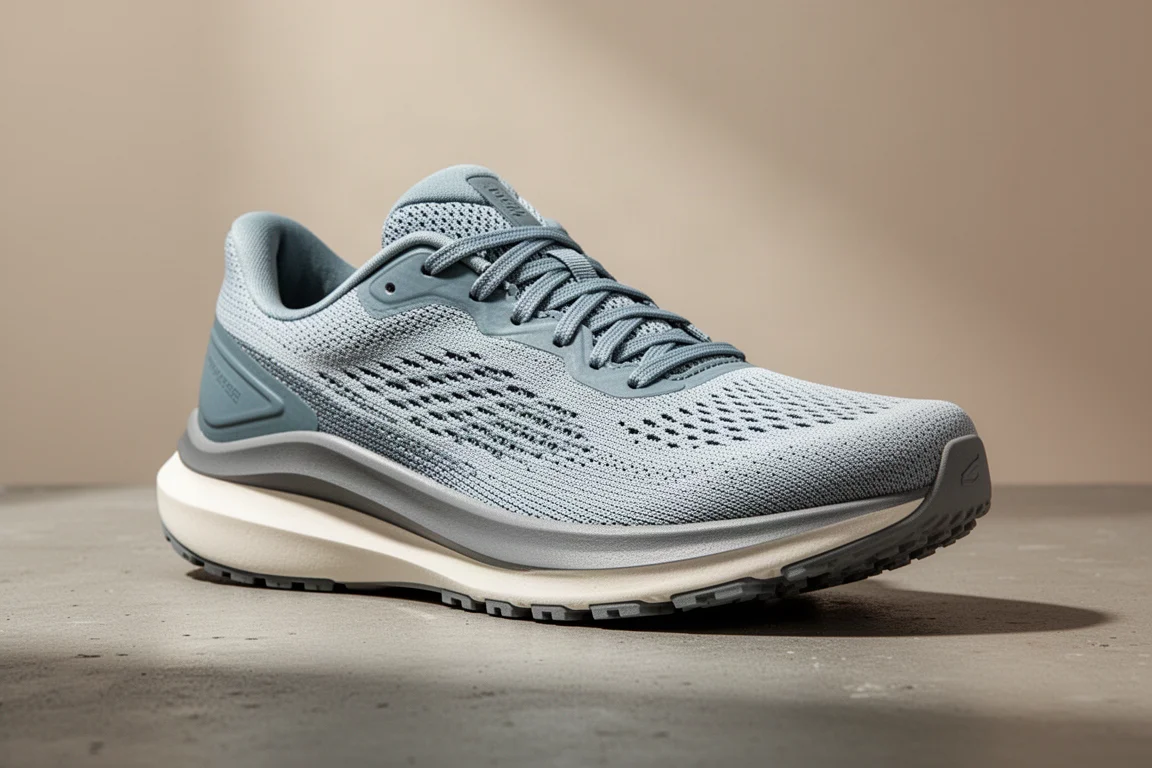
Altra Experience Flow
Altra’s Experience line has a narrower, lower-volume toe box than most of the brand’s lineup, which is a real issue for runners who choose Altra for the foot-shaped fit. Combined with noticeable toe spring that holds the toes in extension, it is a poor match for runners with metatarsalgia or forefoot discomfort. If you have a standard-width foot and do not mind the rocker, it may still be fine.
Buying Advice
Match the shoe to the job. For 5K and short road races, the Cloudboom Echo 3 and Endorphin Pro 4 are the standouts, with the latter suiting runners who want a firmer ride. For easy miles and marathon-pace long runs, the Hyperion Max 2 and MagMax Nitro offer protection without mush. If stability matters, the Topo Atmos and original Ghost Max are the safest stable neutral bets, while the Hyperion 2 covers faster work. On trails with a sensitive Achilles, the Endorphin Edge is one of very few viable options. And if you have forefoot pain or a history of ankle sprains, pay close attention to toe spring, sole flare, and heel bevel geometry before buying; a softer shoe is not automatically the answer.
Conclusion
The best shoe is the one that matches your pace, your mechanics, and the day’s workout. This season’s standouts reward a little attention to detail: firmer foam where it helps, geometry that respects how your foot actually lands, and fit that does not fight your forefoot. Choose by use case, and any of the picks above should earn a long stay in your rotation.
Further reading
Related Reviews

Running Shoes
Best Road-to-Trail Running Shoes: Three Versatile Options for Mixed Terrain
A practical guide to three road-to-trail running shoes that handle both pavement and mild trails, with clear strengths and trade-offs for different runner types.

Running Shoes
Best Running Shoes for Achilles Tendonitis: Three Options Explained
Three running shoes with different heel drops and support features designed to help reduce Achilles tendon pain during walking and running.

Running Shoes
Best Running Shoes for Women: Five Top Choices Ranked
A ranked guide to five women's running shoes, from versatile daily trainers to high-performance racing options, with real strengths and trade-offs for each.