Running Shoes
Best Running Shoes of 2026 So Far: Standout Picks Across Every Category
From daily trainers to super shoes and max-cushion cruisers, here are the 2026 releases that earned their place, plus a few that fell short.
Introduction
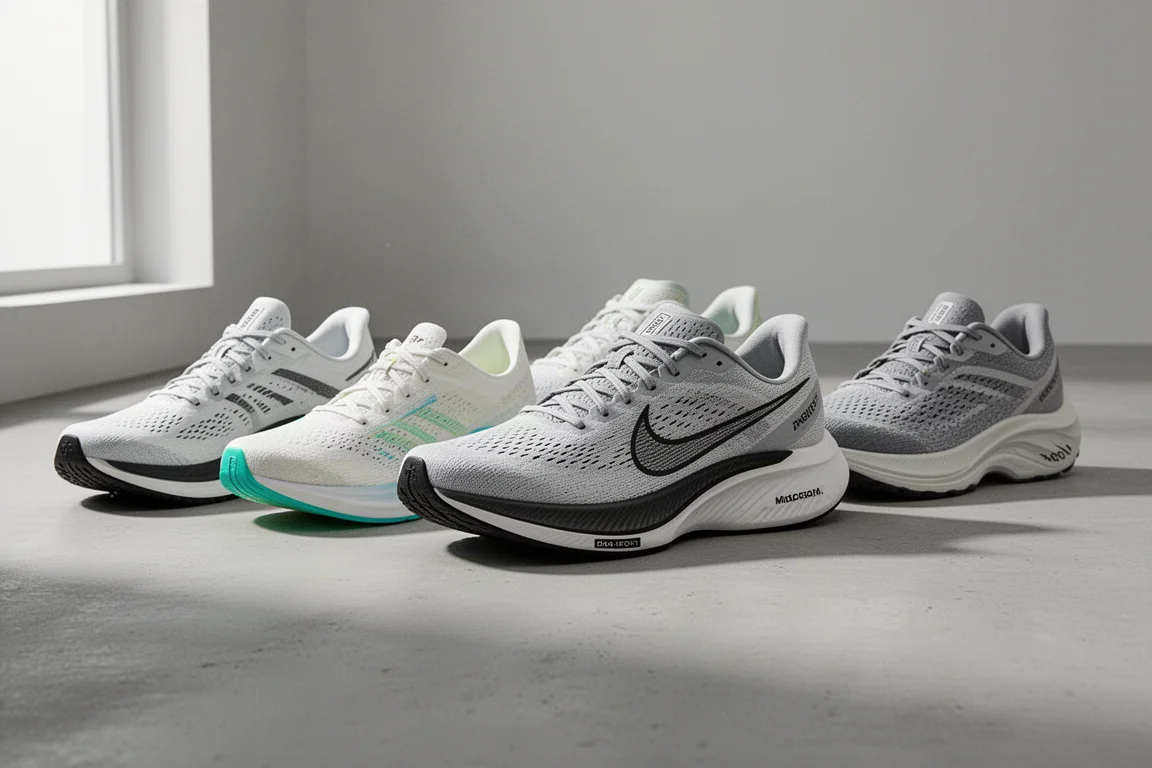
Halfway through 2026, the running shoe market has delivered both genuine standouts and a few real duds. After a season of heavy testing across thousands of kilometres, a clear set of favourites has emerged in every category, from daily trainers and speed shoes to long-run cruisers and budget gems. The rule for this roundup is simple: every shoe here launched in 2026, and it earned its spot by being the shoe that kept getting pulled out of the rotation long after the first test runs were done.
Best Daily Trainers
Asics Novablast 6
The Novablast line is one of the most popular daily trainers in the world, and version 6 refines a proven formula. The big addition is an all-new trampoline pod under the forefoot, paired with an updated upper and improved grip, making it more versatile than ever. Specs: 41.5 mm heel stack, 8 mm drop, and 298 g in a typical tester size, at £140 in the UK (€160 in France).
The forefoot pod works especially well, adding a lovely bounce and pop for a shoe in this style and price bracket. It handles a fast parkrun, a hard session, an easy jog, long runs, and recovery days, making it a true do-it-all trainer. The updated upper offers solid lockdown and decent breathability for summer, and the ride stays smooth whether you strike at the heel, midfoot, or forefoot, though you land midfoot or forefoot to get the full benefit of the pod. On the downside, the build quality felt slightly off, with some glue marks and loose threads, and the Novablast 5’s foam durability was a known weak point, so long-term wear on the new FF Turbo Squared foam will be worth watching.
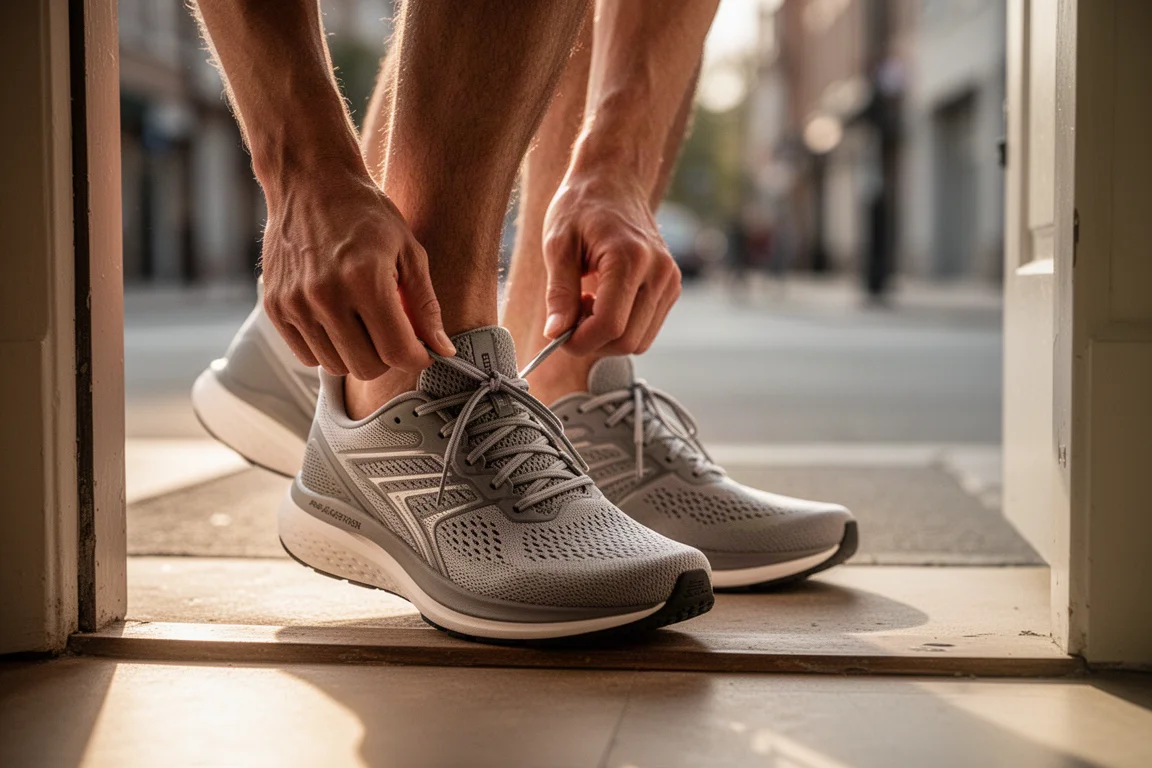
That said, it remains one of the easiest daily shoes to recommend, and it should stay on shortlists for the foreseeable future.
Adidas Evo SL Exo
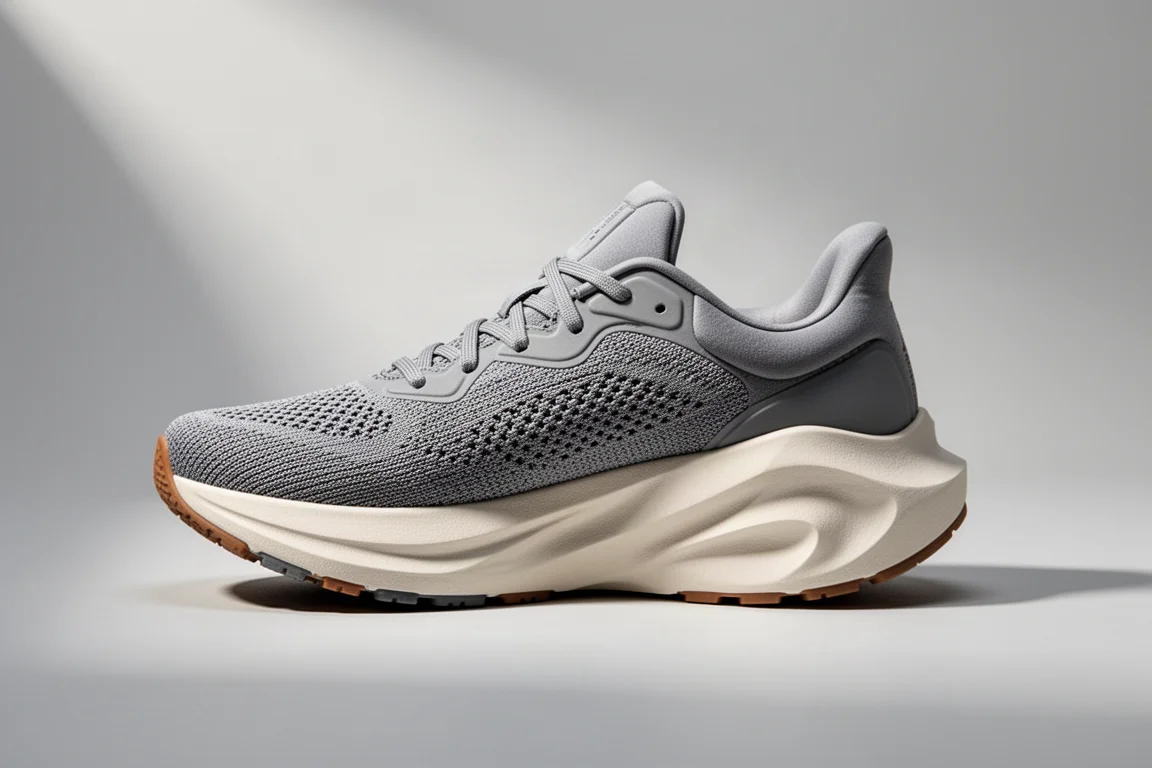
The Evo SL has been all-conquering, and the Exo edition is arguably the best of its variations. This plateless speed shoe is built for daily miles at a quicker cadence, and the exoskeleton upper adds noticeably more support and a more stable ride than the standard version. It comes in at £130, with a 39 mm heel stack, 7 mm drop, and 283 g.
It is lightweight, fast, and genuinely fun, and the upper is superb. The price point is friendly too, and it is widely discounted if you shop around. It even has enough zip to race up to half marathon distance. The gripes are minor: the final eyelet has been removed, so a heel-lock lacing is off the table, and it is slightly less breathable than the standard Evo SL, but the fit and lockdown more than compensate.
Saucony Azura
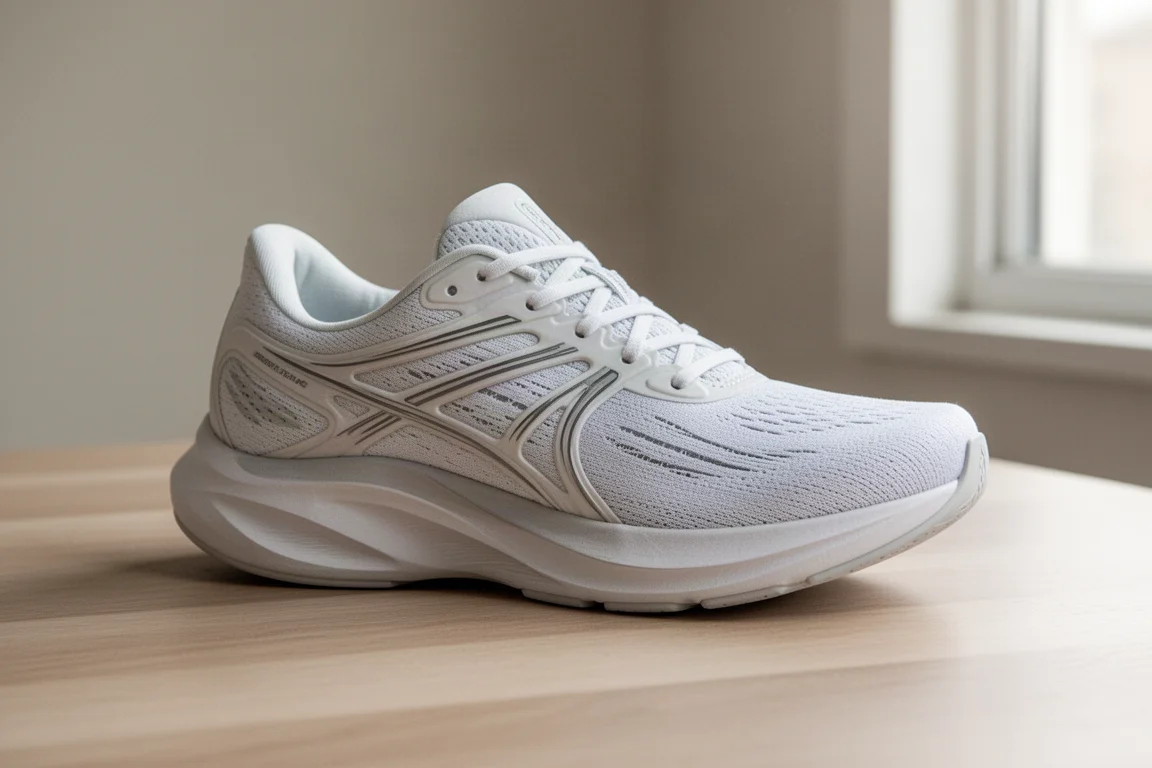
The Azura is another plateless, high-performance daily shoe, meaning it can absorb everyday mileage and still handle faster runs. It costs £140 and delivers a 40 mm heel stack, 8 mm drop, and 296 g, keeping it just under the 300 g mark.
The ride is fun and engaging, with a nicely tuned rocker that tips you forward and smooths out foot strike. Stability is impressive for a 40 mm stack, and the midsole hits a real sweet spot, neither too soft nor too firm. It covers long runs, easy miles, recovery jogs, and even the odd short race. It is a bulky, high-volume shoe despite being light, and the tongue tends to slide down because there is no lace notch, but overall it is excellent value and one of the standout shoes in Saucony’s current range.
Best Speed Options
Two 2026 releases delivered hard in this category, sitting at opposite ends of the price spectrum.
Decathlon Kiprun Tempo
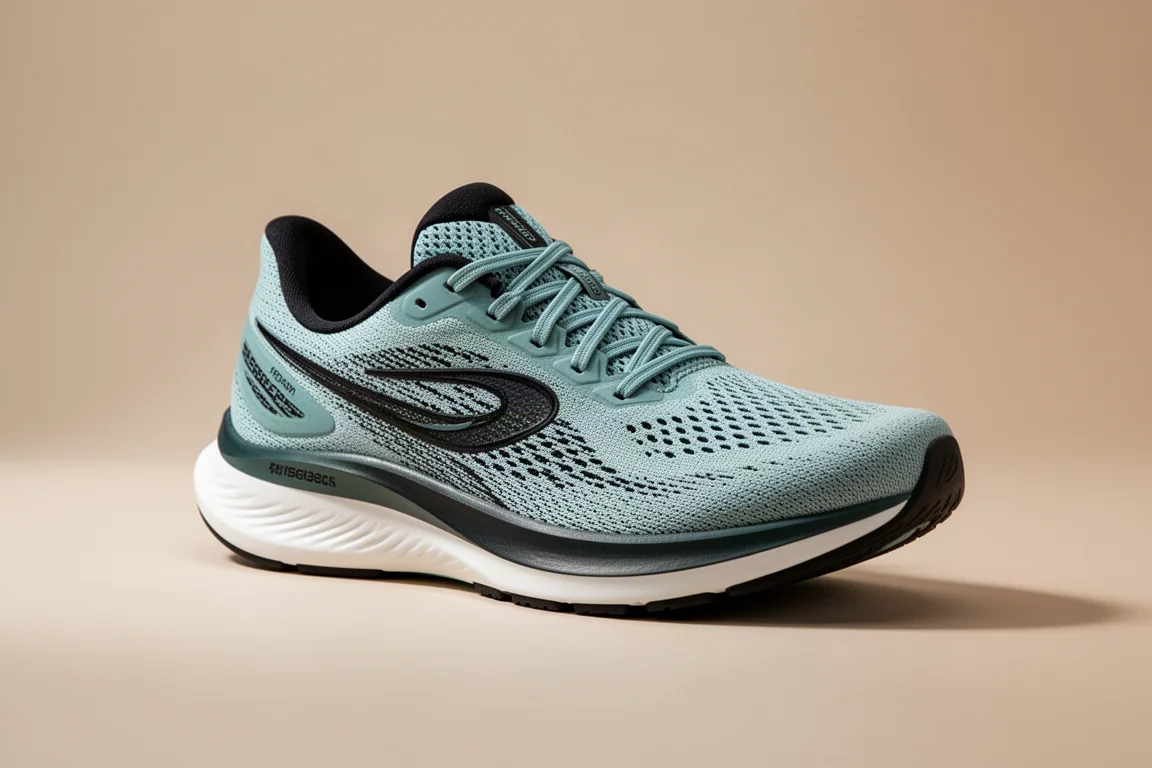
The Kiprun Tempo is a max-stack, non-plated speed shoe in the mould of shoes like the Asics Metaspeed Sky. It costs £120 (and has sold for as little as £99), with a huge 45 mm heel stack, 8 mm drop, and just 264 g.
It is snappy, genuinely fast, and has a great rocker up front. Stability is remarkable for such a tall stack, and the weight is excellent for the size. Two caveats: it runs firm, softening only after the first 30 miles or so, so it will not suit everyone, and it is strictly a fast-day shoe that you pair with a proper daily trainer. Given how often it dips to £99, it is an absolute steal.

If your rotation is missing a speed day shoe, this is the one to hunt down first.
Saucony Elite 3
Saucony’s flagship race day shoe is aimed squarely at half marathons and marathons. Version 3 swaps the firm, aggressive character of version 1 for a very soft, responsive super foam and an ultra-comfortable sock-like upper. It costs a bonkers £300, with a 40 mm heel stack, 8 mm drop, and around 250 g.
The combination of plush, trampoline-like foam with a stiff carbon plate produces a ride unlike anything else, propelling you forward on every stride. The upper comfort is exceptional for a shoe this aggressive, and it has the speed to match, holding 1K reps in the 3:07 to 3:09 range in testing. It suits elite runners and mid-pack runners alike thanks to that long-run comfort. The obvious downsides are the eye-watering price, the fact that it is built for half and full marathon distance rather than 5Ks and 10Ks, and that the ultra-soft midsole makes walking slightly tricky.
Best Long Run Shoes
These shoes bring extra cushioning underfoot to soak up long efforts, and above all they stay comfortable deep into a run.
Asics Superblast 3
Launched in March, the Superblast 3 is significantly softer than version 2, a change that upset some fans, but it has grown on many testers quickly. It costs £200, with a massive 46.5 mm heel stack, 8 mm drop, and a remarkably light 276 g for that much cushioning.
This is arguably the most comfortable shoe you can buy right now, with premium materials that justify the premium price. Legs feel noticeably better looked after than in version 2, and it simply loves long runs at an easy pace. The trade-offs: durability of the outsole wore down faster than ideal, the soft foam makes it slightly less stable than before, and it lacks the turn of speed and pop of the outgoing version. At £200 it is an expensive daily shoe, but it remains the king of the long run.
Montrail C02
If durability is the priority, the Montrail C02 is the answer. This long-distance max-cushion shoe is built for road ultras like Badwater or Comrades, or simply for anyone deep in marathon training. It costs £170, with a 42 mm heel stack, 6 mm drop, and 302 g.
The standout is rock-steady stability: a wide outsole, large ground contact area, and a secondary layer of EVA foam keep it secure where most max-stack shoes feel wobbly. Comfort is excellent, the unique lacing system lets you dial in pressure in different zones as feet swell, and it suits wider feet and heavier runners especially well. It is a go-and-go-all-day shoe rather than a fast one, it can feel a touch firm before softening up, and the upper can bunch slightly on narrow feet. For easy miles in comfort, it is one of the best buys available.
Dynafit Jaun Young
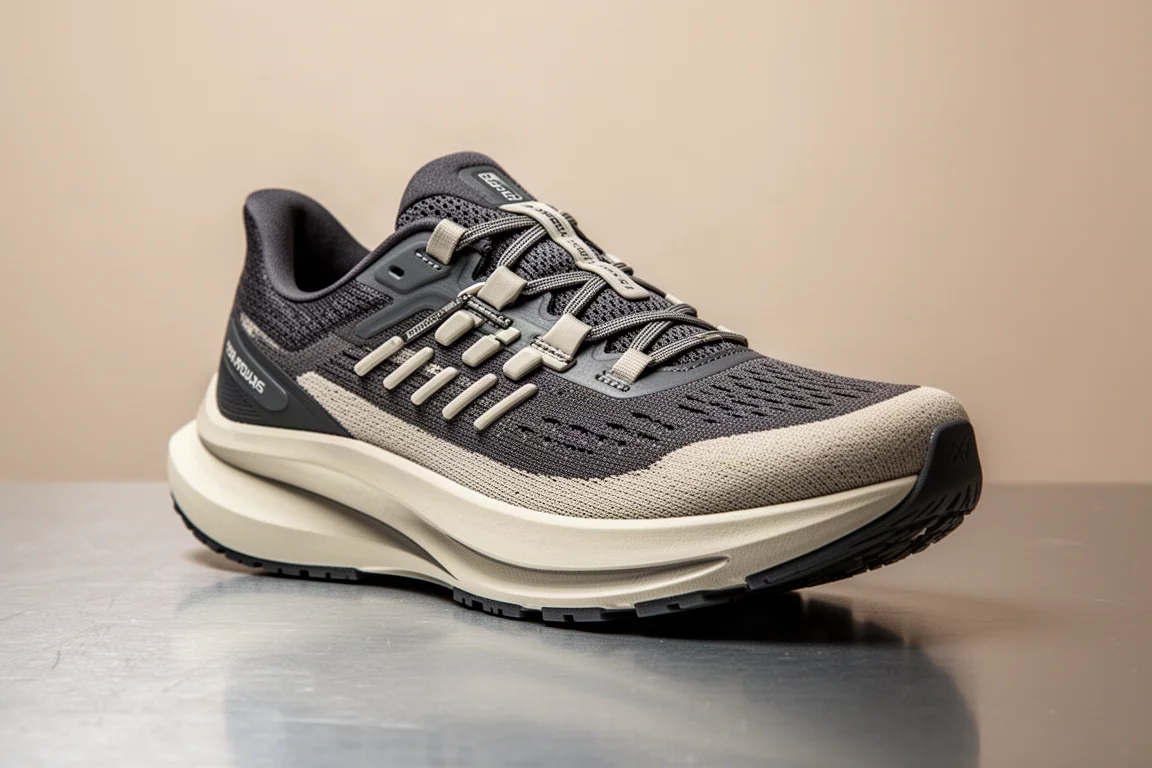
The wildcard of the year. Dynafit is a small, up-and-coming brand, and getting hold of the Jaun Young takes some persistence, with availability up to UK 9.5 through AliExpress and a patchy direct store experience. It tends to cost around £118, with a 41 mm heel stack, 7 mm drop, and just 251 g, which is incredibly light for this class.
The foam is superb: responsive and comfortable at every pace, from speed work to 30K long runs to recovery jogs. Durability is excellent, with no perceptible deterioration over 250 miles. The upper is breathable and roomy in the toe box, stability is strong for a 40 mm-ish stack, and the price is frankly outstanding for this level of performance. The thin laces do come undone unless triple-knotted, and availability remains the biggest hurdle. Think of it as a Superblast without the price, or a more stable, faster plateless Evo SL for less money, and it lands comfortably in an all-time top ten.

For runners who can find it in their size, this is easily one of the best shoes of the year.
Best Recovery and Easy Day Shoes
When the goal is simply to head out, switch off, and let the legs recover, these two 2026 releases shine.
Mizuno Neo Vista 3
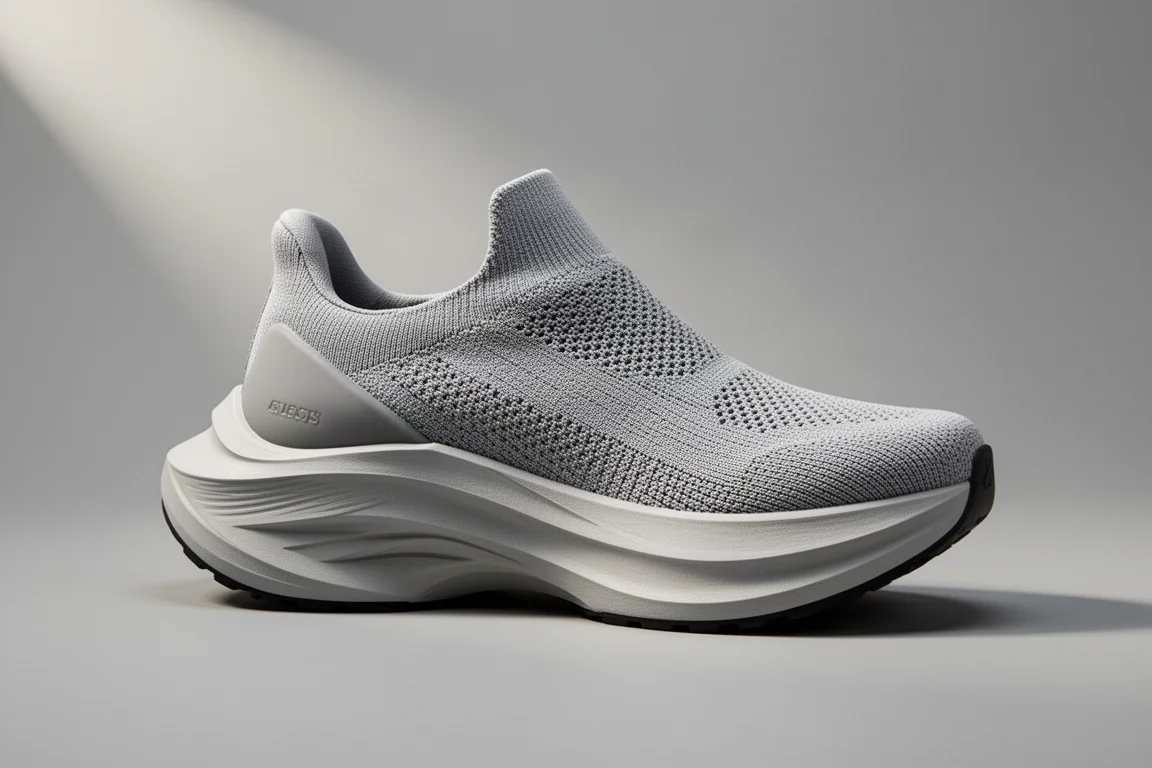
The Neo Vista 3 is a max-stack plated shoe designed for easy runs, long runs, and tempos, and it doubles as the ultimate chilling-out shoe: big, soft, and marshmallowy. It costs £150, with a 44.5 mm heel stack, 8 mm drop, and 305 g.
It is bouncy, fun, and genuinely stable for the stack height, with the plate there for stability rather than speed. Heavier runners will particularly appreciate the cushioning, and the bootie-style upper hugs the foot nicely while breathing surprisingly well. It is chunky and not the nimblest shoe, and the lacing needed some attention to avoid irritation, but for easy and recovery days it excels.
Decathlon Kiprun Kipride Max
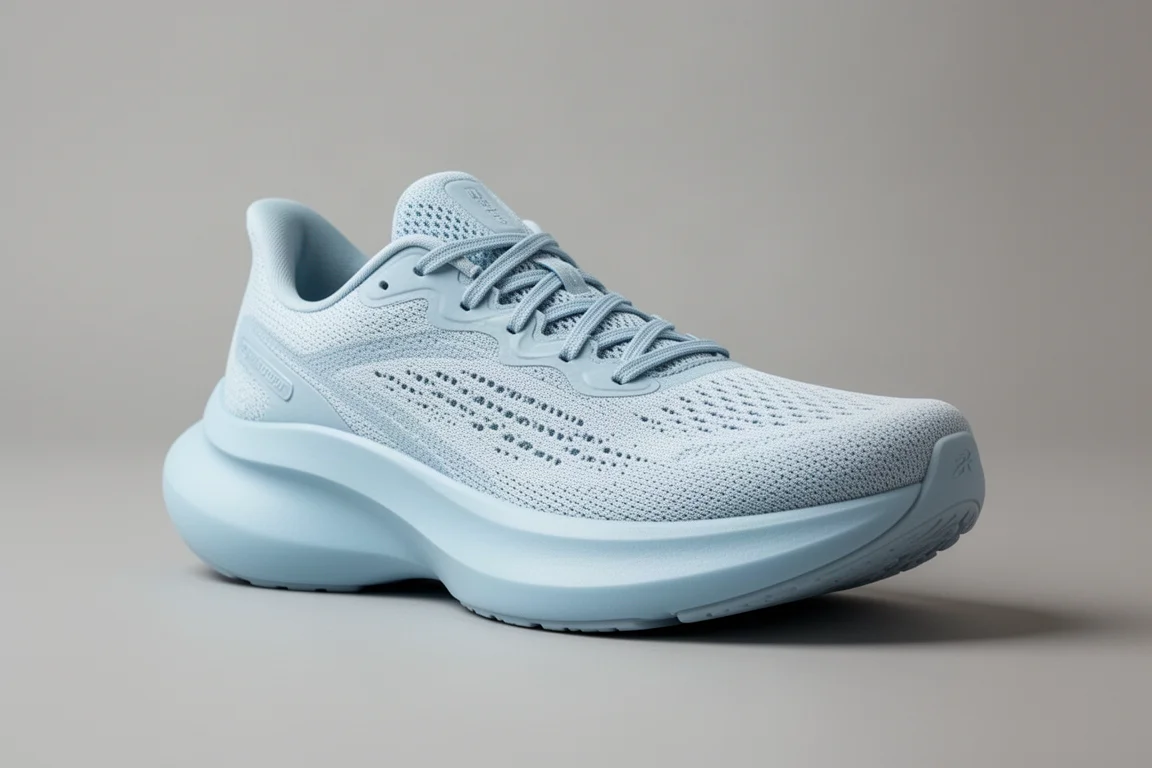
A star of Decathlon’s 2026 Kiprun lineup, the Kipride Max costs £120 and brings a 42 mm heel stack, 6 mm drop, and a heavier 332 g.
This is the most comfortable shoe in the Kiprun range and a great walking shoe as well as a running one. The softest foam Decathlon offers soaks up impact beautifully, making it ideal for long runs, easy miles, and recovery days, and it undercuts rivals like the Gel Nimbus, Vomero Plus, and New Balance More by a significant margin. It will struggle at faster paces, and availability is limited mainly to Decathlon and Running Warehouse in the US, but at this price it is one of the best max-stack shoes out there.
Best Value Shoes
Two shoes prove that big performance does not require a big budget.
Li-Ning Feidian 6 Challenger
This carbon-plated tempo and race shoe is far more user-friendly than most super shoes. It was picked up for £91, though AliExpress pricing fluctuates frequently. Specs: 37 mm heel stack, 8 mm drop, 264 g.
For a carbon-plated shoe, it is remarkably comfortable and not overly aggressive, riding smoothly whether you land heel, midfoot, or forefoot. It is fast, stable, and the foam has held its pop throughout testing, with durability fully checking out. Availability through AliExpress or Taobao and price swings are the main hassles, but the value for money is astonishing. If you are trying a carbon-plated shoe for the first time, start your search here.
Puma Deviate Pure
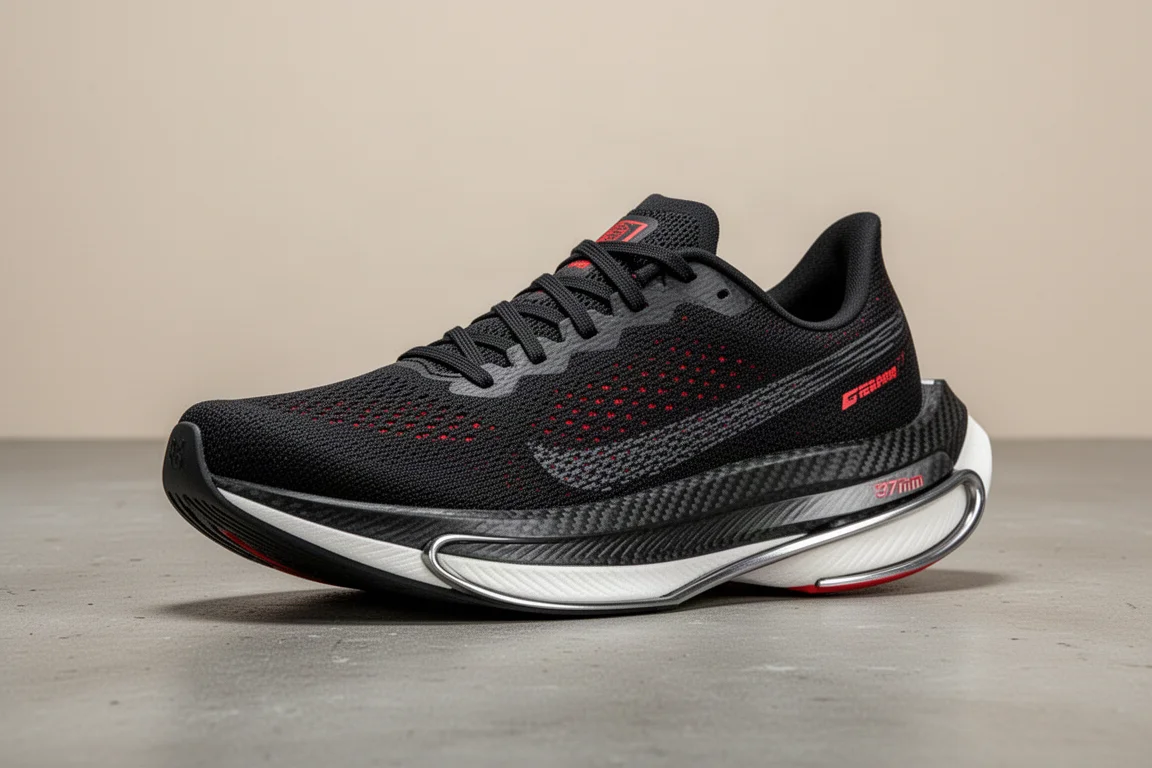
Puma’s plateless speed shoe is a close cousin to the Adidas Evo SL, with a daily-trainer comfort base and a clear speed focus for tempos and intervals. It costs £130, with a 38 mm heel stack, 8 mm drop, and 263 g.
It is light, fast, and fun, and the full-PEBA Nitro foam delivers a fantastic ride with excellent grip and stability through corners. It is versatile across paces and distances, and the price point seals its value credentials. The fit runs slightly narrow, so wider-footed runners should look elsewhere, and the tongue slid down a little until the lacing was adjusted, but this is a very easy recommendation.
Disappointments of 2026 So Far
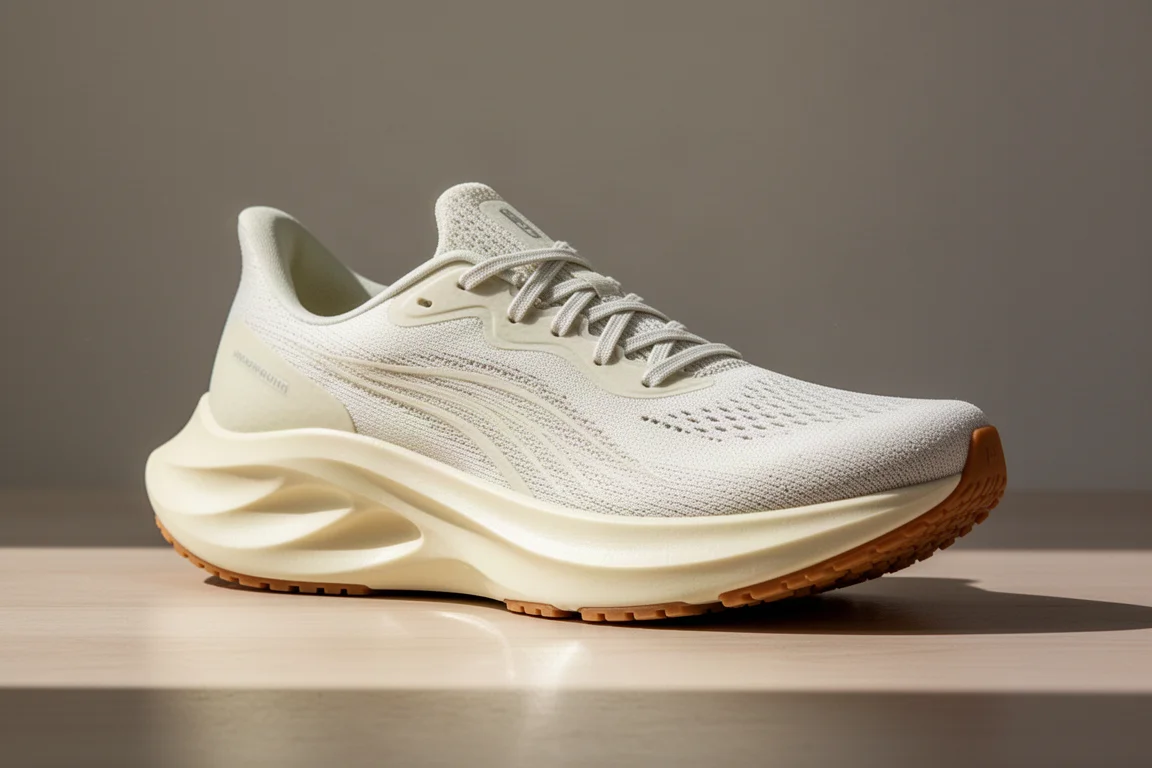
Not every 2026 release earned its keep. The Nike Pegasus 42 landed as a dull, uninspiring update: heavy, with firm foam, and a price hike on top, it quickly became more of a casual shoe than a running one. The New Balance Elip promised a more affordable alternative to the 1080 but felt cheap at £130, a price where the Evo SL or the Puma Deviate Pure are simply better buys. And the Hoka Skyward X 2 lost the magic of the brilliant version 1, with an uninspiring update and a steep £190 price tag. All three are ones to avoid this year.
Looking Ahead to the Second Half of 2026
The pipeline for the rest of 2026 looks stacked. Rumoured and confirmed releases include updates to the Asics Metaspeed Sky and Edge, the Hoka Clifton Pro, the Adidas Evo SL 2, the Nike Alphafly 4 timed for autumn marathons, the New Balance SC Elite 6, and, reportedly, an Asics Megablast 2. Any of those could shake up this list by December.
If even a few of these land as well as the first half of the year did, the year-end rankings are going to be fiercely competitive.
Best Shoe of 2026 So Far
By mileage, the Asics Superblast 3 has worn the crown this year, but the Dynafit Jaun Young is rapidly closing the gap now that it has finally been in the rotation properly. One is the most comfortable shoe of the year; the other might be one of the best shoes ever made, pound for pound. Neither is perfect, but if only one shoe could be named the best of 2026 so far, the Dynafit edges it on pure performance per pound.
Conclusion
2026’s first half delivered depth across every category: the Novablast 6 and Evo SL Exo for daily miles, the Kiprun Tempo and Saucony Elite 3 for speed, the Superblast 3, Montrail C02, and Dynafit Jaun Young for long-run glory, and the Feidian 6 Challenger and Deviate Pure for value hunters. Pick based on the runs you actually do most, and any of these will reward you. The second half of the year, with the Evo SL 2 and Alphafly 4 looming, should make the year-end showdown one to watch.
Further reading
Related Reviews

Running Shoes
Best Road-to-Trail Running Shoes: Three Versatile Options for Mixed Terrain
A practical guide to three road-to-trail running shoes that handle both pavement and mild trails, with clear strengths and trade-offs for different runner types.

Running Shoes
Best Running Shoes for Achilles Tendonitis: Three Options Explained
Three running shoes with different heel drops and support features designed to help reduce Achilles tendon pain during walking and running.

Running Shoes
Best Running Shoes for Women: Five Top Choices Ranked
A ranked guide to five women's running shoes, from versatile daily trainers to high-performance racing options, with real strengths and trade-offs for each.