Running Shoes
Best Running Shoes 2026: The Categories That Matter and the Shoes in the Running
A practical breakdown of the best running shoe categories for 2026, from race day rockets to easy-day cruisers, with the key shoes competing in each.
Introduction
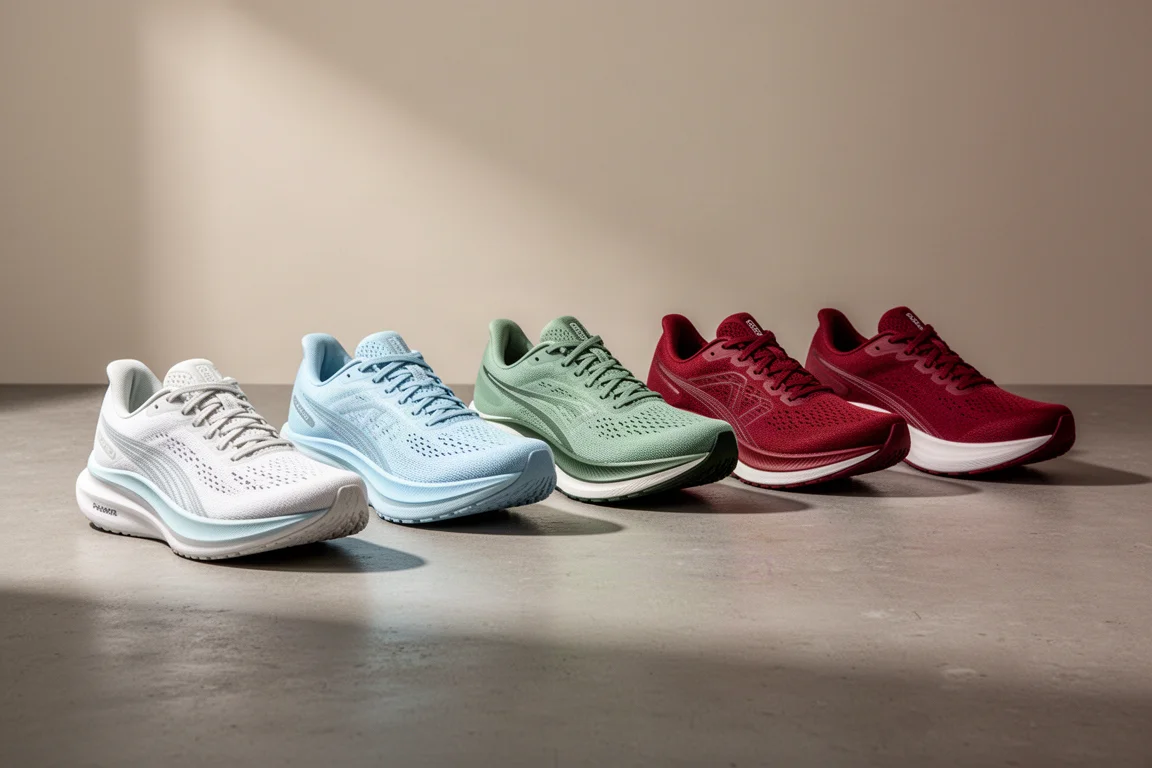
Choosing the best running shoes each year gets harder, not easier. Modern foams have blurred every traditional category: today’s daily trainer can be as cushioned as yesterday’s easy-day cruiser, and plenty of affordable shoes now carry race-level technology. That means the old labels like “racing shoe” or “cushioned trainer” no longer tell you the whole story.
The smarter approach for 2026 is to shop by use case. Think about the runs you actually do: easy miles, fast sessions, a weekly long run, maybe the odd race. Below is a category-by-category breakdown of the strongest shoes in the running this year, along with what each category really means and who each shoe is for.
Race Day Shoes: Fastest for PBs
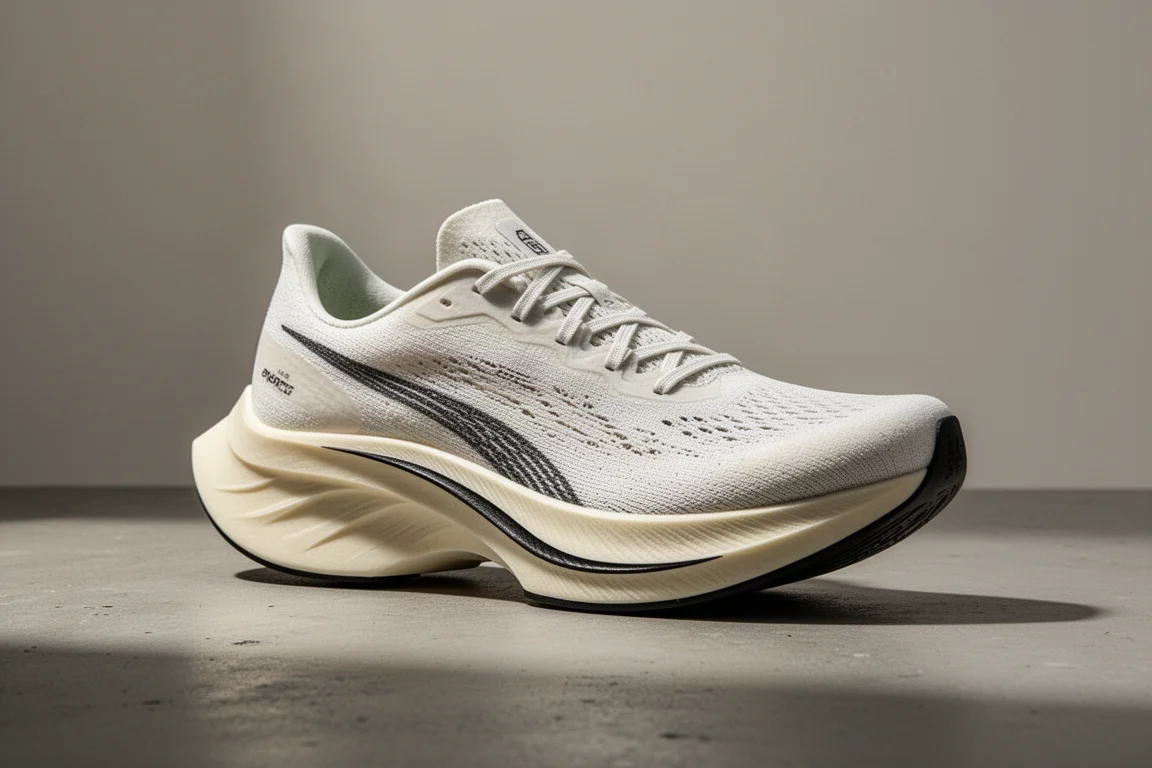
This is the easiest category to define. Race day shoes are the fastest, most aggressive options on the market, almost always built with a carbon plate, and priced accordingly. The focus here is largely on marathon racing, since the best marathon shoe is usually also a strong choice for shorter distances.
The headline contenders include the Sky Tokyo FastR 3, the Puma Deviate Nitro, and the ASICS Metaspeed Sky, which has delivered several personal bests for testers this year. The Mizuno Wave Prophecy Pure family also earns a nod as one of the best short-distance racing options, even if it is less convincing over the full marathon. For shorter races, the Elite 3 is a genuinely fun ride: it races beautifully over 10K on flat, open courses, though softer riders may want something snappier over 26.2 miles.
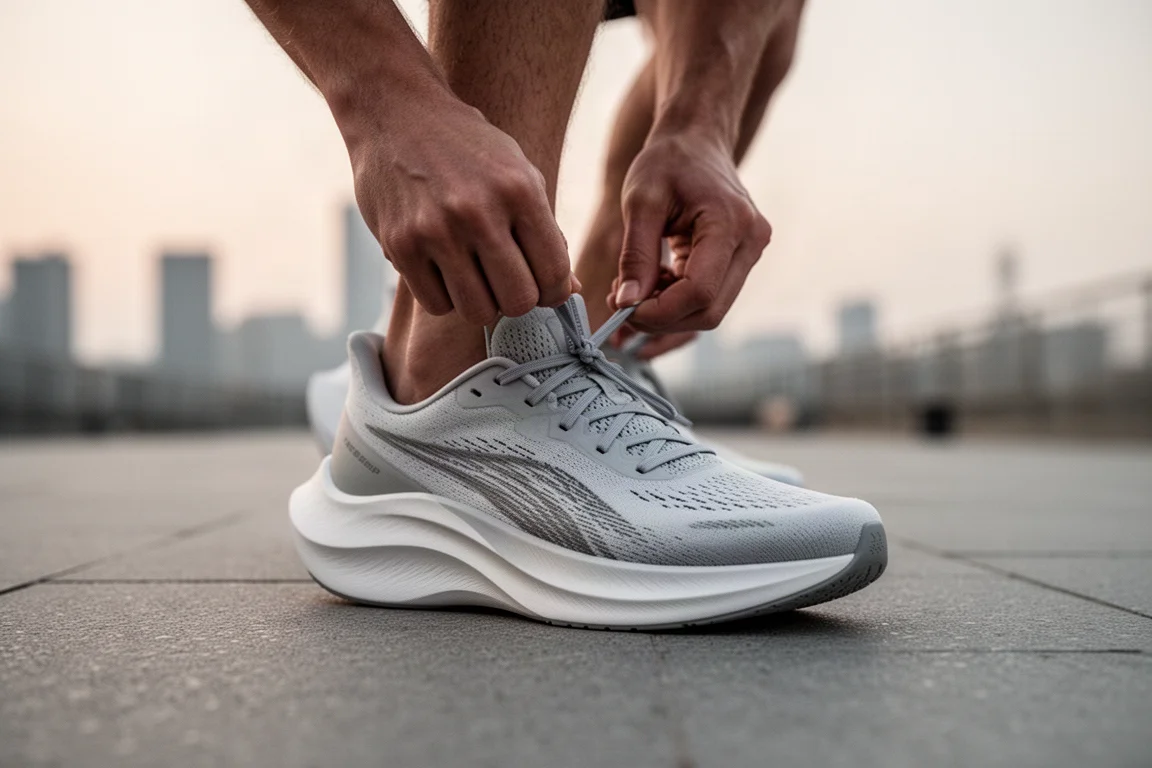
One thing to keep in mind: expect new flagships soon, as several big brands have gone quiet on the race front, but those shoes were not available in time to make this year’s short list. If you have a goal race in the next few months, the current line-up is already strong.
Best Cushioned Shoes: Built for Easy Days
Despite the name, this category is not really about stack height anymore. Nearly every shoe on the market is cushioned, and some race shoes carry as much foam as easy-day trainers. The real definition is simpler: these are shoes built purely for comfortable, slower miles, with plush padding, stable platforms, thick outsoles, and durability.
They are also the shoes most recommended to newer runners, since comfort and stability matter most when you are just building mileage. The classic examples are huge, soft cruisers, though the testers’ personal favourites tend to be slightly more stripped-back options that add a bit of bounce without losing the comfort focus.
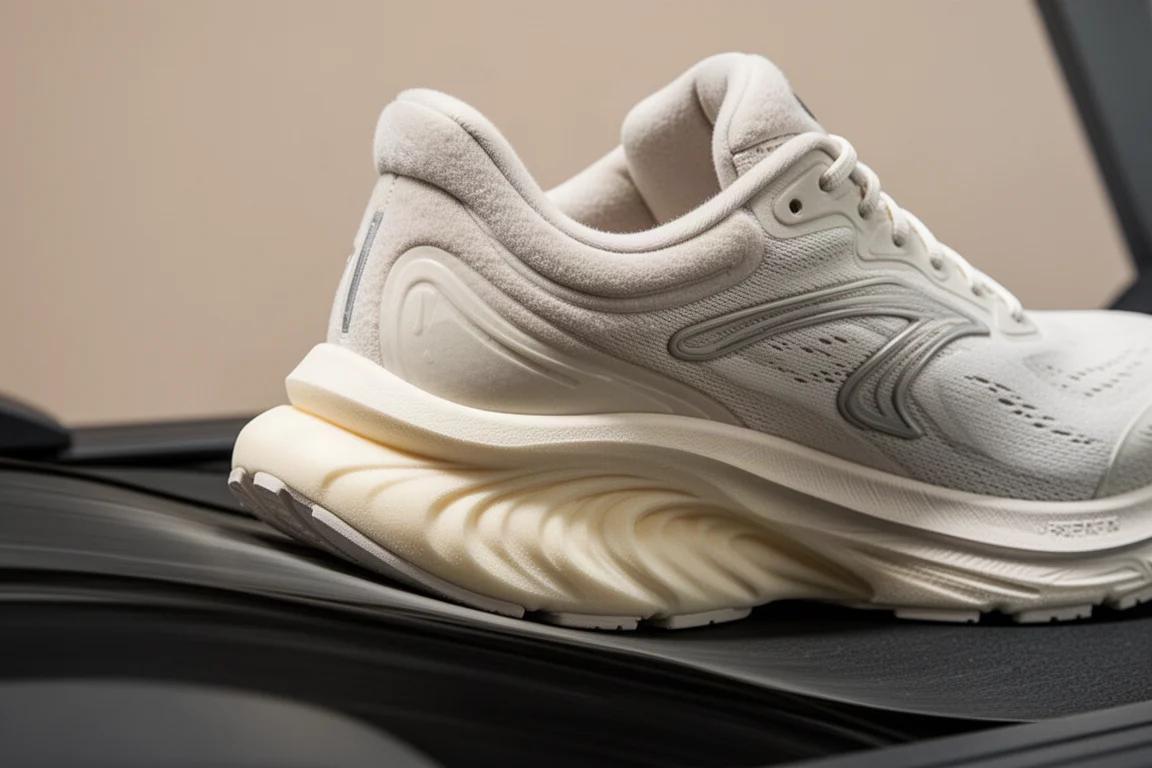
This is the category that overlaps most with daily trainers now, which is why it causes so much debate. The simple rule: if the shoe is mainly for easy runs and would not be your first pick for anything faster, it belongs here.
Best Value Running Shoes: More Than You Expect for the Money
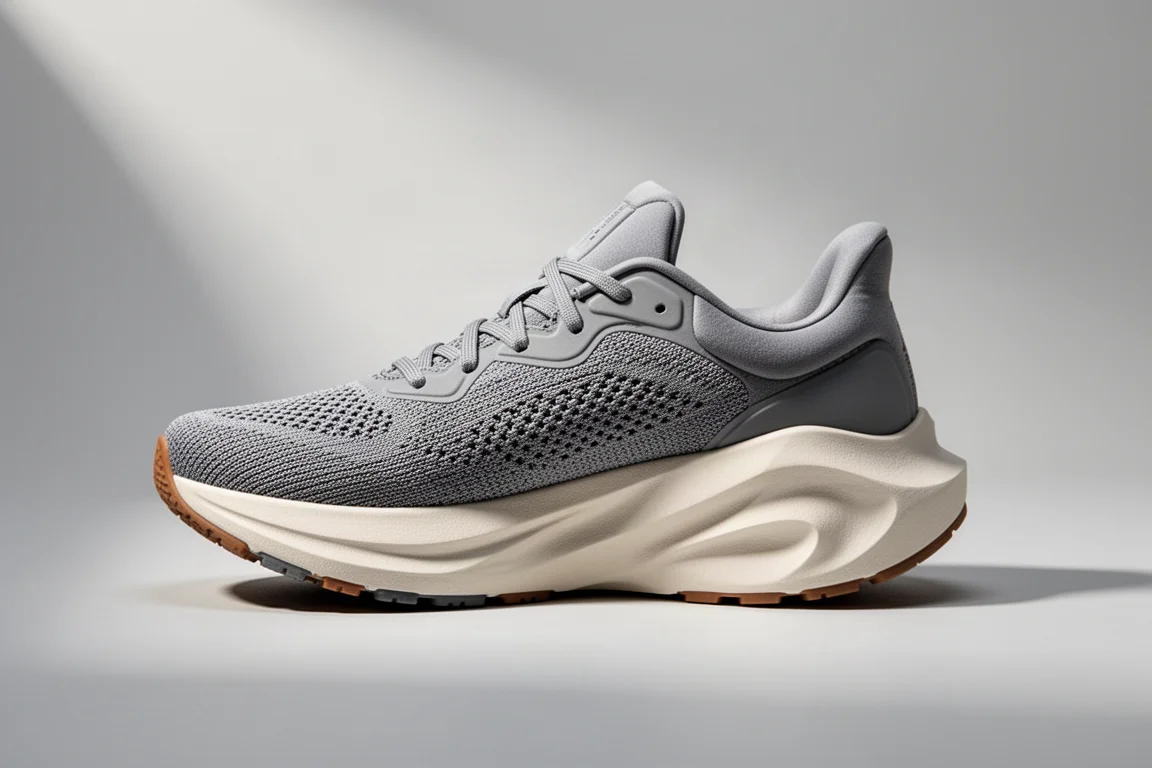
Value does not mean bargain-bin. This category looks at shoes that deliver performance close to the very best in their class, at a friendlier price point, typically around the £130 or $140 mark. A premium shoe that happens to be worth its high price does not count here; the shoe needs to be genuinely affordable and genuinely capable.
This has become one of the most exciting categories of the year. For a long time, a couple of budget-friendly trainers dominated, but there are now around ten genuinely strong options with premium foams. The Adidas Adizero Evo SL remains one of the best value shoes available, and Decathlon’s Kiprun Max and Kiprun Tempo have pushed the category further, particularly in the UK where Kiprun shoes are especially well priced. Puma shoes also consistently offer strong value in the UK market.
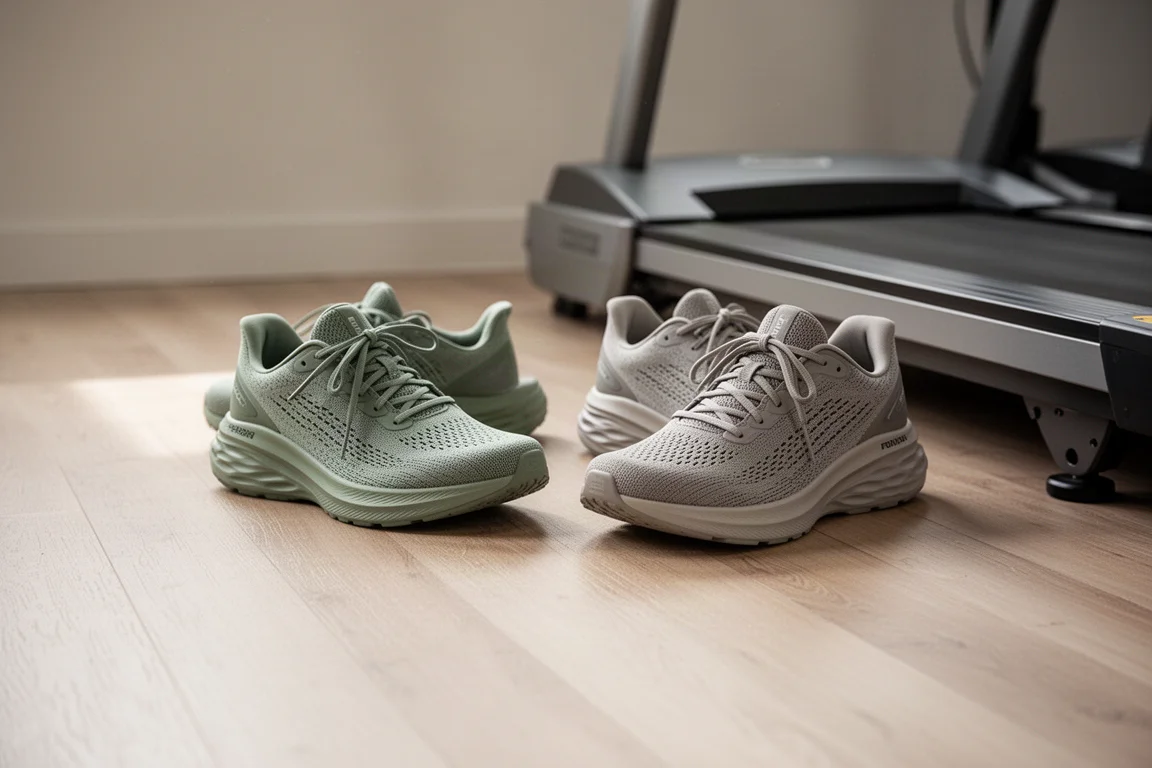
For most runners on a budget, several of these value picks double as daily trainers or even all-rounders, which makes this the category to watch if you only want to buy one or two pairs this year.
Best Daily Trainers: The Everyday Workhorse
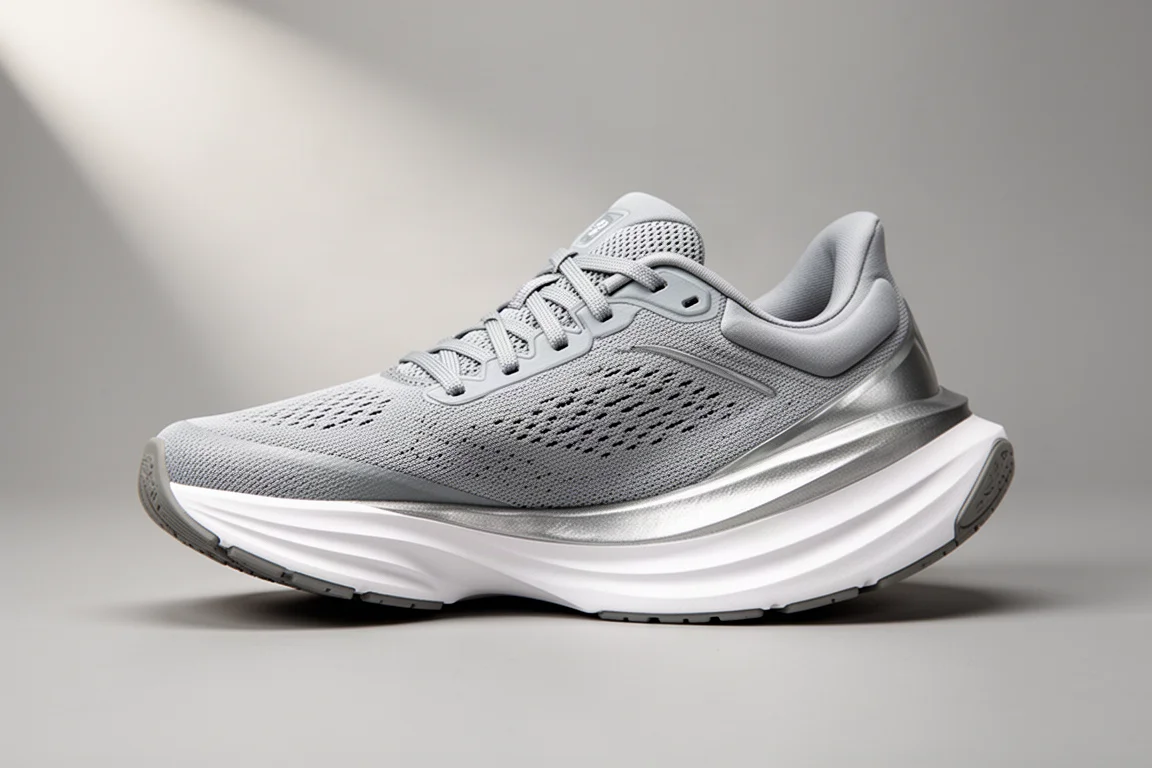
The daily trainer is the most muddy category of the year, because it overlaps heavily with cushioned shoes, fast trainers, and all-rounders. The working definition: the shoe you lace up for the bulk of your weekly mileage, mostly at easy to steady paces, no faster than around marathon effort.
Strong candidates here include the New Balance 1080 V15, which is more versatile than it gets credit for: it is not a track shoe, but it can handle a surprisingly quick run. The Hoka Mach 7 is another classic example, a simple, dependable shoe that you can happily roll around in day after day. The Mizuno Wave Rider and similar comfort-leaning daily options sit in this space too, along with the Skechers Azura Racer, which brands position explicitly as a daily miles shoe with a higher speed ceiling.
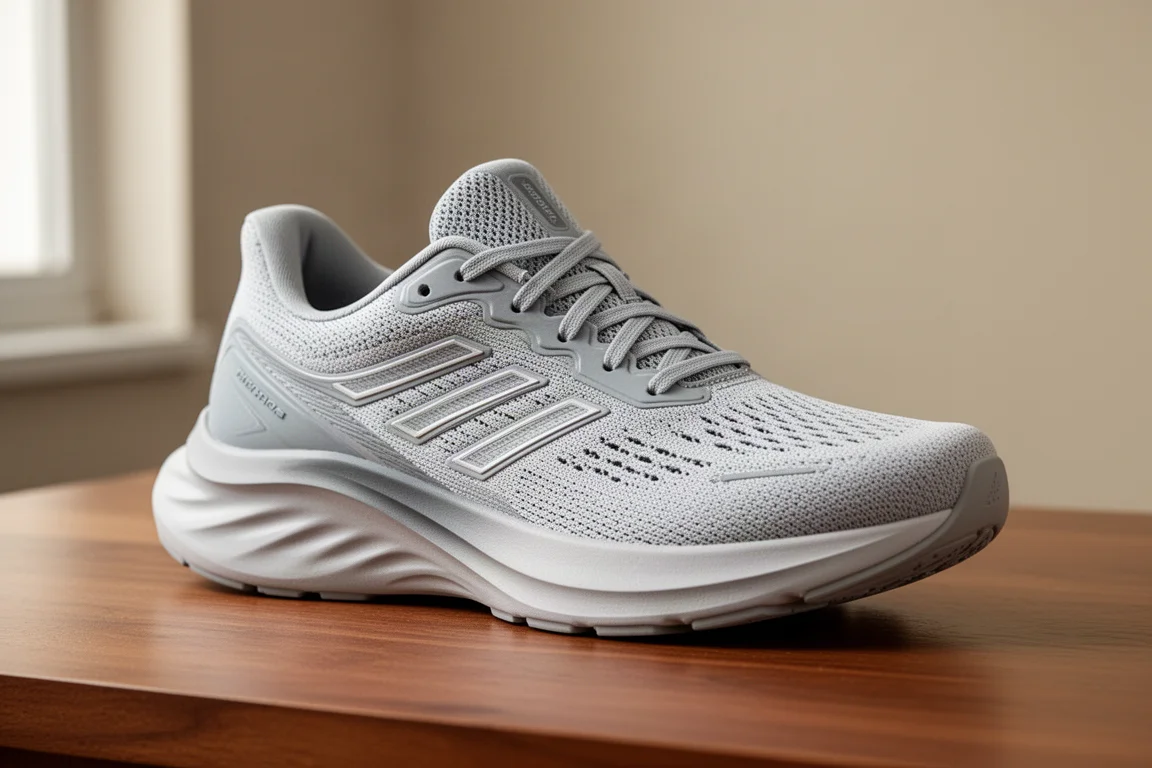
If you are building a small rotation, this is the middle shoe: more cushioned than a race day pick, livelier than a pure easy-day cruiser, and capable of ticking off most of your weekly volume without complaint.
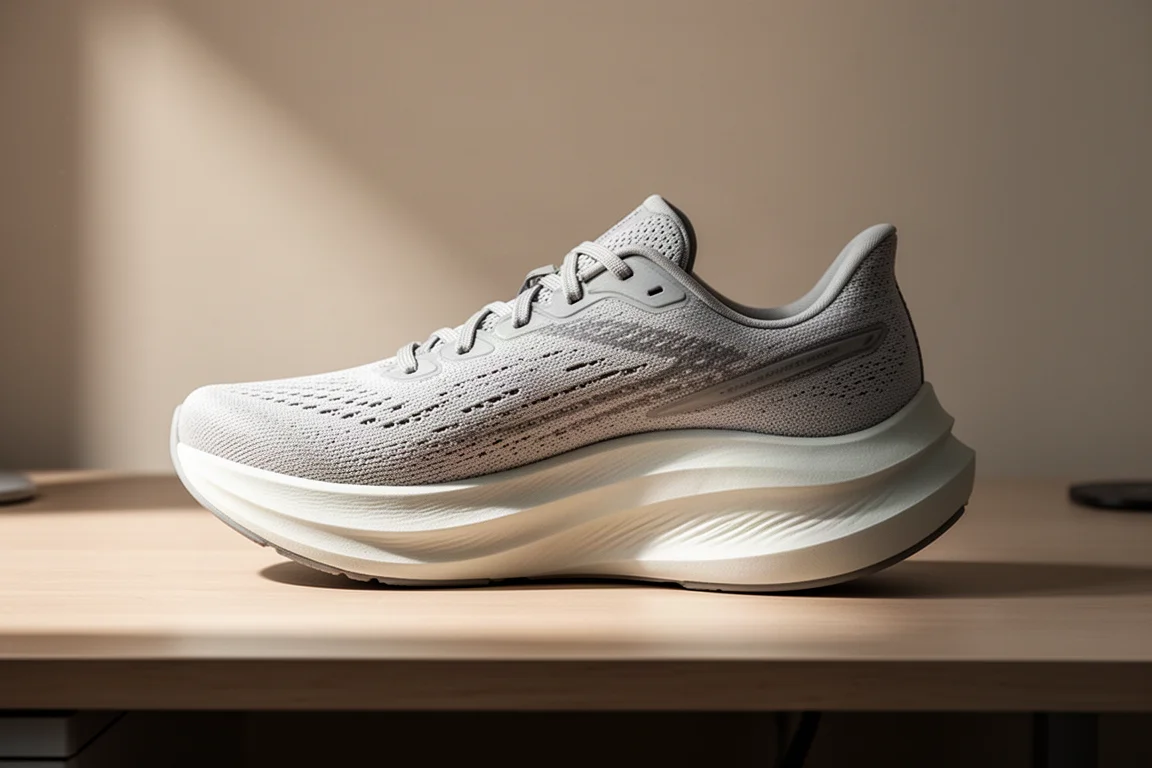
Fast Training Shoes: Tempo and Interval Work
Between the daily trainer and the race day shoe sits a dedicated fast training category: shoes built for tempo runs, progression runs, intervals, and track sessions. These are shoes you reach for on targeted, performance-focused days, not necessarily for the slow plod.
Here the Saucony Endorphin Speed 5 is a standout, a shoe that steps in when you want intensity without lacing up a full carbon racer. The ASICS Super Blast 3 also fits, depending on how you use it: for runners who are not chasing every second, it works as an all-rounder that can genuinely do everything, while faster runners will reach for it on quicker days. The Kiprun Tempo belongs in this tier as well.

An interesting side effect of this market shift: dedicated plated fast trainers have almost disappeared from buying conversations. So many excellent unplated shoes are fast enough that most runners no longer feel the need for a plated tempo shoe, and on sale, some carbon race shoes now cost little more than a good daily trainer.
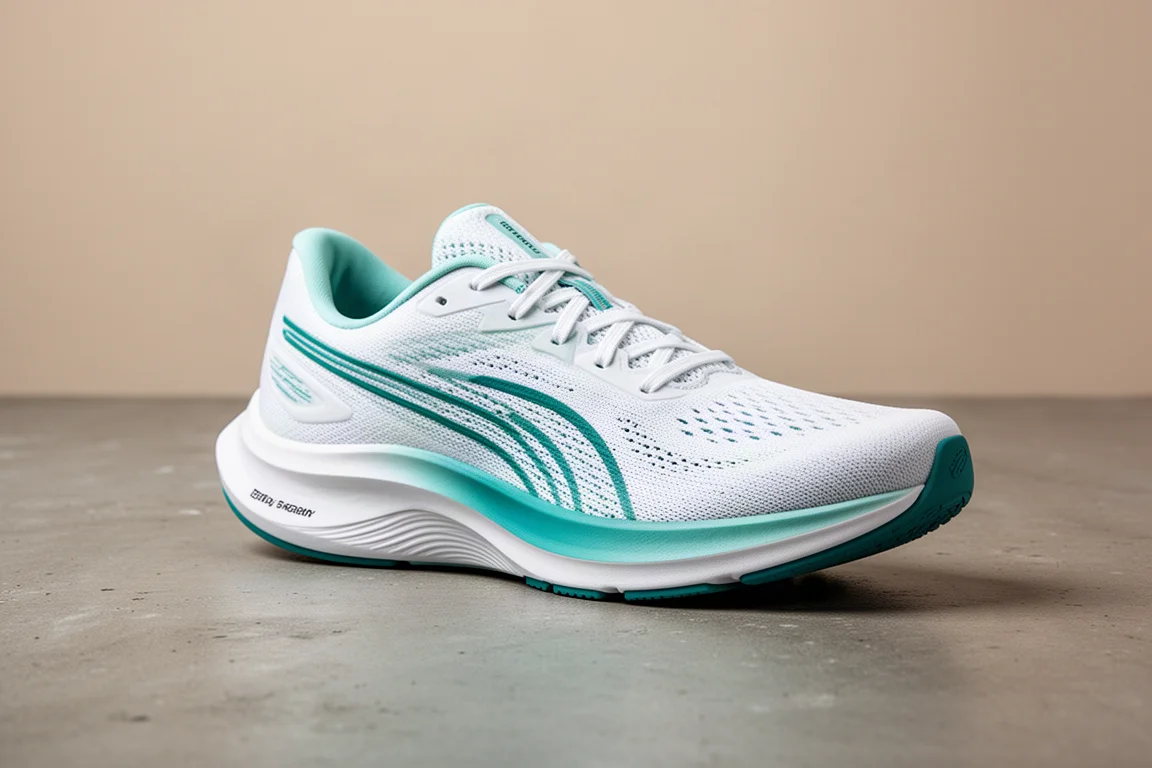
How to Build Your Rotation
If you buy three or four shoes this year, the practical set-up is: a cushioned shoe for easy days, a daily trainer for the bulk of your mileage, a fast training shoe for sessions, and a race shoe if you have events on the calendar. If you would rather buy fewer, a true all-rounder like the Super Blast 3 can cover two of those roles on its own.
Two practical tips from this year’s short list. First, check how brands position a shoe: labels like “daily miles and fast miles” are a useful hint about the shoe’s intended speed ceiling. Second, watch the sales: some brands discount heavily and regularly, which can move a good value shoe into a great one.
Conclusion
The best running shoe of 2026 depends less on the label on the box and more on where it sits in your week. Race day rockets like the Sky Tokyo FastR 3 for PB attempts, plush cruisers like the ASICS Novablast 6 for easy recovery runs, value standouts like the Adidas Adizero Evo SL, dependable dailies like the New Balance 1080 V15 and Hoka Mach 7, and fast trainers like the Saucony Endorphin Speed 5 for sessions. Match the shoe to the run, and almost any pick from this year’s short list will serve you well.
Further reading
Related Reviews

Running Shoes
Best Road-to-Trail Running Shoes: Three Versatile Options for Mixed Terrain
A practical guide to three road-to-trail running shoes that handle both pavement and mild trails, with clear strengths and trade-offs for different runner types.

Running Shoes
Best Running Shoes for Achilles Tendonitis: Three Options Explained
Three running shoes with different heel drops and support features designed to help reduce Achilles tendon pain during walking and running.

Running Shoes
Best Running Shoes for Women: Five Top Choices Ranked
A ranked guide to five women's running shoes, from versatile daily trainers to high-performance racing options, with real strengths and trade-offs for each.