Running Shoes
Best Running Shoes of 2025: Our Top Picks in Every Category
From daily trainers to race day weapons, these are the running shoes that earned top honors this year, with honest strengths and trade-offs for each.
Introduction
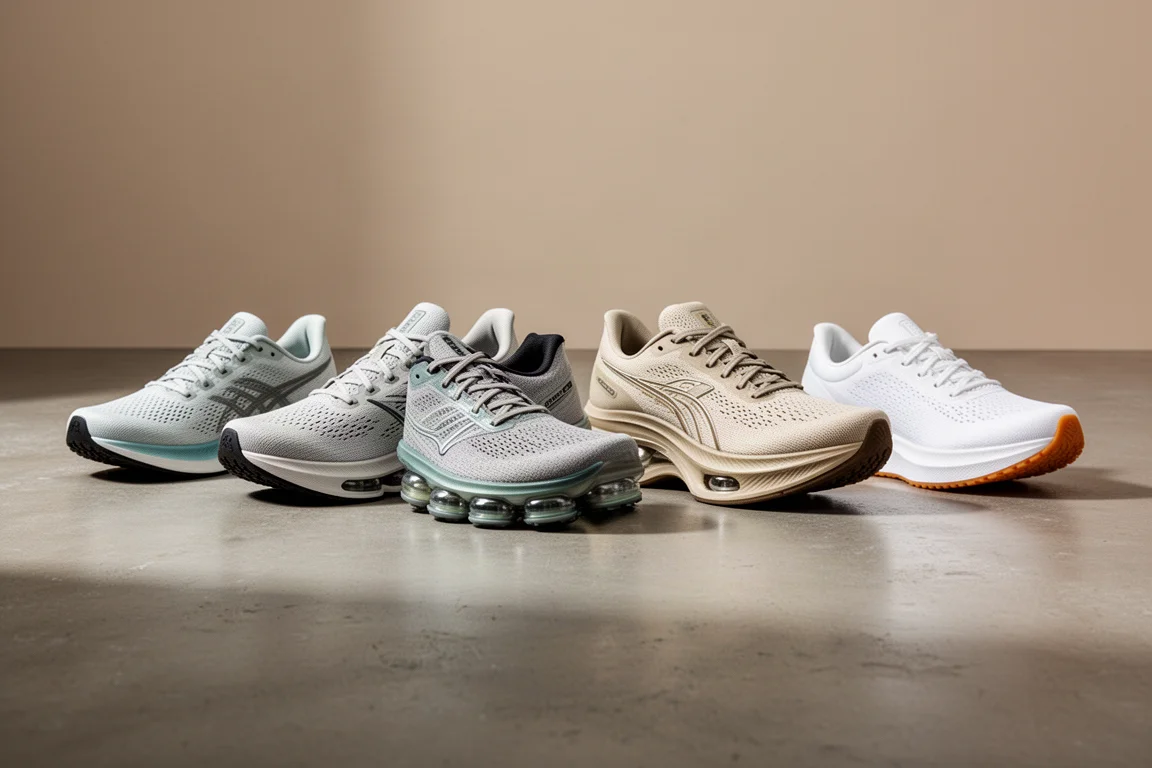
Every year we lace up dozens of shoes across every category, and every year a handful rise to the top. This list covers the standouts of 2025: the daily workhorses, the super trainers, the max cushion monsters, the stability picks, the race day rockets, and the surprises nobody saw coming. Not every pick was unanimous, but every shoe here earned its place with real miles. Prices mentioned are in US dollars.
Daily Trainers
The daily trainer is the Toyota Corolla of running shoes: not flashy, just gets the job done, day in and day out. The Puma Velocity Nitro 4 took the top spot. The Nitro foam feels dialed in underfoot, the Puma Grip is outstanding, and the fit locks in nicely throughout. At $140, it does everything: long runs, tempo work, shorter efforts, everyday miles, all at a very light weight around 8 to 12 ounces depending on size. The only drawback is a narrow fit, so wide-footed runners should look elsewhere.
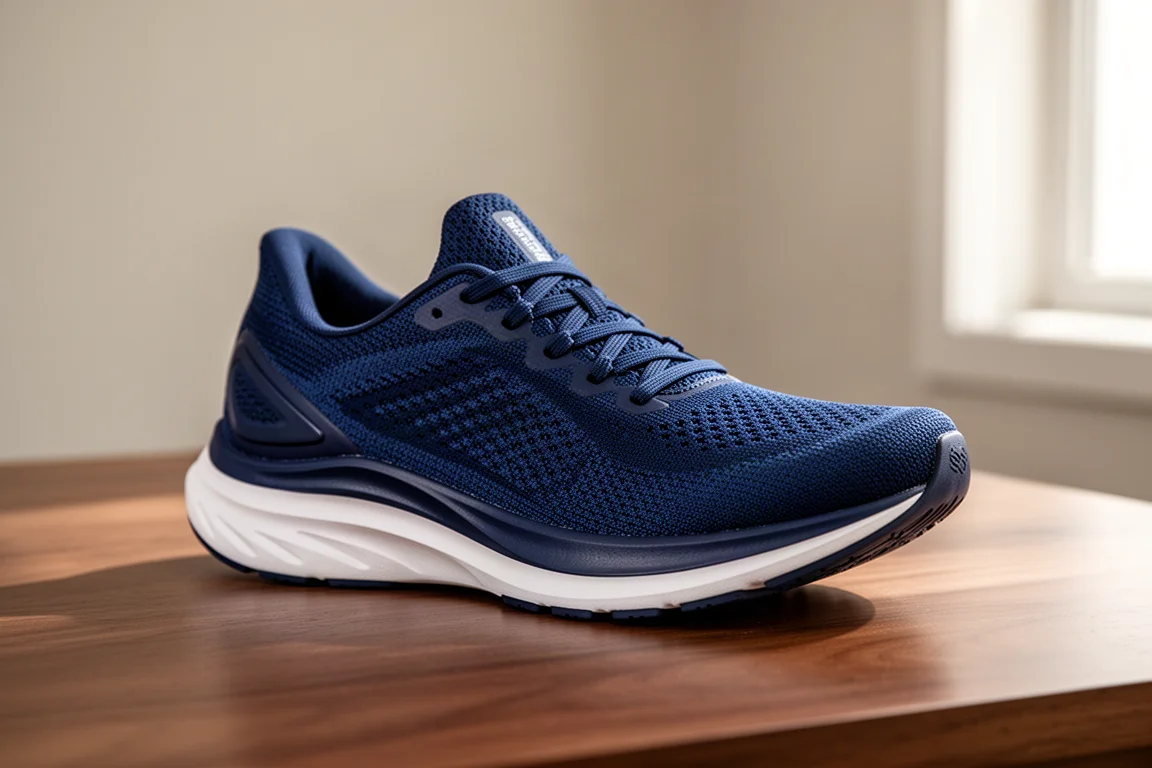
The runner-up is the New Balance FuelCell Rebel v5, one of the most-worn shoes of the year. It improved on the last version in exactly the ways we wanted, and it looks stunning. The fit is comfortable, the shoe is lightweight, and the foam delivers plenty of cushioning at a price that is hard to beat for something this light and fun. It earned real-world validation too: one tester’s son ran an entire cross country season in a pair and immediately asked for another.

Super Trainers
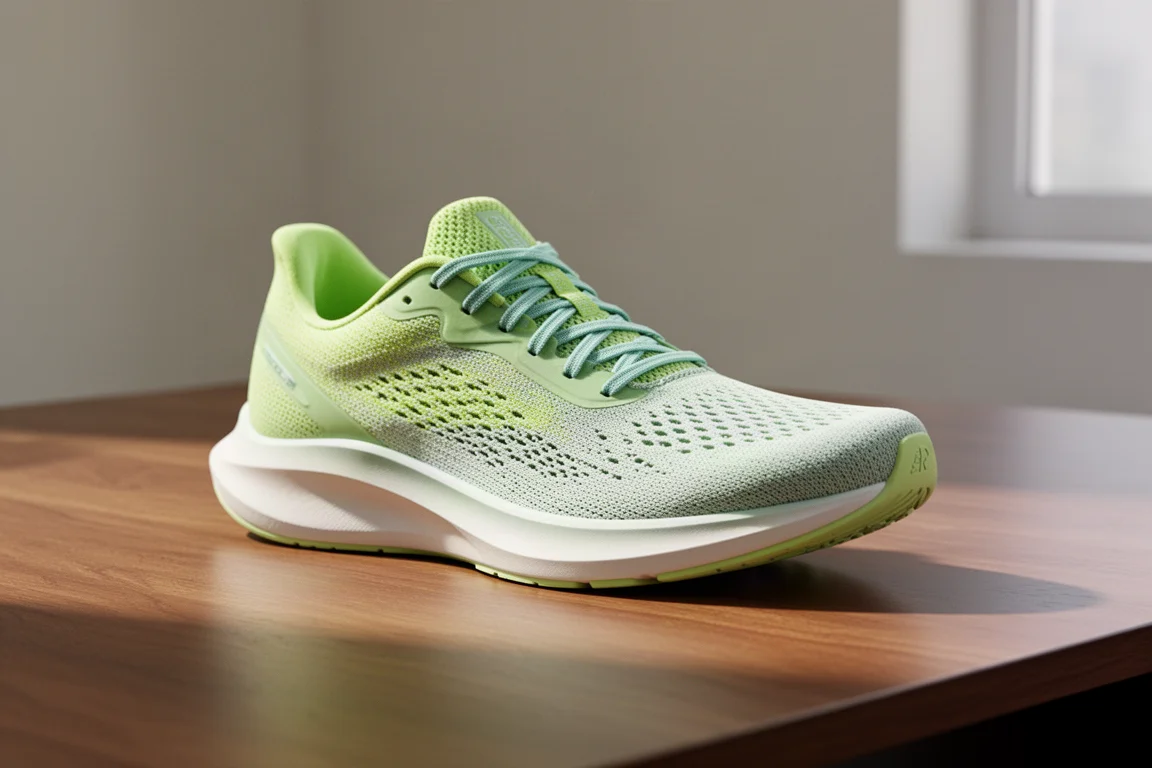
Super trainers are where race day technology trickles down to the family car. The ASICS Sonic Blast won the category despite launching in the shadow of its flashier sibling. The foam feels bouncy and responsive while staying soft enough for daily use, and a bendable plastic plate gives a propulsive feel without the aggression of a race day shoe. The standout trait is the toe pop: you sink in slightly at the forefoot and roll off with a little extra energy on every step. It held up beautifully on tired, jetlagged legs during travel, and it worked for long runs, pick-ups, and recovery days alike.
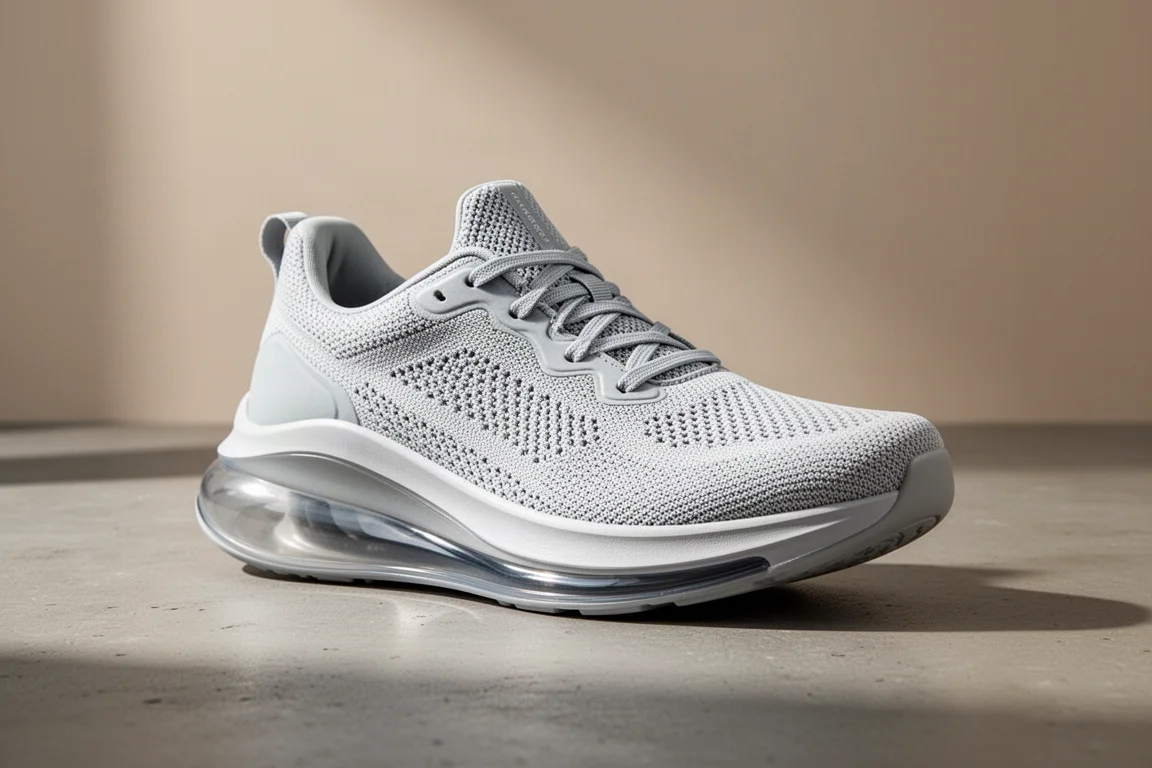
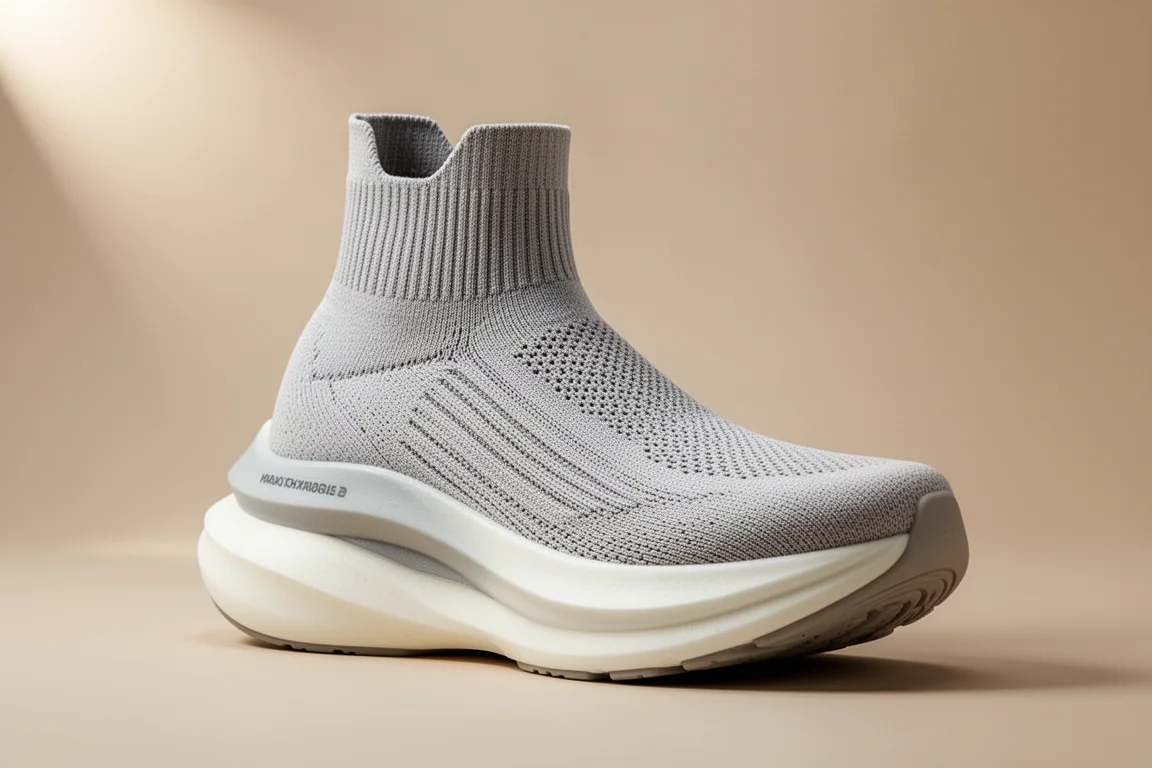
The Mizuno Neo Vista 2 is the runner-up and a dream for fans of soft, high-stack cushioning. A generous stack of squishy foam pairs with a plate for a subtle propulsive feel, and a knit upper hugs the ankle surprisingly well. Two caveats: sizing runs roomy, so many testers went down a half size, and the plushness limits it to easy days. This is your long slow distance and recovery shoe, not a fast-day option. Some testers would have put it first overall in this category.
Max Cushion
High stack, all the foam, all the comfort. The Nike Vomero Premium changed what max cushion means. Instead of just a lot of squish, two visible airbags deliver a springy ride on a soft platform, creating a floating, rockered sensation unlike anything else this year. Nike compared it to running on an AlterG treadmill, and while the sensation is not identical, the fun and ease are real. With 55 mm of heel stack, it stays remarkably stable, and the padded collar and tongue make the upper equally comfortable. It is the shoe you reach for on tired days and fun runs alike, though it is a luxury pick rather than an only shoe.
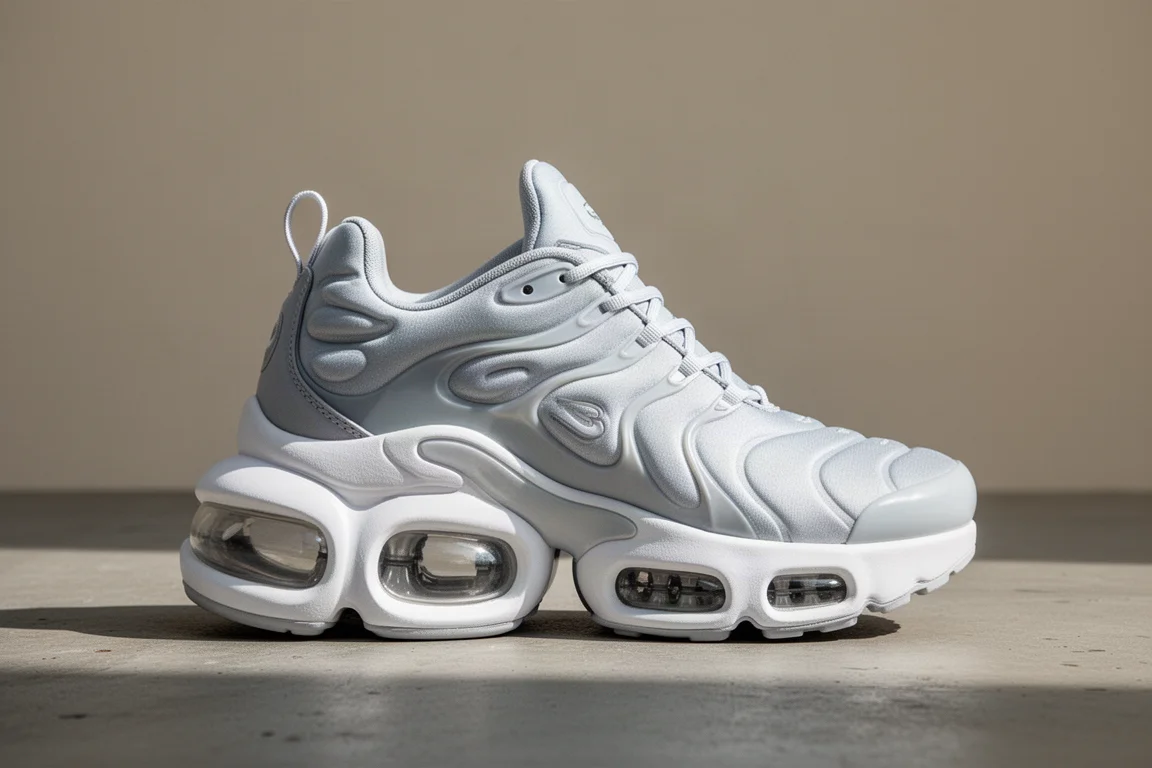
The Mizuno Neo Vista 2 doubles up as the max cushion runner-up. It delivers that same soft, lovely ride with a knit upper that fits well, and it may actually be more versatile than the Vomero Premium: it is a little lighter, and you can pick up the pace when needed. If you want one shoe for everything, this is the max cushion option that can genuinely be your only shoe.
View more details for Mizuno Neo Vista 2
Stability
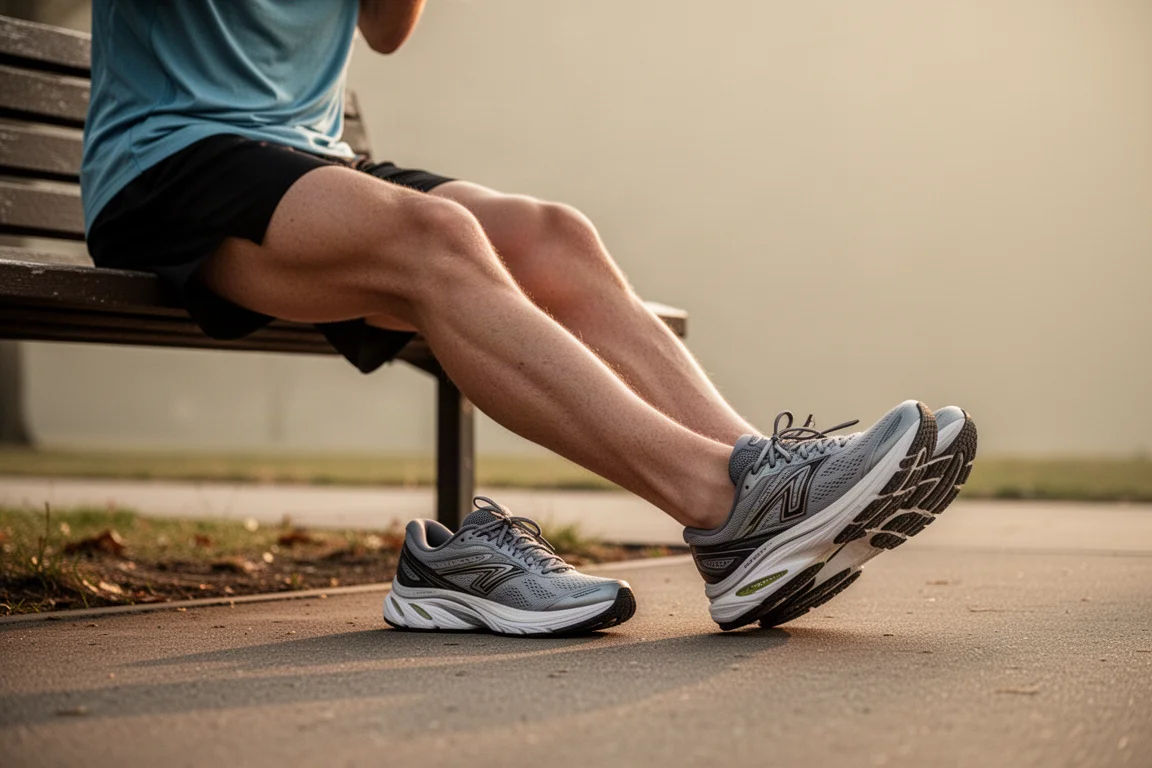
Stability runners finally got shoes that do not look like medical equipment. The Nike Structure 26 combines a midfoot support system, ReactX foam, and dual-density rubber, a firmer compound in the heel and a more flexible one in the forefoot. The result is light, unobtrusive stability with a design cool enough to wear casually. Our stability-focused testers picked this one, and it is a welcome sign that people who need support deserve shoes that look as good as everyone else’s.
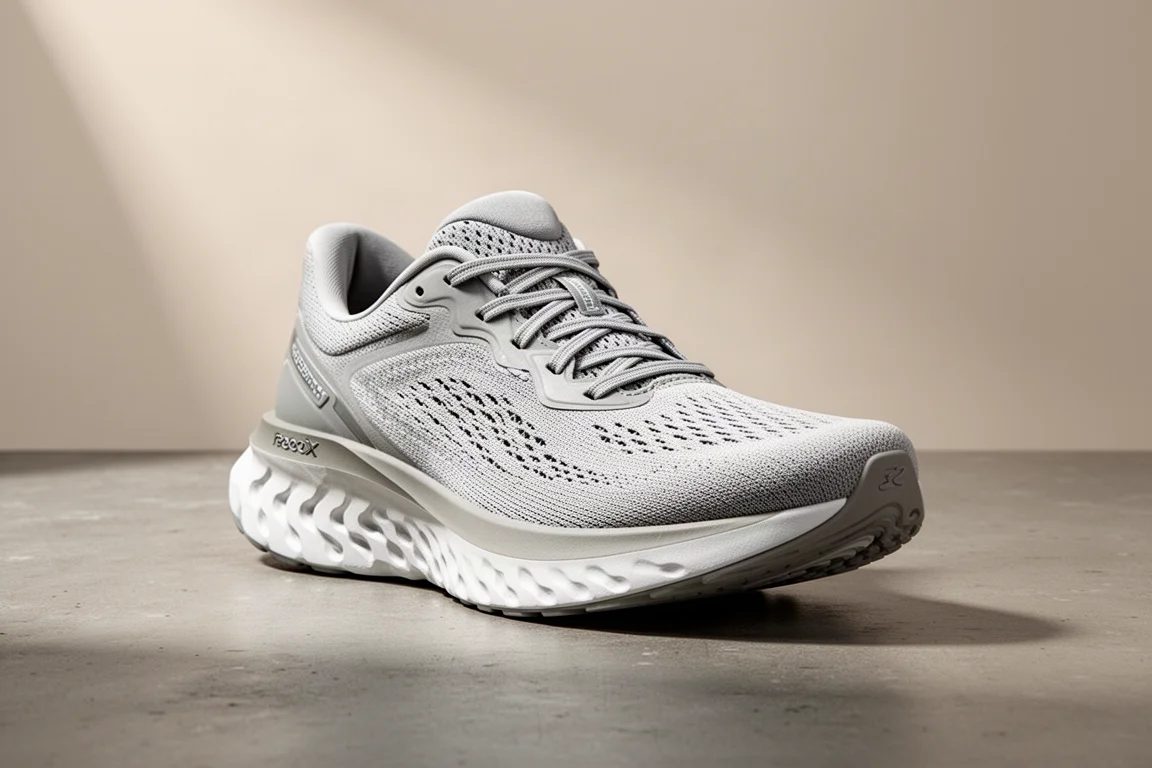
The Puma ForeverRun Nitro 2 is the runner-up, built around a dual-density ribbon core: softer foam near the foot, a more stable core below, plus a rear cage that guides the stride. Traditional posting is gone, so there is no harsh medial feel, and at around 10 ounces for a men’s size 9 it is genuinely light for a stability shoe. Puma’s lineup was one of the strongest of the year across the board.
Do-It-All Trainers
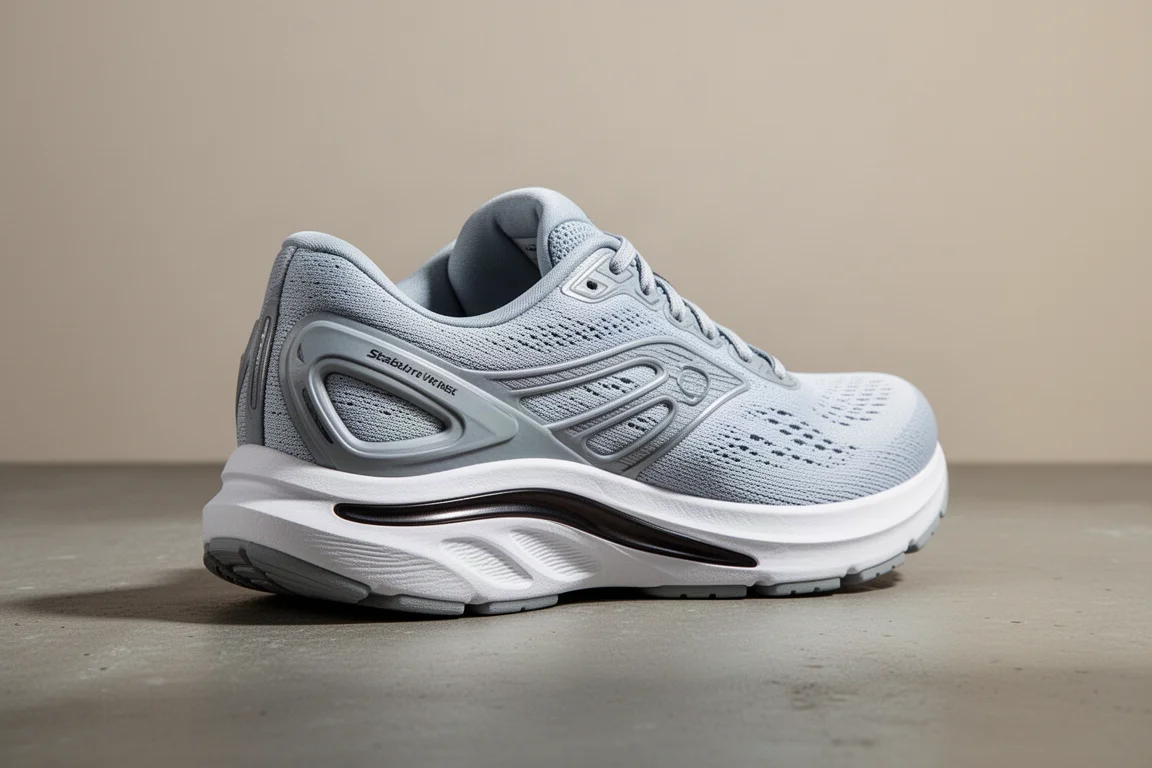
The Nike Vomero Plus was a surprise winner, and honestly one of the most-loved shoes of the year on the whole team. It is the evolution of the Invincible line, but with a new ZoomX formulation that finally nails the platform: less wobbly, less blocky, and tuned to a durometer that feels great stride after stride. Despite a full ZoomX midsole, it sits 1 mm lower than the standard Vomero and stays impressively stable. The bounce is extraordinary, like a pink rubber ball packed into a midsole, and it genuinely feels like it has no governor: strides at the end of a workout keep getting faster. It is great for long runs, easy days, recovery, and even tempo work. At $180 it is fair value for a plateless super trainer, though the stitched lace-cord attachment has been known to pull out, a design flaw worth knowing about.
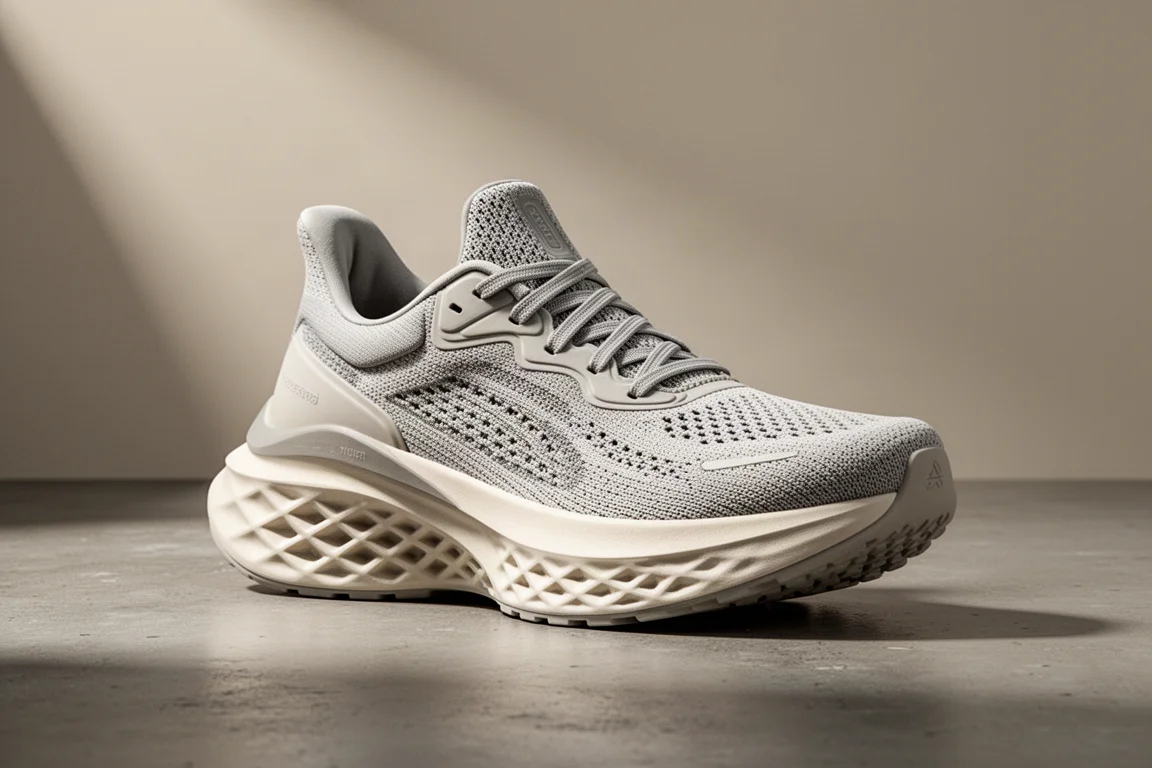
The ASICS Mega Blast lands second. Launched alongside the Sonic Blast with far more hype, it uses an elevated, lighter, high-energy-return foam over the Super Blast, with an upper closer to race day spec. It is one big slab of foam that never feels slappy, with a nice roll and a soft-but-not-too-soft ride. If you want a race day shoe without a plate, this is it, and the foam formulations in both category winners held their liveliness from first step to last.
Race Day
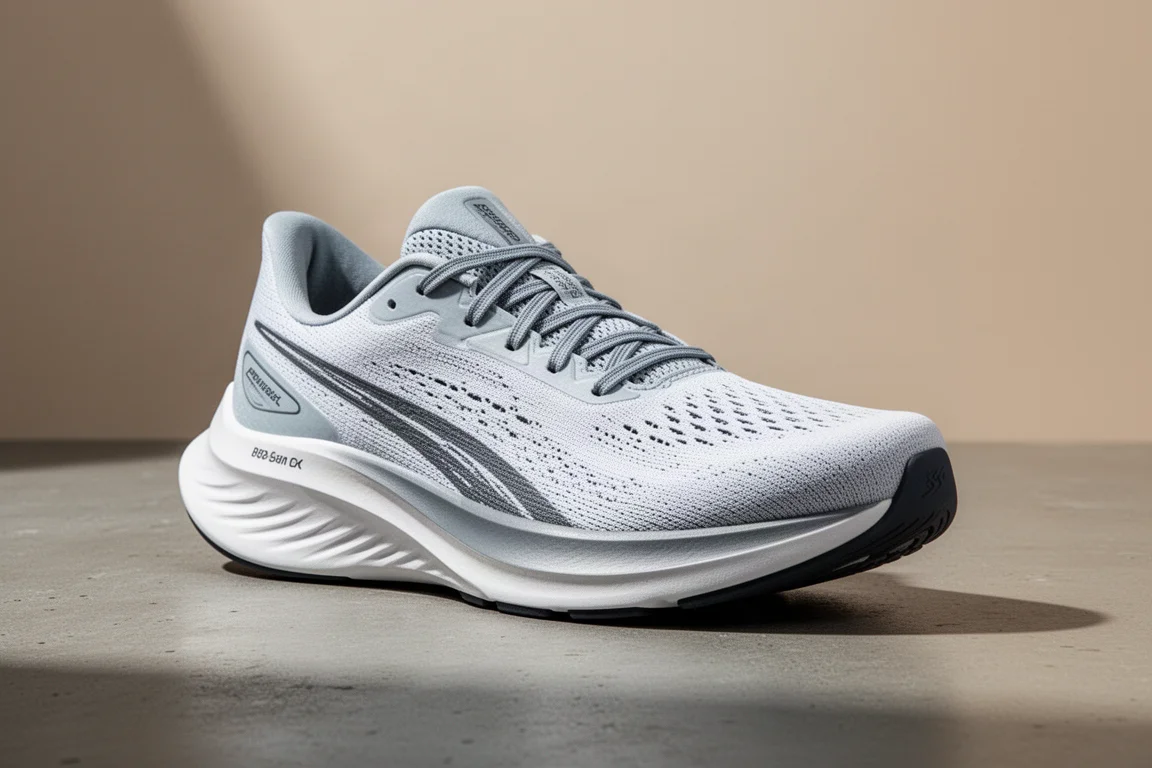
The ASICS Metaspeed Ray is the race day shoe of the year and ASICS’ lightest race shoe ever. The cushioning, rebound, and bounce rival the Adidas Adizero Evo Pro line, and durability concerns were put to rest when one tester took it past 100 miles with the foam still bouncy and light underfoot, even if the midsole looked worse for wear. That mileage means at least two to three marathons of life. The best part: ASICS took an Evo Pro-level shoe and cut roughly $200 off the price, landing it at $300.
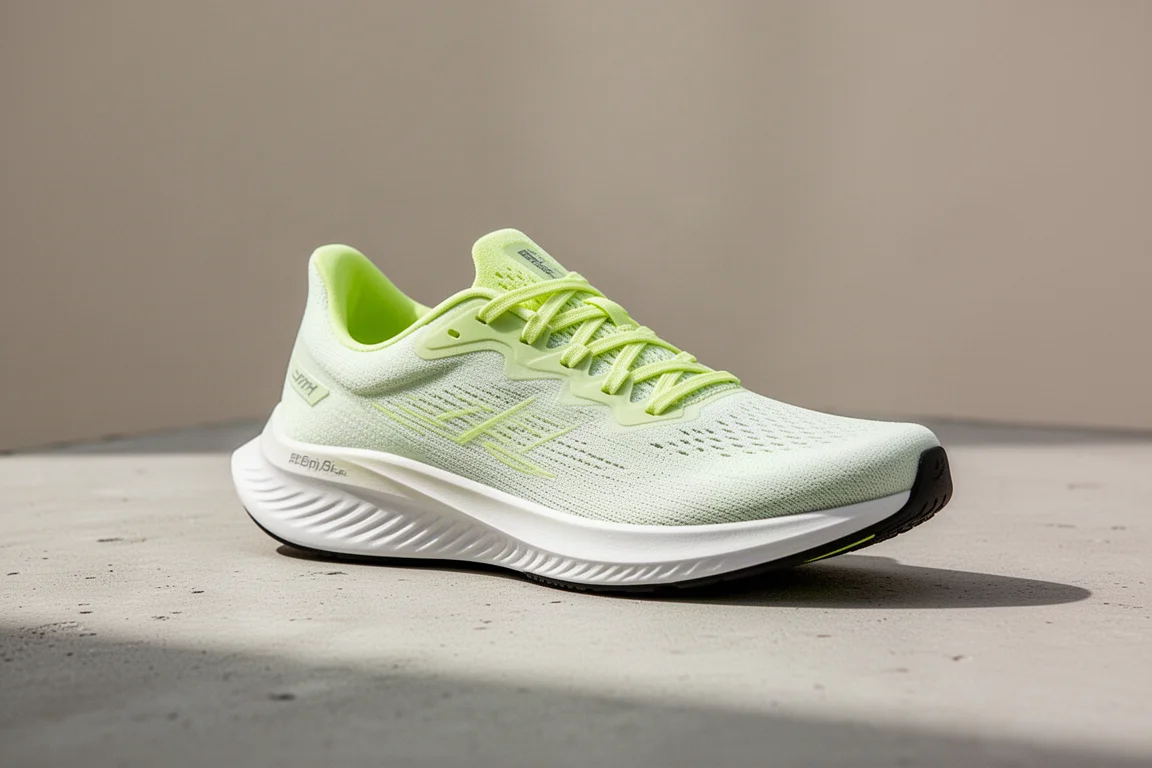
The New Balance SC Elite v5 is the runner-up and powered three marathon builds this year, in London, Chicago, and New York. It rides the line between a traditional running shoe feel and race day bounce: not the fastest or lightest, but deeply reliable. The SC Elite line has long been our recommendation for anyone trying a plated shoe for the first time, and the v5 got more aggressive while keeping its comfort and stability. It is accessible to any runner at any level and doubles as a great speed workout shoe for 400 repeats and tempo miles.

Under the Radar
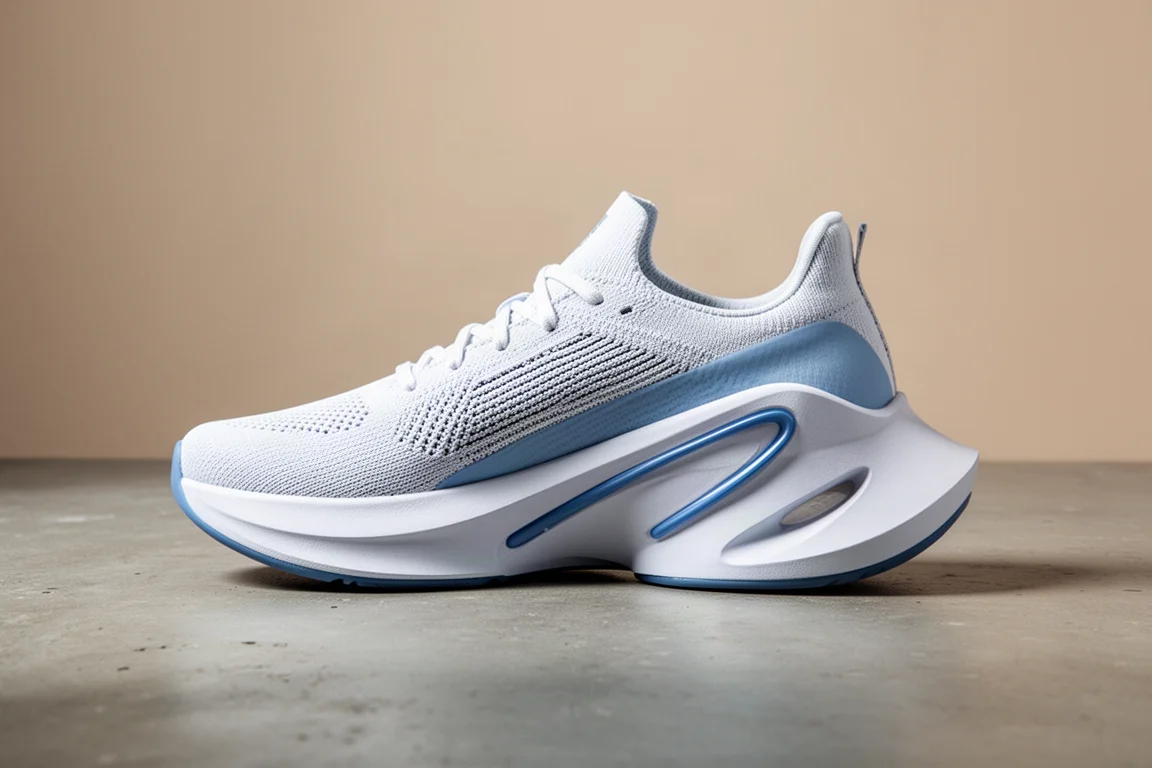
The Rad UFO came from a brand nobody had heard of, and it turned heads. Yes, the design looks odd, and the “Super Foam” name invites jokes, but the ride is excellent: bouncy, responsive foam with a rocker geometry that creates smooth turnover and a comfortable upper with plenty of traction. It resembles the Nike Vomero Plus in feel, with the bounce and responsiveness right where you want them. At $200 it is pricey for a new brand, but it proves that good foam plus a good-fitting upper beats half the established competition.
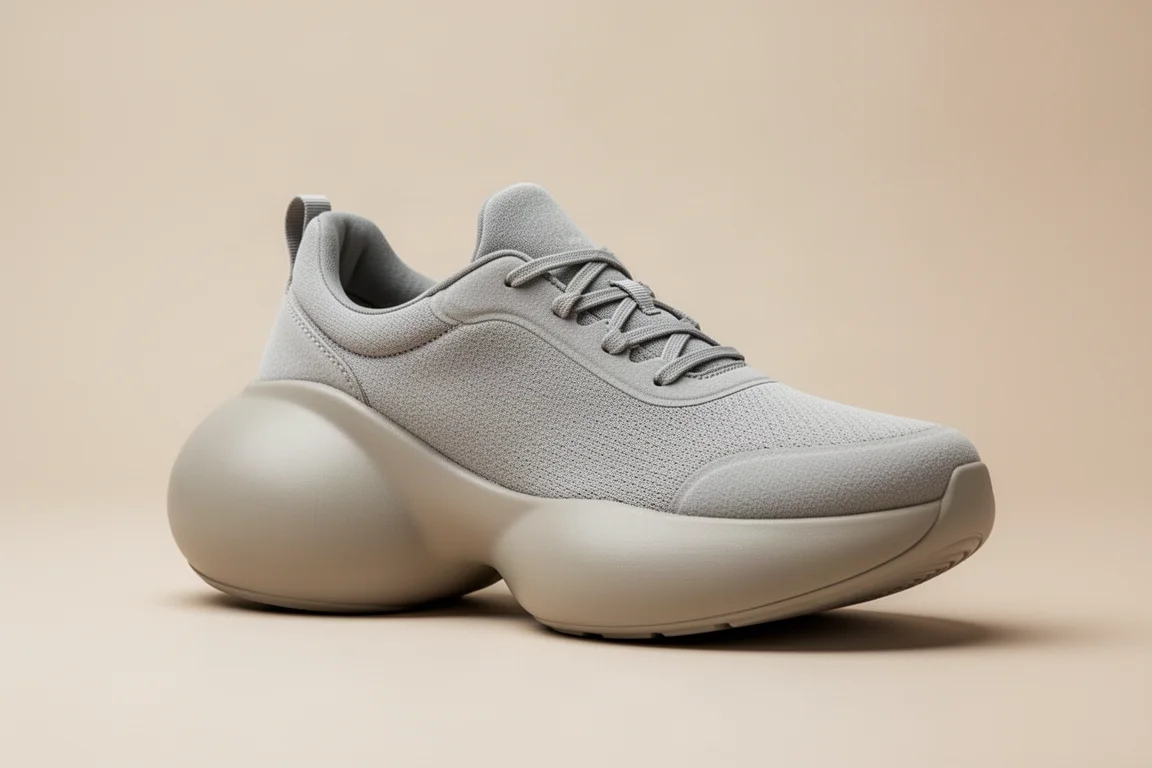
The Salomon Aero Glide 3 stayed under the radar for two reasons: it looks generic, and Salomon is known for trail, not road. But this is their max cushioned daily trainer, and it simply works. The foam is really good, the ride feels light underfoot, and it proved very durable, barely showing wear after a full training block. It is a step above the typical daily trainer, just without the excitement that would push it into the spotlight.
Best Surprise
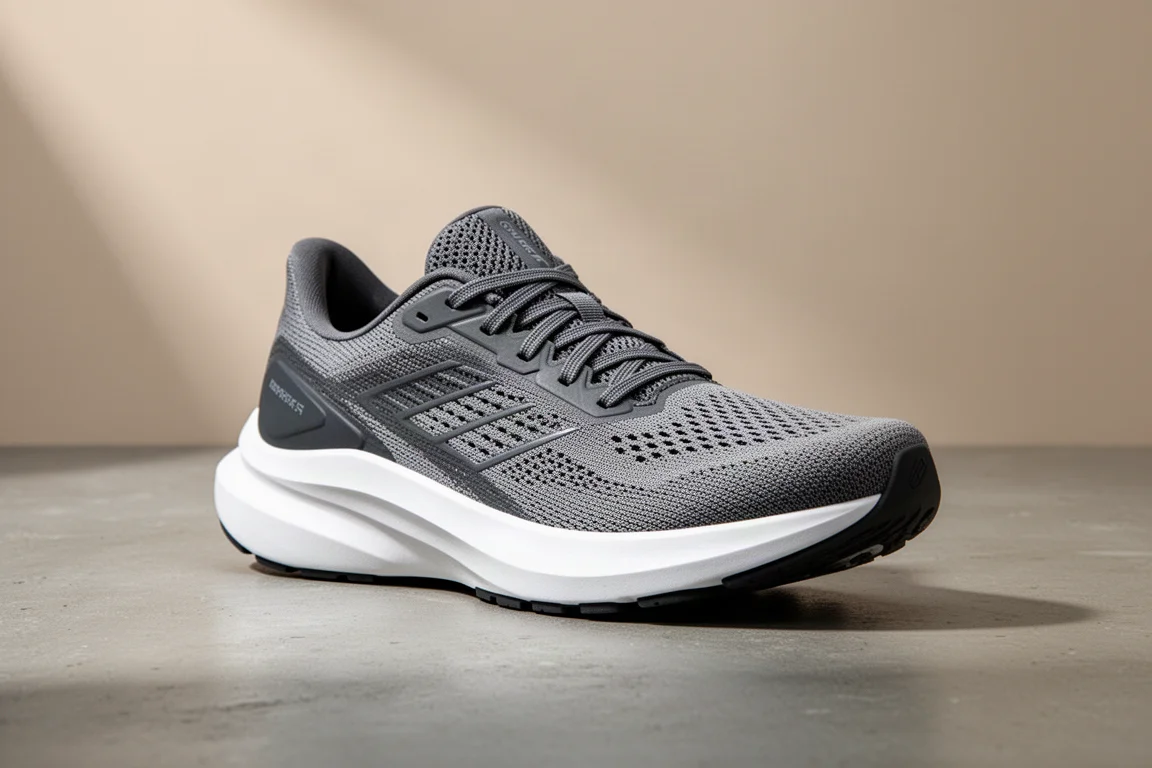
The Mount to Coast H1 is a hybrid road-to-trail shoe that shatters the usual compromise. The Circle Cell bio-based midsole foam feels remarkably close to Lightstrike Pro, which almost never happens with bio-based foams. Testers ran 18-mile road long runs in it happily, and people have taken it to hundreds of miles because the midsole is extremely durable. The dual zonal lacing, a quick-cinch section up front with standard lacing above, reflects its ultra-distance heritage and a roomy forefoot meant to accommodate swelling on high-mileage days. That roominess means many runners should consider going down a half size.
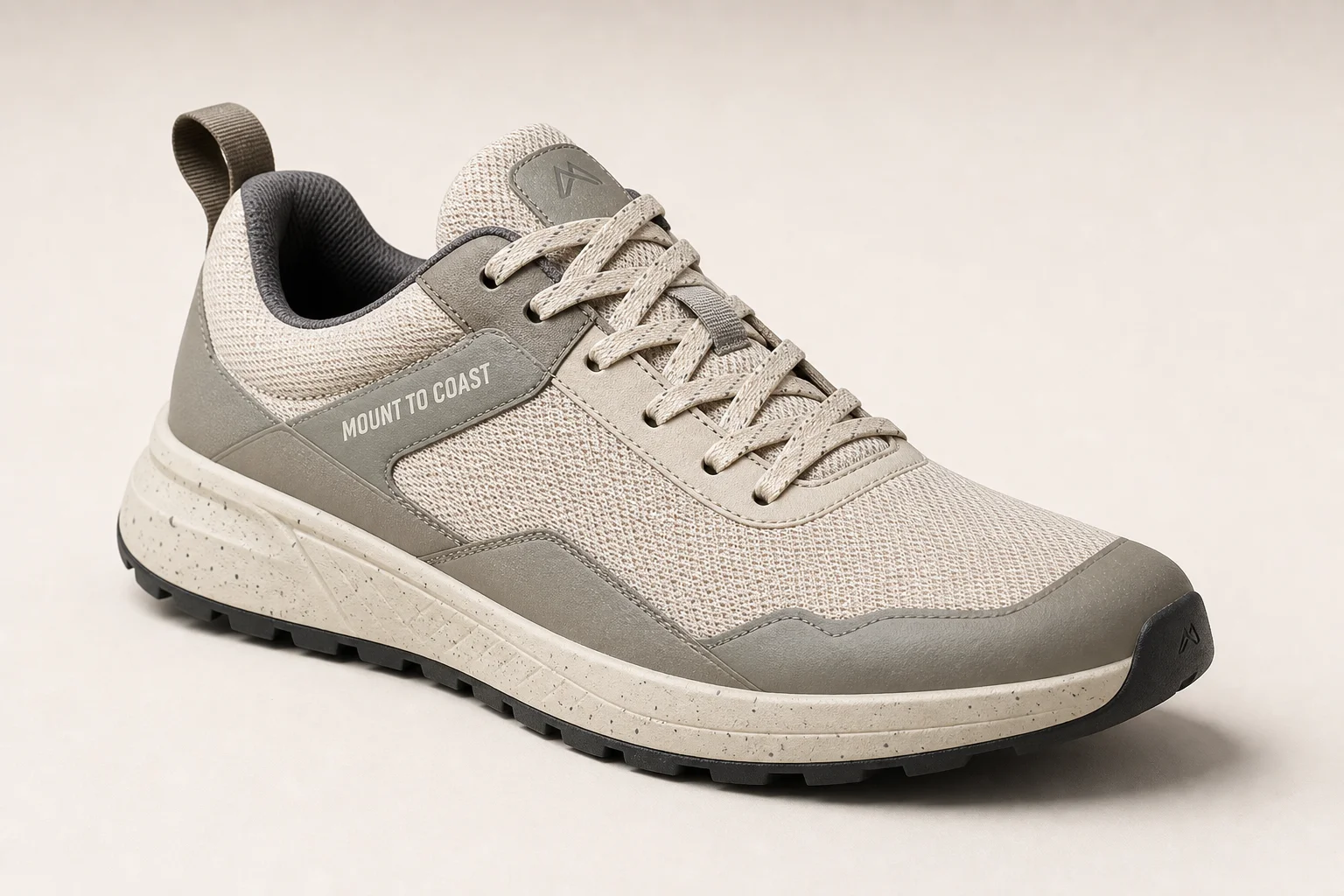
The Tier Maverick is the runner-up, from a brand that simply has not missed on a running shoe yet. The midsole is the star: a denser, bouncy feel with genuine ground contact, similar in character to Lightstrike Pro in the Adizero line. The more natural, voluminous toe box gives it a Topo-like upper feel, though not exaggerated enough to look like a Birkenstock. Downsides are modest: the fit is good but not perfect through the lacing, and the brand has not yet built much personality around the shoe. On feel and runability, though, it is a special shoe at a great price.
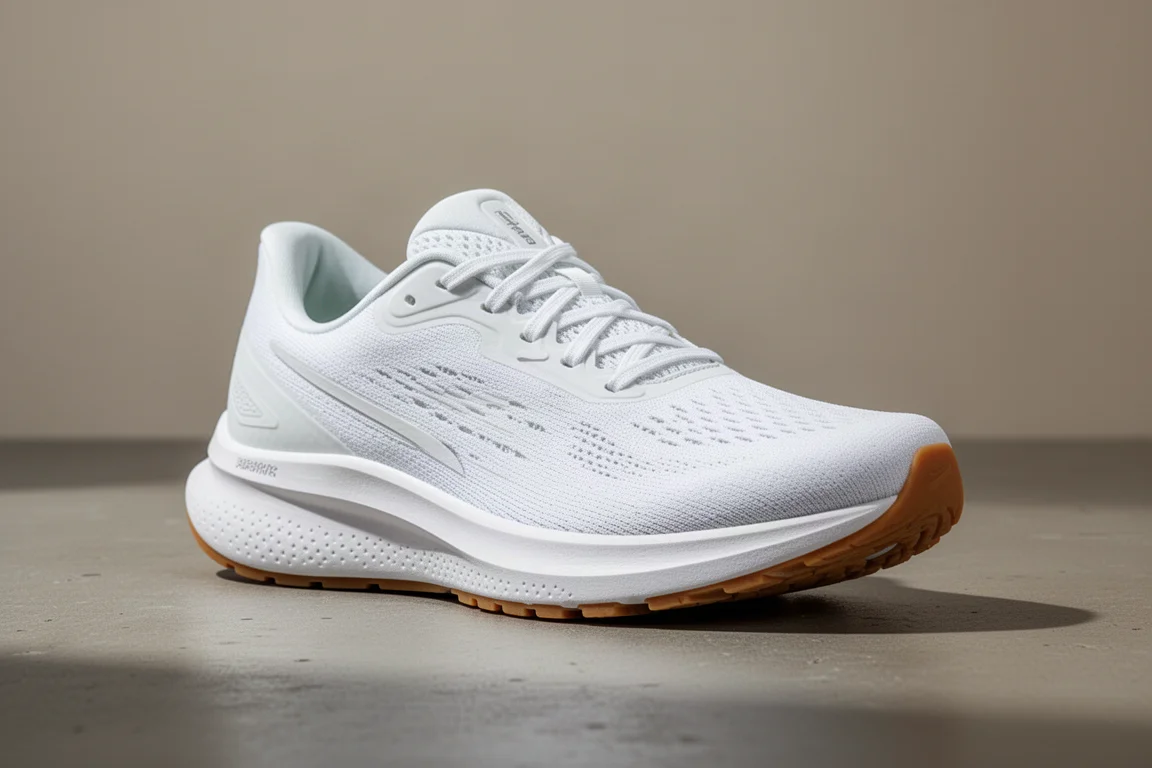
Best Overall: Adidas Adizero Evo SL
The Adidas Adizero Evo SL is the best shoe of 2025, and possibly the most culturally significant one: a shoe people will still remember a decade from now. First shown around the Berlin Marathon weekend in fall 2024, it landed in a strange release window that sparked an internal debate about which year it belonged to. It belongs here. At $150, everyone we recommended it to loved it, and it is everywhere in run clubs. Lightstrike Pro holds up over big mileage, the Continental rubber outsole grips just right, and it is lightweight, fun, and genuinely beautiful, with a simple classic design that doubles as a lifestyle shoe. It handles daily runs and longer distances equally well, and it opened up an entire competitive category of super-foam shoes in the $130 to $150 range. The nitpicks: the upper could be tightened up structurally, and the rubber could be a touch tackier. Nothing else comes close to the total package.
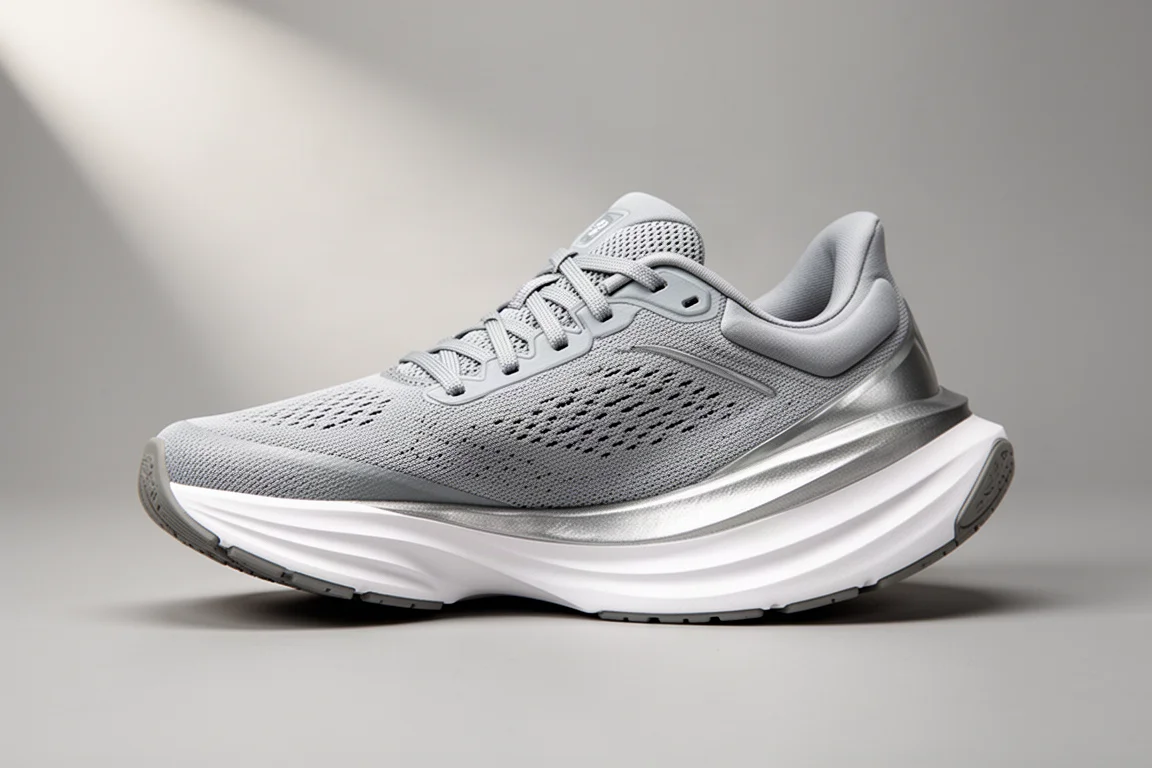
The runner-up, and one tester’s personal favorite of the year, is the Nike Vomero Plus. For that runner, sizing on the Evo SL never quite resolved, and the Vomero Plus simply brought everything together. It nails the fit, the traction is great, the foam feels amazing, and the design details are beautifully done. It is the shoe that gets grabbed every time when nothing else is under review.
Buying Advice
Match the shoe to the job. For one shoe that does nearly everything, the Evo SL and Vomero Plus are the strongest all-rounders here. If you need a stable daily workhorse on a budget, the Velocity Nitro 4 and Rebel v5 are the value picks. Tired legs and long recovery blocks call for the Vomero Premium or Neo Vista 2. Stability runners finally have stylish, unobtrusive options in the Structure 26 and ForeverRun Nitro 2. And when it is time to race, the Metaspeed Ray and SC Elite v5 cover both ends of the race day spectrum. Try shoes on where sizing is uncertain: several picks here, including the Neo Vista 2 and Mount to Coast H1, reward dropping a half size.
Conclusion
It was a strong year for running shoes, with elite foam trickling down into the $140 to $180 range and new brands proving they can compete with the giants. Every shoe on this list earned its spot with real miles, and any of them would be a smart addition to a rotation. Pick the one that matches the runs you actually do most often, and you will not go wrong.
Further reading
Related Reviews

Running Shoes
Best Road-to-Trail Running Shoes: Three Versatile Options for Mixed Terrain
A practical guide to three road-to-trail running shoes that handle both pavement and mild trails, with clear strengths and trade-offs for different runner types.

Running Shoes
Best Running Shoes for Achilles Tendonitis: Three Options Explained
Three running shoes with different heel drops and support features designed to help reduce Achilles tendon pain during walking and running.

Running Shoes
Best Running Shoes for Women: Five Top Choices Ranked
A ranked guide to five women's running shoes, from versatile daily trainers to high-performance racing options, with real strengths and trade-offs for each.