Running Shoes
Three Most Anticipated Running Shoes of 2025: Puma, Adidas and Nike
A closer look at three exciting 2025 releases: the Puma Fast-R Nitro Elite 3, Adidas Boston 13, and Nike Alphafly 4, and what makes each one worth waiting for.
Introduction
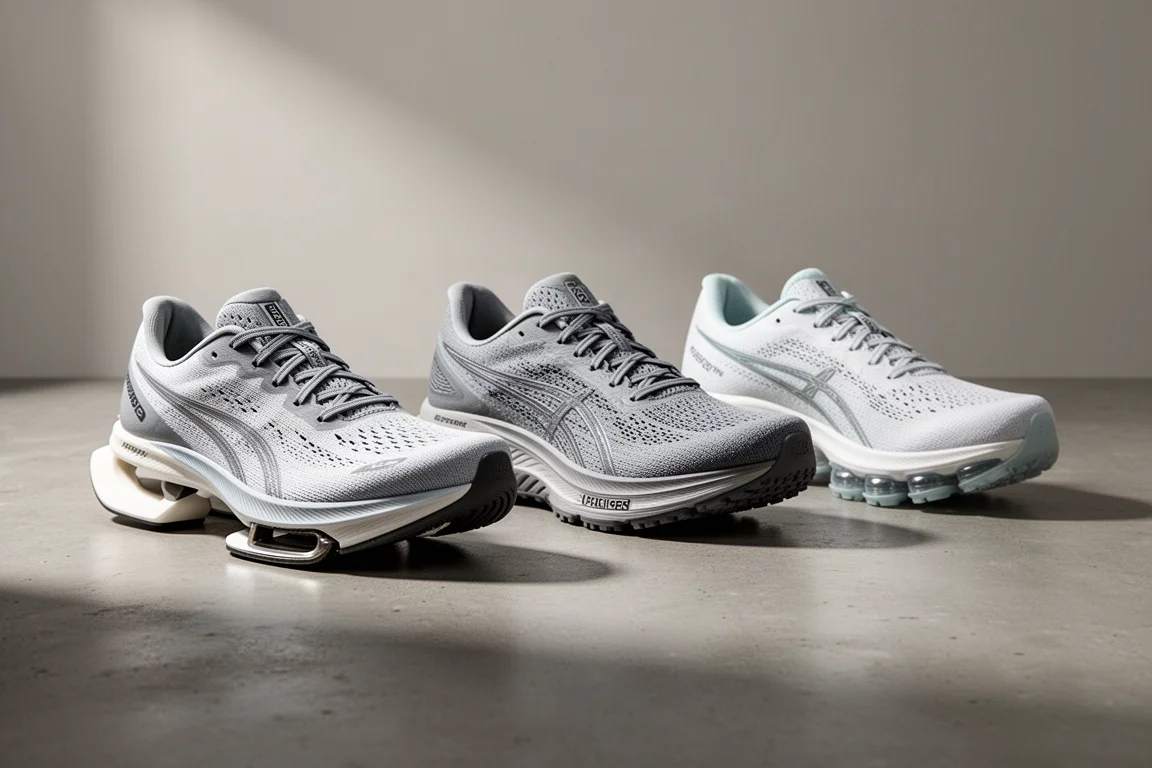
Three upcoming releases have generated more anticipation than most: Puma’s Fast-R Nitro Elite 3, the Adidas Boston 13, and Nike’s Alphafly 4. Each represents a clear step forward for its brand, and together they cover the two ends of a serious runner’s rotation: aggressive race-day shoes and a durable daily trainer that protects the more expensive pairs.
This guide breaks down what is known about each model, what changed versus its predecessor, and who should be paying attention.
Puma Fast-R Nitro Elite 3
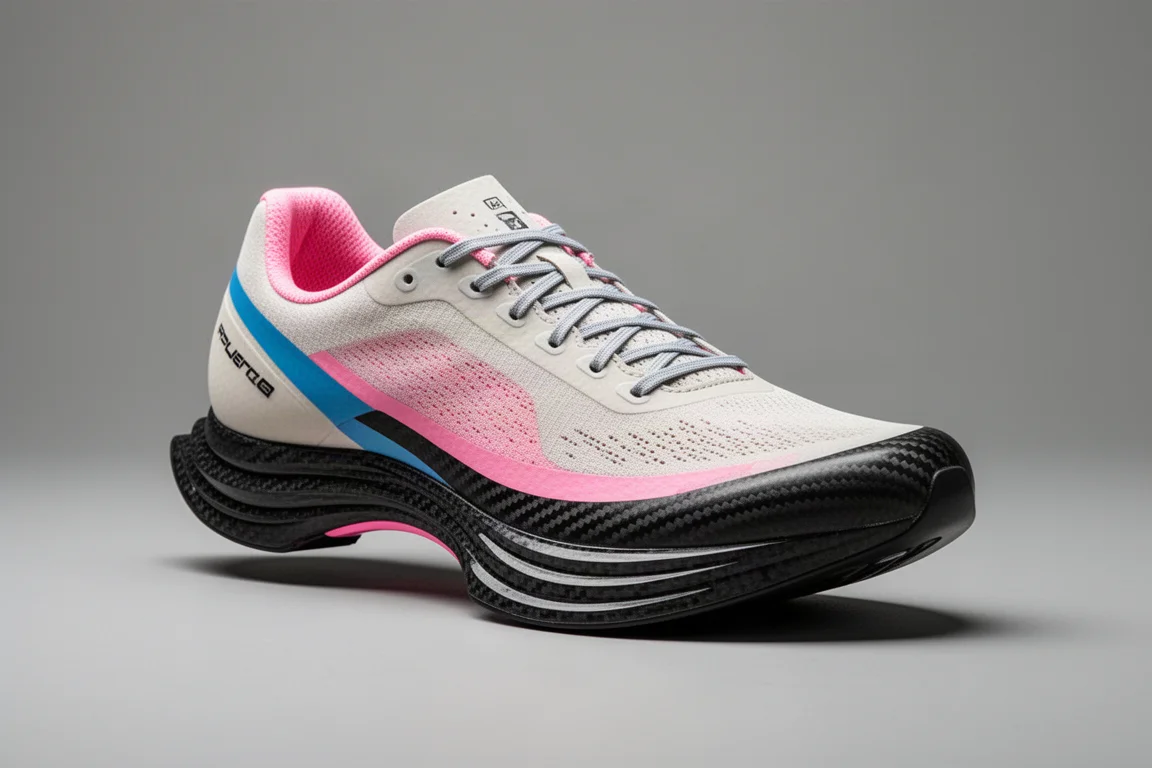
The Fast-R Nitro Elite 3 is arguably the most intriguing of the three. Puma has swapped the original PA blend for APTU foam, and the expectation is a ride closer to the second-generation Fast-R, which was an innovative and propulsive shoe with a protruding plate at the front and a decoupled midsole. That version was also incredibly durable, with one main drawback: weight. The second version came in around 264 g for a UK size 11, about 9.3 oz, putting it at a slight disadvantage against its rivals.

The headline change here is weight. Early figures quoted around 249 g for the Fast-R2 sample size, and Puma claims just 167 g for the third version, a significant drop that puts it near the lightest race shoes on the market. In practice, the pair has been measured at roughly 210 g in a UK 11, around 42 mm at the heel and 34 mm at the forefoot, keeping the familiar 8 mm drop and the 40 mm stack height. The heel area has been trimmed back with a more curved, beveled shape, similar to the approach seen on the Wave Rebellion Pro 3 or Alphafly 3.
The design has also evolved. The midsole no longer appears fully decoupled, part of it has been filled in, and the carbon plate does not jut out quite as much as before, though there seems to be a bit more foam under the forefoot. The launch is expected in the US on 25 April with a price around $300, possibly as a limited release. The older version’s blend of aggressive propulsion and durability is what makes this one so promising.
Adidas Boston 13
The Boston 13 arrived later than many expected, and the delay has left some mystery about its final character. What is visible points to more Lightstrike Pro in the midsole this time, possibly around the forefoot and wrapping the Lightstrike 2.0 bed. Lightstrike 2.0 was expected to be firmer than Lightstrike Pro, though measured firmness came out nearly the same, with Lightstrike 2.0 slightly denser.
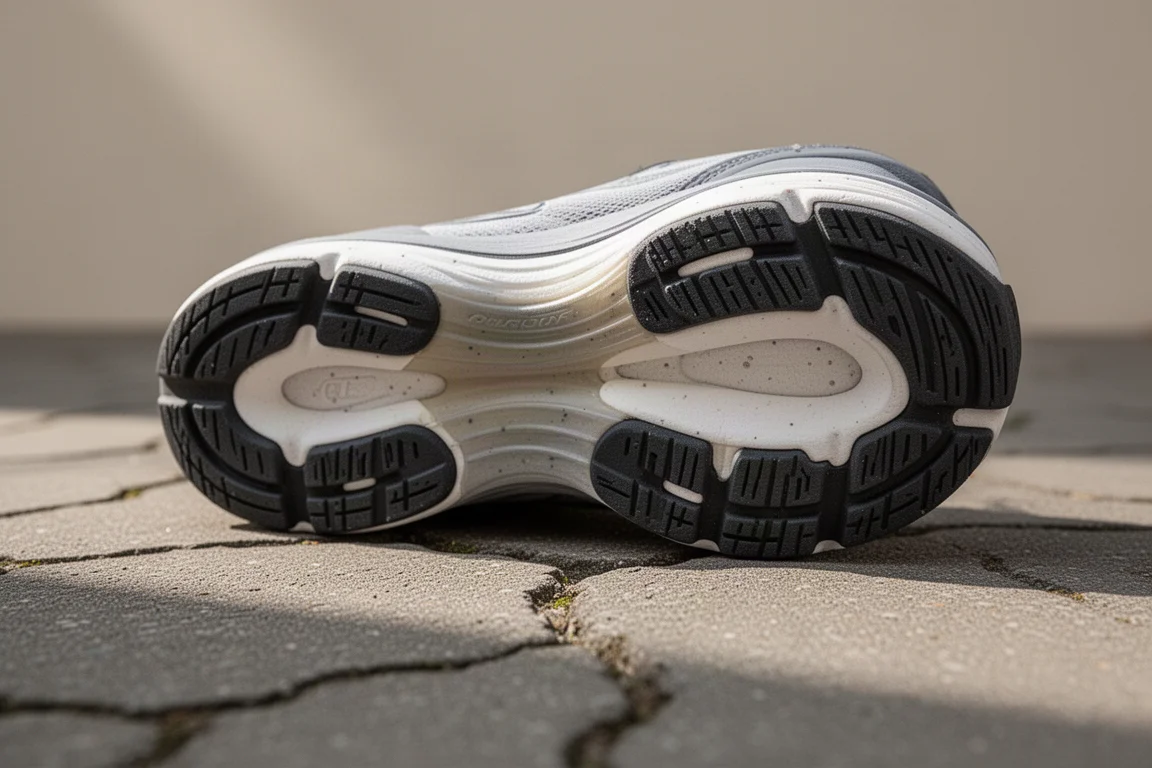
The bigger repositioning is in durability. The Boston 13 appears to have a thicker application of rubber on the outsole rather than the thinner Light Traction layering, with a section that runs along the medial side of the heel and wraps up around the lateral side of the forefoot. The energy rods remain in the midsole, along with classic Continental rubber on the outsole.
The net effect is that Adidas has moved the Boston firmly into the training category. It sits alongside plated or rod-equipped trainers like the Zoomfly 6, Endorphin Speed 4, and Magic Speed, a durable trainer that takes some of the wear from those expensive race shoes kept in reserve for marathon and half marathon build-ups. Long-time fans of the series should note the model has shifted from a quasi-racing shoe to a genuine trainer, which for most runners is actually good news.
Nike Alphafly 4
The Alphafly 3 set a very high bar. Many runners have logged hundreds of comfortable miles in it, and it works for nearly every kind of running session, staying competitive on weight with other super shoes at a price premium. The question for version 4 is what Nike could possibly improve, and the prototype images suggest the answer is subtraction and refinement.

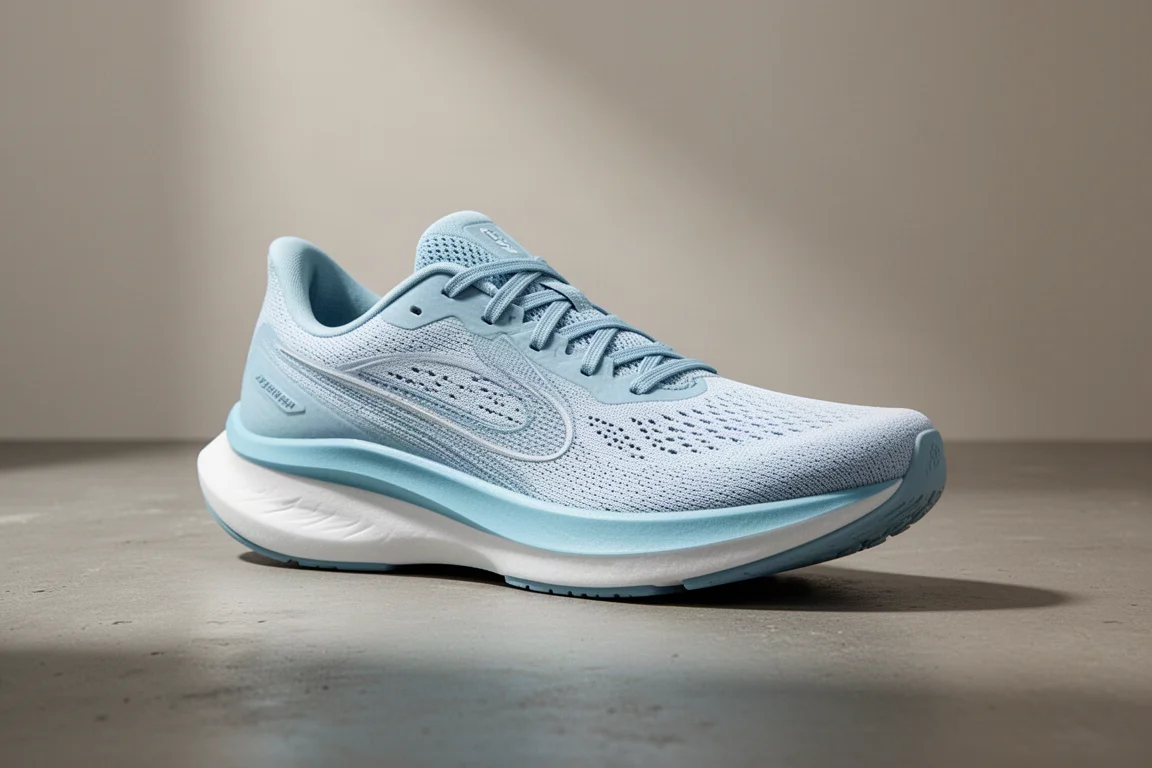
Nike has been taping off the midsoles on the prototypes to hide the air units and technology, but a few changes are visible. The upper appears to move to a more standard lacing arrangement, which many runners will welcome, and may signal a shift away from the sock-like atomknit-style material. Extra eyelets could facilitate a runner’s knot, a meaningful option given the upper does most of the lockdown work on this shoe. The outsole is also new, with two strips of rubber on either side of the shoe and familiar bumps around where the forefoot air units sit, plus perhaps a little more heel rubber, an area where the previous version was the main point of wear and abrasion.
Expected refinements include a more pronounced heel bevel, possibly with a little extra foam in the heel, and slightly more stack in the forefoot to enhance bounce. One practical note: the 40 mm stack limit applies to championship racing, so runners chasing records or club championship points should keep that in mind, while everyone else simply benefits from whatever feels best over the marathon distance.
Overall Buying Advice
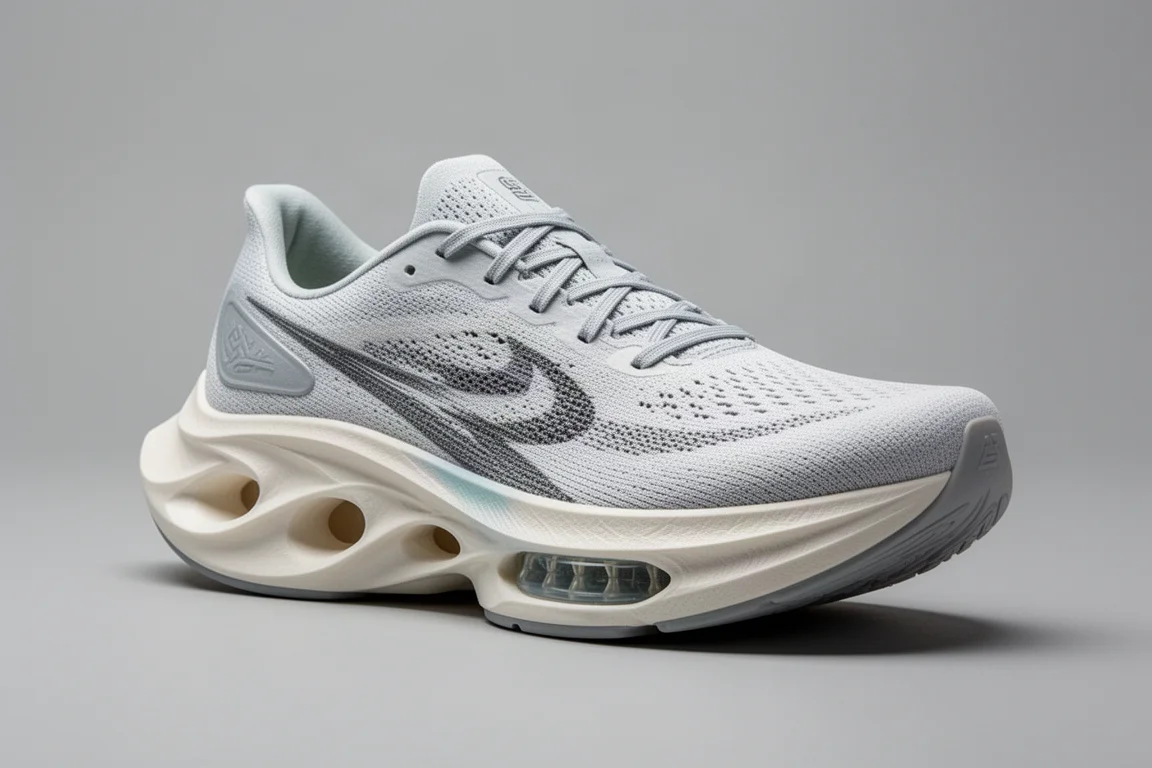
Choosing between these three comes down to how you plan to use them. The Puma Fast-R Nitro Elite 3 is for racers who want maximum propulsion at a newly competitive weight and are prepared for a premium price and possibly limited availability. The Adidas Boston 13 is the sensible backbone of the rotation, a durable rod-equipped trainer built to absorb big mileage and preserve your race shoes. The Nike Alphafly 4 is for marathoners who loved the third version and want a refined, potentially lighter update with more conventional lacing and better outsole coverage.
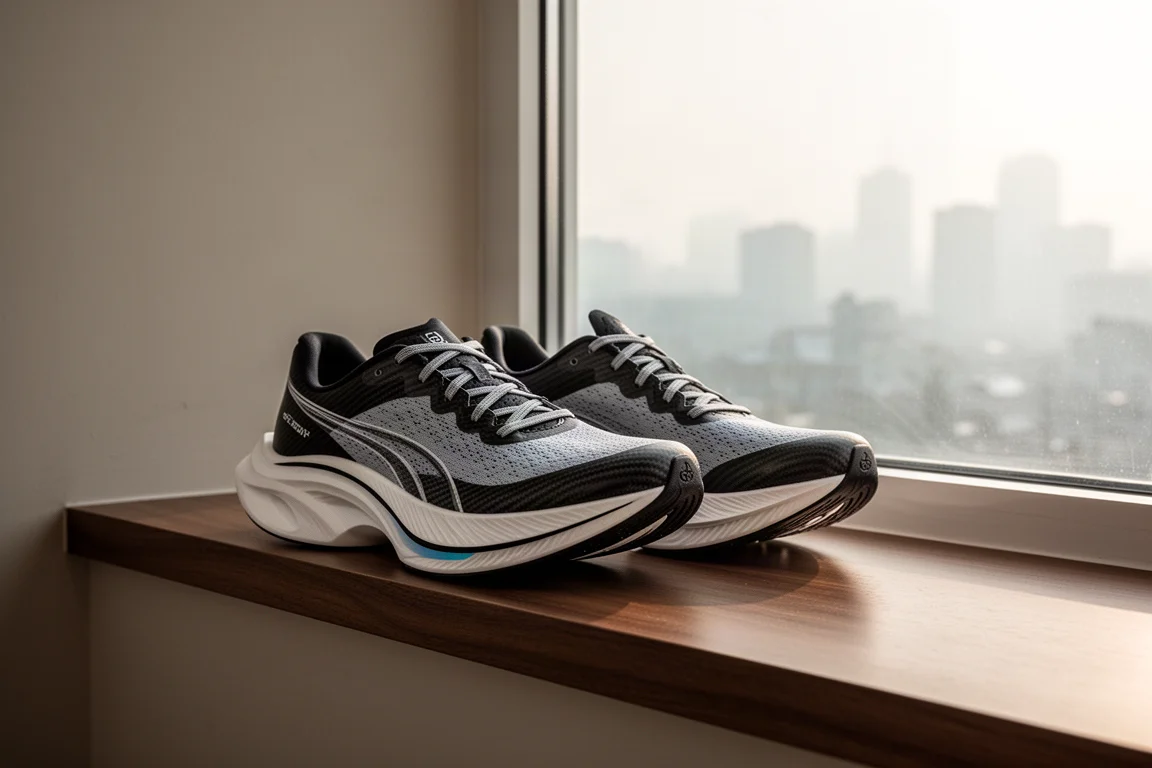
If you can only add one pair this year, match the shoe to your role: race day, training workhorse, or all-round marathon companion. All three models excel at exactly one of those jobs.
Conclusion
The 2025 lineup looks genuinely exciting. Puma’s dramatic weight reduction could make the Fast-R Nitro Elite 3 one of the lightest and most propulsive race shoes available, the Adidas Boston 13 becomes a properly positioned durable trainer with more premium foam underfoot, and the Nike Alphafly 4 aims to polish an already excellent race shoe with smarter lacing and improved durability. Each one addresses a real weakness of its predecessor, which is exactly what a good update should do.
Further reading
Related Reviews

Running Shoes
Best Road-to-Trail Running Shoes: Three Versatile Options for Mixed Terrain
A practical guide to three road-to-trail running shoes that handle both pavement and mild trails, with clear strengths and trade-offs for different runner types.

Running Shoes
Best Running Shoes for Achilles Tendonitis: Three Options Explained
Three running shoes with different heel drops and support features designed to help reduce Achilles tendon pain during walking and running.

Running Shoes
Best Running Shoes for Women: Five Top Choices Ranked
A ranked guide to five women's running shoes, from versatile daily trainers to high-performance racing options, with real strengths and trade-offs for each.