Running Shoes
Best Running Shoes 2023: A Buyer's Guide for Every Kind of Runner
From budget daily trainers to carbon-plated racers, a tested rundown of the running shoes worth considering this year, organized by what you actually need them for.
Introduction
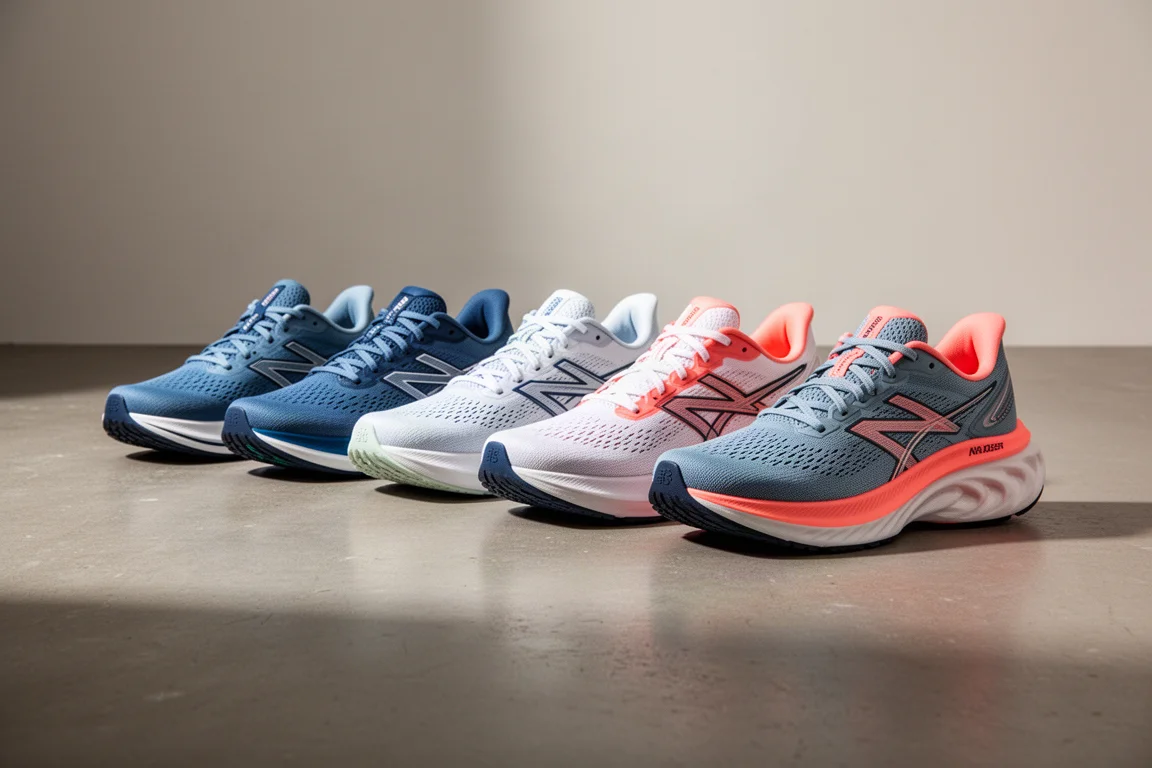
If you are getting into running, or your current pair is finally worn through, choosing a new shoe can feel overwhelming. Plenty of models have been tested over the past year, and this guide pulls together the ones that genuinely earned a recommendation, sorted by what you need them for: everyday training, long runs, faster workouts, and racing.
Beginner and Daily Trainers
For new runners, couch-to-5K types, or anyone logging easy miles for fitness and mental health, a good daily shoe should have a middle-of-the-road midsole, a versatile outsole for varied surfaces, and a moderate stack height. Not maximal, not minimal.
The Reebok Floatride Energy 5 is probably the best place to start. At around £75 in the UK, and often discounted, it scores highly on practically everything you want from a daily shoe: average softness in the midsole, a decent outsole for varied terrain, and a boatload of colorways to choose from.
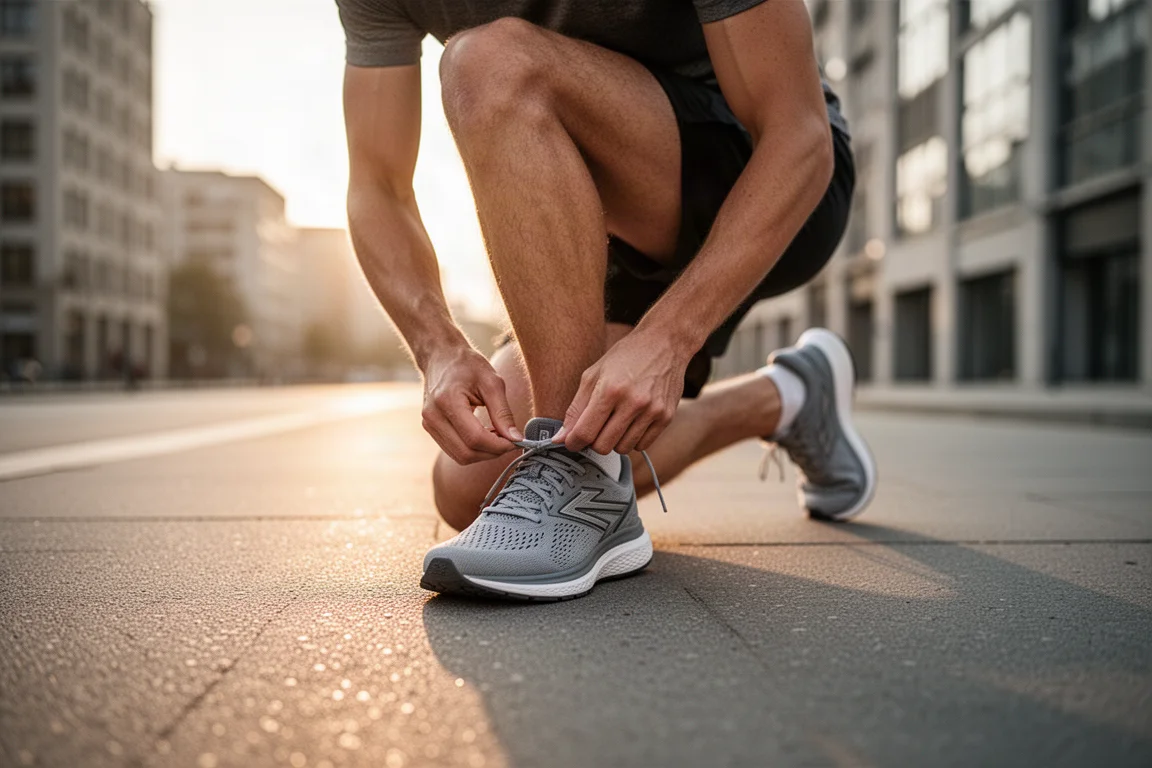
Beyond it in pure value, the Puma Velocity Nitro 2 is another strong pick, sometimes for as little as £40. Its midsole compression is a little more resilient than the Reebok, the upper is less constrictive, and the ride is a touch firmer while still feeling comfy and slightly more plush on foot.
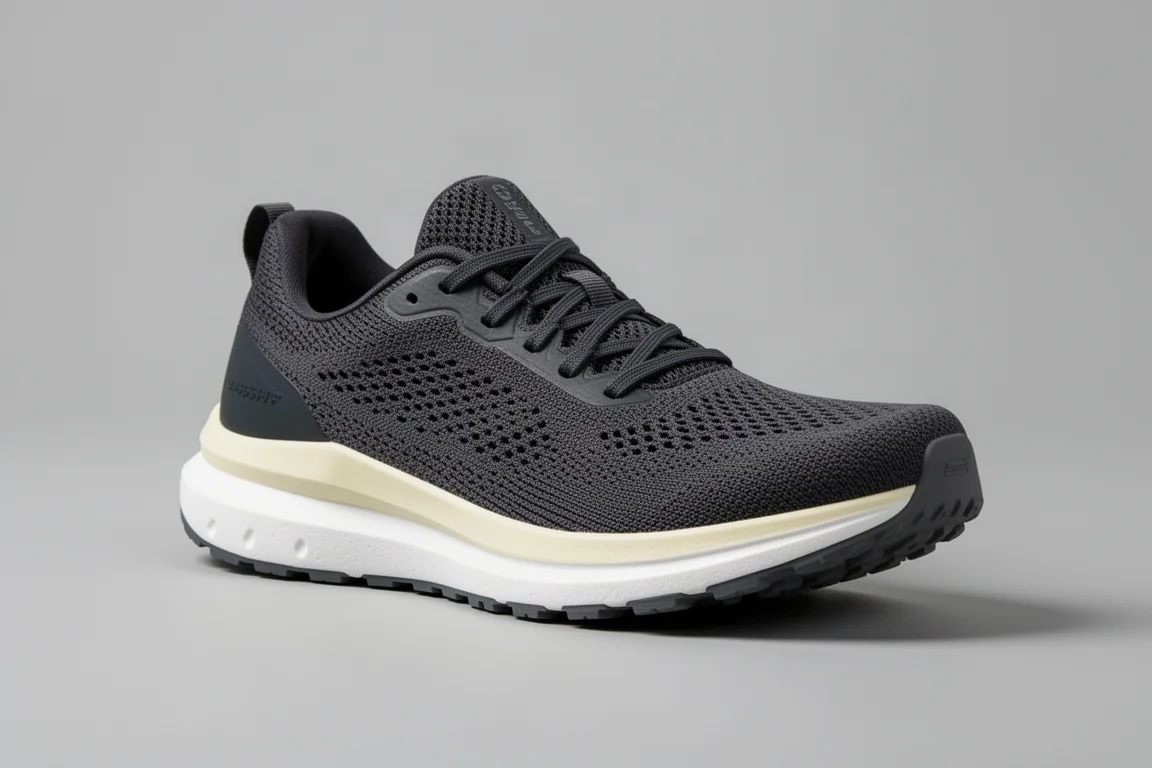
If you have a bit more cash, the Nike Pegasus 40 sits around the £100 mark and remains the do-it-all gold standard of Nike’s lineup. Air units in the forefoot and heel make the ride a little firmer but more responsive, the outsole is very versatile, and plenty of people even train and race in them at local events.
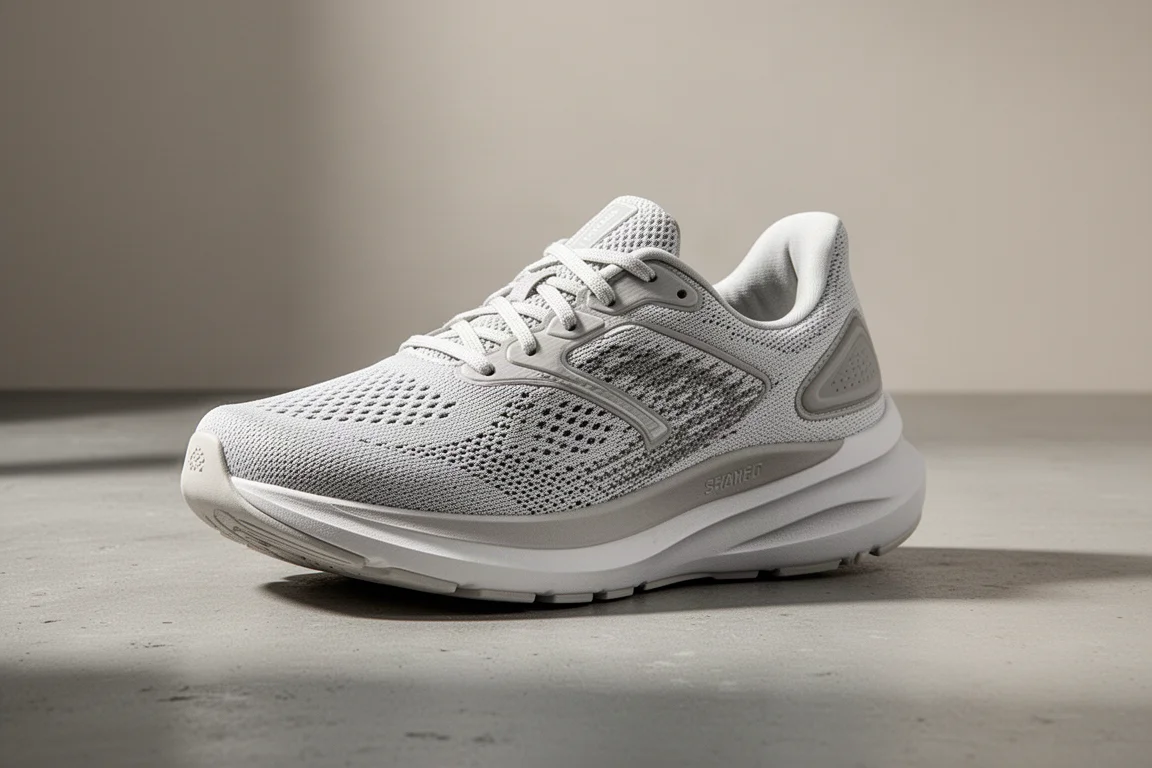
Adidas markets the Adizero SL as their daily shoe, but it felt a little too firm and is hard to recommend over the alternatives right now. Heavier-built runners looking for a daily shoe, though, have had lots of good things to say about the Ultraboost Light.
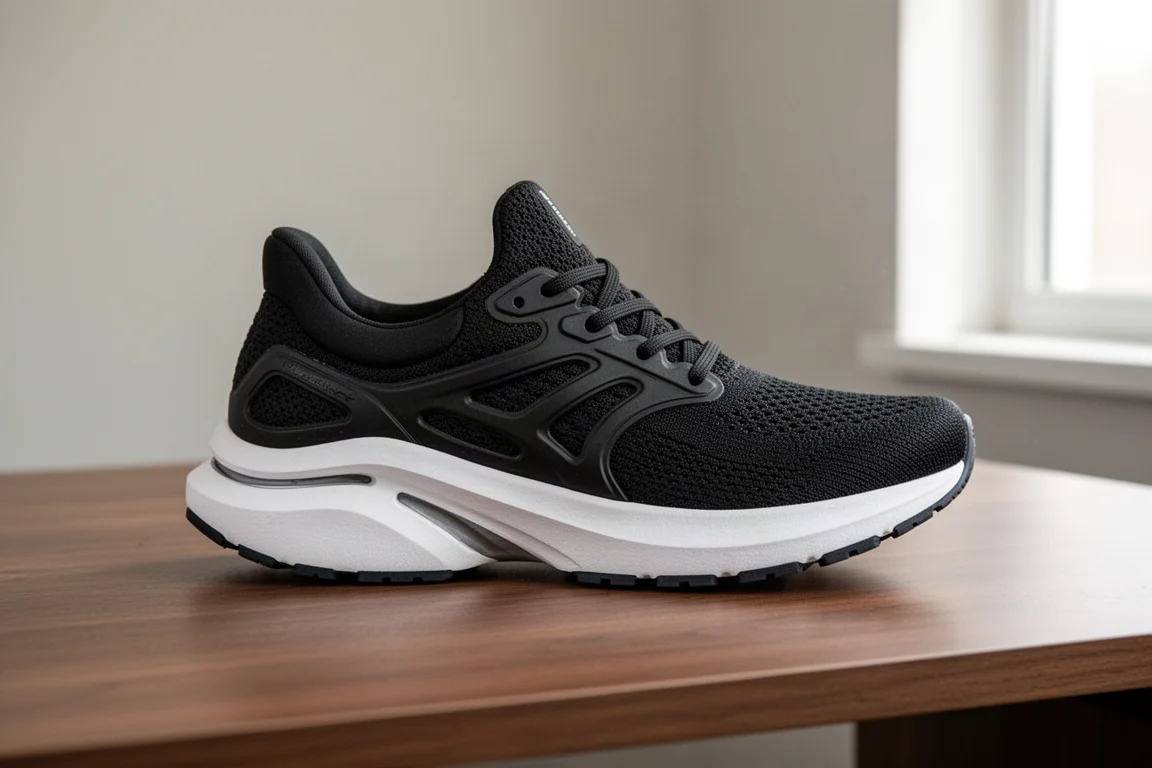
If you need a daily shoe with a bit more stability, the Puma ForeverRun Nitro is a subtle option rather than an in-your-face one. Despite the tall-looking midsole, it works as a daily driver, with stability elements that cup up and around the heel for direction and containment if you have pronation issues. It uses two types of Nitro foam and can be found for around £100.
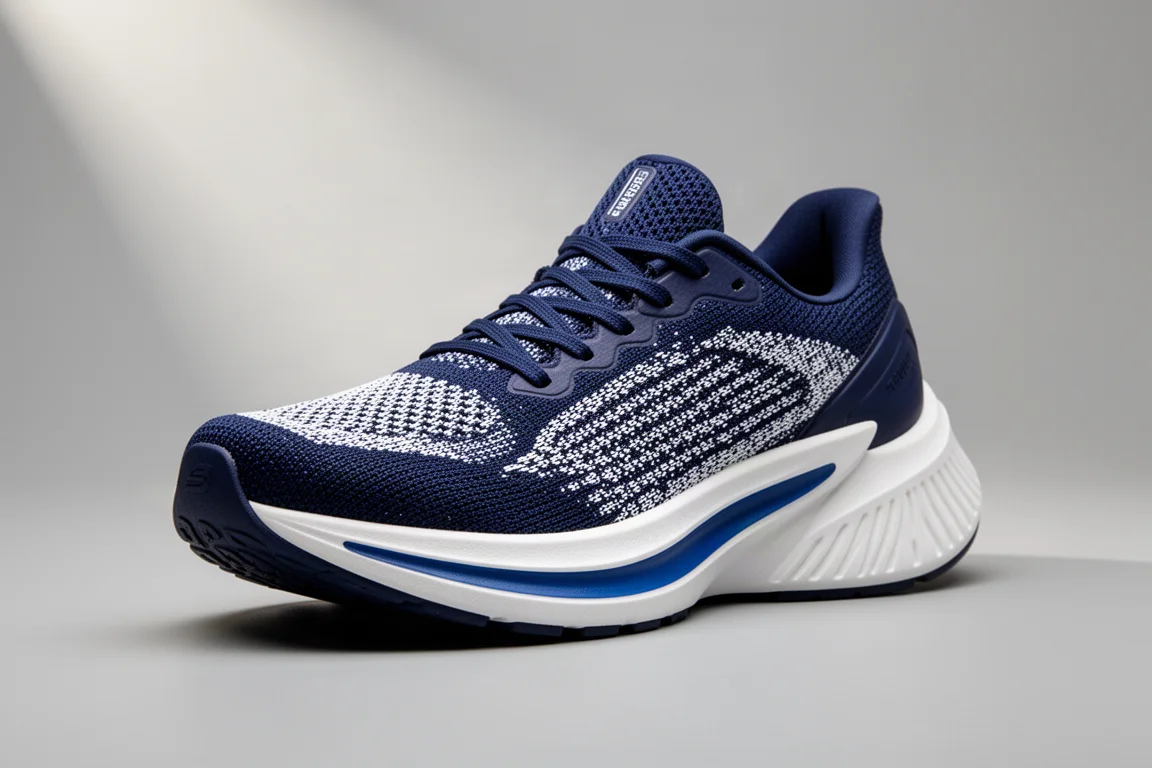
In short: for a daily shoe, look underneath first. Has it got an outsole that works on a variety of surfaces? You probably don’t want maximum stack, just something sensible in the middle.
Long Runs and Max Cushion
If you are training for a marathon, you will no doubt be entering the church of the Sunday long run: 16, 18, 20-plus miles. That calls for a more maximal stack to reduce impact, protect your legs, and aid recovery. There are a ton of options here, so this is a whistle-stop tour.

The Asics Gel Nimbus 25 offers a more stable long-run experience with a firmer, more consistent midsole and heel-incorporated gel to absorb shock. The heel collar is almost sofa-like, and viewers regularly praise the incredibly durable outsole. If you are lucky, discounts bring it down to around £125.
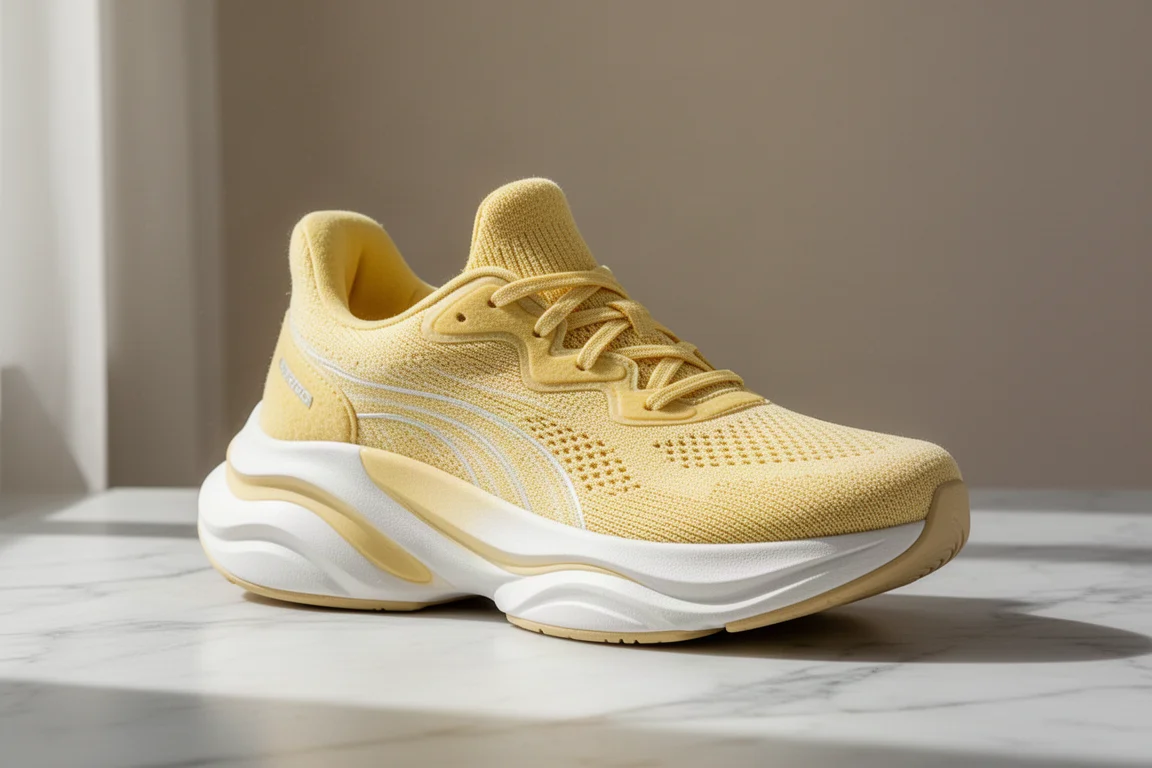
The Puma Magnify Nitro 2, recently released, is a little lighter and more nimble than the Nimbus 25, though the toe box is a downside. It feels less firm than the Nimbus’ foam, comes in around £120, and sits just shy of a 40mm stack without feeling quite so present on foot.
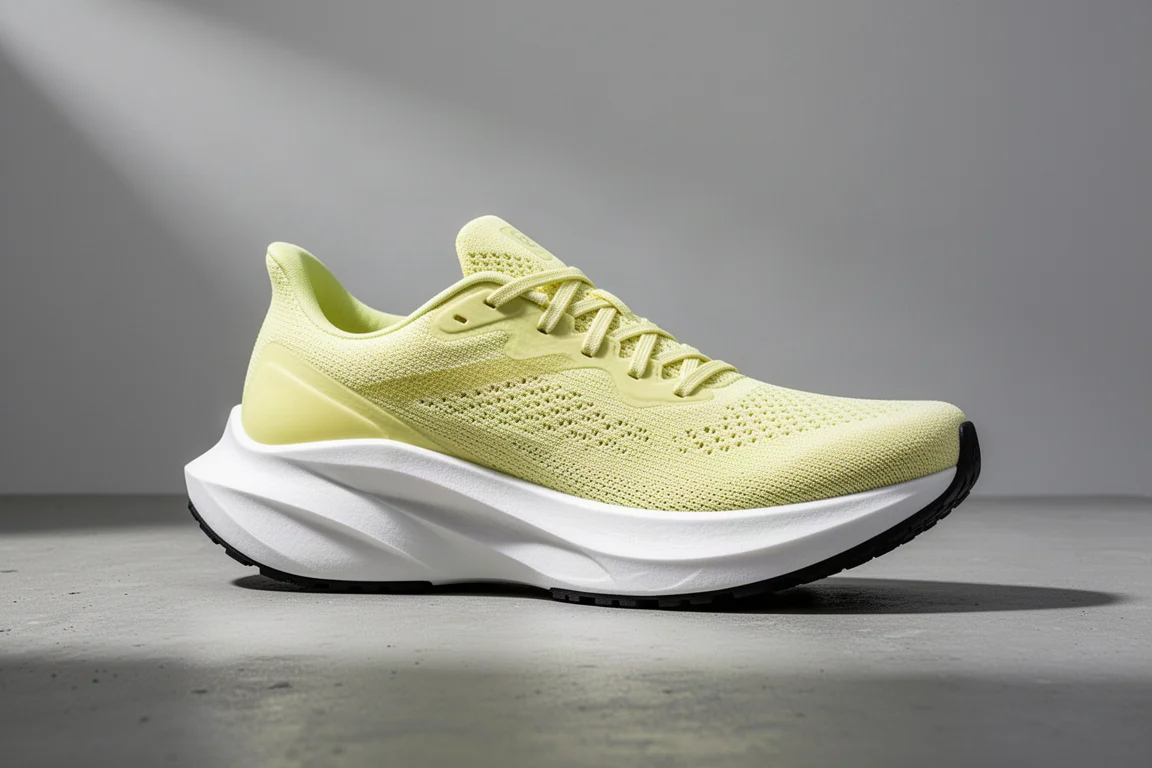
The Saucony Triumph 21 is another non-plated shoe with lots of cushion and a lovely middle-of-the-road max cushion vibe. The PowerRun Plus material is not too squashy, has nice bounce, and the fit is daily-shoe friendly, so you could genuinely use it every day. It uses the same foam in the midsole and insole, keeping things light and nimble.
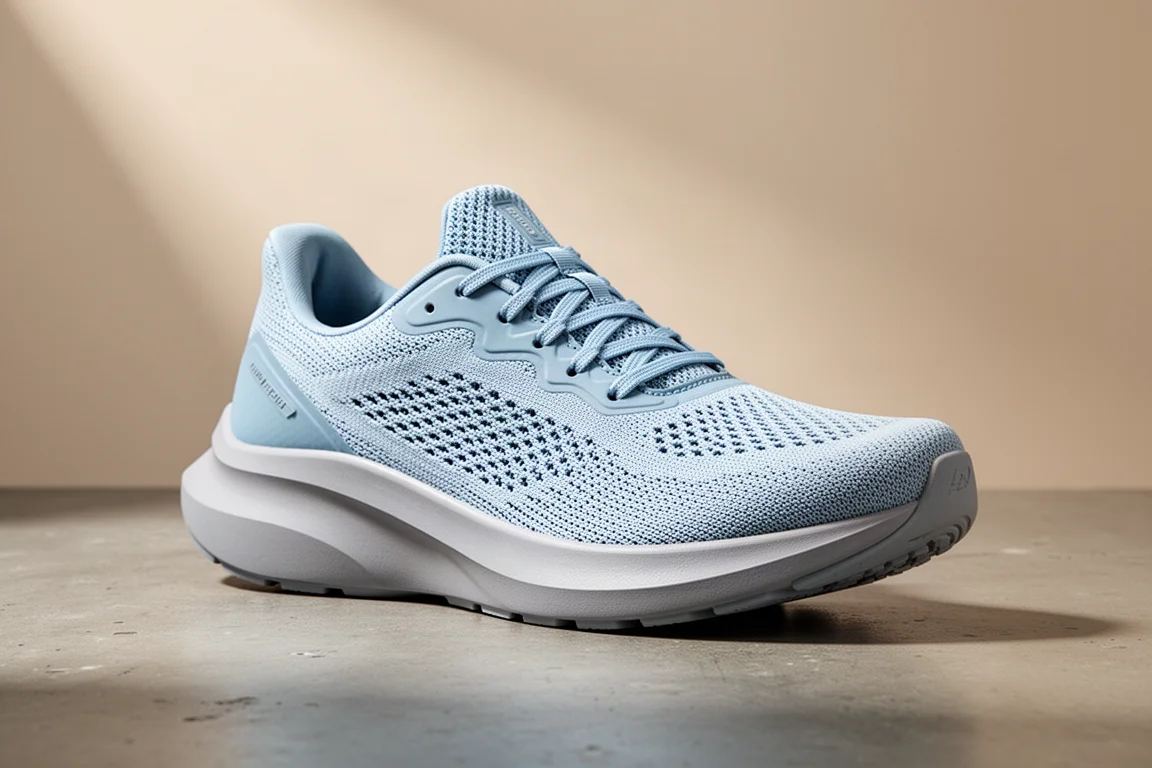
An absolute banger up next: the Asics Superblast, one of the best shoes reviewed this year. Super light, super durable, with an exciting midsole combination. It works as a max cushion long-run shoe but also feels like something you could race in. It saved my legs walking around London ahead of a PB attempt the next day. At £200 it is one for runners who are more invested, but it is remarkably versatile.
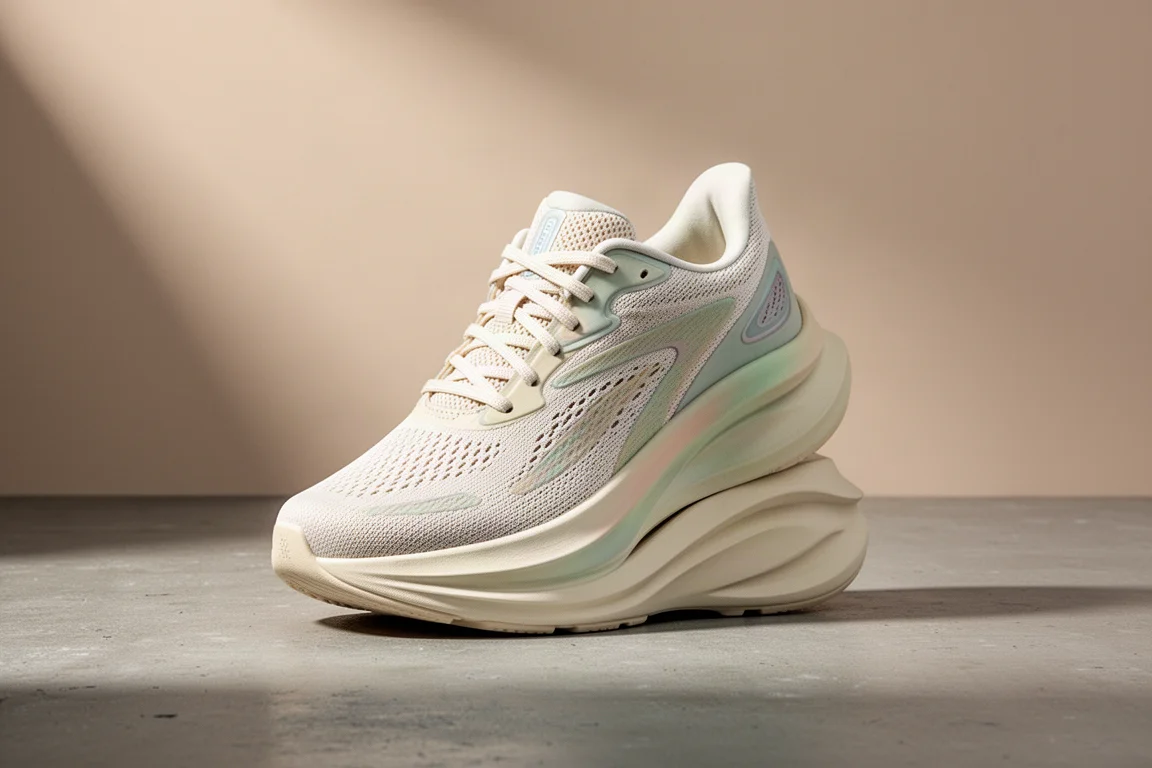
For pure max cushion, it is almost impossible to overlook the Nike Invincible Run 3, the king of cushion and squash. The outsole is amongst the best for this type of use, with real depth, though it is on the heavier side. At around £180 depending on colorway, it is a love-it-or-hate-it shoe: some find it too squashy, others a brilliant long-run companion. The Superblast may well dethrone it by the end of the year.
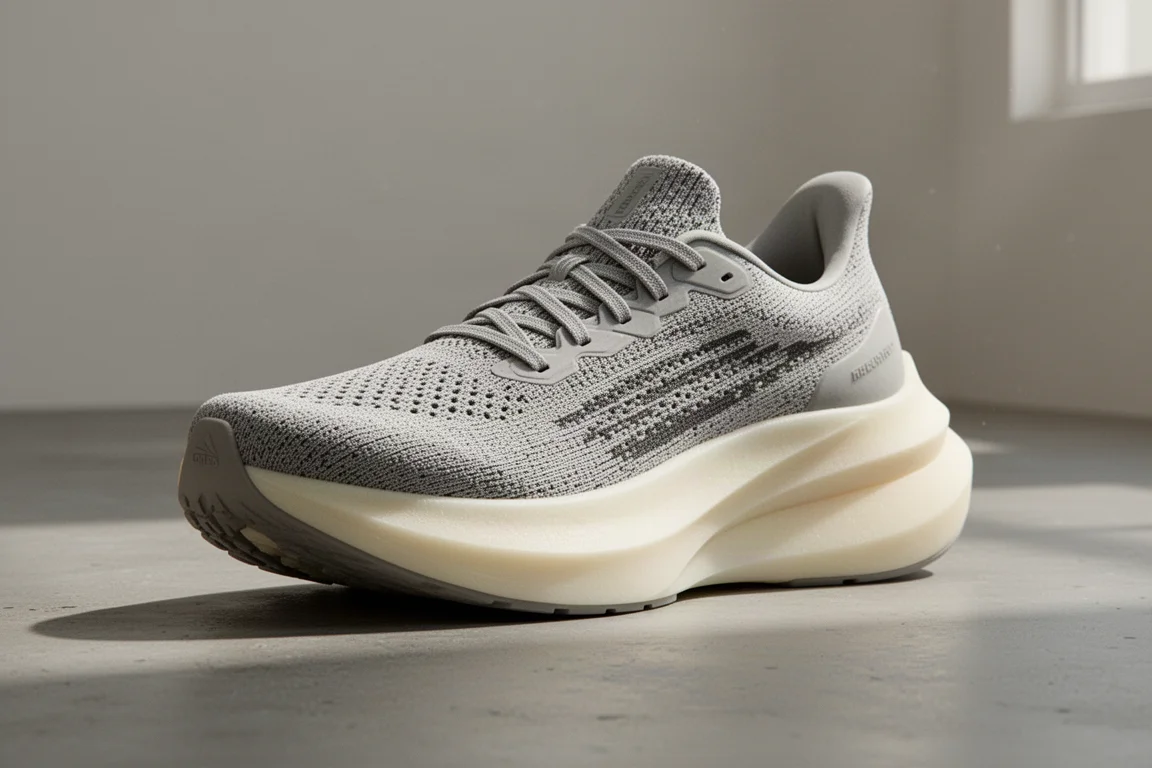
Speed Workouts and Tempo Shoes
At the opposite end of the spectrum are the lower, more nimble shoes for speed workouts, closer to the ground with more response.
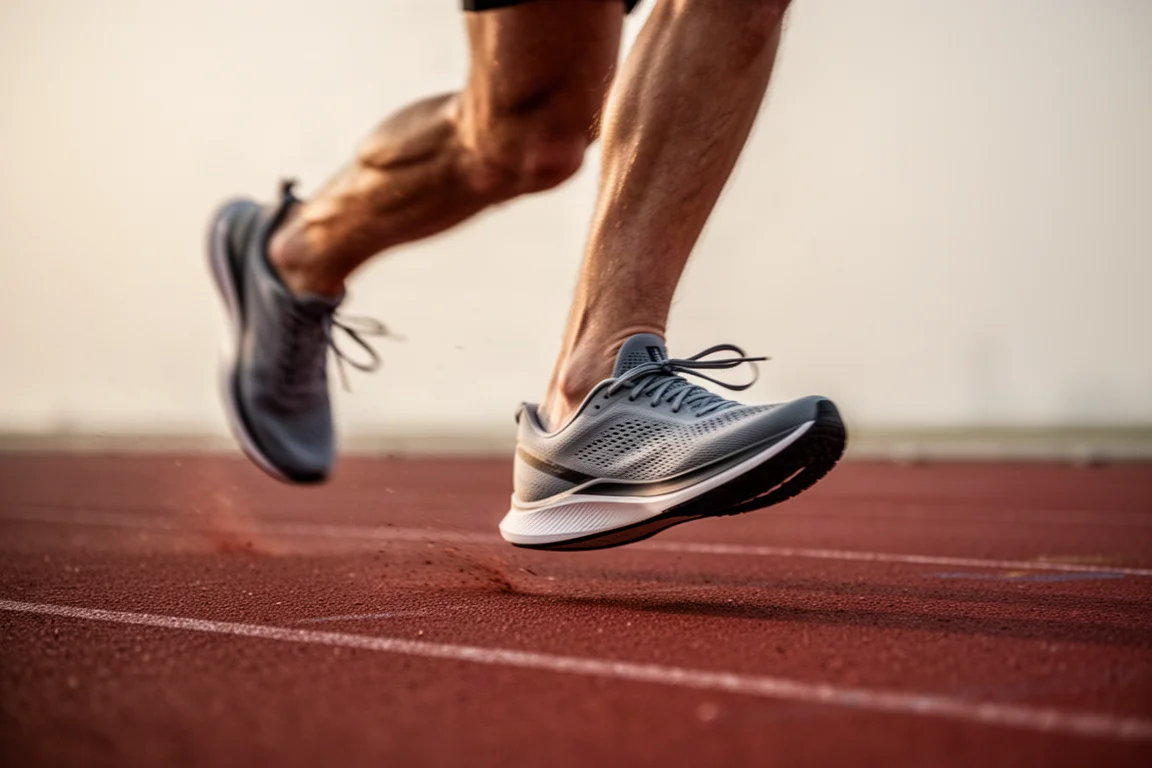
The Adidas Adios 8 fits that mold perfectly. Very low weight, a glove-like upper fit for racing and training, and a really sticky, grippy Continental rubber outsole. It uses two of the brand’s softer midsole materials: Lightstrike 2.0 in the heel and Lightstrike Pro in the forefoot. At £120 it is great value for pace workouts and even some racing.
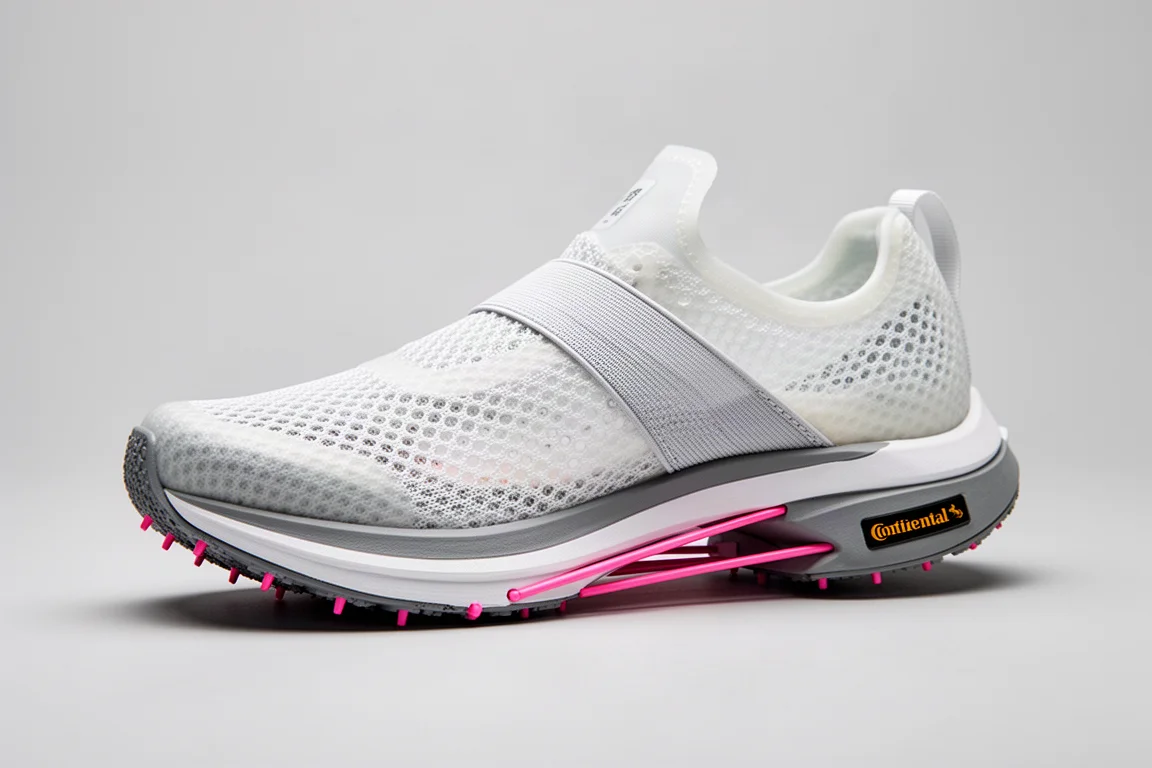
The Brooks Hyperion is very similar in stack to the Adios 8, with a nitrogen-infused midsole and really sticky rubber on the outsole. The fit is super simple with a lower profile, and durability expectations are high given how well the previous Hyperion Tempo held up. More miles are still going in, but this one looks like a recommendation in the making.
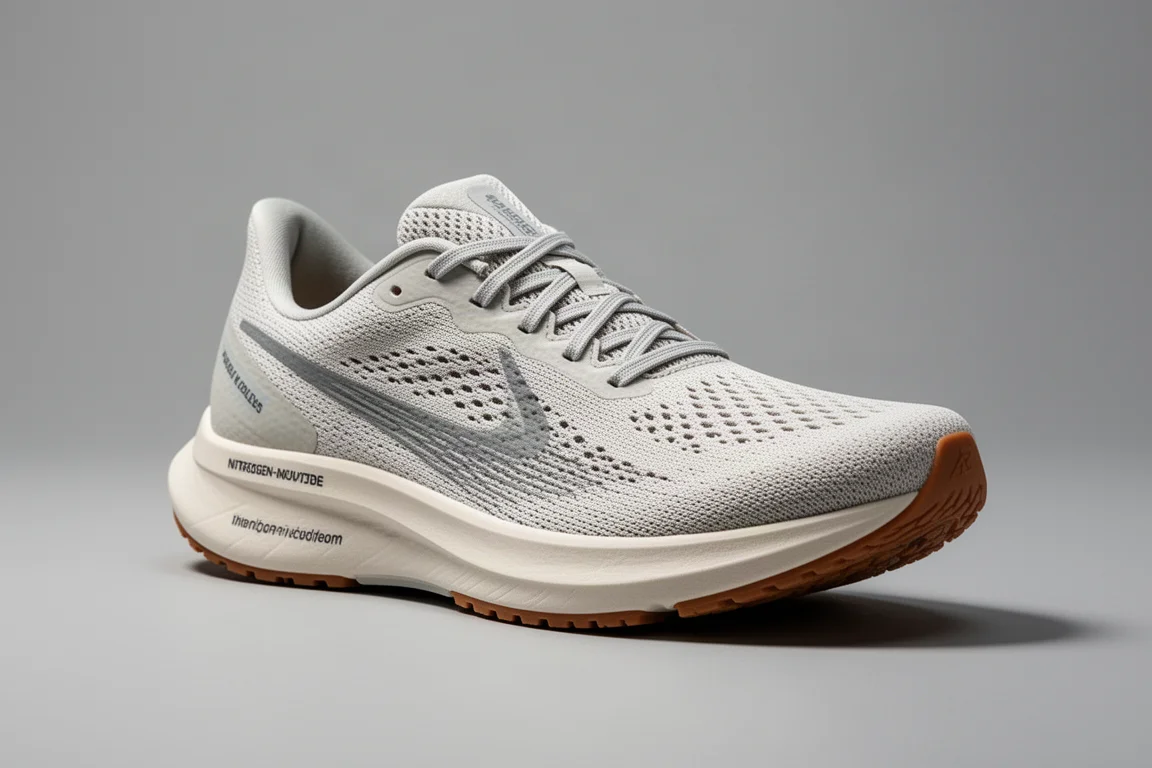
For extreme value, look to the Puma Liberate Nitro 2 at around £80. It has a slightly lower drop than other Puma shoes, feels like a shoe you want to go fast in, and is well set up for 5K or 10K racing and even track work. It is best suited to lighter rather than heavier-set runners, and if you want something nimble that disappears on foot, this is it.
Plated Trainers with Nylon and Composite Plates
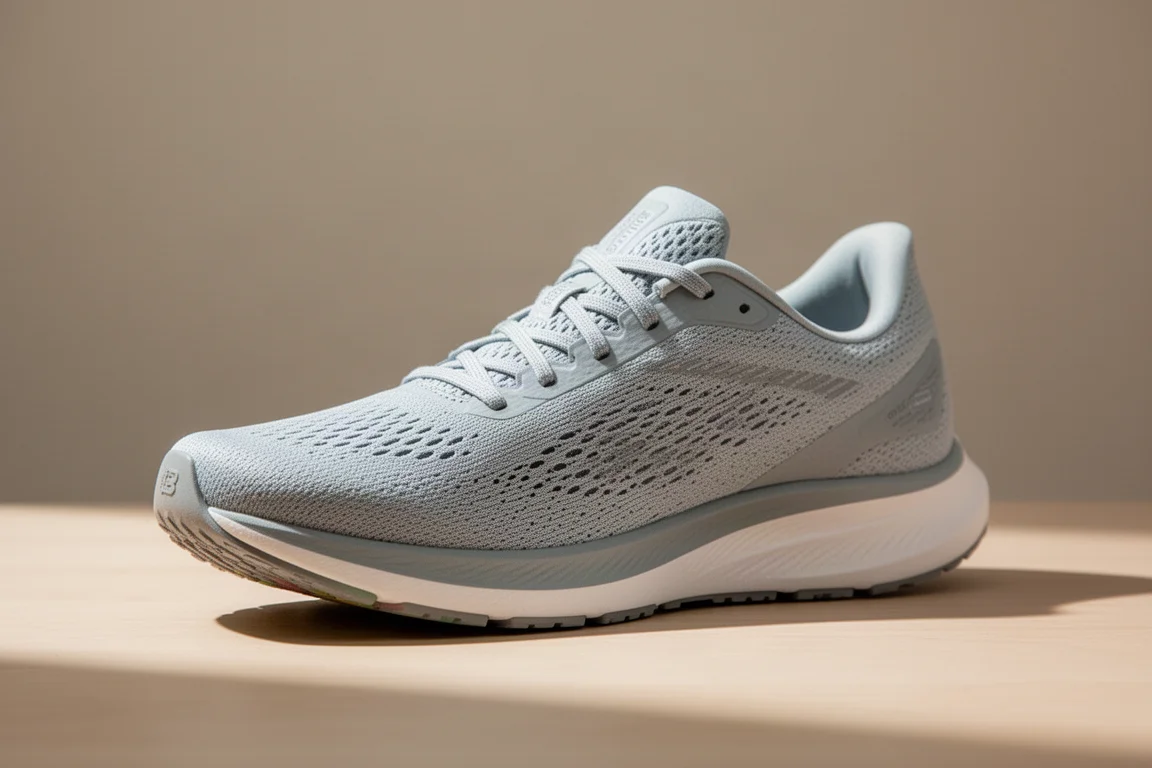
Plated shoes come in two types: nylon or composite plated shoes, and carbon plate shoes for high-speed training or racing. A few tested options could save you some money.
The Puma Deviate Nitro 2 has a composite carbon plate and more compressive foam elements, making it a great, versatile shoe that suits a wider range of runners than more rigid designs. The plate adds a little flexibility, and Puma’s outsole rubber is rock solid with lots of grip. Shop around and you can find it for about £100, though discounts vary by retailer and colorway.
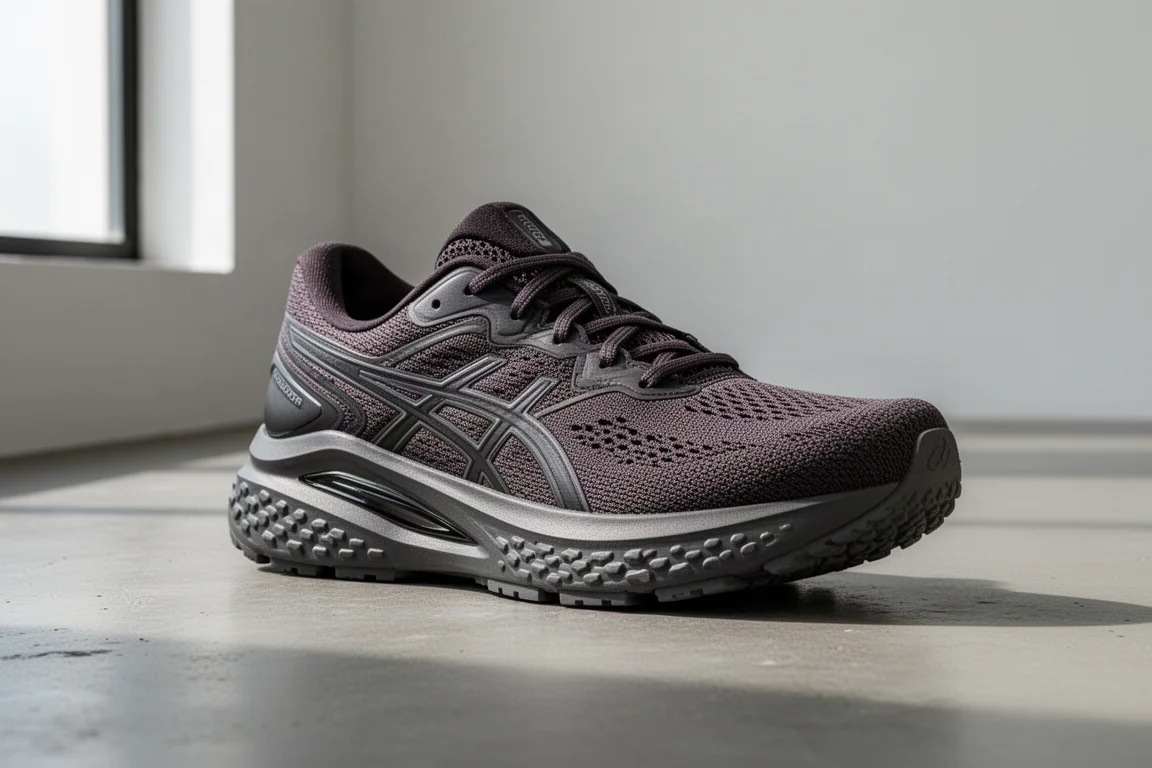
The Saucony Endorphin Speed 3 hits the same spot with a nylon plate, expanded in the midfoot area to improve stability. If you want a very squashy, compressive yet reasonably stable midsole, look no further. It is much lighter than the Deviate Nitro 2 and feels very different on foot: more squash where the Puma has more rebound. One limitation: the exposed midsole area on the outsole may limit durability. Often discounted to around £115, it is great value and has some race potential too.
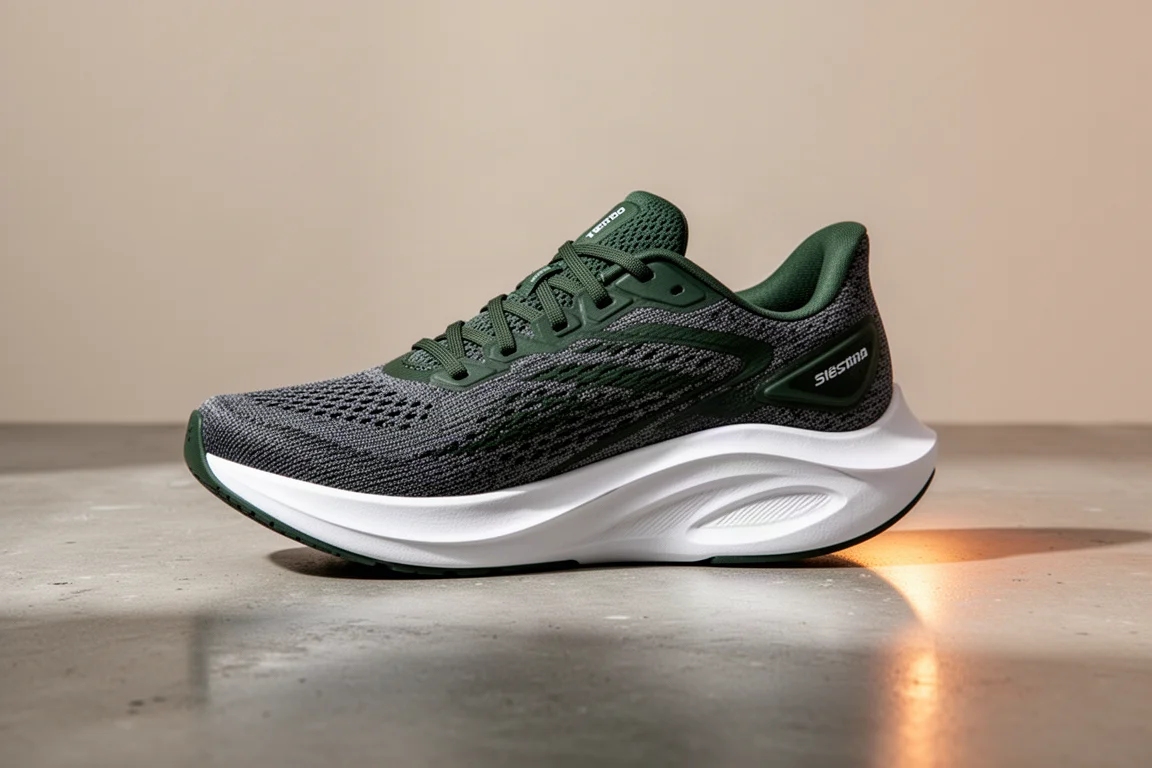
A bit of an outlier is the Nike Zoom Fly 5. It was not a personal favorite, though many love it. Nike positions it firmly as a trainer rather than a racer, with denser cushioning from chopped-up ZoomX foam. Shop around and it can be found for as little as £110. Think of it as a more controlled plated shoe with less squash.
Carbon Plated Race Shoes
In 2023, carbon plate shoes are all a bit of a muchness. Everyone copied the design from a few years back, and every brand has one now. These are the highlights.
The Hoka Rocket X 2 stands out with a low 5mm heel-to-toe drop and super soft foam, a welcome update to Hoka’s race lineup. The plate provides a bit of stability over that soft foam plus propulsion as you toe off. The catch is a particularly unmovable £220 price tag, so hunt for a discount code if this one appeals.
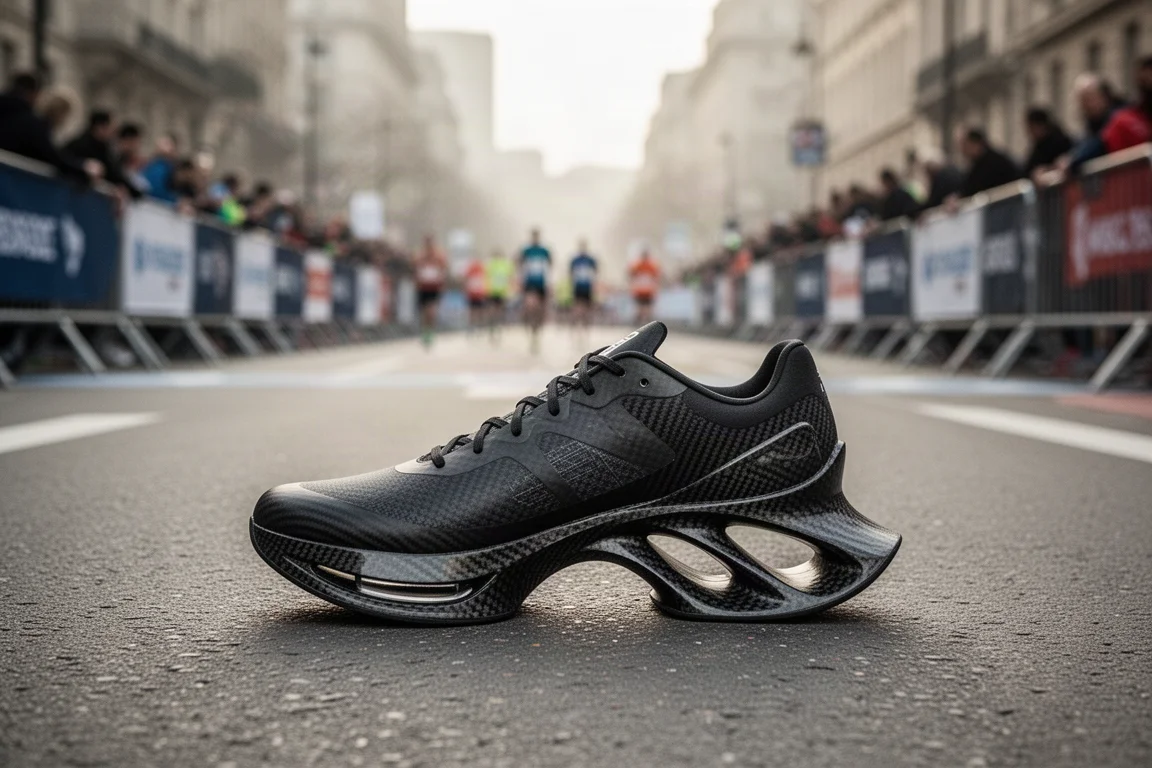
The Puma Deviate Nitro Elite 2 is another carbon shoe that earned real affection over the past year. Soft yet controlled cushioning, a brilliantly simple upper, and at £180 it is actually good value and one of the most versatile plated shoes on the market.
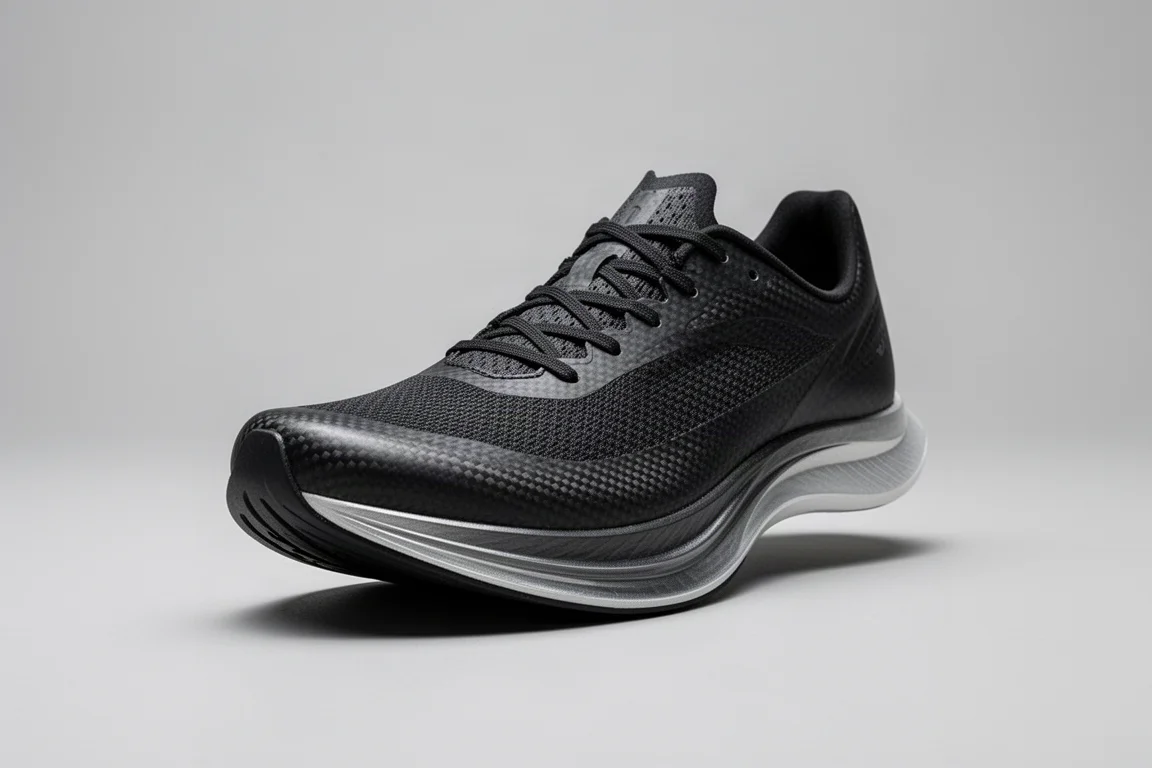
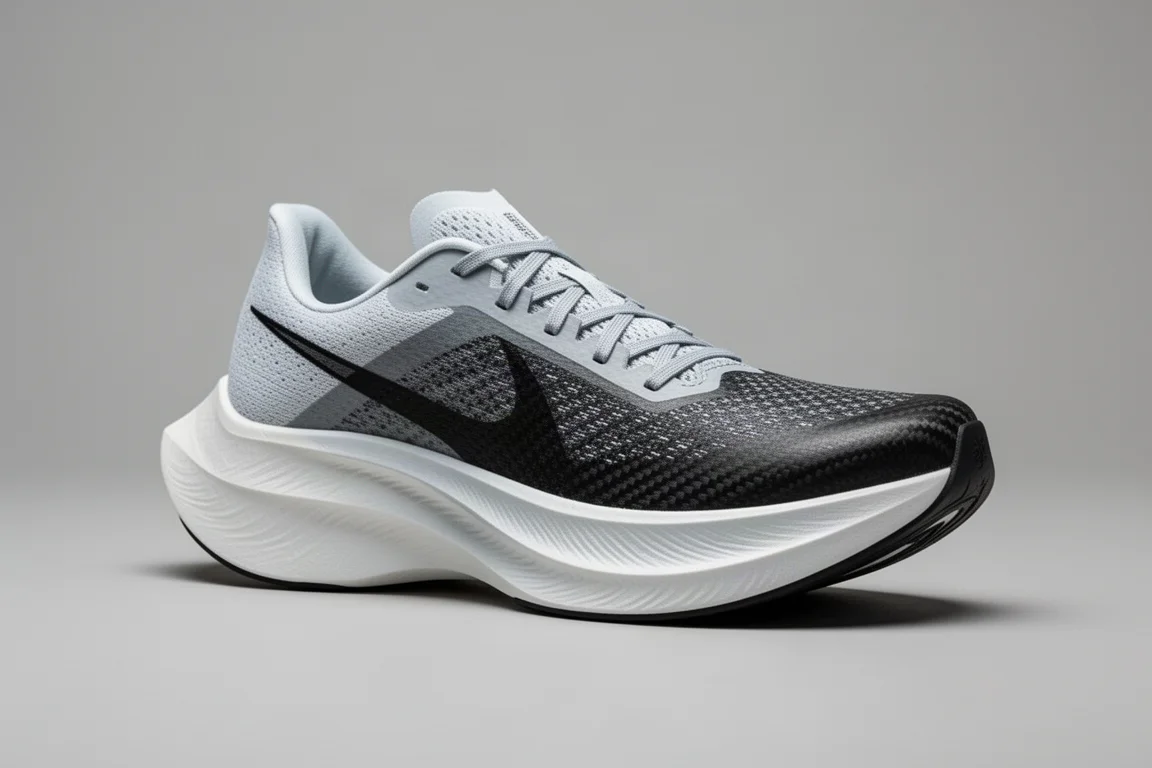
The Nike Vaporfly 3 grew on me over time. It is super light, though less stable in the heel than the two shoes above, and when it comes to bounce and leg-saving ability it is right up there. At £235 you have to be pretty invested to pick one up, so maybe leave it down the line if you are newer to racing.
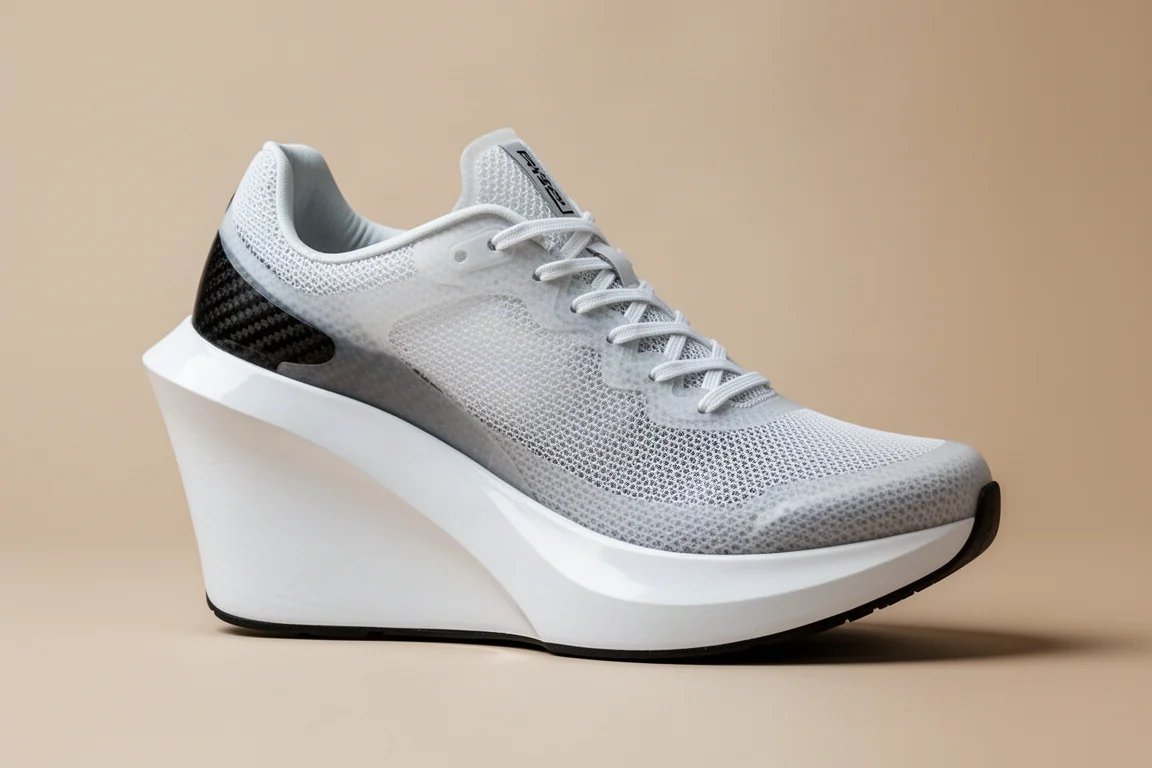
If you want something different from the big obvious brands, the Under Armour Flow Velociti Elite is proving very durable, likely thanks to its dual-layer midsole: a softer section on top of a firmer, more resilient Flow material underneath. It has been enjoyable for reps and intervals at faster paces, and it is a bit of an overlooked shoe. Grab one at discount and it is worth a try.
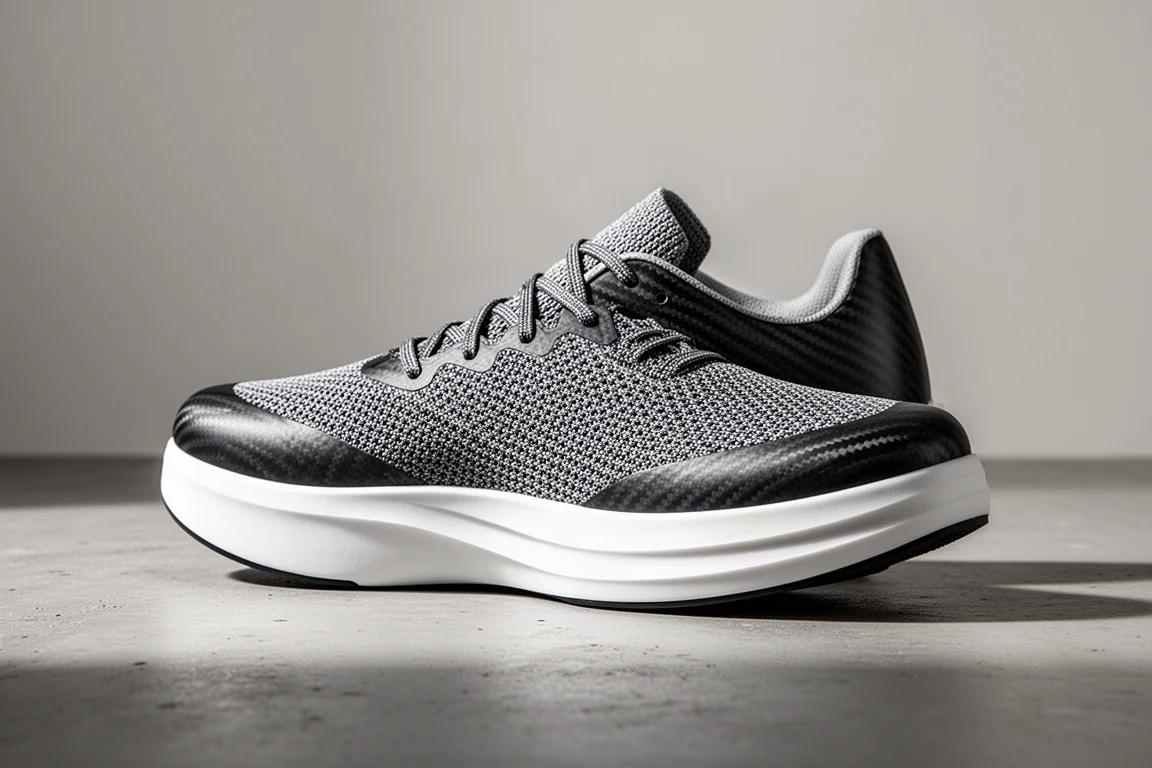
Max Cushion Plus Plate: The Wildcards
The Adidas Prime X Strung towers above most shoes in terms of stack height, with a new upper made from 3D-printed yarns. It demands a genuinely neutral runner: any stability problems and it could expose weaknesses in your ankles, knees, and general strength and balance. It is also extremely expensive at £230, so beginners are far better served by the Reebok or the Pegasus.
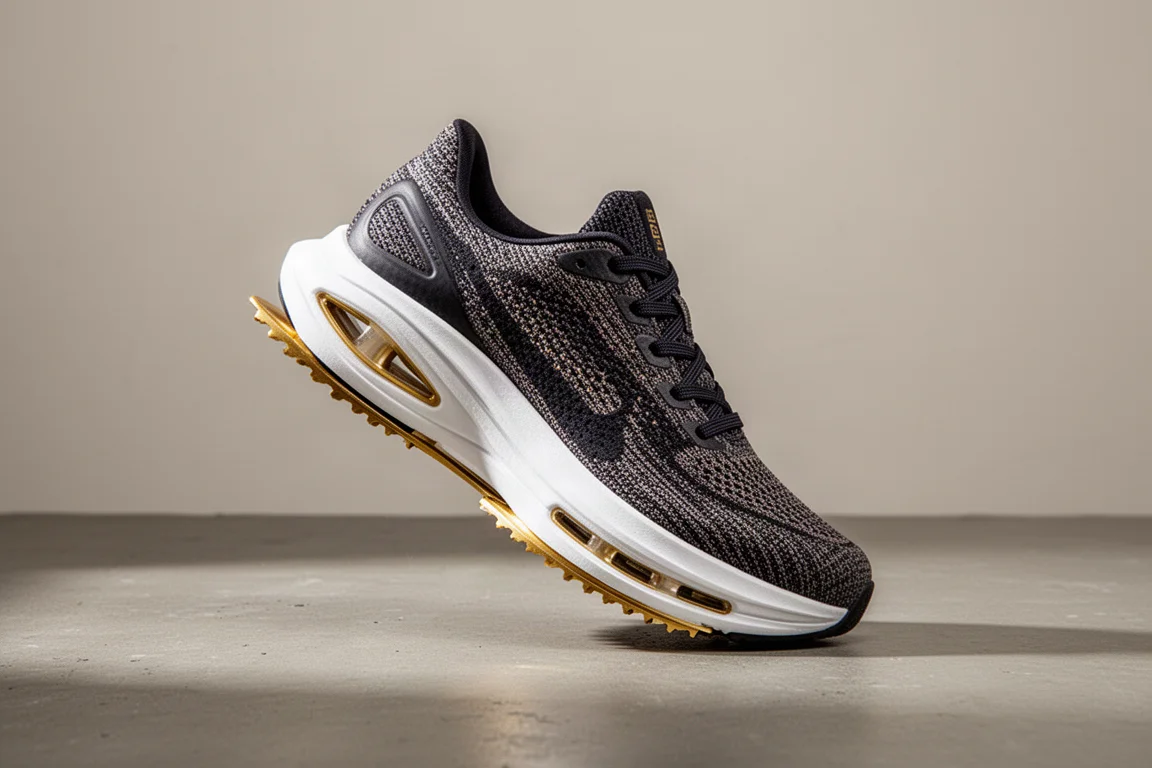
The Nike Alphafly 2 is probably outgoing right now. Experiences with it were mixed, and at its retail price it is hard to recommend. It may come down in price once its successor launches, so patience could pay off here.
Buying Advice
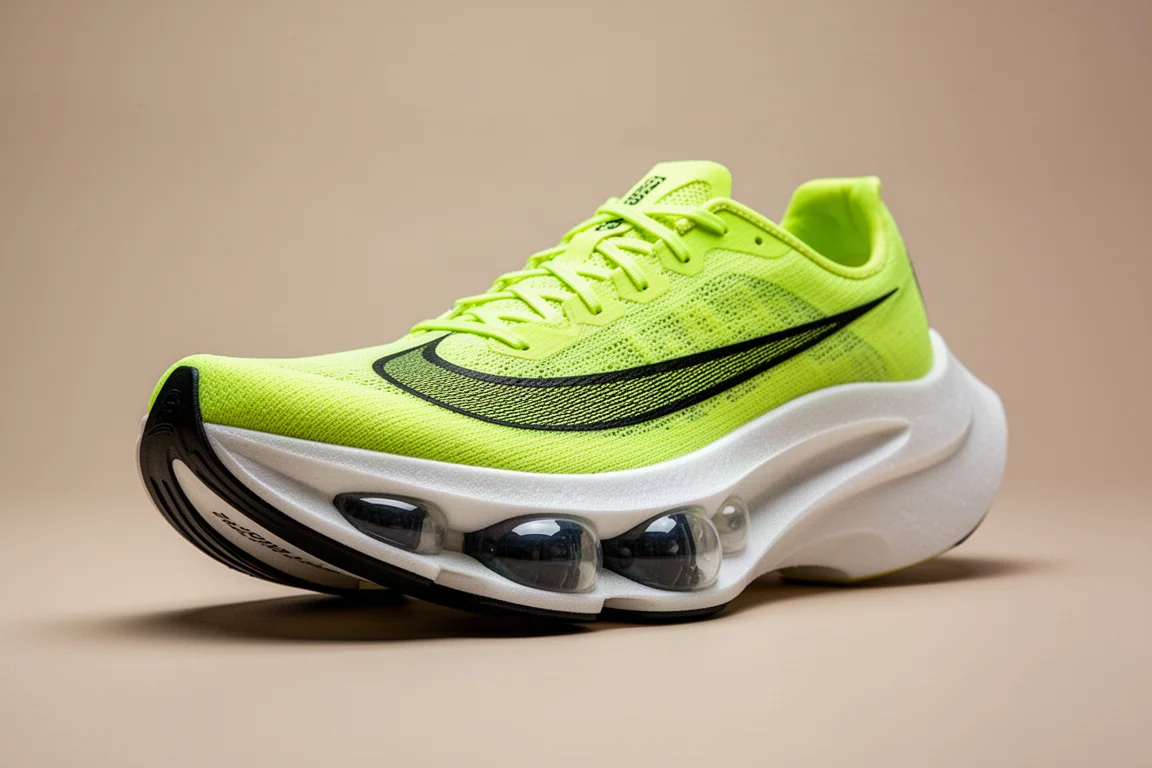
Match the shoe to the run. Daily trainers should have versatile outsoles and moderate stacks. Long-run shoes need max cushion to protect your legs. Speed days reward low weight and responsiveness, and carbon race shoes are only worth the investment once you know you will actually use them. Discounts are common across almost every model here, so shopping around genuinely pays.
Conclusion
The Floatride Energy 5 and Velocity Nitro 2 remain standout value for beginners, the Superblast and Invincible Run 3 dominate long runs, the Adios 8 and Liberate Nitro 2 cover fast days, and the Deviate Nitro Elite 2 is arguably the most versatile carbon race shoe out there. Pick the shoe that fits the running you actually do, and you can’t go far wrong.
Further reading
Related Reviews

Running Shoes
Best Road-to-Trail Running Shoes: Three Versatile Options for Mixed Terrain
A practical guide to three road-to-trail running shoes that handle both pavement and mild trails, with clear strengths and trade-offs for different runner types.

Running Shoes
Best Running Shoes for Achilles Tendonitis: Three Options Explained
Three running shoes with different heel drops and support features designed to help reduce Achilles tendon pain during walking and running.

Running Shoes
Best Running Shoes for Women: Five Top Choices Ranked
A ranked guide to five women's running shoes, from versatile daily trainers to high-performance racing options, with real strengths and trade-offs for each.