Running Shoes
Best Running Shoes in the $145-$160 Range: 10 Trainers Worth Your Money
Ten daily trainers between $145 and $160, from max-cushion cruisers to lightweight tempo options, with honest strengths and trade-offs for each.
Introduction
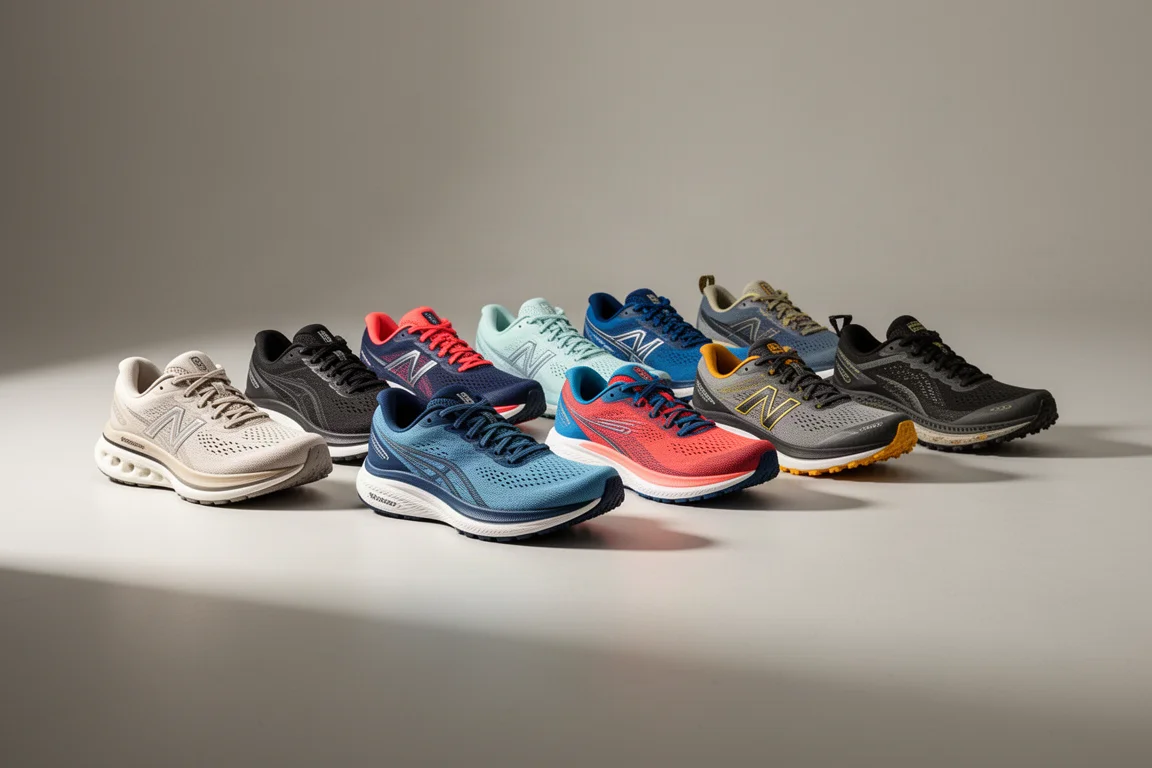
The $145 to $160 window has quietly become one of the most competitive corners of the running shoe market. Instead of stripped-down budget trainers, this price band now includes premium foams, race-day weight savings, and even road-to-trail hybrids. Below are ten shoes that stand out in this range, each with a clear reason to buy and a few trade-offs to know before you spend your cash.
New Balance Elipsee: The Run Club Cruiser
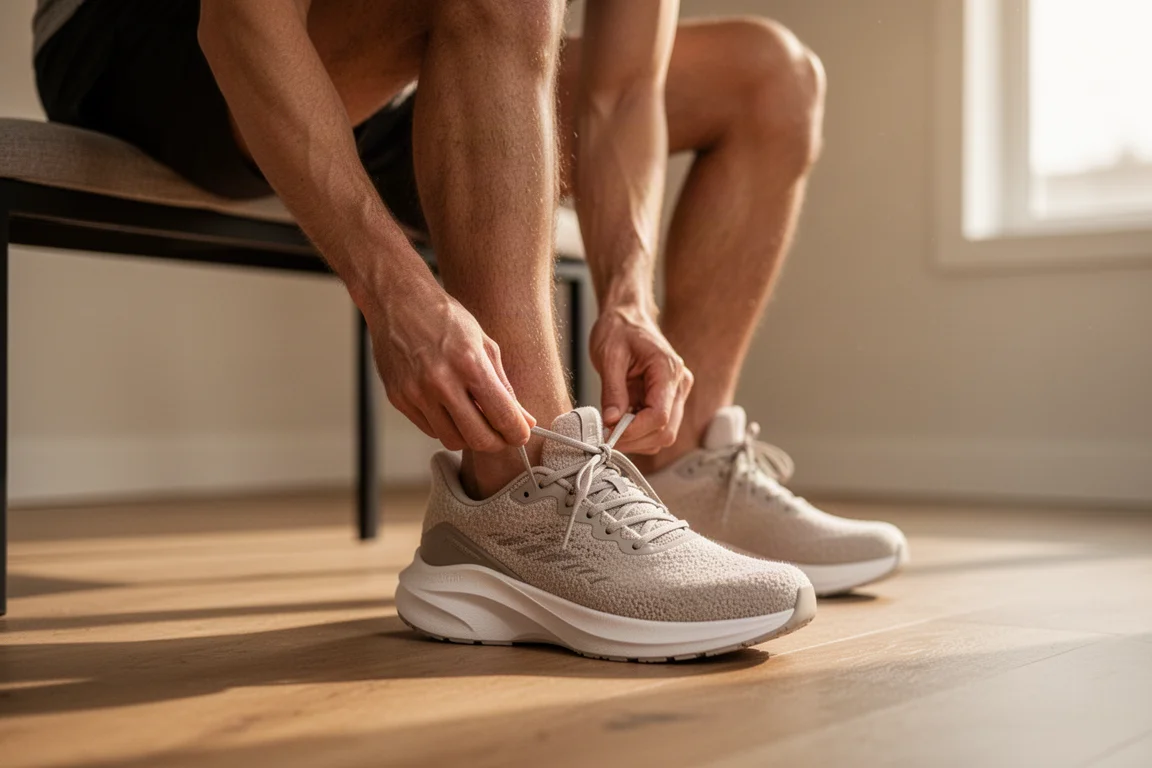
The Elipsee is a brand-new shoe from New Balance this year, built on the Fresh Foam you already know. It uses a supercritical EVA foam and leans firmly into the soft, comfortable side of daily training. One tester’s women’s 7.5 came in at 7.6 oz, while a men’s 10.5 landed at 9.9 oz, which is respectable for a daily trainer.
Think of it as a club shoe: three easy miles, then coffee or beers afterwards. It has enough cushioning to handle longer runs and holds up fine, even if the ride never truly wows you. The feel is closer to the previous Fresh Foam 1080 v14 than the current model, and it doubles as a genuinely comfortable all-day shoe that you can wear from a morning run straight through the workday. Multiple colorways are available if the default options are not your style.
Puma Pure: Lightweight Up-Tempo Option
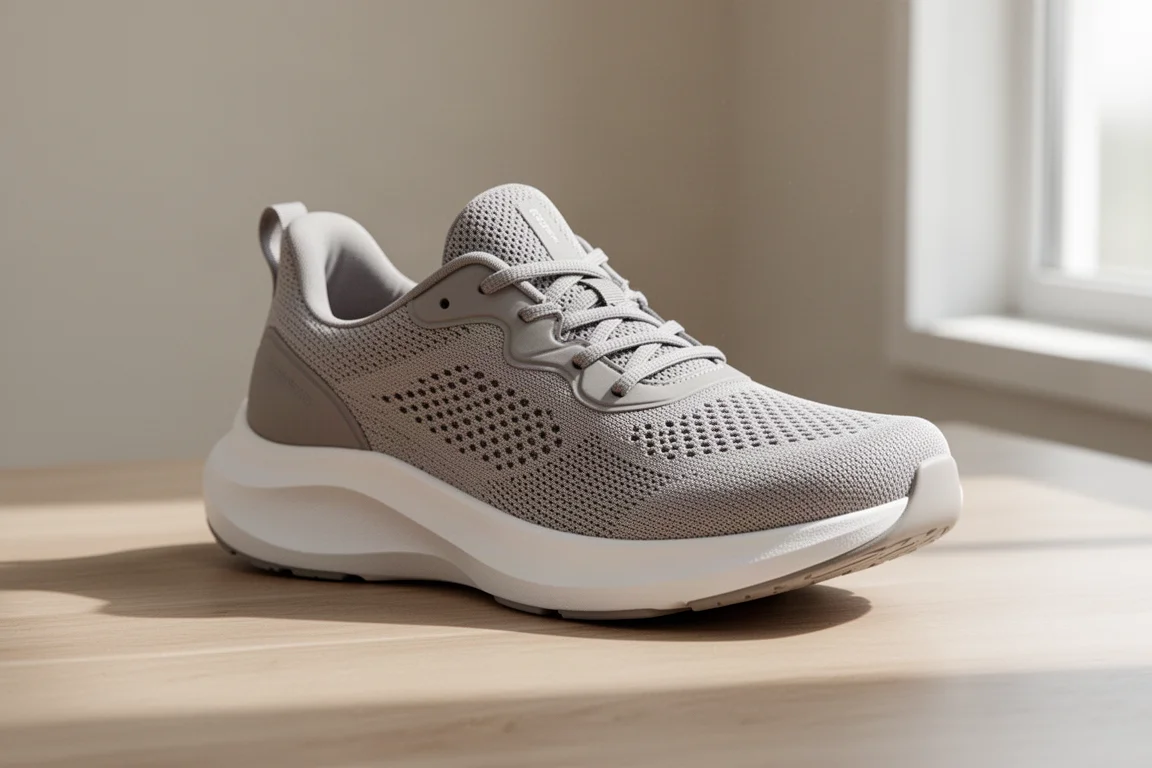
The Puma Pure, at $150, is a different beast: a lightweight, up-tempo daily trainer that gets close to race-day weight. A men’s 10.5 weighs 7.9 oz and a women’s 7.5 just 6.4 oz, thanks to a nitrogen-infused PEBA midsole that Puma markets as Nitro foam.
Puma’s famously tacky grip outsole is here, and durability looks solid, with nitrogen-infused foams generally holding up well. Puma positions it for faster paces, and while it works for easy days too, it lacks the snap and toe-off punch of a plated shoe like the Deviate. The lightweight build makes up for that, and the upper is one of the best tested this year.
Adidas Evo SL: The Popular Pick
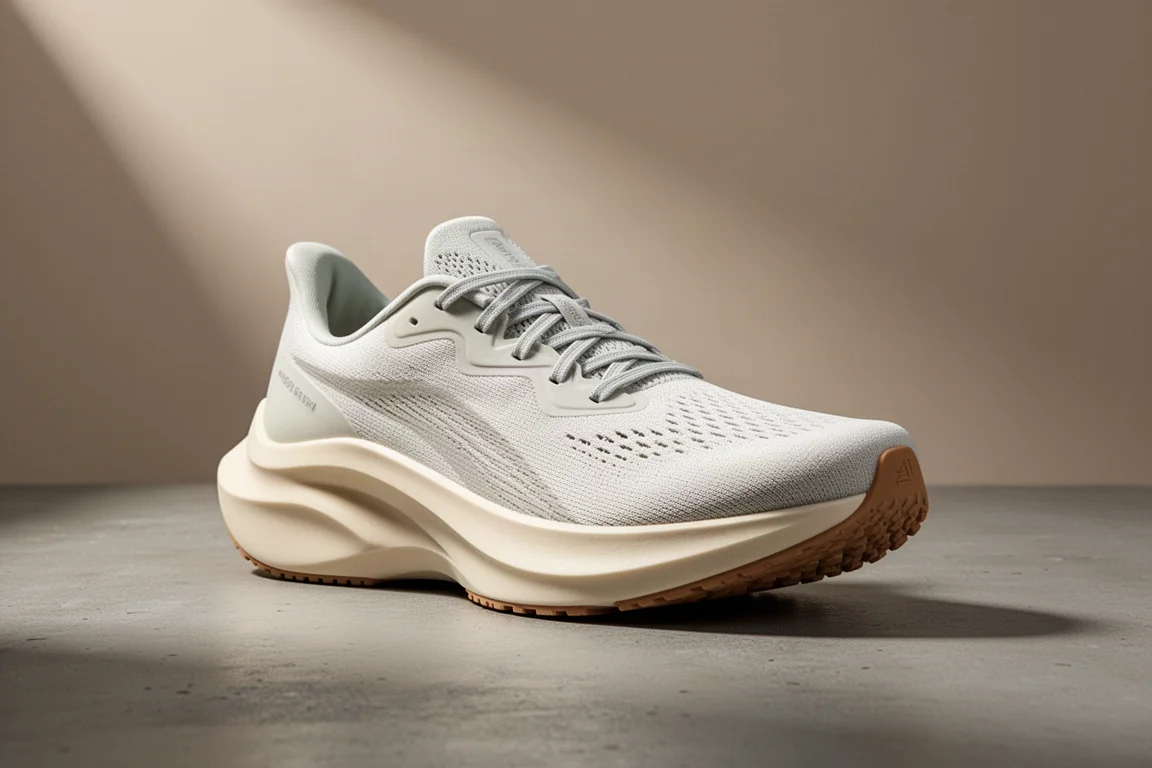
The Adidas Evo SL needs little introduction at this point. It is extremely popular, and for good reason: Lightstrike Pro, the foam from Adidas’ racing line, is brought down into a $150 trainer with Continental rubber outsoles. Colorway options are nearly endless, with limited editions popping up everywhere.
This is a genuinely comfortable shoe that can handle easy miles, longer runs, and even workouts, though it shines most as an easy-day cruiser. The newer woven upper offers slightly better lockdown and comfort than the original. Weights of 8.6 oz for a men’s 10.5 and 6.6 oz for a women’s 7.5 keep it on the lighter side. Some colorways are already being discounted, so it is worth hunting for deals below the $150 sticker.
Saucony Kinvara: Fun Without the Plate
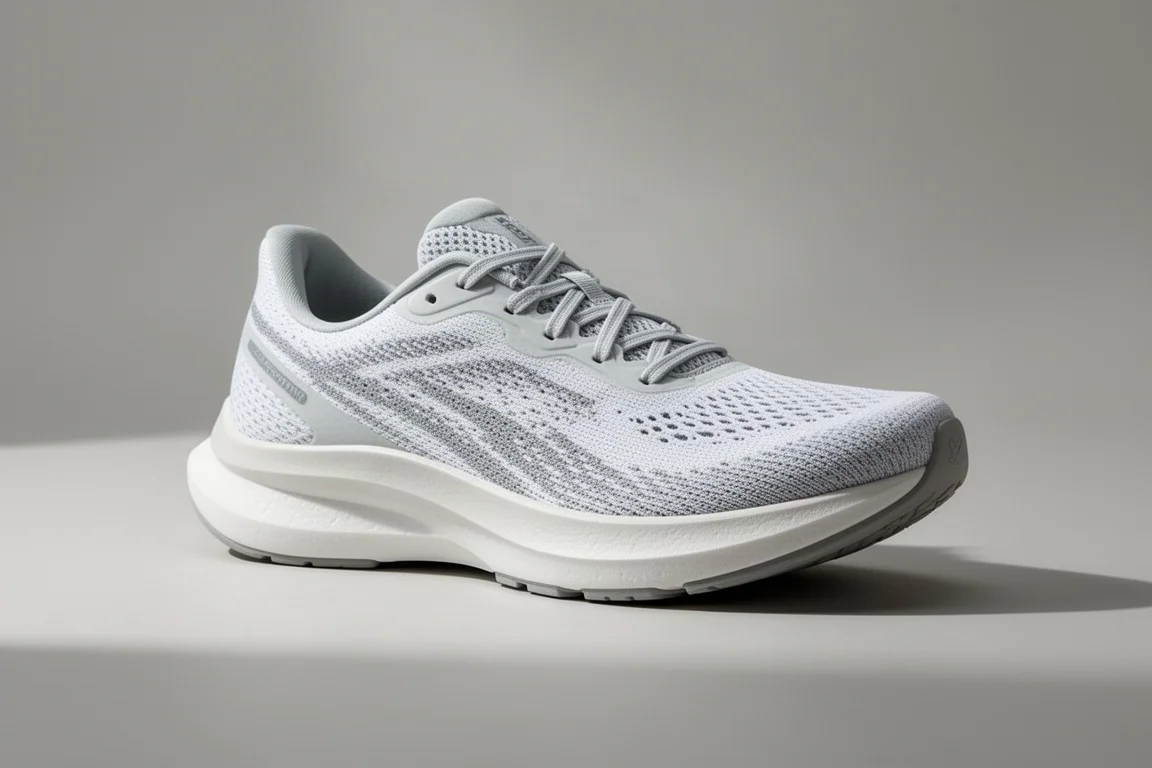
The Kinvara is one of two shoes here that took a plate out of a more popular platform, and the result works. The Speed’s plate was a concern going in, but the Kinvara does not need one: a nice toe spring and a foam that is not overly flexible give it a plated-racer feel without the plate.
Of the shoes covered here, this is the most fun to run in, with the bounciest feel of the group. A women’s 7.5 comes in at 7.2 oz, slightly heavier than some rivals but not noticeable on the run. The main knock is styling, at least in the steel grey version, though fans of classic Saucony aesthetics will feel right at home.
Hoka Clifton 11: The Comfort Classic
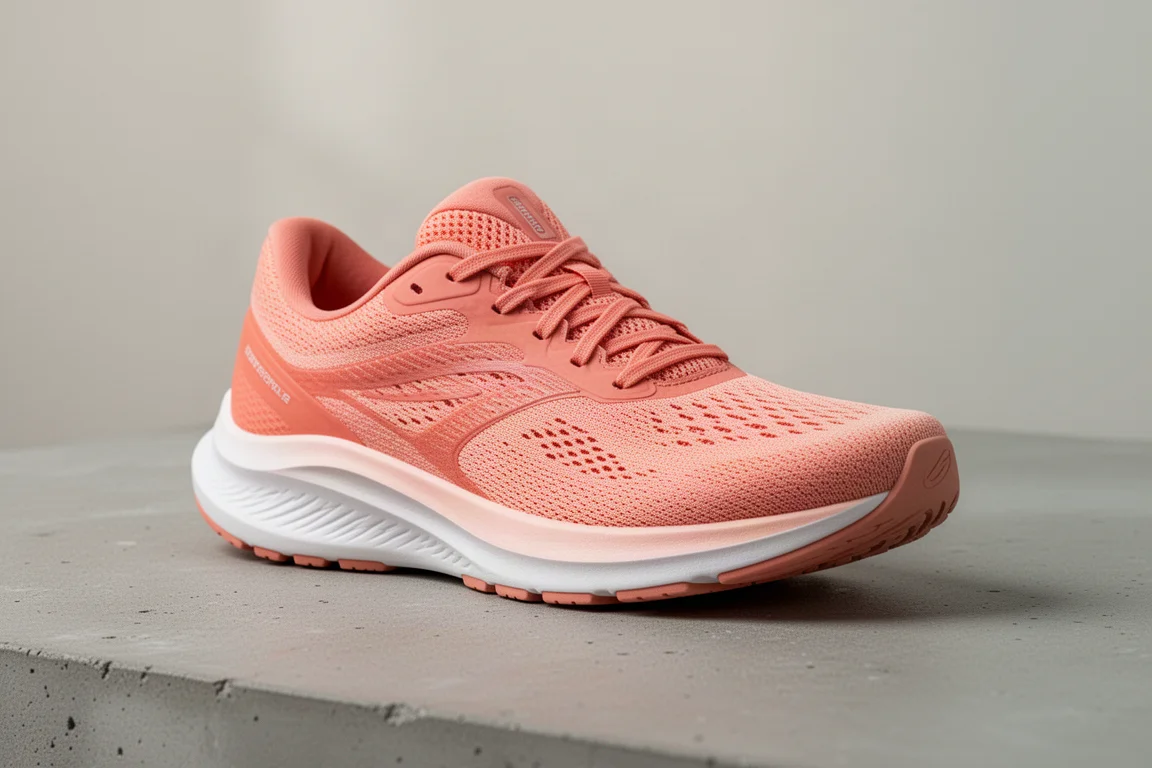
The Clifton 11 is the eleventh version of a shoe that needs no introduction. The midsole formulation is identical to the Clifton 10, so the update here is the upper, and the familiar underfoot feel carries over. This is a shoe for shorter, easy miles, nothing fancy.
Hoka knows its audience here: this has become an all-day walking and working shoe, almost a uniform for some people, and it stays at $150 without dramatic changes. Weights are around 10 oz for a men’s 10.5 and just over 8 oz for a women’s 7.5. This is not the shoe for lightweight seekers. It is a comfort cruiser, great for walking and hanging out, and since the midsole carries over, deals on the previous version may be worth a look.
ASICS Novablast 6: Bouncy and Versatile
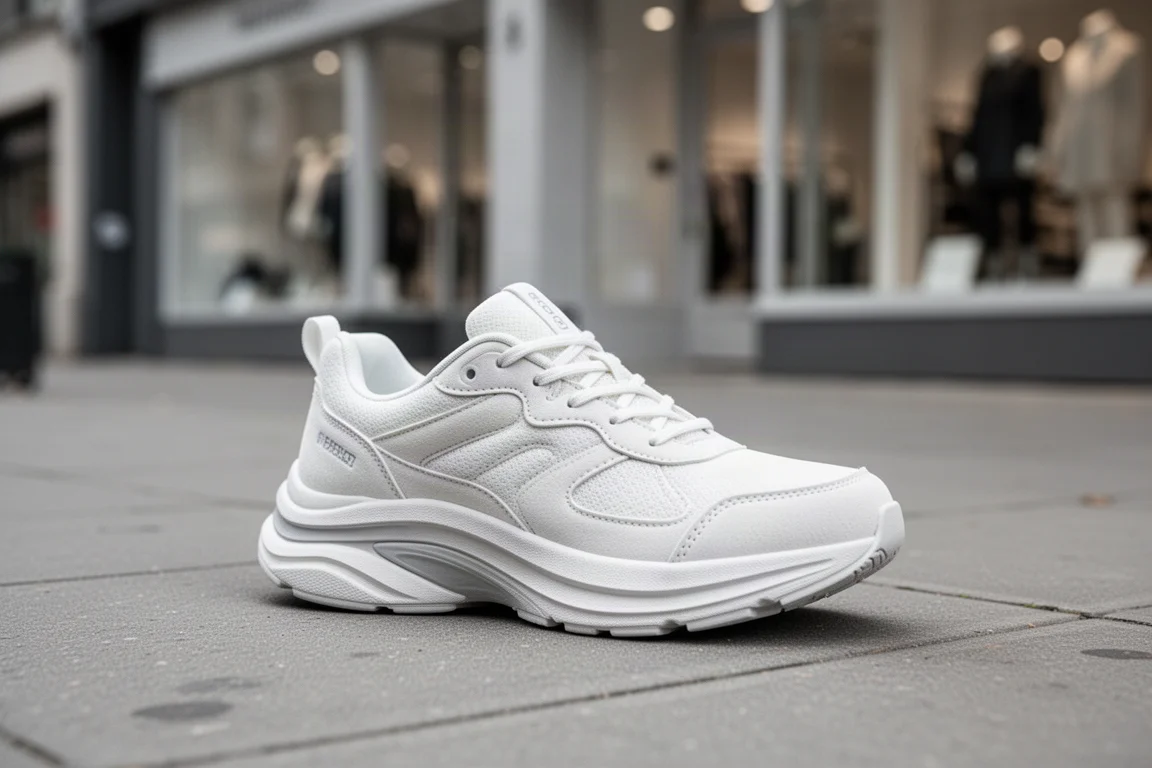
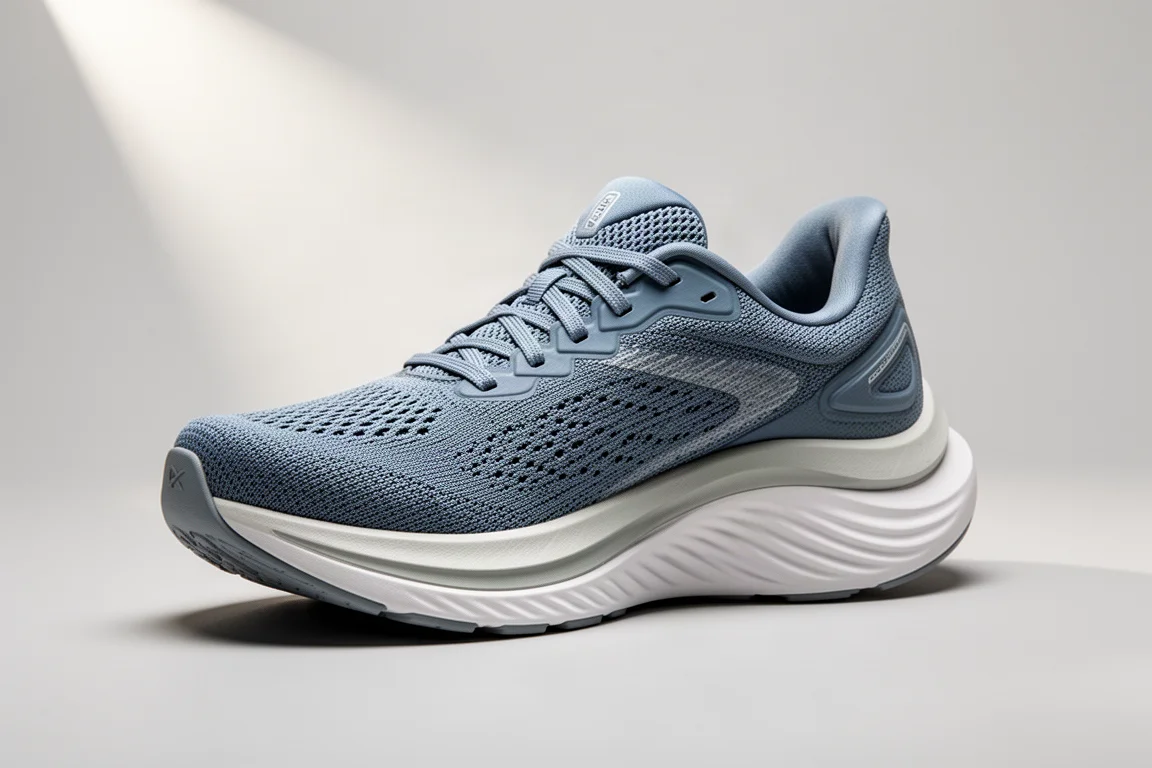
The Novablast 6, at $155, is one of the better value plays here. It uses the same FF Blast-type foam found in the Megablast, arranged as a forefoot insert that adds a nice bounce and a takeoff sensation when you run. The previous version fell a bit flat in the forefoot, and this extra foam under the forefoot fixes that with genuine pop.
This shoe can do a lot: daily miles, up-tempo runs, and everything between, which makes it a strong pick if you want to finish your rotation with one $155 purchase. It leans more performance-oriented than most of this group, with weights of 7.4 oz for a women’s 7.5 and 9.5 oz for a men’s 10.5. Not the lightest, but versatile enough to earn the extra grams.

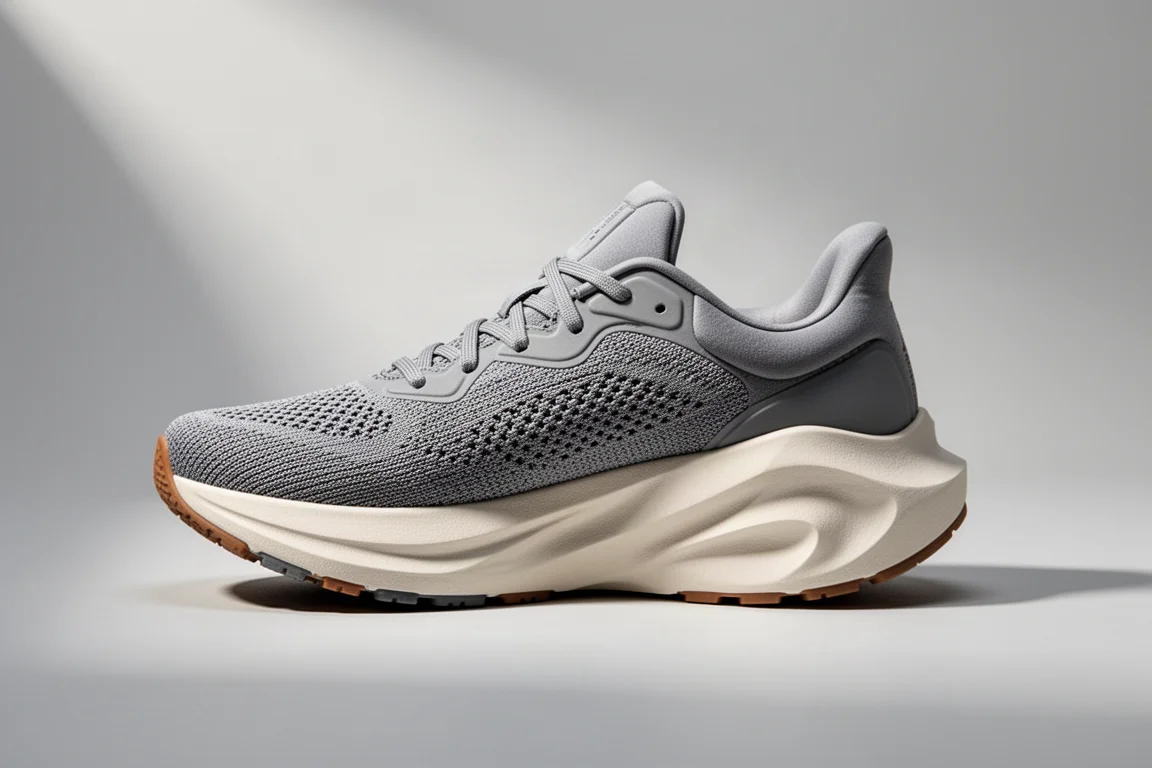
Mizuno Neo Zen 2: Tuned Plateless Comfort
The Neo Zen 2 is the second version of Mizuno’s plateless take on the Neo Vista platform, and it tunes up what was off in the first one. The original had a great spongy ride but lacked stability. This version feels more stable and less mushy while keeping the fun, bouncy ride.
The knit upper hugs the foot nicely, and even without a plate, the foam delivers plenty of bounce underfoot. At $160, it sits well below the $200 Neo Vista 3 while covering everyday and easy runs comfortably. Weights land in the middle of this group: 7.5 oz for a women’s 7.5 and 9.3 oz for a men’s 10.5.
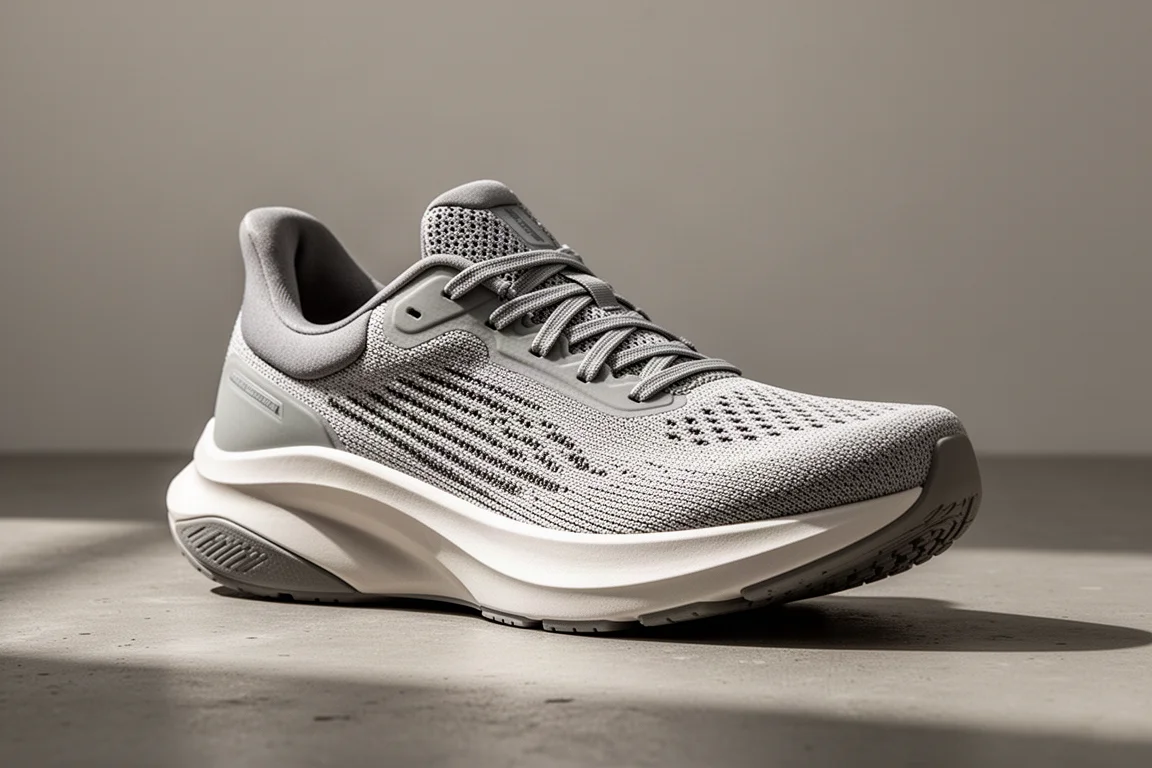
Montrail Coast H1: Road-to-Trail Hybrid
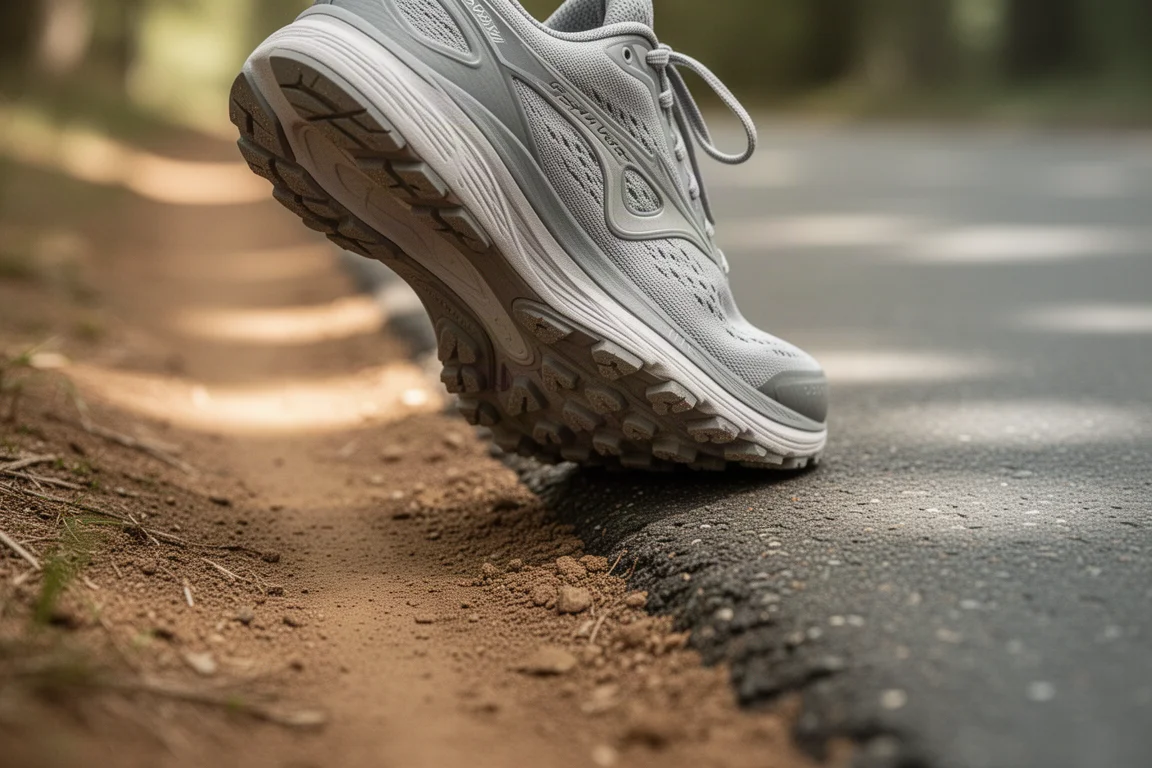
The Montrail Coast H1, at $160, is the most versatile shoe in this roundup. It is a true road-to-trail hybrid with shallow 2 to 2.5 mm lugs and a foam platform that is simply delightful underfoot, paired with an excellent-fitting upper.
On technical trails it handled itself well, though dedicated trail runners may want deeper lugs. On the road, it does not feel like you are running on tank tracks; it feels light, smooth, and fun. Most of the miles logged here were on roads, and it genuinely reads as a road shoe. And if you need proof of capability: seven of the top ten finishers at a recent 250-mile ultra were wearing this shoe.
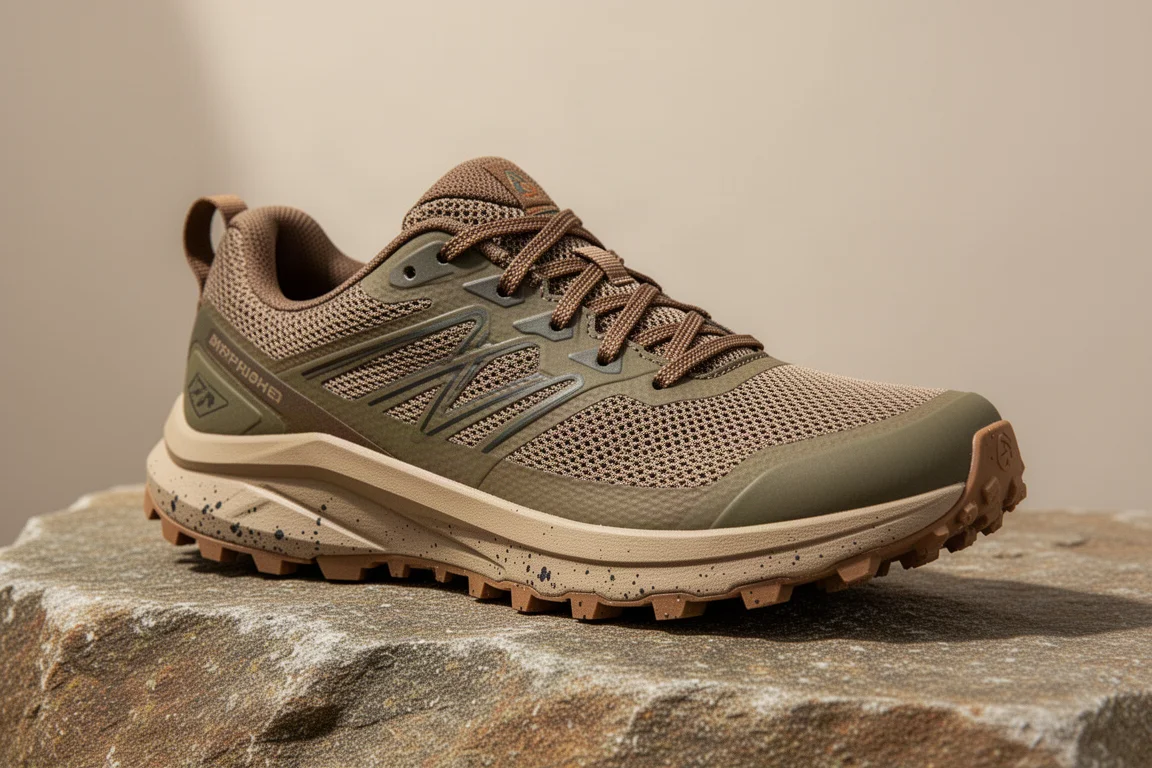
Rad Mallow: Max Cushion Recovery Day
The Rad Mallow, newly arrived at $150, is the brand’s daily trainer and max-cushion recovery-day shoe. It is not light, with a men’s 10.5 tipping past 11 oz and a women’s 7.5 at 8.85 oz (251 g), but the foam changes the equation.
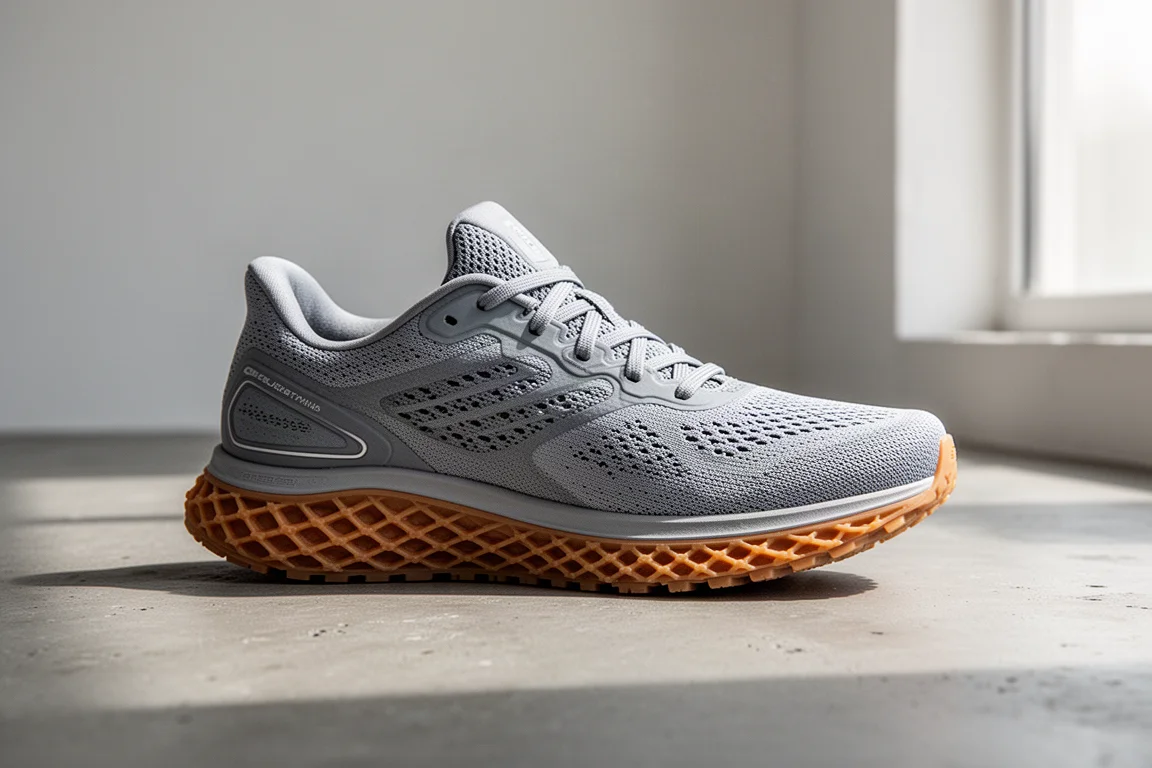
The midsole blends supercritical EVA with OBC, delivering a really nice cushion with a good bounce-back. Despite the weight on paper, it runs lighter than it is and feels great underfoot. Add solid rubber on the outsole, a comfortable engineered mesh upper, and a distinctive look that stands apart from typical trainers, and it earns its spot here at the price.
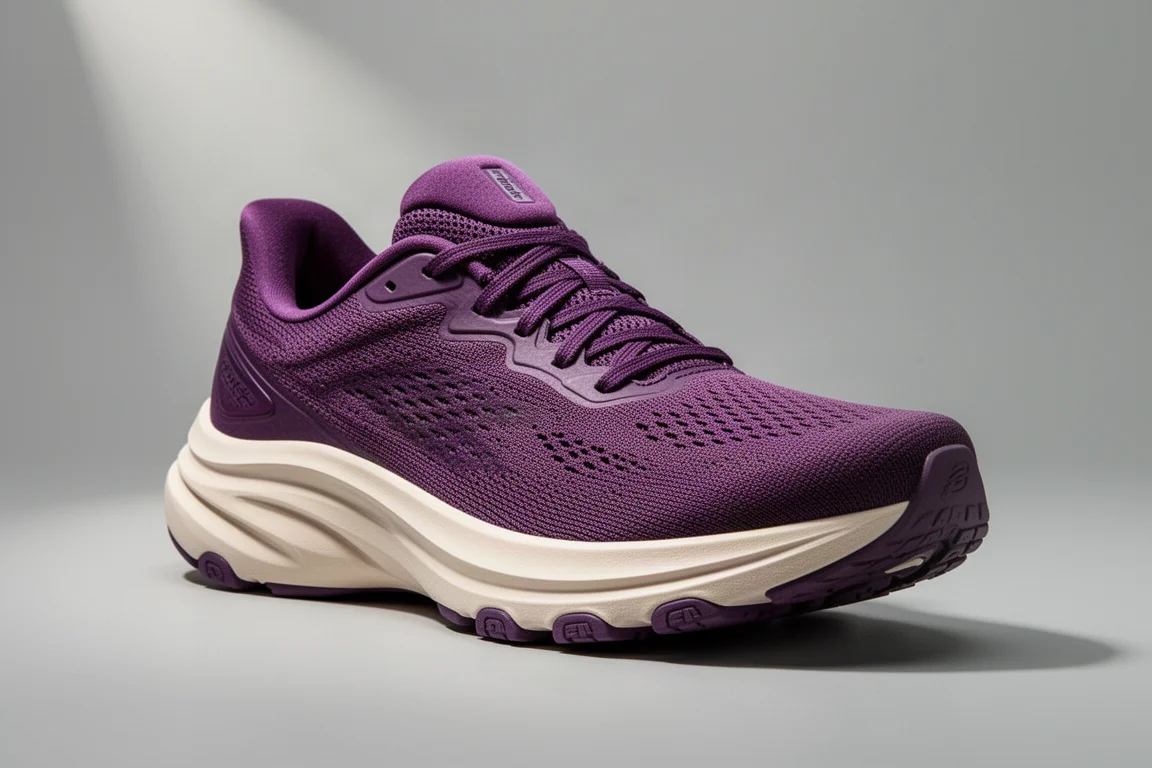
Nike Pegasus 42: The Standard Daily Trainer
The Pegasus 42, at $145, is the shoe that arguably started this whole value category. It uses React X foam with a full-length Air Zoom unit, and Nike added a few millimeters to the forefoot for a bit more cushioned ride. Stack is 37 mm at the heel and 27 mm at the forefoot for a 10 mm drop.
This is the definition of a workhorse: anyone can lace it up and get miles, no excitement required. The outsole rubber was redesigned, and grip is now genuinely sticky, fixing a past weak spot. A tested weight of 10.85 oz (308 g) sits right in the sweet spot for a daily trainer. If you want a great-fitting, no-frills standard daily trainer on the inexpensive end of this list, this is the one.
Overall Buying Advice
Ten solid options span this $145 to $160 range, so the right choice depends on what you want from the shoe. For the fun factor, look at the Saucony Kinvara or ASICS Novablast 6. For weight-obsessed tempo days, the Puma Pure is hard to beat. For comfort-first cruisers and all-day wear, the New Balance Elipsee, Hoka Clifton 11, and Rad Mallow make sense. The Adidas Evo SL remains the safe default, the Montrail Coast H1 covers two surfaces at once, and the Nike Pegasus 42 delivers dependable value at the low end. Also worth remembering: several of these shoes show up on sale, so searching around before buying can save you real money.
Conclusion
The $145 to $160 band is no longer a compromise zone. Premium foams, thoughtful uppers, and even race-winning trail capability now live at these prices. Match the shoe to your actual running days, watch for discounts, and any of these ten is a confident buy.
Further reading
Related Reviews

Running Shoes
Best Road-to-Trail Running Shoes: Three Versatile Options for Mixed Terrain
A practical guide to three road-to-trail running shoes that handle both pavement and mild trails, with clear strengths and trade-offs for different runner types.

Running Shoes
Best Running Shoes for Achilles Tendonitis: Three Options Explained
Three running shoes with different heel drops and support features designed to help reduce Achilles tendon pain during walking and running.

Running Shoes
Best Running Shoes for Women: Five Top Choices Ranked
A ranked guide to five women's running shoes, from versatile daily trainers to high-performance racing options, with real strengths and trade-offs for each.