Running Shoes
The Best Running Shoes for a Well-Rounded Rotation: Our Top Picks
From plush easy-day trainers to race day super shoes, these are the running shoes that earn a permanent spot in a versatile shoe rotation.
Introduction
Most runners eventually land on the same realization: no single shoe does everything well. A plush trainer that makes easy miles feel effortless is rarely the shoe you want for a track session, and a snappy race shoe is overkill for recovery jogging. That is where a shoe rotation comes in.
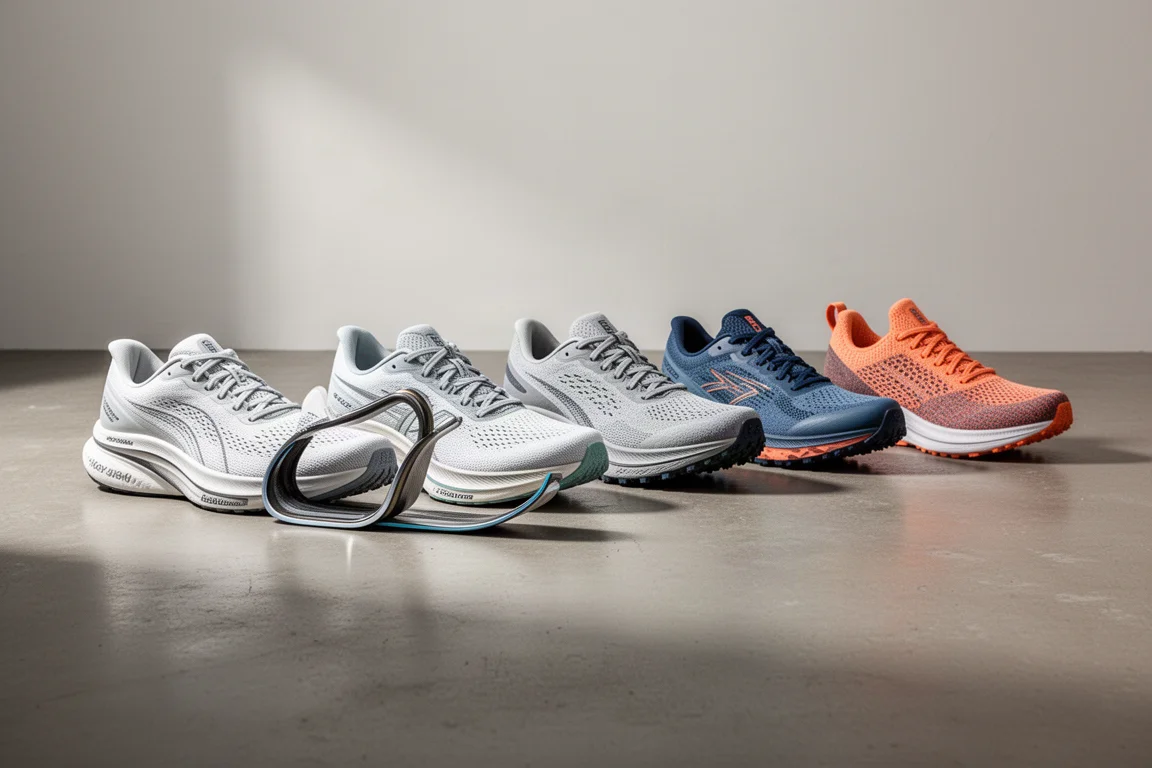
In this roundup we take a practical look at the shoes that consistently earn their place in a well-balanced rotation: easy-day trainers, versatile daily workhorses, long run specialists, road-to-trail options and race day weapons. Each pick is judged on how it actually performs in training, not just on spec sheets.
Why a Shoe Rotation Matters
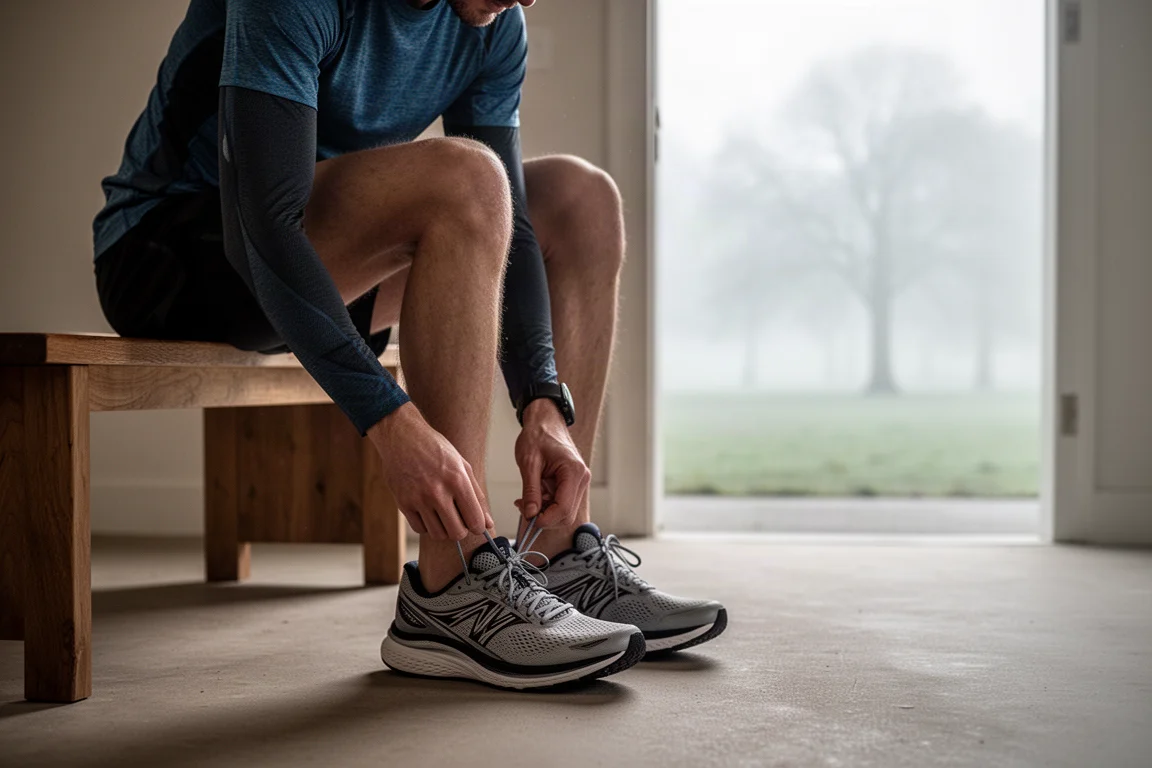
Rotating between two or three (or more) pairs does more than satisfy gear curiosity. Different shoes load your legs in slightly different ways, which can help spread the impact of high mileage weeks. There is also a very practical benefit: if you head out in wet weather, giving a shoe time to dry out properly rather than wearing it damp again extends its life considerably. Just avoid drying shoes on a radiator.
The shoes below are grouped by the role they play in a rotation, so you can fill the gaps in your own line-up rather than buying three of the same thing.
Easy-Day and Recovery Shoes
These are the shoes for the runs where pace does not matter, comfort does, and the goal is simply to enjoy the miles and give your legs a break between harder sessions.
The Saucony Triumph 20 is a classic pick for this role. It is lovely and cushioned, plush around the heel, and grips well underfoot, making it ideal for easy miles in the middle of big training weeks. Compared with the Asics Gel Nimbus 25, some runners find the Triumph’s ride slightly nicer on longer easy runs, with a midsole that feels just the right side of plush: you sink in a little, but you still feel well protected, and the solid outsole is built to eat up plenty of running time.
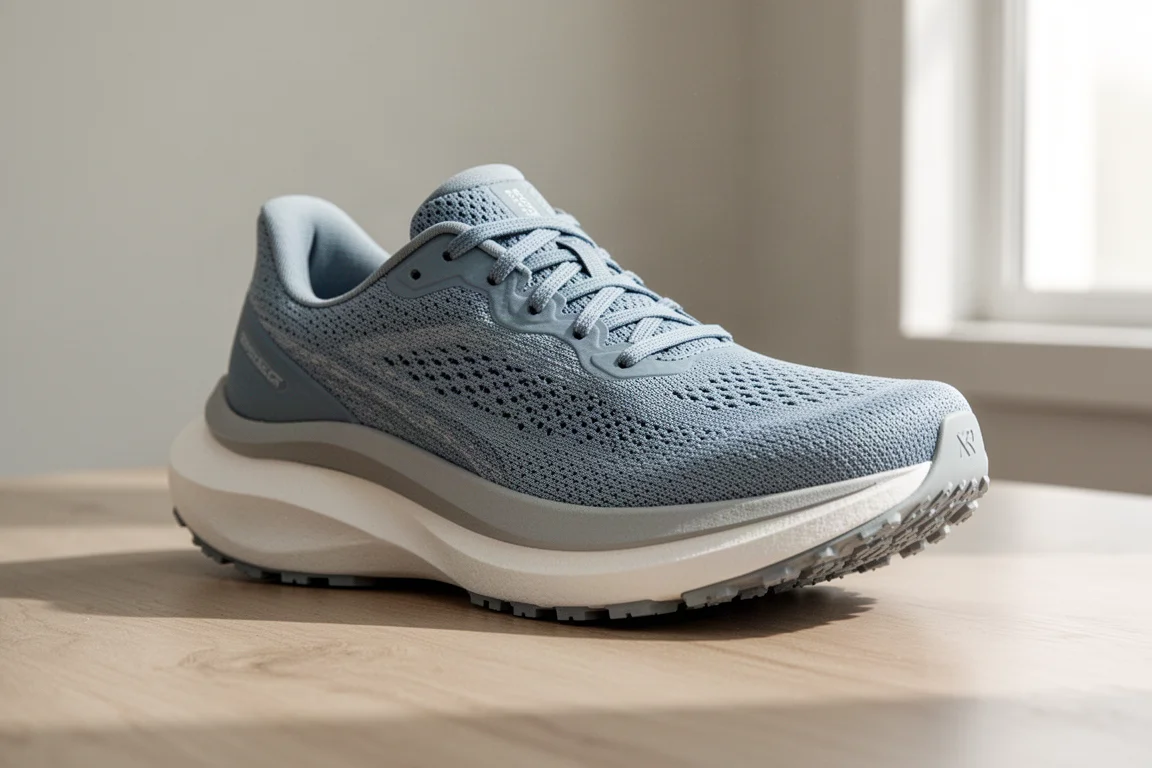
The Asics Gel Nimbus 25 surprised plenty of runners who were never fans of the Nimbus line before. It is super plush and comfortable, with a booty-style upper that fits snugly and a ride versatile enough for a mix of long runs and even tempo sessions. While it may not be the single most comfortable running shoe in the world, as the marketing suggests, it is a genuinely nice shoe with enough versatility that there is no reason you could not race in it. For anyone signing up for a half marathon or marathon, it is a great shoe to have in the collection.
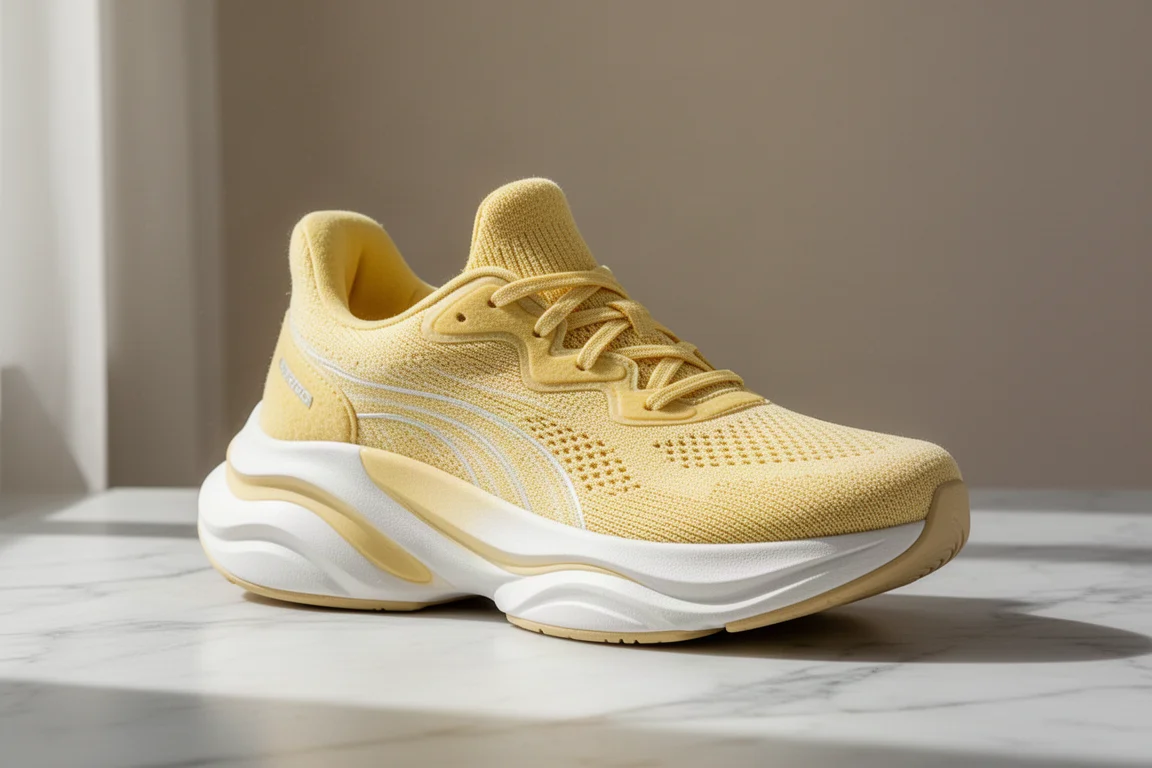

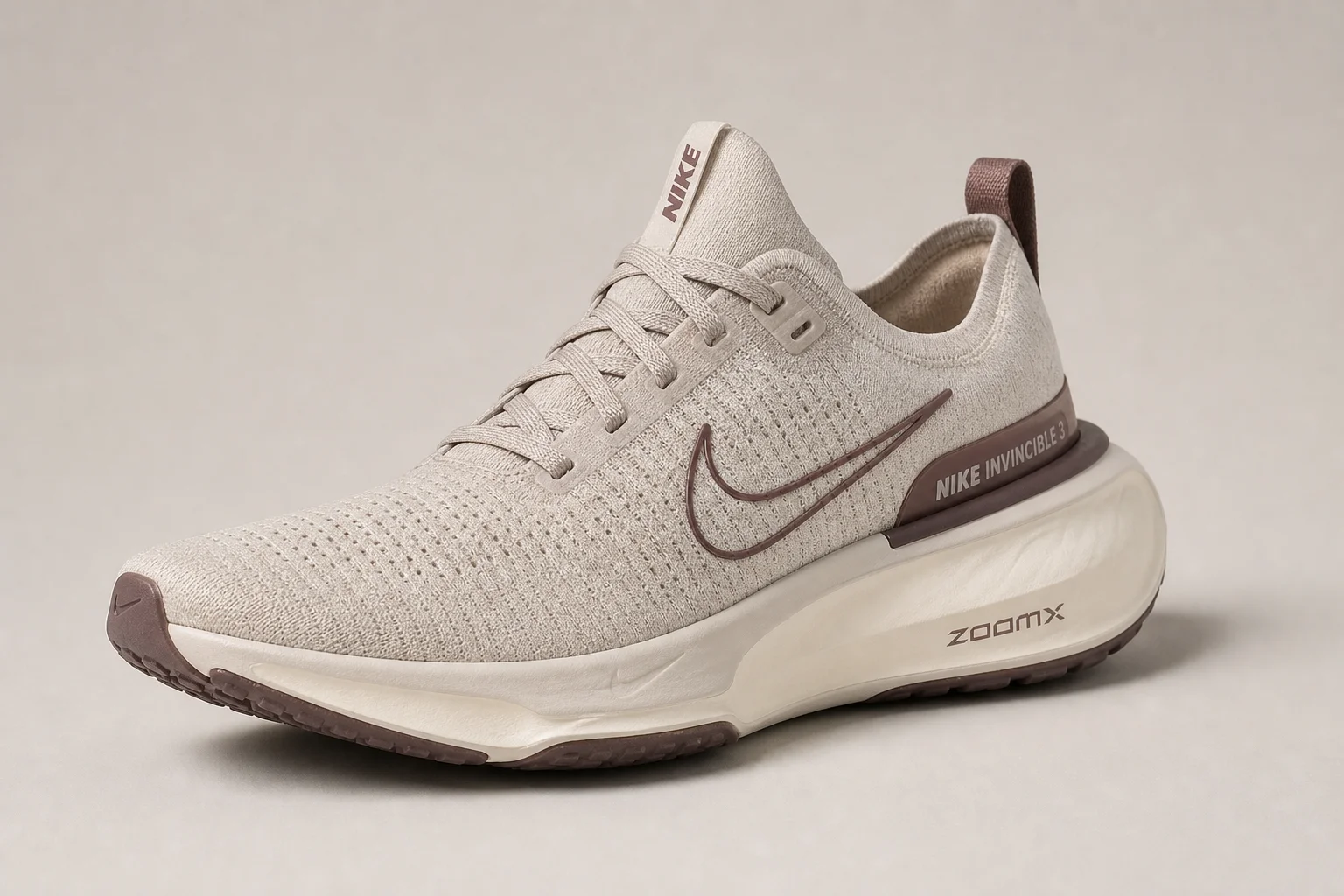
The Nike Invincible 3 rounds out the easy-day trio for runners who want maximum bounce. It still uses Nike’s ZoomX foam in a very soft, plush configuration, but it feels a bit more grown up than the Invincible 2: the upper is thicker and sleeker, and it ditches the rubber ring of previous versions. It is the shoe to reach for on tired days when you do not want to run but know you will enjoy it once you start.
Daily Trainers and Versatile Miles
The daily trainer is the workhorse of any rotation, and the Hoka Mach 5 is a strong example of the breed. It works as a fast daily trainer for tempo runs and intervals while still being forgiving enough to ease off in. The Profly midsole balances comfort with a responsive, rocker-shaped ride that encourages quick turnover, and at 238 grams it feels light on the foot. Outsole durability is not its strongest point, but it holds up reasonably well in testing. Runners who rotated the Endorphin Speed line for years often reach for the Mach 5 as a capable alternative, and it is a genuinely reliable, versatile shoe for a whole range of paces.
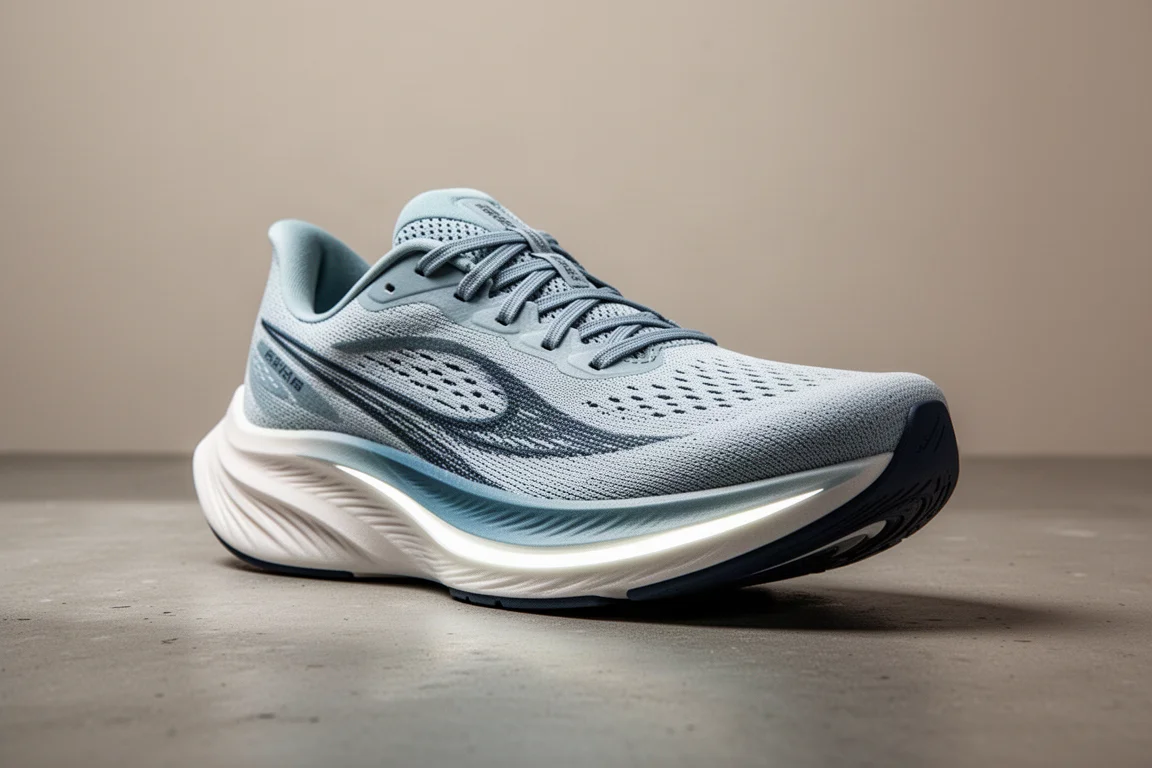
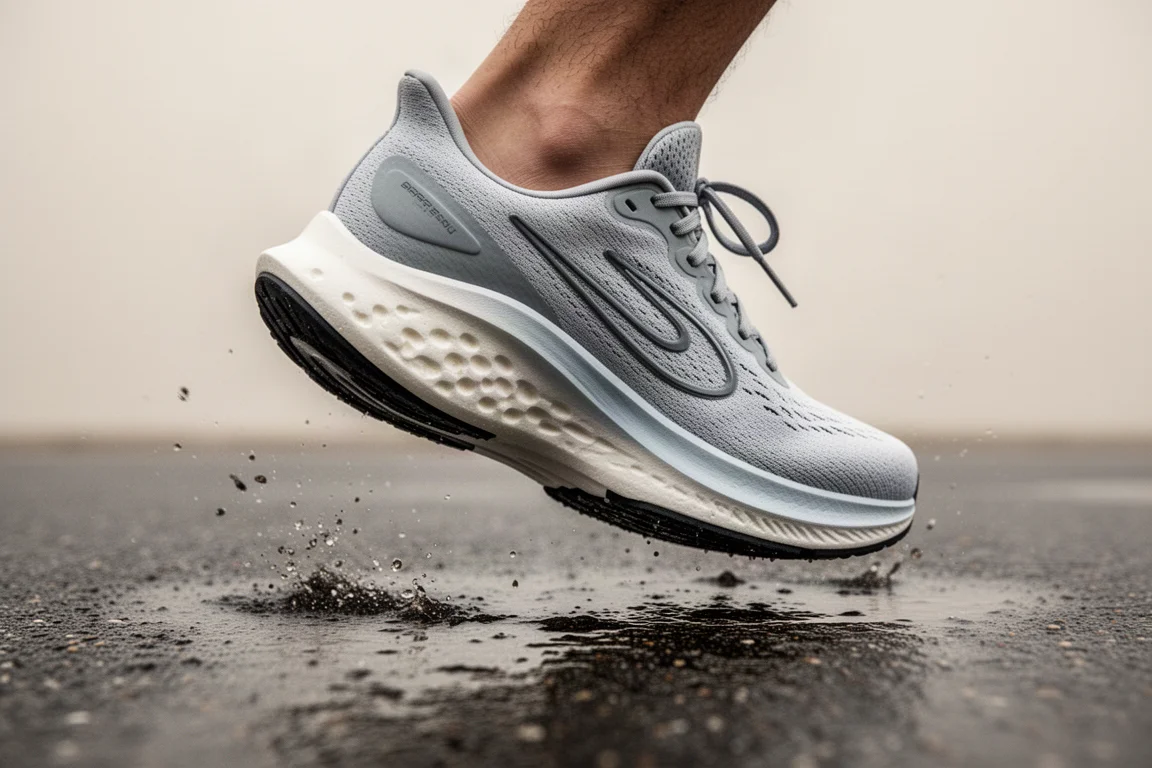
The New Balance More v4 is the pick for runners who skew towards comfort and long easy runs. Its predecessor was a favourite cushioned shoe for a full year, and the v4 improves on it with slightly softer, slightly bouncier Fresh Foam X, a great upper and a subtle rocker. Unlike some max-cushion shoes that feel sluggish, it keeps you ticking over with a fluid, forward-moving ride. It is simply a comfortable, balanced shoe for ticking off 5Ks and 10Ks enjoyably.
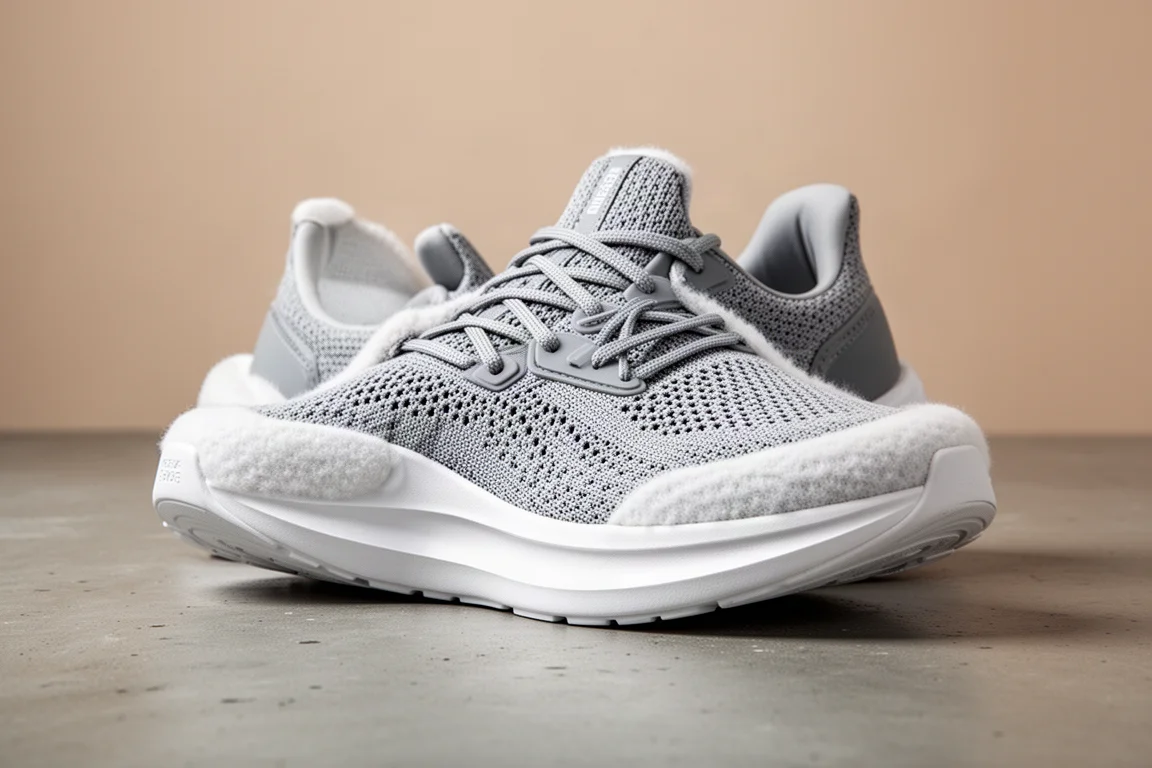
The Puma Velocity Nitro 2 is a simple, no-drama workhorse that has stayed locked in rotations for years. It has a comfortable midsole that holds its bounce well over time, and it handles everything from very slow plods to more sprightly mid-run pickups. Puma’s outsole grip is outstanding, and the shoe is reliable enough on light trails and canal paths that you can take your easy runs off-road. It also travels well, making it the single shoe to pack in a suitcase.
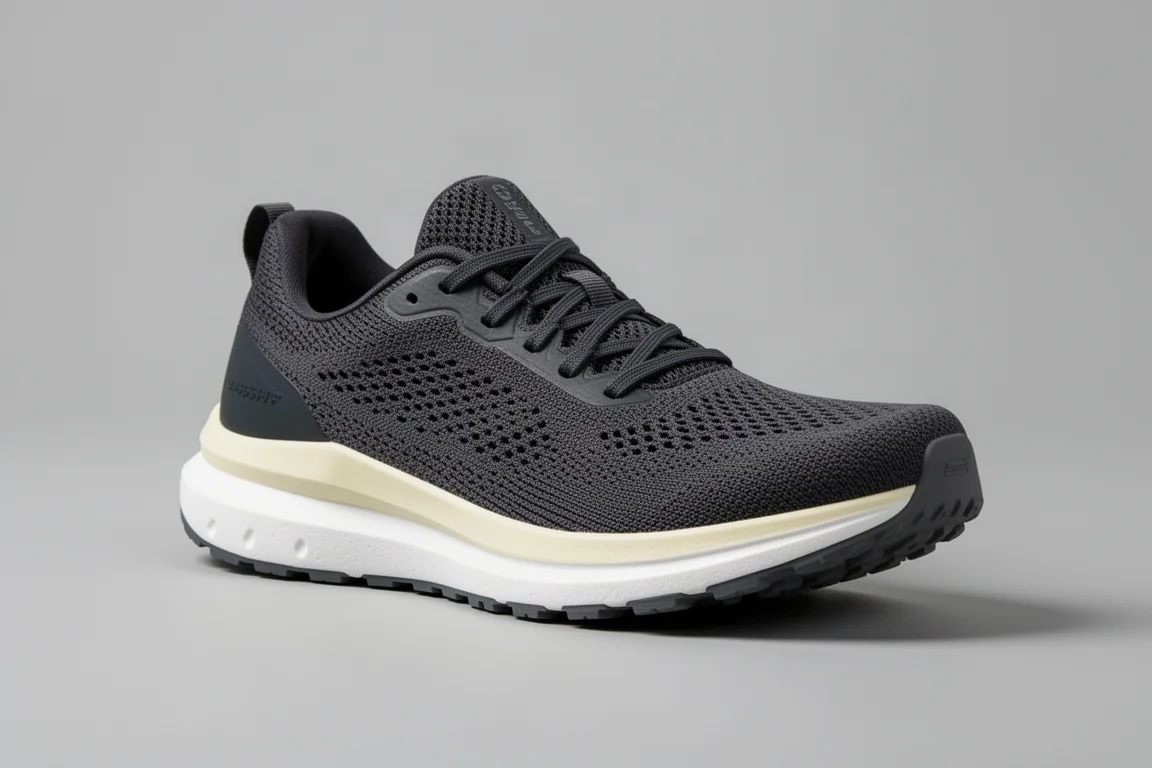
The Asics Superblast sits in a category of its own: a max-cushion shoe that is surprisingly nippy. Its FF Turbo midsole is very responsive with a real sense of bouncing forward, and it shines on longer tempo runs of 10 miles and up where you want to hold a faster pace than your usual easy efforts. It is not a lightweight 5K shoe and it is not really an ultra-slow easy-day shoe either, but for consistent marathon-pace-style training it is excellent. The main caveat is price: at £210 it costs more than plenty of very capable versatile trainers such as the Hoka Mach 5, so it is worth watching for discounts.
Long Run and Marathon Pace Shoes
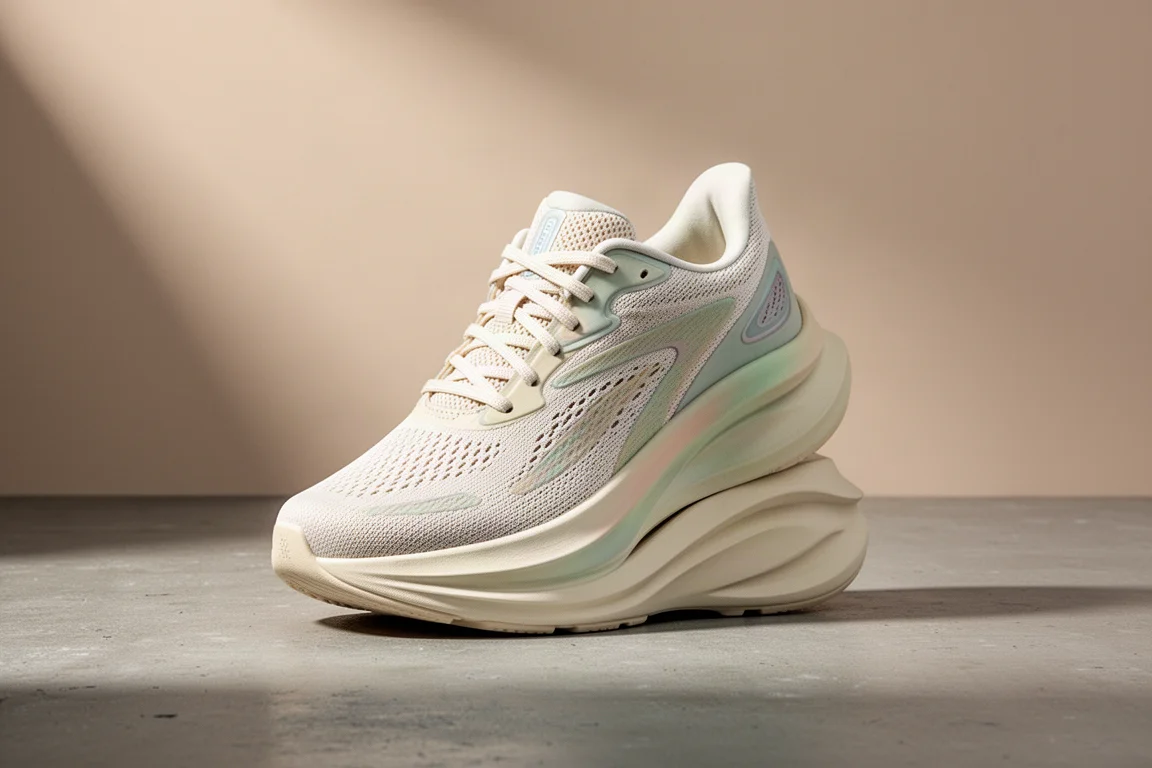
For the big long runs that anchor marathon training, the New Balance FuelCell RC Elite 2 remains a firm favourite. Its roll-through is brilliant, it is grippy enough for wet roads with only the occasional slip on really slick surfaces, and it can carry you through 24 miles with no discomfort and no sense of stressing your feet. It is good enough to race in, and it also handles mid-run pace pickups nicely. Note that it has been superseded by newer models, so it can be found at reduced prices of around £145, which makes it excellent value for a super-shoe-class trainer.
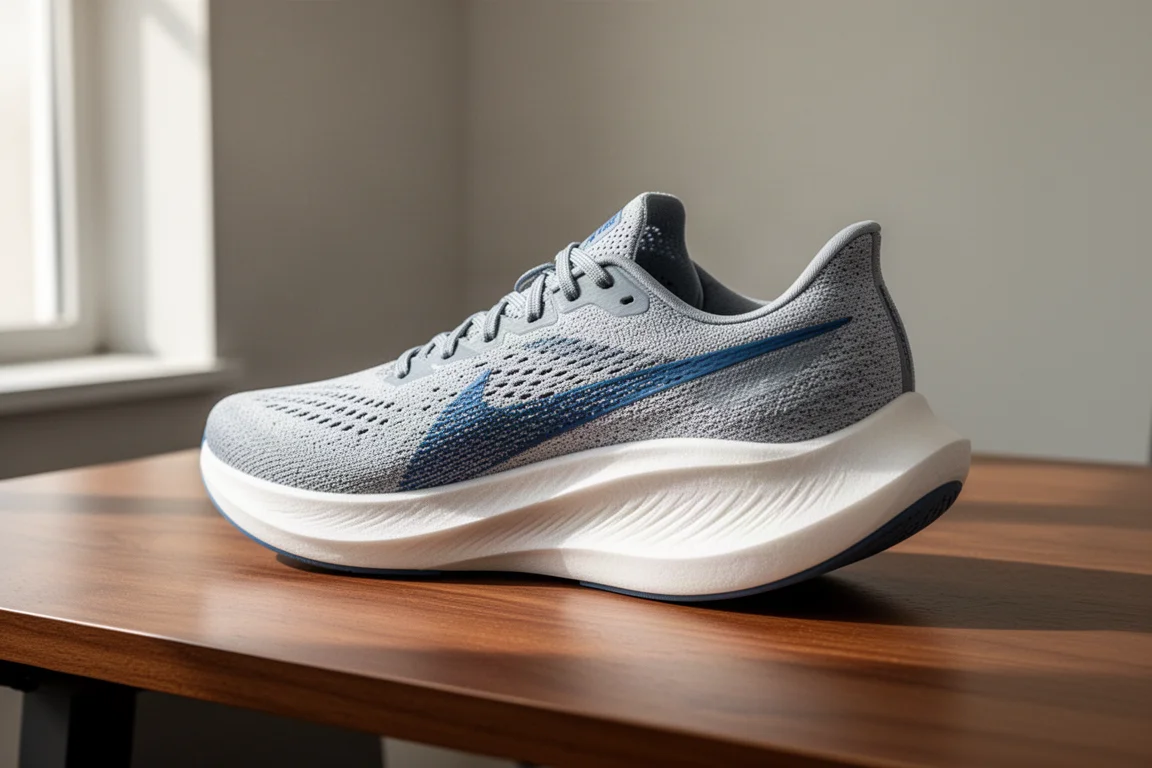
The Puma Deviate Nitro Elite is the shoe that sneaks into a rotation almost by accident. Worn a couple of times as a curiosity, it quickly becomes a regular because it is so punchy. With a 36mm stack and an 8mm drop, it is not overly aggressive, feels very comfortable, and handles short, sharp sessions beautifully. Puma’s grip outsole is fantastic, inspiring confidence in icy and flooded conditions alike. At around £120 it is one of the more affordable ways into a plated super shoe.
Road-to-Trail Shoes
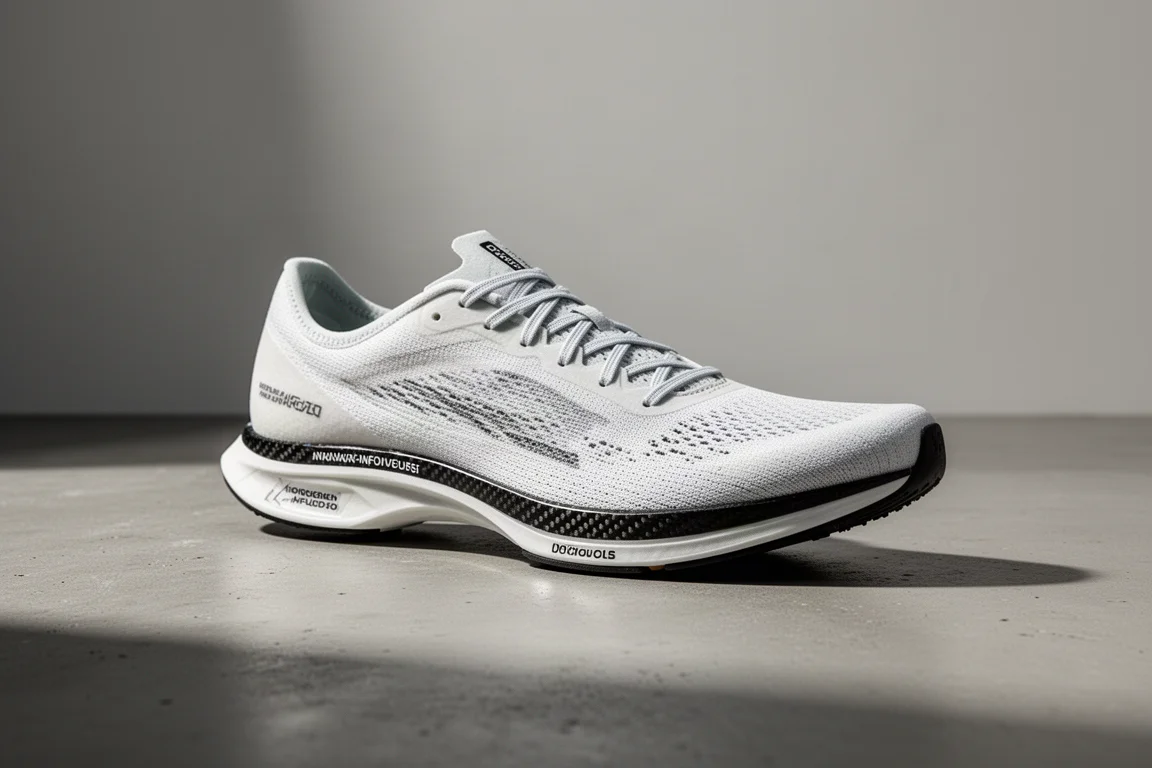
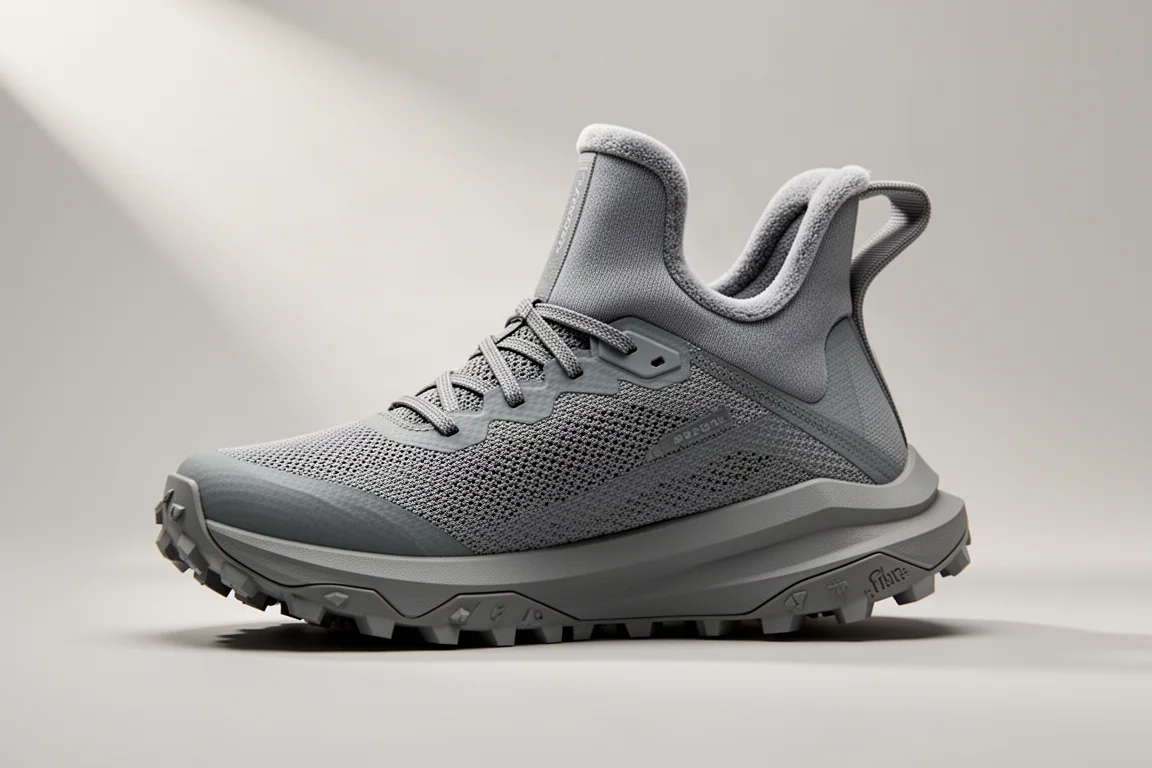
If you need to run a few miles of pavement before reaching the trails, a true road-to-trail shoe earns its keep. The Hoka Speedgoat 5 is an excellent option for light trails, flat river paths, groomed parkland and easy off-road running. Its double-layer mesh upper is structured without feeling cramped, and it disappears on the foot to the point where you can run five hours or longer with no discomfort or blistering. The single-density compression-moulded EVA midsole is balanced between firm and soft, and the late-stage meta rocker helps you clip along at a steady pace. The Vibram Megagrip outsole with 5mm lugs copes well with wet rock, tree roots and sloppy grass, though it is not built for deep mud. On road sections it is not overly grippy, which is exactly what you want. It is only marginally less punchy than the pricier Hoka Tecton X and comes in considerably cheaper, making it a reliable, durable workhorse.
Race Day Shoes
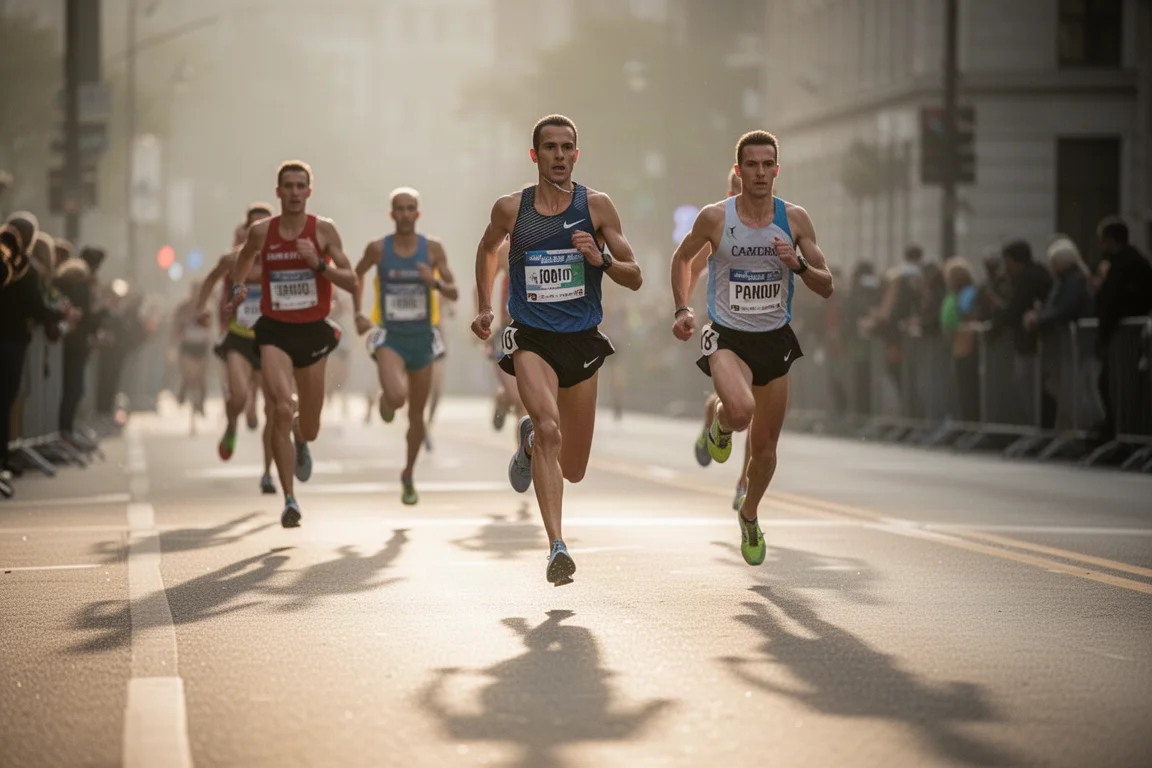
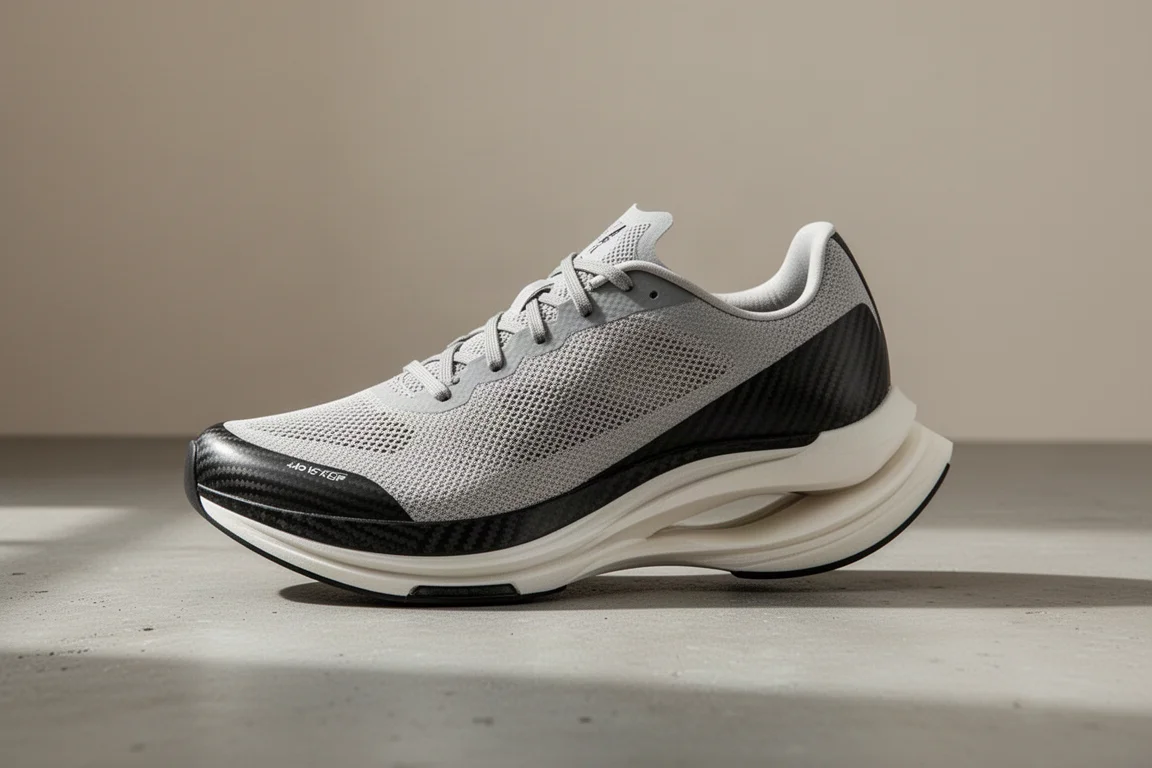
When it is time to put a bib on, plated super shoes take over. The Saucony Endorphin Pro 3 is a race day shoe that works for almost everyone. It offers a lovely level of bounce, a responsive ride, and the Speedroll design works beautifully on race day. Among carbon shoes, its outsole durability stands out, delivering plenty of mileage for a racing shoe. It is also remarkably comfortable and feels natural underfoot, without the slightly restrictive, forced feeling some runners get from other plated shoes. It has been raced successfully from 5K all the way up to the marathon, which makes it one of the most broadly applicable race shoes available.
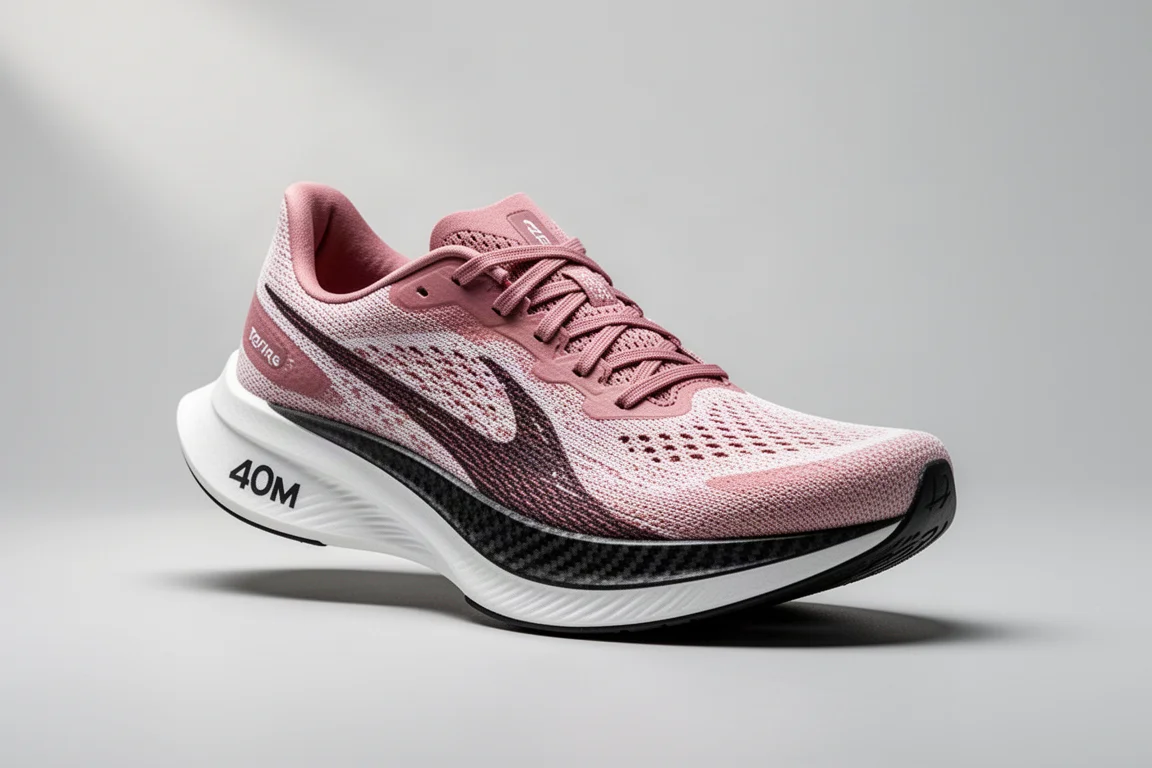
The Nike Vaporfly 2 is almost the laziest pick in the carbon shoe category, and that is exactly the point: it is simply the easiest, most reliable choice. It does everything brilliantly, with marathon, 5K and half marathon personal bests set in it. It is not built solely for long races, so it is just as good over 5K and 10K, and while some runners prefer a plusher, more cushioned shoe for the full marathon, it is far from a bad option at that distance. With the Vaporfly 3 on the way, prices for the Vaporfly 2 have been dropping, which makes it arguably the best value carbon race shoe around. Plenty of alternatives are excellent too, including the Mizuno Wave Rebellion Pro, the Adidas Adios Pro 3 and the Saucony Endorphin Elite, but for a blend of price, versatility and proven performance, the Vaporfly 2 is very hard to argue against.
Overall Buying Advice
Build your rotation around roles, not hype. Start with a comfortable easy-day trainer you genuinely enjoy wearing, add a versatile daily trainer for the bulk of your mileage, then decide whether you need a plated long run shoe or a dedicated race day shoe. Road-to-trail runners should keep one hybrid pair that can handle pavement-to-trail transitions.
Do not overlook discounts. Several of the best shoes in a rotation, including the FuelCell RC Elite 2, the Deviate Nitro Elite and the Vaporfly 2, are available at reduced prices as newer versions arrive, and last year’s top models often outperform this year’s at a lower cost.
Conclusion
A good shoe rotation does not need to be large, but it does need to be deliberate. A plush trainer for recovery, a dependable workhorse for daily miles, a punchy option for long runs and tempo work, and a race day shoe for when it counts will cover almost every type of running you do. Pick shoes that match how you actually run, and every pair in the pile will earn its keep.
Further reading
Related Reviews

Running Shoes
Best Road-to-Trail Running Shoes: Three Versatile Options for Mixed Terrain
A practical guide to three road-to-trail running shoes that handle both pavement and mild trails, with clear strengths and trade-offs for different runner types.

Running Shoes
Best Running Shoes for Achilles Tendonitis: Three Options Explained
Three running shoes with different heel drops and support features designed to help reduce Achilles tendon pain during walking and running.

Running Shoes
Best Running Shoes for Women: Five Top Choices Ranked
A ranked guide to five women's running shoes, from versatile daily trainers to high-performance racing options, with real strengths and trade-offs for each.