Running Shoes
Best Running Shoe Rotation: Building a Road and Trail Lineup That Works
How to build a two, three, or four-plus shoe rotation for road and trail running, with practical picks for daily miles, tempo days, and race day.
Introduction
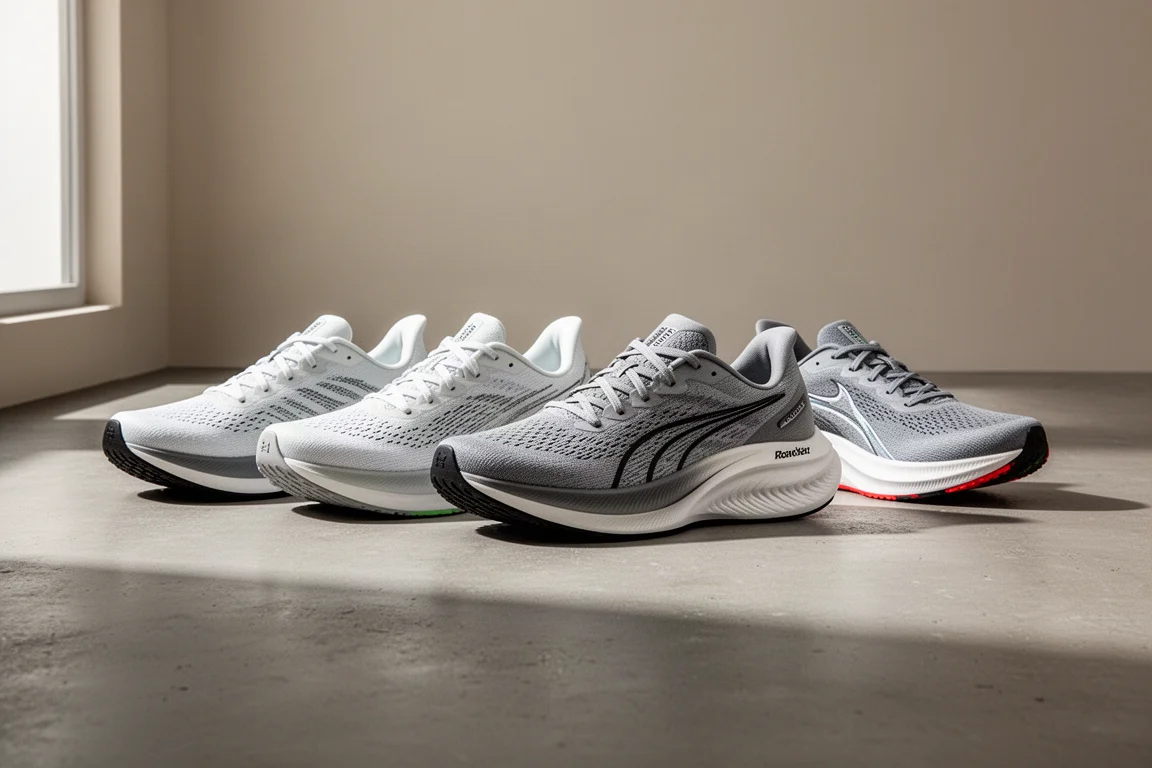
Shoes are tools, and a rotation is simply a set of tools assigned to different tasks. Instead of asking one pair to handle easy days, long runs, tempo work, and race day, a rotation splits those jobs across a few purposeful picks. The payoff is twofold: each shoe lasts longer when it is used for the job it was built for, and varying the stresses on your body across different platforms may help reduce the repetitive load that comes from running every mile in the same shoe.
There is no set rule for how many shoes belong in a rotation. What matters is giving each shoe a clear lane. Below, we break down how a rotation can look with two, three, and four-plus shoes, first for road running and then for trail.
The Two-Shoe Rotation
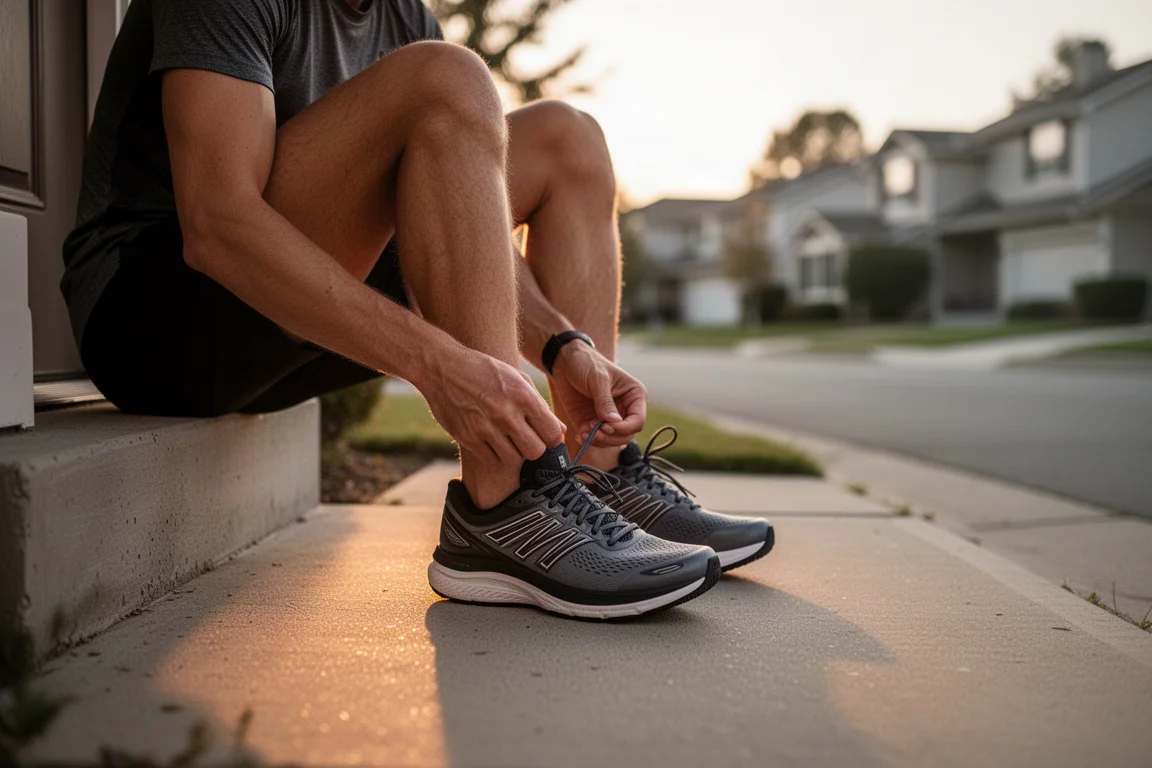
With only two pairs, keep it simple: one workhorse and one performance shoe. The workhorse covers daily running, easy miles, and often long runs. The performance shoe does not have to be a full super shoe; it just needs to be something you can turn over comfortably at faster paces, and it usually doubles as your race shoe.
Best Daily Workhorse: Saucony Ride 16
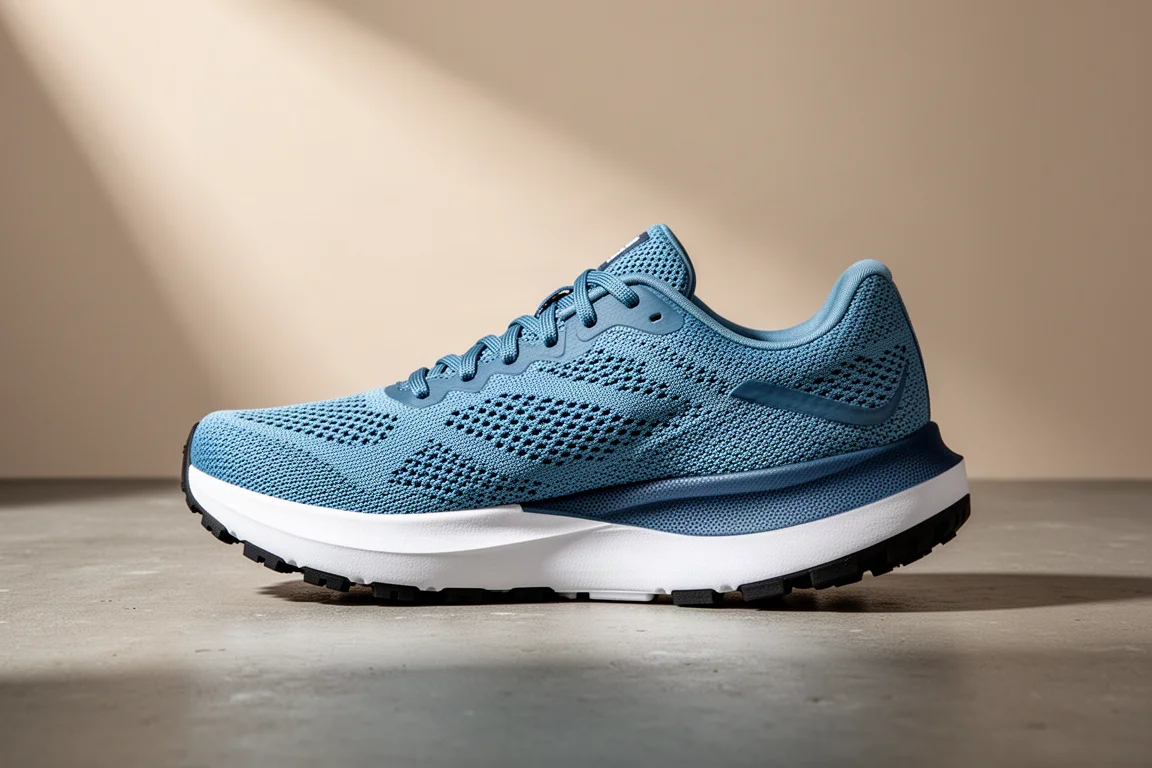
The Saucony Ride 16 is a neutral platform without a lot of bells and whistles. It is simple, gets the job done, and works as the kind of old-reliable trainer you can keep logging miles in. Weight is not the main concern in this slot, so a slightly heavier but dependable shoe fits well.
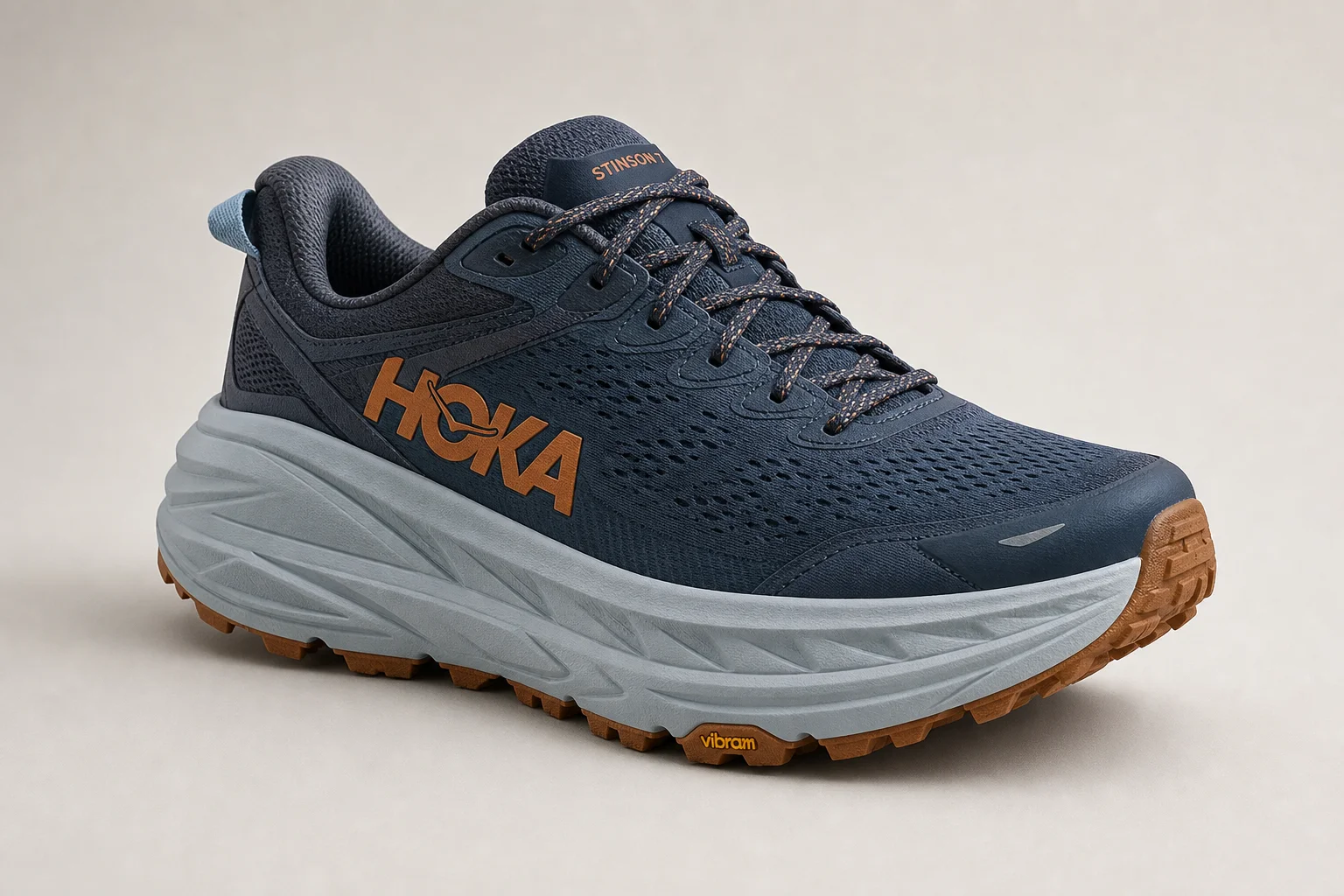
Another workhorse option is the Hoka Stinson 7. It sits on the heavier side, but it can serve as an easy day shoe, a long run shoe, and even handle a bit of trail running, which makes it appealing if you want one shoe to check several boxes.
Best Performance Partner: Hoka Mach X
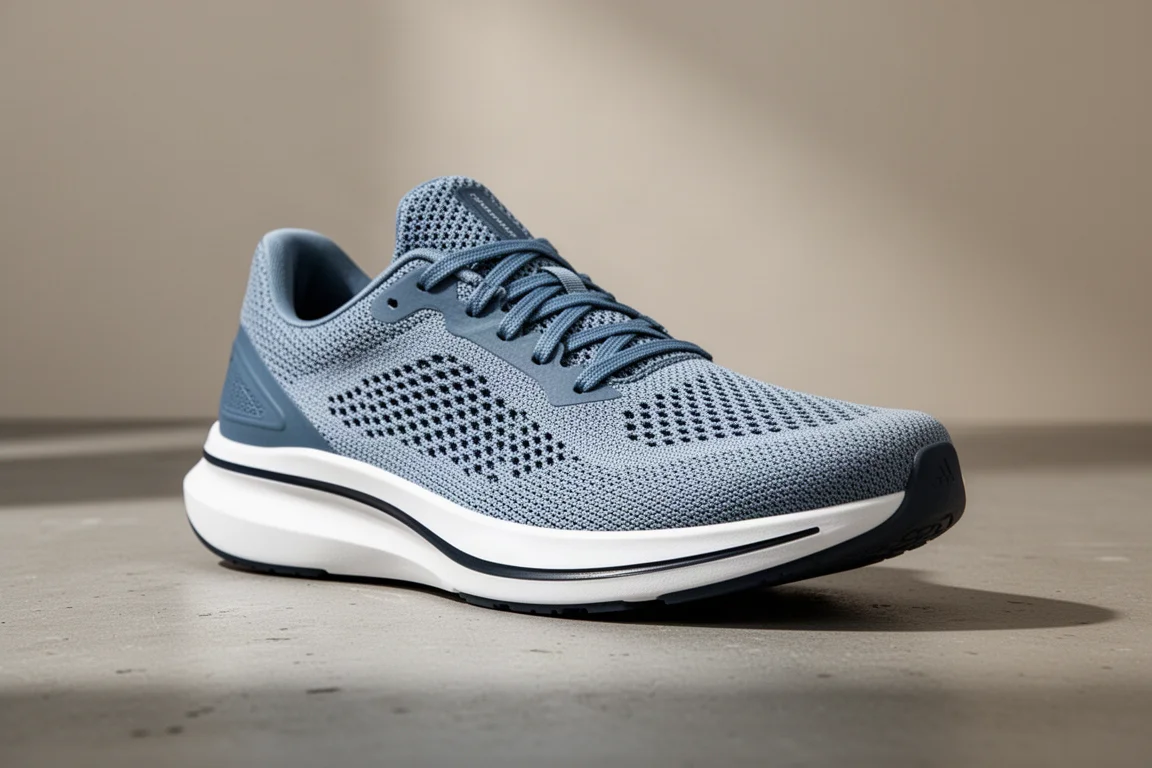
The second shoe in a two-pair lineup just needs to feel snappy. The Hoka Mach X is lightweight and plated, with a hybrid midsole that blends PEBA and EVA, and it is responsive enough to cover most faster work. If you want a livelier ride without committing to a race-specific shoe, this is the kind of training companion that fits.
The Three-Shoe Rotation
Adding a third shoe changes your options significantly. Two layouts work well. In the first, the daily trainer stays in slot one, a training companion takes slot two, and a race shoe for multiple distances takes slot three. In the second, you split the performance shoes by distance: a shorter-distance shoe for track and interval days, and a longer-distance racer for half marathon and up.
Best Versatile Trainer: Adidas Boston 12
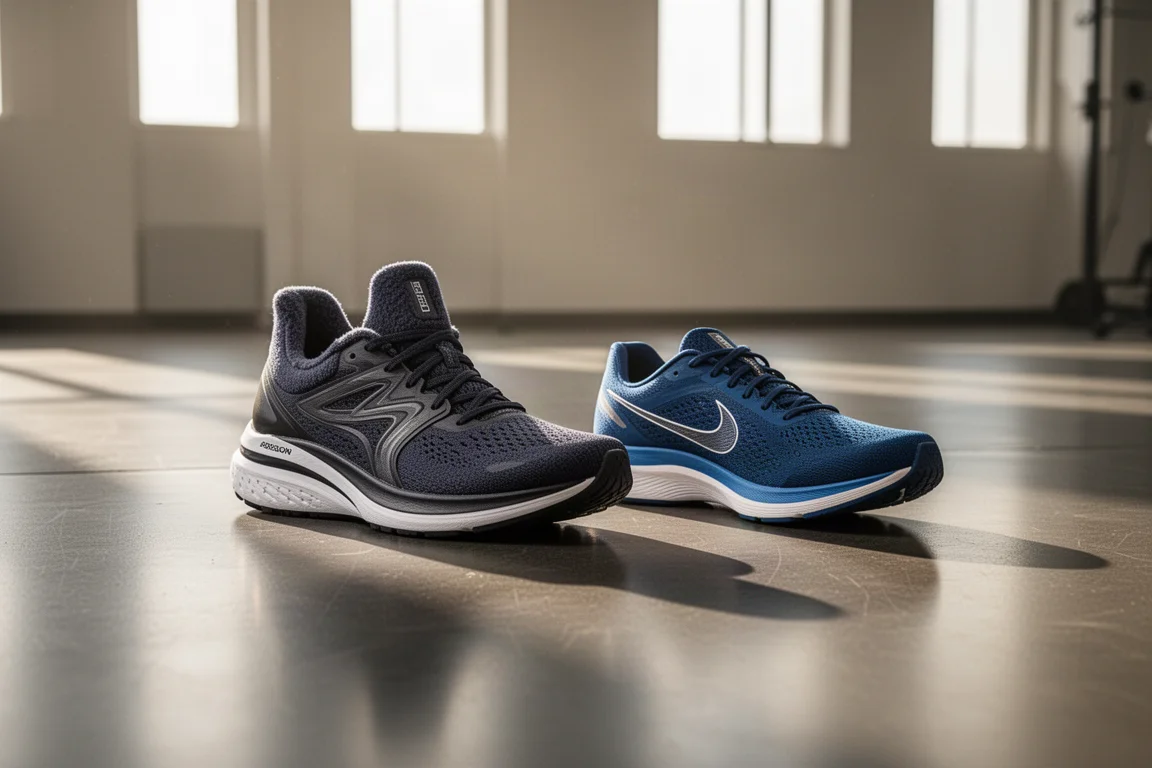
The Adidas Boston 12 is a classic Swiss-army pick. You can run daily miles in it, use it for long runs, pick up the pace, and rely on it for nearly any race distance. It may not be the first choice for a 5K or 10K, but if you want something more forward and lively and are not chasing marginal gains from a super shoe, it covers a lot of ground. It also has plenty of durability to function as a daily trainer if you prefer a slightly aggressive, bouncy forefoot ride every day.
Best Short-Distance Speed Shoe: Adidas Takumi Sen 9
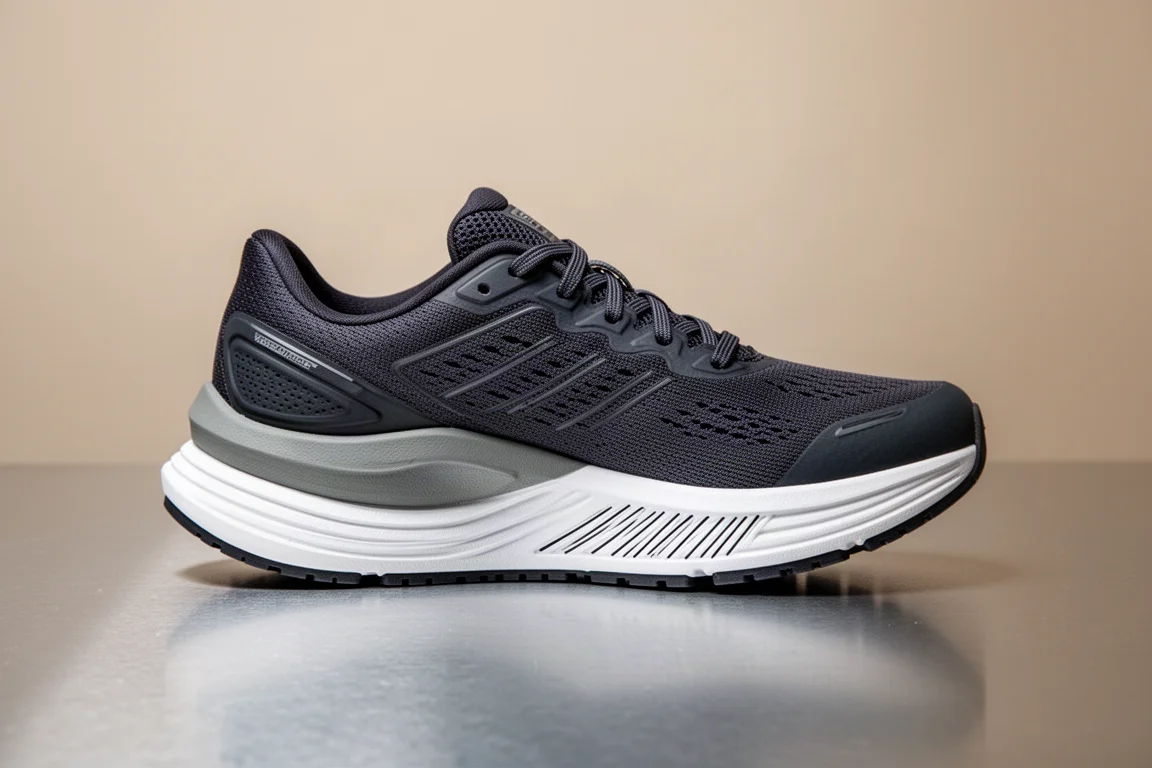
If you split your performance shoes by distance, the shorter slot belongs to something low to the ground and quick-turning for track sessions and interval days. The Adidas Takumi Sen 9 fits that role, as does the New Balance FuelCell SC Pacer. These are the shoes that make shorter rep days feel sharp.
Best Race-Day Shoe: Nike Vaporfly Next% 3
The final slot goes to your go-fast shoe for longer distances. The Nike Vaporfly Next% 3 and the On Cloudboom Echo 3 are among the more versatile of the race shoes, working for everything from a 5K to the marathon. The Saucony Endorphin Elite leans more specifically toward half marathon and up, so match the shoe to the distances you actually race.
The Four-Plus Shoe Rotation
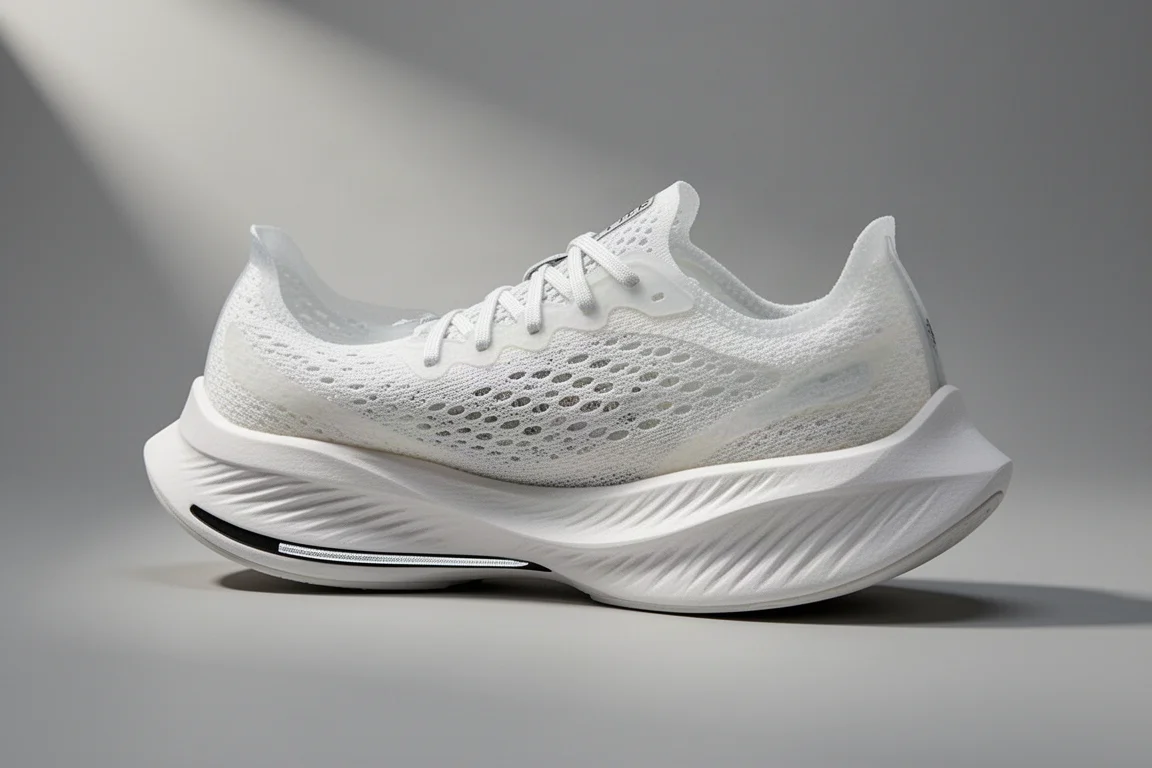
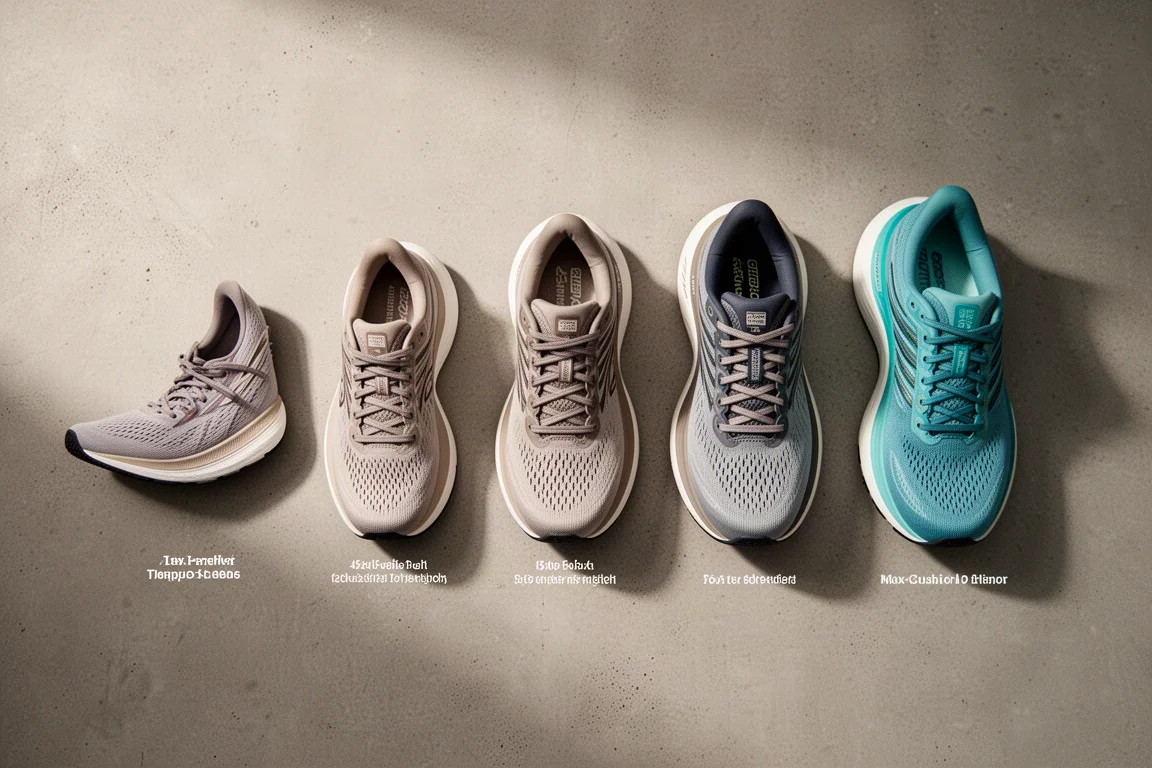
This is where the rotation gets fun. A typical four-to-five shoe lineup breaks down like this: a daily workhorse trainer for the majority of your miles, a snappier workout shoe for weekly track or interval sessions, a long tempo and long run shoe, and a race shoe saved mostly for racing and race-pace workouts close to your goal effort.
Best Versatile All-Rounder: Topo Cyclone 2
The Topo Cyclone 2 has enough versatility to live in almost any slot. It can handle daily miles, speedy miles, and shorter interval work, which makes it a genuine option whether you want it as your training companion or even as your primary daily trainer. Shoes like the Saucony Endorphin Speed 3 shine in this same category.
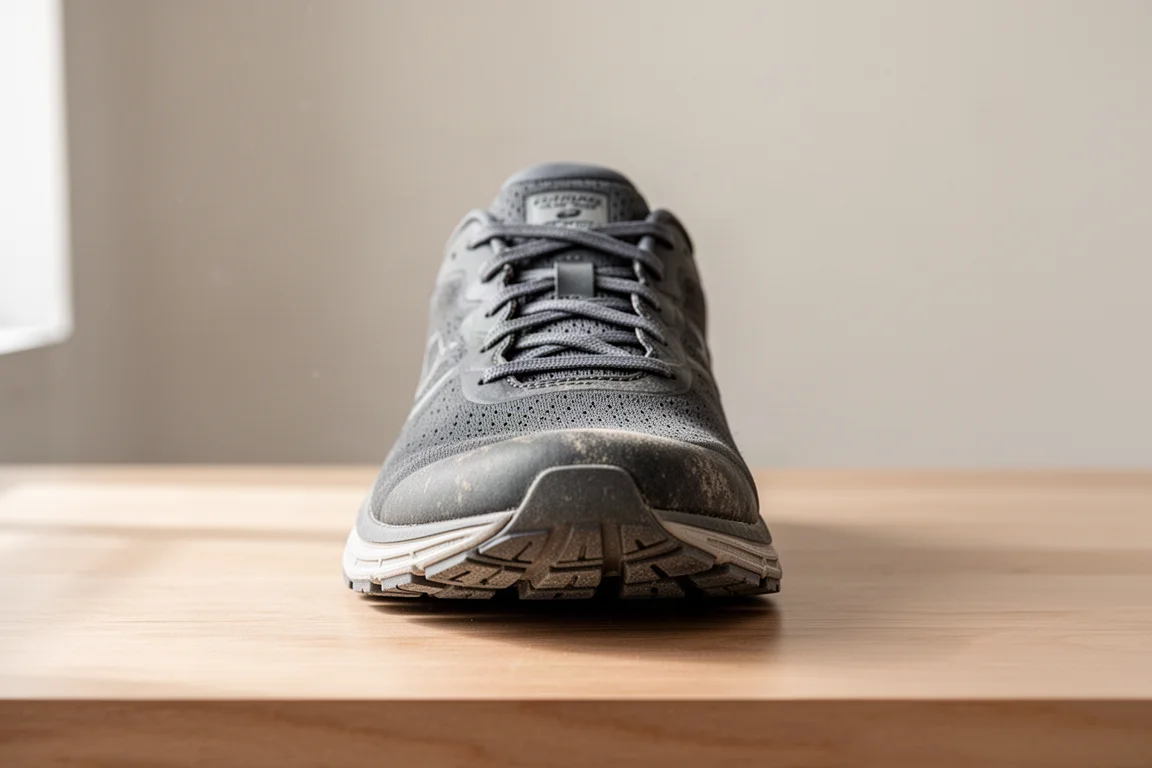
If you are not separating short and long distance shoes, another way to build a four-shoe rotation is by feel and terrain: a moderate-stack daily trainer, a max-cushion rockered recovery shoe for days when you feel beat up, a sturdy trail shoe for varied terrain, and one fun shoe that simply makes you excited to run.
Building a Trail Rotation
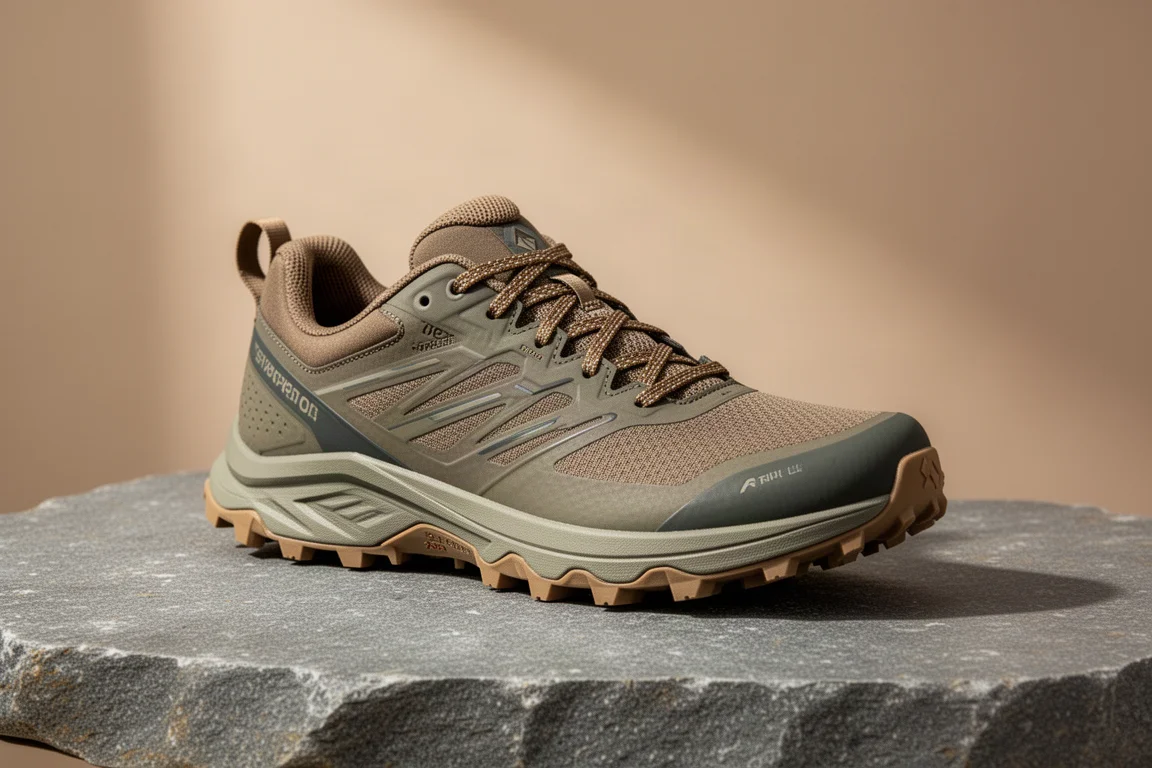
The trail logic mirrors the road. Start with one reliable daily shoe, then add purpose-driven options: a race or speed shoe for your chosen distance, a technical-terrain shoe if your routes get rocky, an all-terrain shoe that can hop between road and trail, or a waterproof option if creek crossings and wet weather are regular features.
Best Trail Workhorse: Brooks Cascadia 17
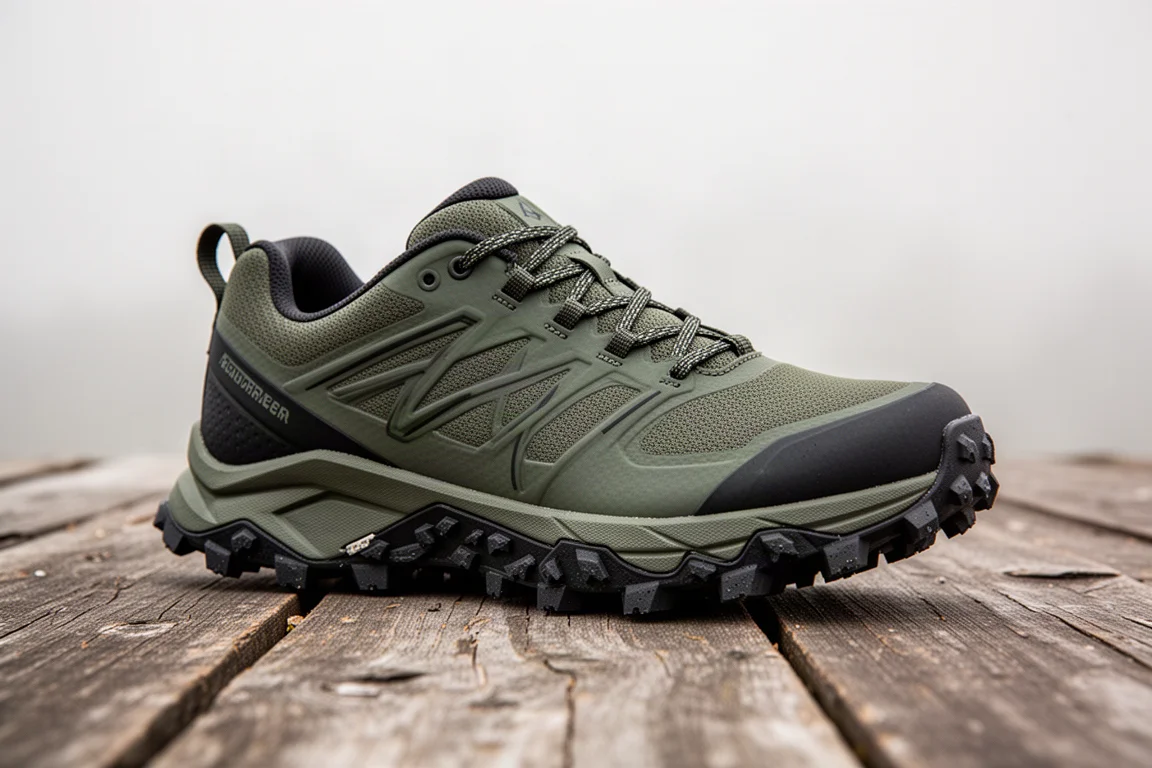
The Brooks Cascadia 17 is the kind of daily trail shoe that is boring in the best way. It has a relatively natural transition, feels stable underfoot, and can go pretty much wherever you want to take it. It is a little heavier and less responsive than some alternatives, but it is a shoe you can run in over and over and beat into the ground.

Best Trail Race Shoe: Hoka Tecton X 2
For shorter trail races, traditionally in the 25K and under range, a lighter performance shoe fits the bill. The Hoka Tecton X 2 is the second version of that plated trail racer line and suits runners who want to push the pace on runnable trails.
Best Long-Distance Trail Shoe: Saucony Endorphin Edge
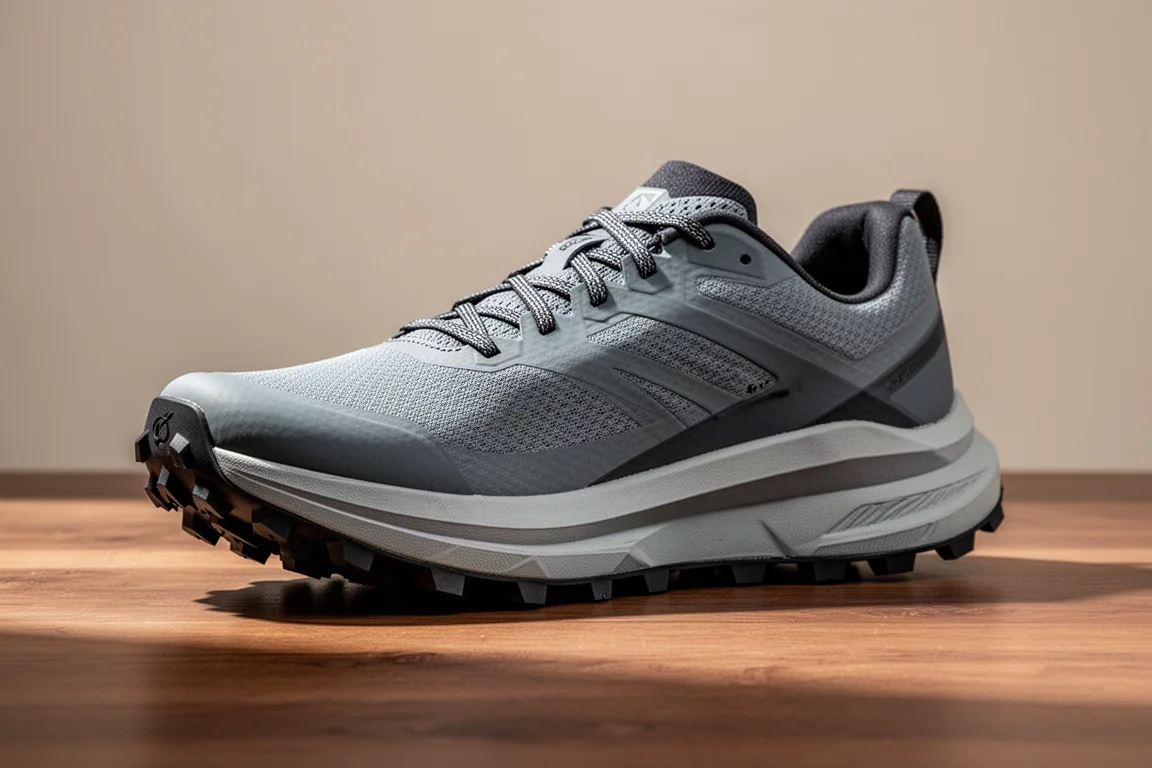
For longer trail efforts, the newer generation of plated trail shoes comes into play. The Saucony Endorphin Edge uses PWRRUN PB foam with a carbon plate and a Vibram outsole, built for big days where cushioning and protection matter as much as speed.
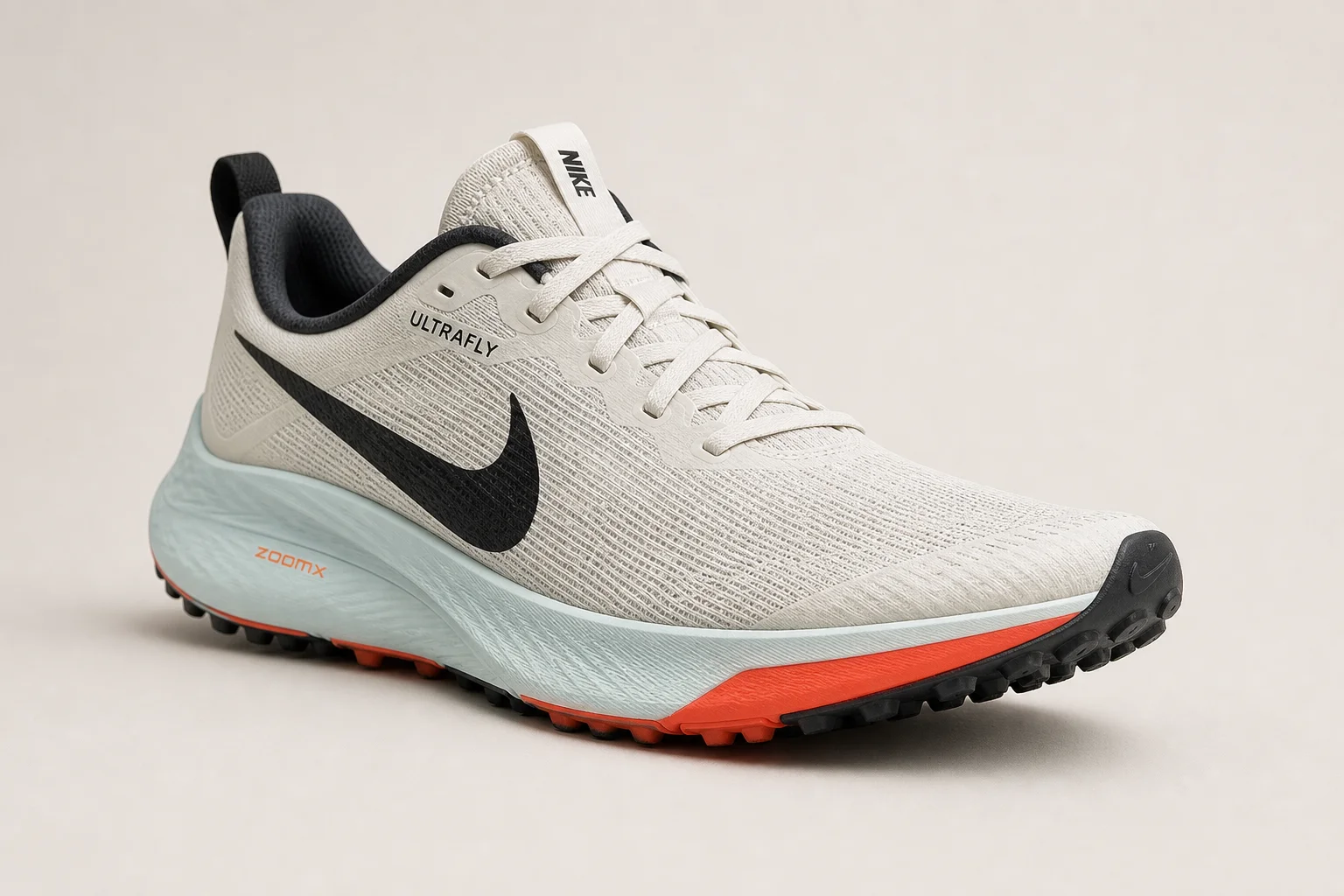
Best Versatile Trail Shoe: Nike Ultrafly
The Nike Ultrafly rounds out the long-distance trail picks with ZoomX foam, a carbon plate, and a Vibram outsole. It is also one of the plated trail options that reportedly runs well on the road, which makes it a candidate if your routes mix pavement and trail.
Overall Buying Advice
You do not need a three, four, or five-shoe rotation. But having a couple of different shoes in the arsenal for different activities and races is a sensible approach. Varying the stimuli your body adapts to may help change the stresses on your body and potentially lower injury risk over time, and it prolongs the life of each pair. Rotations work for recreational runners too: a comfortable walking or everyday shoe can earn a slot just as easily as a race day racer. Find the lane you want each shoe to fill, then use it for that purpose.
Conclusion
A shoe rotation is less about owning more shoes and more about assigning clear jobs. A dependable daily trainer, one or two performance options matched to your race distances, and, if you venture off-road, a purposeful trail pick will cover nearly everything. Start with two shoes, expand only when a real need appears, and let each pair do what it was built to do.
Further reading
Related Reviews

Running Shoes
Best Road-to-Trail Running Shoes: Three Versatile Options for Mixed Terrain
A practical guide to three road-to-trail running shoes that handle both pavement and mild trails, with clear strengths and trade-offs for different runner types.

Running Shoes
Best Running Shoes for Achilles Tendonitis: Three Options Explained
Three running shoes with different heel drops and support features designed to help reduce Achilles tendon pain during walking and running.

Running Shoes
Best Running Shoes for Women: Five Top Choices Ranked
A ranked guide to five women's running shoes, from versatile daily trainers to high-performance racing options, with real strengths and trade-offs for each.