Running Shoes
Best Running Shoe Rotation 2022: Daily Trainers, Tempo Shoes, and Race Day Picks
A practical guide to building a running shoe rotation, with standout picks for daily miles, tempo days, and race day from Asics, Adidas, Saucony, Nike, and New Balance.
Introduction
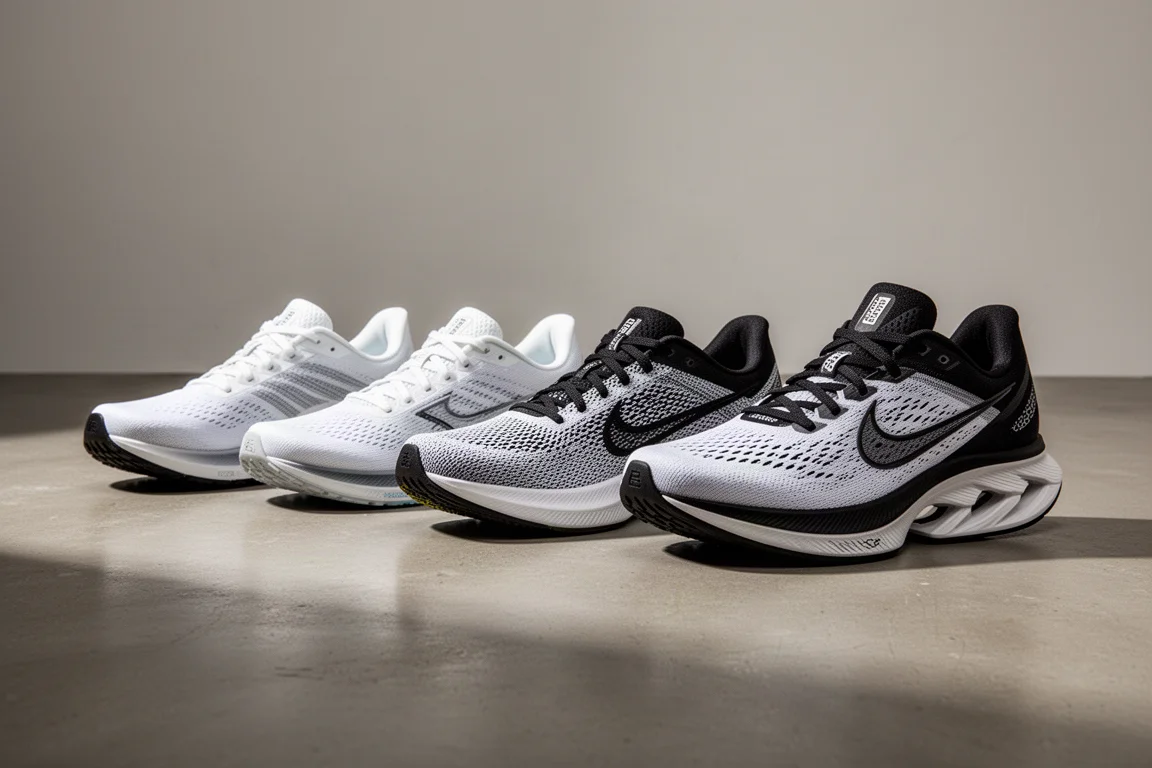
A running shoe rotation is easier to understand than it looks. Instead of buying one shoe for everything, most serious runners split their footwear into three roles: a daily trainer for the bulk of the miles, a tempo shoe for faster midweek work, and a race day shoe reserved for when it really counts.
This guide breaks down what each category is for, what to look for before buying, and the specific models that earn a place in a well-rounded 2022 rotation.
The Daily Trainer: Your Rotation’s Bread and Butter
The daily trainer is the shoe you will run most of your miles in, week after week. It is the workhorse of the rotation, so fit, durability, and cushioning matter more than anything else. You want something that lasts through 400 to 500 miles, feels comfortable the moment it goes on your foot, and can still pick up the pace if you ask it to.
The trade-off is straightforward: extra cushioning and durability usually mean extra weight. These shoes are more substantial and sturdier, and that is exactly the point. They are built to keep your legs feeling good through easy days, long runs, and everything in between.
Asics Novablast 3
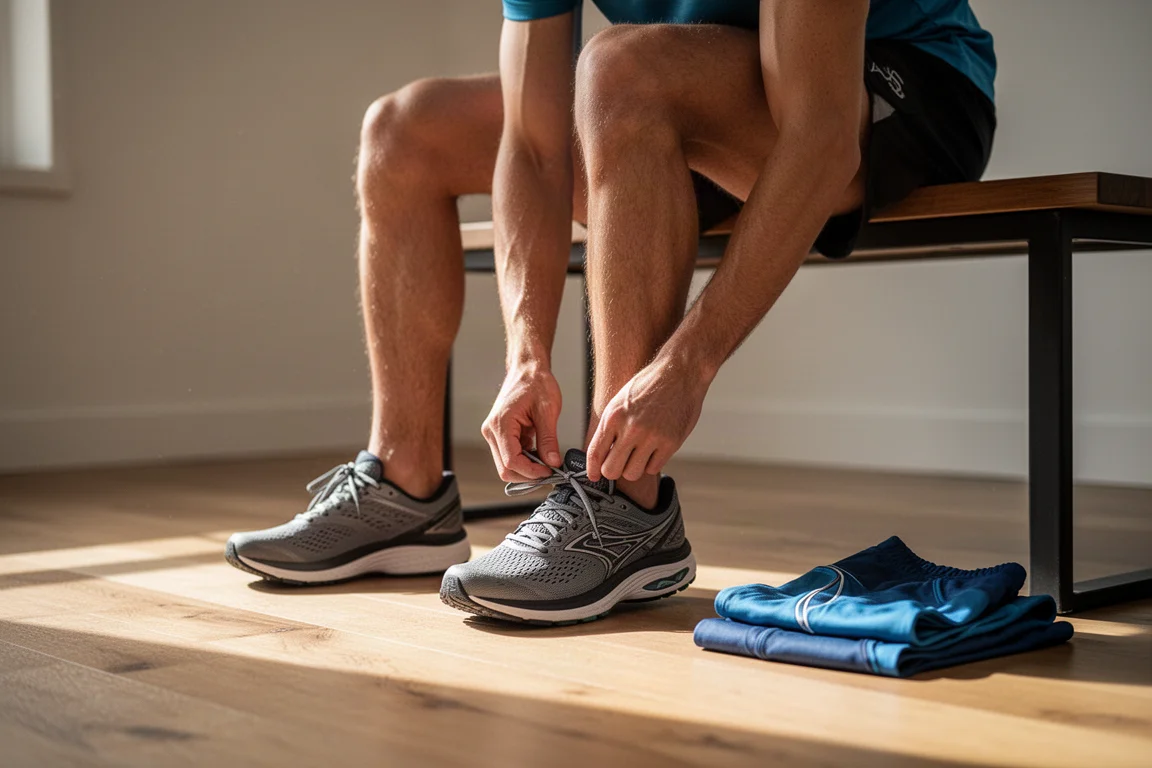
The Asics Novablast 3 is a prime example of a modern daily trainer done right. It is lightweight for how much cushioning it carries, with a nice roll through the stride and a simple, comfortable upper that fits true to size and accommodates wider feet. Reviewers repeatedly highlight that it has enough stack and softness for easy days but stays snappy on toe-off thanks to its FF Blast Plus foam, so it can handle four-mile days and 20-mile days alike. It is versatile enough that some runners could use it for nearly all their running, including tempo work and even marathons, though it earns its spot here as the daily mileage anchor. More than one member of our team called it their favorite daily trainer, possibly of all time.
Asics Gel-Nimbus 24
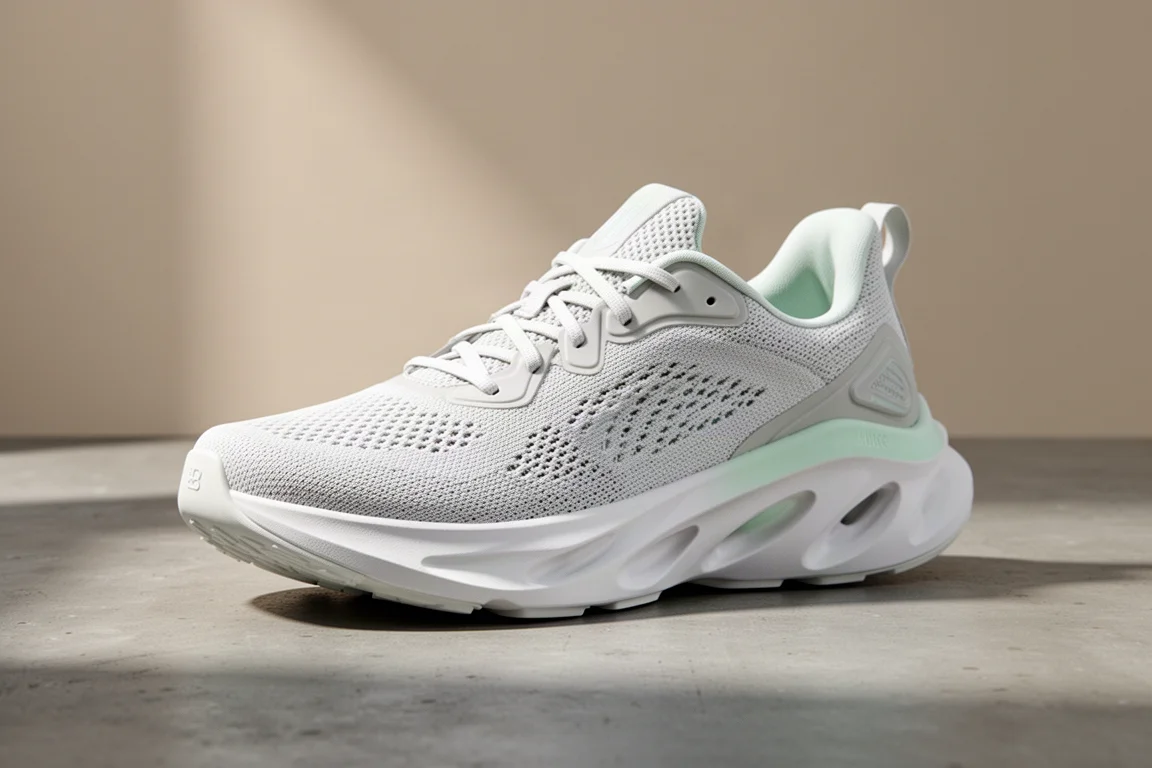
If comfort is the priority, the Asics Gel-Nimbus 24 is the alternative worth considering. The upper is the standout: it locks the foot in well and has that plush, locked-down feel that runners who like more structure in their uppers tend to love. For one member of the team, it was the shoe they logged the most miles in for the entire year, edging out the Novablast 3 as their overall daily trainer pick even while acknowledging the Novablast is the choice when they simply want more comfort on a given run. Between the two, you get a clear picture of the daily trainer category: light and bouncy versus soft and secure.
Tempo Shoes: Fast, Light, and Fun
Tempo shoes exist for a simple reason: race day shoes are expensive, and you do not want to burn through their limited lifespan in training. A tempo shoe gives you something fast and fun for midweek speed work while keeping your race day pair fresh.
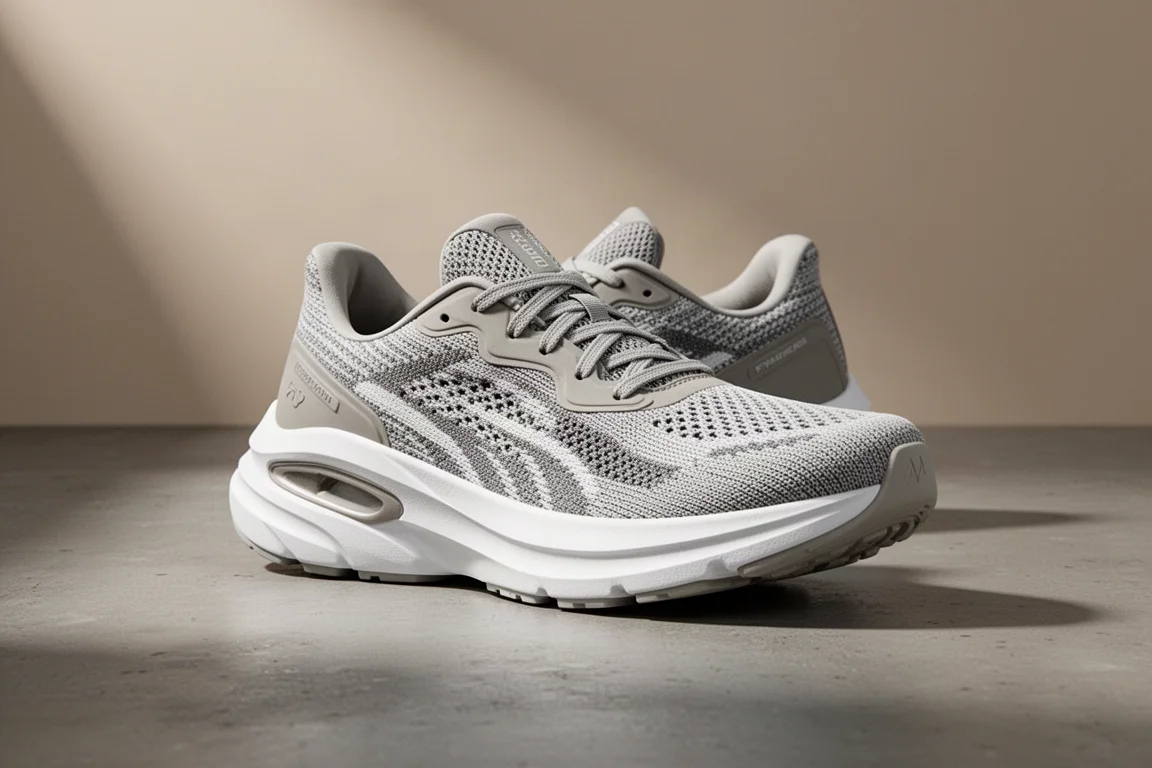
What defines the category is a lower stack height for better ground feel, a light and breathable upper that is often close to race day quality, and a snappy toe-off that makes shorter, faster efforts enjoyable. Typical midweek speed work tops out around 10 to 11 miles, so these shoes do not need marathon-level cushioning. They are also frequently priced below race day shoes, sometimes in the 110-dollar range, which makes them one of the best value categories in running. Simply put, they are the most fun shoes in the rotation: light, airy, sharp-looking, and quick.

Adidas Takumi Sen 8
The Adidas Takumi Sen 8 embodies everything a tempo shoe should be. It has a very light, breathable mesh upper that feels almost like a race day shoe, paired with a stack of Lightstrike Pro, the same premium cushioning Adidas uses in its race day offerings. That combination gives it a lively pop off the toe that multiple testers described as dreamy. One reviewer went as far as saying that if it had been released before the Vaporfly era, it would have been the most exciting shoe on the market. Instead, it settles comfortably into the role of a great lightweight fast-day shoe, and it was the unanimous tempo pick across the team.
Saucony Endorphin Speed 2
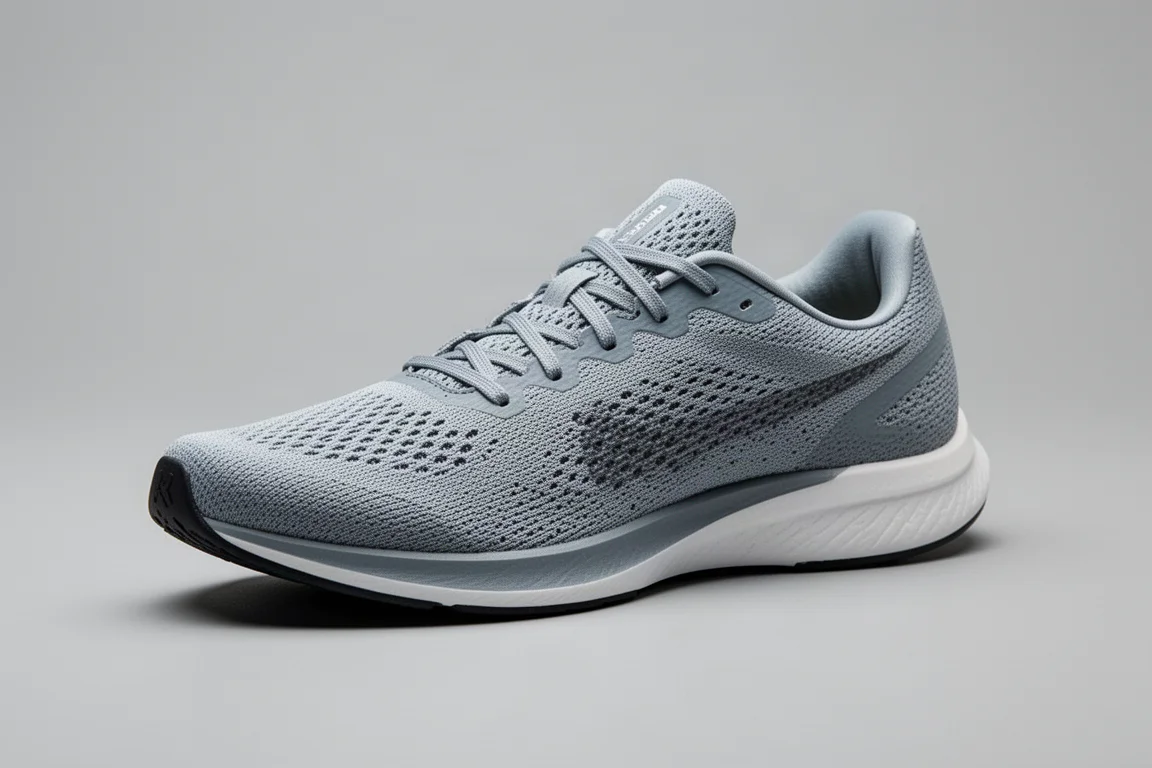
The Saucony Endorphin Speed 2 is the Swiss army knife of this list, a shoe that could genuinely do a bit of everything. It is snappy and fast on toe-off thanks to Speedroll technology and PWRRUN PB foam, light on the foot, and a favorite for dedicated workout days. Several team members picked it specifically for tempo, with one calling it their favorite tempo shoe of the last three years and praising how the outsole grips into any surface when cornering at speed. If you want one shoe that blurs the line between daily trainer and tempo shoe, this is it.
Saucony Endorphin Speed 3
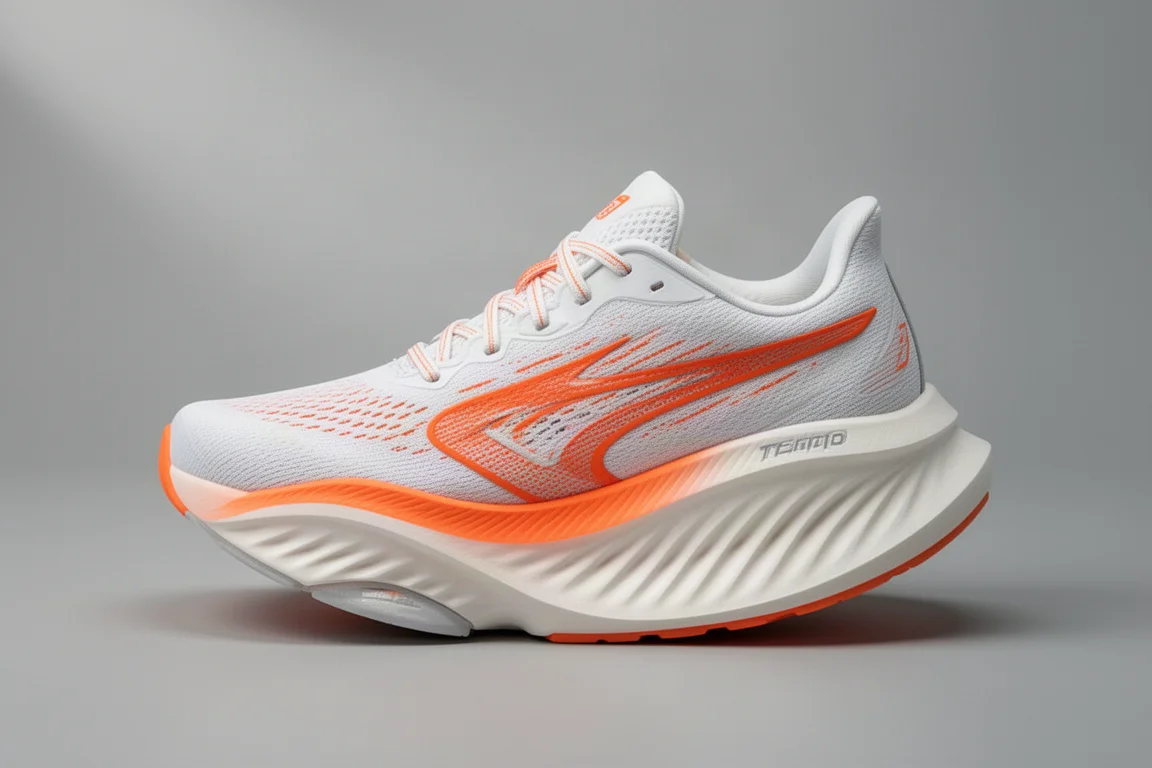
The Saucony Endorphin Speed 3 takes the same formula and widens the platform, adding stability alongside the bouncy ride the line is known for. One tester who moved forward to the newer version loved the update precisely for that reason: the wider base adds confidence through corners while keeping the same energetic bounce that made the Speed 2 so popular. If you found the earlier version slightly tippy or simply want a more planted feel during fast efforts, the Speed 3 is the tempo shoe to reach for.
Race Day Shoes: Where the Fastest Technology Lives
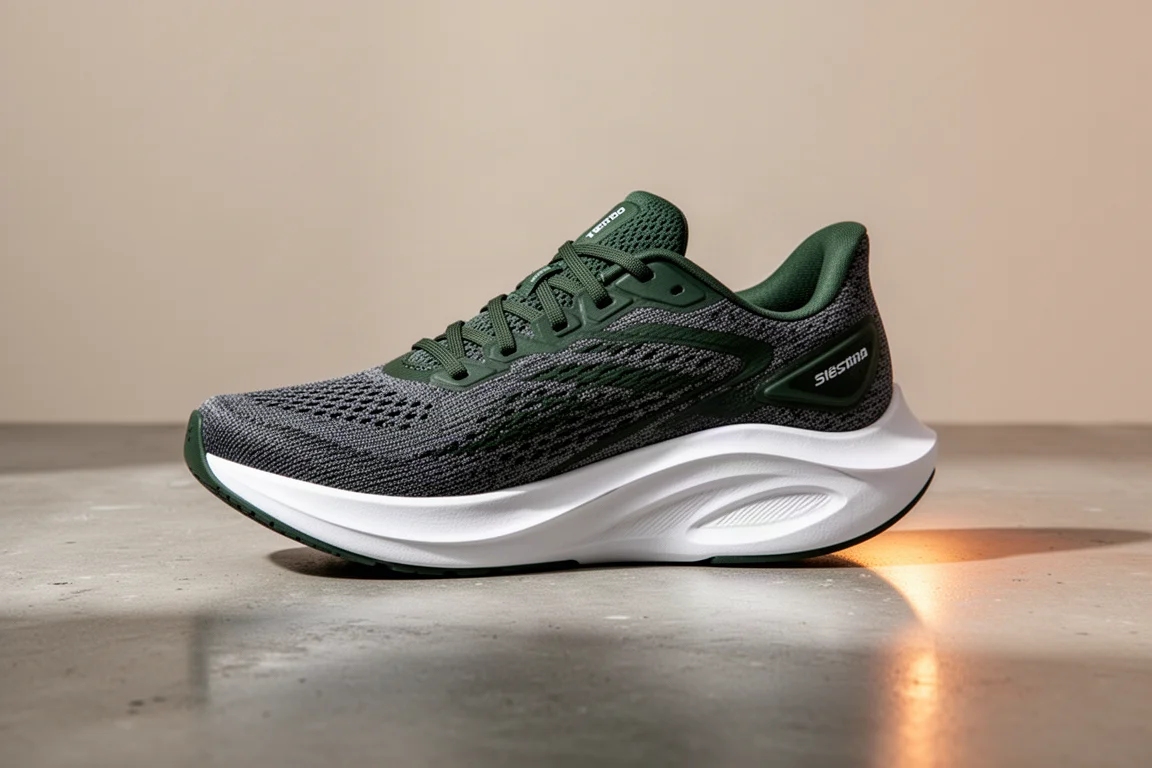
Race day shoes are where brands get experimental. This is the category where the newest materials, plates, foams, and aggressive shapes all come together, and it is why lining up at a start line you see so many of them on people’s feet. They help elite runners, and they help everyone else too.
A common question is whether it is okay to run in a race day shoe before the race itself. The answer is yes, but briefly. Many runners like to go into a race with no more than around 50 miles on the pair, and a short shakeout is not going to cost you meaningful performance. You do not want to discover blisters on race morning, so get some practice in, just not too much.
Keep in mind that super shoes have a shelf life, with some rated for around 150 to 200 miles. Some models last longer than others, so it is worth researching before you commit. And if you are a first-time marathoner on the fence about spending 250 to 275 dollars: if you love running and plan to do it again, go for it. If you are less sure, a fresh pair of your comfortable daily trainer will serve you just as well over four hours. Mid-pack runners should feel no guilt either, because modern race shoes are so well cushioned that your legs still feel good at the finish.

Nike Alphafly 1
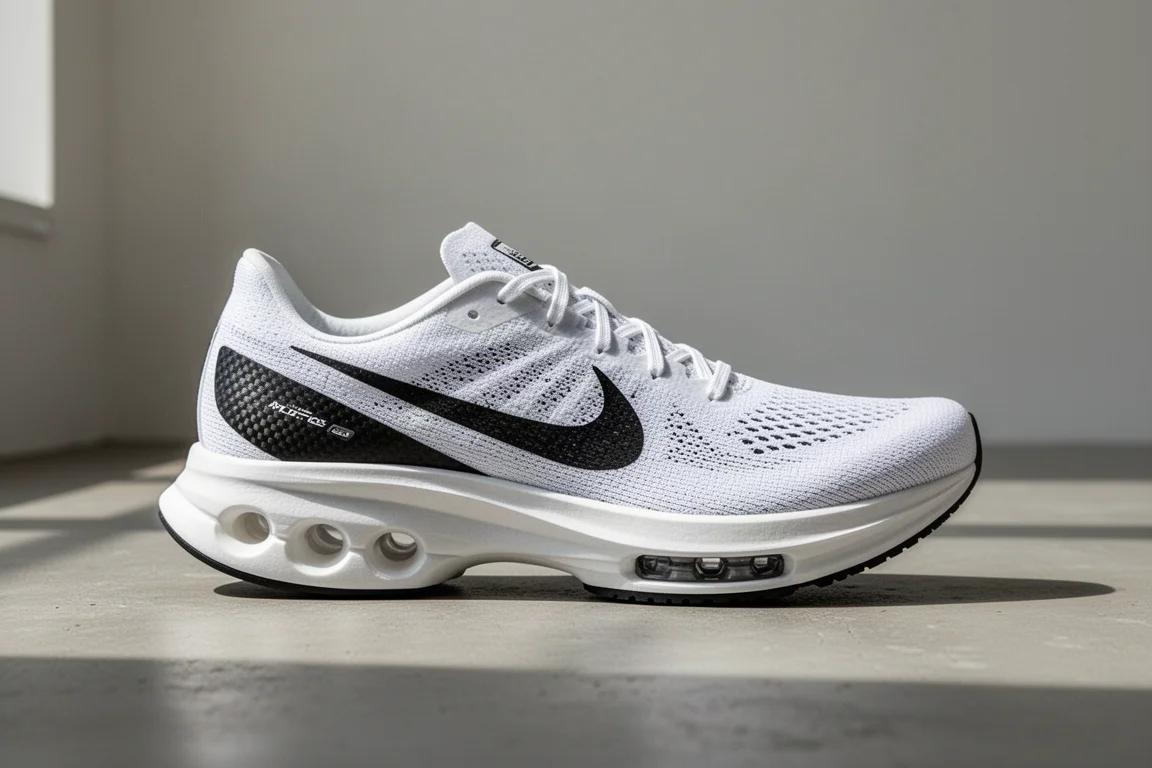
The Nike Alphafly 1 remains the reference point for the marathon distance. It has a plate, a tall stack of foam, front air pods, traction, and a light breathable upper, and it is still the shoe breaking marathon records. Its strength is steady progression: it lets you lock into a specific pace and hold it, rather than serving as a shoe for variable-pace workouts. The bounce off the toe is the detail testers keep coming back to, giving tired legs in the later miles a reminder to lift the knees and keep going. Multiple team members picked the original over the newer version, with one describing theirs as visibly worn out from how much it has been used. For 5Ks and shorter races, other options may make sense, but for the marathon, the Alphafly is still king.
Asics MetaSpeed Edge
The Asics MetaSpeed Edge is the snappier, firmer alternative in the race day category. One tester ran a fast 5K in it and found it feels a lot like the previous year’s flagship, with a lively, responsive ride that suits runners who prefer a firmer underfoot feel. The standout detail is the pivot point under the ball of the foot, which gives the shoe a distinctive roll forward at toe-off. It has not yet been tested at the marathon distance by our team, but as a shorter-distance race shoe it is a compelling pick.
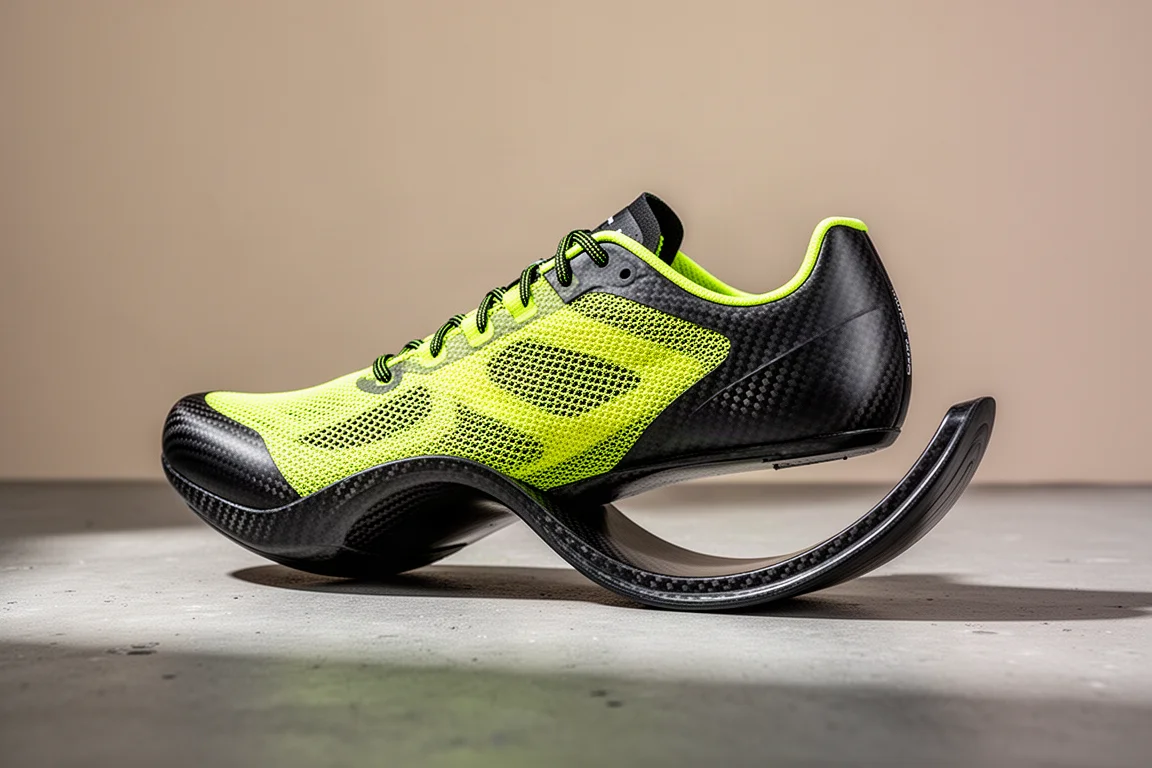
Max Cushion and Training Partners
Beyond the three core roles, a couple of shoes earned spots as versatile rotation fillers, particularly for runners building toward big race blocks where comfort and mileage absorption matter.
New Balance SC Trainer
The New Balance SC Trainer is built for gobbling up miles. The ride is soft and cushioned, yet it still carries a plate that keeps things responsive, and the upper fit was praised as excellent. It runs a little heavier than a pure daily trainer, but as a high-mileage training partner, especially during a race buildup, it does the job beautifully. The only quirk is the fit, which runs a bit narrow and long, so sizing deserves some attention before ordering.
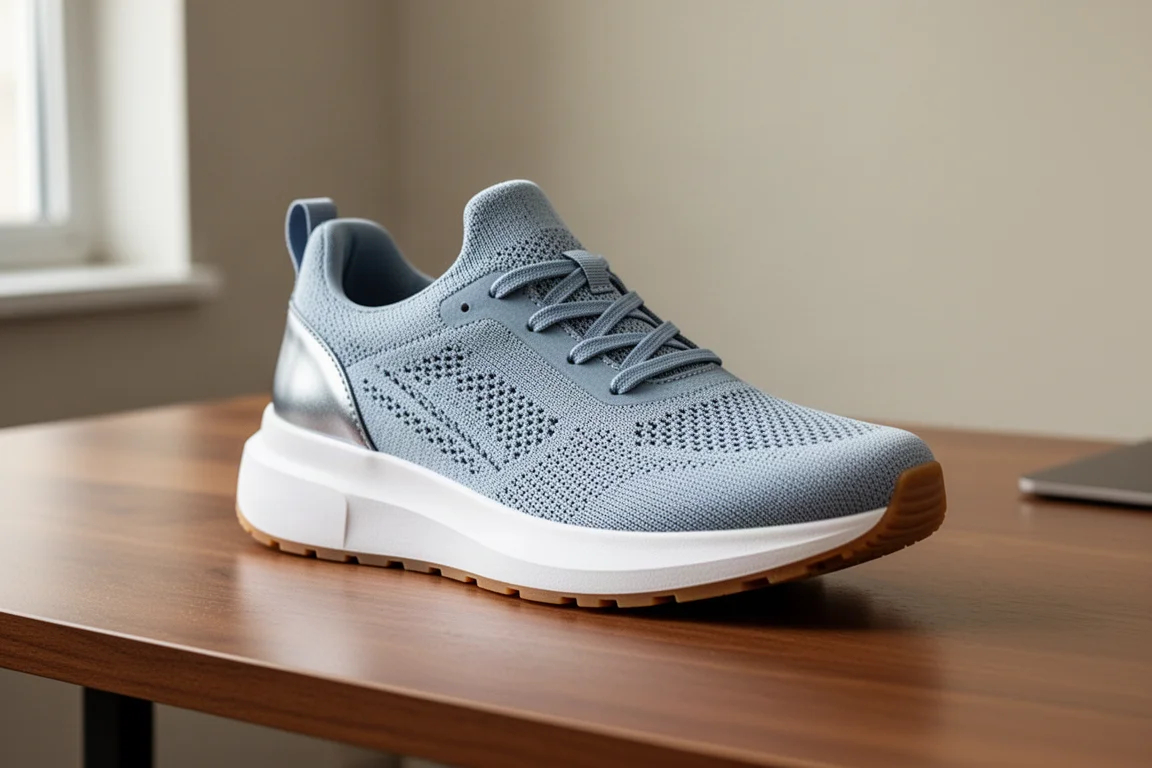
New Balance RC Elite 3
The New Balance RC Elite 3 is the fun, slightly under-the-radar pick. It uses ZoomX foam, stays light on the foot, and feels bouncy and airy even though the stack does not look especially tall. Paired with the SC Trainer, it forms a strong training combination, since both shoes share New Balance’s Energy Arc plate. The RC Elite 3 keeps a more traditional stack around 39 millimeters at the heel, and stepping into it after a heavier trainer makes it feel like a rocket. One tester did their final pre-race workout in it and simply had fun.
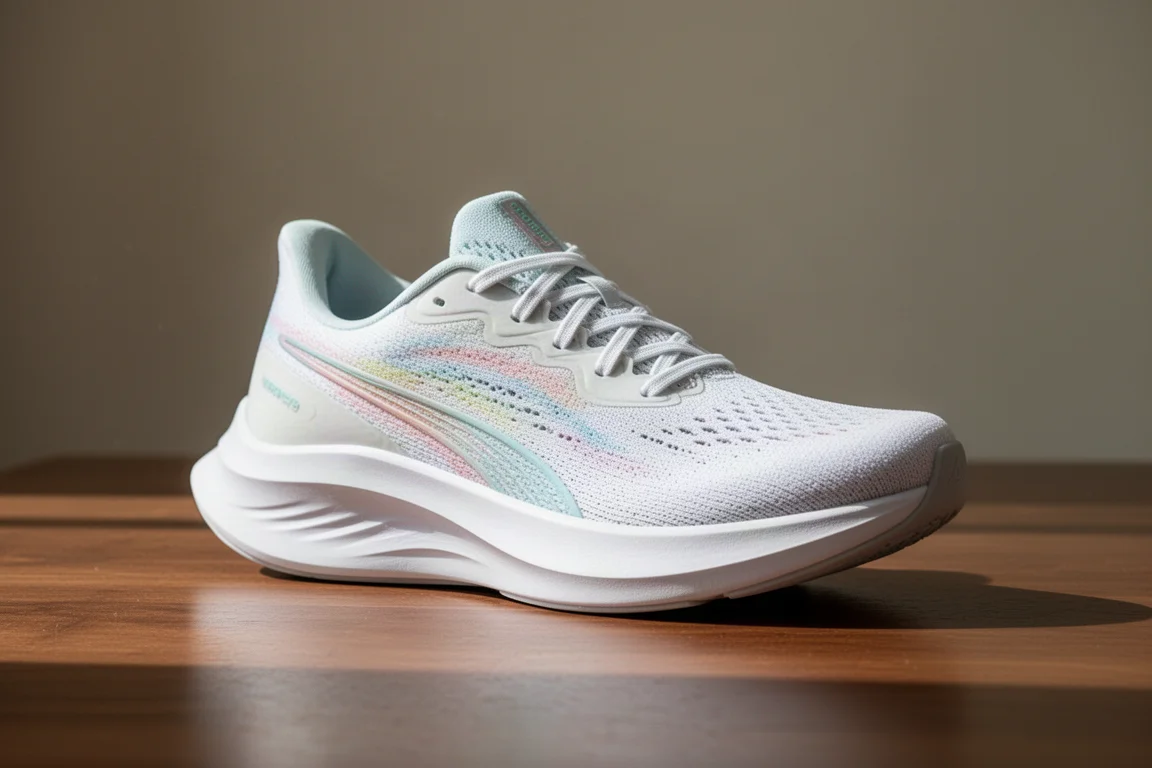
Don’t Forget the Socks: Bombas Running Socks
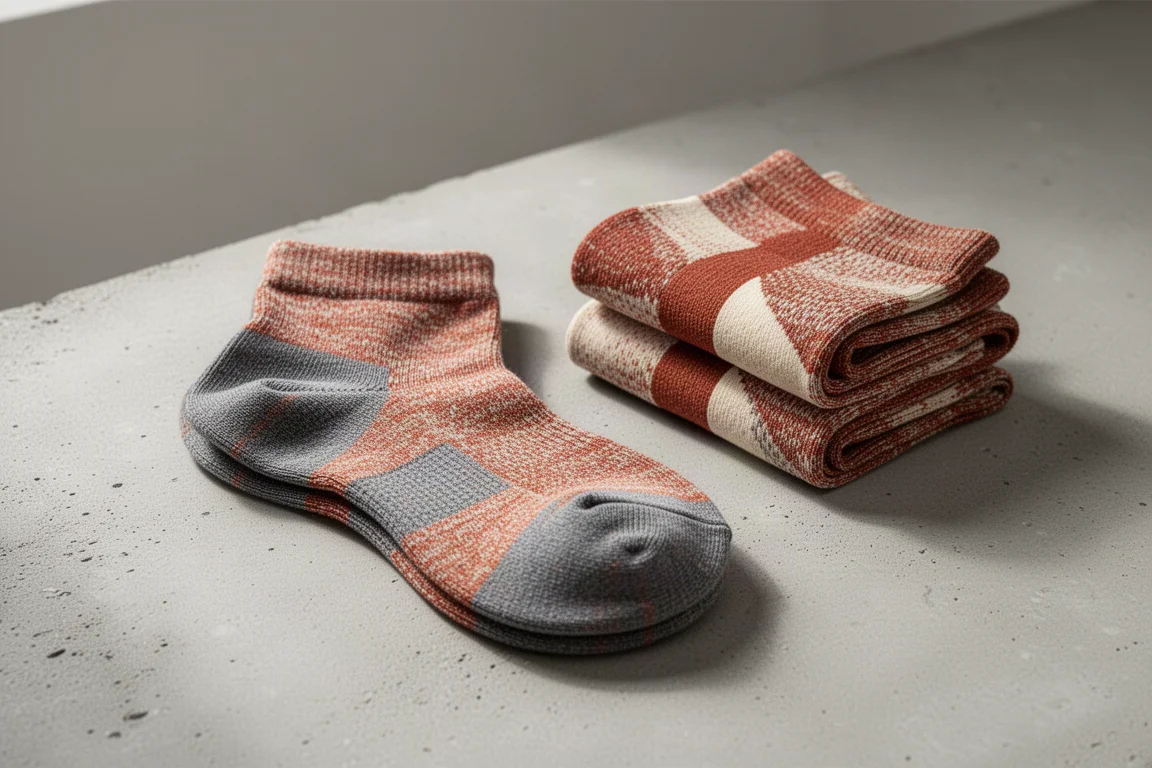
A shoe rotation is only as good as what goes inside the shoes. If you are investing serious money in footwear, cheap cotton socks that soak up sweat and cause blisters undermine all of it. The rule is simple: choose socks made from synthetics or wool.
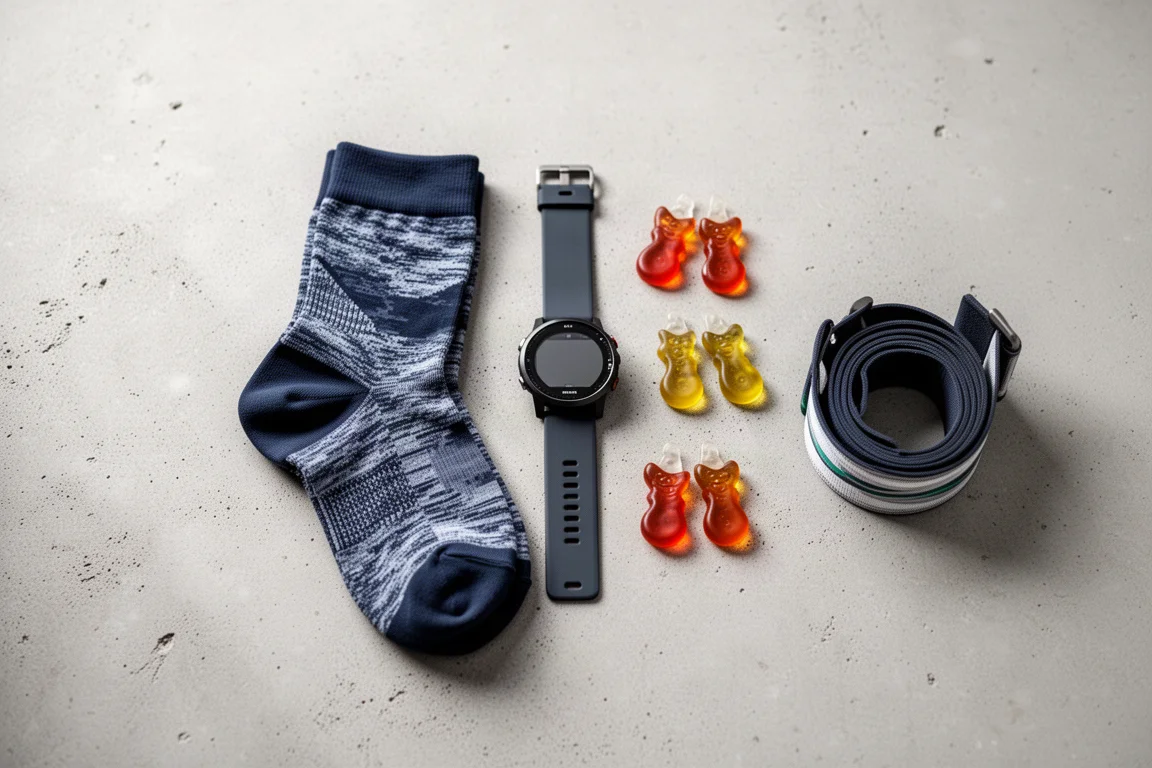
Bombas running socks fit the bill and have been a fall favorite for the team. They are comfortable on the run, come in appealing seasonal designs, and deliver everything you need from a performance sock. As a bonus, the brand donates items to people in need with purchases, which makes the buy feel a little better too.
Buying Advice: Building Your Own Rotation
If you are starting from scratch, build in this order. First, nail the daily trainer, because it will absorb the majority of your miles and matters more than any other purchase. Second, add a tempo shoe to protect a future race day pair and make speed work more enjoyable, usually at a lower price point. Third, only invest in a race day shoe when you actually have a goal race, and treat it with care: a short break-in of a few dozen miles, then save the fresh feeling for the start line.
Match the shoes to your preferences rather than the hype. Some runners want maximum softness, others want a firmer, more connected ride. The best rotation is the one that keeps you comfortable, consistent, and excited to lace up.
Conclusion
A thoughtful rotation does not need to be complicated: one durable, cushioned daily trainer, one light and snappy tempo shoe, and one race day shoe reserved for big efforts. The picks here, from the Novablast 3 and Gel-Nimbus 24 up top, through the Takumi Sen 8 and Endorphin Speed line in the middle, to the Alphafly 1 and MetaSpeed Edge on race day, cover every role with proven options. Add a proper pair of running socks, buy for your own preferences, and your legs will thank you at every stage of training.
Further reading
Related Reviews

Running Shoes
Best Road-to-Trail Running Shoes: Three Versatile Options for Mixed Terrain
A practical guide to three road-to-trail running shoes that handle both pavement and mild trails, with clear strengths and trade-offs for different runner types.

Running Shoes
Best Running Shoes for Achilles Tendonitis: Three Options Explained
Three running shoes with different heel drops and support features designed to help reduce Achilles tendon pain during walking and running.

Running Shoes
Best Running Shoes for Women: Five Top Choices Ranked
A ranked guide to five women's running shoes, from versatile daily trainers to high-performance racing options, with real strengths and trade-offs for each.