Running Shoes
Best Running Shoe Recommendations: 8 Picks From Our Reader Mailbag
Stability workhorses, all-terrain daily trainers, and stable-neutral speed options, all drawn from real reader questions and tested mileage.
Introduction
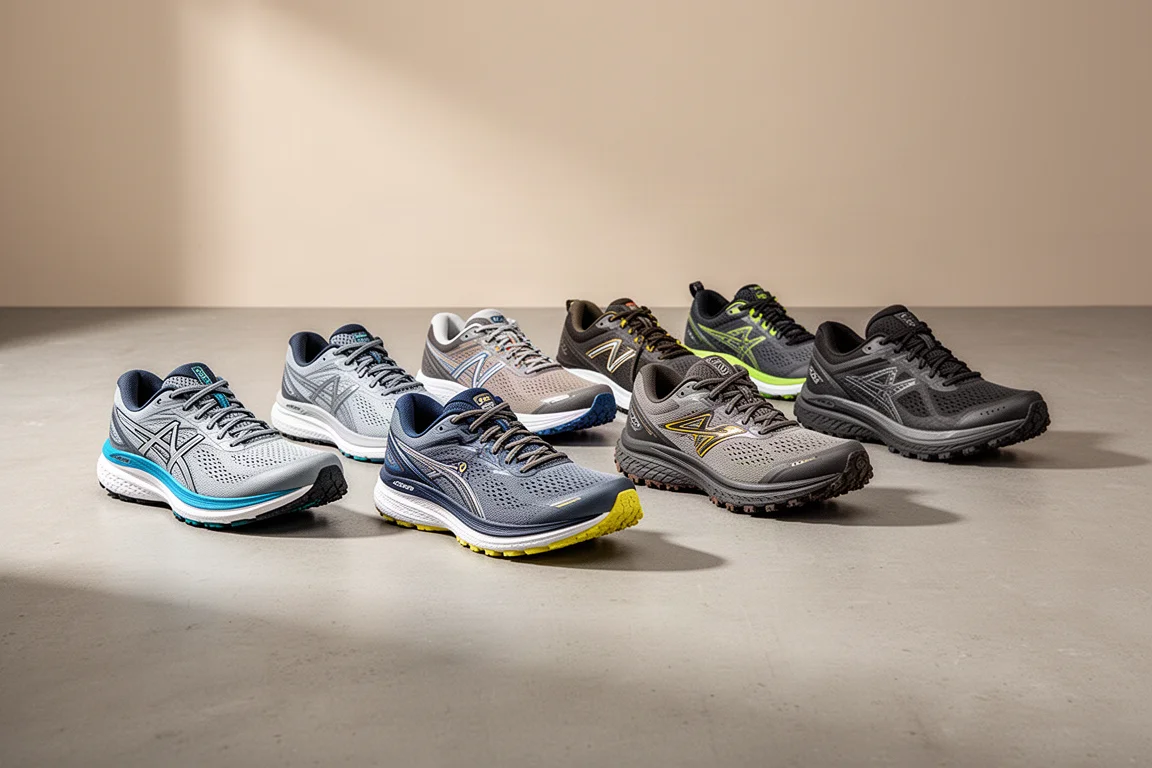
The best shoe recommendations come from real questions, and the reader mailbag delivered plenty of them this season. The themes that kept coming back were familiar ones: a stability shoe that stays comfortable over big mileage, a daily trainer that can handle a mix of road and trail, and options for runners who want more excitement than a traditional support shoe without giving up the stability they need.
The eight shoes below cover those needs well. Each one has earned its place through extended testing, with clear strengths and equally clear trade-offs. If you have been circling the shoe wall wondering what actually fits your running, this roundup is a practical place to start.
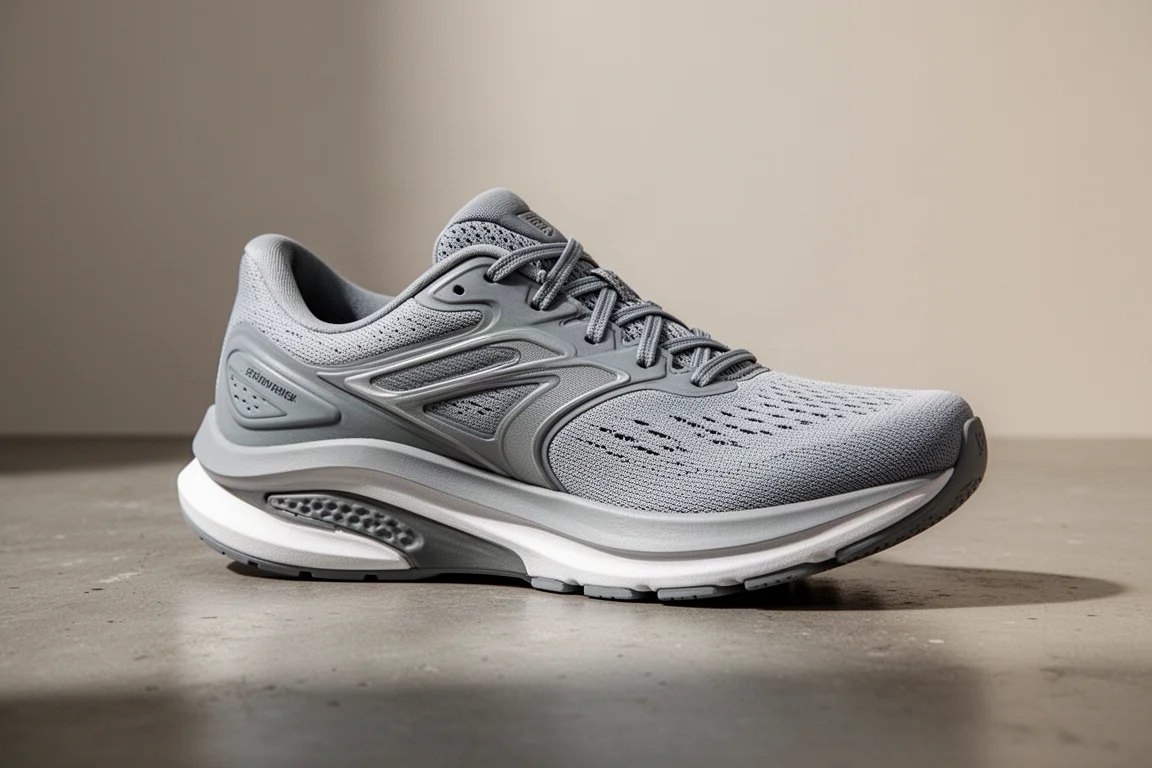
The Stability Workhorse: ASICS GEL-Kayano
Not light, not fast, and completely unbothered by either fact, the GEL-Kayano is the shoe that keeps pulling runners back into it. With close to 200 miles logged in a single pair, the midsole has held up exceptionally well, breaking in nicely while keeping its supportive ride intact. The 4D Guidance system does its job quietly: instead of feeling like a hard medial post, it gently guides the foot back out of pronation with each stride, which takes pressure off the Achilles and posterior tibialis over long efforts.
This is the shoe for runners who want to settle into a rhythm and stay there, whether that is a 12-mile midweek run or a long Sunday loop. If dependable, comfortable stability is the priority, the Kayano is hard to beat this year.

Best All-Terrain Daily Trainer: Salomon Aero Blaze 3 Gravel
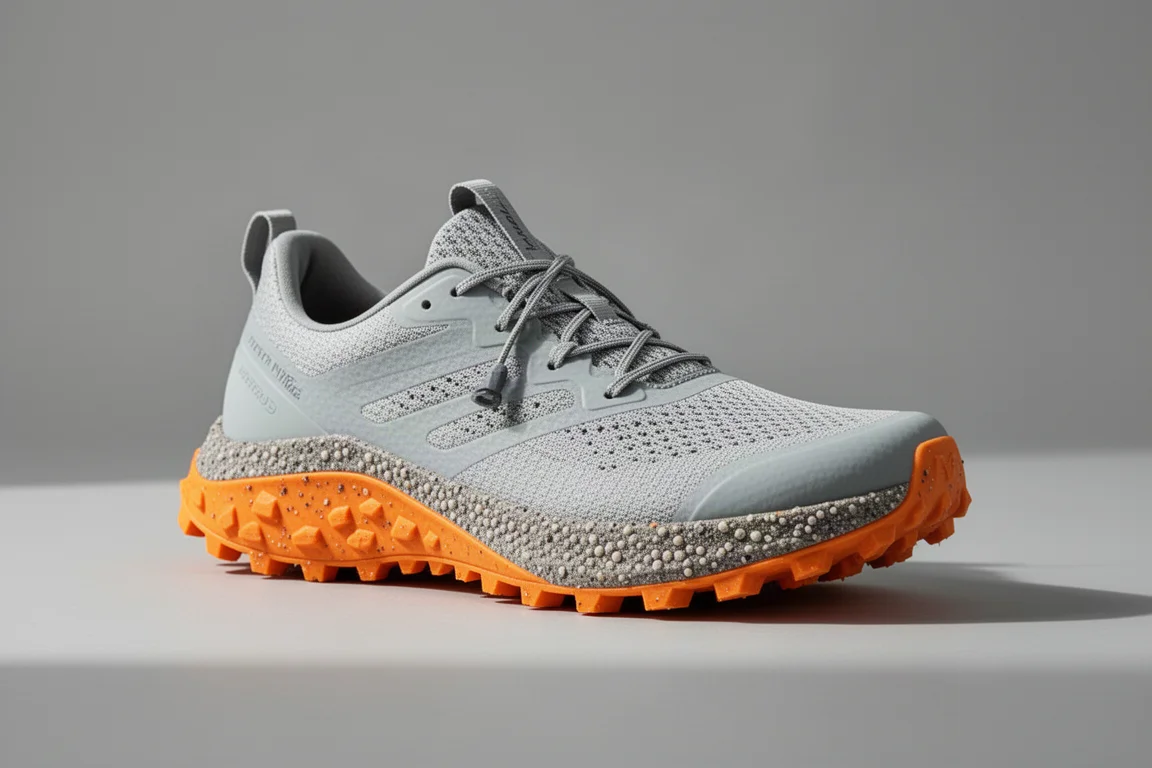
A road daily trainer adapted for light off-roading, the Aero Blaze 3 Gravel takes the bouncy beaded TPU midsole of the standard version and firms the ride up with a Contagrip gravel outsole. The result is a more stable platform, much better traction, and a surprisingly light 8.7 oz despite carrying that much rubber. It stays secure on runnable trail, crosses multiple surfaces on a single run without complaint, and can even pick up the pace a little if you ask.
Salomon’s fit runs slightly narrow overall, and there is no gaiter attachment option, which matters if you run loose, dusty terrain. As a road-leaning shoe that can do some trail, though, it is an easy recommendation.

The Trail-Leaning Alternative: Altra Experience Wild 2
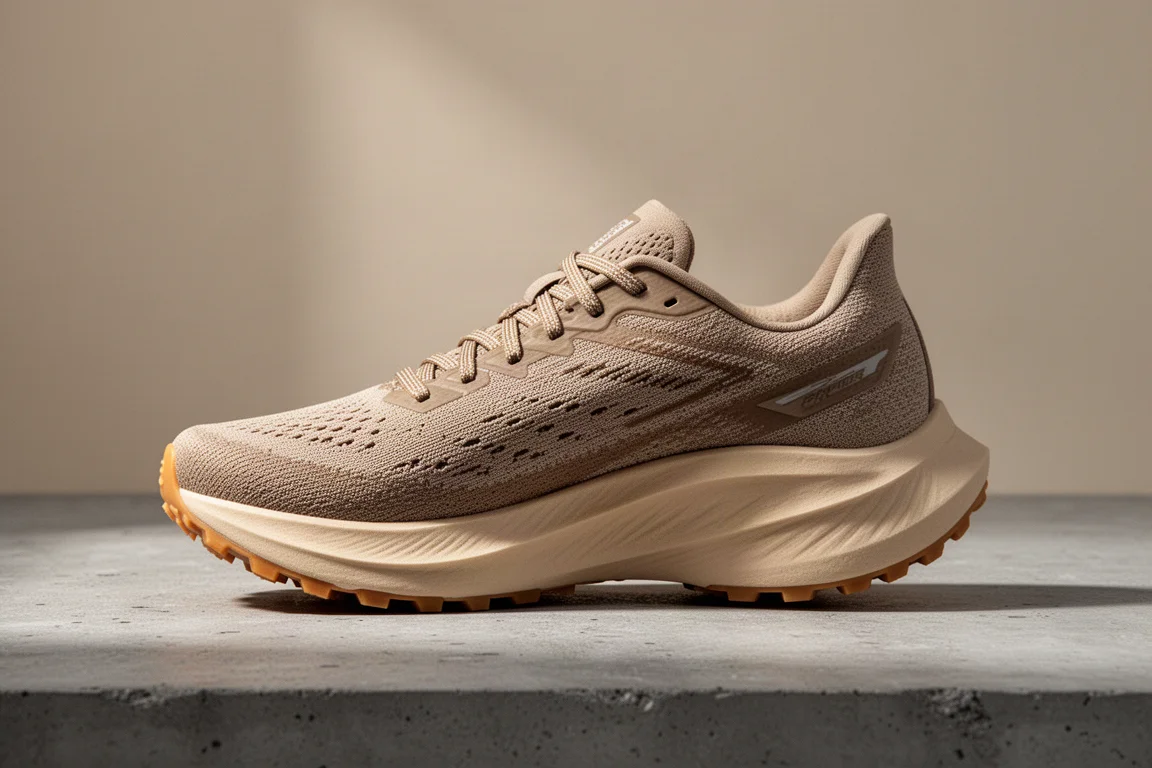
Where the Salomon leans road, the Experience Wild 2 leans trail while still running road comfortably. Its MaxTrac outsole grips confidently even with shallow lugs, the rocker is smooth, and the wider platform makes it noticeably more stable than the Aero Blaze 3 Gravel. The foam is straightforward EVA rather than anything exotic, so this is not a bouncy ride, but it is a simple, dependable one that handles downhills, turns, and full days on your feet without fuss.
It brings the classic Altra wider toe box, with a slightly lower volume than some other Altra models that locks down well. Both this and the Salomon sit around the same price of roughly $140, which makes the decision genuinely difficult. Choose the Altra if you want more room up front, more trail confidence, or a gaiter-friendly option for dusty ground.
The Stable-Neutral All-Rounder: ASICS Superblast 2
For runners who need a touch of support but want a shoe with more life in it, the Superblast 2 keeps coming up as the answer. Its firmer midsole and wide platform give it more inherent structure than most maximal trainers, and the geometry leans slightly neutral rather than aggressively corrective, which makes it a genuine stable-neutral option. It is wide enough that rolling an ankle in it would take serious effort, and the toe box does narrow a bit, so wide-footed runners should try before committing.
Despite its size, it can handle track workouts and tempo runs. It is better suited to cruising long than ripping short, but that willingness to do almost everything is exactly why it earns a spot here.
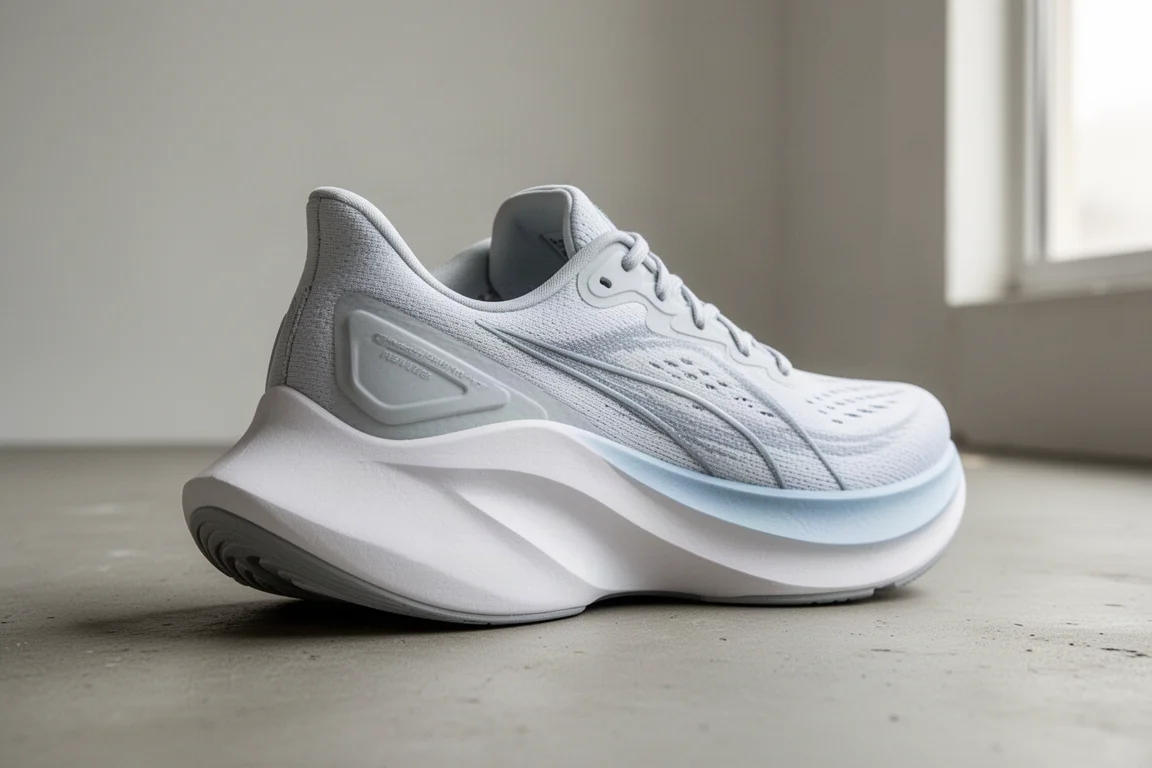
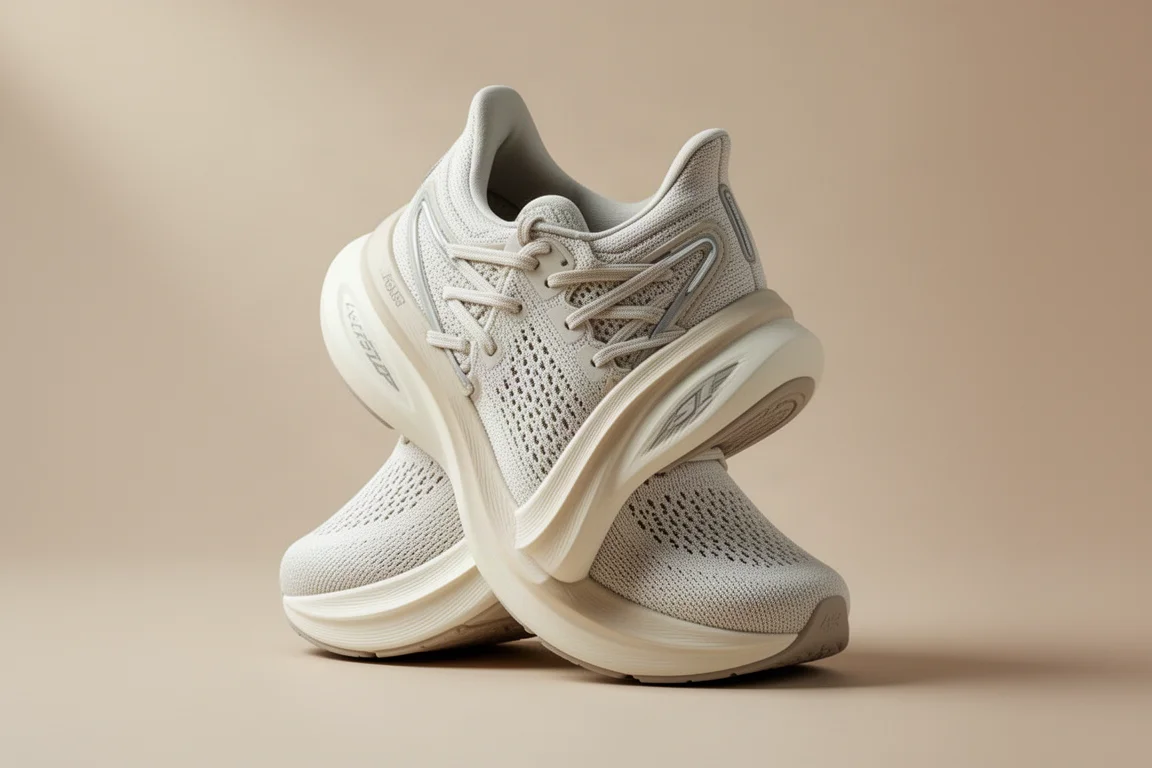
The Firm and Rhythmic Cruiser: New Balance SC Trainer v3
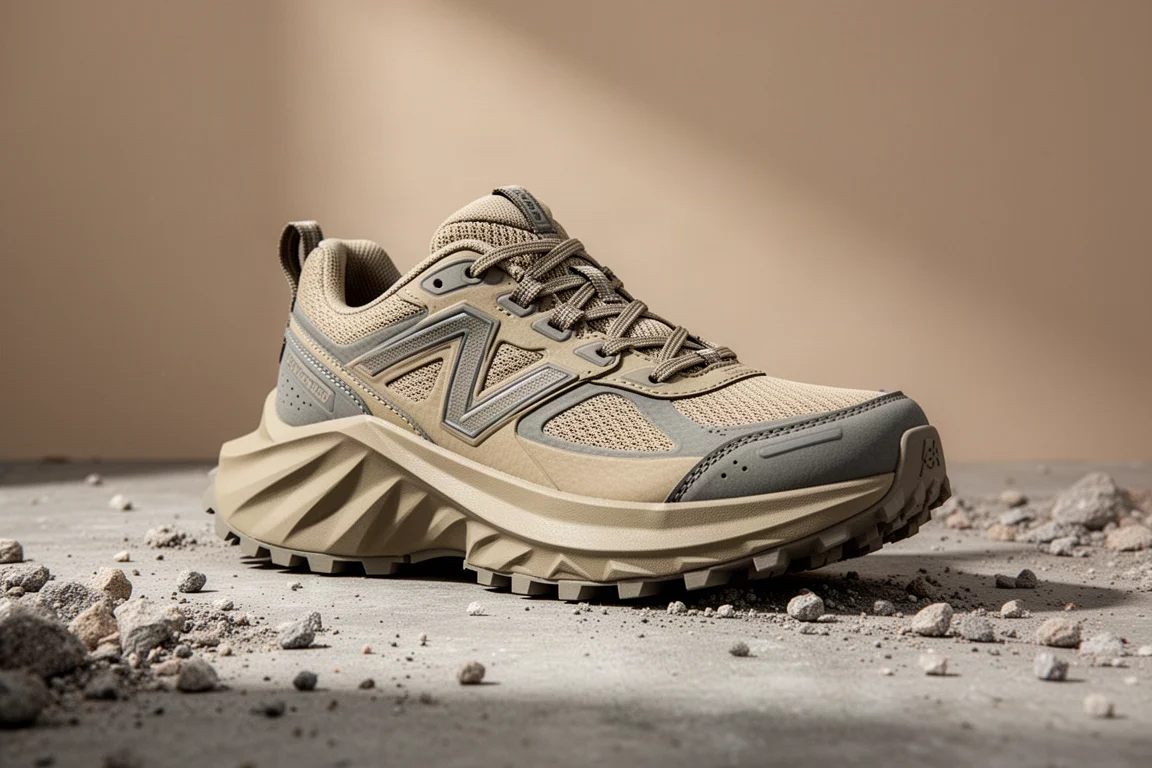
The SC Trainer version 3 sits in a sweet spot between the long-run cruisers and the true tempo shoes. Its wider setup, sidewalls, and firmer, snappier ride give it more structure than a pure neutral super trainer, making it a safe pick for runners stepping up from a mild stability shoe. The foam is structured rather than mushy, so it rewards a steady rhythm over long runs at easy pace.
One practical note: the sizing runs a little off, so going up a half size is the safer bet. It is not the fastest shoe in this roundup, but for daily miles and long runs with a bit of bounce underneath, it is a strong all-rounder.
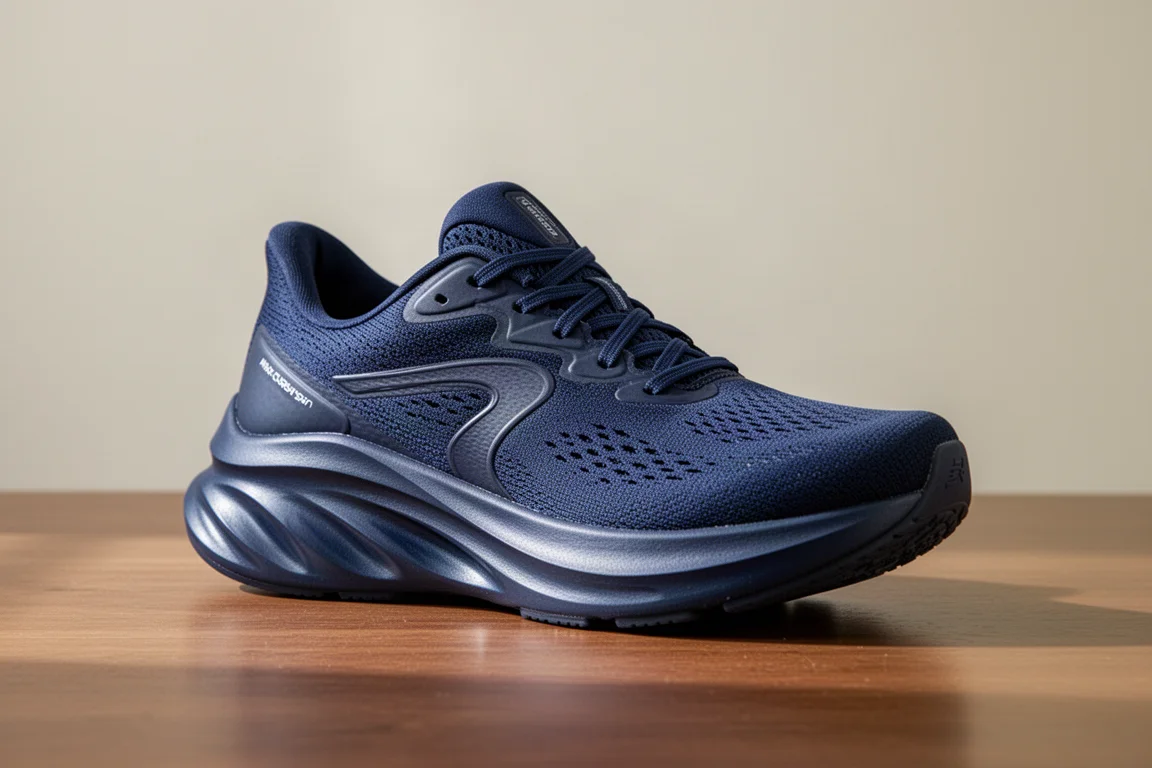
The Porsche of the Bunch: Hoka Mach X 3
Out of all the stable-leaning super trainers, the Mach X 3 feels the fastest. It has an aggressive rocker, solid traction, dependable lockdown, and a wider midfoot with sidewalls and a lateral cutout that guide the foot toward a smooth, rhythmic turnover. Even though it is the heaviest of the stable-neutral options here, it is the one that invites you to rip a tempo run immediately.
There are two caveats worth knowing. The lower drop does not agree with every runner, and the heel counter is fairly firm, which can be an issue for anyone with a sensitive Achilles. If neither applies to you, this is the shoe in the group with the most genuine speed appeal.
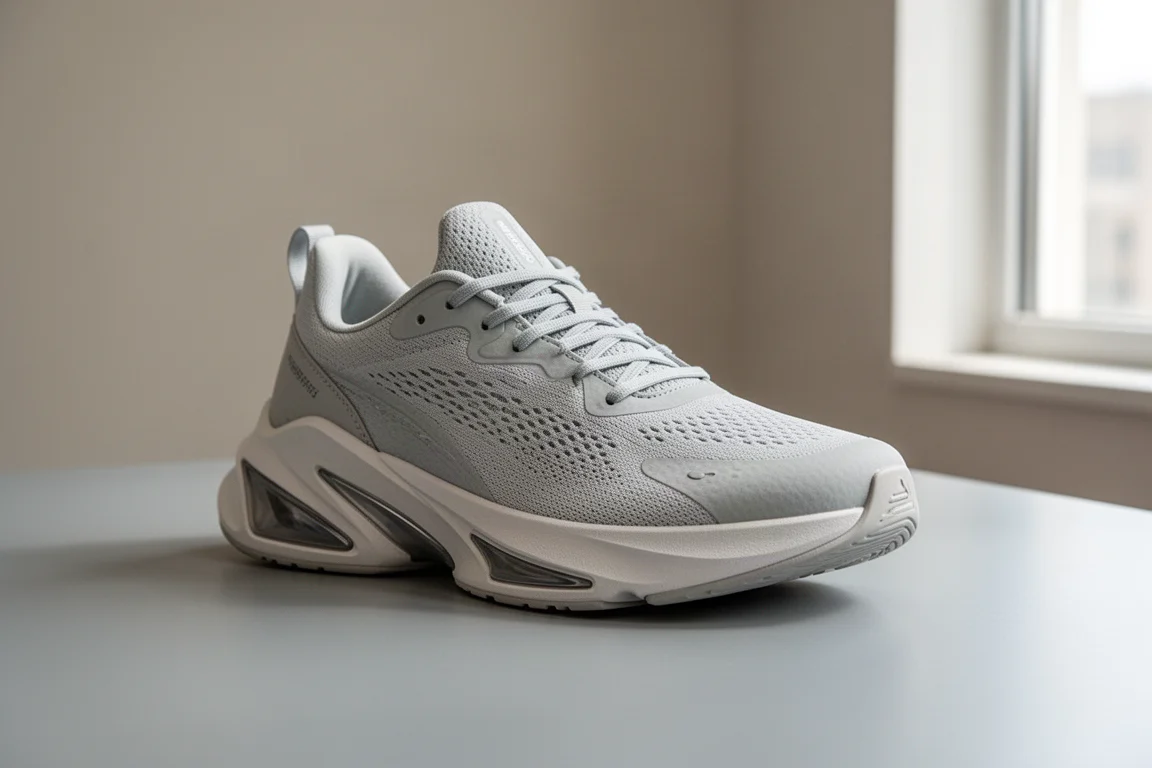
The Haglund’s-Friendly Trainer: Mizuno Neo Vista 2
Runners with a Haglund’s deformity, that bony bump at the back of the heel, know how brutal a stiff heel counter can be. The Neo Vista 2 is one of the rare training shoes with no heel counter at all, leaving the rearfoot completely flexible and comfortable. That alone makes it a standout in a year where most shoes have moved toward stiffer, more structured heel counters.
Beyond the heel, it is a well-rounded max-cushion daily trainer with a pleasant, protective ride. For runners whose heel irritation has ruled out most of the current market, this is one of the few genuinely safe training options available.
The Ankle-Stability Tank: Hoka Stinson ATR 7
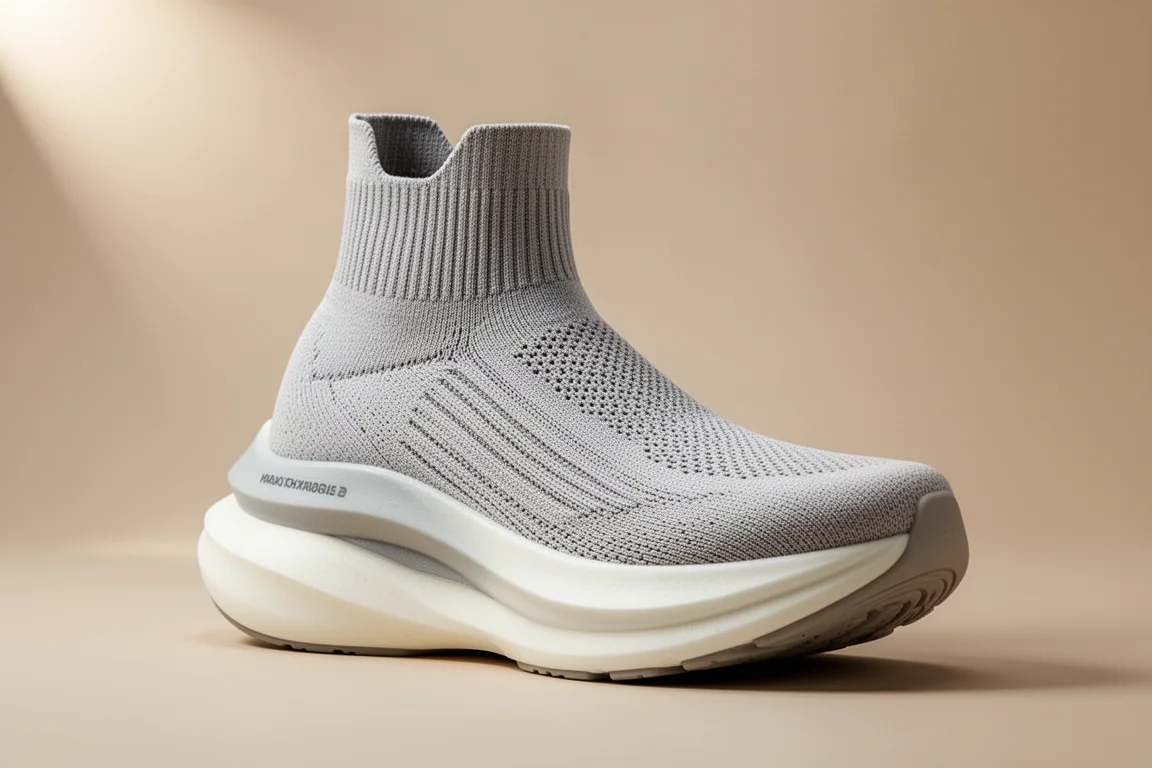
For runners who have dealt with ankle rolls, a wide platform and lateral flare matter more than a traditional medial post, and the Stinson ATR 7 delivers both in abundance. Its H-frame construction embeds guidance into the foam at the heel and forefoot while keeping structure around the foot, making it extremely difficult to roll into an inversion sprain. It is technically a road and trail hybrid, with the ATR designation covering all-terrain use.
It is heavy, and that is the honest trade-off. But if you need the most stable platform on this list and want a shoe that hikes as well as it runs, the Stinson earns its weight.
Buying Advice: Matching the Shoe to Your Needs
Start with your actual requirement rather than the most exciting shoe on the wall. If you pronate and want dependable long-run comfort, the GEL-Kayano remains the reference point. If your runs wander between road and trail, pick between the Salomon Aero Blaze 3 Gravel and the Altra Experience Wild 2 based on whether you lean road or trail and how much toe room you want.
Runners seeking a fun but structured super trainer should compare the Superblast 2, the SC Trainer version 3, and the Mach X 3 directly, since they sit in the same stable-neutral space with different levels of speed appeal. For sensitive heels, the Neo Vista 2 is the standout. And for chronic ankle instability, prioritize platform width and lateral flare, where the Stinson ATR 7 leads.
Fit matters as much as any spec here. The Salomon runs narrow, the Altra and Hoka models offer wider options, and the SC Trainer sizes small. Try shoes on, feel the difference underfoot, and let that guide the final call.
Conclusion
There is no single best shoe, only the right shoe for the way you run. These eight cover the questions readers actually asked: dependable stability, mixed-terrain versatility, structured speed, heel-friendly design, and platforms wide enough to keep questionable ankles honest. Match the shoe to the need, respect the fit quirks, and any of these will serve you well over the miles.
Further reading
Related Reviews

Running Shoes
Best Road-to-Trail Running Shoes: Three Versatile Options for Mixed Terrain
A practical guide to three road-to-trail running shoes that handle both pavement and mild trails, with clear strengths and trade-offs for different runner types.

Running Shoes
Best Running Shoes for Achilles Tendonitis: Three Options Explained
Three running shoes with different heel drops and support features designed to help reduce Achilles tendon pain during walking and running.

Running Shoes
Best Running Shoes for Women: Five Top Choices Ranked
A ranked guide to five women's running shoes, from versatile daily trainers to high-performance racing options, with real strengths and trade-offs for each.