Running Shoes
Best Running Shoe Recommendations: Our Mailbag Picks for Long Runs, Stability, Racing and Trail
Practical shoe picks for long run comfort, stability needs, wide forefoot racing, trail miles and downhill marathon courses.
Introduction
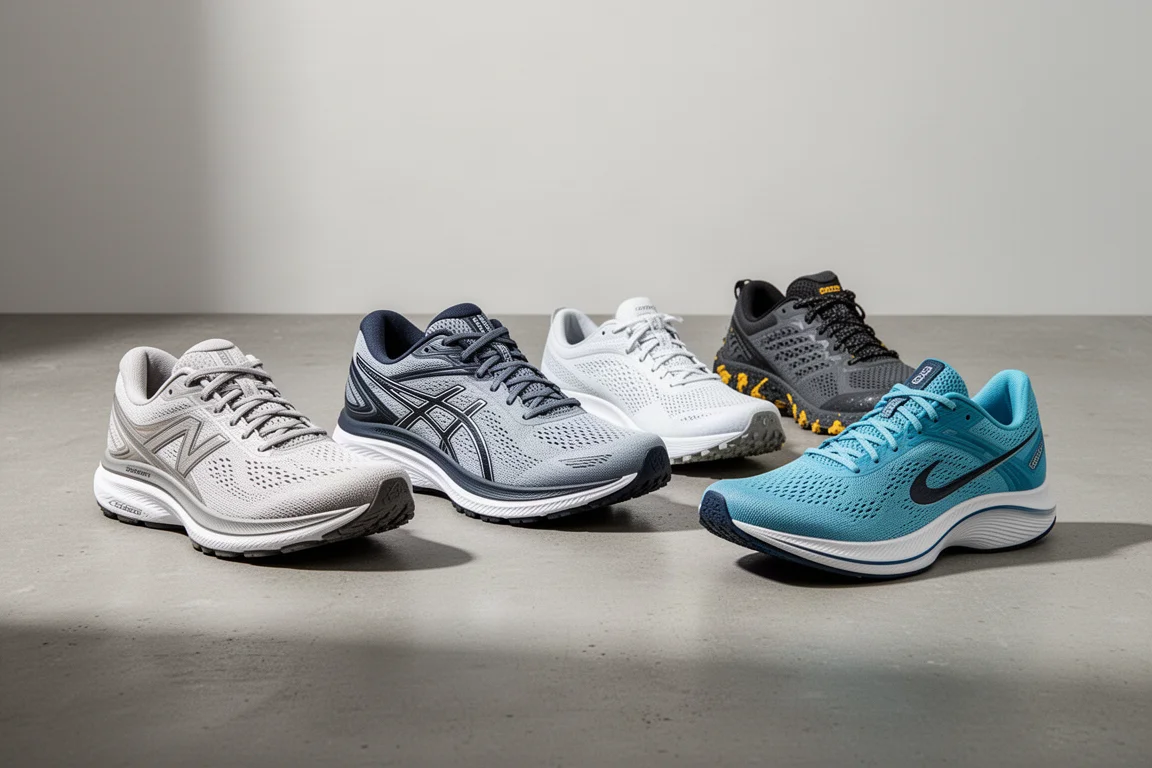
Shoe questions rarely have one clean answer, but some picks keep coming up because they consistently solve real problems. We worked through a set of common reader scenarios: picking a long run shoe, finding the right amount of stability, accommodating flat and wide feet, choosing a racer for a wide forefoot, a trail shoe for fire roads, and a marathon racer for a big downhill course. Here is how we would approach each one.
Choosing a Long Run Shoe
For a marathoner running a heavier share of weekly mileage in a plush trainer, the long run question usually comes down to terrain and where you are in your training cycle. A super-cushioned shoe like the Saucony Triumph is fine on road, but on soft or uneven surfaces it can feel too compliant. If you are early in a training block and want to build strength and resiliency, a firmer everyday shoe for long runs is a reasonable choice.

As you get closer to your goal race, moving your long runs into a performance trainer makes sense. The Saucony Endorphin Speed 3 fits that role well: it is designed to be a little more uptempo than a pure max-cushion trainer, and it gets your legs used to the feel of a faster, bouncier platform in the same family as a race-day shoe. Neither option is wrong. Listen to your body, and match the shoe to how beat up you feel and what the run demands.
View more details for Saucony Endorphin Speed 3
The Triumph 19 Successor Question
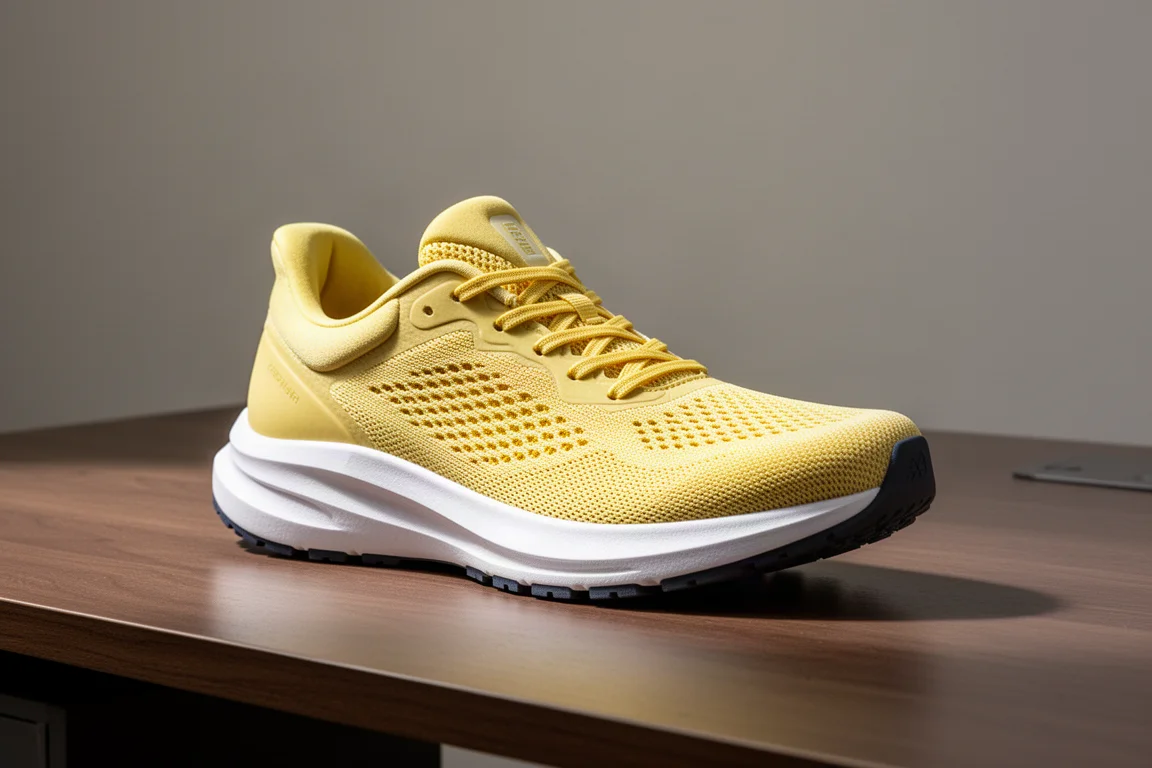
If you loved the Triumph 19 and are choosing between the Ride 17 and the Triumph 21, the Ride 17 is the closer successor. Even though both newer shoes use a version of the same foam family, the foam does not feel identical underfoot: the Ride 17 runs firmer while the Triumph 21 feels softer. The Ride 17 also keeps the 8mm drop of the Triumph 19 rather than the 10mm drop of the Triumph 21.
Stability Without Guesswork
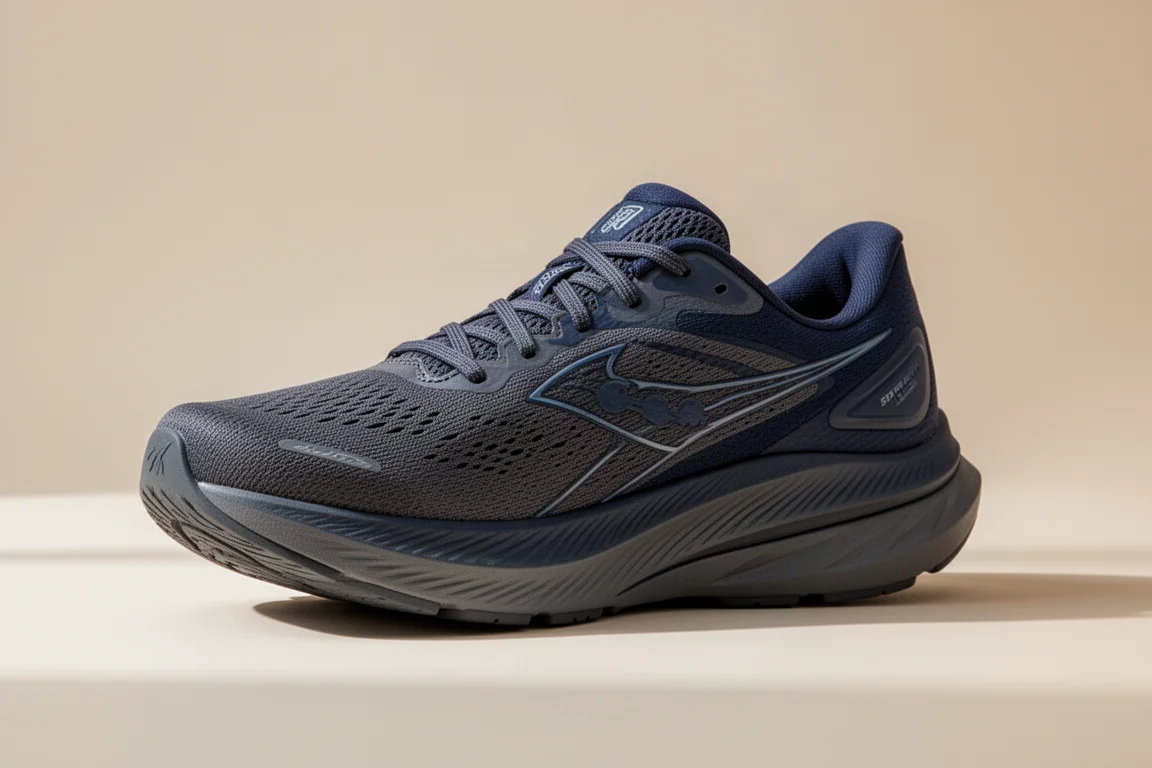
For runners who have done well with a posted stability shoe like the Saucony Guide 15 and want to stay with that style, the Saucony Omni 22 is the natural progression within the Saucony lineup. It still uses a plastic post, and it is much lighter and less clunky than previous versions of the shoe.
One important caution: a new stability shoe is not automatically an easy swap. Stability systems differ, and anything different needs a gradual transition. Run most of your mileage in your familiar shoe and ease into the new one with a few shorter, faster runs rather than jumping straight in.
Stable Neutral for Flat and Wide Feet
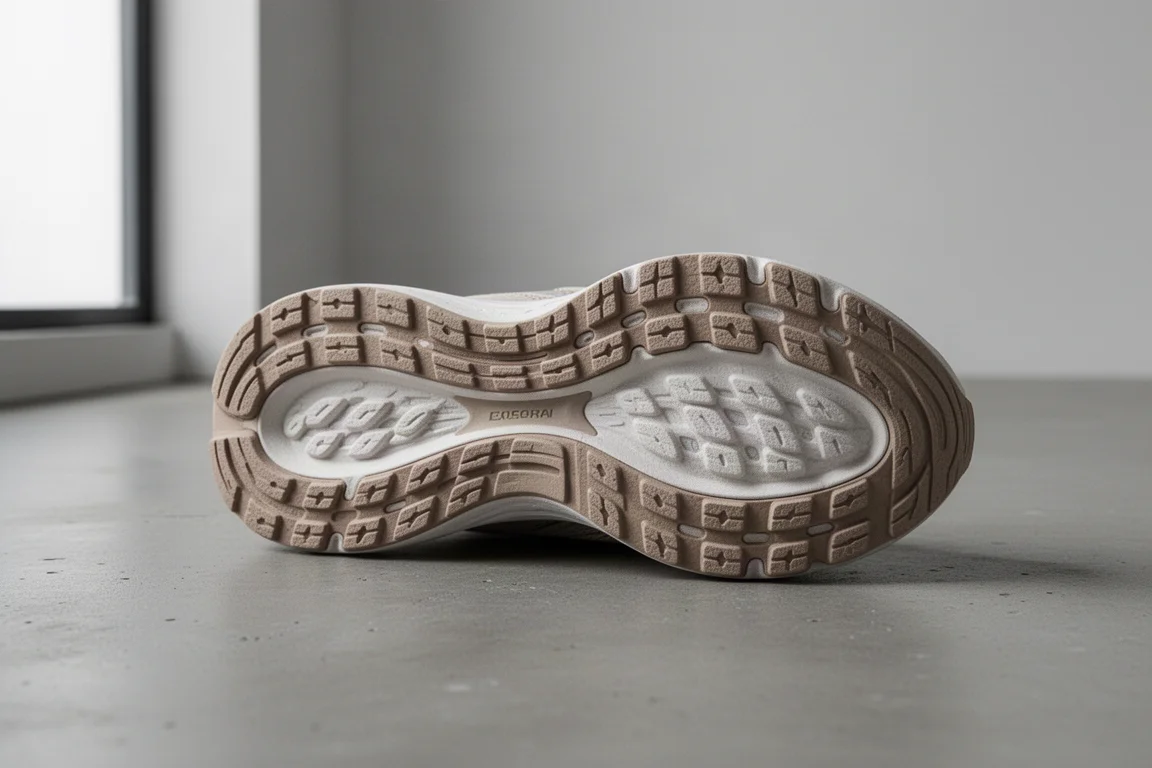
If you have flat arches, a wider foot, and irritation along the arch from intrusive sidewalls or posts, look for a stable neutral shoe with a wide base, good midfoot volume, and minimal medial intrusion. The Brooks Ghost Max fits that description well. It has almost no sidewall structure in the way that causes friction, a fairly wide midfoot, and it runs stable neutral rather than being a true stability shoe. It is also designed to accommodate orthotics, which matters if you use an insole.
Do not assume a firmer shoe is mandatory for flat arches. There is no strong evidence that arch height alone determines the ideal firmness, and comfort is the bigger factor. A firmer midsole can add a bit of inherent stability, but a shoe that is too firm for you simply will not get worn, and the best shoe is the one you actually run in.
Wide Forefoot Racing and Training
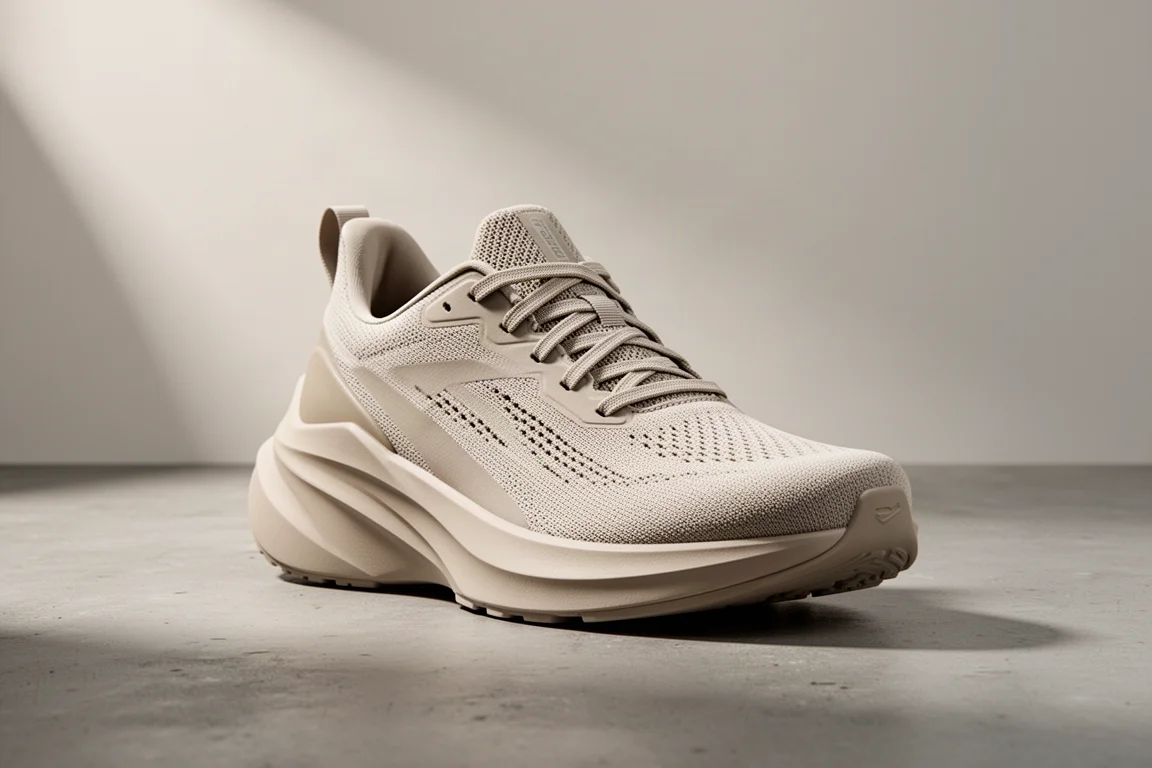
For a runner with a wide forefoot and a bunion looking for a bouncier, cushioned but lightweight shoe for half marathon and marathon training, the Topo Spectre is a strong candidate. It has a roomy forefoot without feeling sloppy, a responsive PEBA-based foam core, and a fit that is borderline stable, which suits lower arches. It also handles both training and racing, which makes it a versatile pick.
Trail Pick for Fire Roads: Craft CTM Ultra
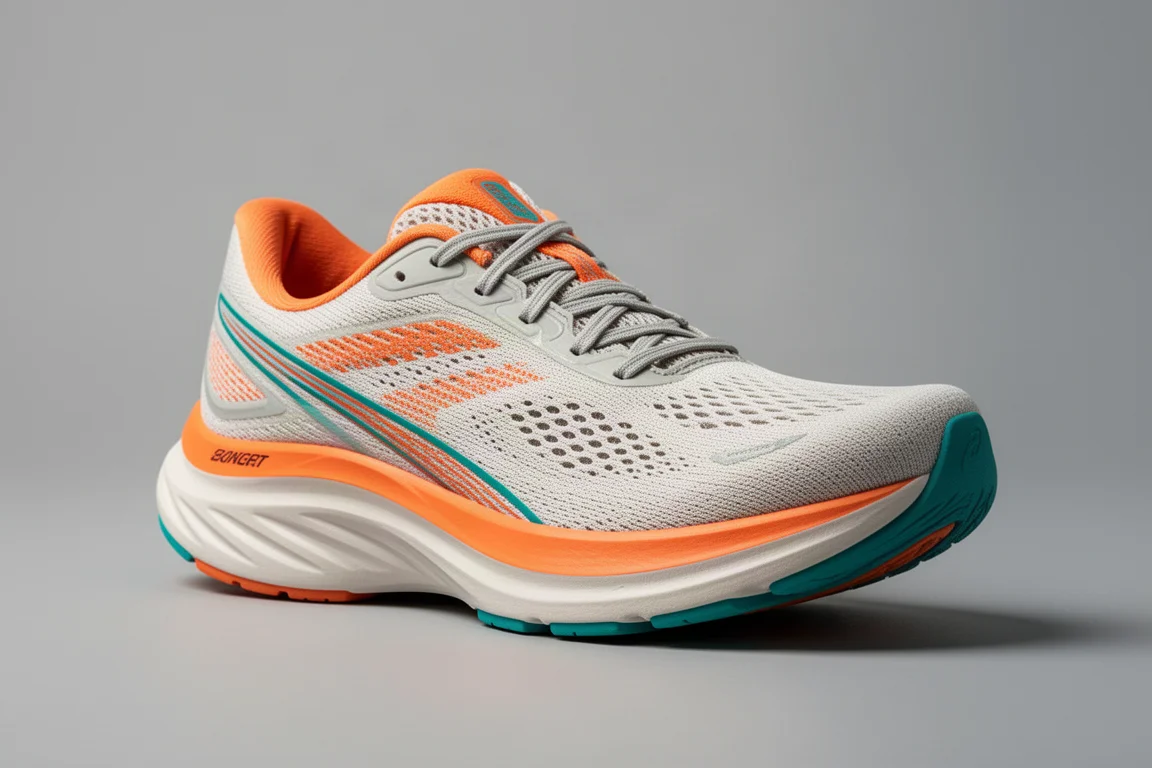
For non-technical trail running on jeep roads and fire roads, with a rehabbing Achilles and a preference for a higher drop and some rocker, the Craft CTM Ultra checks the boxes. It has a 10mm drop, a smooth rockered ride, and outsole traction that is more than adequate for dirt roads without being overly aggressive. It is a road-trail hybrid, so it also transitions well if your routes mix surfaces.
The honest clinical note first, though: if you are rehabbing Achilles tendinopathy, treat the tendon and build lower leg and hip strength before shopping for a new shoe. If your current trail shoe has served you well, there is no shame in sticking with it.
Downhill Marathon Racing: Saucony Rocket X2
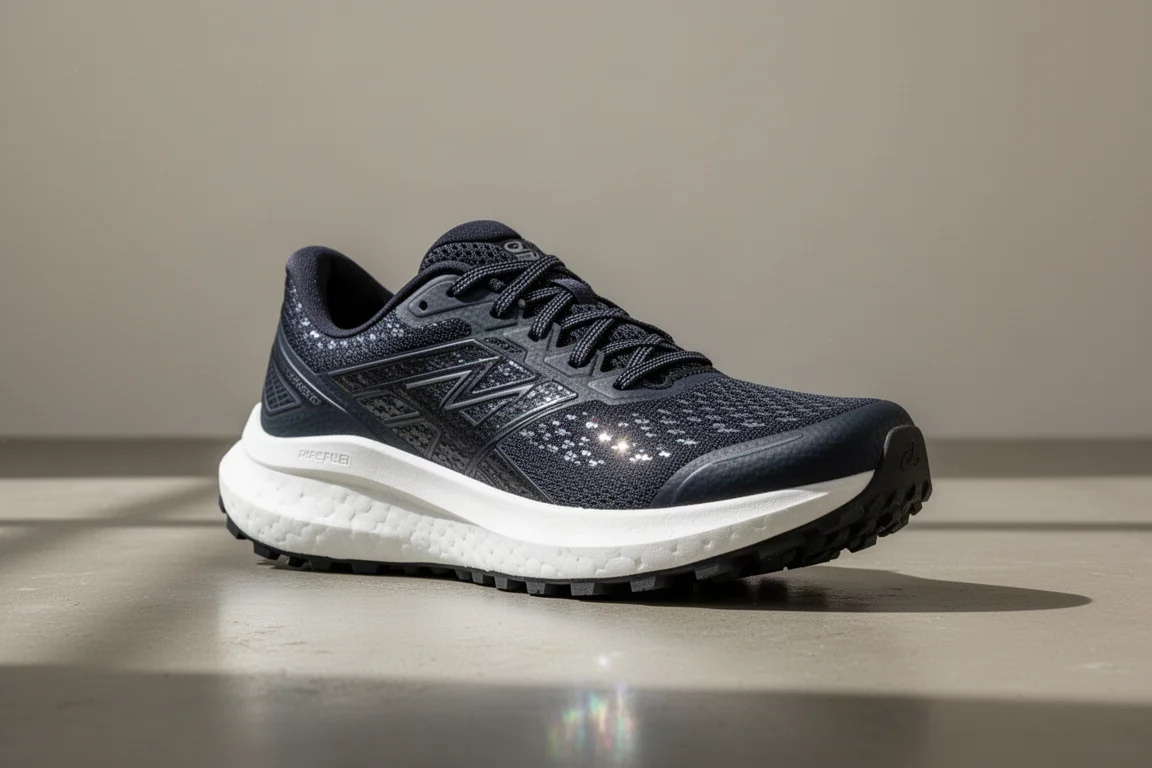
A marathon with thousands of feet of elevation drop changes the racing shoe calculus entirely. Responsiveness stops being the priority; security, traction, and comfort over a long pounding descent matter far more. Sharp rocker profiles and narrow platforms become liabilities on steep downhills with switchbacks and the possibility of slick road conditions.

Out of the common super shoe options, the Saucony Rocket X2 is the most stable of the bunch. It has a wide base, aggressive sidewalls, good midfoot structure, and solid traction, and its rocker is more balanced than some sharper-toed rivals. It sits a bit lower to the ground than the tallest plated shoes while still carrying plenty of foam, which helps on descents. The main caveat is stiffness: if it feels too rigid at first, break it in over several long runs before race day.
A More Comfortable Downhill Alternative
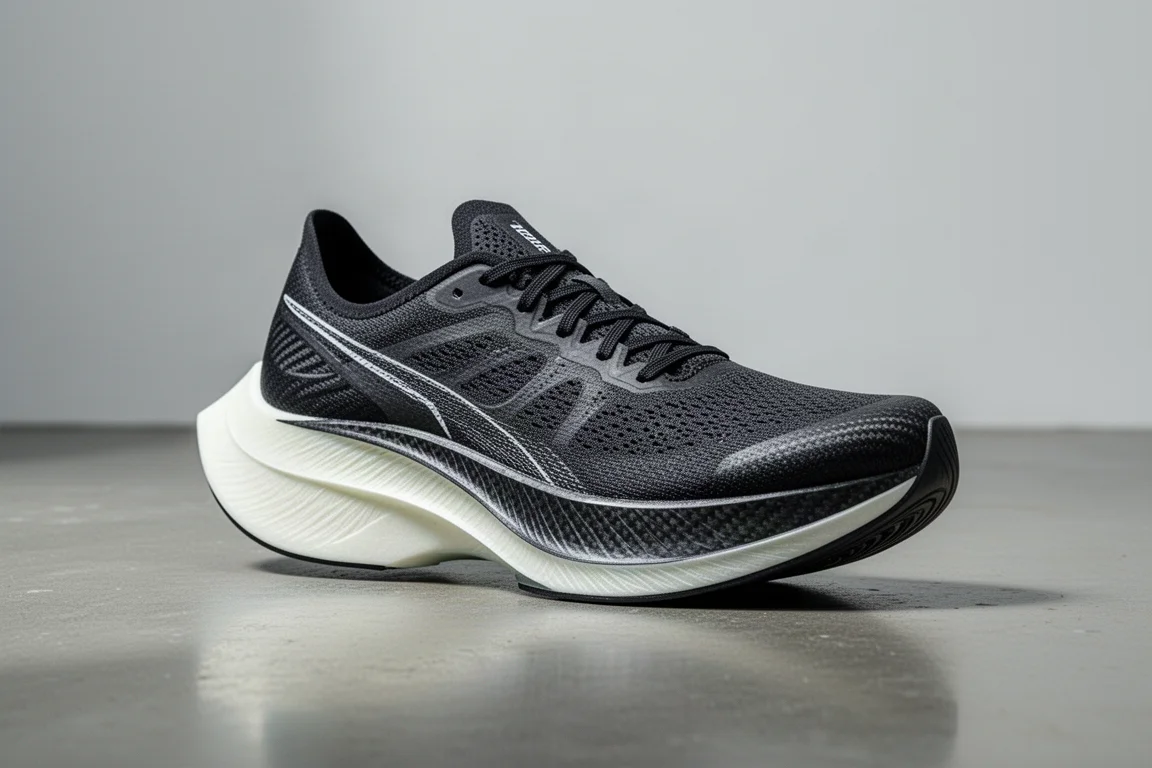
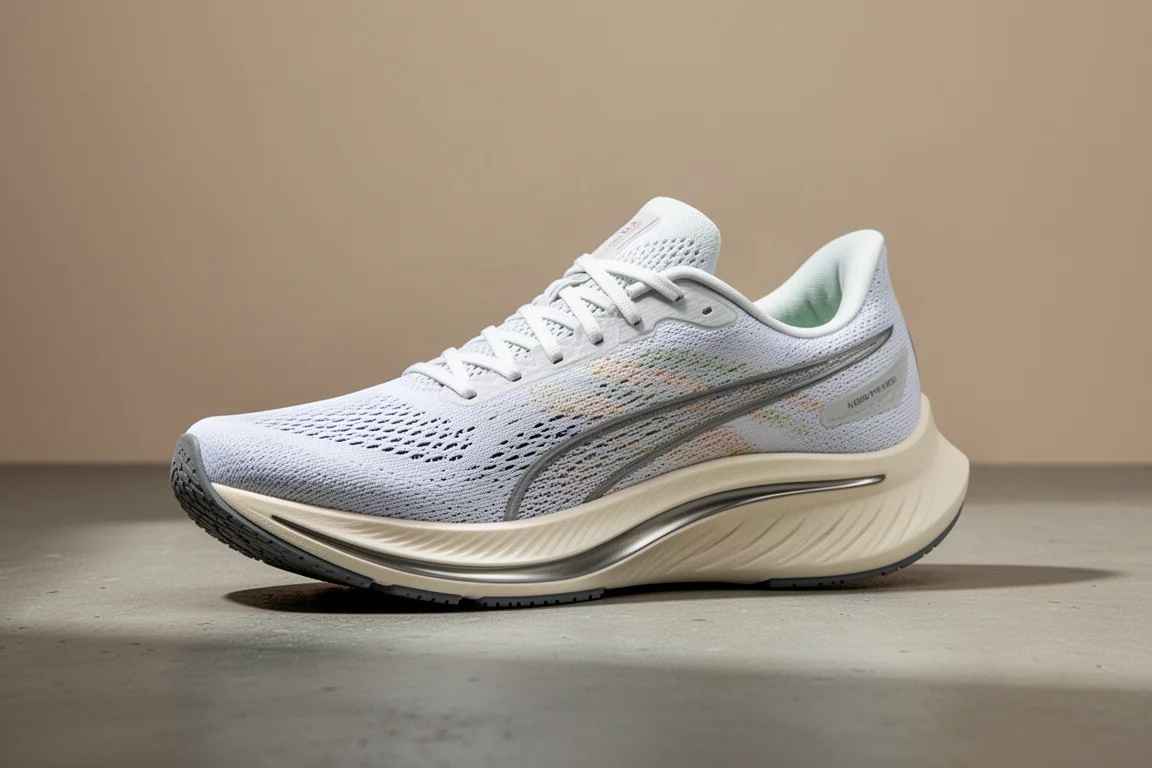
If the Rocket X2 does not break in to your liking, the Adidas Adios Pro 3 is a reasonable secondary choice. It felt inherently stable in testing thanks to its rod and sole flare setup, it is comfortable over long distances, and its Lightstrike Pro foam runs firmer without feeling harsh. Its drop is lower than some rivals but close to the Rocket X2, so it may or may not change how the descent feels for you. Test both over a couple of longer runs and pick the one that feels most natural, since 26 miles of downhill will punish the wrong choice.
Overall Buying Advice
A few themes cut across every scenario above. Match the shoe to the run, not just to your foot: plush trainers for easy days, firmer or faster platforms as race-specific work ramps up. Change stability systems gradually rather than swapping overnight. Comfort outweighs theory, especially around arch height and firmness claims that lack solid evidence. And for demanding events like big downhill marathons, prioritize stability, traction, and all-day comfort over chasing the most responsive plate.
Conclusion
There is rarely a single right shoe, but there are reliably good tools for each job: the Endorphin Speed 3 and Ride 17 for long run versatility, the Omni 22 and Ghost Max for stability and stable-neutral needs, the Topo Spectre for wide forefoot racing, the Craft CTM Ultra for smooth fire roads, and the Rocket X2 or Adios Pro 3 for a downhill marathon. Pick based on your terrain, your training phase, and how your body actually feels in the shoe.
Further reading
Related Reviews

Running Shoes
Best Road-to-Trail Running Shoes: Three Versatile Options for Mixed Terrain
A practical guide to three road-to-trail running shoes that handle both pavement and mild trails, with clear strengths and trade-offs for different runner types.

Running Shoes
Best Running Shoes for Achilles Tendonitis: Three Options Explained
Three running shoes with different heel drops and support features designed to help reduce Achilles tendon pain during walking and running.

Running Shoes
Best Running Shoes for Women: Five Top Choices Ranked
A ranked guide to five women's running shoes, from versatile daily trainers to high-performance racing options, with real strengths and trade-offs for each.