Running Shoes
Best Running Shoe Picks: Six Standout Models Compared
From rockered daily trainers to flexible racing options, six running shoes that stand out for different reasons and how to decide which one fits you.
Introduction
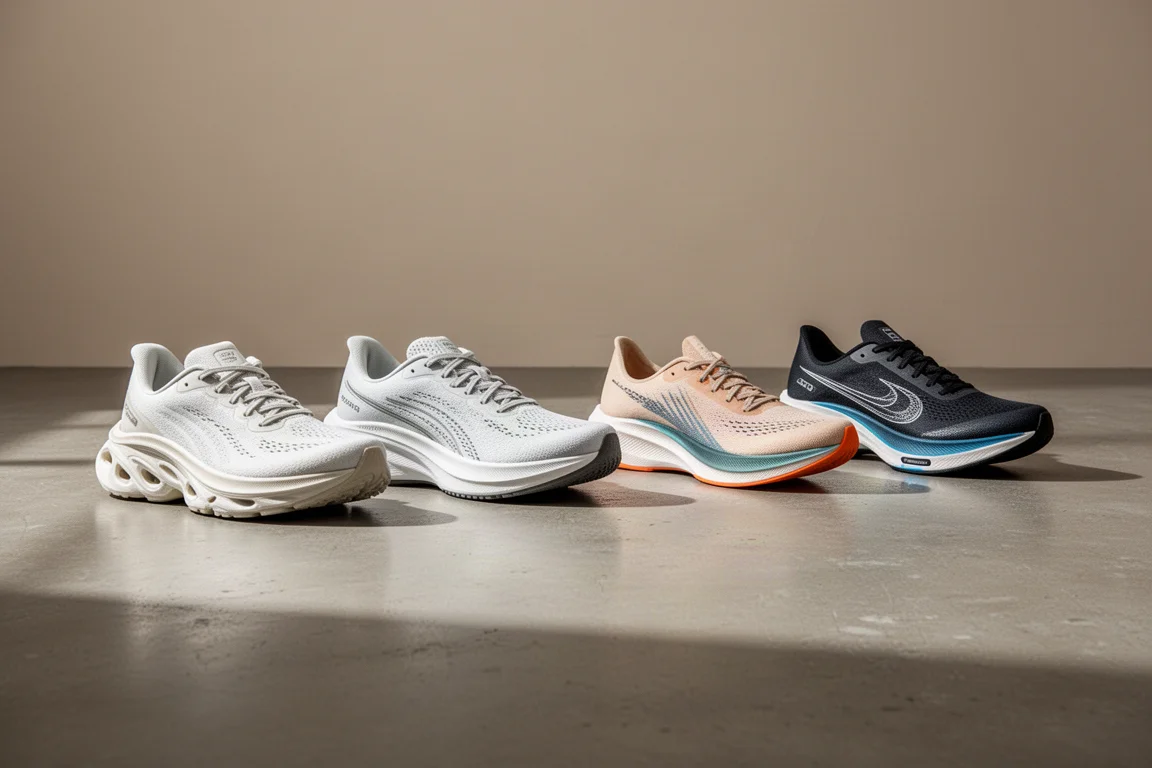
Running shoe advice has a habit of collapsing into one-size-fits-all slogans. The reality is more interesting: the best shoe is the one that matches your mechanics, your fit preferences, and the kind of running you actually do. In this comparison we look at six models that keep coming up for good reasons, from a rockered daily trainer with minimal toe spring to a flexible racing option that skips the carbon plate entirely.
Why Rockers, Plates and Fit Matter
Before diving into individual picks, a few distinctions are worth understanding. A forefoot rocker refers to the upward curve in the sole under the toes, while toe spring is the angle at which your toes themselves are held in extension. You can have one without the other, and runners who are sensitive to being held in toe extension should look closely at how much each shoe lifts the toes.
The same nuance applies to plates. Plates add stiffness to the midsole, but nylon and TPU plates often still allow some flexibility, adding mostly side-to-side stability rather than a rigid lever. And despite the marketing, a softer or bouncier shoe does not remove impact forces; it shifts them. Research so far does not show that heavily cushioned shoes reduce injury risk for heavier runners, and some studies suggest lighter runners actually benefit more from extra cushioning. The honest takeaway: fit and comfort with your own mechanics beat stereotypes every time.

Daily Trainers for Easy Miles
On Cloudgo
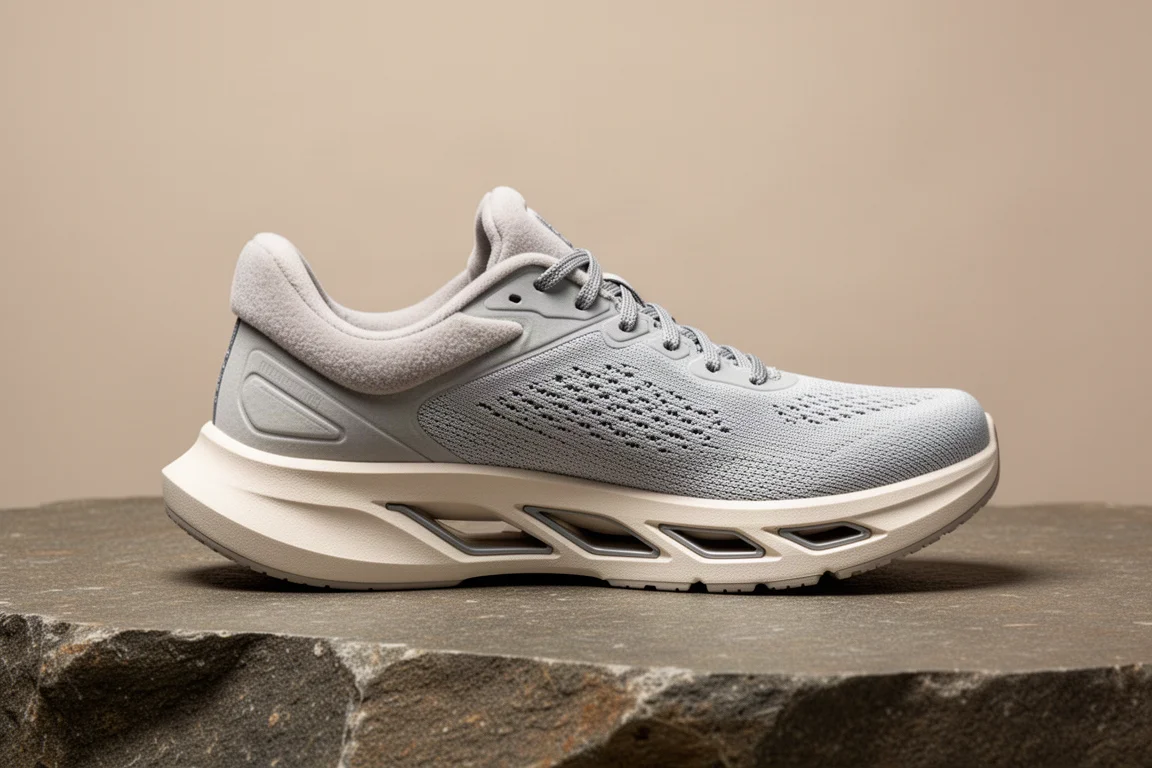
The Cloudgo is one of those quiet overachievers. It has a clear forefoot rocker under the sole but very little actual toe spring, and it stays decently flexible up front, so it rolls you forward without holding your toes in extension. The flexibility also means the rocker softens under load once your foot is in the shoe, which makes it an approachable pick for runners who have been warned off aggressive rockers before.
Asics Gel-Cumulus 25
The Gel-Cumulus 25 is a genuine daily trainer that just happens to have some snap. It comes in around nine ounces, sits on a generous stack with a rockered profile, and feels slightly softer underfoot than the Gel-Nimbus 25 despite supposedly sharing foam. The heel is a bit clunky and it is not the most rockered shoe in the line, but it can pick the pace up when a workout calls for it, and it fits a little wider than the Nimbus, which runs slightly tapered in the toe box.
If you are torn between the Asics trio, the distinction is simple: the Nimbus is the high, wide, workhorse easy-day shoe with a very strong rocker and little foam deformation; the Novablast 3 is the lighter, softer, more responsive and slightly less stable option with more forefoot pop; and the Cumulus splits the difference as a capable daily trainer with a bit more tempo range.
Race Day and Fast Workouts
Saucony Endorphin Elite
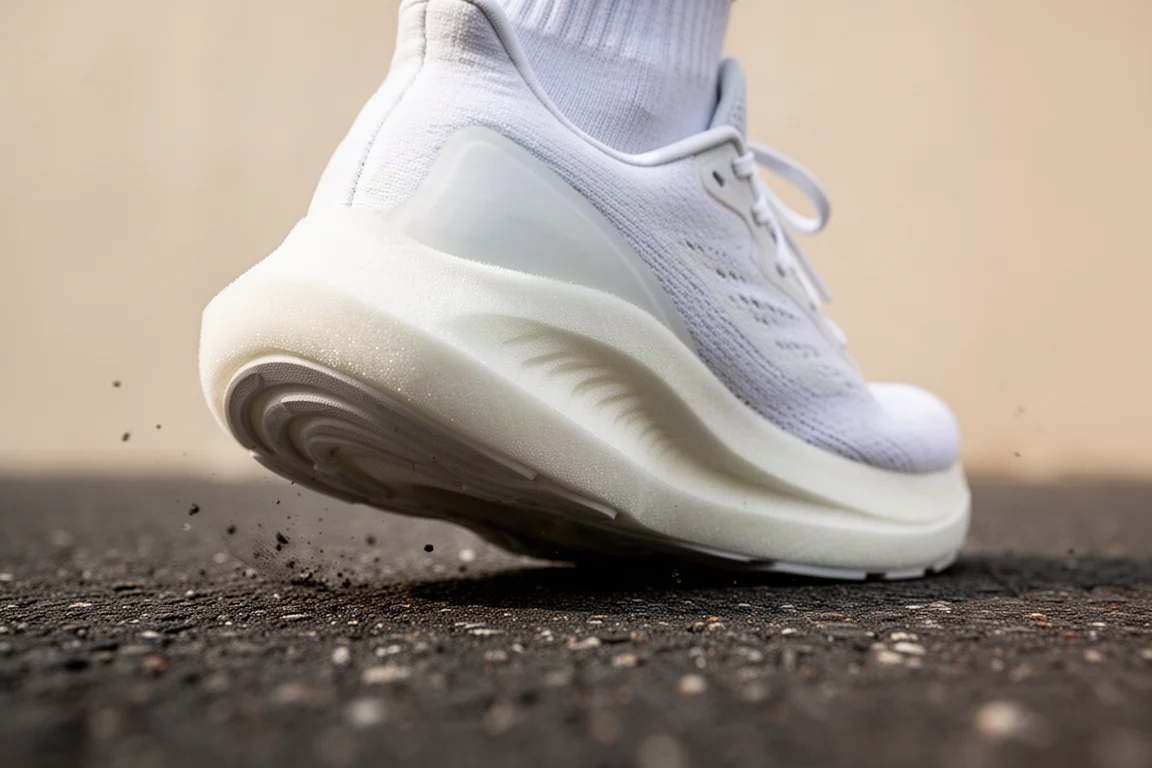
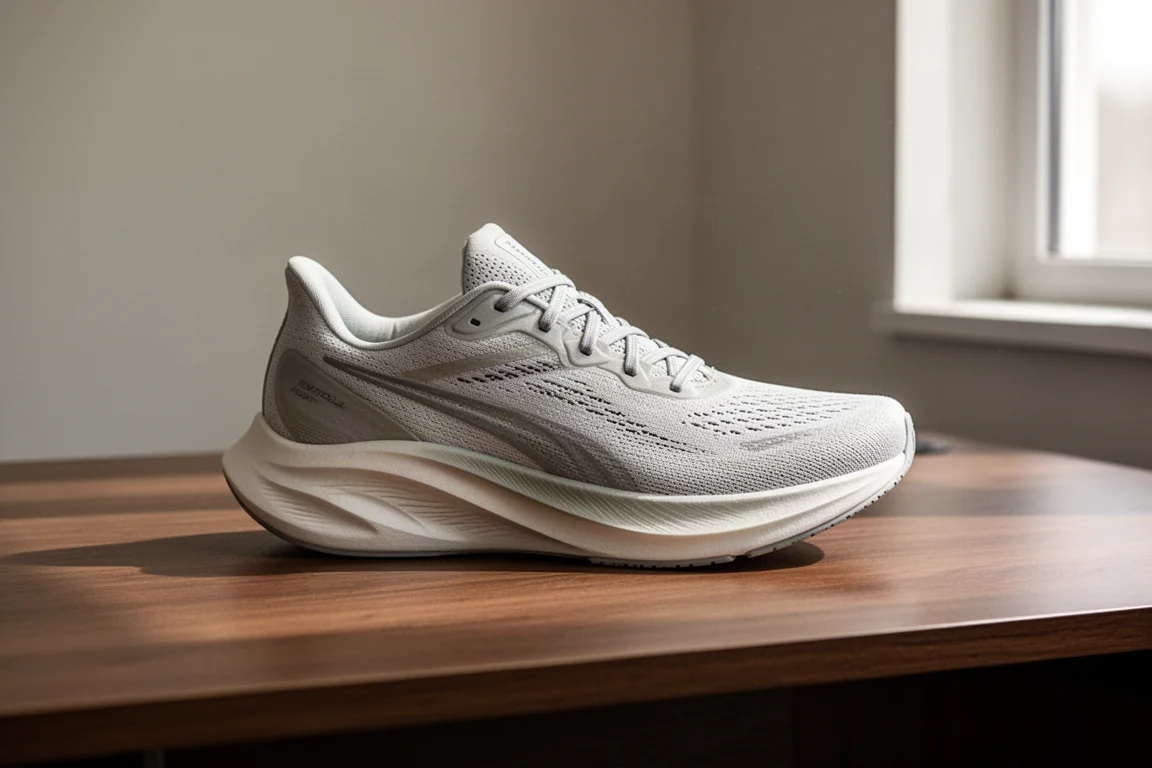
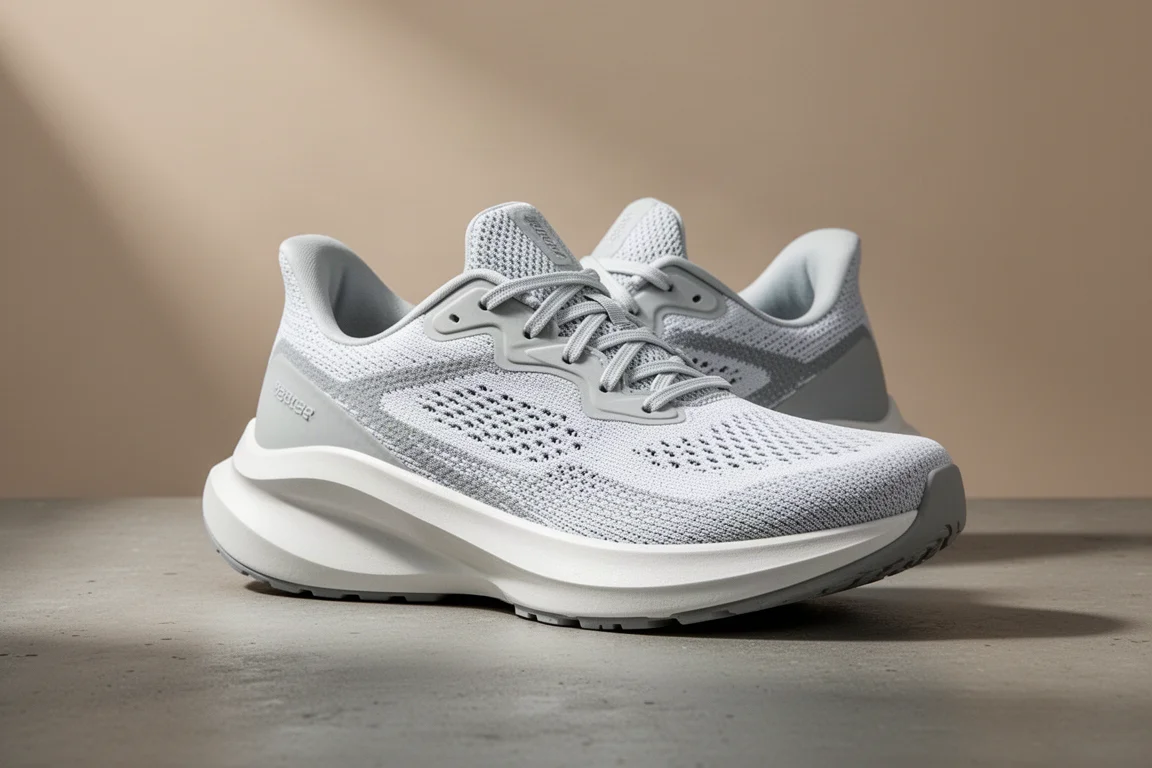
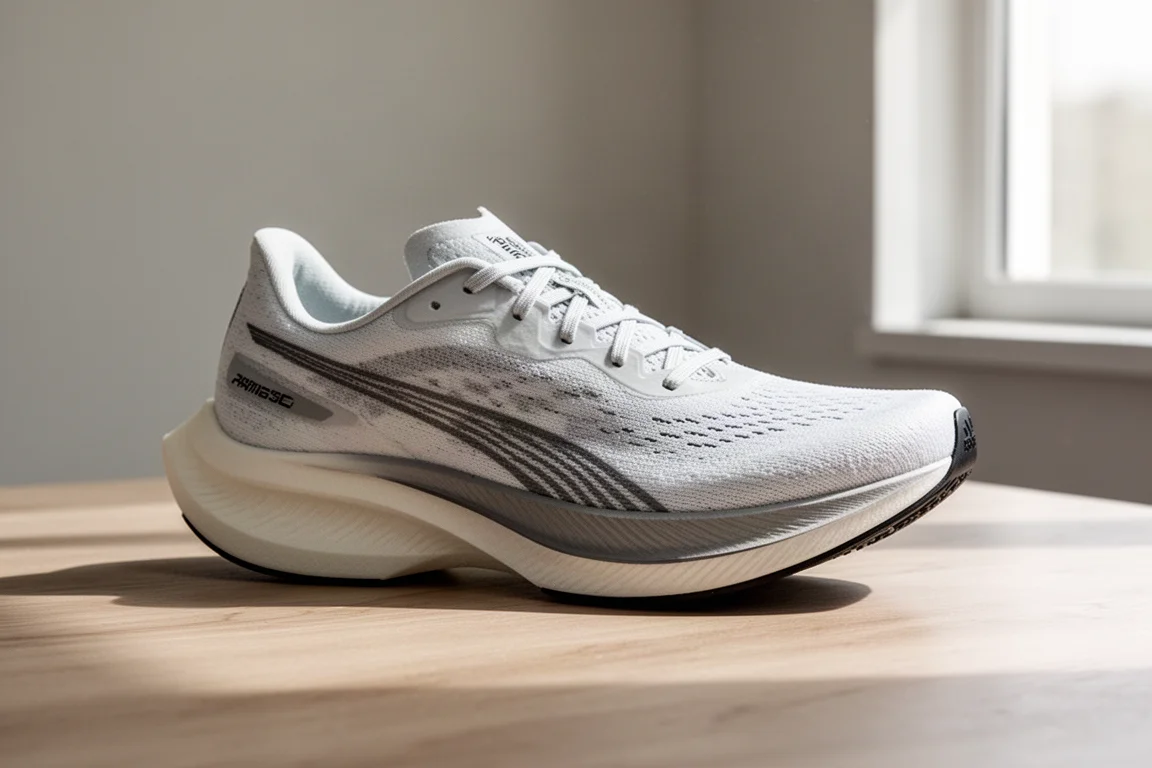
The Endorphin Elite is a proper marathon weapon. Compared with the Endorphin Pro 3, it has noticeably more toe spring and forefoot rocker, giving it a strong rolling sensation and an easier rhythm at steady marathon paces. Its newer, highly resilient foam runs a touch firmer than the Pro 3’s cushioning, and the outsole follows a slick road-racing design that almost catches the pavement. The sidewalls add a surprising amount of stability for a super shoe. It is best from the half marathon up rather than as a 5K weapon, though it rewards runners whose mechanics line up with its aggressive geometry.
The Adidas Adios Pro 3, by comparison, has a sharp toe spring, a wider base, and energy rods rather than a traditional plate. It is extremely capable over long distances, with more volume in the fit, but many runners find it harder to turn over quickly at shorter paces.
New Balance FuelCell Propel v4
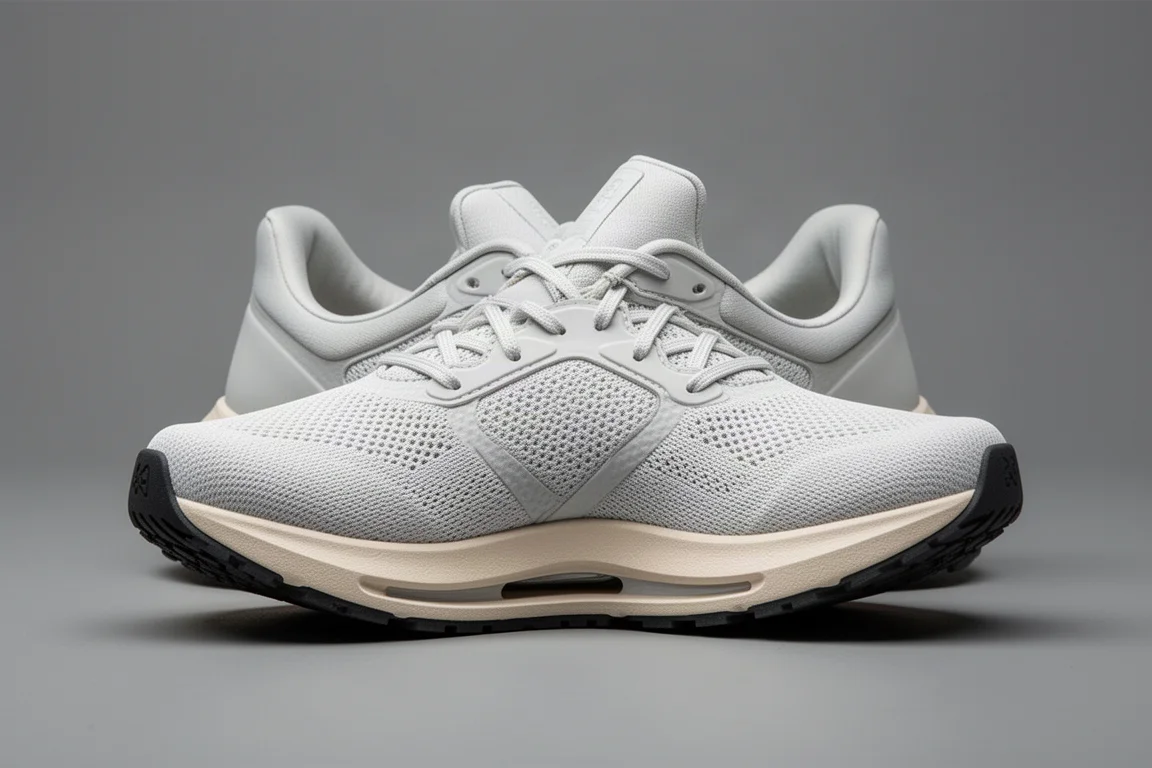
The Propel v4 looks like a rockered plated shoe on paper, but in practice it behaves like a standard FuelCell daily trainer. It is more stable than a dedicated rocker shoe because the plate rises up the sidewalls, and it carries a bit more weight than its rolling profile suggests. It suits runners who want FuelCell bounce with some extra side-to-side security rather than a shoe that surges forward on its own.
Flexible Racing Options Without a Carbon Plate
Not everyone responds well to stiff plated super shoes, and that is a real, documented phenomenon: studies of running economy in super shoes found responses ranging from big improvements to meaningful regressions between individuals. If flexible shoes have always worked for you, there are legitimate fast options that skip the plate.
Topo Cyclone 2
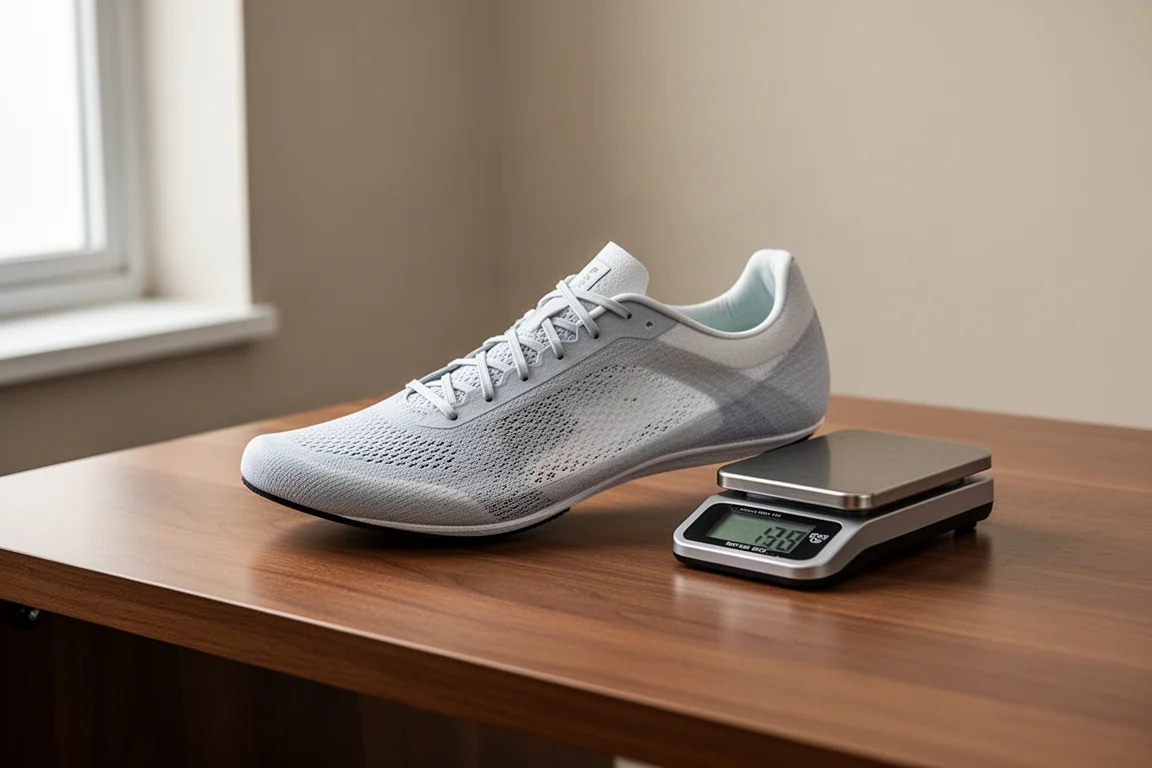
The Cyclone 2 is the standout here. It is a lightweight, flexible shoe with a bouncy midsole and no plate, yet it has plenty of life for racing. At roughly seven ounces in a size ten, it is competitive with many dedicated racing shoes, and it is entirely reasonable to run a fast 5K in it. It is marketed as a lightweight trainer, but it functions as a genuine non-plated super foam racing option.
Roomy Toe Box and Stability Alternatives
Altra Paradigm
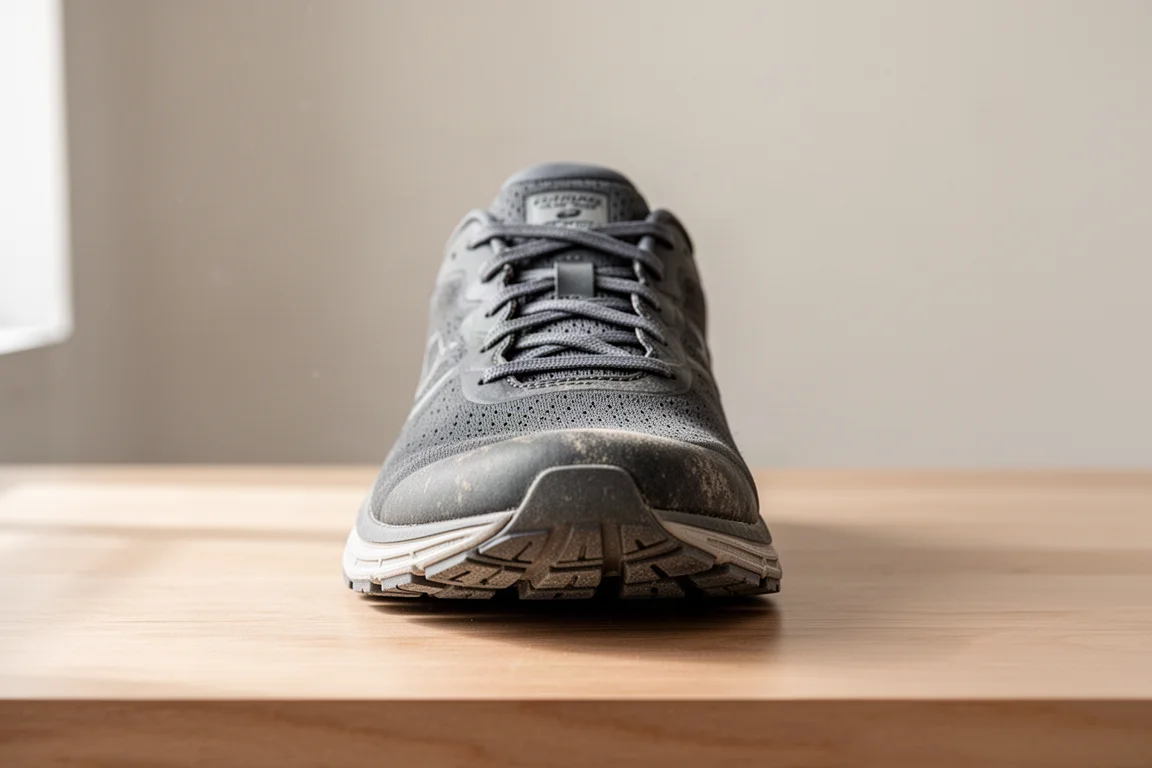
For runners who love the Altra Escalante but want a bit more structure, the Paradigm is a smart step. It keeps a fairly good forefoot rocker up front and its mild stability comes from sidewall geometry rather than a heavy medial post, so it does not feel like a traditional stability shoe. It is a sensible option for anyone who needs a rockered, roomy shoe that respects limited ankle mobility, such as runners managing arthritis or a bone spur that restricts dorsiflexion.
Overall Buying Advice
A few patterns are worth carrying into any shoe purchase. First, do not pick a racing or super shoe as your first running shoe; a comfortable, flexible trainer that matches your mechanics is a far better starting point. Second, plates are not magic. Their effect depends entirely on how their stiffness and rocker line up with your own toe-off, which is why some runners thrive in them and others regress. Third, rotating a couple of shoes appears to be one of the few reliably supported ways to reduce injury risk, but keep a baseline shoe that your body knows and trusts; extremes in either direction are where problems start. Finally, if a shoe is meant for a long race, test it over long runs first rather than discovering its quirks at mile twenty.
Conclusion
These six shoes cover the practical spread of modern running footwear: a smooth-rolling, low-toe-spring daily option in the On Cloudgo, the versatile Gel-Cumulus 25 for high-mileage weeks, the Endorphin Elite for marathon racing, the FuelCell Propel v4 for stable bounce, the Topo Cyclone 2 for flexible fast days, and the Altra Paradigm for a roomy, gently rockered stability alternative. Match the shoe to the job and to your own mechanics, and any of them can earn a place in a sensible rotation.
Further reading
Related Reviews

Running Shoes
Best Road-to-Trail Running Shoes: Three Versatile Options for Mixed Terrain
A practical guide to three road-to-trail running shoes that handle both pavement and mild trails, with clear strengths and trade-offs for different runner types.

Running Shoes
Best Running Shoes for Achilles Tendonitis: Three Options Explained
Three running shoes with different heel drops and support features designed to help reduce Achilles tendon pain during walking and running.

Running Shoes
Best Running Shoes for Women: Five Top Choices Ranked
A ranked guide to five women's running shoes, from versatile daily trainers to high-performance racing options, with real strengths and trade-offs for each.