Running Shoes
Best Running Shoe Brand Rotations 2026: The Ideal Three-Shoe Setup From Each Brand
An easy day shoe, a fast daily trainer, and a race day shoe: our pick of the strongest three-shoe rotation from each major running brand.
Introduction
Most runners eventually land on a rotation: one plush shoe for easy days, one do-everything trainer for the bulk of the work, and one aggressive shoe for race day. The interesting question is what that rotation looks like if you commit to a single brand. Each manufacturer now covers all three roles, but not equally well. Some brands nail the race day slot and leave gaps in daily training, while others build the best super trainers on the market and lag behind at the sharp end.
This guide walks through the strongest three-shoe rotation we would build from each major brand: easy day shoe, fast daily trainer, and race day shoe.
How We Built Each Rotation
The criteria were simple. The easy day shoe had to prioritize comfort and forgiveness over speed. The daily trainer slot went to the most versatile shoe in each lineup, the one that can absorb marathon training miles and still pick up the pace when a session demands it. The race day pick went to the fastest, most race-proven option each brand offers.
Where a brand has only one genuinely competitive shoe in a category, we have said so. Where several shoes could fill a slot, we have explained the trade-offs so you can pick based on your own preferences.
Adidas
Adidas has a deep lineup this year, and the easy day slot goes to the Supernova Prima. It is an upgrade on shoes like the Ultraboost thanks to a better, lighter foam, and it offers a wider platform, more cushioning, and a more forgiving ride than firmer alternatives in the range.
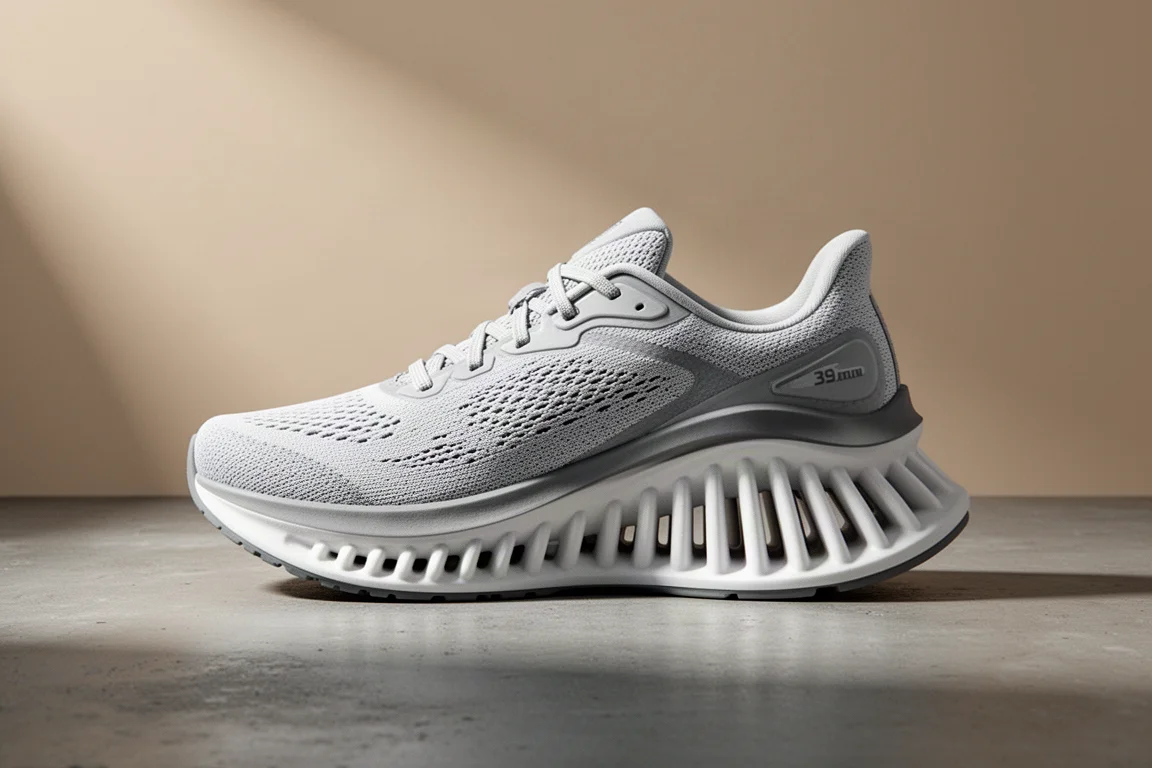
For the fast daily trainer, the Adizero Boston 12 is the clear pick. It is a great value super trainer with rods in the midsole that make it lighter and more energetic than a pure cushion shoe. The SL2 deserves a mention here too: it is a very good value trainer that turns up in sales often, though it is slightly less cushioned than the Boston 12.
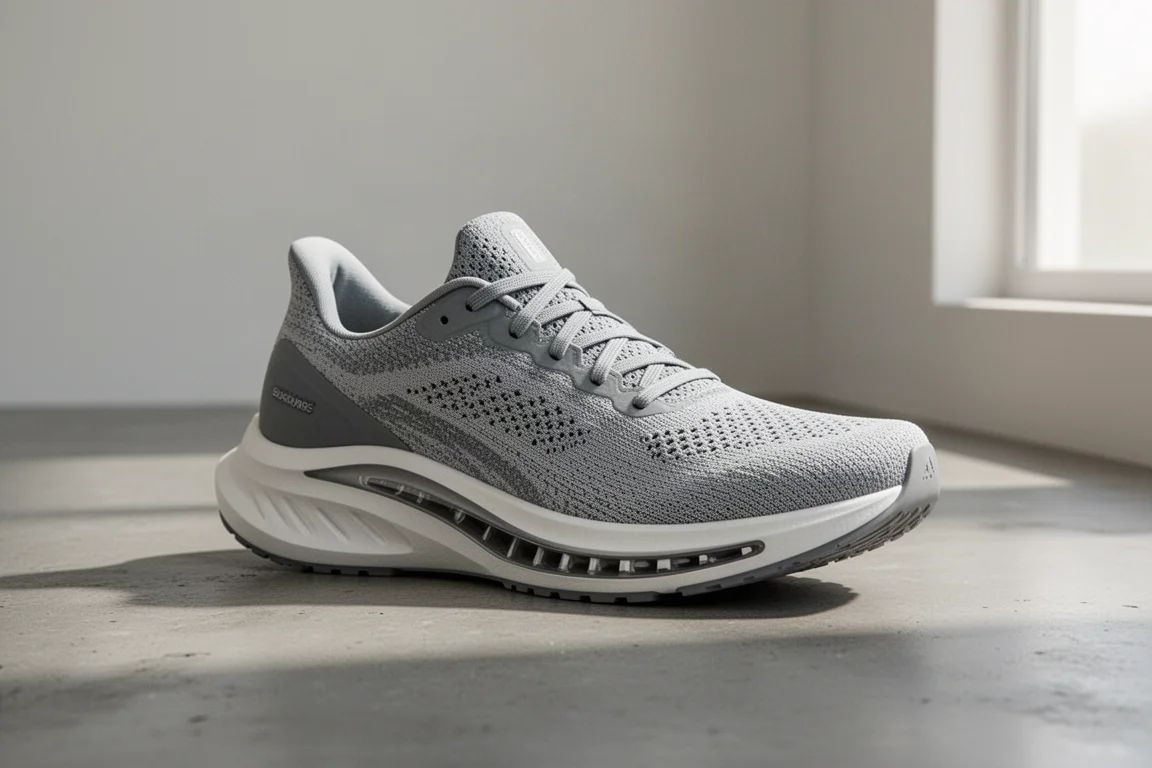
Race day belongs to the Adios Pro 4, assuming the limited-edition Pro Evo is out of reach. The ride has everything you want from a carbon racer and the reworked upper fixes the eyelet rubbing issues of the previous version. One significant caveat: the narrow toe box has been known to lift toenails deep into long runs and races, so it is worth testing the fit carefully or considering a small size adjustment before committing to a full marathon in them.
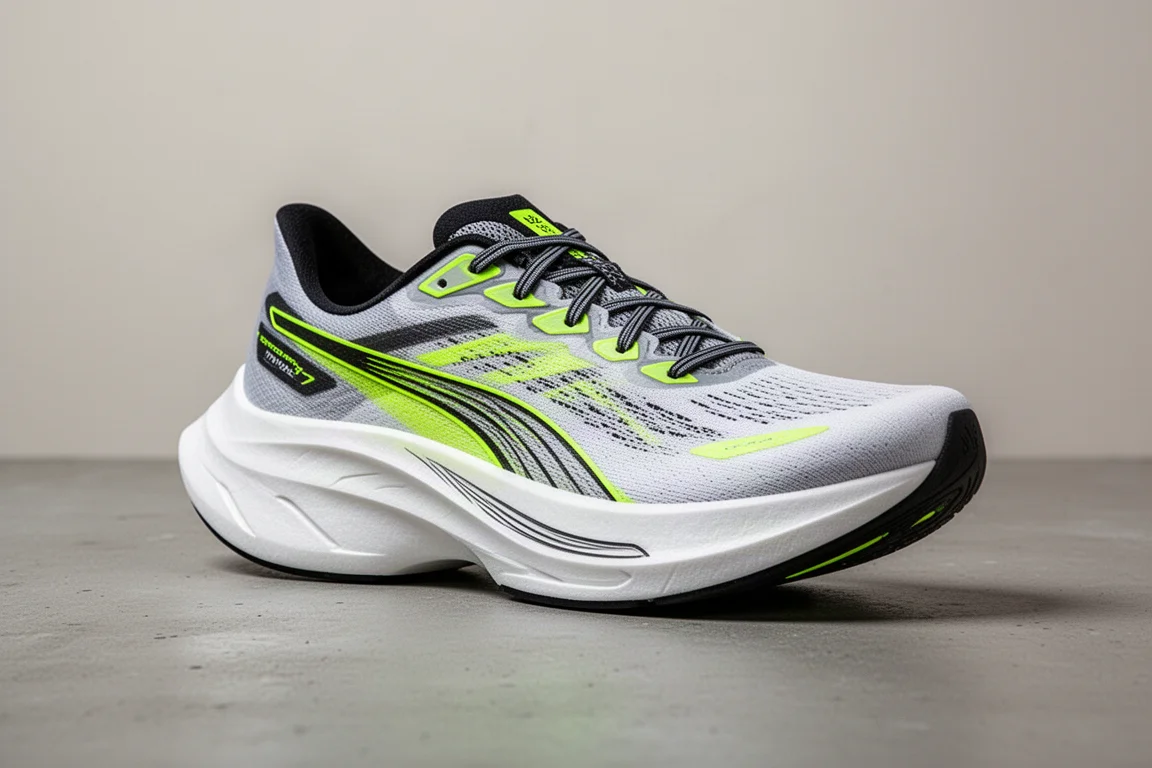
Asics
Asics is one of the few brands where every slot in the rotation is genuinely strong. For easy days, the Gel-Kayano 31 earns the spot. It brings a touch of support along with its cushioning, and it edges out the Gel-Nimbus 26 for runners who like a slightly more planted feel underfoot.
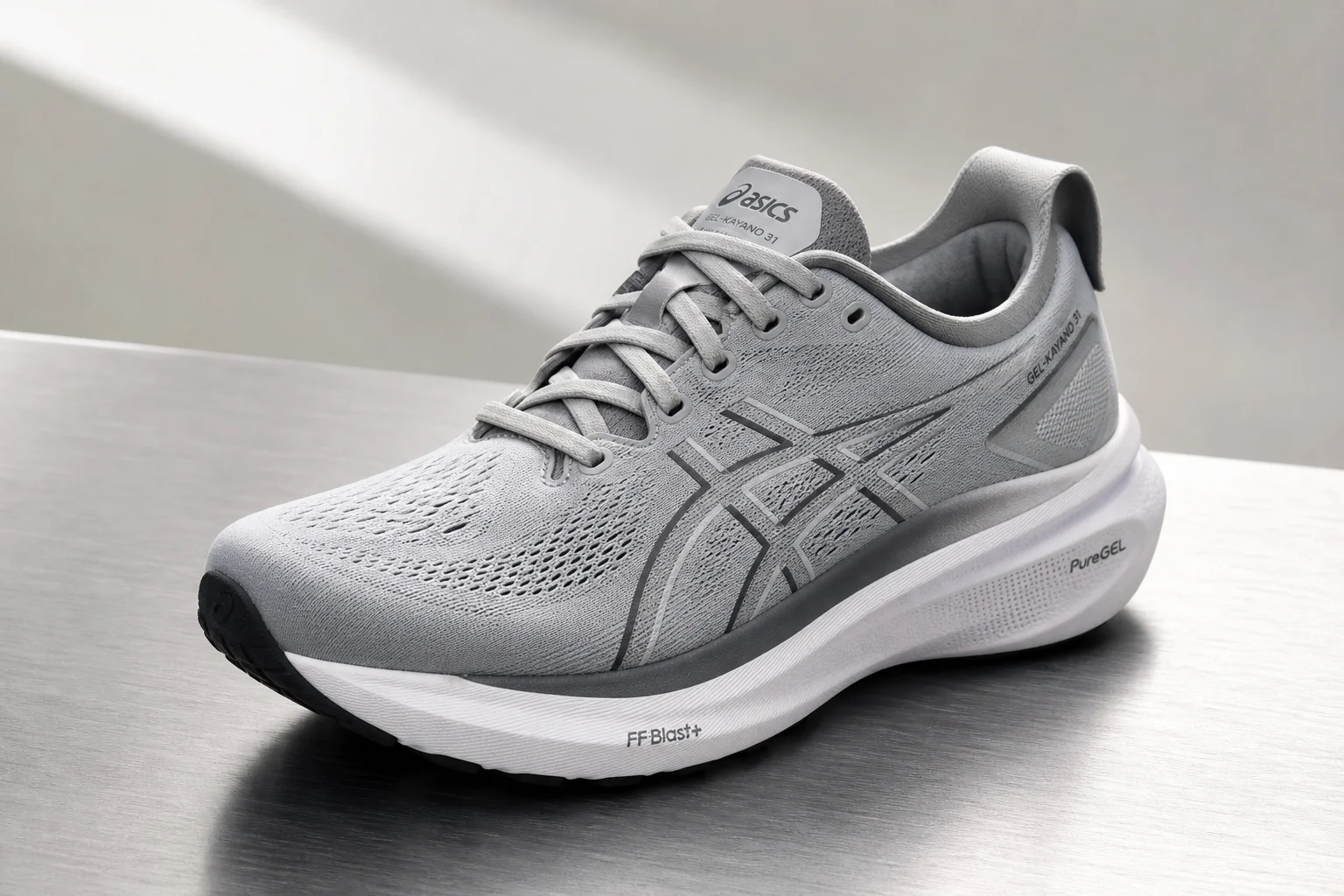
The fast daily trainer slot goes to the Superblast 2, arguably the best all-round daily trainer on the market right now. It covers easy runs, steady work, and even up-tempo sessions, which is exactly what you want from the workhorse in a rotation. The Novablast is a capable substitute if you want something a bit softer and cheaper that still handles some quicker running.
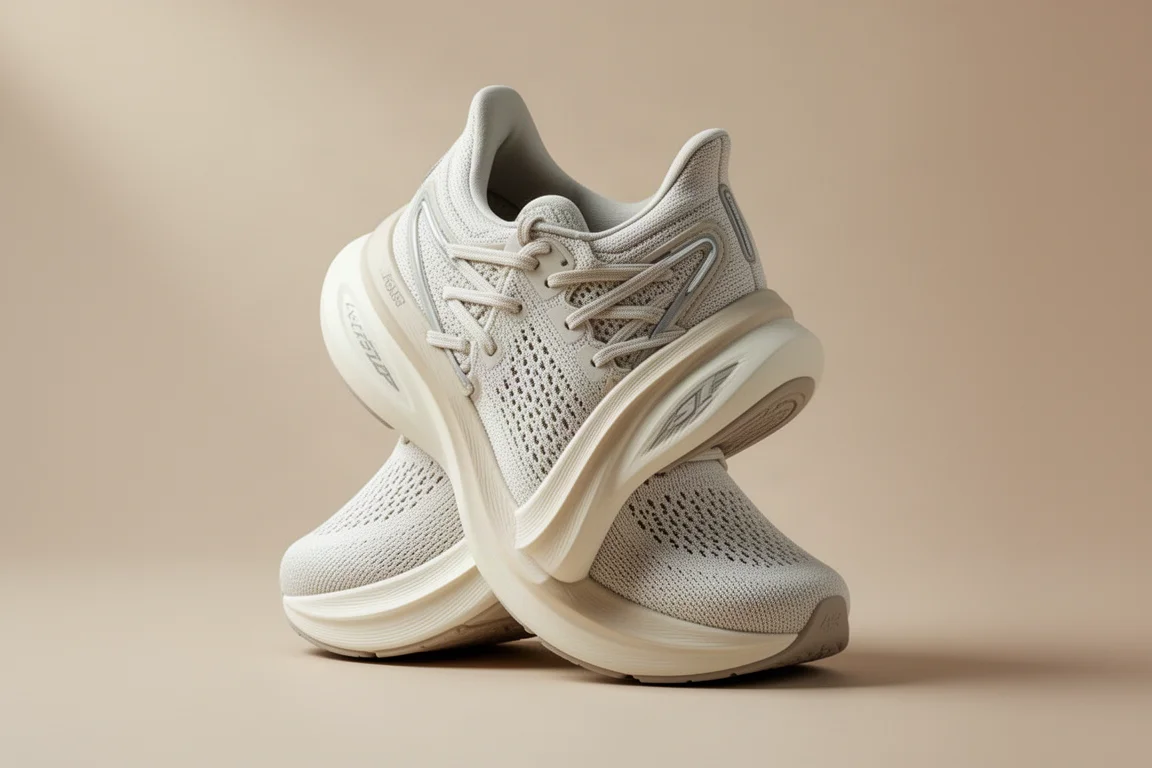
Race day is a clear call: the Metaspeed Sky Paris. It has carried runners to marathon personal bests and stands among the best shoes of the year. The Metaspeed Edge Paris is very similar and feels slightly different underfoot, so if you can test both, pick the feel you prefer, but the Sky Paris is the one that has felt best overall.
Brooks
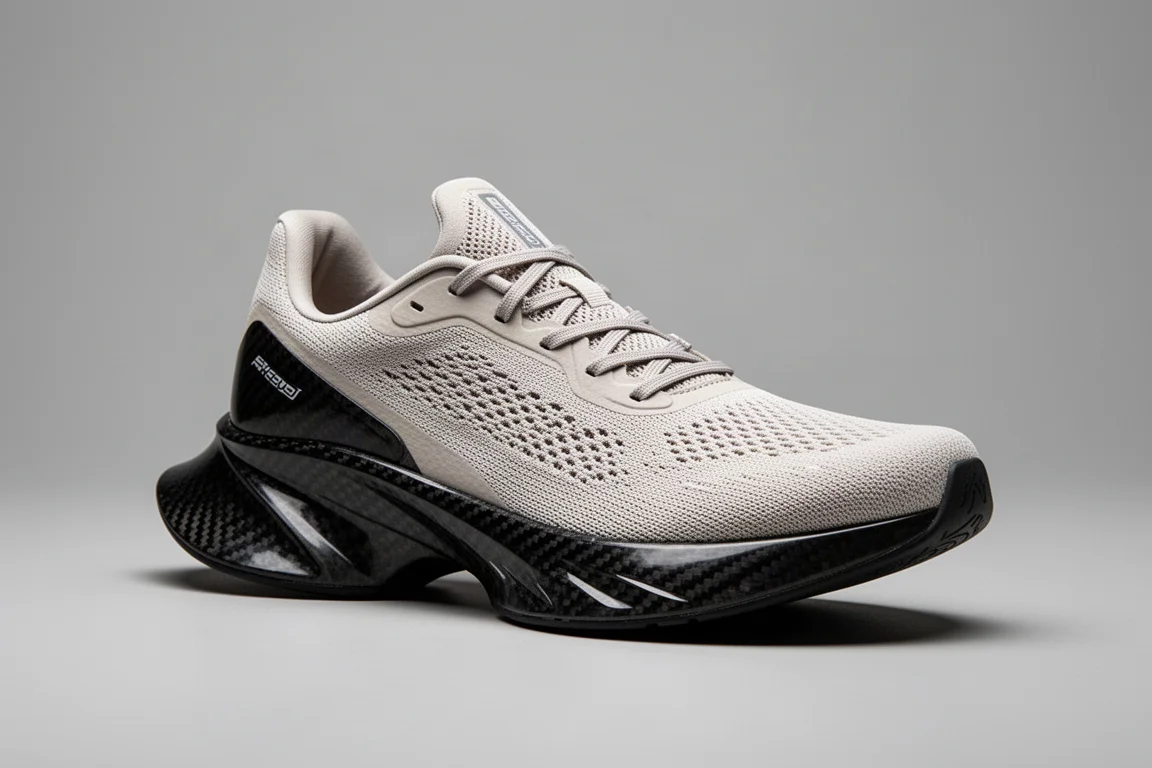
Brooks released a lot of shoes this year, and two of them anchor the rotation strongly. For easy days, the Glycerin Max delivers plush, comfortable cushioning with a fun, rocking ride. It is softer and more comfortable than the Ghost Max 2, which is the firmer, more responsive alternative if you prefer that character.
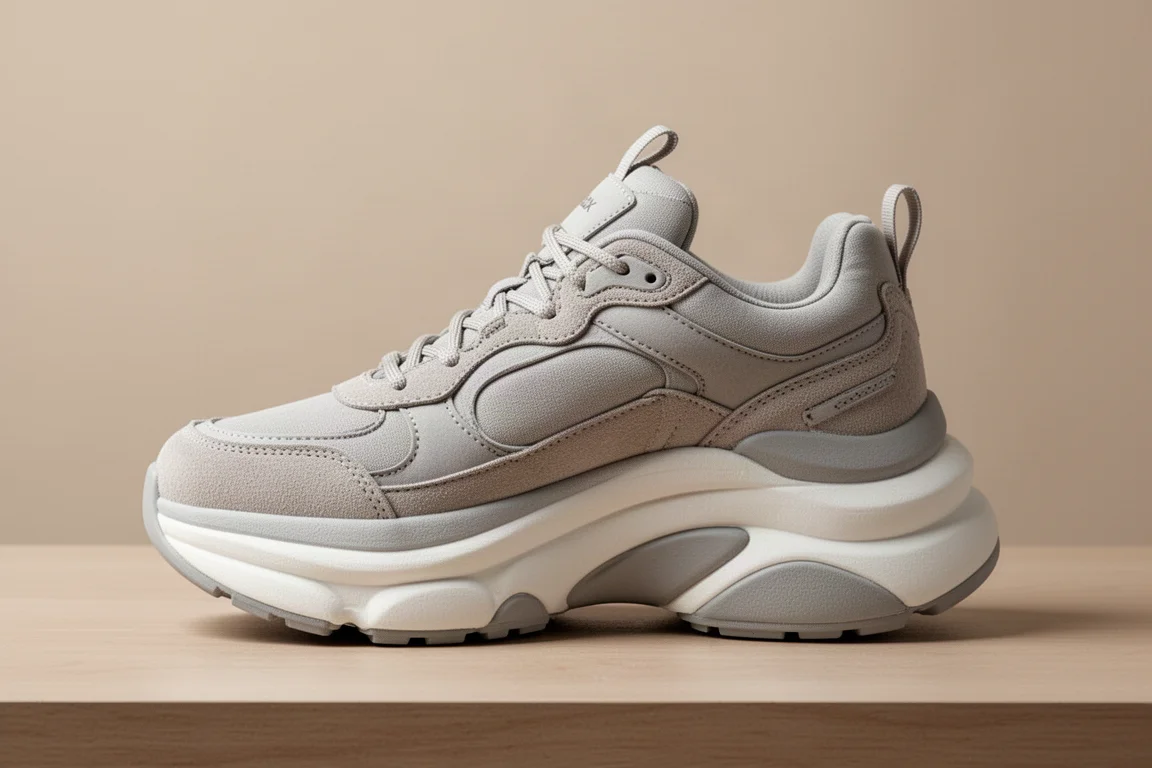
The Hyperion Max 2 is the standout all-round daily trainer in the Brooks range and a big step up on both the original Hyperion Max and the standard lightweight Hyperion. It handles long training runs particularly well and has a fit that simply disappears on the foot.
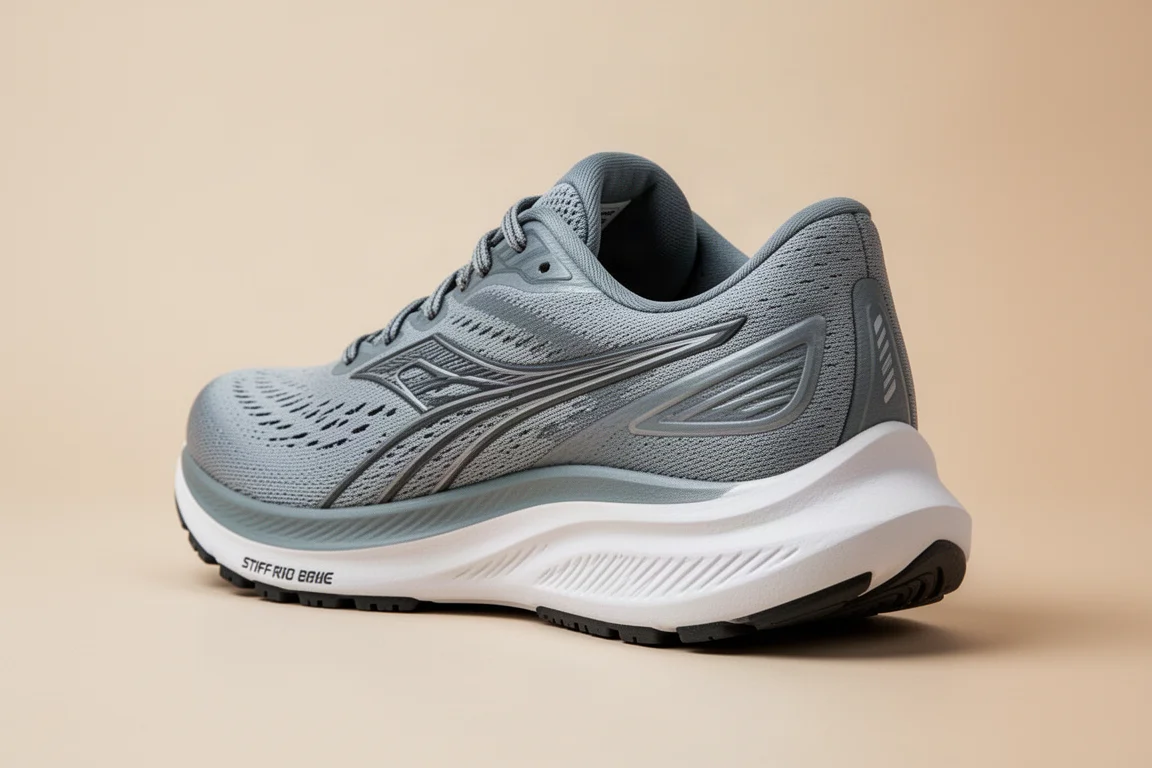
The race day slot is the weak point. The Hyperion Elite 4 is the pick by default, and Brooks clearly knows it is not quite at the level of the leading carbon racers. Updates appear to be coming, but for now this is the category where the rotation has a gap.
Hoka
Hoka has had a strong year. For easy days, the Skyflow works well as an upgraded, slightly more cushioned take on the Clifton formula. The Mach 6 is a serious alternative here: it is very comfortable and versatile, and many runners would happily use it for easy runs too, though the Skyflow fits the easy day brief more conventionally.
The fast daily trainer slot is the easiest call in this entire guide: the Mach X2 is a standout shoe of the year. It is a cracking plated trainer that absorbs fast training and, for many runners, even up to half marathon racing. If you want an unplated alternative that still covers the same range, the Mach 6 slips neatly into this slot.
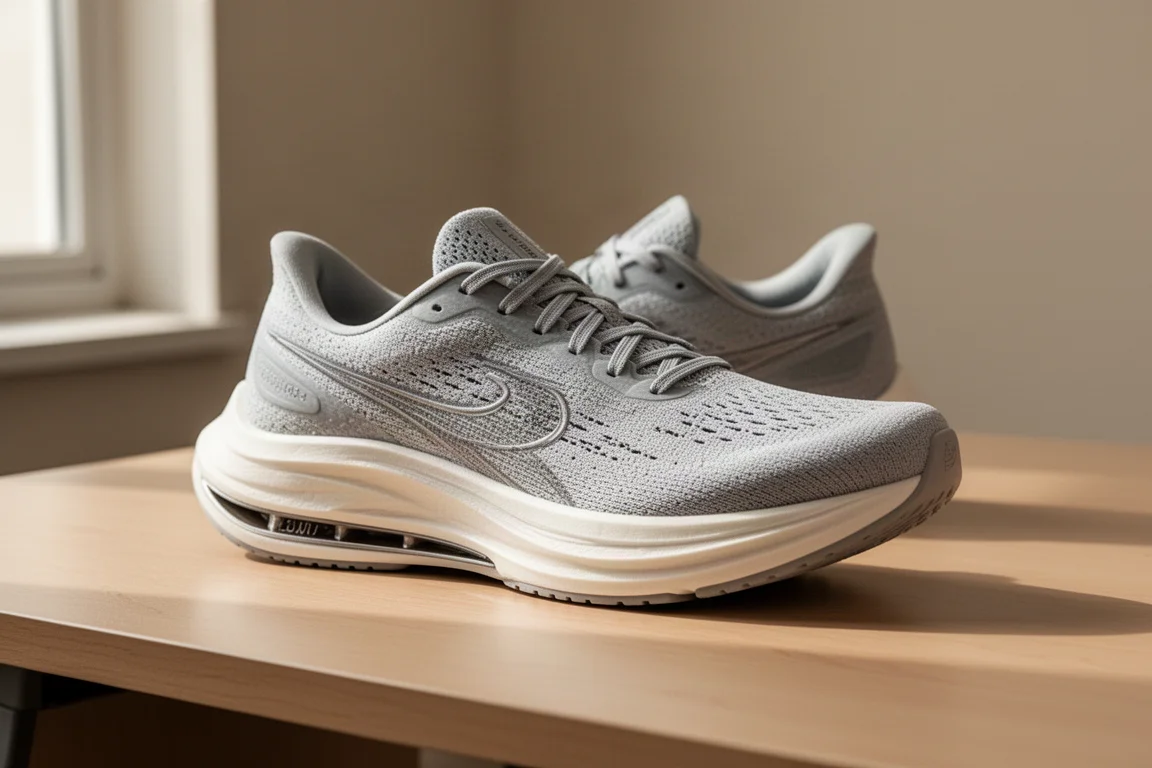
Race day comes down to two very different shoes. The Rocket X2 is lightweight, nimble, and direct, while the Cielo X1 is bouncy, fun, and slightly heavier. The Cielo X1 gets the nod for its sheer enjoyability, but runners who prize precision may lean toward the Rocket X2.
New Balance
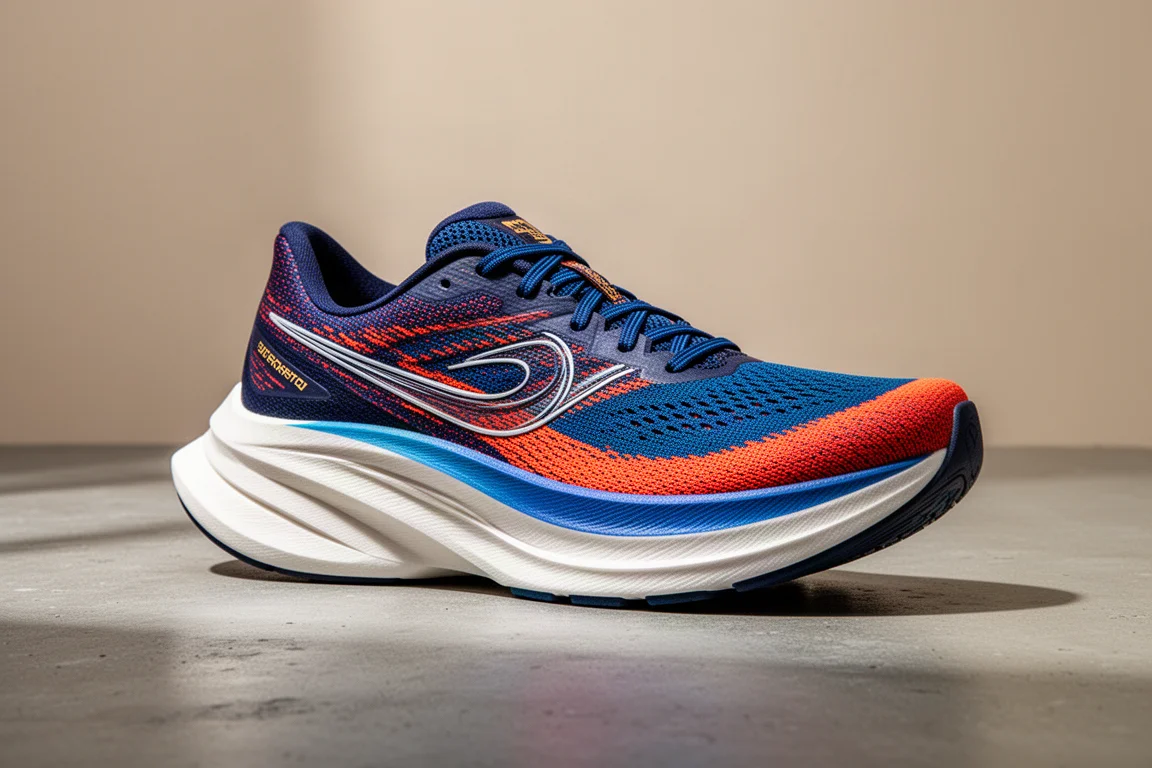
New Balance has three excellent daily trainers this year, which makes the easy day and daily slots the strength of this rotation. For easy days, the Fresh Foam More v5 is deeply comfortable and slightly more stable than its reputation for extreme softness suggests. The Fresh Foam X 1080 v14 is the more accessible option if you want cushioning that is a touch firmer and more stable.
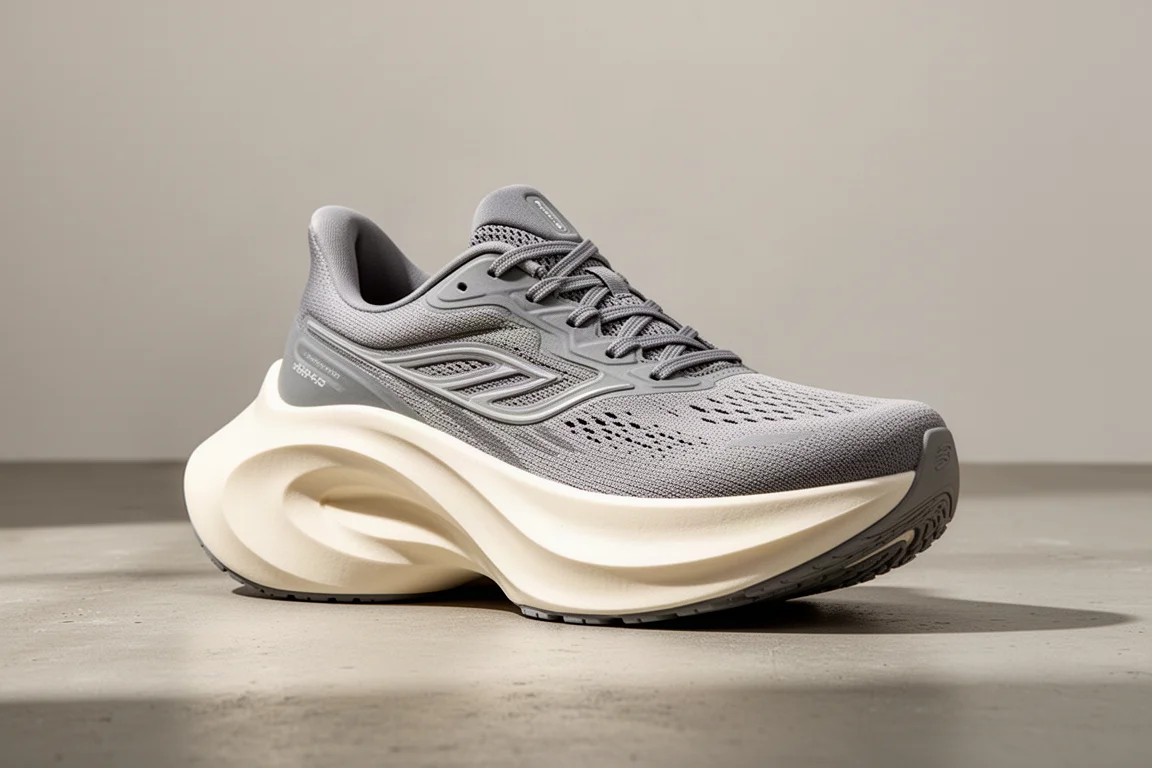
The SC Trainer v3 takes the fast daily slot. After extensive marathon-block testing, it proves to be an excellent all-rounder for grinding out big miles, with a plate that adds structure without demanding top-end pace. The main caution is pricing: the UK price is strikingly high compared with the US, though sales are likely.
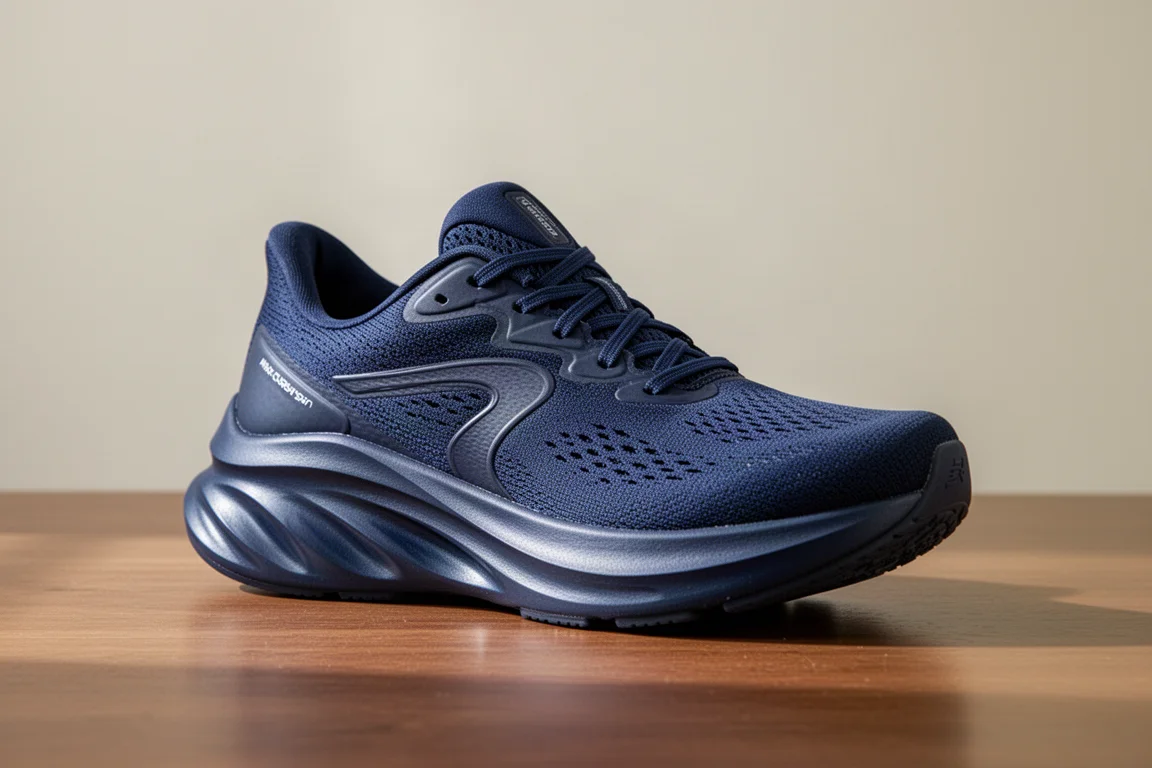
Race day goes to the SC Elite v4, the carbon shoe most people get on with. The Pacer v2 is lower stack, firmer, and preferred by some testers, but the SC Elite v4 is the safer pick. The known weakness across New Balance racers is heel irritation for some runners, so sizing and fit deserve extra attention.
Puma
Puma’s year has been uneven, but the highlights are real. For easy days, the Velocity Nitro 3 is the pragmatic pick, and its accessible price makes it an even easier one. The Magnify Nitro 2 is a solid, stable, very comfortable cushioned alternative, and the Magmax Nitro adds more foam and bounce, though some find it a touch firm for a max-cushion shoe.
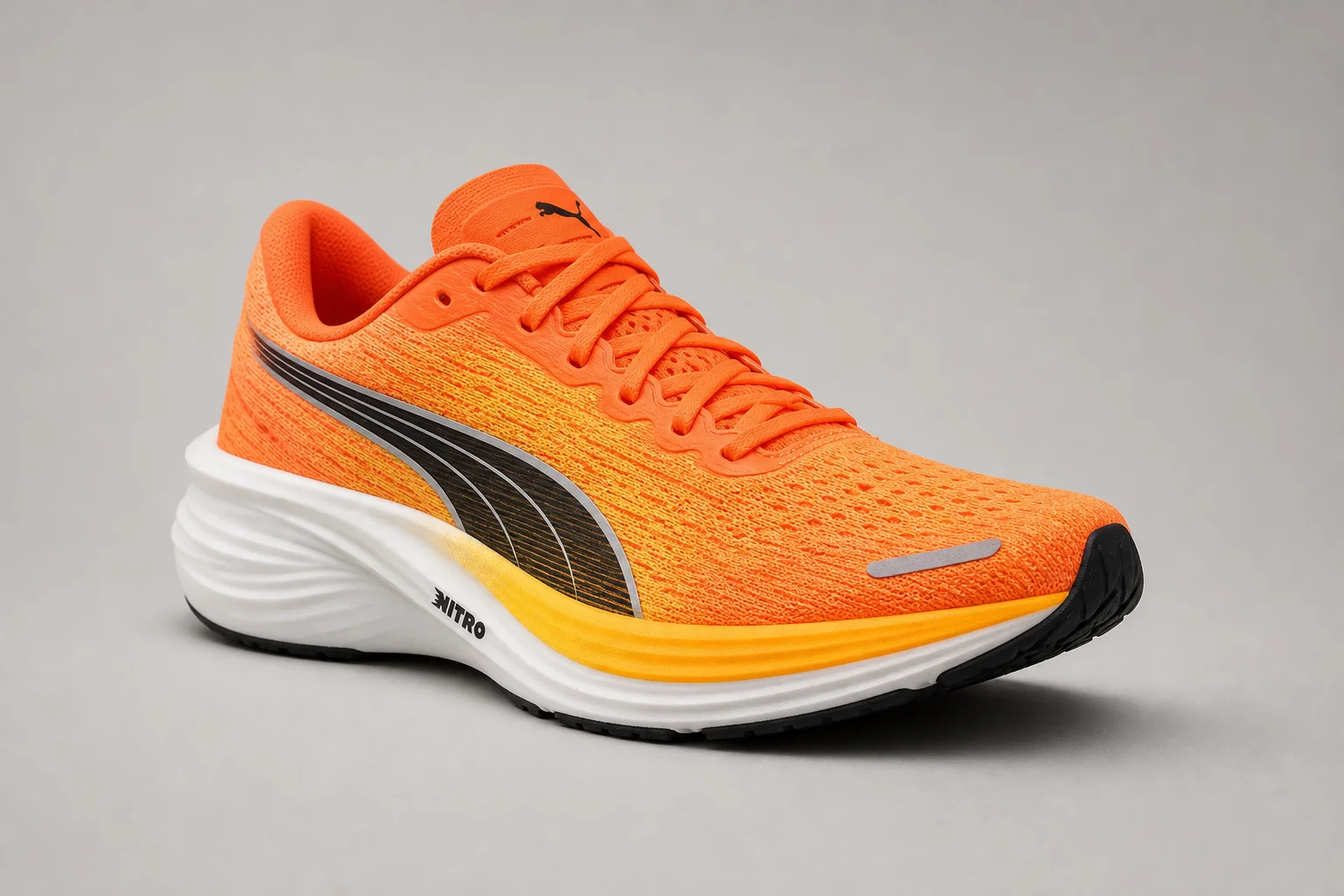
Race day is where Puma genuinely shines now. The Deviate Nitro Elite 3 is by far the best carbon shoe the brand has released, with a bouncy, energetic ride from the first step that made racing a half marathon at marathon pace feel remarkably easy. It is lighter and cheaper than the Fast-R Nitro Elite 2, making it the clear pick.
Saucony
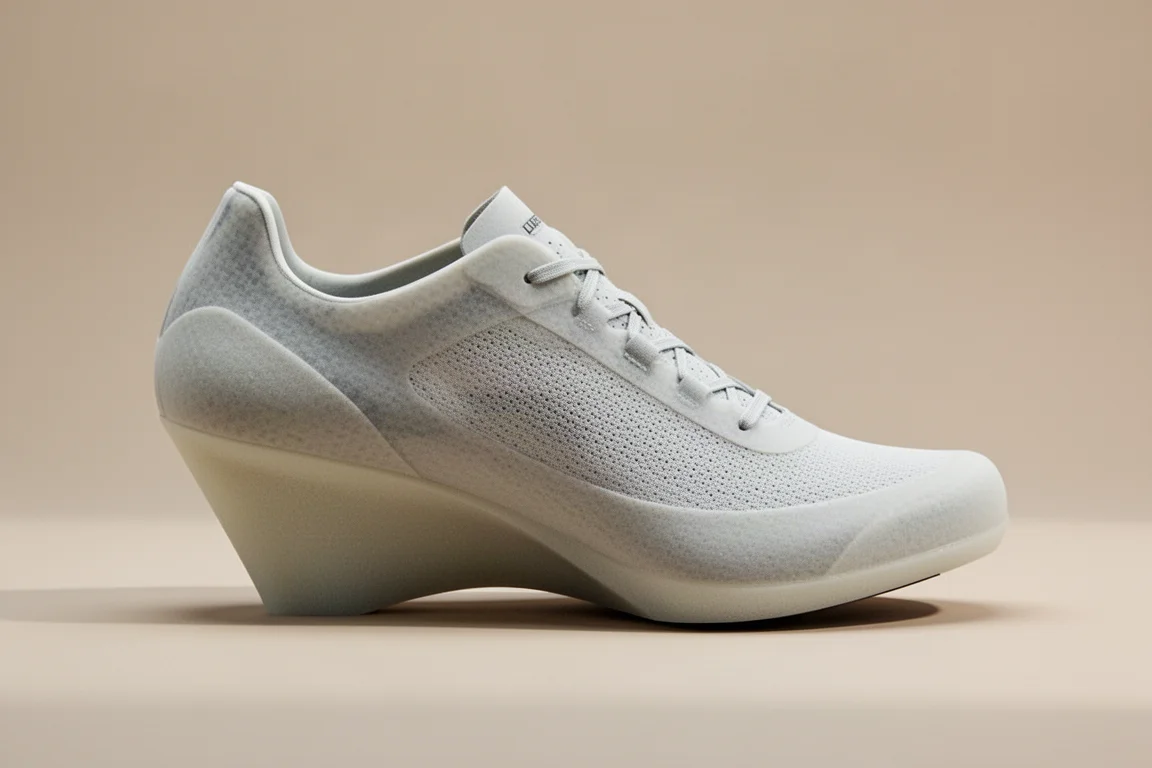
Saucony’s lineup is stacked with very good shoes. The easy day debate comes down to the Hurricane 24, a deeply cushioned shoe that wins over even testers who usually avoid max-cushion models, versus the Ride 17, a more direct and natural-feeling trainer with a lovely fit and enough cushion to soak up easy miles and even some mid-pace work. The Ride 17 is the pick if you do not want a big, soft shoe on your foot.
The fast daily trainer slot is a no-brainer: the Endorphin Speed 4 remains one of the best options from any brand, locking down this category with a blend of versatility and pace that few super trainers match.
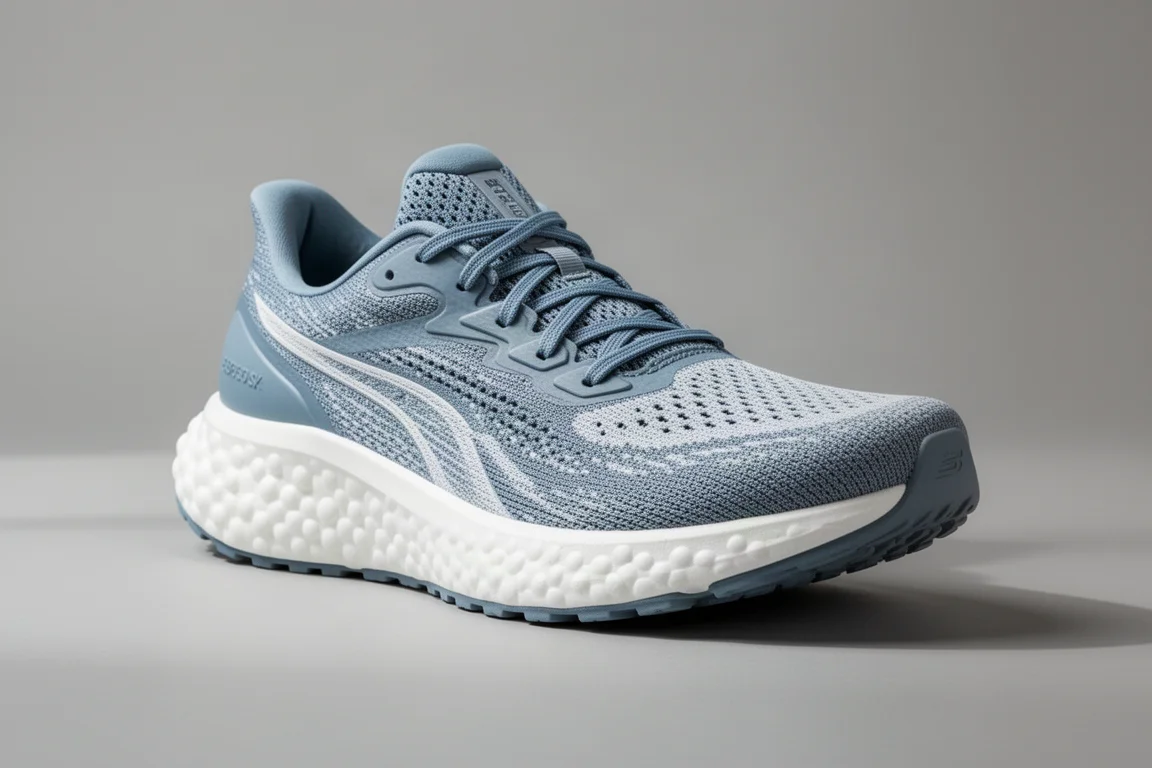
Race day is a toss-up between the Endorphin Pro 4 and the Endorphin Elite. The Pro 4 is the safer, more accessible choice, and impressive enough over the marathon distance for first-time racers. The Elite is faster and more energetic but harsher and less comfortable, and it demands some experience with aggressive carbon shoes. The Elite gets the pick for runners chasing times.
Best of the Rest
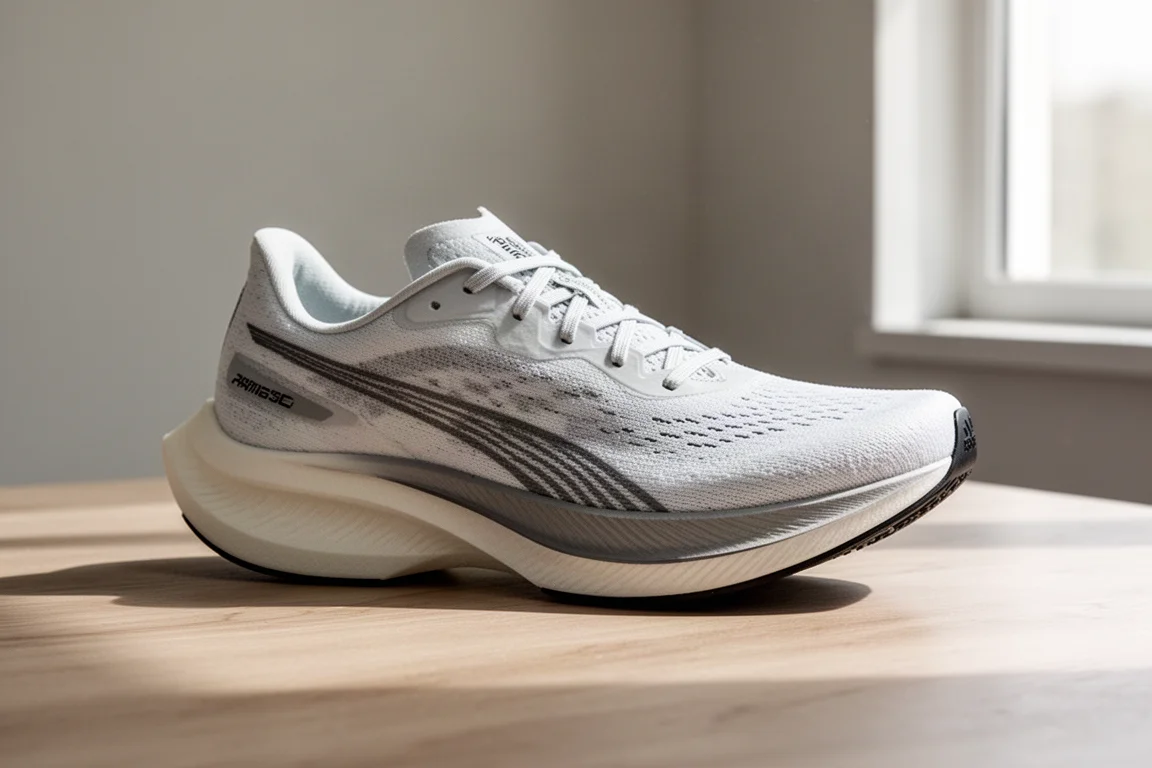
A few brands have standout shoes but not yet a complete three-shoe rotation. On’s race day pick is clearly the Cloudboom Strike, a serious step up from the brand’s earlier carbon racer and one of the favorite carbon shoes of the year. The Cloudmonster Hyper is a capable, roomy, well-cushioned easy day option, though its price is hard to justify against cheaper alternatives. What On is still missing is a true fast daily trainer, though the upcoming Cloudboom Zone looks promising.
Elsewhere, the Mizuno Neo Vista is one of the favorite new daily shoes of the year and slots into either the easy day or daily trainer role, while the Mizuno Rebellion Pro 2 is a fun but wild ride that suits half marathons better than marathons. The Salomon S/Lab Phantasm 2 is a genuinely good, direct-feeling racer, though it sits at a high price. Merrell, Hylo, and NNormal fill niche and trail-adjacent roles rather than complete road rotations.
If You Could Only Pick One Brand
Forced to choose a single brand for a complete rotation, Asics comes out on top. The Superblast 2, Metaspeed Sky Paris, and a comfortable easy day shoe add up to the most complete package, largely because the race day shoe is the one most runners care about most. Hoka’s Mach X2 alone almost justifies the brand, and New Balance offers the strongest trio of daily trainers, but the gaps elsewhere give Asics the edge.
Conclusion
No brand has a flawless rotation, but each has a slot where it excels: Asics and Hoka for versatile daily trainers, Puma and On for race day energy, Saucony for the fast training all-rounder, and New Balance for marathon mileage. Match the shoe to the run you do most often, spend there first, and let the rest of the rotation follow.
Further reading
Related Reviews

Running Shoes
Best Road-to-Trail Running Shoes: Three Versatile Options for Mixed Terrain
A practical guide to three road-to-trail running shoes that handle both pavement and mild trails, with clear strengths and trade-offs for different runner types.

Running Shoes
Best Running Shoes for Achilles Tendonitis: Three Options Explained
Three running shoes with different heel drops and support features designed to help reduce Achilles tendon pain during walking and running.

Running Shoes
Best Running Shoes for Women: Five Top Choices Ranked
A ranked guide to five women's running shoes, from versatile daily trainers to high-performance racing options, with real strengths and trade-offs for each.