Running Shoes
Best Running Midsole Foams Ranked: From Daily Workhorses to Race-Day Rocket Fuel
A tier-by-tier look at the major midsole foams used in non-race and race shoes, with honest notes on softness, energy return, and durability.
Introduction
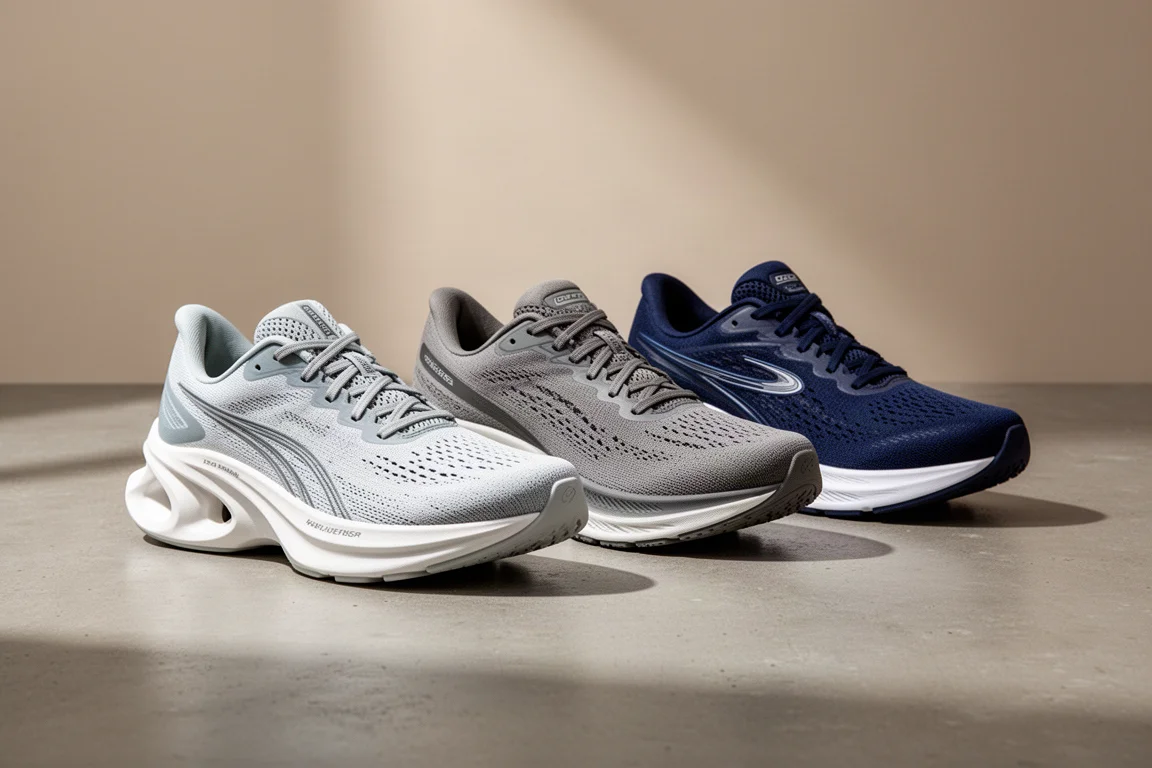
Midsole foam has quietly become the biggest differentiator between modern running shoes. Two uppers can look nearly identical on a shelf, yet one glides through easy miles while the other springs off the road. This ranking walks through the major foams used across Adidas, Puma, ASICS, Saucony, Brooks, and Nike lineups, graded from F at the bottom of the barrel to S at the very top.
The grades reflect real-world running experience rather than spec sheets. A foam that feels magical for the first 50 miles but collapses by mile 100 scores lower than a slightly less exciting option that holds its character for hundreds of miles.
How the Foams Were Judged
Every foam was assessed on five practical measures: cushioning feel, energy return, weight, durability, and how well the foam suits its intended job, whether that is easy recovery miles or all-out racing. Versatility counts too. A foam that transitions gracefully from tempo runs to long runs earns more credit than a one-trick platform.
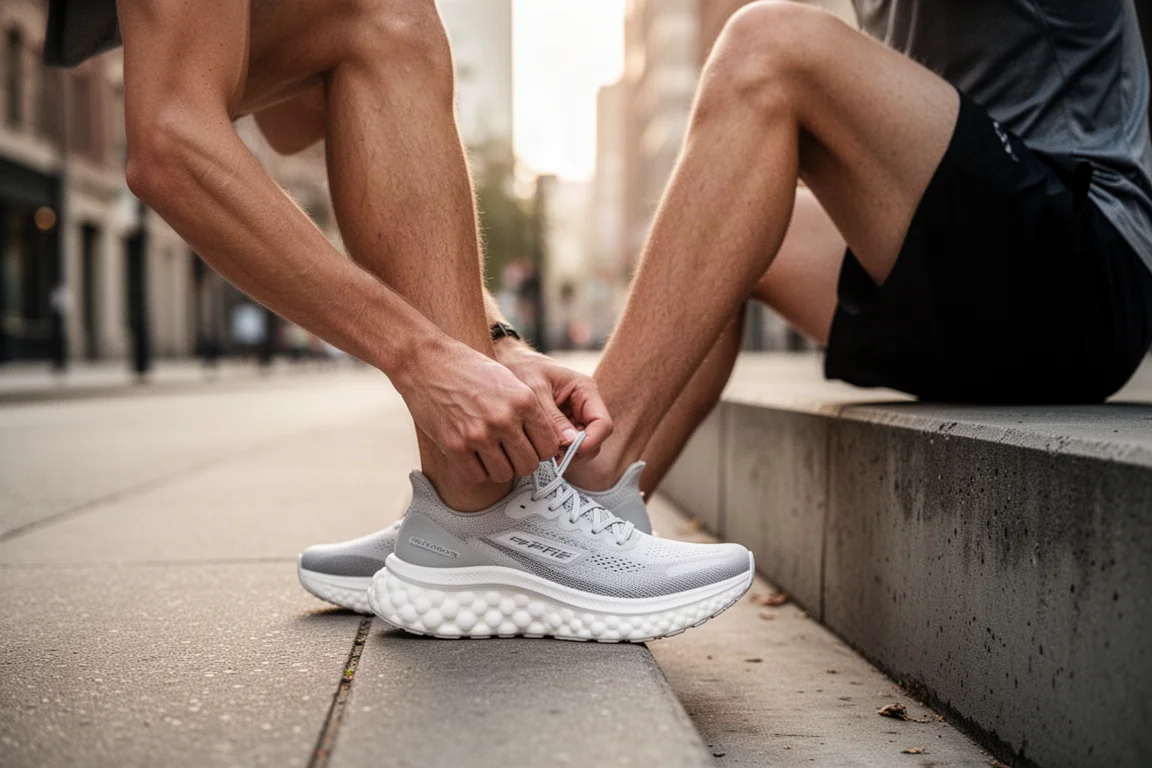
One thing worth remembering before the rankings: there is no single best foam. The right choice depends on what you need from a shoe on a particular day, which is exactly why the list below mixes daily trainers and race-day foams.
Adidas Foams
Lightstrike Pro
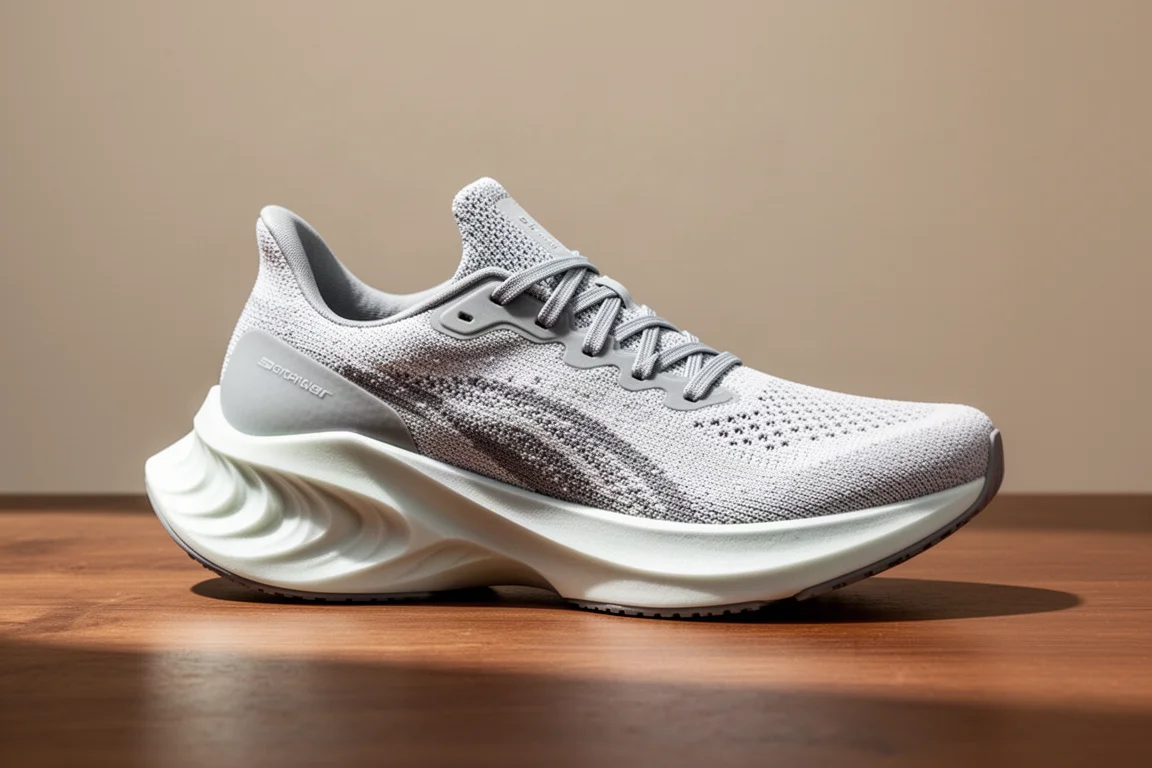
Lightstrike Pro, the foam behind the well-loved Evo SL, earns a grade A. It offers a strong balance between compression and stability, impressive lightness, good energy return, and durability that holds up over time. The only reason it misses the top rank is that it needs a few break-in miles before it feels its best.
Lightstrike
Older Lightstrike, still found in a few Adidas shoes, gets a grade D. It is a denser, heavier foam that is not especially pleasant for daily running, and it increasingly feels like a remnant of an earlier era as Adidas phases it out across the lineup.
Dreamstrike Pro
Dreamstrike Pro, used in the Supernova Rise, lands at grade C. It is a PEBA-based material, cushioned enough, and slightly lighter than some of the other foams Adidas was using at the time. It is a touch more fun than some competing daily foams, but it has not really taken off in a big way.
Puma Foams
Puma Nitro
The current version of Puma Nitro, as used in the Velocity Nitro 4 and the Magnify Nitro 3, is a PEBA-based foam that lands at grade B. It is not too soft and not too dense, sitting right in the sweet spot for daily use. Compared with the older Nitro formulas, the newer version feels noticeably lighter with a bit more return.
Nitro Elite
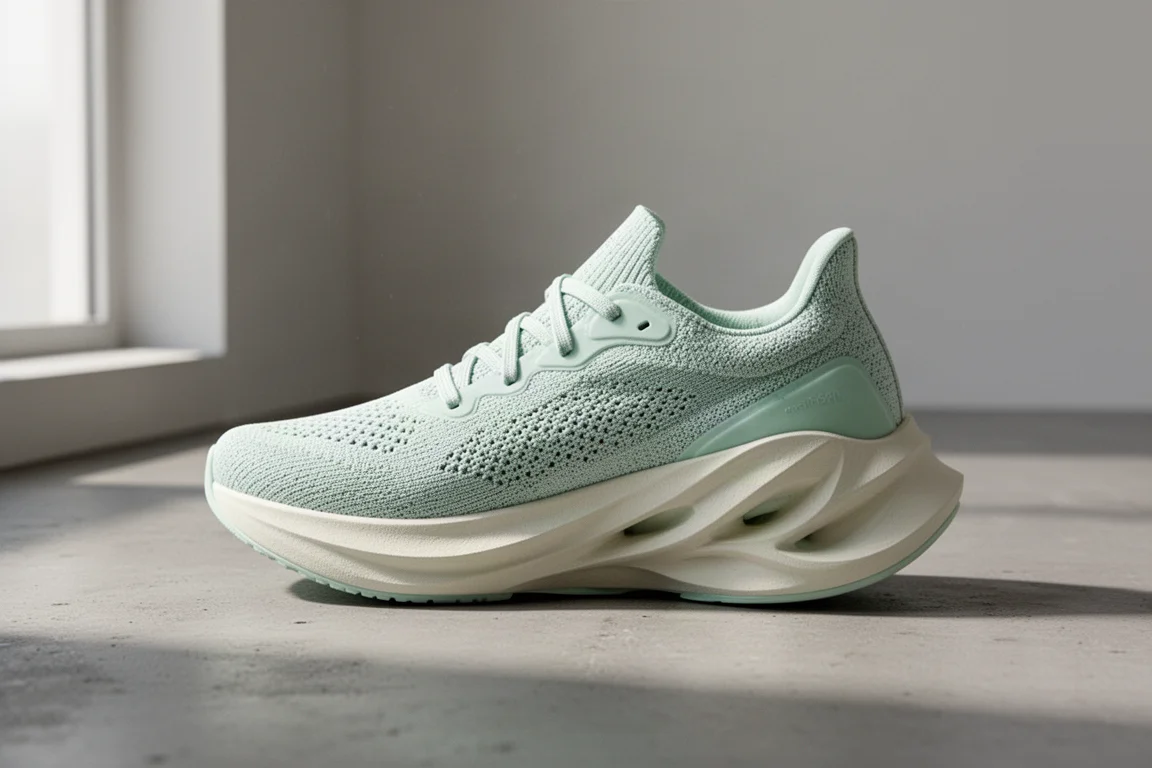
Nitro Elite, found in the Fast-R Nitro Elite 3 and Deviate Nitro Elite 3, is a grade A foam. It is fun, light, exciting, and reasonably durable. The main caveat: on the Fast-R 3, the exposed foam at the outsole does wear down fairly quickly.
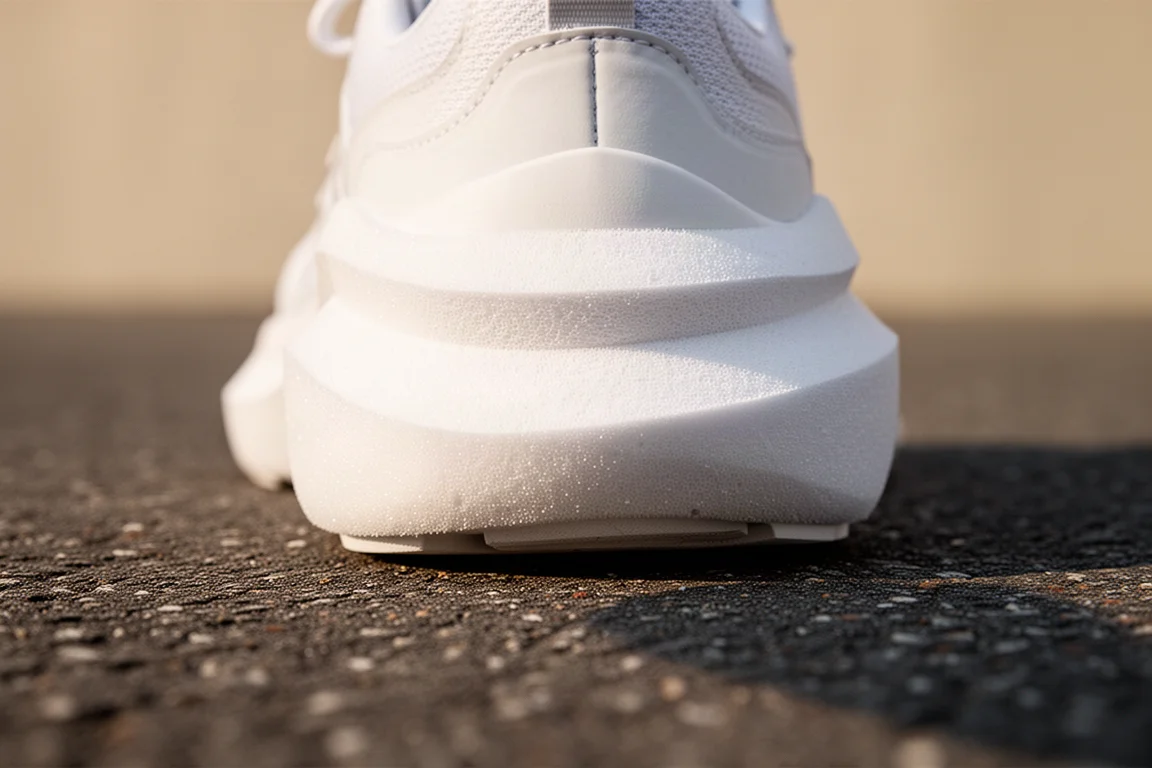
Puma tweaks its formulas often, so the exact feel can shift between releases, but the most recent versions are among the best-balanced daily and performance foams around.
ASICS Foams
FlightFoam Blast Plus
FlightFoam Blast Plus, used in the Nimbus 27 and Kayano, is a denser daily-trainer foam that scores a grade C. It is durable and absorbs impacts without wearing down quickly, doing its job quietly well, though nobody is racing in it.
FlightFoam Blast Max
FlightFoam Blast Max, the foam in the Novablast 5, is the more exciting sibling and earns a grade B. It is a bit softer than the Plus version, very versatile, and has proven supremely durable, retaining its properties longer than many competitors. Expect ASICS to spread this foam across more models soon.
FlightFoam Turbo Plus
FlightFoam Turbo Plus, used predominantly in the Superblast 2 and in the bottom layer of the Metaspeed Sky Paris, gets a grade A. It is lighter and livelier than its predecessor, brilliant for racing, though that extra return comes at the cost of some durability, and the foam can start to tear after hard racing.
FlightFoam Turbo Squared
FlightFoam Turbo Squared, the new foam in the Megablast, is the highest-ranked ASICS entry and takes an S tier. It is slightly softer than the Plus version with a subtle rubbery quality, delivers more energy return, and is both very light and very durable so far.
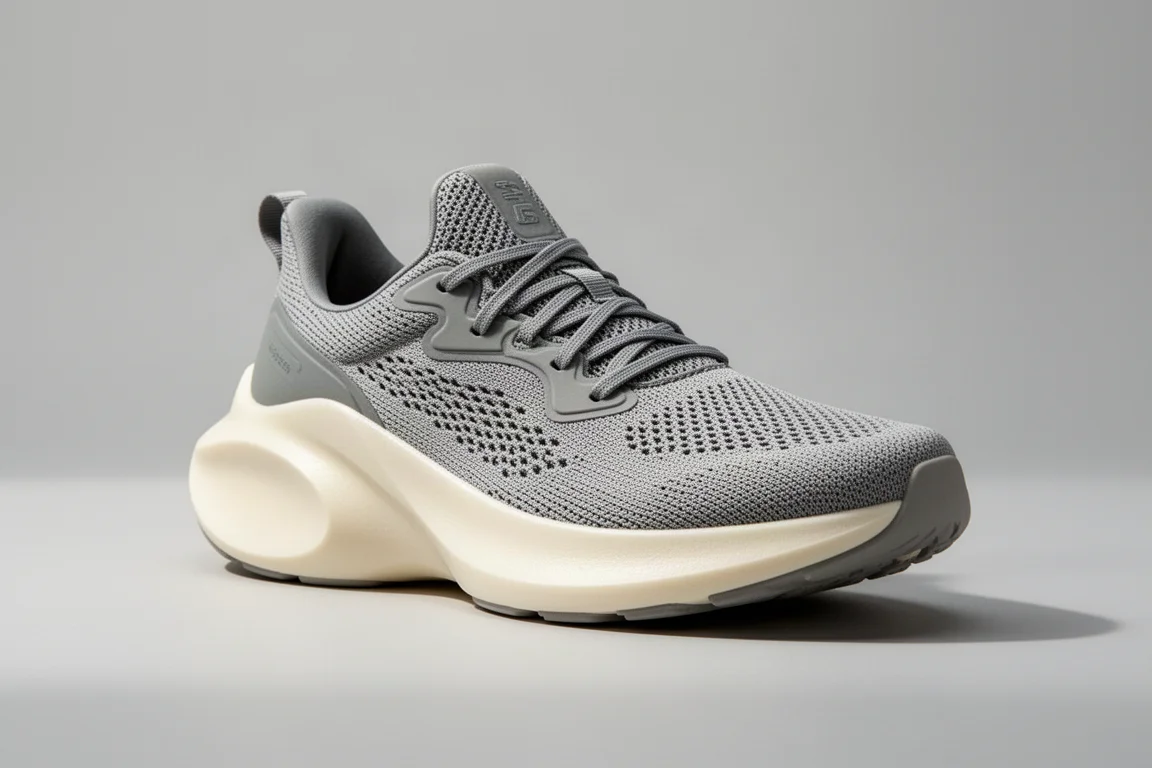
FlightFoam Leap
FlightFoam Leap, appearing in newer ASICS race models, earns a grade A. It is a whole new level of softness with crazy energy return. It may lack some durability and stability compared with other foams, but within its category of high-end racing and training, it is one of the best available.

Saucony Foams
PWRRUN
The base PWRRUN foam scores an E tier. Found in only a few shoes now, it feels dense by modern standards, and better options exist elsewhere in Saucony’s own range.
PWRRUN PB
PWRRUN PB, the foam in the Endorphin Speed 5, still earns a grade B. It remains one of the favorite tempo-trainer foams thanks to consistent feel across the footbed and solid durability and longevity.
PWRRUN HG
PWRRUN HG, used in the Endorphin Elite and as a top layer in the Endorphin Pro 4, gets a grade B. It was enjoyable while it lasted, but it took a beating quickly, dropping off noticeably after around 100 miles. It has largely been superseded by newer Saucony foam.
IncrediRun
The new IncrediRun foam in the Endorphin Elite 2 is a grade A standout. It is very compressive yet surprisingly durable, showing very little drop-off after runs despite initial durability concerns. If reducing leg fatigue and strain is your priority, this is the foam to look for.
Brooks Foams
DNA Loft
DNA Loft, in its second version in the Ghost Max, lands at grade D. It is denser and durable, fine for easy-pace and recovery runs, but not as fun as other options in that niche.
DNA Flash
DNA Flash, the bottom layer of the Hyperion Max 3, earns a grade C. It is springy and responsive, giving back what you put in, and it is more stable than many competing foams.
DNA Gold
DNA Gold, a PEBA-based foam used in the Hyperion Max 3 top layer and the Hyperion Elite 5 race shoe, also scores a grade C. It is super light with lots of energy return and impressive consistency across the footbed with no weak spots. It may not be quite as fun as the ATPU foams dominating the market now, but it is a solid, stable choice.
Nike Foams
ReactX
ReactX, used in the Vomero and Pegasus, gets a grade E. It is a slightly softer and more playful evolution of React, but in practice it feels very dense and very heavy, doing an okay job for daily use without being especially enjoyable to run in.
SR-02
SR-02, the bottom layer of the Zoom Fly 6, earns a grade D. It is somewhat comparable to ASICS FlightFoam Blast Plus: not as dense as ReactX, a bit more fun, and quite durable, but still just okay.
ZoomX
ZoomX, featured in the Alphafly, Vaporfly 4, and Vomero Premium, holds a grade A. It comes in various forms, so durability varies depending on the version and how much protective material surrounds it. But the running experience is excellent: legs consistently feel fresh after long runs and easy recoveries, and the foam is pleasingly light.
Overall Buying Advice
A few patterns emerge from the rankings. PEBA-based foams like Lightstrike Pro, Nitro Elite, DNA Gold, and Dreamstrike Pro now anchor most daily and performance lineups, offering a better balance of comfort and response than older EVA-era materials. For maximum energy return, the S-tier FlightFoam Turbo Squared and the grade-A ZoomX and IncrediRun stand out, each excelling in slightly different ways.

Durability is the usual trade-off. Lighter, bouncier foams such as FlightFoam Turbo Plus and PWRRUN HG tend to show wear sooner, while denser workhorses like FlightFoam Blast Plus and Nitro trade excitement for longevity. Match the foam to the job: soft, fatigue-fighting options for high mileage, lively platforms for tempo days, and forgiving consistency for easy runs.
Conclusion
Midsole foam is no longer an afterthought; it is the heart of how a modern running shoe feels. The top of this list is crowded with foams that combine lightness, return, and respectable durability, which is great news at every budget. Identify what you need from your next pair, then pick the foam on this list that matches that job, and you are unlikely to go far wrong.
Further reading
Related Reviews

Running Shoes
Best Road-to-Trail Running Shoes: Three Versatile Options for Mixed Terrain
A practical guide to three road-to-trail running shoes that handle both pavement and mild trails, with clear strengths and trade-offs for different runner types.

Running Shoes
Best Running Shoes for Achilles Tendonitis: Three Options Explained
Three running shoes with different heel drops and support features designed to help reduce Achilles tendon pain during walking and running.

Running Shoes
Best Running Shoes for Women: Five Top Choices Ranked
A ranked guide to five women's running shoes, from versatile daily trainers to high-performance racing options, with real strengths and trade-offs for each.