Running Nutrition
10 Running Energy Gels Ranked: From TORQ to Decathlon
Ten energy gels put through a practical testing routine covering price, carbs, texture, taste, and how easy each one is to open and carry on race day.
Introduction
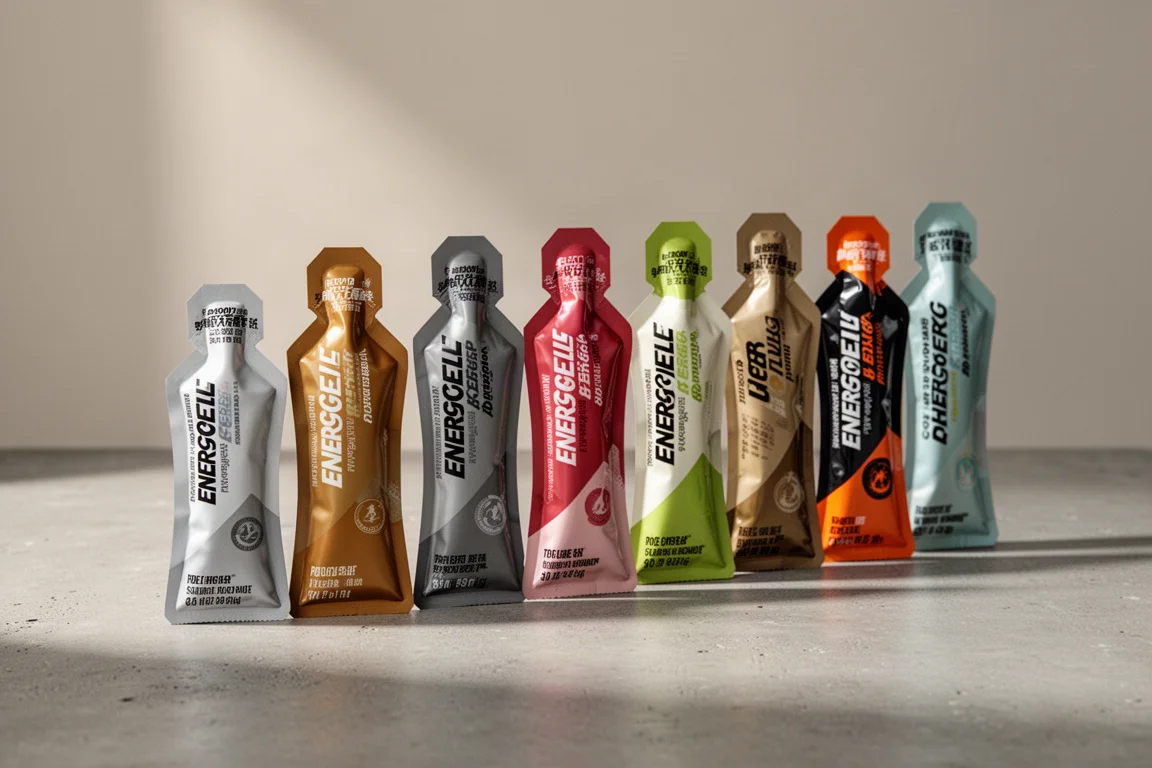
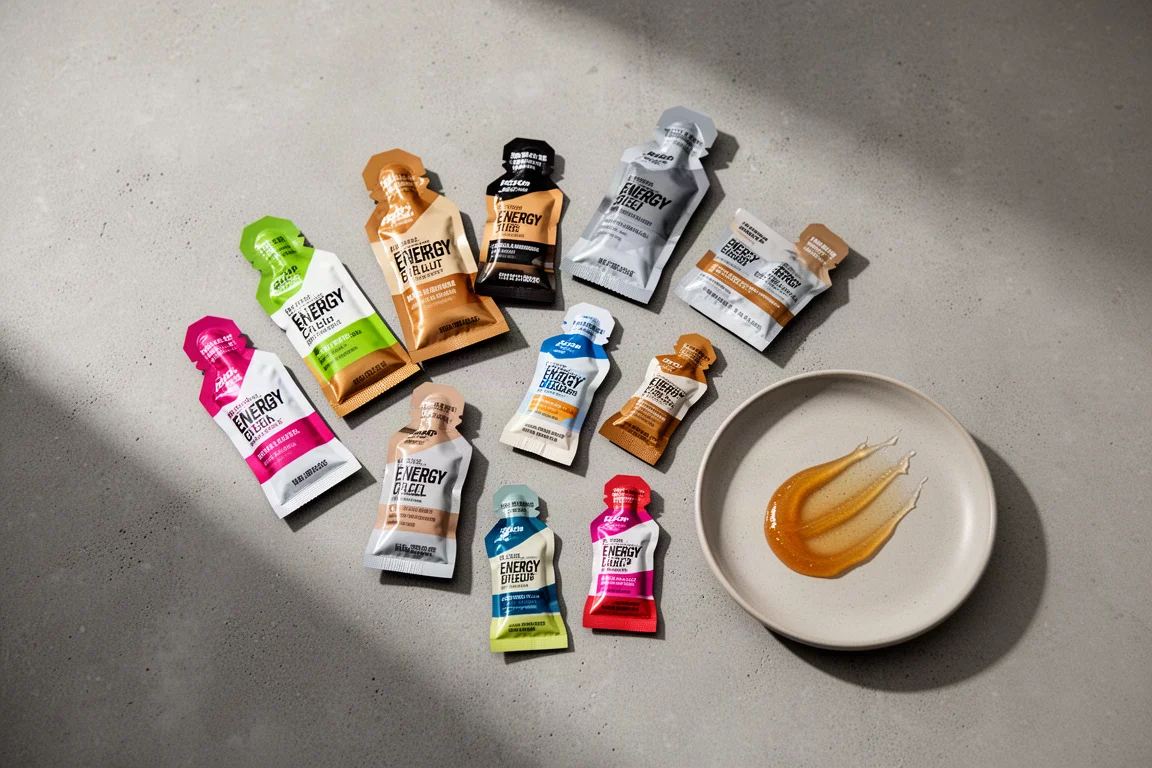
We tested ten more running energy gels after the first round of testing, all of them bought ourselves with no brand involvement, and used them across two to three weeks of regular training. Every gel was assessed on the same criteria: price, weight, calories, carbohydrate content, flavour range, Informed Sport testing, vegan and gluten-free status, ease of opening, texture, and above all, taste.
They all do their basic job well, so the differences come down to the fine-tuning details that decide what goes in your race belt. Here is how each one stacks up.
TORQ Energy Gel
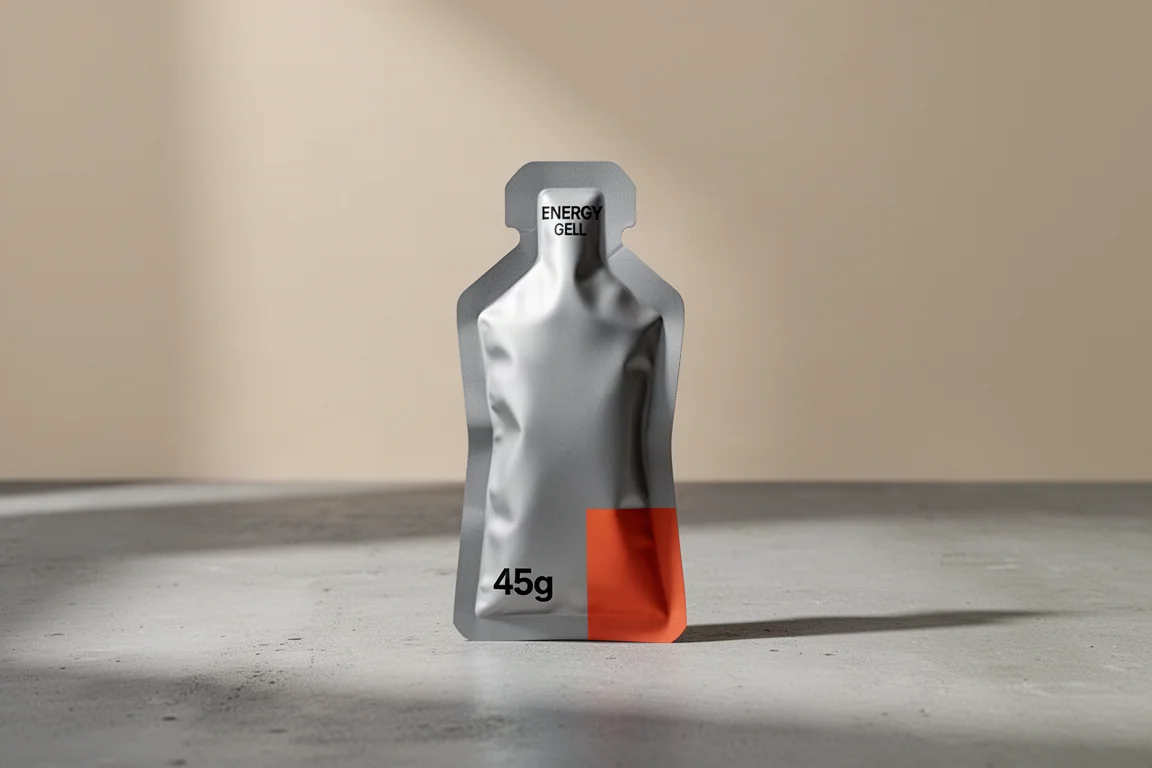
TORQ was the big surprise of this round, and it ends up in joint first place overall. The names are all based on classic British desserts, and every flavour we tried was genuinely good. The gel itself is a light, very liquid consistency that goes down with almost no effort, which matters more than you think when you are running hard.
Each sachet costs about £1.95 and weighs 45g, with 29g of carbs and 114 calories. There are eight flavours, and the gels are vegan and gluten-free, though they are not Informed Sport tested. The only real mark against them was the pull tab, which tore clean off one sachet when we opened it a little too aggressively.
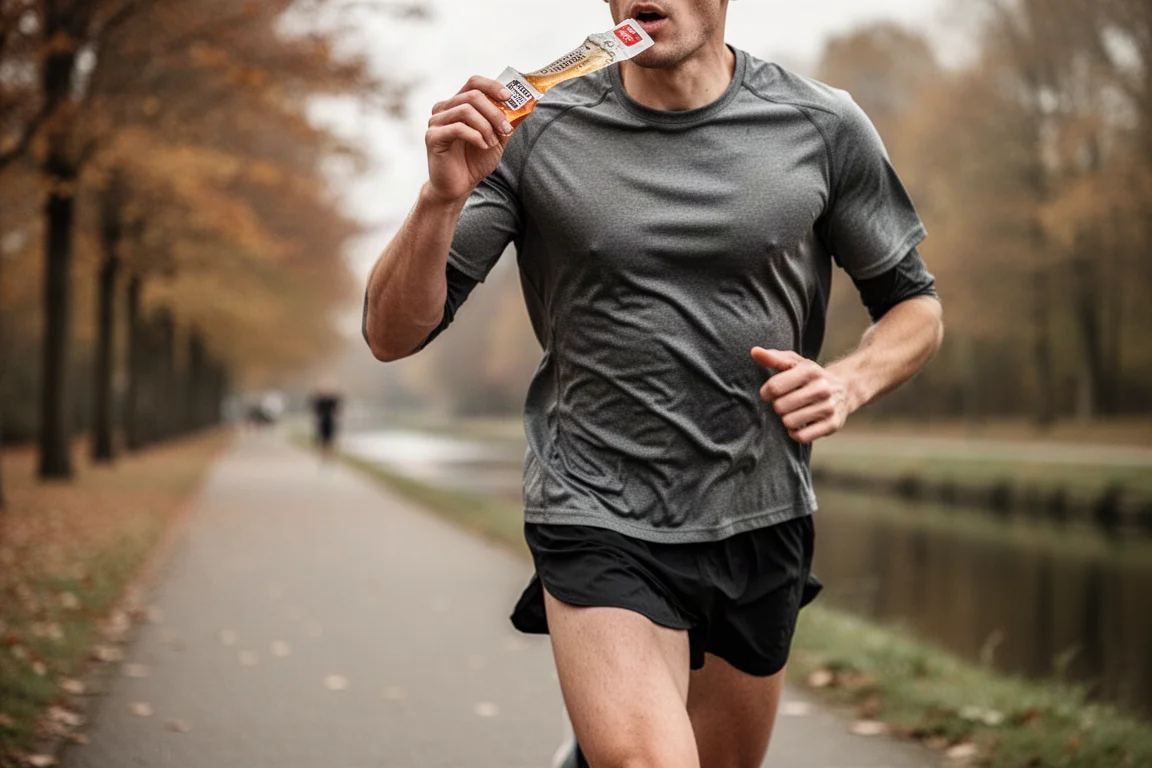
If you want an easy-to-swallow gel that tastes like a treat, this is the one to try.

OTE Regular Energy Gel
The OTE Regular Gel has one of the cleverest designs here: a two-stage opening labelled tear-to-sip and turn-to-gulp, so you can take it in small mouthfuls or down it in one go. The subtle orange flavour is exactly what you want during a race, present enough to enjoy but never going to annoy you over an hour of running.
It costs around £1.75, weighs 56g, and delivers 83 calories and 20g of carbs across four flavours. It is Informed Sport tested, vegan, and gluten-free, which makes it one of the safest choices for competitive racing where anti-doping compliance matters.

OTE Super Gel
The OTE Super Gel is the high-density version of the regular gel, and the numbers are seriously impressive: 160 calories and 40g of carbs, double the regular version, in a package only slightly bigger. That makes it one of the most energy-dense compact gels on this list.
The trade-off is texture. It is noticeably thicker and stickier, and it does not go down as easily. At about £2 per sachet, it is worth trying in training first, because if your stomach handles it well, you are getting a lot of fuel in a small footprint.
GU Liquid Energy Gel
GU’s liquid version of its regular gel came in last in our ranking, largely because of size and taste. These packets are huge compared to everything else here, which makes carrying them around a race course awkward.
On stats, they are reasonable: roughly £1.90 each, about 60g in weight, 100 calories, 22g of carbs, five flavours, vegan and gluten-free, though not Informed Sport tested. The liquid consistency goes down fine, but both flavours we tried tasted strongly chemical to us, and the oversized packaging is hard to overlook.
Lucozade Sport Energy Gel
If you are running the London Marathon, pay attention here: Lucozade Sport is what gets handed out on the course at miles 19 and 22, so this is the gel to train with if you want no surprises on race day.
It is thick and creamy, with a consistency closer to icing than to a runny liquid, which means it lingers in the mouth a bit before you swallow. The orange flavour is pleasant and not overpowering, and it is the cheapest gel here at £1.60. Each 45g sachet gives 123 calories and 30g of carbs, with just one flavour available. It is vegan and gluten-free but not Informed Sport tested.

It placed third overall, which is a solid result for the price.
Science in Sport Beta Fuel Gel
The Beta Fuel Gel is an absolute powerhouse on paper: 158 calories and 40g of carbs, matching the OTE Super Gel as the joint-highest carb content here. At about £2 and 77g, it is also among the heaviest, partly down to thick packaging.
It is Informed Sport tested, vegan, and gluten-free, with a fruity strawberry and lime taste that should not get boring over a road race. The downsides: the packaging was genuinely hard to rip open, and there is a lot of energy to digest in one hit. Test it carefully in training, especially if your stomach is sensitive late in a race.
PowerBar PowerGel Hydro
PowerBar’s hydro gel is enormous, one of the biggest packets here and the joint-heaviest at 77g, which makes it awkward to carry around a course. Opening was easy and the pull tab held, which we appreciated.
The liquid consistency is a real strength: it flows straight down and does not sit in your mouth, so we kept reaching for it even though the orange flavour tasted like a cheap, strongly artificial squash. At about £2 per gel, the stats are fine, but the taste and the size both work against it.
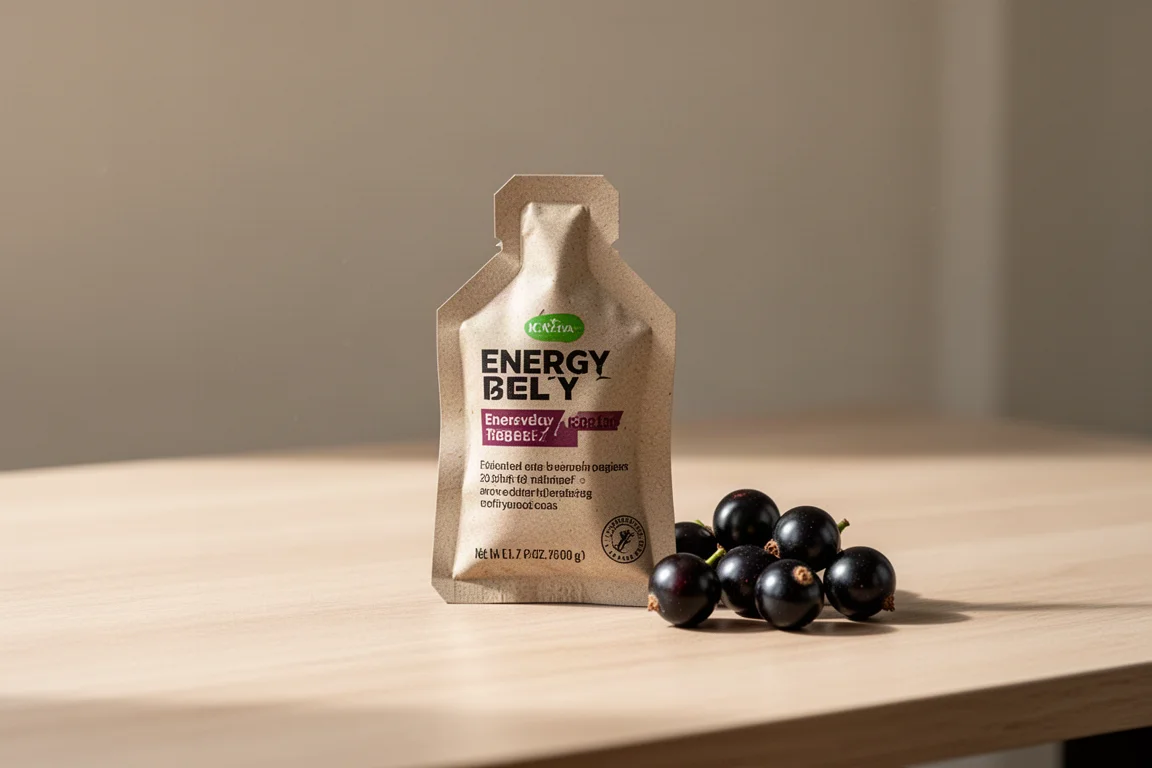
Veloforte Natural Energy Gel
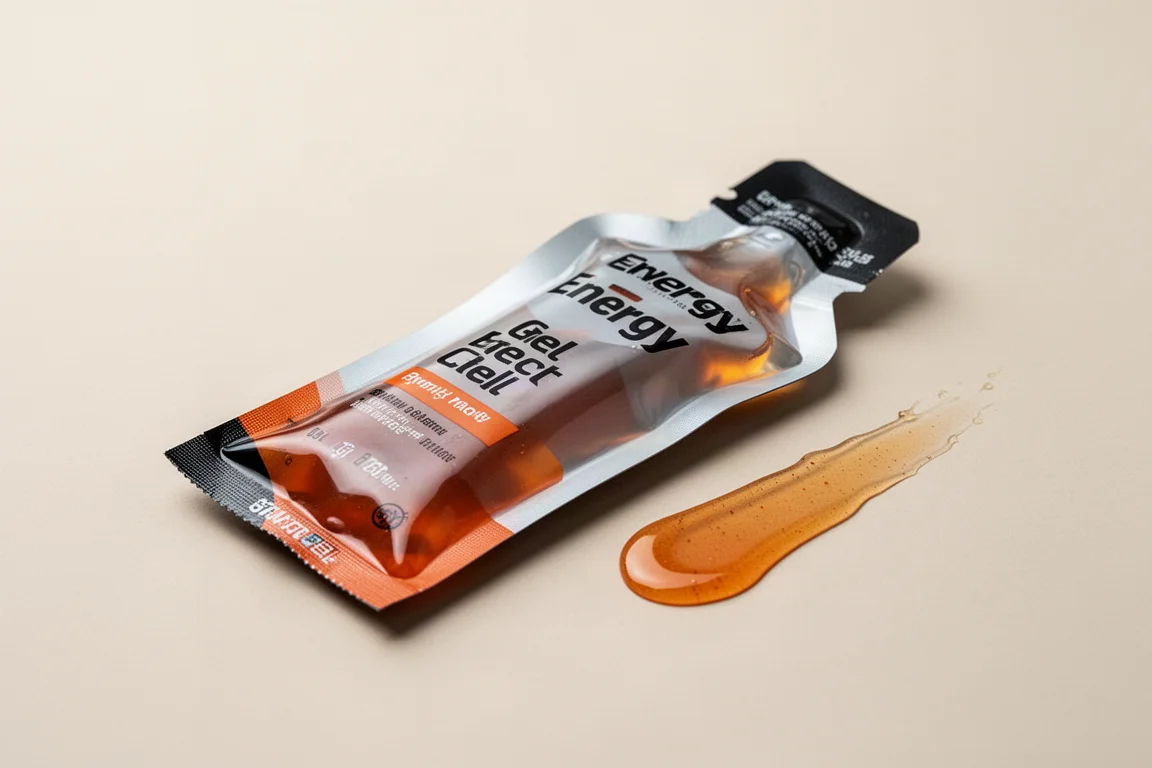
Veloforte sits at the opposite end of the spectrum from PowerBar: a completely natural gel made with real fruit and electrolytes, in this case blackcurrant and elderflower. It is the smallest sachet here at just 33g and around £2, delivering 90 calories and 22g of carbs.
It is Informed Sport tested, vegan, and gluten-free, with four flavours available. The catch is sweetness: it is intensely sweet, closer to blackcurrant cordial than anything else. It is easy to carry in quantity and would suit trails or relaxed runs, but the flavour did not work for us during hard efforts.
Muir Energy Fast Burning Gel
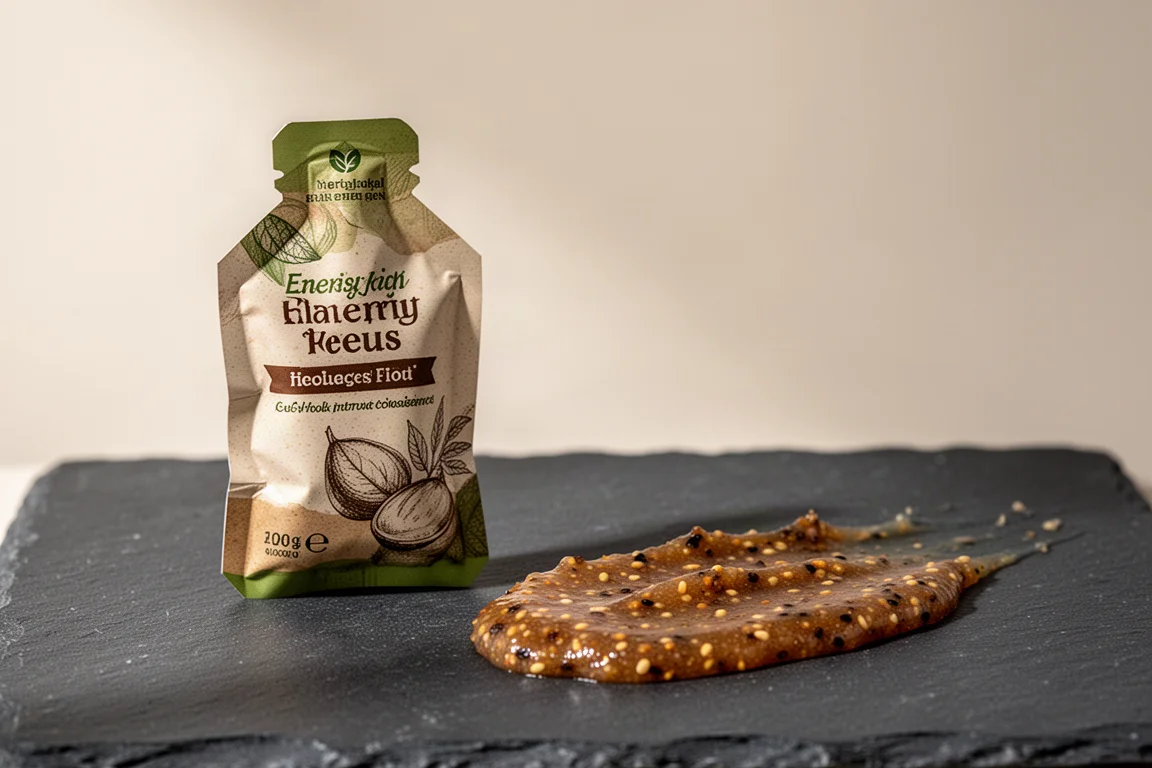
Muir makes two gel types: slow-burning blends with nuts and seeds, and these fast-burning sugary fruit gels. At £2.75 each, it is the most expensive here, though the 30g sachet is nice and compact, delivering 100 to 150 calories depending on the flavour.
The flavours are adventurous, including a raspberry version and one containing kale that was as bad as you would expect. The thick, whole-food texture really needs water to get down, which is a problem mid-race. This feels like a product for hikers and trail runners who want real food at a relaxed pace, not for all-out road racing. It is vegan and gluten-free but not Informed Sport tested.
Decathlon Energy Gel
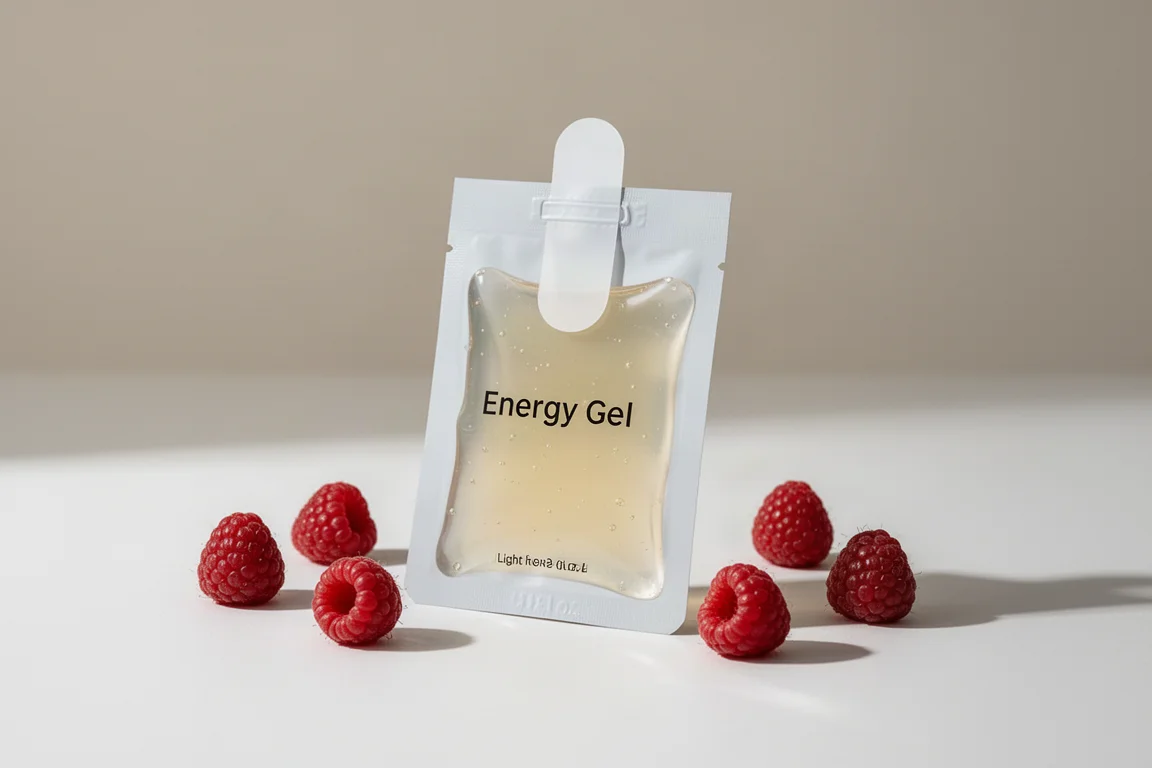
Decathlon’s gel is the bargain of the list at just £1, sold in boxes of four rather than individually, and it ties with TORQ for first place overall. The packaging has a clever secondary grip feature on the tab, and although one pull tab came off on us, the rest opened cleanly.
The raspberry flavour is pleasant and only slightly overpowering if you like raspberries. Stats are sensible: 33g, 92 calories, 23g of carbs, six flavours, and a light packet that stashes anywhere. There is apparently a hydrogel version too, but we could not confirm vegan or gluten-free status or Informed Sport testing from the product pages, so check before racing.
Overall Buying Advice
When everything is added up, TORQ and the Decathlon gel share the top spot, with Lucozade Sport in third. Combining this round with our first test, TORQ and Decathlon still lead the master sheet overall.
If price is your priority, Decathlon is the obvious pick: a well-rounded gel with good stats for £1. If taste and easy swallowing matter most, TORQ earns its top ranking. Lucozade Sport makes sense specifically for London Marathon runners who will meet it on the course. For maximum carbs per gram, the OTE Super Gel and SIS Beta Fuel are the powerhouses, but both deserve careful testing in training because of their density. Natural-food fans who prefer trails over roads may still find a place for Muir and Veloforte.

Whichever you pick, test it in real training before race day. Your stomach’s reaction matters more than any spreadsheet.
Conclusion
This round of testing showed that the best gel depends on your priorities: Decathlon for value, TORQ for taste and swallowability, Lucozade for London Marathon certainty, and the high-carb super gels for riders with strong stomachs. As always with nutrition, try several, train with your choice, and settle on what your body actually agrees with.
Further reading
Related Reviews
Running Nutrition
Best Electrolyte Drinks for Running: 13 Products Tested for Taste and Performance
A comprehensive taste test and review of leading electrolyte products, from powder formulations to dissolvable tablets, to help runners maintain hydration and performance.
Running Nutrition
Best Running Gels: Five Options Compared for Different Runner Types
A practical comparison of five popular running gels, from beginner-friendly options to advanced formulas, with honest taste and usability feedback.
Running Nutrition
Best Marathon Energy Gels: What to Use, How to Fuel, and What to Avoid
A practical guide to marathon fueling: how gels work, top gel picks, alternatives like chews and drinks, and how to carry everything on race day.