Running Nutrition
Best Running Energy Gels Compared: A Practical Guide to the Biggest Brands
From Maurten to Precision Hydration, a hands-on look at the most popular energy gels for half marathon and marathon training, with taste, texture, and carb notes for each.
Introduction
If you are training for a half marathon or a marathon, you need to fuel your long runs as well as race day, and energy gels remain the most convenient way to do it. The problem is choice. There are hundreds of gels out there, with different flavours, textures, carbohydrate quantities, price points, and formats like caffeinated and electrolyte versions. This guide walks through the most popular gels from the biggest brands in the world, plus a few smaller players, and compares how they stack up on taste, texture, and fuelling practicality. Nutrition is subjective, so treat this as a menu of options to experiment with rather than a single verdict.
How to Fuel With Energy Gels
Most gel packets contain somewhere between 20 and 30 g of carbs, and for most people a sensible target is around 45 to 60 g of carbohydrates per hour during long efforts. Professionals aim higher, but you can train your gut over time to absorb more, so practise your race fuelling in training rather than leaving it to race day.
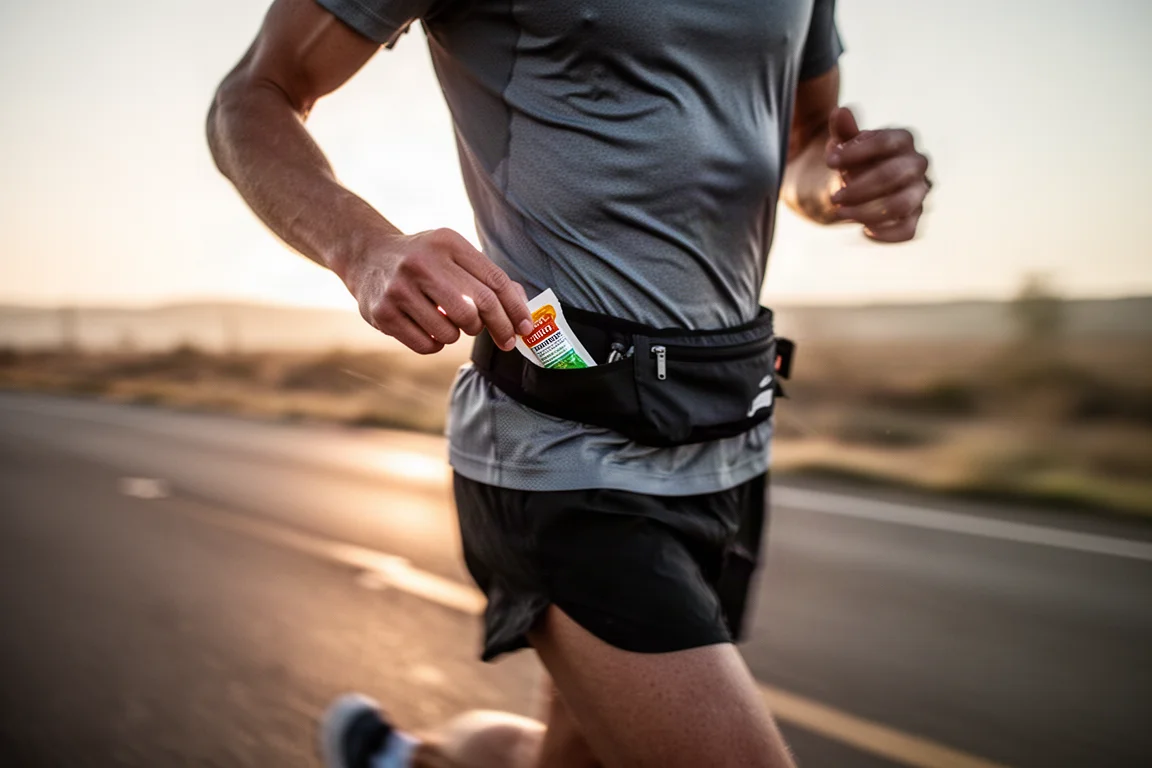
A few practical tips: take water with your gel to reduce GI issues, and spread a gel over a few minutes rather than forcing it all down at once. Double-check the packaging, because some gels carry twice the carbs of others and you may be taking in more carbohydrate than you think. If one brand keeps upsetting your stomach, experiment with different textures, different carb sources, or more natural options.
Caffeinated gels deserve a note of their own. Do not make every gel in your race caffeinated, but many runners like one with roughly an hour to go in a marathon, when focus starts to fade and a boost helps you get to the line. Caffeine content ranges from around 20 mg up to about 150 mg, so check the label and test it in training first.
Maurten Gel 100
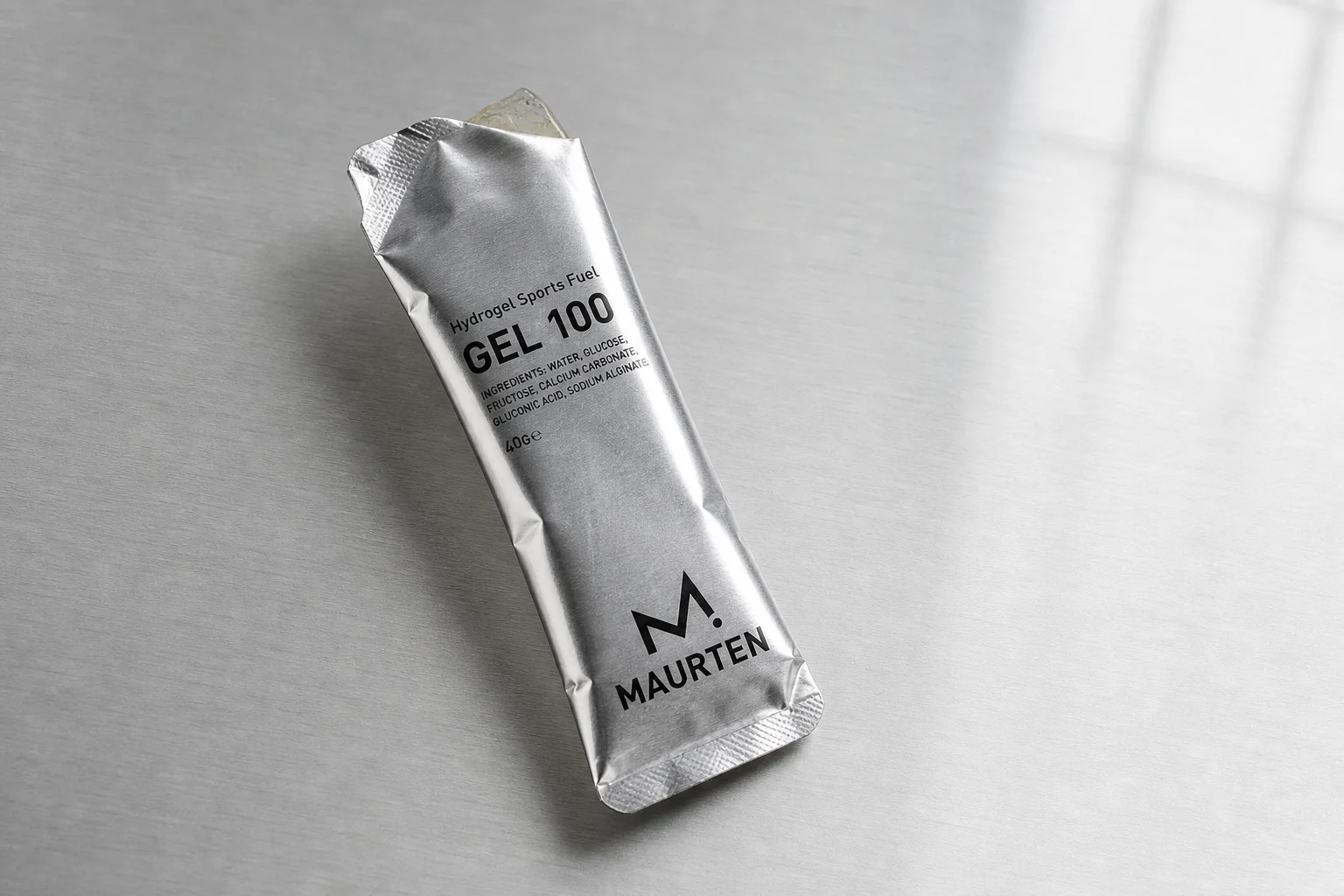
Probably the most famous gel in the world, Maurten burst onto the scene around 2017 alongside the attempt to break the two-hour marathon, and the brand works with some of the biggest athletes in running and triathlon. The Gel 100 is a jelly-like hydrogel that is genuinely easy to get down, and the neutral flavour means you never get sick of it. There is also a caffeinated version with 100 mg of caffeine, plus a Gel 160 with 40 g of carbs. The main downside is price, and there is only one flavour. For pure performance it scores a 10, though it is not the cheapest gel to train with week in, week out.
Science in Sport Energy Gel
Science in Sport is one of the real old-school gel companies, around since 1992, and a go-to brand for many runners when they start taking racing seriously. The texture is a lot runnier than a hydrogel but still very easy to get down, and availability is excellent, with the brand stocked in most supermarkets in the UK. There are loads of flavours, plus caffeinated and electrolyte versions. The Beta Fuel variant doubles the carbs and calories, which makes it noticeably thicker and harder to get down, but the strawberry and lime flavour is very good. Strong availability and a fair price make this a solid first recommendation.
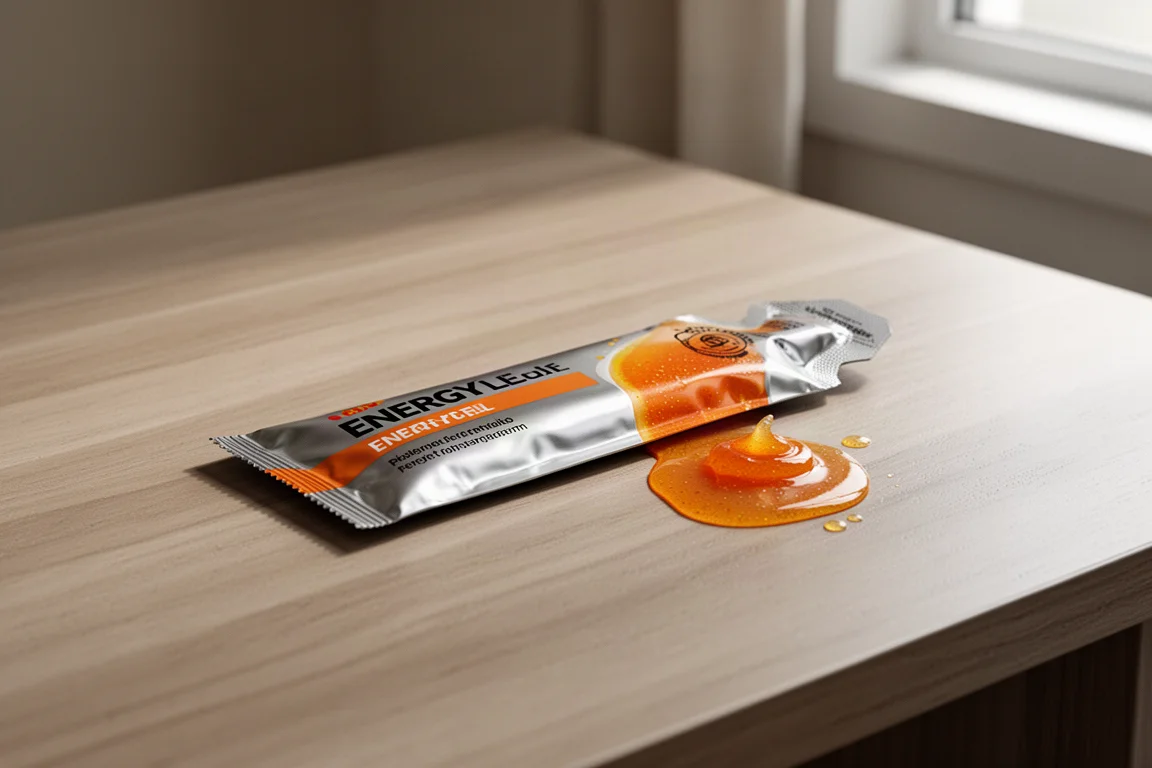
Precision Hydration Gel
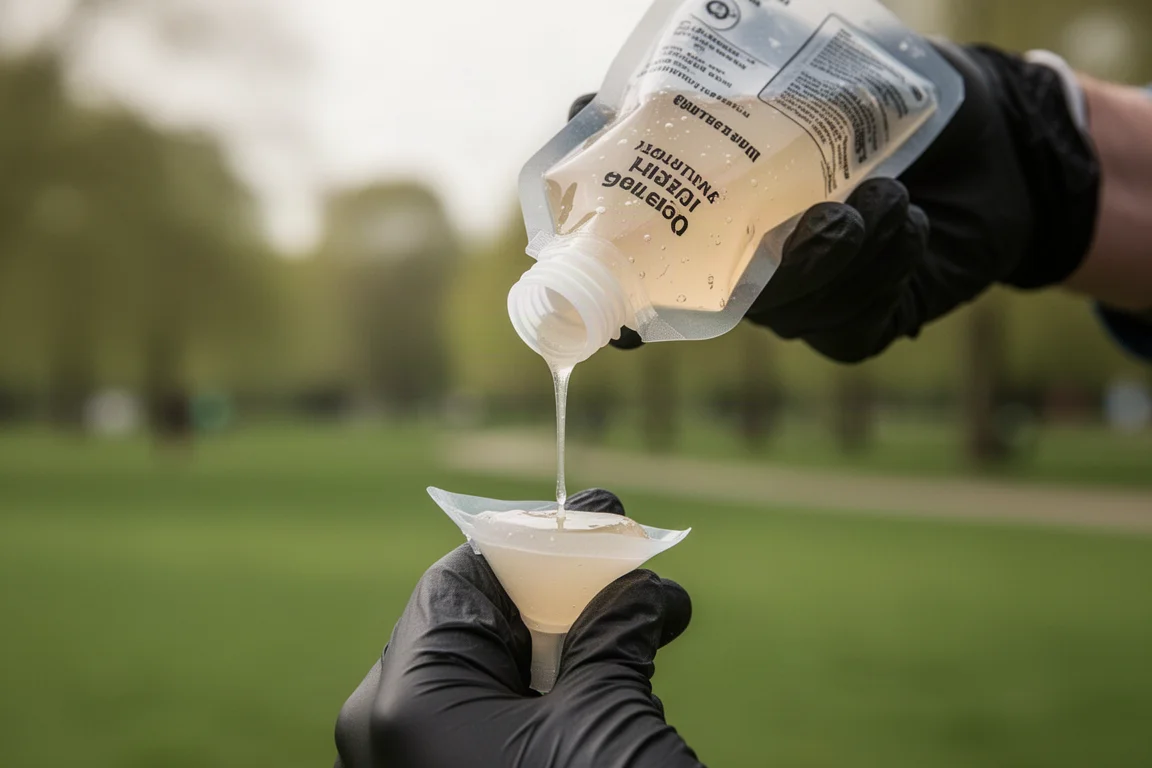
This has been a go-to nutrition brand for many runners for good reason. Founded around 2011 by triathlete and sports scientist Andy Blow, the brand is known for premium packaging, careful partnerships, and Informed Sport testing. The flavour is best described as a low-key peach yogurt, not overpowering, with a texture that just goes down nicely. The standout product is the large multi-serve pack, effectively three gels in one, ideal for long-distance races: flip the top, get some down, and reseal it. There is a caffeinated version too, and while there is no electrolyte gel, the brand’s electrolyte drink mix pairs well. Hard to beat on quality and feel.
Huma Energy Gel
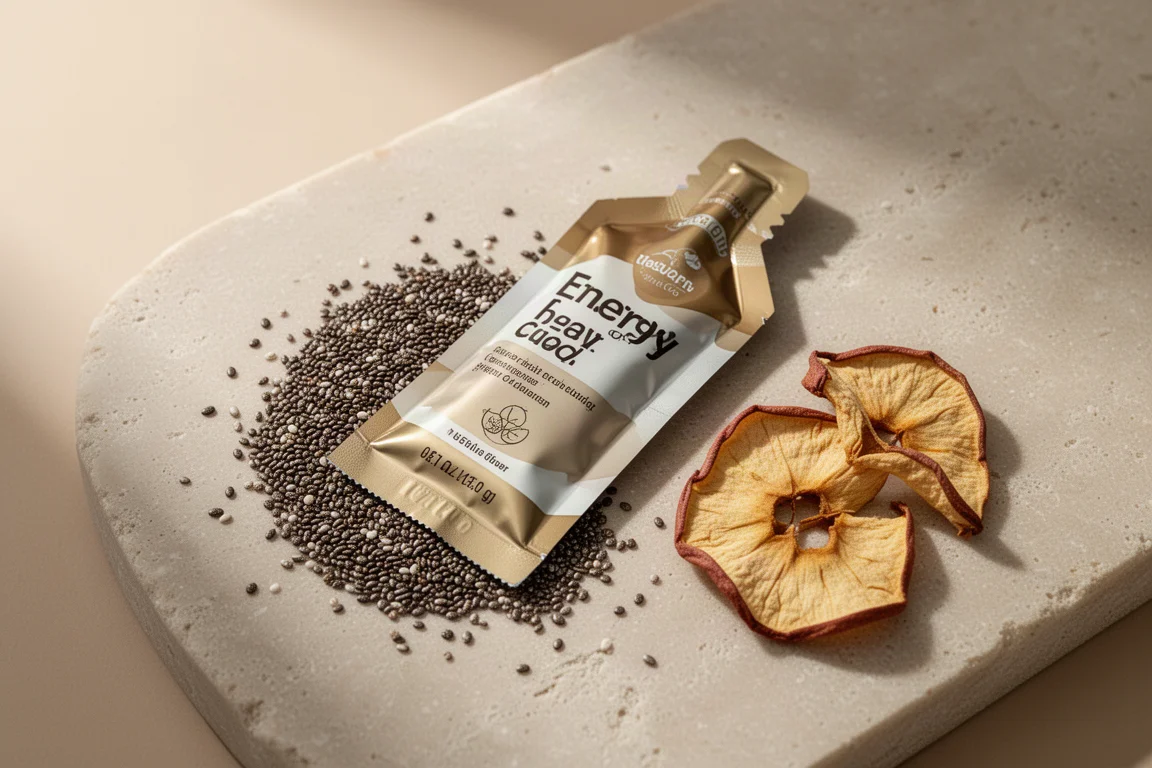
Founded in 2012 by a US veteran in Tennessee, Huma stands out for its natural approach, built on fruit purees, brown rice syrup, and chia seeds. The apple and cinnamon flavour genuinely feels like real food rather than a chemically sweetness, which is why these gels are so popular in very long-distance events. The trade-off is that they are harder to get down at hard efforts, so they suit longer events better than all-out races. The Huma Plus version adds double the electrolytes and more sodium, a good option for hot days. If you struggle with conventional gels, the more natural route is well worth trying.
GU Energy Gel
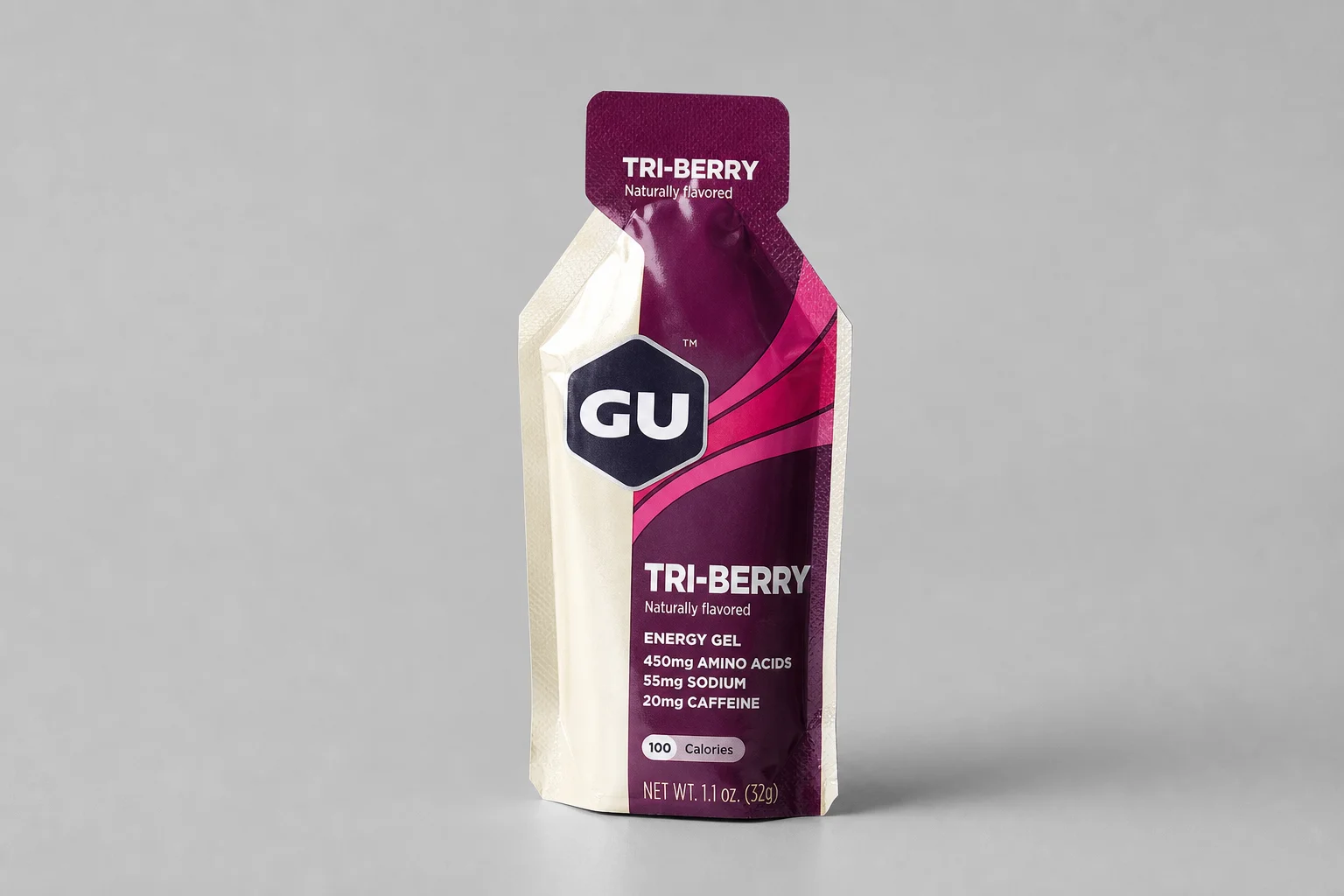
GU is one of the OG gel brands, California-based, with a huge range: 15 flavours of the standard gel, including cult favourites like Birthday Cake, plus the Roctane line with more sodium and BCAAs to help reduce fatigue. The packets are small and easy to carry. The texture is by far the thickest and gloopiest of any gel here, which will not suit everyone, but the quality is consistent and the flavour variety is a genuine asset in ultra running, where flavour fatigue becomes a real problem over many hours of racing. A dependable old-school choice, especially for trail and ultra runners.
High5 and Other Value Picks
High5, started by two British triathletes in 1994, is likely the cheapest gel of this whole comparison and offers exceptional value, especially in big multipacks bought online. The texture is very runny, almost like orange cordial, so it slides down easily even late in a race when swallowing is hard. Alongside Science in Sport, it is one of the two brands most runners start with. Lucozade Sport, meanwhile, is worth knowing purely for London Marathon runners: it is what gets handed out on course, it is very cheap, and it is incredibly sticky, so practise with it in training rather than trying it for the first time on the day.
Niche and Natural Options Worth a Look
Several brands stand apart. Naak, the Canadian brand behind UTMB’s headline sponsorship, makes a Boost gel with a pleasant rice-pudding-like hydrogel texture, and an Ultra gel with double the calories, aimed squarely at trail and ultra runners. Active Root builds its gel around ginger, known for settling the stomach, using natural syrups and delivering 30 g of carbs with a runny-honey texture. Veloforte, a husband-and-wife team of Italian heritage, offers tiny, lightweight, all-natural Informed Sport tested gels with plant-based syrups and fruit juices. Carbs, out of Colorado, makes a potent 50 g carb caffeinated gel with arguably the best carb-to-cost ratio around: about $2 in the US. Mountain Fuel’s Sports Jelly and Ultra Chia gels, OTE’s runny standard gel and 40 g Super gel, andTORQ’s quirky British dessert flavours all fill specific niches, while Ride Nutrition’s thick cherry bakewell gel suits cyclists and ultra runners more than road racers. Kendal Mint Company’s mint gel divides opinion completely, you have to genuinely love mint, and UCAN’s slow-release, low-GI gel is the most expensive here but could be genuinely useful for people who want energy without blood sugar spikes.

Buying Advice
If you want the safest all-rounders, Precision Hydration, Maurten, and Science in Sport consistently deliver. If budget matters, High5 and Carbs offer outstanding value per gram of carbohydrate. For natural fuelling over long distances, Huma, Active Root, and Naak are the ones to try. Buy single servings from online retailers rather than committing to full boxes, test anything new in training, and never try a gel for the first time on race day. If a race hands out a specific brand on course, practice with it beforehand in case you need it.
Conclusion
There is no single best energy gel, only the best gel for your stomach, your race, and your taste. Start with one or two well-reviewed options, experiment with flavours and textures across your long runs, and lock in your race-day fuelling well before the start line. The right gel is the one you can get down easily, hour after hour, when it matters most.
Further reading
Related Reviews
Running Nutrition
Best Electrolyte Drinks for Running: 13 Products Tested for Taste and Performance
A comprehensive taste test and review of leading electrolyte products, from powder formulations to dissolvable tablets, to help runners maintain hydration and performance.
Running Nutrition
Best Running Gels: Five Options Compared for Different Runner Types
A practical comparison of five popular running gels, from beginner-friendly options to advanced formulas, with honest taste and usability feedback.
Running Nutrition
Best Marathon Energy Gels: What to Use, How to Fuel, and What to Avoid
A practical guide to marathon fueling: how gels work, top gel picks, alternatives like chews and drinks, and how to carry everything on race day.