Running Shoes
Best Road Running Shoe Rotations: Three-Shoe Lineups from 9 Brands
A race shoe, a fast trainer and a cushioned daily pick for nine major running brands, with strengths and gaps for each lineup.
Introduction
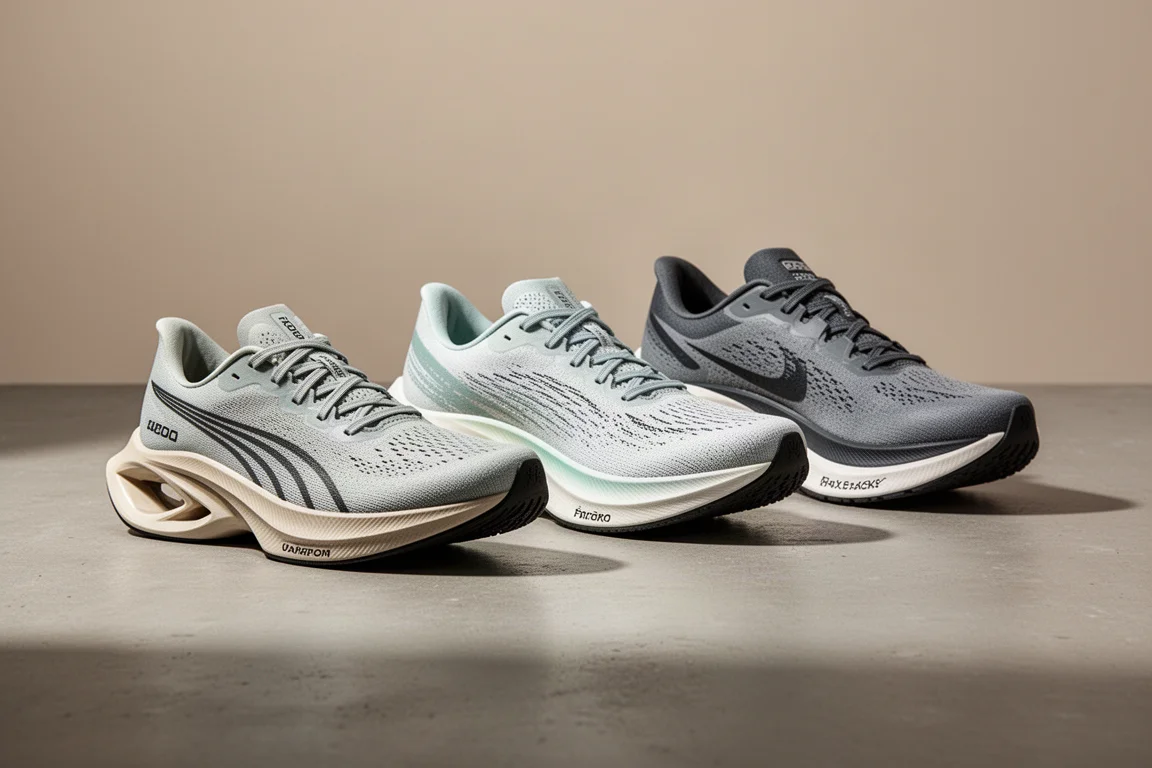
A good running rotation does not need to be complicated. The idea is simple: one racing shoe, one fast or everyday trainer, and one cushioned shoe for easy and long runs. With those three bases covered, almost any road run has a home.
We looked at nine major brands and picked the strongest three-shoe road rotation from each, based on the shoes we have actually spent time in. Some brands are outstanding in one category and thin in another, and that shapes the picks. For brands with a great do-it-all trainer, the rotation gets more flexible. For brands with a weak cushioning lineup, we tilt toward the racing and speed shoes instead.
How We Built Each Rotation
The template for every brand was the same: a top-end racing shoe, a fast trainer or daily trainer, and a comfort-first shoe for easy mileage. Where a brand has a clear gap, we note it, because that is exactly the kind of thing worth knowing before you commit to one brand across your whole rotation.
Availability also plays a role. Several brands release new models earlier in some markets than others, which means the newest version of a shoe is not always the one most runners can buy yet. Where that affected the picks, we leaned toward the tested shoe rather than the rumored upgrade.
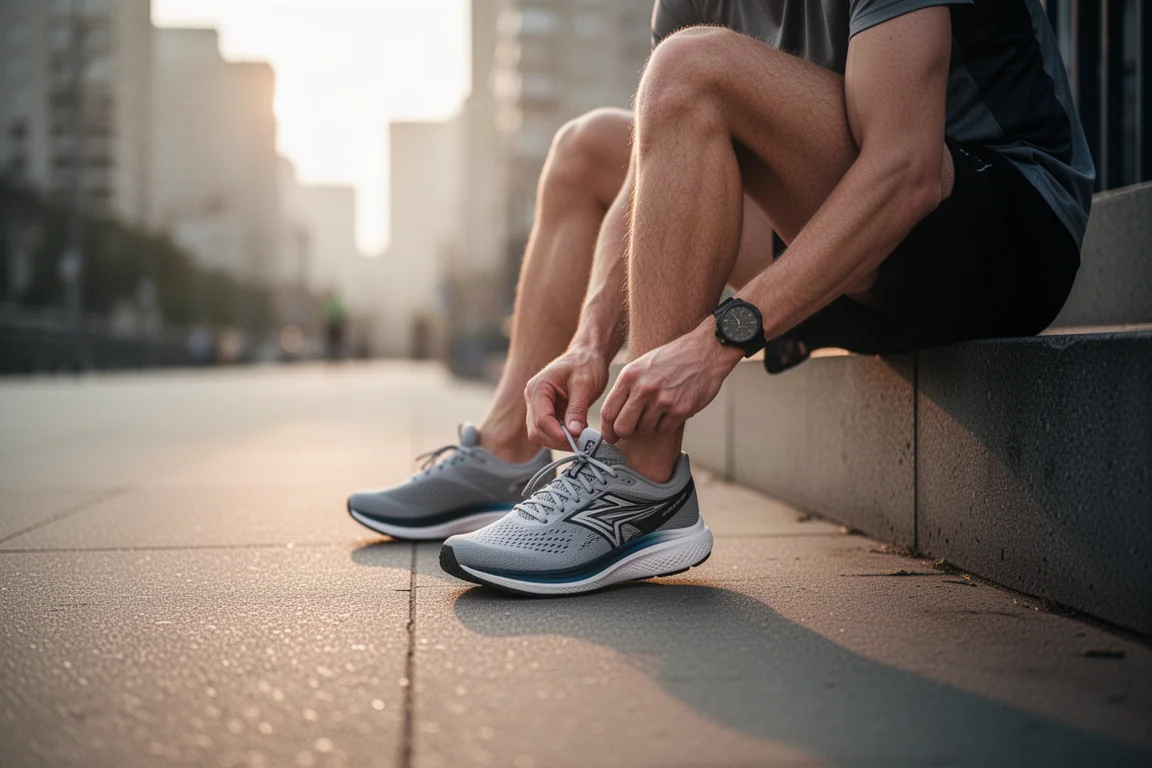
A rotation is also about how the shoes feel together. A soft, bouncy cushion shoe pairs nicely with a snappy race shoe from the same brand because the ride language stays consistent. That is one reason some of these lineups work better in practice than the individual spec sheets suggest.
Nike: The Best Race Shoe, A Weaker Middle
Nike’s racing credentials are not in question. Between the Alphafly and the Vaporfly, the brand has arguably the best racing line in the world, and the Vaporfly stands out as the pick because it is a bit cheaper and more accessible while still working brilliantly at every distance. It has carried plenty of personal bests, and with regular discounts it is a genuine win.
The daily trainer slot is where Nike gets awkward. The Pegasus Turbo Next Nature is here largely because there is not a better alternative in the current range. It is a solid, serviceable shoe that covers a range of runs, but it is firmer and less lively than the original Pegasus Turbo, which would have made this the strongest rotation of any brand if it were still available. The standard Pegasus is an option too, though it is more cushioned and heavier and less suited to speed work.
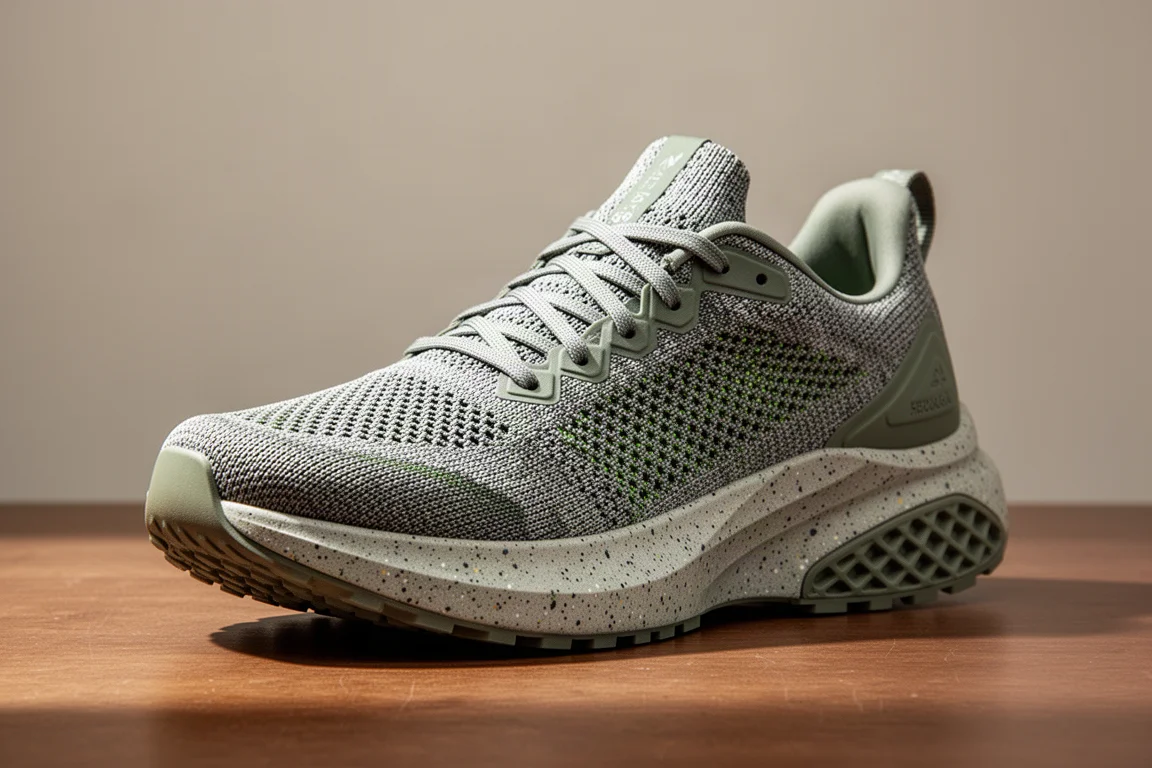
Cushioning is where Nike comes back into form. The Invincible 2 is one of the most interesting max-cushion shoes on the market, extremely comfortable and bouncy, and arguably the best choice available if soft bounce is what you want. It also pairs naturally with the Vaporfly because the ride feel is similar, just delivered in a gentler way. If that much softness is not for you, the Infinity is a more reliable, longer-lasting, less exciting alternative.
Saucony: The Most Balanced Lineup
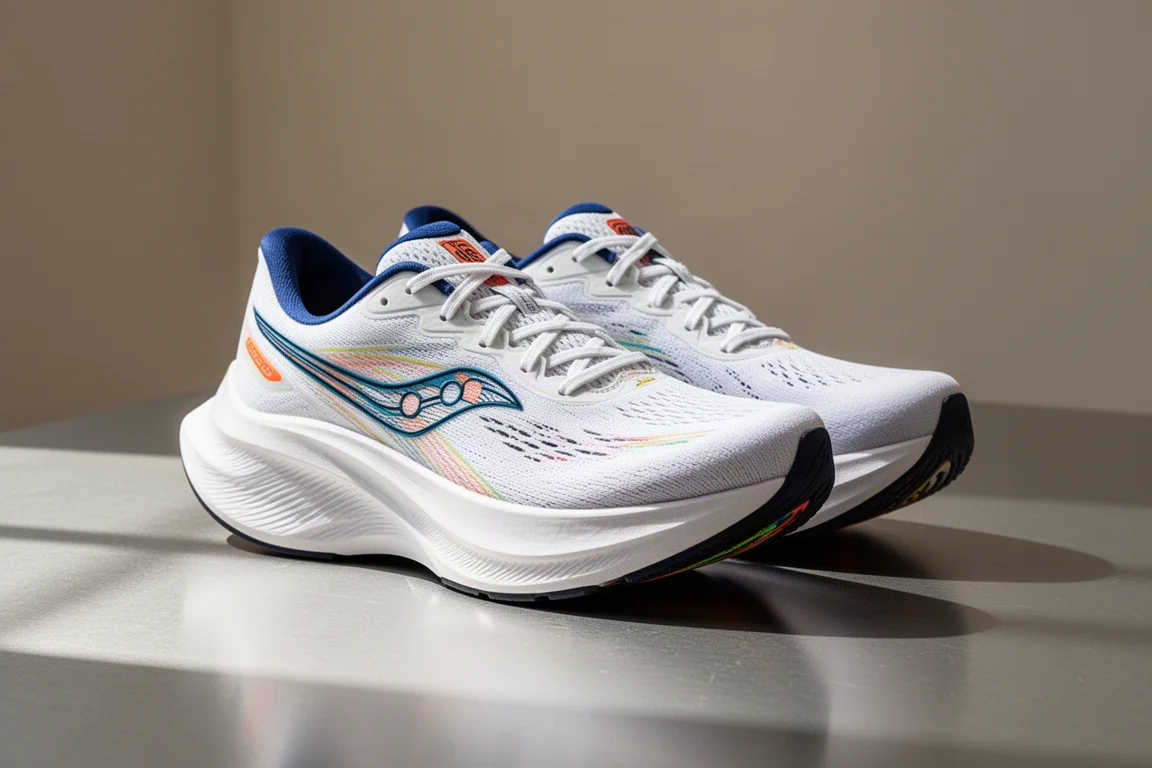
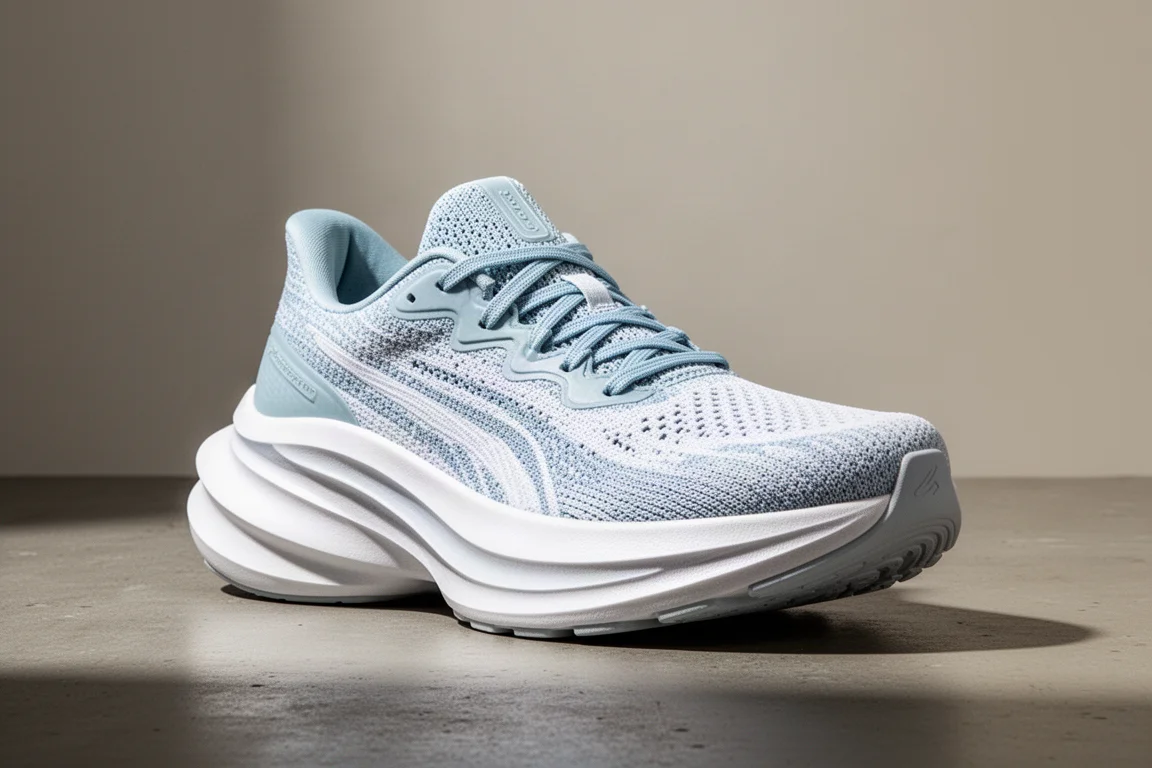
Saucony had a strong year and its rotation is possibly the best balanced of any brand here, with three genuinely excellent shoes. The Endorphin Pro 3 is the racing pick, and it is hard to overstate how versatile it is. It works from 5K through the marathon, is comfortable enough even for easy days, and might be the most accessible super shoe on the market for runners of all levels. It is one of the strongest rivals to the very best carbon racers available.
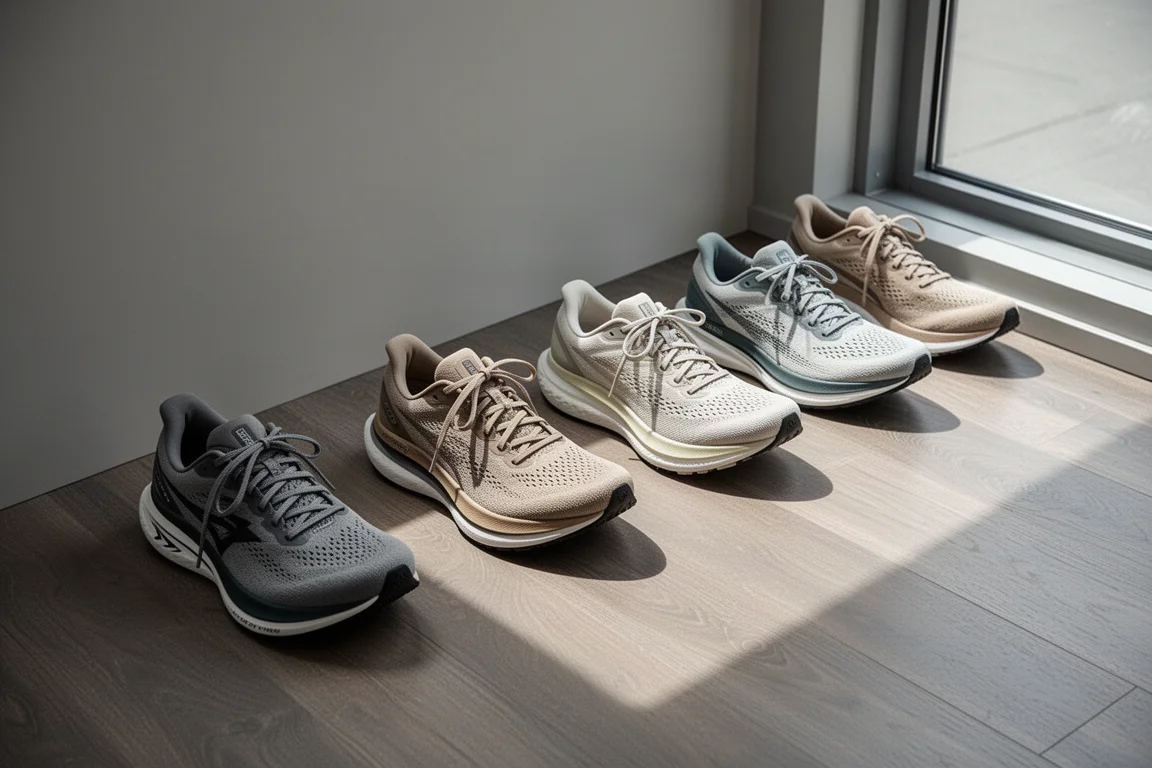
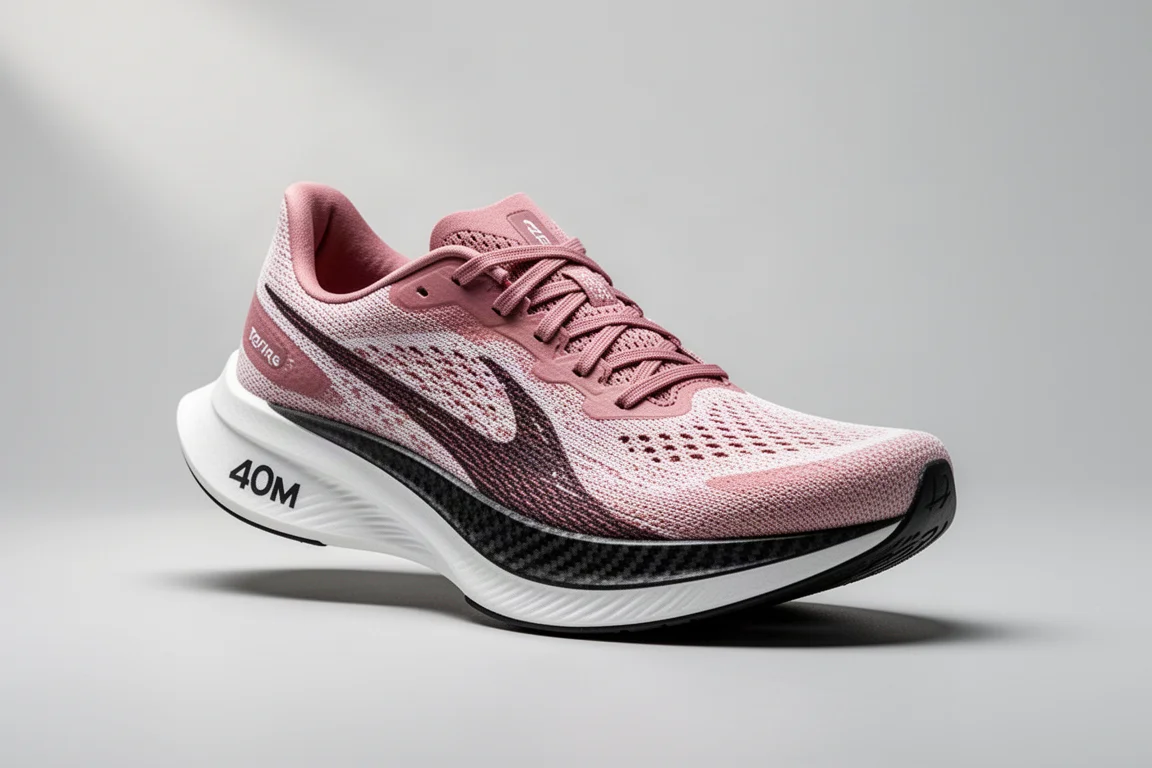
The Endorphin Speed 3 may be the strongest all-round trainer on the market. It uses a nylon plate with a build similar to the Pro 3, slightly lower stack and a bit more stable, making it better suited to general training while still handling genuinely fast running. Plenty of runners even race in it. It is the shoe to pick if you want one shoe that does almost everything, and Saucony’s unplated options like the Ride and the snappy, lower-drop Kinvara give good alternatives if you prefer a more traditional feel.
View more details for Saucony Endorphin Speed 3
For cushioned runs, the Triumph 20 is one of the best cushioning shoes released in recent years. It is simply very comfortable, with just enough bounce to make runs feel enjoyable rather than flat. It handled a full marathon training block of long runs with ease. The Tempest is a close rival within the same lineup, which says a lot about how deep Saucony’s cushioning range is. As a three-shoe unit, Saucony is very hard to beat.
Adidas: Strong Racers, A Strange Middle
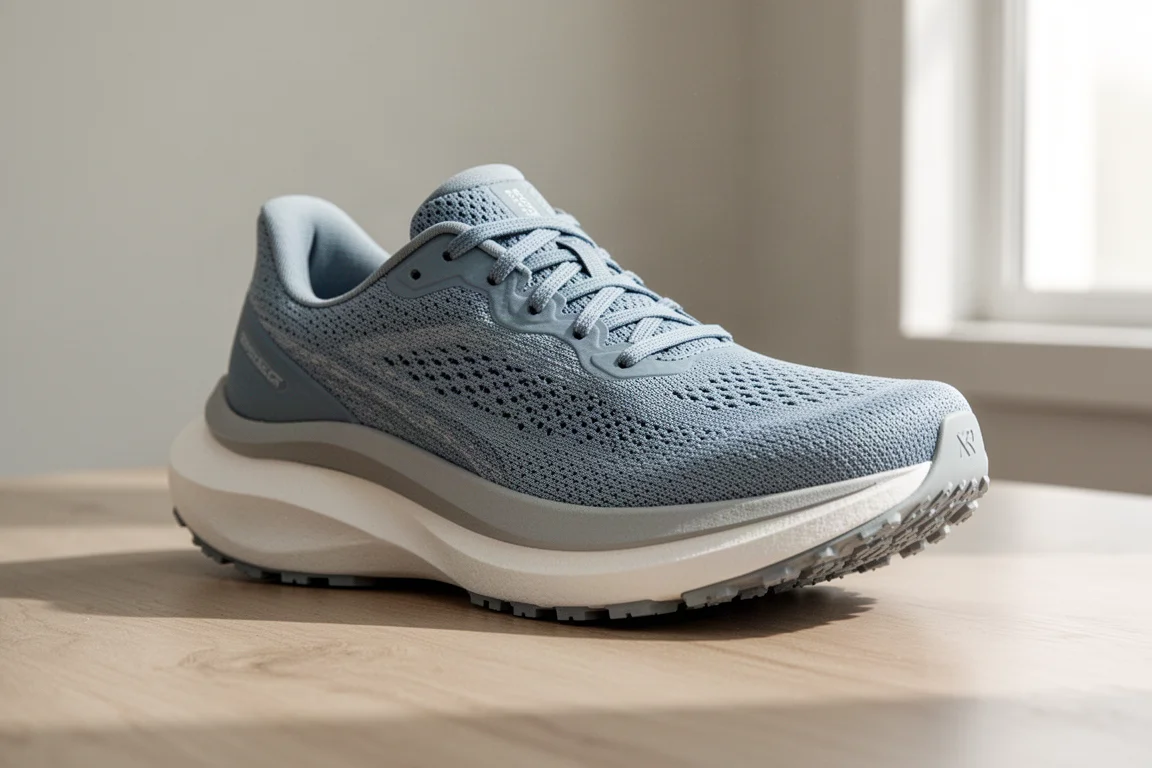
Adidas is a tale of two ranges. The Adizero racing line is excellent, while the rest of the lineup is less convincing. The Adios Pro 3 is the top racing pick: a stable, propulsive marathon-focused shoe that delivered near-identical race times for one tester compared with other super shoes. It is tilted more toward the marathon than the lighter, nimbler Adios Pro 2 was, and it does not feel as comfortable as some rivals, but at full speed it is undeniably one of the best out there.
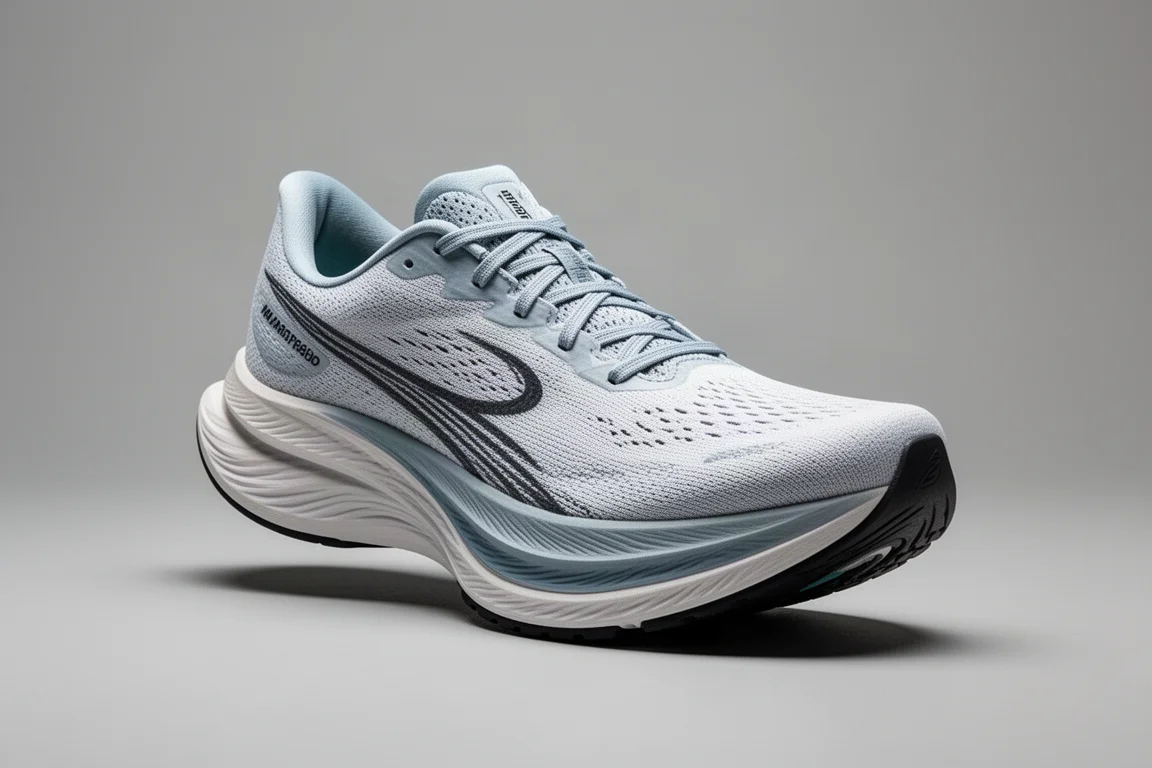
The Takumi Sen 8 fills the fast slot and is arguably the best shoe Adidas makes right now. It is a lower-stack, nimbler speed shoe that is fantastic for track sessions, 5K and 10K racing, and even half marathons. On twisting courses or mixed ground, its responsiveness through corners can actually give it an edge over the Adios Pro 3. It is built for speed rather than heavy training, but the ride is fantastically enjoyable.
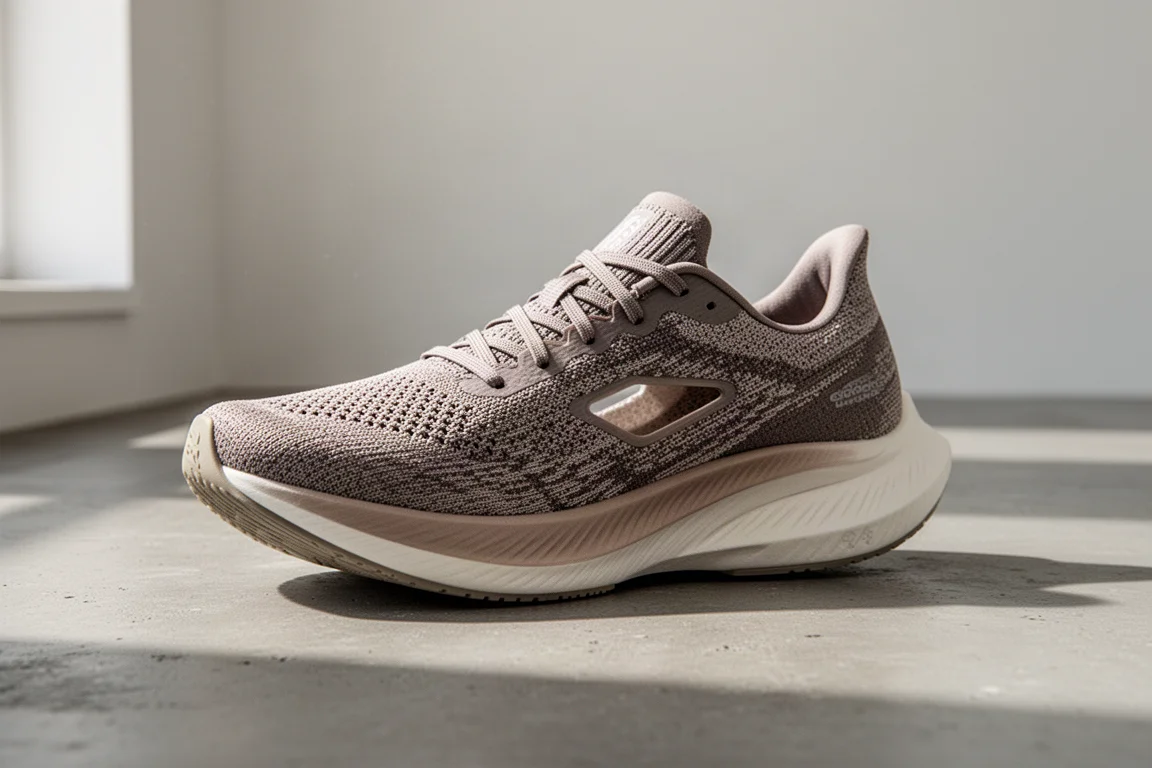
The Boston 10 rounds out the rotation as the everyday option. It is not the most beloved shoe in running, but it is a very capable all-round trainer: comfortable on long runs, protective against impact, with energy rods that add punch on tempo runs. Adidas’ cushioning shoes, like the Ultraboost, did not make the cut, as they do not hold up against rival cushion shoes. The Prime X could also slot in as a big, bouncy carbon trainer if you want a stranger but workable alternative.
View more details for Adidas Adizero Boston 10
Asics: A Strong Racer and Awaiting the Next Wave
Asics’ racing shoe is currently a lock: the Metaspeed Sky Plus. It is lightweight, bouncy and versatile across all distances, and it was preferred over the Metaspeed Edge Plus. It has carried at least one half marathon personal best, and while newer releases from other brands have taken over top billing, it remains a top-tier carbon racer and an easy pick.
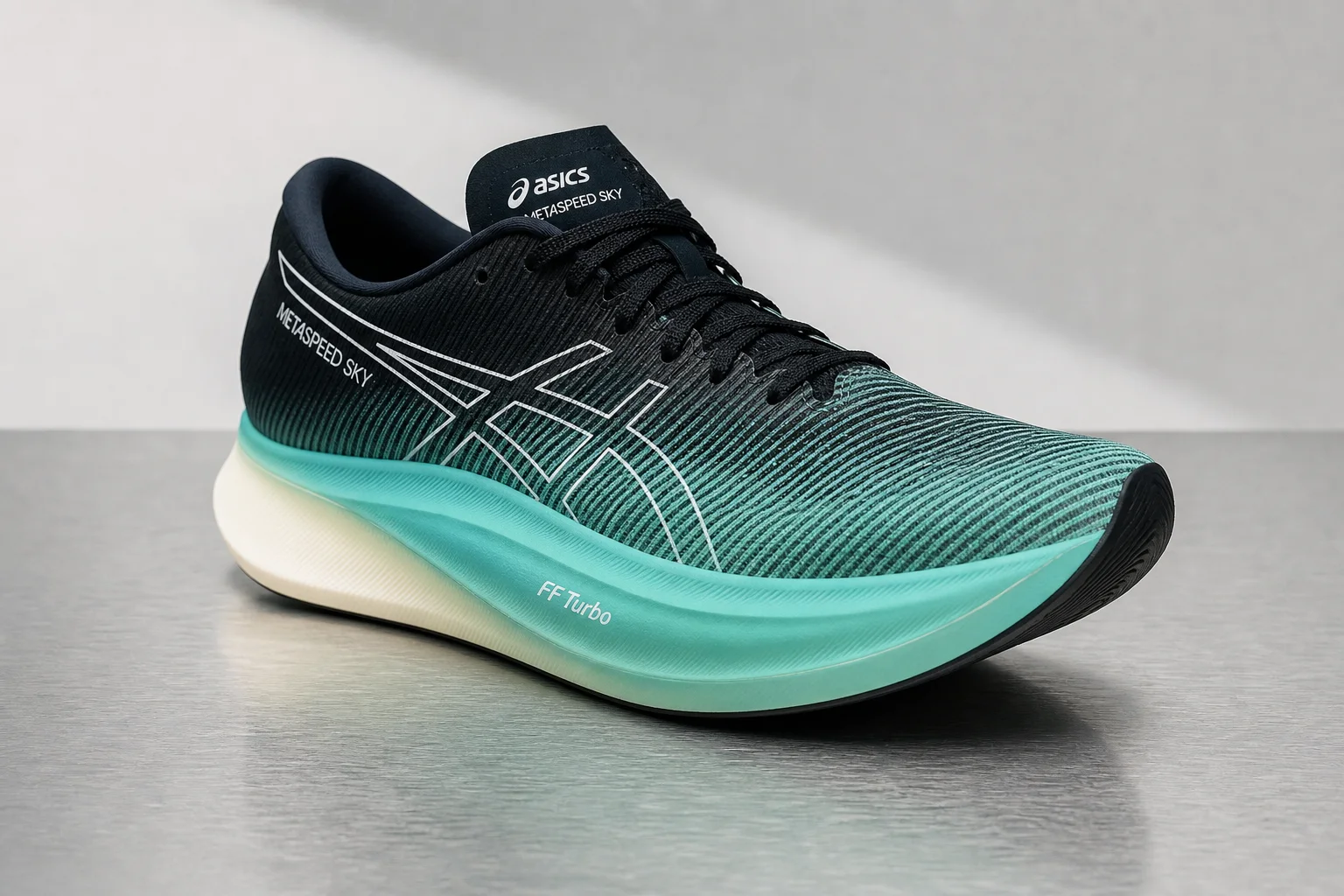
The Magic Speed 2 takes the fast trainer slot. It brings some of the Metaspeed feel to a daily training shoe, with a lower stack, FF Blast Plus foam alongside lighter foaming, and a firmer, nippier, more traditional ride with genuine super-shoe bounce in it. It is a clear pick for fast training in the current Asics range.
View more details for Asics Magic Speed 2
The Novablast 3 handles the easy miles. It has some versatility, but in practice it shines for slow, easy running and long runs, which is exactly the gap the rotation needed filled. If you would rather restructure, the Metaspeed Sky Plus plus Novablast with a cushioned shoe like the Gel Nimbus, or the upcoming Super Blast, is another workable combination. The popular GlideRide is another option some runners will want to slot in.
Puma: A Very Sensible, Well-Priced Lineup
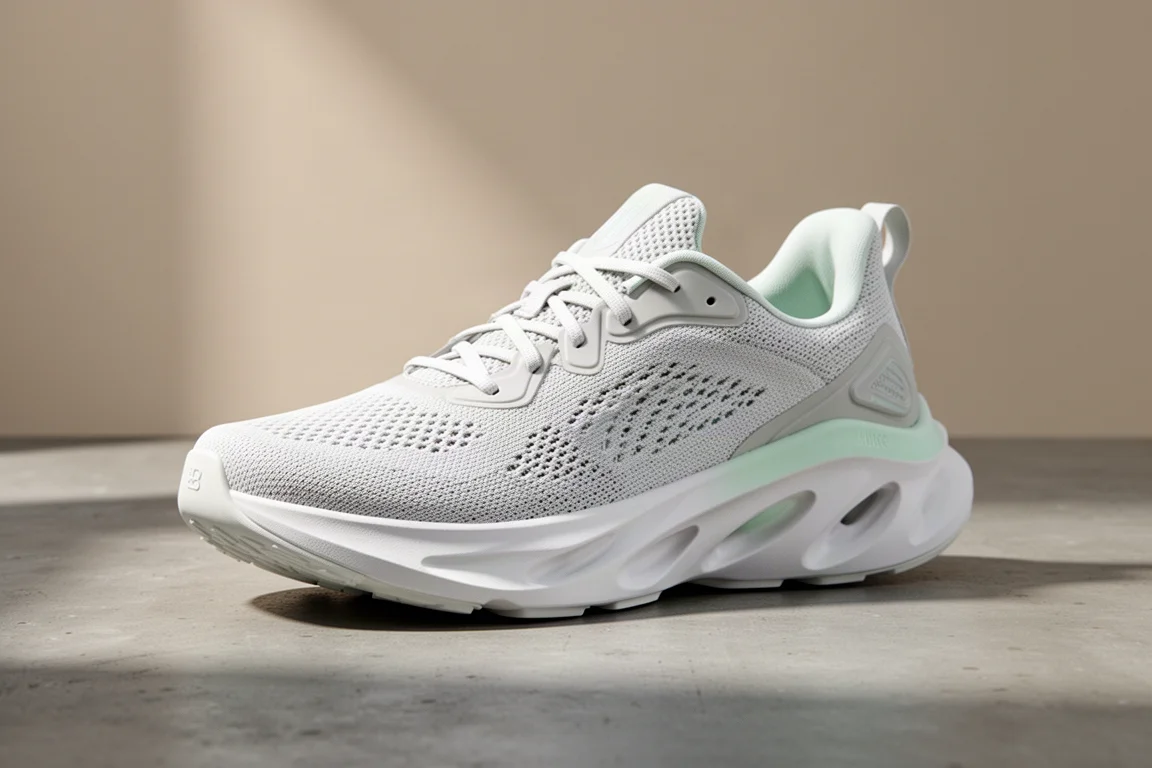
Puma has quietly built one of the most sensible lineups in running, with practical outsoles and clear roles for each shoe. The Deviate Nitro Elite is the racing pick and simply a very good shoe: one of the lightest carbon racers on the market, with a swift ride that works at nearly all distances and holds up in training too. It is not as plush as the very biggest-stack super shoes, but it is fast, grippy and especially good on track, tilting toward shorter distances like 5K and 10K. It is cheaper and lighter than Puma’s decoupled-midsole Fast-R shoe and more versatile in feel.
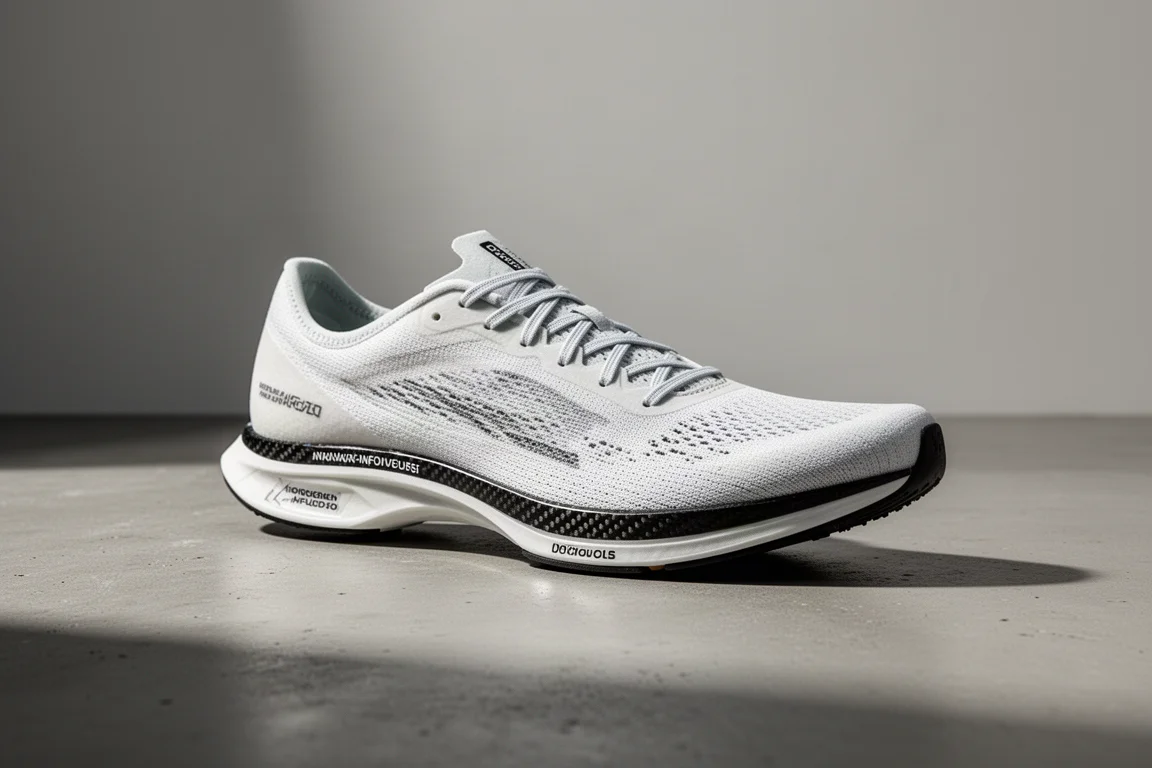
The Deviate Nitro 2 looks like a super shoe but is cleverly built as a durable daily trainer. It has a thick outsole with Puma’s grip compound, a comfortable upper, and a midsole combining elite-level foam with a carbon-infused plate. The ride is not the most explosive or flowing, but it works run after run: comfortable enough for easy days, fast enough for tempos and track intervals. Its main weakness is comfort over very long distances.
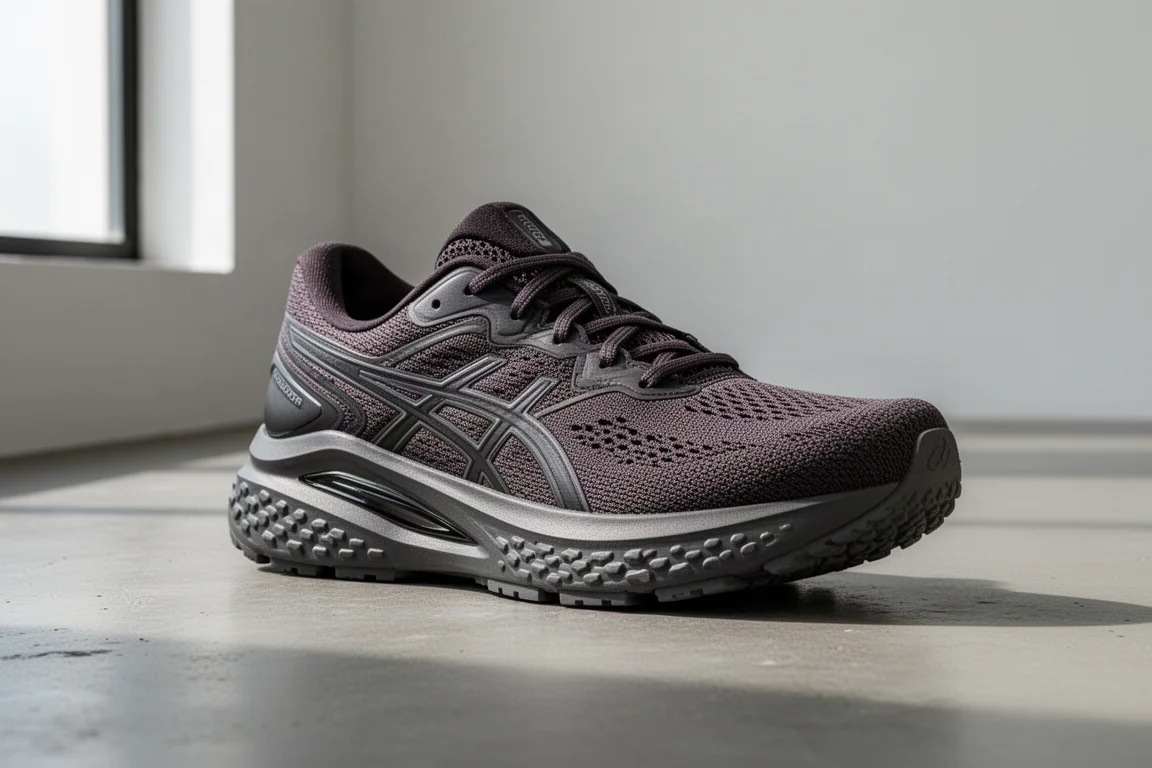
The Velocity Nitro 2 fills the cushion slot and is a favorite for good reason. It is wonderfully solid, comes at a very affordable price, has fantastic grip, a lovely comfortable upper, and stays versatile while leaning toward the cushioned side. It handles easy runs, long runs and even slightly speedier efforts. The Magnify Nitro offers even more cushion if you want it, and across the range Puma offers strong value. On balance, Puma sits alongside Saucony and Nike as one of the best one-brand rotations.
New Balance: Two Obvious Picks and A Debatable Middle
New Balance has two very clear picks. The FuelCell SuperComp Elite v3 is easily the best fast shoe in the range and one of the better carbon racers available, versatile across any distance and better than the lower-stack SuperComp Pacer. Early racing in it, from parkruns to a hard 10K, has been genuinely impressive.
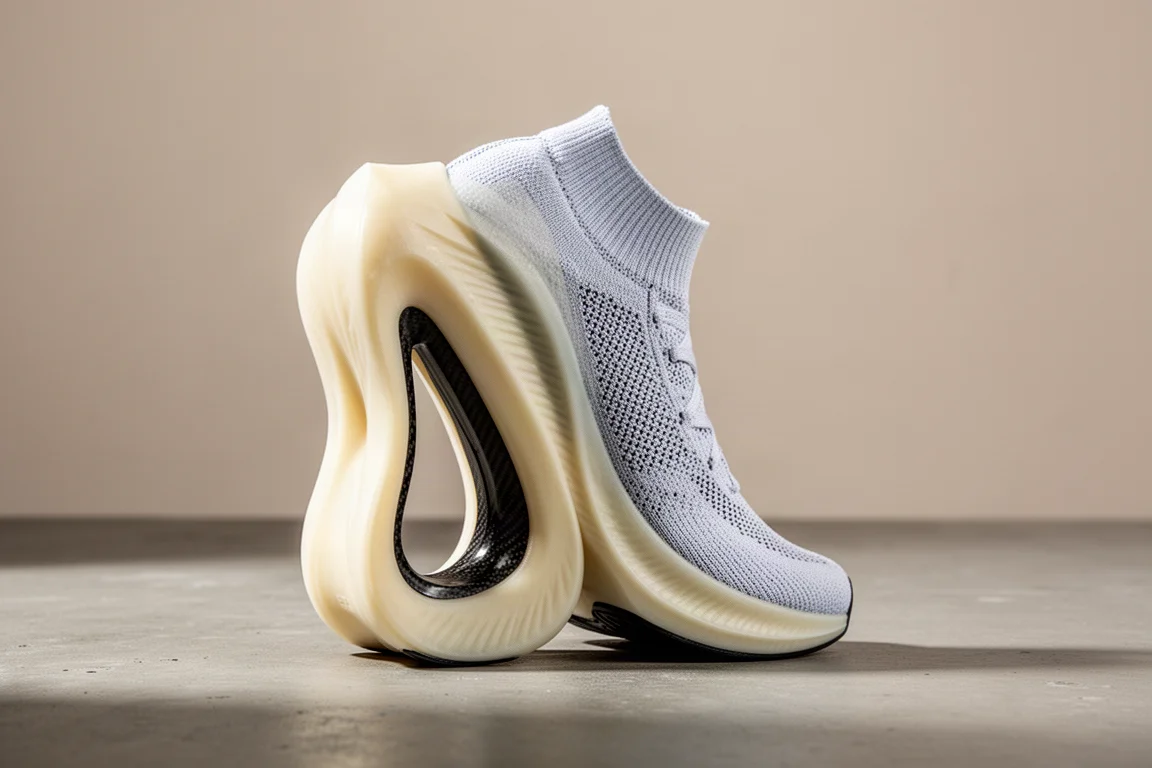
The More v4 is the cushion pick, and it follows a favorite predecessor with confidence. It is softer and a bit wider than the More v3, and it reads as an improvement: very comfortable, protective and stable, especially in the delicate return-to-running period after a marathon. The 1080 is a solid all-rounder for beginners, but in a rotation the More v4 is the better cushion shoe.
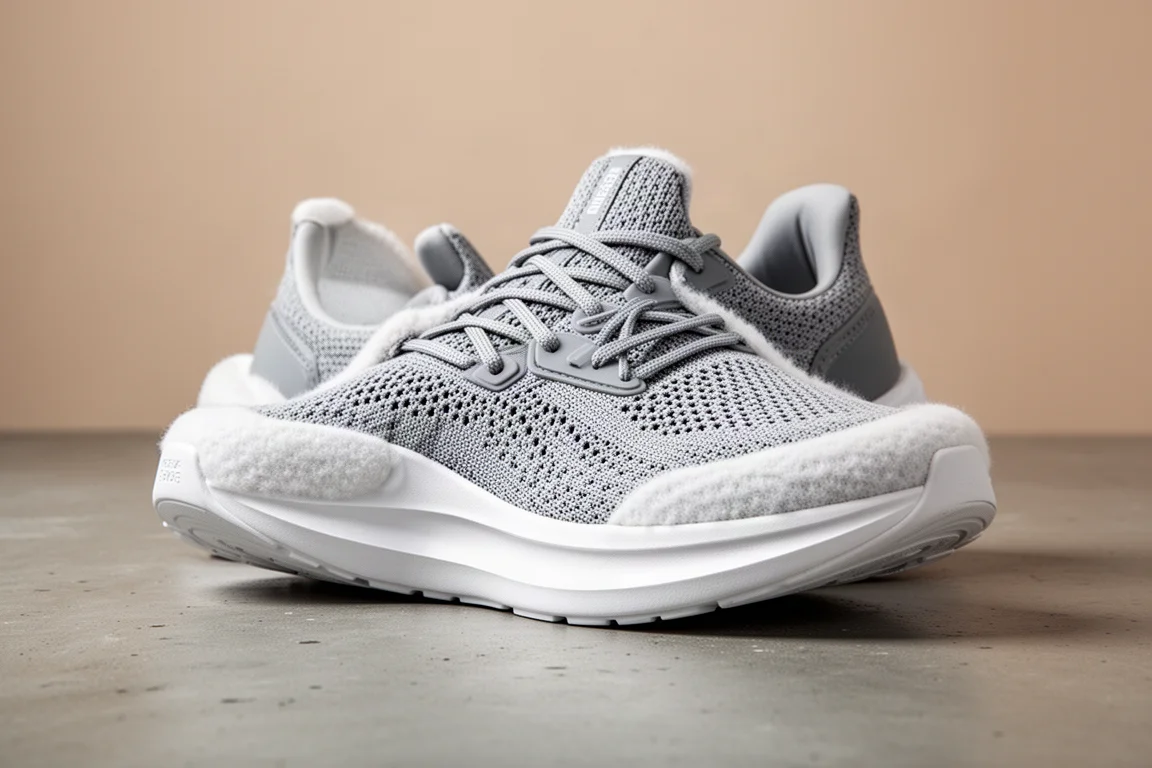
The middle slot is the debatable one. The SuperComp Trainer, in theory the obvious pick, did not impress for fast runs or long runs, and the Rebel v3 is not yet available in all markets. So the RC Elite v2 gets the nod: an older carbon-plated shoe with a big stack of soft, comfortable foam that works as a very good daily trainer, comfortable for easy running yet quick enough for track sessions. It is also cheaper than the SuperComp Trainer while delivering a better carbon-plated experience, and it stood up to enormous mileage without complaint.
Brooks: A Cushioning Powerhouse with Gaps Up Front
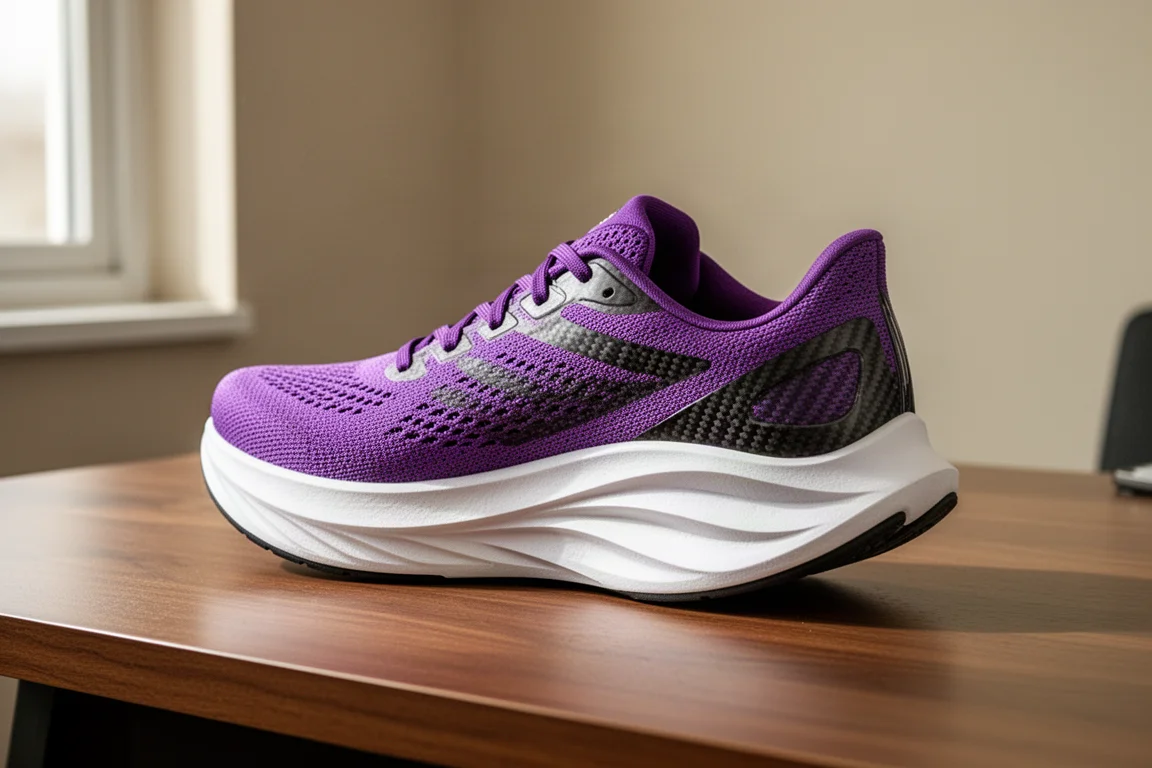
Brooks’ racing pick is the Hyperion Elite 2, though it is honest to say it is not top-tier among carbon racers. The nitrogen-infused foam is lively rather than bouncy, the shoe is lightweight with a plate, and it is more stable than many super shoes thanks to a slightly firmer base. That stability makes it worth a look if you have struggled with wobblier carbon shoes, but most testers would not choose it first on race day. The Hyperion Elite 3 may change that picture when it arrives.
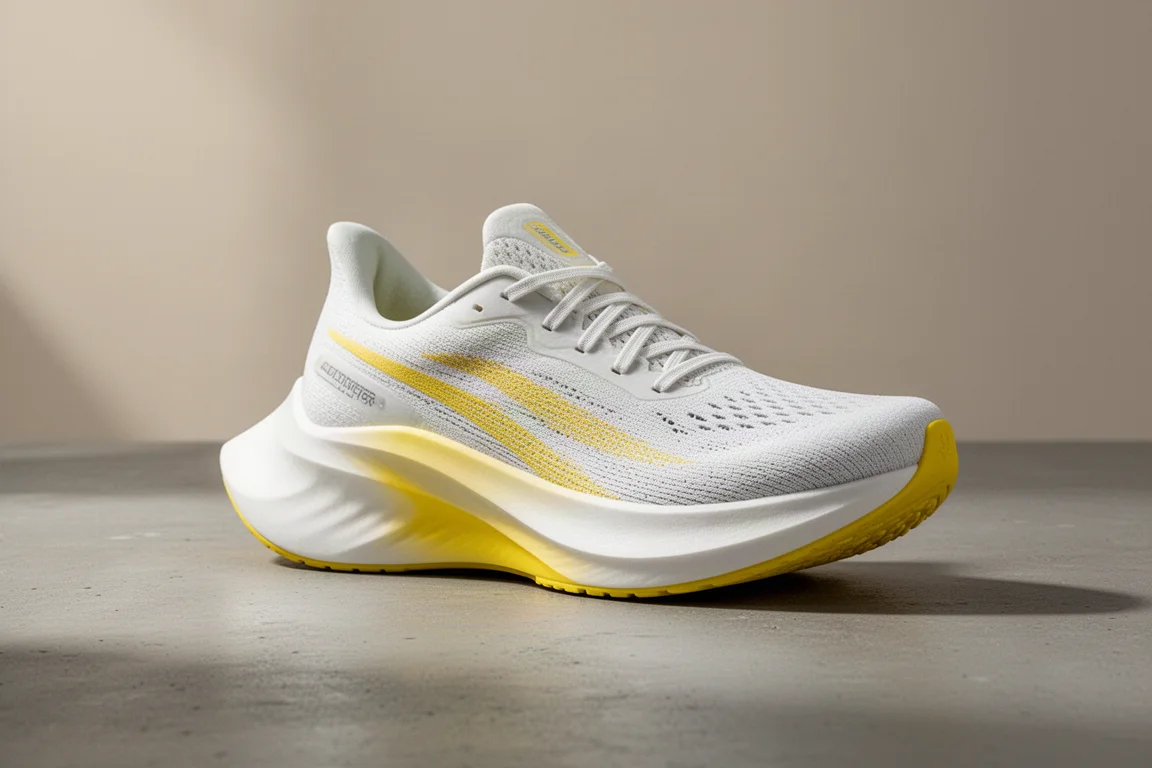
The Hyperion Tempo takes the fast trainer slot and is a genuinely good shoe. It is incredibly lightweight, around 200 grams in a UK size 9, with a fairly firm, responsive nitrogen-infused midsole and no plate. If you like a firmer ride, it is pleasant even for easy and long runs, but it is at its best for fast training, where the low weight and snappy foam really pay off.
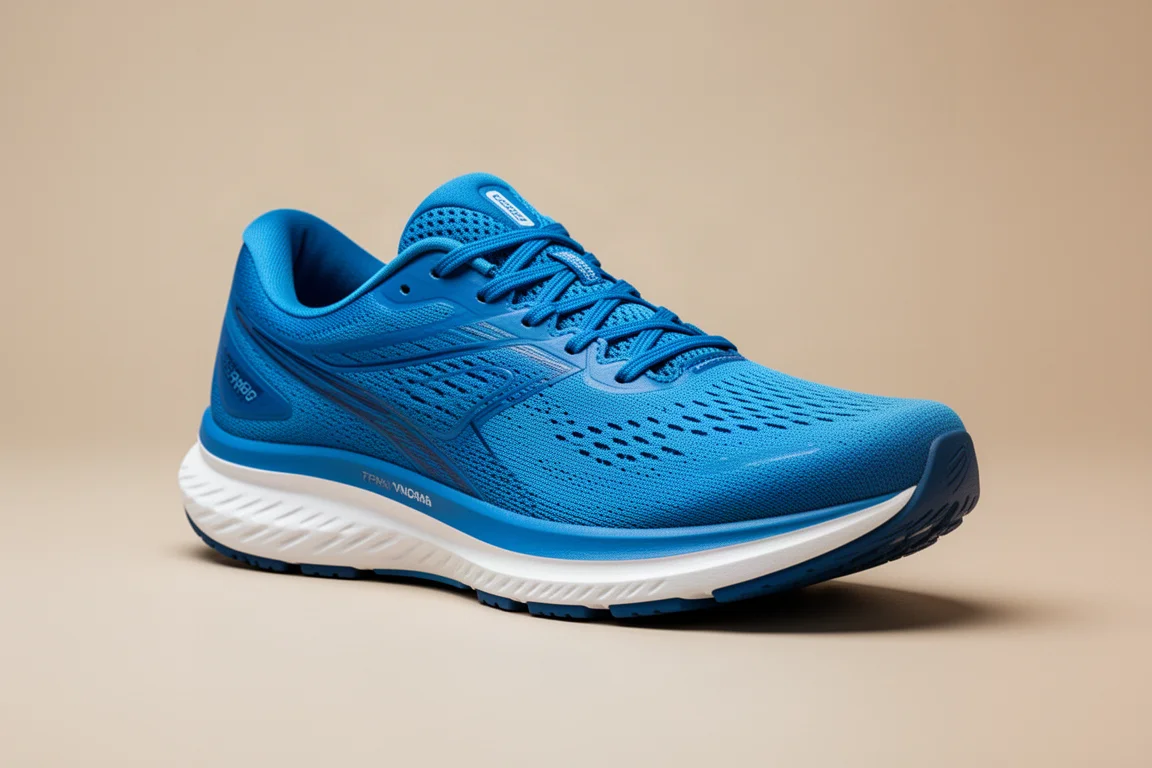
Cushioning is where Brooks is right up with the best. The Glycerin 20 is one of the favorite cushion shoes of the past year, built on the new nitrogen-infused DNA LOFT v3 midsole that makes it a huge improvement over the previous version. It delivers a comfortable yet genuinely enjoyable ride for short runs and very long runs alike, and it is even more versatile than you would expect, to the point of handling an unplanned race surprisingly well. It sits very close to the Saucony Triumph 20 at the top of the cushion category, and well ahead of the Ghost 15, which lacks versatility by comparison.
On: A Great Racer and A Strong Max Cushion Pick
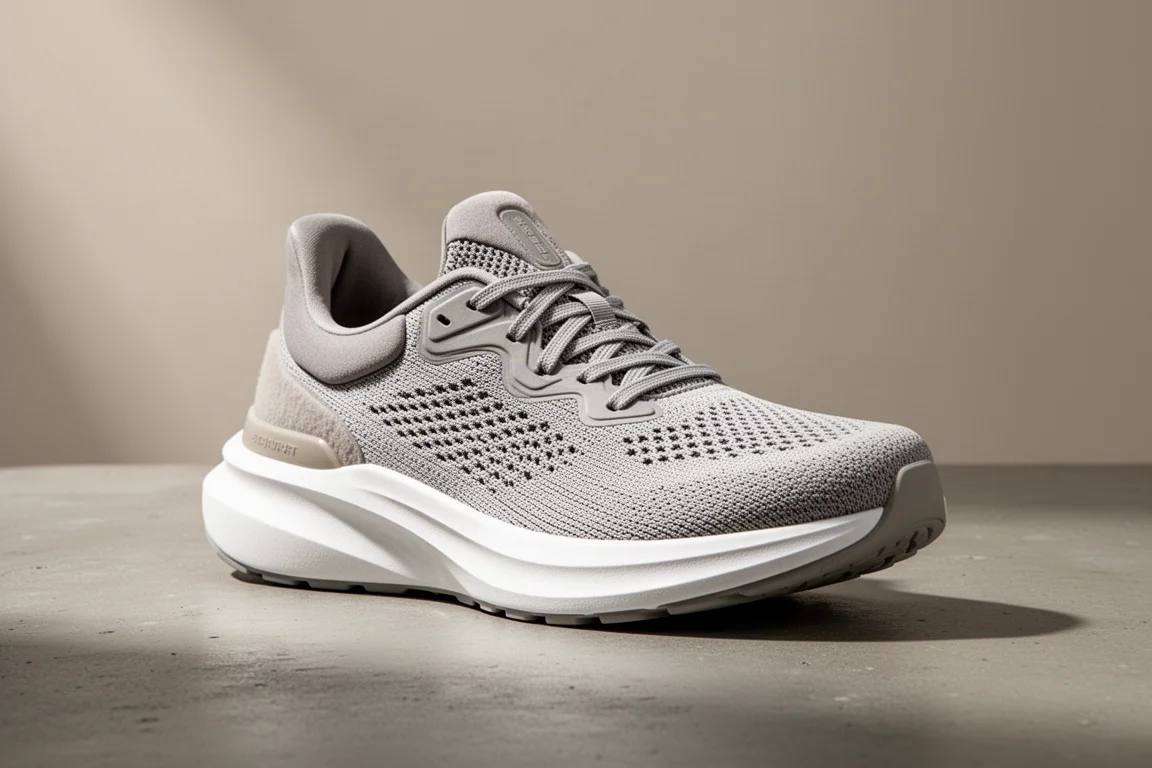
On’s rotation starts with its standout racer, the Cloudboom Echo. Earlier On carbon shoes were harsh and firm with little bounce, but the Echo got the formula much closer to right, with a nice rocker and a genuinely fast ride. It is a bit firmer than most testers want from a race shoe, so it suits shorter distances better than a full marathon, but it also holds up well to fast training, making it the best speed-focused shoe in On’s range.
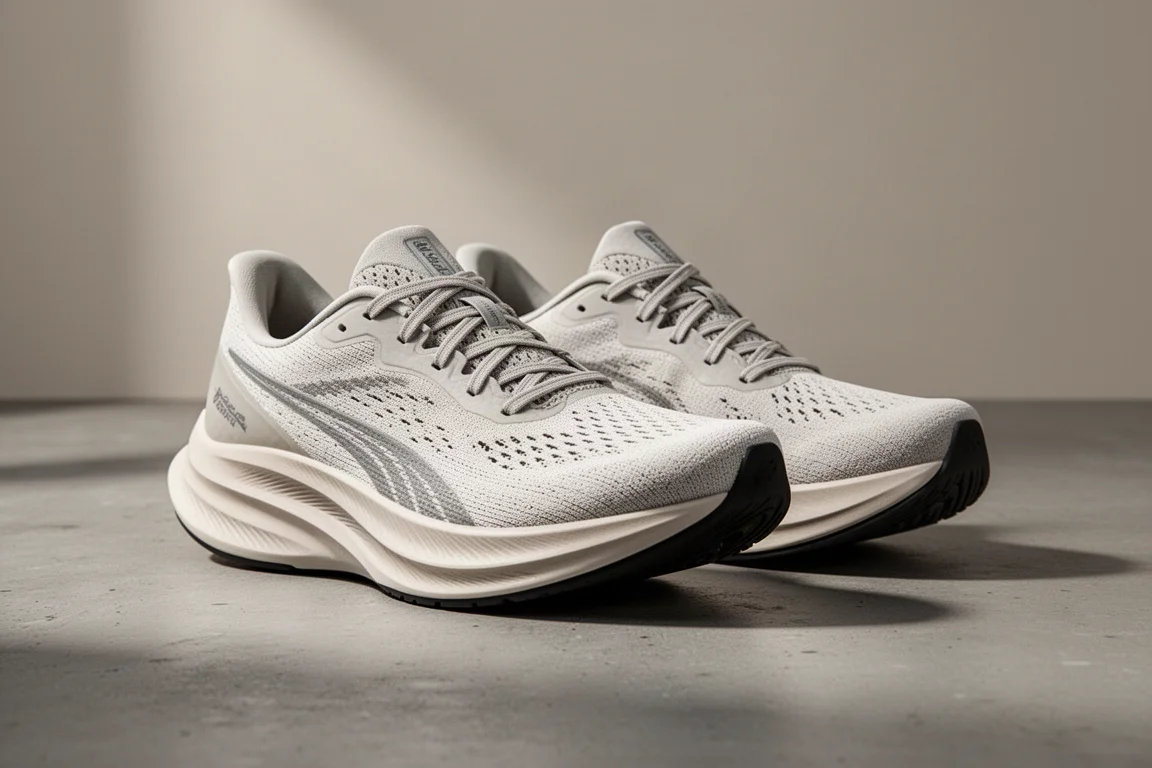
The Cloudmonster was a unanimous pick for the daily slot. It is a max-cushion shoe that stays fairly light, with a touch of bounce in the foam, which is rare praise for On. It works mostly as a comfortable cruising shoe for daily mileage, with enough oomph for the occasional tempo, and it is probably the standout shoe in the current On lineup.
View more details for On Cloudmonster
The Cloudflyer rounds out the rotation as a semi-stability option with very minimal stability elements, so subtle you would not notice unless you read the spec. It carries a nice chunk of cushioning, sits slightly softer than many On shoes, and made an easy-run favorite for one tester. The Cloudsurfer is a do-it-all alternative, though it was found heavy and uncomfortable, and the Cloudgo has been earning positive mentions as another option. Overall, On is not beating other brands in most categories, but the Cloudmonster is a strong market option in versatile max cushion.
Hoka: One Great All-Rounder and Thin Spots Elsewhere
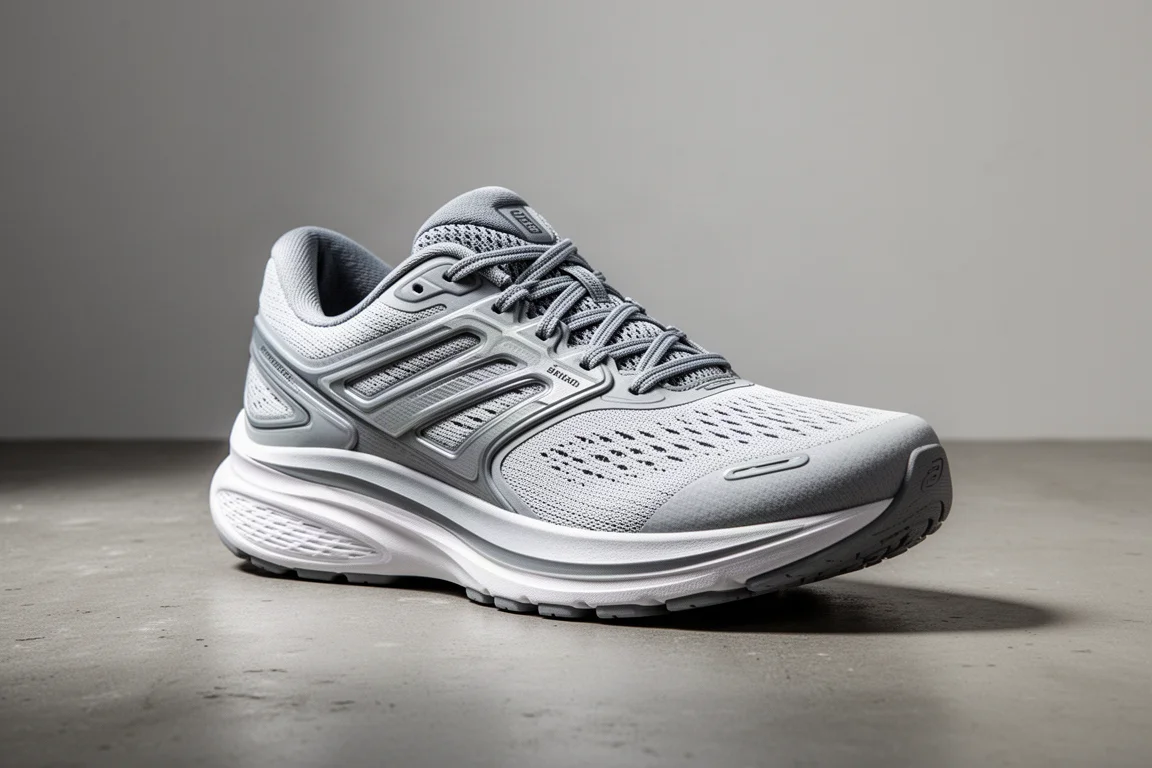
Hoka’s rotation is carried by one truly fantastic shoe. The Mach 5 won an award as the best all-rounder, and it is easy to see why. The dual-layer foam lets you run comfortably at pace while keeping a covering of extra cushioning for daily miles. It handled an entire block of tempo and interval marathon training brilliantly, and it is a natural partner to a race shoe. It also works well for easy and long runs, which matters because the other categories in Hoka’s range come up a little short.
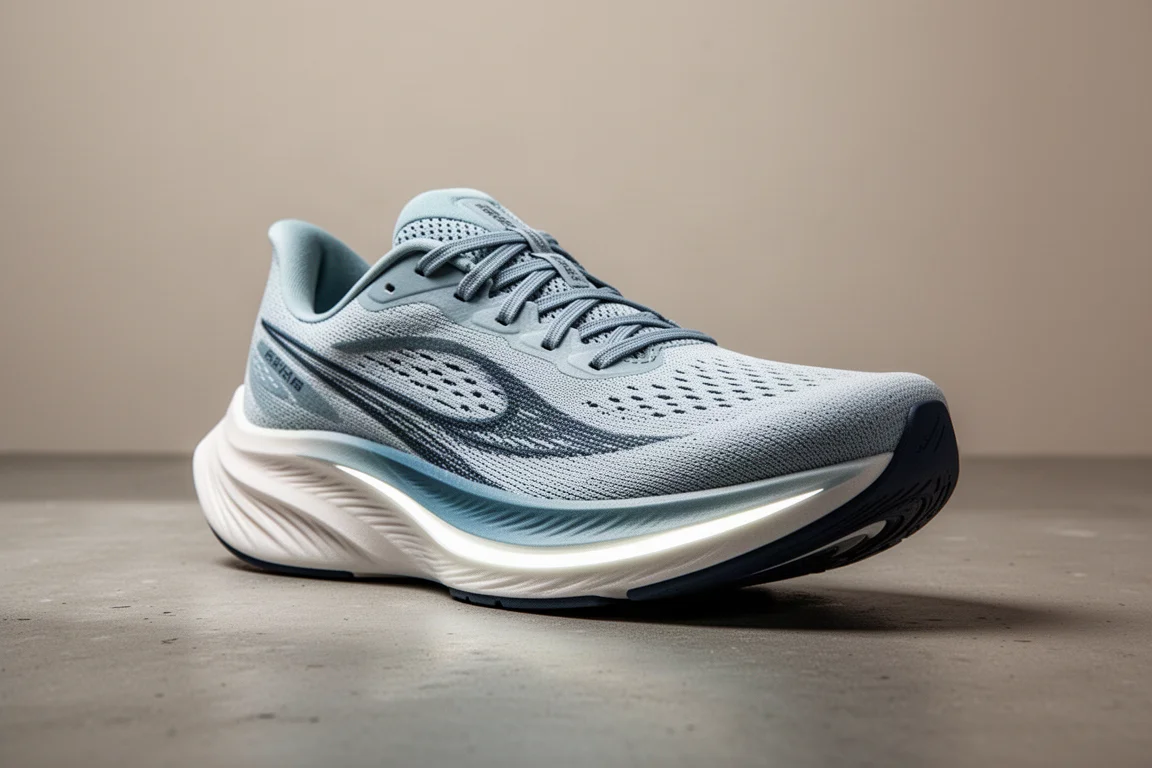
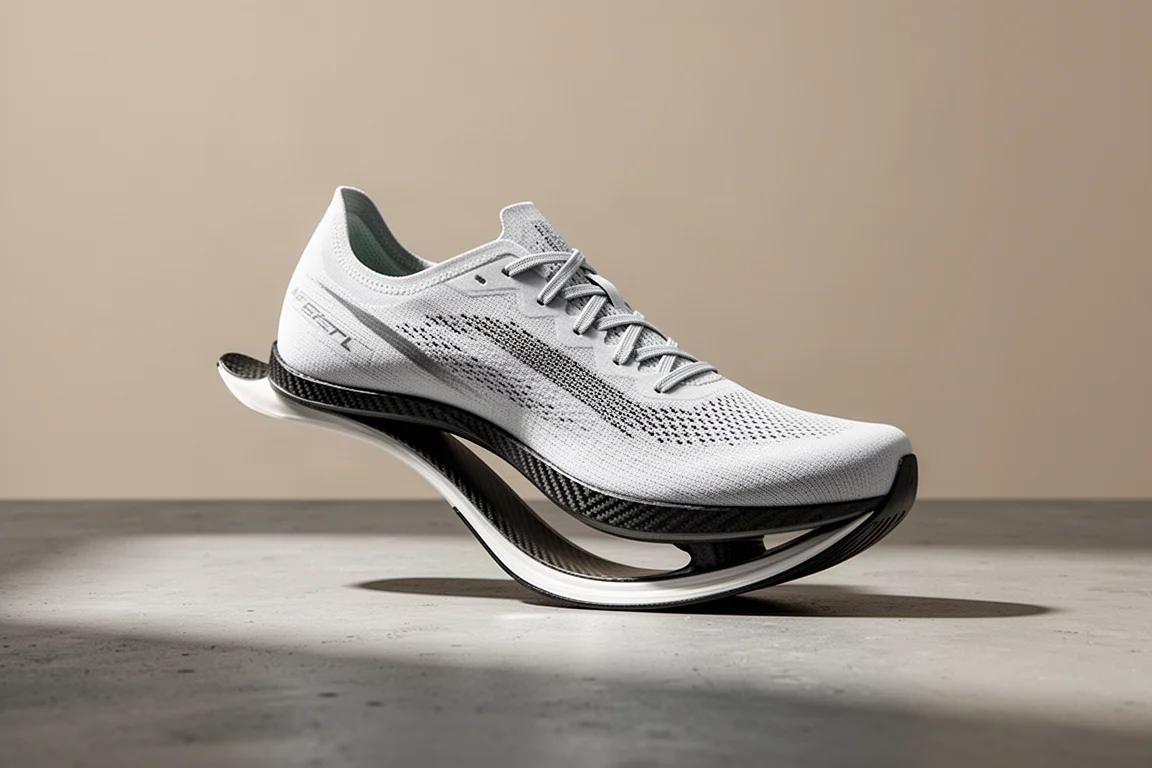
The Rocket X is the racing pick for now. A Rocket X 2 with a revamped midsole is coming and could put Hoka properly back in the super shoe conversation, but the original remains a well-cushioned, durable, comfortable shoe with a nice rocker, lighter and nimbler than the ultra-focused Carbon X 3. It is fast and simple, but it lacks the foam standard of the very best carbon racers, and until that foam catches up, it sits just below the top tier.
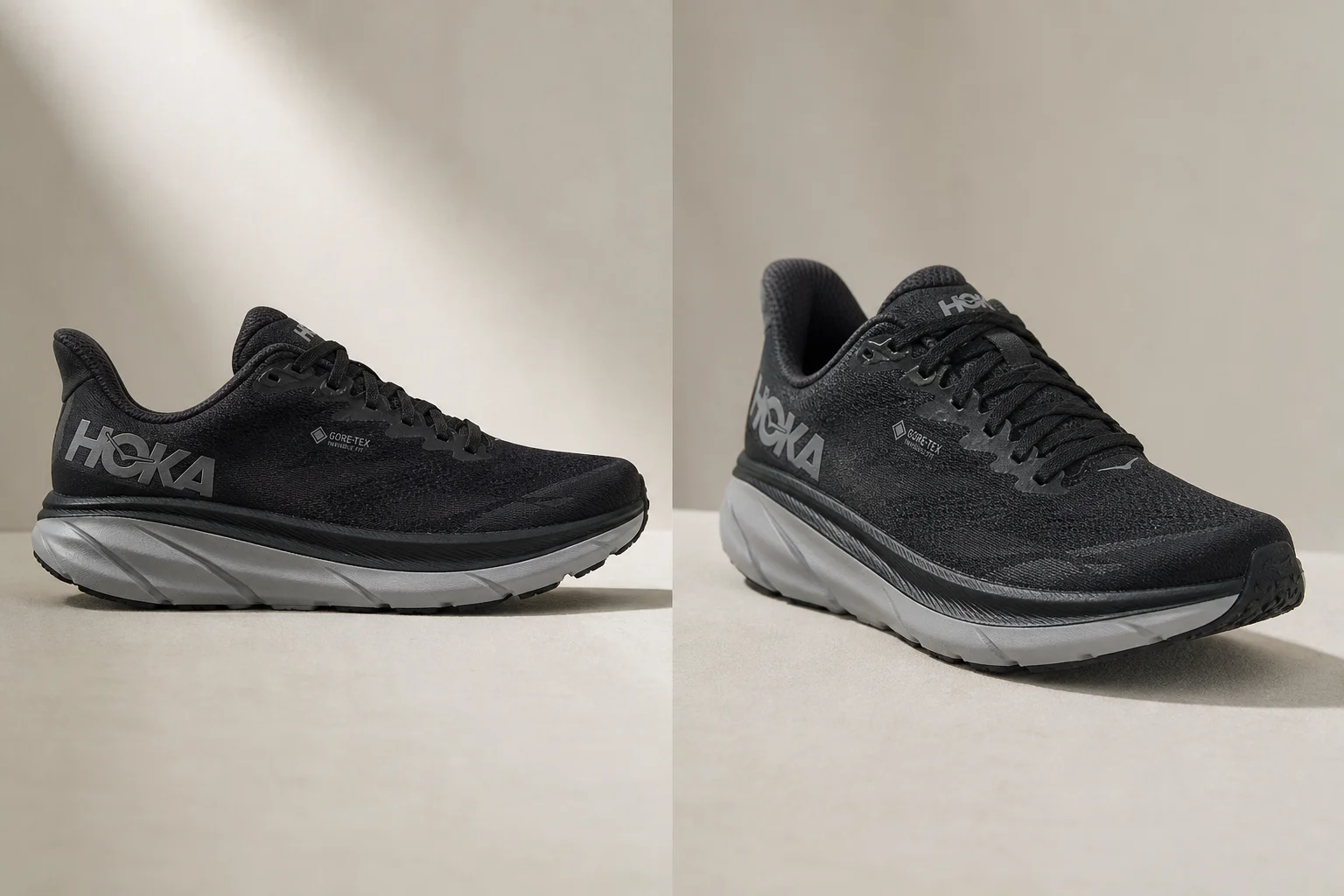
The cushion slot was the hardest to fill. Hoka essentially invented the max-cushion category, but other brands have since taken the concept further with livelier foam. The Clifton, in its latest version, is the best of the bunch: a fairly lightweight, well-cushioned shoe that absorbs plenty of training. It is not a shoe you get excited about, and the thick, sturdy foam offers little bounce or propulsion, but some runners like exactly that solid, planted feel, and it will happily eat up easy miles. If you were building this rotation in real life, a trail shoe for easy days would be the smarter third purchase.
Overall Buying Advice
If you want the single safest one-brand rotation, Saucony is the pick, with three shoes that are each among the best in their class. Puma is the best-value option with a beautifully balanced range, and Nike offers the single best race shoe plus a superb cushion shoe, with only the daily trainer slot letting the side down.
If you race marathons, prioritize the racing slot first: the Vaporfly, Endorphin Pro 3, Adios Pro 3, Metaspeed Sky Plus and SuperComp Elite v3 are all excellent. If you mostly run easy miles, let the cushion shoe drive your choice, where the Invincible 2, Triumph 20, Glycerin 20 and More v4 lead the pack. And remember that rotations do not have to stay within one brand: mixing the best shoe from each category across brands is often the strongest setup of all.
Conclusion
Every brand here can cover a full road rotation with three shoes, but they do so with very different levels of polish. Saucony and Puma deliver the most balanced lineups, Nike offers the best race shoe, Brooks and New Balance shine in cushioning, and Hoka leans on one exceptional all-rounder. Pick the brand whose gaps you can live with, or mix freely across brands, and your rotation will serve every run you have planned.
Further reading
Related Reviews

Running Shoes
Best Road-to-Trail Running Shoes: Three Versatile Options for Mixed Terrain
A practical guide to three road-to-trail running shoes that handle both pavement and mild trails, with clear strengths and trade-offs for different runner types.

Running Shoes
Best Running Shoes for Achilles Tendonitis: Three Options Explained
Three running shoes with different heel drops and support features designed to help reduce Achilles tendon pain during walking and running.

Running Shoes
Best Running Shoes for Women: Five Top Choices Ranked
A ranked guide to five women's running shoes, from versatile daily trainers to high-performance racing options, with real strengths and trade-offs for each.