Kitchen Appliances
Best Rice Cookers Compared: 8 Models Tested Side by Side
We cooked over 50 batches of rice in eight popular rice cookers to find out which ones deliver consistent results and which ones fall short.
Introduction
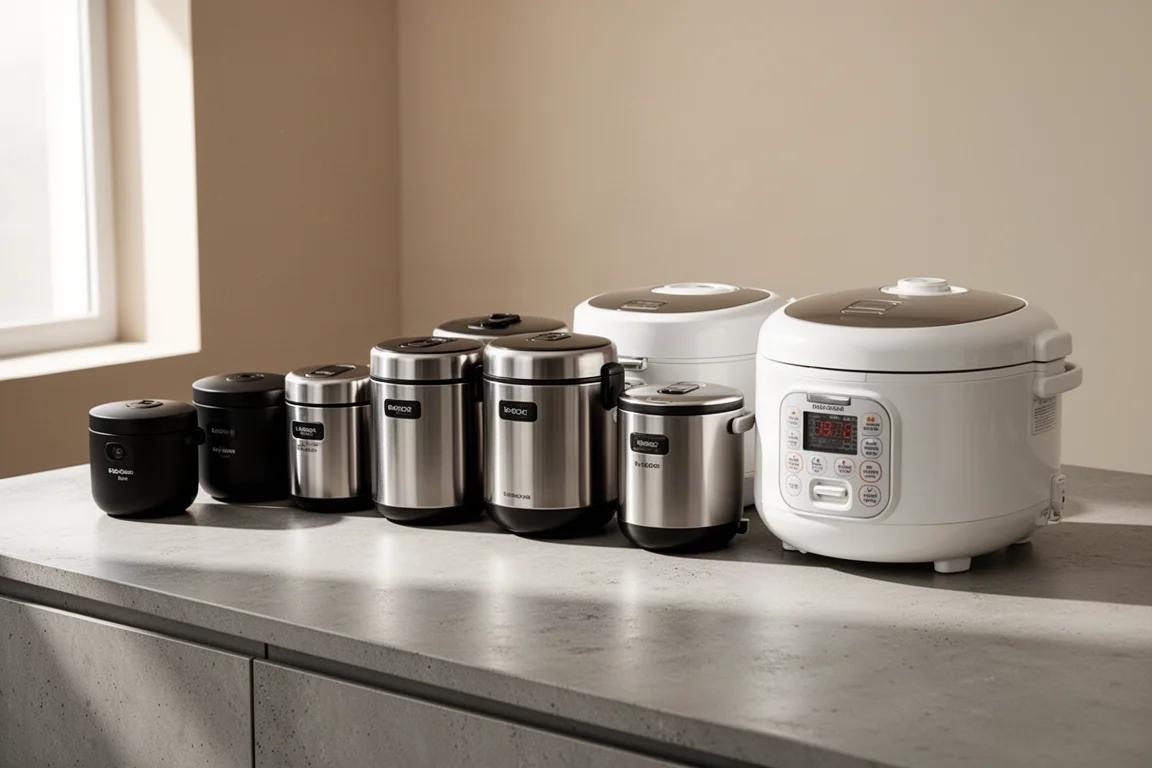
Do you need an expensive rice cooker to get perfect rice, or do budget models hold their own? To find out, we cooked more than 50 batches of rice across eight of the most popular rice cookers on the market, from a tiny one-cup model to a premium Japanese flagship. The results revealed some clear winners, a few models to skip, and one appliance that plays by its own rules.
How We Tested
Each cooker handled four batches of long grain white rice: one cup, three cups, five cups, then three cups again in quick cook mode. Every test used the same bottled water chilled to 42 degrees Fahrenheit, rice rinsed for exactly two minutes, and each brand’s recommended rice-to-water ratio. Every batch was timed to see whether cook speed actually affected quality.
We also cooked brown rice and medium grain sushi rice in each unit, and evaluated the keep warm function by leaving rice in for three hours and checking temperature and texture. Beyond the rice itself, we assessed cleaning, bulk, counter and cabinet clearance, cord length, and overall usability.
Dash Mini Rice Cooker
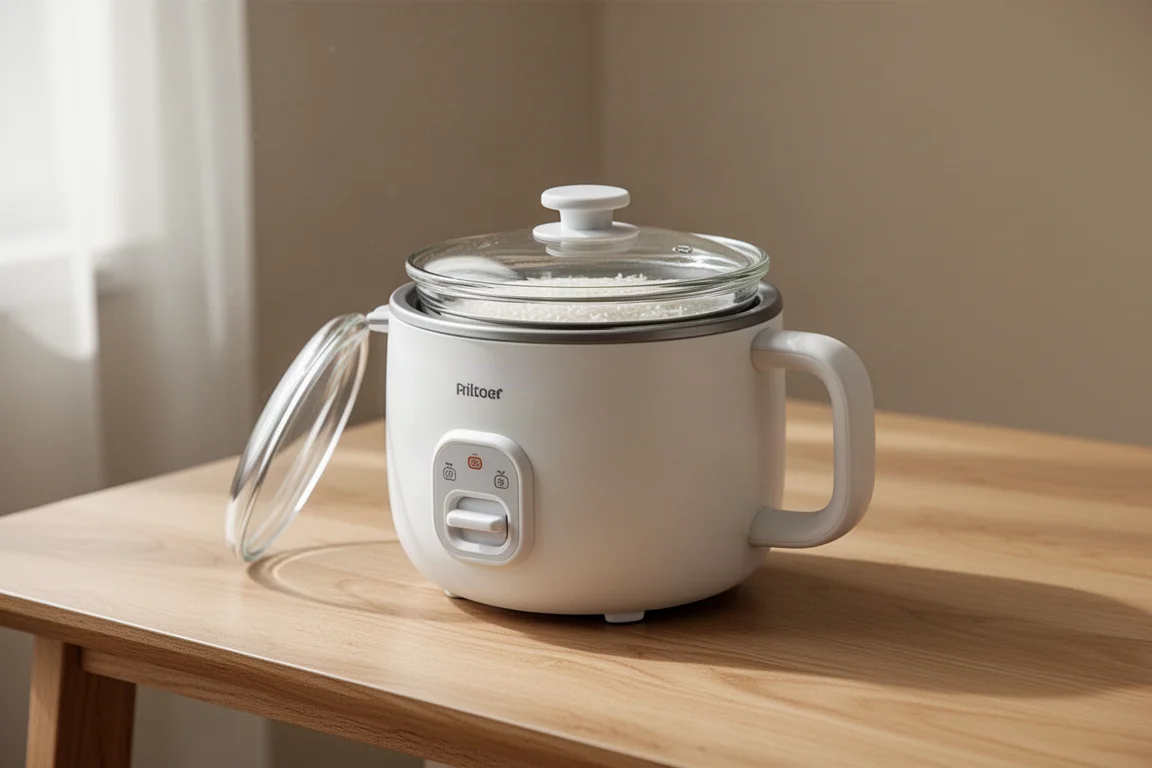
The Dash is the cheapest model tested and also the smallest, with a basic non-stick pot, a loose glass lid, and only two modes: cook and keep warm. There are no presets and no quick cook option, and it fits just one cup of rice.
It was the worst performer by a wide margin. Even following the recommended ratio exactly, the rice bubbled over and created a mess. Rinsing the rice longer helped slightly, but it still boiled over, and the results came out wet, mushy, and inconsistent. It is extremely lightweight, tips easily if bumped, and the water level markings inside the pot are hard to see. We would not recommend it.
Aroma Rice Cooker
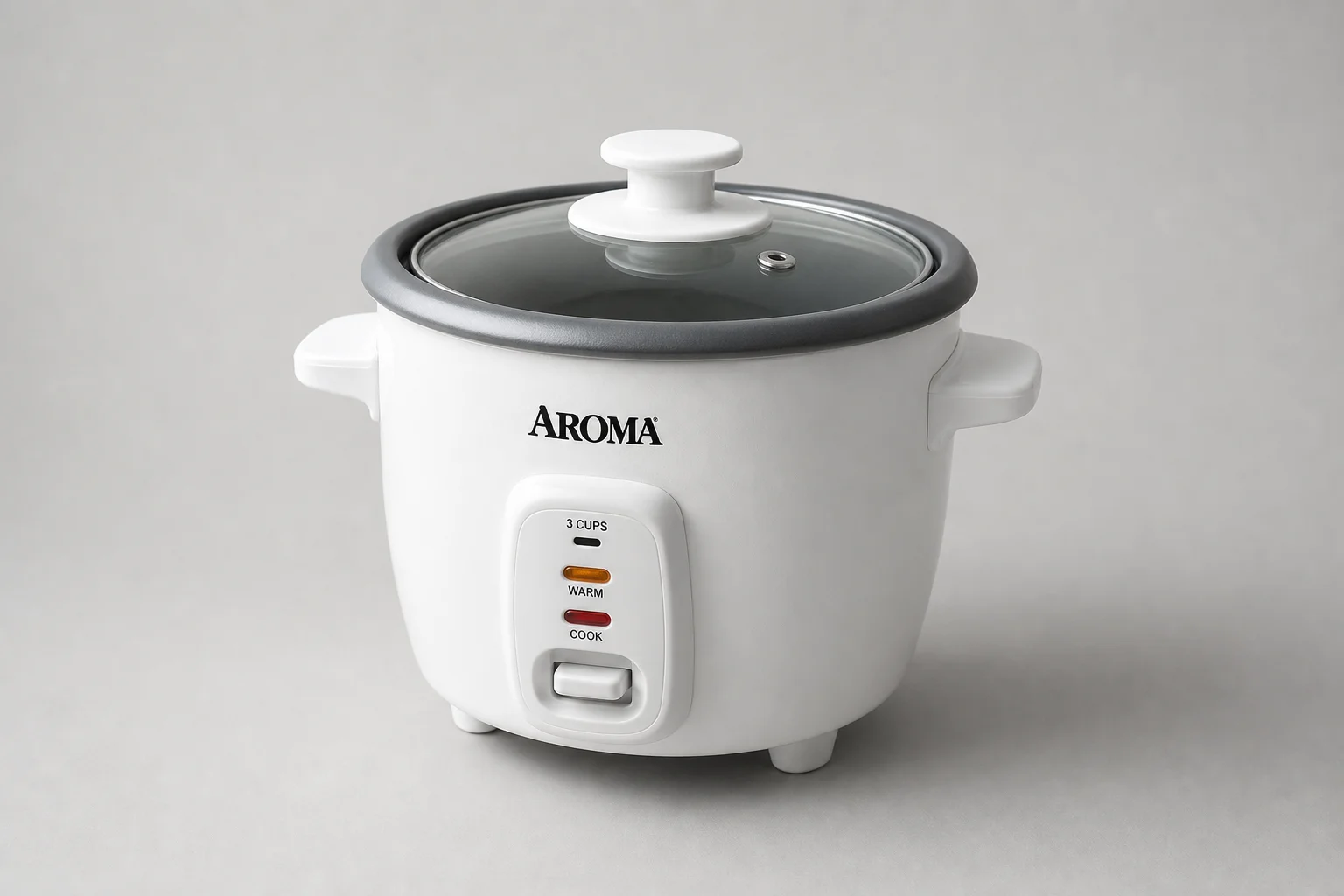
Aroma is a low-cost option that includes a non-stick inner pot, steam tray, rice paddle, and measuring cup, with settings for white rice, brown rice, steam, keep warm, quick cook, and a delay timer. It handles up to four cups of uncooked rice, and the inner lid pops off easily for cleaning.
Performance was good with a couple of exceptions. The one-cup batch of white rice came out wet and slightly mushy with overcooking at the bottom, and the sushi rice was a touch too wet and sticky. But the three and four cup batches came out perfect, with good chew and even cooking, and brown rice turned out tender with well separated grains. Quick cook mode saved only about three minutes without changing texture. If you usually cook two to four cups, it is the best budget pick.
Cosori Rice Cooker
Cosori is a much larger cooker with a ceramic-coated non-stick inner pot, a large steamer basket, and settings for many rice types, grains, and textures, handling up to ten cups uncooked. The lid opens smoothly instead of snapping, and both the inner lid and steam cap pop off for easy cleaning. Note the height: with the lid open it reaches about 19 inches, so it can hit cabinets mounted around 18 inches above the counter. The engraved water markings are also hard to read.
Performance was excellent across the board. All white rice batches came out evenly cooked with good chew, clear grain separation, and no burning on the bottom. Brown rice was tender and even, and sushi rice had ideal stickiness without turning mushy. Quick cook mode saved just two minutes. At around $90, it is the best overall choice for most people, especially since the ceramic coating avoids traditional PTFE.
Tiger Rice Cooker
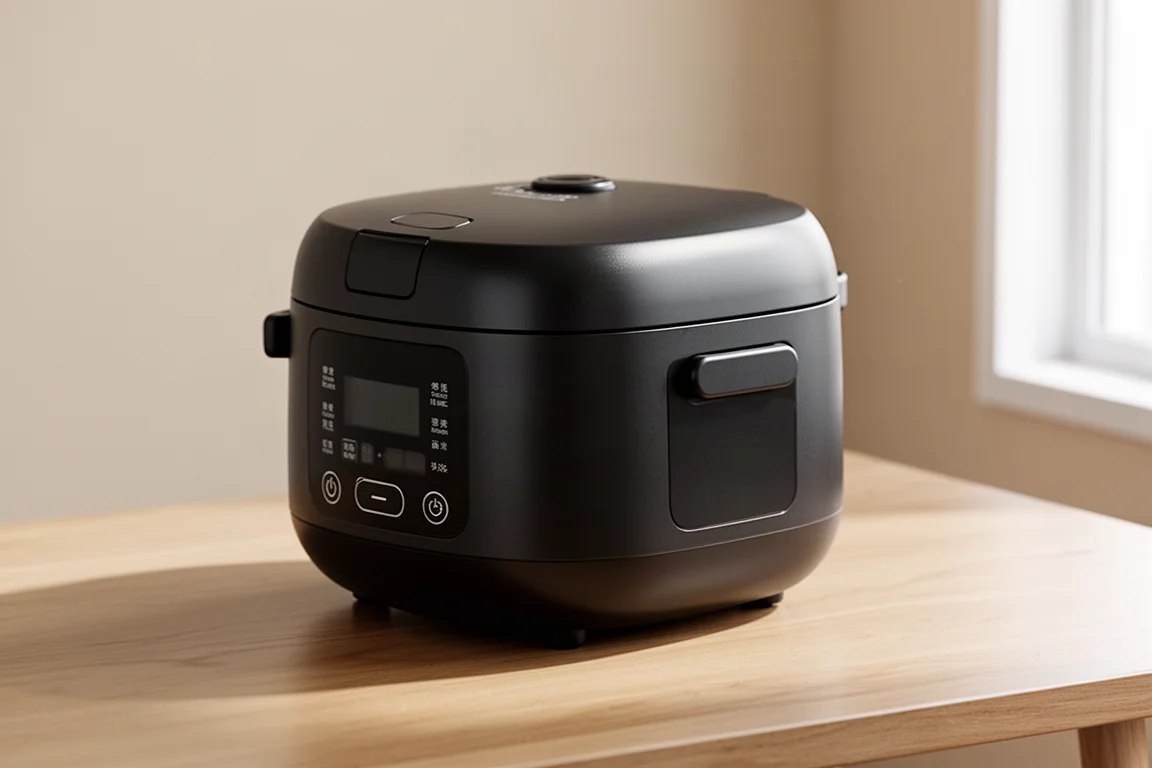
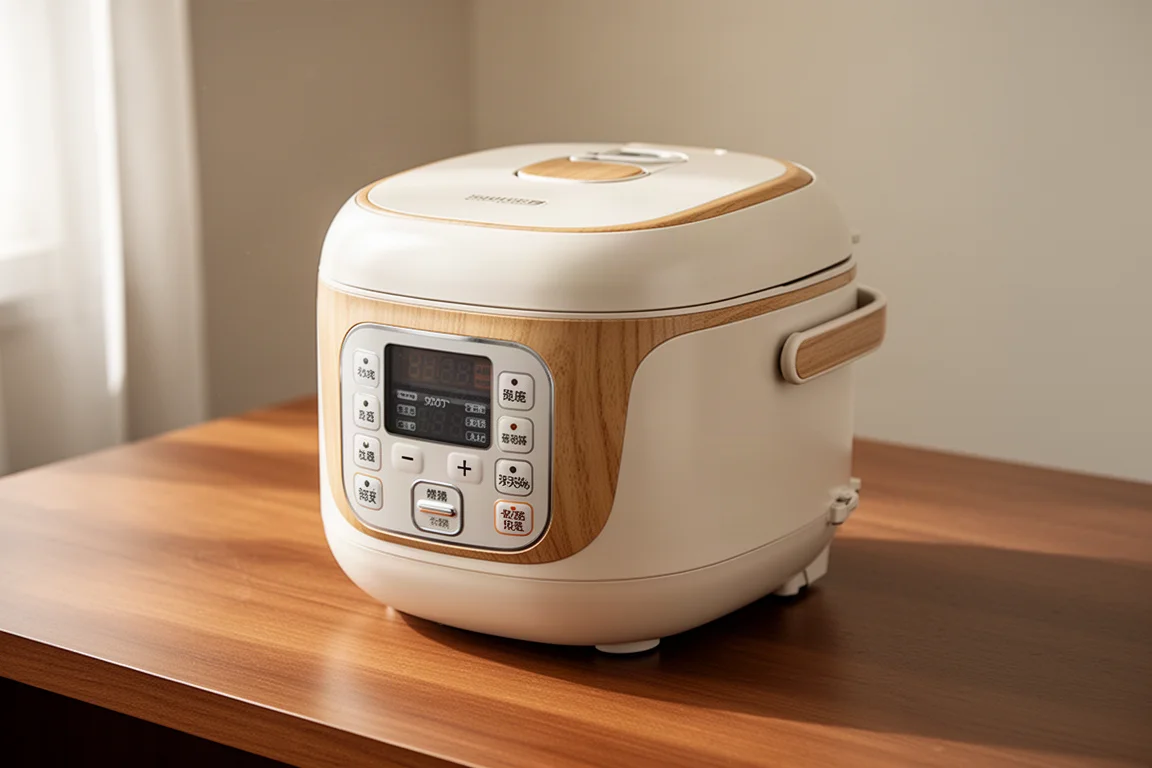
Tiger includes a non-stick inner pot, a rice paddle, a measuring cup, and a special cooking plate for steaming vegetables or slow cooking meats. Physical buttons and a folding handle make it easy to use and move, and the water level markings are easy to read. The drawbacks: the lid snaps open fast and jolts the unit, and the inner lid does not come off, so cleaning means wiping it down with a cloth.
White rice was excellent in medium and large batches, though small batches produced a thin starchy film on the bottom with some lightly fused grains. Brown rice came out light and fluffy, and sushi rice had good stickiness with only minor buildup. Quick cook mode genuinely worked, saving about 16 minutes without impacting texture.
Instant Pot
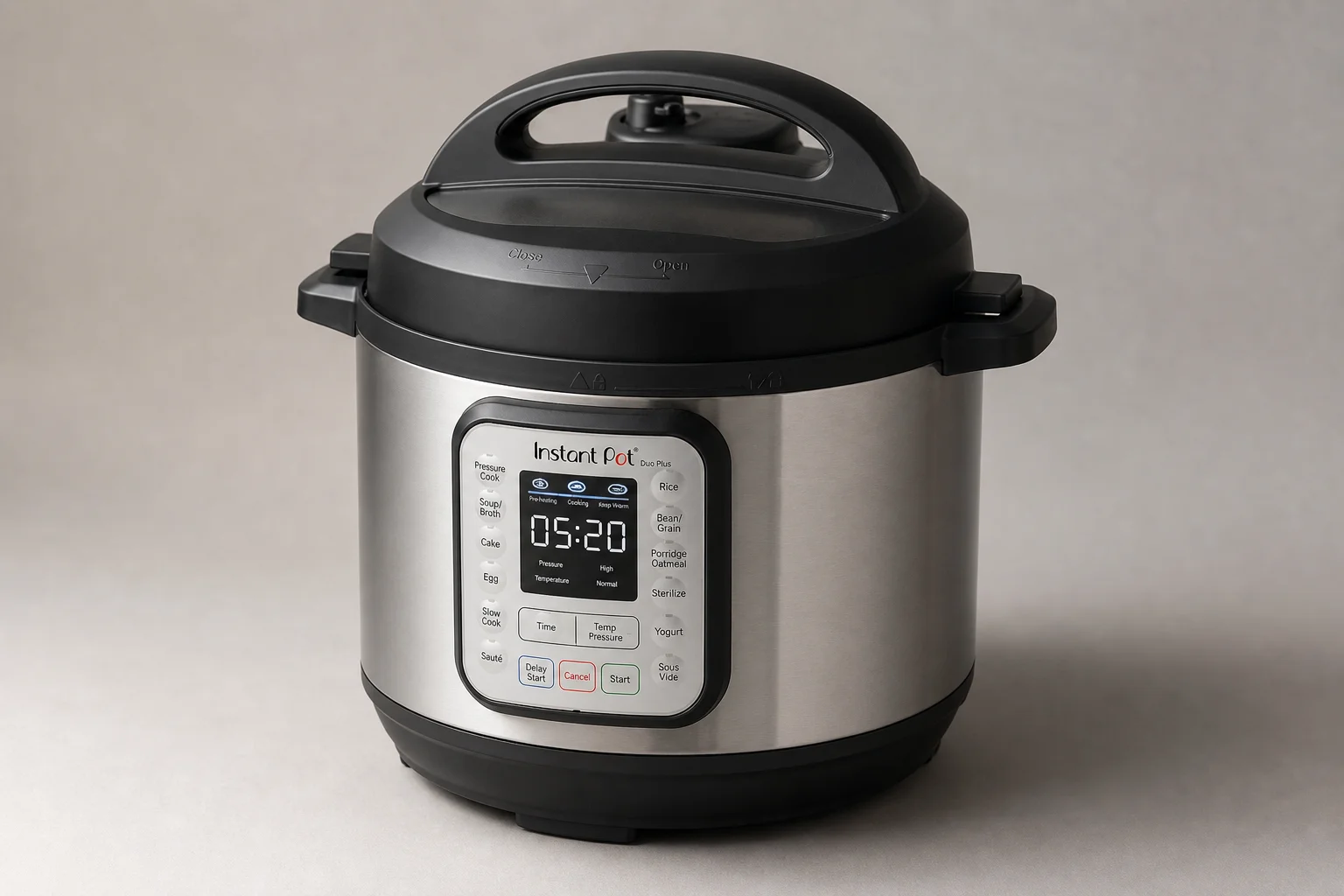
The Instant Pot is not a dedicated rice cooker but an electric pressure cooker with a rice setting, so we tested it using the recommended ratios and settings, including the required rest time for brown rice.
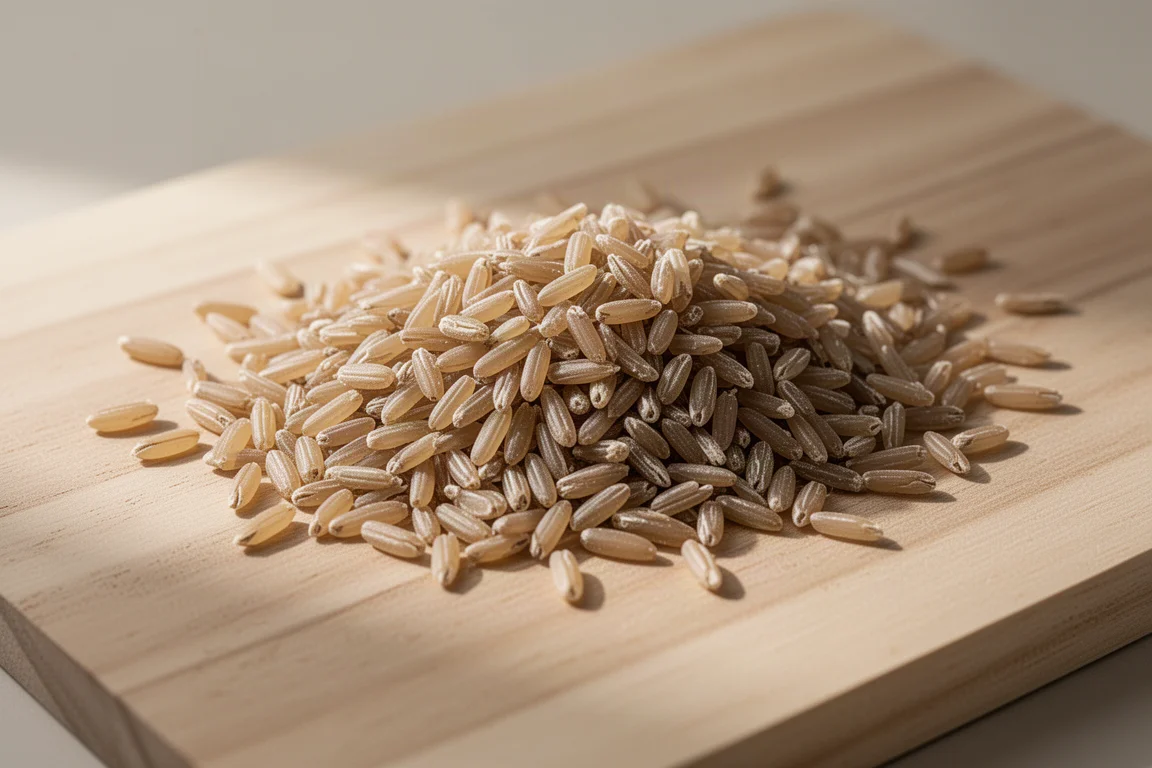
It lives up to the Instant name on speed: three cups of white rice finished in 21 minutes while the others averaged about 42, and brown rice took 41 minutes total where most others took over an hour. Results were mixed, though. Small white rice batches were inconsistent, with some areas mushy and others undercooked, while medium and larger batches did much better. Brown rice was especially good, with intact grains and good chew. It is the only model here with a stainless steel inner pot, which is nice if you want to avoid non-stick coatings, but rice sticks badly and needs soaking before scrubbing, and the manual pressure release shoots out very hot steam.
Cuckoo Rice Cooker
Cuckoo comes with a non-stick inner pot, a large selection of settings for grains and textures, and an auto clean feature that loosens starch buildup, though you still need to wipe everything down. The inner lid pops off for easier cleaning.
The lid is the biggest problem. It is heavy and tall, and when opened it flies up hard enough to lift the front feet off the counter, jerking the unit and smacking into cabinets. The touchscreen also looks sleek but is less responsive than physical buttons, requiring repeated presses. Performance was a tale of two grains: all four white rice batches were excellent, but the sushi rice and brown rice both came out too wet and mushy, with brown rice grains splitting open instead of staying intact. Quick cook mode saved 14 minutes without affecting texture.
Toshiba Rice Cooker
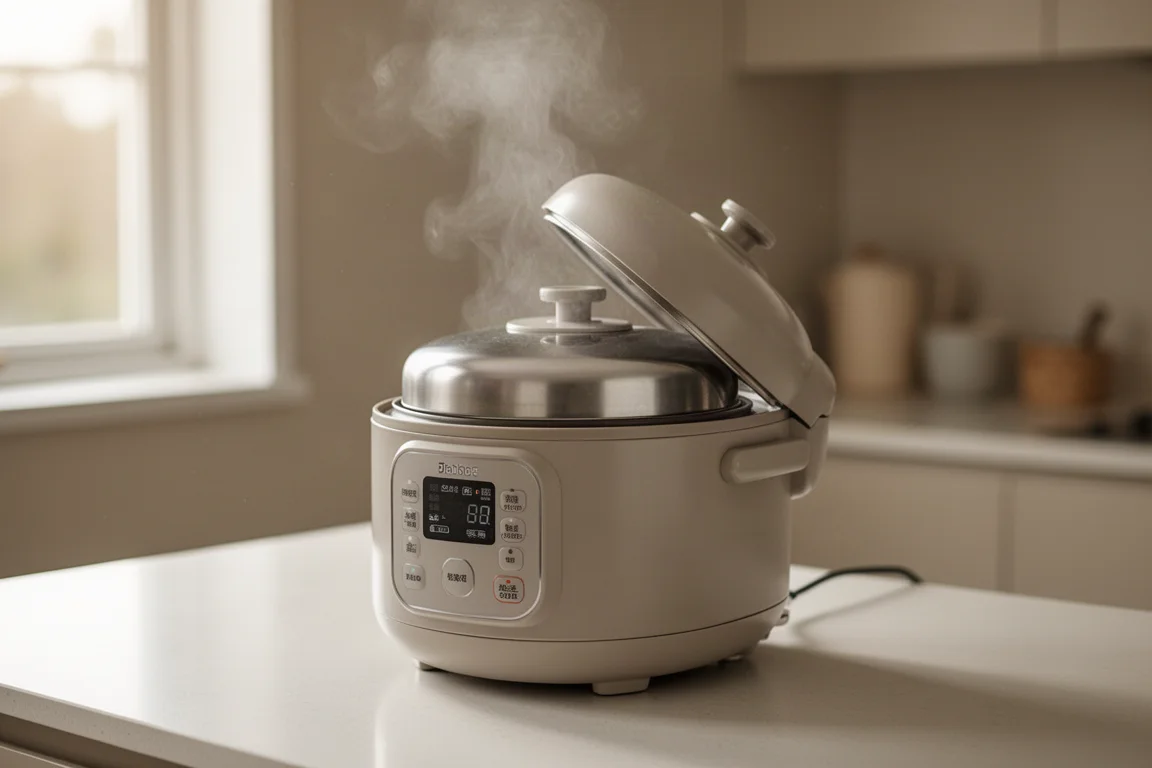
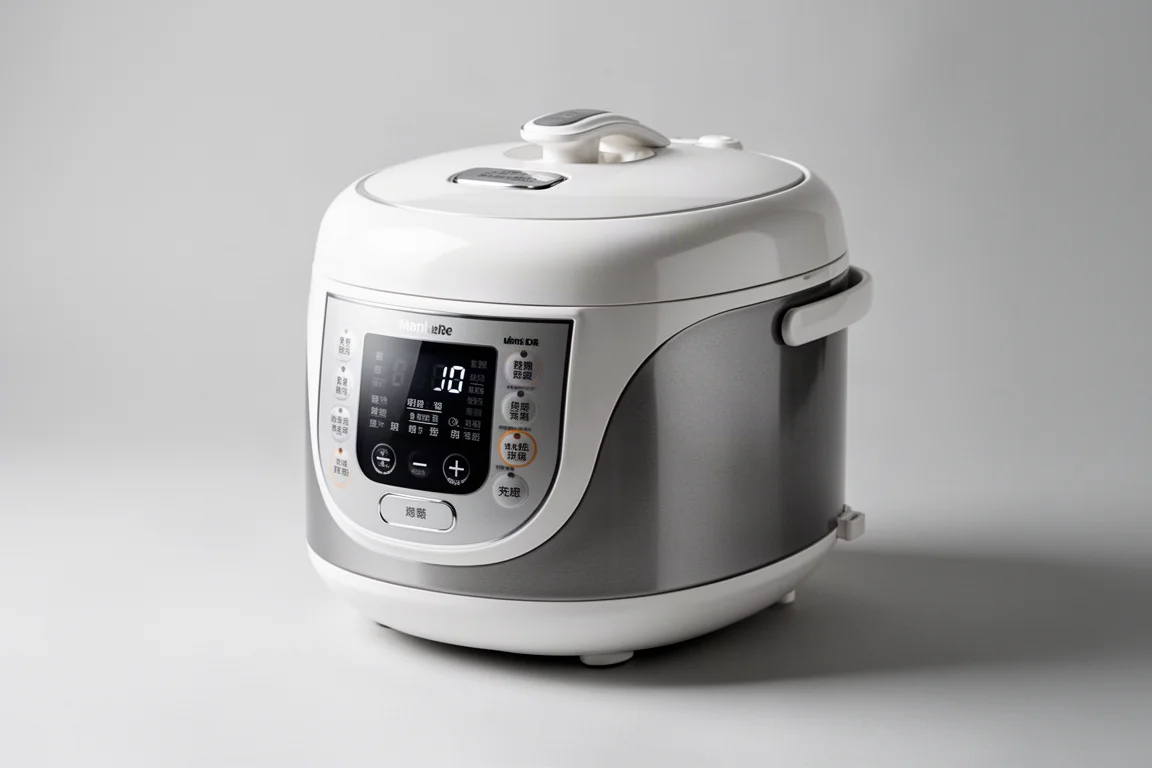
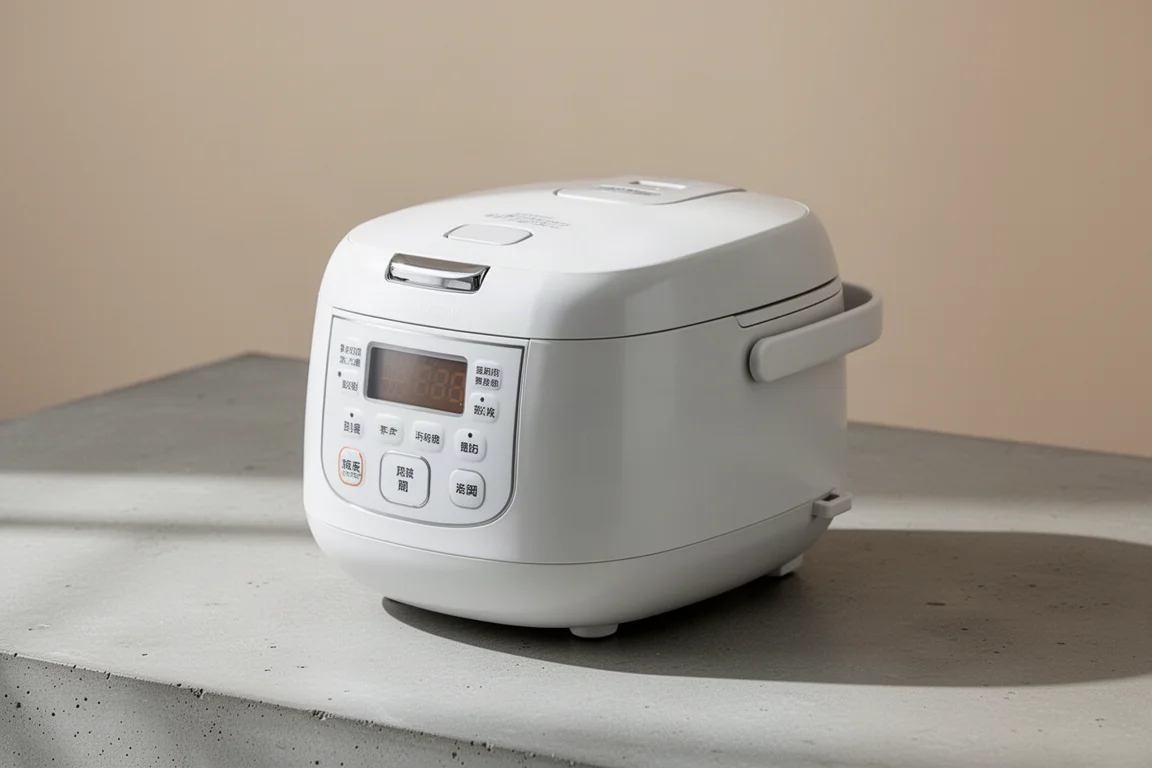
Toshiba was named the second best rice cooker by America’s Test Kitchen. It has a simple menu with physical buttons, standard settings for different rice types, quick cook, and delay timers. The inner lid and steam vent cover pop off easily for cleaning, and a folding handle makes it easy to move. Like Tiger and Cuckoo, the lid snaps open quickly and jolts the unit.
Performance was solid but runs drier than the others. White rice had good chew, clear grain separation, and no burning at the bottom across all batches, but retained less moisture than the competition. Brown rice showed the same pattern: good texture and bite, slightly on the dry side. Sushi rice came out sticky and chewy with good structure. This unit also makes more bubbling noises than the others, especially in the first ten minutes, though it is not overly loud.
Zojirushi Rice Cooker
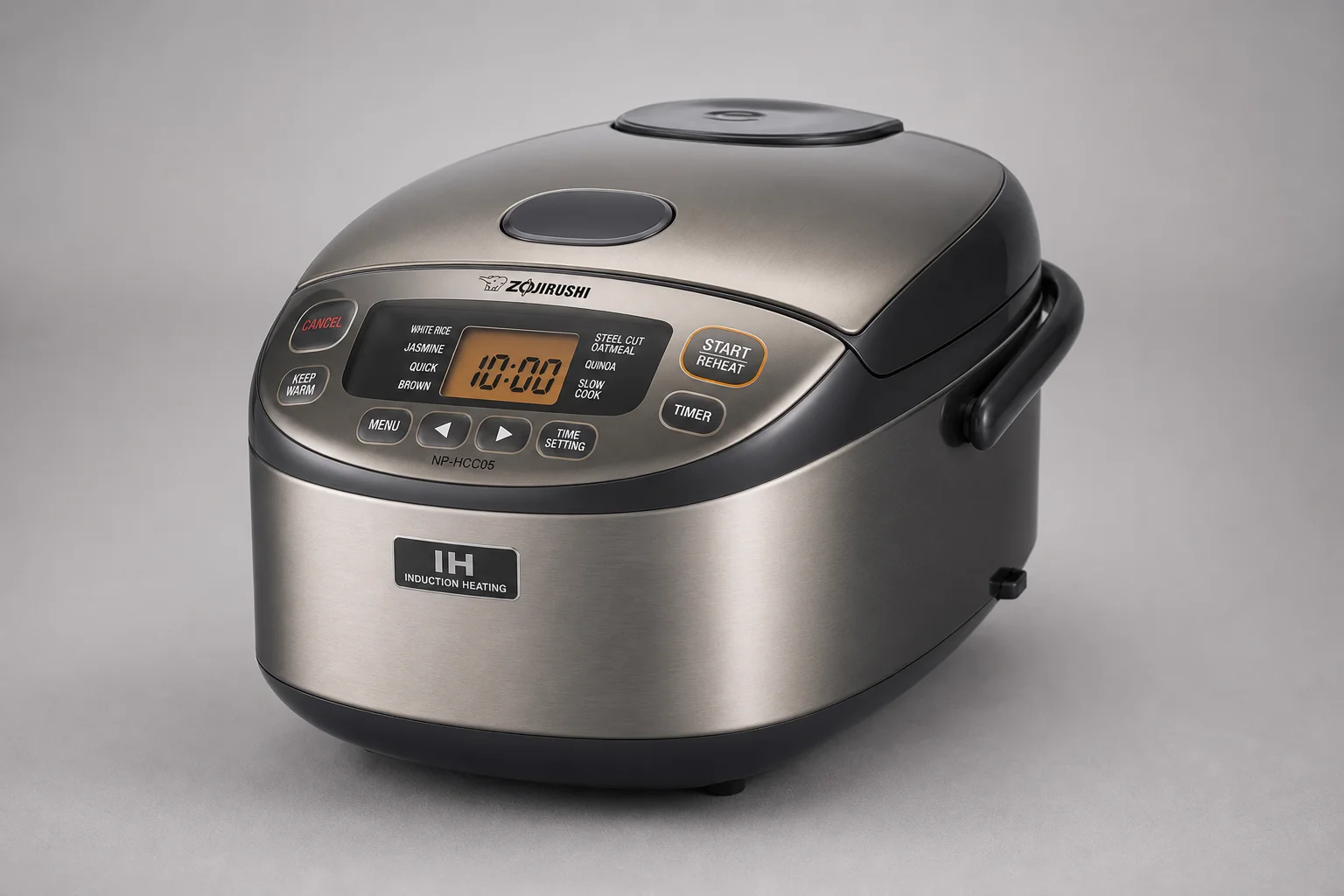
Zojirushi was named the best rice cooker by both the New York Times and America’s Test Kitchen, and the design shows why. It offers a wide range of rice settings, a retractable power cord that is the longest of the group, a removable inner lid, and clear easy-to-read water level markings. Unlike Tiger, Toshiba, and Cuckoo, the lid opens slowly and smoothly without jolting the unit. The handle makes it easy to carry, and inner pot handles let you lift the pot out while hot while forcing the correct orientation so the markings always face forward.
Performance was solid. Medium and large batches of white rice came out consistently perfect, with the smallest batch slightly softer but still good. Brown rice was tender and evenly cooked though a bit softer and clumpier than ideal, and sushi rice had ideal stickiness without mushiness. Beyond the high price of $260, the main downside is speed: three cups of white rice took 53 minutes, the longest of the group, and brown rice took one hour and 43 minutes.
Which Rice Cooker Should You Buy?
The truth is that most of these cookers can make excellent rice, especially once you tweak the water ratios after a few uses. The real differences come down to design, consistency, and cook time.
If you are on a tight budget, the Aroma is the best low-cost option, provided you usually cook two to four cups at a time rather than single servings. The Zojirushi is the most expensive at $260, but its performance and thoughtful design justify the investment if you cook rice often. For most people, though, the Cosori at around $90 is the best choice: excellent results across all batch sizes and rice types, the third fastest cooker in both regular and quick modes, and a ceramic non-stick coating instead of traditional PTFE.
The Instant Pot sits in its own category. It is worth it if you plan to use it for other foods, but if your main goal is consistently perfect rice at various quantities, it is not as reliable as the dedicated cookers. Models to skip: the Dash for being too small, messy, and poor performing; the Cuckoo for its aggressive lid and unresponsive touchscreen; the Tiger because the inner lid is not removable; and the Toshiba because the rice runs a little too dry.
Conclusion
After more than 50 batches of rice, the pattern is clear. The Cosori delivers the best balance of performance, capacity, and price for most kitchens, the Aroma is the sensible budget pick for larger batches, and the Zojirushi is the premium choice for frequent rice eaters. Match the cooker to how much rice you actually cook, and any of these three will serve you well.
Further reading
Related Reviews
Kitchen Appliances
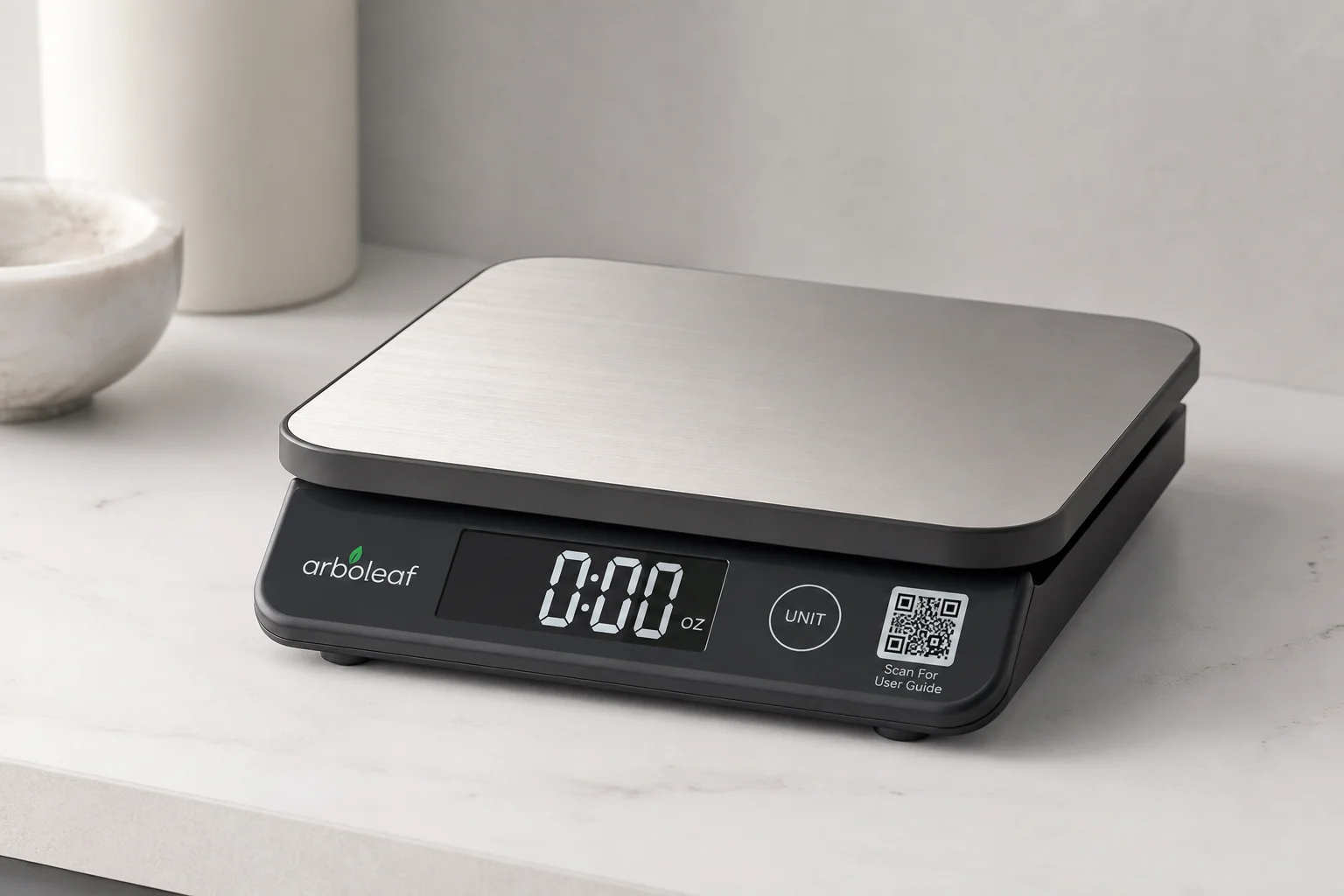
Arboleaf Smart Kitchen Scale Review: Connected Cooking Made Simple
A Bluetooth-enabled kitchen scale that syncs with a nutrition-tracking app, offering real-time weight monitoring and recipe guidance for home cooks.
Kitchen Appliances
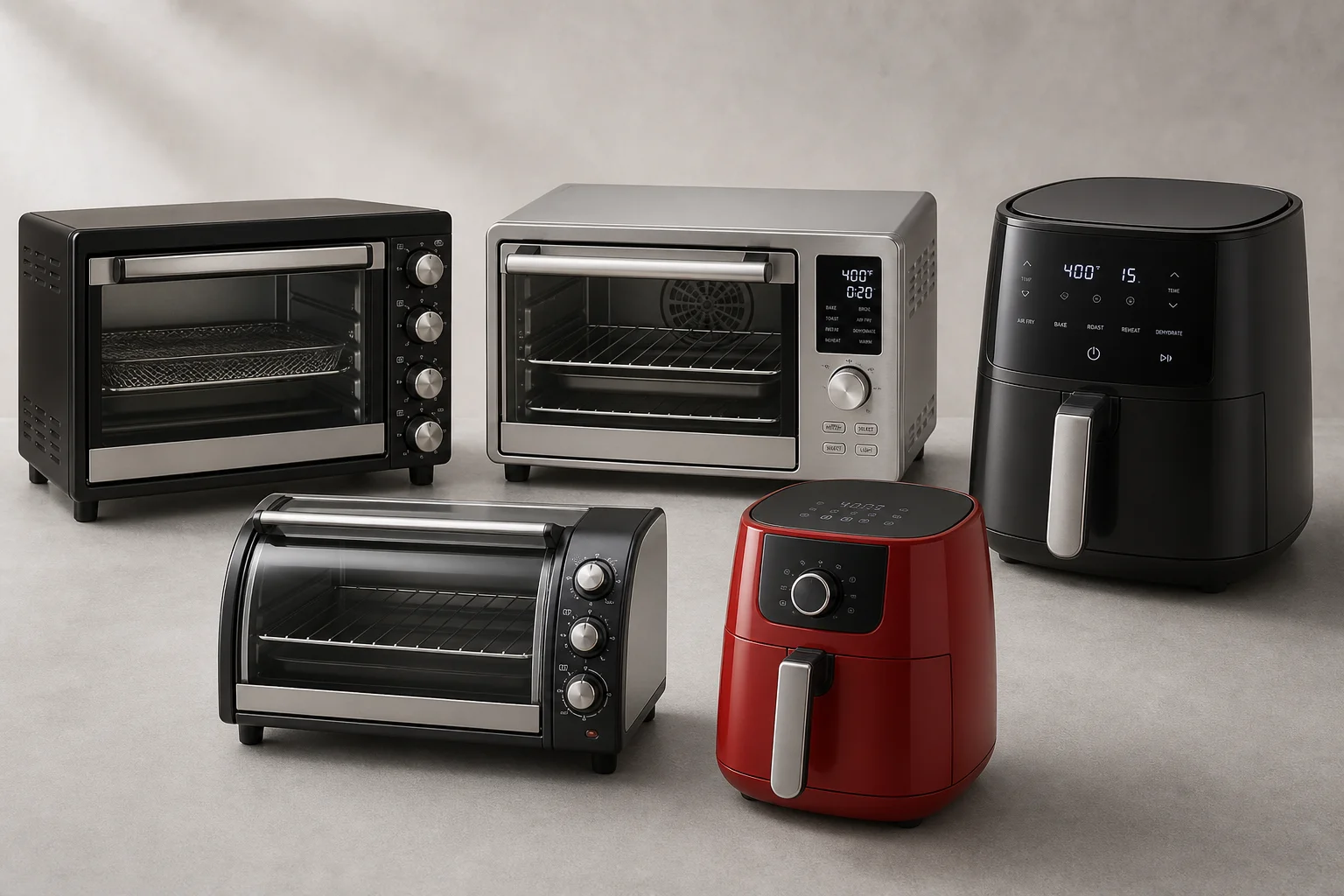
Best Air Fryer Toaster Ovens Under 100: Five Practical Options for Budget-Conscious Kitchens
Five air fryer and toaster oven combinations that deliver real cooking performance without breaking the bank, each with distinct strengths for different kitchen needs.
Kitchen Appliances
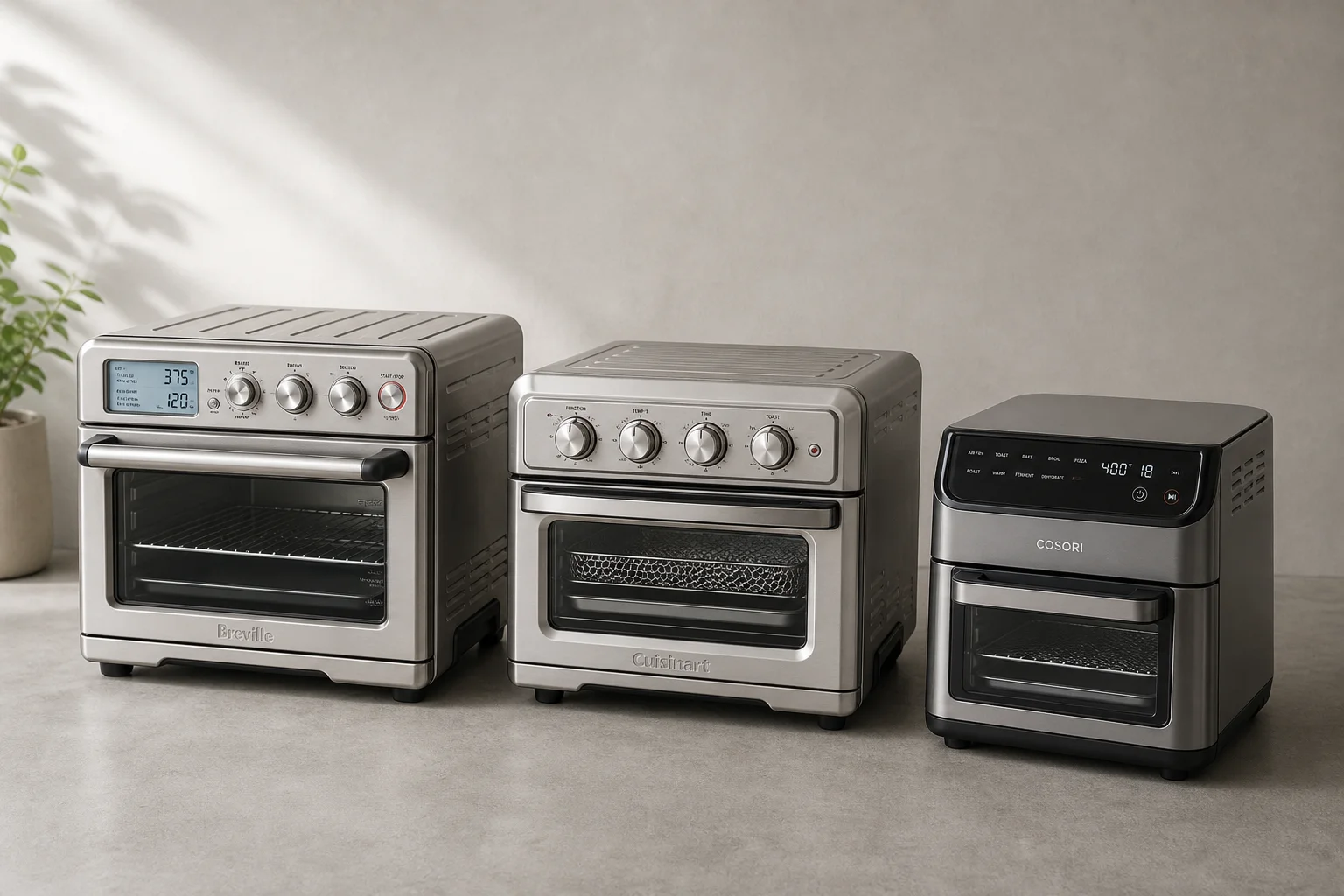
Best Air Fryer Toaster Ovens: Three Top Picks for Multi-Function Cooking
Three high-performing air fryer toaster ovens tested for versatility, ease of use, and real-world cooking results. Find the right fit for your kitchen.