Running Shoes
Best Replacements for the Saucony Endorphin Speed 2 and 3: Six Picks Plus Worthwhile Alternatives
The Endorphin Speed 2 and 3 were beloved plated trainers. Here are the shoes that come closest to that soft, bouncy, versatile ride.
Introduction
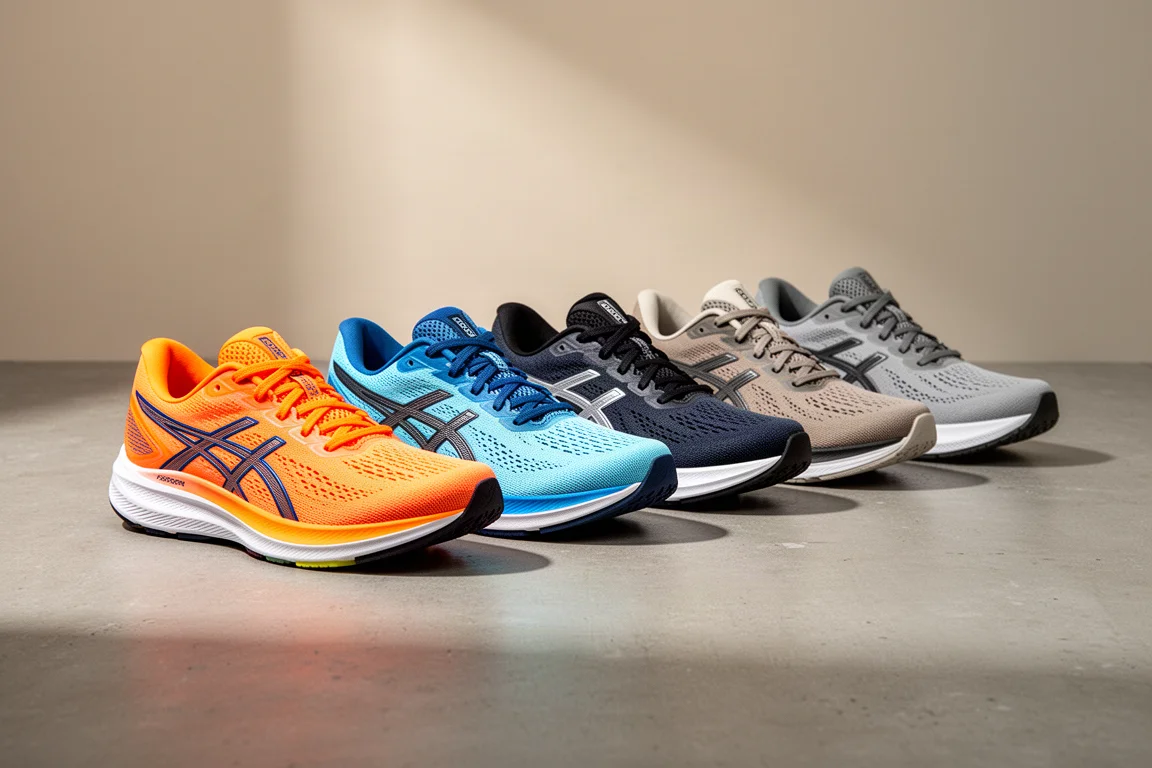
Saucony changed a lot about its lineup this year, and not every change landed. The Endorphin Speed 2 and Speed 3 were among the most beloved running shoes of their era: soft, bouncy beaded PEBA foam, a forgiving nylon plate, a smooth rocker, and a versatile ride that worked for workouts, long runs, and even everyday miles. Then the Endorphin Speed 4 arrived with different geometry, a different-feeling foam, and a new heel design, and for many runners it simply did not click.
This guide highlights the shoes that most closely recreate that soft, bouncy, plated-but-not-harsh ride, ordered roughly from most to least approachable, plus a few alternatives worth knowing about.
The Originals: Endorphin Speed 2 and Speed 3
What put the Endorphin Speed on the map was PWRRUN PB foam, a race-grade beaded PEBA compound brought into a training shoe for the masses. The Speed 3 widened the base slightly and made the shoe a bit more accessible than the Speed 2, but both delivered the same core appeal: fun, fast, and comfortable.
They were not perfect. In heavier-footed runners the foam could feel a touch soft at faster paces, and durability was a known weak spot. One heavily used pair showed cracked rubber and fraying foam well before the outsole was worn through, though the shoe still squeezed out 200 to 300 miles including a hilly 10K PR.
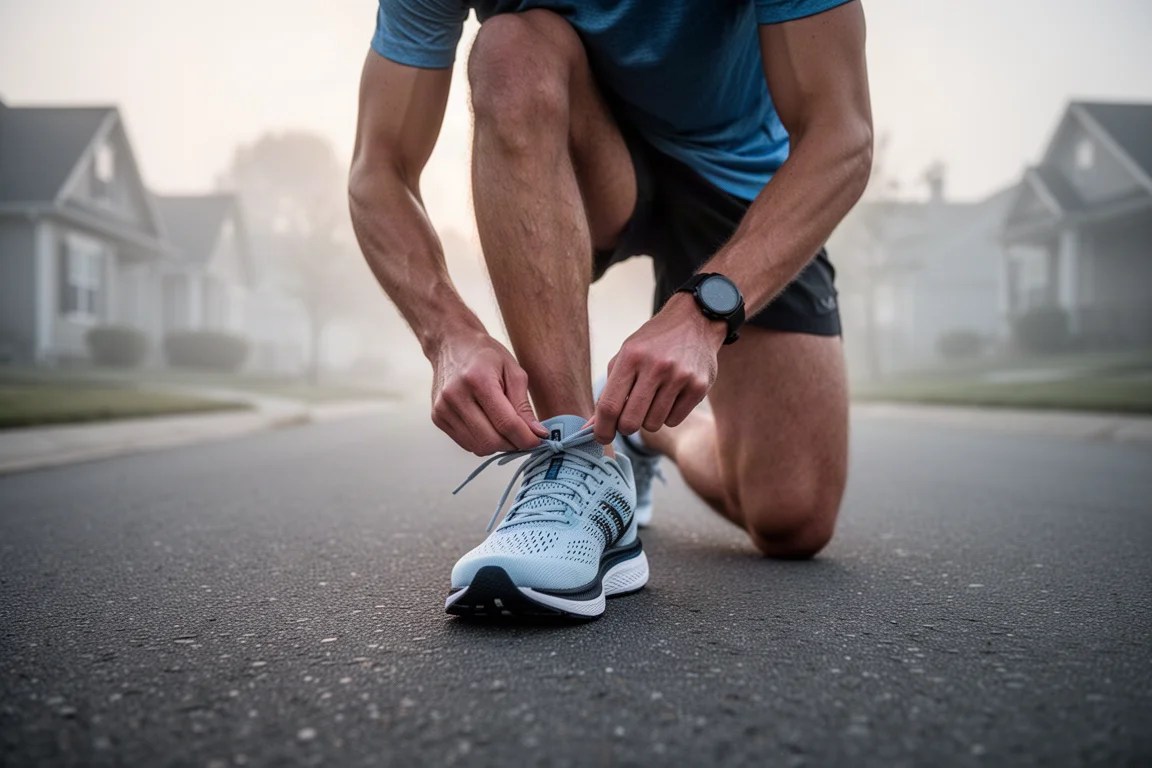
Both are discontinued now, but they still show up on the secondary market, and gently used pairs can be a way to recapture the original ride.
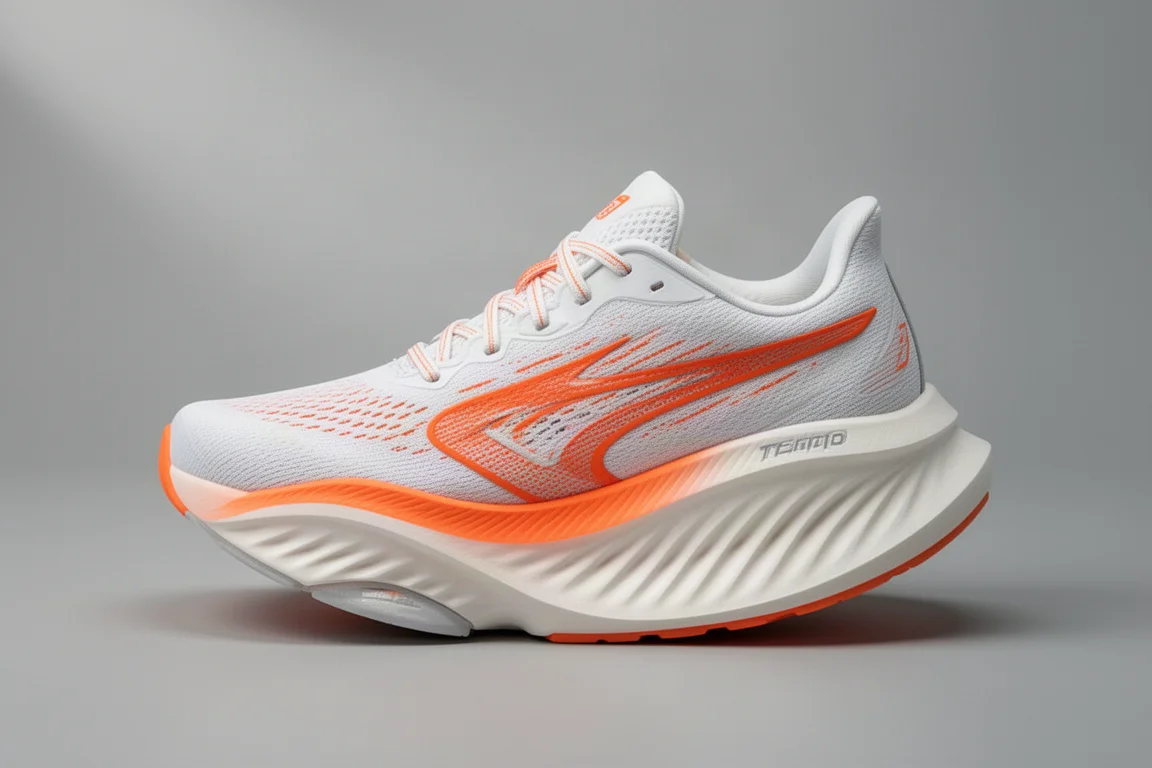
The Speed 3 remains the reference point for everything below: the shoe that made plated training feel effortless rather than punishing.
View more details for Saucony Endorphin Speed 3
The Closest Overall Match: Asics Magic Speed 4
If only one shoe could replace the Endorphin Speed 3, this is the pick. Used primarily for workouts with occasional everyday miles, the Magic Speed 4 delivers a soft, bouncy feel with a carbon plate instead of a nylon one. It is a little more rigid, but it keeps the forgiving, fun character.
It held up well to a 25-mile day and handled paces from around 4:50 per mile up to 5:20 without complaint. It feels almost like a race shoe on foot, and a puck of firmer race foam in the forefoot adds bounce when pushing the pace. The fit runs slightly narrow with a similar width to the original Endorphin Speed.
It is not the pick for a true do-it-all shoe or for long runs, and it can feel a bit mushy on the actual track. But for shorter, faster workouts and track days, it is the closest thing to what the Speed 3 did.
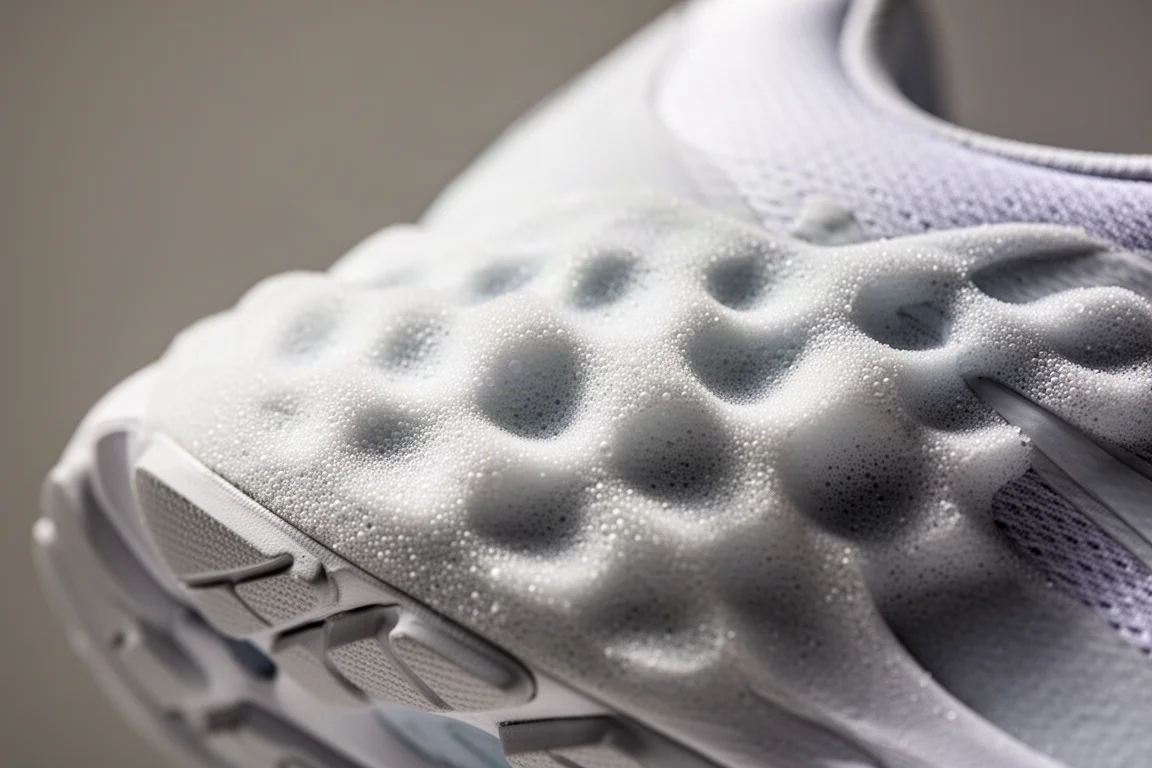
View more details for Asics Magic Speed 4
Best for Bigger Runners and Marathon Training: Brooks Hyperion Max 2
The Hyperion Max 2 sits in the high-stack, high-performance speed training category, and it keeps coming up as a favorite among bigger runners looking for a Speed 2 or Speed 3 replacement. The DNA FLASH nitrogen-injected foam is firmer and needs force to activate, similar in character to a firmer tempo shoe, but it is fast, fun, and does not bottom out.
The base is widened compared to the Endorphin Speed, which helps stability, and the upper is arguably the best in this segment: comfortable, locked down, and premium feeling.
With only light testing miles logged so far, confidence comes from consistent community feedback rather than long-term data. If you are a bigger runner or training through a marathon block with long tempos, this is the pick. If you want an aggressive rocker and found the Endorphin Speed too soft, this should also be on your shortlist.
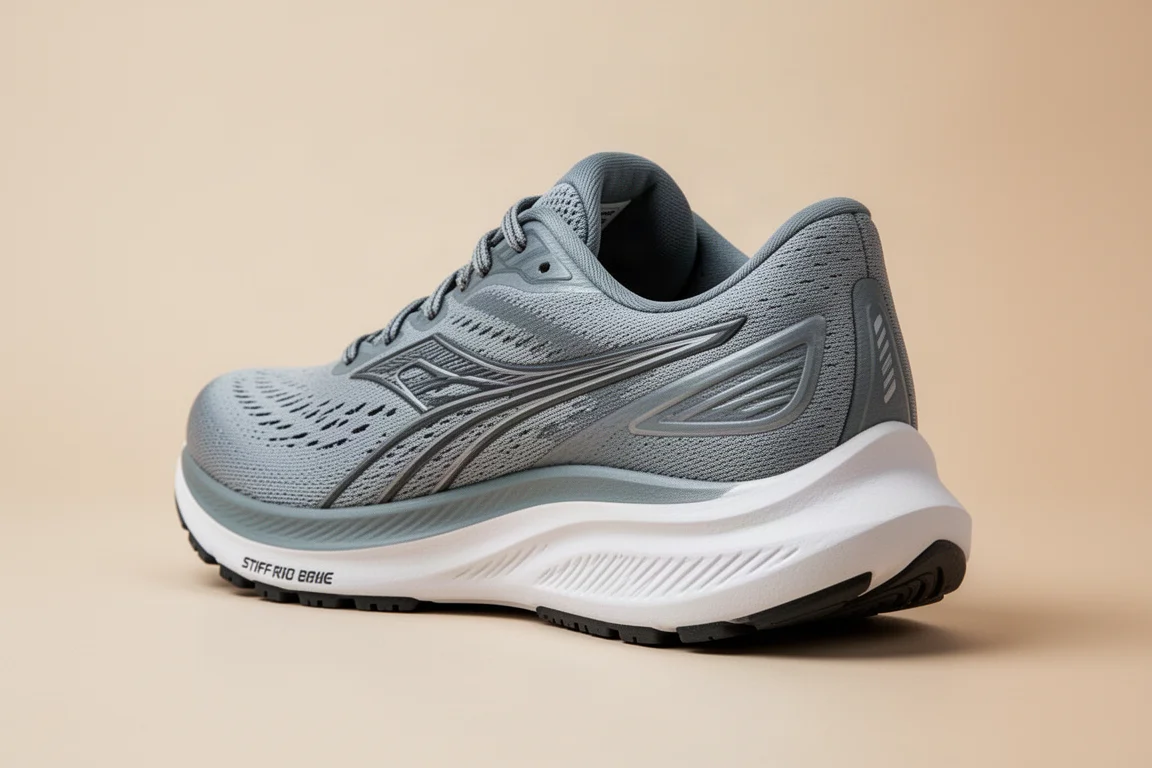
The Versatile All-Rounder: Hoka Mach X2
The Hoka Mach X2 might be the closest structural match to the Endorphin Speed on this list: a plastic plate, a PEBA-based foam in the midfoot and forefoot, and a rocker geometry that is nearly a mirror image of the original. Hoka has some of the best rockers in the business right now, and this shoe rolls smoothly and gently at easy paces while giving you a bouncy front-end platform to push off when you speed up.
The rear foam is a supercritical EVA blend that trades some softness for stability, durability, and a planted feel. It softens up slightly with miles. The shoe has been taken up to a 22-mile day with two-mile repeats around 5:20 pace and performed well, and it feels confident past the two-hour mark.
It is more stable and slightly less soft than the Endorphin Speed, but just as fast. It may not be as quick as the Tier, but it is probably the best all-around training replacement here, with the firmer bottom foam and full rubber coverage suggesting decent durability.
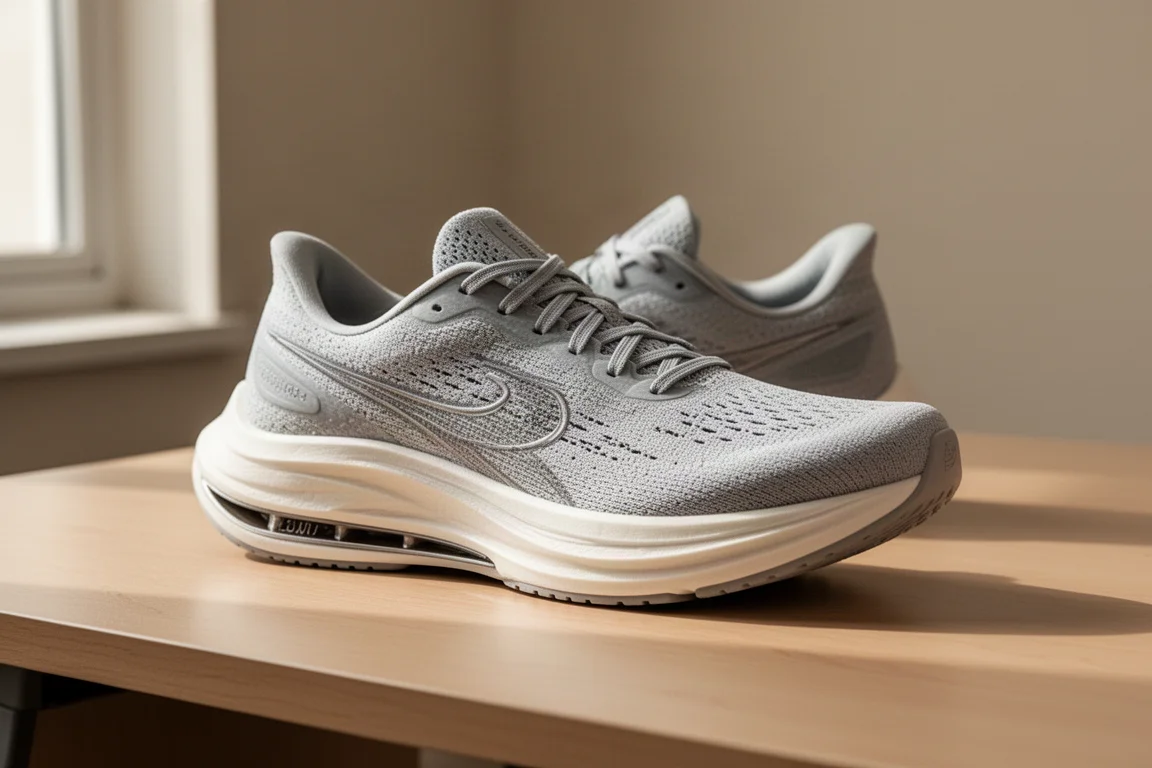
The Spiritual Successor: Saucony Endorphin Pro 4
At the top of the price range sits the Endorphin Pro 4, and it is worth the stretch. The Pro 4 came together far better than the Speed 4: comfortable, fun, soft, and forgiving underfoot, with a carbon plate that is far less rigid than you would expect. It flexes more than the Magic Speed 4 and even more than the Mach X2, so it never feels harsh.
The trade-off is that it leans comfort-first rather than aggressive, which is why it was not the pick for a recent marathon build. But it has strong rubber coverage, good grip, and held up well over a 2:55 marathon run during a training block. Expect it to stay durable through the 200 to 300 mile mark, in line with the very durable Endorphin Pro 3 before it.
For around two-hour half marathons and 3:30 marathons, it is a superb choice: a shoe you can train in and race in while keeping that forgiving Speed 3 character.
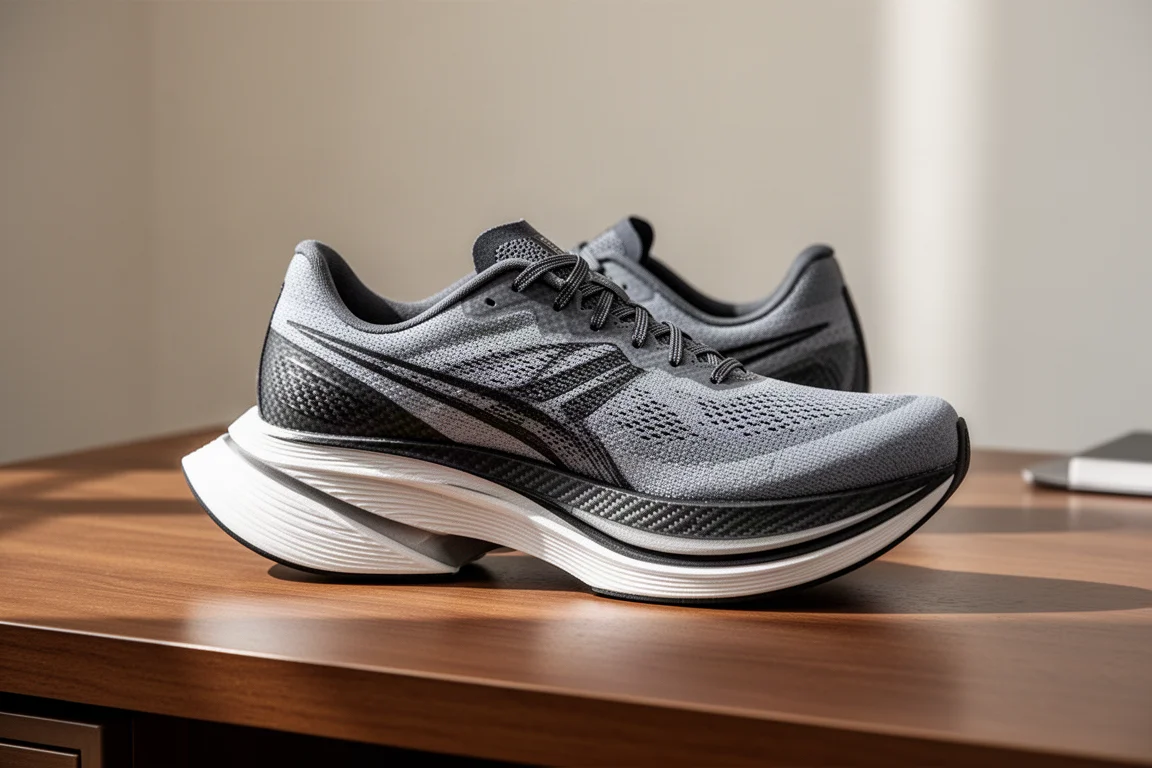
The Sleeper Budget Pick: Tier Valkyrie Speedworks
The boldest pick comes from a lesser-known brand trying to break into performance running. Tier, historically known for swimming and CrossFit, built the Valkyrie Speedworks with the same beaded PEBA foam compound as the Endorphin Speed, paired with a nylon plate. On paper, the construction is nearly identical.
In practice it is a different animal: firmer, more aggressive, and noticeably faster. Early miles can feel harsh, stiff, and a bit flat in the forefoot, similar in character to the Endorphin Elite. The toe box also runs short, so going up half a size is worth considering. Once you push the pace, though, it comes alive, holding sub-4:30 strides and feeling like it could keep going faster.
It is one of the fastest training shoes tested this year, and it is the most stable of the group, making it a genuinely good pick for bigger runners. It suits interval days and shorter speed sessions, plus half marathons around two hours and faster. At around $100 with available discount codes, it is also the budget value play here. Just do not expect plush comfort; this is a ripper, not a recliner.
The Non-Plated Contender: Topo Spectre 2
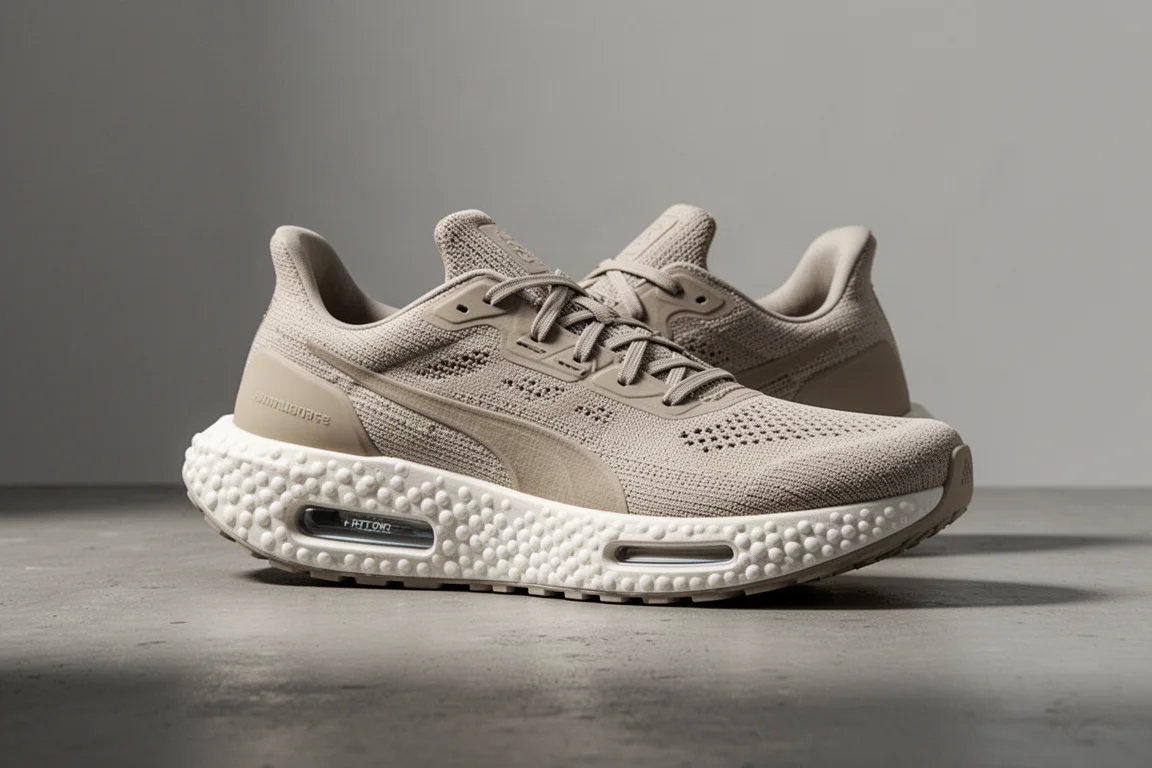
The Topo Spectre 2 uses a beaded PEBA compound with no plate, and it is even firmer than the plated shoes here. You need to put force into it to activate the foam, which gives it a durable, long-haul character well suited to high-mileage training and long runs.
If you felt the Endorphin Speed was a touch too soft but loved the bounce of PEBA, this is a strong pick. It is not as soft or as comfortable, but it is close, with good snap once the pace picks up. The fit runs short for some testers, so a half size up may be wise.
The Comfort-First Honorable Mention: Asics Glideride Max
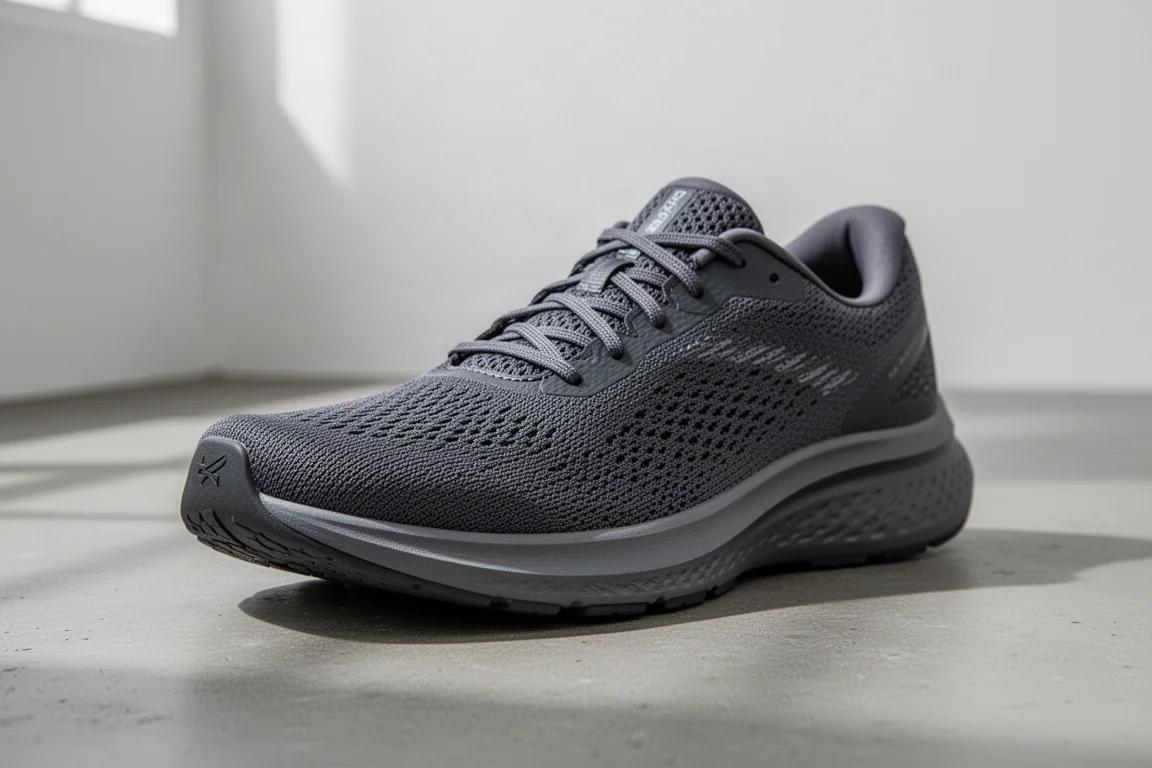
The Glideride Max is the pick if you want comfort over outright speed. Out of the box it immediately recalls the Endorphin Speed shoes with its rocker and soft, bouncy feel, though it is nowhere near as fast. Think of it as a cushioned daily trainer with a faster, rollier personality.
Some testers found it a touch sluggish compared to earlier Glideride models, but for everyday miles with a bit of that Speed-style roll, it is the best comfort-oriented option in this crop.
Another Worthwhile Alternative: Puma DV8 Nitro 3
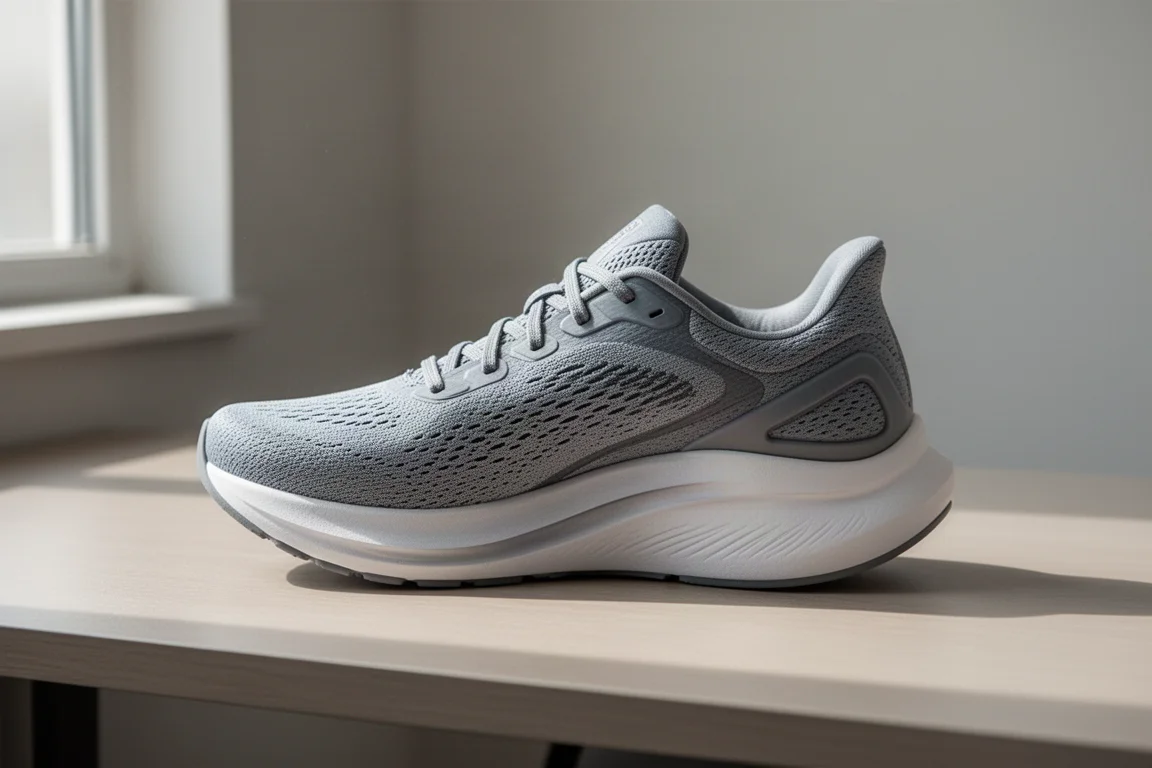
The Puma DV8 Nitro 3 is a very versatile shoe that narrowly missed the core list, and the reason is geometry: it has essentially no rocker, with the flatter profile typical of Puma’s lineup. That makes it less of a direct match for the Endorphin Speed’s rolling ride, but it is still an awesome, do-everything shoe that earns a place on any shortlist of versatile trainers under $200.
Quick Rundown: Which One Should You Pick?
- Glideride Max for comfort-first everyday miles with a hint of that Speed-style roll.
- Magic Speed 4 as the closest direct replacement for the Speed 3, best for shorter, faster workouts.
- Hyperion Max 2 for bigger runners, marathon training, and long tempos, especially if you liked firmer tempo shoes.
- Topo Spectre 2 as the best non-plated option, firmer and built for high mileage.
- Mach X2 as the most versatile all-rounder, stable in the back and quick when you push.
- Endorphin Pro 4 if you do not mind spending more: comfortable, fast, forgiving, and durable.
- Valkyrie Speedworks as the aggressive budget pick for serious speed sessions.
Conclusion
The Endorphin Speed 2 and Speed 3 set a high bar: soft bouncy foam, a gentle plate, and a ride that worked for nearly everything. No single shoe nails that formula exactly, but the Magic Speed 4 comes closest for workouts, the Hyperion Max 2 and Mach X2 cover bigger runners and versatile training, the Topo Spectre 2 drops the plate without losing the bounce, and the Endorphin Pro 4 delivers a forgiving, fast spiritual successor. Match the shoe to how you actually used the Speed, and you will land somewhere close to that beloved ride.
Further reading
Related Reviews

Running Shoes
Best Road-to-Trail Running Shoes: Three Versatile Options for Mixed Terrain
A practical guide to three road-to-trail running shoes that handle both pavement and mild trails, with clear strengths and trade-offs for different runner types.

Running Shoes
Best Running Shoes for Achilles Tendonitis: Three Options Explained
Three running shoes with different heel drops and support features designed to help reduce Achilles tendon pain during walking and running.

Running Shoes
Best Running Shoes for Women: Five Top Choices Ranked
A ranked guide to five women's running shoes, from versatile daily trainers to high-performance racing options, with real strengths and trade-offs for each.