Tools & Workshop
Best Removable Threadlockers Tested: Blue Thread Locker Compounds Compared
Six blue removable threadlocker compounds go through torque, heat cycling, vibration, and oil resistance testing to find which ones actually hold up.
Introduction
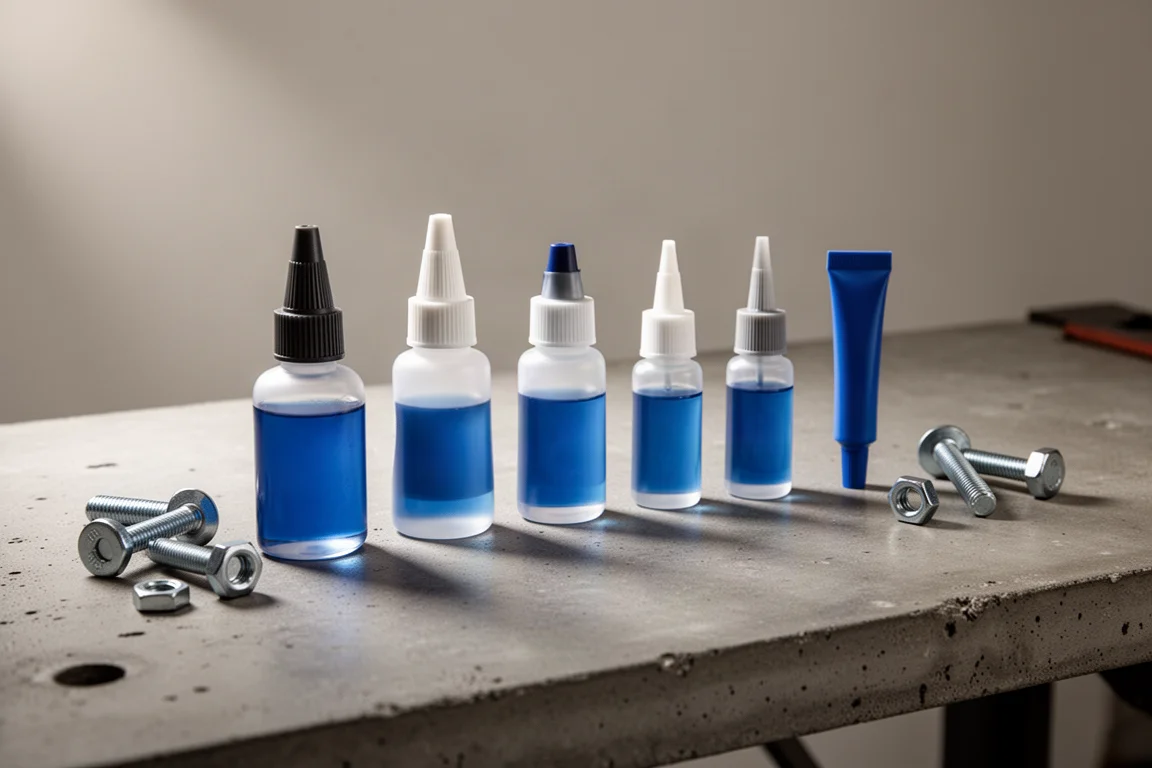
Threadlocker looks like a simple purchase: blue bottle, medium strength, removable without heat. In practice, the differences between brands show up in places most buyers never think to check. Breakaway torque after curing matters, but so does how the compound behaves after repeated heat cycling, whether it quietly changes the clamping force your torque wrench produces, and how it survives vibration and oil contamination.
To separate the marketing from the reality, six removable blue threadlocker compounds were put through the same controlled tests: breakaway torque on fresh 7/16 thread hardware, high-temperature exposure up to 300°F, torque accuracy testing on a calibrated wrench, and a drill-powered vibration shaker rig with clean, oiled, and pre-torqued bolt sets. The results split the field cleanly into standouts, solid alternatives, and one outright avoid.
How We Tested
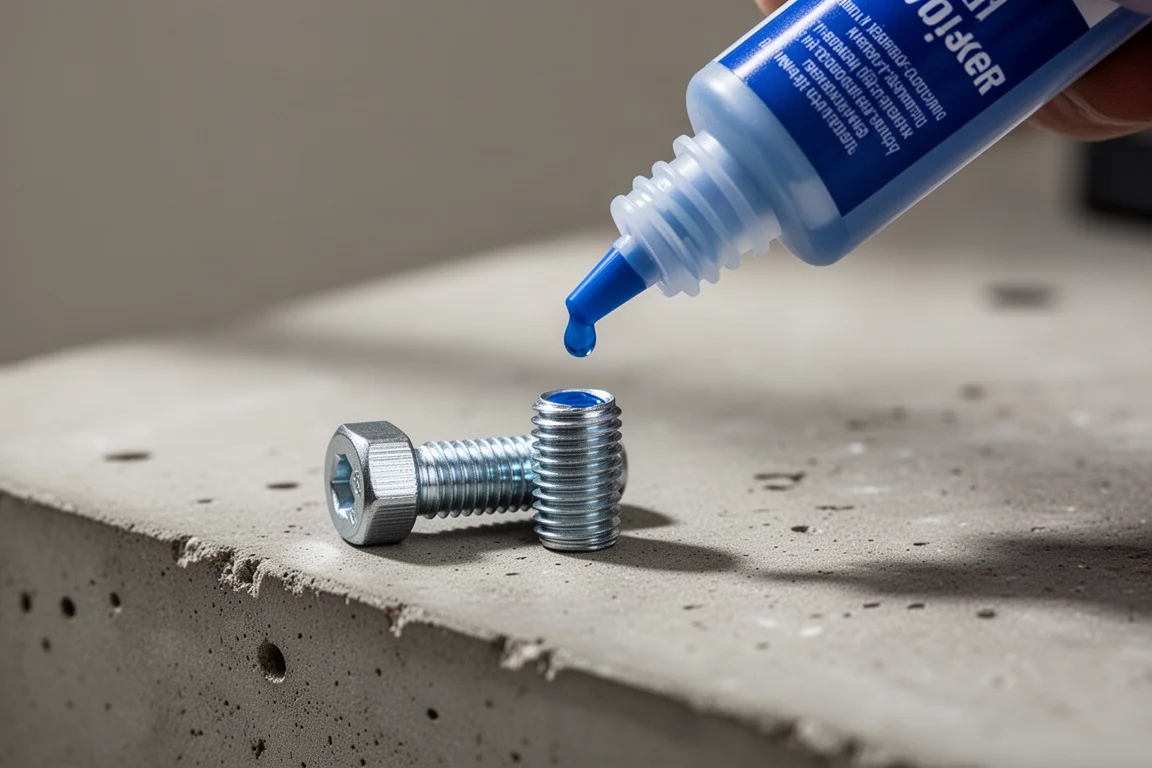
Every compound got the same treatment. Four drops on a 7/16 thread bolt, finger-tight assembly, and a 24-hour cure. That baseline was then heat cycled to 225°F for half an hour at a time, three times, brought back to room temperature, and left overnight. A second batch went further, climbing to 295°F and then 300°F for the last 10 minutes, matching the upper end of the working ranges most of these products advertise. Breakaway torque was measured in inch-pounds for better resolution using a digital torque wrench.
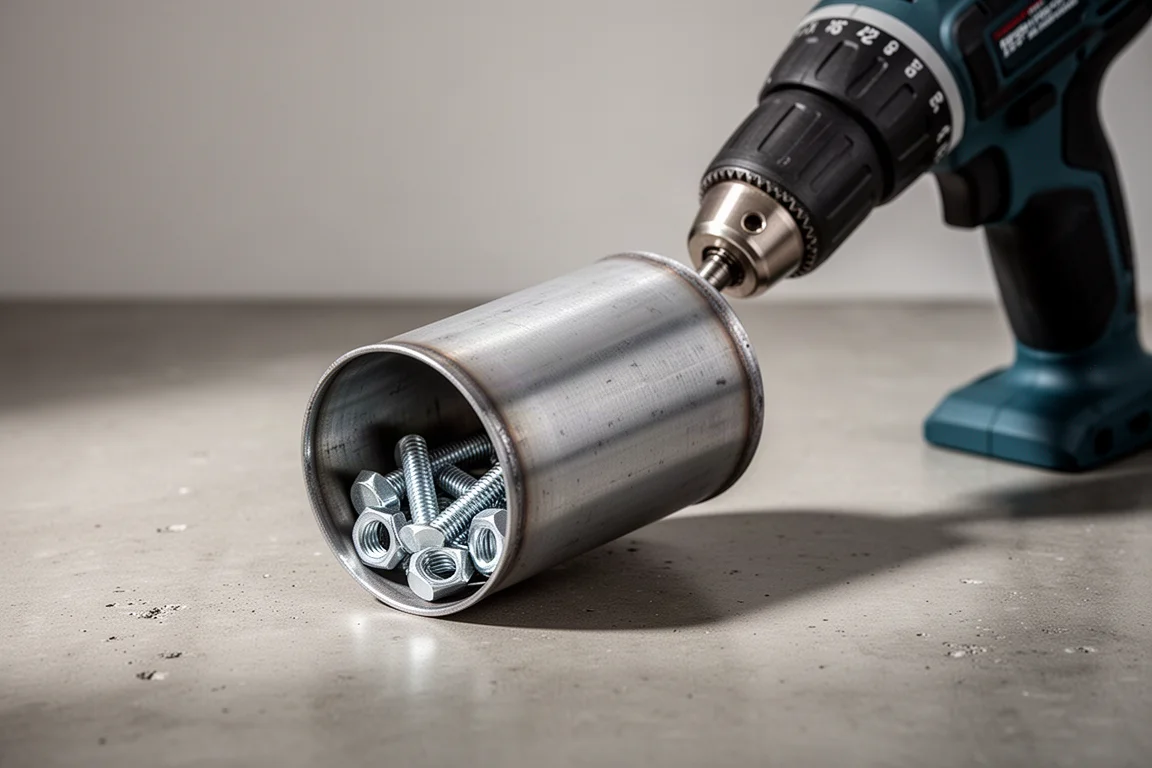
A separate series tested how each compound affects torque wrench readings, since friction coefficient in bolted joints can make a 200 ft-lb wrench setting deliver noticeably more or less actual clamping force. Finally, a drill-powered shaker canister rattled identical bolt and nut sets, each brand in its own tube, through staged forward and reverse runs to test vibration resistance and oil tolerance.
Loctite 243
The category standard, Loctite 243, is the highest-strength medium threadlocker from the brand that essentially defined this product type. It is removable without a torch, rated well over 300°F, and performs best after a good shake of the bottle. Fresh, it measured 260 inch-pounds of breakaway torque, roughly 21.5 ft-lb, right where you would expect.
After the 300°F heat-cycled batch, it dropped more than expected to 176 inch-pounds. Still, it stayed removable and within spec, and its torque accuracy remained essentially neutral, hitting the target setting without acting as a lubricant. It also held up respectably in the vibration rounds. If you want predictable, well-understood behavior, this is still the benchmark, and NASA has even studied this type of compound for use in space.
JB Weld PermaLock
JB Weld’s own threadlocker entry targets Loctite’s blue 243 directly, and on fresh breakaway torque it effectively aced it, measuring 262.5 inch-pounds. At 225°F it was fine. But at 300°F it fell to 95 inch-pounds, a much bigger drop than the packaging’s 300°F claim suggests, making it noticeably more temperature sensitive than the benchmark.
Where PermaLock truly distinguishes itself is oil. In the vibration testing with oil on the threads, it was the only brand that stayed tight through every stage, including the 1,000 RPM rounds, and still needed actual torque to remove afterward. It does act somewhat like a lubricant during tightening, running about 17 percent over the wrench target, similar to Permatex. If you need oil compatibility, it is the obvious standout here.
NOCO 243 Thread Locker
Sold as a two-pack for around $5 per bottle, or about $7 as a single model 243 blue bottle, NOCO undercuts the benchmark on price while staying competitive. Breakaway torque measured 22.6 inch-pounds on the heat-cycled batch, a small gap below Loctite but nothing shabby for the money.
In vibration testing it was unphased, posting some of the higher residual torque readings of the group on both the finger-snugged and torqued bolt sets. Its main quirk is torque behavior: it acts a bit like a lubricant, delivering roughly 16 percent more clamping force than the wrench setting, in the same zone as Permatex. If you know about that effect, it is a genuinely good budget pick.
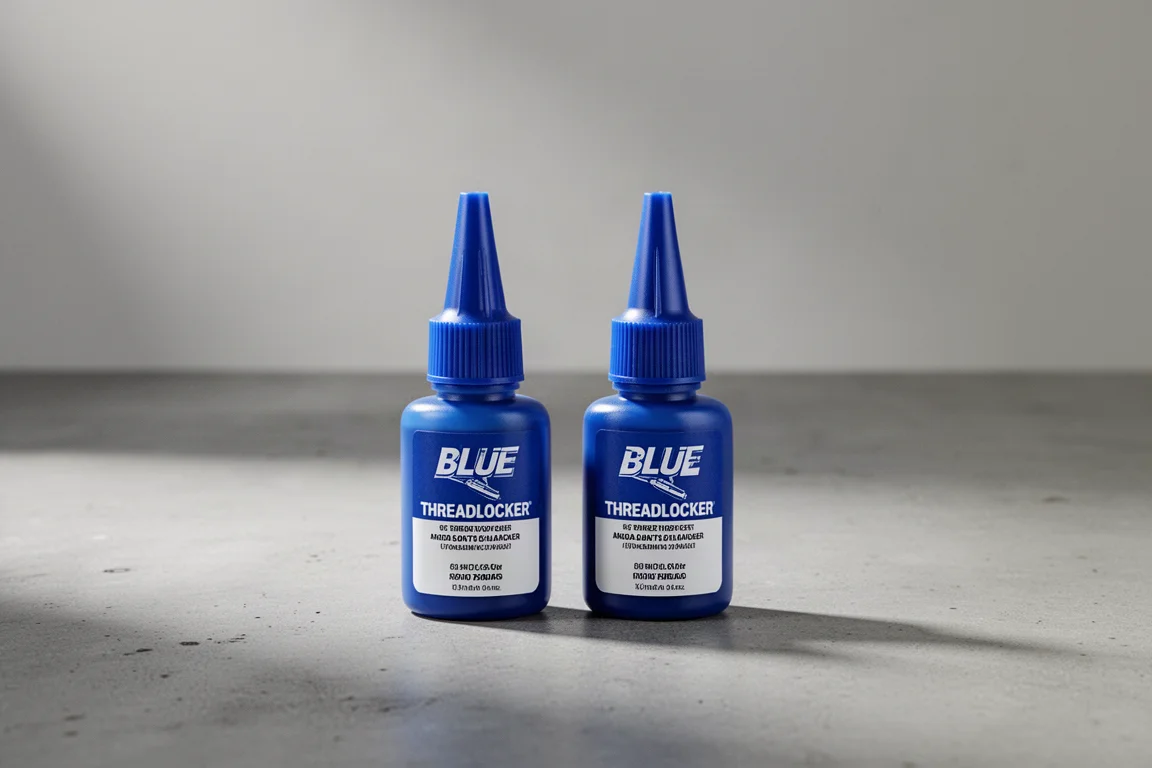
eSun Thread Locker
You may not know the name, but eSun has been a number-one seller in the threadlocker category on Amazon, and after testing, that best-seller status looks earned. Its gel-like viscosity is the immediate appeal: thicker than the watery consistency of the benchmark, so it stays where you put it instead of running off and being wasted.
Performance backed it up. Fresh breakaway torque came in at 22.2 inch-pounds, and the high-temperature bolt actually went up to 287.4 inch-pounds, showing no drop-off at all from the hotter oven batch while remaining easy to loosen in general use. It also runs slightly under the torque target, by about 5 percent, rather than over. With the strongest average placement across all test series of the whole lineup, this is the sleeper pick of the group.
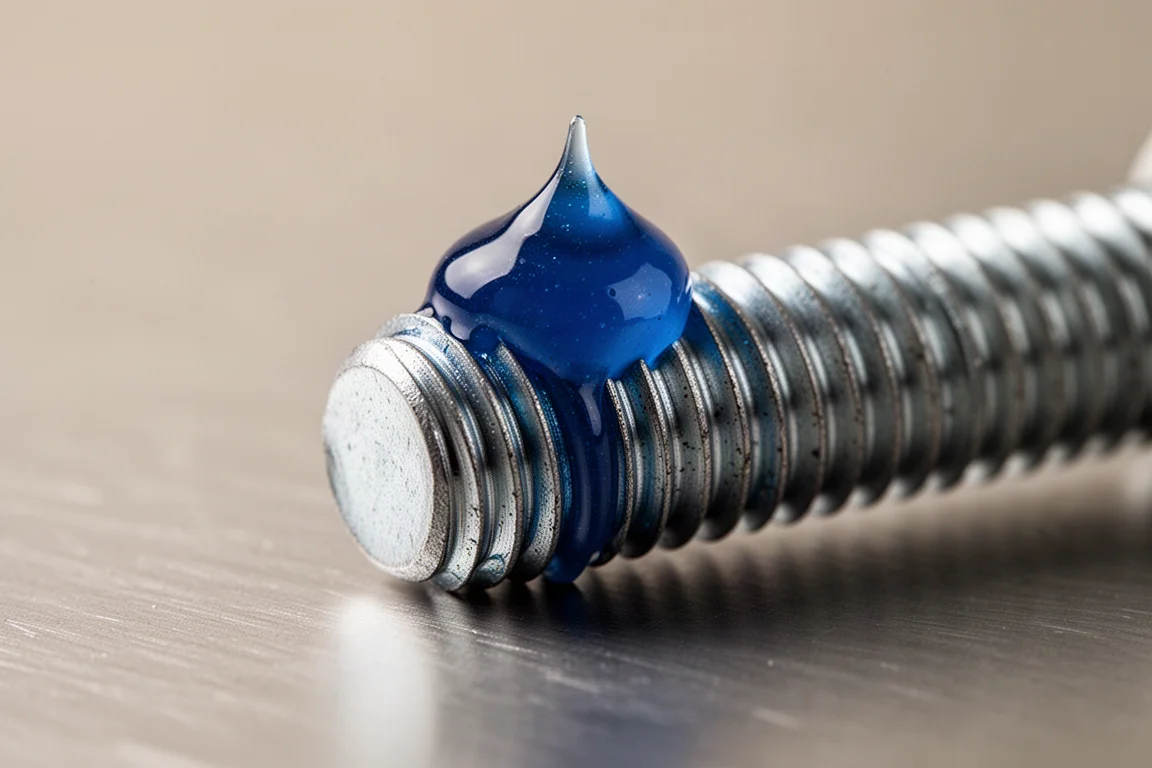
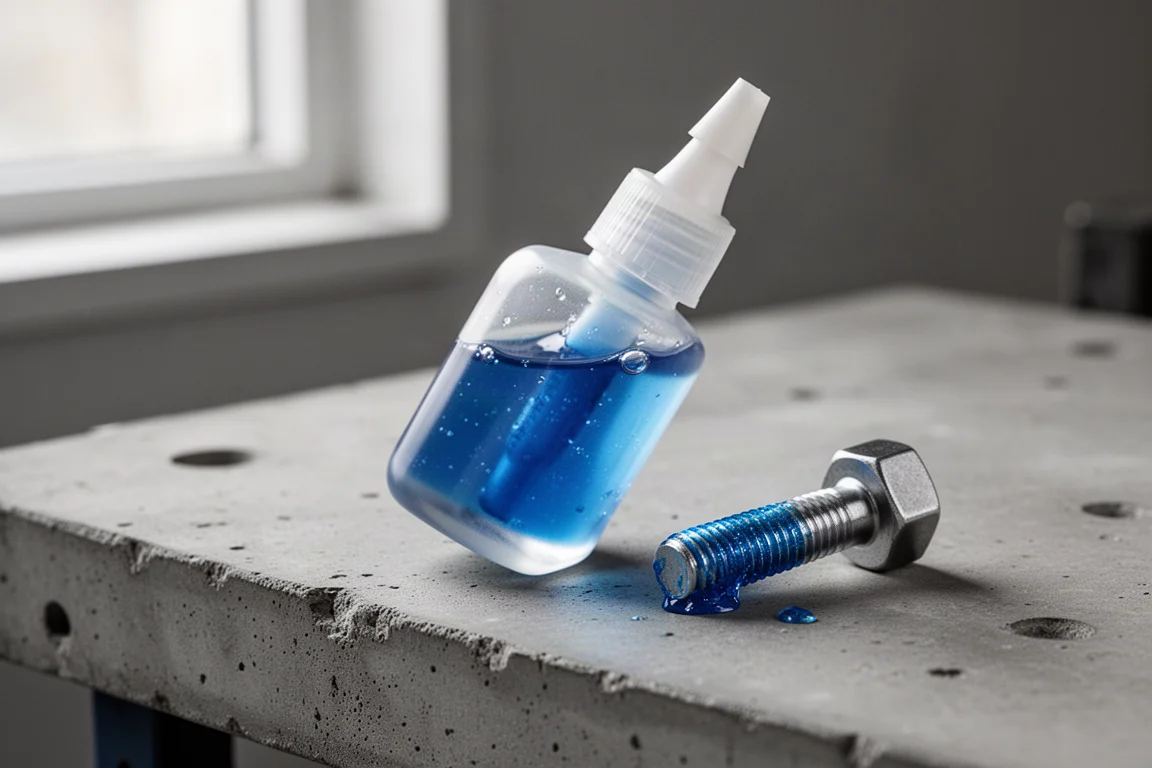
Permatex 24200
The auto parts store staple, Permatex 24200, is their blue medium compound, though it does not appear to have an exact match to the 243 strength range. Results were the weakest of the fresh batch at 113.5 inch-pounds, and 107.6 on the high-temp bolt, just barely beating the JB Weld heat result.
It also behaves like a lubricant during tightening, producing about 17 percent more clamping force than the wrench target. Nothing here is dangerous, and it behaves similarly to the benchmark in the vibration rounds, but on raw numbers it trailed the leaders consistently. For an equivalent volume of the regular formula you are paying more than the benchmark price, so the value case is thin.
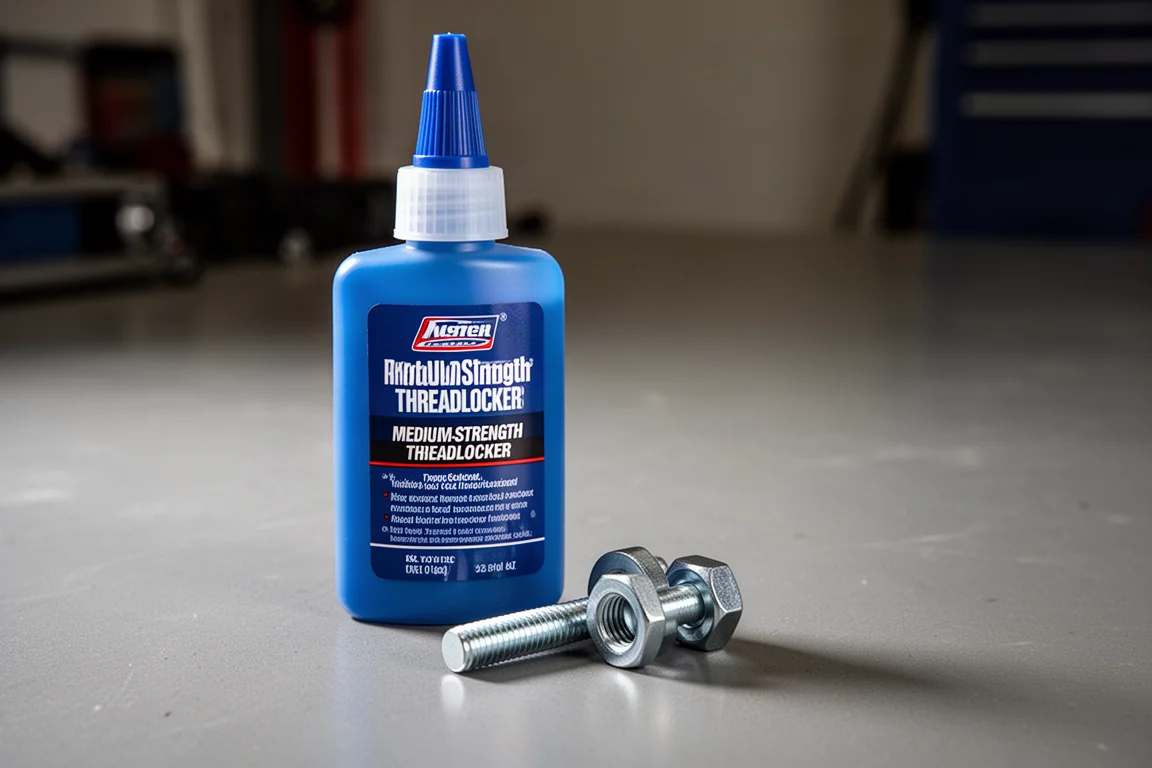
Permatex Blue Gel Threadlocker
The gel variant of Permatex’s blue threadlocker comes in a 10-gram twist tube with a genuinely pleasant application: twist to dispense, glob it on, no fuss. The paste-like consistency stays put nicely. But at roughly twice the price per volume of the regular Permatex, and needing several tubes to match a standard bottle at around $45, it is not the cheapest route.
Performance did not justify the premium. Fresh breakaway torque measured 131.76 inch-pounds, and in vibration testing it posted middling results. Worse, in the oil-contamination round it never cured at all, remaining finger-loose a full day later. Nice container and applicator, but the product itself is hard to recommend.
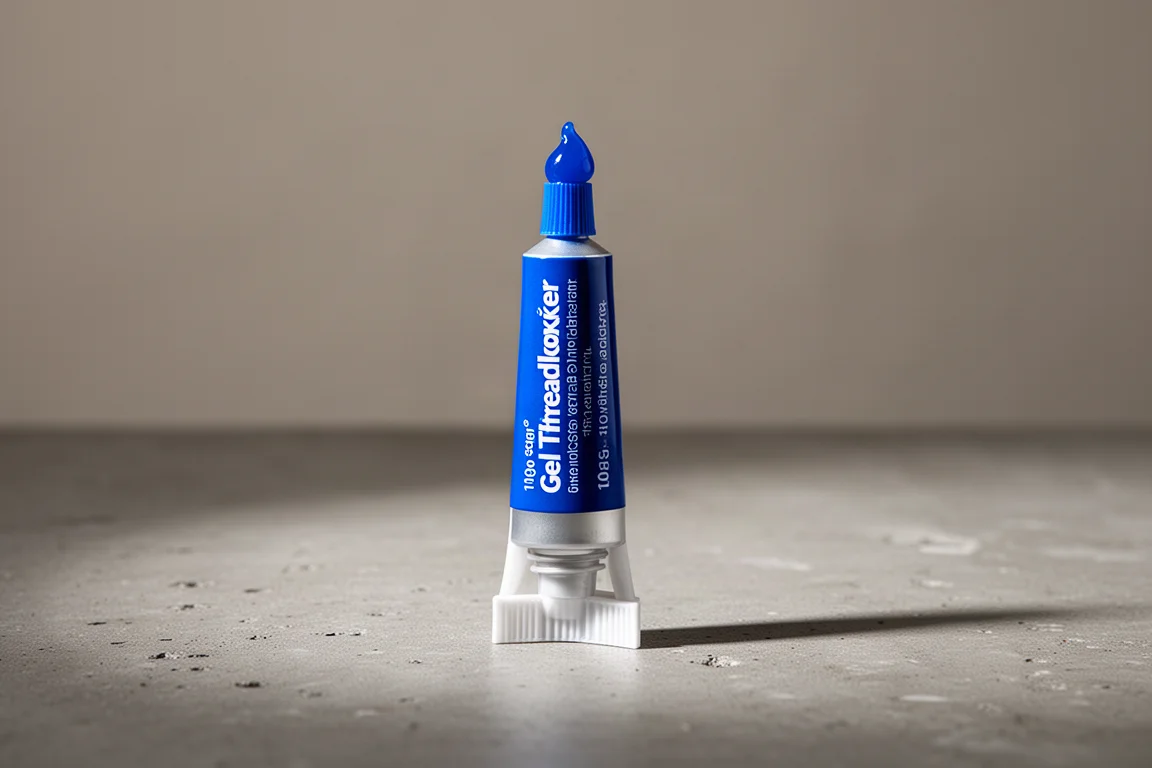
Torque Accuracy: How Threadlocker Affects Your Torque Wrench
Friction coefficient, known as K factor in bolted joints, quietly changes everything. You might put 200 ft-lb of effort into the wrench but get 260 ft-lb of actual bolt clamping force with an oiled thread. With the benchmark compound, when fresh and not expired, the effect is essentially zero: the wrench setting matches reality.
That is not true across the board. NOCO and Permatex 24200 both act like mild lubricants, delivering around 16 to 17 percent over the target. JB Weld lands in that same zone. The eSun gel goes the other way, coming in about 5 percent under target, which is at least the safer direction. Permatex’s gel sat closer to neutral at around 8 percent over. If dead-on torque accuracy matters for your application, either account for these offsets or pick a compound that measures neutral.
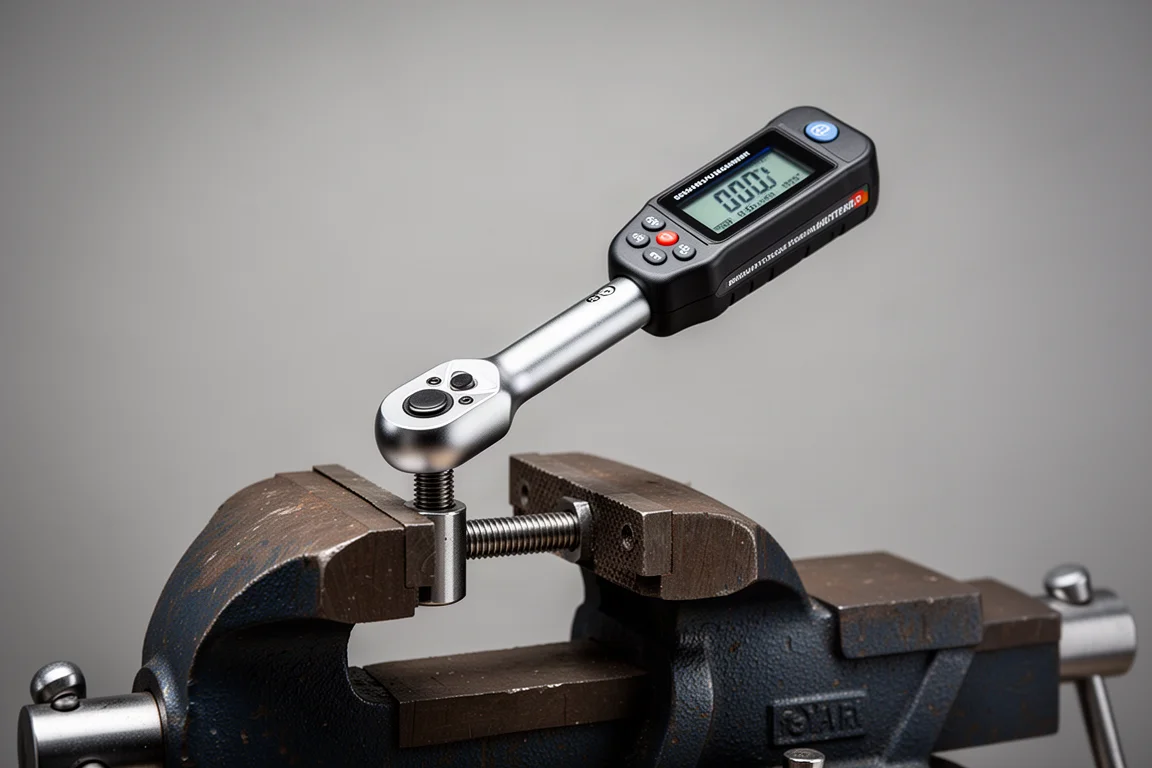
Vibration and Oil Resistance Testing
Bolts rarely loosen on their own; they loosen under vibration, which is the whole reason threadlocker exists. Identical bolt and nut sets for each brand went through staged shaking: a drill at 450 RPM forward and reverse, then a 1,000 RPM round, ten seconds on and off, five times per stage. Three sets per brand were tested: finger-snugged, oiled, and torqued to 120 inch-pounds.
The oil round was decisive. The eSun gel and Permatex gel never cured and stayed finger-loose. The benchmark, Permatex 24200, and NOCO all came loose during the first stage. Only JB Weld PermaLock stayed tight through every stage and still required real torque to remove, cementing it as the clear choice where oil is unavoidable. In the dry vibration rounds, most compounds held reasonably well, with NOCO and eSun posting notably strong residual torque numbers on the shaken bolts.
Overall Buying Advice
For most people, the benchmark compound remains exactly what it has always been: reliable, removable, and predictable. If you want a cheaper bottle with impressive performance and a nicer gel application, the eSun is the pick worth grabbing, and its category best-seller status now makes sense. If oil contamination is part of your reality, JB Weld PermaLock is the standout by a wide margin. NOCO is a solid budget option if you account for its lubricant-like torque effect.
Avoid the temptation of the absolute cheapest bottles in this category. One no-name compound tested maxed out the torque wrench, resisted even a torch, and behaved more like a permanent red compound sold in blue. It was thrown out and disqualified. Bolted joints are supposed to be serviceable, and a threadlocker that turns them into epoxy defeats the point.
Conclusion
The standard still earns its reputation, but it no longer owns every use case. Match the compound to the scenario: neutral behavior and proven track record from the benchmark, gel convenience and strong overall numbers from eSun, oil tolerance from JB Weld, and budget value from NOCO. Picking based on how you actually work is always the best way to buy.
Further reading
Related Reviews
Tools & Workshop
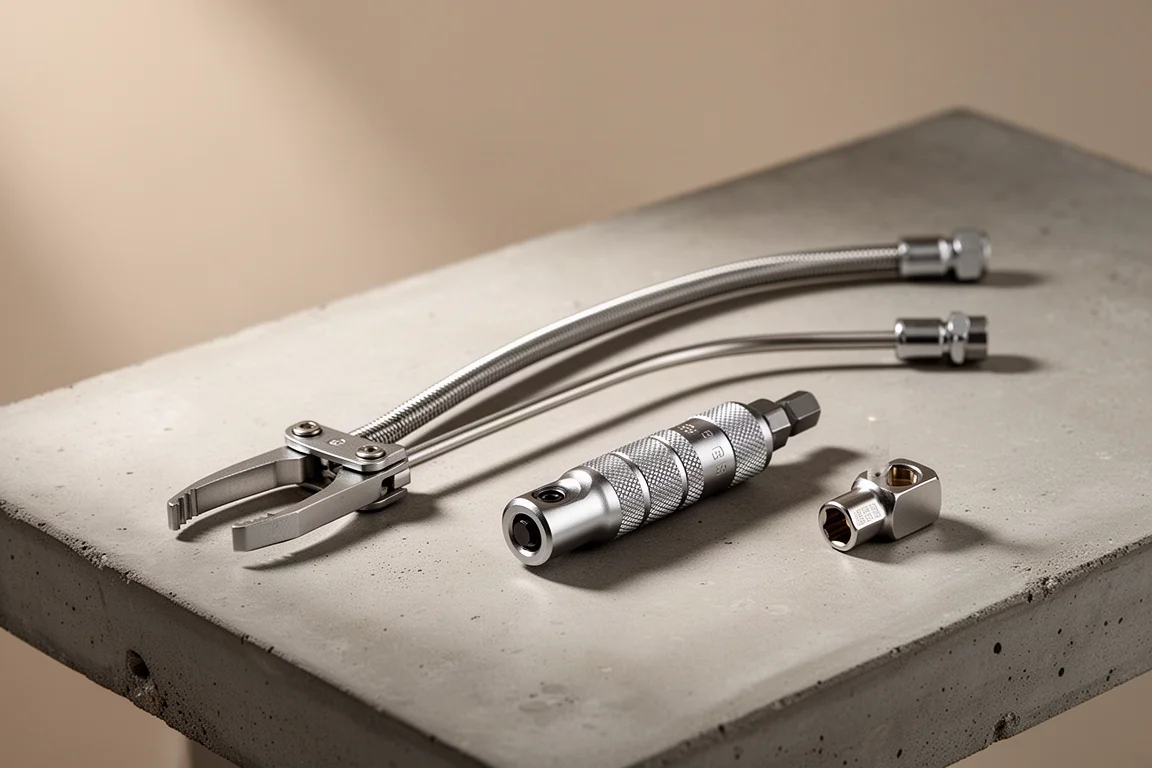
Three Tools That Saved a Tight Dishwasher Installation
A long-reach hose clamp tool, a locking ratcheting bit driver, and a flip socket that earned their spot during a cramped appliance install.
Tools & Workshop
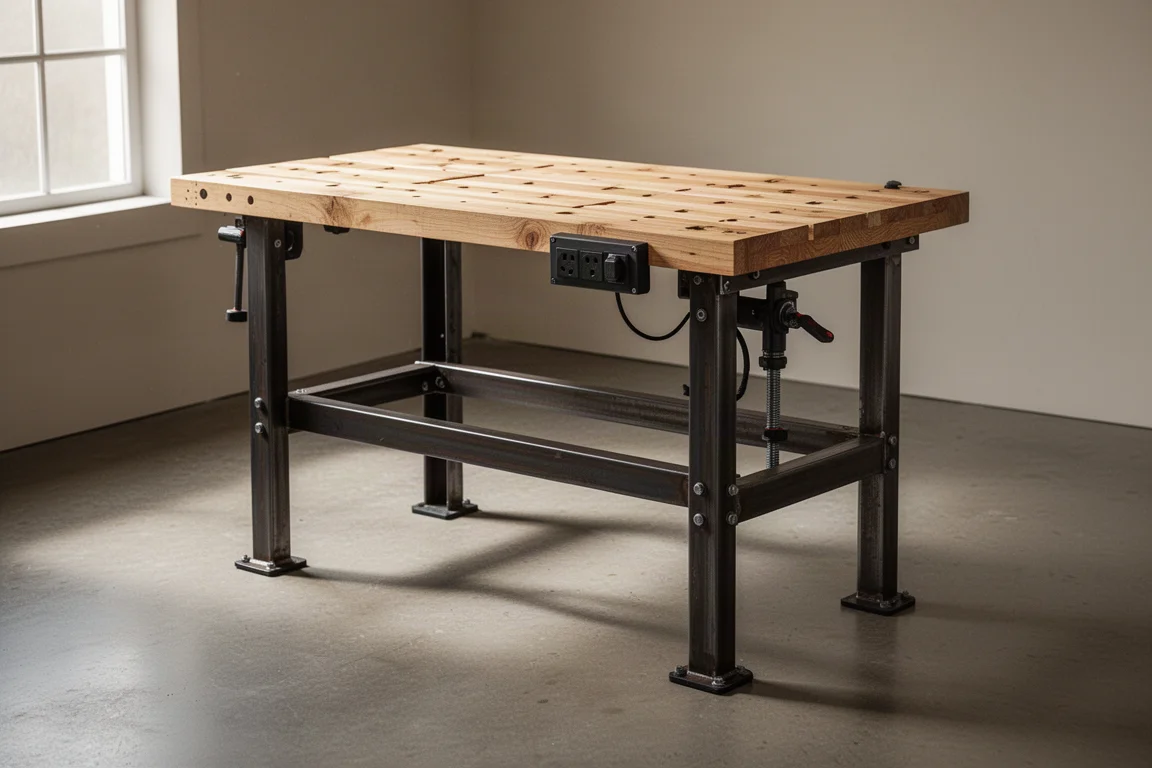
Banggood WB0102 Pro Workbench Review: A Stable, Height-Adjustable Bench for Small Workshops
A heavy, well-priced workbench with a pine top, built-in power strip, height adjustment, and a straightforward assembly that takes under 30 minutes.
Tools & Workshop
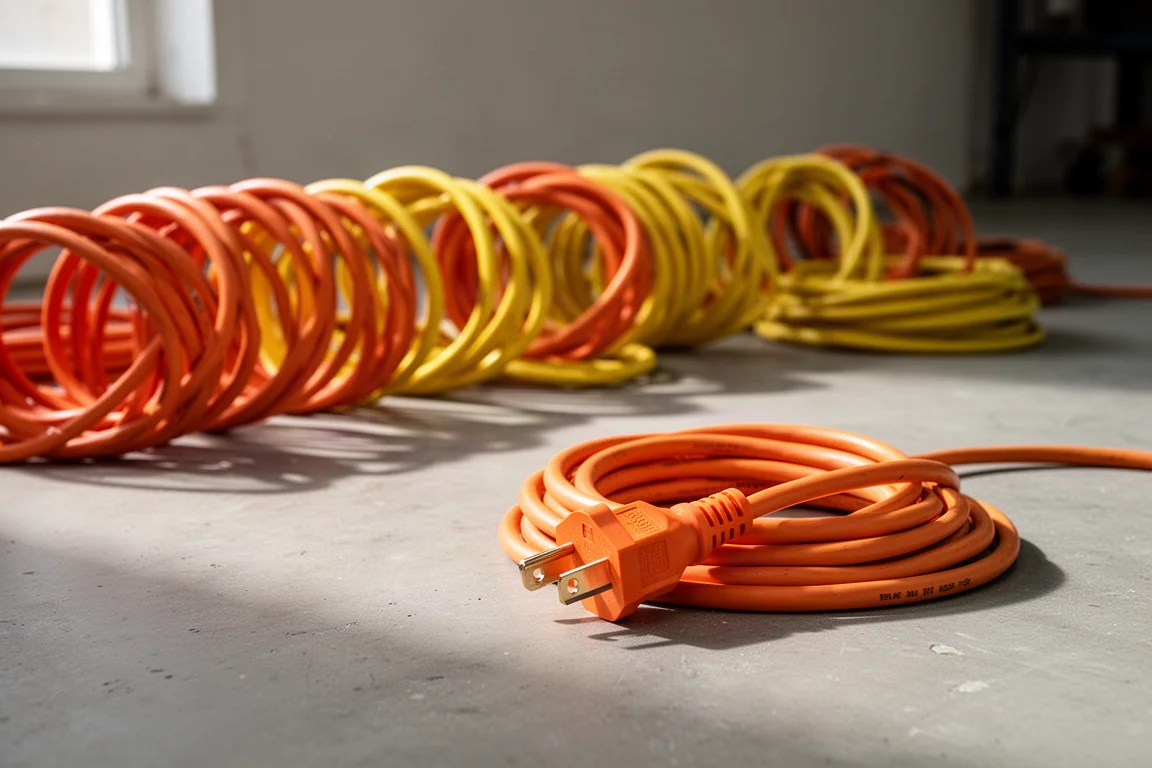
Best 50 ft Extension Cords: 15 Cords Put Through Real-World Testing
Fifteen 50 ft extension cords compared on blade strength, abrasion resistance, voltage drop, plug retention, and cold weather flexibility.