Running Shoes
Best Recovery Running Shoes Right Now: Five Picks for Easy Miles
Five running shoes that make recovery days feel good, from featherlight race-foam trainers to max-cushion protectors.
Introduction
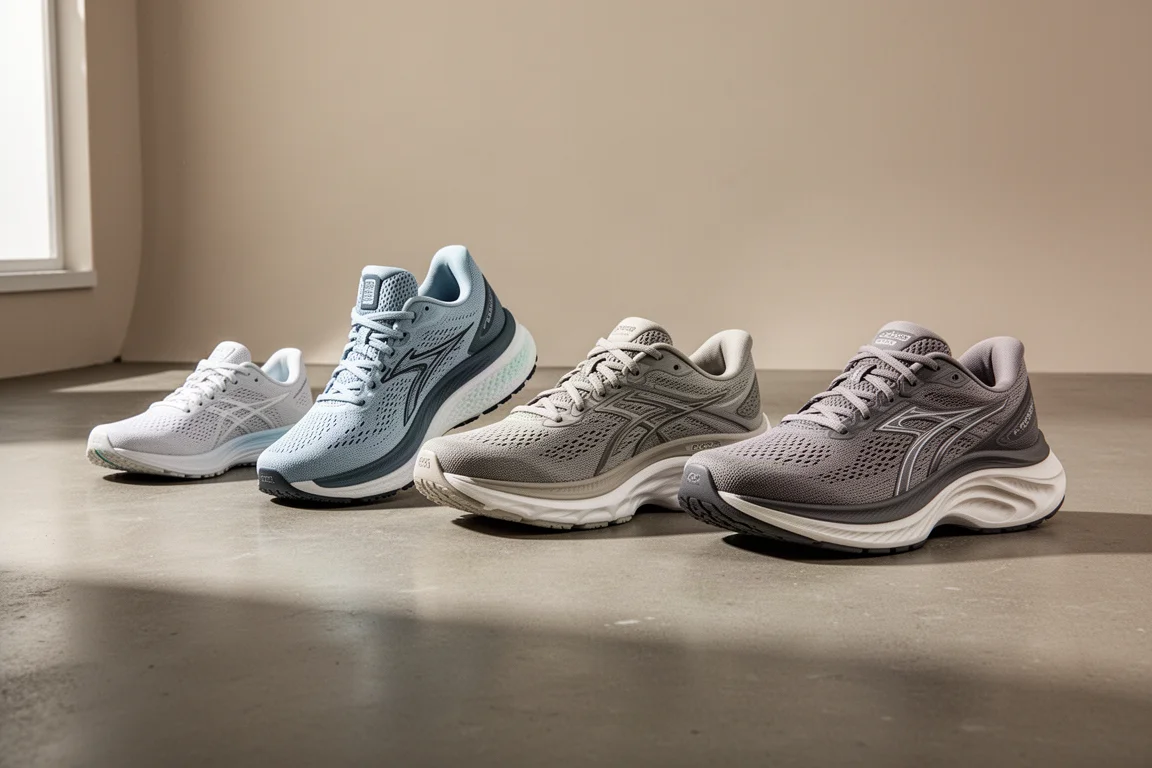
Recovery running shoes have changed. The category used to mean slow, heavy, marshmallow-soft shoes, but the market has evolved to the point where lightweight, bouncy super trainers can double as comfortable easy-day shoes. The picks below reflect that shift: they prioritize cushion and comfort, but also easy turnover on tired legs.
What a Recovery Run Is Actually For
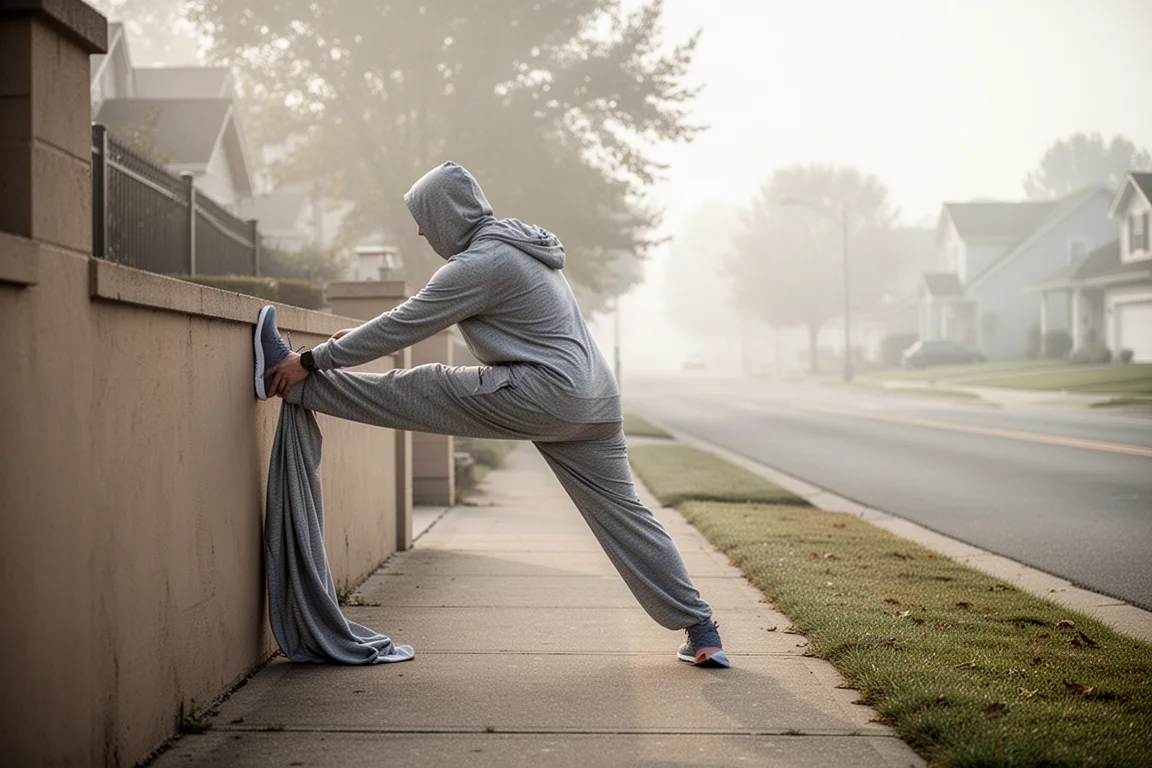
A recovery run lets your body recover between hard sessions, because the hard sessions are where you build most of your fitness. The right shoe for that job is not necessarily the most protective, super-cushioned, slow shoe. These days, shoes that offer bounce and cushion while staying light are often the better match for easy mileage, and every shoe on this list can also handle picking up the pace when needed.
DynaFish Shanyuan
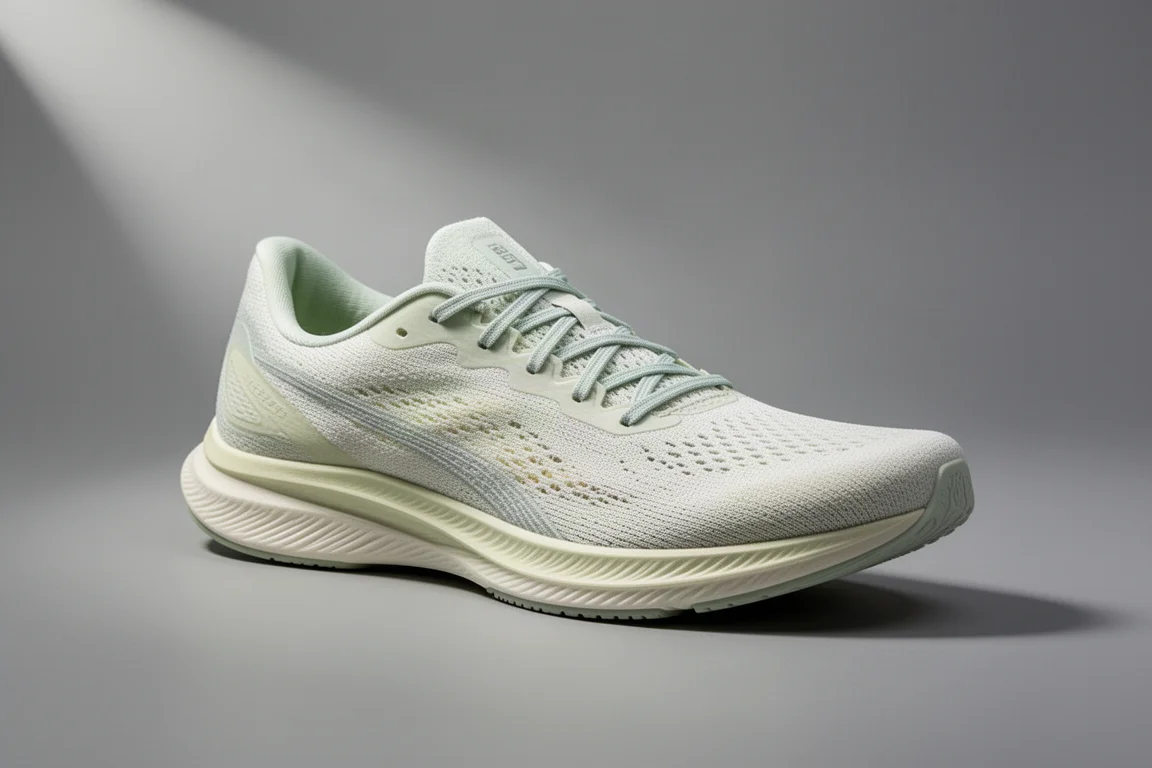
The lightest pick here, the DynaFish Shanyuan uses race foam yet weighs just 200 g in a size 10.5. That is lighter than a lot of shoes on the market and makes it remarkably easy to turn over on tired legs. For comparison, a heavy max-cushion trainer can push 350 g, nearly double the weight, which can feel hard to rotate when your legs are fried. If your priority on recovery days is bounce, comfort, and effortless turnover, this one delivers.
MagMax
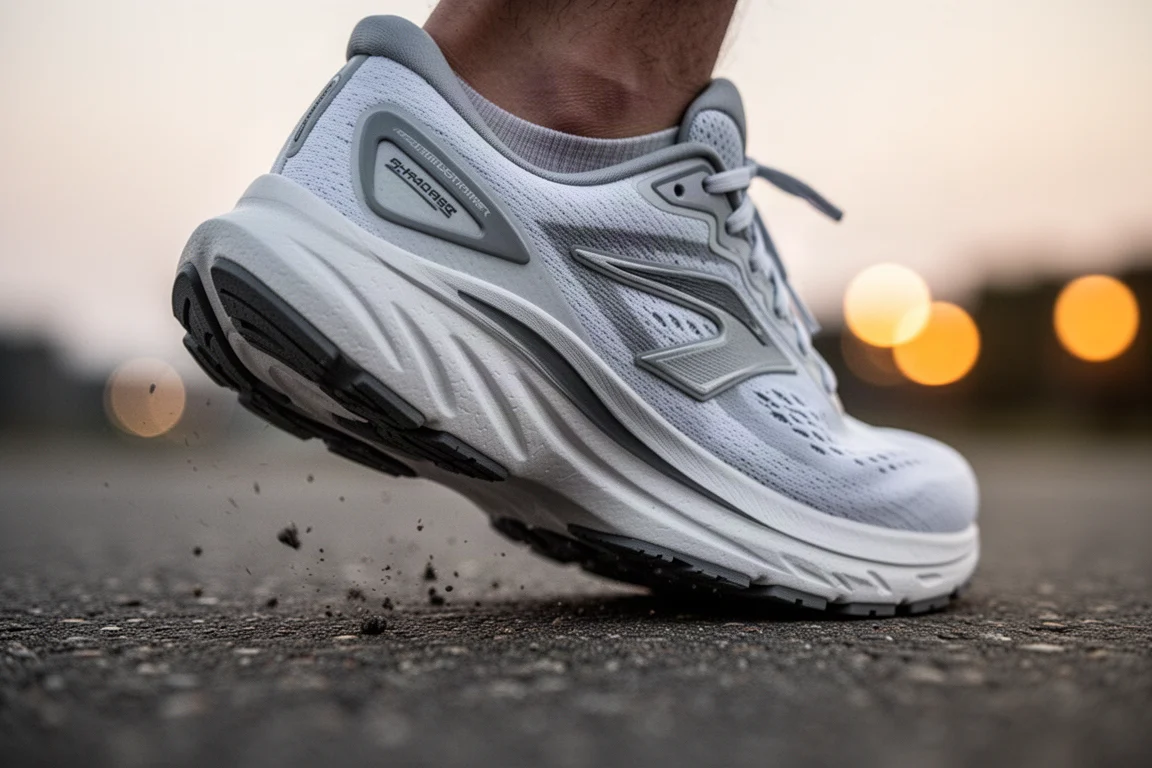
The MagMax earns its place as the injury-prevention pick. It is not a shoe that gets run in a ton here, but on days when you feel super banged up and borderline of something popping up in a knee or hip, it is the one shoe that can be trusted. Because it is very stable and reliable, it avoids the weirdness that some very soft shoes have, where they force you to land a certain way. For a pure recovery run after a marathon or a brutal workout, when your body is on the edge, this is still the safest bet. It also handled a 20-mile long run at around 6:50 pace, though it cannot pick up the pace when you want it to. It feels even slower than the original, so an updated version with more or different foam would be welcome.
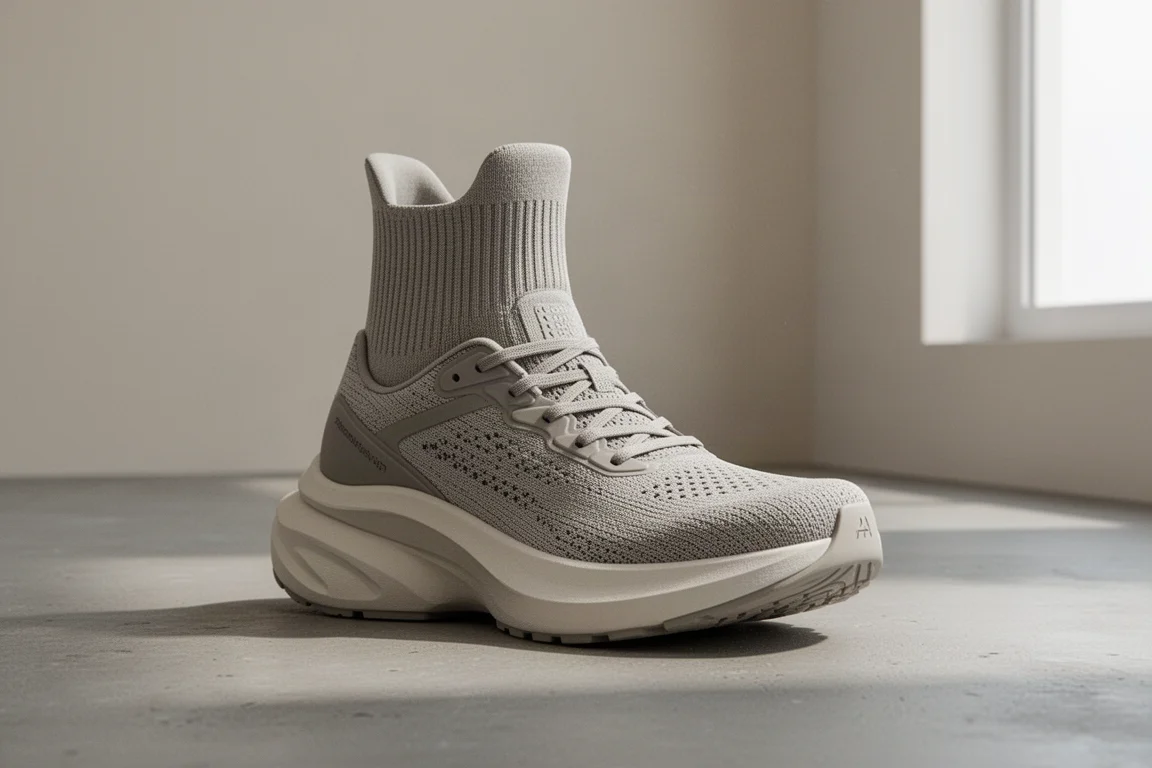
ASICS Superblast 3
The ASICS Superblast 3, nicknamed the Blizzy Trace, is the favorite recovery shoe right now and the top dog in the max cushion category: lightweight, stable, and comfortable. Compared with leaner speed-oriented shoes that strip back upper details for weight savings, the Superblast has a borderline overbuilt, truck-like construction. You get a sturdy, thick, firm layer on the bottom that makes it very stable, plus a trampoline-like bounce and FF Leap foam up top. The big change over its predecessor is that this version is significantly softer, which turned it into a go-to daily mileage shoe. That balance makes it work for zone two and recovery runs as well as zone three.
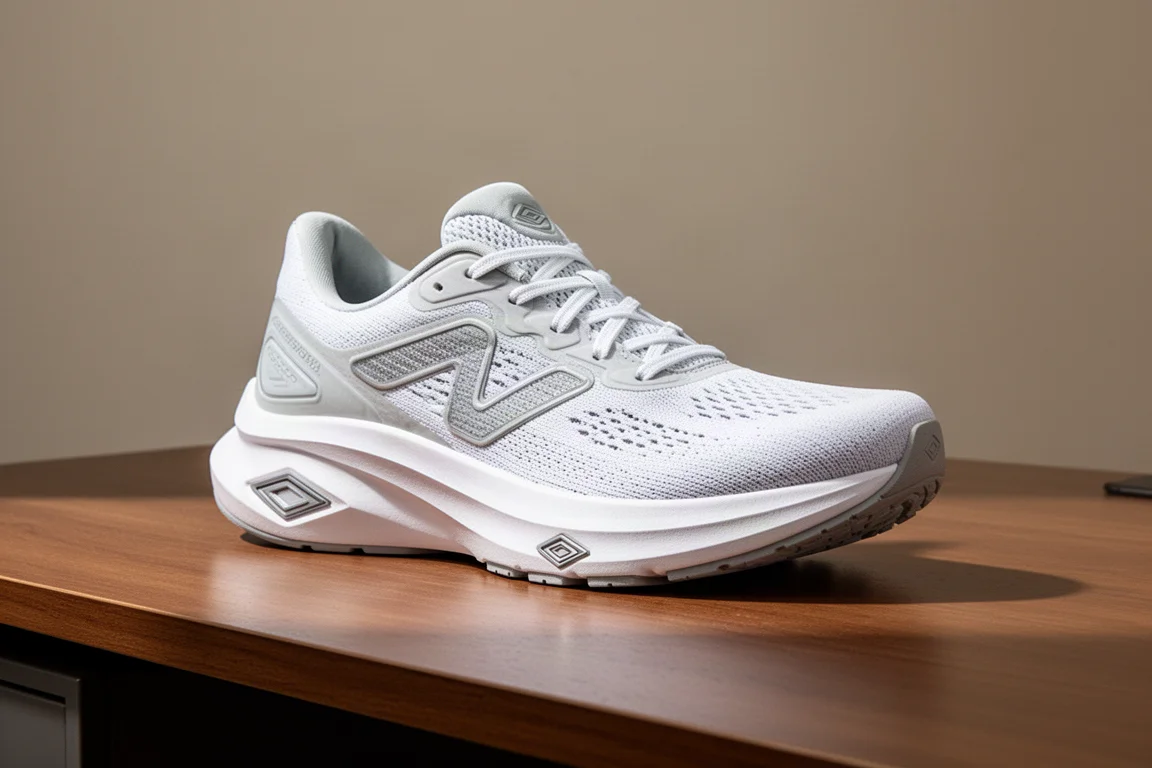
HyperBoost Edge
Another favorite for stacking mileage, the HyperBoost Edge is surprisingly versatile: it works for recovery, daily runs, and even long efforts, including a 20-mile run at around 7:10 pace with 17 by 1-minute pickups around 5:40 to 5:50. The massive foam stack sits in a Goldilocks zone, soft and bouncy when you want it to be, while still cushioned, comfortable, and protective. It is a polarizing shoe and the looks are not the favorite part, but the performance is genuinely good. As a 100% non-plated single-foam shoe, it has a slightly smoother ride than dual-foam alternatives, and that smoothness is especially appreciated on recovery days.
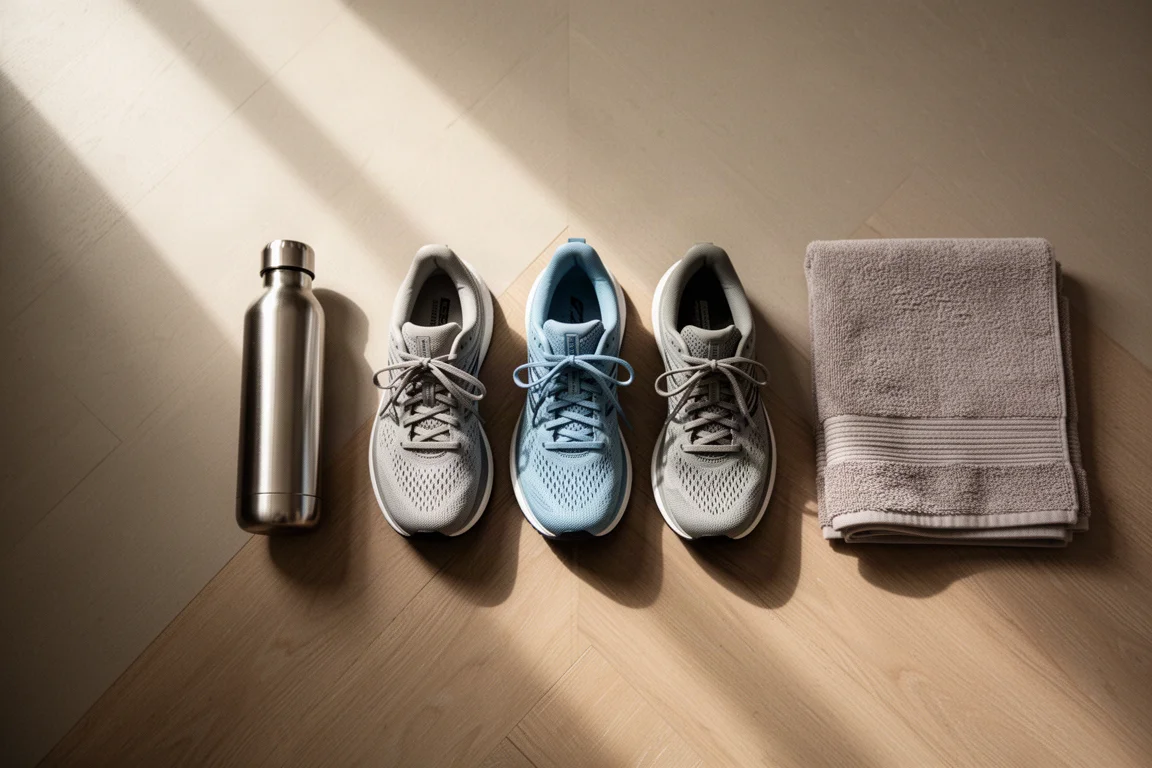
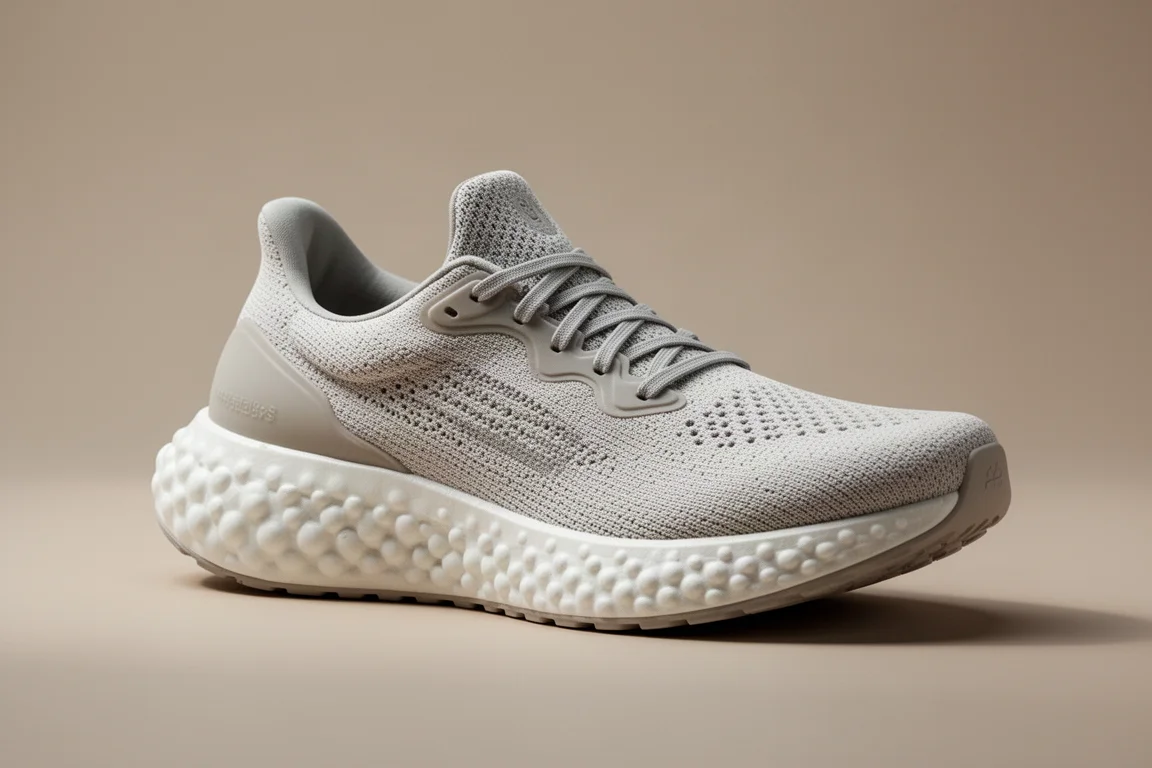
Cloudmonster Hyper 3
The most expensive pick at $220, the Cloudmonster Hyper 3 is the crowd-pleaser of the group. It pairs an outer layer of EVA with a nice cushioned layer up top, similar in concept to the Superblast, and the standout feature is the rocker geometry, with a great heel bevel that lets you land on the back, middle, or front of the foot. It is stable, cushioned, protective, and floaty, and leaves the legs feeling protected after hard workouts. Ranked slowest to fastest among these picks, the MagMax is slowest and the Hyper 3 is second slowest, but compared with traditional max-cushion shoes it has a lot more oomph underfoot.
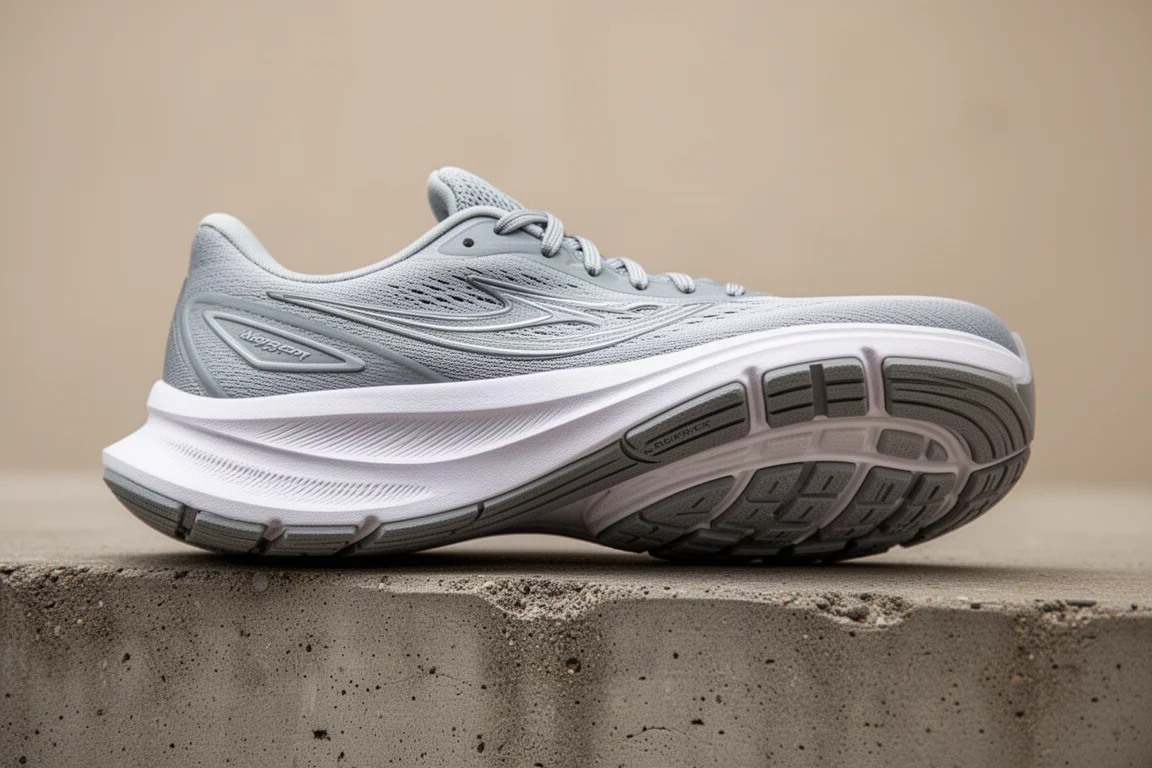
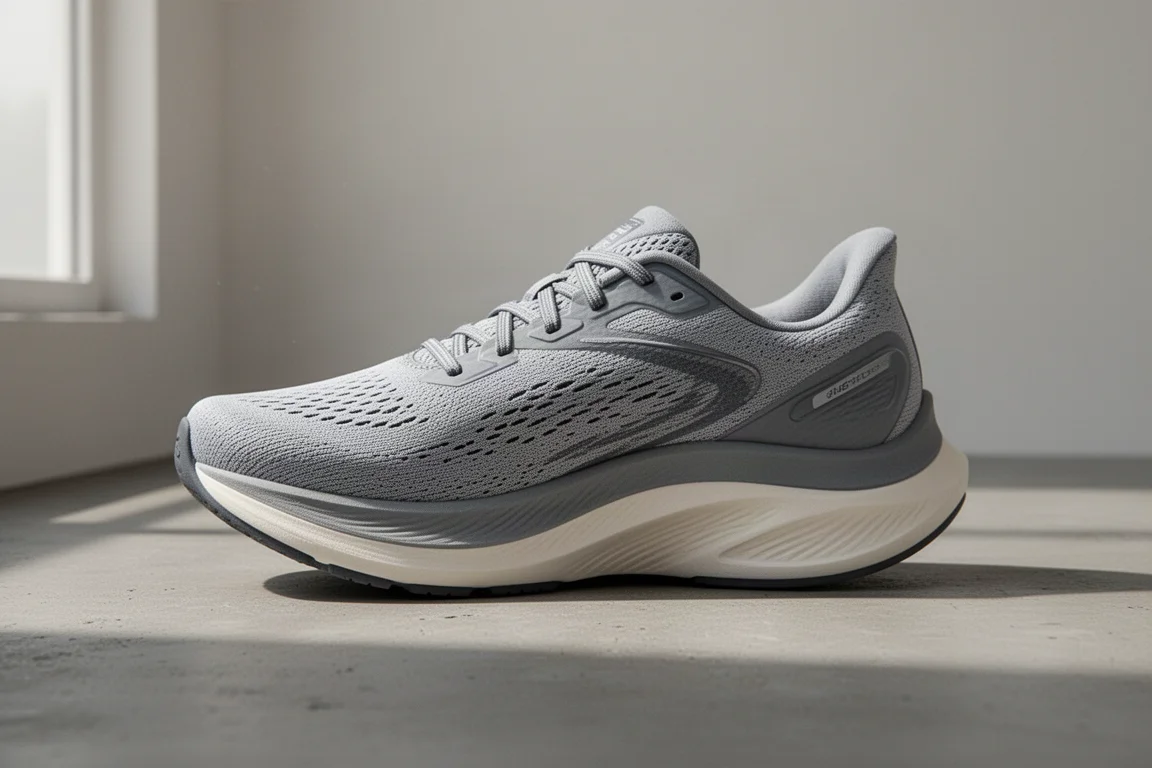
The similarly named Lightspeed is worth noting as an alternative: the two feel very similar on first runs, with the Lightspeed simply lighter and easier to turn over. If choosing one for personal use, the Lightspeed gets the nod; for recommending a single recovery shoe to most people at $220 rather than $280, the Hyper 3 is the more sensible buy.
Honorable Mentions
Two familiar names just missed the cut. The ASICS Nimbus 28 is still a very comfortable, traditional soft max-cushion recovery shoe, but it does not fit the faster, bouncier direction of this list right now. The heavy Vomero Premium, at around 350 g, is loved by many for easy days but is simply hard to turn over on tired legs.
Buying Advice
Match the shoe to the run and the training you are actually doing. If you are prioritizing just getting out the door and stacking mileage, bouncy energetic super trainers like the Superblast 3 or HyperBoost Edge fit better than traditional max-cushion shoes. If you are banged up or coming back from a big effort, the stable MagMax is the safest pick. And even if you train mostly in the long slow distance style, most runners can benefit from these higher-tech trainers that are simply more fun to run in.
Conclusion
The recovery shoe category has quietly become one of the most interesting in running. From the 200 g race-foam DynaFish Shanyuan to the protective MagMax and the versatile Cloudmonster Hyper 3, each pick here makes easy miles feel better while still leaving room to pick up the pace. Choose the one that matches how your body feels on easy days, and your recovery runs will do their job.
Further reading
Related Reviews

Running Shoes
Best Road-to-Trail Running Shoes: Three Versatile Options for Mixed Terrain
A practical guide to three road-to-trail running shoes that handle both pavement and mild trails, with clear strengths and trade-offs for different runner types.

Running Shoes
Best Running Shoes for Achilles Tendonitis: Three Options Explained
Three running shoes with different heel drops and support features designed to help reduce Achilles tendon pain during walking and running.

Running Shoes
Best Running Shoes for Women: Five Top Choices Ranked
A ranked guide to five women's running shoes, from versatile daily trainers to high-performance racing options, with real strengths and trade-offs for each.