Running Shoes
Best Rainy Day Running Shoes: 5 Picks for Wet Roads and Treadmill Miles
Five running shoes that handle wet weather well, from grippy road trainers to a waterproof trail option and a treadmill favorite.
Introduction
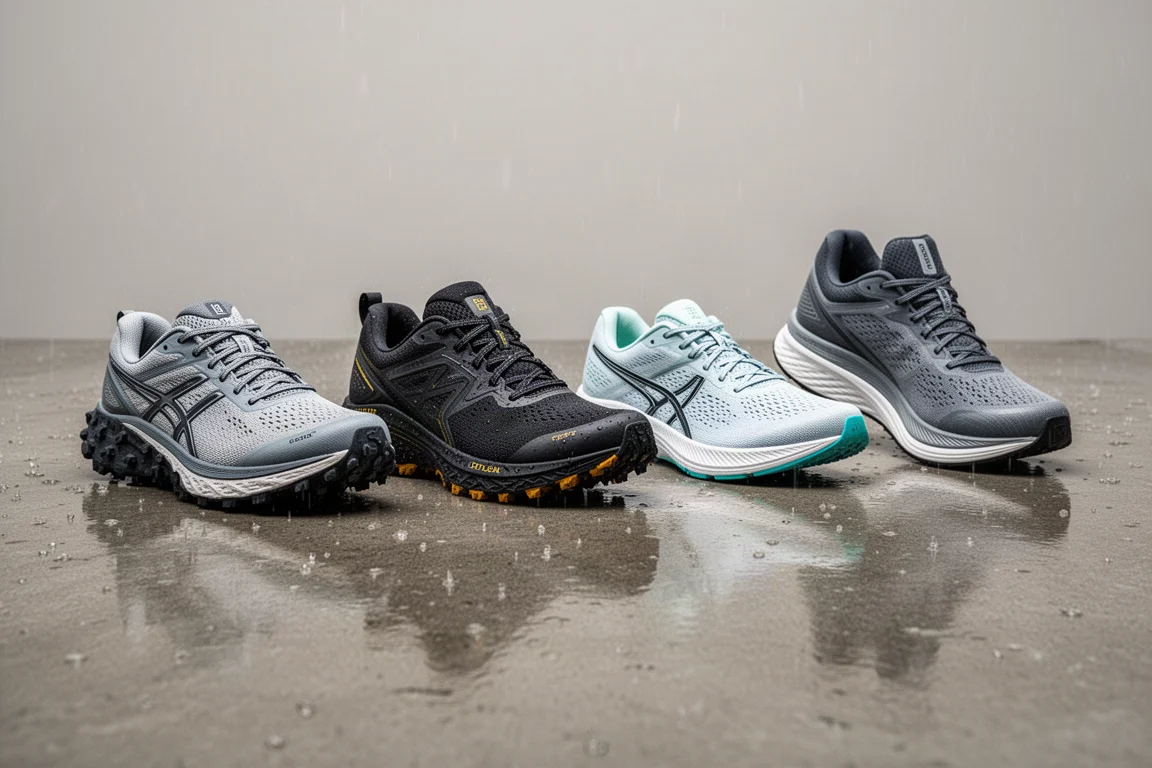
Running in the rain is less about heroics and more about picking the right tool. Wet roads, puddles, and soft grass verges expose weaknesses that never show up in dry conditions: slick outsoles, narrow platforms, and uppers that either soak up water or refuse to let it go. This roundup covers five shoes that earn a place in a rainy day rotation, whether you are grinding outdoor mileage, staying dry on trails, or hiding from the weather on the treadmill.
Why Wet Weather Changes Your Shoe Choice
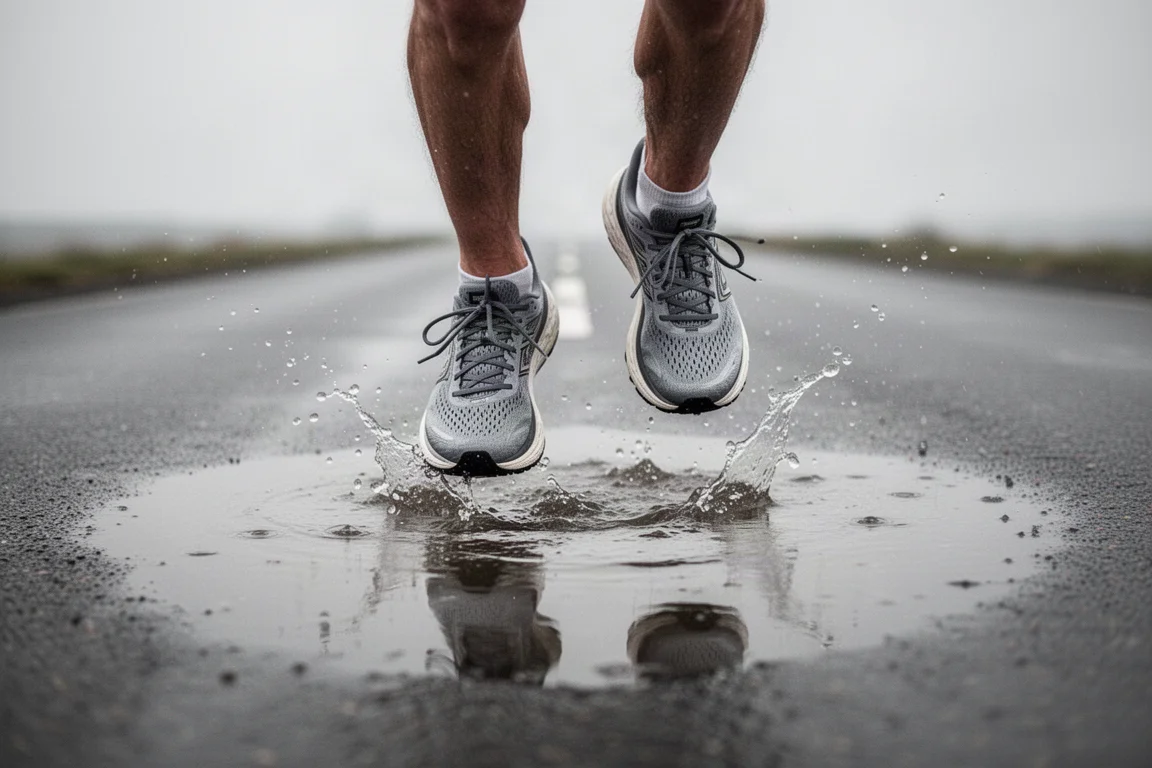
The biggest variables in wet conditions are grip, stability, and how the upper handles water. A shoe with a wide base keeps you planted when you step off the road onto slick grass, and a grippy rubber compound keeps corners predictable. Uppers split into two camps: waterproof membranes that keep feet dry but hold water in if it gets in, and drainable, hydrophobic builds that shed water and refuse to get heavy. Knowing which trade-off suits your runs makes the choice much easier.
Puma MagMax
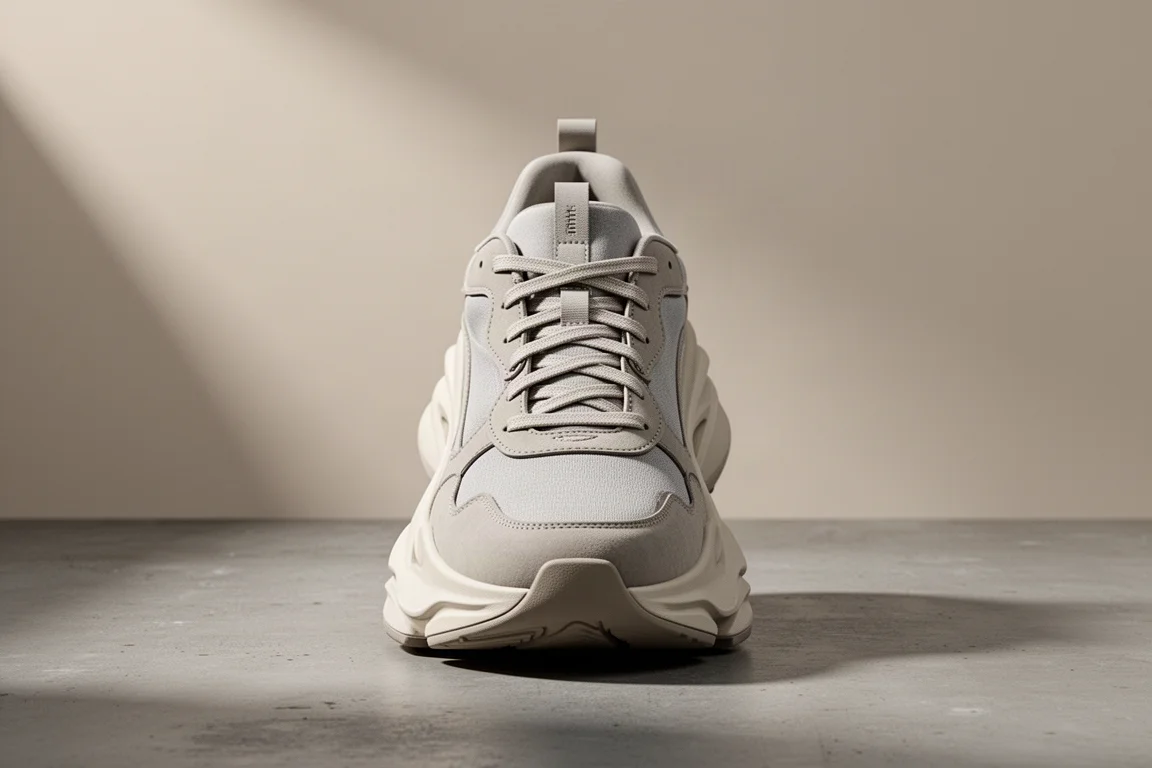
The Puma MagMax is a rainy day champion. Its standout trait is Puma Grip, laid out in an aggressive, trail-style pattern with pronounced teeth that bite into wet ground. Beyond the rubber, the shoe has a notably wide base, so stability is excellent. Where a narrow race shoe can make you nervous about foot placement on wet roads or when stepping off onto a lawn, the MagMax stays planted.
It is also a genuinely great everyday training shoe in any weather, with lots of cushion and support, and it holds up well past 200 miles of use. It has even been used in snow and handles it like a tank. If you want one shoe that does mileage, wet roads, and questionable footing without drama, this is the pick.
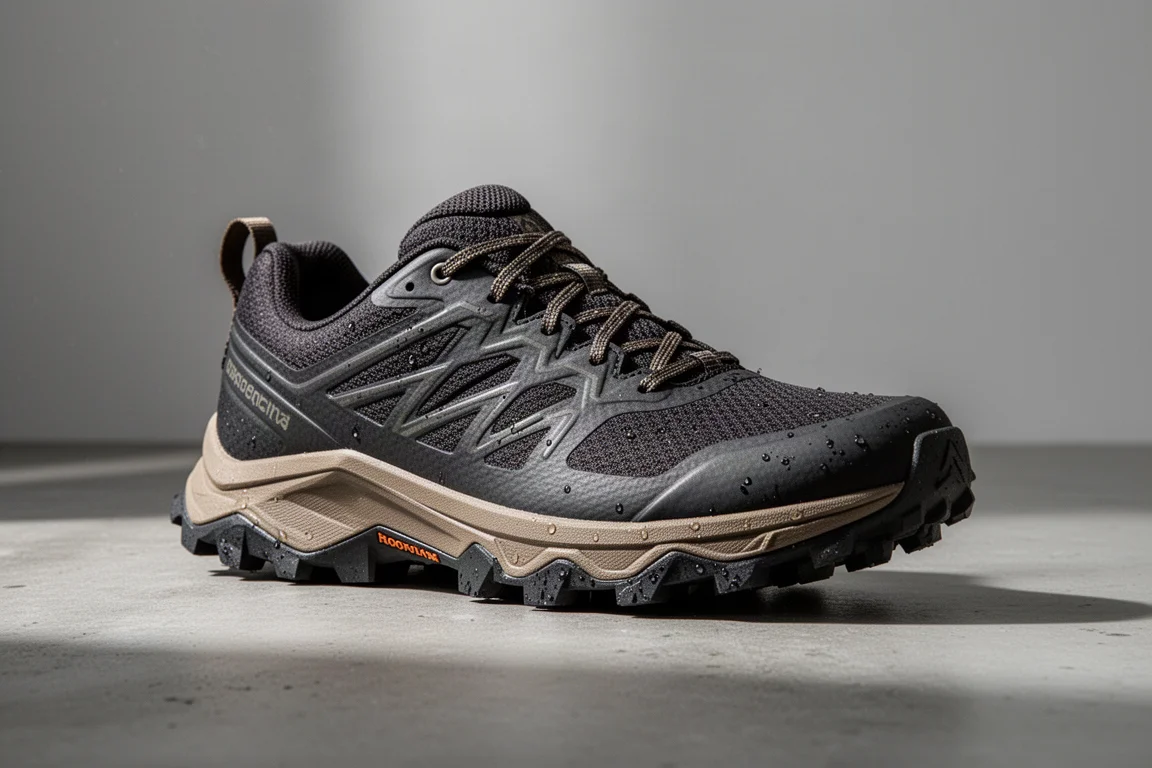
Nike Pegasus Trail 5 GTX
This is the waterproof pick. The Pegasus Trail 5 GTX uses Nike’s ReactX foam and a ground-up all-terrain compound called ATC on the outsole, which is a big step up from the not-very-grippy rubber Nike trail shoes used to ship with. It is designed as a road-to-trail shoe, and the outsole is thin enough that it does not feel thick and heavy on pavement, unlike many trail shoes.
The GORE-TEX upper keeps feet completely dry, which makes it the right call for walking or short runs in heavy weather, especially if you are choosing between waterproofing and drainability. It also usually sells for well under its original price, reportedly around 80 dollars at last check, which makes it a strong value. It worked comfortably for an 18 mile double day.
Adidas Boston 12
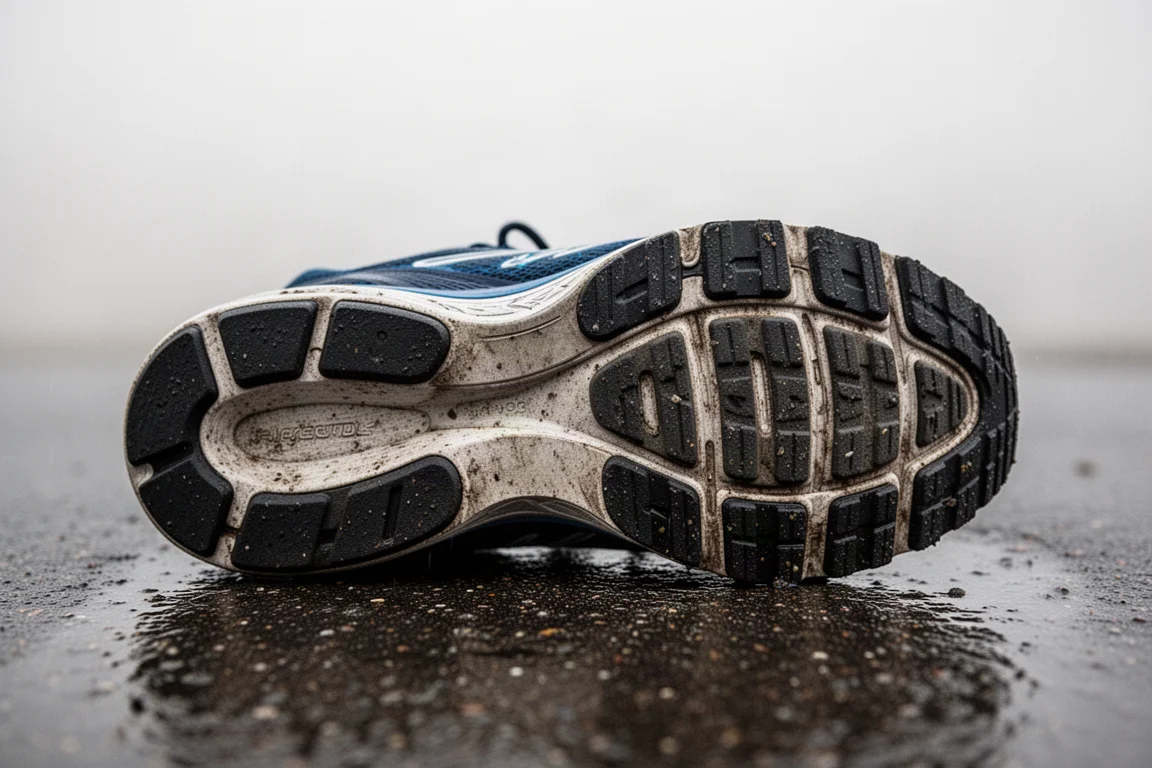
The Boston 12 earns its spot as a long-time favorite marathon training shoe, and one that was taken to 300 miles. Its durability is remarkable: after 300 miles the upper still looks nearly new and the outsole holds up just as well. The Continental rubber uses a flatter, pancake-style layout rather than aggressive lugs, and while a luggier shoe won a head-to-head grip test, the Boston still grips very well in heavy rain.
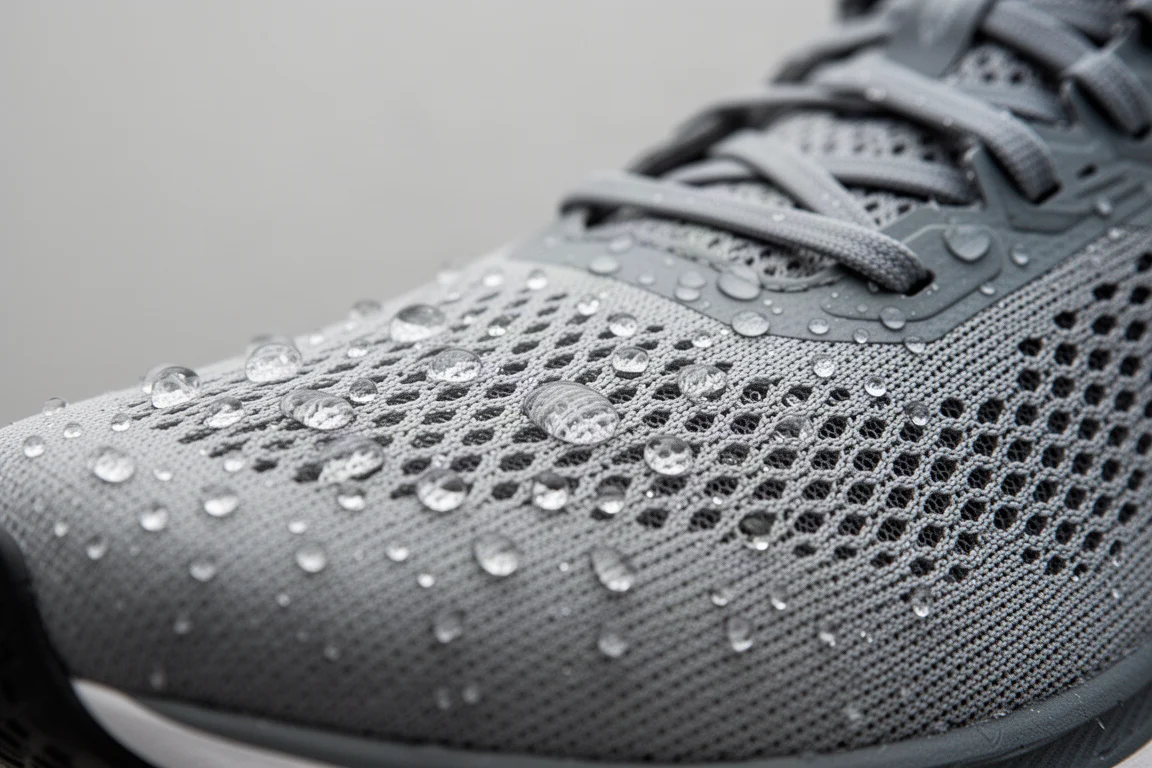
The key wet-weather advantage is the upper. It is extremely hydrophobic and sheds water instead of absorbing it, so the shoe does not get heavier no matter how torrential the downpour. That makes it far better for wet running than shoes with traditional uppers that are neither waterproof nor drainable.
Puma Deviate Nitro 3
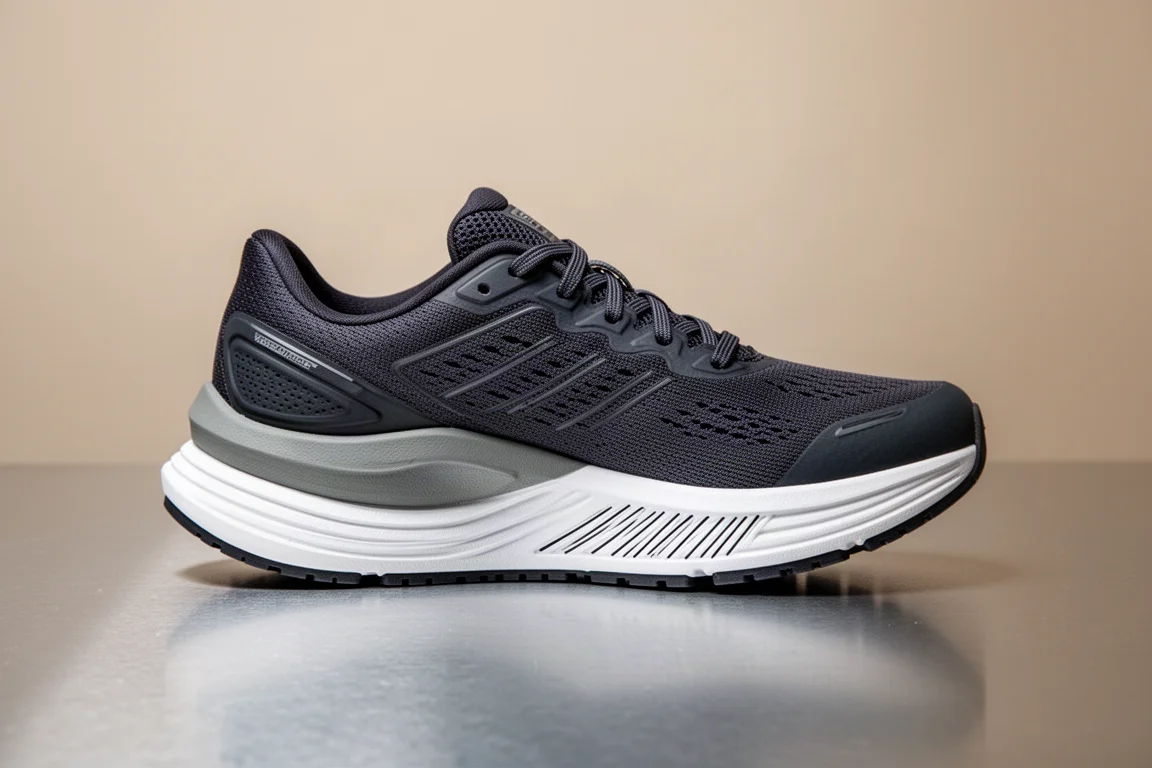
The Deviate Nitro 3 is almost a direct replacement for the Boston 12: a top layer of race foam over standard training foam with a plate inside. It uses a flatter rubber layout that grips really well and looks durable, with nearly 100 miles on the test pair showing minimal wear. The drop is around 10 mm, which some runners find noticeable, but the payoff is a shoe that feels quick without going full carbon.
It is best for faster daily runs, strides, and slightly quicker paces, sitting above a plain daily trainer but below a race day shoe. At slower paces of 9 to 11 minutes per mile it can even work as a speed training shoe. It also feels normal enough on a treadmill. If you own five or six shoes, this is the fun daily option in the rotation.
Hoka Mach X2
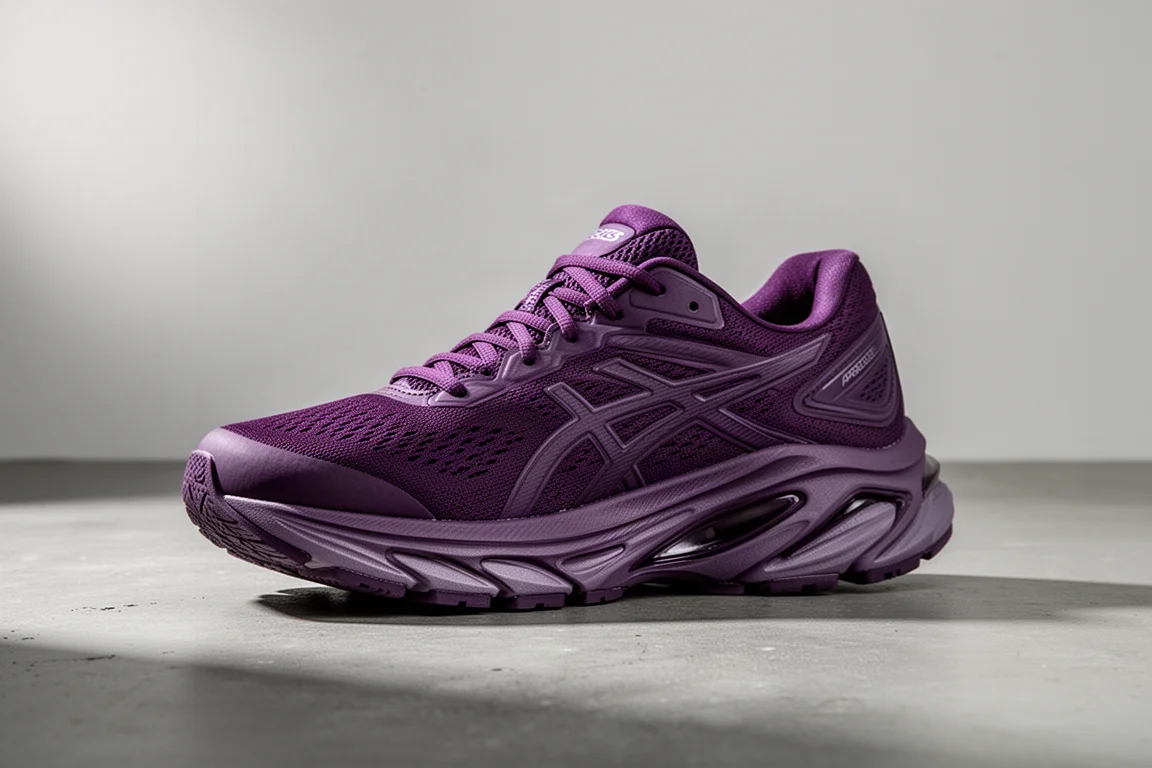
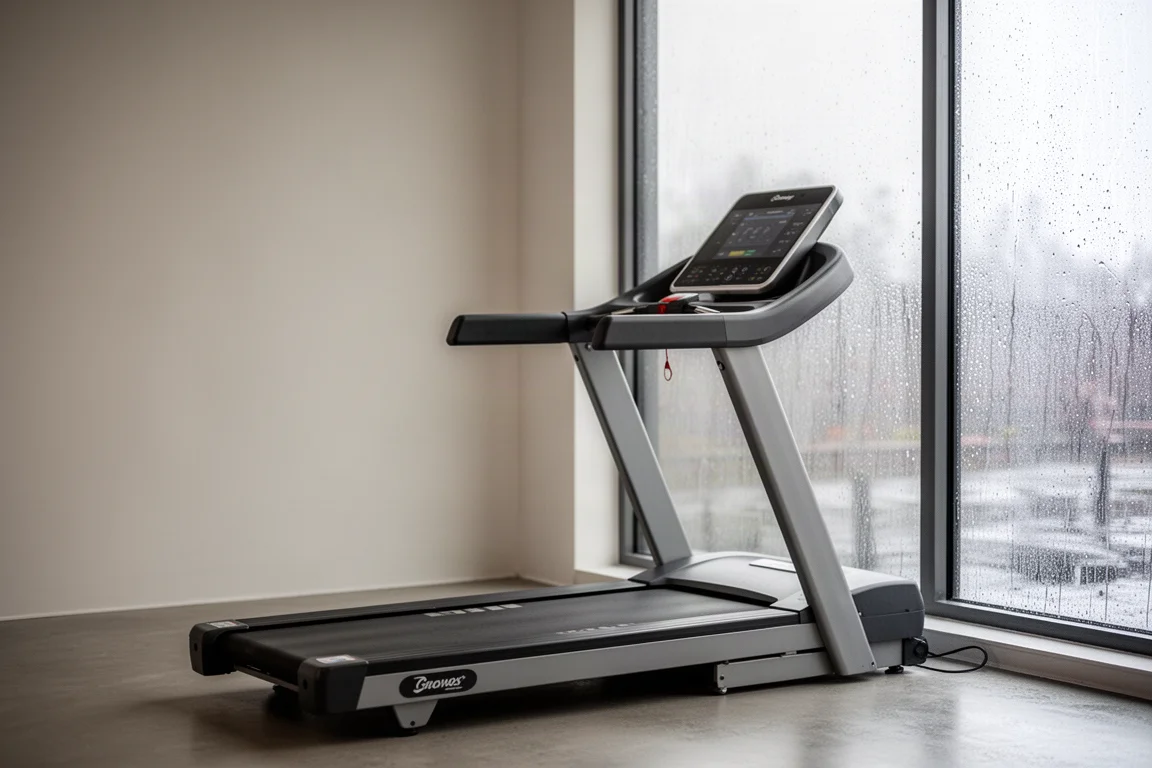
The Mach X2 is the treadmill favorite of the group. It is versatile, reliable, comfortable, and thickly cushioned, with a rocker geometry and a narrower feel that locks you into a rhythm. For running in a straight line and settling into a groove, it shines, delivering a fun bouncy ride that makes the miles pass easily. It also works well for long runs, with a PEA top layer over training foam and a plastic plate.
As a rainy day outdoor shoe it is the weakest here: the grip is merely okay and the upper has no waterproofing, though it is breathable and drainable much like the Boston 12. If heavy rain is the forecast, the other picks are better outdoors, but for treadmill sessions this is the one to reach for.
Buying Advice
Choosing between these comes down to your conditions. If you run outside in the rain regularly and want maximum grip and stability, the Puma MagMax is the safest bet. If keeping your feet dry matters most, especially for walking or short runs, the waterproof Pegasus Trail 5 GTX is the clear pick. For a durable do-everything trainer that sheds water and stays light, the Boston 12 remains excellent. The Deviate Nitro 3 suits runners who want a livelier daily option, and the Mach X2 is the comfort pick for treadmill days. Many runners will find that two of these, one grippy outdoor shoe and one treadmill shoe, cover almost every wet weather scenario.
Conclusion
Rainy day running does not require a heroic streak, just the right shoe. Grip, stability, and water-handling separate the good picks from the miserable ones. Whether you pick the planted Puma MagMax, the dry-footed Pegasus Trail 5 GTX, the hydrophobic Boston 12, the lively Deviate Nitro 3, or the rhythm-friendly Mach X2, each one removes a different excuse for skipping a run.
Further reading
Related Reviews

Running Shoes
Best Road-to-Trail Running Shoes: Three Versatile Options for Mixed Terrain
A practical guide to three road-to-trail running shoes that handle both pavement and mild trails, with clear strengths and trade-offs for different runner types.

Running Shoes
Best Running Shoes for Achilles Tendonitis: Three Options Explained
Three running shoes with different heel drops and support features designed to help reduce Achilles tendon pain during walking and running.

Running Shoes
Best Running Shoes for Women: Five Top Choices Ranked
A ranked guide to five women's running shoes, from versatile daily trainers to high-performance racing options, with real strengths and trade-offs for each.