Outdoor Gear
Best Rain Jackets for Backpacking 2026: Three Ultralight Options Compared
Three ultralight rain jackets for different priorities: a $20 rain suit, a wind-blocking shell for cold weather, and a 4.6 ounce all-purpose jacket.
Introduction
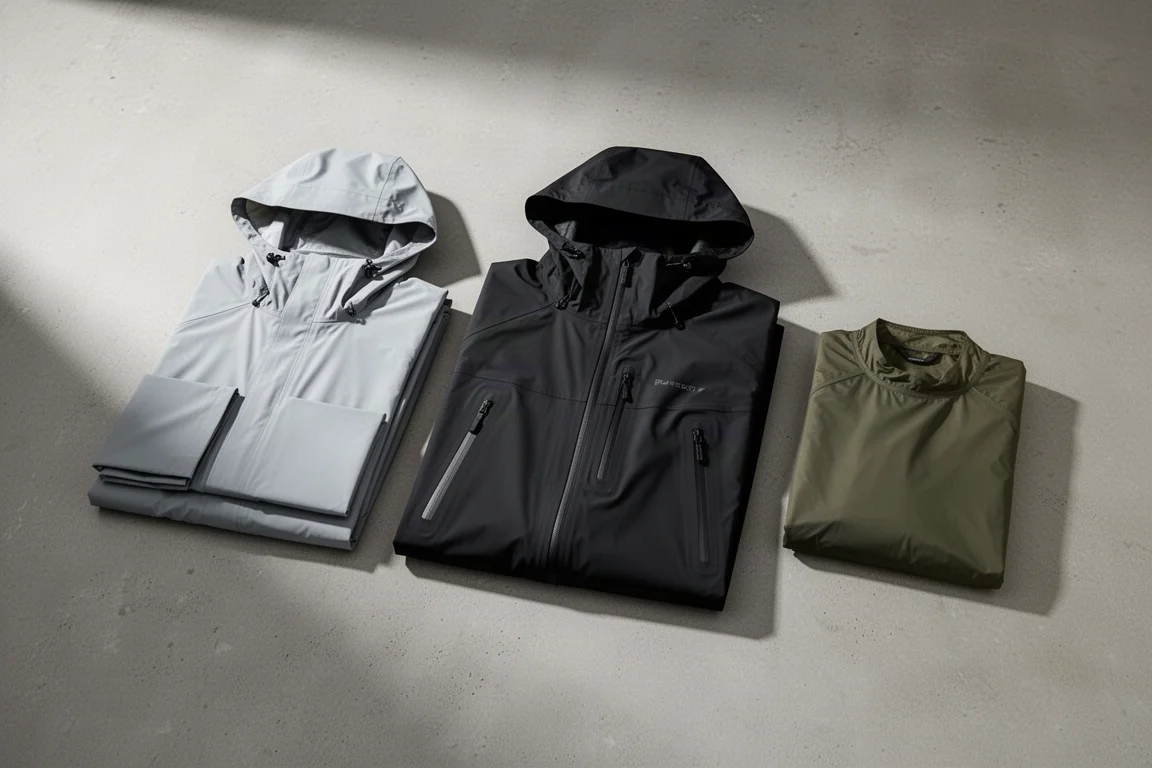
A rain jacket has to justify itself in three ways at once. It has to keep you dry, it has to stay light enough that carrying it every day makes sense, and it has to match the weather you actually expect to walk through. The three jackets below answer those priorities from very different starting points. One is a complete rain suit for around $20, one is a wind-blocking shell built for cold and wet conditions, and one is a very light all-purpose jacket that works as well around town as it does on the trail.
What to Look For in an Ultralight Rain Jacket
Weight is the first number most backpackers check. The lightest jacket here weighs 4.6 ounces in a medium, while a full jacket and pants combination lands around 12 ounces depending on size. That difference matters on a long trip, but it is not the only thing that matters.
Durability is the next consideration. Thin, packable fabrics save weight, and they also tear more readily when you push through brush. A light jacket that survives a well maintained trail may not survive an overgrown route, so it helps to know what kind of terrain you are planning for.
Breathability is the third trade-off. A shell that blocks wind and sheds heavy rain often does so because the fabric does not let much air through. Pit zips, adjustable hoods, and wrist closures are the practical features that let you manage temperature and fit without changing the fabric itself.
Best Budget Option: Frogg Toggs Ultralight Rain Suit
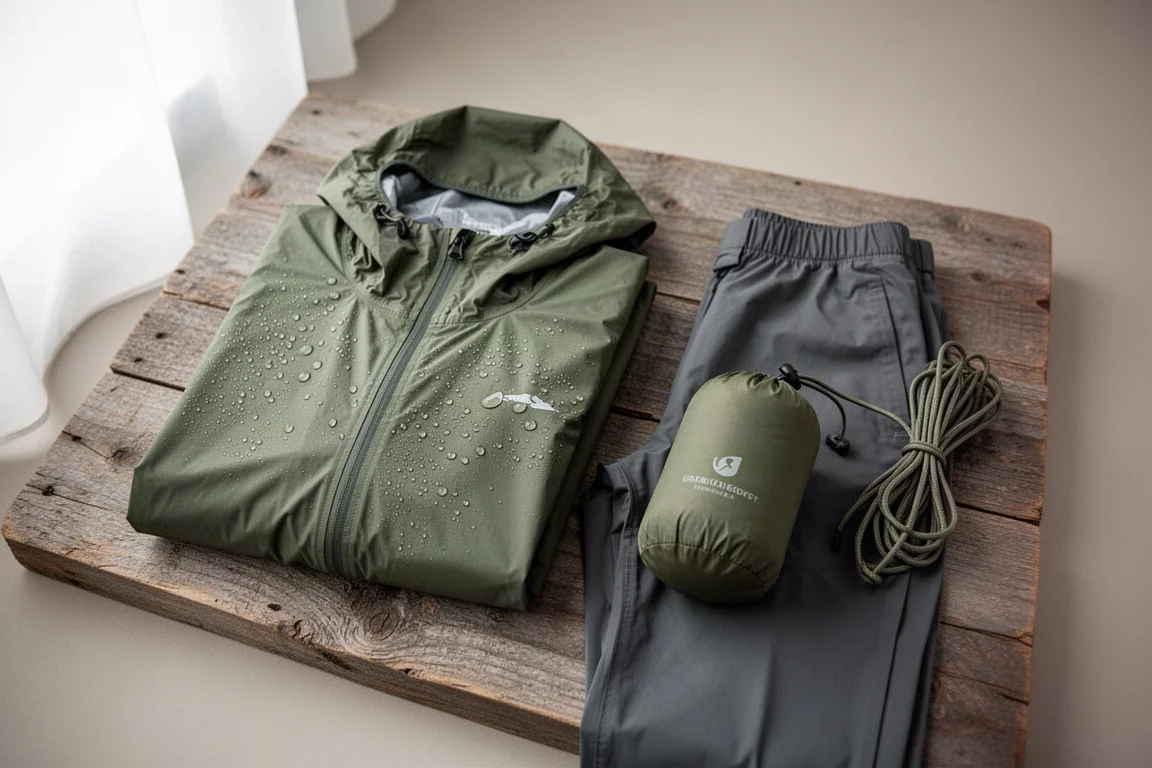
Not everyone wants to spend $100 or more on a raincoat, and this is the option for that situation. It is a rain suit rather than a single jacket, so the jacket and the pants come together as a set, and it costs about $20. It is easy to find, whether at a local outfitter, at Walmart, or online.
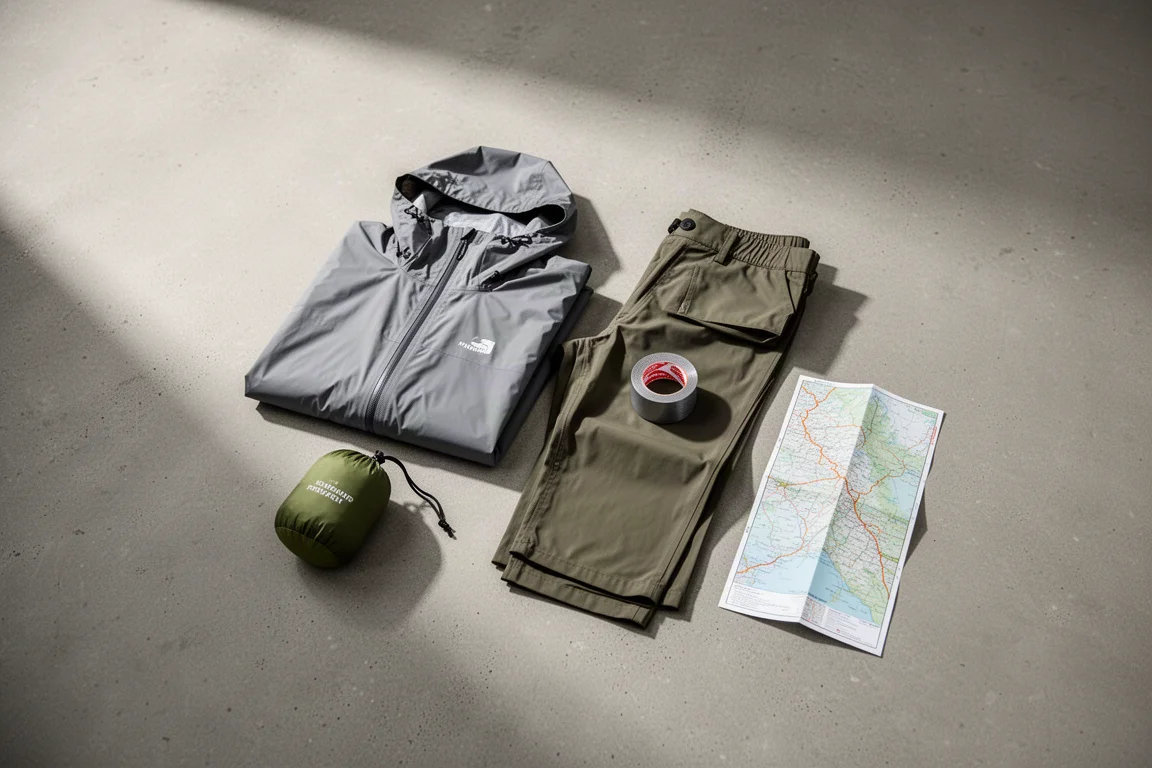
The full suit weighs around 12 ounces depending on the size you need, which keeps it realistic for long-distance hiking. On a 2,200 mile Appalachian Trail thru-hike, two of these suits covered the entire trip for roughly $40 total in rain gear, which says a lot about how workable the setup is on a well maintained path.

Durability is where the compromise shows. The material tears easily, so it is not the best pick for routes with briars and heavy brush. Field repairs are simple enough with a piece of duct tape, which is worth carrying regardless. The fit and finish are also plain, with limited color options, so this is a purchase based on function and price rather than looks.
Best for Cold and Windy Weather: Anti-Gravity Gear Ultralight Rain Jacket
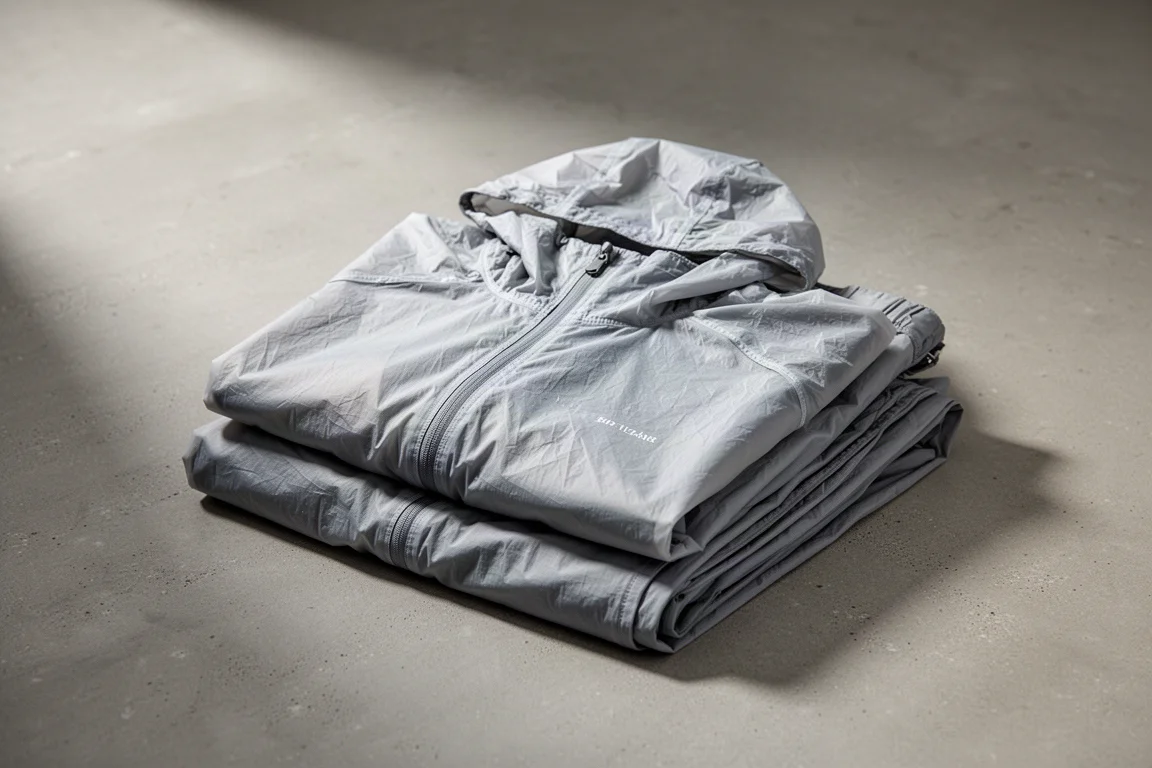
This jacket feels sturdier and more durable than many lightweight raincoats, and it blocks wind well. That combination makes it a strong outer shell for colder temperatures, when keeping warmth in matters more than venting heat out.
Pit zips help regulate temperature, and they double as an easier way to reach the pockets on the layers underneath without fully unzipping the jacket while wearing a pack. The hood is adjustable, and weight runs from 7.5 to 8.2 ounces depending on size.
Pricing sits around $100, and the jacket can be seam sealed at home or sent in for a seam sealing service for an extra $20, which brings a fully prepared jacket to about $120. Color options are limited, but a bright orange version is available, which is a genuinely useful detail for visibility in an emergency or during hunting season.
The material is not breathable, so this is not a jacket for warm weather or everyday wear, even with the pit zips open. That same quality is part of what suits it to extreme rain and cold conditions.
Best All-Purpose Pick: Enlightened Equipment Women’s Visp Rain Jacket
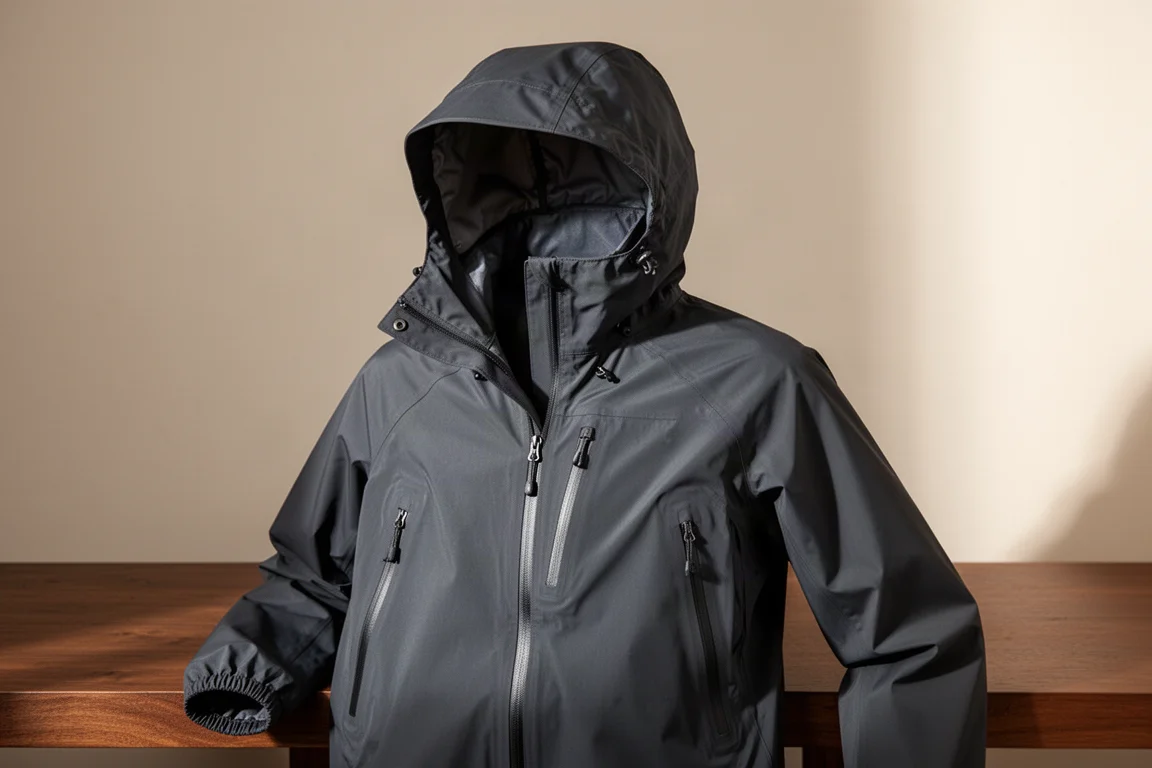
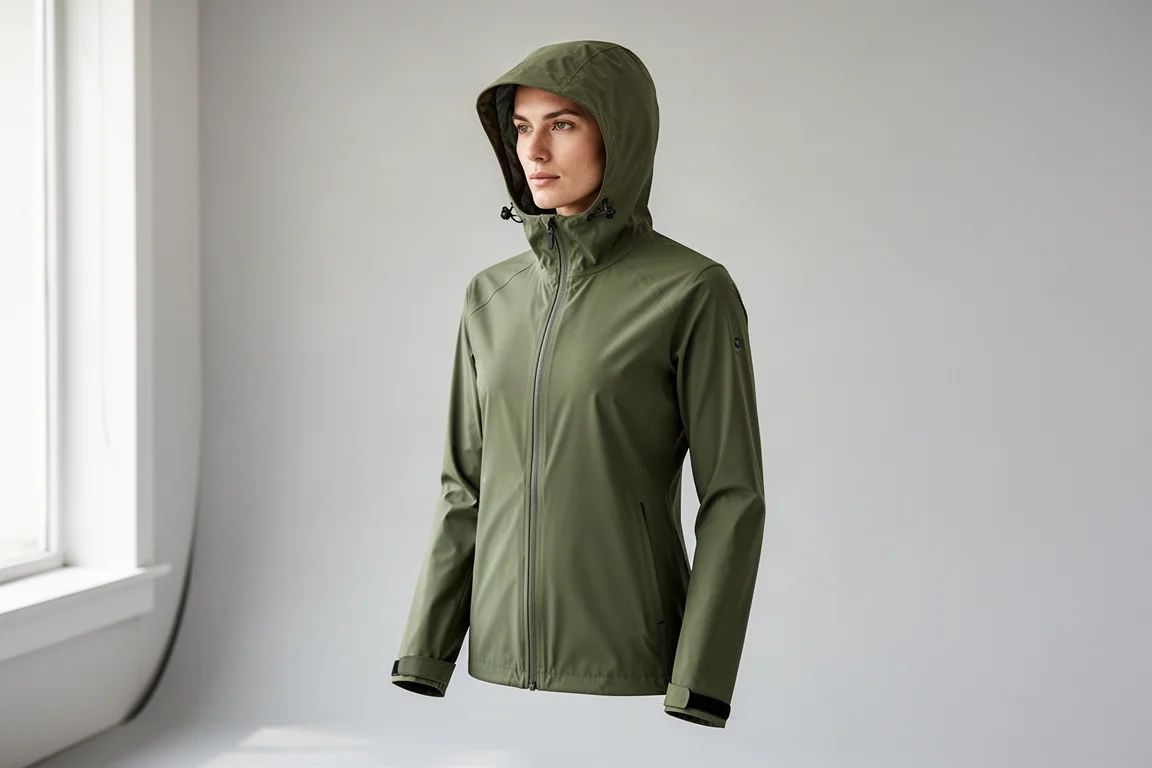
The Visp is the jacket that works as well on an ordinary day as it does on the trail. It is soft, has a sleek design, and stays very light: a medium weighs 4.6 ounces. A men’s version is available as well.
The hood is two-way adjustable, so it can be fitted properly, and velcro wrist closures let you choose between a loose fit and a tighter seal against rain. The seams come already taped rather than requiring a gel type sealer.
Pit zips are the one configuration detail worth planning around. The standard women’s Visp does not include them. A custom build with pit zips can be ordered, but lead times run about eight to ten weeks, and those can fluctuate. In-stock options ship in roughly one to two days and do not include pit zips.
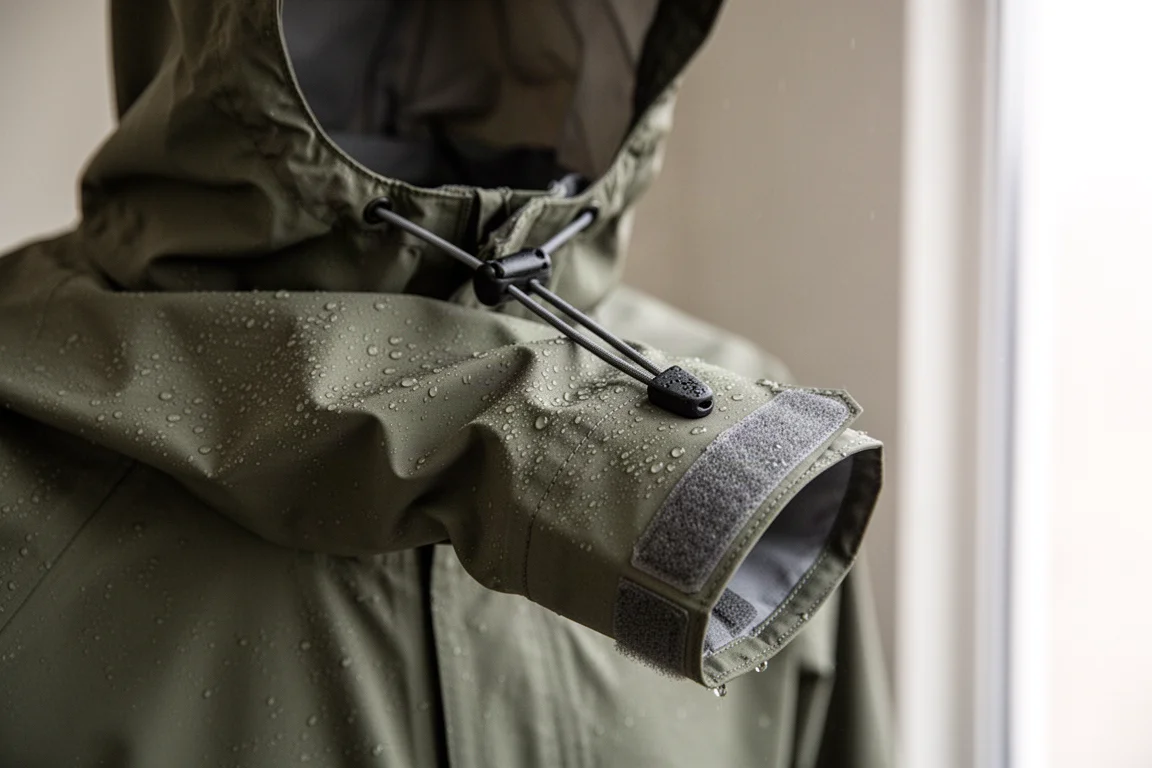
The main drawback is price. At $190 it costs considerably more than the other two options here, and the gap next to a $20 rain suit is hard to ignore.
Matching a Rain Jacket to Your Trip
The right choice comes down to what you are optimizing for. If the priority is spending as little as possible while still carrying a light jacket and pants set, the Frogg Toggs Ultralight Rain Suit covers that ground for about $20, as long as you accept that it tears easily and is best suited to maintained trails.
If you hike in cold, windy, or persistently wet conditions and you want a shell that feels sturdier and blocks wind, the Anti-Gravity Gear Ultralight Rain Jacket is the better fit. Its lack of breathability is a limitation in warm weather, and an advantage when the weather turns genuinely harsh.
If you want a single jacket that handles the trail and normal life, and weight matters more to you than price, the Enlightened Equipment Women’s Visp Rain Jacket is the most versatile of the three. It is the lightest and the softest, and it costs the most. Decide which of those three priorities you cannot compromise on, and the decision becomes straightforward.
Conclusion
These three jackets cover the realistic ends of the ultralight rain gear market: a $20 suit that gets the job done on well maintained trails, a $100 wind-blocking shell for cold and wet trips, and a 4.6 ounce all-purpose jacket for hikers who want one layer for everything. Any of them can keep you dry. Which one is right depends on the weather you expect and the weight you are willing to carry.
Further reading
Related Reviews
Outdoor Gear
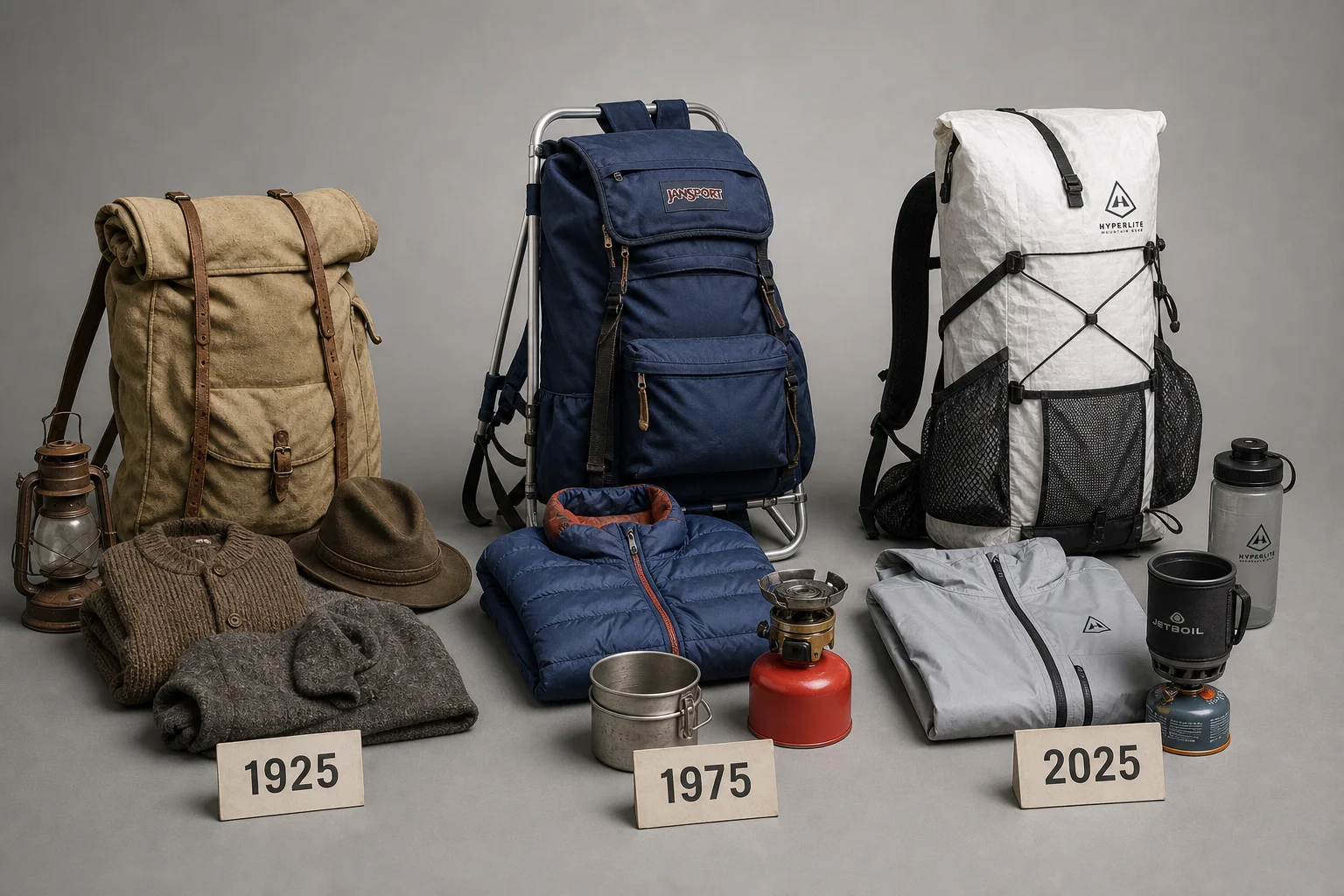
Backpacking Gear Evolution: 100 Years of Technology Compared
We tested backpacking gear from 1925, 1975, and 2025 across a three-day hike in Yosemite. Here's how technology has transformed comfort, weight, and the outdoor experience.
Outdoor Gear
Best Affordable Hiking Watches: Five Rugged Options for Outdoor Adventures
Five durable hiking watches that balance ruggedness, functionality, and value for outdoor enthusiasts who need reliable GPS tracking and weather resistance.
Outdoor Gear
Best Backpack Coolers 2026: Five Practical Options for Outdoor Adventures
Five backpack coolers with distinct cooling capabilities, storage features, and design trade-offs to help you choose the right one for your outdoor needs.