Running Shoes
Best Short-Distance Racing Shoes: Four Fast Picks Compared
Four carbon-plated racing shoes that stand out for 5K to 10K pace, with stack heights, weights, and ride character to help you choose.
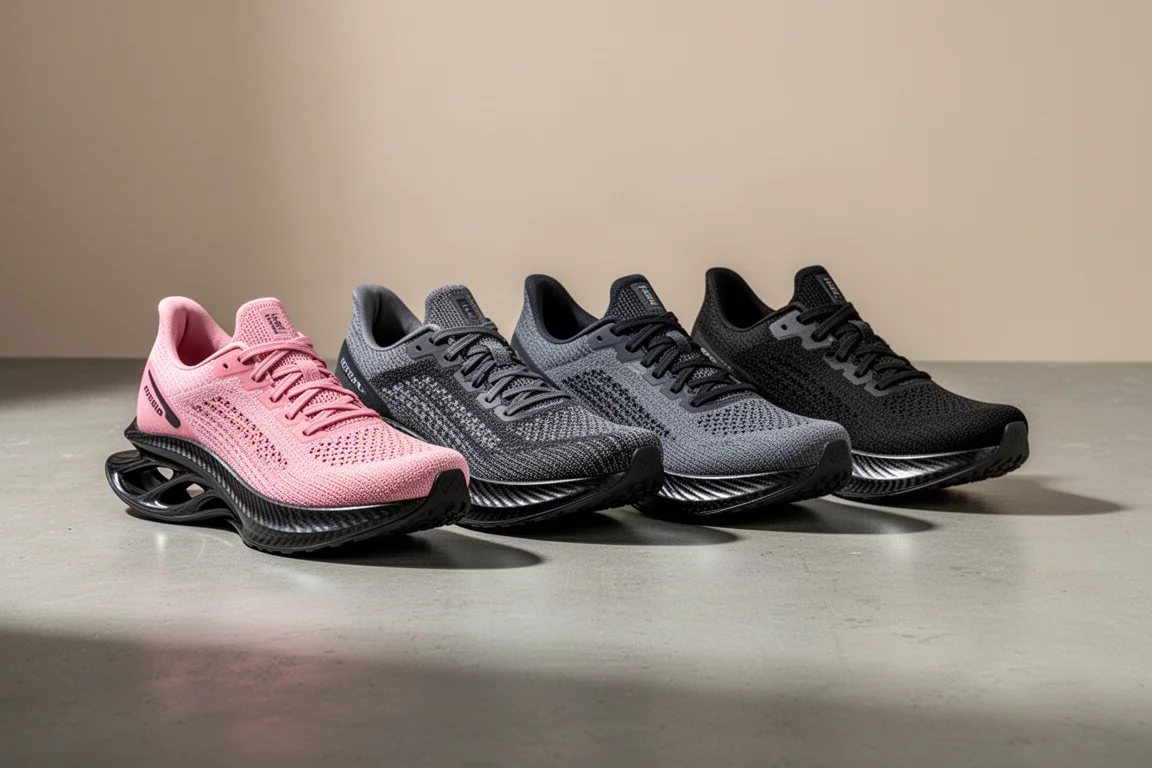
Introduction
Racing shoes have had a strong year, and not just because brands refreshed their uppers. Many of the latest releases are complete overhauls or entirely new models, which makes choosing one for short-distance racing more interesting than usual.
For this comparison we focus on the short-distance category, roughly 10K and below, including the road mile and 5K. The priorities at that range are a light, snappy, and somewhat firmer ride rather than the soft, pillowy cushioning you might want over the marathon. A few shoes here can stretch into half marathon duty as well, so treat the boundaries as flexible depending on your own racing.
One important note: where measurements come from, they are claimed specifications, and some newer models have details that are not fully confirmed yet. Where that applies, it is flagged below.
Asics Metaspeed Edge Plus
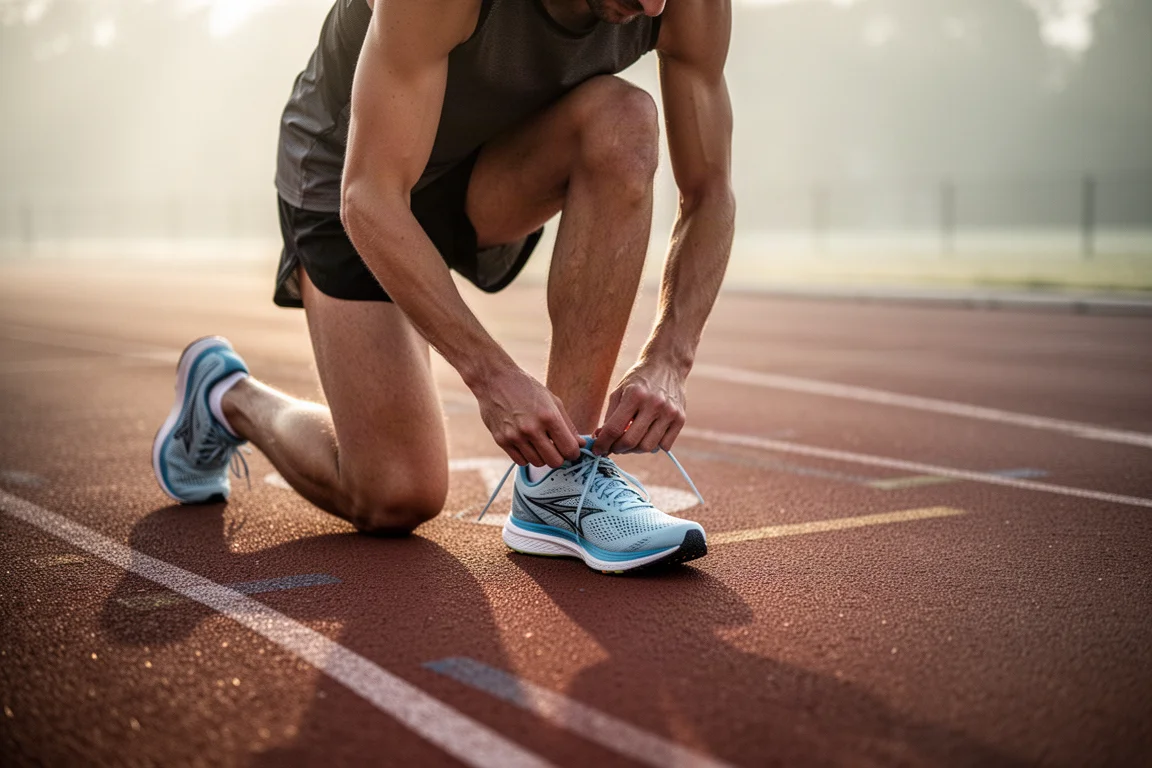
The Metaspeed Edge Plus stands out for balance. The foam has a firmer, more resilient feel, and the carbon fiber plate geometry stays forgiving rather than aggressive. The claimed stack sits at 40mm in the heel and 32mm in the forefoot, giving an 8mm drop, with gently beveled geometry and a modest toe spring that keeps you feeling slightly forward without anything extreme underfoot.
Its most underrated quality is versatility. This is one of the few racing shoes that handles runnable dirt, such as California-style cross country courses or firmer grass workouts, thanks to surprisingly good traction. On the road and track it feels grounded and connected at nearly any pace, which makes it a trustworthy pick for everything from track intervals to a 10K.
If you want one shoe for fast days across multiple surfaces, this is an easy recommendation.
Saucony Endorphin Pro 3
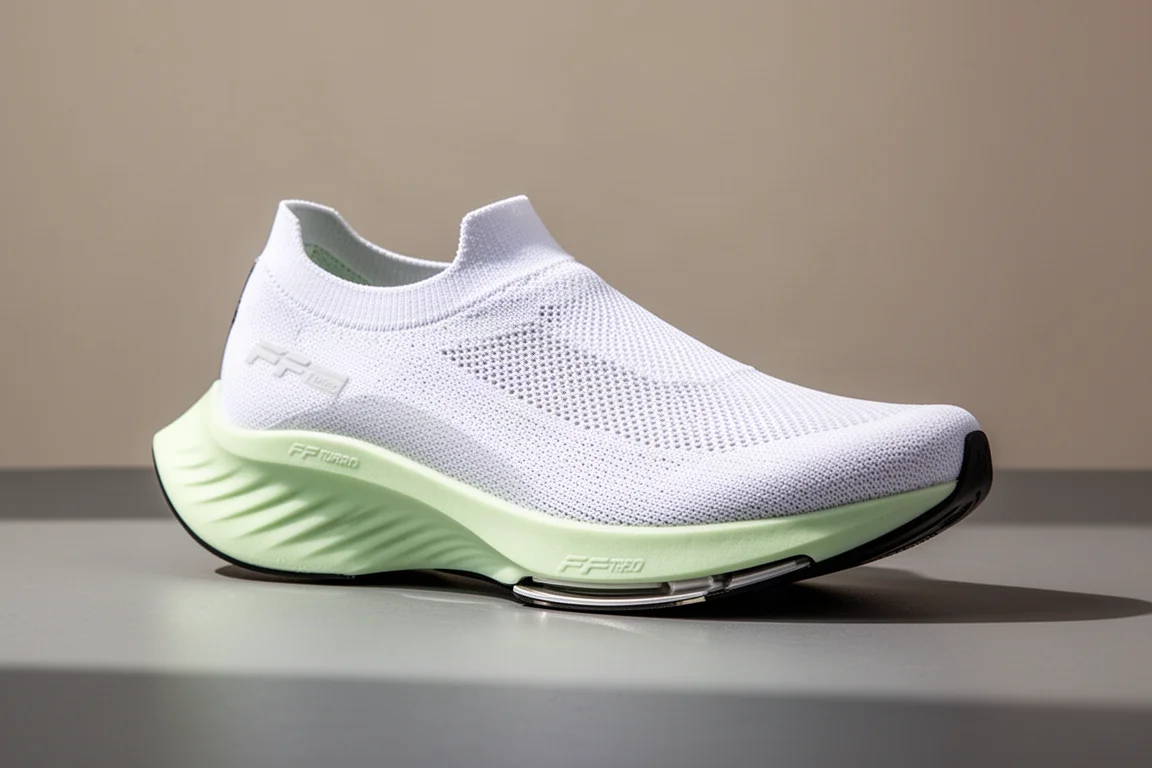
The Endorphin Pro 3 was completely redone rather than lightly refreshed, and the changes pushed it into genuine super shoe territory. The PowerRun PB foam is packaged with a bit more stack height, at a claimed 39.5mm in the heel and 31.5mm in the forefoot, keeping the same 8mm drop as the previous version while feeling very different underfoot.
The highlights are the new sidewalls on both the medial and lateral sides, a filled-in midfoot that adds gentle stability without excess weight, and a light, track-spike-inspired upper that fits more snugly and securely than before. At a claimed 7.2 ounces, it dropped roughly 0.3 ounces and feels remarkably easy to turn over.
Out of the box the ride feels lively and bouncy, and it breaks in nicely over the first stretch of miles. It works well for warmups and cooldowns too, but it is at its best from 5K to half marathon when you want a touch of soft guidance so you can race without thinking about the shoe.
Puma Fast-R Nitro Elite
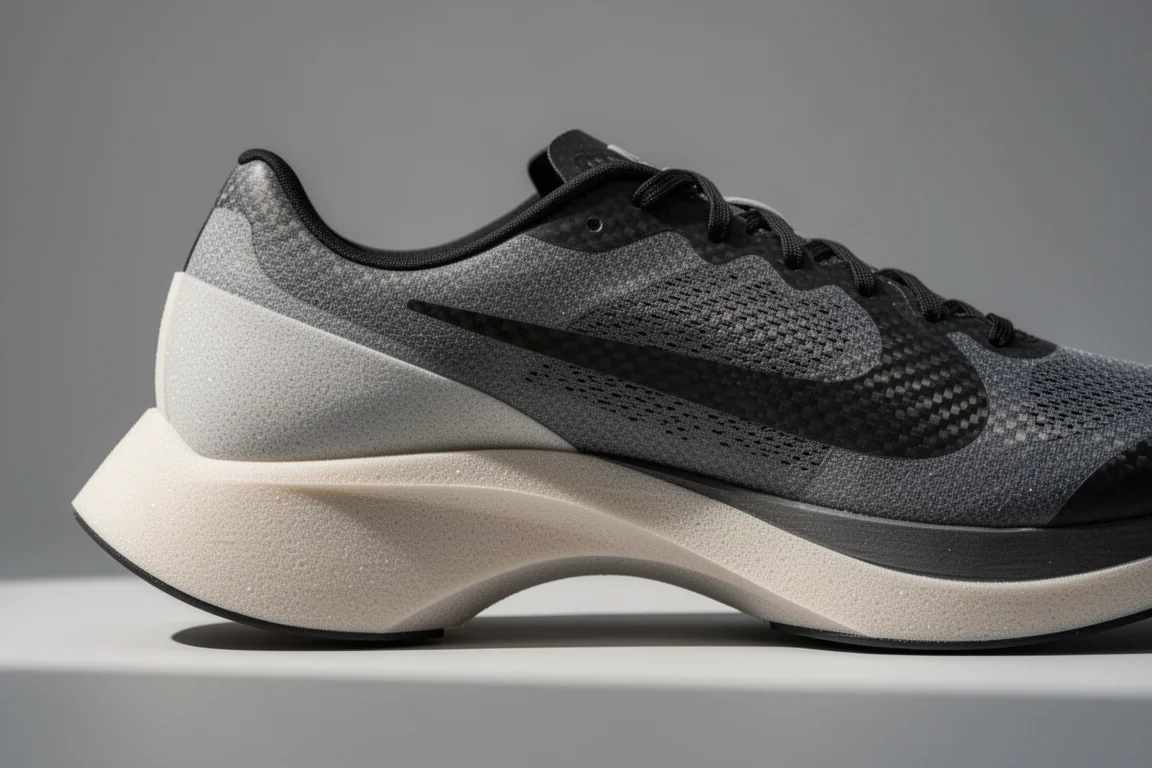
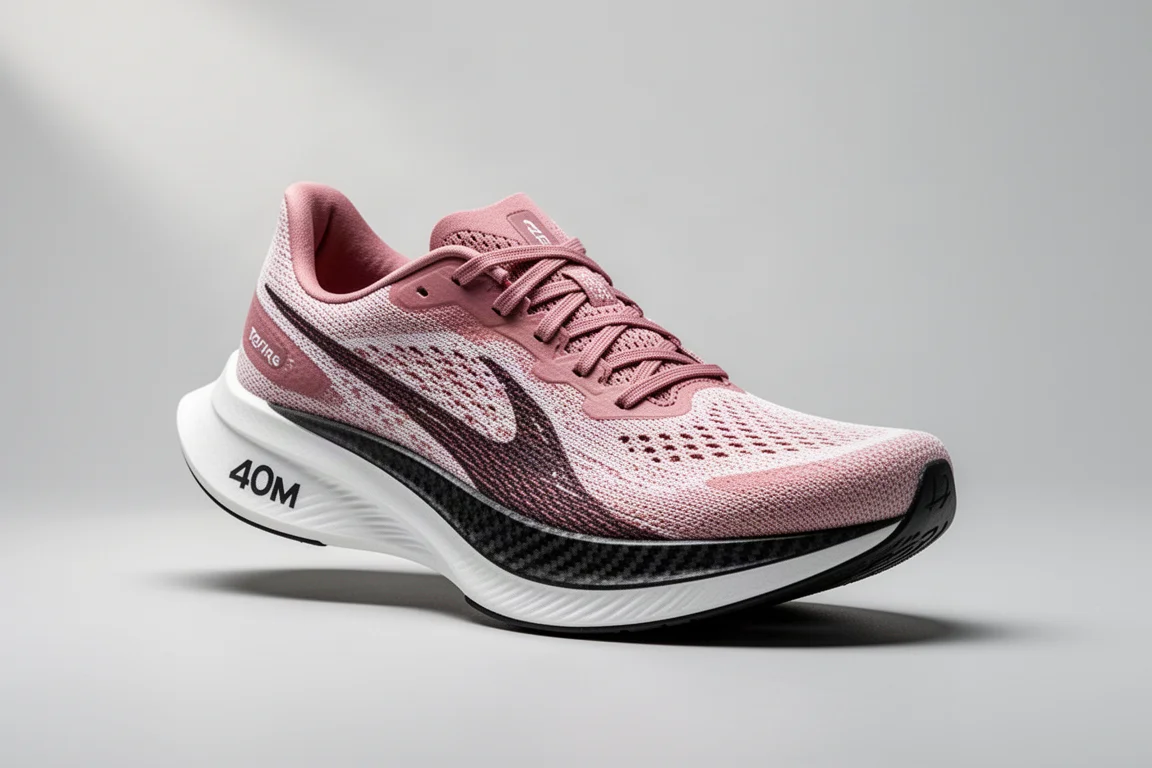
The Fast-R Nitro Elite is the fun pick of this group. The heel uses a firmer EVA-based layer with a very sharp bevel that drops you quickly onto the forefoot, while the front of the shoe carries softer, bouncy nitrogen-infused Nitro Elite foam. The effect is a ride that constantly tips you forward and keeps energy in every stride.
That combination makes it a genuinely enjoyable shoe for road 5Ks and 10Ks, especially if you like a shoe that rewards an aggressive, forward-leaning stride. It transitions quickly and feels lively from midfoot through toe-off.
It is less balanced and more demanding than the more neutral options above, so it suits runners who enjoy a pronounced rocker feel and do not mind a shoe with a strong opinion about how you should run.

Puma Nitro Elite 2
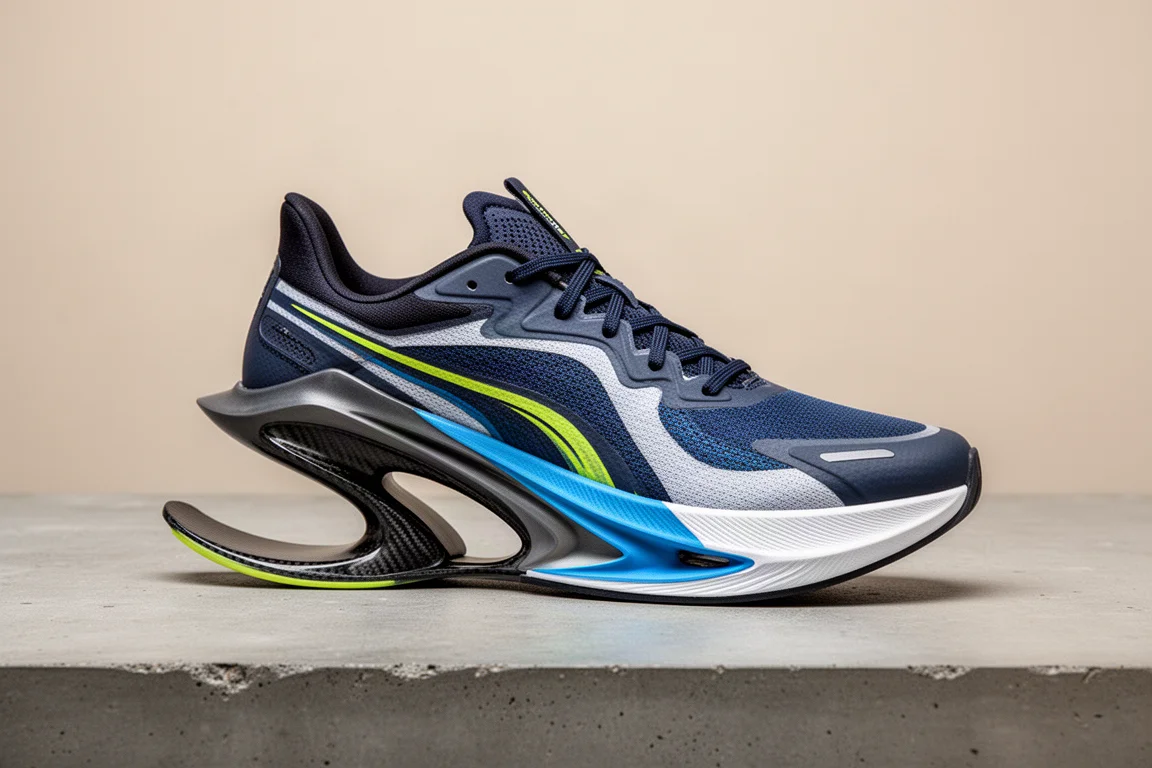
The Nitro Elite 2 earns its place as the light, stable wild card. It is a very light shoe at 6.7 ounces, with a claimed stack around 36mm in the heel and 28mm in the forefoot, though whether that works out to a 6mm drop is still not confirmed since the shoe is so new.
The big change from the first version is the plate. The original used a split, bifurcated design that left plenty of forefoot flexibility; this one moves to a full-length plate that is a bit more rigid up front. The character remains, though: softer foam that never leaves you feeling like you are floating all over the place, with a more stable platform than many other aggressive racers. The upper is also improved over the first version.
It sits in the premium price tier at around $200, but for runners who want a soft-yet-grounded racing feel in an ultralight package, it is a compelling option and a shoe that rewards fast efforts.
Overall Buying Advice
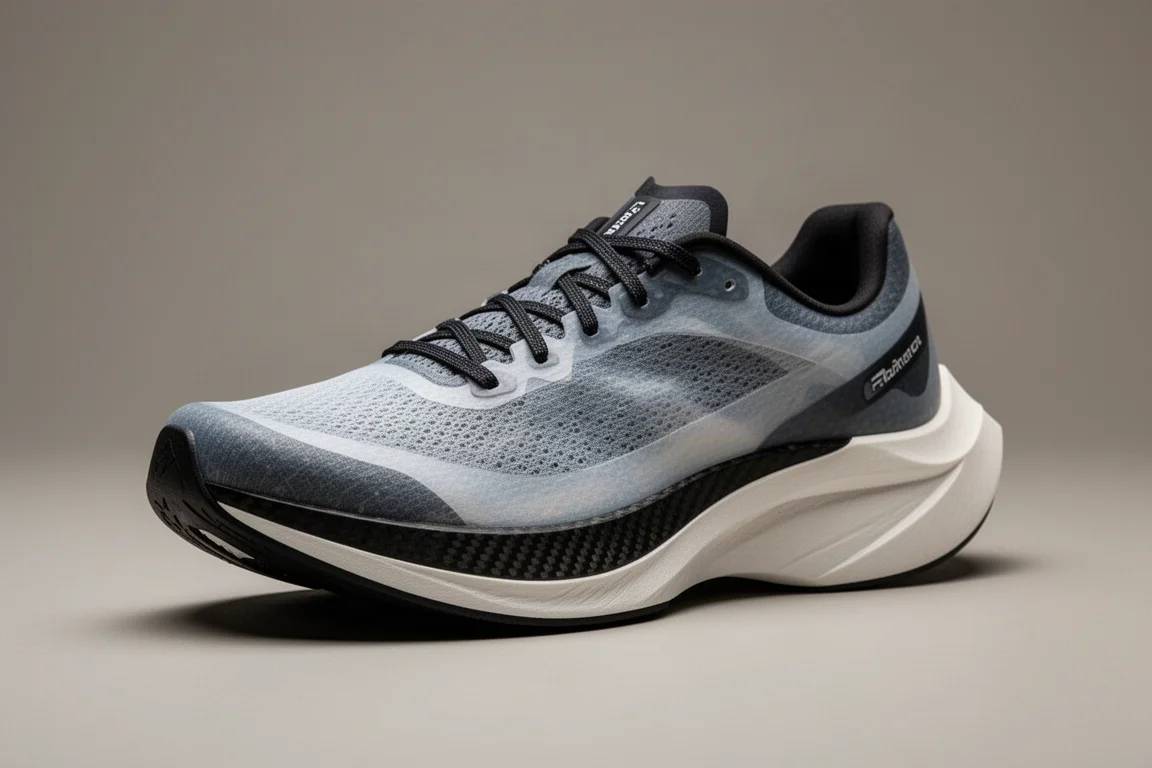
All four shoes are strong, so the right choice depends on what you value most at 10K-and-down pace.
If versatility is the priority, including the occasional runnable dirt workout or cross country race, the Metaspeed Edge Plus is the most well-rounded option here. If you want maximum snappiness with a touch of stability and a secure upper, the Endorphin Pro 3 is the standout after its full redesign. The Fast-R Nitro Elite suits runners who want an aggressive, fun, forward-tipping ride for road 5Ks and 10Ks. And if you want the lightest, most stable platform with softer foam, the Nitro Elite 2 is worth a look at its premium price point.
Weight is remarkably close among the top picks, with claimed figures of 7.4 and 7.2 ounces for the Metaspeed Edge Plus and Endorphin Pro 3 respectively, and 6.7 ounces for the Nitro Elite 2. Fit and ride character will likely make the decision more than the scale will.
Conclusion
Short-distance racing rewards shoes that feel light, snappy, and trustworthy at speed, and this year’s options deliver on all three in different ways. Match the ride character to your stride and the surfaces you race on, and any of these four can carry you to a fast 10K and down.
Further reading
Related Reviews

Running Shoes
Best Road-to-Trail Running Shoes: Three Versatile Options for Mixed Terrain
A practical guide to three road-to-trail running shoes that handle both pavement and mild trails, with clear strengths and trade-offs for different runner types.

Running Shoes
Best Running Shoes for Achilles Tendonitis: Three Options Explained
Three running shoes with different heel drops and support features designed to help reduce Achilles tendon pain during walking and running.

Running Shoes
Best Running Shoes for Women: Five Top Choices Ranked
A ranked guide to five women's running shoes, from versatile daily trainers to high-performance racing options, with real strengths and trade-offs for each.