Running Shoes
Best Racing Shoes by Distance: From Daily Trainers to Track Spikes
A distance-by-distance guide to the racing and training shoes worth lacing up, from stability daily trainers to marathon super shoes and track spikes.
Introduction
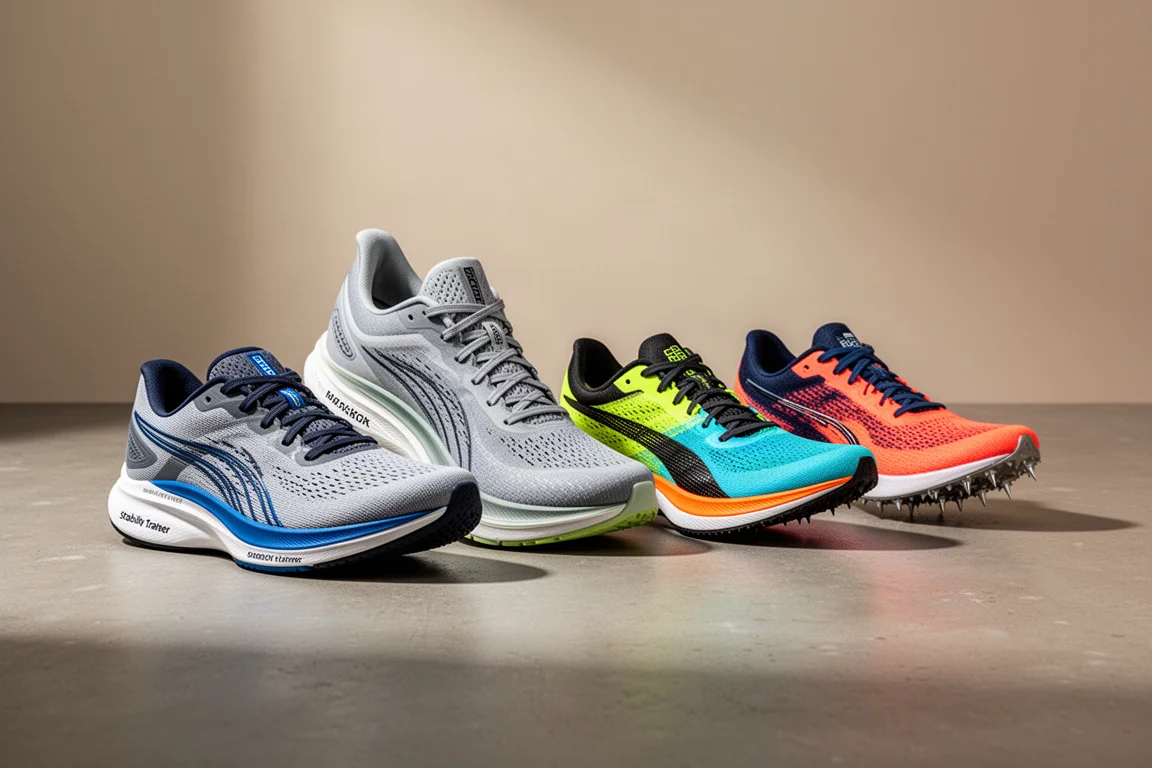
Racing shoes are not one-size-fits-all, and the right pick depends far more on the distance you are racing than on any single headline spec. In this roundup we break down our favorite shoe choices by racing distance, from easy daily miles all the way down to track spikes, drawing on hands-on testing miles in each pair.
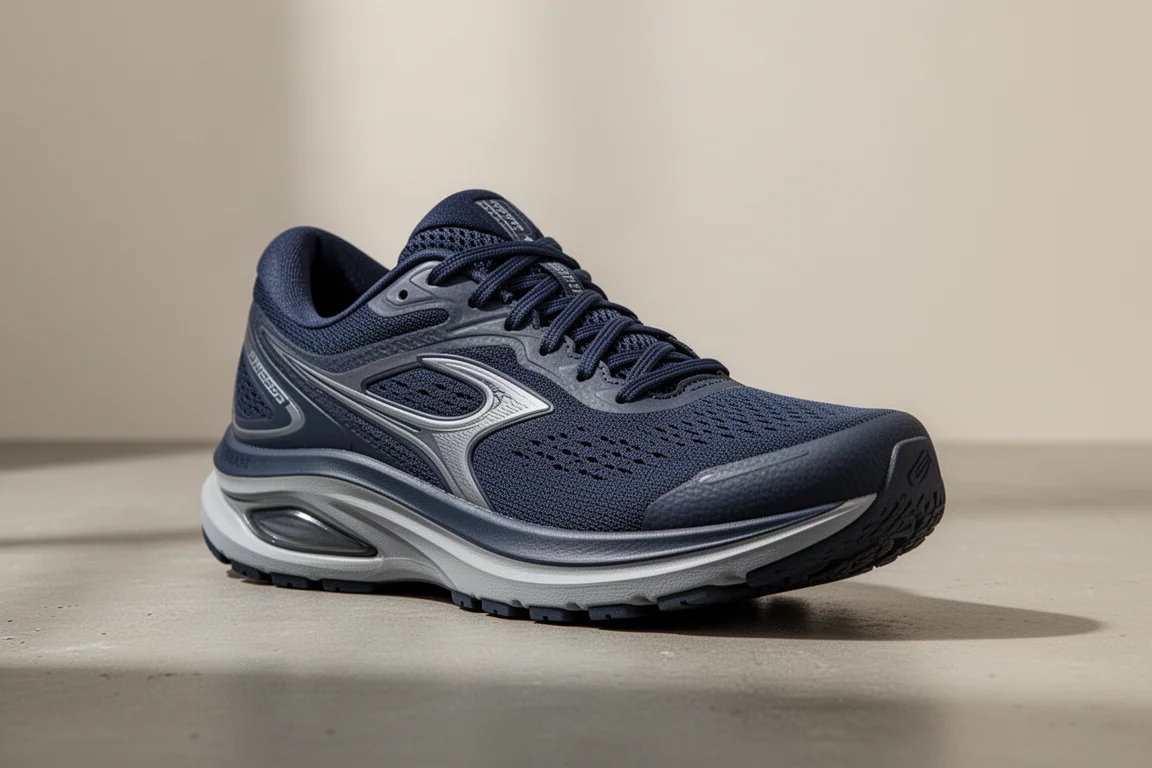
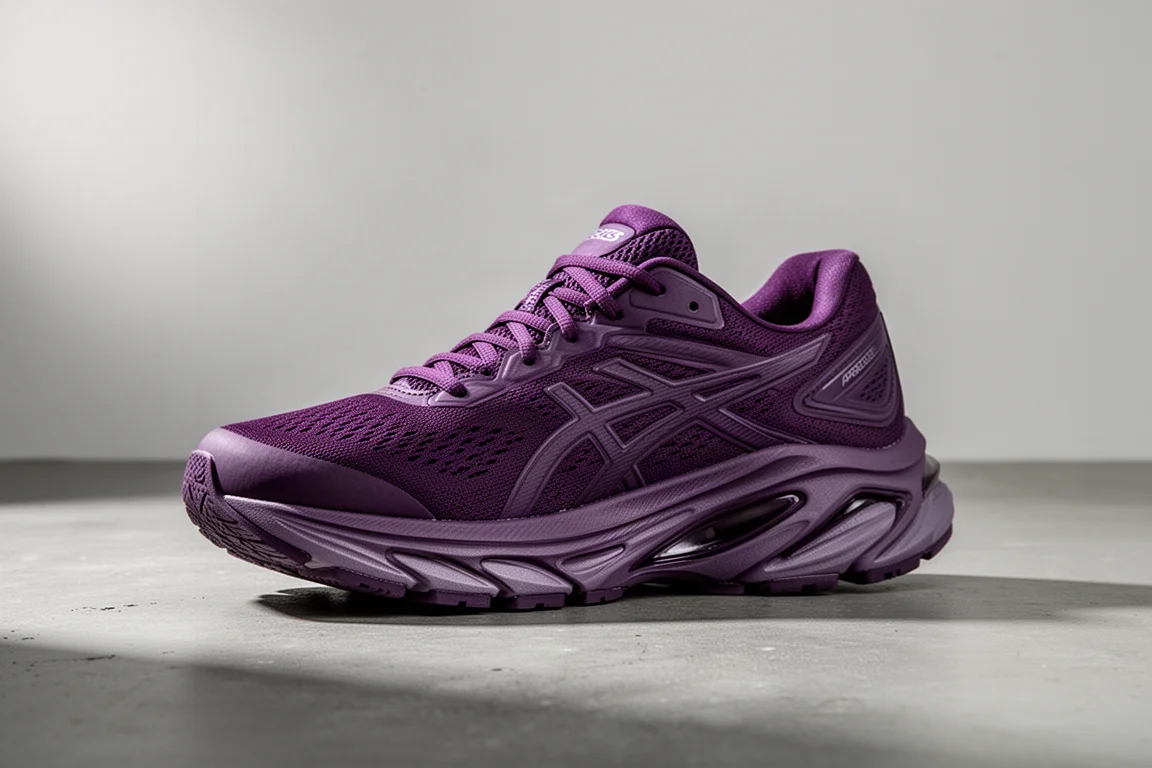
Stability Pick: ASICS GT-2000 14
The ASICS GT-2000 14 leans harder into its stability role than its predecessor. The medial wedge appears to have grown slightly, and the switch to a softer foam around the stiffening agent makes the stability mechanism feel more pronounced under foot. Around 200 test miles in, the takeaway is clear: the heel feels more stable, but also a bit more structured, almost like it could use a touch more rounding.
It still runs like a GT. The upper locks down well, the materials are comfortable, and the forefoot has picked up a small amount of pop that the previous version lacked. For rhythmic easy miles it remains a solid daily trainer, though runners who loved the firmer ride of the GT-2000 13 may prefer to stick with the older model.

Cushioned Daily Trainer: Hoka Clifton 10
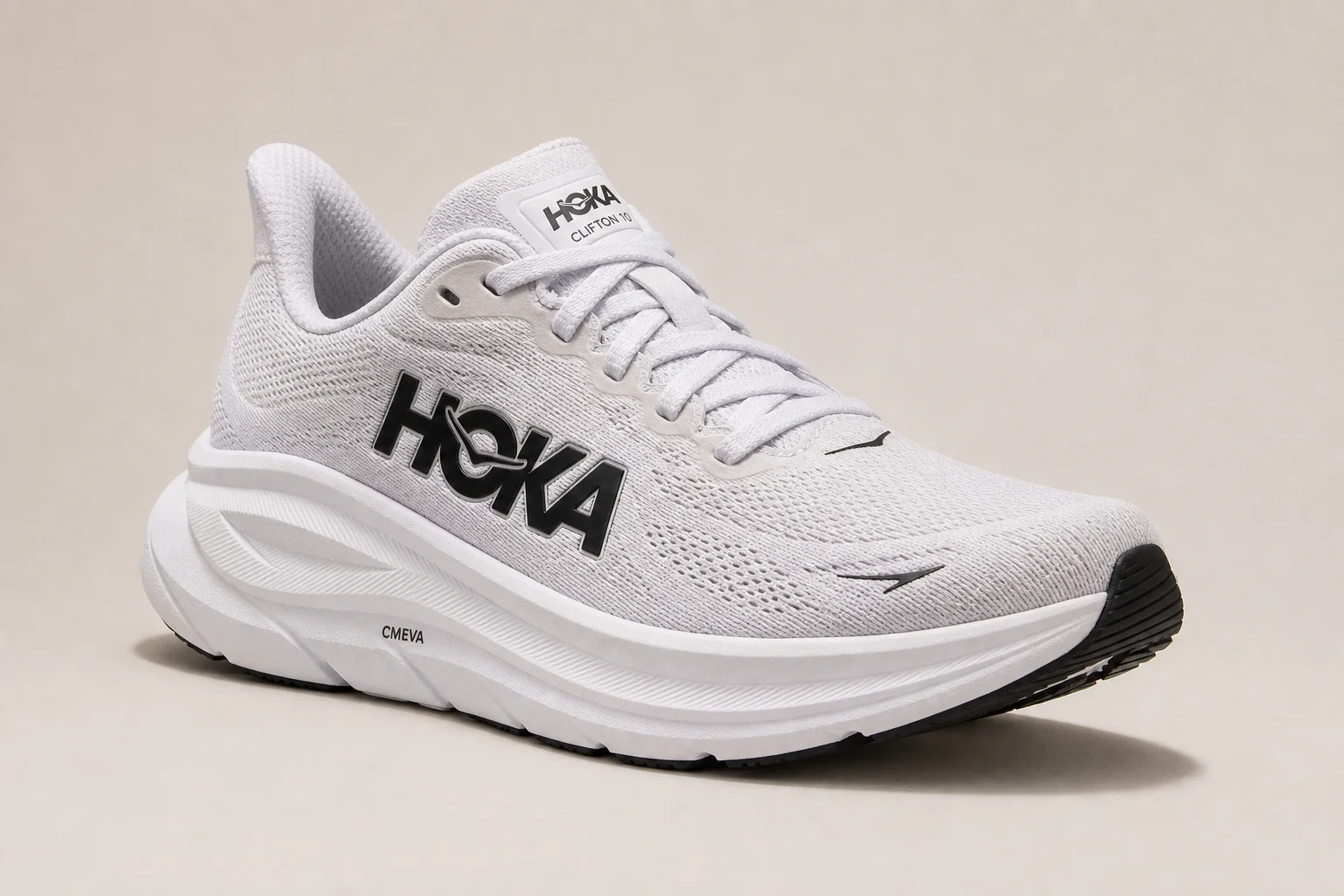
The Clifton 10 changes a lot compared to the Clifton 9, from the foam to the drop, and you can feel all of it. This is a shoe that feels very light and airy on foot, with foam that flattens out quickly rather than snapping back. It also flexes more than the previous version, which puts a bit more demand on the forefoot.
If you want that airy, cushioned, non-poppy ride, the Clifton 10 delivers exactly that. For fans of the Clifton 9’s subtle pop, this update reads more like a step sideways than forward. Sizing note: the wide version runs generously on volume, so standard-width runners may want to try the normal fit first.
Marathon Pick: Saucony Endorphin Elite 1
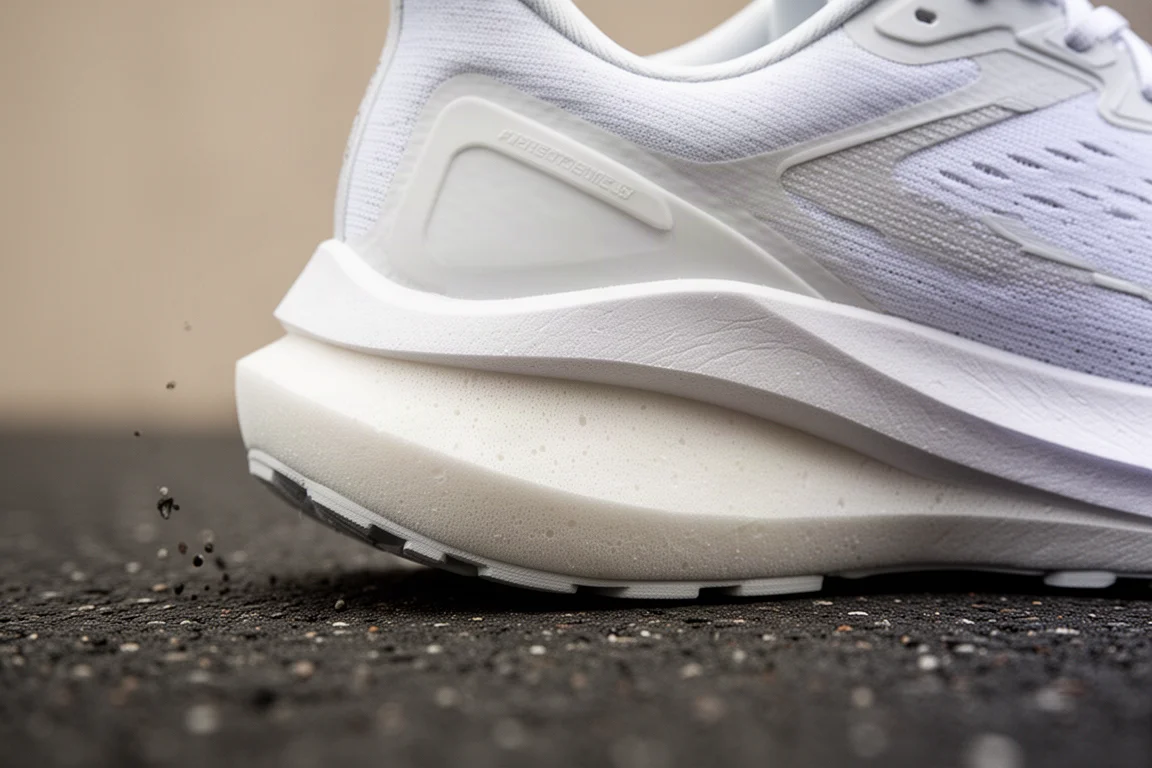
For the marathon, one shoe keeps earning the nod: the Saucony Endorphin Elite 1. It is the known quantity, the shoe with many long efforts over 20 miles behind it, and the pair that a personal best was set in. When you are racing 26 miles for time, you want a shoe you trust completely, and this one has earned that trust.
More aggressive options exist, but for the marathon the confidence factor matters more than novelty. Until something proves itself over repeated long efforts, this remains the pick.
10K to 5K Pick: On Cloudboom Strike
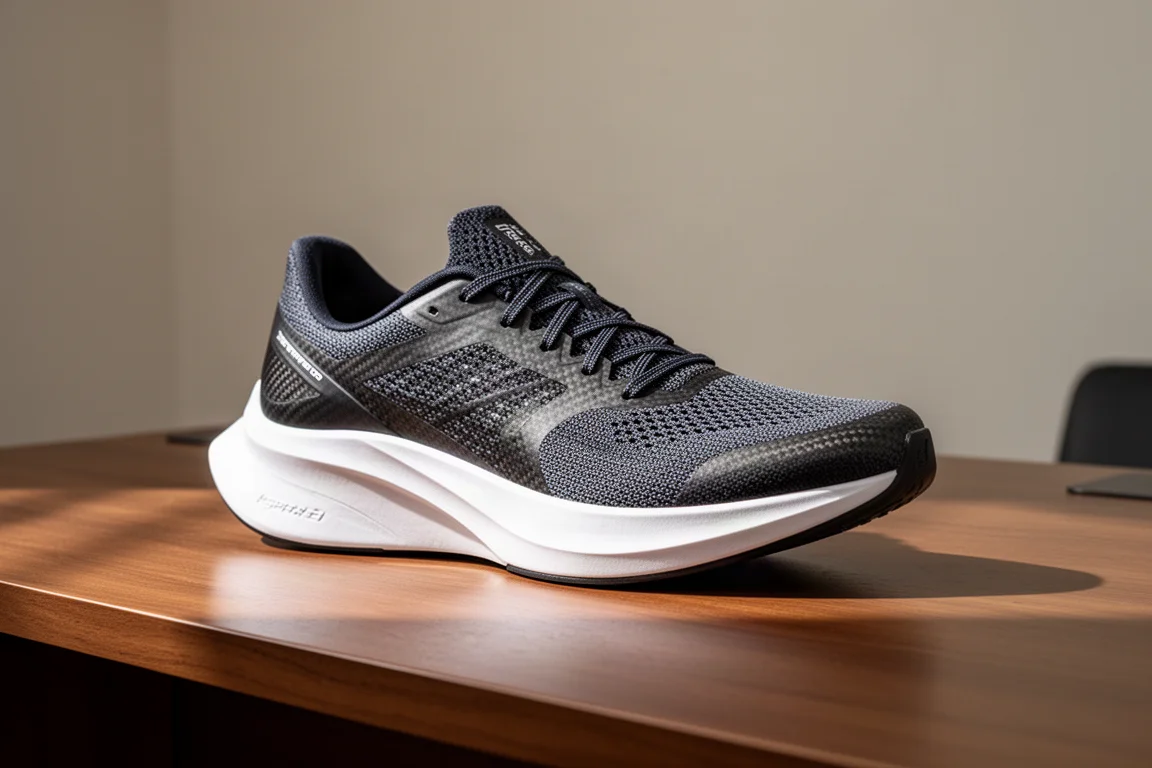
For 10K racing down to the 5K, the On Cloudboom Strike stands out. Its midsole design splits the heel piece from the forefoot, which makes it clunky at slow paces but brilliant at speed: it practically reminds you to keep the pace up. It is aggressive, poppy, and bouncy, and it rewards runners who stay on rhythm.
It is not a shoe for easy days, but for faster efforts at 10K and below it is a genuinely fun, fast ride.
Long Road Miles: ASICS SuperBlast 2
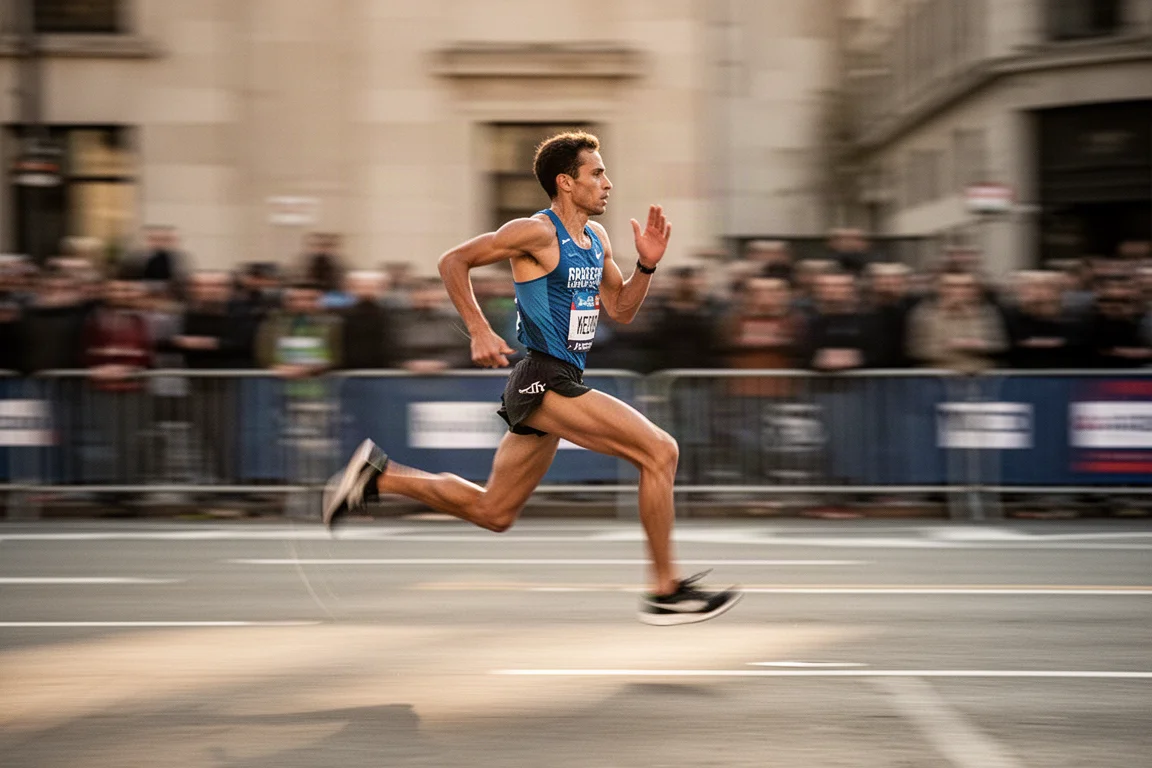
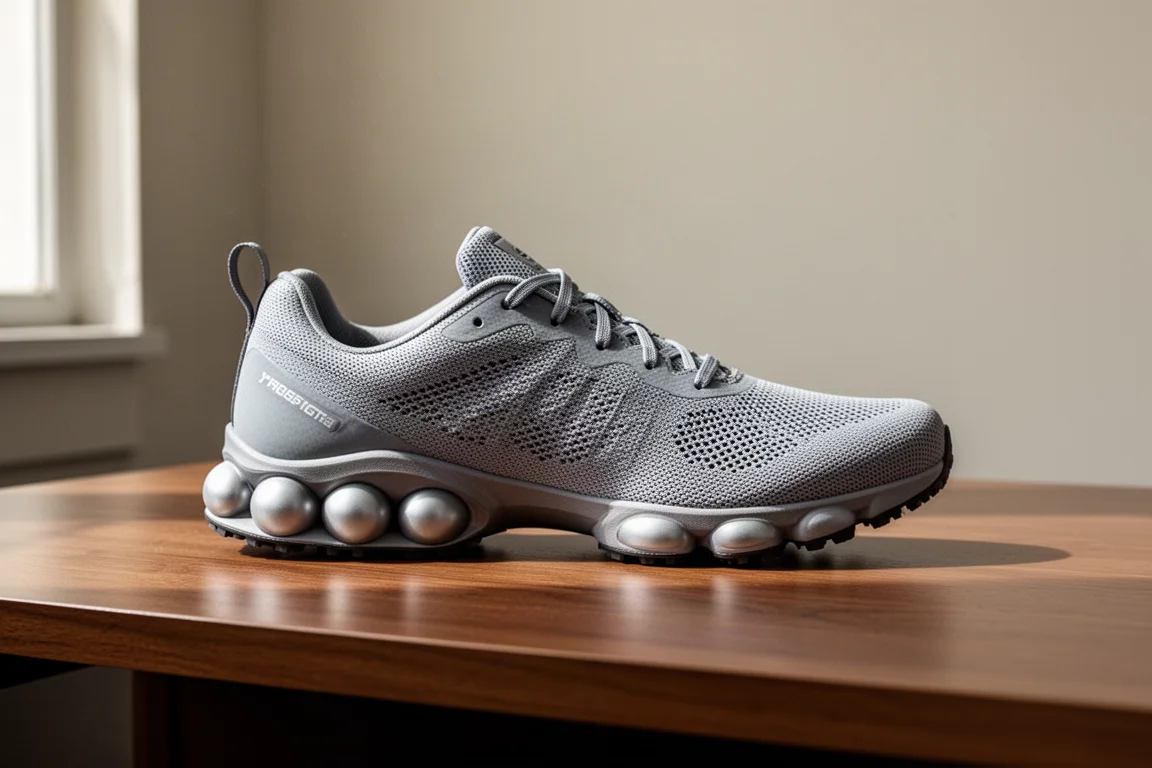
For long road distances raced casually rather than for top-tier times, the ASICS SuperBlast 2 is the faithful choice. It is lightweight, lightly responsive, and consistent, with a wider base and slightly firmer foam that make it surprisingly stable for a neutral shoe. It has enough pop without being a dedicated racing shoe, and it proved itself over a casual half marathon effort.
Long Road Miles: Saucony SC Trainer v3
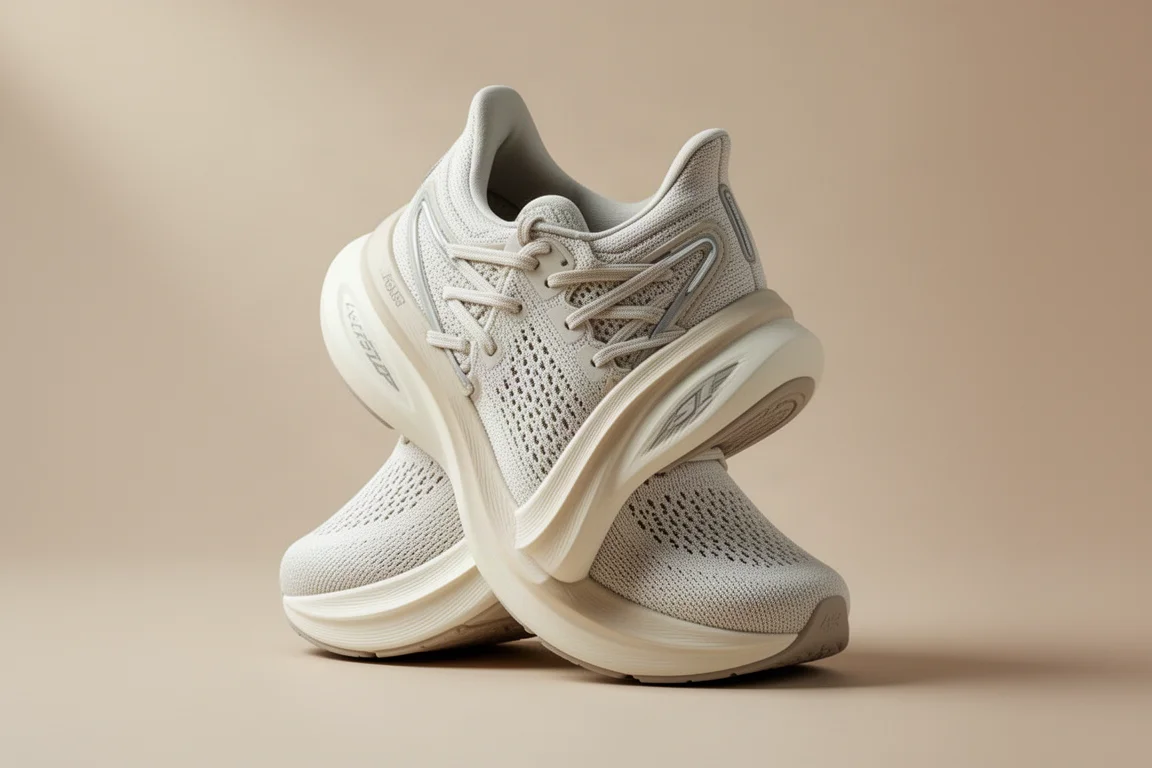
The Saucony SC Trainer v3 is the alternate pick for long road efforts. It shares the wide base philosophy of the SuperBlast with a touch of pop, but the ride is a bit softer. Testing has topped out around 12 miles in this shoe, so longer runs are still on the to-do list, but the training miles so far have been excellent. If you prefer a softer feel over longer distances, this one deserves a look.
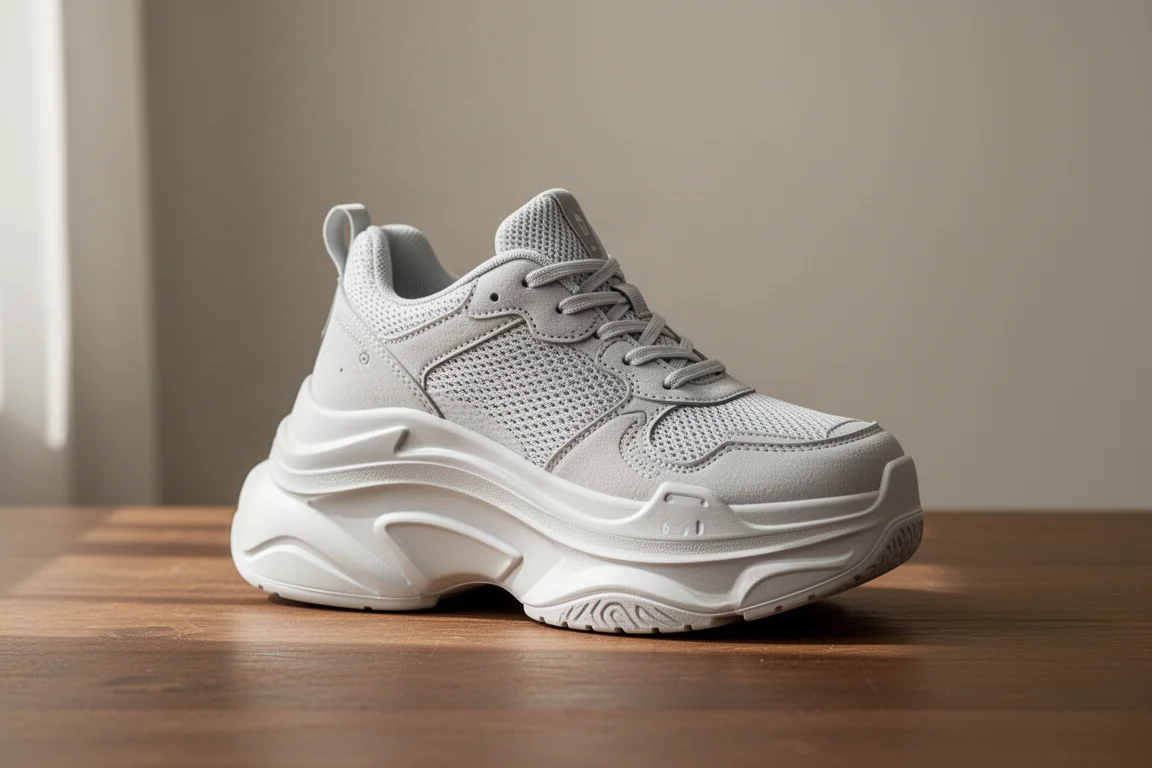
Half Marathon Pick: Hoka Rocket X3
For the half marathon, the Hoka Rocket X3 is the current favorite. The Rocket X2 felt like a negative drop and made it hard to get up on the toes, but the X3 increases the drop and adds a dual-density midsole: firmer in the heel, softer pebax foam in the forefoot. The result feels natural and rolling, mildly aggressive but easy to keep hanging out in as fatigue builds.
For half marathon paces in the 6:30 to 6:45 per mile range, it is streamlined without being punishing, and the cutout design keeps the ride centered.
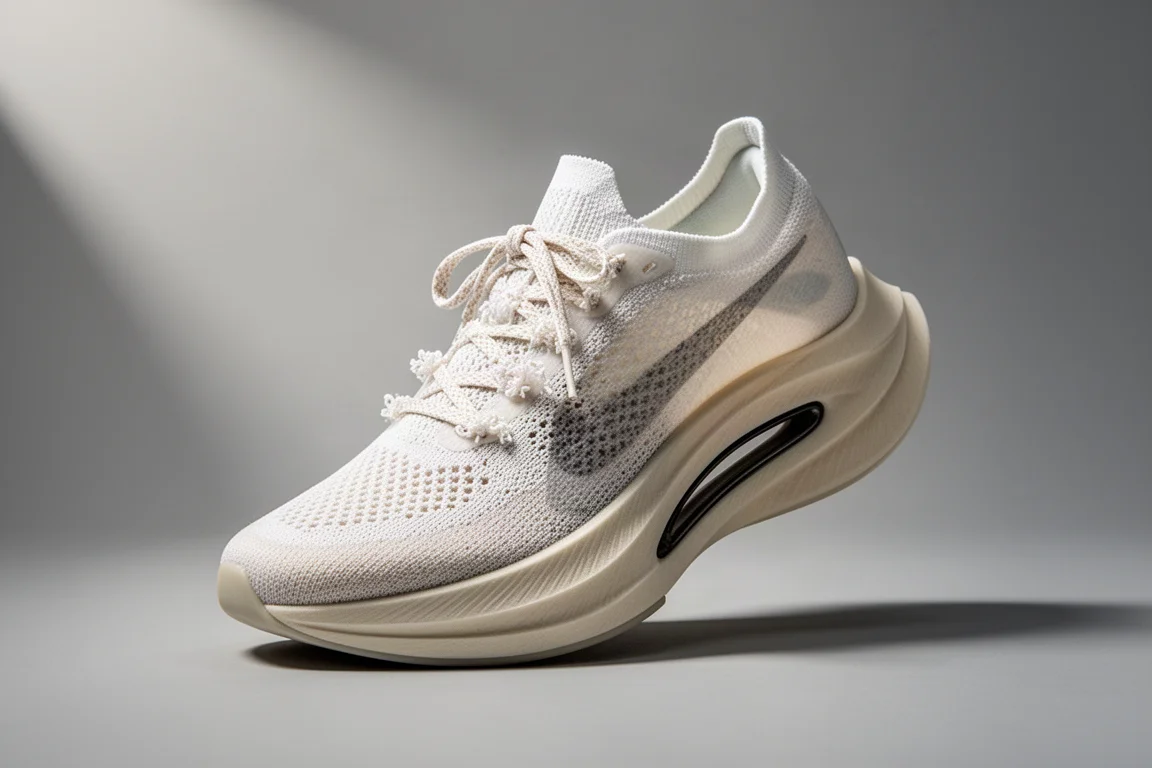
Track Picks for Shorter Distances
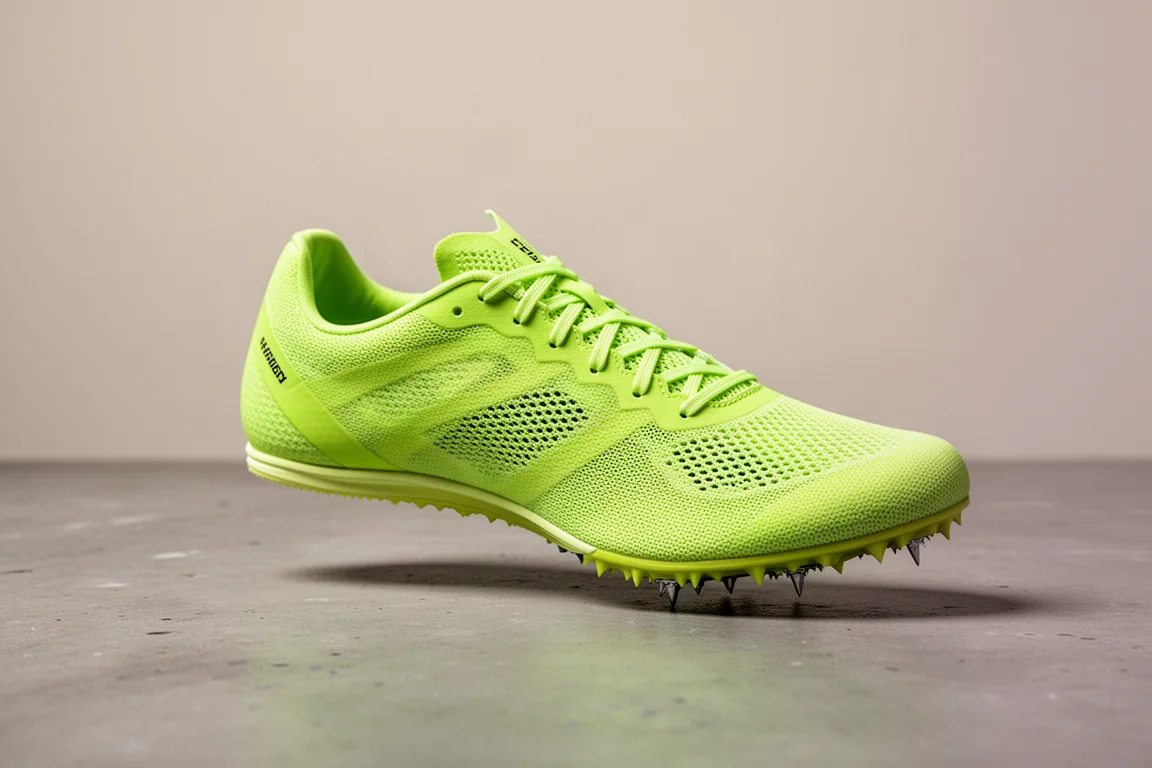
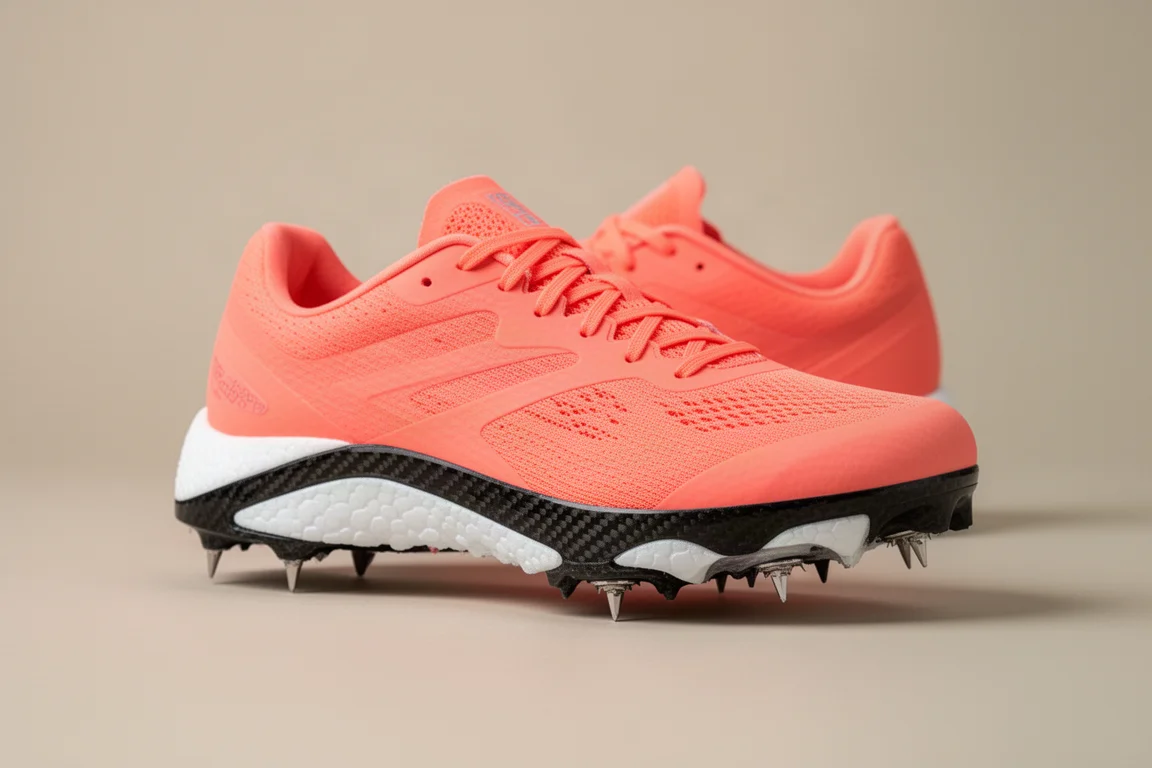
On the track, the choice between spikes and flats depends on the distance. Spikes still make sense for the 800 and the mile, while 3K and beyond may favor flats. For the 5K, the ASICS MetaSpeed Edge Tokyo is a strong racing shoe pick, especially for runners who no longer want to tolerate spikes without regular spike training.
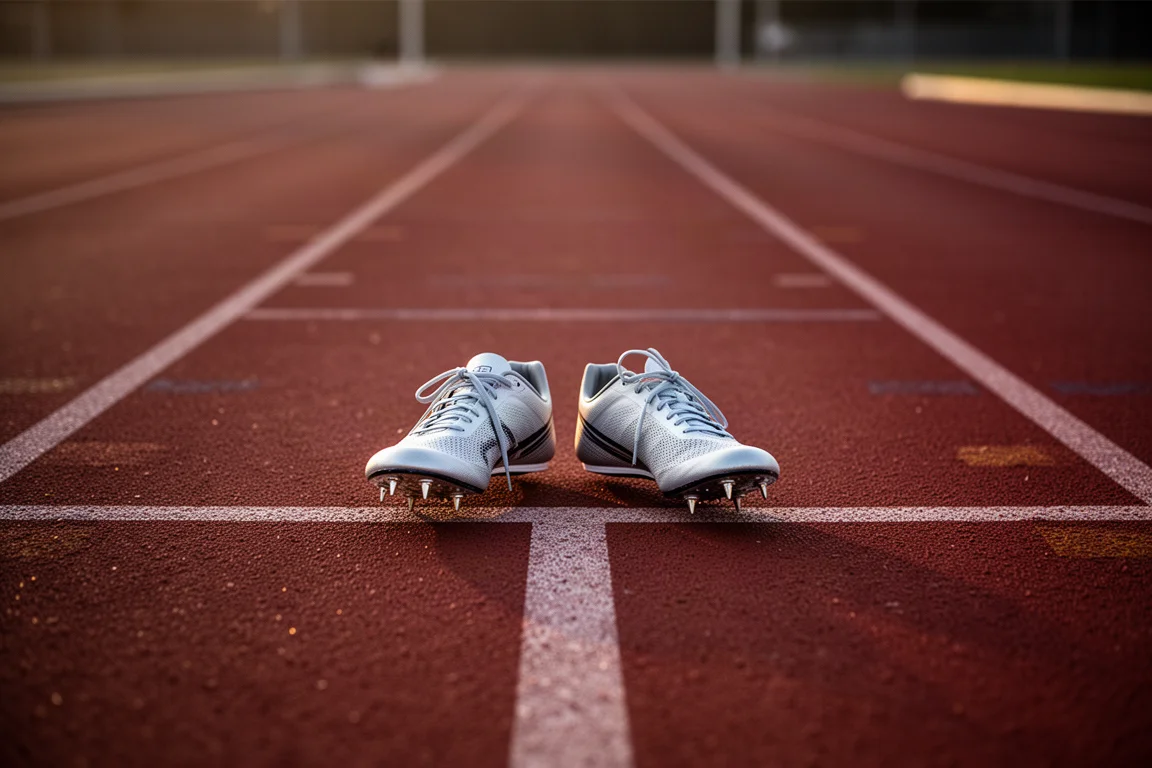
The Nike Dragonfly remains a staple for good reason: it is responsive, grips well, turns without feeling unstable, and weighs in around four and a half ounces. The midsole is softer than traditional spikes, so switching to quarter-length pins helps it feel planted. The Brooks Hyperion Elite LD is the other serious contender: lightweight, stable on foot, planting well off the forefoot, and easy to dig off the turn.
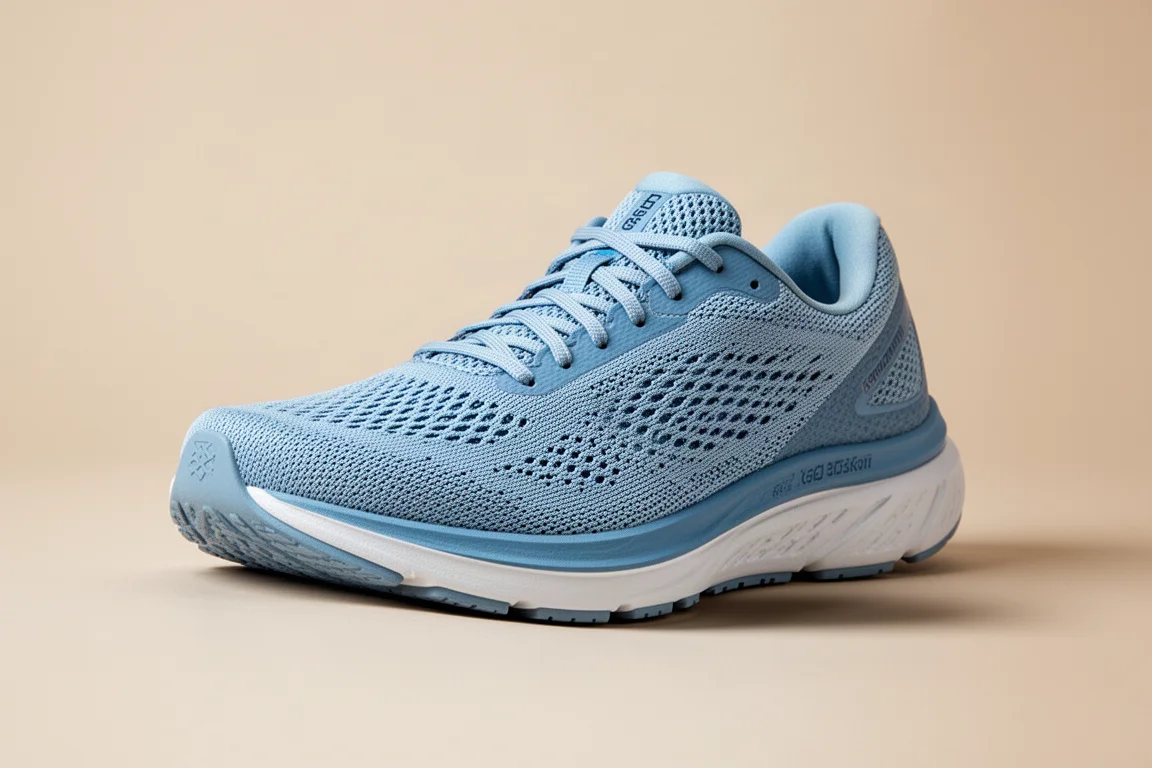
Mailbag: Faster Shoes for Stable Neutral Runners
A reader question about adding a more exciting, responsive shoe to a rotation built around stable neutral trainers like the Topo Ultrafly 5 and On Cloudrunner 2 produced a clear shortlist. The Brooks Hyperion Max 2 runs more stable than its successor and is worth hunting down, while the Saucony SC Trainer v3 and ASICS SuperBlast 2 both offer wider bases with a bit of pop. The Puma Deviate Nitro 3 also fits the brief: its foam feels grounded, it limits wobble, and the rocker gives a smooth forward transition with less lateral movement.
Everyday Running Cap: Ciele GO Cap
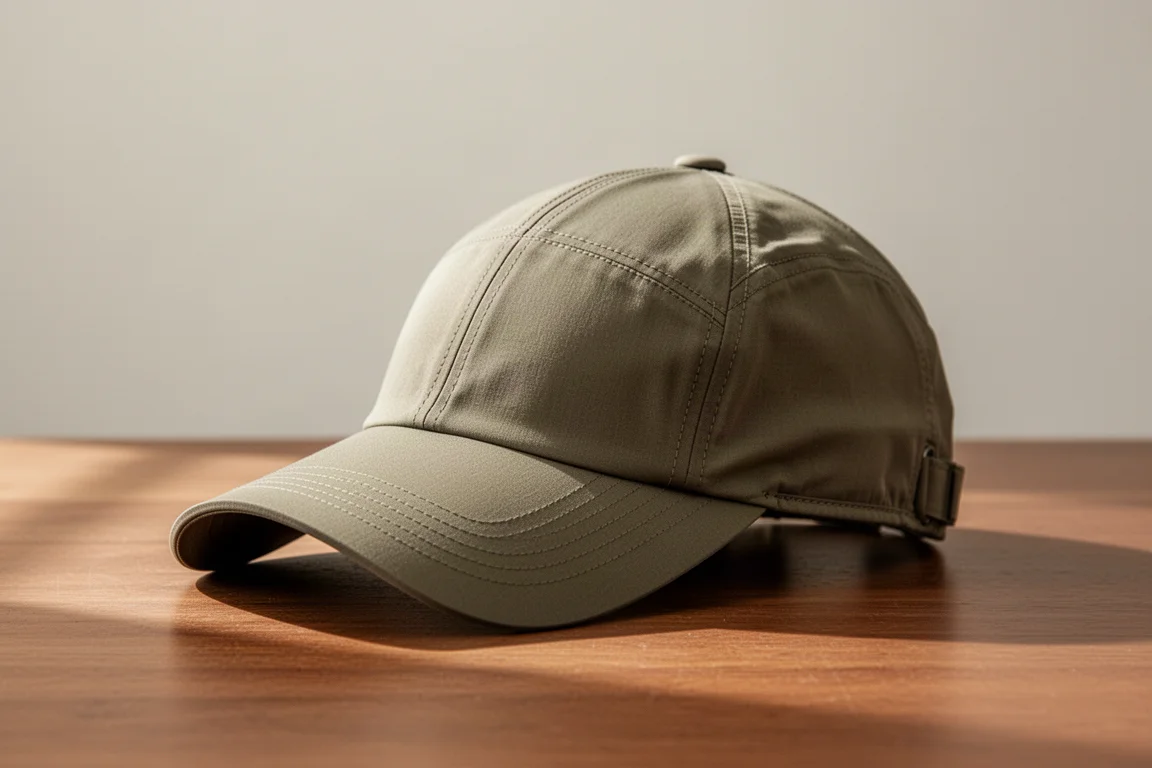
Beyond shoes, one small piece of gear earned a permanent spot in the rotation. The Ciele GO Cap, with its thicker brim, handles daily wear and easy runs alike, and the brand has dialed in its sizing over the last couple of years with circumference-based options that fit smaller heads properly. For hot-weather running, it is the kind of simple accessory that quietly earns its place.
Buying Advice
Match the shoe to the distance and your own mechanics first. Stability needs should be respected when adding faster shoes to a rotation: wider platforms like the SuperBlast 2, SC Trainer v3, and Deviate Nitro 3 are safer starting points than narrow racing designs. For marathon and half marathon racing, prioritize shoes you have tested over long efforts rather than chasing the newest release. On the track, be honest about how much spike training you actually do before committing to aggressive pin setups.
Conclusion
The best racing shoe is the one that fits the distance, your pace, and your body. A stable daily trainer like the GT-2000 14 covers the miles that build fitness, while dedicated racers like the Endorphin Elite 1, Cloudboom Strike, and Rocket X3 reward you when it counts. Pick for the race you are actually running, and let the rest of the rotation fill in around it.
Further reading
Related Reviews

Running Shoes
Best Road-to-Trail Running Shoes: Three Versatile Options for Mixed Terrain
A practical guide to three road-to-trail running shoes that handle both pavement and mild trails, with clear strengths and trade-offs for different runner types.

Running Shoes
Best Running Shoes for Achilles Tendonitis: Three Options Explained
Three running shoes with different heel drops and support features designed to help reduce Achilles tendon pain during walking and running.

Running Shoes
Best Running Shoes for Women: Five Top Choices Ranked
A ranked guide to five women's running shoes, from versatile daily trainers to high-performance racing options, with real strengths and trade-offs for each.