Running Shoes
Best Racing Shoes by Distance: From 5K to Half Marathon
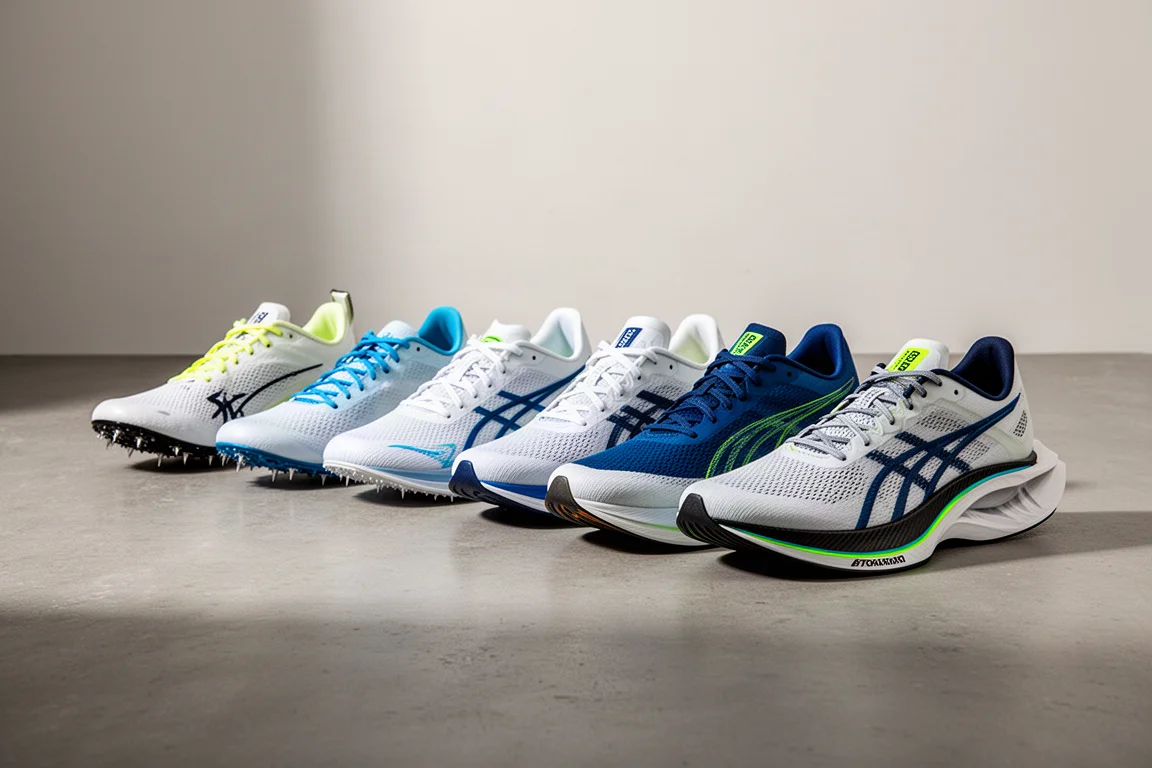
Eight super shoes and racing shoes compared by race distance, with guidance on when a firmer, flatter platform beats a big soft rocker.
Introduction
Race distance changes everything about which racing shoe makes sense. A 5K is short enough to suffer through, so you can pick something firmer and less forgiving if it helps you run fast. A half marathon is the opposite: when fatigue hits around mile nine or ten, you want cushion and a platform that keeps you in rhythm instead of one you have to fight.
What Matters at 5K Distance
For shorter races, a firmer, snappier shoe often beats a soft, high-stack one. Some soft super shoes can feel like they get in the way when your stride opens up and your cadence rises at 5K pace, and it is easy to feel bogged down in the road. The trade-off is real: running economy gains from super shoes matter more over long races, so at a 5K you have more freedom to choose the shoe you simply feel fastest in, because the psychological benefit can outweigh a marginal economy boost.

Another useful lens is how a shoe responds when you push into it. Some platforms get bouncier the harder you punch them into the ground, while others want you to fall into a rhythm and stay there. For a 5K, the first type is often the better match.
5K Picks: Track and Road
Nike Dragonfly
On the track, the Nike Dragonfly stands out for the very shortest distances. It delivers more pop and speed than most alternatives, making it an easy pick for a 1500m or 5K track race. It is less convincing over a full 10K, where a slightly more forgiving geometry becomes appealing.
Adidas Adizero Avanti
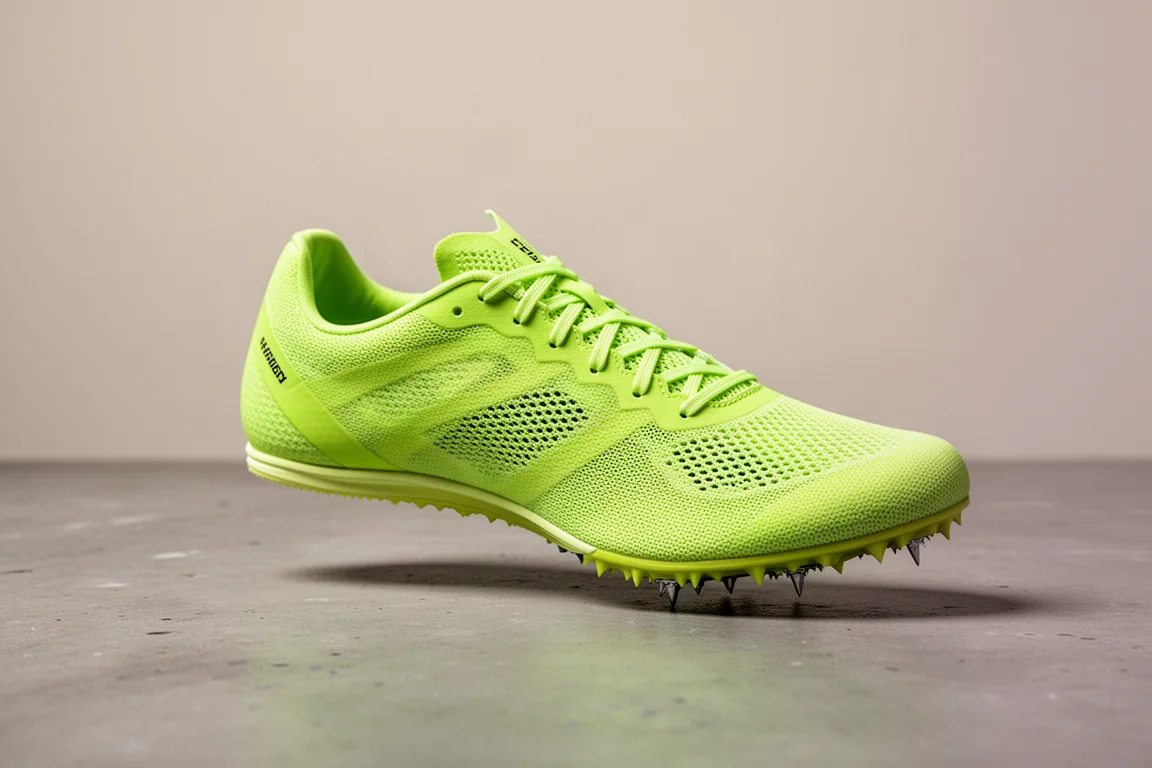
Step up to the 10K on the track and the Adidas Adizero Avanti takes over. Its spike plate is less aggressive, the geometry is more forgiving, and you can fall into rhythm while still running fast. It is the more comfortable choice when the race is twice as long.
Adidas Adizero Adios Pro 2
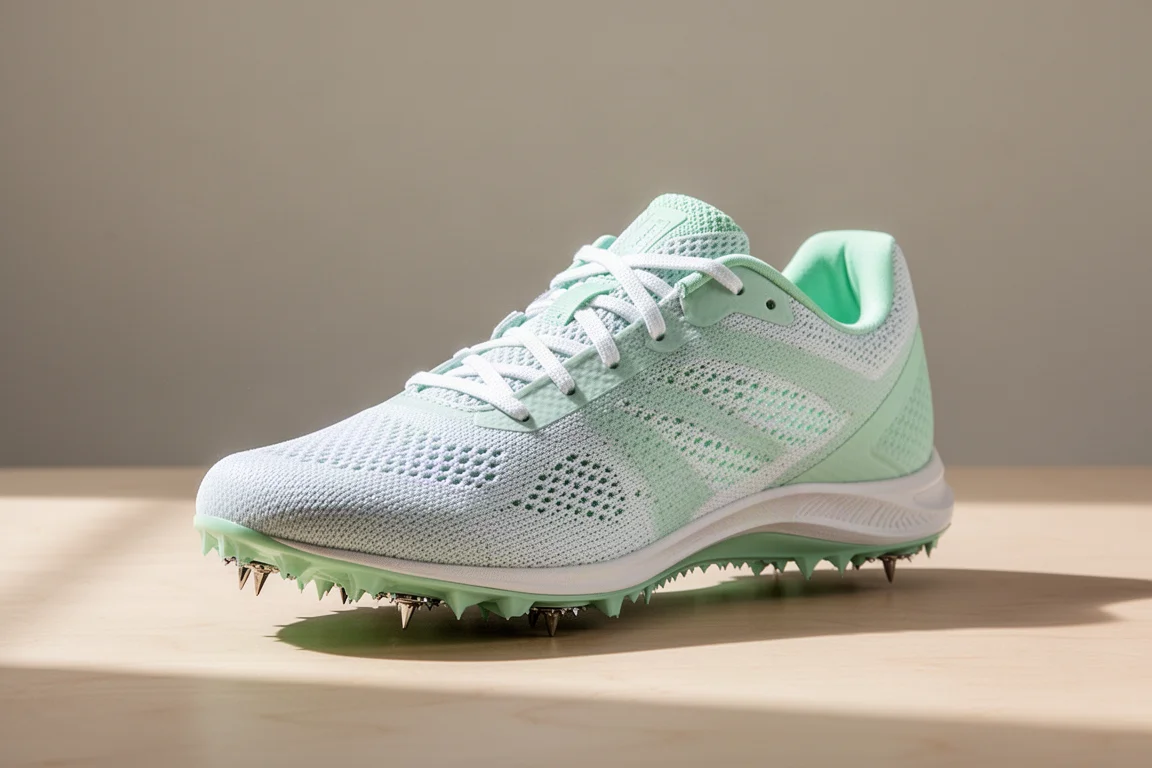
On the road, the Adidas Adizero Adios Pro 2 is a standout short-distance racer. It has a pronounced rocker and internal rods that keep you running in a straight line, almost on rails, and it is lively and poppy at the forefoot. The heel is physically narrow with limited cushioning, so it rewards staying forward on the platform; if you fall back on your heels when tired, there is not much give there.
Skechers Speed Elite
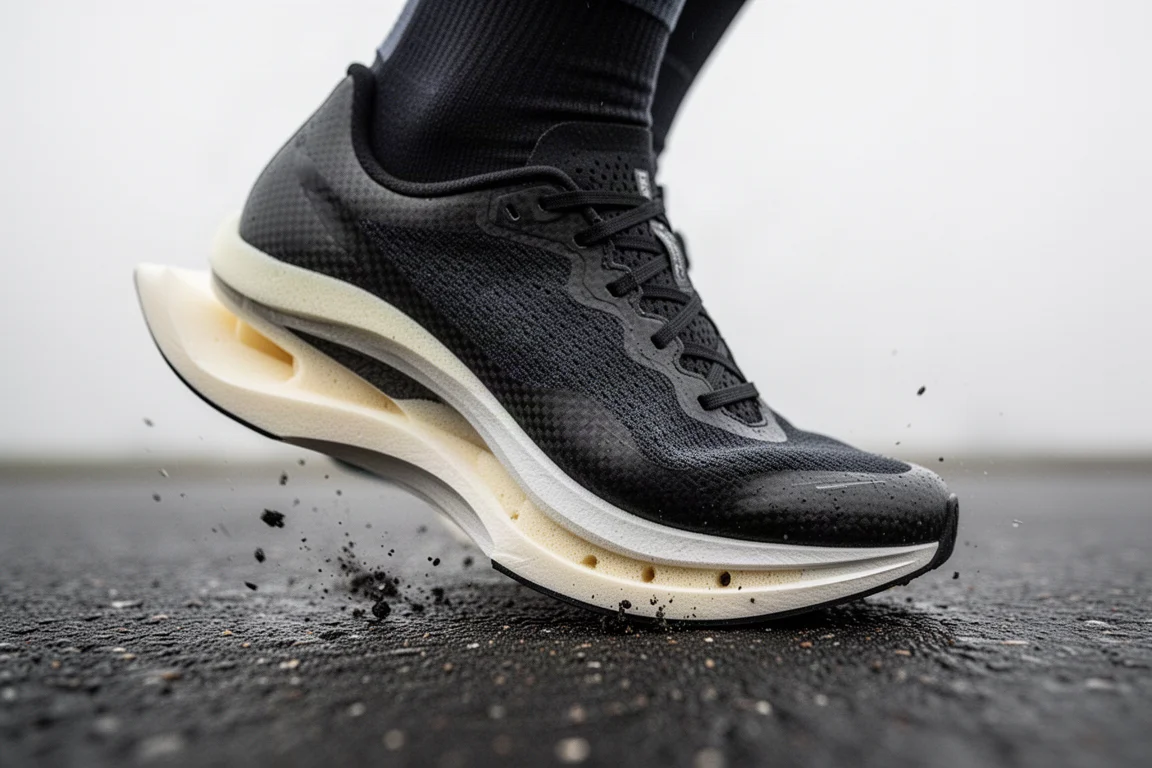
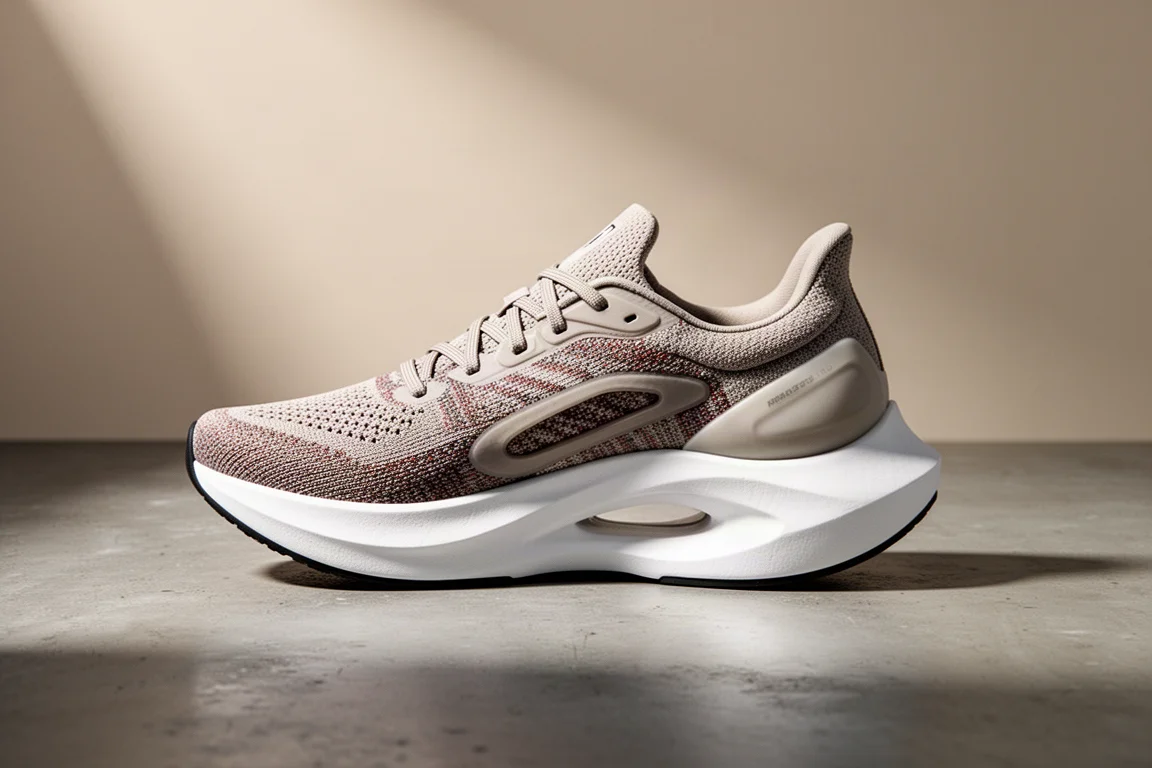
The original Skechers Speed Elite is a lower, lighter option that feels like a road track spike without wrecking your calves. It has a rigid, aggressive toe spring and forefoot rocker that makes turning the legs over easy, and it has proven versatile enough that some runners have set half marathon personal bests in it.
Puma Fast-R
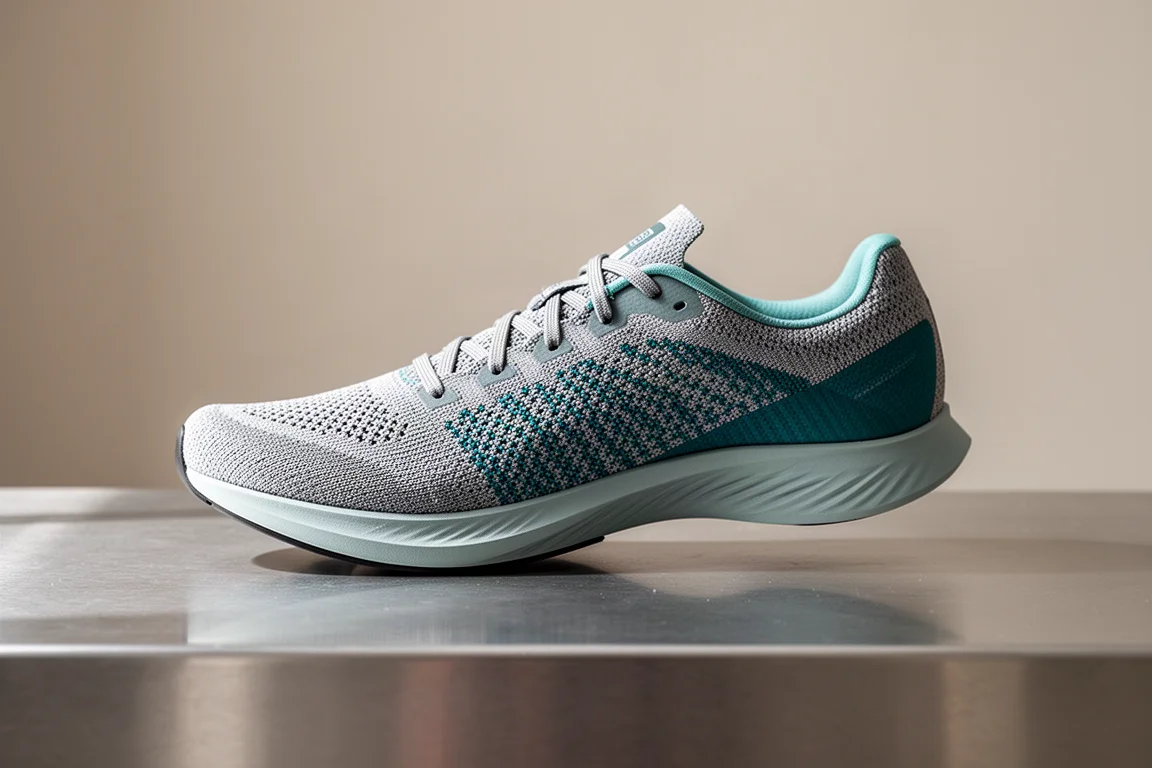
The Puma Fast-R transitions quickly and bounces you forward. Its EVA heel is sharply rockered and funnels you rapidly into the forefoot, where nitrogen-infused Nitro Elite foam delivers a very bouncy, poppy ride. It keeps you slightly forward, which suits 5K racing, and it carries enough stack and geometry that you can back off a little and still be fine at 10K.
Asics Metaspeed Edge Plus
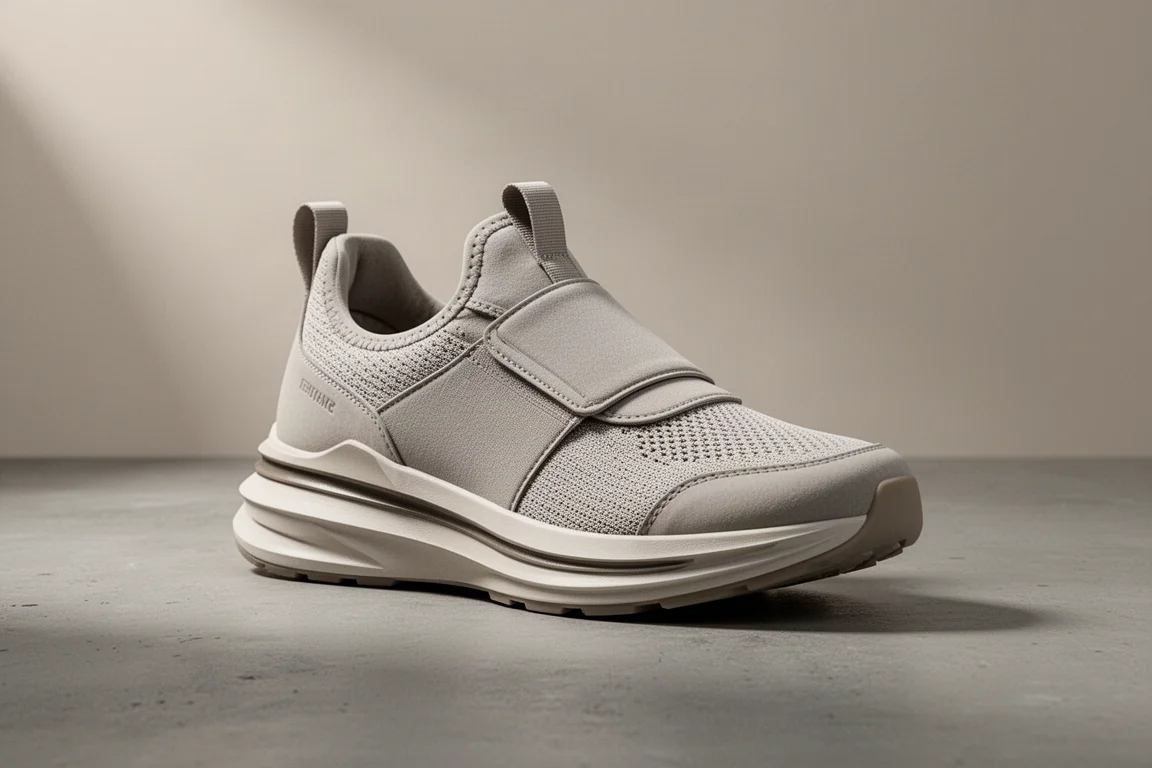
The Asics Metaspeed Edge Plus uses firmer turbo foam that still bounces off the forefoot. Its geometry is more gradual than most super shoes: a heel bevel and toe spring remain, but the plate is only sharply rockered at the very end, so you never feel like you are falling off the front. You push into the ground and the shoe pushes back, which makes it a strong pick for both 5K and 10K.
What Matters at 10K and Beyond
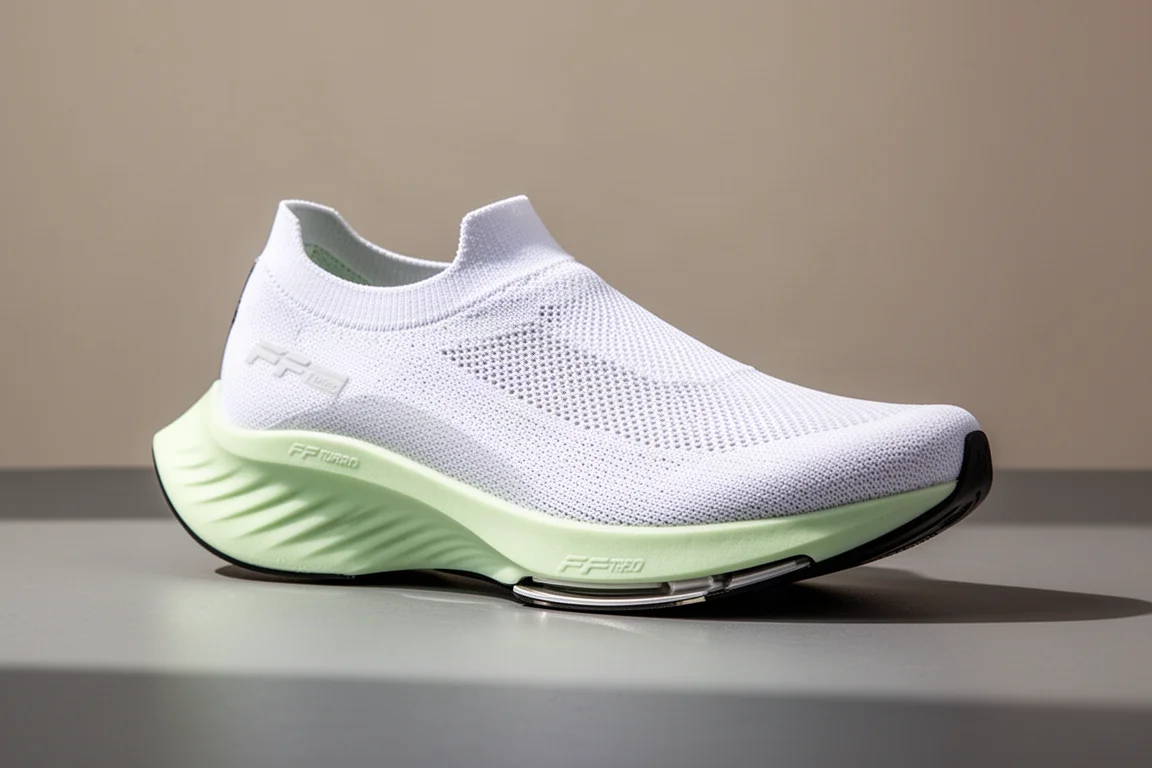
From 10K up, the calculus shifts. You want enough cushion to stay comfortable deep into the race, and a platform that holds you in rhythm rather than demanding constant attention. A shoe that keeps you steady when you get tired is worth more than one that only shines when you are fresh.

Nike Vaporfly Next% 2
The Nike Vaporfly Next% 2 fits this range well. It is light, at roughly seven ounces in a men’s 9.5, with a mild rocker and a good bounce coming off the forefoot. At 5K pace it can feel a little high up, but at 10K and half marathon pace you can settle right in, making it a strong choice for longer road racing.
New Balance SC Pacer
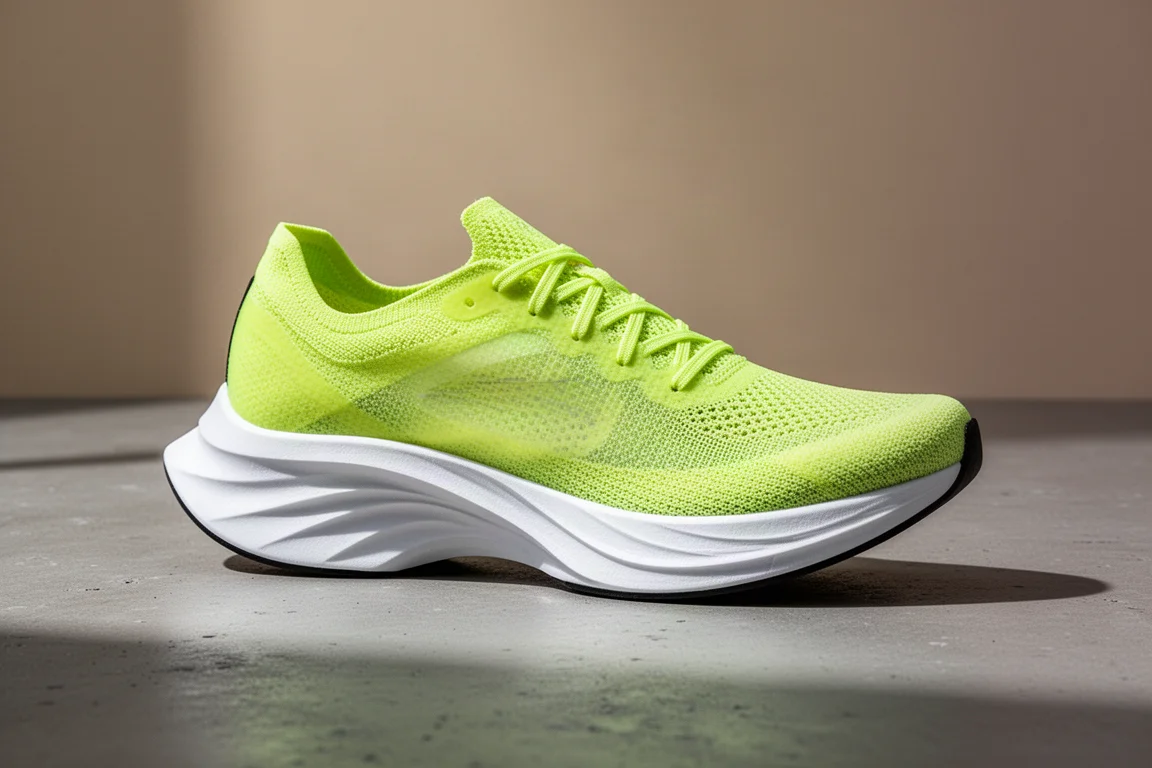
The New Balance SC Pacer spans a wide range, usable all the way up to half marathon, with people running fast times across those distances. Its stack is respectable but lower than most other super shoes, so it suits runners who prefer something firmer, snappier, and closer to the ground rather than high, squishy, and bouncy.
Buying Advice by Race Distance
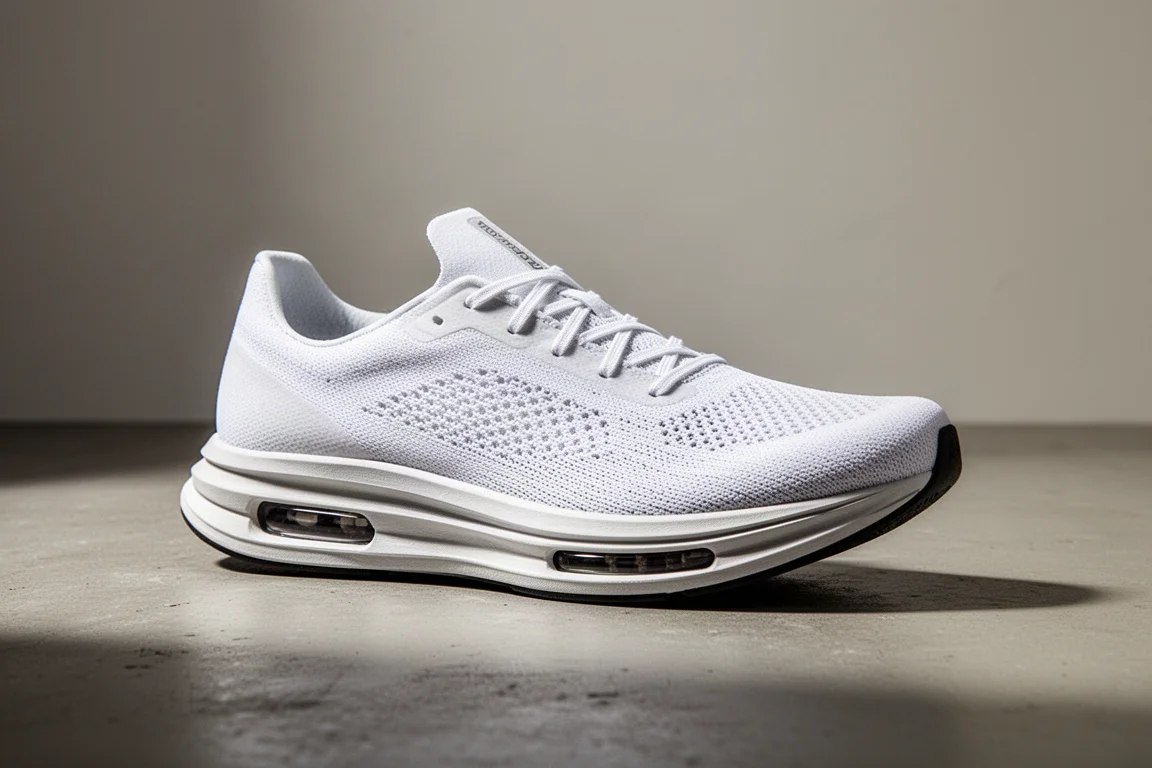
Start with the distance you actually race most. For 5K, favor a firmer platform with snappy toe-off, and do not underestimate how much a shoe you mentally trust can help over such a short effort. For 10K and half marathon, prioritize cushion, rhythm, and a geometry that forgives late-race fatigue.
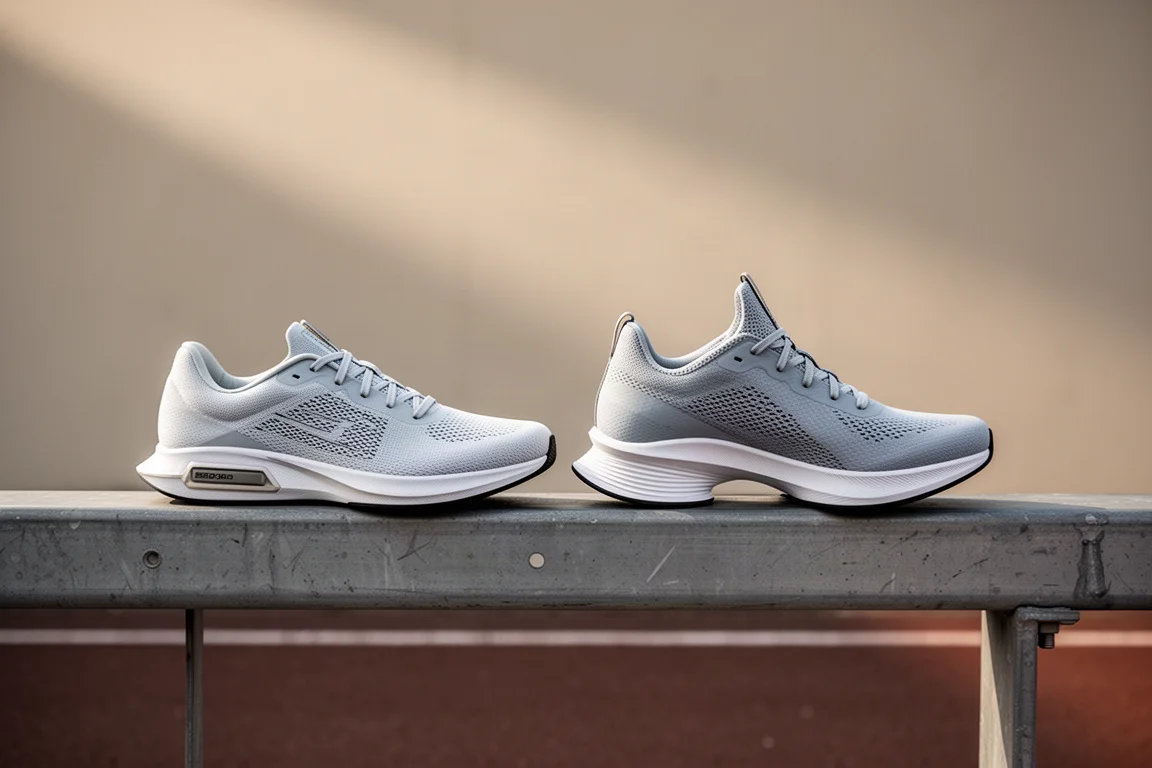
Also match the shoe to your mechanics: if you drift back on your heels when tired, avoid platforms with narrow, unforgiving heels. And when trying shoes, pay attention to how they feel when you load them quickly, not just how effortless they seem at easy pace.
Conclusion
There is no single best racing shoe, only the best shoe for your distance and your stride. Firmer, flatter platforms reward aggressive short racing, while softer, rockered designs protect you over longer efforts. Choose based on how the shoe feels when you push, and let distance guide the trade-off between snap and cushion.
Further reading
Related Reviews

Running Shoes
Best Road-to-Trail Running Shoes: Three Versatile Options for Mixed Terrain
A practical guide to three road-to-trail running shoes that handle both pavement and mild trails, with clear strengths and trade-offs for different runner types.

Running Shoes
Best Running Shoes for Achilles Tendonitis: Three Options Explained
Three running shoes with different heel drops and support features designed to help reduce Achilles tendon pain during walking and running.

Running Shoes
Best Running Shoes for Women: Five Top Choices Ranked
A ranked guide to five women's running shoes, from versatile daily trainers to high-performance racing options, with real strengths and trade-offs for each.