Running Shoes
Racing Shoe Roundup: Saucony Endorphin Pro 3, Nike Vaporfly 3, Adidas Takumi Sen 8, Nike Alphafly 3, New Balance SC Trainer V2
Five fast shoes tested across a progressive 16x400m workout, from the most forgiving to the most aggressive racer in the rotation.
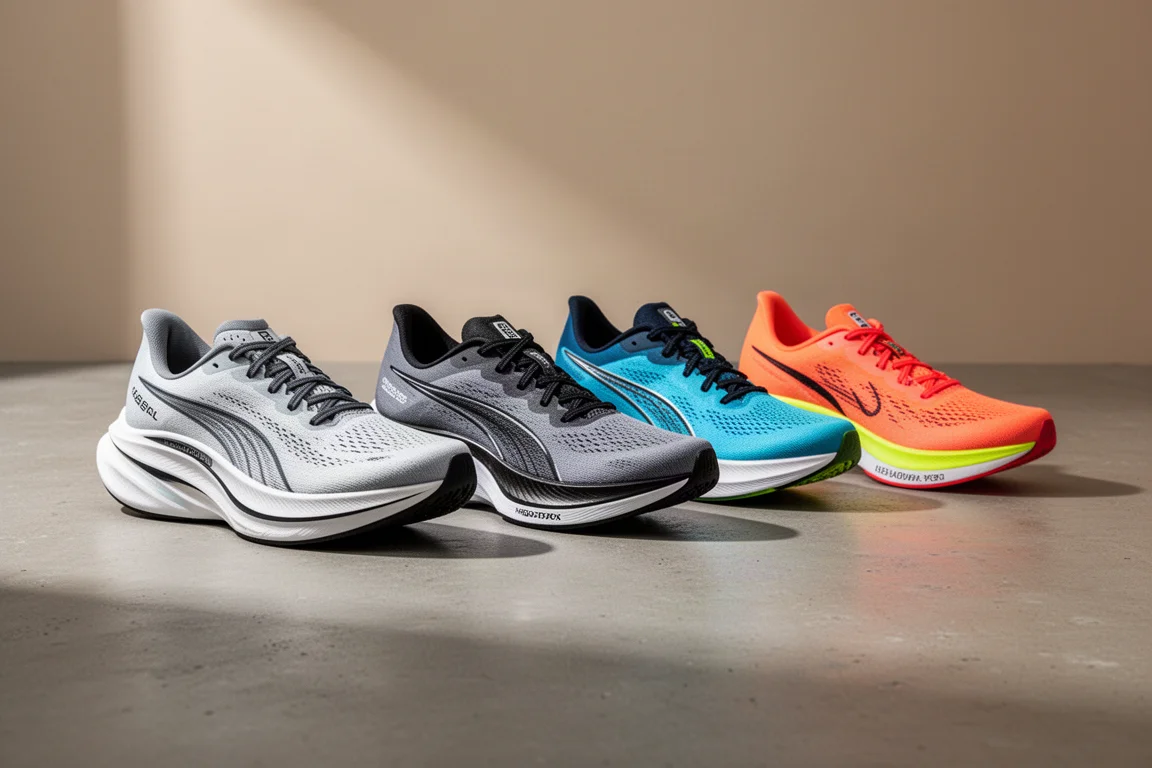
Introduction
Choosing a race-day shoe used to be simple: pick the fastest thing on the shelf. Now there are so many high-stack, plate-laced racers that the real question is which one matches your pace, your foot strike, and the distance you are actually racing.
To sort that out, one long progressive session of 16x400m repetitions was run across five shoes from a personal rotation, ordered from least aggressive to most aggressive. The shoes were tested at a range of working paces from around 5:50 down to the low 5:20s per mile, with the goal of finding out which racer shines at which speed.
The lineup: Saucony Endorphin Pro 3, Nike Vaporfly 3, Adidas Takumi Sen 8, Nike Alphafly 3, and the New Balance SC Trainer V2 used for warm-up and cool-down. Here is how each one behaved.
How the shoes were tested
The session was structured so each shoe got four 400m reps, starting near 5:50 pace on the first rep and progressing toward 5:30 or faster by the final rep. A full recovery jog back, a shoe change, and a few minutes of rest separated each set, so every shoe was tested on relatively fresh legs.
Total volume for the morning landed in the 14 to 16 mile range, which matters: the final sets were run on tired legs, exactly the conditions these racers are designed for. Nutrition during the session came from a simple carbohydrate gel with roughly 100 calories and 25g of carbs, plus some electrolytes, enough to avoid glycogen depletion without turning the session into a race simulation.
One honest caveat: recent training had focused on threshold pace around 5:50, not the sub-5:45 paces of a true 5K effort, so some reps were uneven early on. That unevenness is actually useful, because it shows how each shoe behaves when pace control slips.
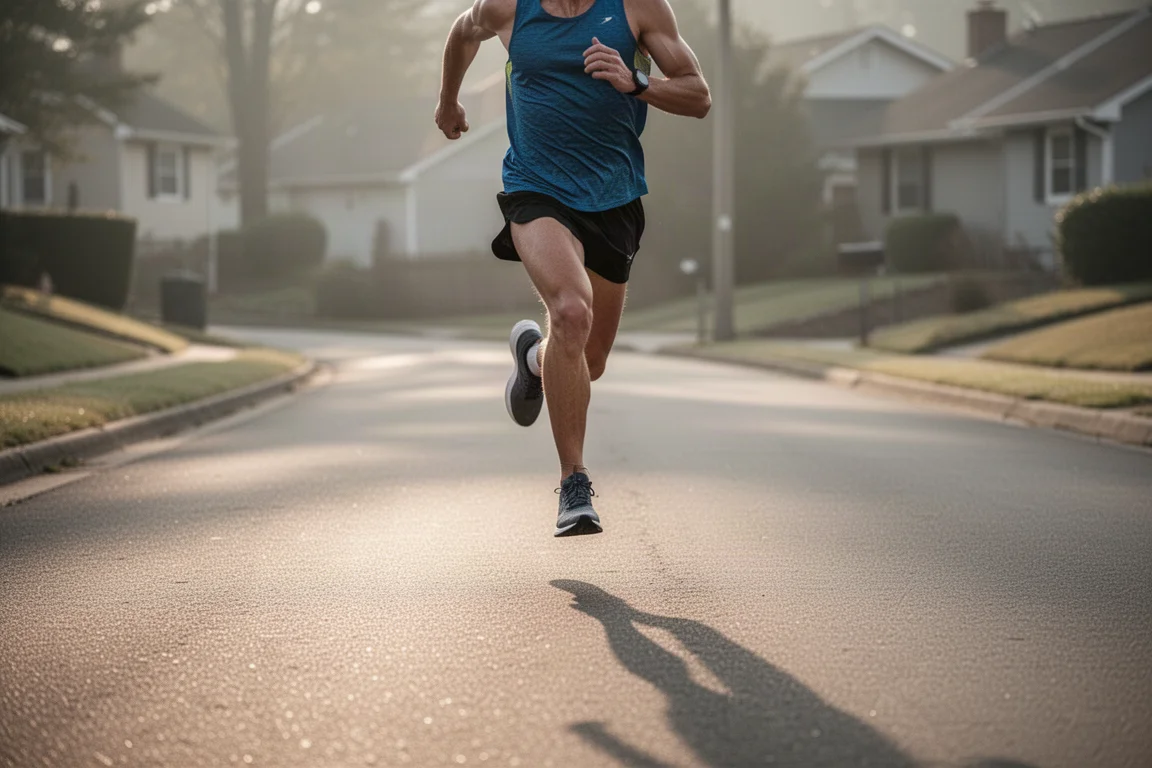
Saucony Endorphin Pro 3
The Endorphin Pro 3 started the day, and it felt the most natural of the whole group. In fact, it sits not far off from a plated trainer in character, which is partly why it is the most comfortable racer of the bunch. The foam offers a slightly firmer ride than softer trainers, but nothing about it feels harsh.
Where it fell short was speed. At jogging paces it feels great, but when digging into the 5:30 range it lacked the bite wanted for a fast 5K, feeling a touch mushy. This pair had around 250 miles on it, and while fresh legs might sharpen things slightly, the overall character does not seem to have changed much from new.
That makes it a good do-it-all racing shoe rather than a pure speed weapon. It feels best at marathon pace and slower, roughly 6:30 per mile and beyond, and it is far better suited to a half marathon or marathon than to hard 5K efforts. For recreational runners not chasing sub-6-minute miles, this is arguably the most comfortable pick.
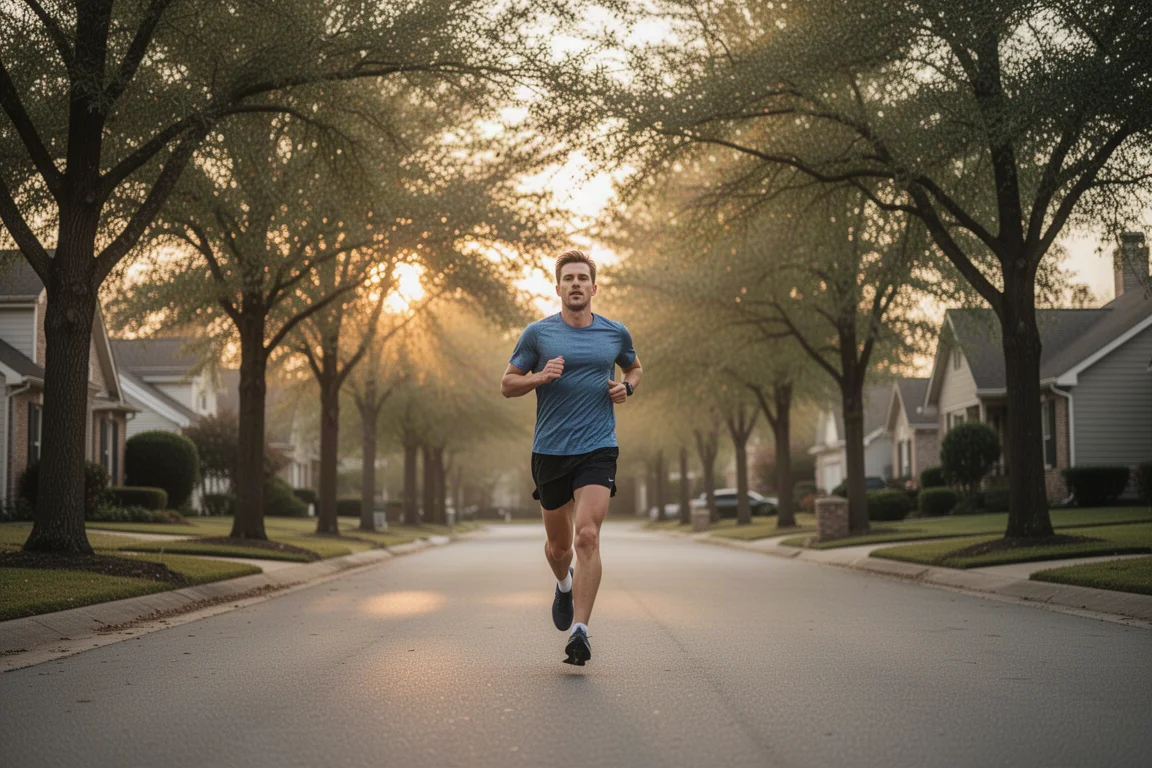
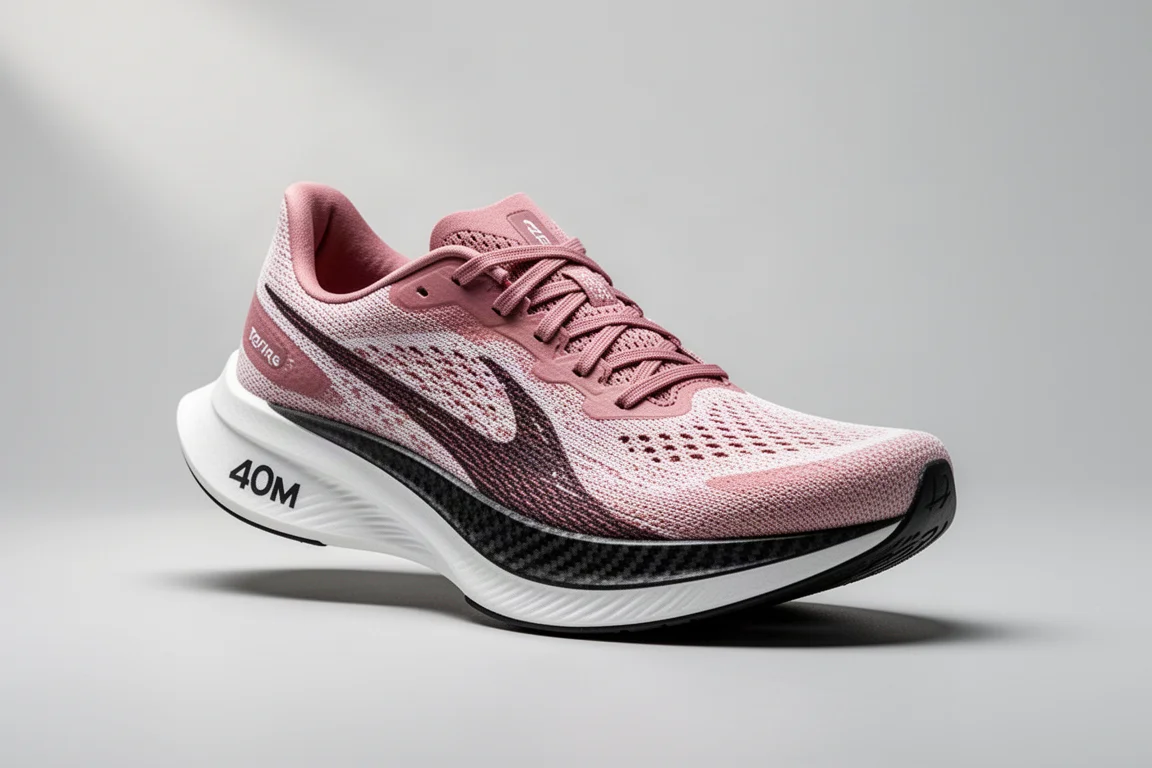
Nike Vaporfly 3
The Vaporfly 3 was the favorite of the day. Straight out of the box after the Pro 3, the softer, bouncy ZoomX cushioning felt noticeably more comfortable underfoot, and the carbon plate delivers just the right balance of snap and protection. There is enough ground feel through the forefoot to dig in at toe-off, but not so much that it beats you up.
A key detail for heel strikers is the extension of foam hanging off the back of the shoe. On a day with tired legs and imperfect form, low knee drive and slight overstriding, that heel foam mattered. It protects the legs and rolls the foot heel to toe even when mechanics fall apart late in a session.
The pacing held up well too, with reps ranging from about 5:50 down to 5:20 despite a slight uphill grade on the route. The one knock: for bigger runners, ZoomX can feel a little unstructured and soft. Still, this remains the number one race-day pick across distances, from 5K up to the marathon, provided you can get your foot inside it.
Adidas Takumi Sen 8
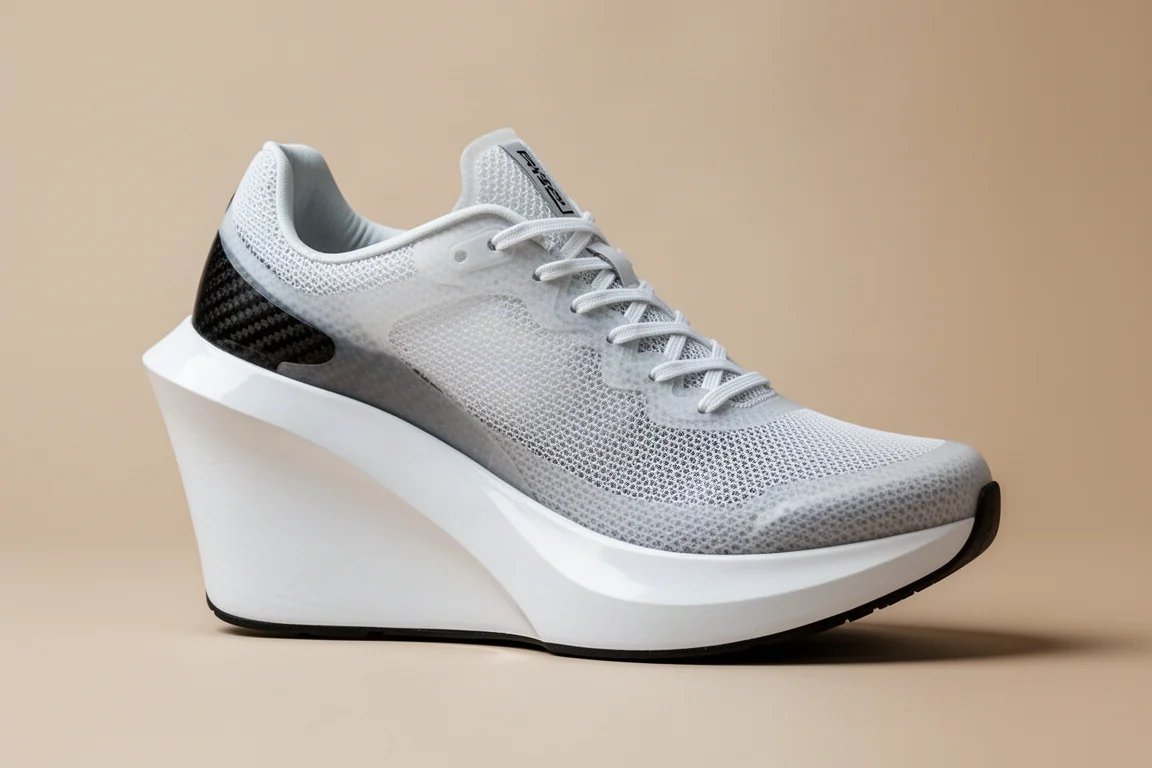
The Takumi Sen 8 was the only dedicated 5K racer in the test, and it behaves like one. It has a lower stack than the marathon shoes, a much narrower fit, and very little to land on at the back, which forces you up onto the forefoot. That makes it the least comfortable and least friendly for everyday running paces of everything tested.
The narrow midfoot also makes it tricky to fit. Lacing these down as tight as possible was required just to lock the foot in, and getting them on was a fight. This is the kind of shoe that demands warm-ups and cool-downs in a separate daily trainer.
On the clock it delivered, though. Running on the third set of the morning, around miles 10 to 12 of the session, a 5:11 rep came out on rep three before focus slipped on the final rep. As a fast 5K tool for forefoot runners with strong form, it is excellent. Just know it is the second most aggressive shoe here and offers little protection for sloppy landings.
Nike Alphafly 3
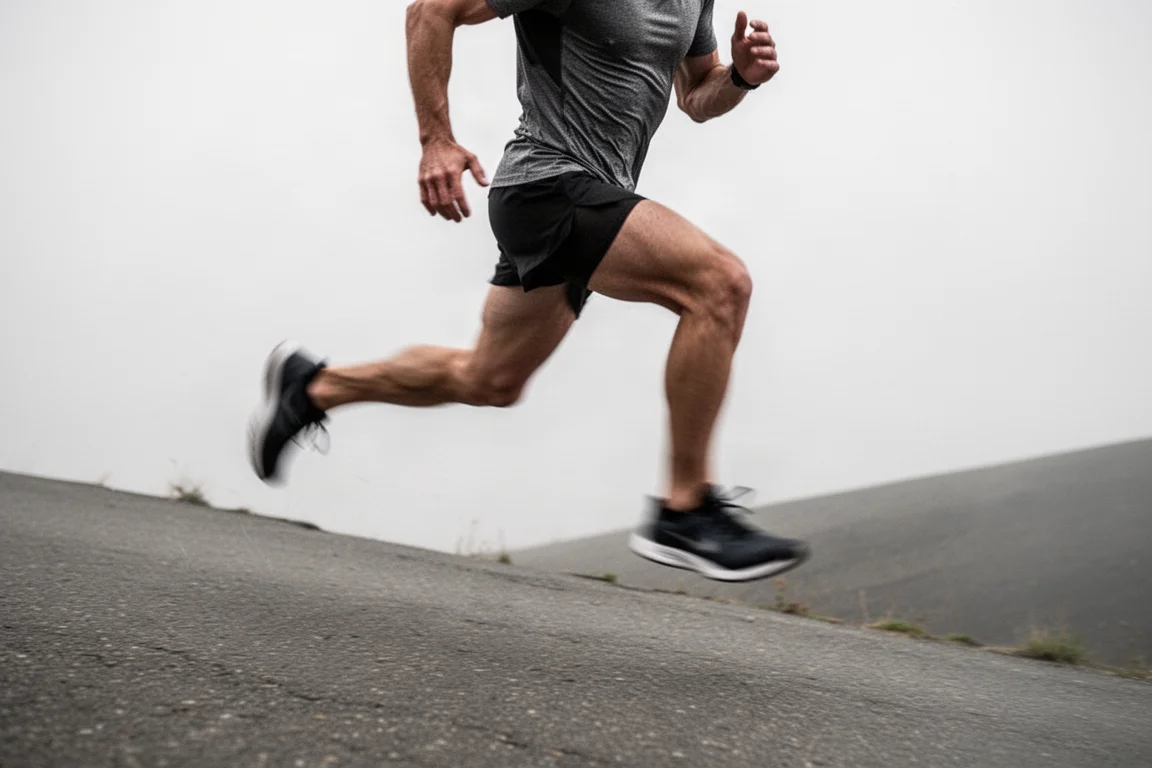
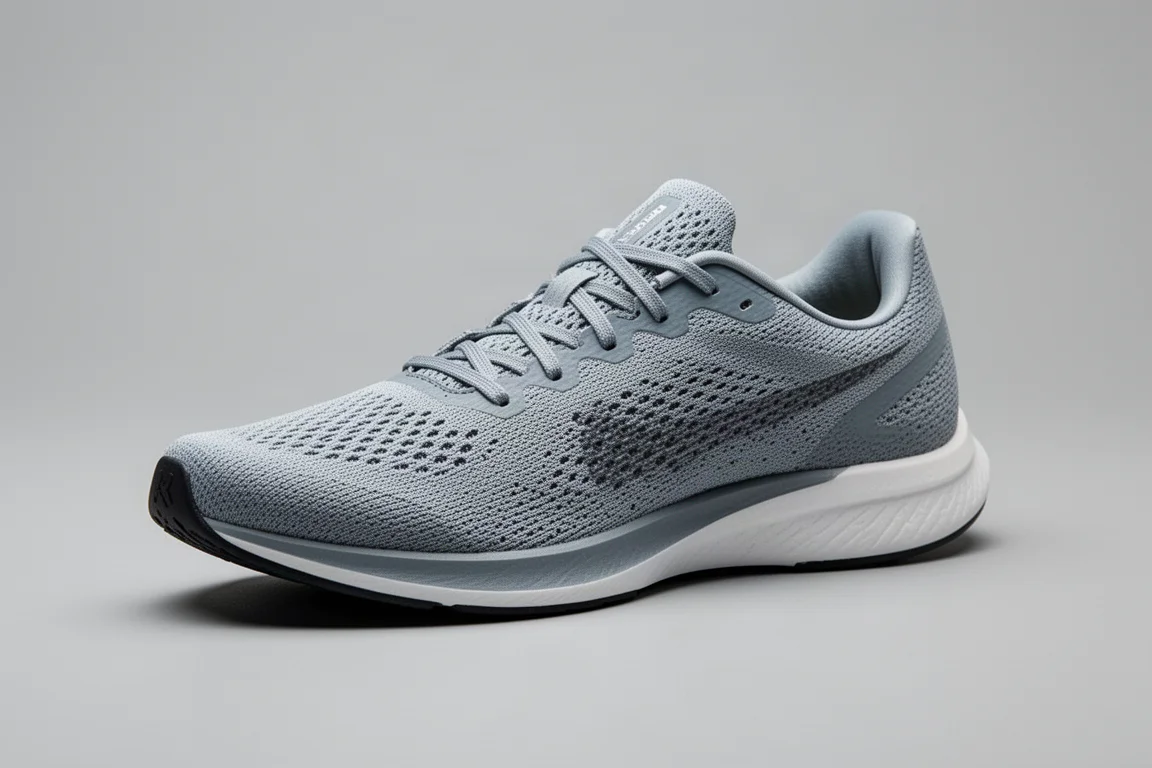
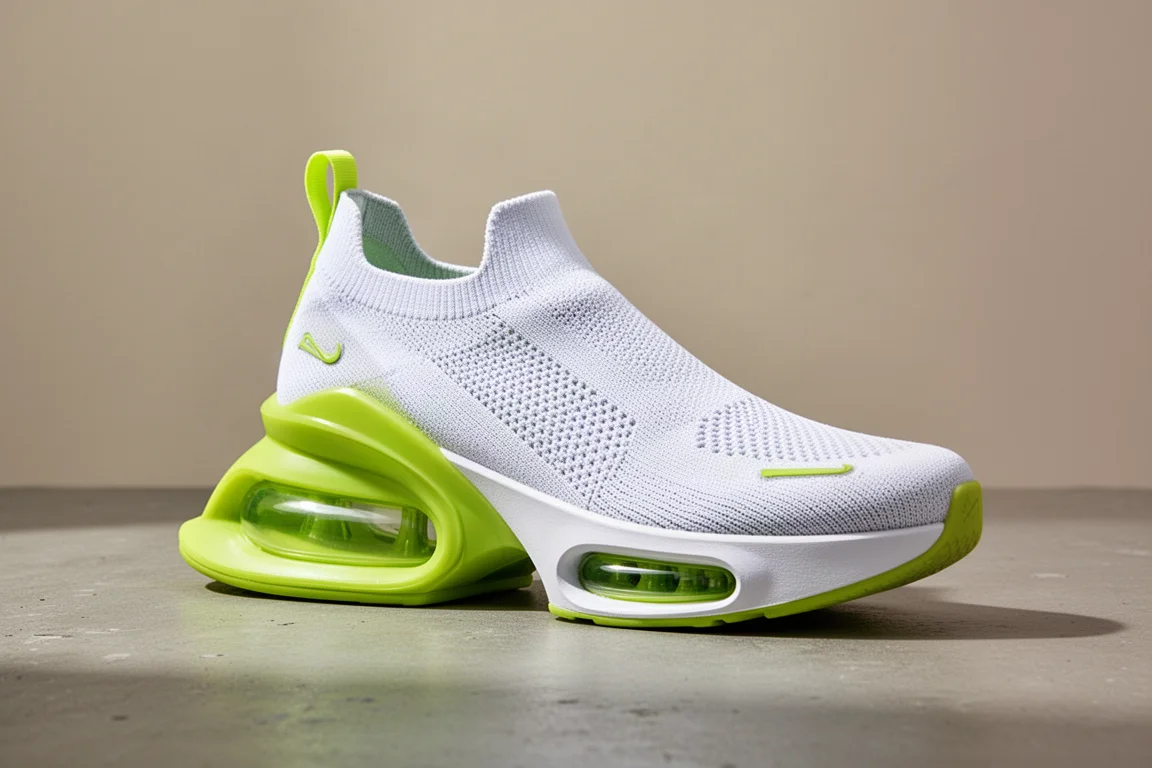
The Alphafly 3 was the headline test of the day, and the honest answer is that its reputation did not change. This is not a comfortable shoe. It pushes you hard up onto the forefoot, the heel area feels like there is nothing to land on, and the whole platform almost mimics a negative-drop feel, which works the calves hard, especially for heel strikers.
But it is speed at all costs, and the splits backed that up. Running on tired legs with 14 miles already done, this was the best set of the day: a perfectly progressed run of 5:42, then 5:32, then a 5:16, closing with 5:23 into a slight uphill. The air pods up front give a distinct pop that makes it easier to hold top speed and transition pace late in a session, exactly what the shoe is built for in the later stages of a marathon.
So who should buy it? Forefoot or midfoot strikers who can hold sub-6:50 pace in the marathon, or anyone targeting a half marathon, 10K, or 5K PR at sub-6-minute paces. Heel strikers will almost certainly be better served by the Vaporfly.
The trainer that ties it together: New Balance SC Trainer V2
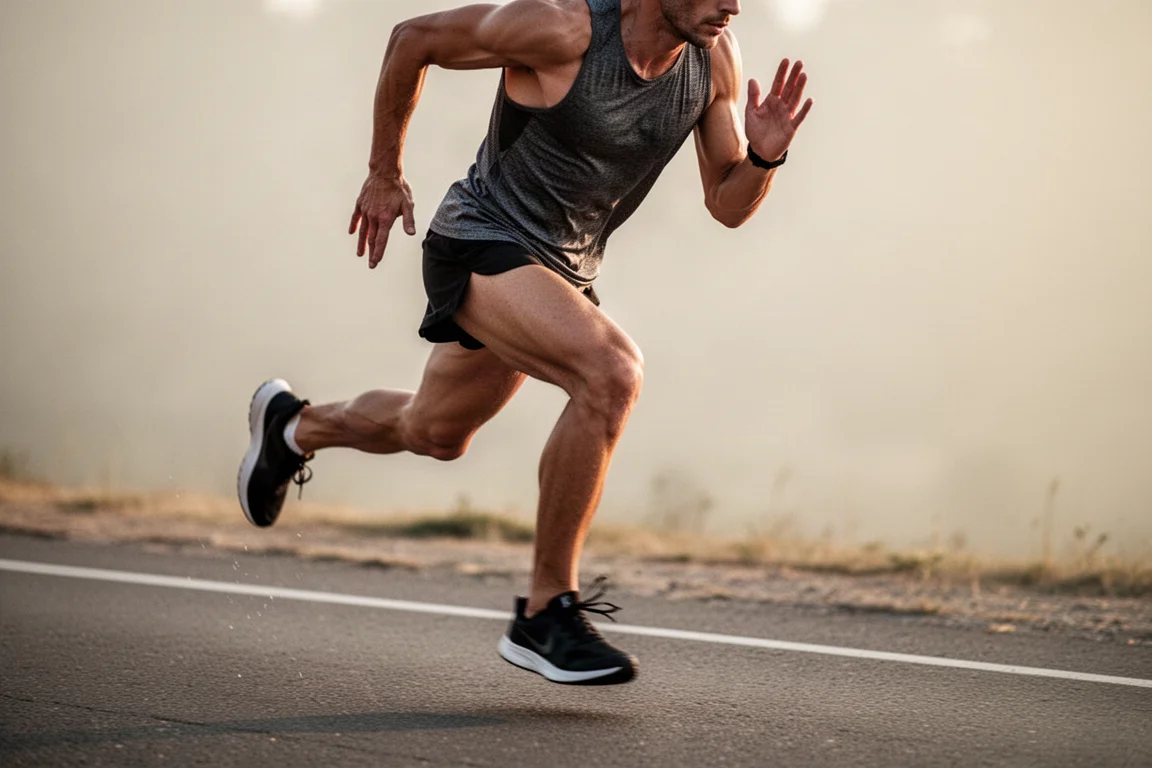
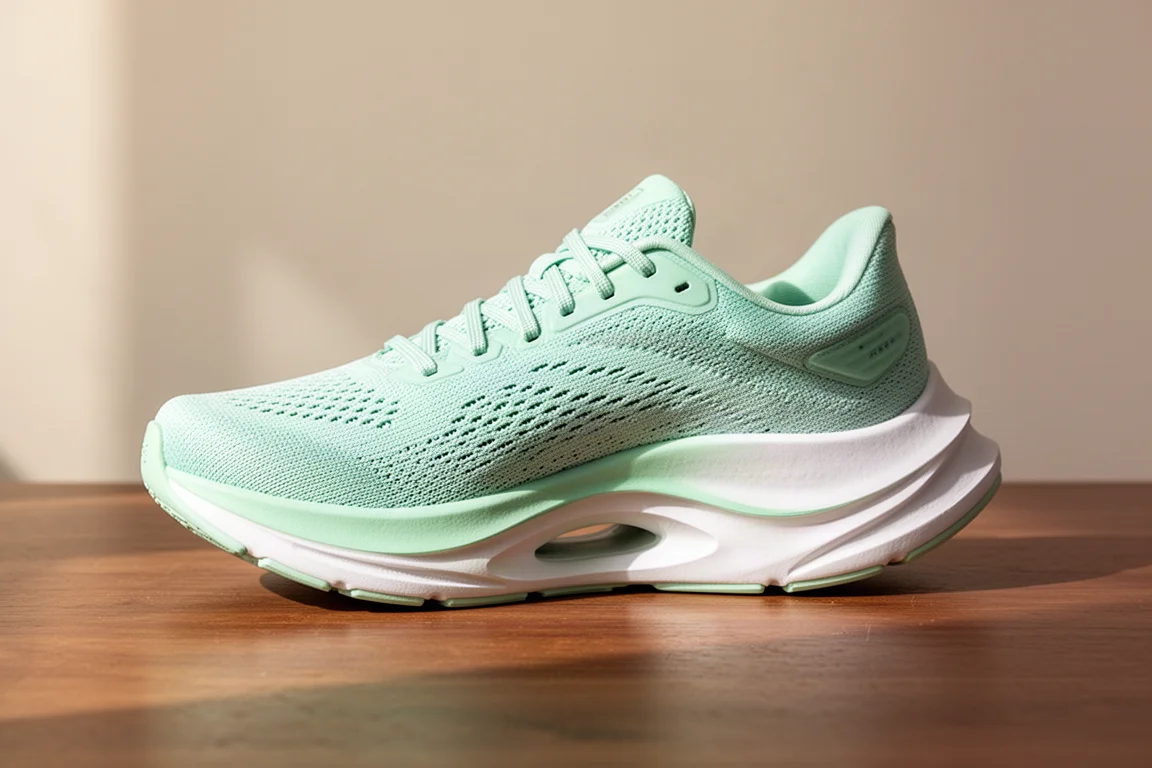
The SC Trainer V2 did not race, but it did all the supporting work: the 6-mile warm-up, the strides, and the cool-down. It earns its place here because it shows just how far plated trainers have come, sitting close in feel to a racer like the Endorphin Pro 3.
As a high-cushion daily companion to a fast rotation, it is exactly the kind of shoe you want around hard workout days. It lets you accumulate big volume, stay comfortable, and still touch plated-shoe geometry so the transition into race-day shoes is not a shock.
Which shoe for which runner
- Saucony Endorphin Pro 3: marathon pace and slower, most comfortable of the group, best for recreational racers not chasing sub-6 pace.
- Nike Vaporfly 3: the all-round race-day favorite, works across distances, especially forgiving for heel strikers and tired legs.
- Adidas Takumi Sen 8: a true 5K weapon for forefoot runners with strong form, least comfortable for easy running.
- Nike Alphafly 3: speed at all costs, best for forefoot strikers holding fast paces, tough on calves for heel strikers.
- New Balance SC Trainer V2: warm-up, cool-down, and big volume around the fast stuff.
Conclusion
The takeaway from 16 hard 400s across five shoes is that there is no single fastest shoe, only the fastest shoe for your mechanics and pace range. The Endorphin Pro 3 rewards comfortable, moderate racing. The Vaporfly 3 remains the most balanced racer for almost anyone. The Takumi Sen 8 wins at pure 5K speed if your form can carry it. And the Alphafly 3 delivers its promised speed on tired legs, but only for runners willing to live on the forefoot. Match the shoe to the race, and the payoff is real.
Further reading
Related Reviews

Running Shoes
Best Road-to-Trail Running Shoes: Three Versatile Options for Mixed Terrain
A practical guide to three road-to-trail running shoes that handle both pavement and mild trails, with clear strengths and trade-offs for different runner types.

Running Shoes
Best Running Shoes for Achilles Tendonitis: Three Options Explained
Three running shoes with different heel drops and support features designed to help reduce Achilles tendon pain during walking and running.

Running Shoes
Best Running Shoes for Women: Five Top Choices Ranked
A ranked guide to five women's running shoes, from versatile daily trainers to high-performance racing options, with real strengths and trade-offs for each.