Running Shoes
ASICS Metaspeed Sky Ray vs the Competition: Four Top Race Shoes Compared
Four serious marathon race shoes go head to head: the ASICS Metaspeed Sky Ray, Metaspeed Sky Tokyo, Puma Fast-R Nitro Elite 3, and Adidas Adios Pro 4.
Introduction
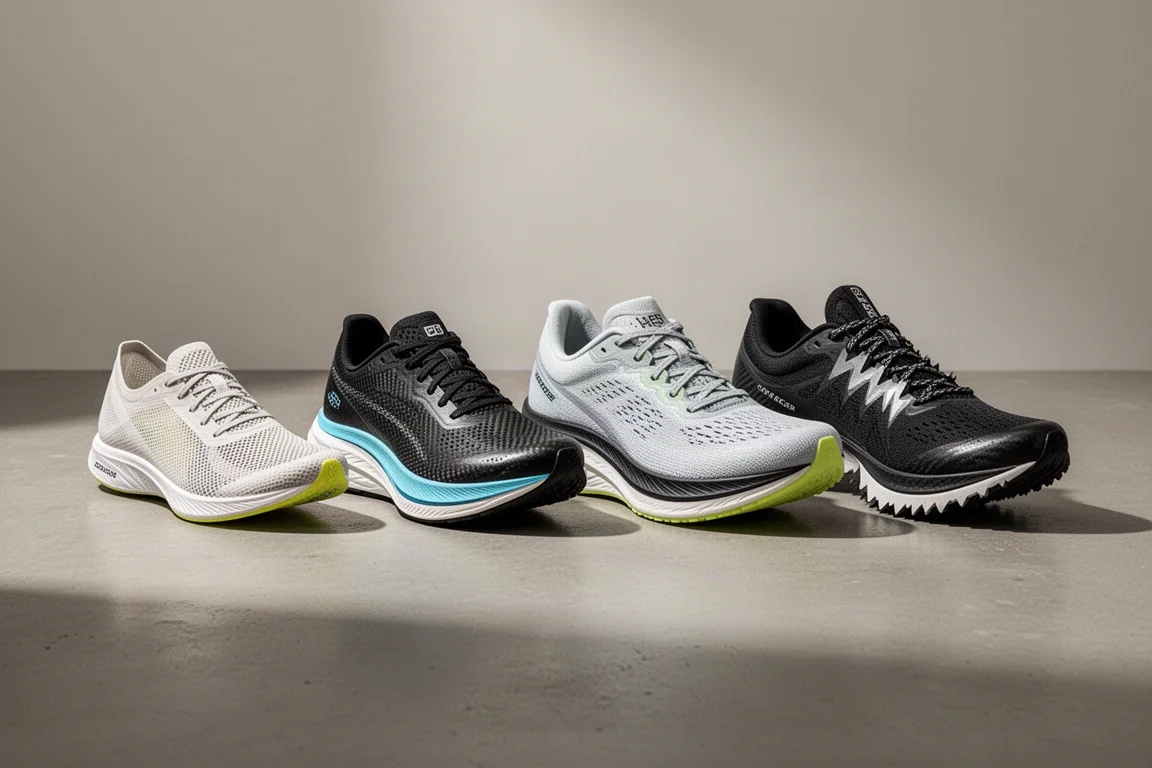
Four race shoes, one question: which one deserves a place in your next marathon build-up? We line up the ASICS Metaspeed Sky Ray against the Metaspeed Sky Tokyo, the Puma Fast-R Nitro Elite 3, and the Adidas Adios Pro 4, four of the most talked-about carbon-plated racers on the start line right now.
The headline stat is weight. The Metaspeed Sky Ray is easily the lightest of the four, coming in about 40 grams under the Metaspeed Sky Tokyo. The Ray is also the narrowest in the forefoot, while the Adios Pro 4 is the widest at both the forefoot and the heel. The Fast-R Nitro Elite 3 sits middle of the road across weight, drop, and durability, though its price lands in the same bracket as the Sky Ray.
ASICS Metaspeed Sky Ray vs Puma Fast-R Nitro Elite 3
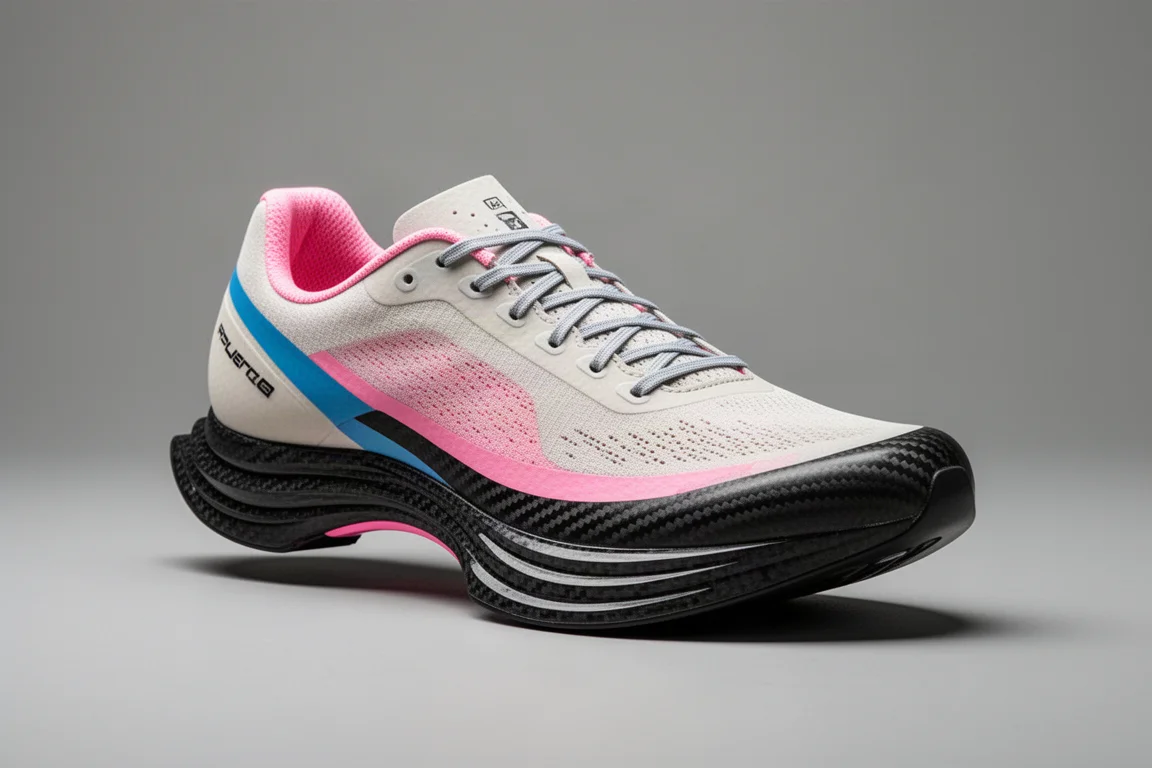
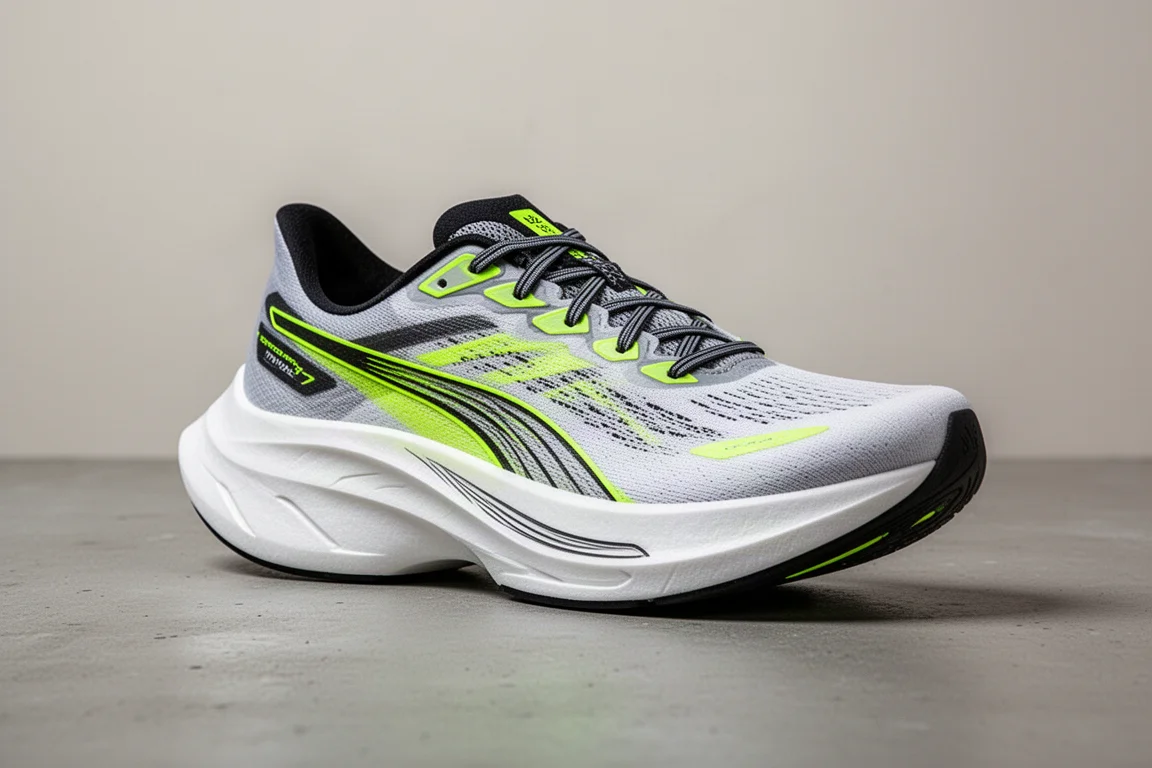
The Puma is over 2 oz heavier than the Sky Ray. When it first launched, the Fast-R was considered among the lightest shoes out there, and that was true until the newest breed of super shoes arrived. Its full-length carbon plate stretches from heel to forefoot and even extends beyond it, which gives a more consistent feel under the whole foot and a bit more control than the Ray.
The Ray has a very specific squash and compression that will not be for everybody. The Fast-R shares some of the same DNA: a paper-thin flexible mesh that molds around the foot, plus the obligatory serrated laces. Lockdown is great in both. The Puma’s upper is slightly more plush, with more padding and reinforcements around the heel, making it feel a little more traditional.
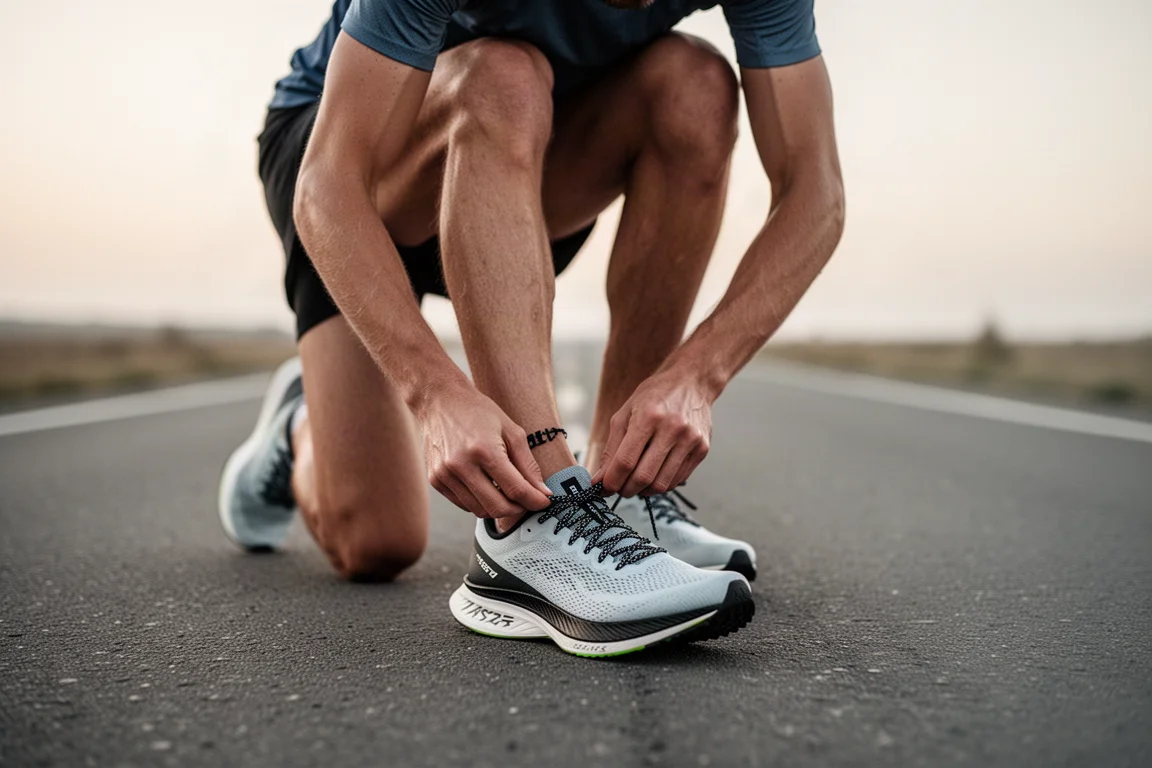
There is nothing traditional about the Sky Ray. It is essentially a race flat with a huge stack of foam, with an almost nonexistent upper and a very flexible heel counter. The Fast-R 3 has a more conventional heel counter, and for most people it is probably as minimal as you want to go in a race shoe. That makes it a bit more versatile: it handles different paces better, while the Ray just wants to go fast, and that is it.
The Fast-R’s foam is very soft with lots of rebound and encourages rolling through from heel to forefoot. The Ray is not made for that at all; it wants a mid-to-forefoot landing and is certainly not the softer of the two. If we had to pick one pair, the Fast-R 3 takes it, though availability is a real problem: new colorways sell out almost instantly, and at the moment there are no men’s sizes left in the UK. The Sky Ray, by contrast, is available to buy right now, which might make it the only one you can actually get.
ASICS Metaspeed Sky Ray vs ASICS Metaspeed Sky Tokyo
There is more shared DNA here. The Sky Tokyo feels like the original from which the Ray was made: an experimental attempt at the softest, lightest running shoe possible, then weight-relieved further for the Ray. Less material everywhere, less rubber on a much thinner outsole, and less padding all round.
In real running, the Sky Tokyo comes out ahead for most situations. On a windy, testing half marathon long run at around 7:49 per mile pace, it felt great, and the legs were tired but not sore. The top layer of FF Turbo Plus foam adds a stabilizing element the Ray simply does not have, and the full carbon plate makes landing more predictable. It is undoubtedly the more controlled shoe.
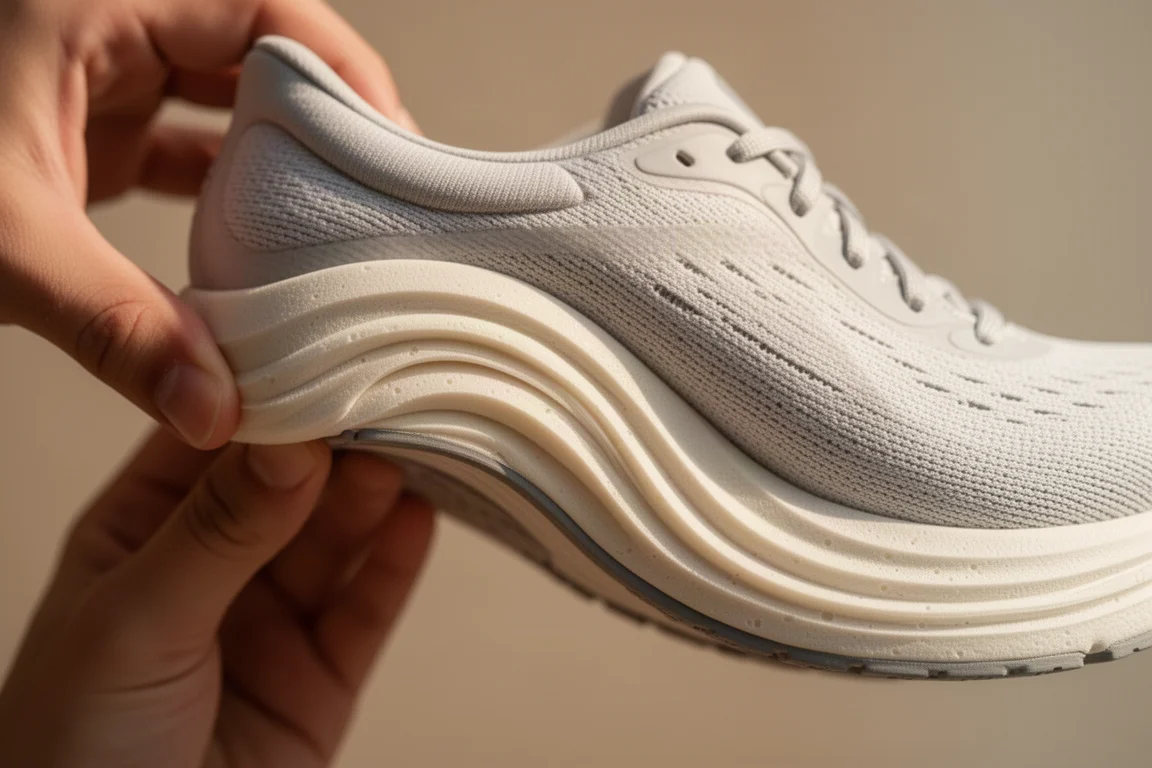
The Tokyo’s softness will not be for everyone either, but it is the more sensible choice for a marathon, especially if you are unsure whether your form will hold to the end. The Ray is bouncy and fun, but it performs best as a lower-range shoe for faster paces and shorter bursts; in a long race you might wish you had the Tokyo in the closing miles. It covers half marathon, marathon, and even 5k or 10k well. Add in that it costs 25 pounds less in the UK, and the Sky Tokyo makes sense for the majority of runners, while the Ray will appeal mainly to those heavily invested in their times.
One durability reservation on FF LEAP foam: a collision with a small tree branch put a large tear in the underside of the shoe. That is the trade-off with super soft and light foam.
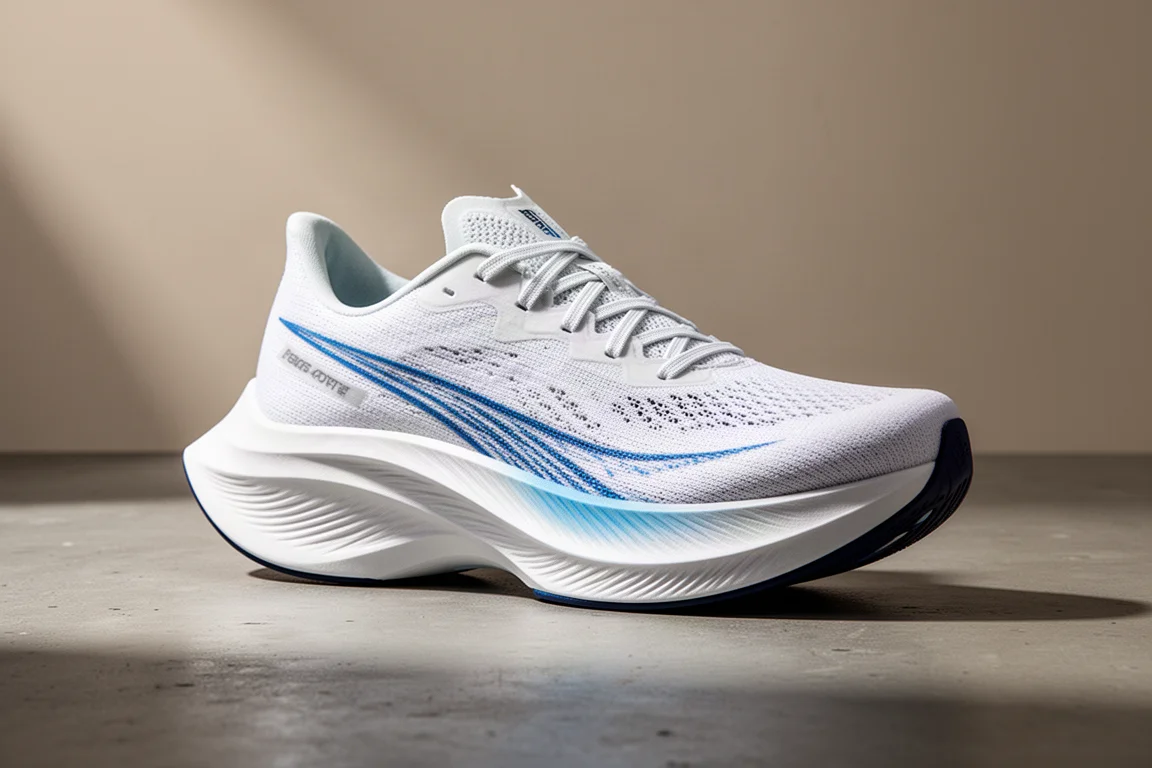
ASICS Metaspeed Sky Ray vs Adidas Adios Pro 4
The Adios Pro 4 is the heaviest of the bunch at around 230 grams, which says something about how light race shoes have become. It is also one of the very softest here, softer than some other contenders, and almost 3 oz heavier than the Ray with a much wider forefoot and more heel surface area. If stability worries you, the Pro 4 could be the better shoe.
The softer version of Lightstrike Pro in the Pro 4 has one big advantage: it is very durable. It does not tear or separate from the surrounding materials. Over about 100 miles, though, the midsole seemed to dull slightly in terms of softness. The Ray needs more testing to judge long-term behavior, but the expectation is that its foam will wear down a bit quicker than some others.

Availability is another win for Adidas. The Pro 4 is easy to buy online, sometimes even at a discount from its 220 pound retail price, making it a reliable option if something goes wrong with your race-day shoe. There have been reports of rod fractures in the Adios Pro 4 from some runners, though Adidas seems responsive about replacing affected shoes. Given discounts, the price gap between the two shoes is substantial.
Which Race Shoe Should You Buy?
The Metaspeed Sky Ray is an incredibly fun shoe to run in and a genuine outlier, but it rewards experience and clean mid-to-forefoot form. If you have the miles behind you and want the fastest possible tool for raceday, it is worth a look, and being readily available is a real plus.
For everyone else, the more versatile options have the edge. The Fast-R Nitro Elite 3 handles varied paces better and offers a more controlled, slightly more conventional ride, if you can find one in stock. The Sky Tokyo is the sensible pick for half marathon through marathon, with more forgiveness over long distances and a lower price in the UK. And the Adios Pro 4 remains a great race shoe for the masses, soft without being over the top, widely available, and durable enough to trust over long miles.
Conclusion
The Metaspeed Sky Ray is a fascinating, ultralight specialist that will tempt time-obsessed runners, but it is not the easiest shoe to live with. The Puma Fast-R Nitro Elite 3 is the more versatile pick if you can track one down, the Metaspeed Sky Tokyo offers the best balance of control, softness, and value for longer races, and the Adidas Adios Pro 4 stays the dependable, widely available choice for the masses. Match the shoe to your race distance, your form, and your ability to actually buy it, and you will not go far wrong.
Further reading
Related Reviews

Running Shoes
Best Road-to-Trail Running Shoes: Three Versatile Options for Mixed Terrain
A practical guide to three road-to-trail running shoes that handle both pavement and mild trails, with clear strengths and trade-offs for different runner types.

Running Shoes
Best Running Shoes for Achilles Tendonitis: Three Options Explained
Three running shoes with different heel drops and support features designed to help reduce Achilles tendon pain during walking and running.

Running Shoes
Best Running Shoes for Women: Five Top Choices Ranked
A ranked guide to five women's running shoes, from versatile daily trainers to high-performance racing options, with real strengths and trade-offs for each.