Running Shoes
Best Race Shoes of 2024 for Hobby Joggers: Marathon Racing Picks That Actually Work
From max-cushion marathon cruisers to featherweight supershoes, a look at the race shoes that stood out this year, including the Hoka Cielo X1, with real trade-offs on weight, stability, and comfort.
Introduction
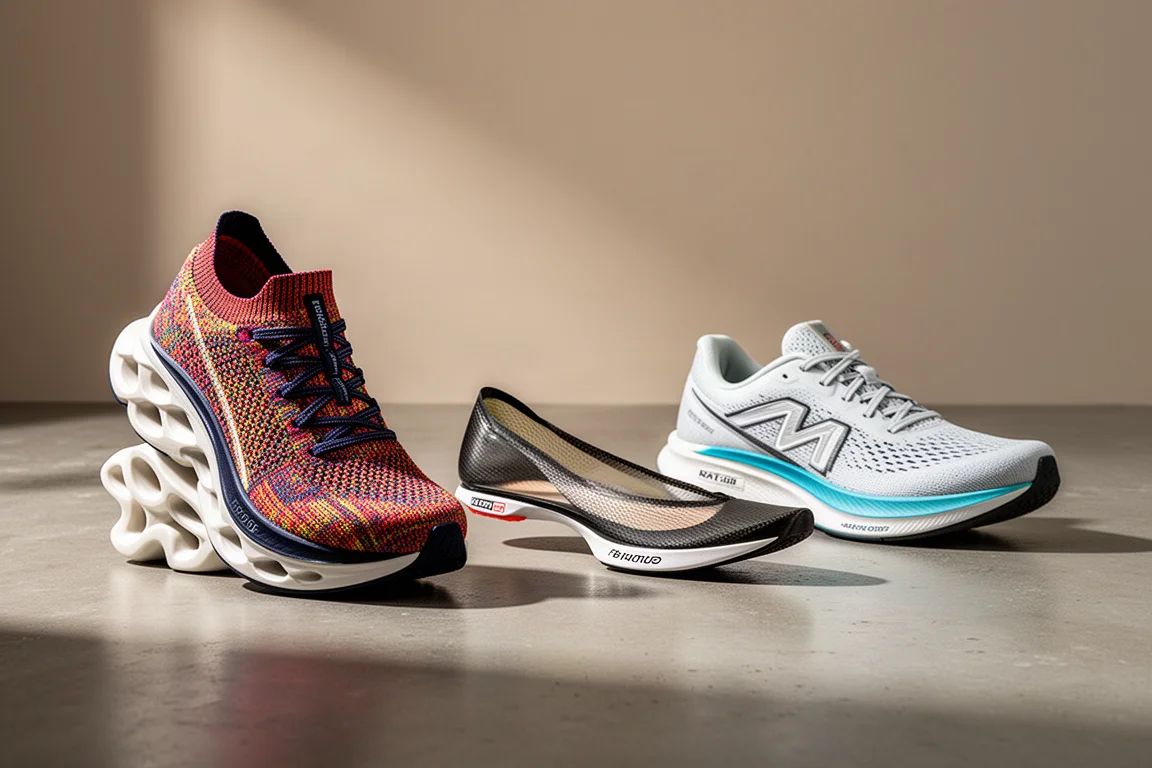
If you are a hobby jogger lining up for a spring marathon, the race shoe you pick matters less than consistency and fueling, but it still matters. This year produced a genuinely interesting set of options: huge-stacked max-cushion racers, featherweight aggressive platforms, and comfortable trainers that double as race day tools. This list focuses on the shoes that worked for real runners putting up real paces, not just elite-only niches.
The headline pick is the Hoka Cielo X1, one of the most loved marathon race shoes of the year for everyday runners. Around it sit the lighter, more aggressive alternatives, the dependable training-shoe baseline, and a couple of shoes that made the list on value and ride quality alone.
What Makes a Great Hobby Jogger Race Shoe
Weight is relative. Speed is relative. Firmness of foam is relative. The single most useful way to judge a race shoe is whether it gets in your head on race day. Rubbing, chafing, an unstable heel, or a platform that forces an unnatural stride will hurt your race far more than 30 grams of foam ever will.
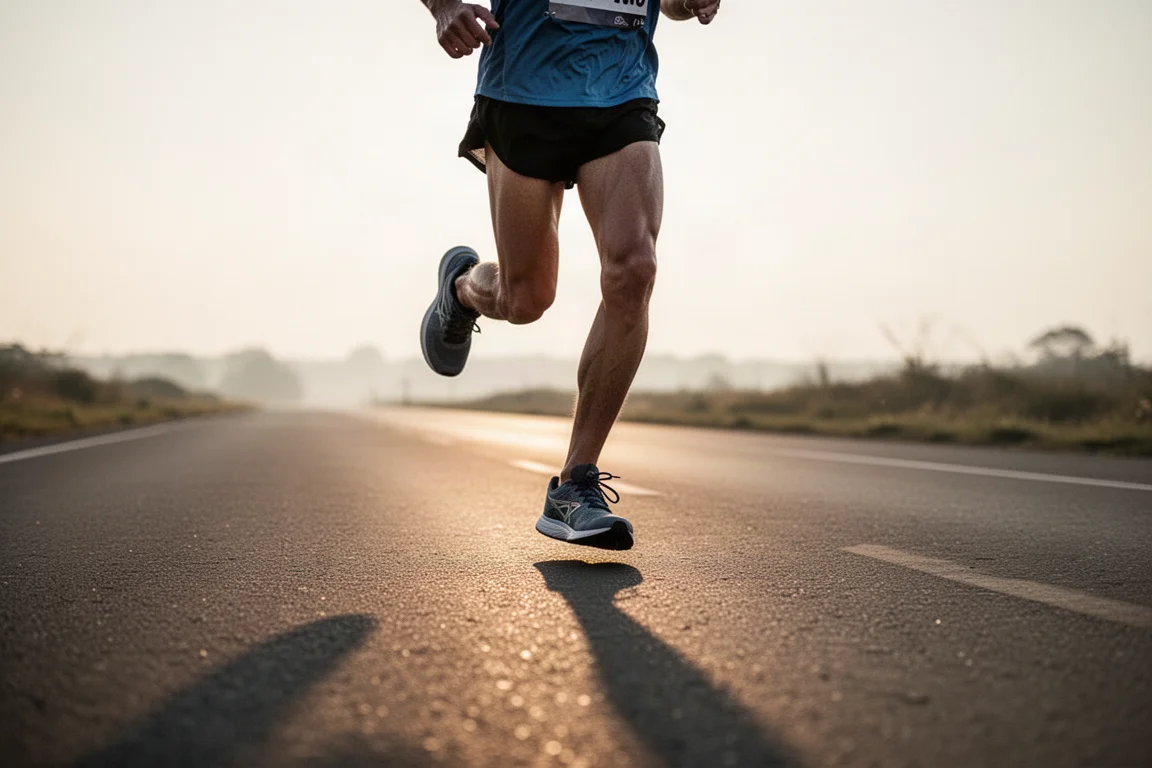
The best shoes on this list either eliminate issues entirely or trade a little performance for a lot of comfort, and both strategies can win.
Hoka Cielo X1: The Max-Cushion Race Shoe That Made Racing Fun
The Cielo X1 is a marathon race shoe with a tall stack of two different foam compounds: a softer top layer and a denser bottom layer, topped with a very aggressive rocker. On paper it skirts the rules cleverly, measuring under the 40 mm World Athletics stack limit at the official measurement point while the functional midfoot stack sits closer to 50 mm. In practice, it is a max-cushion, wide-based, bouncy race shoe that became a community favorite for fall marathons.
Its defining quality is comfort. The upper is plush, the step-in feel is soft, and the wide base adds stability that most aggressive racers simply lack. It also handles speed: sub six-minute paces in workouts are entirely possible, and the rocker encourages a midfoot or forefoot strike with a snappy toe-off. Heel strikers should note that the prominent midfoot bump makes the shoe moderately aggressive for that stride pattern.
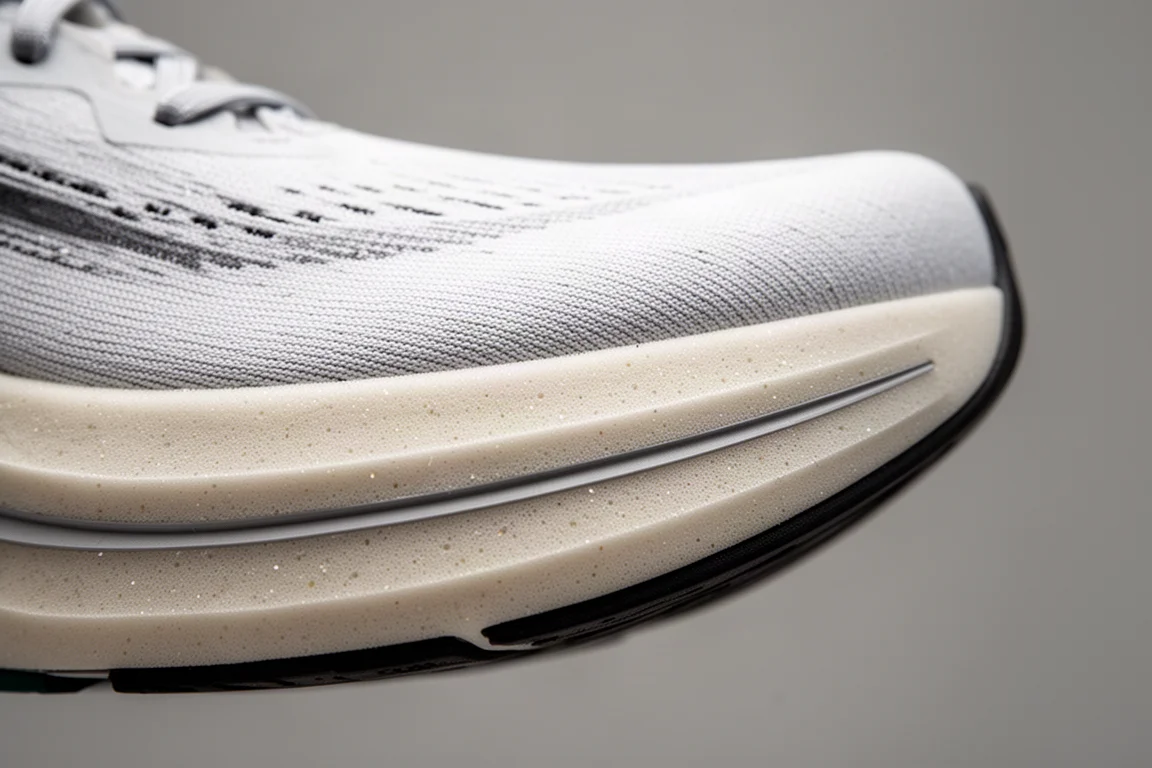
The downsides are weight and bulk. In a US men’s 10.5, a measured pair averaged about 265 g, and the extra foam is exactly why. If you want the absolute maximum in speed assistance for a fast marathon attempt, lighter options on this list make more sense.
Saucony Endorphin Pro 3: The Long-Time Standard
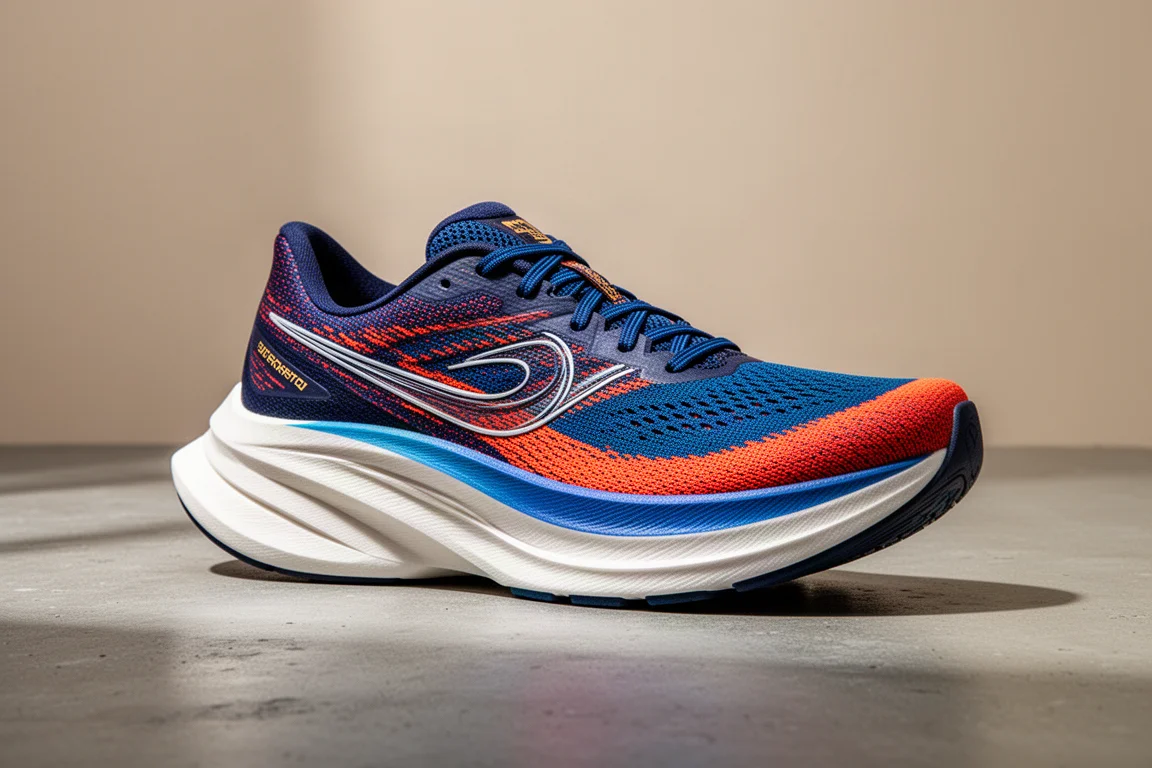
Before the tall-stack newcomers reshuffled the category, the Endorphin Pro 3 was the default race shoe for hobby joggers chasing sub four, sub 3:30, and sub three marathons. At 226 g in a size 10.5, it is roughly 20 percent lighter than the Cielo X1 while remaining a full marathon platform with real cushioning.
It is a more traditional racing platform: less stack, less foam, less aggressive rocker. That trade means less protection over 26.2 miles but less weight on your foot for every single stride. For runners who want a proven, comfortable, moderately aggressive shoe and do not need the extra foam, it remains a very sensible pick.
Adidas Adizero Adios Pro 3: Fast but Not for Everyone
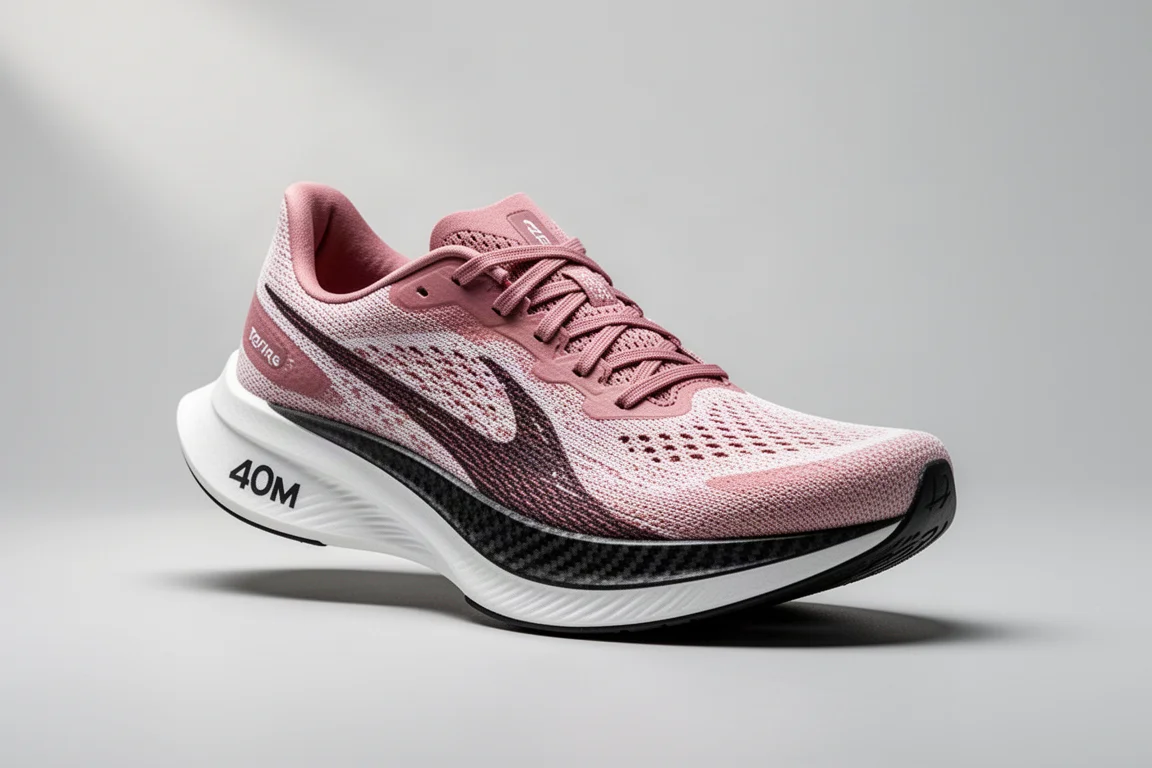
The Adios Pro 3 sits in the same decision space as the Cielo X1 for many runners in the 3:30 to 4:30 marathon range, and the comparison usually comes down to weight versus forgiveness. It is a fast, proven racing platform, but it had upper issues for a noticeable number of runners, which is exactly the kind of small problem that can unravel a race mentally.
If it fits your foot cleanly, it is a serious race day tool. If you have had fit problems with Adidas racing uppers, the Cielo X1’s more forgiving package is the safer bet.
Adidas Metaspeed Sky Paris: The Most Aggressive Ratio on the Market
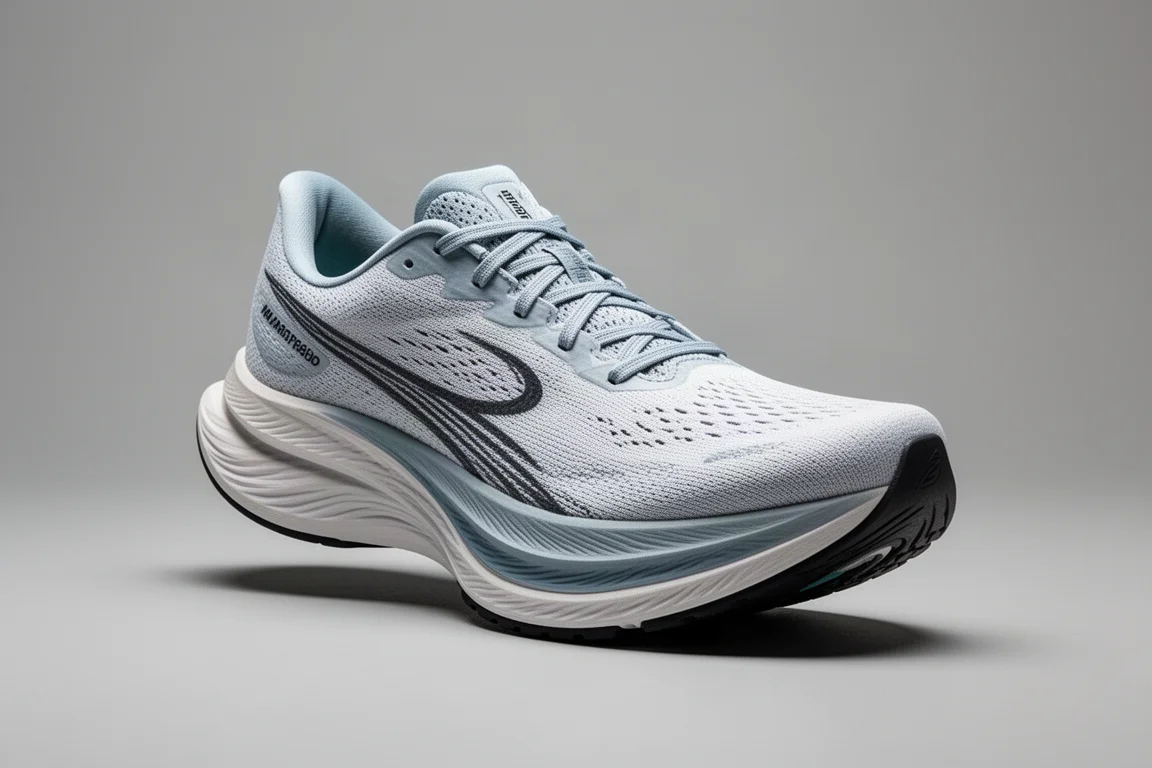
The Metaspeed Sky Paris may be the most aggressive race shoe available. The heel is dramatically narrow, roughly an inch narrower than the Cielo X1, and the midsole platform at the bottom is narrower than the heel itself, which creates a potentially wobbly feel at certain paces if you heel strike. In a marathon where you will be on your feet for three and a half hours or more, that is a real consideration.
The payoff is weight: 191 g in a size 10.5, about 75 g lighter than the Cielo X1. For efficient runners with clean mechanics, that is a meaningful advantage. For shufflers and heel strikers, the narrower base can become a liability in the back half of a race, when form drifts and heel drag creeps in.
Brooks Glycerin 21: The Comfort Baseline
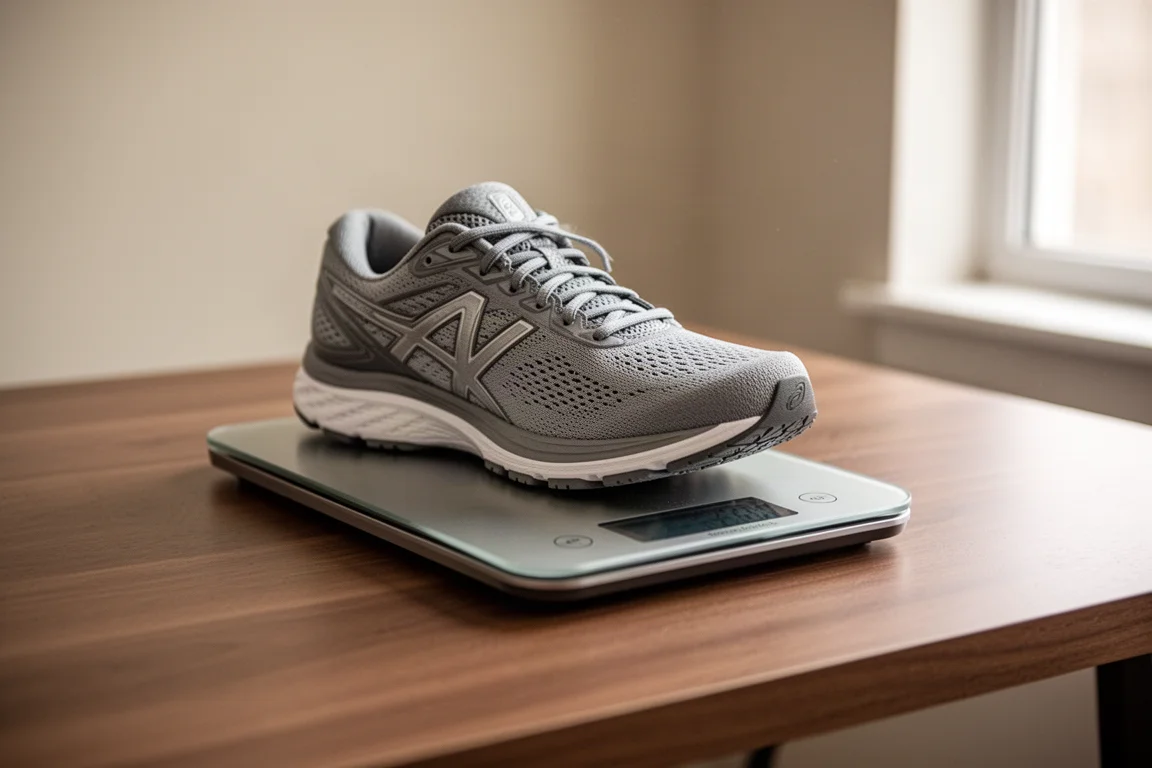
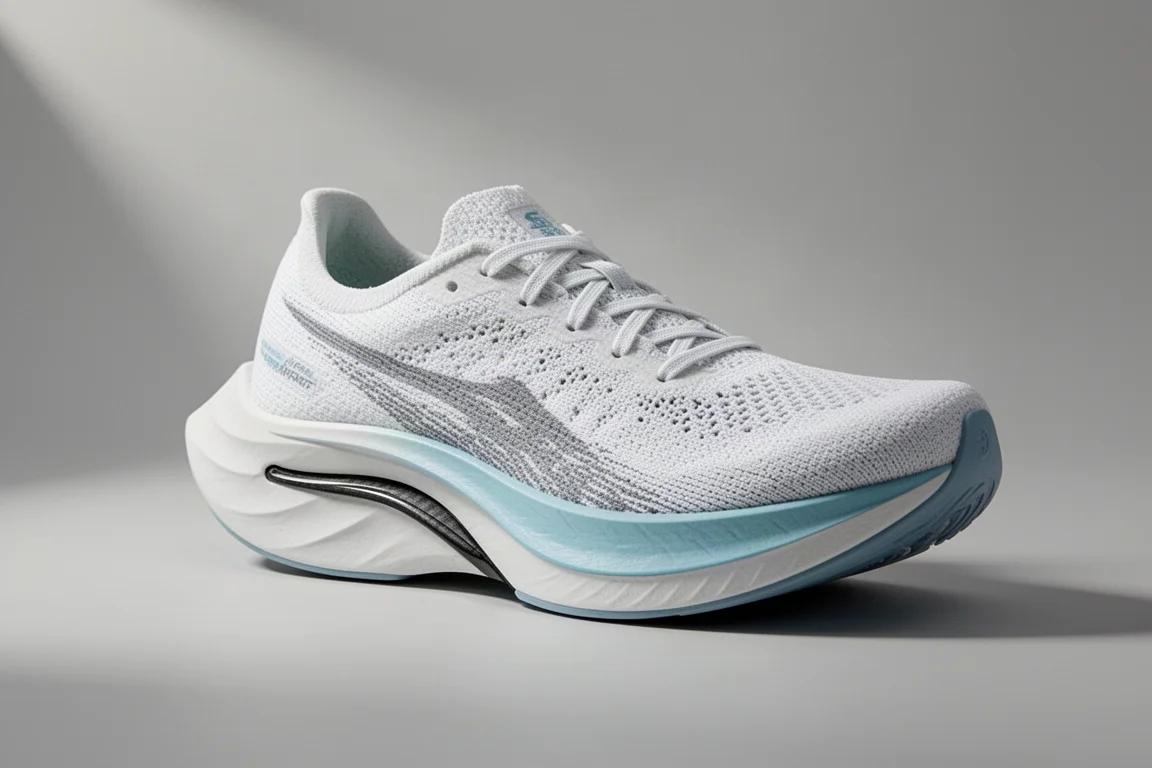
Why compare a race shoe to the Glycerin 21? Because this is the shoe many first-time marathoners walk out of a running store with, and it defines the comfort baseline. At almost exactly 300 g in a size 10.5, it is also the useful reference point: the Cielo X1 is roughly 10 to 20 percent lighter than a traditional training shoe while adding far more speed assistance throughout the race.
The Glycerin 21 has all the comfort and cushion of a dependable trainer, with a slightly wider platform than the Cielo X1 but not by much. It is not a race shoe, and it is not trying to be. Its role on this list is context: if you want that plush, wide, forgiving ride in a race day package, the Cielo X1 is essentially the Glycerin 21 of racing shoes.
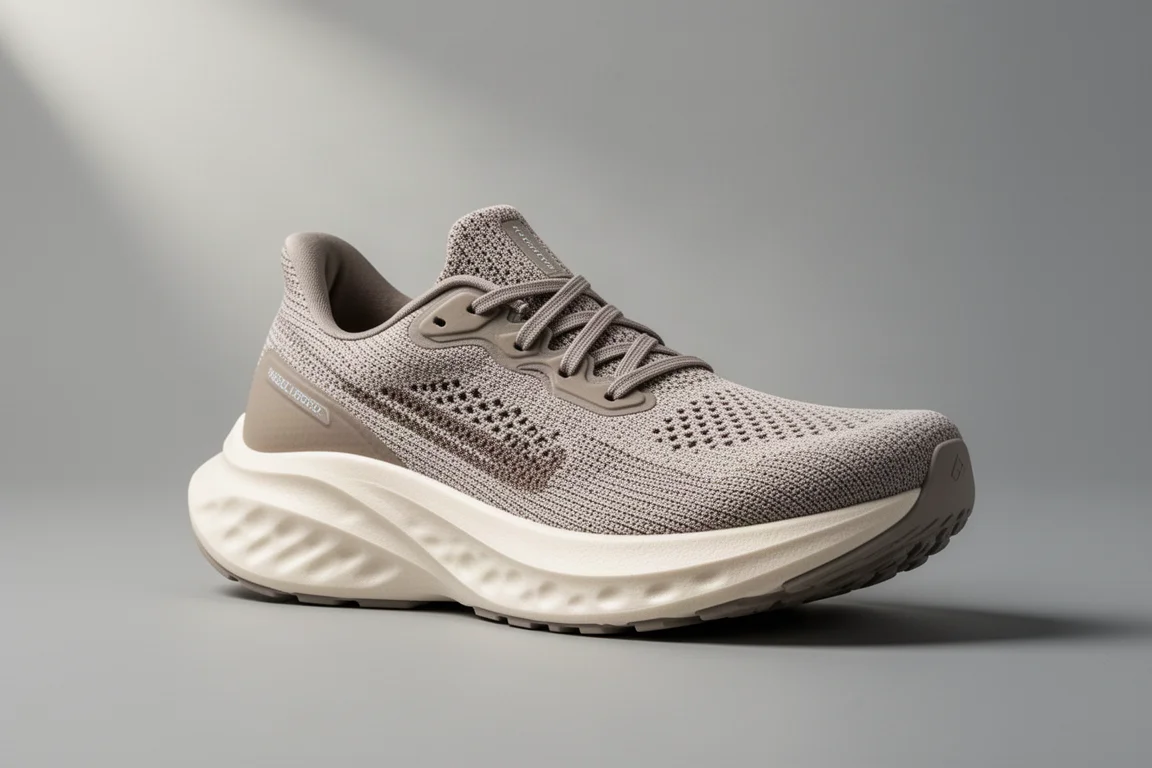
Saucony Endorphin Pro 4: Value and Versatility
The Endorphin Pro 4 earns its place on pure price-to-performance. At $225, it is a shoe you can train in and race in, similar in spirit to the Cielo X1: not the most aggressive platform, broadly usable across paces, and largely free of the fit issues that plague flashier competitors. What it lacks is the extra stack and bounce that separate the very top of the category.
For runners who want one shoe to cover workouts, long runs, and race day without overthinking it, this is an easy recommendation.
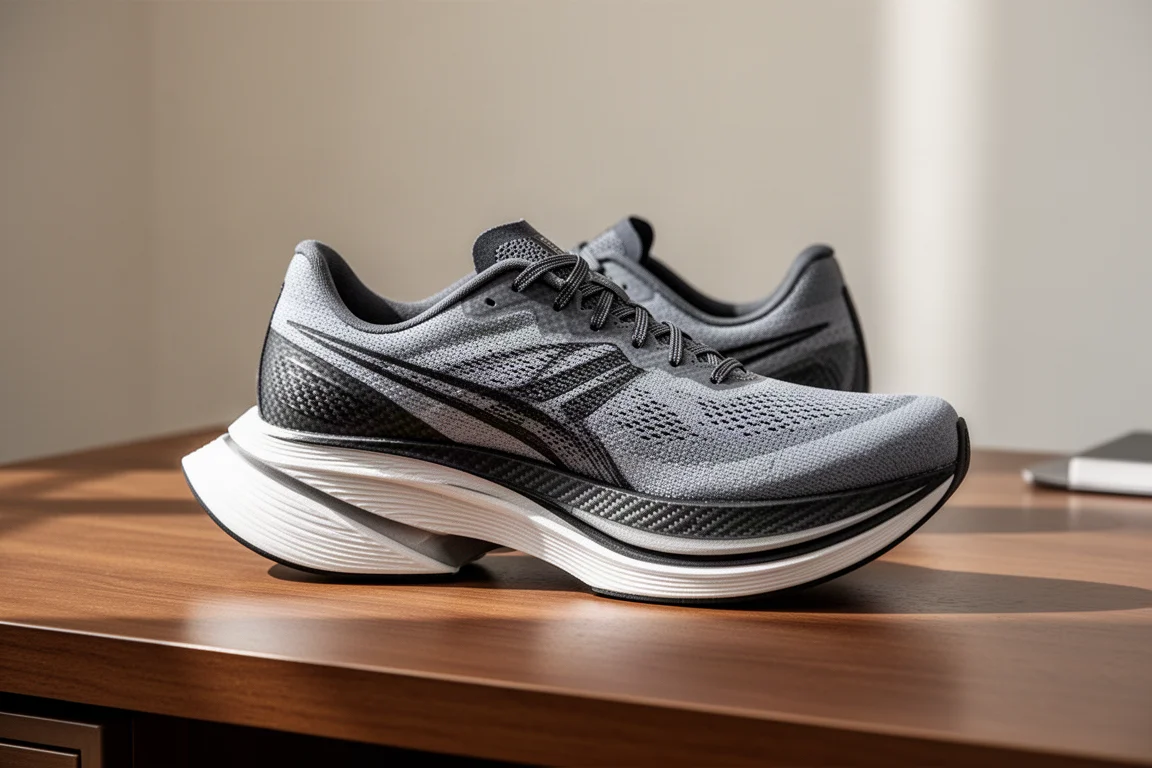
On Cloudboom Strike: Great Ride, Upper Question Marks
The Cloudboom Strike rounds out the list with a strong ride held back by upper issues. There was a lot to like underfoot, but fit problems kept it out of the top spots. It is also one of the shoes that did not make the cut for a fast marathon attempt for that exact reason: when confidence on race day is everything, a shoe with known upper quirks is a hard sell.

If it fits your foot, it is a legitimate fast marathon option. Just test it thoroughly before committing to it for race day.
Overall Buying Advice
For most hobby joggers, the decision comes down to a simple question: do you want maximum comfort and a fun, bouncy ride, or the lightest possible platform? The Cielo X1 wins the first question for runners in roughly the 3:30 to 5:30 marathon range, or 2 hour plus half marathon range, because it delivers speed assistance without forcing an unnatural stride. The Sky Paris and Endorphin Pro 3 answer the second question for faster, more efficient runners.
Remember that fueling, consistency, and your 20 mile long runs will determine your race outcome far more than any shoe. A race shoe should be the part of your kit you never have to think about.
Similar Shoes and Training Alternatives
If you love the Cielo X1 experience and want it in a daily trainer, tall-stack soft and bouncy trainers in the 258 g range offer a remarkably similar ride without the plate, though they are softer and squishier as a result. If you want a speed-training version of the same platform, dual-foam trainers with a plate around $190 replicate the geometry with better stability, wrapping the foam to cradle the heel.
Conclusion
The 2024 race shoe market gave hobby joggers real choices for the first time in a while. The Hoka Cielo X1 stands out as the shoe that made racing genuinely fun and accessible for ordinary paces, the Endorphin Pro 3 and Pro 4 remain dependable value picks, and the Sky Paris rewards efficient runners who can handle its aggressive geometry. Match the shoe to your stride, your pace, and your tolerance for risk, and race day takes care of itself.
Further reading
Related Reviews

Running Shoes
Best Road-to-Trail Running Shoes: Three Versatile Options for Mixed Terrain
A practical guide to three road-to-trail running shoes that handle both pavement and mild trails, with clear strengths and trade-offs for different runner types.

Running Shoes
Best Running Shoes for Achilles Tendonitis: Three Options Explained
Three running shoes with different heel drops and support features designed to help reduce Achilles tendon pain during walking and running.

Running Shoes
Best Running Shoes for Women: Five Top Choices Ranked
A ranked guide to five women's running shoes, from versatile daily trainers to high-performance racing options, with real strengths and trade-offs for each.