Running Shoes
Every 2025 Race Shoe Ranked: 10 Carbon Racing Shoes Worth Knowing About
A full ranking of 2025's race shoes, from the Puma Fast-R 3 at the top to the Zara Athletics Carbon Race Shoe at the bottom, with strengths, flaws, and buying advice for each.
Introduction
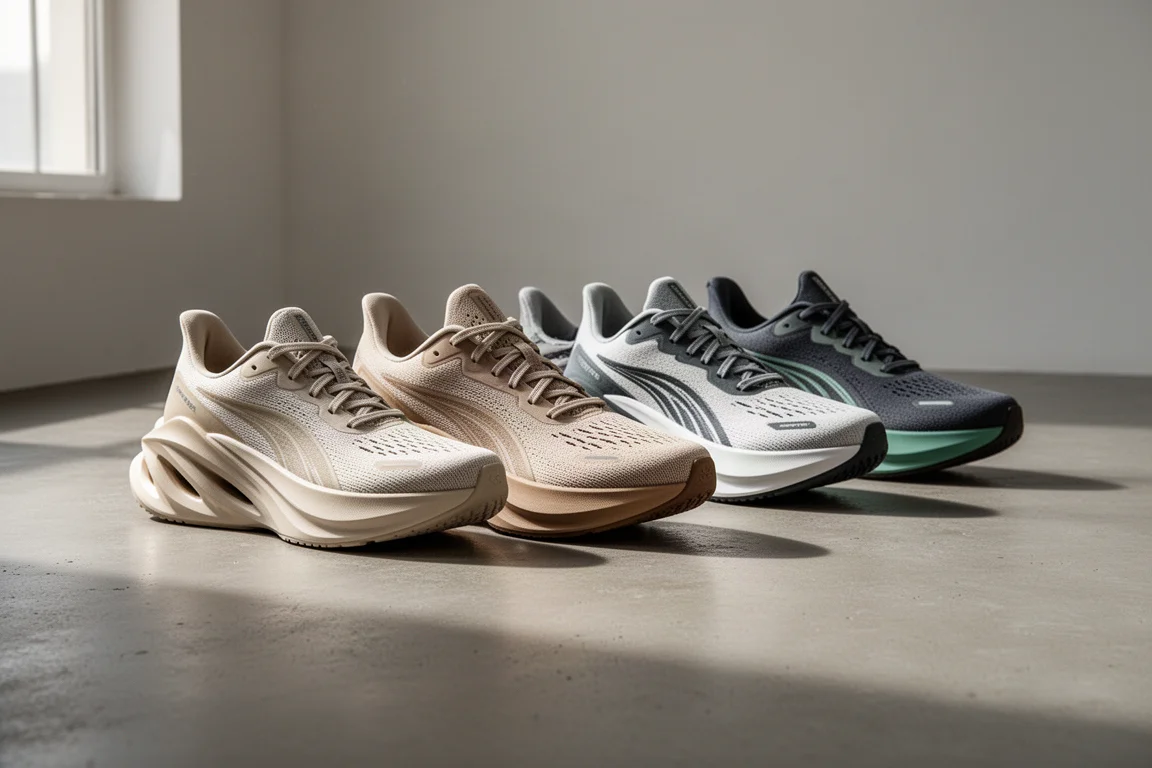
Race shoe releases in 2025 have been plentiful, but not all of them deserve your money. We ran, raced, and trained in every carbon race shoe released this year and stacked them against each other. Twelve shoes made the full list, and this guide covers the ten that matter most to shoppers, from the best release of the year to a shoe you should avoid entirely.
A quick note on expectations: almost every shoe here, apart from one, is genuinely good. These are the best of the best on the market, and when you are paying $250 and up, most brands deliver something solid. But solid and special are different things, and the rankings below reflect which shoes actually earn their price tags.
#12: Zara Athletics Carbon Race Shoe
The worst race shoe release of 2025 comes from an unlikely place: Zara, the fast fashion brand known for cheap t-shirts, not performance running. They built a shoe with a carbon plate and a foam they market as a race foam, but the result does not live up to the label. The foam is extremely firm with essentially no energy return, no bounce, and a completely dead feel underfoot. The upper is actually decent, borrowing geometry and design cues from better racing shoes, but everything good about the formula was left out.
The pricing makes it worse. In the US it retails at $170, putting it in the same price category as established speed training shoes and above the Adios Pro Evo line, while offering foam that does not warrant race shoe prices. In the UK it converts to roughly $120, which is more forgivable, but Zara does not have the brand clout or the performance to justify a premium over proper speed trainers. It is the worst carbon race shoe on the market, and the only actively bad shoe on this entire list.
#11 and #10: The Comfort-First Contenders
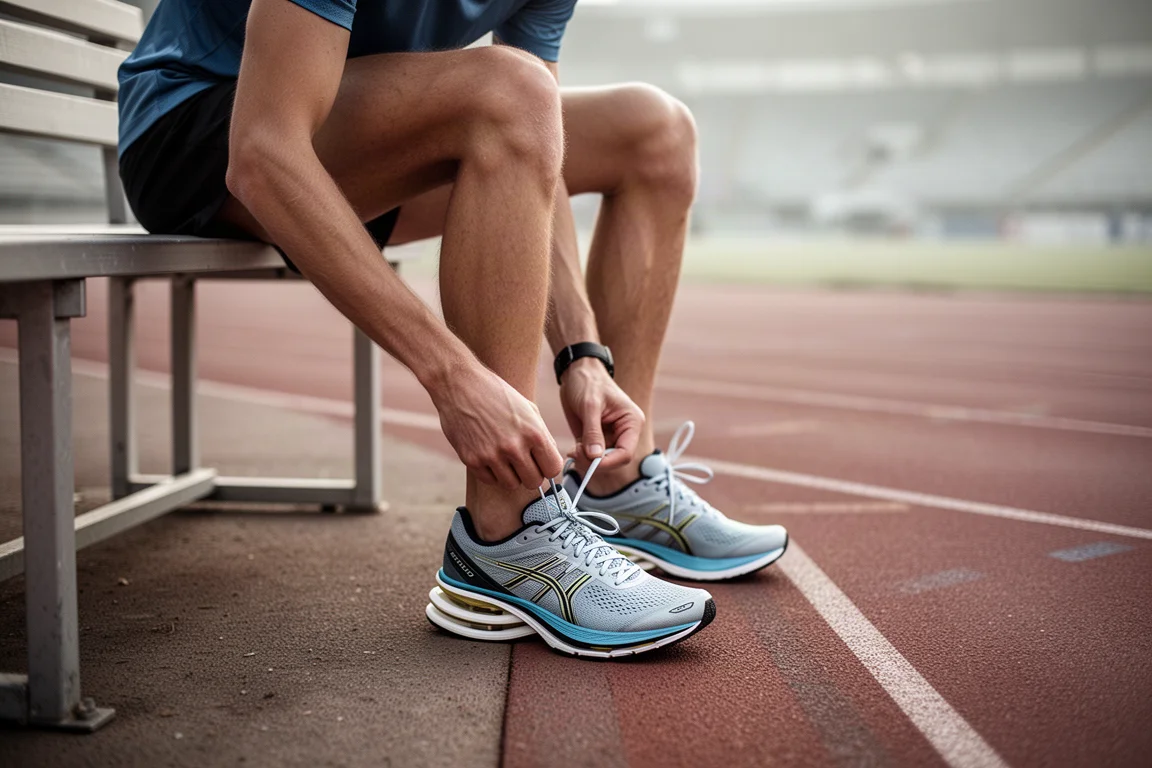
Just above the Zara sit two very similar comfort-first carbon shoes. The first is a $300 soft, bouncy option with excellent upper construction and good sizing, but when the pace cranks up in a workout, it simply does not give you that extra one or two percent. Comfort is an A+; speed capability is a B-. The second is the Tracksmith Eliot Racer, a shoe we genuinely love training in. It uses an aliphatic TPU construction with a thick drop-in insole, a beautifully smooth and comfortable ride, and a rocker that makes front-foot landing feel effortless, reminiscent of the Saucony Endorphin Pro 3.
The Eliot Racer earns its spot above its rival because it is the one we would rather train in. Think of it as a modern comfort-oriented speed shoe with the long-run capability of a max cushion trainer. It could even be a top choice for a four-hour marathon or for any runner who puts comfort above all else. But if you want the most bite and aggression off the forefoot, or a shoe built for a PR attempt, neither of these is it.
#9: Saucony Endorphin Elite 2
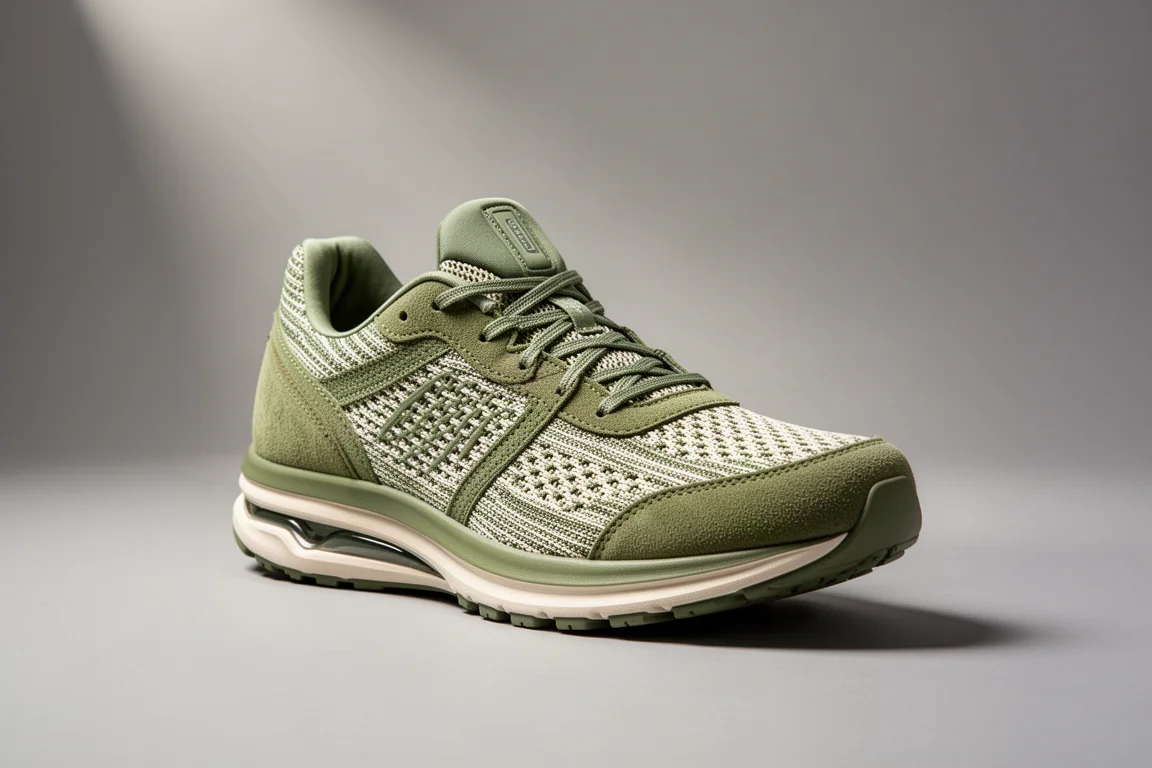
The Saucony Endorphin Elite 2 has one of the most exciting race foams on the market, possibly the most exciting. The Incredun midsole is super soft, super bouncy, and paired with a great rocker. On a recent 20-mile long run in brutal conditions around 80 degrees and 90 percent humidity, it still delivered a genuinely good session with solid average pace.
The problem is softness in the wrong place. From mile one, the foam was bottoming out, and by miles 16 and 17, foot fatigue set in badly. For faster runners at threshold and race-pace efforts, it feels purely too soft. It is a fun tool to mix into training, and slower marathoners have reported loving it for a full race, but for tip-of-the-spear performance, this is not the pick. If you want the same foam in a training-oriented package, the Saucony Endorphin Trainer is the better buy.
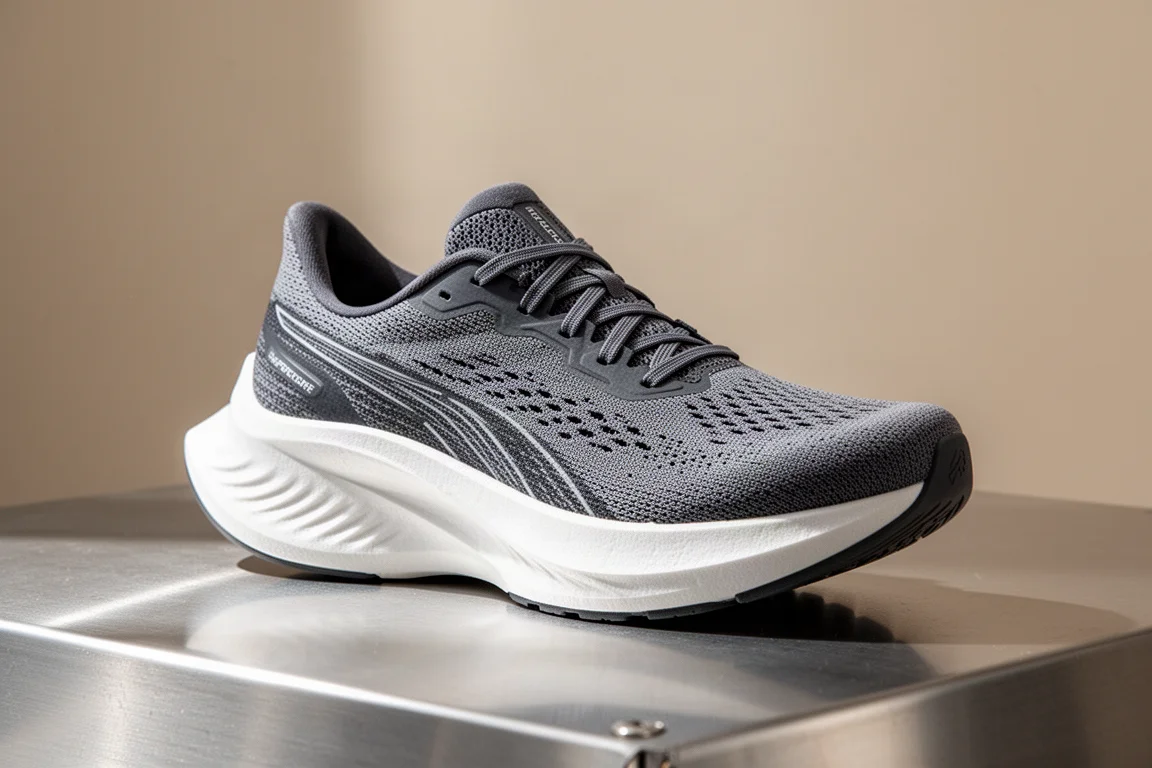
#8: Brooks Hyperion Elite 4 PB
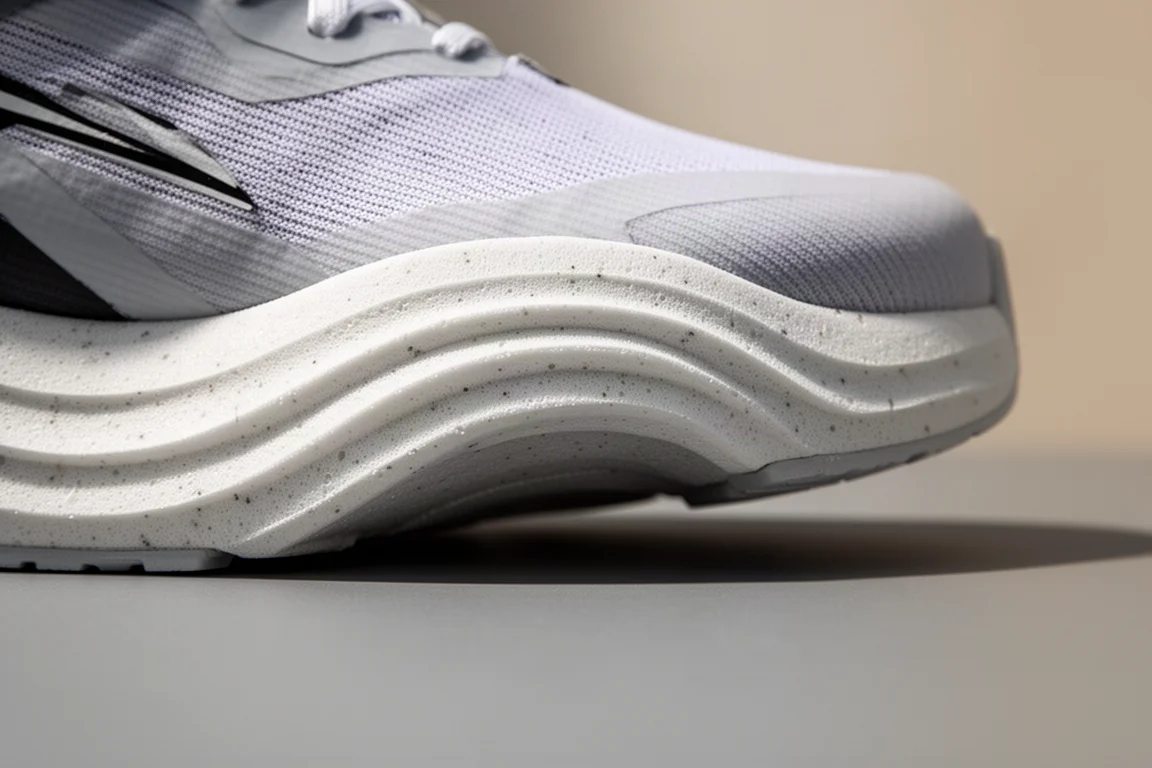
The Brooks Hyperion Elite 4 PB is violently mid, and that is exactly why it sits in the middle of this ranking. The weight is average, the foam feel is average, and there is not much bite, but it is also not slowing you down. It is not hard to run fast in, it just does not make you more efficient. Compared to its predecessor, this version feels roughly on par with the rest of the field rather than a step behind, which was clearly the goal.
The upper is really good, and if you were a Brooks-sponsored athlete, you would not be upset racing in it. But it delivers a plain, uninspiring ride, complete with a loud carbon-plate clap, and it lacks anything that makes you excited to lace up on race day. If bland and dependable is what you want, it is here. It is oatmeal with cinnamon, not blueberry muffin.
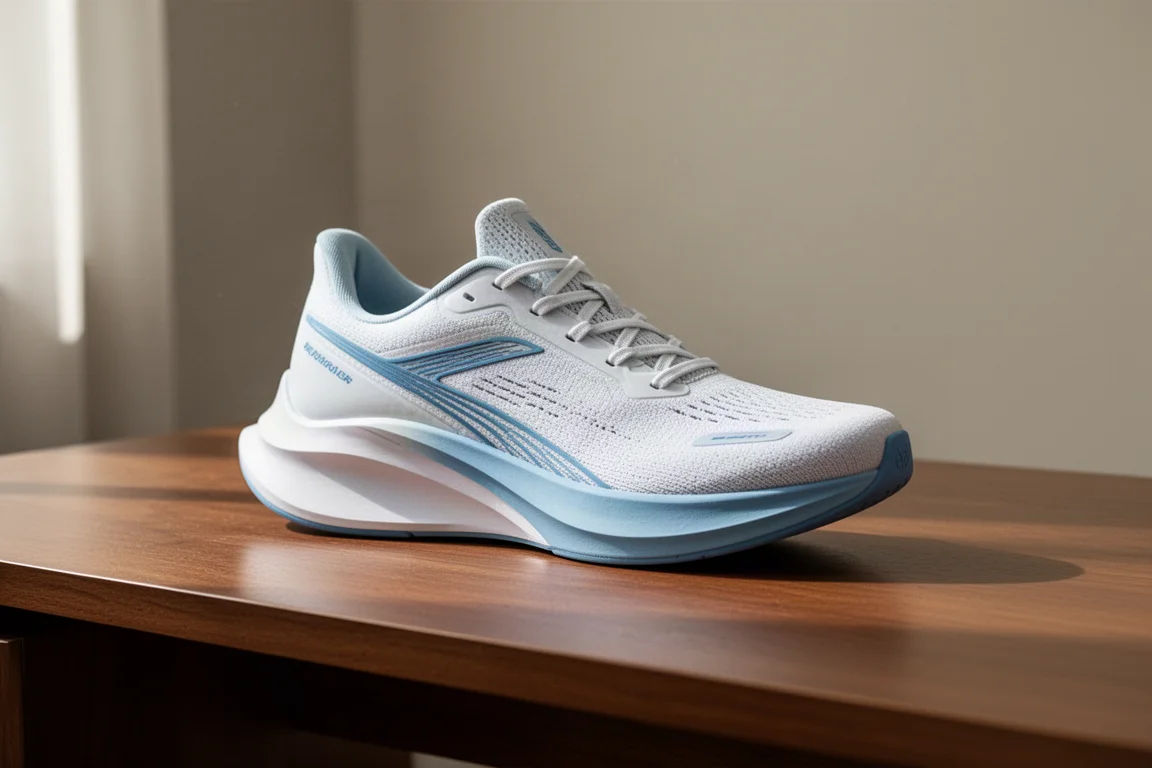
#7: Nike Vaporfly 4
The Nike Vaporfly 4 might be the least impressive shoe of the year relative to expectations. It feels like the flagship racer with the pods removed and the geometry made less aggressive, a watered-down version of a great shoe. There is nothing actively appealing about it, nothing that makes it better or special, and nothing that makes you reach for it over anything else in the rotation.
The argument some make is that it is an accessible, approachable race shoe for someone who wants one shoe for racing and training. That argument falls apart because that is exactly what the Zoom Fly line exists for at a lower price. The foam has little bounce, and while you could race in it without being slowed down, a PR shoe should be one notch above comfortable and confident. The right version of this shoe would be an amped-up Streak Fly with more comfort, not a stripped-down flagship.
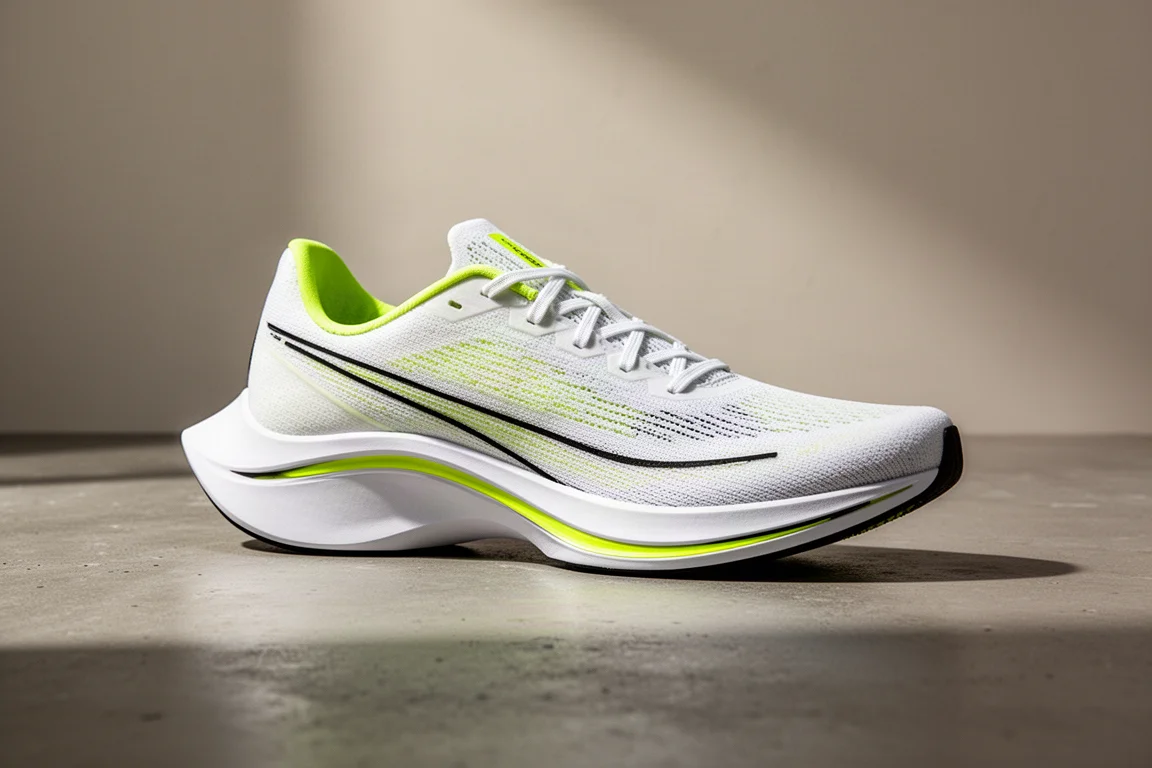
#6: Hoka Cielo X1 2.0
The Hoka Cielo X1 2.0 sits right on the cusp of the middle of the pack. The core problem is too much soft, not-that-bouncy foam in the midfoot. There is too much stack, and when trying to run fast, you end up fighting the foam rather than benefiting from it. Either the comfort should have been doubled down on with a filled-in, wider heel, or the aggression should have been, with less foam under the forefoot.
Still, this shoe earned its position above the two above it for one reason: it can actually hit fast paces. It cruised comfortably through steady miles at around 6:50 to 7:00 pace, and in a 22-mile long run with four two-mile marathon-pace reps, it held 5:40s. The upside of all that soft foam is real protection underfoot, where lighter shoes sometimes feel like they are collapsing entirely. Not a favorite, but a genuinely capable option with some interesting innovation.
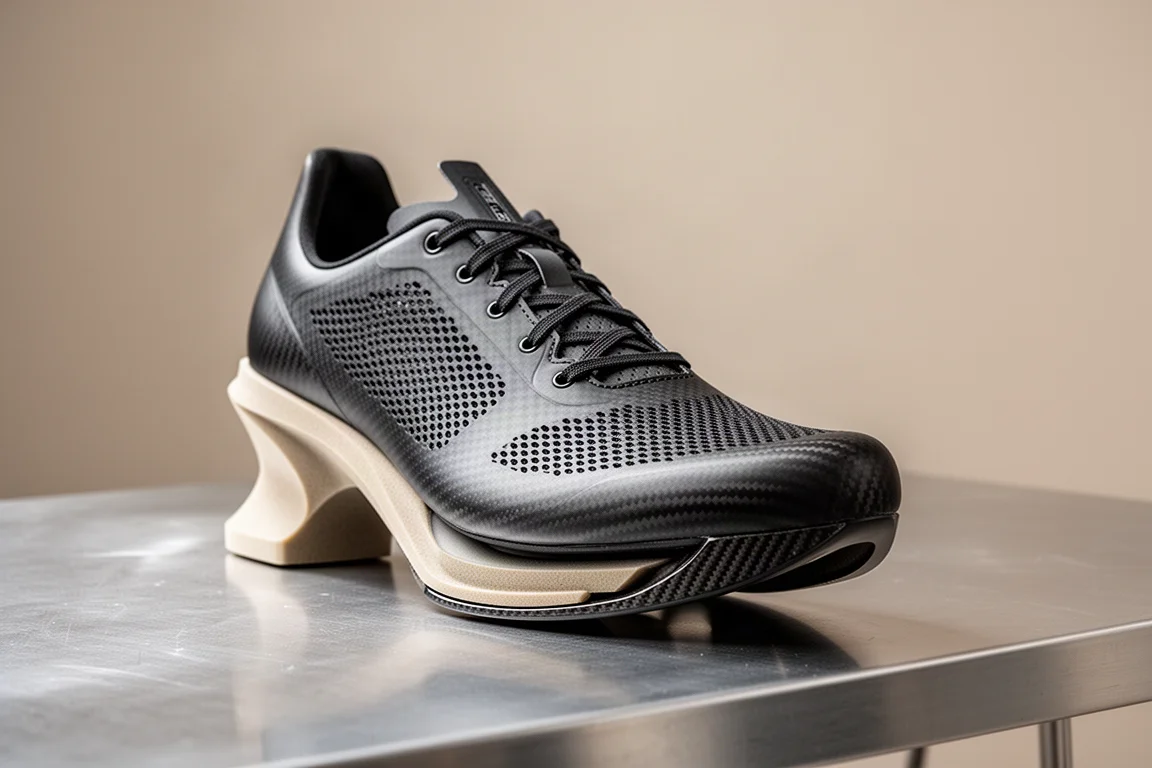
#5: Adidas Adios Pro 4
The Adidas Adios Pro 4 enters the top five as a genuinely fast shoe, and one we would absolutely run a marathon in. After resolving a sizing issue (most people suggest going up half a size, but getting the correct standard size fixed the fit), every single run in this shoe has been a good one, including a 10-mile PR on the first outing and strong threshold workouts with the softness of the foam reading as comfortable rather than mushy.
At its best, it feels light, fast, and soft, comparable to the classic Vaporfly 2. At its worst, it can feel like a soft daily trainer with a plate. The soft, squishy heel is not our favorite element, but compared to something like the Endorphin Elite 2, this shoe is a brick in the best sense: structured, responsive, and reliable at race pace.
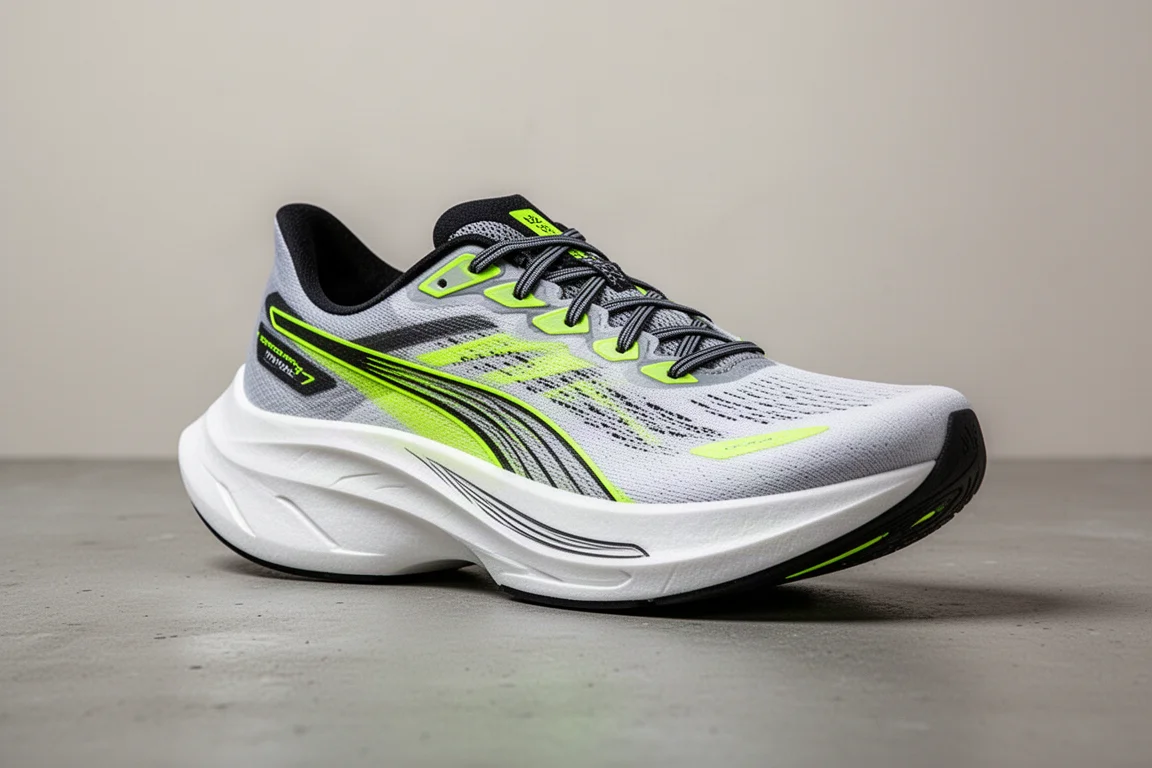
#4: Adidas Adios Pro Evo 2
The $500 Adidas Adios Pro Evo 2 sits surprisingly low on this list, but the ranking weighs value and availability, not just performance. As a marathon PR shoe, this is arguably number two on the market. You get as much foam as the Cielo, the Endorphin Elite, or the Adios Pro 4, and the weight is dramatically lower, making it feel like nothing on foot while keeping all the protection, smoothness, and most of the bounce and propulsion.
The compromise is aggression. The foam choices that make it lightweight and protective cost it some torque compared to the best race foams, and the geometry is doing a lot of the heavy lifting. This is not a violent race car. It is a precision tool for the runner who has hammered marathon pace into the system all summer and wants the most comfortable, confident ride possible for 26.2 miles. At $250, it would probably rank second overall. At $500, it is a specialist purchase.

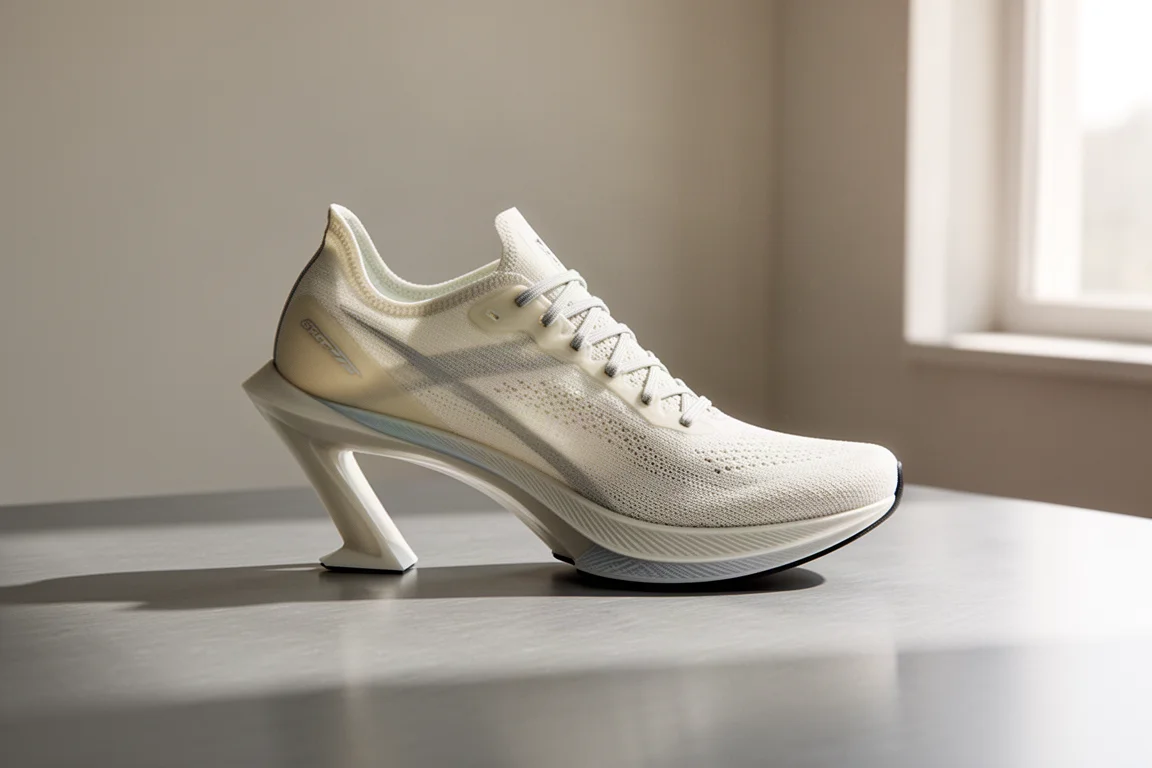
#2: Nike Streak Fly 2
The Nike Streak Fly 2 is a highly specialized weapon, and it excels at its specialty. It is super lightweight, nearly as light as the $500 Adios Pro Evo 2, with a generous dose of race foam under the forefoot and nubs up front that create a sensation of being pulled forward. Some of the fastest miles of the year have come in this shoe.
This is the pick for mile PR attempts and anything shorter, and it doubles as a brilliant summer shoe because of how little it weighs. It is also far more streamlined and cut up than something like the Adios Pro 4, making it very easy to turn over. The limitation is clear: it maxes out at around five to six miles, or 30 to 45 minutes of running, so it will not work for long tempo sessions or a full marathon. Know what you are buying, and it rewards you.
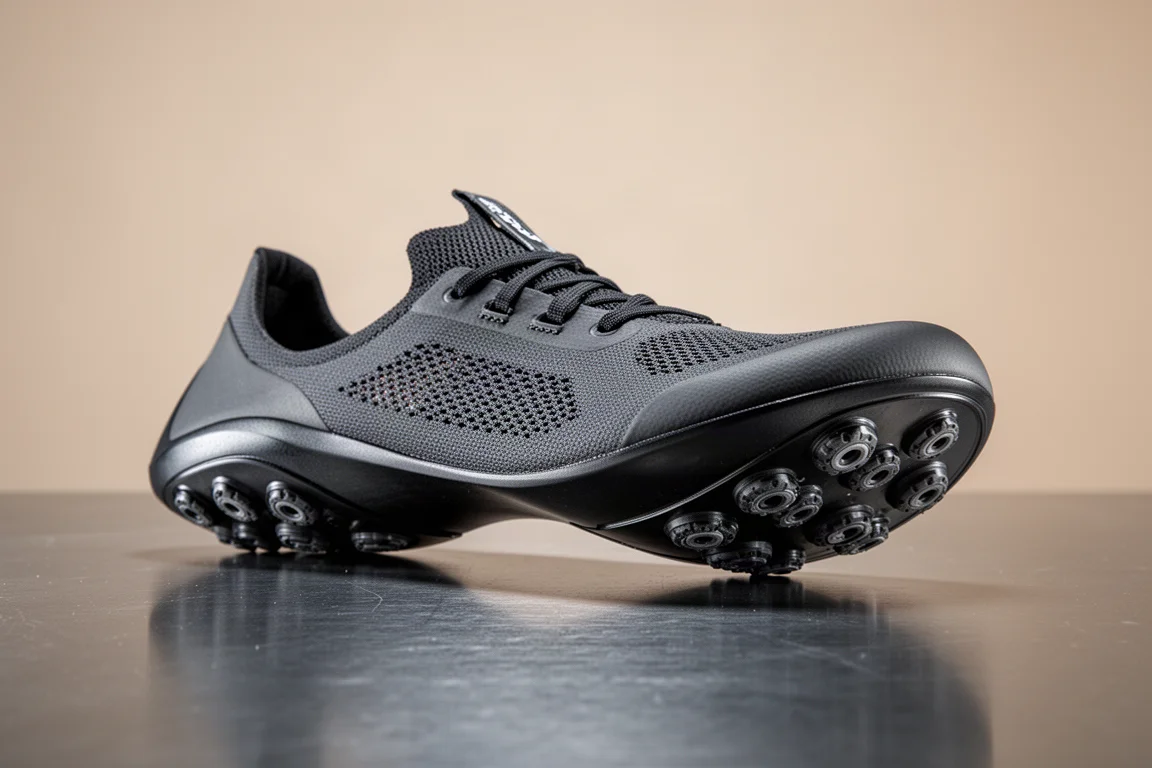
#1: Puma Fast-R 3
The best race shoe release of 2025 is the Puma Fast-R 3. What makes it work is dialing-in rather than extremes. It is not the stiffest shoe on the market, and it is not the lightest (the Streak Fly is lighter). Instead, when driving power off the front of the shoe, it delivers the perfect amount of foam, the perfect bounce, and the perfect squish. It is a highly considered, scientifically developed product.
That science shows in the data. A study conducted during the shoe’s development measured efficiency benefits of one to three percent compared to other race shoes and the previous version, and every single participant was more efficient in it. Critically, the study was done on recreational runners at realistic paces, roughly 3:30 marathon pace and faster rather than elite pace. If you are training hard for a sub-3:30, sub-3:15, or sub-3:00, this shoe deserves serious attention, especially for half marathons. The trade-off is comfort for long hours on feet, which is what the comfort-first options further down this list exist for.
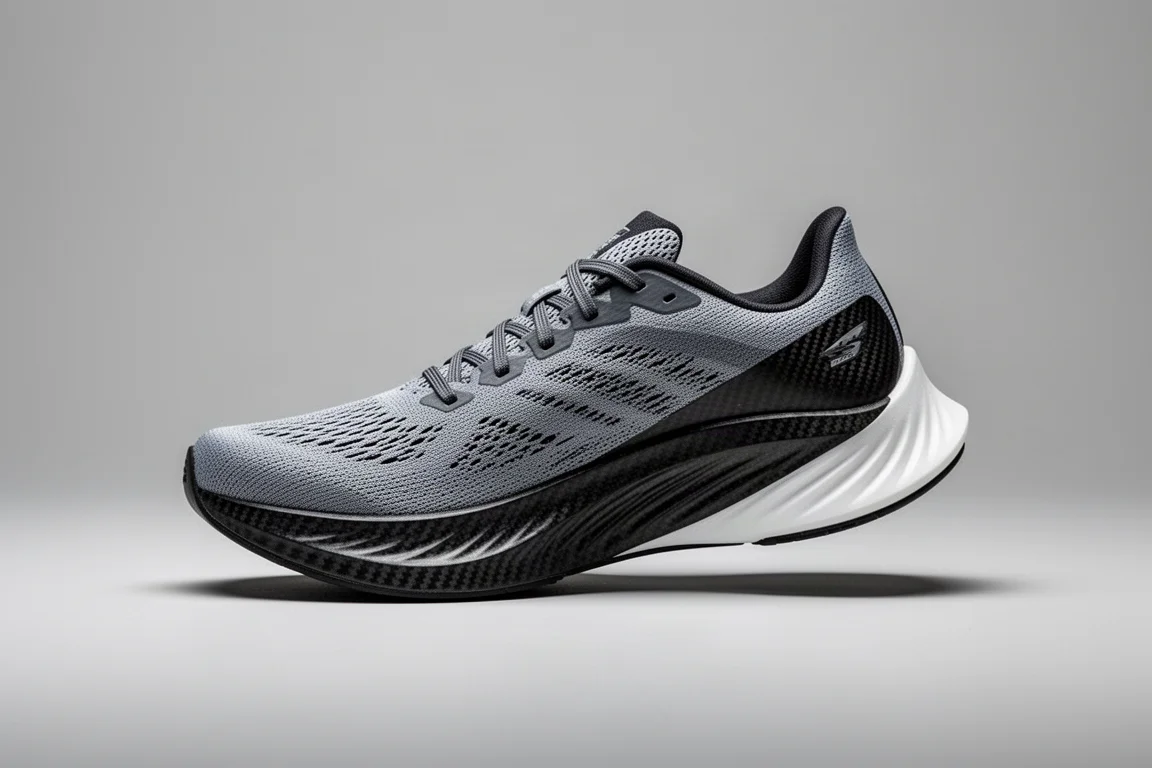
Overall Buying Advice
Start by matching the shoe to the race. For the marathon, the Adios Pro Evo 2 is the confidence pick if the $500 price fits the budget, and the Adios Pro 4 is the strongest all-around marathon option. For 5Ks and mile efforts, nothing touches the Streak Fly 2. For fast half marathons and tempo work at sub-3:30 pace, the Fast-R 3 is the standout.
If comfort is your top priority, the Eliot Racer and the softer options in the lower half of the list will serve you better than any pure racer, even if they cost you a little speed. And whatever you do, skip the Zara Athletics Carbon Race Shoe entirely. The foam does not warrant race shoe prices, and every other shoe here, flaws and all, is a far better investment.
Conclusion
The 2025 race shoe market rewards knowing exactly what you need. The Fast-R 3 is the best overall release, the Streak Fly 2 dominates short distances, and the Adios Pro Evo 2 is the marathon specialist for those who can stomach the price. Every other shoe here has real strengths, but only if its priorities match yours. Buy for your pace, your race, and your stride, and you will not be disappointed.
Further reading
Related Reviews
Running Shoes
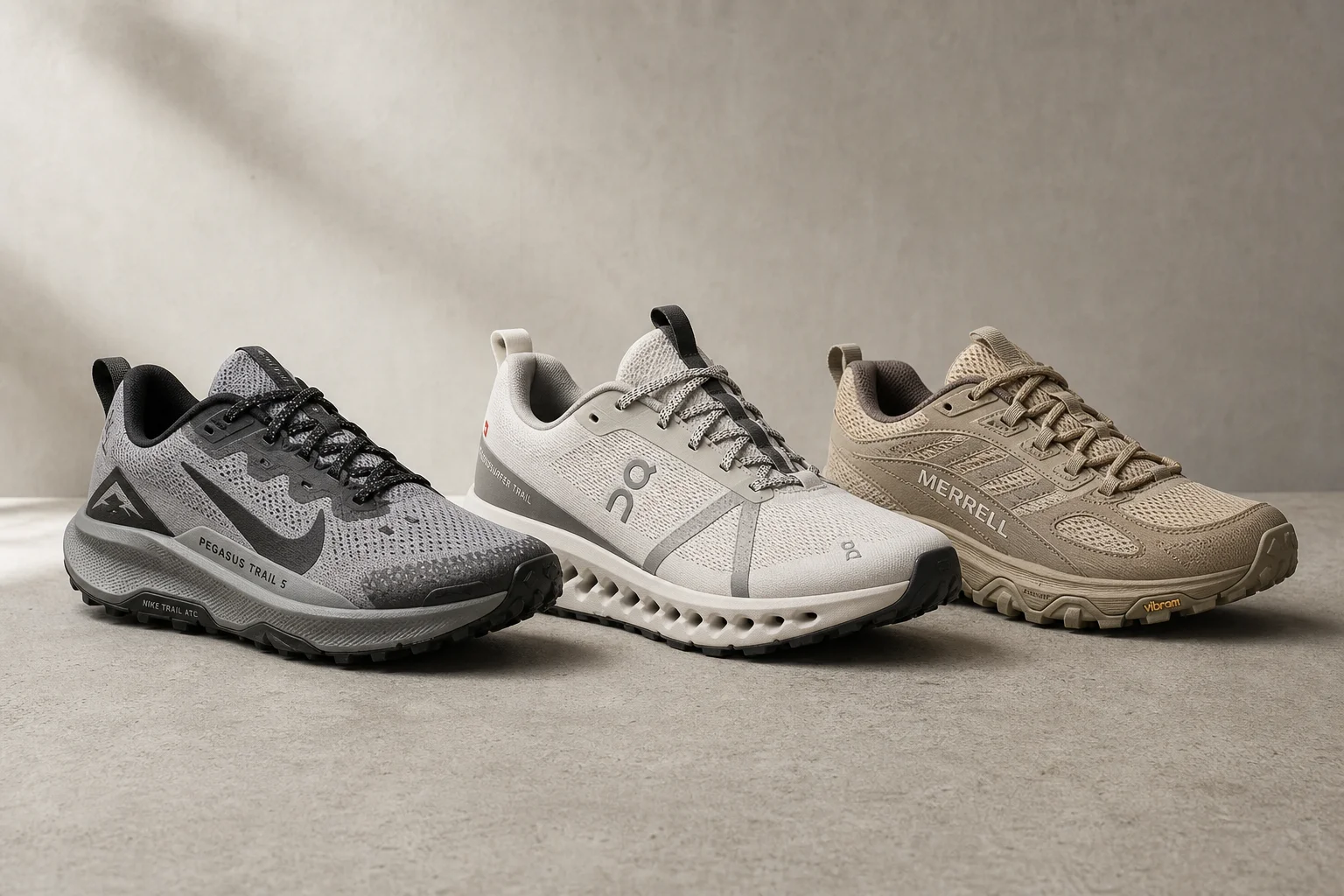
Best Road-to-Trail Running Shoes: Three Versatile Options for Mixed Terrain
A practical guide to three road-to-trail running shoes that handle both pavement and mild trails, with clear strengths and trade-offs for different runner types.
Running Shoes
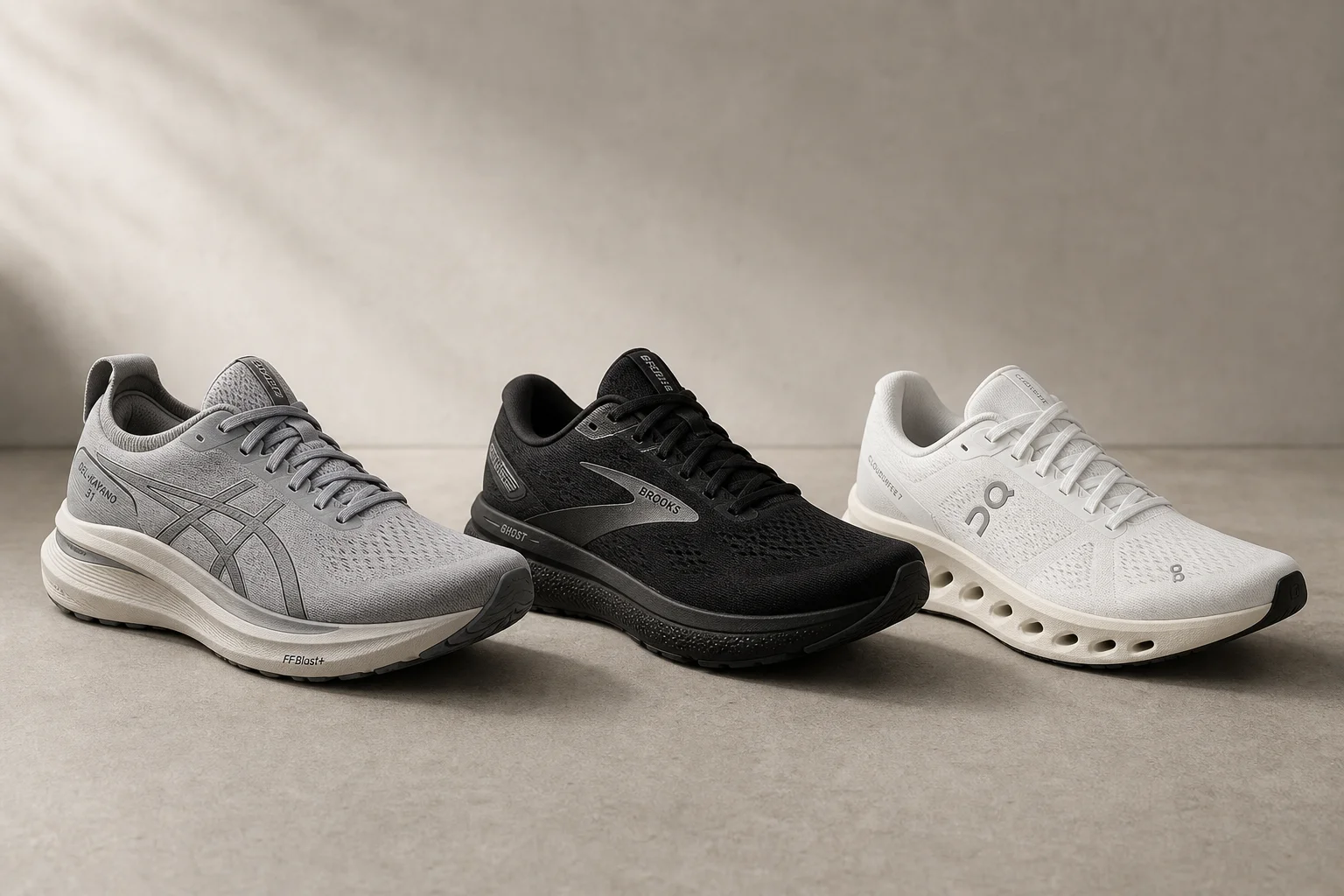
Best Running Shoes for Achilles Tendonitis: Three Options Explained
Three running shoes with different heel drops and support features designed to help reduce Achilles tendon pain during walking and running.
Running Shoes
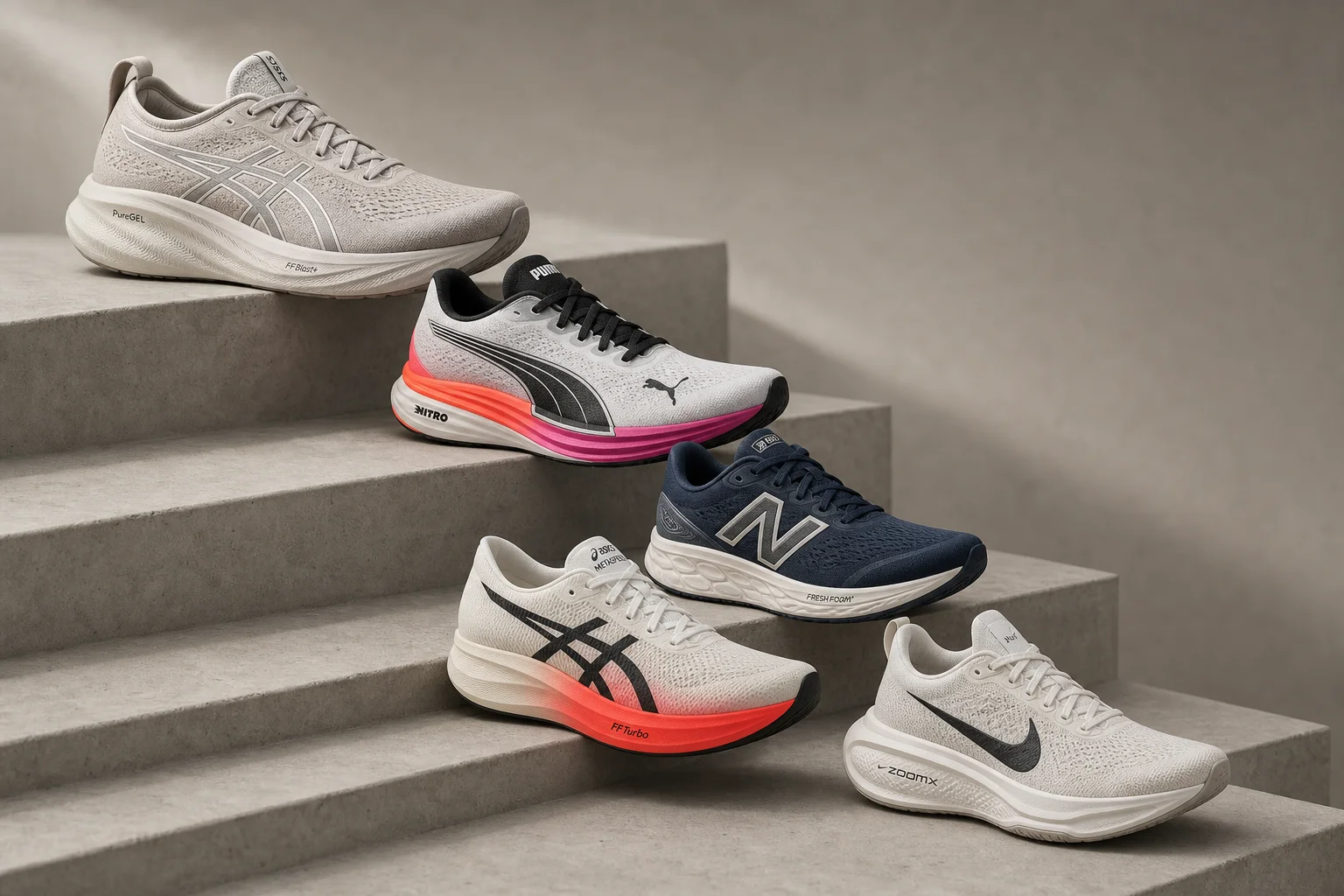
Best Running Shoes for Women: Five Top Choices Ranked
A ranked guide to five women's running shoes, from versatile daily trainers to high-performance racing options, with real strengths and trade-offs for each.