Running Shoes
Best Race Day Shoes for Regular Runners: 9 Fast Options That Still Look After You
Nine race day shoes for 5K, 10K, half marathon and marathon runners who want speed without elite-only stiffness.
Introduction
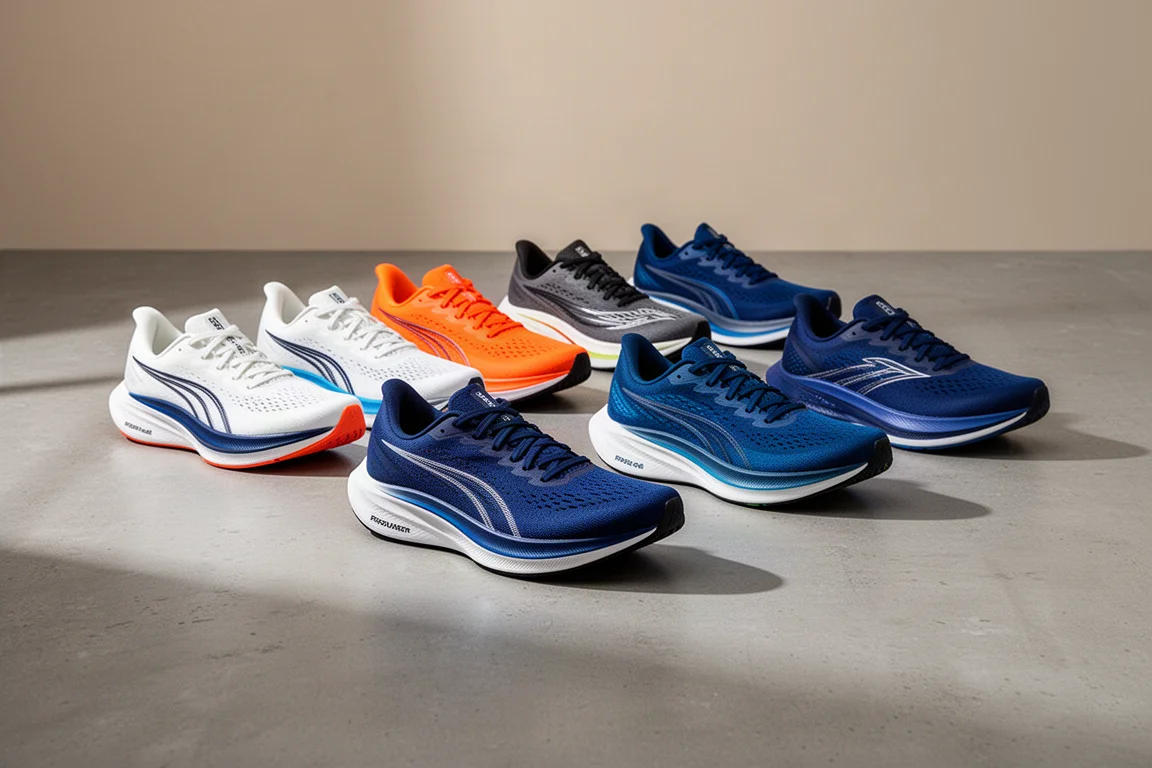
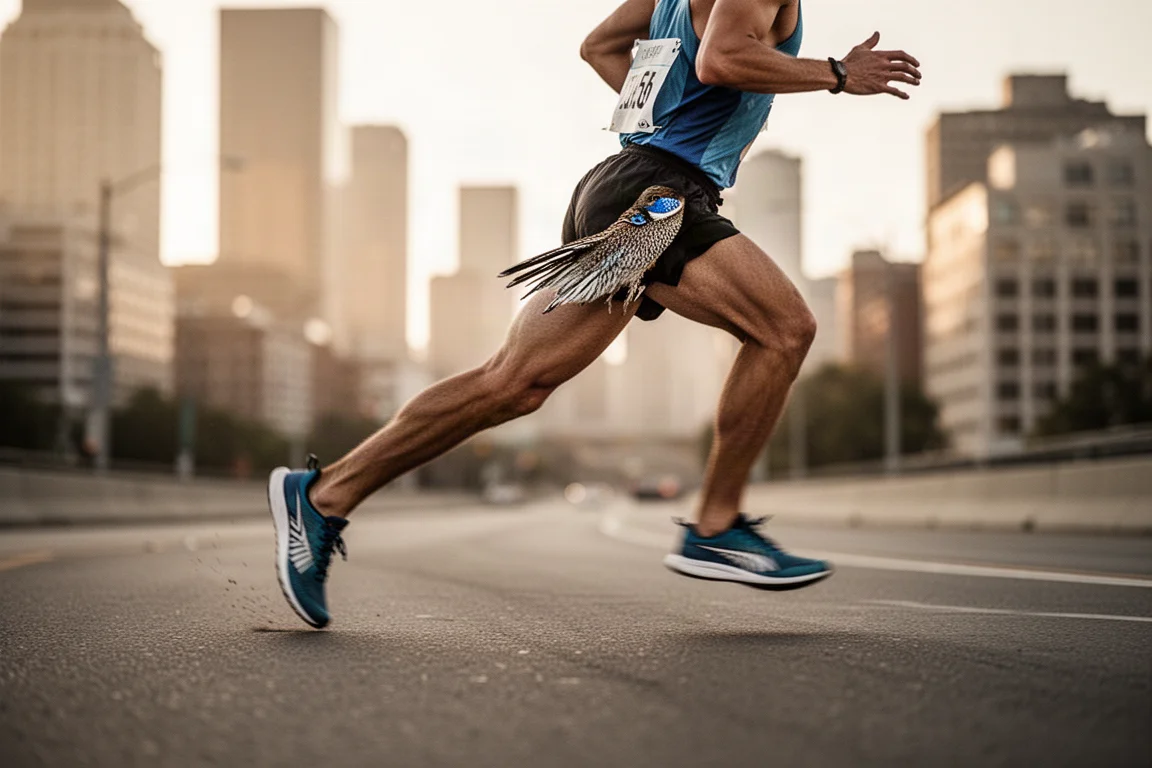
The fastest race shoes are usually built for elite athletes: perfect form, very high speeds, and races over and done within two hours. Most regular runners are out there considerably longer, often with form that slips as fatigue sets in. That means the right race day shoe has to balance speed with comfort, stability, and durability, however you strike the ground.
This roundup covers nine options across 5K and 10K racing, plus half marathon and marathon distances, with plated and non-plated choices in each.
Non-Plated Picks for 5K and 10K
Over shorter distances you want a shoe that is stable, light, and comfortable with a quick turn of pace. Two non-plated options stand out first.
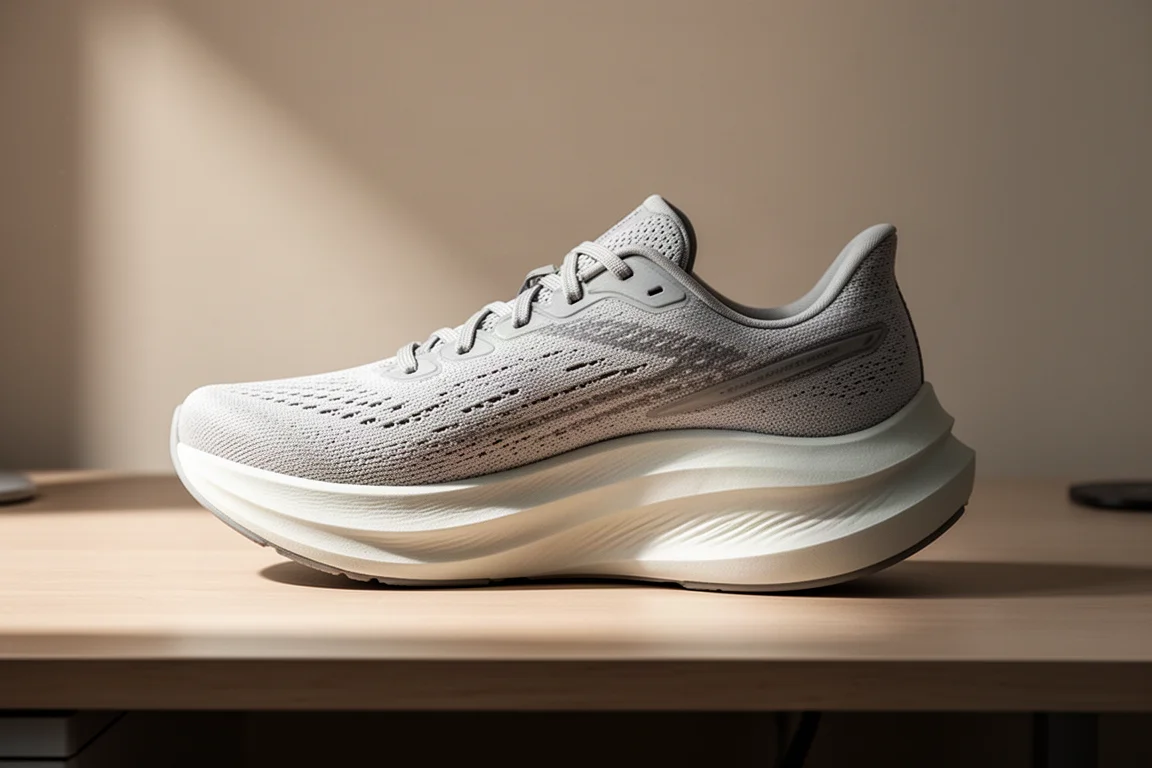
The Hoka Mach 7 is a lovely lightweight shoe with a 37 mm heel stack, 5 mm drop, and a 254 g weight. It uses Hoka’s supercritical EVA foam, sizing runs true, and both regular and wide fittings are offered. It feels fast and fun, inspires confidence in corners thanks to a surprisingly grippy outsole, and has a breathable upper with just the right amount of padding. The ride is natural and traditional with a nice rocker up front. The main downside is a slightly firmer feel than the current trend for softer foams, though that firmness does aid stability.
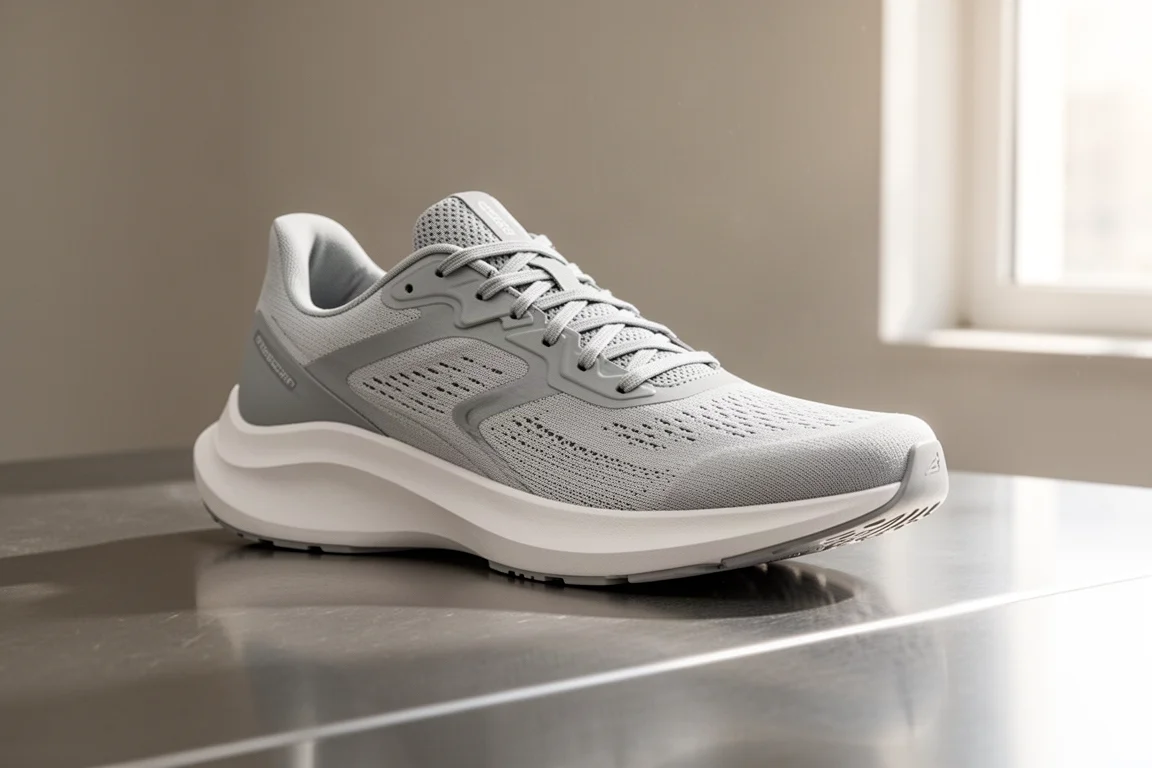
The Adidas SL is one of the most popular versatile shoes in the world right now. It costs around £130, has a 39 mm heel stack, 7 mm drop, and weighs 267 g. Crucially, it uses Adidas’ Lightstrike Pro foam, the same foam found in the brand’s high-end race shoes. It is simple, fast, and genuinely fun to run in, happiest at 5K and 10K paces, and often available discounted to around £100 to £110. It is also versatile enough to double as a training shoe. The trade-offs: it is not the most stable option, so be careful in sharp corners, and the upper is not the most durable.
If you prefer a firmer, more stable feel, go for the Hoka. If you want a softer, bouncier ride, the Adidas is the better pick.
Plated Picks for 5K and 10K
If you want a little extra propulsion over shorter distances, two plated shoes fit the brief.
The Nike Vaporfly 4 received a major update and is now very lightweight and great for 5Ks and 10Ks. It costs around £240 (deals are usually available depending on colorway), with a 35 mm heel stack, 6 mm drop, and just 210 g on the scales. A full-length carbon Flyplate sits in Nike’s ZoomX foam, but importantly it is not super stiff, so it stays accommodating to run in. It rides smoothly, nearly disappearing underfoot, still offers padding in the right places, has a breathable upper with great lockdown, and delivers a natural, fast ride with a satisfying burst at the finish. Downsides: it runs a little narrow through the midfoot and slightly soft at the rear, so it may not suit heel strikers.
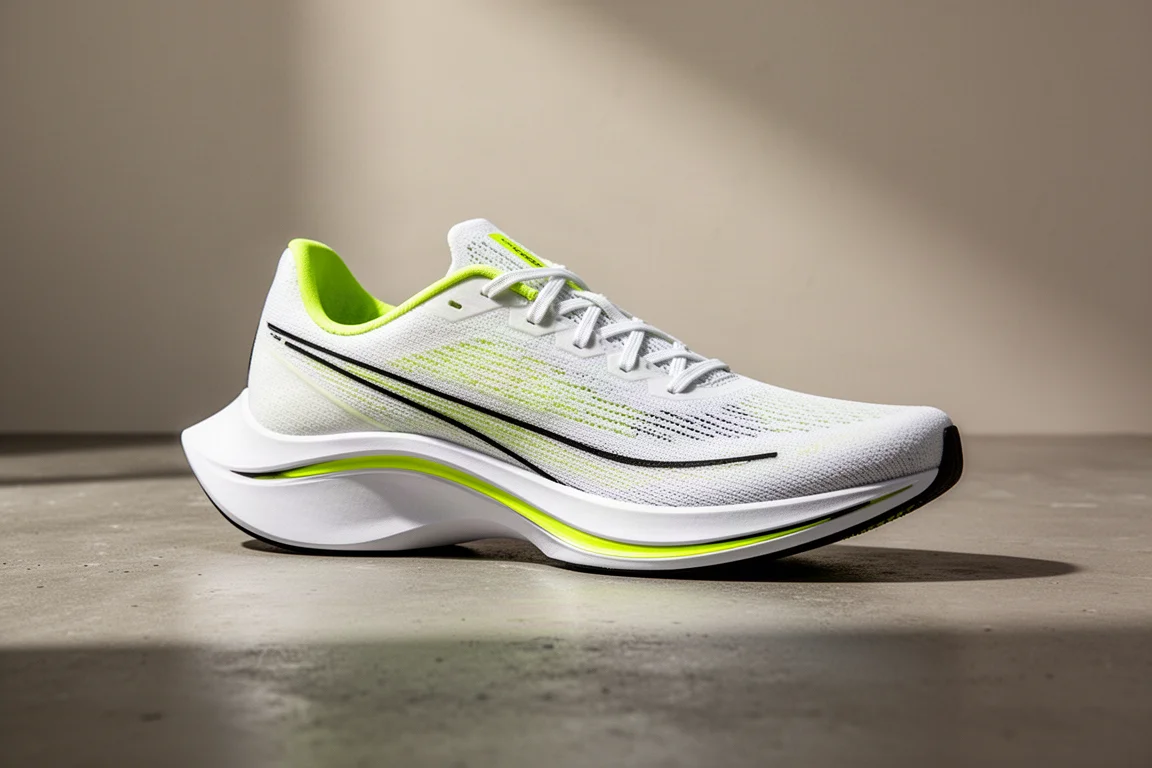
The Puma Deviate Nitro 4 is the better pick for heel strikers, and really for anyone. It costs £150 with a 38 mm heel stack, 8 mm drop, and 308 g. The midsole is a dual layer of Puma’s Nitro foam with a carbon composite powerplate: a soft PEBA top layer over a more stable PEBA blend. Go half a size down. It is one of the most versatile shoes available, comfortable at any pace, with a user-friendly plate that flexes just enough for mid-pack runners, making it a perfect entry into carbon-plated shoes. It is nimble, supportive whichever way you land, and Puma’s excellent grip handles sharp turns and wet roads. It rides slightly firmer than the Vaporfly, which is likely the faster of the two, but the Puma wins on comfort and grip.
Non-Plated Picks for the Half and Full Marathon
Over longer distances, mid-pack form often deteriorates late in the race, and a stiff carbon-plated shoe can be the last thing you want on your feet. Comfort, protection, and a forgiving ride matter more.

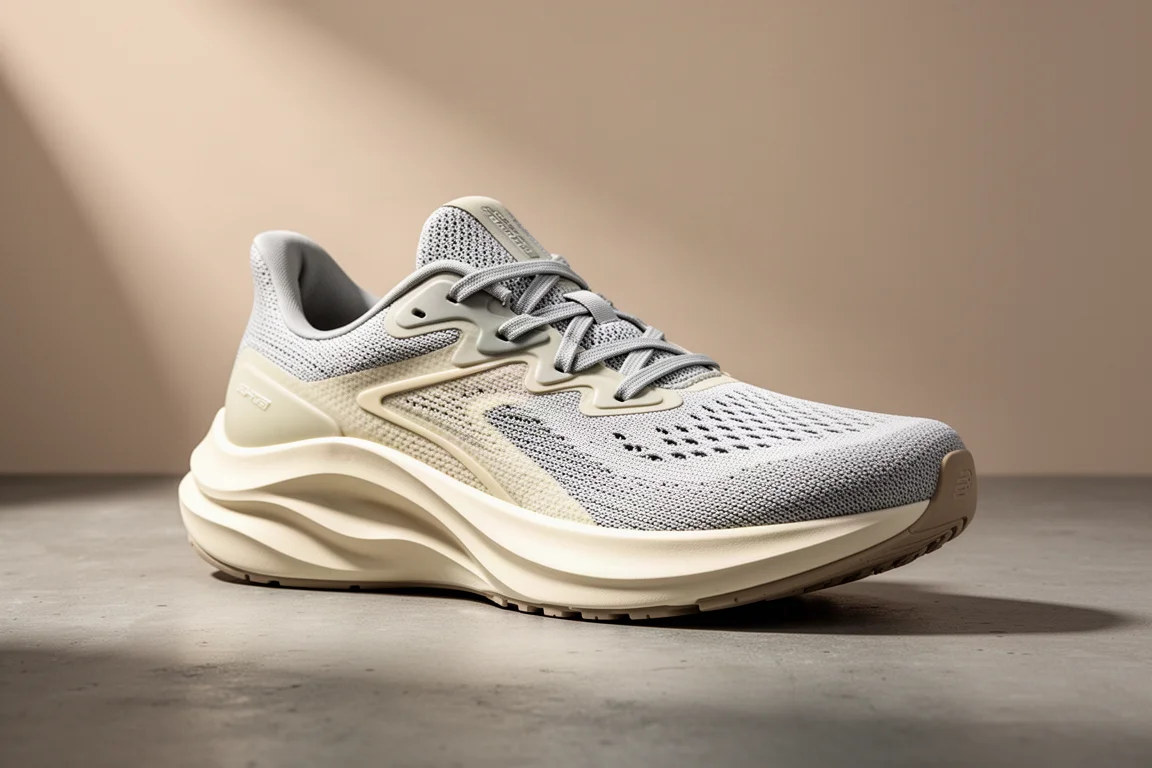
The Asics Megablast was one of the best shoes of 2025 and continues into 2026. It costs £210, with a 45 mm heel stack, 8 mm drop, and a super light 275 g. The FF Turbo Squared ATPU midsole has no plate but is plenty stiff enough to deliver speed. It hits a magic formula: extremely lightweight yet extremely comfortable, with excellent heel hold and well-placed padding. It may be the most fun shoe on the market, bouncy with geometry that pushes your foot forward, and arguably the fastest non-plated shoe available, with speed that comes close to high-end carbon-plated racers. It is smooth however you land and comfortable at all paces. Caveats: it runs slightly narrow, with a low toe box that caused some big-toe bruising between roughly 50 and 150 miles (it resolved past 200 miles), and it is expensive and unlikely to be discounted.
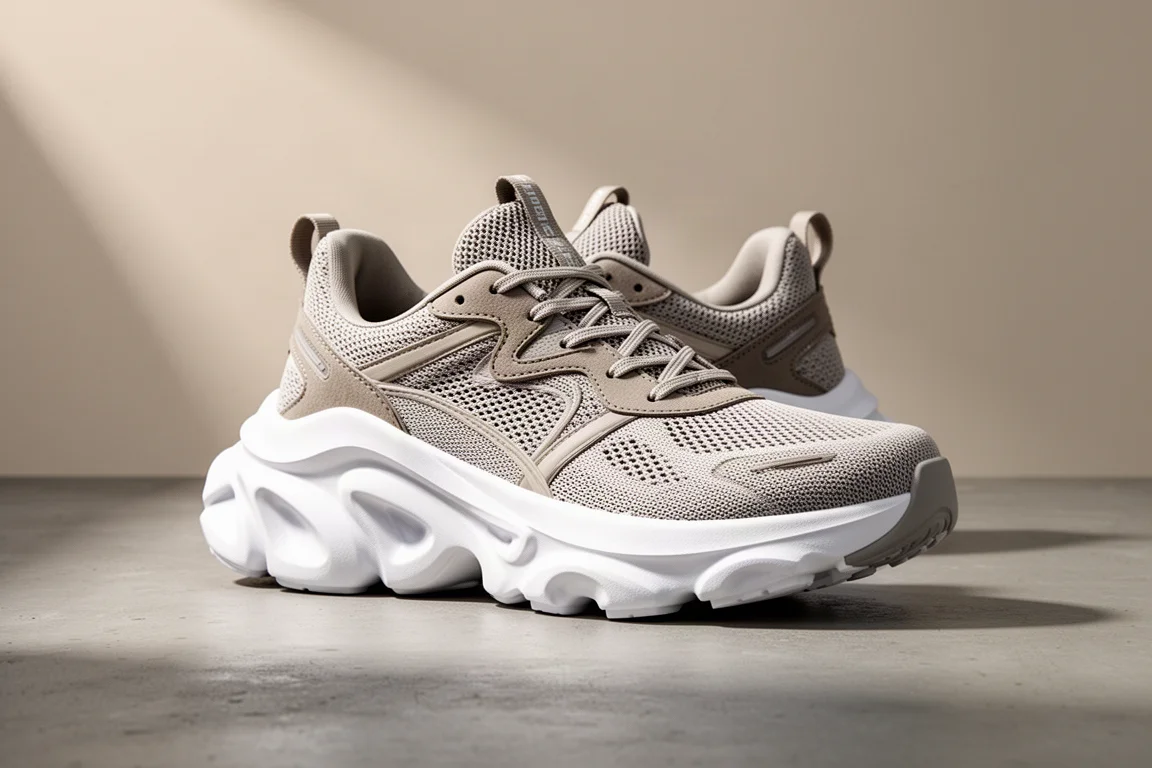
The Nike Vomero Plus is the more affordable comfort option at £155. It has a 45 mm heel stack (feet sit down into the foam), 10 mm drop, and is the heaviest shoe here at 359 g, largely due to a very grippy outsole. The midsole is full-length ZoomX. It is a great all-rounder at half marathon and marathon paces and easy cruising, less so at 5K and 10K speeds. It is very comfortable with no slipping or irritation, has a generous toe box and breathable upper, rides smoothly whatever your foot strike, and offers a soft, bouncy, responsive feel. Downsides: it is a huge shoe volume-wise, the soft max-stack foam demands care in corners, and it cannot match the Megablast’s outright speed. Choose the Megablast for the fastest, lightest ride; choose the Vomero Plus if you want one shoe that can do every type of running.
View more details for Nike Vomero Plus
Plated Picks for the Half and Full Marathon
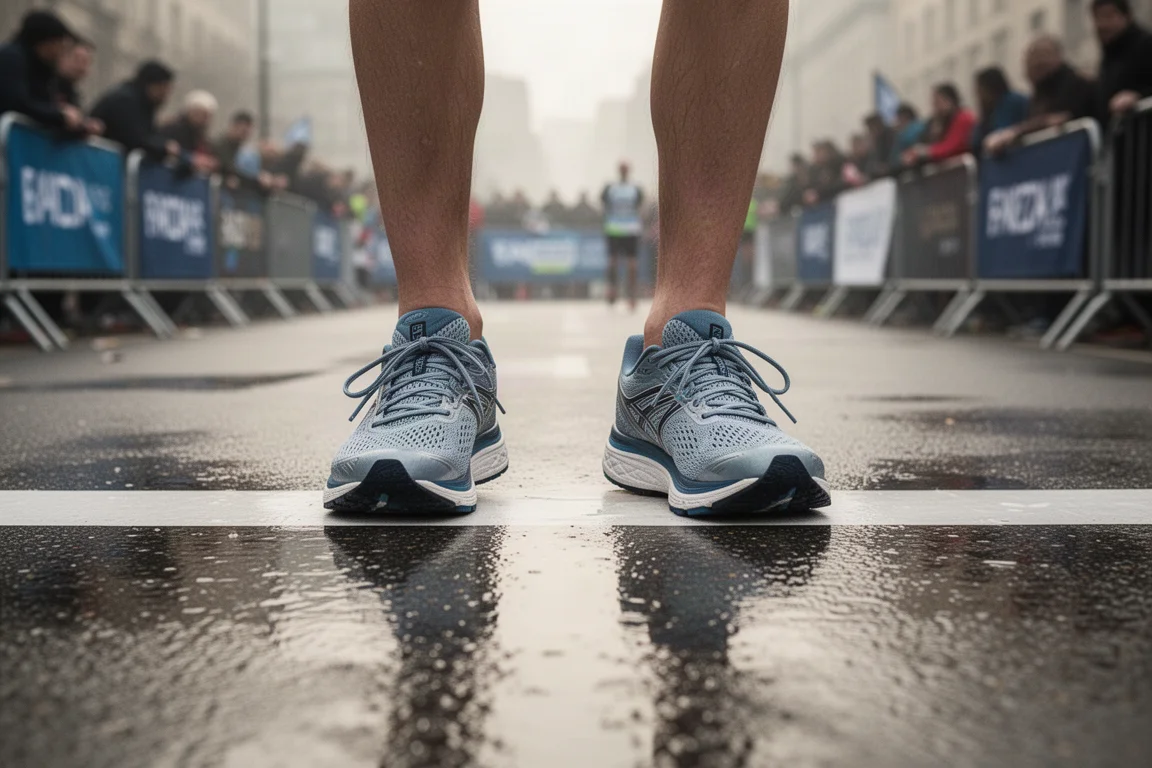
The Nike Zoom Fly 6 is hard to beat for the combination of price, speed, and comfort. It costs £165 with a 42 mm heel stack, 8 mm drop, and 322 g. The dual-layer midsole pairs soft ZoomX foam over a stability EVA layer with a carbon Flyplate through the middle. It is surprisingly quick given how bulky it looks, offers excellent value, and the front rocker creates a smooth turnover that sings at marathon pace. It is durable with a fantastic grippy outsole, and the plate is not aggressive at all, making it great for race day and for longer race-pace training blocks. Downsides: the grippy outsole can be a bit noisy (it quiets over time), it is not the prettiest shoe, and rearfoot stability is poor, so it is not ideal for heel strikers.
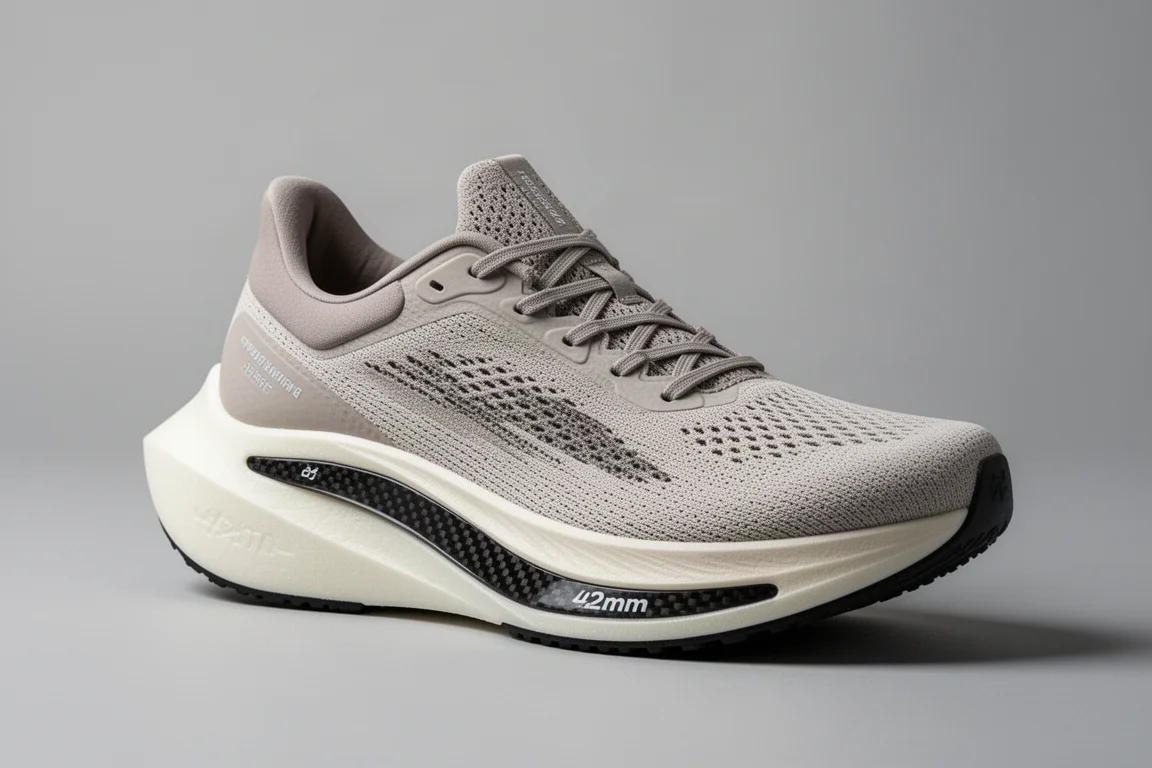
The Hoka Rocket X 3 is one of the lightest and most comfortable plated options, riding extremely smoothly. It costs £220 with a 40 mm heel stack, 7 mm drop, and just 241 g. The midsole is Hoka’s dual-density PEBA with a carbon plate, very bouncy and true to size. It is arguably the most stable race day shoe on the market: it does not matter where you strike the ground or whether your form is perfect, the shoe works with you. It offers a dialed-in race-day fit with great padding, and the rocker geometry feels natural to run in. Runners targeting a 3 to 4 hour marathon are likely to love it, and it can handle plenty of training too. It is expensive and trades a little speed for that comfort, but it remains genuinely fast.
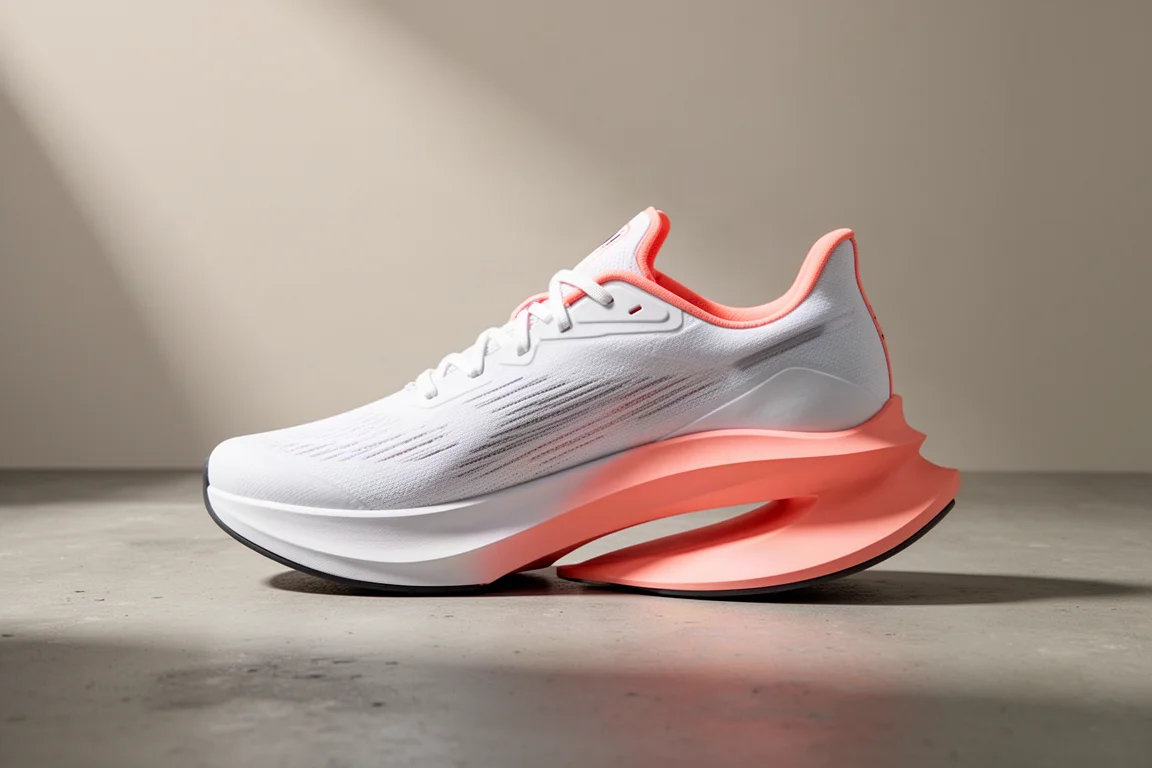
The New Balance SC Elite v5 is a firm favorite on start lines worldwide, especially at marathon distance, with a deserved reputation for comfort. It costs £260, though it can now be found cheaper. It has a 40 mm heel stack, 8 mm drop, and weighs a light 248 g, using FuelCell foam with a carbon fiber plate. A wide option is available, rare in this category. It is surprisingly comfortable for a super shoe, with generous heel padding and a roomy toe box that feels close to a daily trainer. Grip is excellent, making it a top pick for poor race-day conditions, and it is very stable however you land. The plate is not too aggressive, so mid-pack runners can extract plenty of performance. It is slightly heavier than direct rivals because of those comfort additions, and it remains very expensive in the UK.
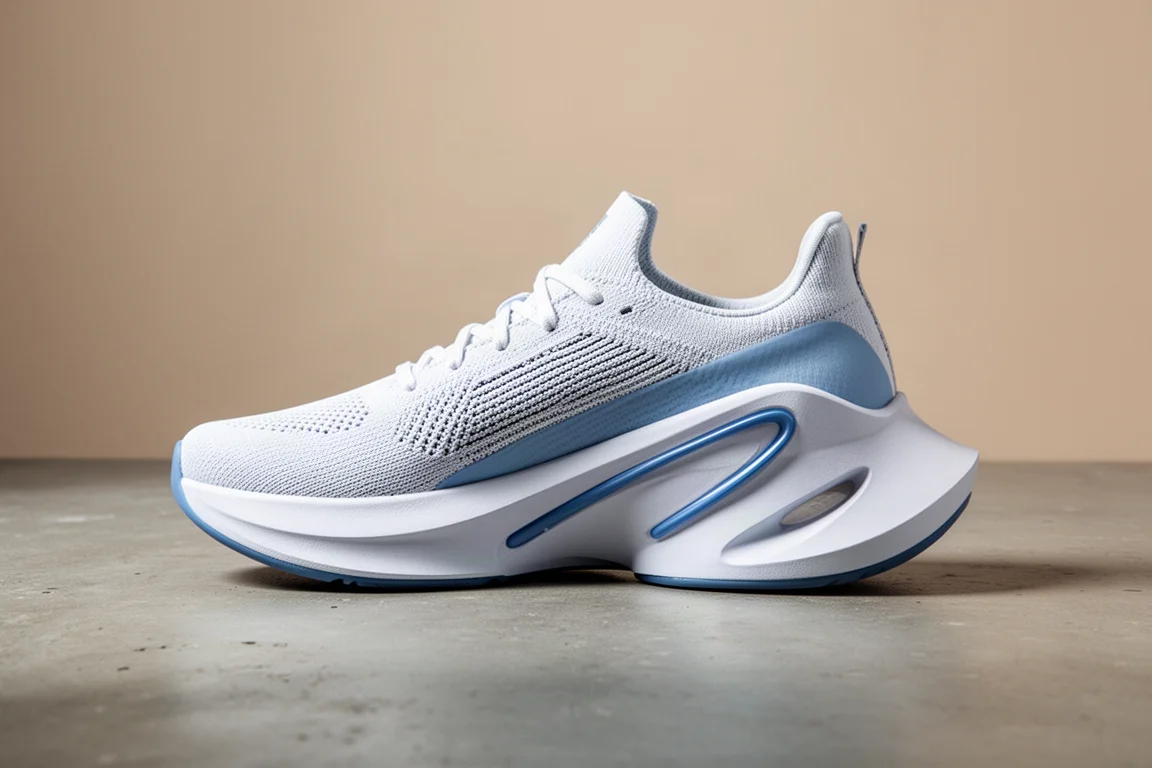
Which Long-Distance Plated Shoe Is Right for You
For value with a midfoot or forefoot strike, the Zoom Fly 6 is the easy call. For rearfoot strikers who want the smoothest ride, the Rocket X 3 is the standout. And if you want a shoe that can genuinely compete with the highest-end race shoes while staying the most mid-pack friendly of them all, the SC Elite v5 earns its price tag.
Conclusion
The best race day shoe for a regular runner is not simply the fastest on paper. It is the one that still feels good at mile 20, when form slips and fatigue sets in. Match the shoe to your distance, your foot strike, and your budget, and you will give yourself the best chance of a strong, comfortable race.
Further reading
Related Reviews

Running Shoes
Best Road-to-Trail Running Shoes: Three Versatile Options for Mixed Terrain
A practical guide to three road-to-trail running shoes that handle both pavement and mild trails, with clear strengths and trade-offs for different runner types.

Running Shoes
Best Running Shoes for Achilles Tendonitis: Three Options Explained
Three running shoes with different heel drops and support features designed to help reduce Achilles tendon pain during walking and running.

Running Shoes
Best Running Shoes for Women: Five Top Choices Ranked
A ranked guide to five women's running shoes, from versatile daily trainers to high-performance racing options, with real strengths and trade-offs for each.