Running Shoes
Brooks Hyperion Elite 6 vs Puma Deviate Elite 4 vs Hoka Cielo X1 3.0: Race Day Shoes Compared
Brooks finally lands a viable race day shoe with the Hyperion Elite 6. Here is how it stacks up against the Puma Deviate Elite 4 and Hoka Cielo X1 3.0.
Introduction
Brooks has had a long, uneven run with its flagship race day shoe. Early versions ranged from unreasonably firm to oddly soft, and for years none of them landed in the same league as the top carbon-plated racers. The Hyperion Elite 6 is the first version that finally feels like a genuine contender: a reworked PEBAX-based DNA Gold foam, a redesigned carbon plate, and a new rocker geometry that together give it real pop and a race-appropriate feel.
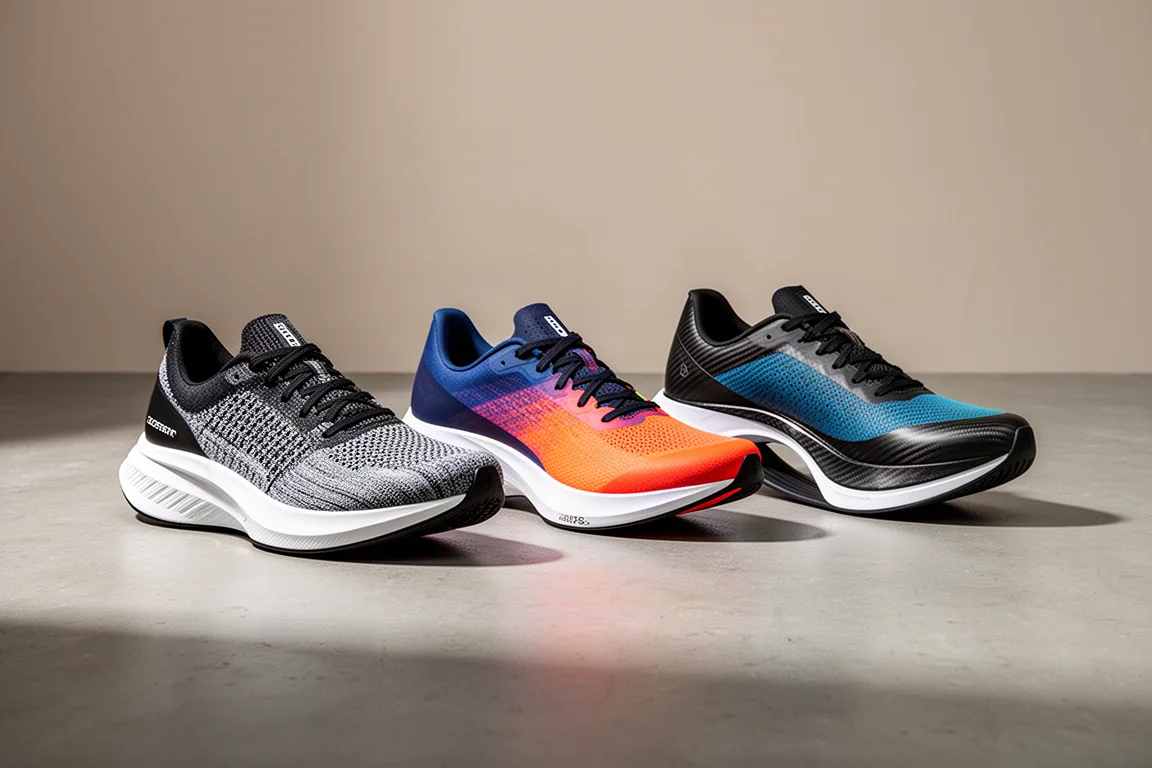
That makes this a good moment to place it against two of the year’s more approachable race day shoes: the Puma Deviate Elite 4 and the Hoka Cielo X1 3.0. All three sit in a slightly less aggressive tier than the ultra-minimal top-end racers, which is exactly where many runners want to be.
Evaluation Criteria
We look at each shoe through the same lens: upper fit and comfort, midsole foam and plate behavior, ride quality across paces, durability, weight, stack and geometry, and overall value at the price point. The Brooks Hyperion Elite 6 lands at $275, available August 1, with a women’s US 7.5 weighing 6.1 oz (173 g) and a men’s US 10.5 at 7.6 oz (216 g). That is competitive for a traditional racer, though it does not dip into the featherweight category of the newest super shoes.
Brooks Hyperion Elite 6
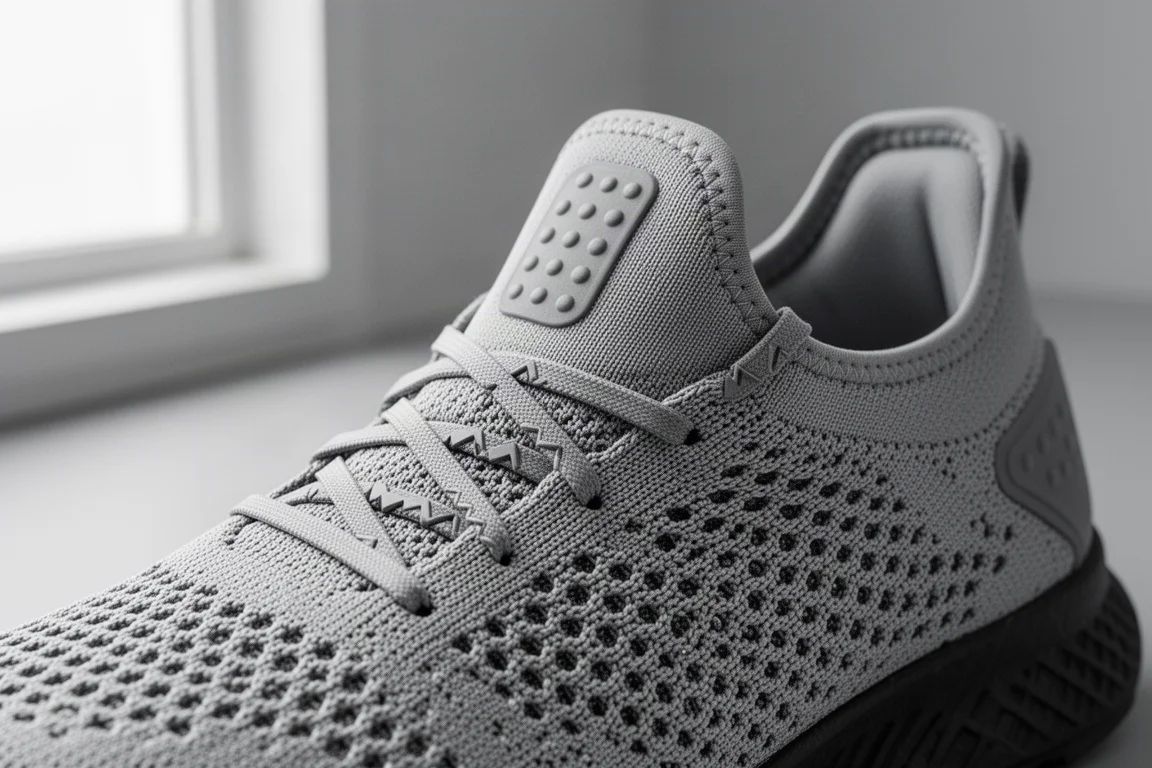
The upper is the standout. A flat-knit open mesh is breathable and very light, and the padded heel collar with interior rubber nubs holds the ankle in place nicely. One tester ran true to size in a US 7.5 with great lockdown and no hot spots; another went down a half size because the toe box had extra room. The non-gusseted tongue is thin and needs to be adjusted so it lies flat, but the sawtooth race laces stay tied without complaint. Fit-wise, this may be one of the best-fitting uppers on any race day shoe right now.
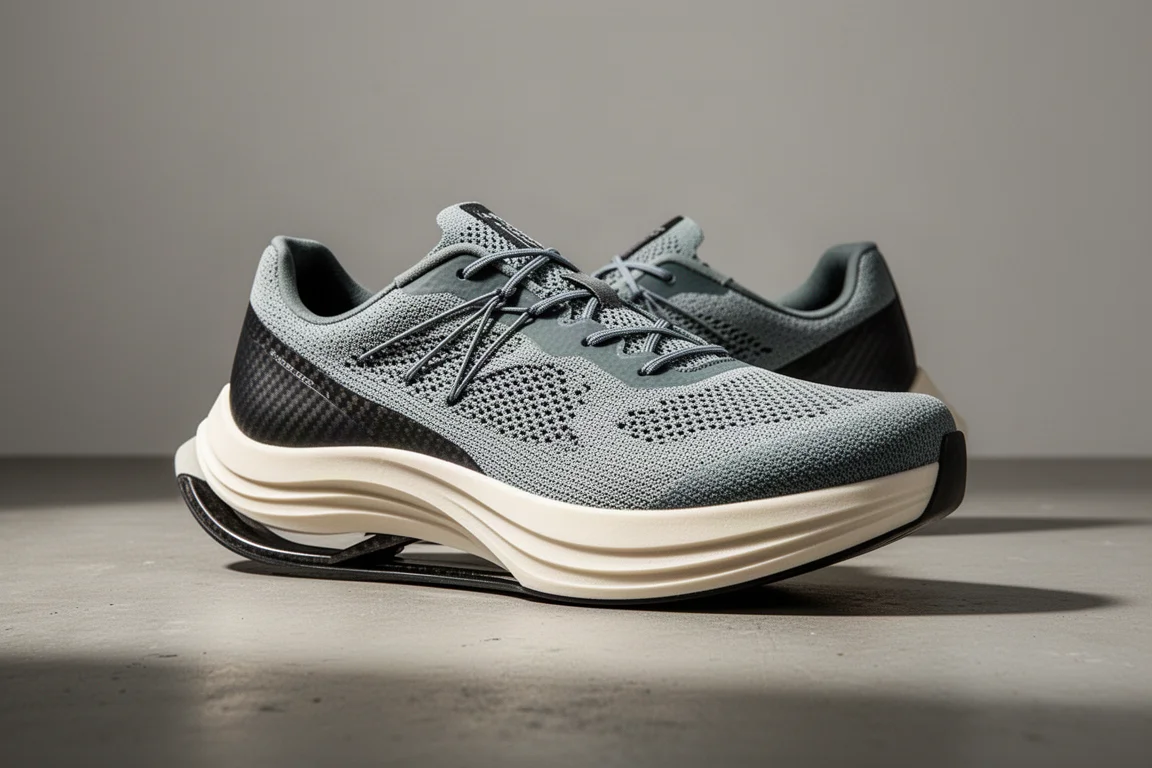
Underfoot, the softened and bouncier DNA Gold formulation is a genuine reinvention of Brooks’s PEBAX foam, paired with a redesigned SpeedVault Plus carbon plate and a new rocker. This is where the shoe finally comes alive: faster feel underfoot, quicker turnover, and a noticeably better toe-off sensation than the version five, which felt dead in the forefoot. The stack is 40 mm in the heel and 33 mm in the forefoot for a 7 mm drop.
Ride character matters here. The shoe works best when you lock into a steady up-tempo pace and hold it, like on longer double-digit runs. In choppy speed sessions with constant gear changes, it felt slightly sluggish getting up to pace. As a marathon racer, though, it holds its own: one tester ran 16 miles in it comfortably, and the lightweight rocker made maintaining pace easy.
Puma Deviate Elite 4
The Deviate Elite 4 is the closest direct rival to the Hyperion Elite 6, and for one tester it still edges ahead because of how the foam reacts with the plate. It suits runners who like a lively foam-plate interaction and a ride that matches a particular stride rhythm. Like the Brooks, it is not a wobbly, barely-there racer, and it stays comfortably stable. If you already know you enjoy the Deviate’s ride, the Hyperion Elite 6 is a close call rather than a clear upgrade.

Hoka Cielo X1 3.0
The Cielo X1 3.0 offers excellent cushioning and strong bounce off the toe, and it is accommodating enough to work for a lot of runners. The trade-off compared to the Brooks is stability: the Hyperion Elite 6 feels safer and more grounded on foot. If you want maximum comfort and bounce and do not need the most stable platform, the Hoka remains a very appealing pick, and for some testers it was still the first choice of the three.
How the Hyperion Elite 6 Wears Over Time
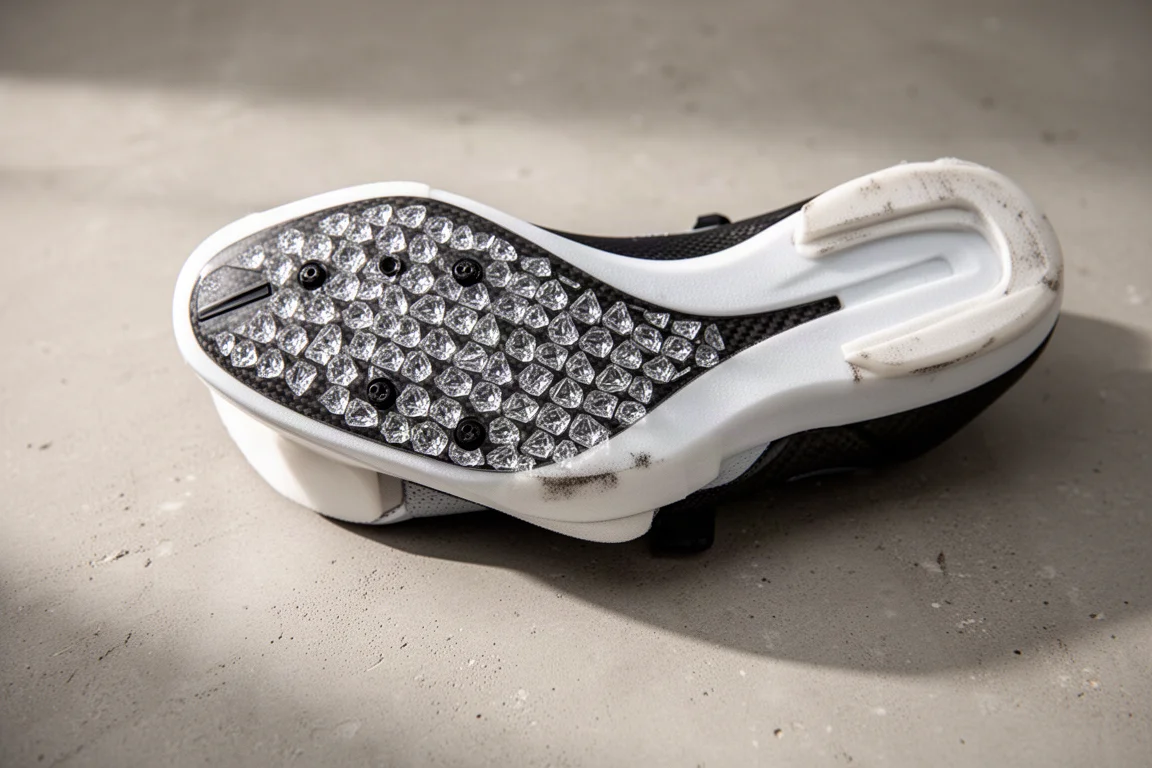
Durability through the early miles looks promising. With roughly 30 to 40 miles on test pairs, including double-digit runs and workouts, the exposed foam showed little wear and the shoes still felt great. The crystal rubber outsole grips well on the roads. Nothing in the testing window suggested the midsole was breaking down prematurely, which is reassuring for a shoe intended to cover 26.2 miles on race day.

Which Shoe Should You Pick
On design, the Hyperion Elite 6 earned top marks for looking and feeling like a proper fast shoe. Performance was rated an A by one tester and a B by another, the latter wanting a touch more pop off the toe. Value is the sticking point: at $275 it prices at the top tier before Brooks has fully earned that positioning, and one tester rated value a C, suggesting a lower launch price would have helped get runners into the shoe. Overall ratings split between an A and a B, which still lands as a clear green light and the best race shoe Brooks has produced.
If stability and fit matter most, the Hyperion Elite 6 is the safest of the three and arguably the most well-fitting. If you want the best foam-plate snap and it suits your stride, the Puma Deviate Elite 4 remains slightly ahead. If cushioning and toe-off bounce are the priority and you can handle a less stable ride, the Hoka Cielo X1 3.0 still holds its ground. All three are viable; none of them is a mistake.
Conclusion
After years of misses, Brooks finally has a race day shoe worth taking to the start line. The Hyperion Elite 6 combines one of the best uppers in the category with a foam and plate combination that feels genuinely fast, and it is especially convincing as a marathon racer at steady up-tempo paces. Its pricing is ambitious, but the shoe itself is exciting, viable, and long overdue. Against the Puma Deviate Elite 4 and Hoka Cielo X1 3.0, it is right in the mix, and your choice should come down to whether you prioritize fit and stability, plate snap, or plush bounce.
Further reading
Related Reviews

Running Shoes
Best Road-to-Trail Running Shoes: Three Versatile Options for Mixed Terrain
A practical guide to three road-to-trail running shoes that handle both pavement and mild trails, with clear strengths and trade-offs for different runner types.

Running Shoes
Best Running Shoes for Achilles Tendonitis: Three Options Explained
Three running shoes with different heel drops and support features designed to help reduce Achilles tendon pain during walking and running.

Running Shoes
Best Running Shoes for Women: Five Top Choices Ranked
A ranked guide to five women's running shoes, from versatile daily trainers to high-performance racing options, with real strengths and trade-offs for each.