Running Shoes
Best Race Day Running Shoes: How the Top Super Shoes Compare
From ASICS Metaspeed to Nike Alphafly, a brand-by-brand breakdown of today's carbon-plated race day shoes and which one deserves your next start line.
Introduction
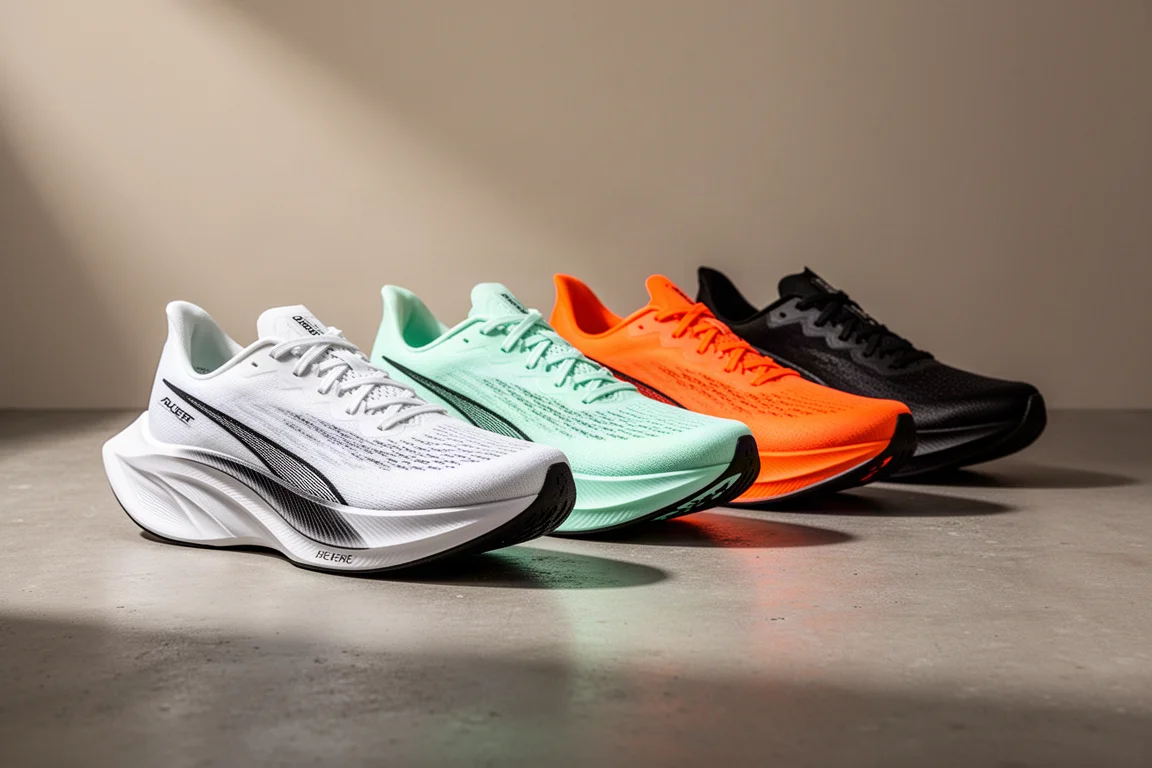
Race day is where shoe brands spend the most engineering effort, and the current crop of super shoes is deeper than ever. Every major brand now offers at least one carbon-plated racer, and many offer two or three with genuinely different personalities. This guide walks through each brand’s lineup, compares the head-to-head options, and finishes with an overall pick for the ultimate race day shoe.
ASICS: Metaspeed Ray vs Metaspeed Sky and Edge
ASICS effectively offers two tiers. The Metaspeed Sky and Edge are very similar shoes; the difference is where the plate sits under the foot, with the Edge placing a little more foam between the plate and the sole of your foot. Both are the more stable, traditional race day option in the lineup.
The Metaspeed Ray is the premium option at $300, built around FF Blast foam, the lightest and most energy-returning foam in the range. The shoe itself is extremely light, bouncy, and fast, but it is less stable than the Sky or Edge, and the foam shows visible wear over time. After 100 miles, one tester found it performed just as well as the first day, and picked it as the better of the two. The trade-off is real though: with less stability, the Ray makes sense for efficient runners and shorter distances, while a runner tackling a full marathon may prefer the extra support of the Sky or Edge.
Saucony: Endorphin Elite 2 vs Endorphin Pro 5
This one is not close. The Endorphin Pro 5 has not been meaningfully updated from the Pro 4 of two years ago, and underfoot it feels heavier and deader than its rivals. It no longer has the dynamic feel you want from a race day shoe, and it comes at a higher price than the Speed-adjacent feel it delivers.
The Endorphin Elite, even a couple of years into its life, is the clear winner here. Its foam is bouncy and spongy, it was a favorite race day shoe from the moment it launched, and it earned extra miles on days when other shoes were waiting to be tested. If you can find it, the Elite is the Saucony to buy.

Adidas: Adizero Pro 4, Pro Evo 2 and Prime X Evo
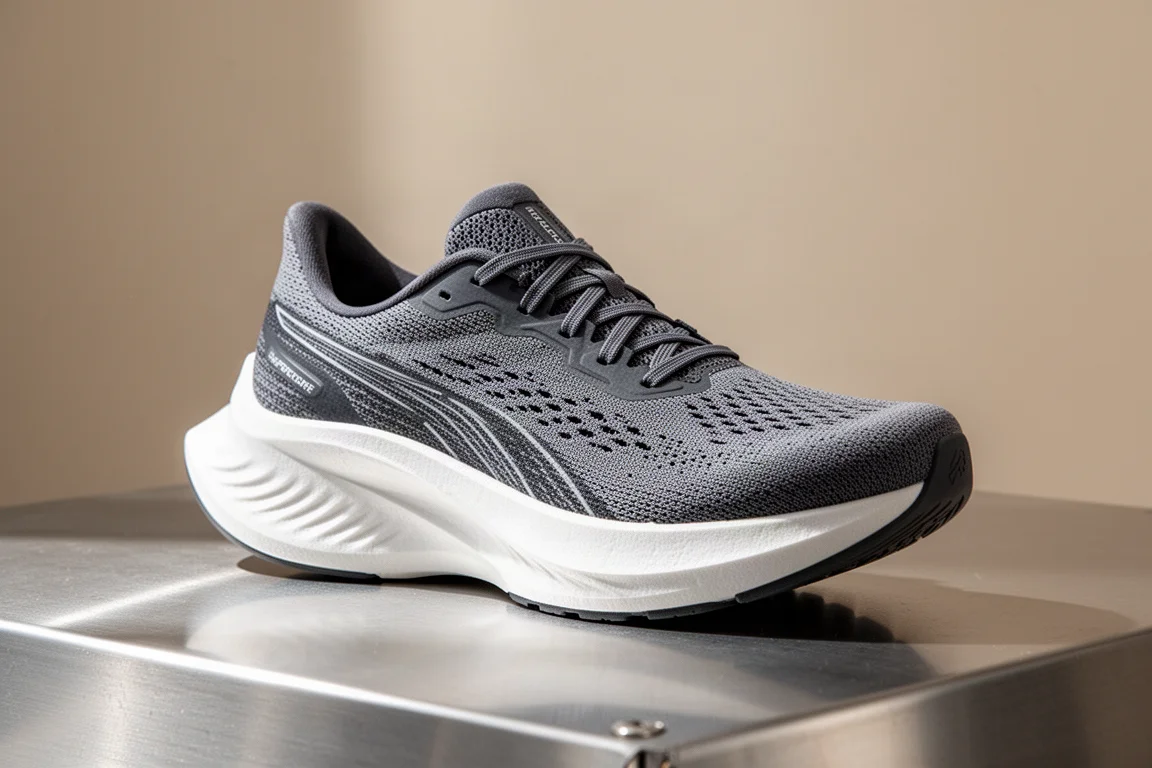
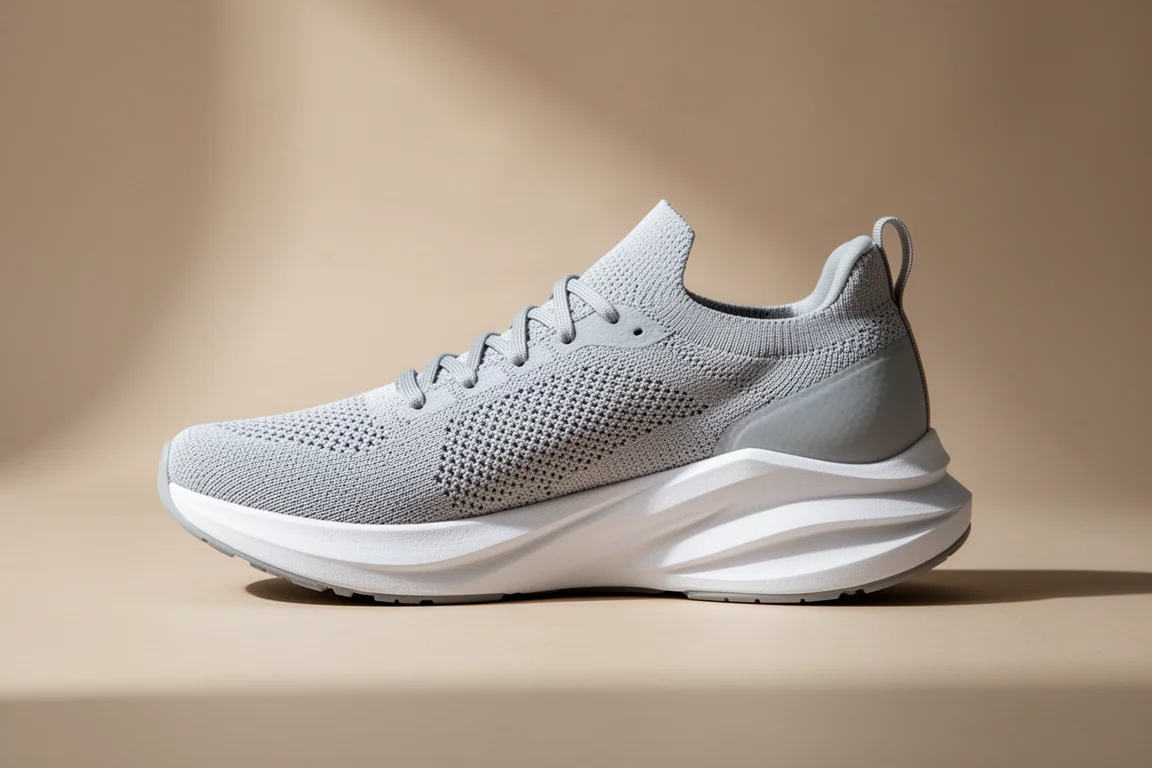
The Adizero Pro Evo 2 is the premium, super-light option at $500, while the Adizero Pro 4 is the more traditional race day shoe. The Evo 2’s foam can feel blocky and slappy underfoot, and its outsole has drawn complaints about traction, particularly on painted crosswalks and wet pavement. If it is strictly a race day shoe for you in good conditions, that may not matter, but it is a real consideration for training miles.
The Pro 4 is the more propulsive of the two, and the new foam is lighter and more responsive than earlier Pro models, which previously felt too dense and firm. One runner completed a full marathon in the Pro 4 and found it comfortable all the way through, while the Evo 2 fell short in the late miles at Boston. For race day, the Pro 4 gets the pick.
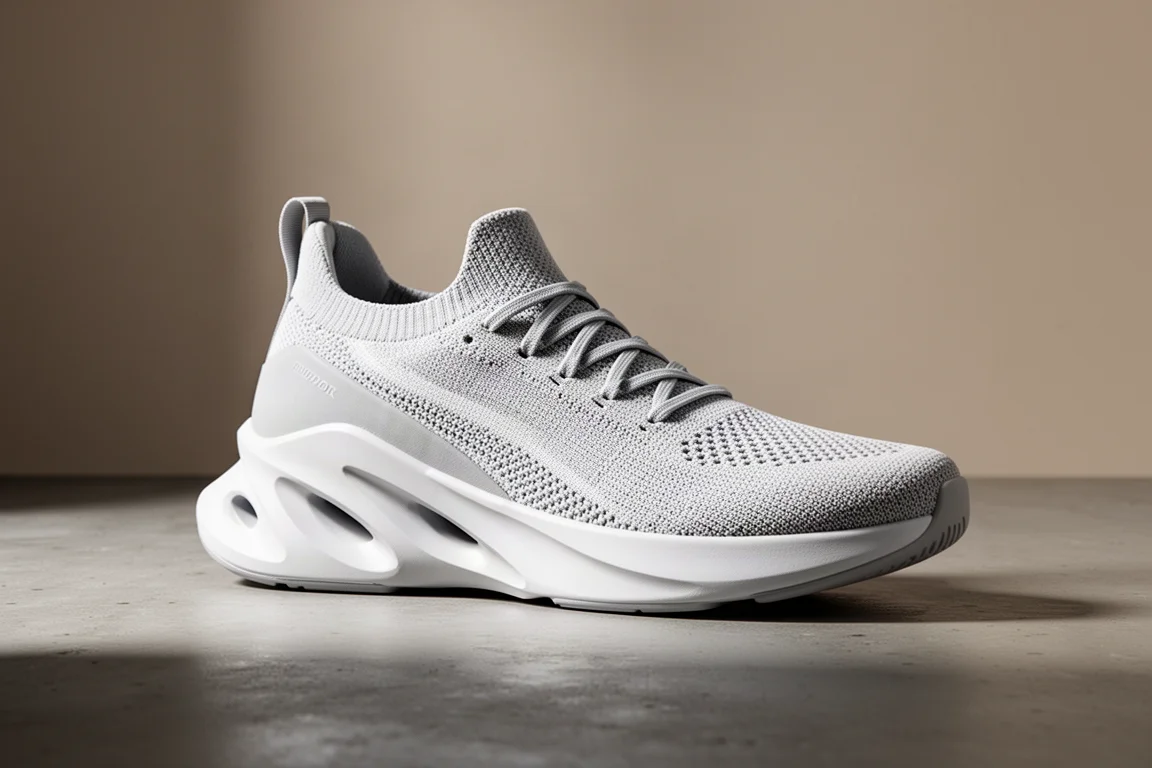
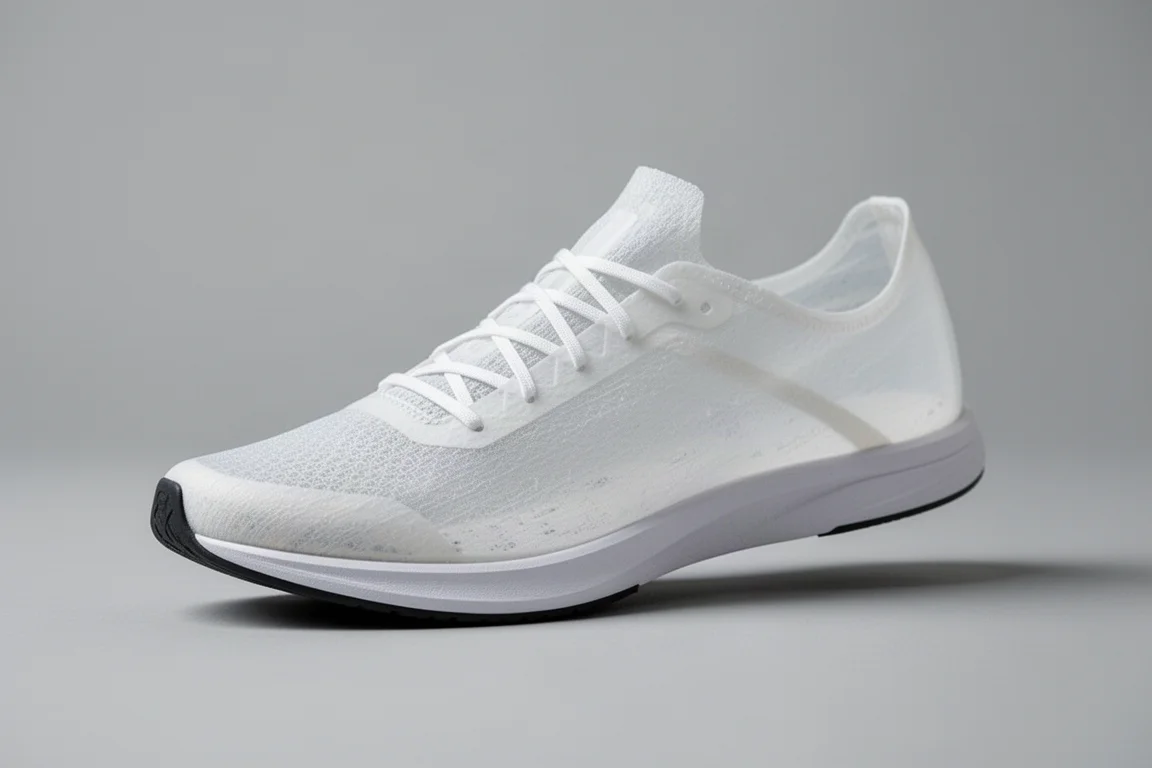
The Prime X Evo is a different animal entirely. Built to help break the 100K world record, it is the highest-stack shoe in this comparison at around 55mm, with a rim-shaped plate around the shoe rather than directly under the foot. Combined with foam that feels bouncier than the Evo Pro 2’s, it runs like a trampoline and is forgiving enough to make sense for ultra distances. A limited drop is expected on February 17th, with an expected price around $500. If it were legal for the marathon, it would be a serious race day contender.
Puma: Deviate Nitro Elite 4 vs Fast-R 3
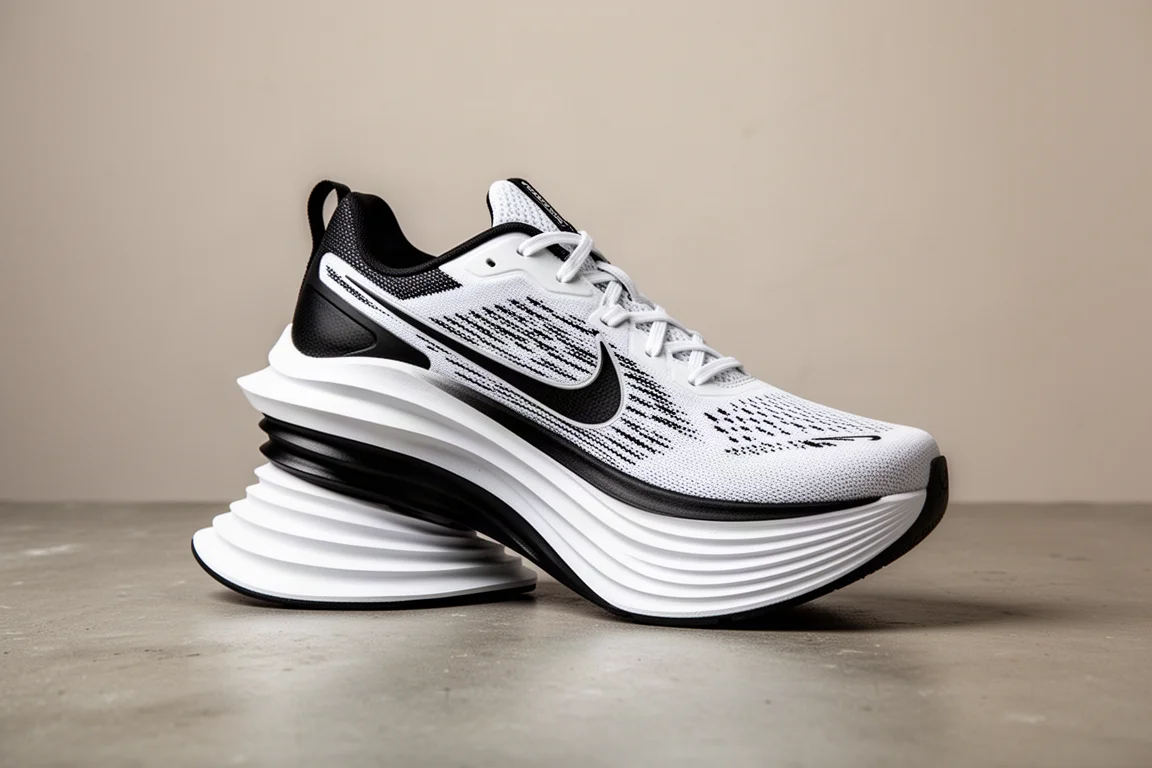
The Fast-R 3 is the shoe fast runners keep breaking records in. Lab testing against other race day shoes showed it is efficient and fast, it is super light, and its extended plate creates a distinct, fun sensation underfoot. It is also a bold-looking shoe, which means there is nowhere to hide on a bad day.
The Deviate Nitro Elite 4 is the more traditional option: light, bouncy, and propulsive. The two shoes actually share the same weight, so the choice comes down to preference and use case. For a half marathon, the Fast-R 3; for a marathon, the Deviate Elite 4. Overall, the Deviate Nitro Elite 4 edges it, thanks to its ATPU foam, great rebound, and the fact that it works for runners whose form breaks down late in a race. It may be one of the top picks in this entire comparison.

Brooks: Hyperion Elite 4 PB vs Hyperion Elite 5
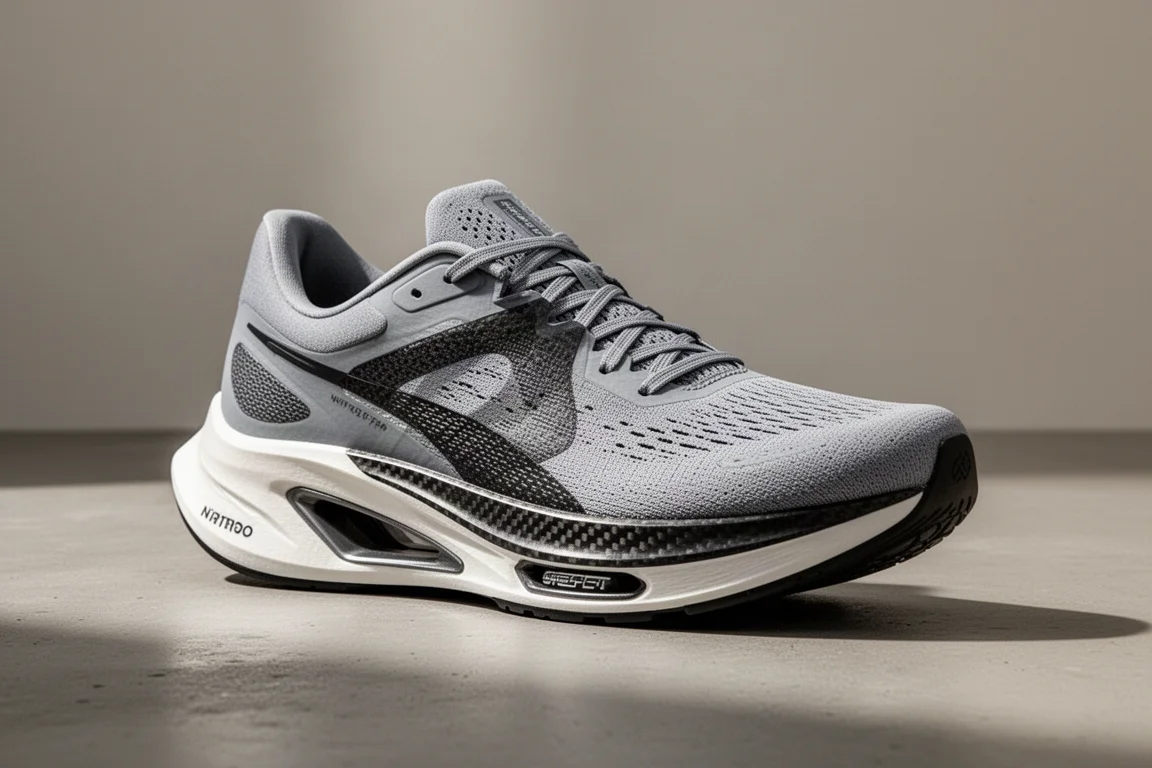
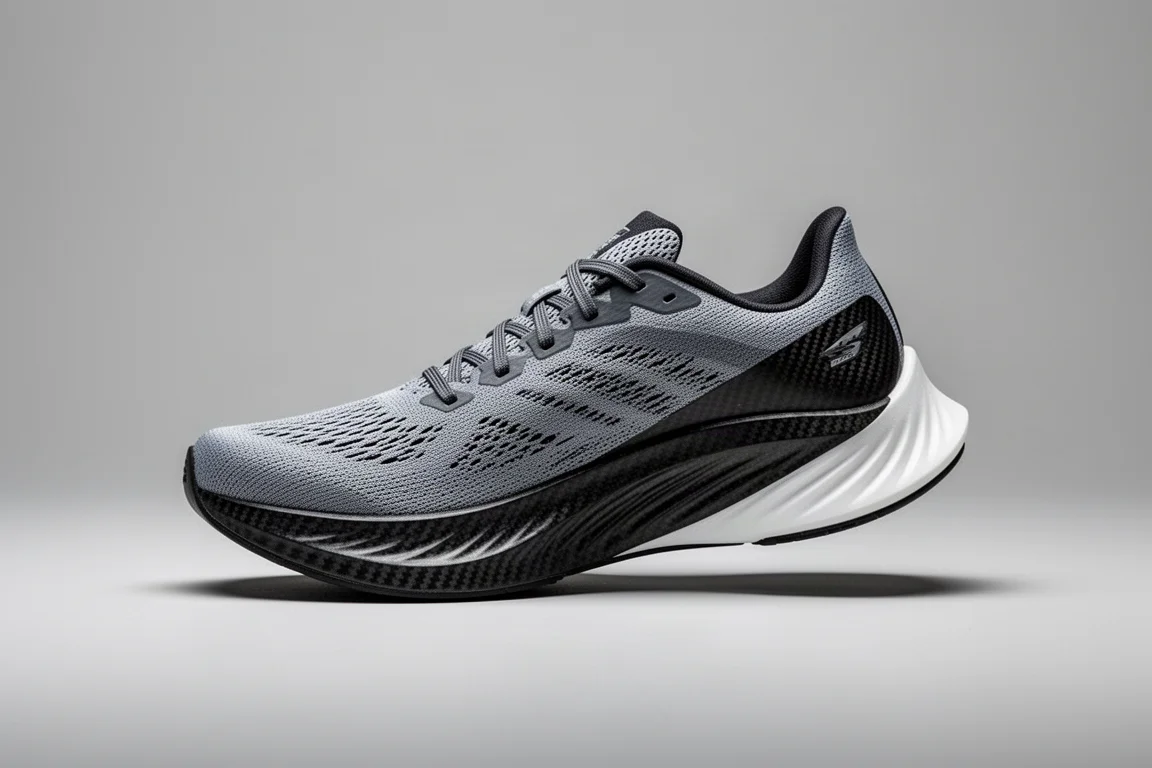
Brooks has had a turbulent few versions. The original Hyperion Elite 4 underwhelmed, but the mid-cycle 4 PB update with new foam was the right direction, fixing the main problem even if the shoe still trailed the class leaders slightly. Then the Hyperion Elite 5 went in a completely different direction, swapping the firmer PB foam for a very soft, squishy feel. The result feels flat, without the toe spring or bounce off the toe that defines a good racer.
If you are choosing between them, the Hyperion Elite 4 PB is the better shoe, with more forefoot pop. Honestly, though, neither is the strongest option here.
Hoka: Rocket X 3 vs Cielo X 1 2.0
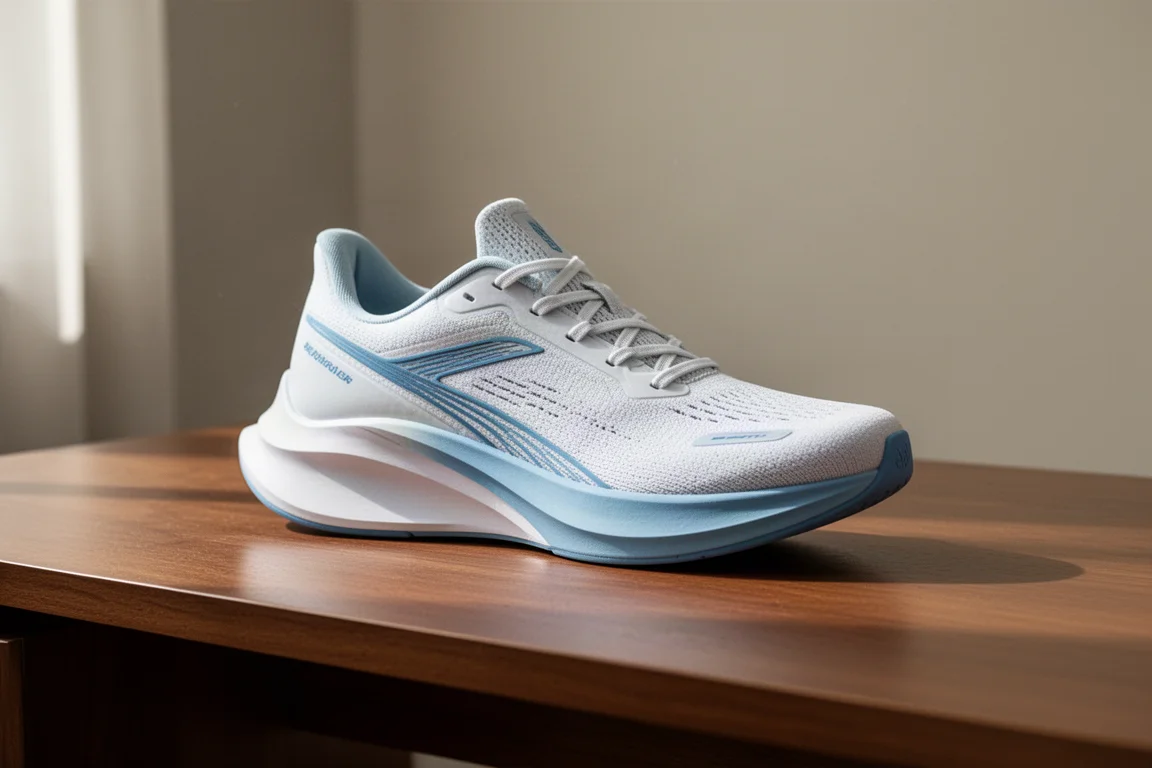
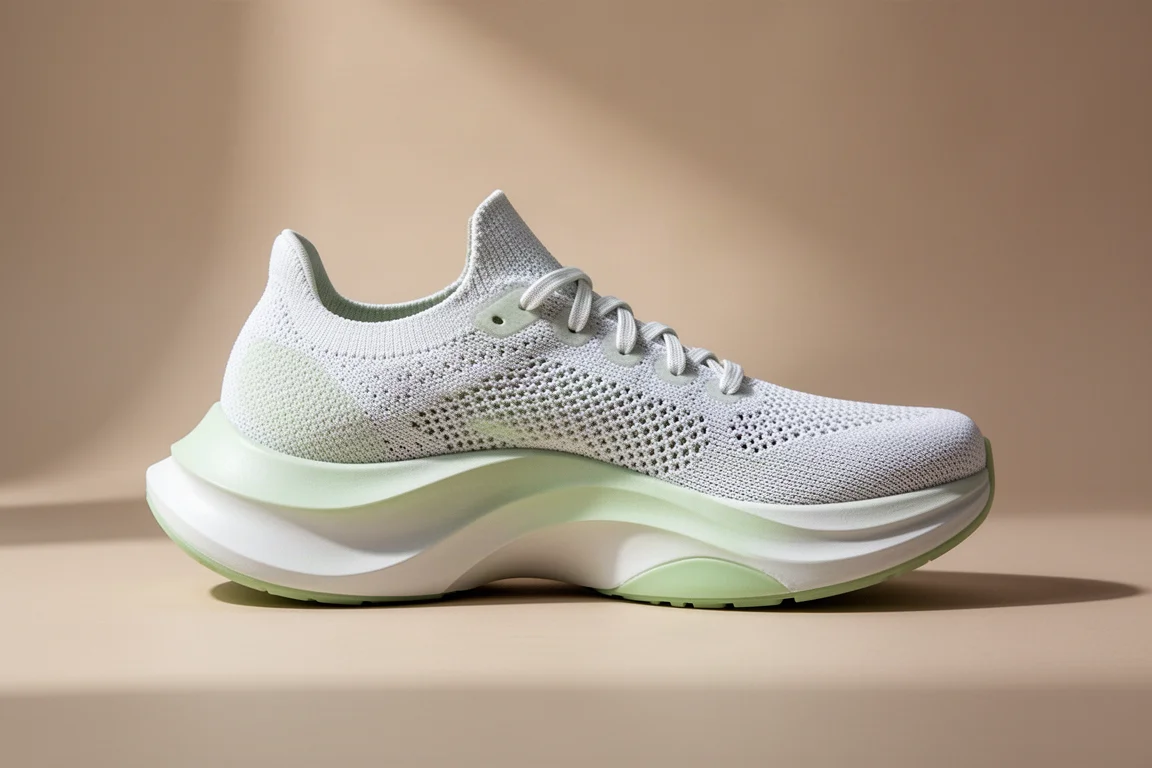
These two are similar shoes with one key difference: the Cielo X 1 2.0 is more aggressive, with a very aggressive rocker that simply feels faster. The Rocket X 3 is the safe, traditional-feeling rockered race day shoe, and a sensible pick if you are trying a carbon-plated shoe for the first time. The Cielo, however, has the bounce and the fun factor, and if you love an aggressive rocker and want to run fast, it is the Hoka to get. A new version of the Rocket X is expected soon, so it is worth watching that update if you prefer the tamer option.
Mizuno: Wave Hyper Warp Pure vs Elite
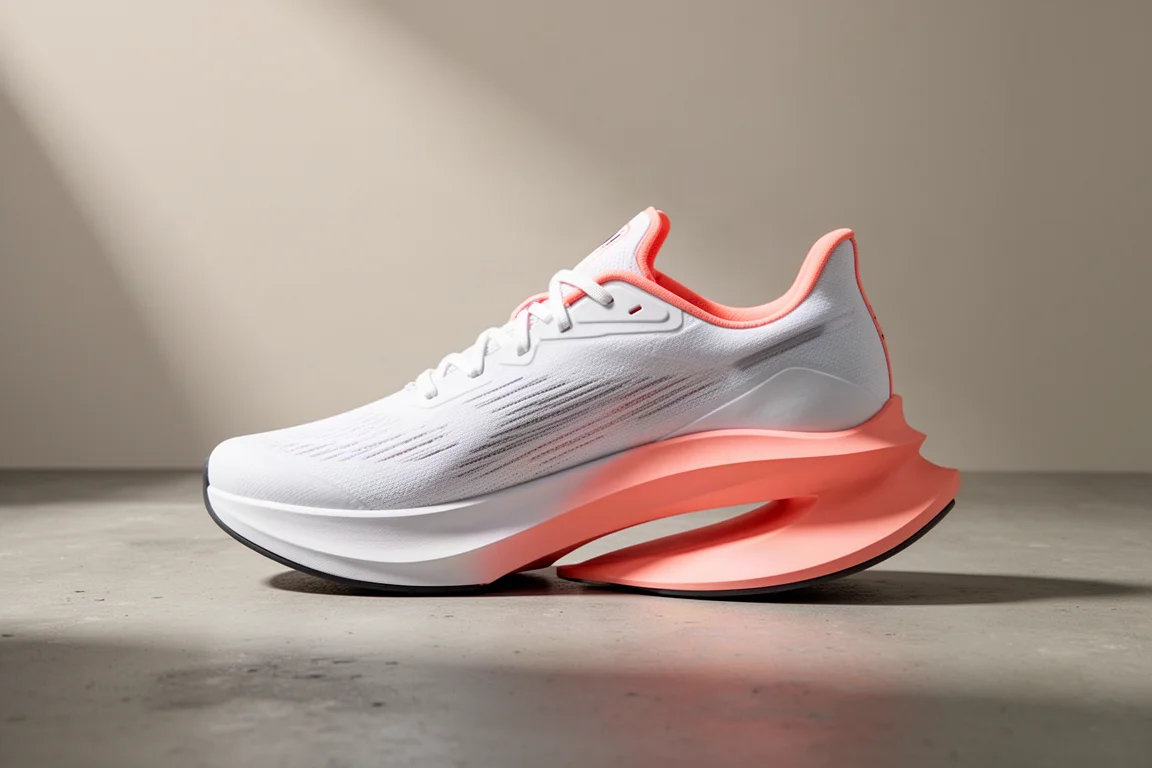
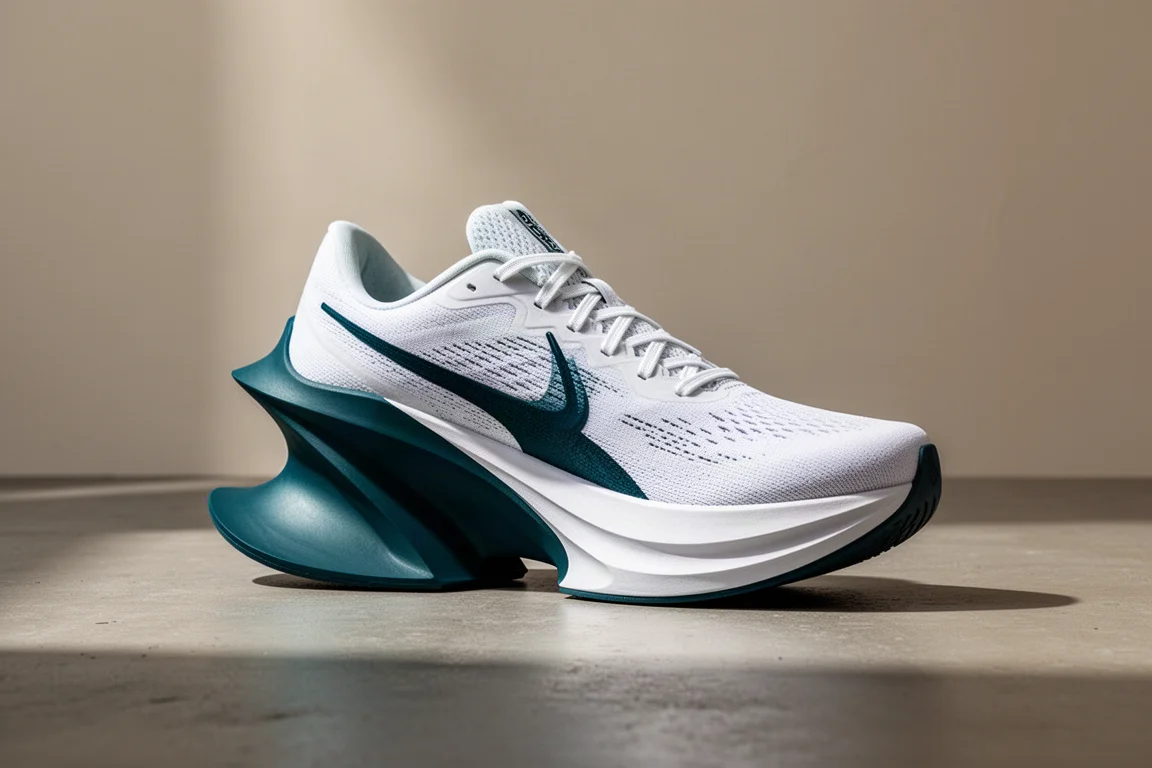
The Wave Hyper Warp Pure and Elite look nearly identical, but the builds differ. The Pure uses a single, softer foam slab across the whole midsole and is the super-light option, around 5 ounces in a men’s size 10.5. The Elite stacks two different foams, with a firmer layer providing a bit more support, landing in the sixes for weight.
Despite the Pure’s featherweight appeal, the Elite is the more rewarding run, offering a more controlled feel and a touch more stability. If you like the idea of controlled energy over raw, everywhere-at-once bounce, the Elite is the Mizuno to pick.
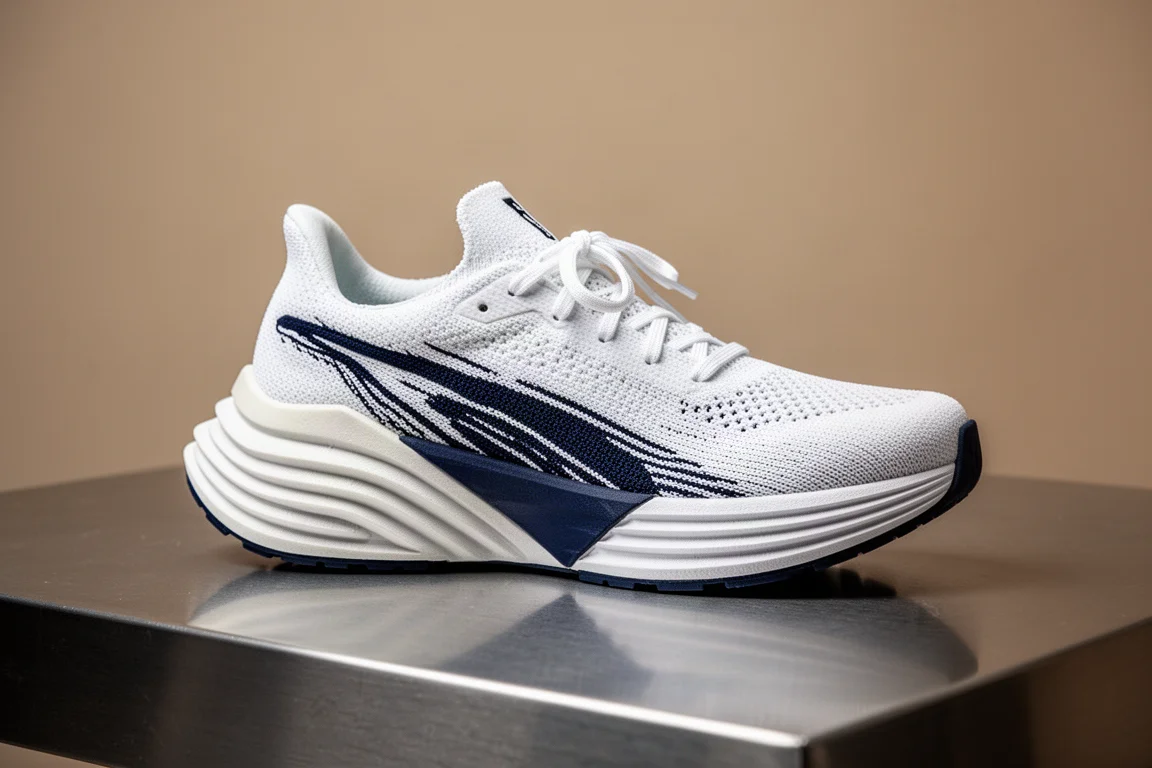
New Balance: SC Elite v5
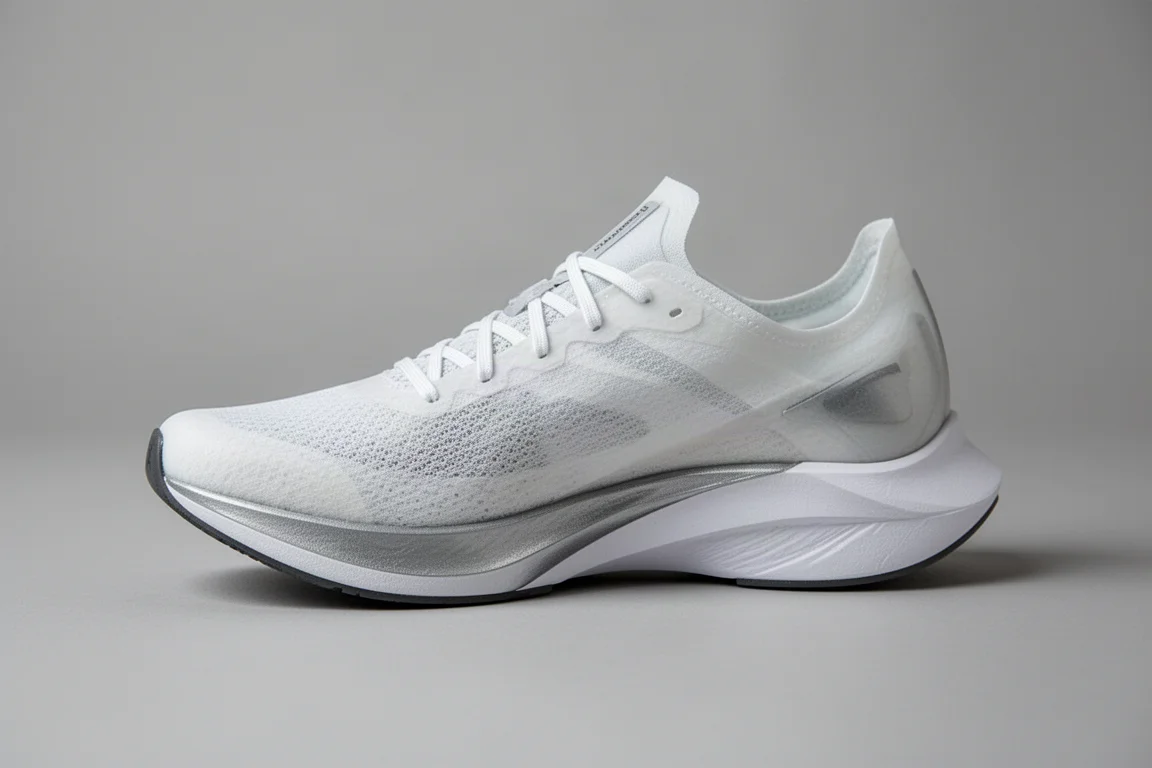
New Balance fields only one race day option, the SC Elite v5, and it holds its own against anything here. In direct comparison with the Hoka Cielo X 1 2.0, the two shoes feel comparable in performance, but the SC Elite v5 carried a runner through two to three full marathons feeling great the entire time. That kind of marathon-proven comfort makes it a serious contender.
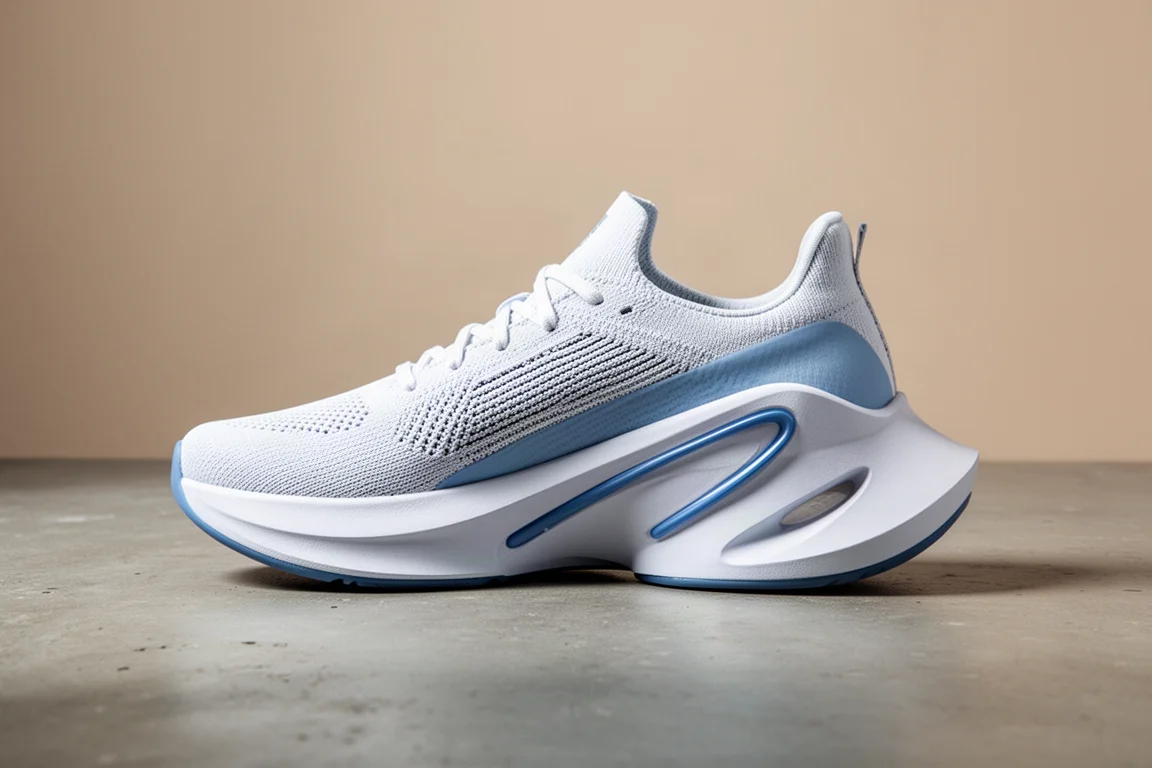
Nike: Alphafly 3 vs Vaporfly 4
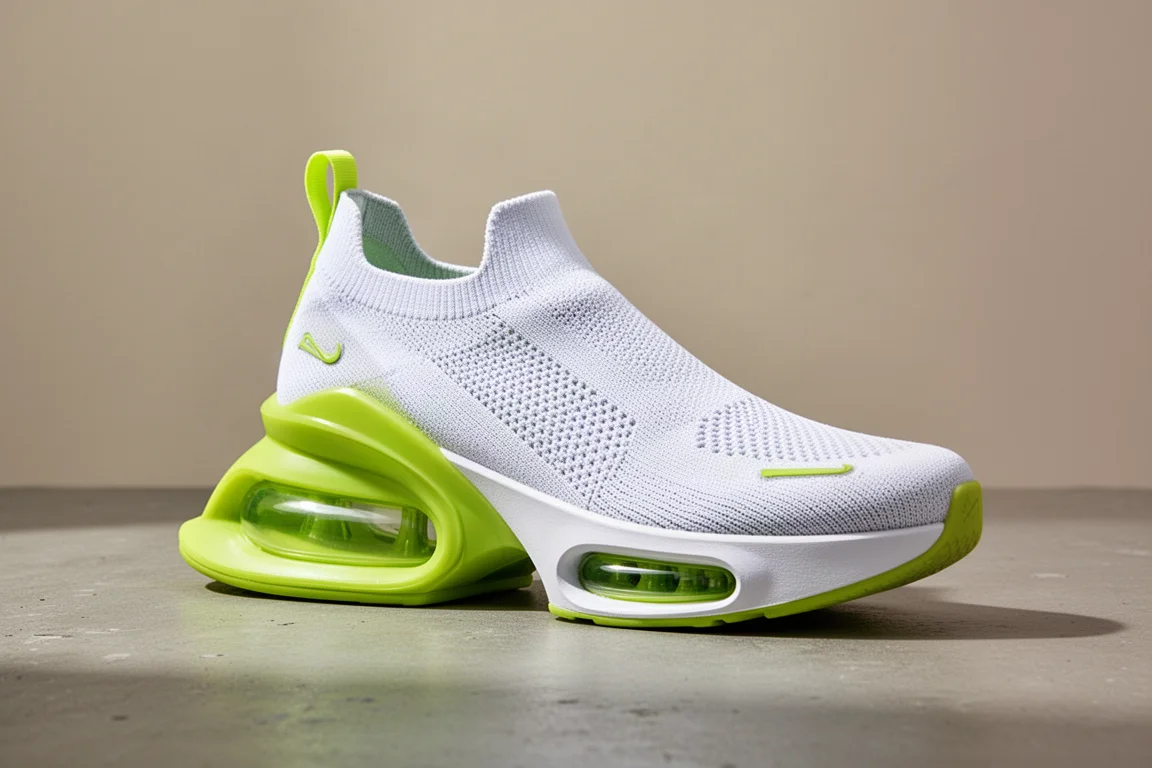
Nike defined the super shoe category, and both current models share ZoomX foam, one of the favorite racing foams for years: super light and bouncy. What gives the Alphafly 3 the edge is the Air pod in the forefoot, which shines in the late miles of a marathon.
The choice between them is use case. The Vaporfly 4 suits shorter races and nimble runners who want a lightweight shoe and fast turnover, especially on courses with more turns. The Alphafly 3 rewards runners who can lock in a pace and cruise. Pro runners go back and forth between the two depending on the course. For an all-round race day pick regardless of distance, the Alphafly 3 wins. It is not the lightest shoe on the market, heavier than the Metaspeed Sky, but the Air pod, comfortable upper, and marathon-distance performance make it the standout of this entire lineup.
Overall Buying Advice
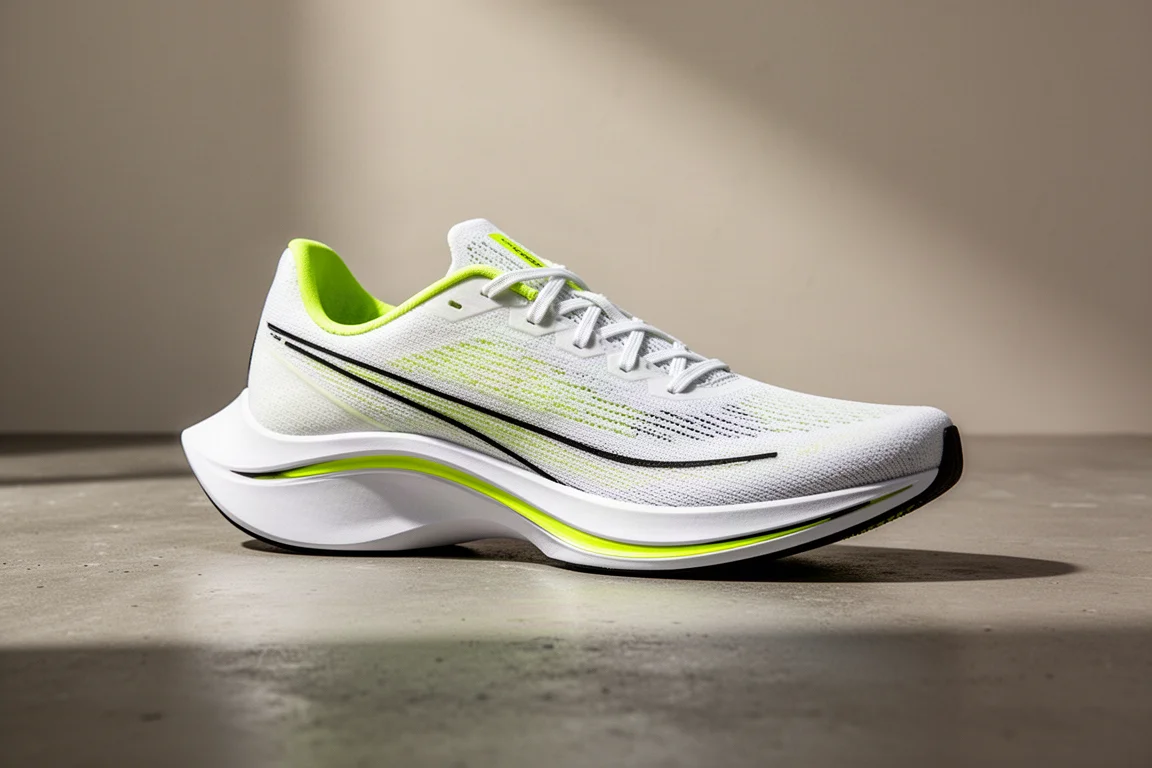
In a knockout-style bracket across all of these shoes, the Saucony Endorphin Elite’s bounciness, the Adidas Pro 4’s new responsive foam, and the Metaspeed Sky’s soft landing and propulsive forefoot all made strong runs, but the Nike Alphafly 3 came out on top. Its forefoot Air pods keep feeling great deep into a marathon, and it works at any distance. If marathon racing is your goal and budget allows, start there.
A few practical pointers: the Metaspeed Sky or Edge suit runners who want more stability than the Ray provides; the Adidas Pro 4 is the confidence pick if the Evo 2’s traction worries you; and the Deviate Nitro Elite 4 is arguably the best all-round alternative if you want a slightly more traditional feel. Whichever you choose, remember that race day shoes have a finite lifespan, and foam wear is normal even when performance holds up.
Conclusion
The current super shoe market rewards knowing your own race. Light and bouncy for the half, stable and cushioned for the full, aggressive rocker for fast courses: there is a strong option for every scenario. For most runners chasing a marathon personal best, the Nike Alphafly 3 is the benchmark the rest are chasing, with the Saucony Endorphin Elite, Adidas Adizero Pro 4, and Puma Deviate Nitro Elite 4 close behind.
Further reading
Related Reviews

Running Shoes
Best Road-to-Trail Running Shoes: Three Versatile Options for Mixed Terrain
A practical guide to three road-to-trail running shoes that handle both pavement and mild trails, with clear strengths and trade-offs for different runner types.

Running Shoes
Best Running Shoes for Achilles Tendonitis: Three Options Explained
Three running shoes with different heel drops and support features designed to help reduce Achilles tendon pain during walking and running.

Running Shoes
Best Running Shoes for Women: Five Top Choices Ranked
A ranked guide to five women's running shoes, from versatile daily trainers to high-performance racing options, with real strengths and trade-offs for each.