Running Shoes
Best New Race Day Running Shoes for 2024: 15 Racing Models Compared
A complete rundown of the new marathon racing shoes and low-stack racers arriving for 2024, with clear notes on who each one is actually for.
Introduction
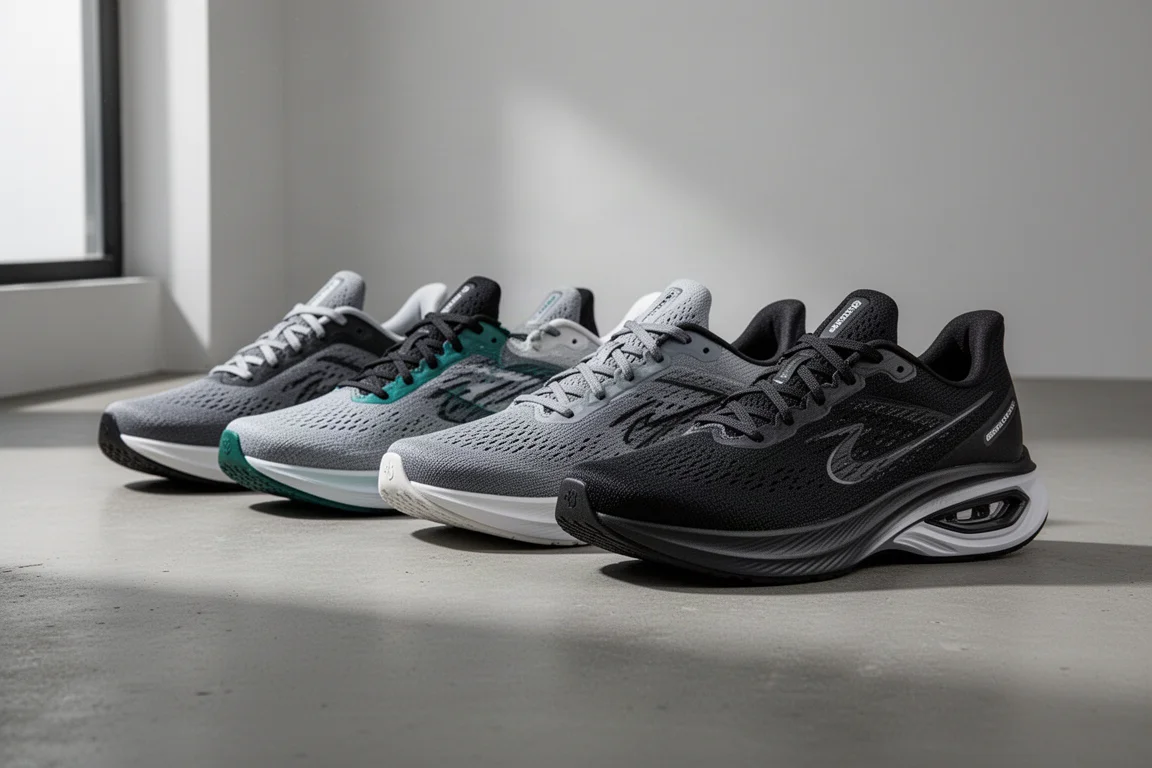
Racing shoes had a very strong year, and 2024 is shaping up to be even more competitive. Most brands are now following the same winning recipe: a full PEBA midsole, a tall stack, an aggressive rocker, and a full-length carbon fiber plate. With so little differentiation between some models, the real question is not which shoe is fastest on paper, but which one matches your stride, your body, and your race goals.
This guide walks through the new racing shoes worth knowing about, with practical notes on who each one is designed for and where each one falls short.
Marathon Racing Shoes with Standout Designs
Nike Alphafly 3
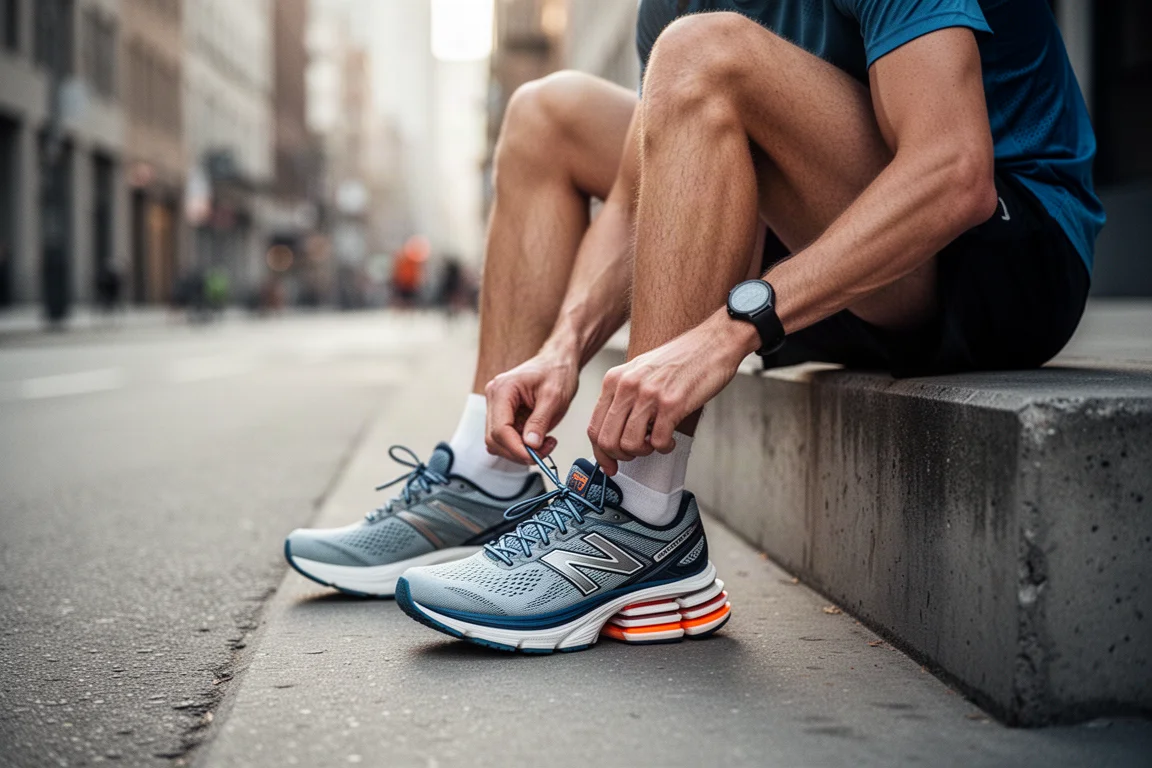
The headline change in version three is a smoother, friendlier ride. The outsole is now one continuous piece in a more Vaporfly-like construction, the midfoot and forefoot last is wider for wider-footed runners, and the shoe is lighter overall. It still uses the ZoomX midsole with the four forefoot pods that define the Alphafly line.
It remains a shoe best unlocked by runners who can load those forefoot pods and hold midfoot or forefoot striking deep into a marathon. Priced at $285, which is $25 above the Vaporfly, so unless you genuinely benefit from the pods the Vaporfly remains the better value for most runners.
Diadora Gara
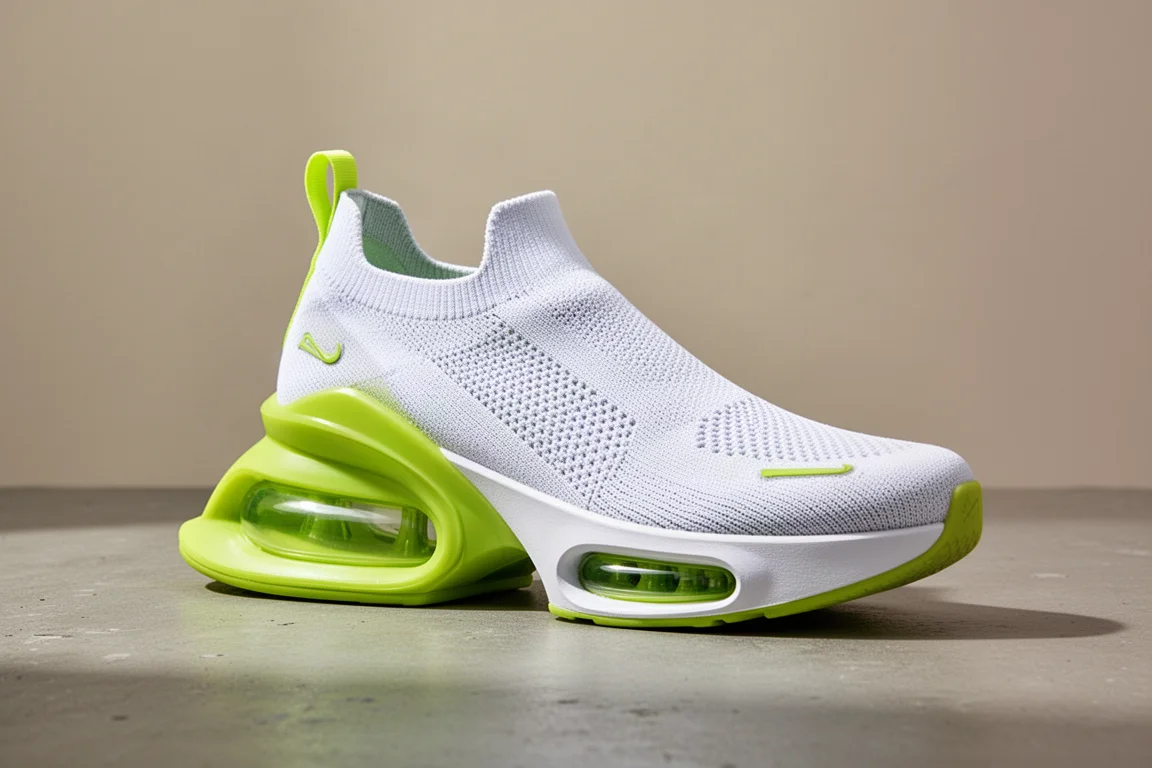
Diadora’s first carbon-plated marathon racer follows the popular formula: full PEBA midsole, full carbon plate, and an aggressively angled toe for fast toe-offs. The claimed standout is the plate angle, which Diadora says was lab tested to be more efficient than every widely available shoe other than the later-released Evo Pro.
It is also the cleanest-looking of the new marathon racers, which matters if showing up to the start line feeling confident is part of your race day. It arrives in January at $300, and the performance benefits are best unlocked by runners who can hold strong form for the full race.
Brooks Hyperion Elite 4
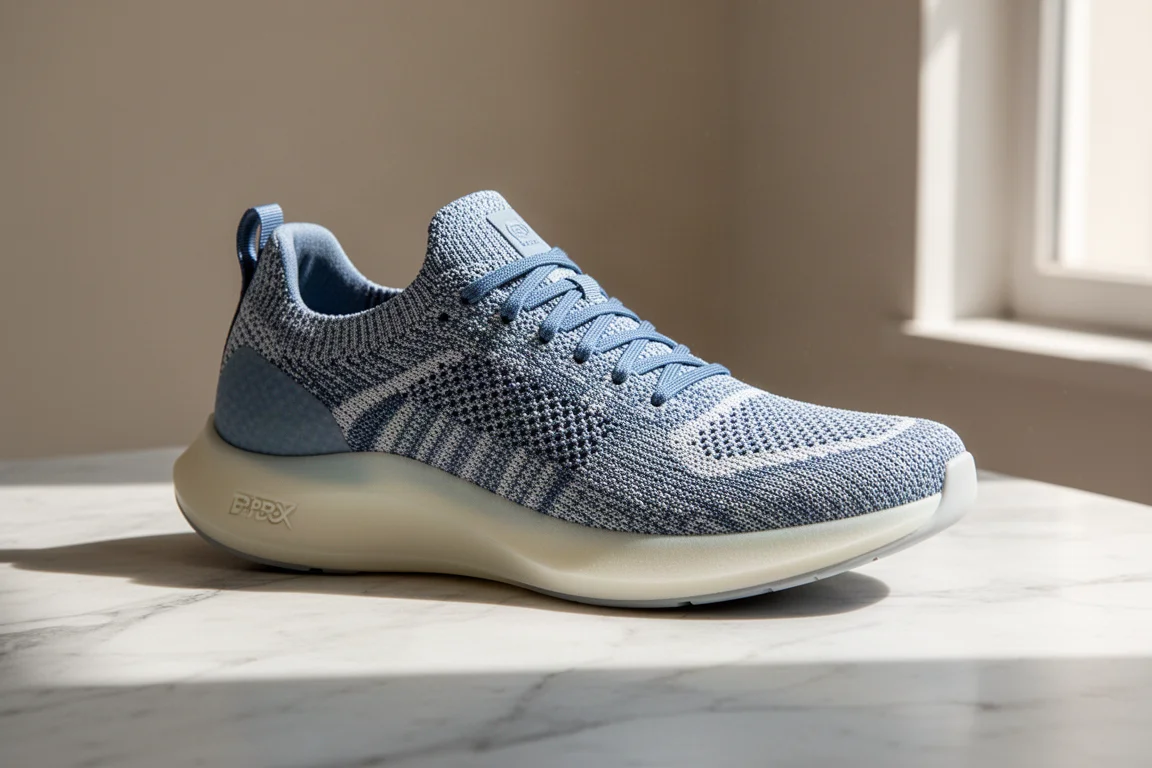
Unlike the PEBA-based shoes above, this one uses Brooks’ DNA Flash V2, a supercritical TPE and EVA blend that feels firmer than ZoomX. Brooks also scales the carbon plate thickness by shoe size, so larger sizes get a thicker plate.
That combination makes this a genuinely good pick for bigger, taller runners who find ZoomX too soft or marshmallowy but still want a plated race day shoe. It weighs 7.8 oz, slightly heavier than the Nike and Saucony options, and lands February 1st at $250.
Topo Ultraventure Carbon 2
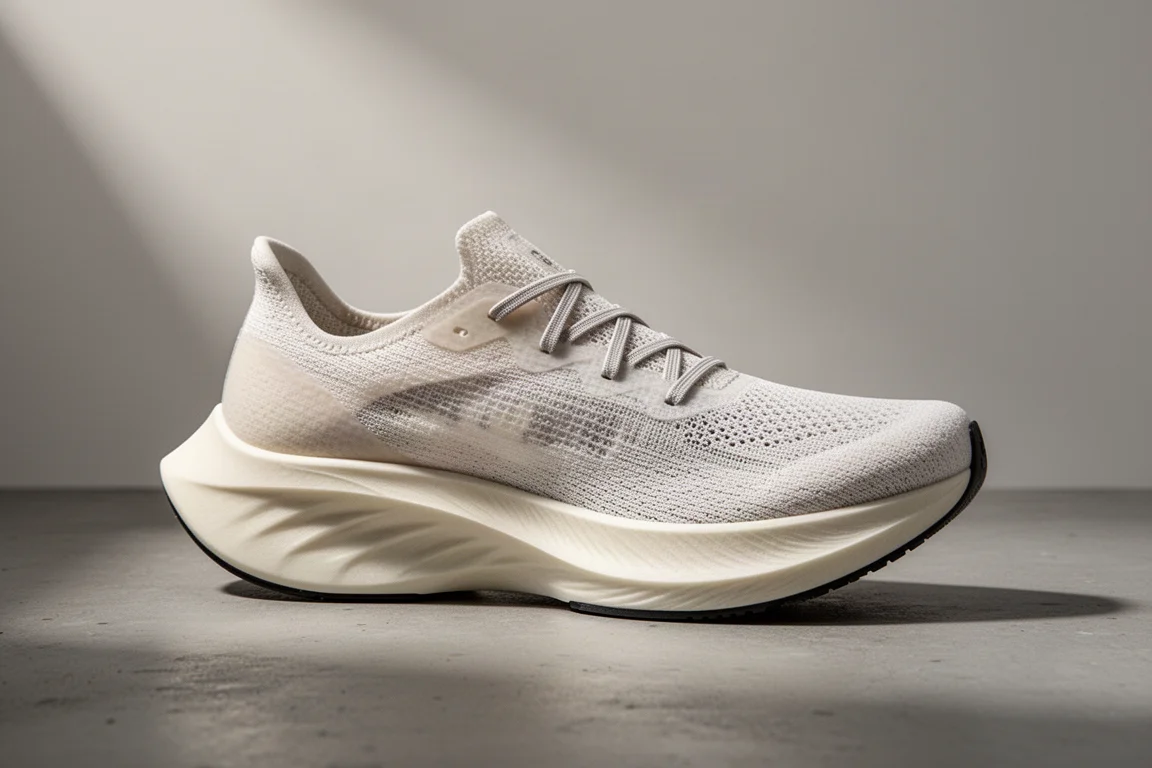
This is the only zero-drop carbon-plated racing shoe on the market, and that alone earns it a spot. Version two adds stack (36 mm heel and forefoot, 0 mm drop), a full-length plate, and a more aggressive rocker that puts you slightly on your toes, closer to a 3 to 2 mm feel versus the flatter V1.
The Ego Pro midsole is not a PEBA compound, but it has been lightened while gaining more rubber coverage, making it one of the more durable race day options. If you do not need zero drop, other shoes will serve you better; if you struggle with the typical 8 to 10 mm drop of most racers, this is the obvious choice. It arrives in March 2024 at $260.
New Balance SC Elite V4
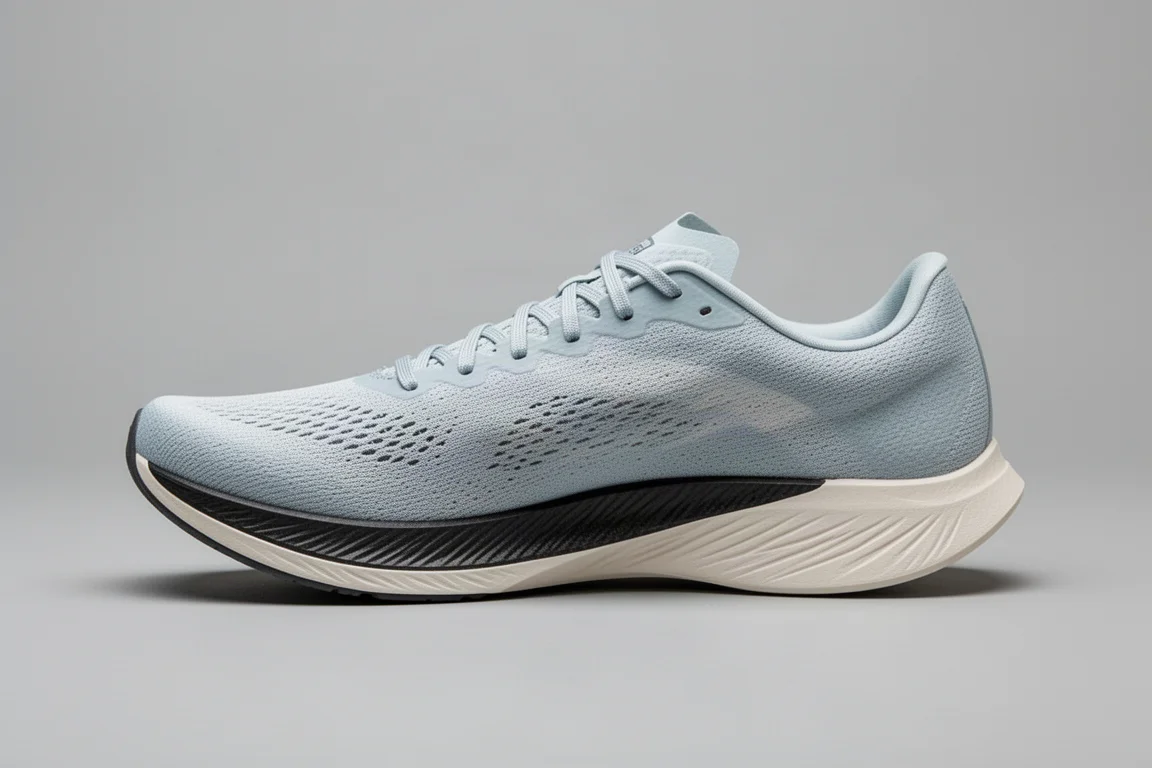
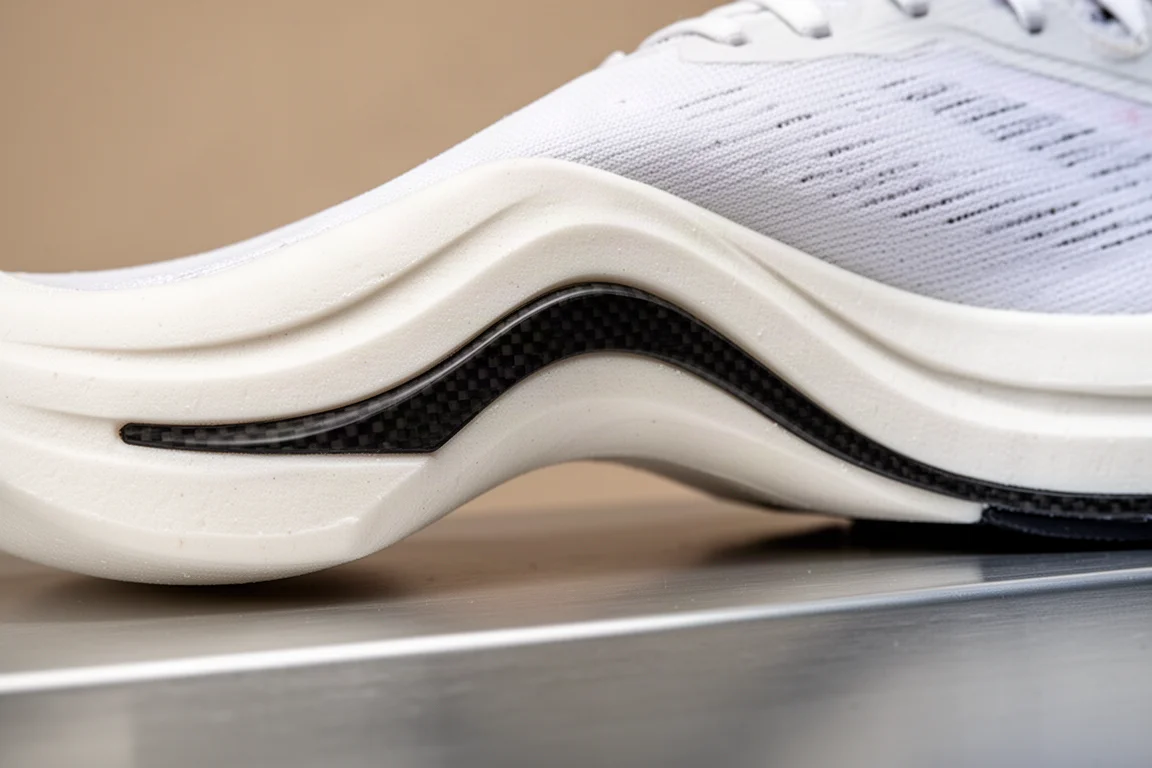
New Balance switched the SC Elite to a PEBA-based FuelCell midsole, moving away from the older supercritical TPU/EVA blend and putting it on par with the Saucony Endorphin Pro 3 and Nike Vaporfly. New Balance tested an 8 mm drop but kept 4 mm, which worked best for the majority of testers.
The trade-off is that the older, less aggressive SC Elite versions were the most accommodating supershoe on the market, and this new version chases speed instead. If you already own a Vaporfly or Endorphin Pro 3, there is little reason to add this one unless you want something new. It has a slightly wider base than the Vaporfly and arrives February 1st at $250.
Mizuno Wave Rebellion Pro 2
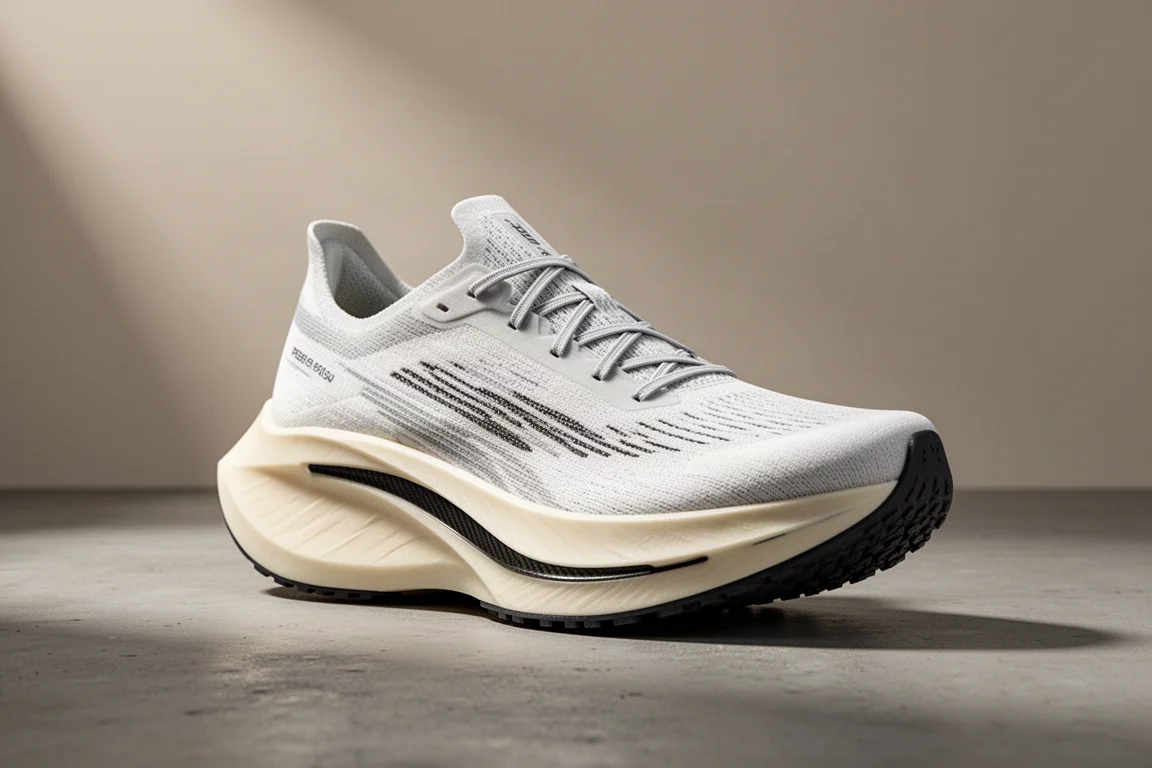
This shoe has the wildest midsole geometry here, with an aggressive heel cutout that lets Mizuno exceed 40 mm of foam in the midfoot, where the heel stack is what World Athletics measures. It uses a dual-foam construction, with a softer, bouncier top layer over a firmer bottom layer, plus a revised plate geometry that is a little easier on the legs while staying fast and aggressive.
It is best for runners who, like Alphafly buyers, can use that midfoot foam while running strong late in a race. If you are a heel striker targeting a 3 to 4 hour marathon, look elsewhere; better options exist for you. At $250 it is a genuine alternative to the Alphafly for midfoot and forefoot strikers.
View more details for Mizuno Wave Rebellion Pro 2
Shoes with Clear Target Audiences
Salomon S/LAB Spectur
In contrast to the Phantasm, the Spectur has real points of differentiation. It is designed specifically for 3 to 4 hour marathoners and tested with over 200 recreational runners to help non-elites hit their PRs.
The setup differs from a pure PEBA racer: a firmer EVA bottom layer, a winged carbon plate that wraps into the heel for stable lockdown, and contoured heel foam for planted landings. It has a full 100% carbon plate, 38 mm in the heel and 30 mm in the forefoot for an 8 mm drop, and is designed for racing rather than training. It arrives in May 2024 at $250.
Puma Fast-R Nitro Elite 2
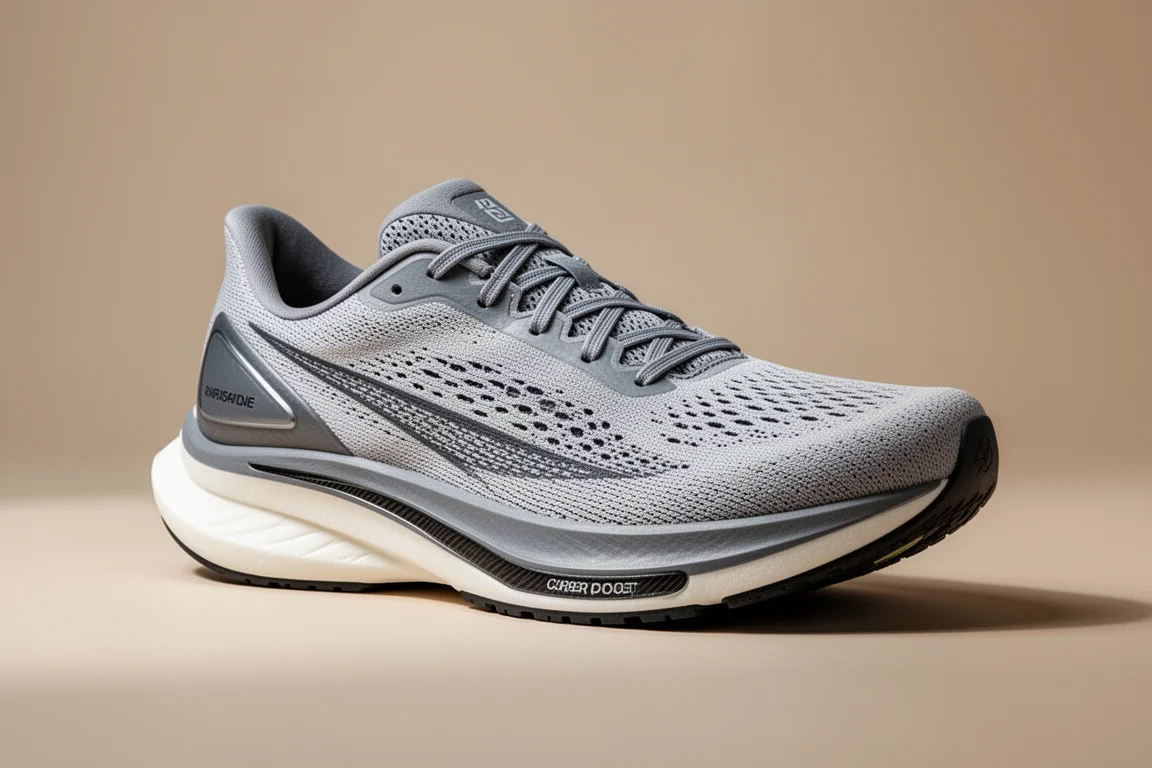
This is the powerful, propulsive shoe in Puma’s marathon rotation, with a bifurcated midsole like the Alphafly 1 and 2 that separates the rear landing platform from the front propulsive platform. The foam is firmer, the plate is more aggressive, and the carbon plate protrudes from the front of the toe, which Puma says lengthens your stride by pushing you forward as you lift your foot. It is fully World Athletics legal.
This is a shoe for big, strong runners who put serious force into the ground, not for lightweight high-cadence shuffle-style runners. It carries 40 mm in the heel and 32 mm in the forefoot for an 8 mm drop, weighs in the 8 oz range, and arrives February 22nd at $250 / €260.
TYR Valkyrie Elite
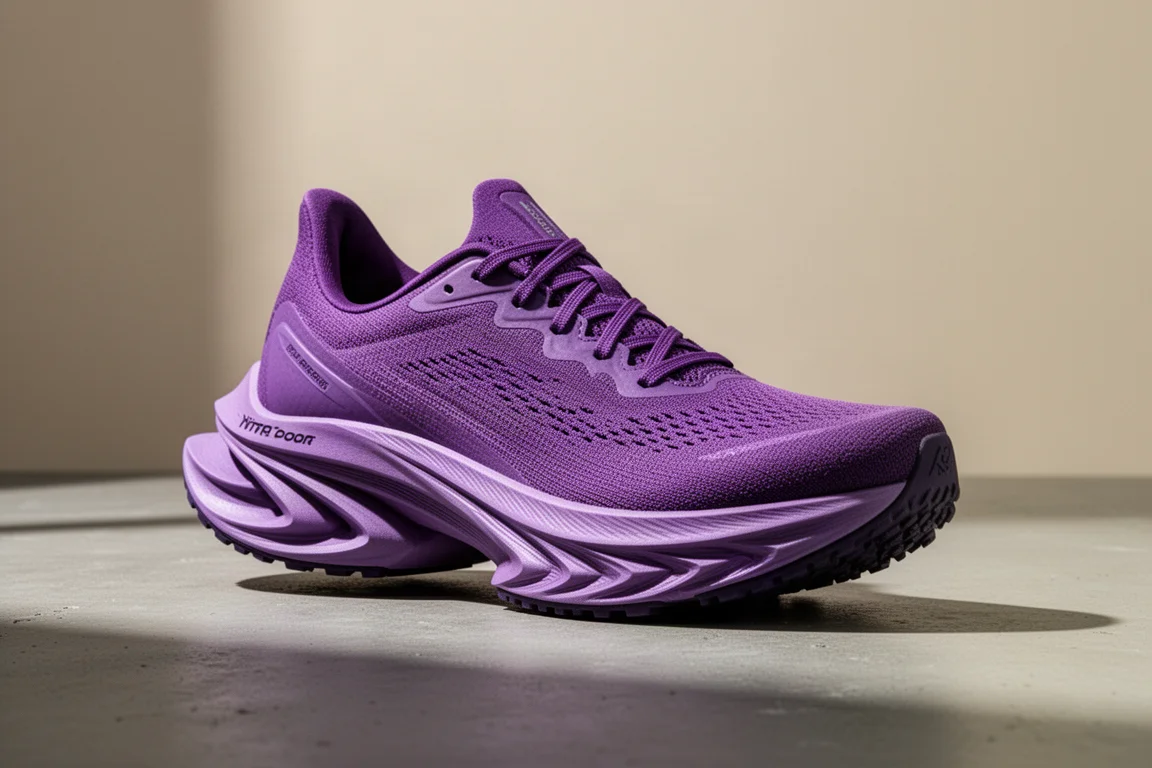
TYR’s carbon-plated racer uses a beaded PEBA compound similar to the Saucony Endorphin series, but places the rocker high near the toes and adds a wider base. The result is a firmer, more stable platform aimed at former athletes who are forefoot strikers but need more support than a typical elite racer provides.
What stands out is how clearly TYR has defined its customer. That focused design vision is something several larger brands in this segment have not managed. It is priced at $250.

The Established Benchmark Shoes
Saucony Endorphin Pro 3
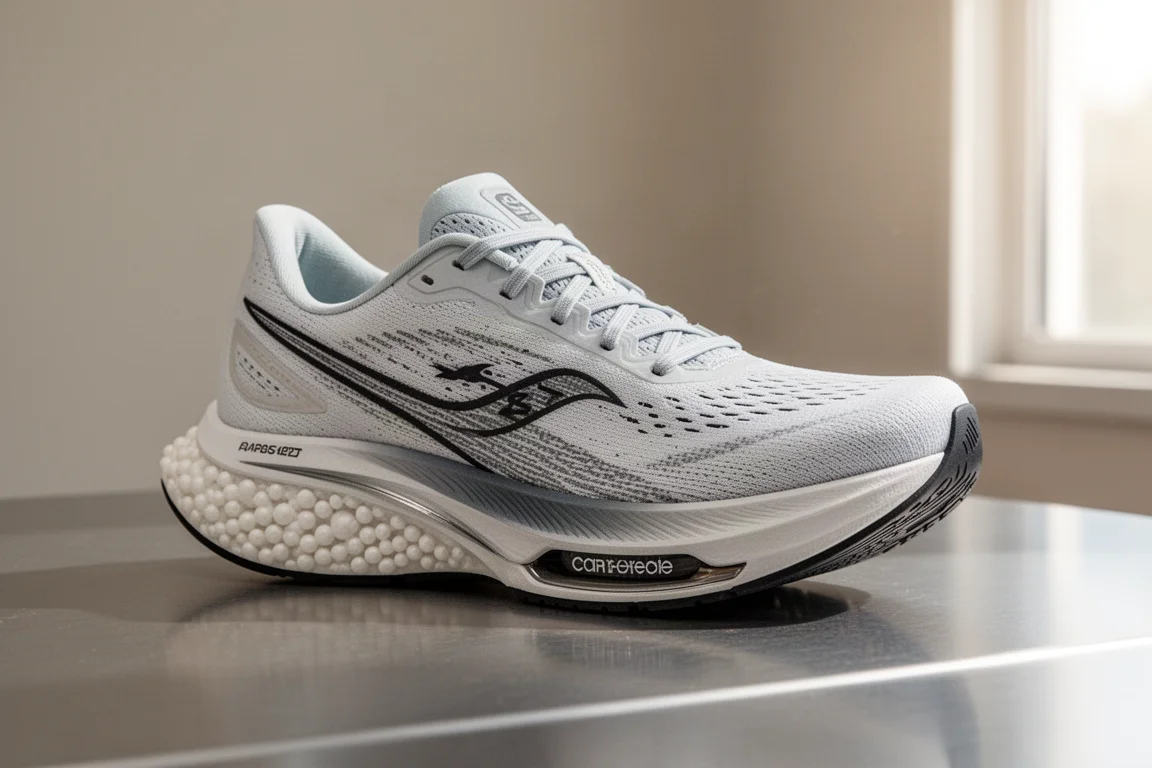
The Endorphin Pro 3 remains the reference point for most runners in this segment, and it is the shoe recommended ahead of the Alphafly 3 for the majority of runners. It delivers the PEBA, tall stack, aggressive rocker, and full carbon plate formula in a friendly, forgiving package.
A Pro 4 is expected with Power Run HG on at least the top layer and a similar ride, so the Pro 3 should remain a safe, proven choice for recreational runners who can also pick up the pace on sub-3-hour efforts.
View more details for Saucony Endorphin Pro 3
Nike Vaporfly Next% 3
The Vaporfly uses a full-length bed of ZoomX and remains the benchmark against which nearly every shoe here is measured. It is $25 cheaper than the Alphafly 3, and unless you specifically benefit from the Alphafly’s forefoot pods, it is likely the better Nike for you.
Salomon S/LAB Phantasm 2
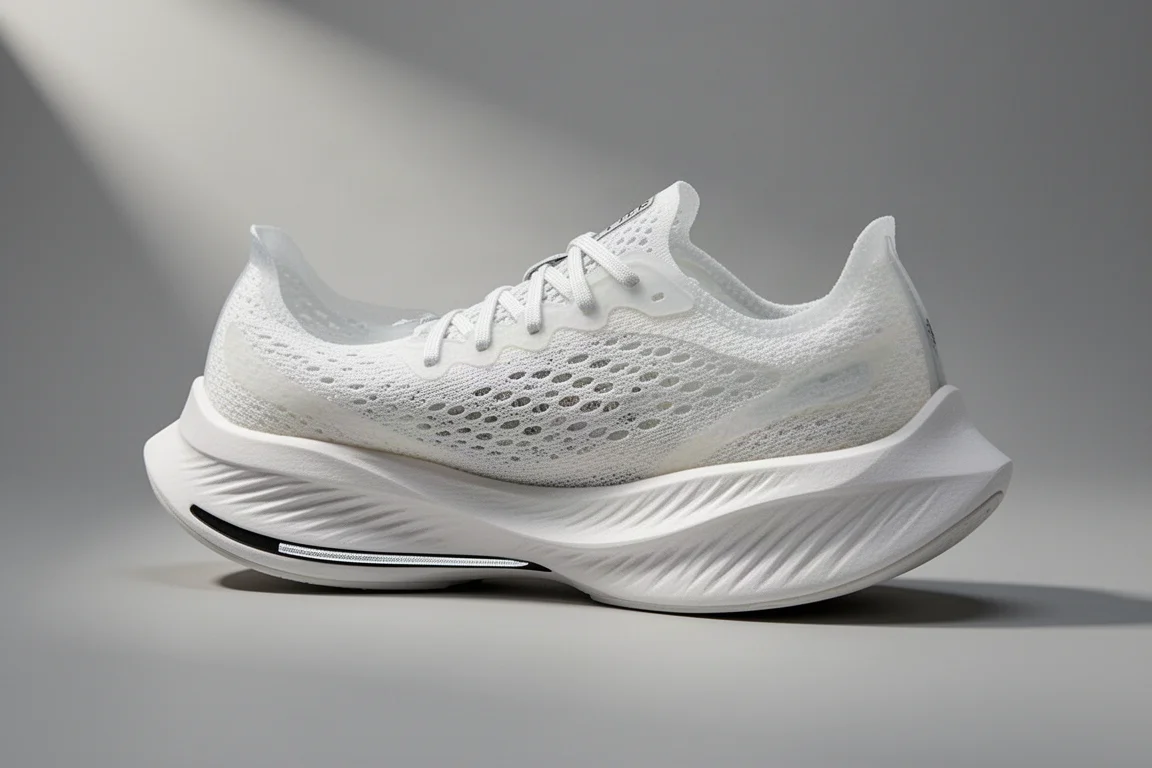
The Phantasm 2 nails the elements of a fast race day shoe, with firm PEBA foam, a full-length carbon plate, 37.5 mm in the heel and 29.5 mm in the forefoot, all at $275, the same price as the Endorphin Elite. The honest assessment: there is no clear point of differentiation that makes it a better buy than the Vaporfly, Endorphin Pro 3, or Adios Pro 3.
It could make sense if you simply want to try a new brand, but at this price it is hard to recommend over the more established options.
Short-Distance and Low-Stack Racers
Topo Specter 2
Not every runner wants a plate, and the Specter 2 is the best non-plated option for the half marathon and marathon distance. It uses 100% PEBA with no plate, a tall 37 mm forefoot stack and 32 mm heel for a 5 mm drop, all at 7.6 oz, right in line with the plated shoes here.
The price is what sets it apart: $165, undercutting the carbon racers by roughly $100. It is a genuinely versatile do-it-all shoe that works for training and racing alike, and a great pick for a first half marathon or for keeping a small rotation.
New Balance SC Pacer V2
Formerly a 5K and 10K racer, the Pacer V2 is now positioned as a lower-stacked option for the marathon and general racing. It uses the same 100% PEBA midsole as the SC Elite but with only 33 mm in the heel.
It suits smaller, more efficient runners, or anyone who never got comfortable in tall stacks and still misses the old racing flats. It also doubles as an excellent shoe for fast interval days if you race in a higher-stacked plated shoe. It comes in fall 2024 at $200, cheaper than the tall-stack racers but above the 5K and 10K racers that cluster around $160 to $180.
Adidas Takumi Sen 10
The Takumi Sen 10 gets a full refresh, moving from the glass fiber rods of the 8 and 9 to carbon fiber rods, making it stiffer, more responsive, and a truer racer. Adidas wants this to be a viable lower-stack racing option, adding more forefoot rubber for cornering and the latest Light Strike Pro midsole, a supercritical TPE with a firmer but very fast, bouncy ride.
This is the purest, simplest racing shoe of the bunch, the one that most makes you want to run fast.
Overall Buying Advice
If you are a heel striker or a 3 to 4 hour marathoner, the Endorphin Pro 3, Vaporfly Next% 3, Hyperion Elite 4, or Spectur are the logical starting points. If you are a strong midfoot or forefoot striker running late into a race, the Alphafly 3, Wave Rebellion Pro 2, Fast-R Nitro Elite 2, or Gara will reward your stride. Bigger runners who find ZoomX too soft should look hard at the Hyperion Elite 4. Zero-drop runners have exactly one answer in the Ultraventure Carbon 2, and plate-averse runners get outstanding value from the Topo Specter 2.
Conclusion
The 2024 racing shoe market is crowded and, honestly, quite similar at the top. The real differences show up in drop, geometry, stability, and who each shoe is built around. Match the shoe to your stride and your race rather than the marketing, and you will get the most out of whichever pair ends up on the start line with you.
Further reading
Related Reviews

Running Shoes
Best Road-to-Trail Running Shoes: Three Versatile Options for Mixed Terrain
A practical guide to three road-to-trail running shoes that handle both pavement and mild trails, with clear strengths and trade-offs for different runner types.

Running Shoes
Best Running Shoes for Achilles Tendonitis: Three Options Explained
Three running shoes with different heel drops and support features designed to help reduce Achilles tendon pain during walking and running.

Running Shoes
Best Running Shoes for Women: Five Top Choices Ranked
A ranked guide to five women's running shoes, from versatile daily trainers to high-performance racing options, with real strengths and trade-offs for each.