Projectors
Best Projectors Under $10,000 in 2026: Flagship Models Compared
We tested brightness, contrast, color accuracy, and real-world picture quality across ten flagship projectors to find the best value under $10,000.
Introduction
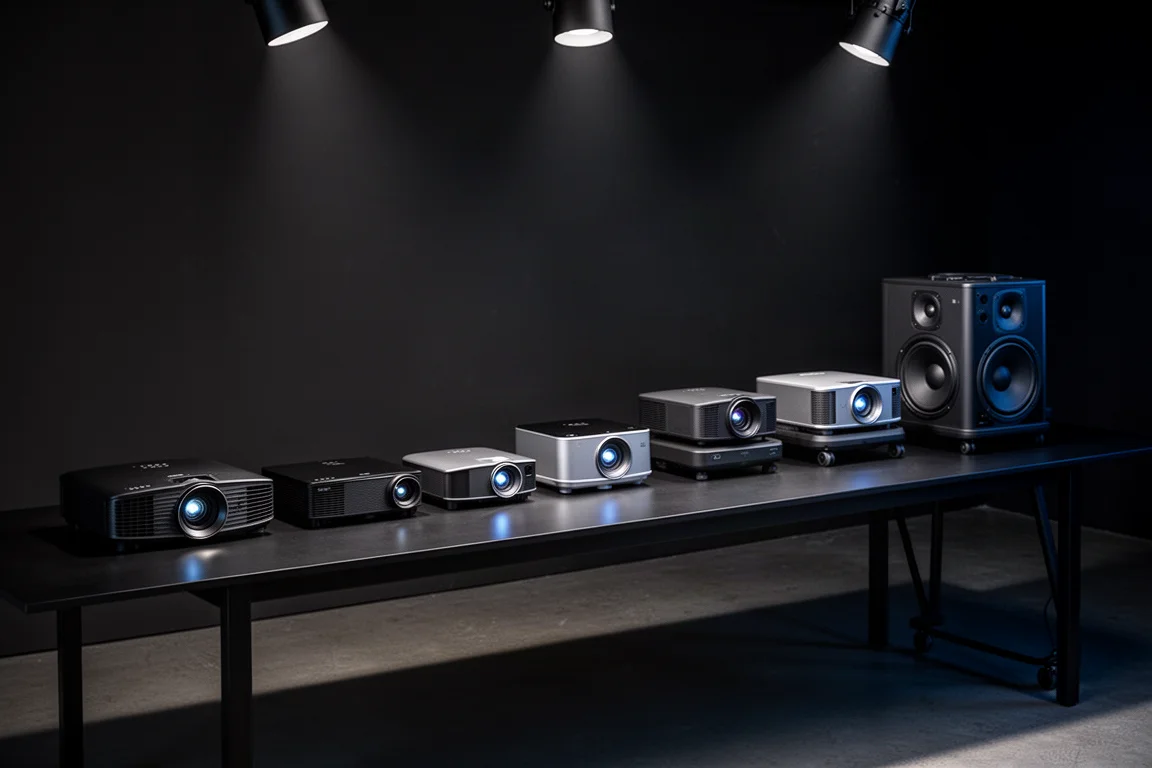
The line between traditional home theater projectors and lifestyle projectors has been getting blurry for a few years now, but as of July 2026, it is officially gone. We gathered close to $50,000 worth of flagship projectors to test their brightness, contrast, and color performance. Then we put them side by side in a picture quality test. After that, we tested their zoom and lens shift, clarity and resolution, input lag, 3D performance, and a lot more to figure out which is the best projector under $10,000. All measurements in this article are the result of independent testing rather than relying on manufacturer claims.
Brightness and Contrast Testing
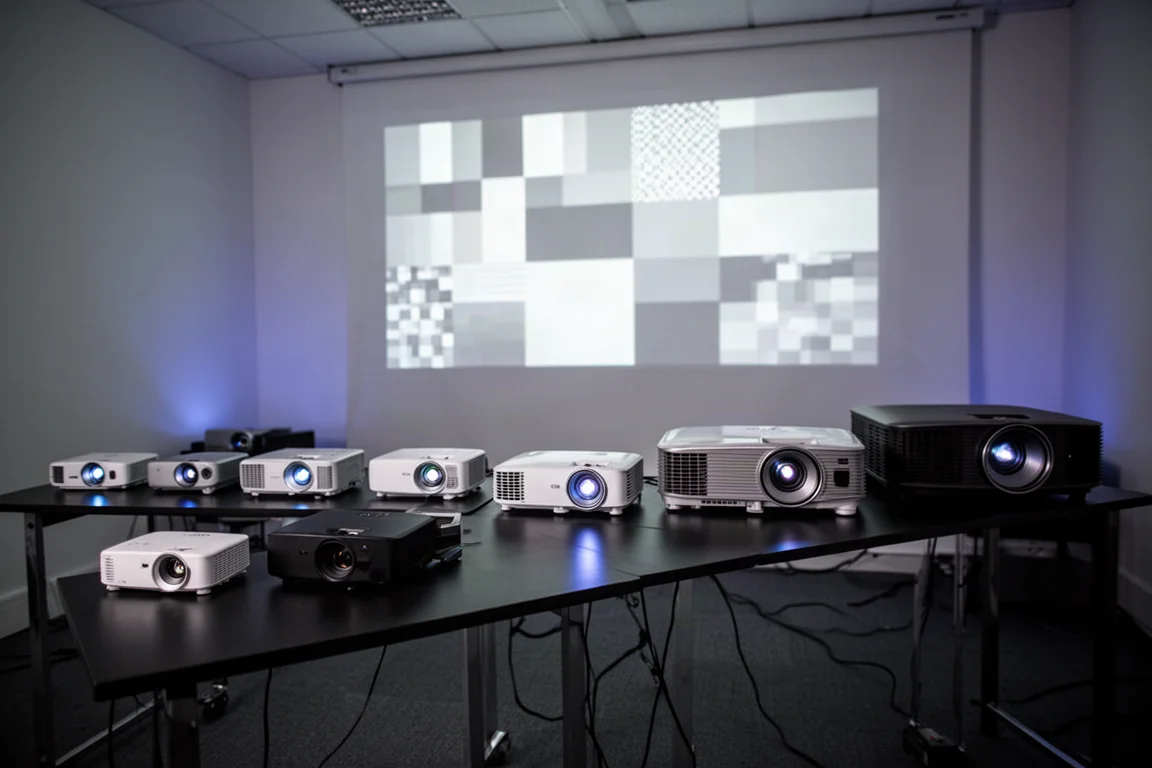
It is still the norm for projector companies to advertise much higher brightness values than you are ever going to get to use because those highest brightness modes have unusable color accuracy, extremely loud fans, or both. Still, we verified that the projectors can hit their maximum advertised brightness. The XGIMI Titan Noir Max has the highest advertised brightness at 7,000 lumens, but we measured 8,926 lumens in performance mode. For the most part, all the projectors were acceptably close to their claims, with only the Highense XR10, JMGO N3 Ultimate, and Nebula X1 Pro failing to hit at least 90% of their advertised brightness.
In our opinion, the only ones that were actually usable in their high brightness modes were the XGIMI Titan in performance mode, the Epson QB1000 in dynamic mode, and the JVC NZ500 in highlight mode. Of those, the QB1000 was probably the best with a slightly green blue shifted white balance and a color error of 7.01 using Calman’s color checker. The NZ500’s highlight mode was green shifted with a color error of 7.99. The XGIMI Titan put out 6,700 lumens with a cooler white balance and a mostly acceptable color checker error of 12.17, but it did have its fans ramped up higher than you would want to be around. It would be more than acceptable for an outdoor event if you are just trying to blast the most lumens possible.
To measure maximum accurate brightness, we calibrated the white balance of each projector to the appropriate perceived D65 white point for their light source, then measured brightness using the ISO standard, taking nine individual measurements, averaging them, and multiplying by the screen size in square meters. The XGIMI Titan came out in first again with 3,725 lumens, followed very closely by the Highense XR10 with 3,715 lumens.
Advertised contrast values are even more unreliable since there is no real standard about whether dynamic contrast or native contrast should be reported. Native contrast is the difference between the brightest white and the darkest black that a projector can produce without adjusting the iris or dimming the light source. Dynamic contrast is a much less regulated term that is just the difference between the brightest white and darkest black that a projector can ever produce, which in some cases is measured with the light source completely off. For some dynamic algorithms like Epson’s high-speed dynamic, just having a single pixel on the screen will reduce its advertised dynamic contrast ratio of 5 million to 1 down to less than 50,000 to 1, which is still a good contrast ratio, but it is less than 1% of advertised.
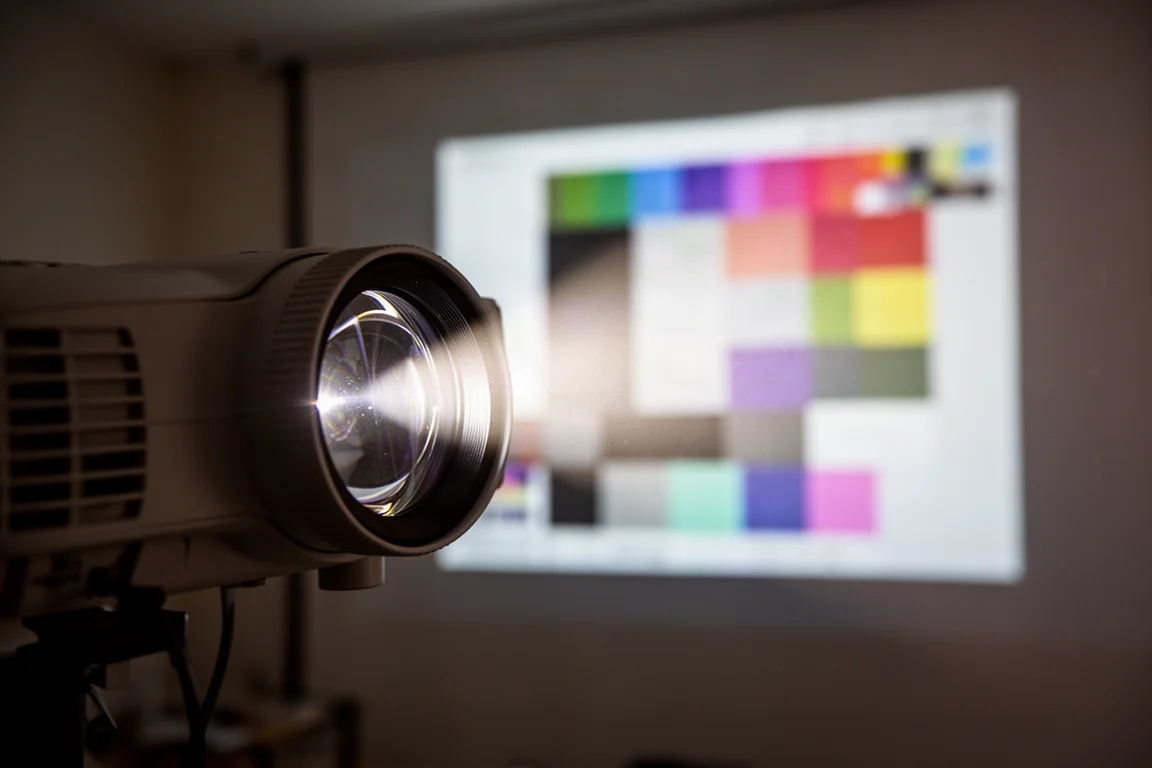
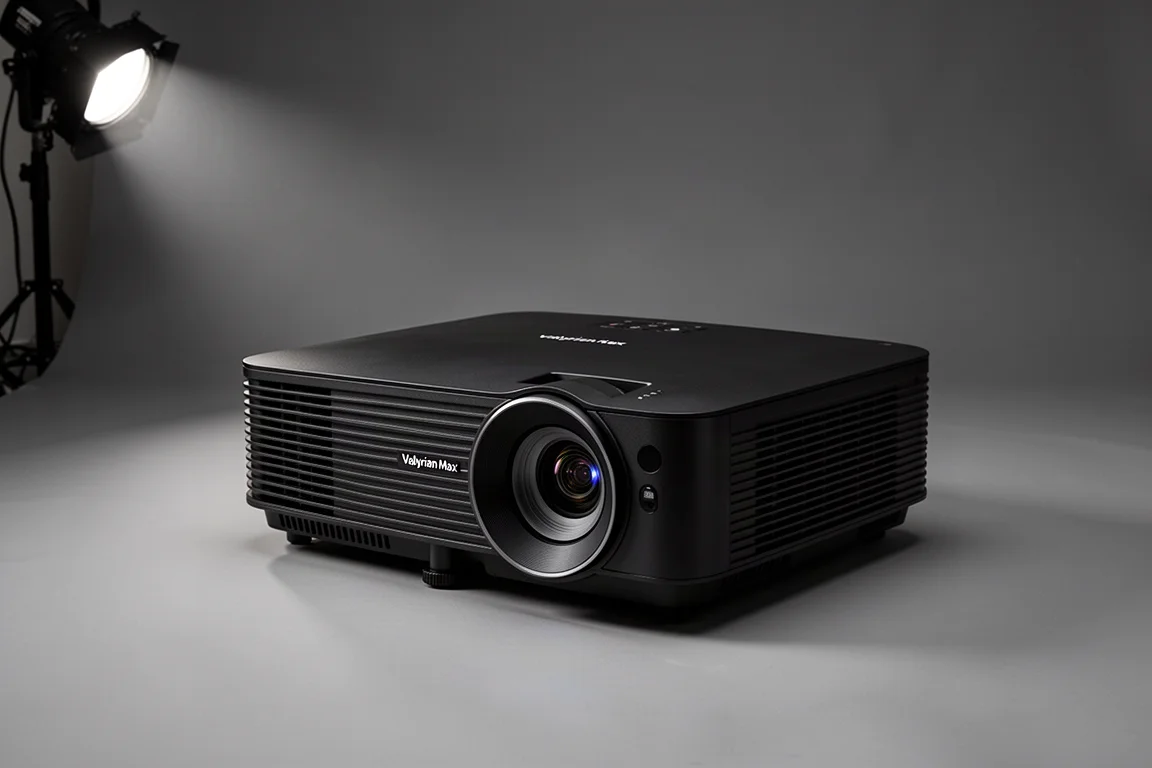
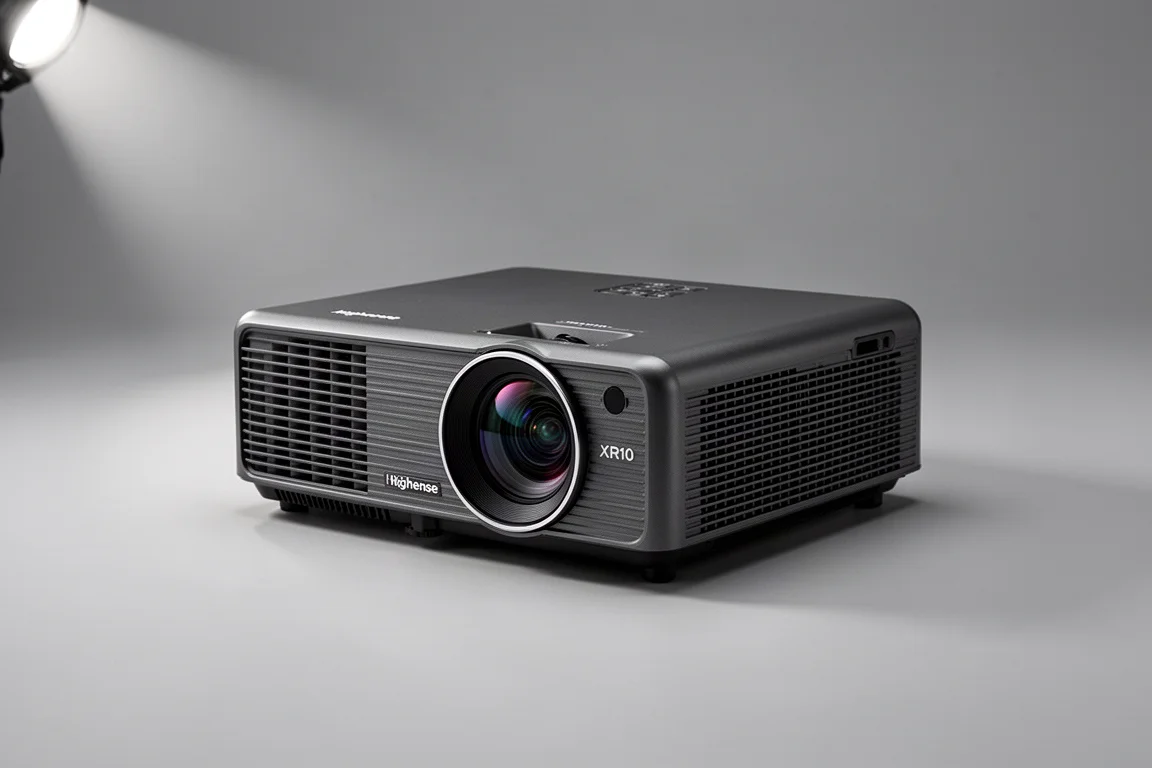
Now that physical irises are becoming more common, even native contrast measurements are hard to trust. While clamping down the iris results in a huge contrast boost, it can cut the maximum brightness down to just a small fraction of what is advertised. For instance, a native contrast ratio of around 4,500 to 1 requires the Highense XR10 to have its iris set to cinema 2 where it has just 631 lumens of brightness. The Valyrian Max hits around 4,300 to 1 native contrast in Cinema 2 with 93 lumens. The Titan Noir Pro hits 4,500 to 1 contrast on f3.0 with 2,351 lumens. The Titan Noir Max hits 4,500 to 1 with 2,464 lumens. The Epson QB1000 hits around 5,000 to 1 native contrast and 2,338 lumens of brightness without an iris at all. Way up on the chart, the JVC NZ500 has 22,250 to 1 native contrast with its iris wide open. If you really wanted to, you could clamp it all the way down to get to 30,000 to 1 native contrast, though that is not worth the trade-off of nearly half of its already low brightness.
As for dynamic contrast, we have officially reached the point where it is not particularly useful to measure and report on it. While projectors like the Titan Noir Max can put up dynamic contrast numbers over a million to one, the odds of actually seeing contrast that high in real content is basically zero.
Color Performance
Color performance is a combination of color accuracy, color gamut coverage, and tone mapping. While all the projectors in this comparison are laser projectors, they are very different when it comes to color performance. The Epson QB1000 and JVC NZ500 are single laser projectors that use a direct blue laser and then produce their red and green light using a white phosphor split through dichroic glass. As a result, the blue part of their color spectrum can reach deeper into the BT2020 color gamut, but red and green are lacking. Using the new gamut rings feature in Calman Ultimate reveals significant missing color volume throughout multiple different luminance levels, not just at the edge of the gamut.
The original XGIMI Titan with the big 0.78 inch DLP chip uses a direct blue laser and a direct red laser, but it creates its green using a phosphor. As a result, there is a large amount of missing colors in the green portion of the gamut ring and the surrounding colors that result from the mixing of green. The rest of the projectors in this comparison are pure RGB laser projectors, which gives each color an extremely narrow spectral distribution and allows for nearly complete coverage of the BT2020 color gamut. Looking at the overall gamut ring coverage, the XGIMI Titan Noir Pro comes out on top with 93.81% coverage, and the Valyrian Max had the least coverage of all the RGB lasers at 88.52%, specifically struggling with the green portion of the gamut.
An unexpected twist was that the single laser JVC NZ500 had a higher gamut coverage than the dual laser XGIMI Titan. The Epson QB1000 was by far the lowest, covering less than 50% of the BT2020 gamut target. However, all the projectors can easily cover the SDR Rec.709 color space, so they were on an even playing field when measuring out-of-the-box color accuracy. The JMGO N3 Ultimate posted an extremely impressive result with an average SDR color error of just 0.97 and a maximum single color error of 2.55, both below the generally accepted threshold of three where the human eye would not be able to detect a difference in color without an immediate side-by-side reference. The majority of the projectors were very accurate out of the box, with the JVC NZ500 coming in a surprising last place with an average error of 5.05 and a maximum error of 10.31 for SDR color.
HDR accuracy was a different story. Because the HDR color gamut is so demanding both in terms of brightness and saturation, a projector’s tone mapping algorithm has to balance keeping colors accurate with being able to provide the correct luminance. Looking at HDR color accuracy without luminance, the Nebula X1 Pro comes out on top with an average error of just 3.13. But to do that, the luminance of those colors was all over the place, and including luminance it had an HDR color error of 38.15. The real stars in terms of HDR were the XGIMI Titan Noir Pro and Max that maintained reasonably accurate colors including luminance, putting up the two best HDR color accuracy measurements ever seen from any projector.
Side-by-Side Picture Quality Testing
Combining brightness and contrast measurements with color performance should reasonably predict a projector’s picture quality, but the only way to know for sure is to put them head-to-head. We set up two 100 inch white screens in a light controlled garage and played a mix of SDR, HDR, and Dolby Vision content to judge their overall viewing experience.
Starting with the least expensive projector, the $2,399 JMGO N3 Ultimate against the $2,599 XGIMI Horizon 20 Max. In bright SDR content, they performed very similarly, but moderately lit scenes showed a much flatter image on the JMGO with lower interesting contrast. In the darkest SDR scenes, the laser dimming on the Horizon 20 Max, which is called DBLE, significantly outperformed the JMGO’s AI dynamic black level setting, resulting in both darker shadows and brighter highlights on the XGIMI. The same was true in HDR content where the Horizon 20 Max consistently produced an image with more depth, better color, and more shadow detail, giving it an easy win in this round.
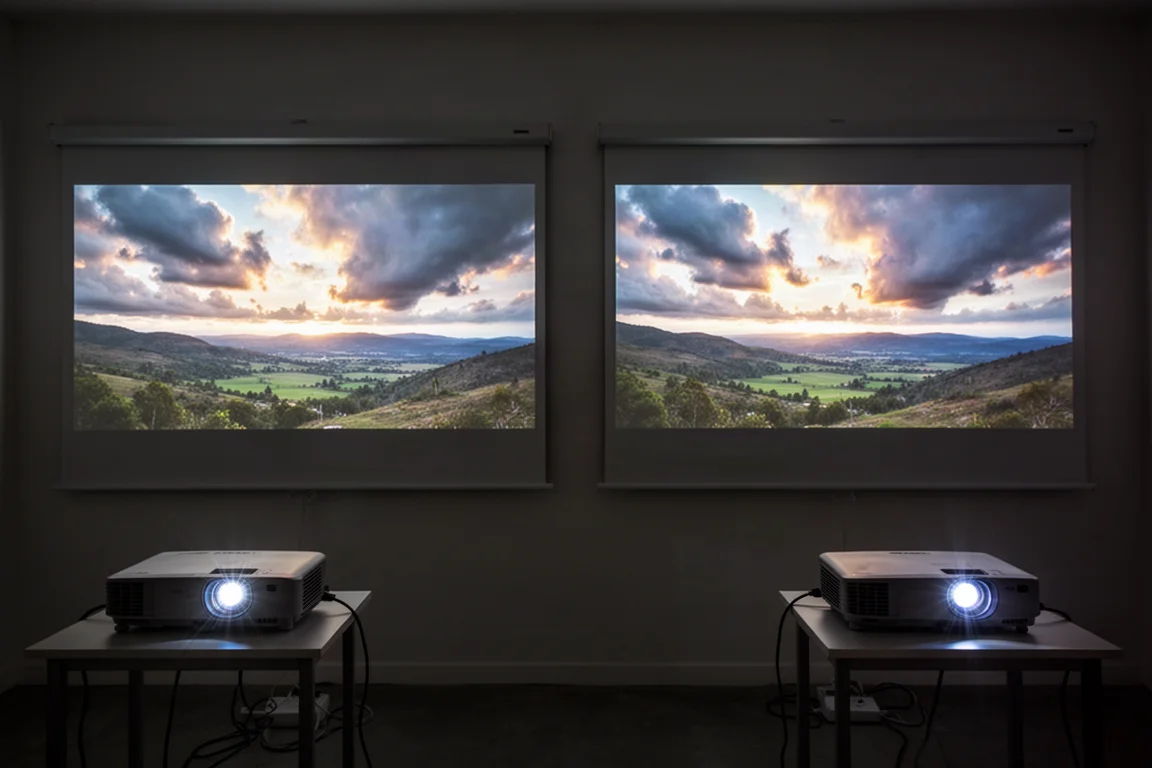
Round two paired the $3,999 dual laser XGIMI Titan against the $2,599 XGIMI Horizon 20 Max. In SDR content, they both looked very good. The Titan’s black floor was slightly too blue, while the Horizon 20’s black floor was slightly too green. DBLE laser dimming did a great job on both projectors. However, in HDR content, the Titan’s DBLE system was faster and more responsive, resulting in deeper blacks and more overall contrast, but the RGB laser on the Horizon 20 Max was able to produce more saturated, richer colors. The reason the Titan ultimately wins this round is that its DBLE system is controlled by XGIMI’s dedicated X1 chip, while DBLE on the Horizon 20 is part of its MediaTek processor. While XGIMI has significantly improved the Horizon 20’s laser dimming performance since last year, it still does not seem to be capable of easing in and out, and it occasionally flickers on and off, which while infrequent was very distracting.
Round three was the $3,999 XGIMI Titan against the $3,999 Valyrian Max, the overall winner of last year’s comparison. The Valyrian Max has the soon-to-be-released OTA A3 firmware update that added a dynamic iris mode. This round was extremely difficult to judge because the Titan’s strength is brightness and the Valyrian’s strength is its EBL dynamic dimming and its new dynamic iris. In brighter content, the Titan was more visually interesting. But in dark scenes when the dynamic iris and EBL were actually working, the Valyrian was much better and extremely impressive. This is a very beta version of OTA A3 and it has all kinds of issues with EBL getting stuck as well as other random issues like choppy video playback and picture modes disappearing. Given that this is beta firmware and these two projectors excel in very different areas, this round was declared a tie for now.
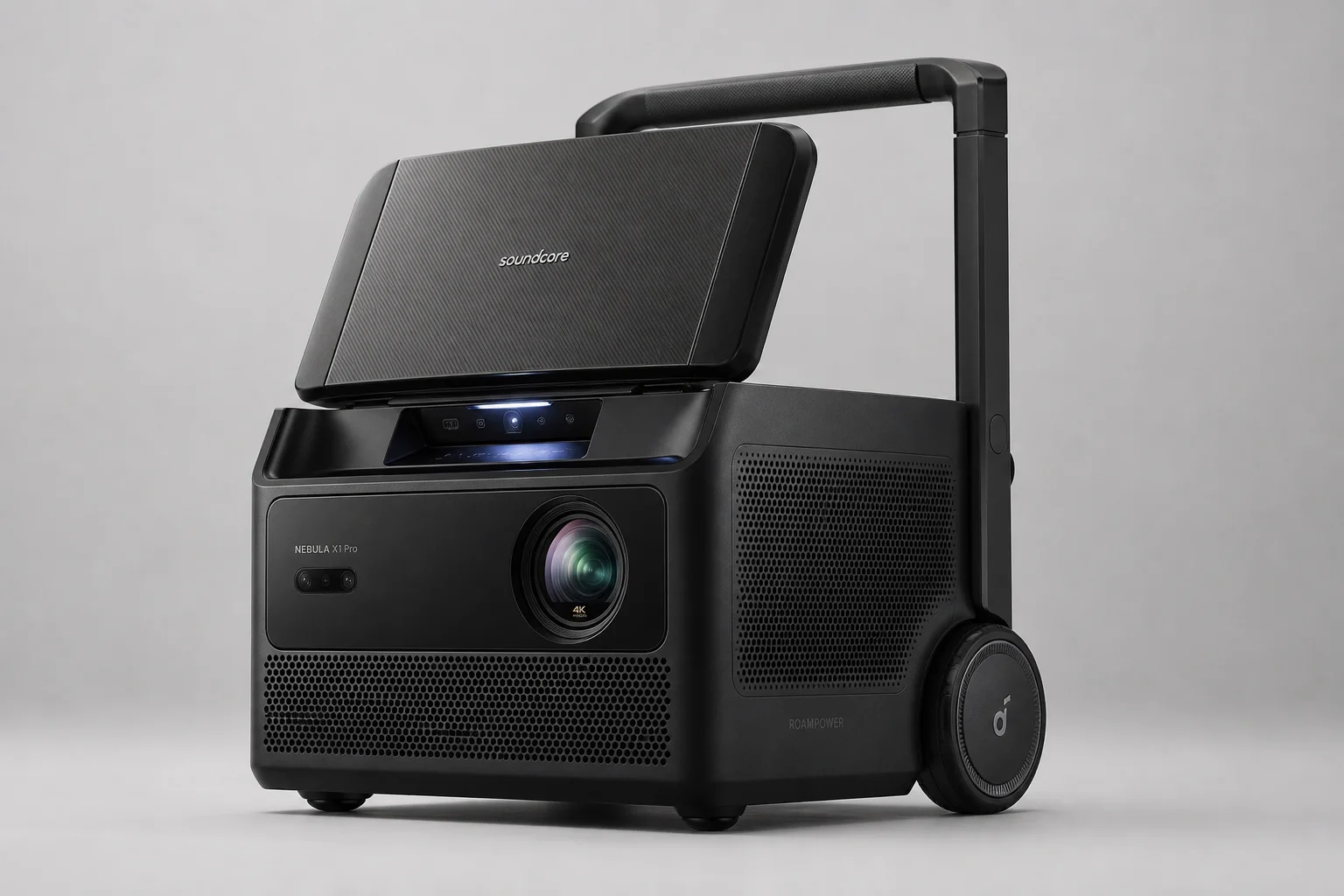
Round four pitted the $4,289 Nebula X1 Pro against the $3,999 Valyrian Max. The Nebula X1 Pro’s feature set is most similar to the Valyrian Max, and while it does have dynamic laser dimming and a dynamic iris, its $4,289 price tag has a lot more to do with the fact that it is a massive rolling unit with a built-in subwoofer and integrated wireless front and rear speakers that enable a 7.1.4 surround sound system. While the X1 Pro performed admirably and was actually brighter than the Valyrian in SDR when both projectors were set to dynamic iris, the Valyrian’s dynamic laser dimming was in a completely different league. Surround sound aside, there was no question that the Valyrian Max was the superior projector in terms of image quality.
Round five put the $4,999 XGIMI Titan Noir Pro against the $3,999 Valyrian Max. The $4,999 is the MSRP of the Titan Noir Pro, but it recently came off Kickstarter where it was priced at $2,699, which is an absolute insane deal because this projector is a monster. With both projectors set to dynamic iris with DBLE and EBL laser dimming on, the Titan Noir Pro is 33% brighter in the brightest scenes, has a lower black floor, and a higher native contrast. In the darkest scenes, the two projectors were fairly evenly matched, only differing in how many of the stars were visible in the background. But when highlights were needed, the Valyrian looked like a projected image of fire, while the Titan Noir Pro looked like actual fire. This is due partly to the extra brightness of the Titan Noir, but also to the HDR tone mapping, where the Titan Noir Pro properly displayed the brightness of those colors and not just their hue and saturation. This round easily goes to the Titan Noir Pro.
Round five part two brought back the $3,999 original XGIMI Titan against the Titan Noir Pro. The Valyrian is more of a dark room specialist, while the XGIMI Titan shines in bright content in less than perfect viewing conditions. But the Titan Noir Pro can do both. In content that demanded the absolute brightest highlights, the Titan Noir Pro held its own against the bigger, brighter Titan while conserving a lot more shadow detail. When a scene called for darkness, the contrast of the Titan Noir Pro was on another level. The Titan Noir Pro successfully resolved the round three tie by besting both the Valyrian Max in dark content and the original XGIMI Titan in bright content.
Round six put the $4,999 Titan Noir Pro against the $5,997 Highense XR10. The XR10 is another projector from Highense with extremely impressive build quality and specs, but pretty mediocre software. Not only does it lack dynamic iris, like the much less expensive Titan Noir Pro, but the Highense dynamic algorithm called scenario enhancement is just considerably less effective than DBLE from XGIMI or EBL from Valyrian. In SDR content, the projectors were decently matched. But in HDR, the Highense was comparatively flat and lifeless. Overall, it was just no match for the superior image processing of the XGIMI.
Round seven was the $4,999 Titan Noir Pro against the $5,999 Titan Noir Max. With both projectors on the latest firmware and both set to the exact same settings, the Titan Noir Max was just a little bit brighter and had almost an identical black floor, giving it an overall slightly higher contrast ratio. In person, these two projectors were so incredibly similar that in a blind test, it would be hard to easily pick out which was which. Watching back the footage, the Titan Noir Max is just a little bit better all the time.
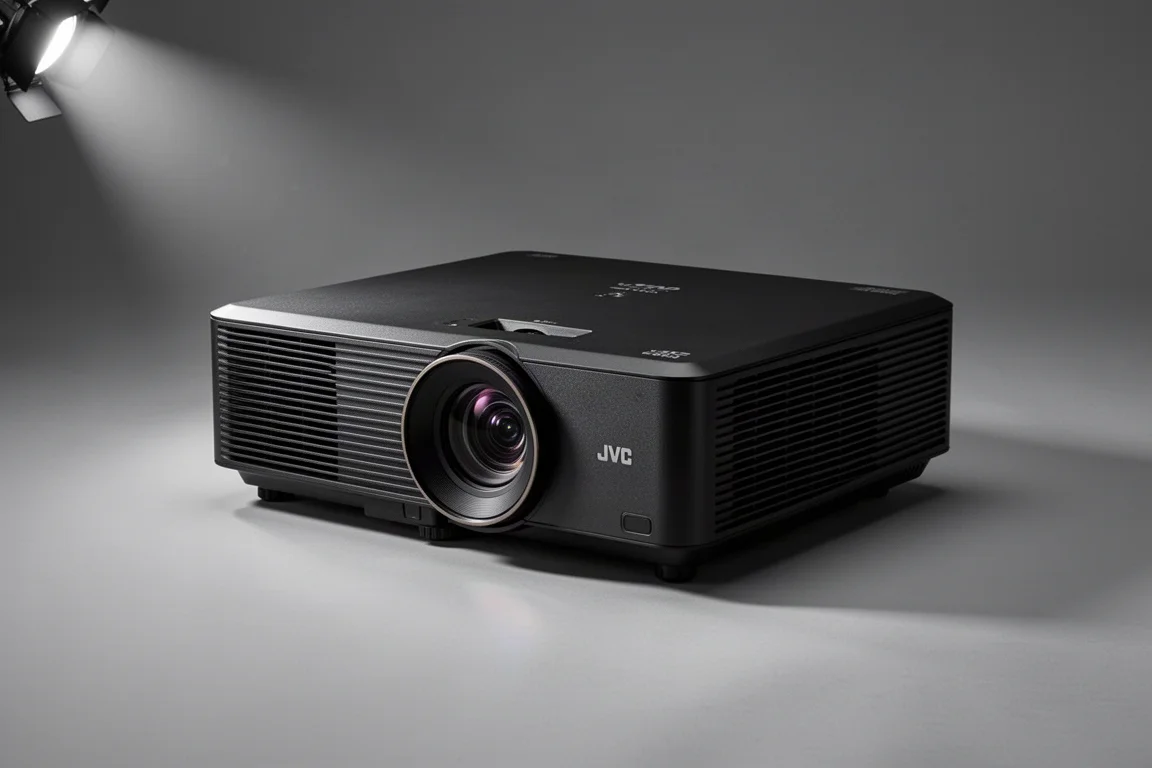
Round eight had the $6,999 JVC NZ500 against the $5,999 Titan Noir Max. For this comparison, the iris on the Titan Noir Max was clamped all the way down to f7.0 to make the overall brightness more similar to the JVC. In the 1917 staircase scene, there were a few frames where the XGIMI’s dynamic dimming algorithm got thwarted by a bright highlight, which exposed its native contrast ratio of just over 6,000 to 1 compared to 22,000 to 1 on the JVC. But for the most part, this entire scene was just absolutely dominated by the XGIMI, which had better tone mapping, better motion, better color accuracy, and at certain points, significantly higher interesting contrast. The same held true in Gravity, where the black floor was basically identical, but on the Titan Noir Max the stars were brighter and the motion was better. This is the XGIMI clamped all the way down to its smallest iris settings to try to get closer to the NZ500’s brightness. In dynamic iris mode, the XGIMI is more than twice as bright as the NZ500. Even if these projectors were the exact same price, the XGIMI Titan Noir Max would be the choice every single time, because black level can only get you so far and sometimes you need brightness.
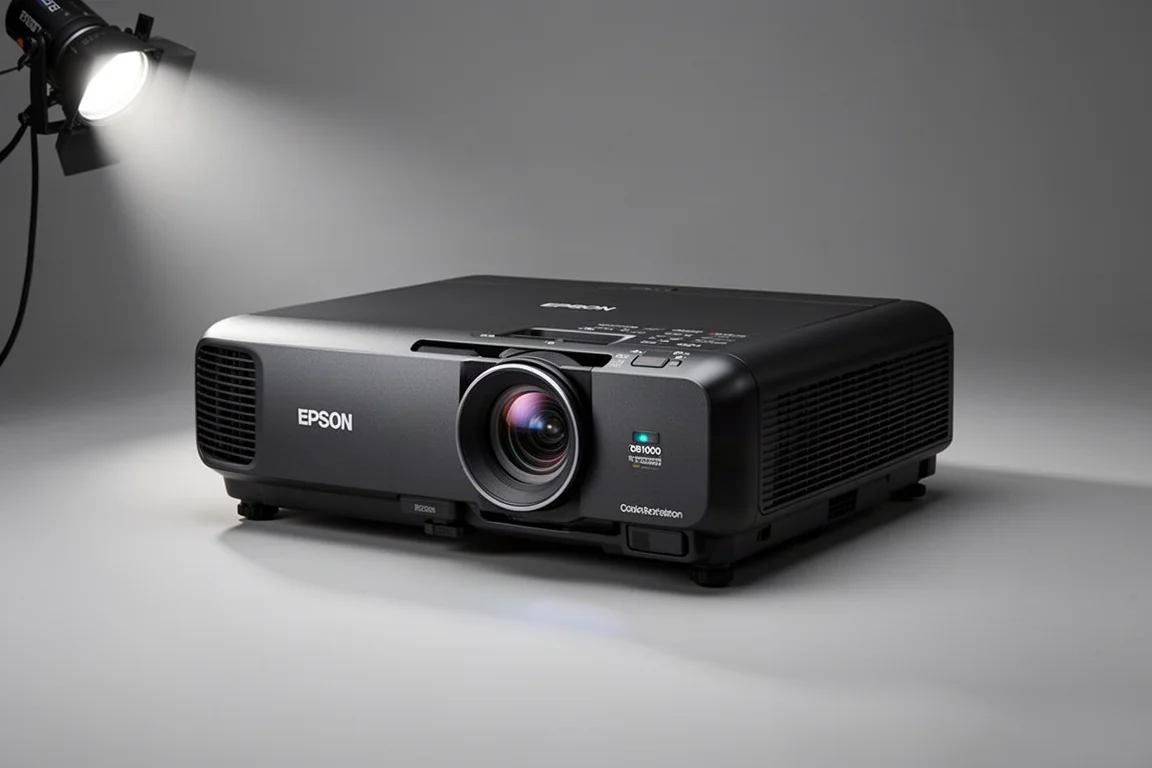
The final round was the $7,999 Epson QB1000 against the $5,999 XGIMI Titan Noir Max. The QB1000 is the brightest of Epson’s consumer home cinema line that includes the LS9000, LS11000, LS12000, and the QB1000. After just a very light calibration, it retained a little over 2,300 lumens. The Titan Noir Max has about 300 more than that even in dynamic mode. While the QB1000 was previously praised for its excellent brightness compared to other similarly priced home theater projectors, that advantage does not exist versus the Titan Noir Max. In SDR content, the Epson appeared slightly dimmer, but also considerably oversaturated. In HDR content, it was just no contest. The Epson’s HDR performance was embarrassing when compared to the Titan Noir Max, considering the price difference. This secures the top spot for the Titan Noir Max in the side-by-side testing for 2026.
Optics, Zoom, and Lens Shift
Traditionally, one of the defining characteristics of a home theater projector versus a lifestyle projector is the presence of optical zoom and lens shift, which makes precise installation much more flexible. Every single one of the projectors in this comparison has at least some optical zoom. The Highense XR10 has the largest zoom range with a maximum throw ratio of 1.97 to 1 and a minimum of 0.88 to 1, which was also the shortest throw of any of the projectors. The Epson QB1000 had the second largest zoom range at 2.1x and it had the longest throw at 2.83 to 1, but a pretty long minimum throw at 1.35 to 1.
Lens shift is another extremely useful and convenient feature. There is a difference in the way that Chinese brands advertise lens shift when compared to traditional projector brands like JVC and Epson. Instead of going off of advertised claims, usable lens shift was actually measured. The Epson QB1000 has by far the most vertical lens shift, measured at 197% using the Chinese standard, which would be plus or minus 98.5% in the traditional notation. The Epson also had the most horizontal lens shift at 96% total or plus or minus 48%. One strange exception is that lens shift traditionally operates in a circle, so if you max out the lens shift in one axis, the other axis needs to be completely centered. But the Highense XR10 does not seem to be confined by that rule. When maxed out horizontally or vertically, you still have a significant amount of lens shift to work with on the other axis, which makes it much more versatile.
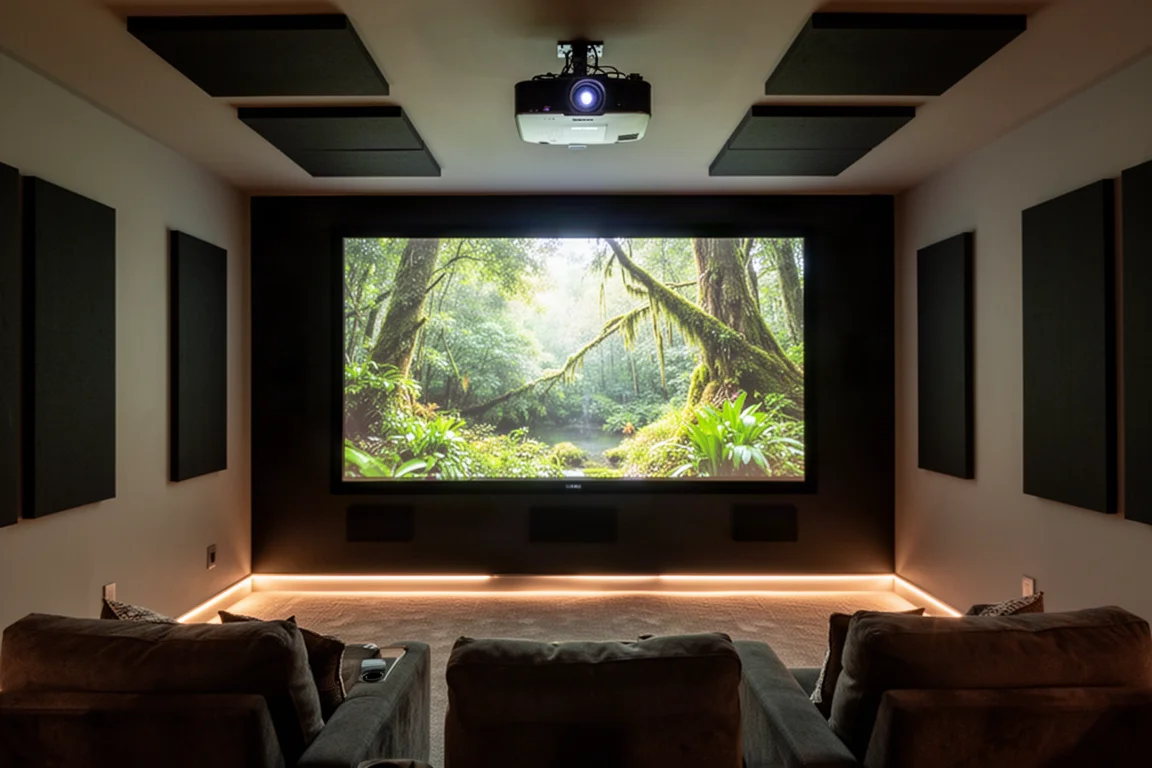
In terms of focus and clarity, the Highense XR10 had the sharpest lens, ranking first for black text and second for white text. The Titan Noir Max and Titan Noir Pro were in second and third place. The JVC NZ500, which is the only projector in this comparison that would be called a native 4K projector and not a pixel shifted 4K projector, came in fourth place. Compared to the XR10, the overall sharpness is lower and there is some color fringing from mild panel misalignment, but there was definitely no visible pixel structure. Other than the JMGO N3 Ultimate and Nebula X1 Pro, the screen door effect was very mild on all the other pixel shifted 4K projectors.
Gaming, 3D, and Specialty Features
For watching movies, true 24p support gives a more cinematic feel without motion judder. Using the Ratings 24p test pattern, only the JVC, Valyrian, and Epson were able to play back 24 frames per second natively in 4K. The JMGO, XGIMI Horizon 20, and Highense XR10 can play back 24p content in their high frame rate mode, but that reduces their resolution down to 1080p. The Nebula X1 Pro, XGIMI Titan Noir Pro, and XGIMI Titan Noir Max all failed to play back 24p content without motion judder. There is already a beta firmware available for the Titan Noir Pro and Max that enables 24p playback, but it is not part of the public firmware yet.
For gamers, input lag was measured at 4K 60, 1080p 120 Hz, and 1080p 240 Hz. Input lag numbers under 20 milliseconds are excellent for gaming. Between 20 and 50 milliseconds is good for casual gaming. 50 to 100 milliseconds starts to be problematic, and anything over 100 milliseconds should not be used for gaming. At 4K 60 Hz, all the projectors other than the JVC NZ500 and the original XGIMI Titan were under that 20 millisecond mark, with the lowest input lag coming from the XGIMI Titan Noir Pro and Horizon 20 Max that refreshed from the top of the screen down and had around 10 milliseconds of input lag on the center screen measurement. At 1080p 120 Hz, the input lag went down for most of the DLP projectors, but the XGIMI Titan and Nebula X1 Pro started dropping frames. The Epson QB1000’s input lag increased from its 4K 60 measurement, and the JVC NZ500 does not support 120 Hz at all. At 1080p 240 Hz, several of the projectors measured under 3 milliseconds of input lag in the middle bar using that sequential refresh method, and they measured as low as 1 millisecond at the top bar.
For 3D playback, none of the projectors are what we would call the complete package. However, the XGIMI Titan Noir Max was the standout. It supports full resolution 3D playback with very good 3D effect and good eye comfort. It even supports anti-RBE and DBLE laser dimming in 3D, but it is missing automatic 3D detection and activation, so you have to manually select it in the menu. The original XGIMI Titan was also very good in terms of 3D effect and was the most comfortable to watch, but it had some unusual color banding and suffers from the 3D half resolution bug. The JMGO was the last standout with very good 3D effect and good eye comfort, but it also failed to play back 3D files in full resolution, though it seemed like it was higher resolution than the other projectors that suffered from the half resolution bug. The 3D performance of the Highense XR10 and Nebula X1 Pro were comparatively pretty bad. The Epson QB1000 and JVC NZ500 do not support 3D at all.
DLP Rainbow Effect and Laser Speckle
RGB laser DLP projectors have benefits in terms of color gamut, gaming pixel response time, and 3D compatibility, but the technology is not without drawbacks. The DLP rainbow effect is caused by the fact that a single chip DLP projector flashes each color sequentially and relies on persistence of vision to combine those three colors together. While the overall tendency to see those rainbows will vary from person to person, the faster the colors flash, the less likely you are to be able to see RBE. All of the DLP projectors have standard 4x speed color sequencing, meaning they flash red, green, and blue four times per frame at 60 frames per second, or 12 flashes per frame.
The XGIMI Horizon 20 Max has a luminance boost mode that adds in cyan and yellow to the color sequence, which increases brightness at the cost of color accuracy and saturation, but it also increases the number of flashes per frame to 20. XGIMI recently updated the Horizon 20 Max to also include an anti-RBE mode that doubles the color speed up to 8x, which keeps the brightness and color accuracy the same, but increases the color sequence to 24 flashes per frame, significantly reducing rainbows. The XGIMI Titan Noir Pro and Titan Noir Max also have RBE reducing modes with the standard RBE mode matching the Horizon 20 Max with an 8x sequence with 24 flashes per frame. Each model also offers an enhanced mode with slightly different color sequencing between the two models, but each results in 36 flashes per frame, which completely eliminates the ability to even force seeing the rainbows. It does unfortunately come with reduced picture quality due to dithering artifacts.
Valyrian was essentially the inventor of these anti-RBE modes, and the Valyrian Max still has the best RBE reduction with almost no reduction in picture quality. With the white balance set to warm one and RBE reduction on, the Valyrian has 48 flashes per frame. Using the warm two color temperature that adds in cyan and yellow, similar to luminance boost on the Horizon 20, the Valyrian Max flashes 56 times per frame. The JVC uses three chip LCOS technology and the Epson uses 3LCD, so they do not have color flashing at all and there should never be any rainbows.
The second drawback of DLP RGB laser projectors is laser speckle. Single laser projectors like the JVC and Epson will speckle only on the most saturated pure blue colors, which is where they use their direct blue laser. Even then, some of that speckle gets diffused by the LCOS and LCD panels. A dual laser projector like the XGIMI Titan will speckle on pure red, pure blue, and any color that only contains red and blue RGB values, but any color that mixes in the green phosphor will have much less speckle. In real content, a dual laser projector like the Titan does not speckle very often. Pure RGB laser projectors lack any sort of phosphor and always use direct lasers even when mixing colors. Even though the manufacturers keep saying they are including laser speckle reducing features, the only real difference noticed is that brighter projectors tend to have more noticeable speckle. The brightest projectors speckled the most, so be wary of any marketing that says there is such a thing as less speckle or no speckle RGB laser projectors. However, certain screens, specifically woven acoustically transparent screens, are incredibly effective at removing laser speckle.
Form Factors and Use Cases
The XGIMI Titan, JVC NZ500, and Epson QB1000 are very traditional looking home theater projectors. The XGIMI Titan Noir series and the Highense XR10 would fit in equally well in a home theater as a living room. The JMGO N3 Ultimate and XGIMI Horizon 20 Max are more of what we would call lifestyle projectors that are designed for a less permanent installation and mobility. The JMGO even has a motorized gimbal that you can steer around using the gyroscope and the remote.
The Nebula X1 Pro takes uniqueness to a completely different level. It is a massive, heavy, rolling unit that is designed to be tucked away in a closet or a garage and then pulled out for outdoor movie nights or sporting events. They even sell an inflatable 200 inch screen to go along with it. If that is what you are looking for, it is kind of the only game in town. The speakers on the X1 Pro are wireless, high quality, and ridiculously loud. The built-in subwoofer can probably provide more bass than you will feel comfortable using without disturbing your neighbors. If you pop open the top storage locker, it also has two wireless microphones in case a karaoke session spontaneously happens.
Overall Buying Advice
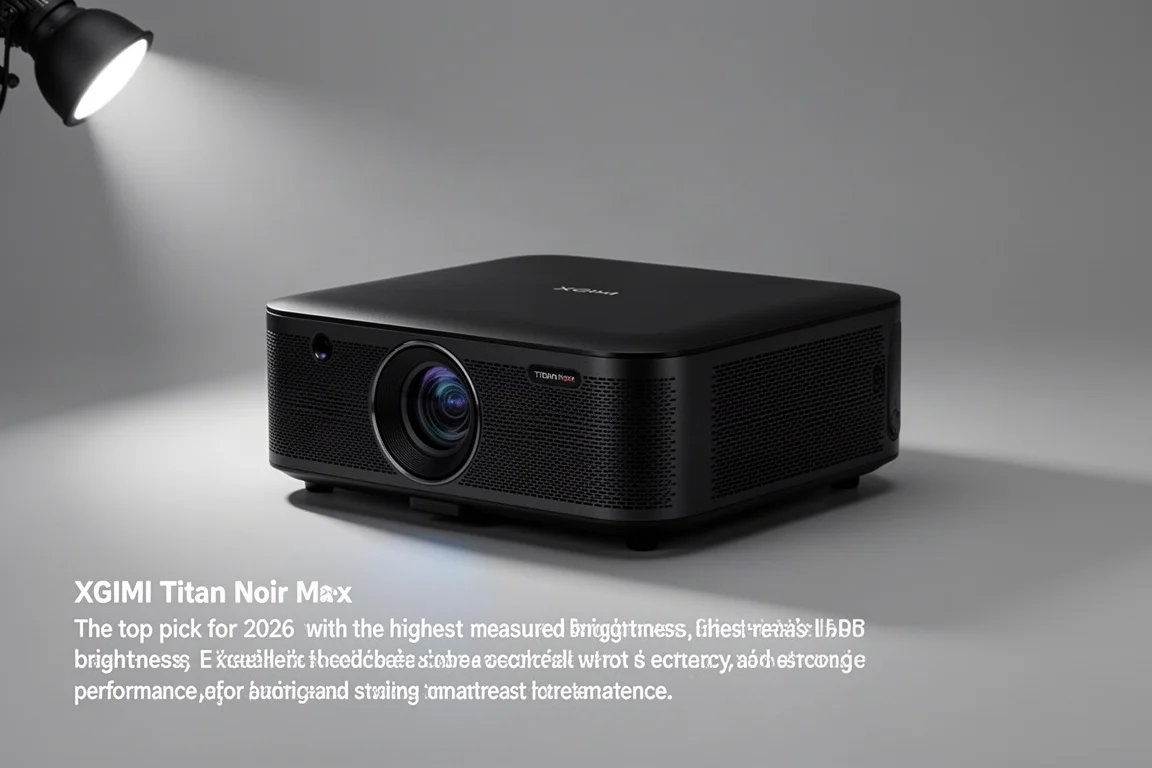
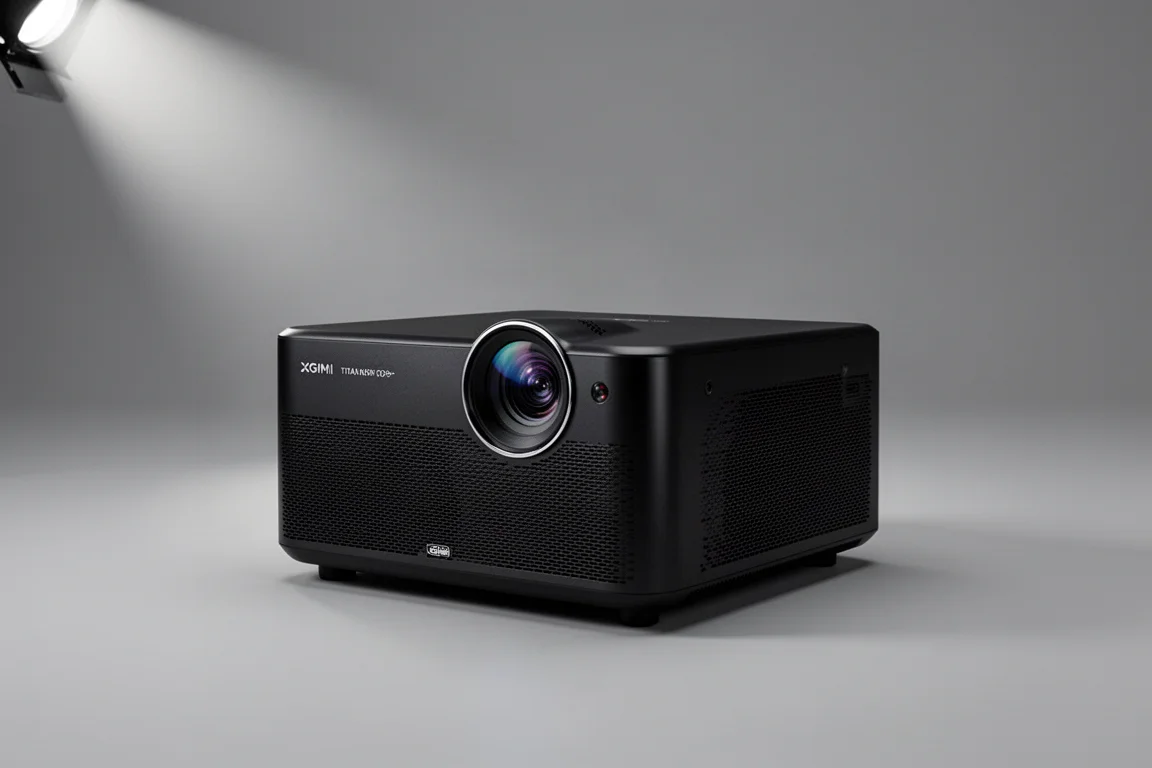
The top pick for the best standard throw projector of 2026 is the XGIMI Titan Noir Max. If you recently picked one up on Kickstarter for $2,999, then you did very well for yourself. But at the MSRP of $5,999, it is difficult to recommend it over the Titan Noir Pro, which is 98% as good. The Titan Noir Max and the Titan Noir Pro have the exact same feature set. They have the same lens, the same remote, the same everything except for the Max is just a little bit brighter, giving it slightly better highlights and an edge in 3D performance.
If you are a JVC person and you are looking for the signature JVC picture, the NZ500 is still a great projector, and it definitely has its place in a batcave home theater with a modest screen size. But after watching it side by side with the Titan Noir Max, there is just zero chance that the NZ500 would be considered over the Titan Noir, even if the prices were the same.
The JMGO N3 Ultimate and XGIMI Horizon 20 Max were a much harder sell when the Titan Noir Pro was $2,999. But they did perform admirably given that they are priced under $2,600. There is still not a big enough gap in performance to choose them over the XGIMI Horizon 20 base model, which is $1,000 less.


Conclusion
The XGIMI Titan Noir Max takes the top spot for 2026, offering the best combination of brightness, contrast, and HDR color accuracy. The Titan Noir Pro remains an outstanding value at its price point. For those with specific needs, the Valyrian Max excels in dark room performance, the JVC NZ500 delivers its signature picture in a batcave setup, and the Nebula X1 Pro is the unique choice for outdoor events with its integrated sound system. The line between traditional home theater and lifestyle projectors is officially gone, and the best projectors now offer the flexibility and performance to serve both roles.
Further reading
Related Reviews
Projectors
BenQ GP520 4K Projector Review: Premium Home Theater Performance
A comprehensive look at BenQ's flagship GP520 4K projector, covering its exceptional picture quality, smart features, 3D capability, and premium pricing.

Projectors
Best 4K Projectors 2026: Six Standard Throw Models Compared
Six highly anticipated standard throw 4K projectors compared across brightness, contrast, color accuracy, gaming performance, and value.

Projectors
Best Projector Deals 2026: Seven Picks for Every Room and Budget
A practical look at seven projectors currently on sale, from premium 4K laser models to portable and budget-friendly options.