Snowboards
Four Pro Model Snowboards Worth a Look This Season
From playful jib boards to stiff contest decks, these four pro model snowboards each dial the design in around a specific pro rider.
Introduction
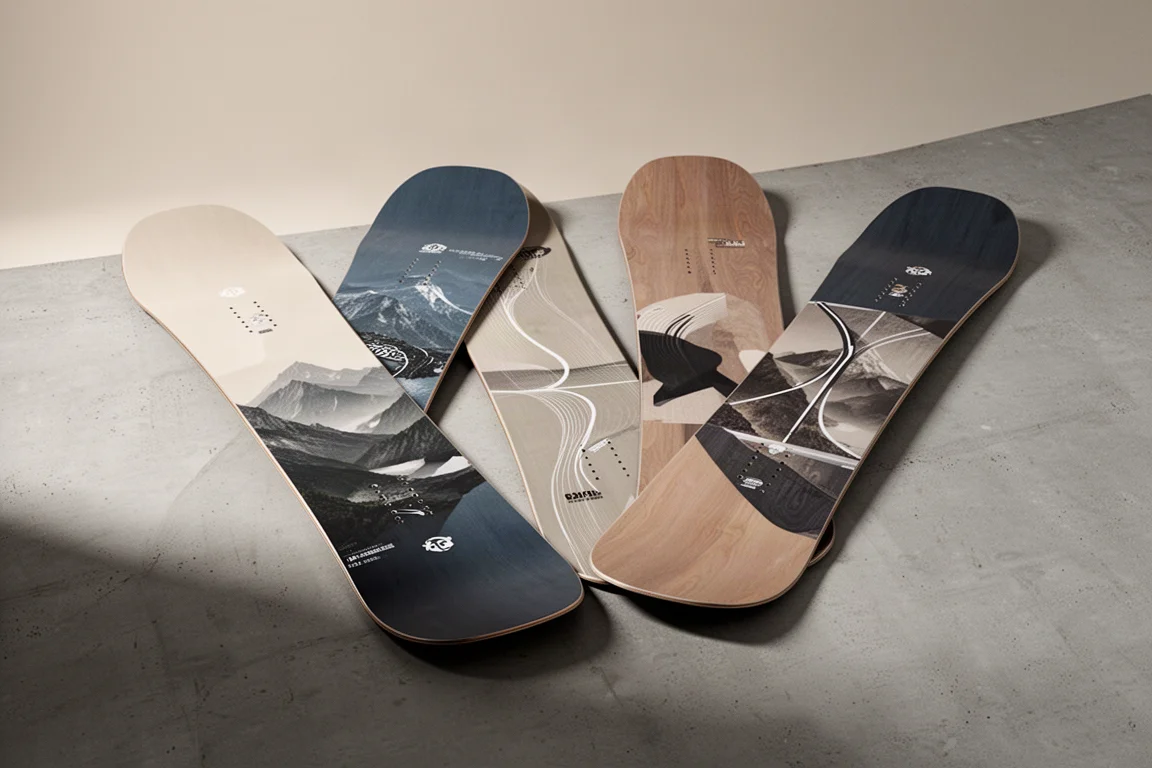
Pro model snowboards are interesting because they cannot afford to be vague. Each one is dialed in to meet the needs of a specific pro rider, and that focus usually translates into a board with a clear personality. The four decks highlighted here range from playful and jibby to aggressive and jump leaning, so there is a real spread of feel and intended use. Here is how they compare.
Arbor Relapse: The Playful All-Rounder
Eric Leon’s pro model is the most playful board on this list, and it runs a lot of meaningful tech from Arbor. It uses a full positive camber profile paired with 50-50 Fenders, which are essentially a small uplifted base section right at the contact point. That little bit of lift makes the board less catchy while still delivering all the benefits of positive camber. Grip Tech side cut adds a couple of pronounced contact points underfoot for extra bite on ice or firm snow, and the extruded base rounds out the package.
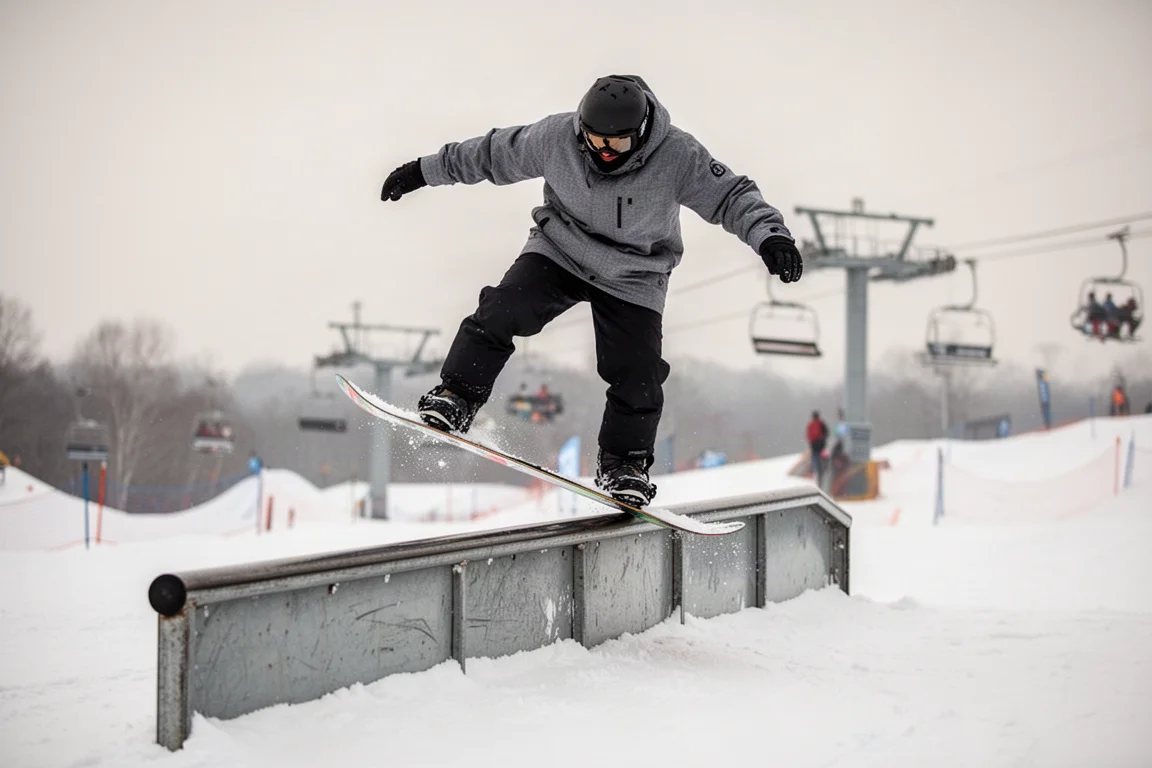
On the snow, the flex sits just on the softer side of medium. The board is pressable, fun for butters, and capable of progressing toward more technical rail tricks. Thanks to the tip-to-tail positive camber, it still comes through with solid stability and pop, giving it a genuinely good all-around park feel. An affordable price point was important to Eric when designing the board, and it lands right around 390 dollars, which makes it an easy recommendation for riders who want durable tech with a manageable feel.
Rome Stale Mod: The Lightweight High-Performance Twin
The Rome Stale Mod is also a full positive camber board, but it steps up the aggression with a flex right around the middle of the range. That means more stability, more energy, and more response. The layup includes Rome’s Dual Carbon Hot Rods in the nose and tail, carbon bars running from the tips out underfoot to boost snap and pop out of the ends of the board, plus impact plates and a sintered base.
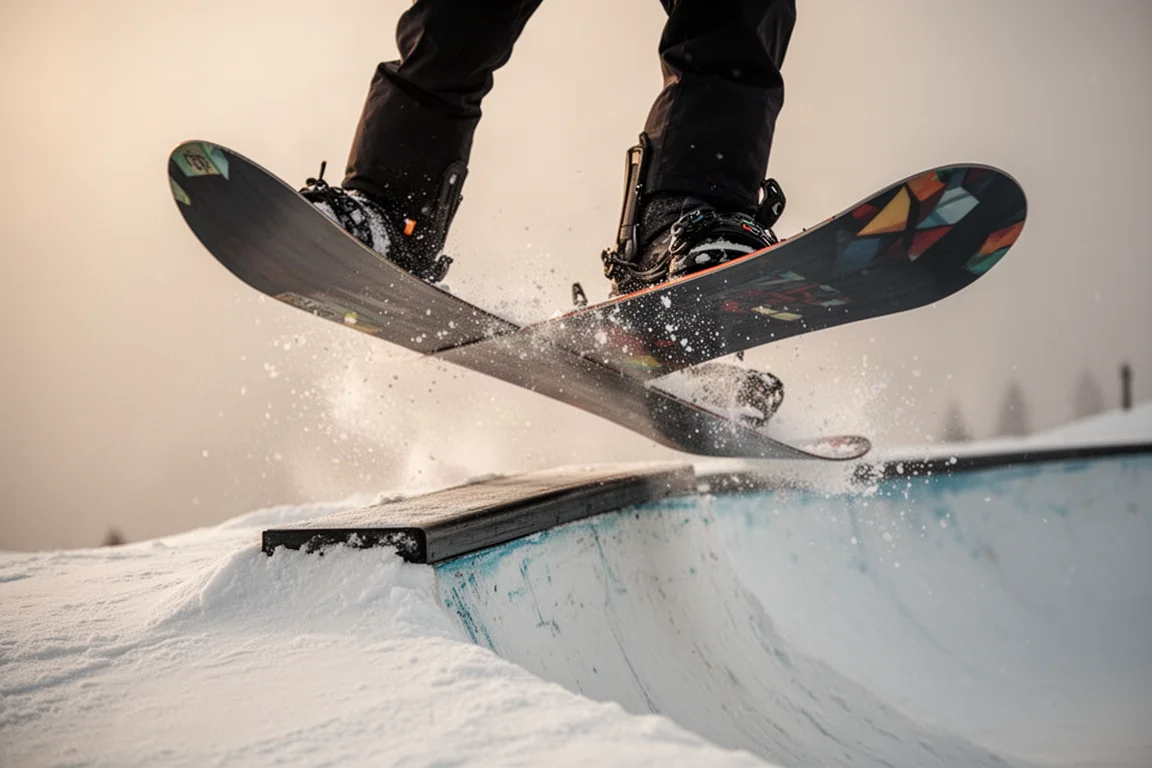
Like the Relapse, it uses a biax fiberglass layup, which keeps torsional flex friendly. That translates into a comfortable feel on rails and adds real versatility to what is otherwise a high-performance park board. The biggest highlights are how lightweight it is, how much pop and energy you can load up in the tips, and how capable it remains without ever feeling overpowering. As Stale’s pro model, it handles the largest park features with confidence while staying manageable for everyday riding.
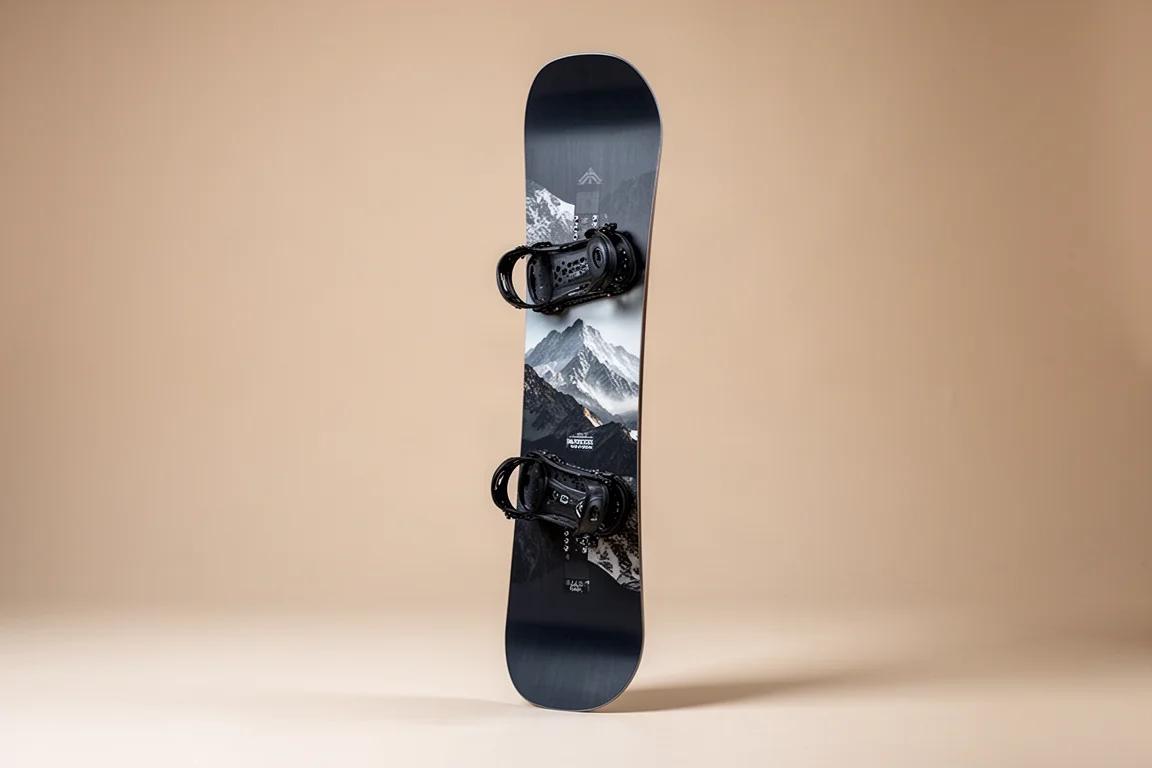
Burton Blossom: Built for Bigger Features
The Burton Blossom is ridden by a lineup of big names on the Burton team, including Luke Winkelmann, Zeb Powell, and Brock Crouch, and in our view it sits a notch more aggressive than the Stale Mod. It is a full positive camber board from contact point to contact point, with a significant amount of carbon built in for an energetic, snappy, poppy feel. Burton’s Squeeze Box core profiling keeps the flex consistent, and it also runs Infinite Ride and a sintered base.
The key difference is the triax fiberglass layup. That stiffens the board torsionally, adding stability and response that are especially noticeable in higher-impact situations, whether that means larger park features or exploring the mountain through variable snow, where the board resists getting pushed around. The flex sits just on the stiffer side of medium, bringing precision and stability. Butters and presses are still possible, but you will work harder for them. This is a board geared toward progressing to bigger tricks, and it has your back for that kind of riding.
Never Summer Proto Ultra: Power Without Compromise
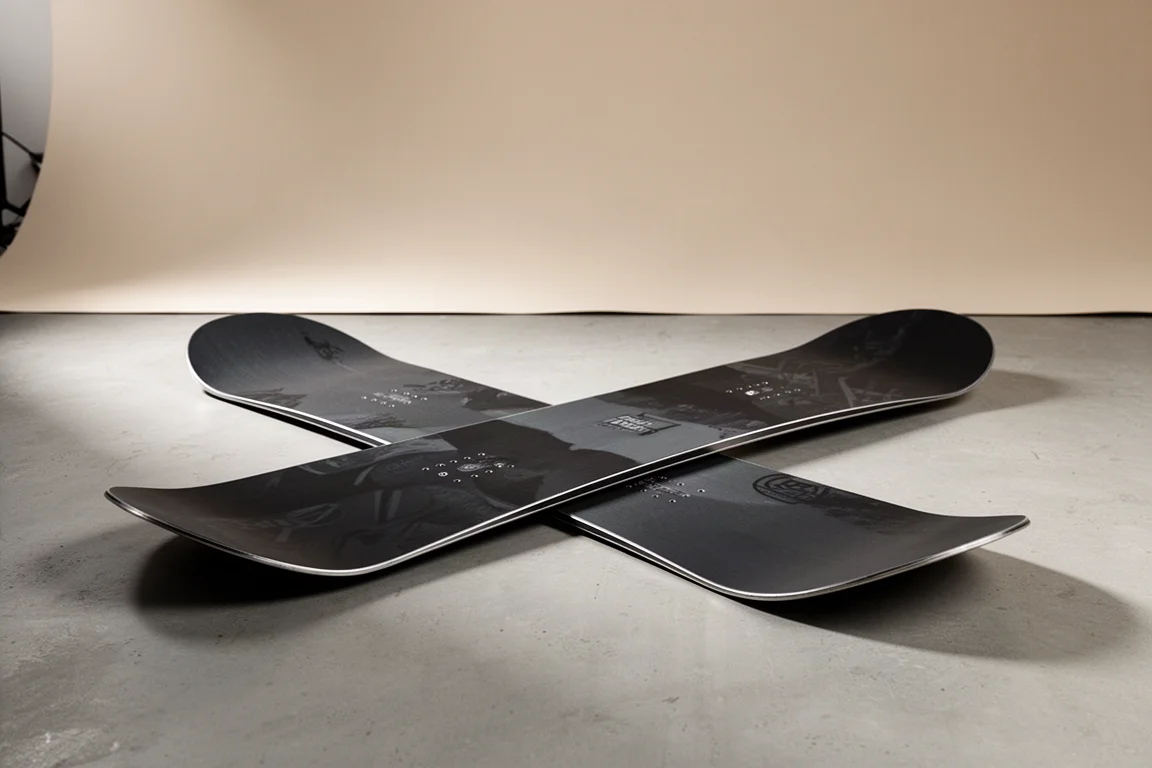
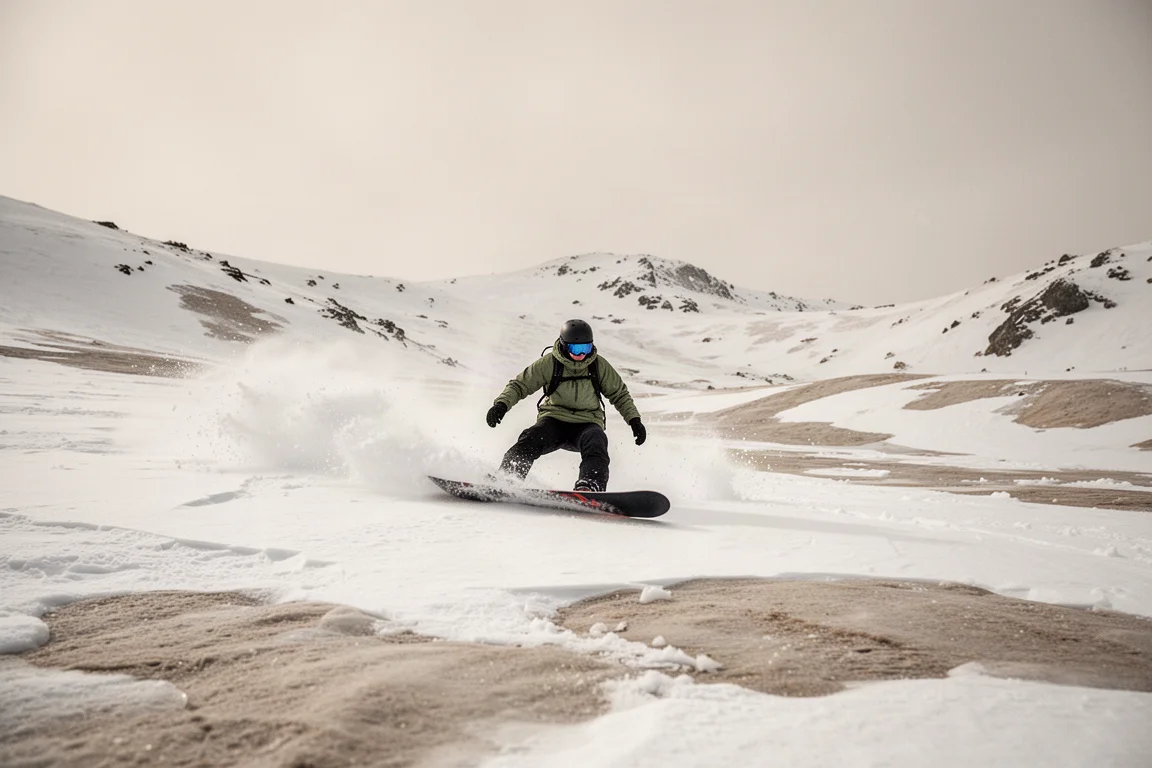
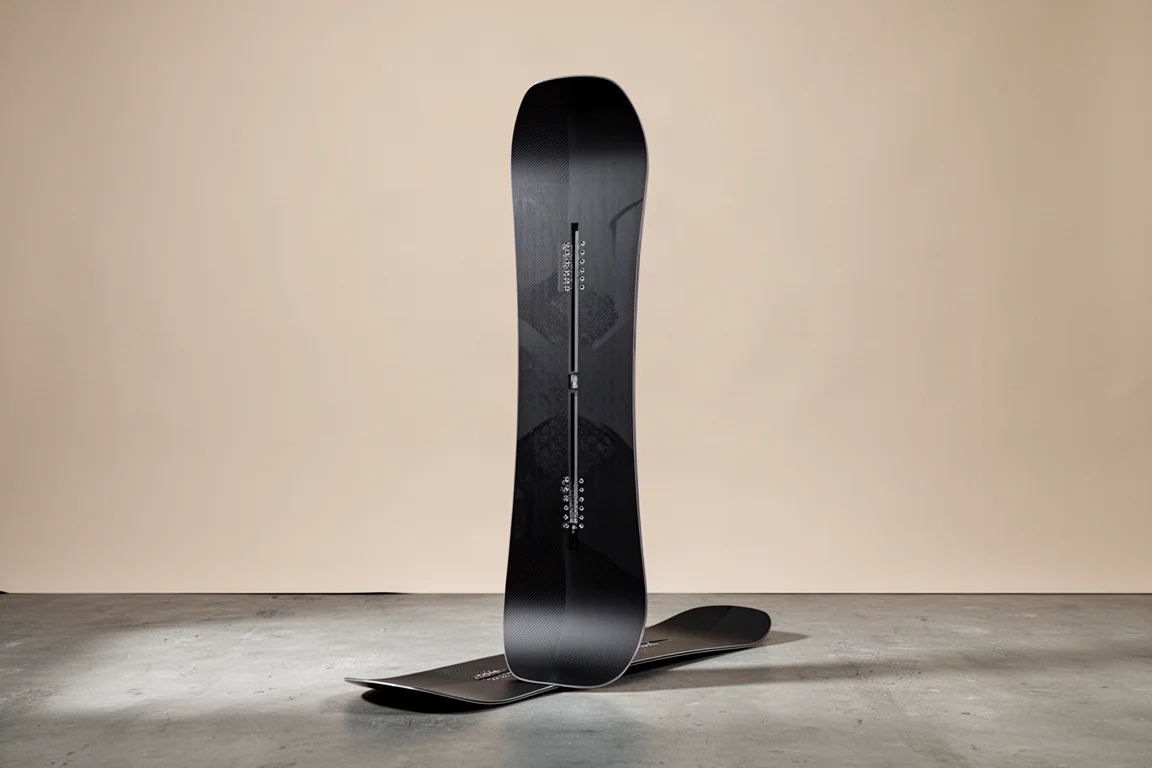
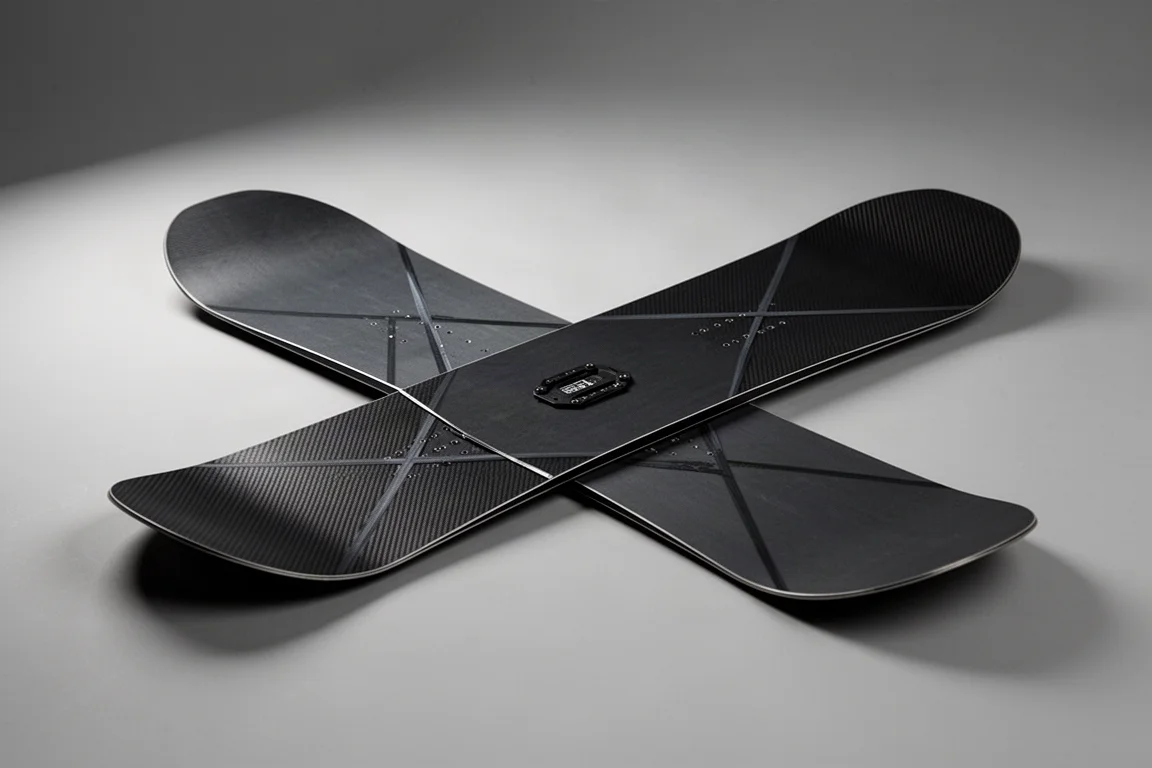
Chris Corning’s pro model is the stiffest board here and the only rocker-dominant one, which makes it a unique standout. It runs Never Summer’s Shockwave Rocker Camber, with rocker between the feet and large camber zones underfoot. The tech list is long: Power Grip side cut adds mellow contact points underfoot for biting into ice and firm snow, three large carbon X formations, one on the nose, one in the tail, and one down the center body, maximize energy and pop, and multiple dampening features pair with Never Summer’s highest-end sintered base.
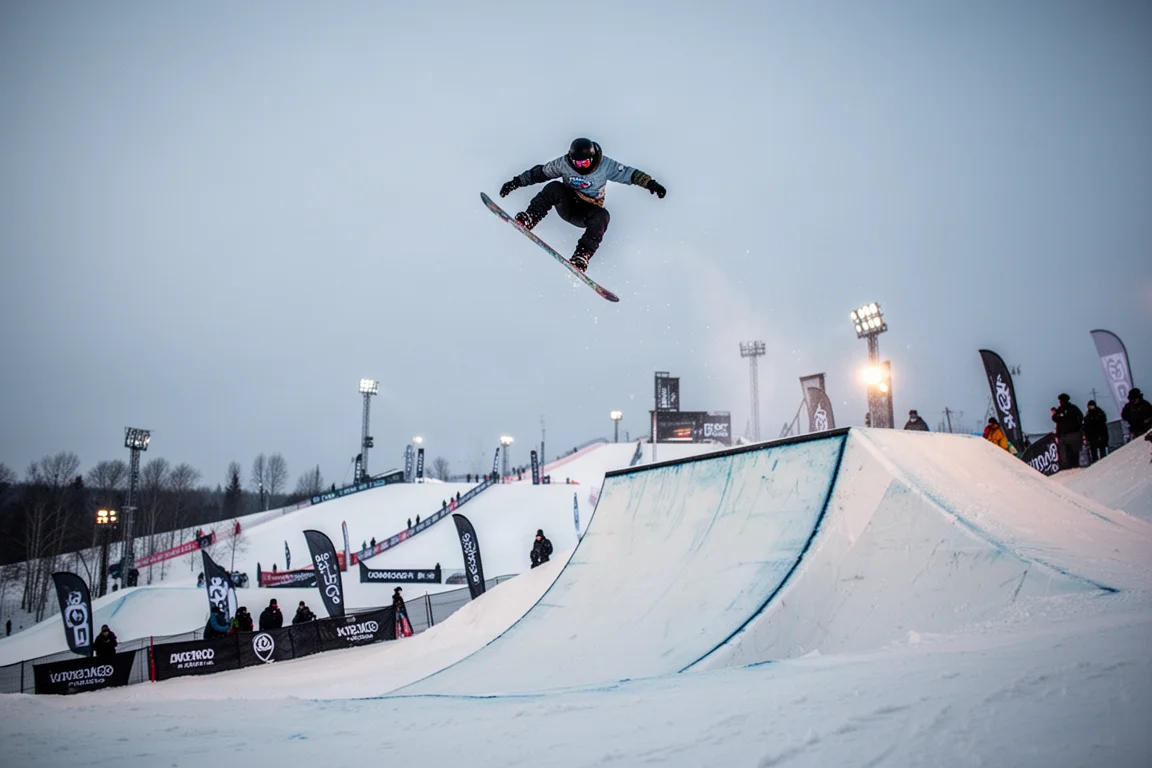
The body runs slightly mid-wide, with a 26 cm waist width at the 154, which can be helpful for riders with larger boot sizes. Chris himself reportedly rides the 154 in contest, whether that is slopestyle or big air with doubles and triples, which says a lot about the board’s credentials. The flex is stiff, the stability is the biggest highlight, and the feel is locked-in and powerful. It is one of the few rocker boards where you get the benefits of rocker without compromising on stability or pop. Essentially, it is all of Never Summer’s highest-end tech wrapped in a true twin package, aimed at the largest features but very capable as an all-mountain freestyle board for the rest of us.
Which One Should You Buy?
The right choice depends on how aggressive you want to ride. If you want a playful, pressable board with clever anti-catch tech at an accessible price, the Arbor Relapse is the obvious pick. If you want a lightweight, poppy twin that still feels friendly on rails, the Rome Stale Mod hits that balance. Riders progressing toward bigger jumps and harder landings should look at the Burton Blossom and its stiffer torsional construction. And if you love a rocker feel but refuse to give up stability and pop, the Never Summer Proto Ultra is in a class of its own.
Conclusion
All four of these boards share one thing: each was shaped around the demands of a specific pro rider, and that clarity shows in how each one rides. Match the board to your own progression goals, whether that is rails, large park jumps, or all-mountain freestyle, and any of these pro models will reward you.
Further reading
Related Reviews
Snowboards
32 Middle Earth Scott Stevens Pro Model Snowboard Review: A Park Board With a Reversed Flex
A medium traditional camber park board with carbon V reinforcement that is stiffer in the tips and more playful between the feet. Here is how it rides and who it suits.
Snowboards
32 Snafu Review: A Directional All-Mountain Freestyle Board with Serious Pop
The 32 Snafu pairs a directional camber-rocker profile with a stiffening tail for powerful carves, big ollies, and a surprisingly damp ride.
Snowboards
32 XXX Pat Fava Pro Snowboard Review: A Stiff Camber Beast for Hard-Charging Riders
A full-width traditional camber deck that rewards aggression with stability and edge power, but demands effort everywhere else.