Ski Gear
Best Powder Skis: Eight Standout Models for Deep Days
Eight powder skis with distinct personalities, from narrow carvers to aggressive chargers and light tree-skiing shapes, plus the trade-offs worth knowing before you buy.
Introduction
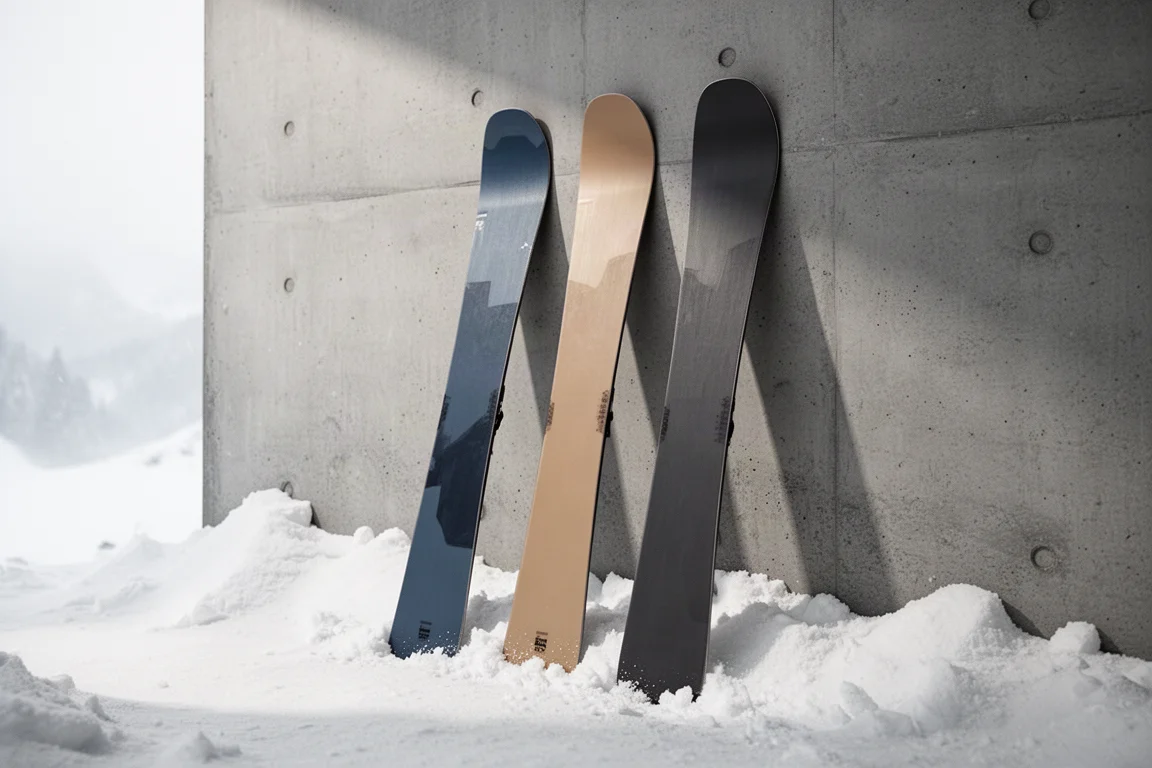
Powder skis are a specialty purchase, and that changes how you should think about buying one. Most riders see only a handful of genuinely deep days in a season, so a powder ski may spend far less time on snow than an all-mountain or carving ski. When it does come out, though, it has an outsized job: a shape that floats beautifully but fights you in the trees can sour an otherwise perfect morning, while a ski that pivots easily can turn a short storm cycle into something memorable.
That is why the spread between good and great powder skis feels wider than in other categories. This roundup covers eight models with clearly different personalities. A couple are narrow enough to still carve, several are built to charge, and two are light and forgiving enough to suit riders who are still learning to read deep snow. Each one has a trade-off worth understanding before you commit.
What Makes a Good Powder Ski
Two qualities matter most: flotation and maneuverability. A ski that floats keeps its shovel above the surface and lets you hold speed, while a ski that pivots easily lets you change direction when the terrain tightens. These goals pull against each other. Wide, damp, stable skis track cleanly at speed but resist quick turns, while lighter skis turn instantly and can get pushed around when the snow is heavy, wet, or variable.
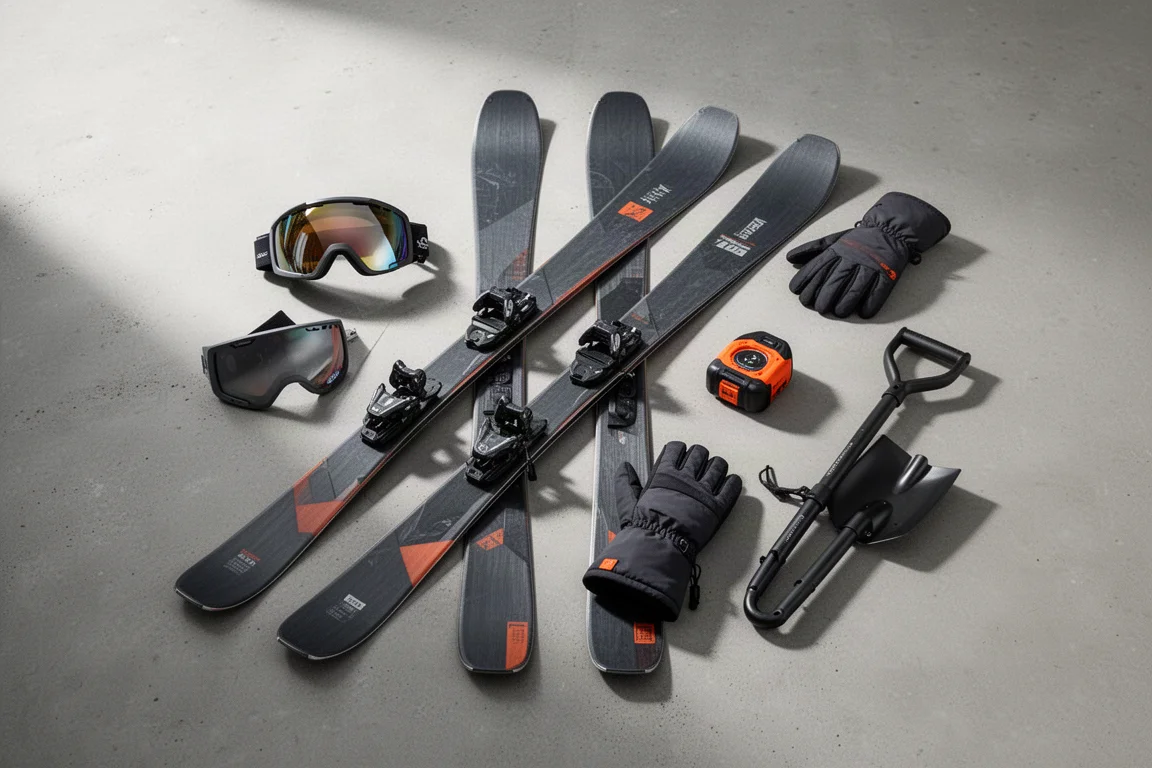
Mounting position matters almost as much as shape. Small changes to where the binding sits shift how much tip engages, how much float you feel underfoot, and whether the tail releases or drags. Expect to spend a day or two dialing in stance and mount point before deciding whether a powder ski is right for you.
Peak 104: A Powder Ski That Rewards a Mounting Change
The Peak 104 comes from Bode Miller’s ski brand and is the narrowest ski in this roundup, though it does not feel that way underfoot. At the recommended mounting point it can feel like the tails are dragging and flotation is being held back. Moving the binding two clicks back, roughly a centimeter, changes the ski completely: the tail releases, the shovel gains enough flex to open up longer radius turns, and the float arrives.
What sets the Peak 104 apart is its blend of quickness and edge grip. Its keyhole construction supports fast, maneuverable turns in off-trail sections, which is exactly where many floaty skis struggle. It is not as surfy as the Salomon QST 106 and not as nimble as the Atomic Bent 110, but it likely carves better than either. Riders who want a powder ski without giving up carving performance will find a lot to like here.
Atomic Maverick 105 CTI: Fast, Stable, and Pointed Downhill
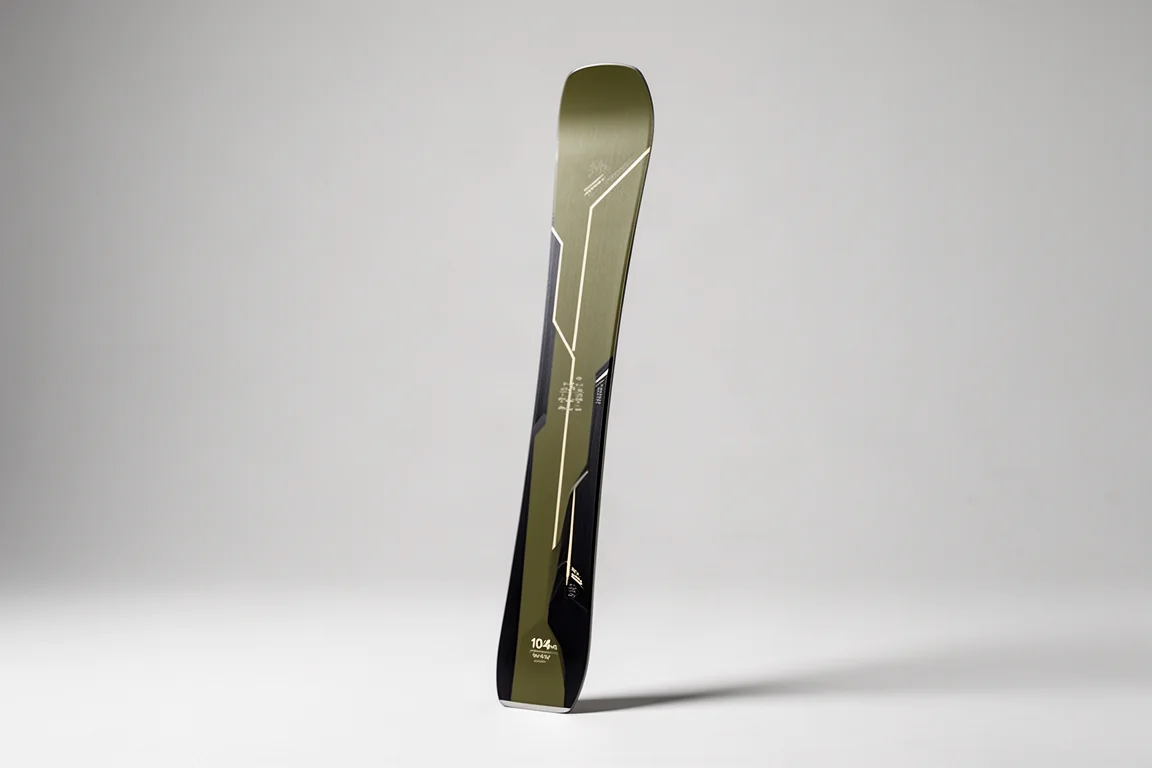
The Atomic Maverick 105 CTI blends carbon with titanal, and that combination produces a ski that feels planted and efficient. Glide and flotation are excellent, and its Horizon Tech construction gives it a composed, on-trail feel. What it does not offer is agility: it prefers to point down the hill and run, and its maneuverability and float are more limited than the rest of this list when the terrain gets tight.
Stance matters here too. The Maverick 105 CTI is a centered ski that responds well when you lean slightly back on the tails, with smooth flowing turns as a reward. It is not the obvious pick for touring, and not the easiest introduction to powder skiing. Riders who dislike the centered mount of the Bent 110 or the lean-back style the QST 106 asks for may find this one suits them better.
Atomic Backland 102: A Light Option for Newer Powder Skiers
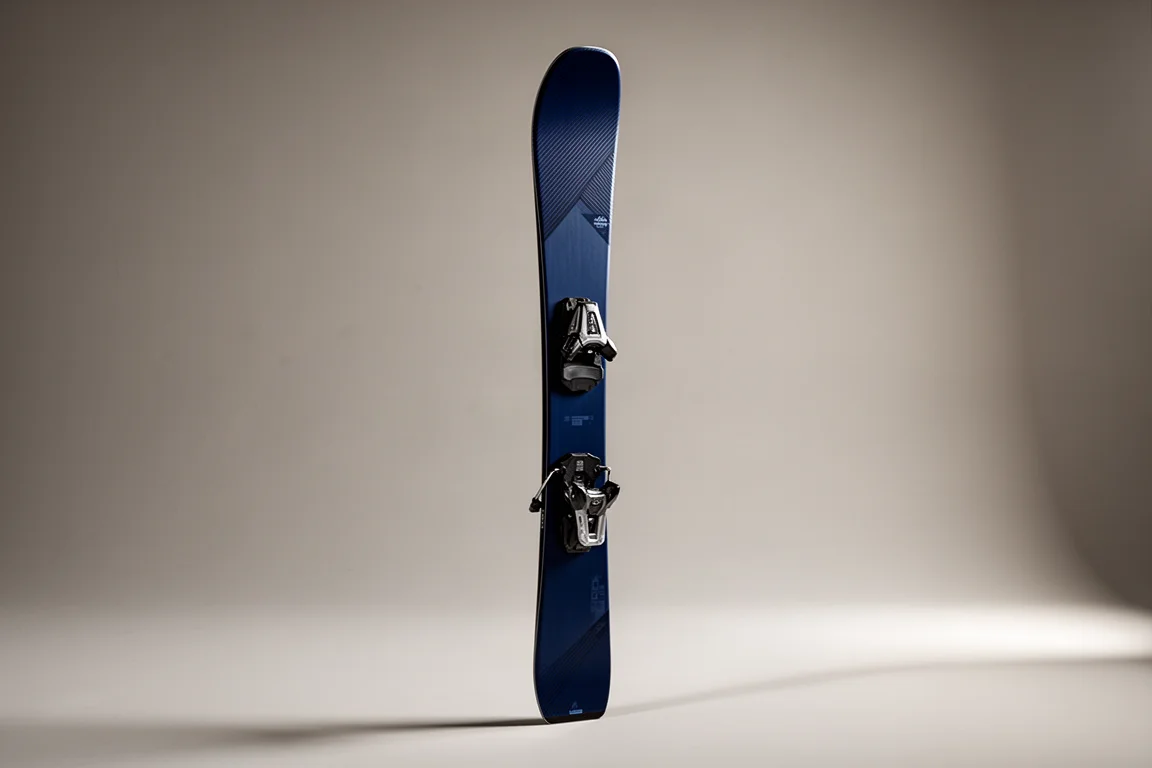
The Atomic Backland 102 is a light, backcountry-leaning shape that floats well but does not build much momentum. Its priority is quick, short turns rather than long, fast lines, and that makes it forgiving in soft snow. For riders stepping into powder for the first time, or for anyone who wants a ski that stays easy to manage in trees and brush, that trade-off is often the right one.
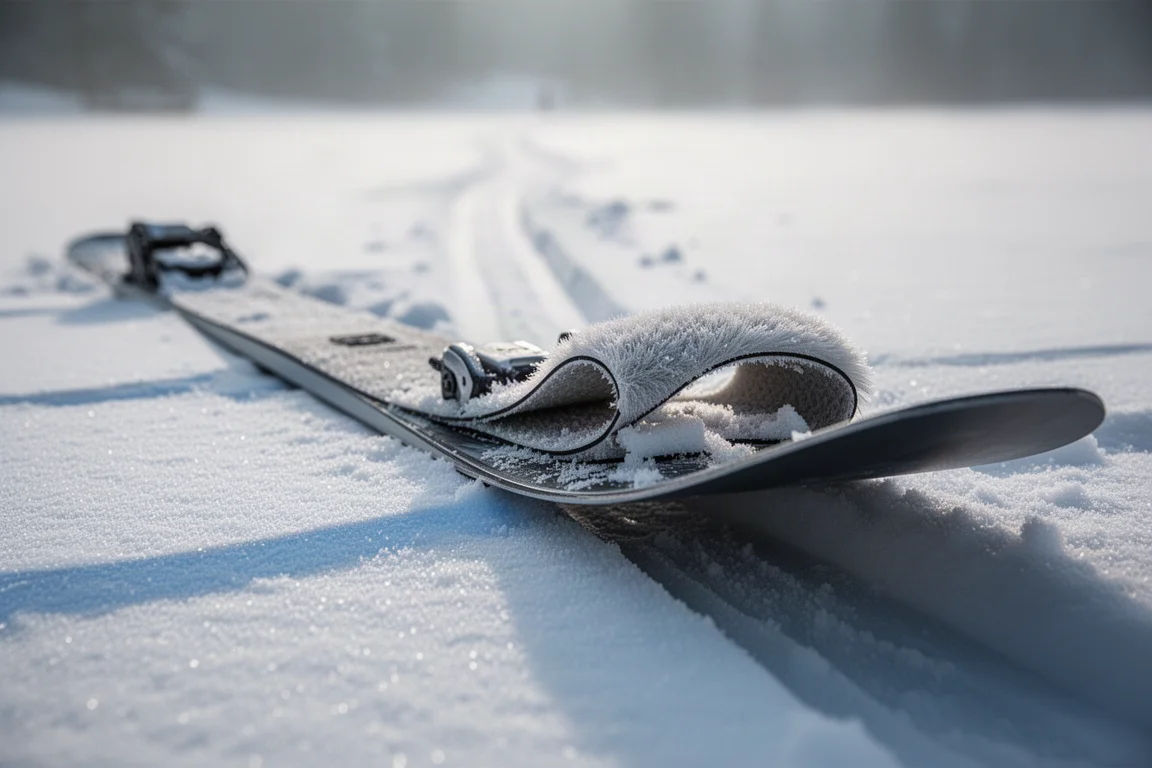
The flip side is speed. Because the ski is light and does not carry momentum the way a heavier freeride shape does, it will not set you up for the biggest, fastest lines. Think of it as a maneuverability-first powder ski: excellent for tight terrain and softer snow, less suited to riders chasing maximum velocity.
View more details for Atomic Backland 102
Head Kore 105: Maneuverable and Forgiving in the Trees
The Head Kore 105 belongs in the same conversation as the Backland 102. It is maneuverable, forgiving in the brush and tight tree lines, and a comfortable place to build confidence while powder is still new. Riders who want a friendly, easy-turning ski for soft snow and tree runs will get along with it well.
Its character is forgiving rather than aggressive. Skiers whose priority is charging hard through open terrain will likely prefer one of the heavier, damper shapes further down this list, while riders who value quick direction changes and low consequence will find the Kore 105 a natural fit.
Black Crows Draco Freebird: Light, Nimble, and Carvy
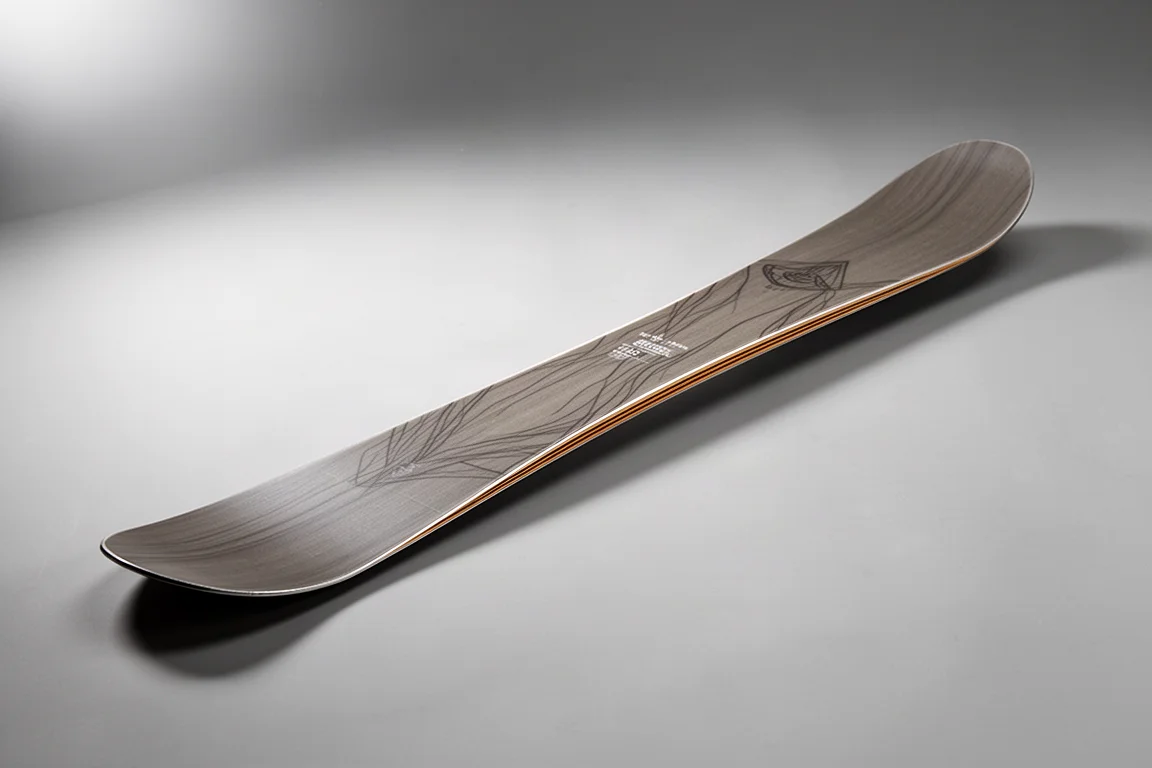
The Black Crows Draco Freebird is a 110 that carves like a much narrower ski. Its construction is the standout: the flex pattern feels remarkably light underfoot while still holding an edge, and lifting the ski over bumps takes almost no effort. On groomed runs it is easy to forget you are on a 110, and in soft snow it turns nimbly and forgivingly.
The weakness shows up when conditions turn heavy. In wet or sticky powder the tip has a tendency to drag, which is why this is a ski to reach for on good snow days rather than late-season slush. It leans toward backcountry use, and its bias is maneuverability rather than charging. On the right day, it is one of the most rewarding skis in this group.
Black Crows Atris: The Most Aggressive Ski on the List
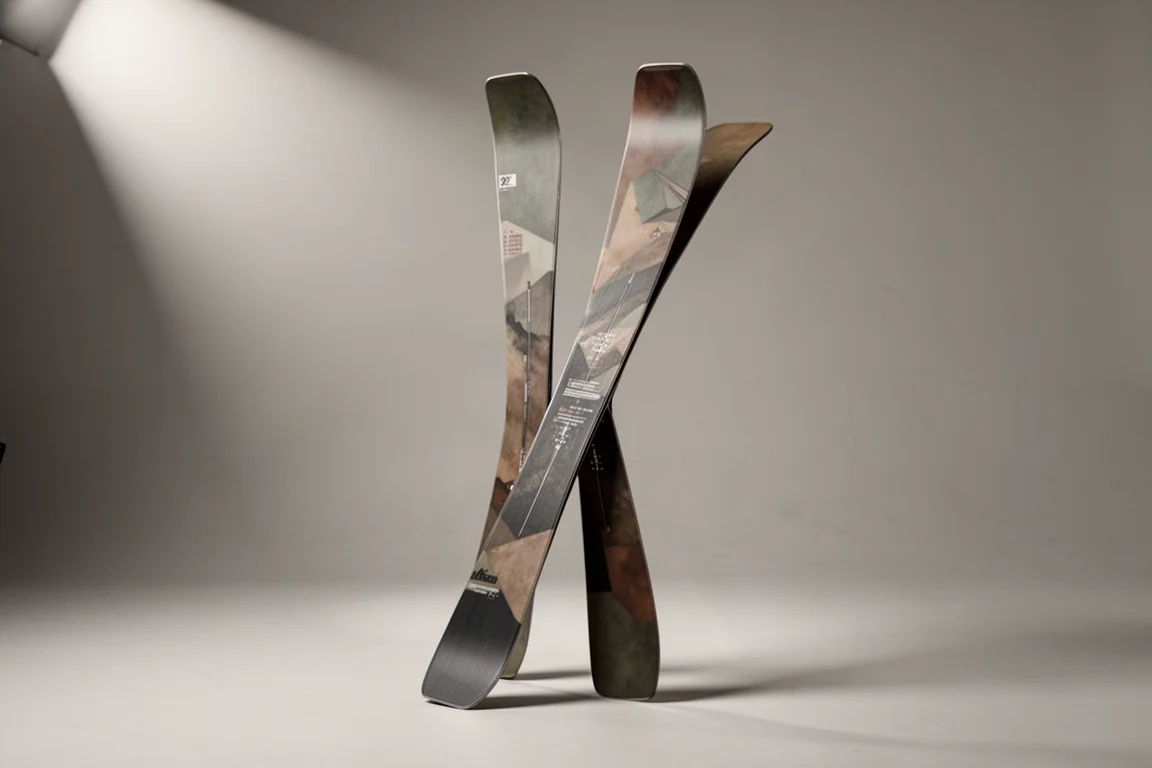
The Black Crows Atris is the most aggressive powder ski here. It cruises through groomers and powder alike, building and holding momentum in a way that opens up lines other skis in this roundup simply cannot reach. That speed comes with a demand: this is the most advanced ski on the list, and it is not the easiest, the most maneuverable, or the most forgiving.
What makes it rewarding is the damping. The Atris mutes harsh vibrations and chatter without going dead underfoot, so you keep a clear connection to the snow even when visibility is poor and the light is flat. The more time you spend on it, the better it performs, and for advanced powder skiers it is a genuinely exciting ski. Riders who are still building powder skills will likely progress faster on one of the lighter, more forgiving options above.
Salomon QST 106: A Surf-Inspired Powder Ski
The Salomon QST 106 has the most distinctive turn style in this roundup. It rewards a lean-back, snowboard-like approach: sit on the tails, wash out the turn, and let the ski surf. A double sidewall gives you something to stand on when you roll it onto edge, and the flotation is excellent. The shape carries across recent seasons with only topsheet changes, so earlier graphics are essentially the same ski.
Its width sits in a useful place. Wider powder skis can wear on your hips after a few hours, and the QST 106 avoids that while still delivering dedicated powder-ski float. It is comfortable both on and off trail, and it leans toward the sendy end of the spectrum, which means it takes some learning to get the most from it.
Two quirks are worth knowing. The tips have a tendency to cross when you are not actively initiating turns or leaning back slightly, so pay attention to stance from your first runs. Over long-term use, topsheet wear and delamination have also been reported after heavy mileage. Neither is a deal-breaker, but both are the kind of detail that only shows up once you own the ski rather than during a demo day.
Atomic Bent 110: The Best Tree-Skiing Powder Ski Here
The Atomic Bent 110 is the most playful ski on this list. It is light, flicky, and extremely maneuverable, which makes it the best choice here for hunting powder stashes between the trees. When a run drops you into a tight gully and you have to scramble out, the Bent 110 handles the chaos far better than a wider, heavier surf ski, and its flotation is on par with the QST 106.
The trade-offs are tied to that light build. With a very light construction and full Horizon Tech, the Bent 110 struggles when conditions turn bad, so it is a ski for good snow rather than a daily driver in marginal weather. Topsheet graphics are a matter of taste, and the most recent version is the one most likely to be found discounted. Riders who split their time between tree skiing and open powder will get the most from it.
Buying Advice: Matching the Ski to the Day
The honest answer is that the best powder ski depends on where the snow is on your home mountain. If your best powder sits in tight trees and short stashes, maneuverability should win, which points toward the Bent 110, Backland 102, Kore 105, or Draco Freebird. If your deep days happen on open faces where you can carry speed, the Atris, Maverick 105 CTI, and QST 106 make more sense. The Peak 104 sits between the two camps and adds carving performance the others cannot match.
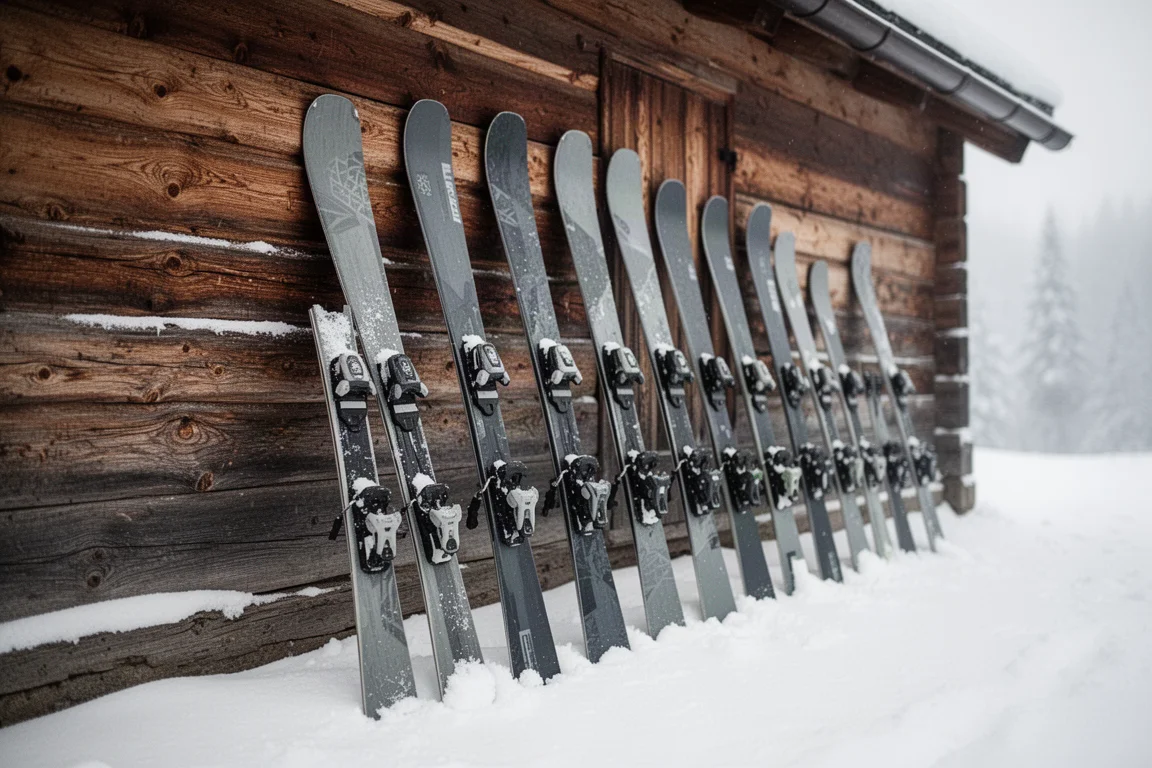
It also helps to be realistic about cost and usage. A dedicated powder setup with bindings can run past a thousand dollars, and most riders only get a limited number of powder days each season. If you already own a wide all-mountain ski, adding a second deep-snow ski is a real commitment. If you are buying your first powder ski, a lighter, forgiving shape is usually the safer starting point, and you can move toward a more aggressive ski once your technique and your line choices catch up.
Conclusion
Powder skis are not interchangeable, and that is the point. The Peak 104 rewards riders who want float without losing carve. The Maverick 105 CTI is fast and stable but prefers to run straight. The Backland 102 and Kore 105 make deep snow approachable. The Draco Freebird is light and nimble on good snow. The Atris is the aggressive choice for advanced riders. The QST 106 brings a surf-inspired feel, and the Bent 110 is the tree-skiing specialist. Match the ski to the terrain and the conditions you actually ski, and any of these eight will make a powder day worth remembering.
Further reading
Related Reviews
Ski Gear
2023 Blizzard Hustle vs Rustler: Six Freeride Skis Compared
Blizzard's 2023 Hustle collection rebuilds the Rustler shape with a lighter core and no metal. Here is how all six skis differ, and which one suits your riding.
Ski Gear
2023 Skis of the Year: Atomic Maverick 88 TI, Salomon QST 106, and Look SPX 12 Pro
Three standout ski picks for all-mountain carving, powder days, and reliable binding performance, with practical buying notes for 2023 models.
Ski Gear
2025 Nordica Enforcer 104 Review: A Directional Charger Replaces the 104 Free
The 2025 Nordica Enforcer 104 drops the Free name and the twin-tip personality, gaining weight, stiffness and composure in rough snow. Here is what changed and who it suits.