Skiing
Best Powder Skis: 20 Wide Freeride Skis Compared
A detailed comparison of 20 wide freeride and powder skis, from 108mm to 129mm underfoot, covering construction, flex, and ideal use cases.
Introduction
This comparison covers 20 wide freeride and powder skis, ranging from 108mm to 129mm underfoot. These skis are designed for soft snow, but they differ significantly in shape, construction, and intended use. Some are directional chargers, others are playful twin tips, and a few are specialized tools for the deepest days. We’ll go through each ski, highlighting key characteristics to help you understand where it fits.
Armada Declivity 108 Ti
The Declivity 108 Ti is the newest and widest addition to the Declivity line. It uses a light wood core with articulated titanal banding, where a metal sheet in the forebody has slits filled with an elastic compound. This allows the ski to twist slightly up front while maintaining strength through the rest of the turn. At around 1960g in the 182cm length, it’s one of the few skis in this width range under 2000g. The shape is directional, with more tip rocker than tail rocker, and the long shovel provides more float than the 108mm waist might suggest. It’s a well-rounded ski that balances stability with easy edge release, making it a potential one-ski quiver for western skiers who spend most of their time in soft snow.
Testers found it smooth, powerful, and quiet, with good vibration damping. It’s not quite as stable as the most demanding chargers, but it offers a reasonable amount of forgiveness for expert skiers. If you want a versatile, lightweight freeride ski that can handle a variety of soft snow conditions, this is a strong candidate.
Volkl Katana 108
The Katana 108 sits at the top end of the power and stability spectrum. Built like the rest of the Mantra and Kendo lines but wider and heavier, it weighs 2365g in the 184cm length. The titanal frame construction places metal over the edges and in the shovel and tail, leaving the middle of the ski free of metal. This design requires effort to bend, but it rewards with exceptional high-speed stability. The 3D radius sidecut features long tip and tail radii (39m and 34m) and a 19m radius underfoot, creating a relatively straight profile that prefers to go where you point it. It’s not a playful ski; it’s a big mountain charger for chalky, firmer, or variable conditions. If you want raw power and flotation with high-speed confidence, the Katana 108 is a fantastic choice.
Kastle ZX108
The ZX108 is very similar to the ZX100, just wider. It uses Kastle’s macro block construction and comes in at around 2070g. It’s a directional powder ski for skiers who don’t need a super wide platform. The long tip rocker and Hollowtech in the tip provide float and agility, while the tail has less rocker for directional performance. The 19.2m turn radius is on the shorter side for a ski this big, and it achieves a nice balance of precision and easy edge release. It feels more powder-oriented than the first two skis, with a moderate shape that is well-refined. Energy comes from the construction rather than camber, giving it a snappy feel.
Dynastar M-Free 108
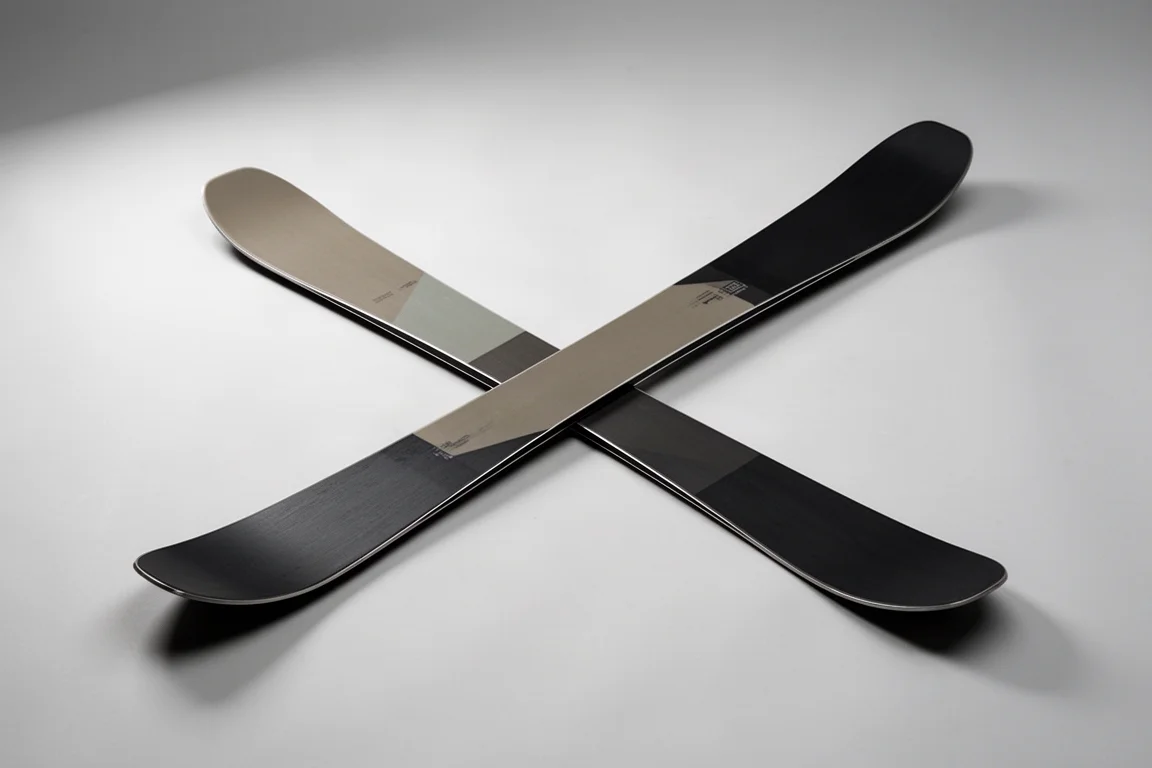
The M-Free 108 is the most playful and floaty ski in the first group. It weighs around 2310g in the 192cm length and uses a hybrid wood core with poplar in the middle and polyurethane on the sides, mixed with fiberglass. The polyurethane adds weight but also stability and responsiveness. It has the most camber underfoot and the most tail rocker of the skis covered so far, giving it a bouncy, energetic feel. The shape is twin-tip inspired, with dramatic tip and tail rocker. It’s a great choice for backcountry jibbing, skiing switch in powder, or anyone who wants a surfy, playful ride. It’s the most well-rounded ski in this group for soft snow and playfulness.
Black Crows Atris
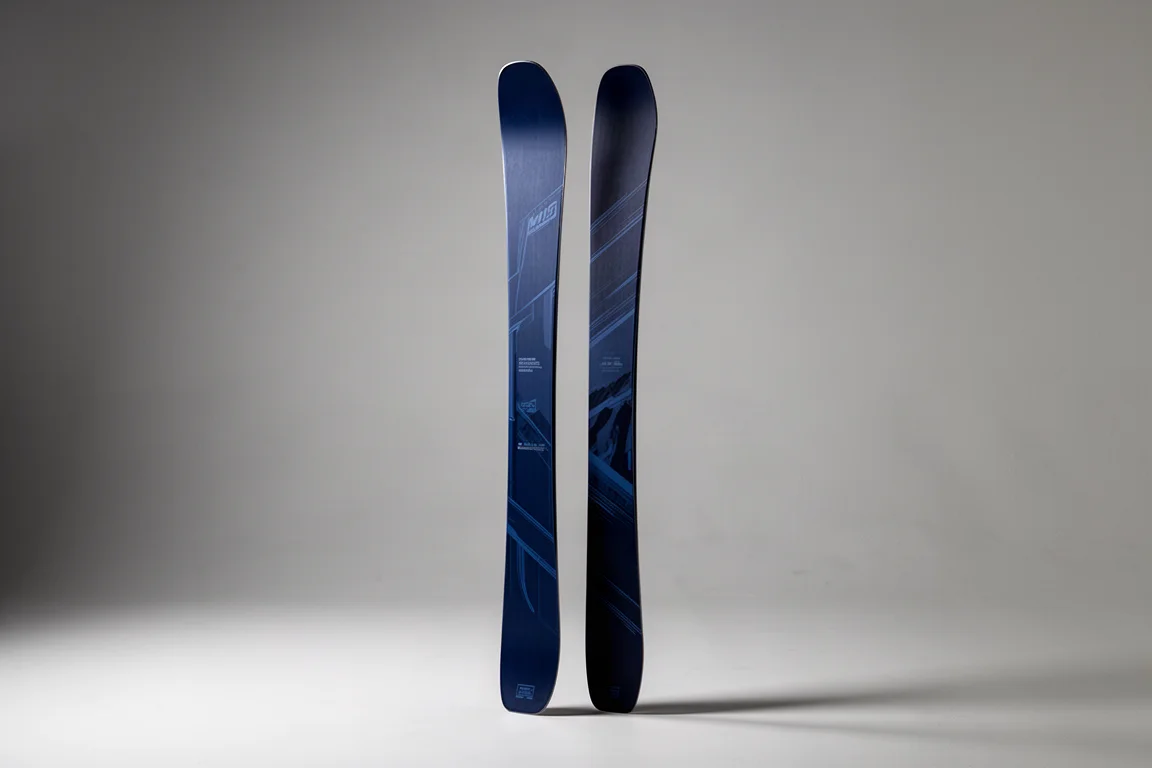
The Atris is a versatile ski that blends elements of the first four models. It’s relatively light at around 1915g in the 178.3cm length. It uses a simple poplar wood core and has a good amount of tip rocker with tail rocker that sits between the directional skis and the M-Free. It carves surprisingly well for its width, and the even, round flex pattern provides good energy and responsiveness. It’s a great choice for both playful freestyle skiers and directional powder skiers. It handles powder, spring corn, and groomers well, making it a strong option for an East Coast powder ski or a daily driver for western skiers who stay off trail.
Nordica Enforcer 110
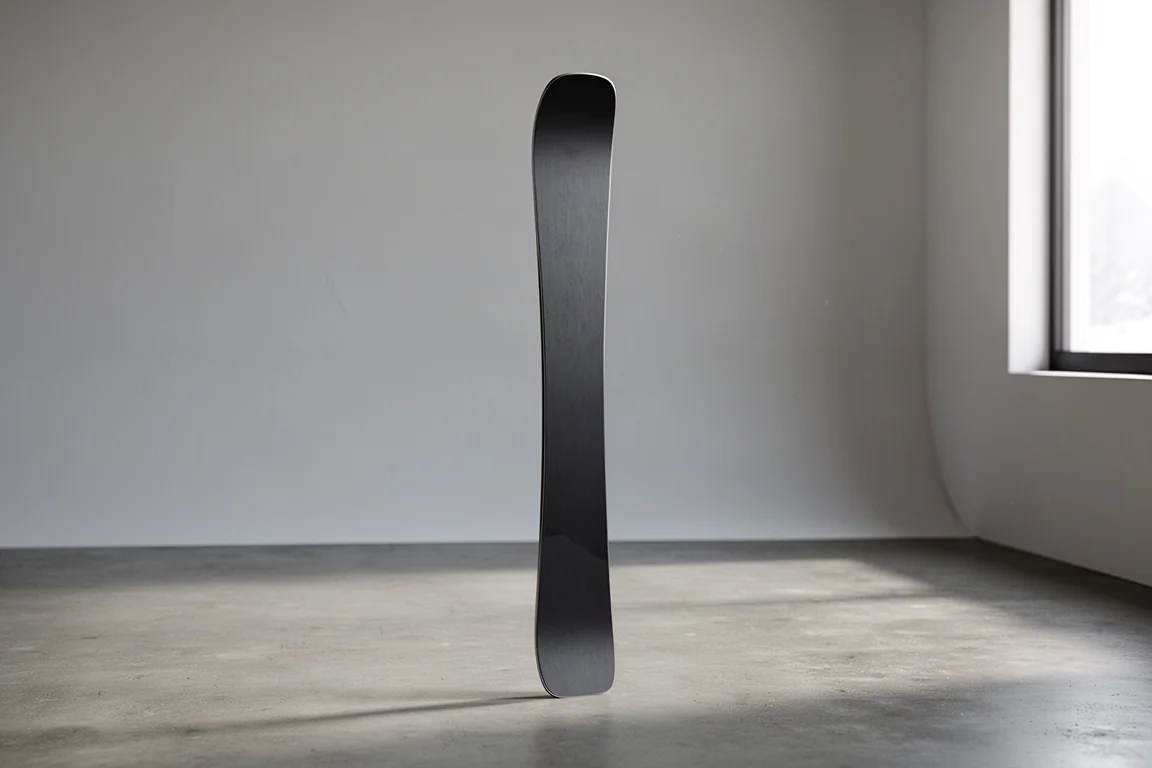
The Enforcer 110 is a more rockered, wider version of the original Enforcer, with a turned-up tail and a damp, solid build. At 2280g in the 185cm length, it’s one of the strongest skis here. It has a nice even flex, high camber underfoot, and a dramatic tail rocker. The sidecut extends past the rocker profile, allowing you to maximize the full sidecut for clean round turns. It skis lighter than its weight suggests and handles firm snow well. It’s a great option for Enforcer fans who want a wider ski for soft snow, offering a blend of stability, maneuverability, and playfulness. It’s on the heavier side for touring.
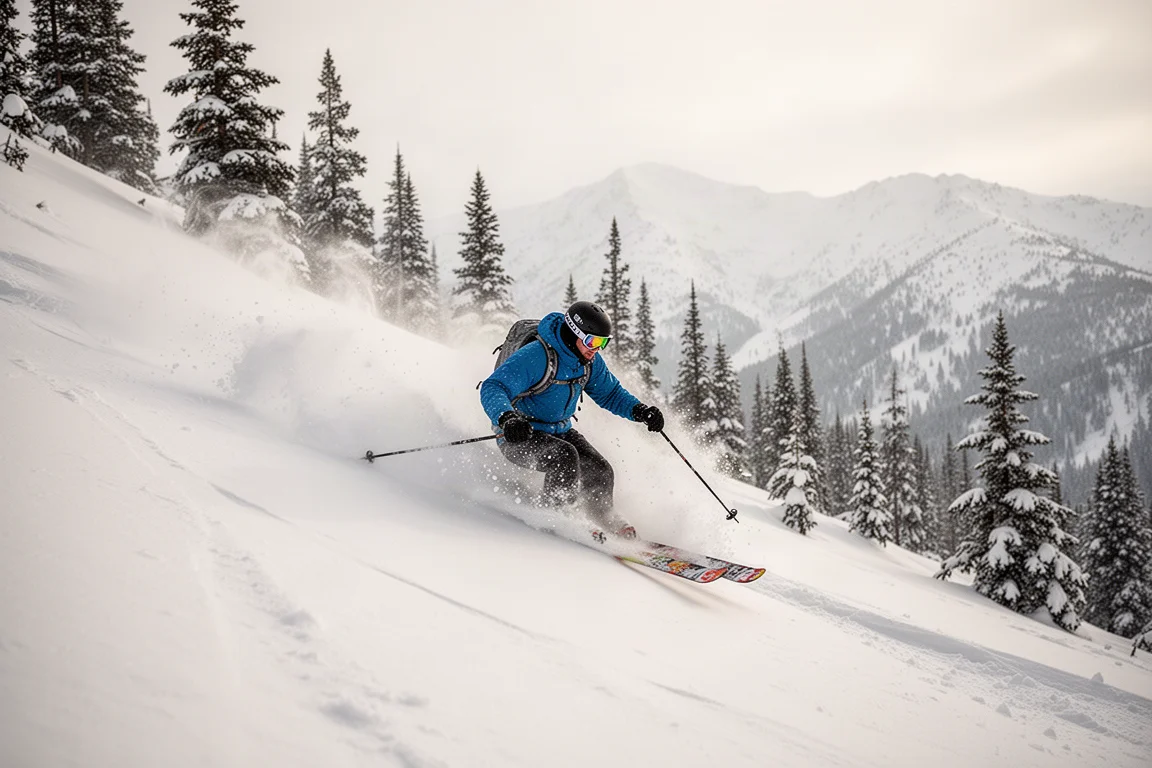
The Enforcer 110 is more playful than the Katana but still very capable at speed. It’s a strong all-around freeride ski for those who value both stability and agility.
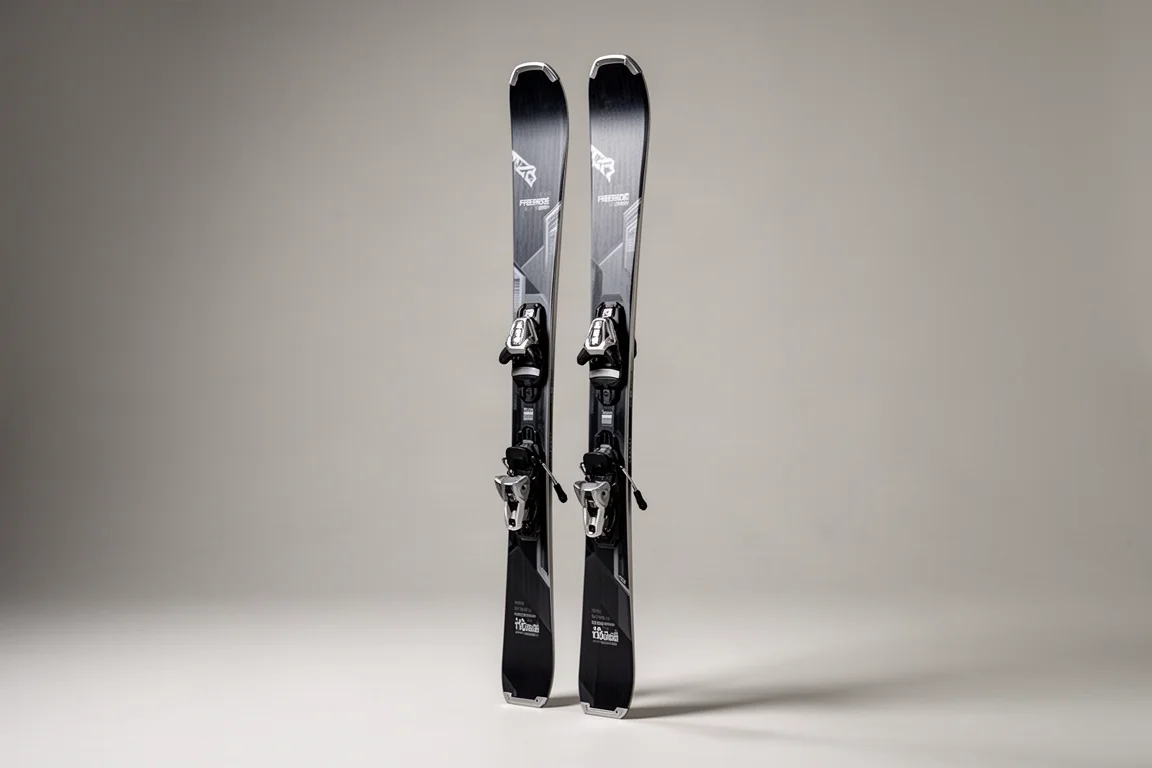
Head Kore 111
The Kore 111 is the lightest ski in this comparison, weighing just over 1800g in the 184cm length. It’s a great option for light touring. The construction uses graphene, carbon, and a super light wood core, with a milled core that is convex along the edges for smoothness. It has more rocker than narrower Kore models, with a good amount of tip rocker and a significantly raised tail. This makes it easier to release the tail edge, and it feels drifty and smeary while still being stiff. It’s a directional ski, not a twin tip, and it’s extremely precise and responsive. If you want a lightweight, agile powder ski that can handle Eastern powder days, the Kore 111 is an excellent choice.
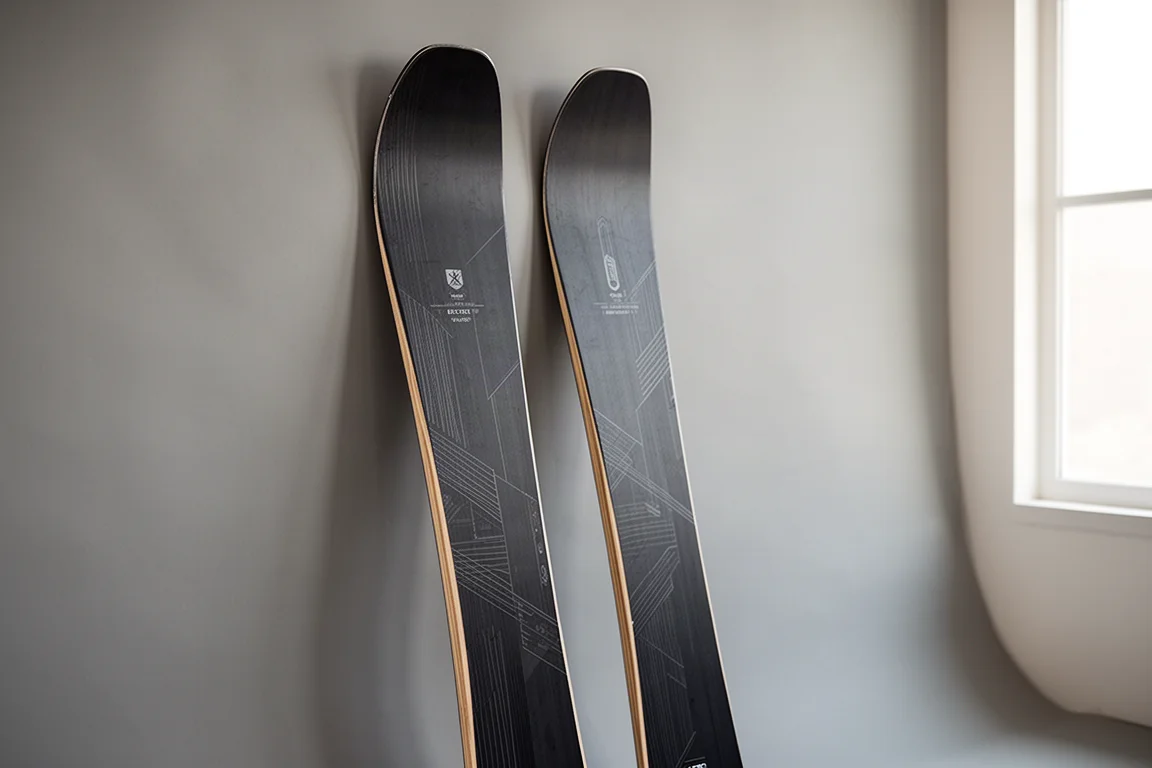
DPS Pagoda 112 RP
The Pagoda 112 RP is a refined version of DPS’s Alchemist Wailer skis. It uses a blend of aspen, paulownia, and ash woods to save weight while increasing stability and energy. The RP stands for resort powder, and the ski is designed to be easy, bouncy, maneuverable, and playful. It has a 15m turn radius, achieved through dramatic taper and rocker. The five-point sidecut is the most dramatic in this comparison, with the widest part of the ski well down from the tip. The massive splay and taper allow it to cut through powder effortlessly. It has two sheets of carbon top and bottom, giving it a stiff, progressive flex. It’s the most expensive ski here, but the quality of carbon and durable top sheet mean it will last for many seasons. It’s made in the United States.
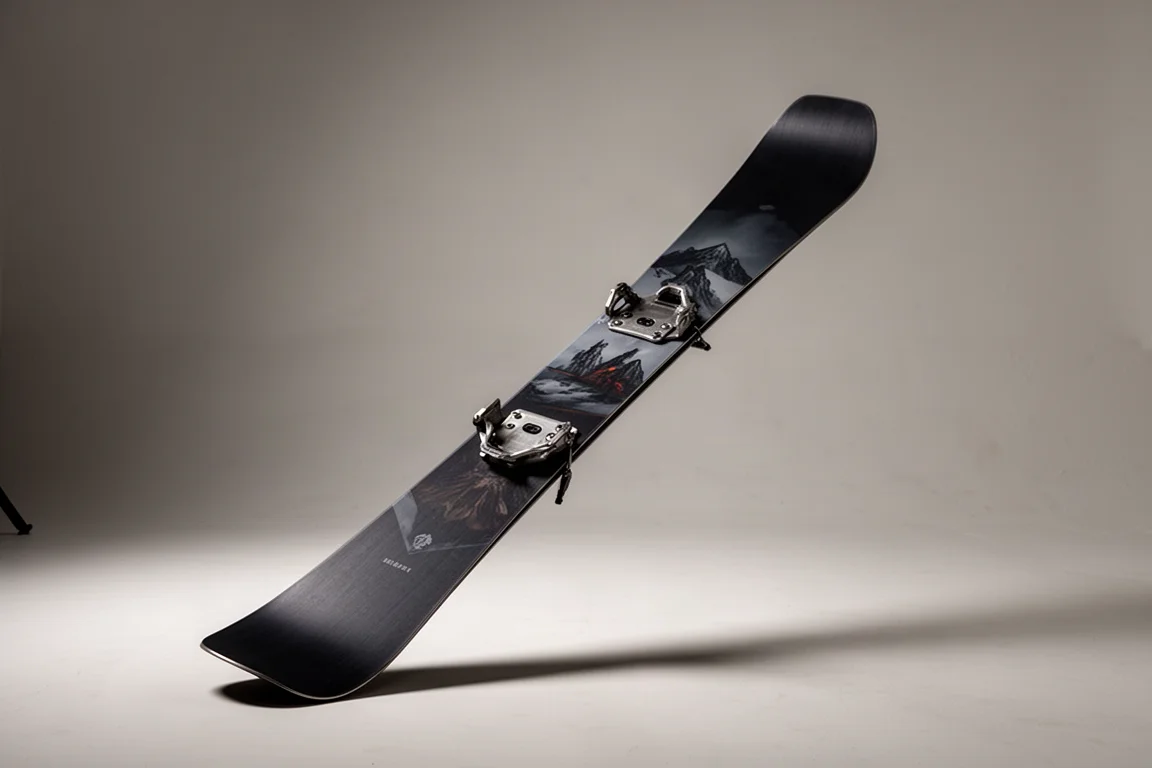
Blizzard Rustler 11
The Rustler 11 is the widest ski in the Rustler line, weighing around 2050g. It has a good amount of tip and tail rocker, and while not a true twin tip, it can be skied switch. The carbon flip core DRT construction uses metal that matches the rocker camber profile, providing strength underfoot and lighter, softer tips and tails. It’s similar to the Enforcer 100 but with a bit less top-end power and more agility at slower speeds. It’s more accessible than the Enforcer 110 and offers a playful, smeary ride. It’s suitable for a wide range of skiers, from experts to athletic intermediates looking for their first powder ski. It pairs well with a narrower ski like the Rustler 9 for a two-ski quiver.
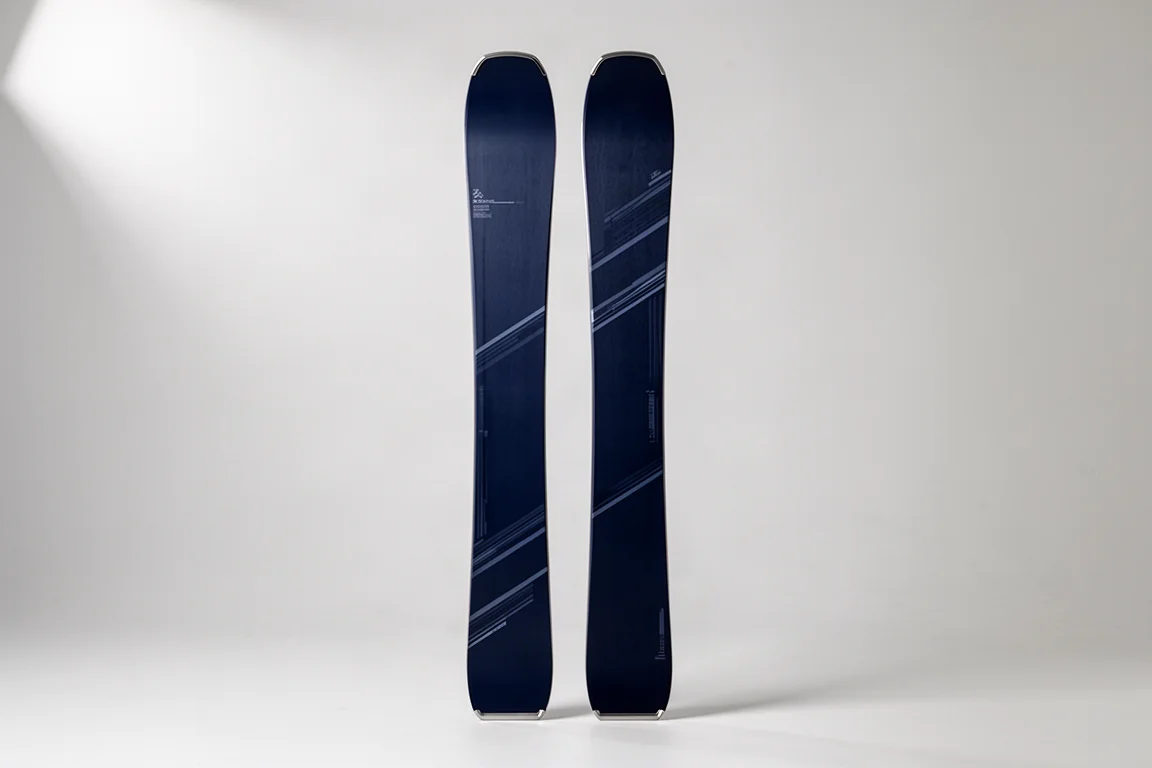
Salomon QST Blank
The QST Blank is a new model that replaces the QST 118. It’s 112mm underfoot and represents a departure in construction and shaping. It has a similar wood core with CFX material in the tips and tails, and a power wall sidewall. The big change is in the taper and rocker: it has an elongated taper shape and a 17m turn radius, much shorter than the 118’s 27m. It shares its rocker profile with the QST 98, with long rocker and splay in the tips and tails. It floats better than anything else in this comparison so far. It’s also a solid carver for its width, making it a good choice for skiers who want a playful freeride ski that can still handle firm conditions. It skis switch well and is tremendously good in soft snow.
Fischer Ranger 115 FR
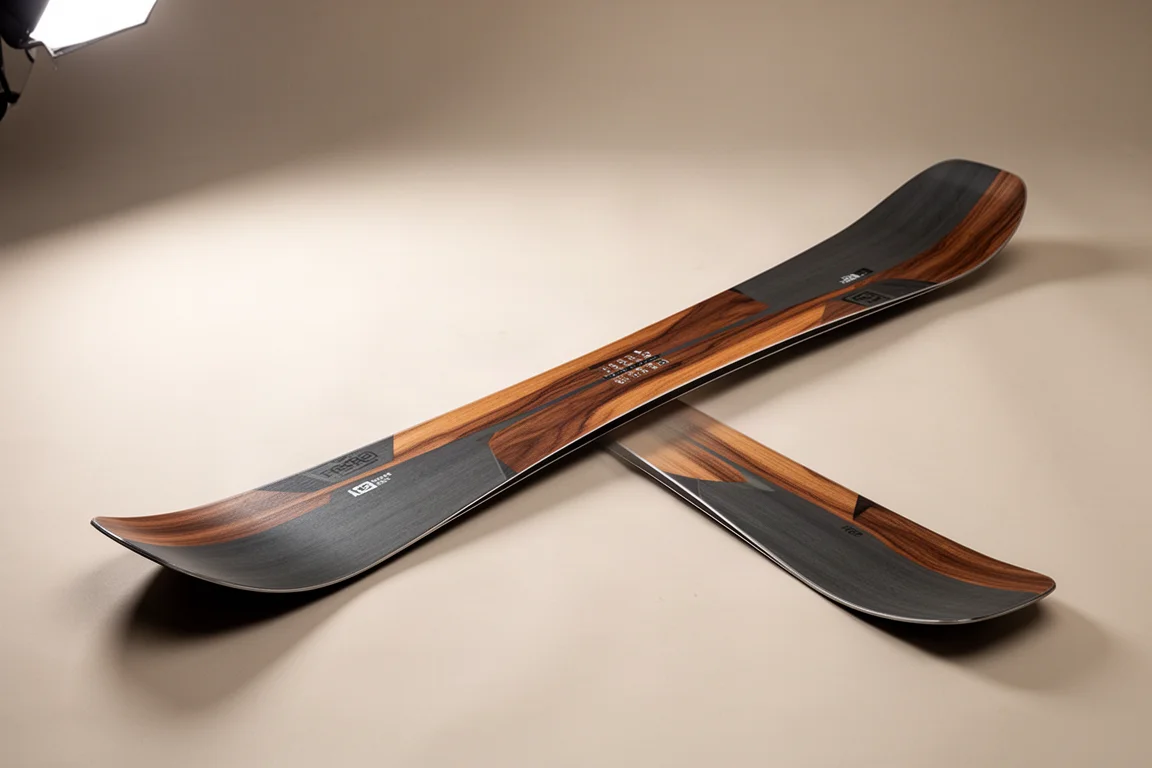
The Ranger 115 FR is built similarly to the Ranger 102 FR but wider, making it a true powder ski. It weighs around 2120g. It has a long tip rocker and an incredibly thin carbon nose that reduces swing weight. The tail has less rocker but still some splay, and the ski falls into the twin tip category. It has a thick core underfoot with a little metal for binding retention. It’s one of the most well-rounded skis in this width range, with a stable, supportive flex underfoot and a forgiving yet precise tip. It feels lighter than its weight suggests and is easy to flick around. It could be used for touring, though it’s not super lightweight. It’s a fun, surfy, playful ski that bookends the Ranger series nicely.
K2 Mindbender 116C
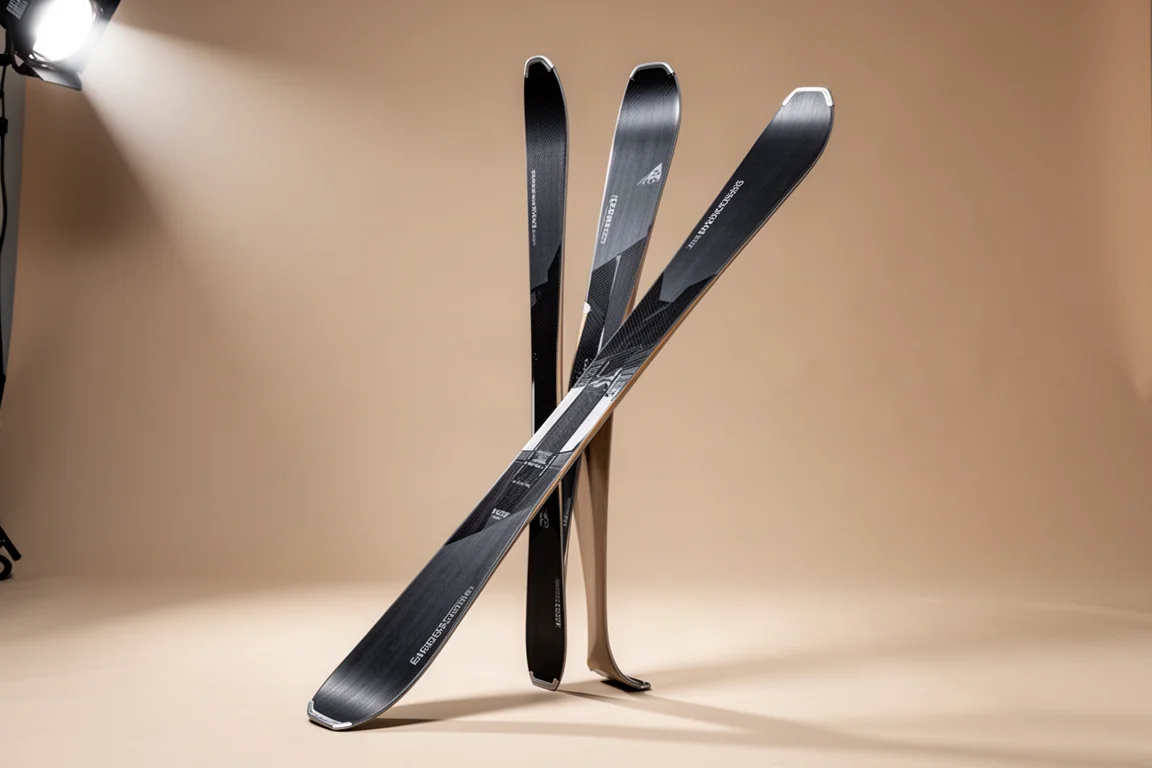
The Mindbender 116C is a wider, directional ski that uses K2’s carbon spectral braid. It has a maple and paulownia wood core, weighing 2040g in the 186cm length. The carbon spectral braid has tighter crosshatching in the forebody and underfoot, with longer stringers in the tail. This provides torsional stiffness up front for easy turn entry, while the tail can twist and flex for a smooth exit. It’s one of the softer skis here, with a playful, surfy feel. It has a long rocker profile with moderate to dramatic splay, camber underfoot, and a flatter tail. It’s a phenomenal directional powder ski for those who don’t need to ski switch. It’s approachable for progressing skiers and enjoyable for experts.
Elan Ripstick 116
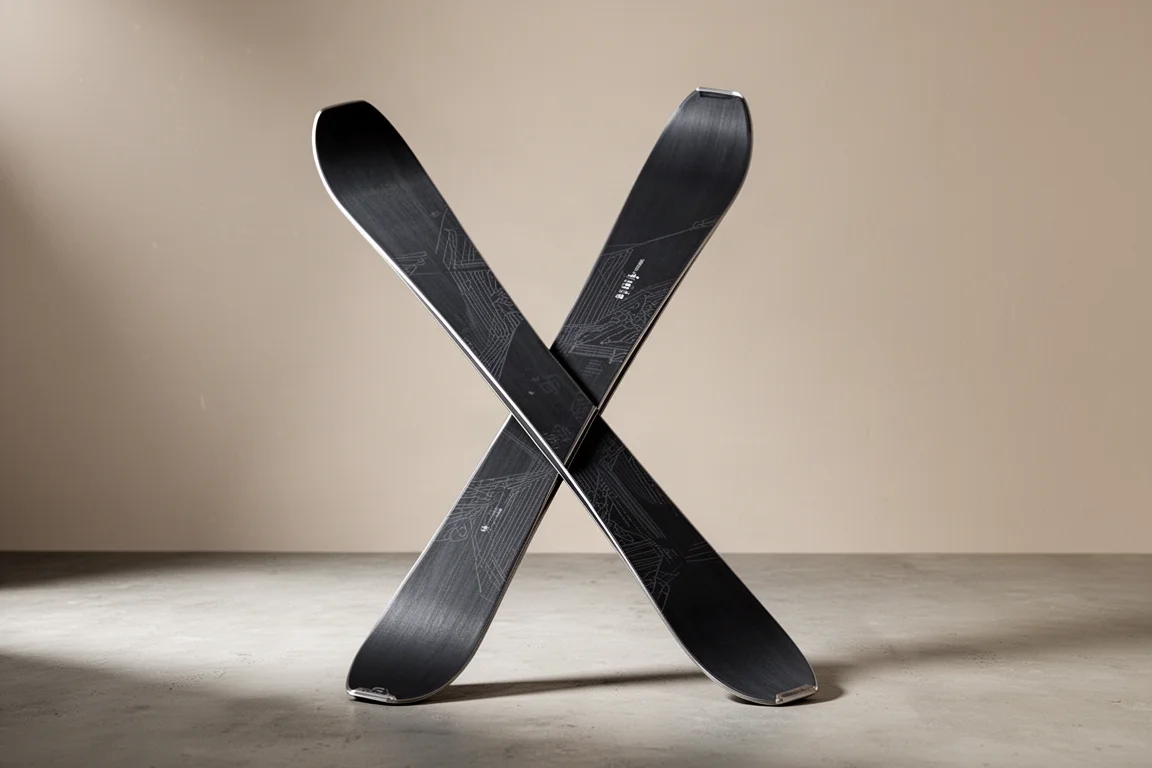
The Ripstick 116 relies heavily on carbon for its performance. It shares characteristics with narrower Ripsticks, using a tube light wood core, carbon tubes, and a vapor tip. It weighs just under 2000g. As you go up in width in the Ripstick line, the skis get a little burlier, and the 116 has a stiffer flex than the 106. It has a good amount of tip rocker, nice camber underfoot, and an almost twin tip shape that is cut off for a skin attachment point. It’s best for someone who wants a true powder ski that is bouncy, playful, and floaty without being too soft or too stiff. It has impressive vibration damping from the carbon tubes, so it can be skied hard and aggressively. The Amphibio rocker profile makes it driftier in the tips and tails while maintaining precision on the inside edge.
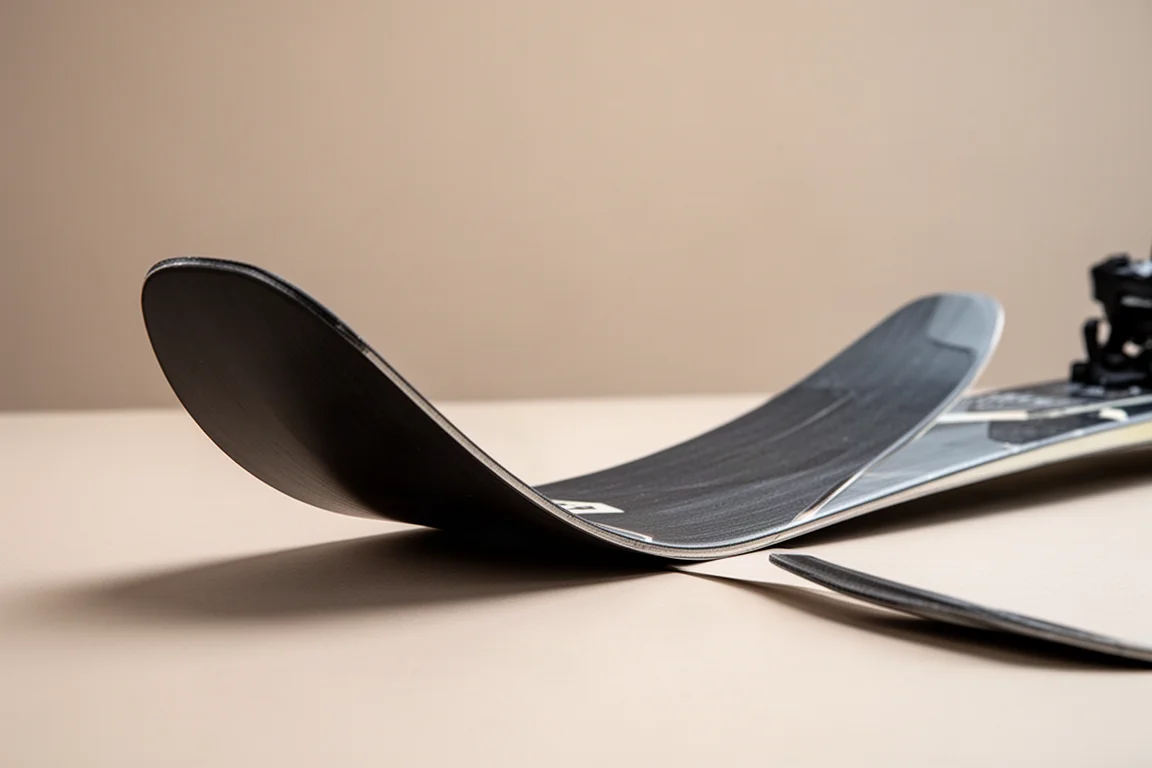
The Ripstick 116 is one of the smoother, driftier directional skis in this comparison. Its quickness and responsiveness make it a good choice for Eastern powder days, though it’s getting wide for that application.
Rossignol Black Ops Gamer
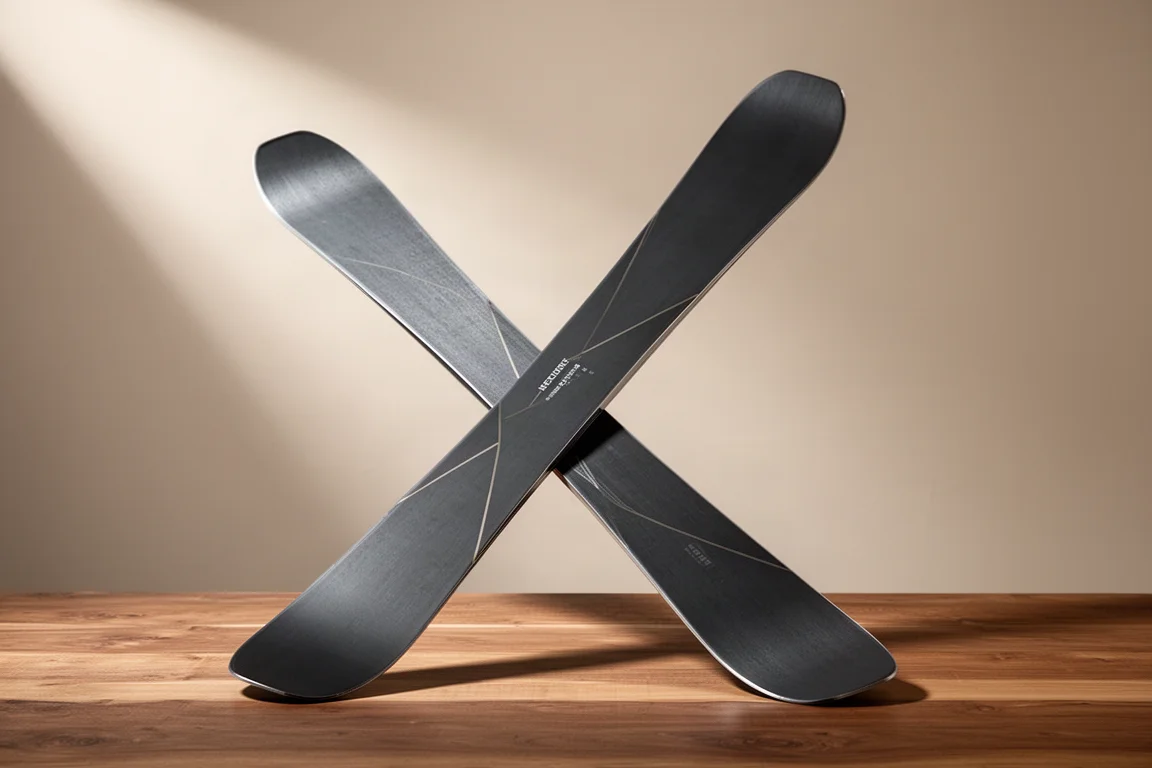
The Black Ops Gamer is the heaviest ski in this comparison, weighing 2450g in the 186cm length. It has a poplar wood core with an ABS beam underfoot, rubber in the tips, and Rossi’s Diagofiber. The construction results in a playful, freestyle, freeride flex. It has wide shovels and tails, camber underfoot, and a shorter rocker profile that gives it a freestyle flair. It’s not a touring ski; it’s designed for aggressive backcountry freestyle. It was developed in collaboration with Chris Logan and Parker White, who are known for skiing fast and aggressively with strong freestyle backgrounds. It’s a heavy ski, so lighter skiers should consider that. It’s a great option for expert skiers who want to charge and do tricks.
Atomic Bent Chetler 120
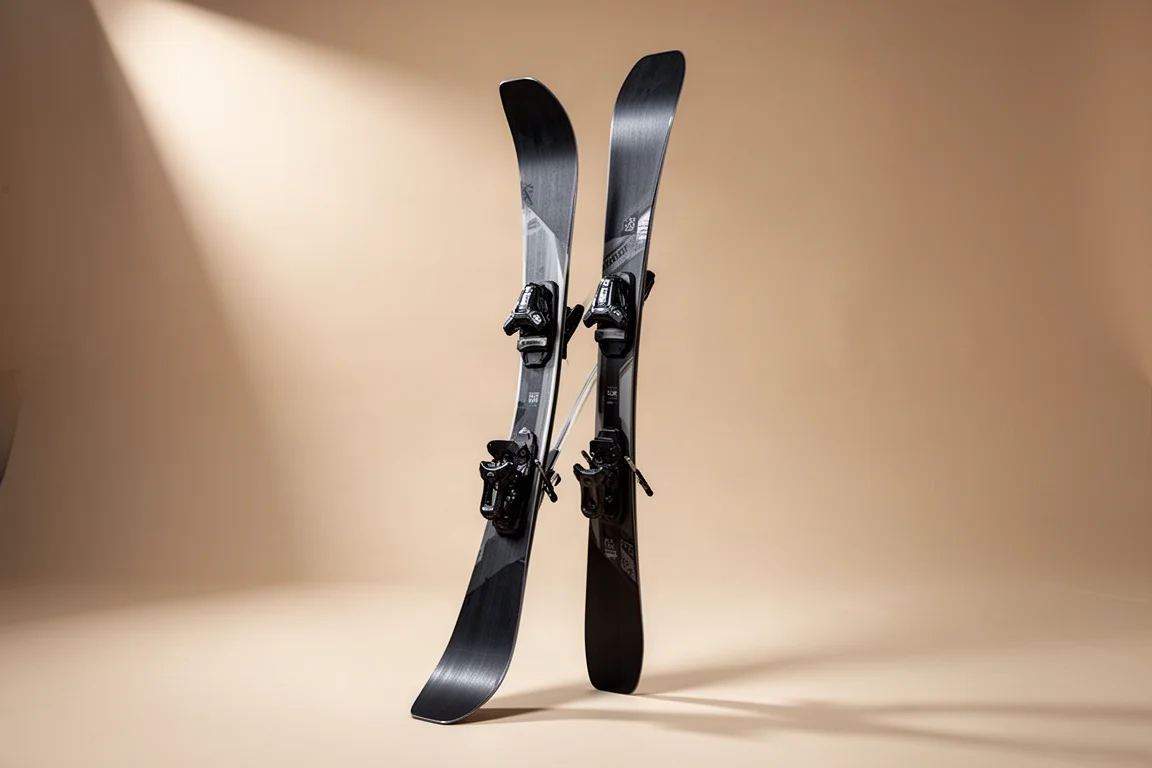
The Bent Chetler 120 is the lightest ski in the wide twin tip range, at 1850g. It’s about 600g lighter than the Gamer. It’s Chris Bent Chetler’s ski, designed for earning turns and precision jibby tricks in the backcountry. It has a lot of tip rocker with Horizon Tech, which increases surface area in the tip. It’s a twin tip with Horizon Tech in the tail as well, providing easy edge release and a drifty, smeary feel. It has a 19m turn radius, making it easy to bring across the fall line. The wood core with carbon strips and the amount of camber give it a springy flex pattern. It’s great for tricks into deep snow and for places with incredible snow. It’s light, quick, and relatively easy to ski for a 120mm ski, with some stability for choppy powder.
Volkl Revolt 121
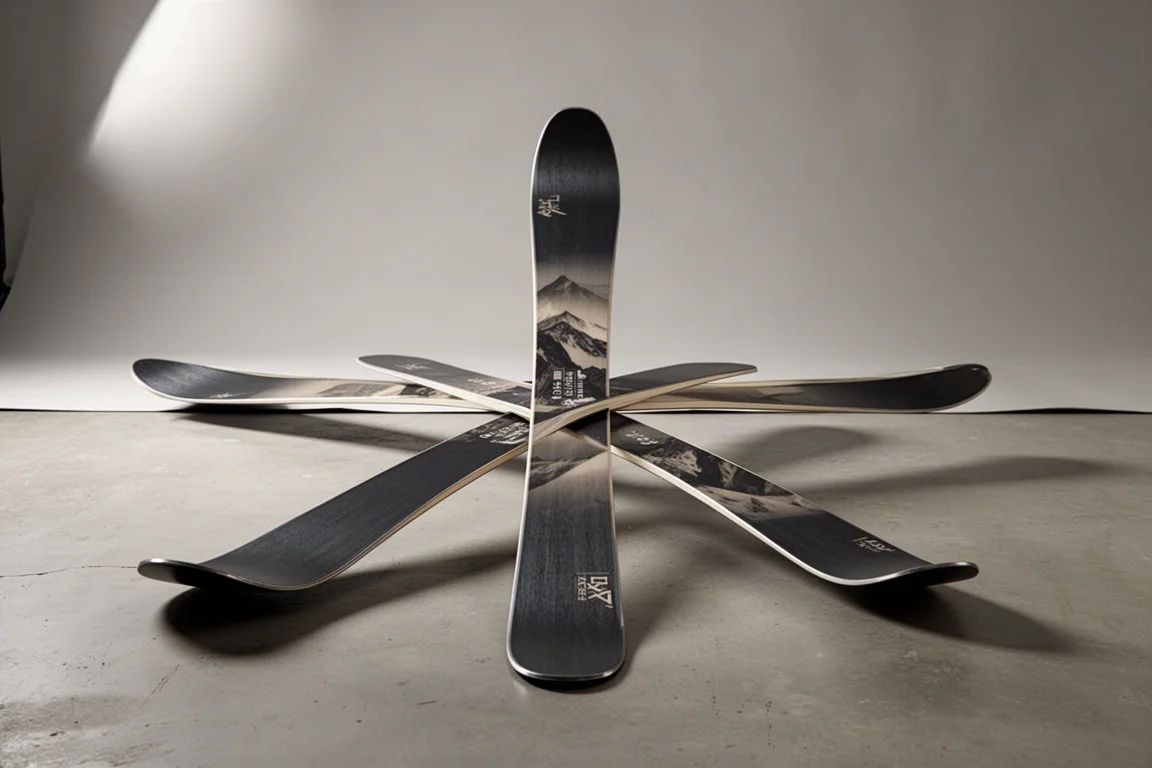
The Revolt 121 weighs 2154g in the 177cm length. It has a simple multi-layer wood core and a full sidewall. The flex is even, soft, and gentle, with good energy. The tail is what sets it apart: it has an early taper and a dramatic long rocker profile. The widest part of the ski is closer to the midpoint. This shape is designed for professional skiers like Ammet Dedali, who ride the tails through powder and do switch-ups. It has a dramatic taper in the shovel and huge splay in the tips. There is camber underfoot for edge grip in sketchy conditions. It’s not a lift-served ski; it’s designed for other uphill modes like snowmobiles. It’s catch-free on takeoff and lands softly in powder.
Black Crows Nocta
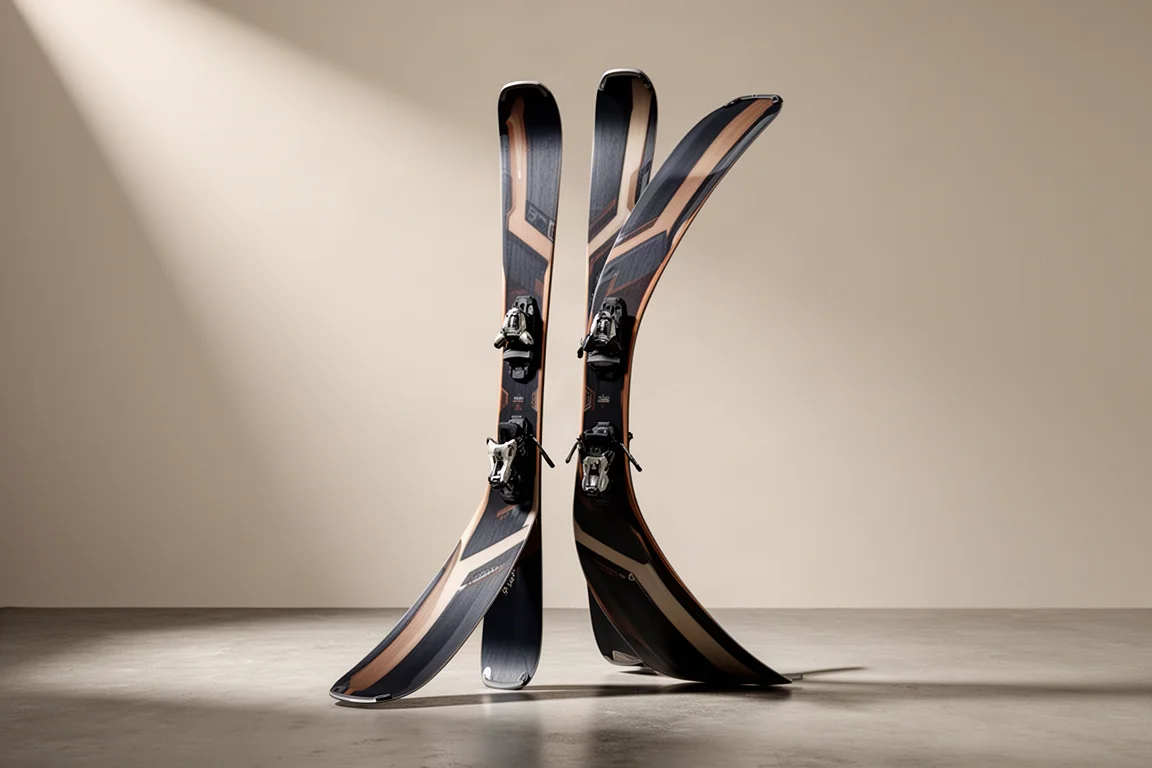
The Nocta is a pure powder ski with full rocker, meaning no camber at all. It weighs 2230g in the 190.6cm length and is 122mm underfoot. The endless rocker makes it incredibly surfy and smeary. It has a nice amount of early taper, though not as drastic as some. It’s designed for skiers who prioritize float and smeariness over tricks or stability. It offers some of the most float you will ever experience in a ski, especially in the 190 length. It’s ideal for Alaska, snowcats, and British Columbia. It’s one of the only fully rockered skis left in the industry. If you want a true powder ski for deep snow, the Nocta is a top choice.
K2 Reckoner 122
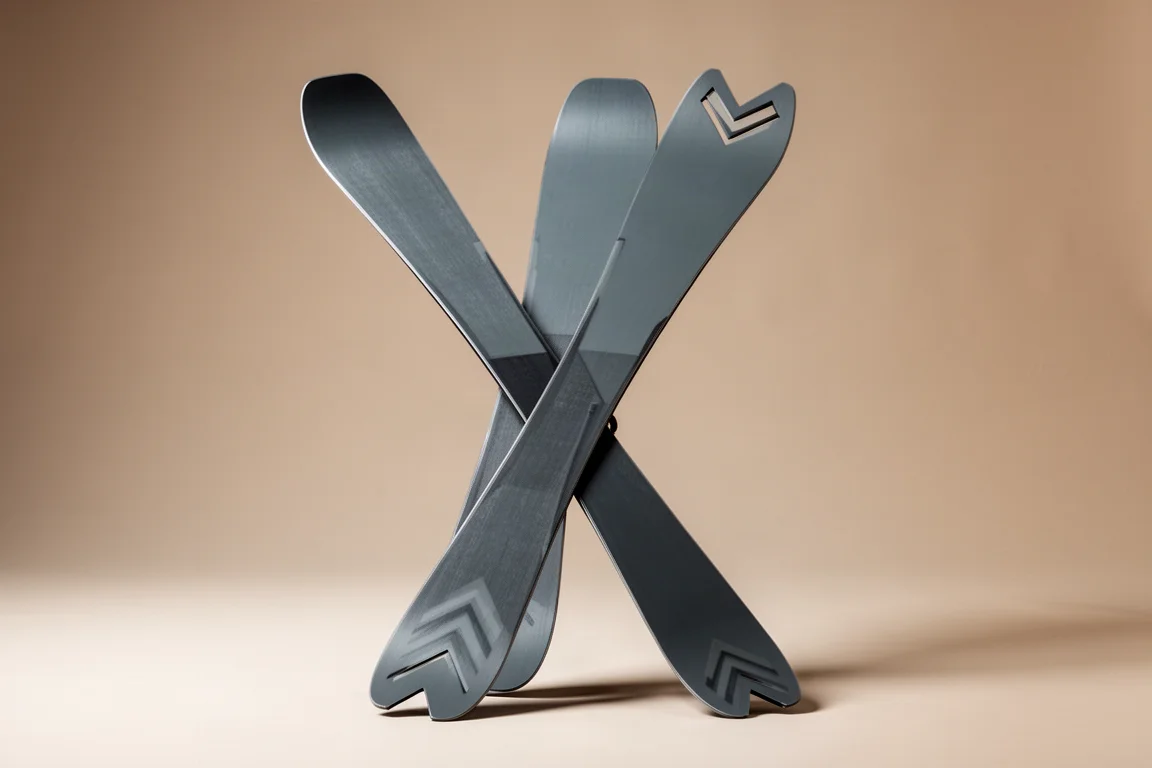
The Reckoner 122 is also available in a 112. It weighs 2090g, making it lighter than the Nocta. It has a fir and aspen wood core, which is a softer blend, and uses carbon spectral braiding with loose fibers in the front and tail and tighter underfoot. It’s the softest, most flexible twin tip in this comparison. It has a long rocker profile with a good 30cm of rocker in the tip and a similar amount in the tail. It has a freeride-specific taper shape and a spoony overall shape. It’s designed for deep snow and playful freestyle riding. The mount point is more centered than the Mindbender 116C, by about 4cm. It’s more snappy and energetic than the Volkl Revolt 121, but smoother in butter and smearing. It’s a great choice for skiers with a freestyle background who want to do tricks and land switch in powder.
Armada Magic J
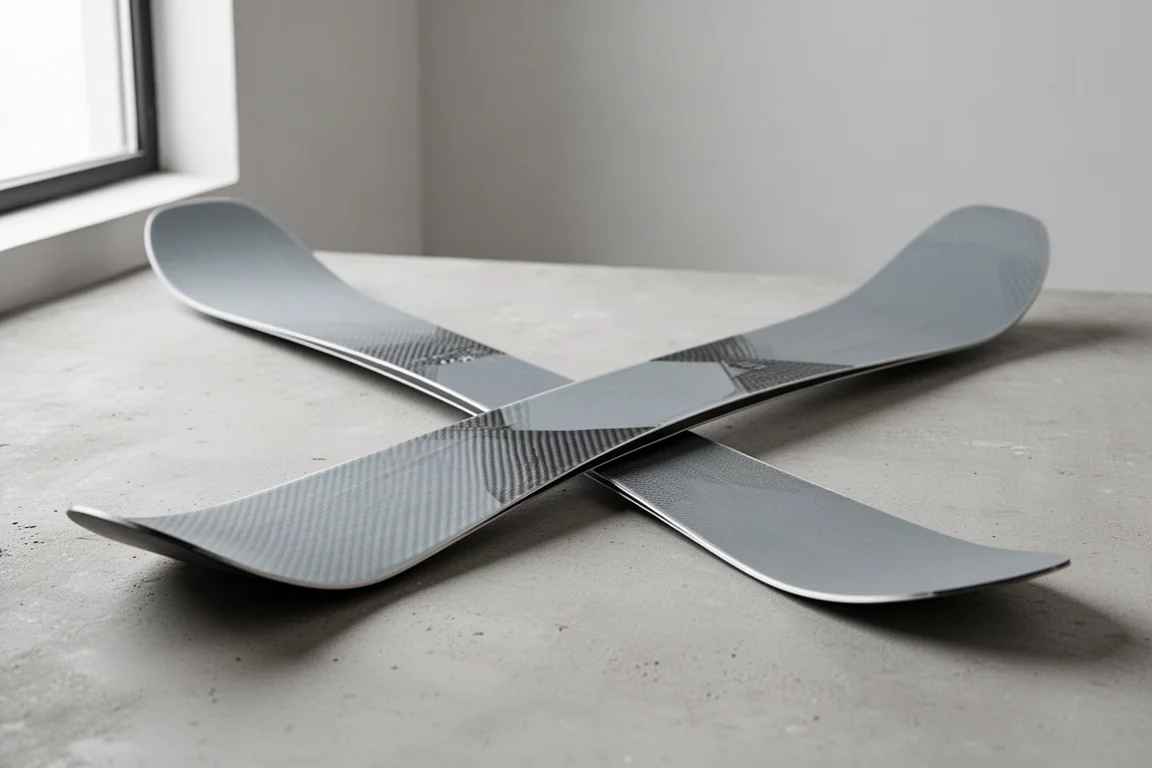
The Magic J is Tanner Hall’s ski, featuring his signature lion graphic and a ski boss indication on the tail. It weighs 2360g in the 180cm length and is 127mm underfoot. It has a five-point shaping concept with lots of rocker and a good amount of camber. It’s almost symmetrical, with a mount point only 3cm back from true center, which is rare for a ski this wide. The flex is very strong underfoot, with Armada ranking the tips as 10 out of 10, though they feel softer than that. It’s designed for big mountain lines and landing massive airs. It’s a very specific ski for expert skiers who go big in the backcountry. It’s not ideal for resort powder skiing.
Blizzard Spur
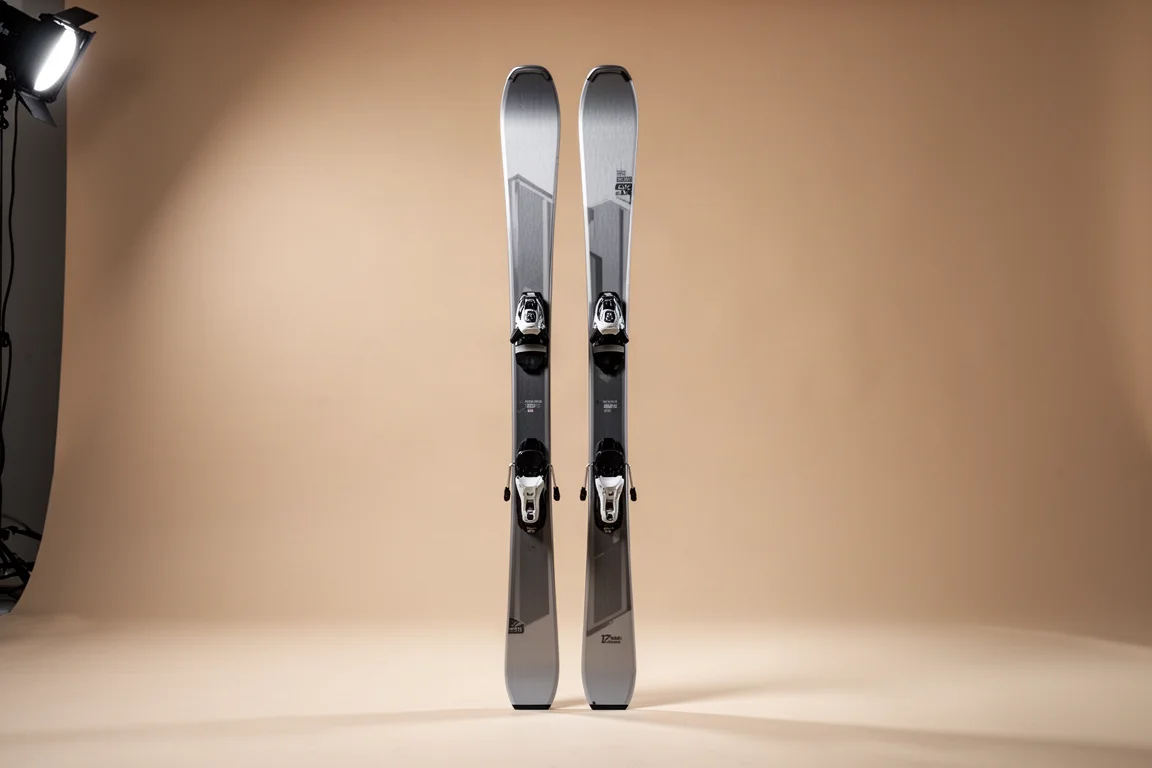
The Spur is 129mm underfoot and weighs 2240g in the 189cm length. It also comes in a 159cm length, making it accessible to a broader range of skiers. It has a mostly flat base with a very slight amount of camber underfoot. The taper is smooth and even, and the 30.5m turn radius makes it want to go straight. It has a step-down sidewall that removes material, allowing it to bend and get on edge more easily without being catchy. It’s surprisingly stiff, which helps it pop out of the snow. It’s a specific deep powder ski for heli-skiing and cat-skiing. It would not be fun on firm snow. If you want a dedicated powder tool for the deepest days, the Spur is an excellent choice.
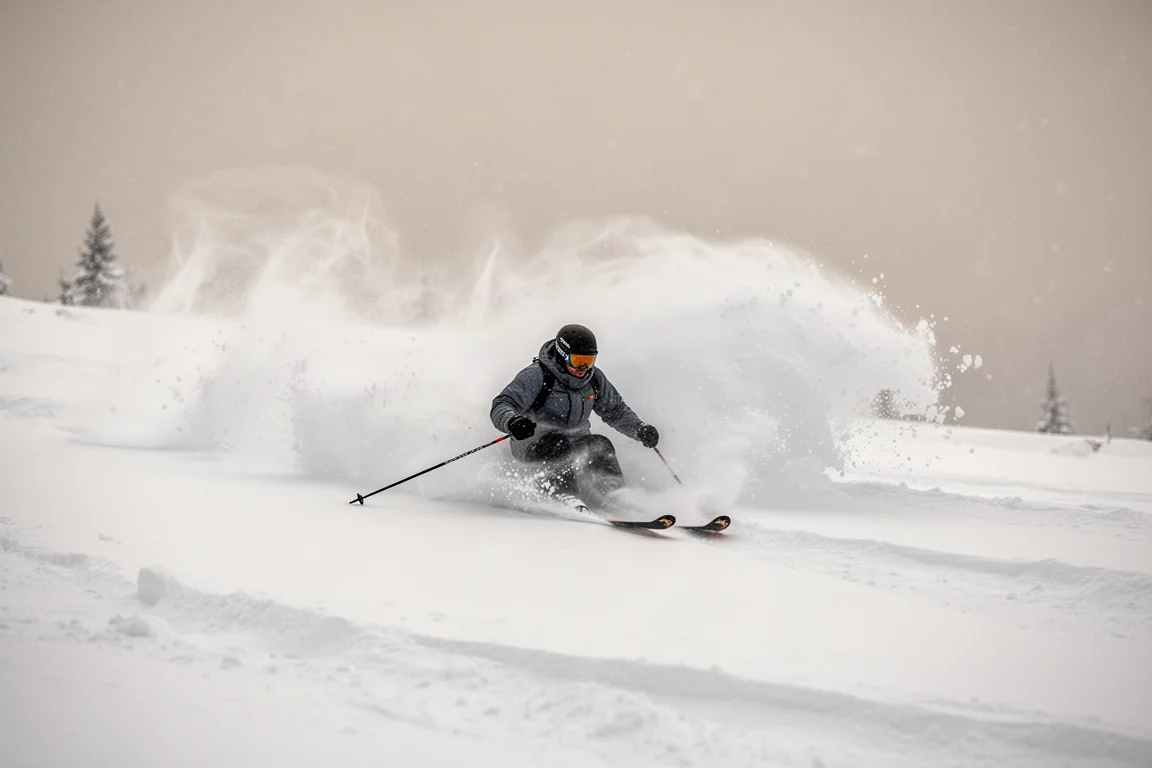
It’s a specialized ski for a specific application, and it excels in deep, fresh, soft snow. For anything else, a more versatile ski like the Rustler 11 would be a better fit.
Overall Buying Advice
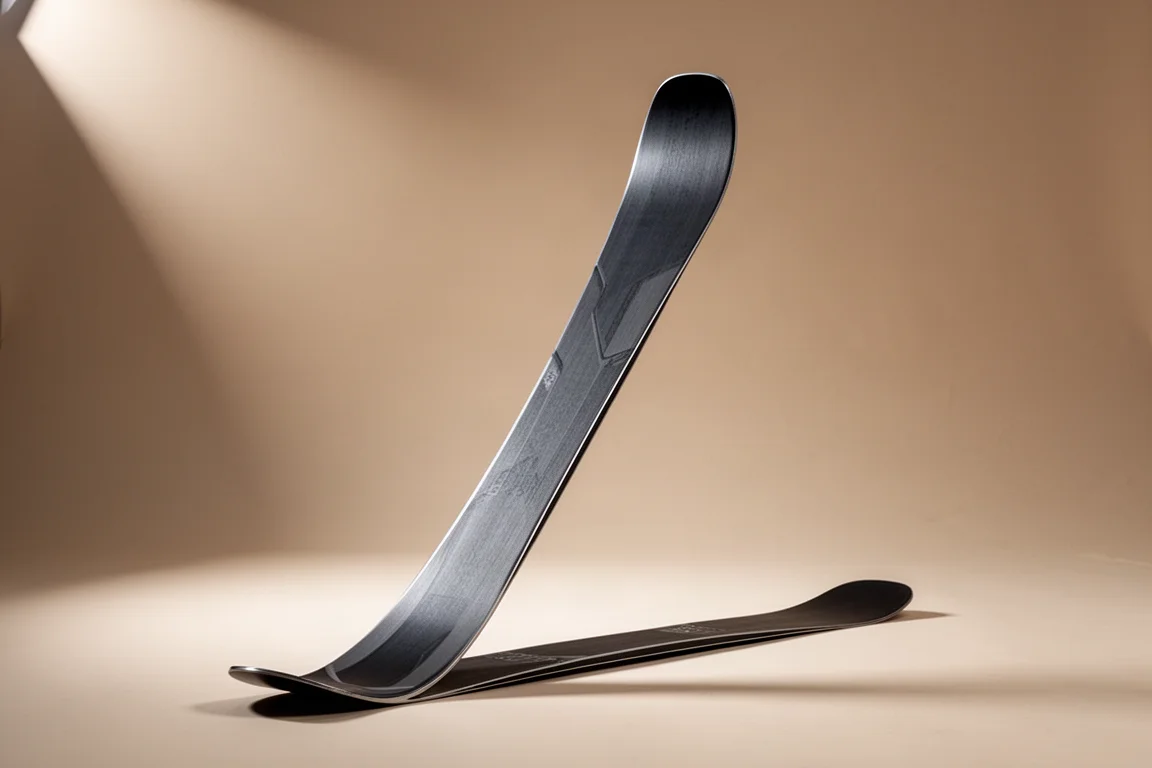
When choosing among these wide freeride skis, consider your primary terrain and snow conditions. Directional skis like the Declivity 108 Ti, Katana 108, and ZX108 are great for charging and stability. Playful twin tips like the M-Free 108, Bent Chetler 120, and Reckoner 122 are better for tricks and a surfy feel. The DPS Pagoda 112 RP and Black Crows Nocta offer exceptional float and smeariness for deep days. Weight is also a factor: if you plan to tour, the Head Kore 111 and Elan Ripstick 116 are lighter options. Finally, think about the width you actually need. For many skiers, a 108mm to 112mm ski is plenty for soft snow, while 120mm and above are reserved for the deepest conditions or specific applications.
Conclusion
This comparison covers a wide spectrum of powder and freeride skis, from versatile 108mm models to dedicated 129mm powder tools. Each ski has a distinct personality, and the right choice depends on your skiing style, terrain, and snow conditions. Use this guide to narrow down your options and find the ski that matches your needs.
Further reading
Related Reviews
Skiing
2027 Ski Top Sheets: The Best-Looking Skis of the New Season
A fun, opinionated look at the 2027 ski lineup and the top sheets that stand out most, from the Nordica Enforcer 104 to the Rossignol Sender series.
Skiing
Armada Declivity 92 vs Peak 88: Two All-Mountain Skis, Two Very Different Characters
A staff-favorite carving machine and an approachable Bode Miller signature ski, compared for different levels of skier.
Skiing
Atomic 100mm Ski Line Compared: Maverick 100 TI, Bent 100, and Backland 100
Atomic's three 100mm skis share a similar outline, so the real choice comes down to construction, weight, and terrain. Here is how the Maverick 100 TI, Bent 100, and Backland 100 differ.