Ski Gear
Best Powder and All-Mountain Skis 2026: Nine Models Worth Knowing
A practical guide to nine powder and all-mountain skis, from deep-day float to firm-snow grip, and how to choose the right one for your quiver.
Introduction
Ski shopping looks unusual this season. Retailers are sitting on a lot of inventory, and there is a real possibility that prices move upward for 2026 models. Some sellers have already adjusted pricing mid-season and then adjusted it back again, a pattern that has not been common in the past. If you already know which ski you want, in the size you need, waiting carries more downside than it used to.
The nine skis below cover the two jobs most resort skiers end up needing: a wide, powder-friendly shape for deep days, and a narrower all-mountain ski that holds up when the snow turns firm, tracked out, or wet. The two categories are not interchangeable, and the width you choose matters more than any single spec line.
Read the sections in order if you are building a quiver from scratch, or jump straight to the width band you are shopping in.
How to Choose the Right Ski Width for Your Quiver
Width is the first number to settle, and the gap between two skis matters more than most shoppers expect. Going from a 100 mm ski to a 110 mm ski adds float, but it is a small step. If you want a second ski that genuinely covers deep days, a wider jump usually delivers more value than a modest one.
Conditions and timing decide the rest. Early-season and late-season days tend to serve firmer, icier, and heavier wet snow, while mid-season days with fresh snowfall reward a softer, more powder-oriented shape. Pick the ski that matches the majority of days you actually ski, rather than the one perfect day you are hoping for.
DPS Kaizen 112: The Deep-Day Comfort Pick
The Kaizen 112 is the most comfortable and most rewarding powder ski in this group, and it is also the most expensive. It is soft and highly maneuverable, which makes quick turns in trees and tight stashes feel easy rather than demanding.
Sizing deserves attention. This ski is sized aggressively, so going up a length is the usual advice for powder use, and a 190 cm build was the pick for one experienced rider. Float is excellent and the ride is notably easy on the knees.
The trade-off is honest. On firm ice sitting underneath fresh snow, the Kaizen 112 gets knocked around. It is a powder ski first, and a deep day is when it makes sense.
Black Crows Atris: Aggressive, Sendy Powder Performance
At 104 mm underfoot, the Atris is a fun powder ski with an aggressive, energetic personality. It rewards a confident, sendy style rather than a relaxed one, and it stays lively when the snow is soft.
Because the waist sits at 104 mm, it works well as the wider ski in a two-ski quiver without becoming a single-purpose deep-day tool. Owners tend to enjoy it enough that keeping it alongside a wider powder ski is a reasonable plan rather than a redundant one.
Atomic Bent 100: The Versatile Daily Driver
The Bent 100 is a versatile all-mountain ski built with Horizon Tech, and it is the kind of shape that covers most resort days comfortably. Its limit shows up in deeper snow. Past roughly six inches of fresh, flotation drops off and the ski starts working harder than the snow around it.
If your bindings allow it, moving the mount one click back can add a little float without changing skis. On a 184 cm length that adjustment is straightforward with demo bindings.
View more details for Atomic Bent 100
Atomic Bent 110: The Easy Recommendation
The Bent 110 floats noticeably better than the Bent 100 and is one of the easiest skis in this group to recommend. It stays composed in day-after crud, keeps enough shape to carve when you end up back on groomers, and does not demand an aggressive technique to get along with.
The catch is quiver overlap. Only 10 mm separates the Bent 110 from the Bent 100, which is not much of a gap if the goal is a dedicated deep-snow ski. If you already own the 100 and want a real change for powder days, a wider option usually makes more sense.
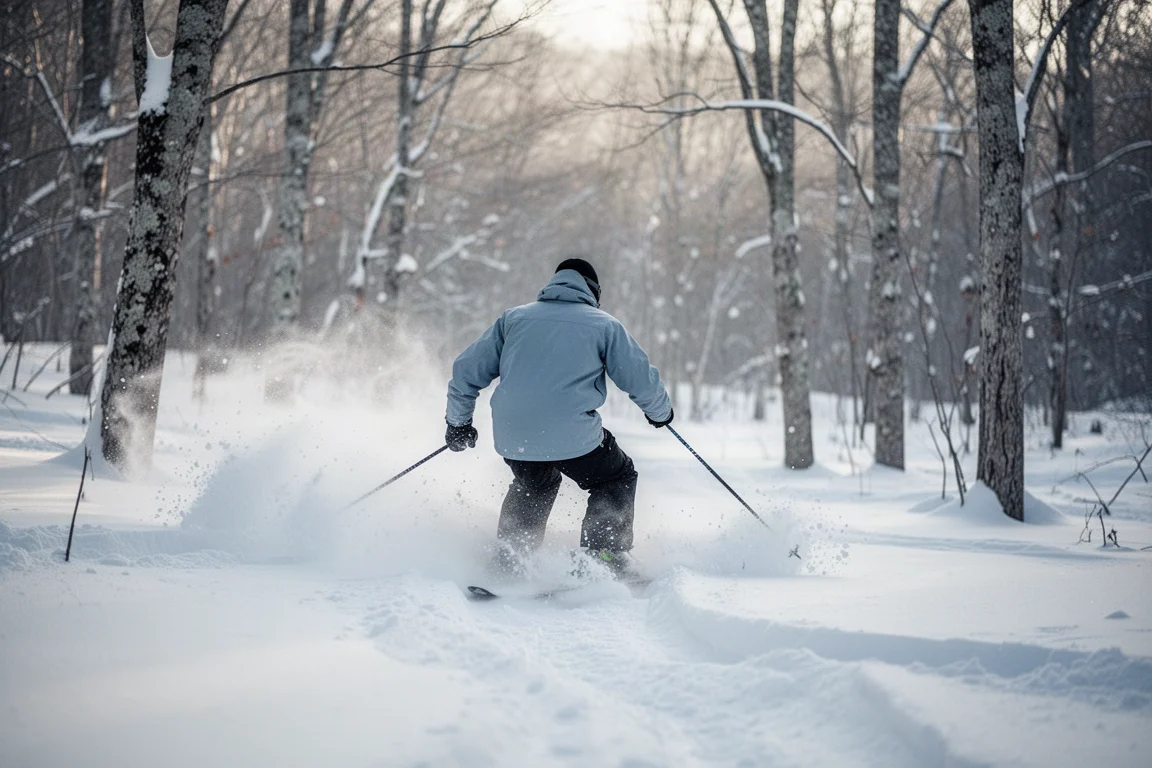
As the wider half of a two-ski setup, though, the Bent 110 is a safe and forgiving choice. It handles everything from soft groomers to tracked powder without ever feeling like too much ski.
Atomic Bent 120: For the Biggest Days
The Bent 120 is the ski to grab when 12 to 14 inches land and you want first tracks. It charges through fresh snow, and despite its width it stays forgiving and maneuverable.
It is not a ski for everyone. It suits aggressive skiers with healthy knees who want flotation and do not need the ski to do much else. Riders who fit that description tend to love it, while riders who do not are usually better served by the Bent 110.
Volkl Kendo 88: Firm-Snow Grip and Damping
The Kendo 88 is at its best on firm, icy, and heavy wet spring snow, where it clearly outperforms softer-snow rivals. It is a very damp ski, which keeps the ride calm when the surface underneath is hard and unforgiving.
Its turn initiation happens slightly above where your foot sits on the ski, a distinctly different feel from skis that engage closer to the tip. That character is worth testing before you commit if you are used to a more forward-driving ski.
Atomic Maverick 88 Ti: Light Snow Specialist
The Maverick 88 Ti is the better of the two 88 mm options when the snow is light, soft, and fresh. It delivers strong performance for the money and initiates turns closer to the tip, which many skiers find natural.
Where it gives ground is on hard, icy, or wet surfaces, where the firmer-feeling Kendo 88 has the advantage. Choose based on the snow you ride most often.
Volkl Mantra 88: The Kendo Line, Renamed
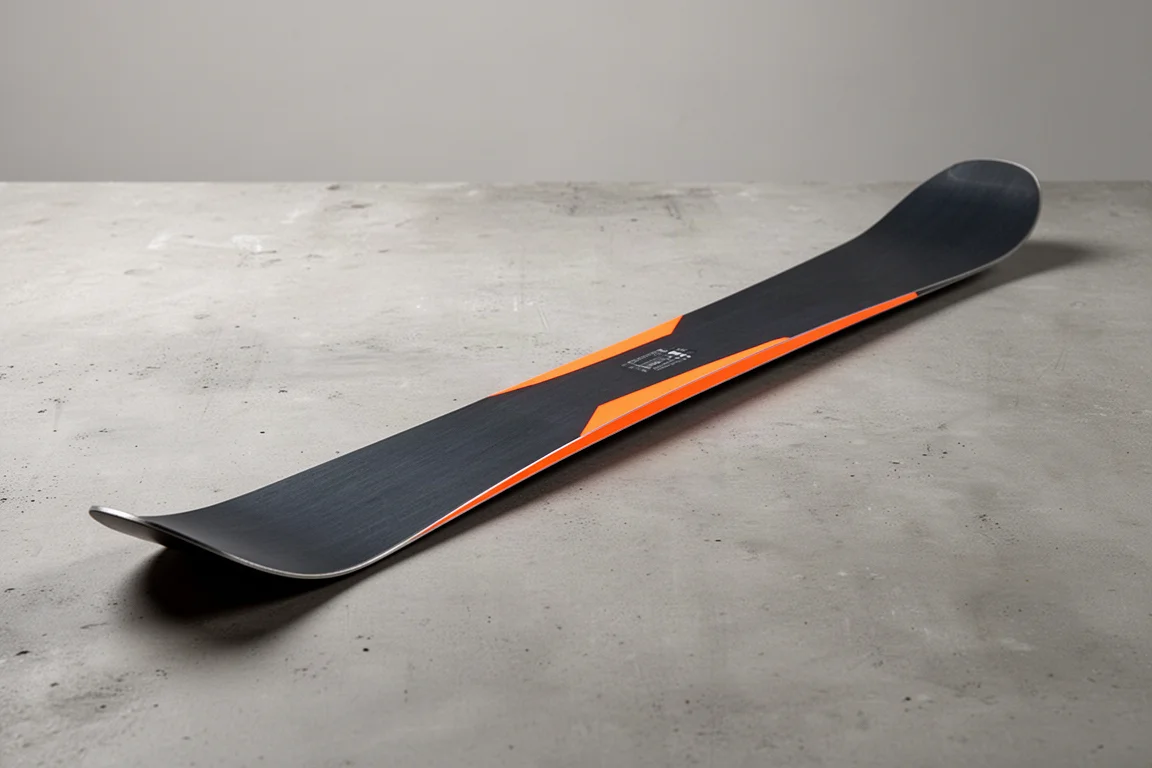
The Kendo 88 now carries the Mantra 88 name, and it keeps the same firm-snow character. It is very damp, holds up early in the season when conditions are icier and firmer, and handles heavy wet spring snow well.
If your season leans toward those conditions, this is a strong narrow-ski pick. If you mostly ride soft mid-season snow, the Maverick 88 Ti is the more natural match.
Either way, the two are close enough in category that the deciding factor is the snow you actually spend your days on, not the spec sheet.
Volkl Blaze 104: Fun in Six Inches
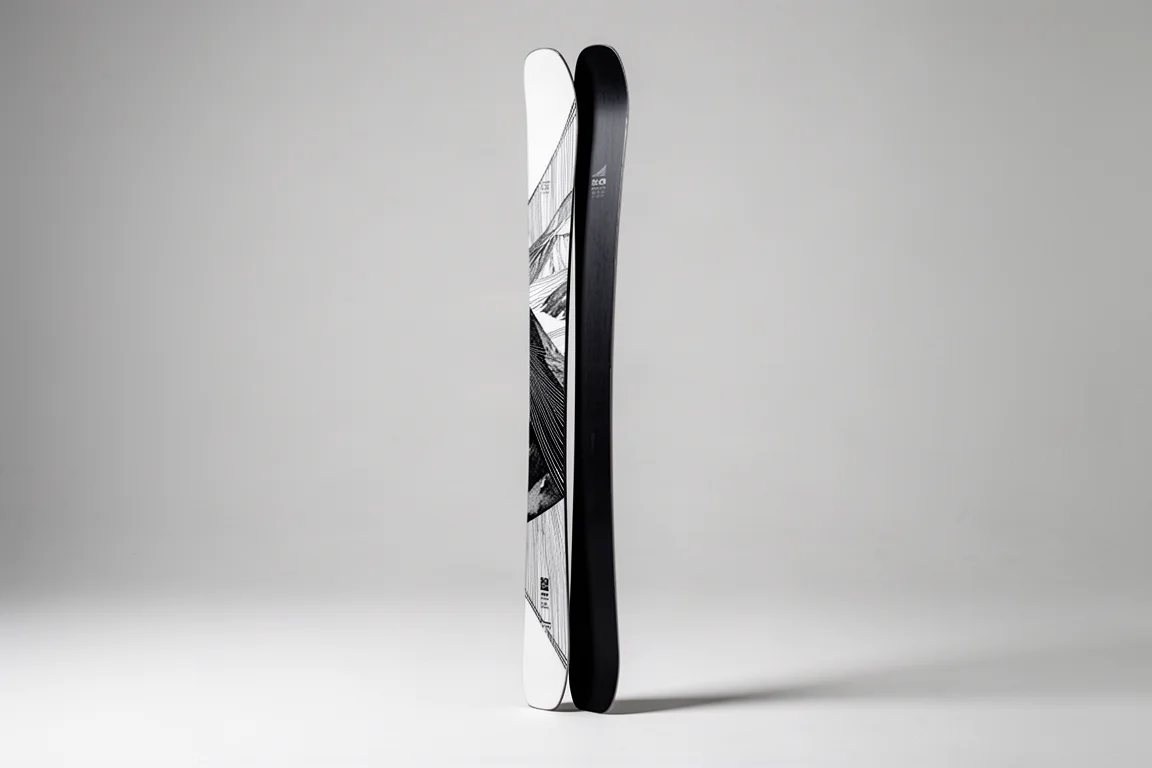
The Blaze 104 is a playful option for days with around six inches of cool, fresh powder. At 104 mm underfoot it sits in the same width band as the Atris, so it is best treated as an alternative rather than an addition if you already own a ski in that range.
It is not built for the deepest resort days, and that is the point. It fills the moderate fresh-snow slot for skiers who want something easy to turn without committing to a full powder shape.
Overall Buying Advice
If you know which ski you want and which length fits, buying sooner rather than later is a defensible call this season. Inventory is high, pricing has been unusually volatile, and there is a reasonable chance that 2026 pricing moves upward.
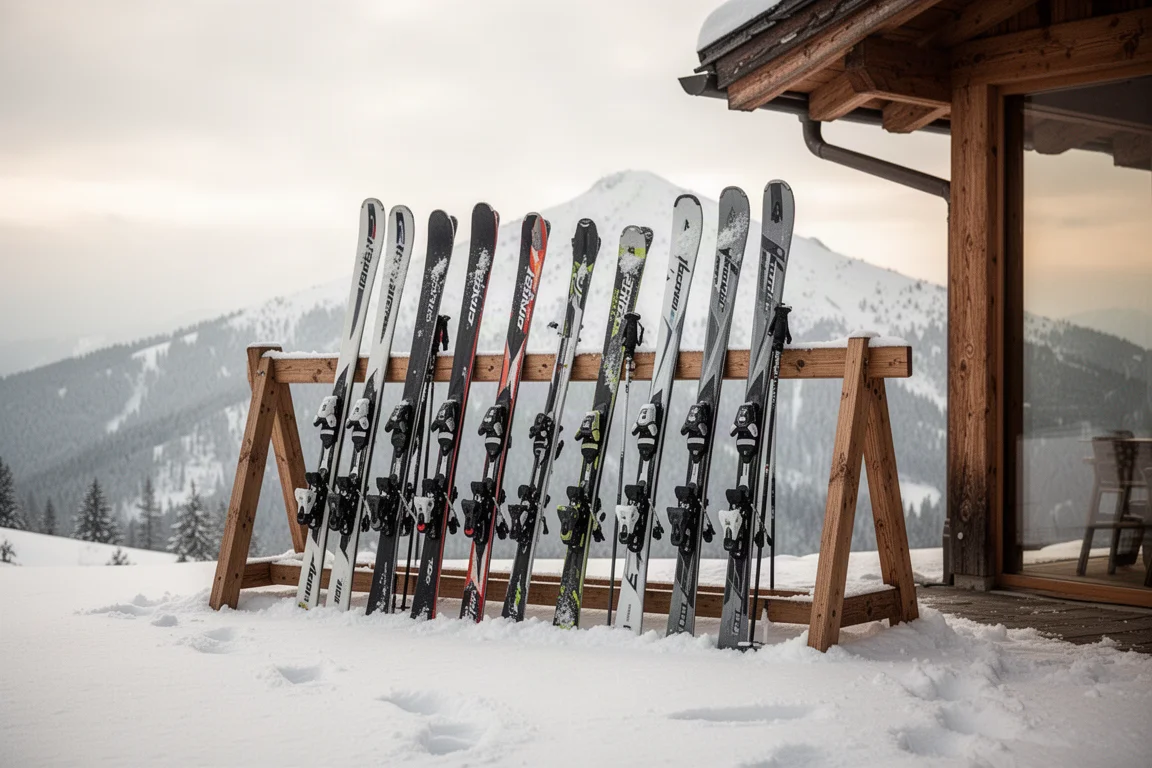
For most resort skiers, a two-ski setup covers the range: a wide powder ski in the 110 to 120 mm band for deep days, and an 88 mm all-mountain ski for firm, fast, and late-season conditions. If you already own a 100 mm ski, be careful about adding a 110 mm ski purely for float, because the overlap is small and you may get more value from a bigger step up in width.
Conclusion
Nine skis, two clear jobs. Pick the widest shape that matches the powder days you actually get, and pick the narrower ski based on whether your snow runs soft or firm. Buy the size you need while the inventory is still there.
Further reading
Related Reviews
Ski Gear
2023 Blizzard Hustle vs Rustler: Six Freeride Skis Compared
Blizzard's 2023 Hustle collection rebuilds the Rustler shape with a lighter core and no metal. Here is how all six skis differ, and which one suits your riding.
Ski Gear
2023 Skis of the Year: Atomic Maverick 88 TI, Salomon QST 106, and Look SPX 12 Pro
Three standout ski picks for all-mountain carving, powder days, and reliable binding performance, with practical buying notes for 2023 models.
Ski Gear
2025 Nordica Enforcer 104 Review: A Directional Charger Replaces the 104 Free
The 2025 Nordica Enforcer 104 drops the Free name and the twin-tip personality, gaining weight, stiffness and composure in rough snow. Here is what changed and who it suits.