Power Stations
Best Portable Power Stations for Outages: 5 Options Compared
Tool-battery power stations versus a dedicated LiFePO4 unit like the EcoFlow Delta 2, and why the math matters before winter.
Introduction
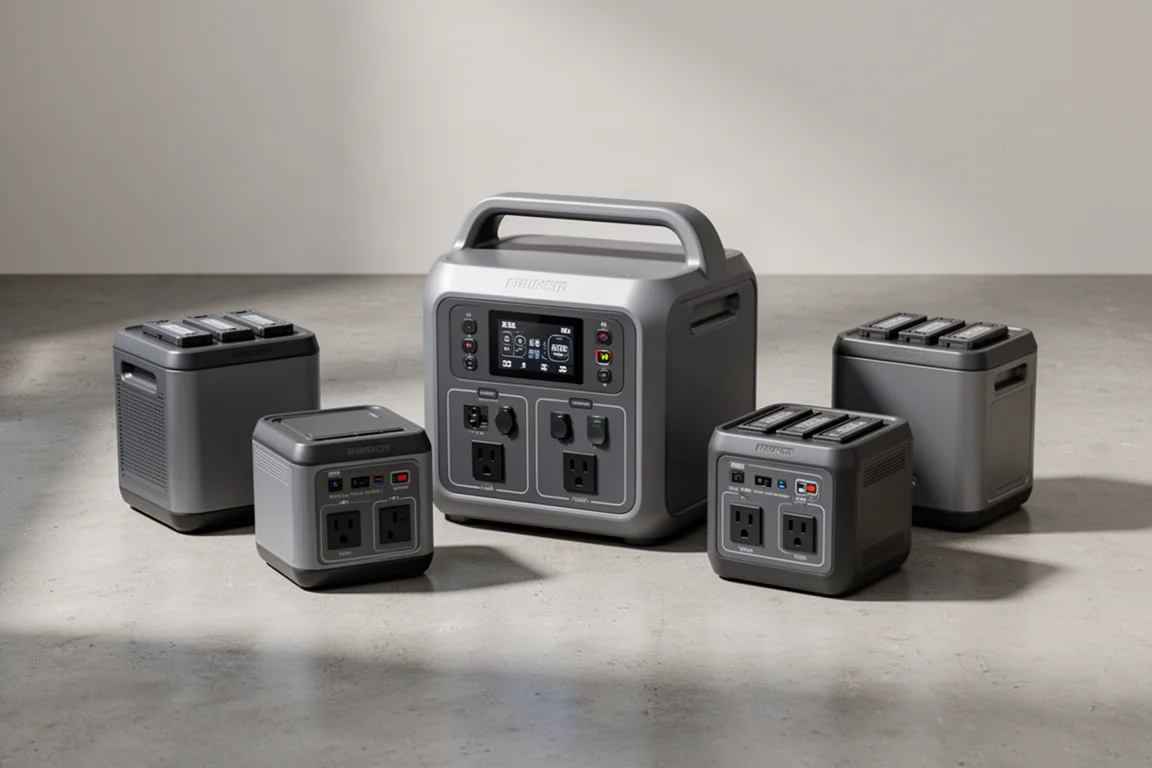
Losing power is less about dramatic disasters and more about the ordinary reality of an hour, three hours, or worst case a couple of days without electricity. That is why portable power stations have become such a practical purchase for homes, workshops, and job sites. This roundup compares two kinds of options: tool-battery power stations from Ryobi, Greenworks, and EGO that reuse batteries you may already own, and dedicated units from EcoFlow built on a different battery chemistry.
Why Battery Chemistry Matters
Most tool-battery power stations run on lithium-ion batteries. Those are excellent for power tools, but they have real limitations as power-station fuel. Deeply discharging lithium-ion is bad for the cells, constantly recharging them to full capacity (as you would when using a station like a UPS) wears them out, and extreme temperatures, from very cold to very hot, take a toll as well.
LiFePO4 batteries behave differently. They tolerate deep discharge, handle far more recharge cycles (at least six times more by common estimates), and shrug off temperature extremes. They are heavier and lack the high discharge rate tools need, which is exactly why they suit power stations rather than drills. That is also why the wider power-station market has been shifting to LiFePO4; older EcoFlow Delta units without the “2” suffix use lithium-ion, while the newer Delta 2 models carry the upgrade.
Tool-Battery Power Stations: Ryobi, Greenworks, and EGO
The appeal of these units is simple: if you already own the batteries, you pay only for the base station. Here is how each one stacks up.
Ryobi 40V Power Station
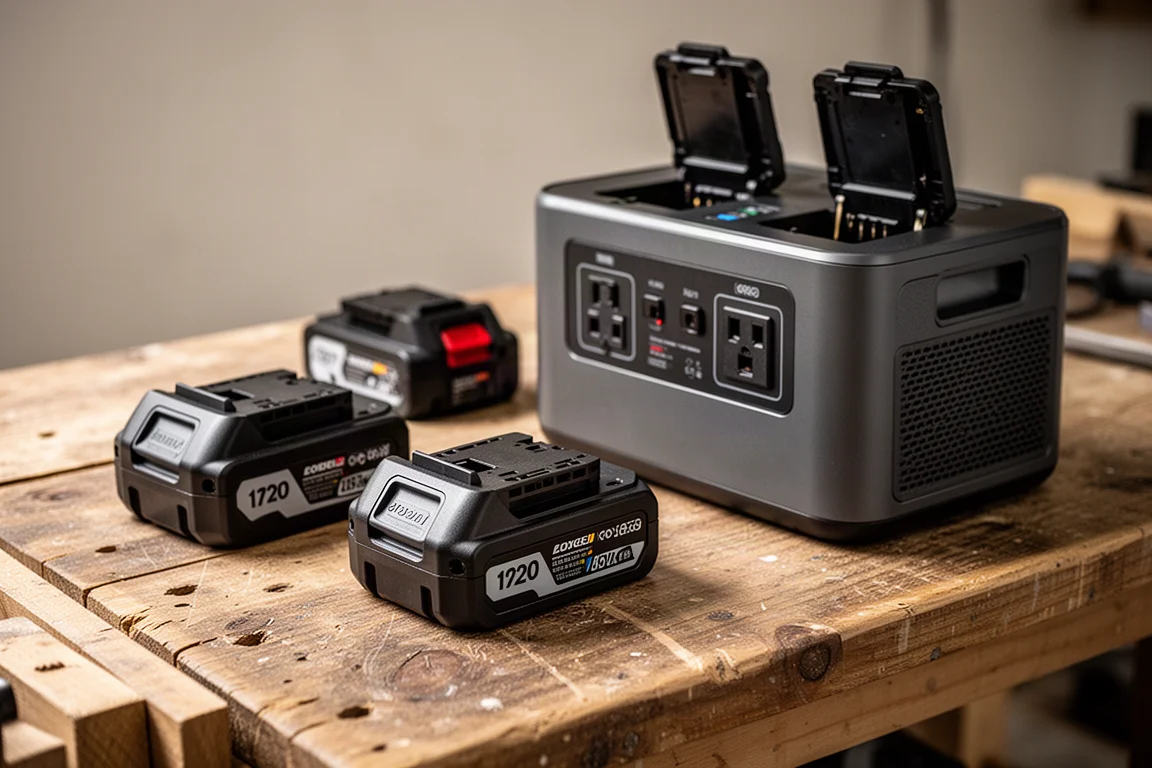
The Ryobi unit takes four 40V tool batteries (not the 18V ones) and offers three 110V outlets, a generous set of USB ports, and a range of built-in features. It runs around $650, though it goes on sale periodically. It is a well-designed little system: pop your batteries on and you are ready to go.
Greenworks Power Station
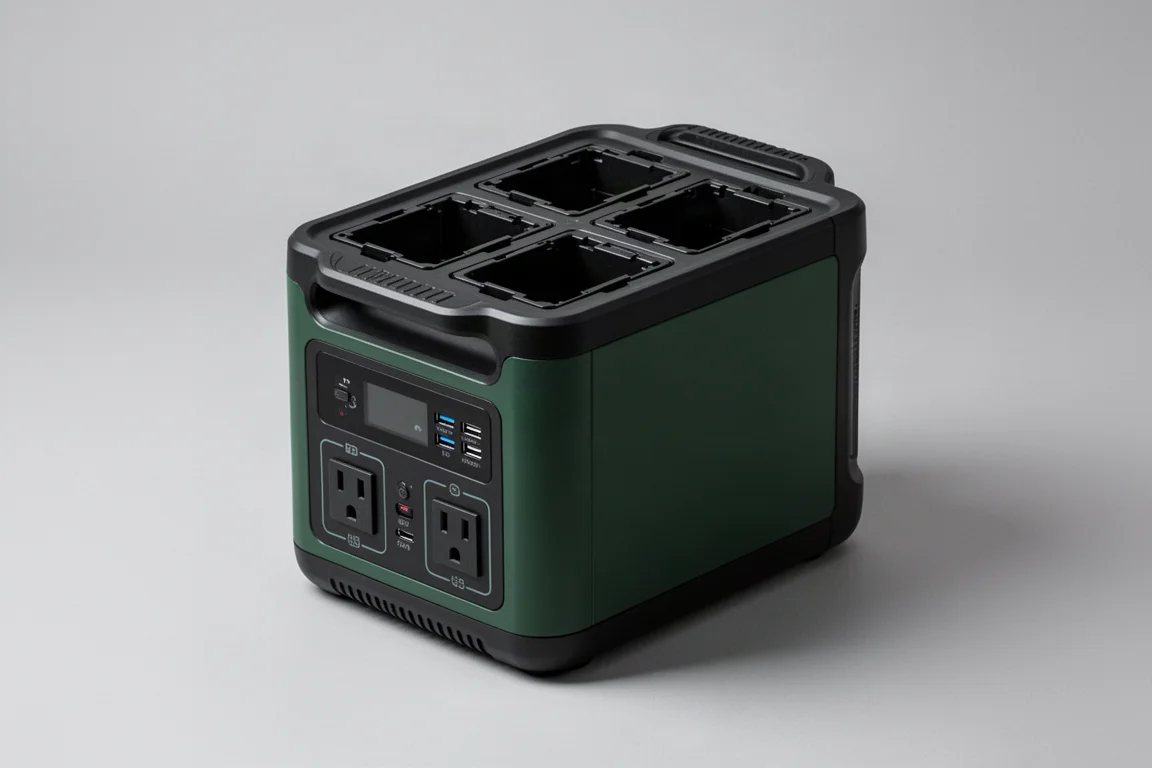
The Greenworks station also holds four batteries and comes in at around $600. The trade-off is output: you get two 110V outlets instead of three, though USB ports are plentiful. Solar charging requires buying an extra accessory.
EGO Power Station
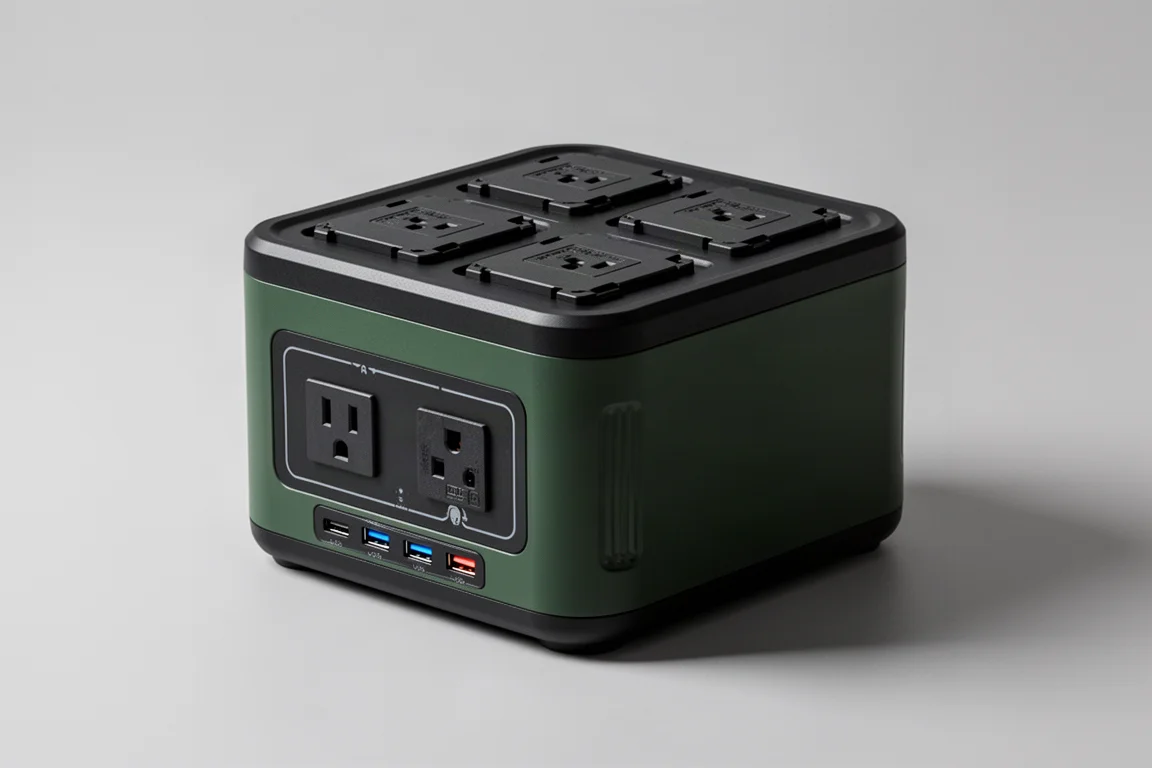
EGO’s power line is well regarded, and its station follows the same formula: reuse the tool batteries you already own, gain AC and USB outputs, and pay a lower upfront cost than a dedicated station. The catch is the same as with the others: every hour spent running your home gear is an hour of cycle life taken away from your tools.
The Dedicated Option: EcoFlow Delta 2
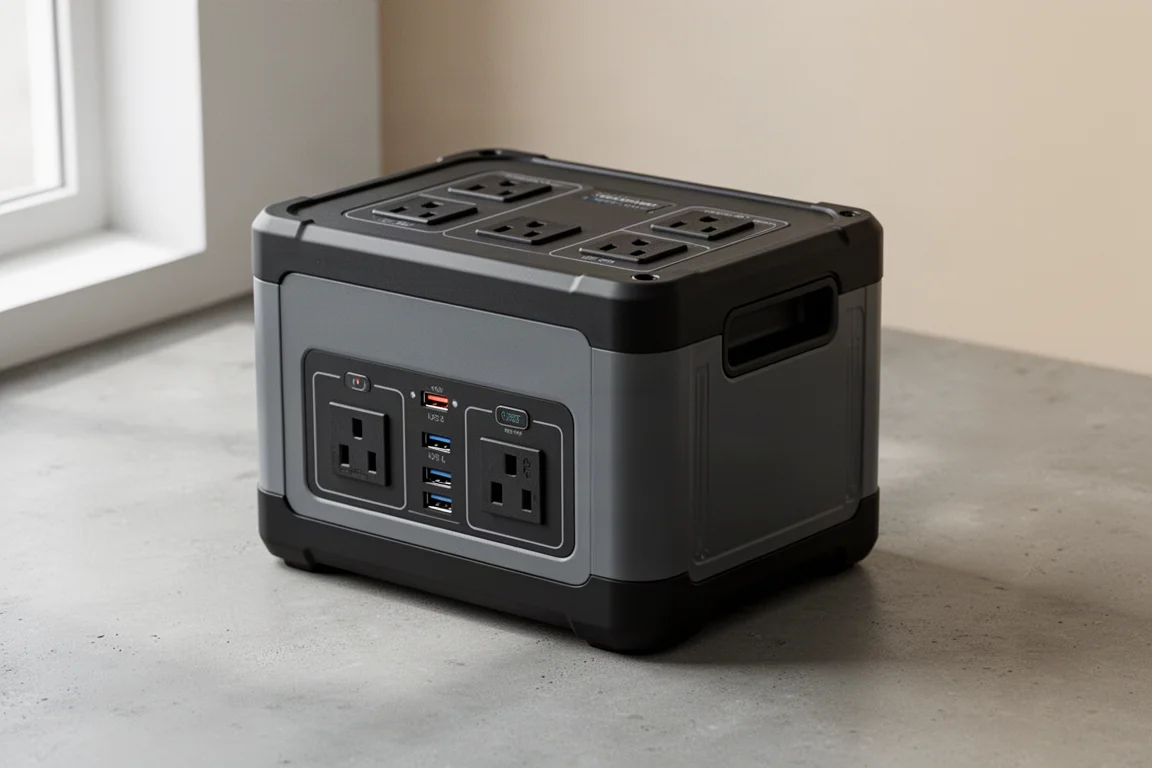
The EcoFlow Delta 2 is the step-up choice, and the price gap is small. If you are already looking at the $650 Ryobi, spending about $50 more gets you the built-in battery, more capacity, and LiFePO4 chemistry. In practical terms the Delta 2 runs at least a third longer in watt-hours than the Ryobi setup, delivers comparable steady power with surge capability, offers more outlets front and back, and includes fast charging and built-in solar charging.
The port layout is generous: four USB-A ports, two USB-C ports, and six 110V outlets. The LiFePO4 batteries mean it should last at least six times longer than a lithium-ion equivalent, and crucially, your tool batteries stay in your tools where they belong.
The Smaller Companion: EcoFlow River
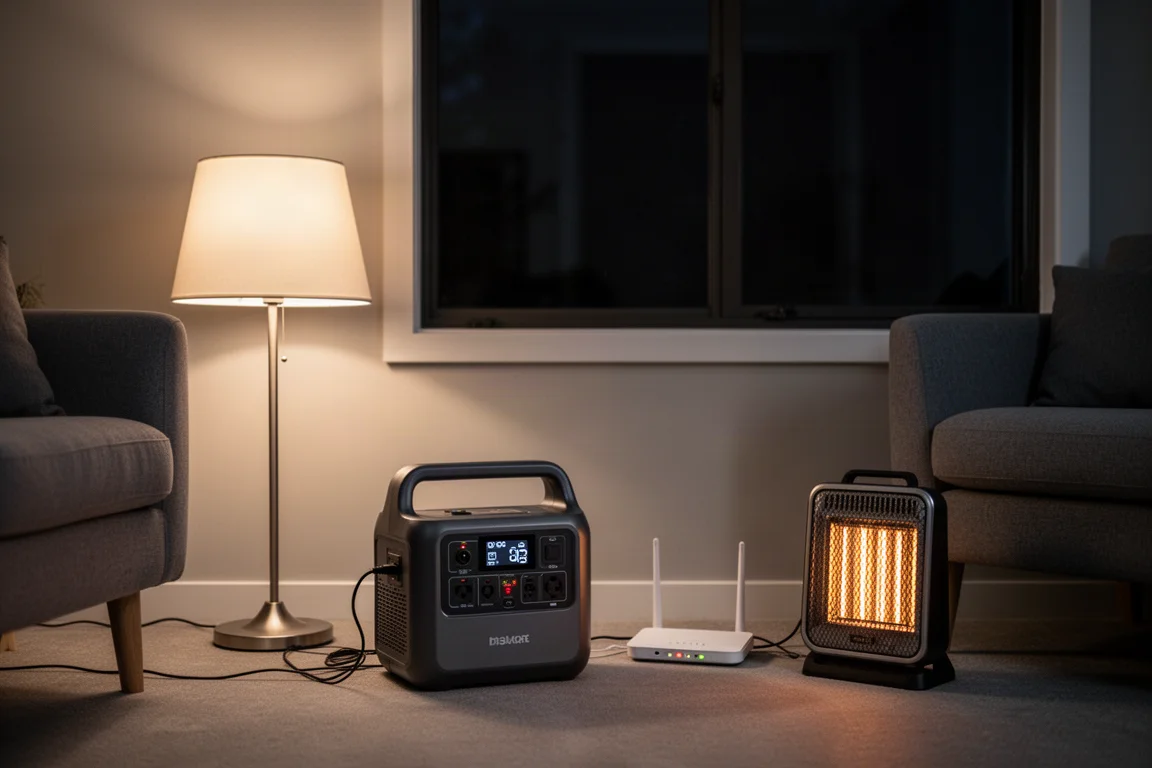
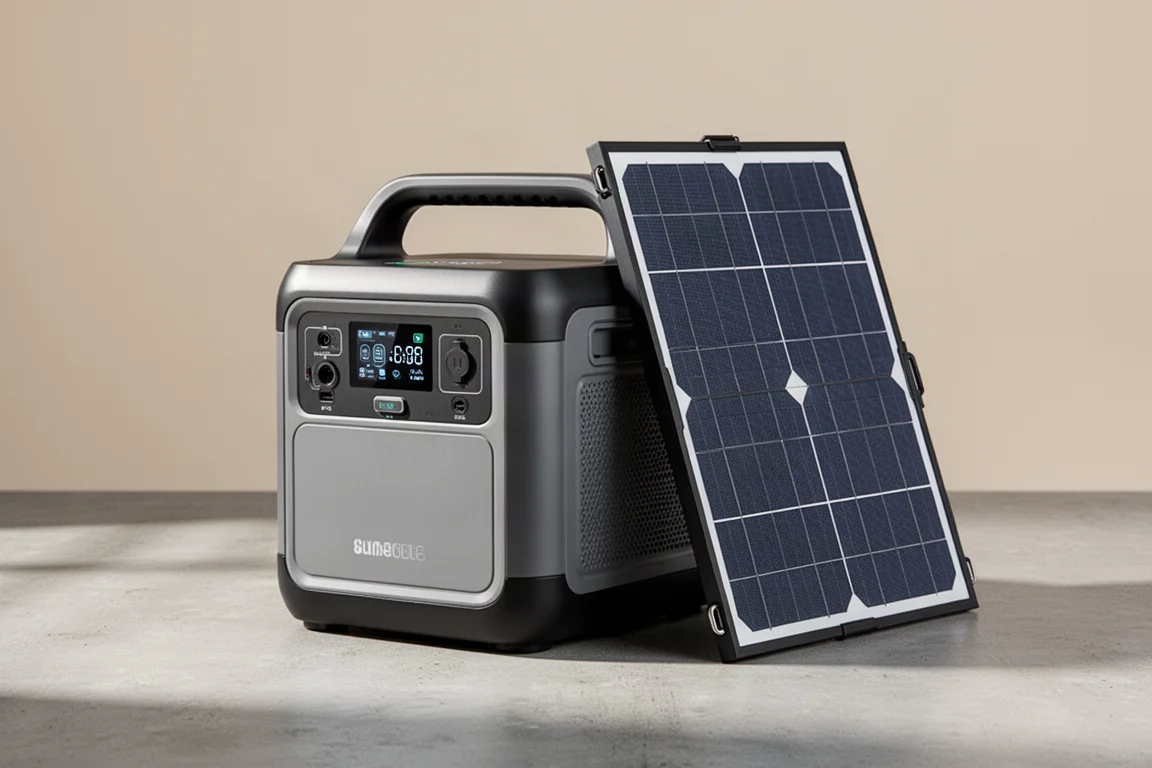
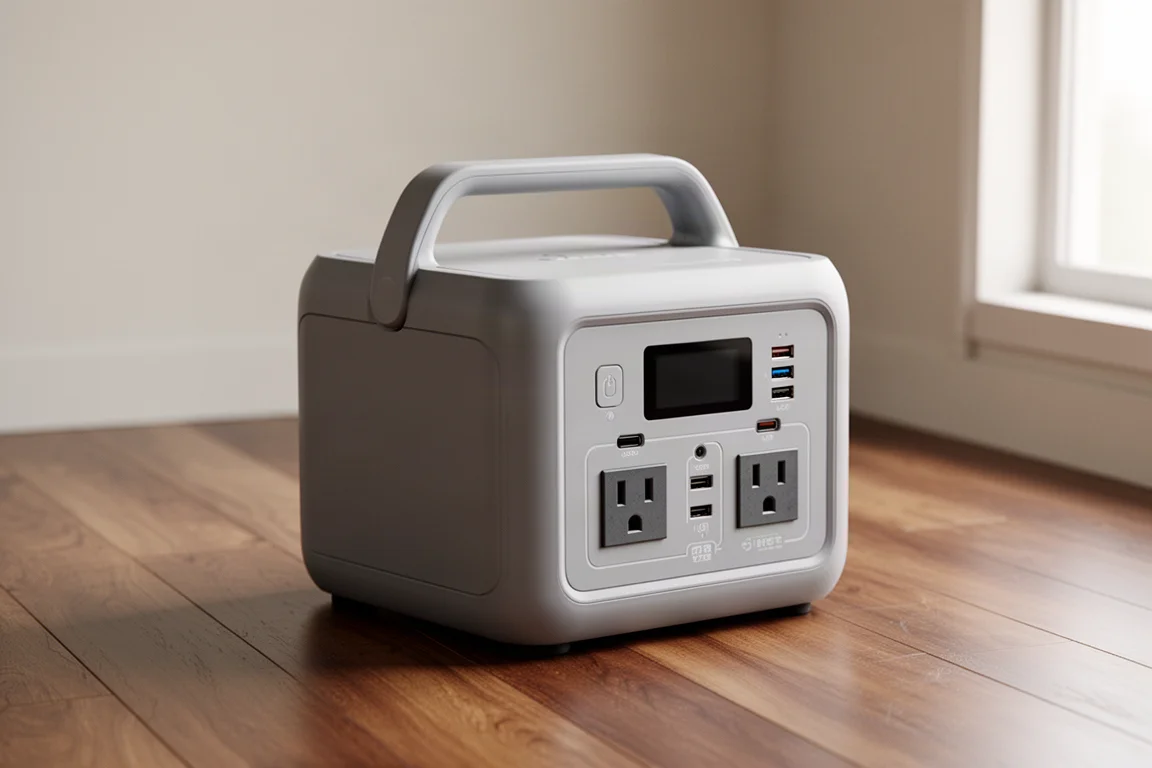
For lighter duty, the smaller EcoFlow River makes sense as a home-based unit. One practical use: keeping it plugged in and ready to run essential devices, such as a CPAP machine or a network setup, when the power drops overnight. It periodically goes on sale, so it is worth checking current pricing.
Using a Power Station as a UPS
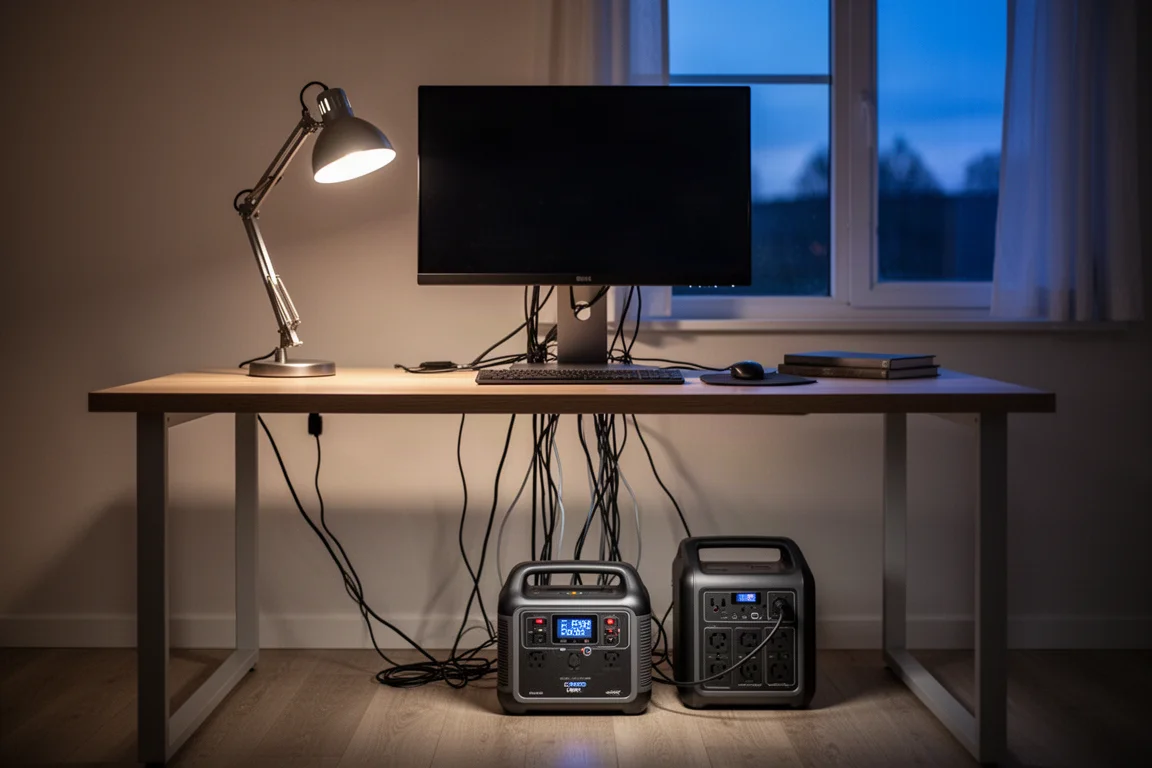
A dedicated station can quietly do a job the tool-battery units handle poorly: acting as an uninterruptible power supply. A UPS-style setup keeps the battery topped at full charge so it is ready the instant a brownout or outage hits. Lithium-ion dislikes sitting at maximum charge constantly; LiFePO4 does not care.
One long-term user runs an entire studio off a single unit, with the computer and all power connections on a cart fed by one cable to the wall, so a live stream kept running even when the grid dropped. For anyone whose lost power means lost billable hours, that resilience is worth thinking about.

Buying Advice
If you need job-site power and already own the batteries, a tool-battery station is a reasonable pick. But if the goal is backup power for a home or workshop, the math favors a dedicated LiFePO4 unit. Spending slightly more upfront protects your expensive tool batteries from being consumed as household fuel, gives you far more cycle life, and adds more outlets and built-in fast and solar charging. If you are choosing between a $650 tool-battery setup and a modestly more expensive dedicated station, the dedicated station is the safer long-term investment, especially heading into a rough winter.
Conclusion
Tool-battery power stations like the Ryobi, Greenworks, and EGO units make sense when batteries are already in hand and the use is occasional. For regular use, outage preparedness, or UPS duty, the LiFePO4-based EcoFlow Delta 2 and the smaller River are the more durable, more capable picks. Do not waste your tool batteries, and be prepared before the next outage hits.
Further reading
Related Reviews

Power Stations
Anker SOLIX F3800 Plus Review: A Powerful 6,000W Power Station With Some Trade-Offs
The Anker SOLIX F3800 Plus delivers a robust 6,000W inverter, fast solar charging, and solid UPS performance, but high idle draw and a hefty weight give buyers real things to consider.
Power Stations
Best Portable Power Stations Under 2000Wh: 2025 Lab Tested Recommendations
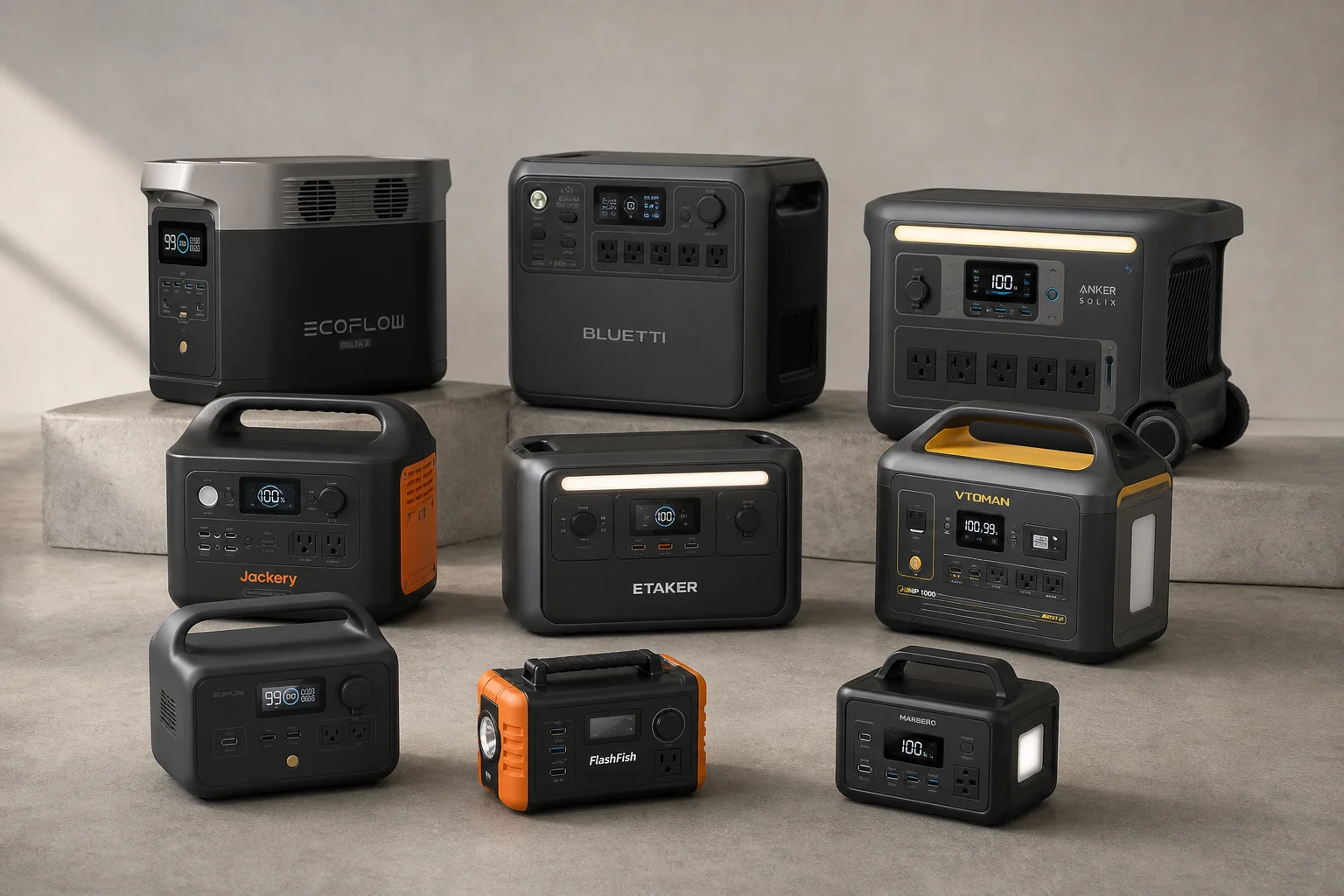
Nine portable power stations tested in real-world conditions, from compact 500Wh units to capable 2000Wh models. Unsponsored recommendations for camping, emergencies, and creative work.

Power Stations
BLUETTI Charger 2 Review: A 1200W DC-to-DC Charger for Van Life and Overlanding
The BLUETTI Charger 2 combines 800W alternator charging with 600W solar input for a 1200W total, but compatibility and price deserve a closer look.